In Stitches

Mom had surgery a couple of weeks ago. In the scheme of things, it was a routine surgery. But it was my mom. There was nothing routine about it. Thankfully, the surgery went well. Mom is recuperating quite nicely and I was glad to be there for her. Even my teenage son enthusiastically played caregiver once I returned to work. He made her breakfast, made the beds, and asked her if she needed anything … every five minutes.

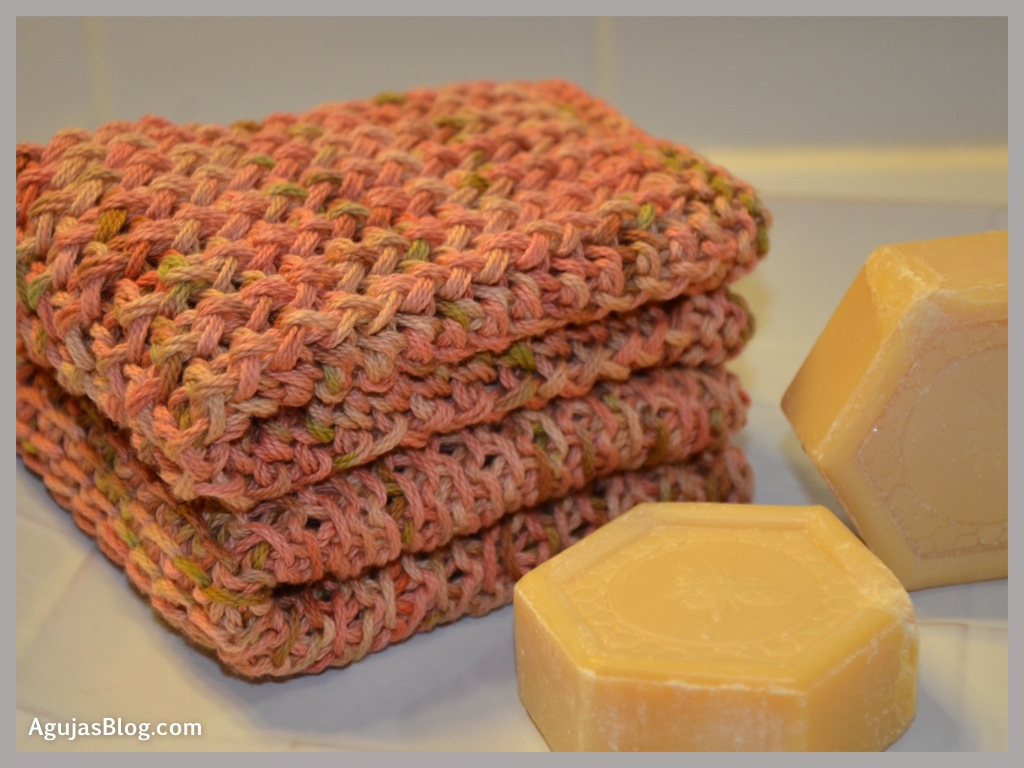
We were at the hospital during Worldwide Knit in Public Day so I pulled out my needles and yarn while waiting. I wanted to make a little something special for her; something I could make quickly and that would make her feel good. Lately, I’ve been seeing many posts on wash cloths. It’s like they’re all the rage. This was it. I would knit a couple of wash cloths she could use to clean her face at the end of the day. It would be my way of tending to her even after she went back home six hours away.

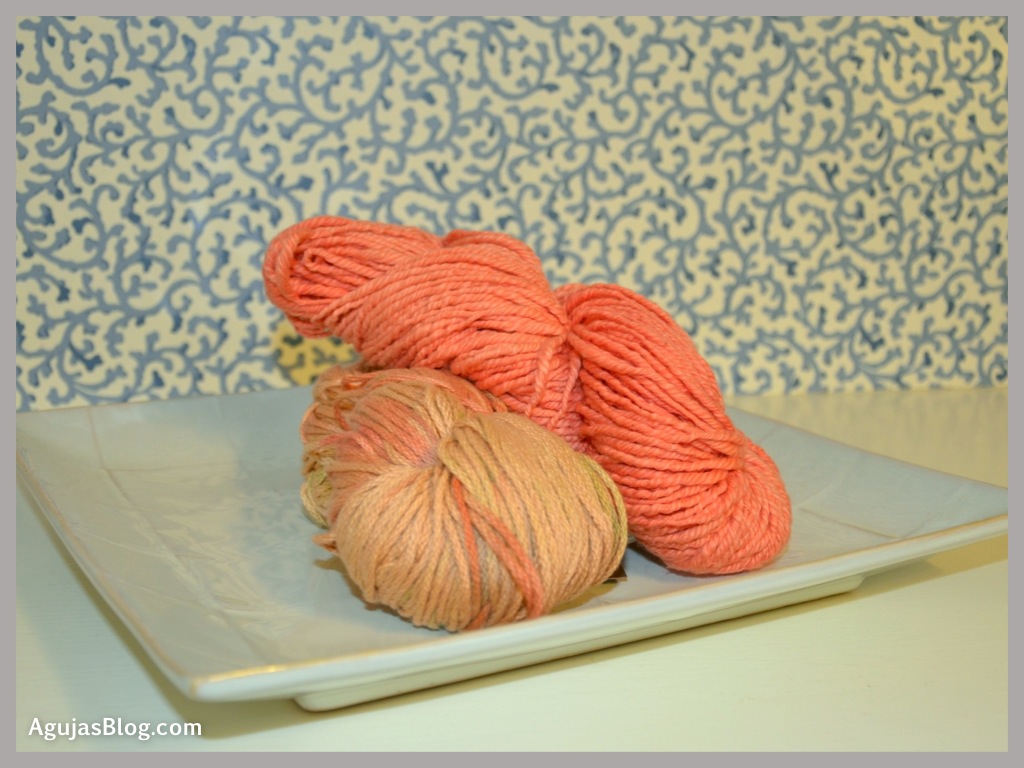
I found this 100% cotton yarn in the sale bin at my LYS. I loved the colors and knew this would help hide any lingering make up stains.

Araucania Pomaire Multy and Nature Cotton.

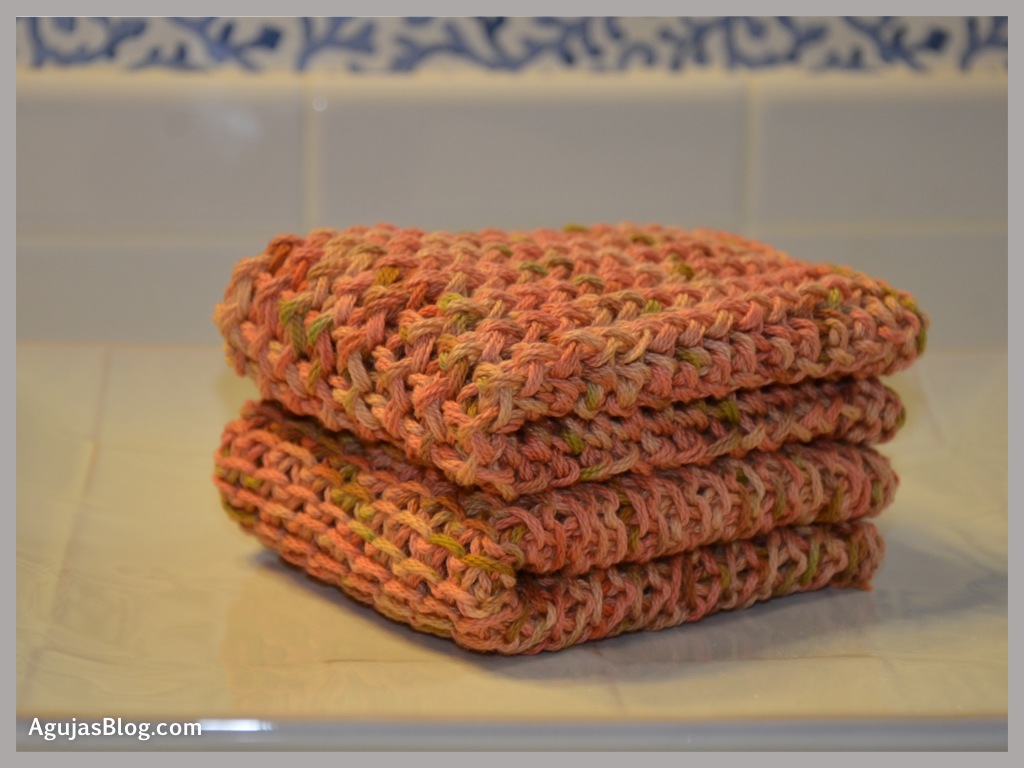
I used two patterns – Dishcloth Boutique’s Bamboo Cloth Variation 1 and Maggie’s Rags’ Chinese Waves Dishcloth.

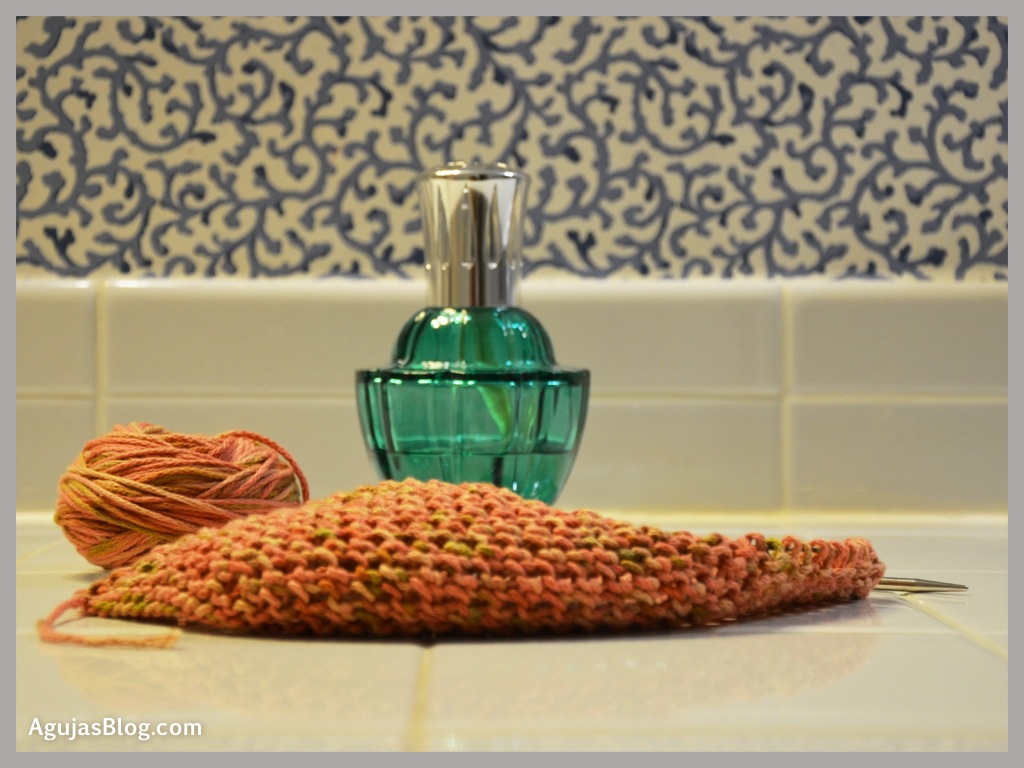
This is one of the wash cloths still on the needles.

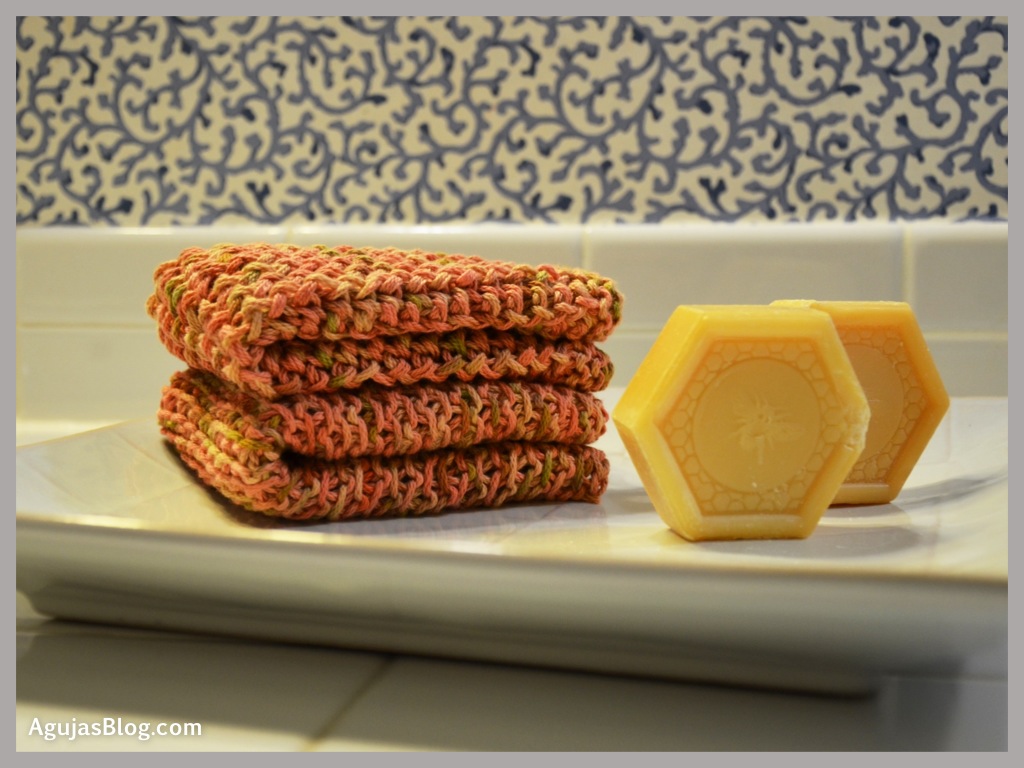
Here is the finished set. I didn’t get to use the solid peachy yarn yet.

The smile in her eyes when I gave them to her was all I needed.

On My Spindle

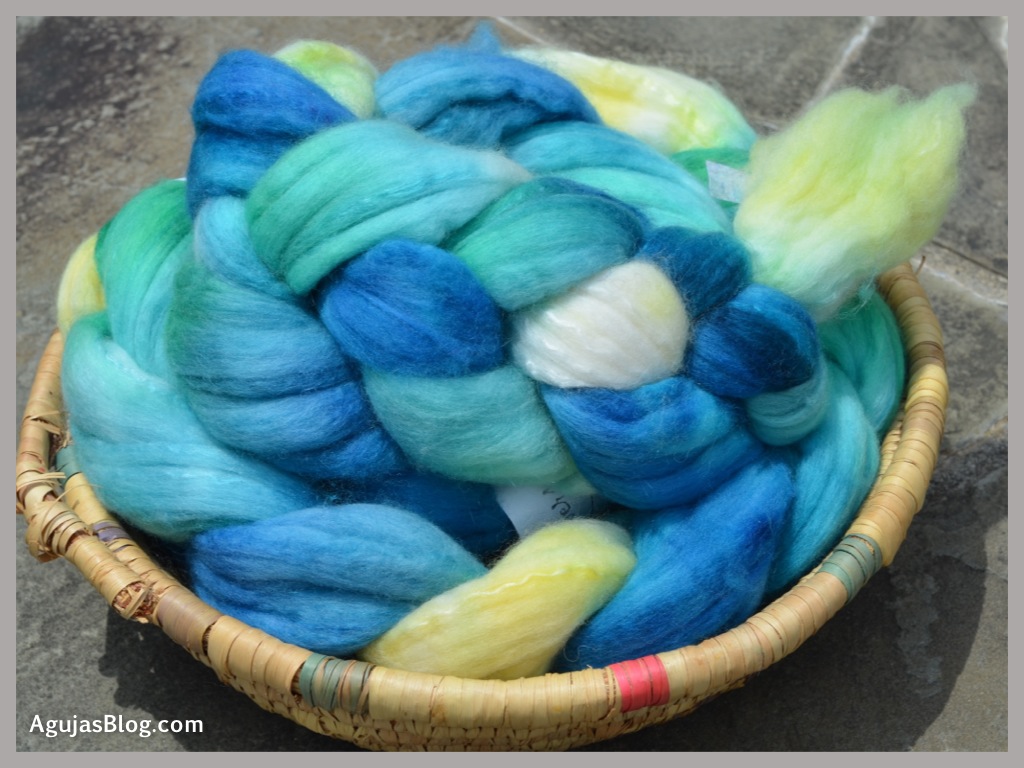
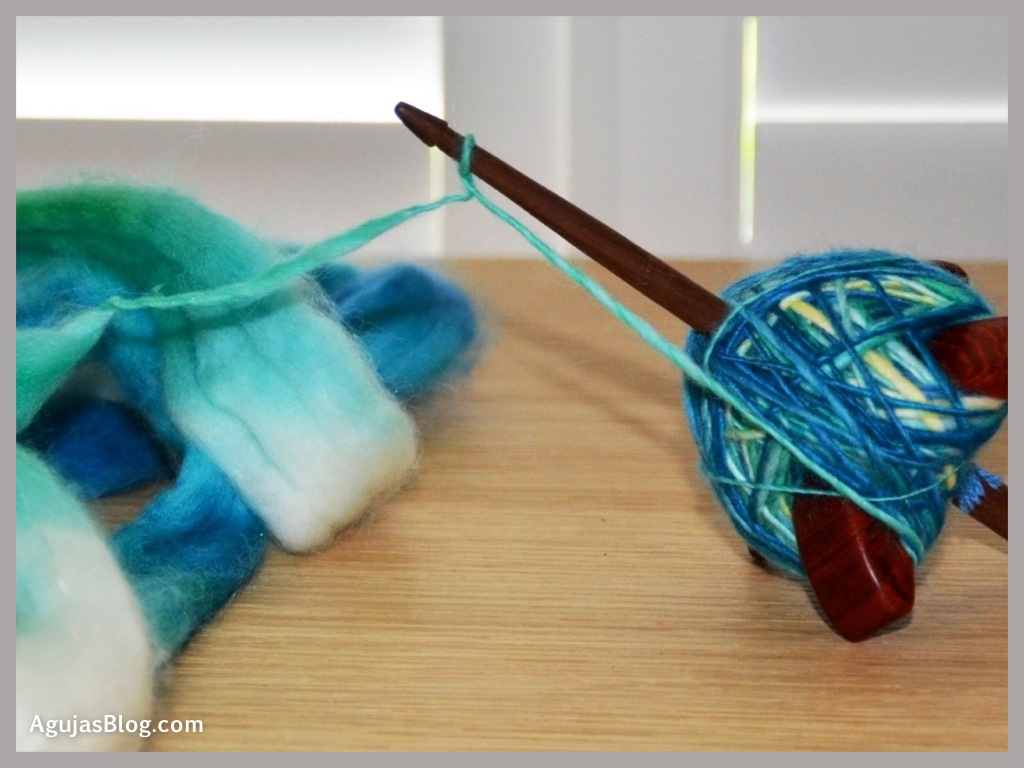
Remember the soft aquas and blues of the hand-dyed Silky Cashmerino I found in San Antonio?

It spins up very nicely.

Even though I wasn’t nearly done with the batch of blues, I could not resist this when I saw it.

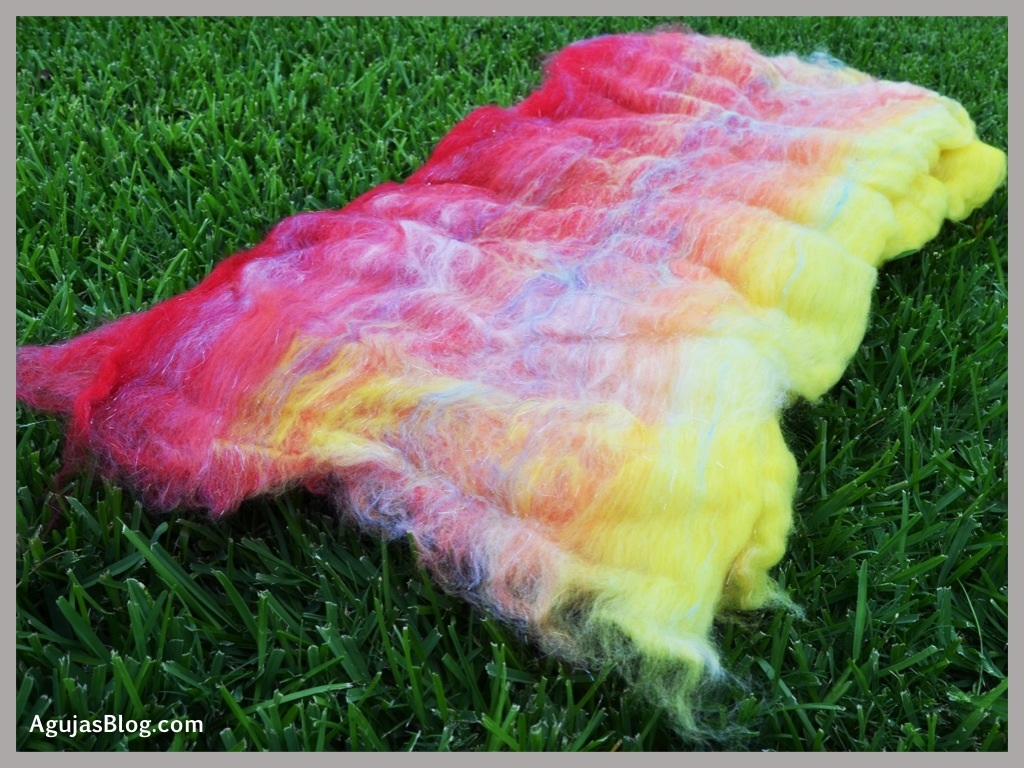
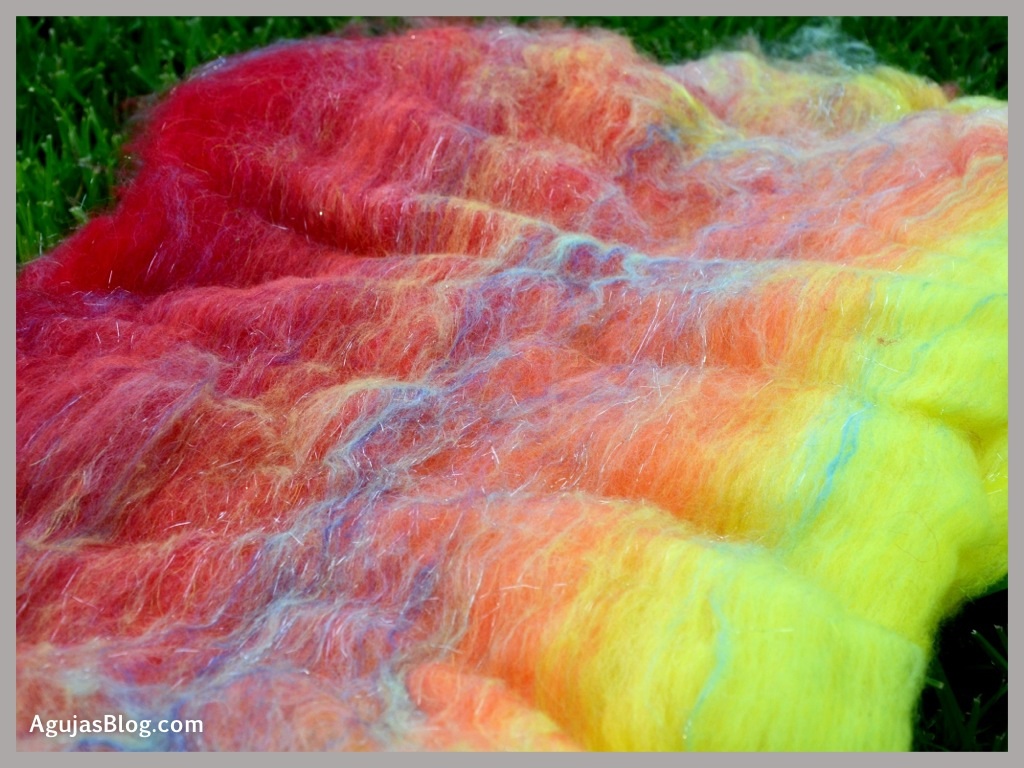
It’s fittingly called “Fire and Ice” and this 4 ounce batt was prepared by my friends over at the Wooden Spinner. It’s made of merino, mohair, Angelina, Firestar and silk. Here’s a closer shot.

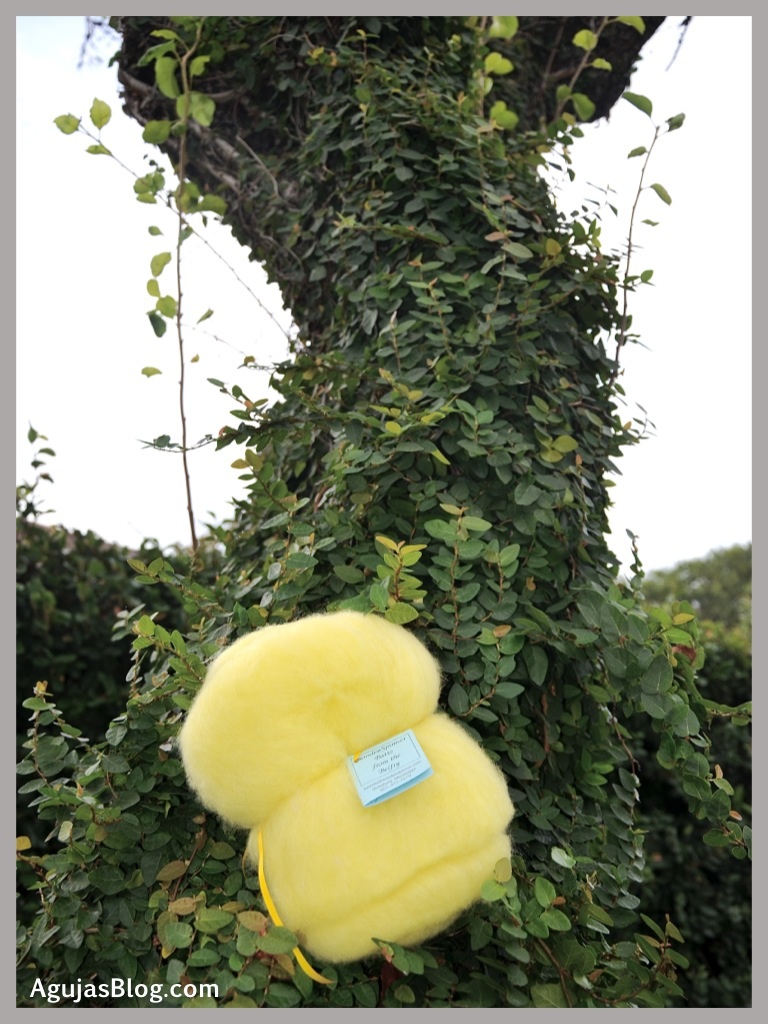
And they threw in a little treat – 1 ounce of soft merino naturally hand-dyed to this lemony yellow using Queen Anne’s Lace dye and aluminum mordant.

Can you get a crush on fiber?

100 Followers

A couple of weeks ago, I was surfing my favorite blogs and noticed this in my “Notifications” drop-down:

Congratulations on getting 100 total follows on Agujas.

I was stunned. Perhaps some of you have hundreds, even thousands of followers and are not easily impressed. But to me, it was an incredibly joyous moment. I get so much pleasure and personal satisfaction from writing and publishing posts on Agujas. I am able to share my passion for knitting, and the occasional travel post, with people from all over the world. But the best part about blogging is joining a vibrant online community. I feel like I have 100 new friends! I enjoy reading and seeing the works of others and having online conversations. There are several of you whom I feel I know, like catching up with a dear old friend.

So, first and foremost, thank you for following Agujas.

Because I felt like celebrating, I painstakingly culled Agujas’ WordPress, Twitter and email followers in chronological order to find the 100th follower. (I eliminated the husband and child because they are required to follow my blog).

The 100th follower is Caity Rosey of All She Wants To Do Is Knit. As a small token of appreciation for following Agujas, I am pleased to send you some wonderful yarn from Habu Textiles to add to your stash. I love this delicate yarn that is spun or woven using traditional Japanese methods. I recently posted about my visit to the Habu Textiles studio which you can read here.

Caity, I will have the yarn shipped directly to you. Please send an email to Veronica (at symbol) AgujasBlog (dot) com with your mailing address.

Sinceramente y de todo corazón, gracias a todos. I look forward to reading your posts and responding to your comments on mine.

“40 Under 40: Craft Futures” at the Smithsonian

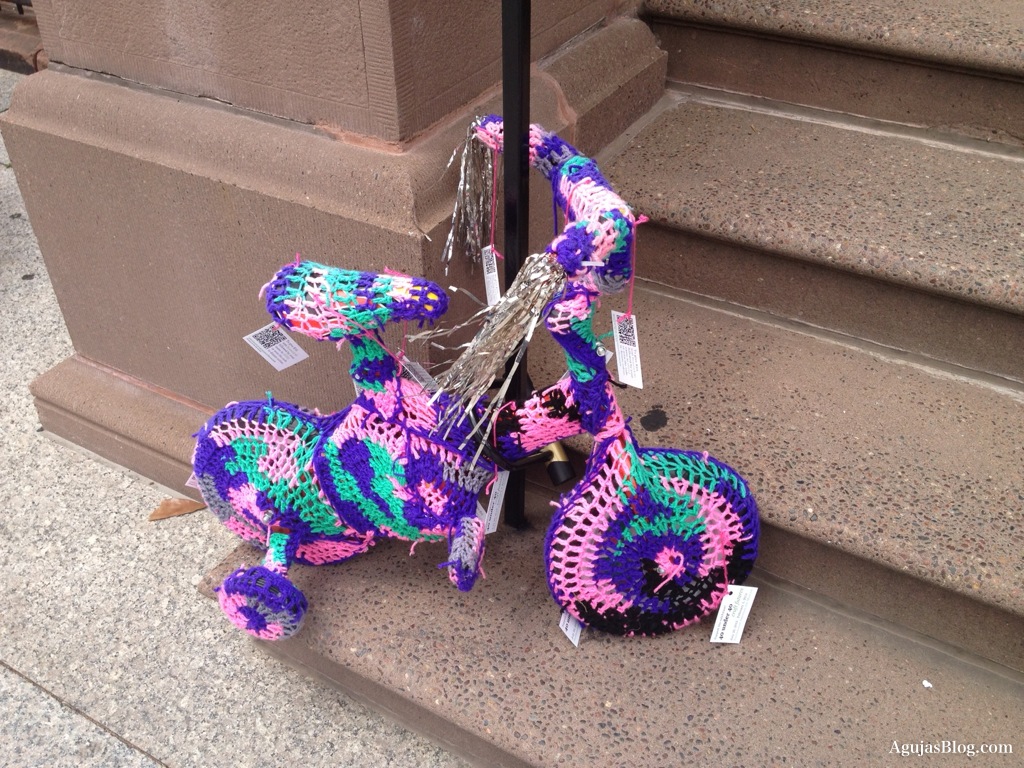
My husband was in Washington, D.C. recently on a business trip. On his way to a meeting, he saw this:

Knowing I would be intrigued, he inquired about the bicycle. The crochet-bombed bicycle is by the Polish artist Olek, one of the artists to be featured in the upcoming “40 under 40: Craft Futures” exhibit. The exhibit will take place in the Renwick Gallery at the Smithsonian American Art Museum from July 20, 2012 through February 3, 2013.

According to the museum’s website, “These 40 artists are united by philosophies for living differently in modern society with an emphasis on sustainability, a return to valuing the hand-made and what it means to live in a state of persistent conflict and unease.”

Amongst other art works in various media, these are some of the knitting and fiber arts-related works you can see and experience first-hand.

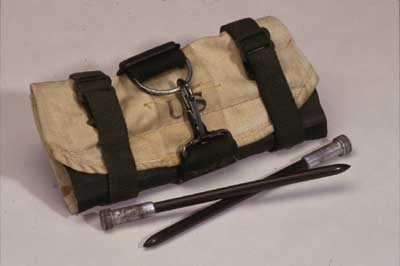
Vintage military knitting needles by Dave Cole (image source).

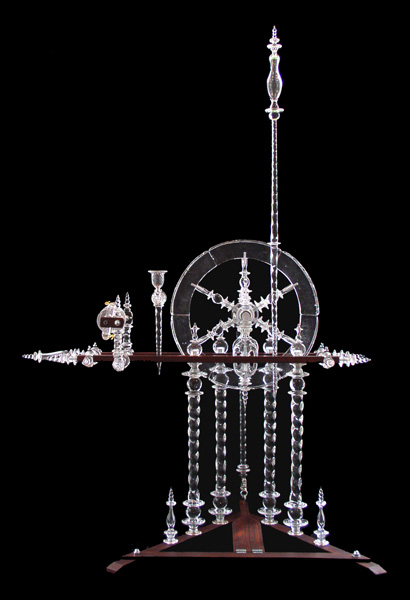
Glass spinning wheel by Andy Paiko (image source). Apparently, this is a fully functioning spinning wheel.

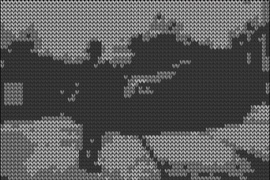
Protest knits by Cat Mazza (image source).

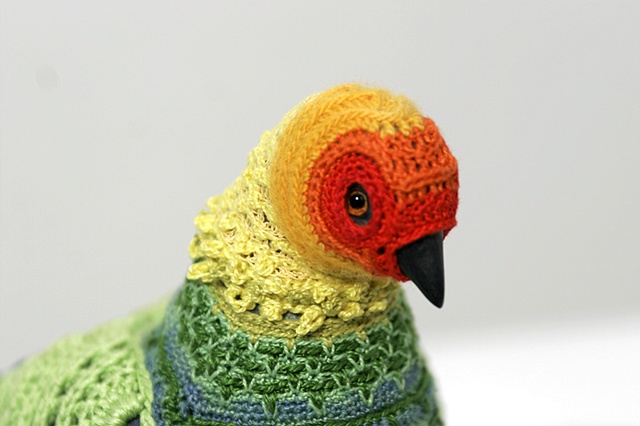
Crochet urban pigeons by Laurel Roth (image source).


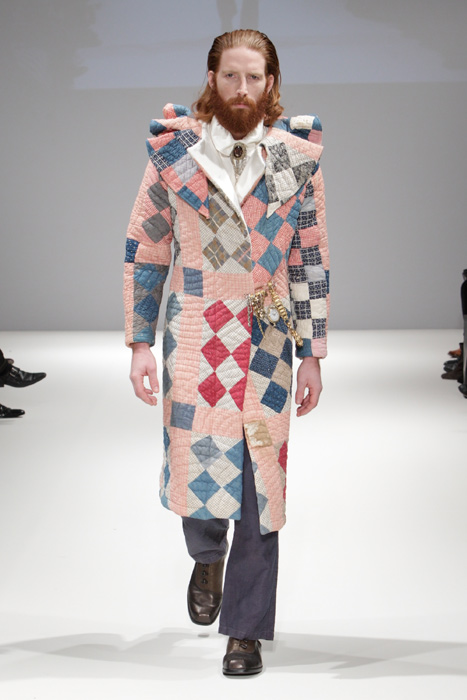
Quilted coat by Jeff Garner (image source).

You can read about all 40 artists and view a slide-show preview of the exhibit at the Smithsonian American Art Museum’s website. Better yet, if you are in D.C., go see it in person. I hope I can.

A Backpacking Trip to Real de Catorce

Real de Catorce is an old mining town in the Sierra de Catorce mountain range in the state of San Luis Potosí, México. My husband did field work there as an undergraduate and told me great stories of the place. So, the day after Christmas one year, we grabbed our backpacks and took off to Real. (Real is pronounced with two syllables – Rĕ ∙ ǎl – with short vowel sounds).

Unless you climb mountains, the only way to reach Real de Catorce is to take a 25 kilometer cobbled road off Highway 62 up the mountain. By cobbled I mean we rode in a bus at about 10-15 mph bumping along the whole way.

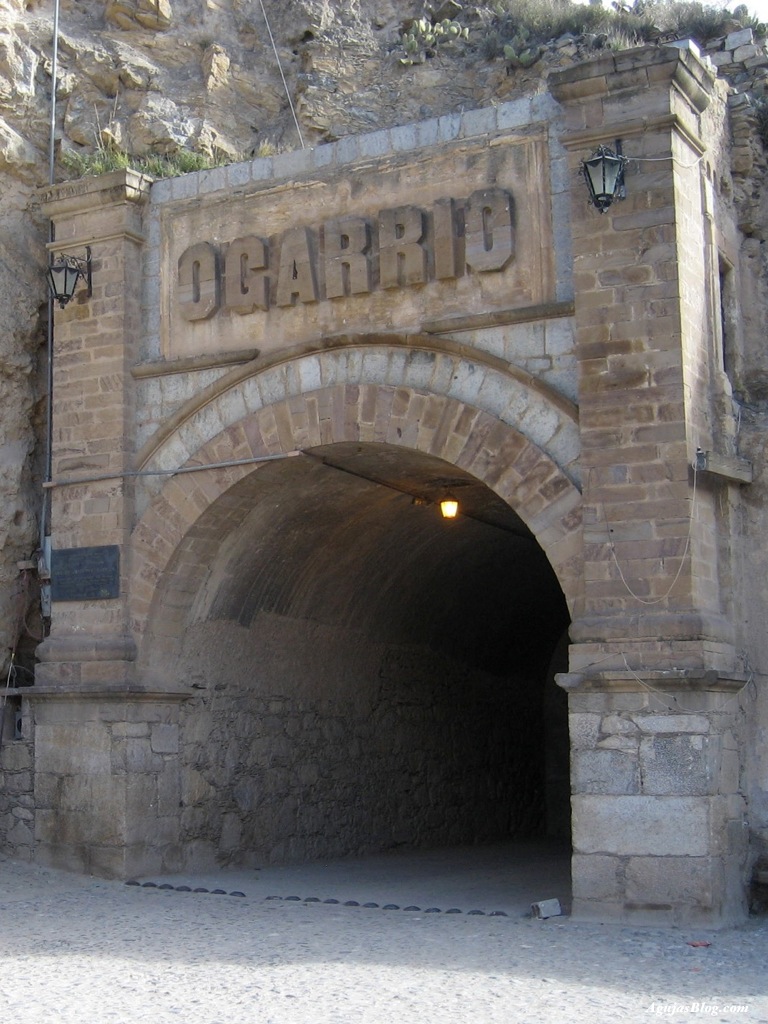
Once at the top, we transferred to a small passenger van for the ride through the tunnel. The only way to town is through the Ogarrio Tunnel, one of the longest tunnels in México, at 2,229 meters long. One can go through the tunnel on foot, on horseback, on a motorcycle or car or truck, but only in one direction at a time. The tunnel is only wide enough for one vehicle. A man with a walkie-talkie stands at the entrance and talks to a man with a walkie-talkie at the other end of the tunnel. They control the flow of traffic by allowing visitors to take turns going through the tunnel in only one direction.
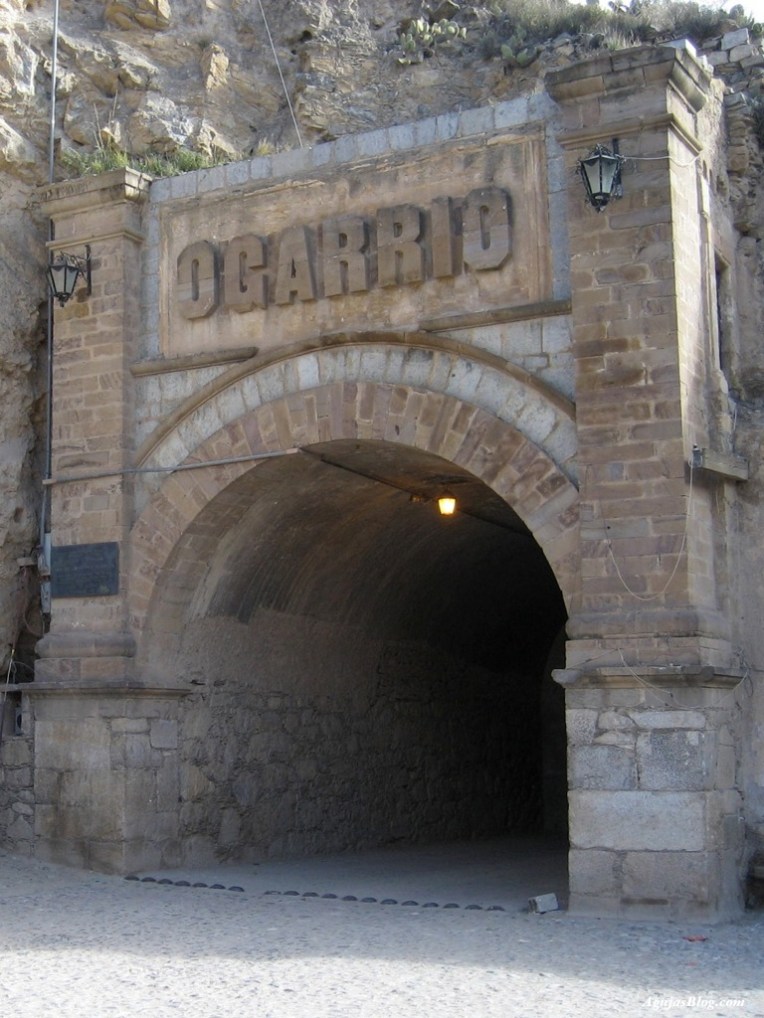
The movie “The Mexican” with Brad Pitt and Julia Roberts was filmed in Real and Brad Pitt’s character drives through the tunnel.

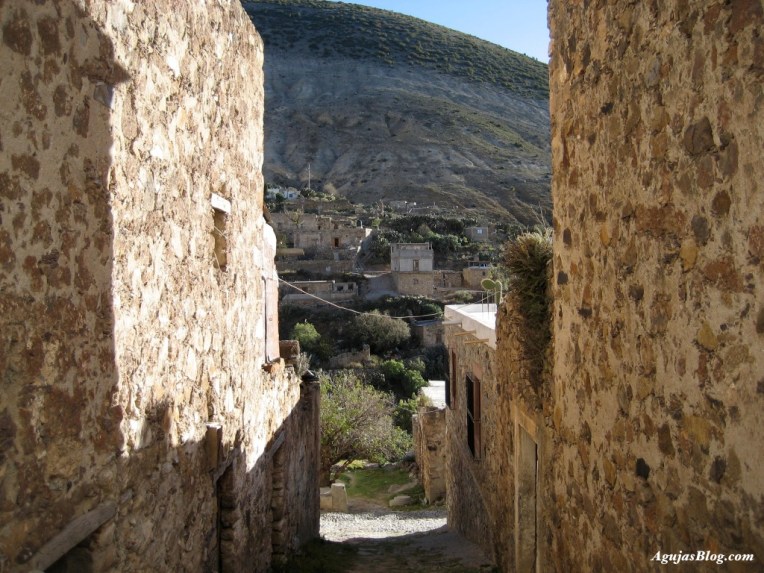
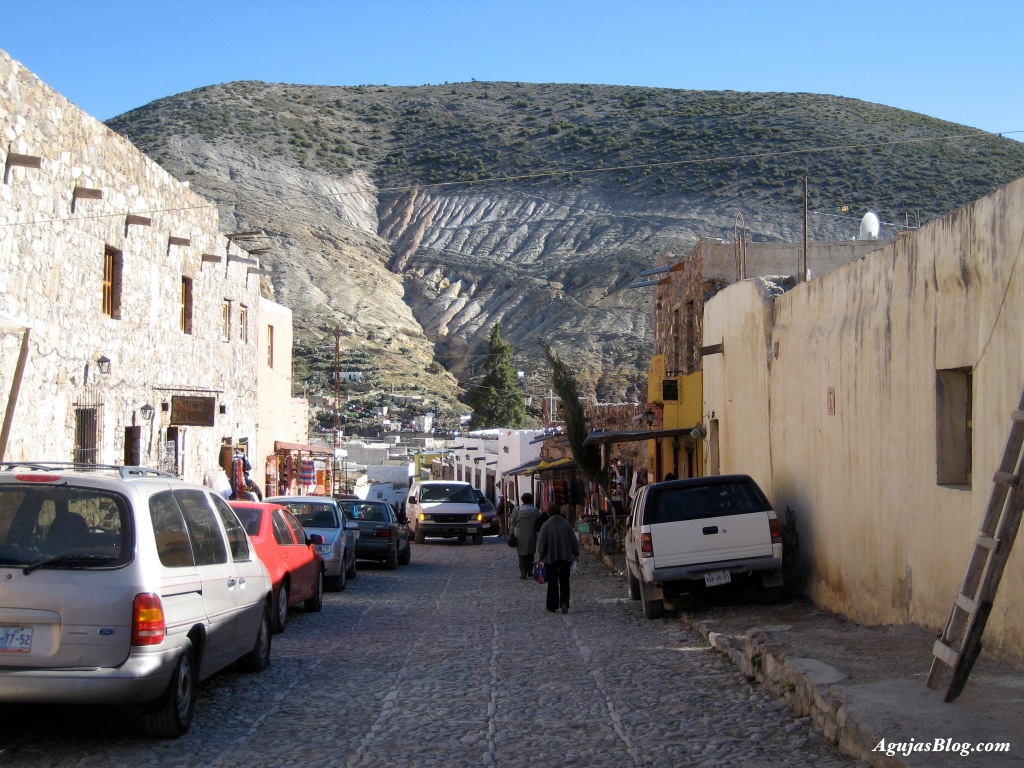
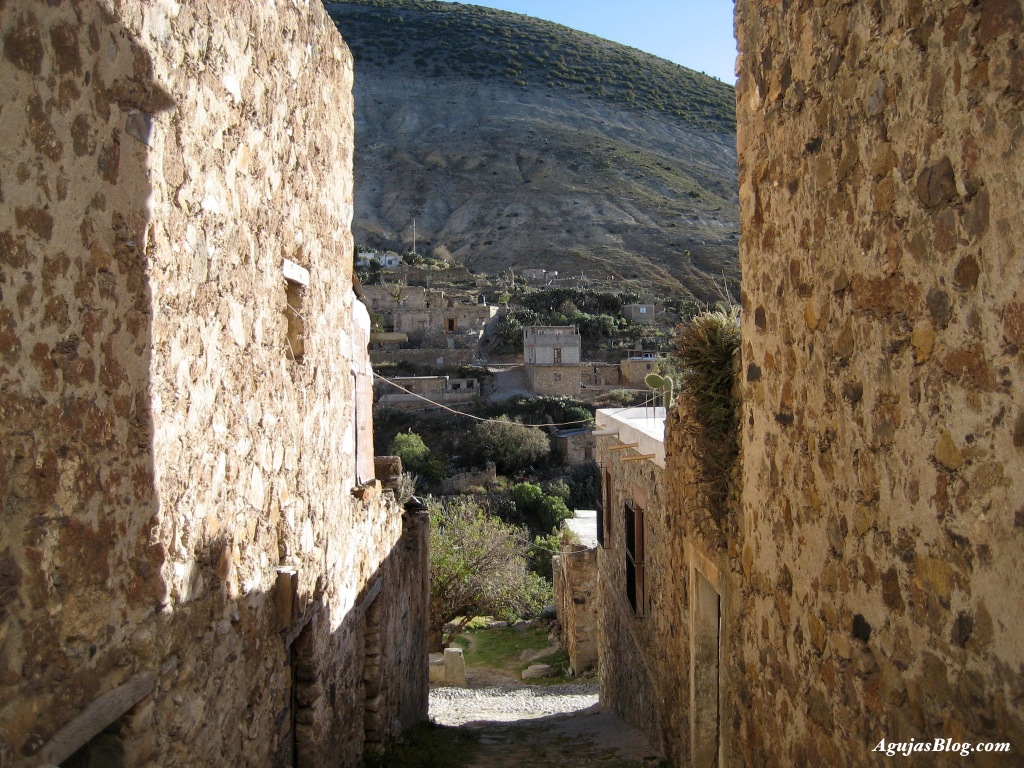
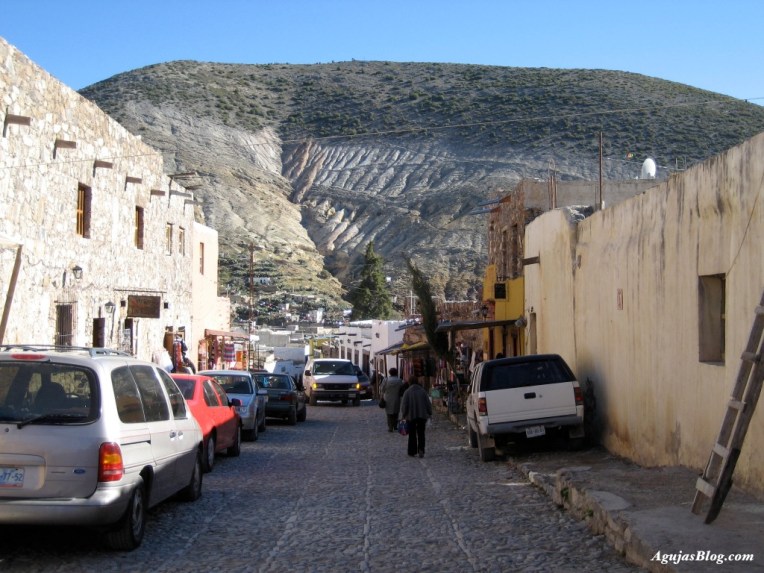
This is the main road in town and a typical side street.
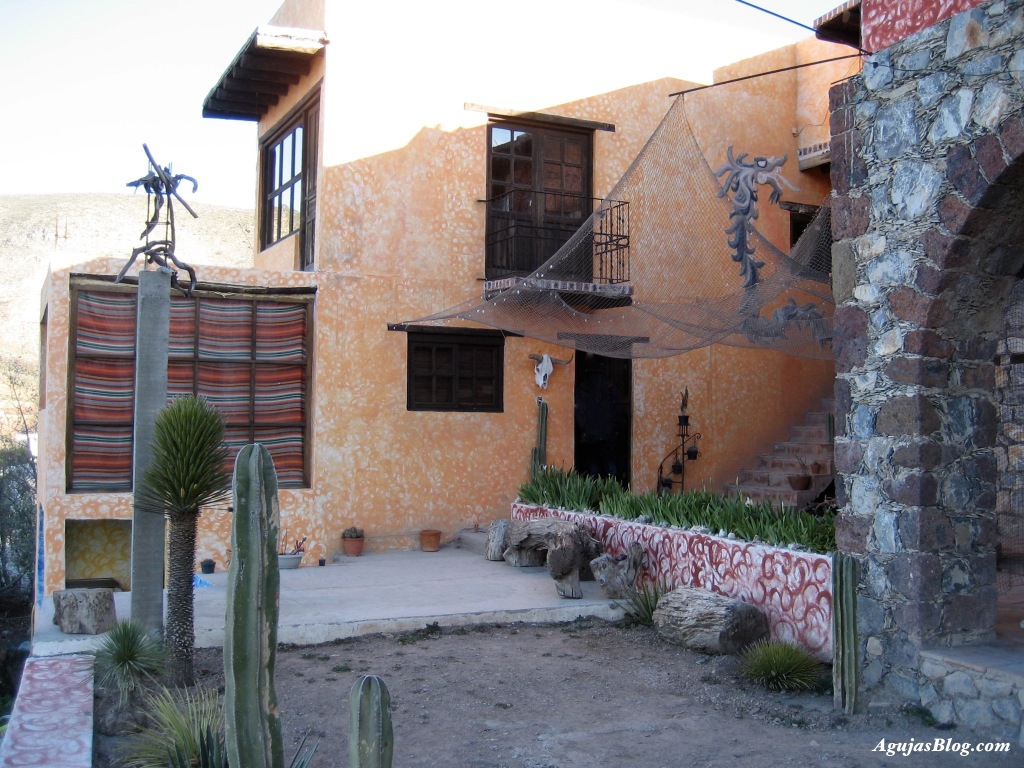
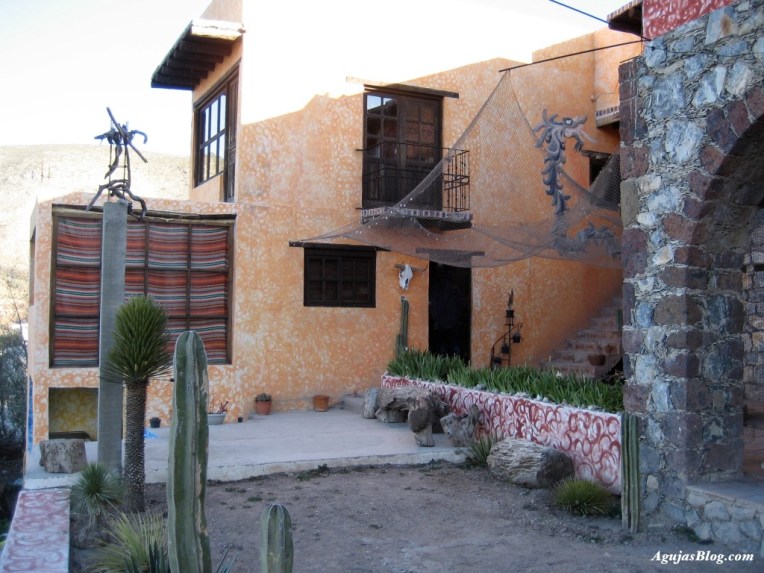
This is our room at the Rincón Mágico (magic corner).
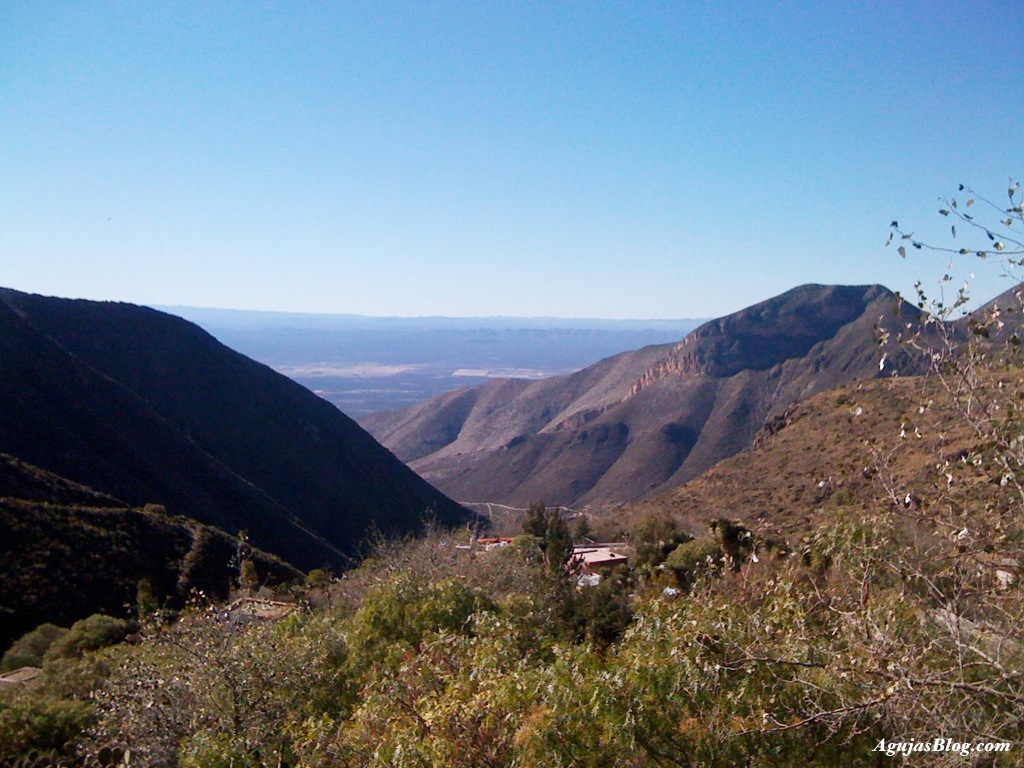
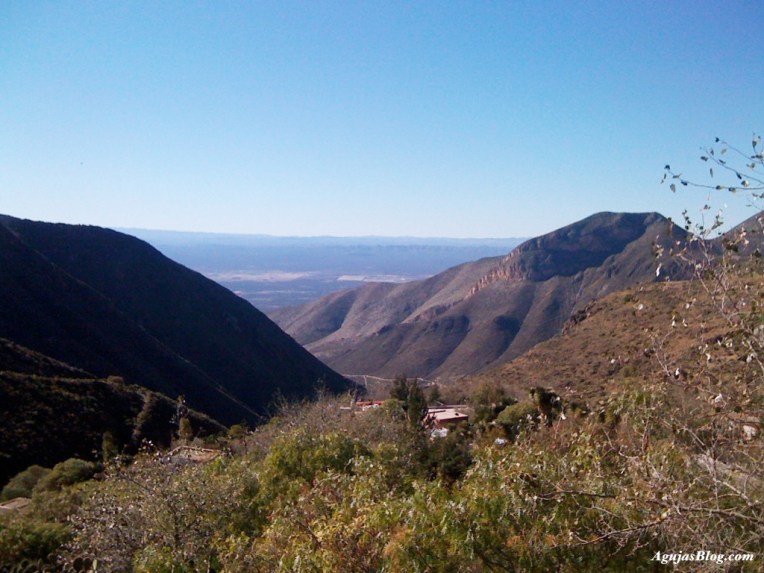
This is the view of the mountains from our room. Real is located 2,770 meters (9,000 feet) above sea level. The mountain range has two peaks that reach 3,100 meters (10,000 feet) high.
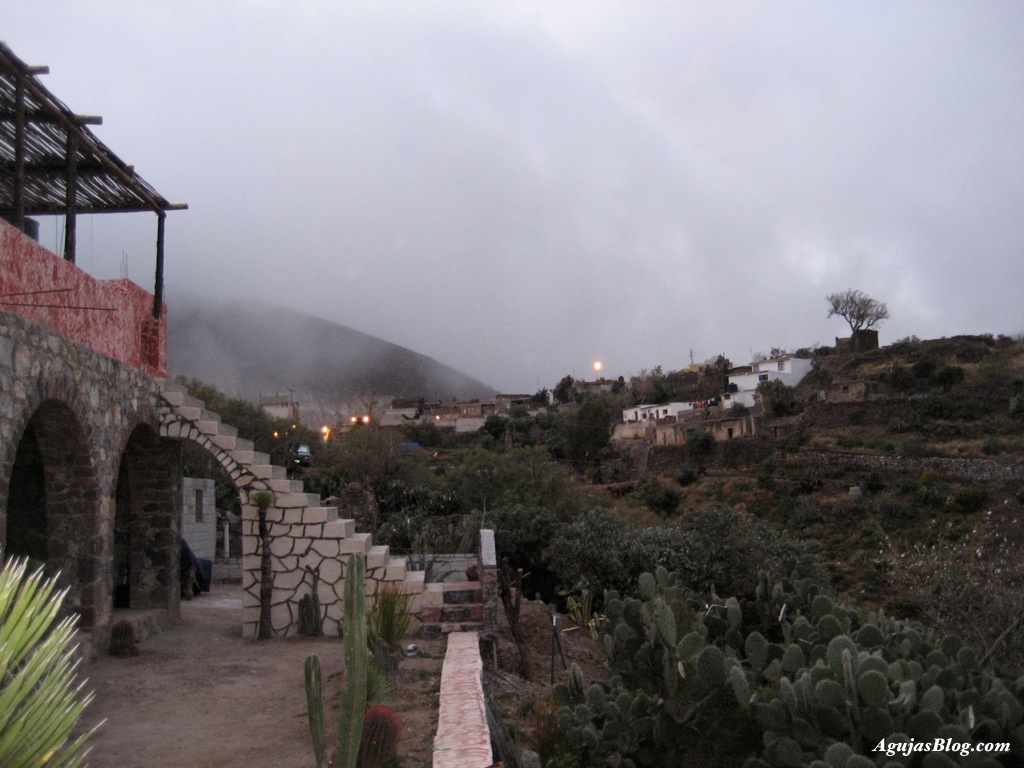
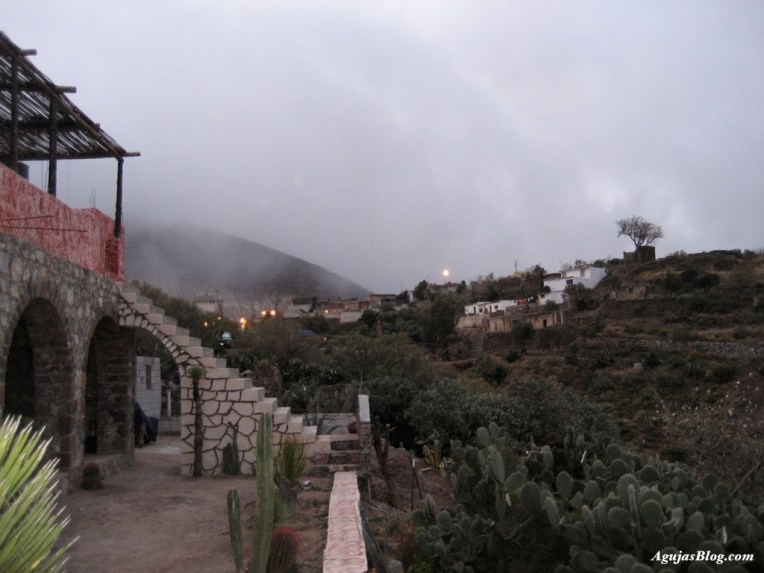
Here’s the view in the direction of town at dusk. As it grew darker, it got colder. The temperature dipped into the 20s. We slept under a stack of 14 woolen blankets.
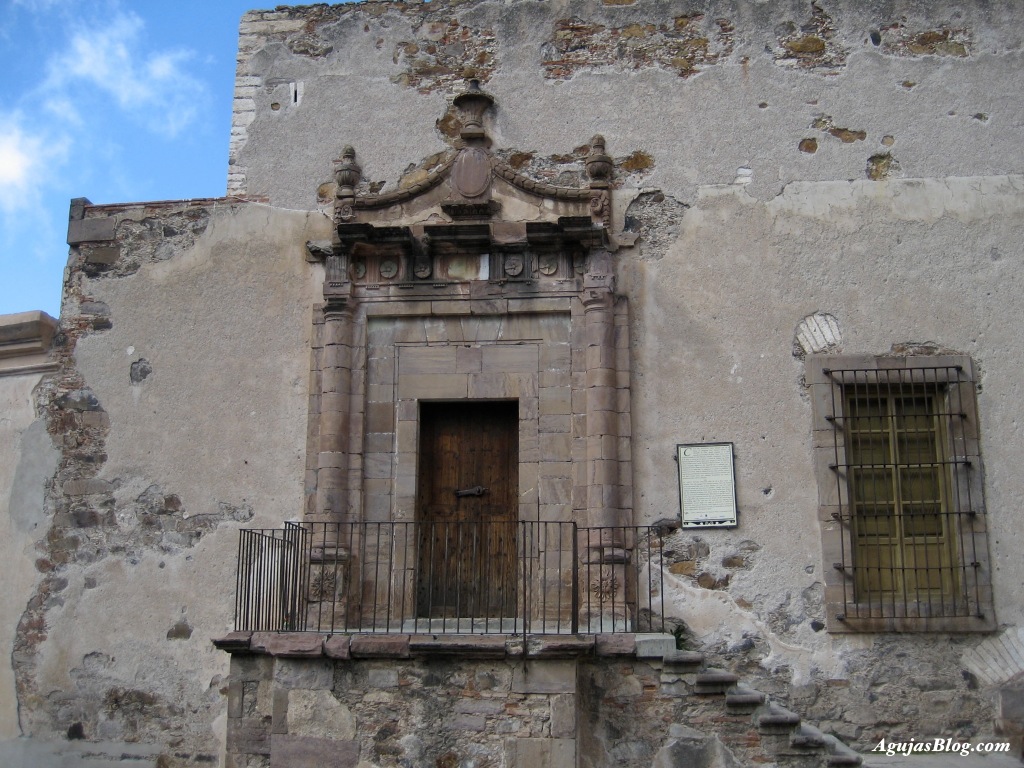
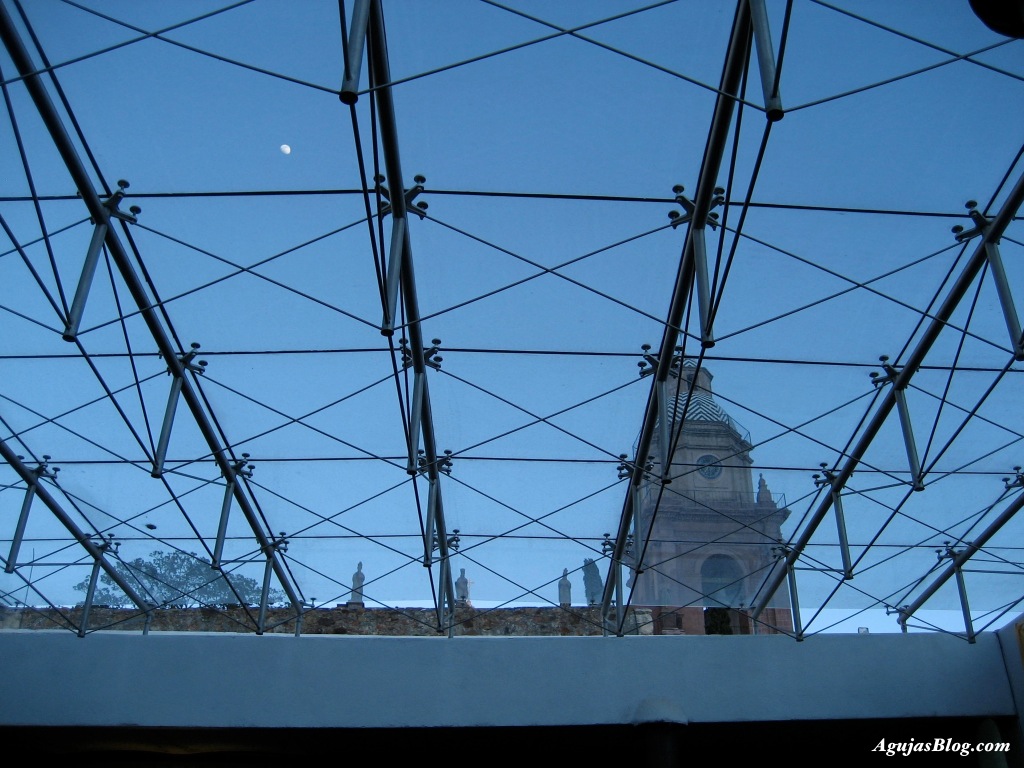
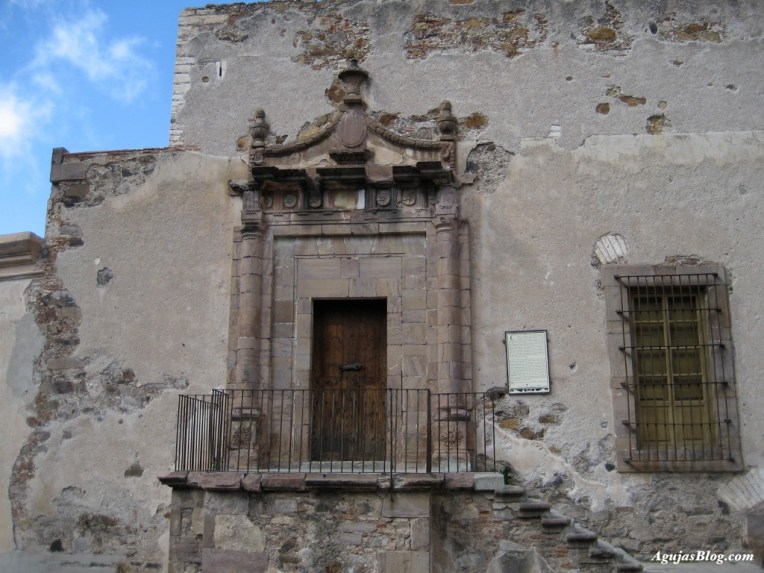
This is La Antigua Casa de Moneda, the mint. It is now a museum. In its heyday in the early 1900s, Real de Catorce was a prosperous mining town due to its abundance of natural resources in the form of silver. The town started to decline with the devaluation of the price of silver and fell apart in 1905 when Mexico switched from silver to gold as their monetary standard. The mint was constructed between 1863-1865; a year later it closed. In only 14 months of operation, 1,485,405 pieces of silver were minted there.
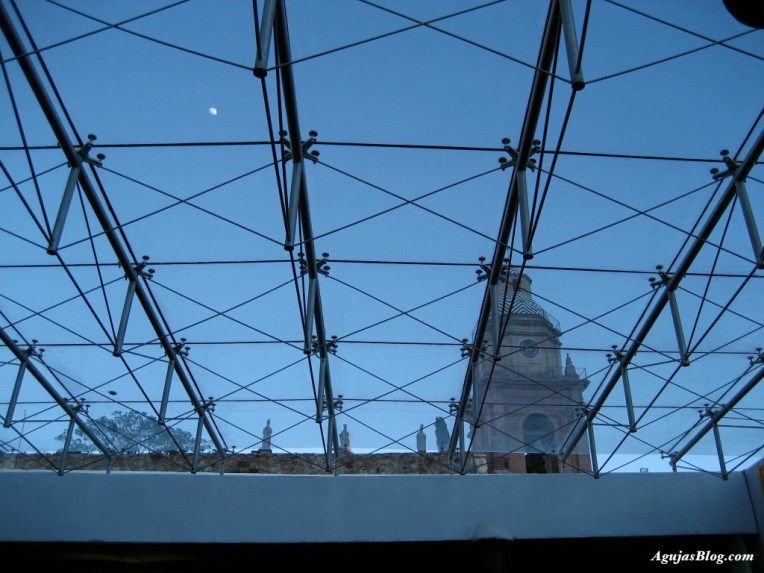
This is the view from inside the atrium. Renovations preserved the work rooms and machines used to mint the silver coins. The museum houses works of art and displays the history of Real through old photos and documents.
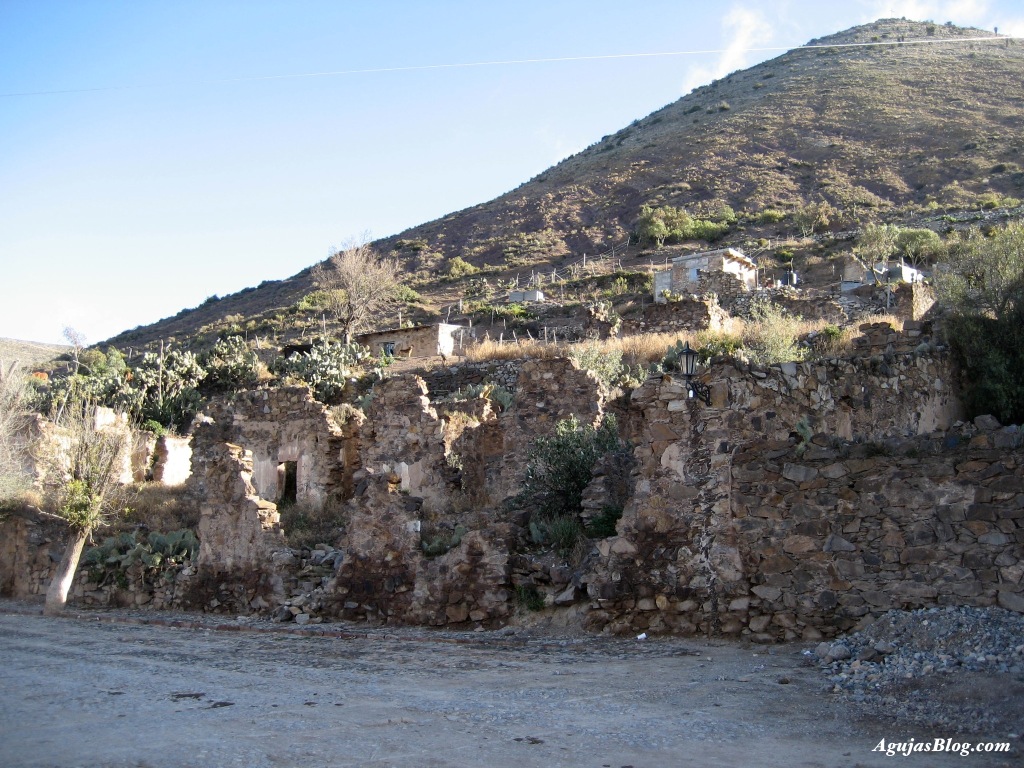
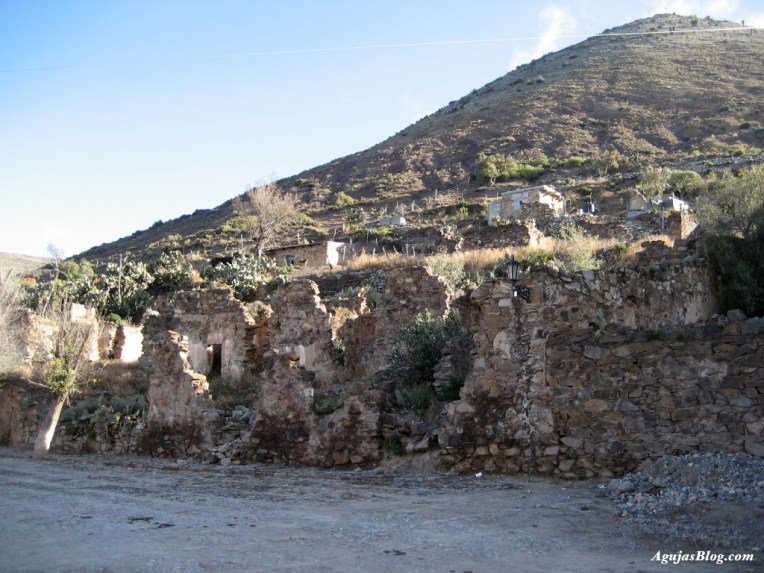
Ruins of abandoned homes.
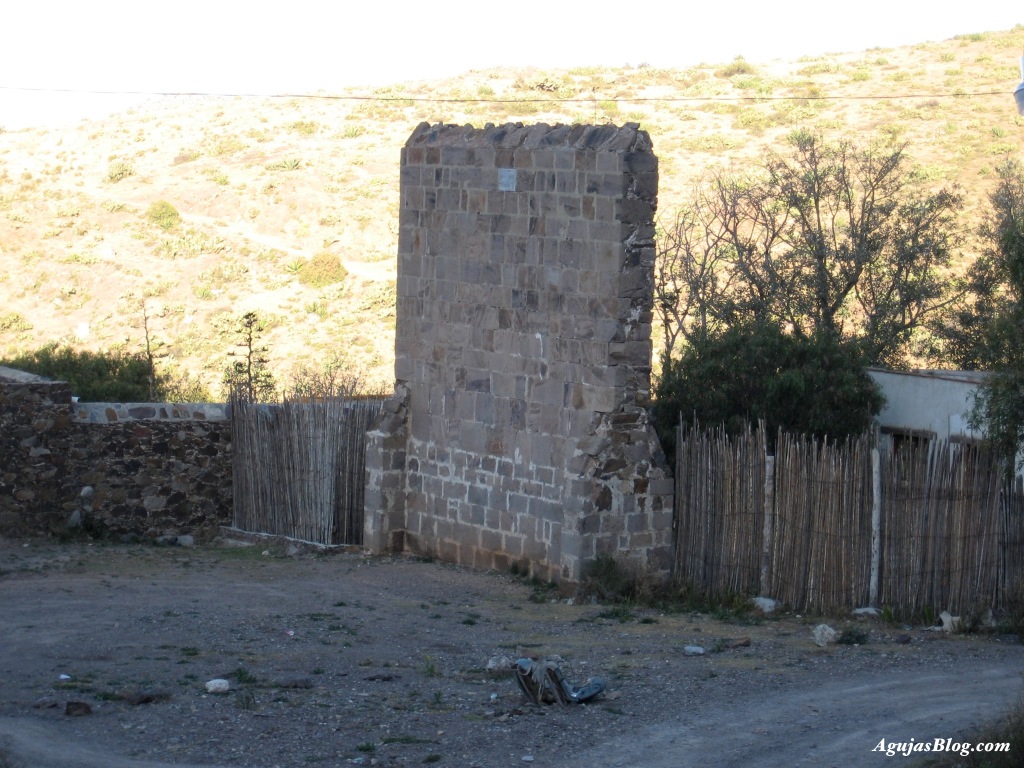
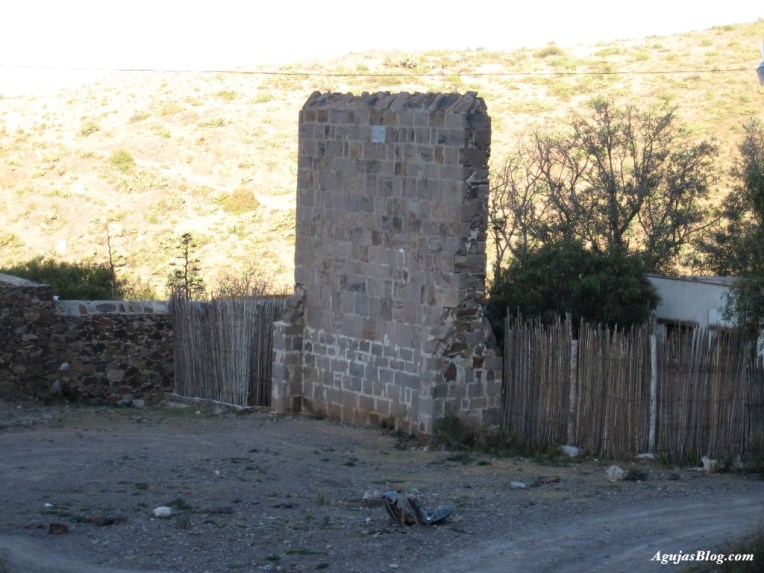
We believe this could have been a shooting wall – a remnant of the Mexican Revolution at the turn of the 19th century.
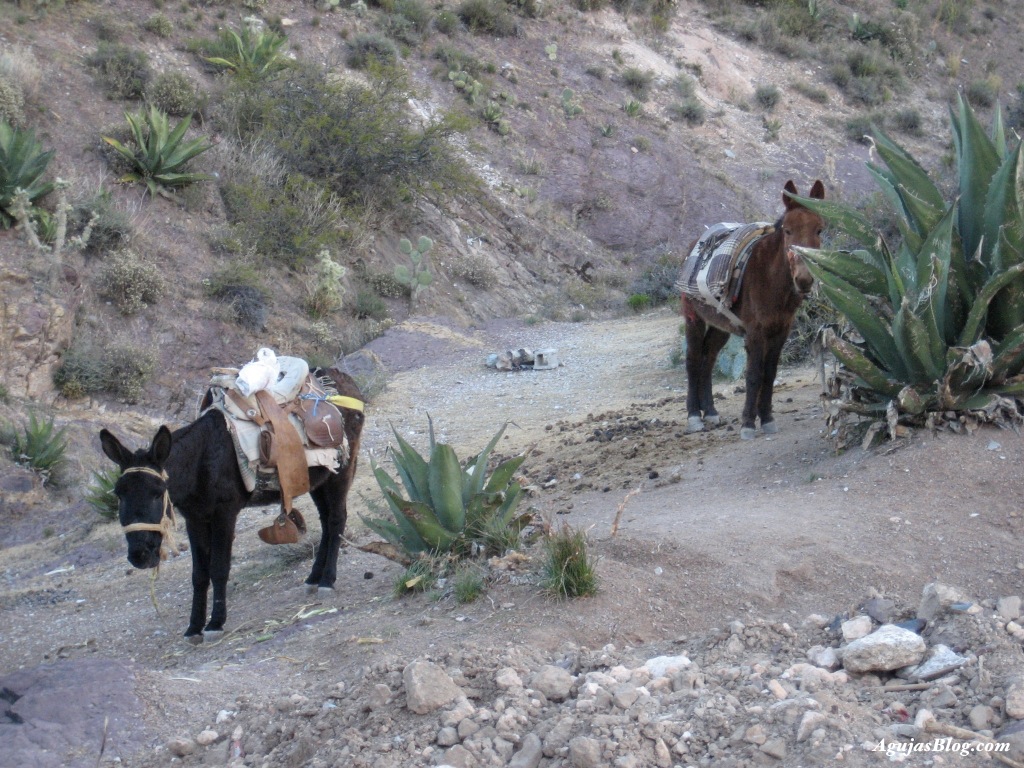
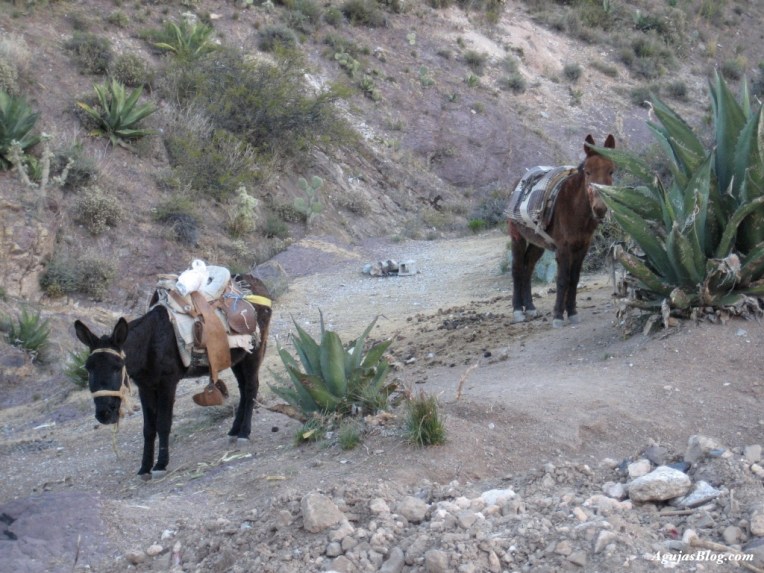
Work mules.
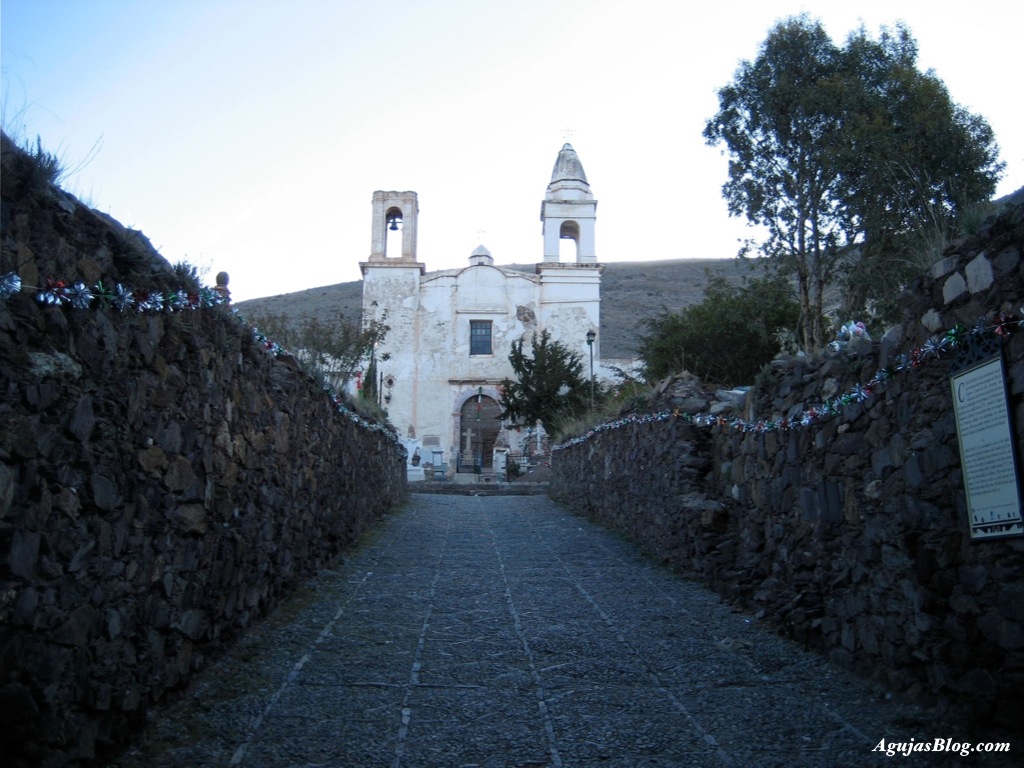
The old cemetery.
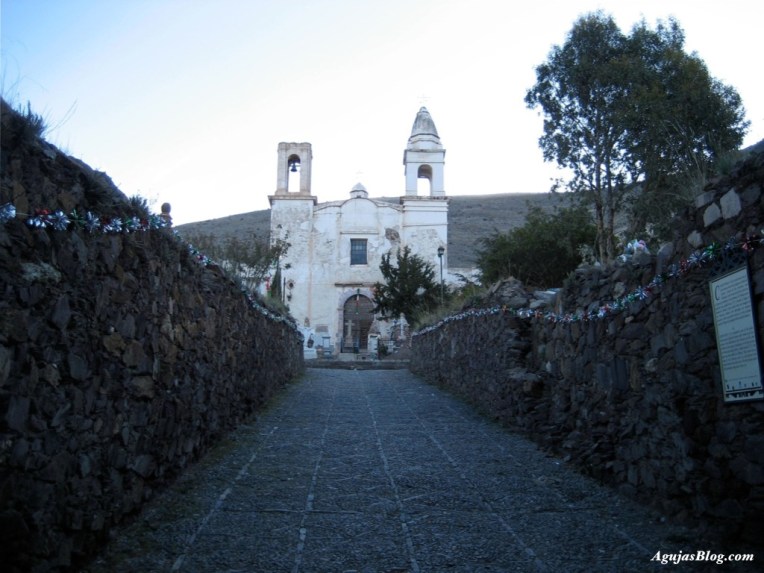
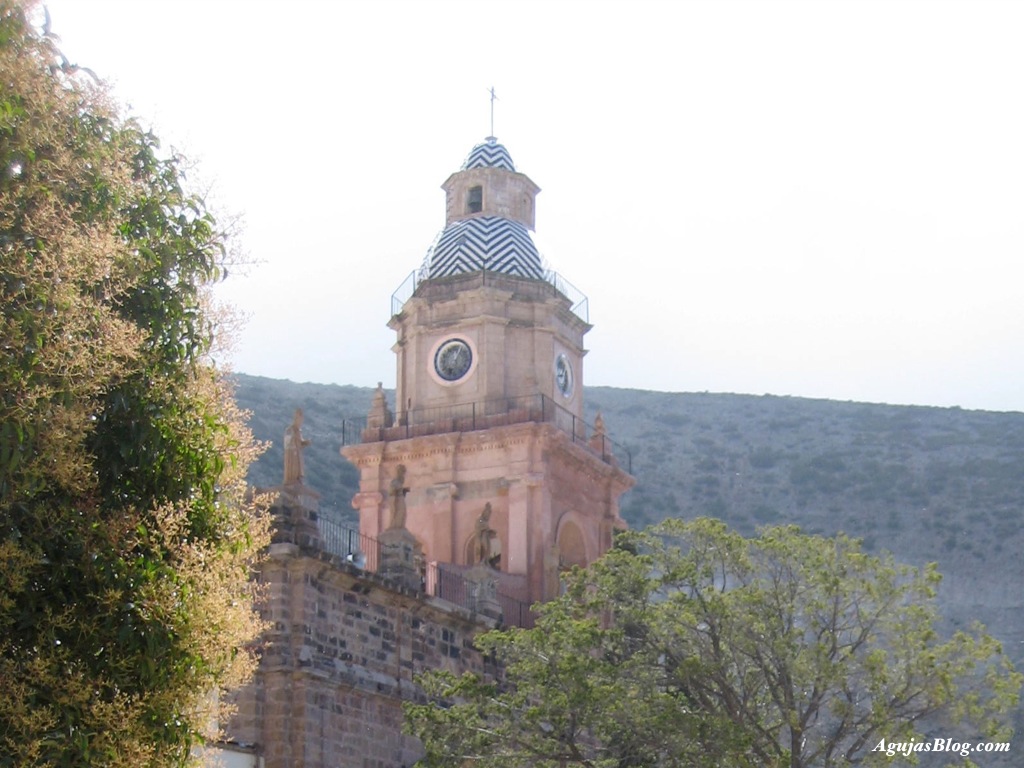
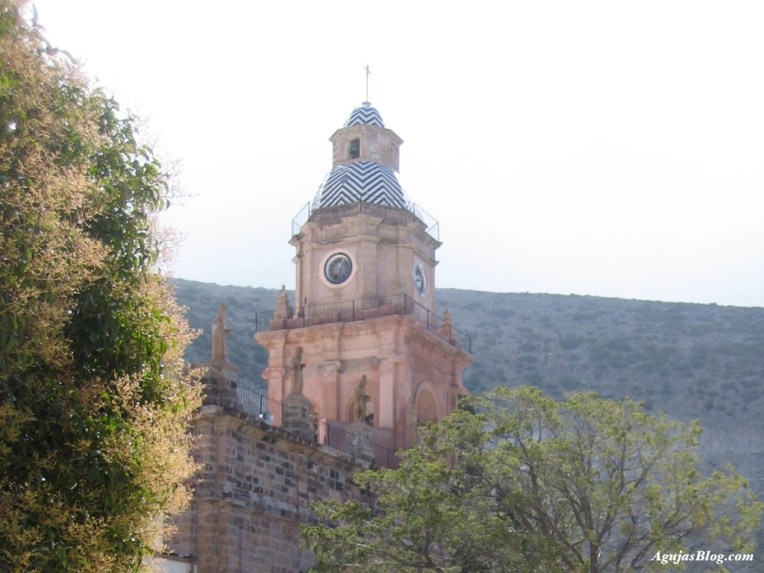
The Iglesia de la Purísima Concepción is the central gathering spot of the town. The church was constructed in 1817. While not the actual patron saint of the church, St. Francis of Assisi is much venerated here.
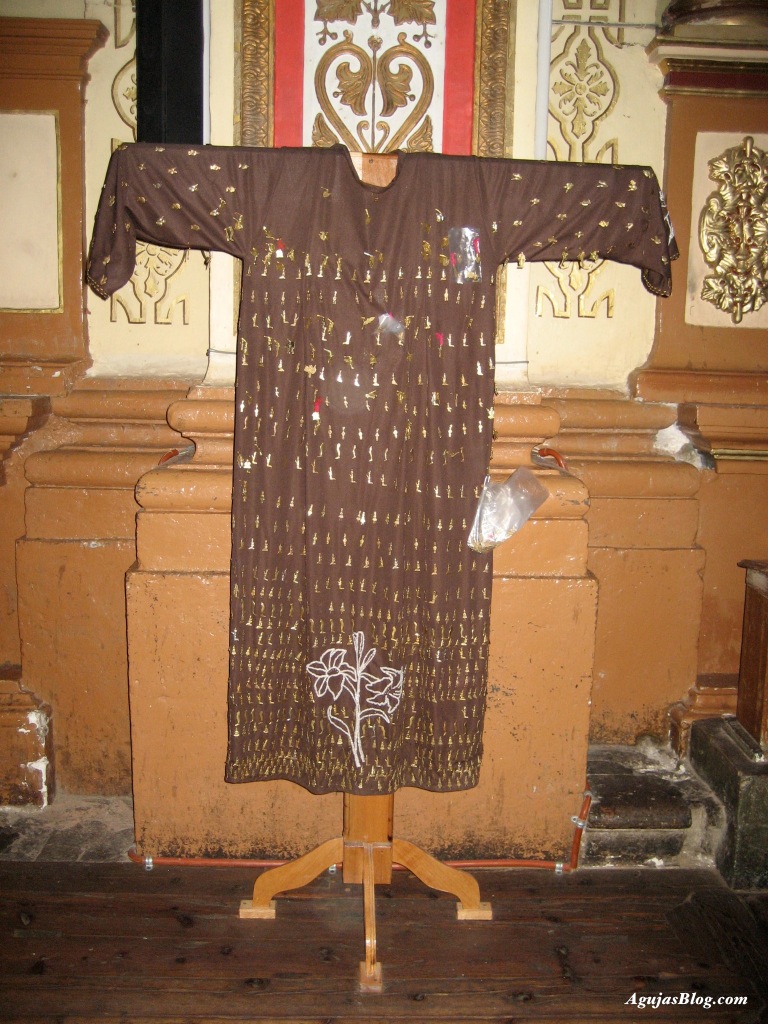
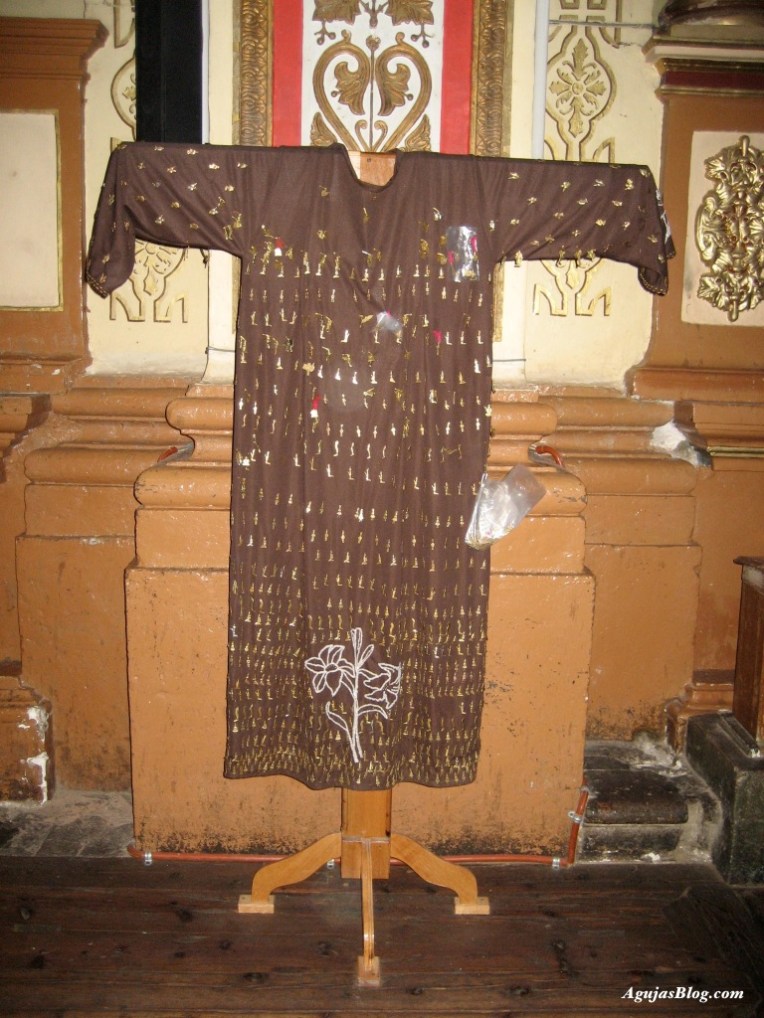
The small pendants hanging from the robe are milagros (miracles). For a small donation, you can buy a gold-plated arm or leg or heart. You then pin the milagro to the robe and say a prayer to St. Francis of Assisi to heal the ache in your arm or other part of the body.
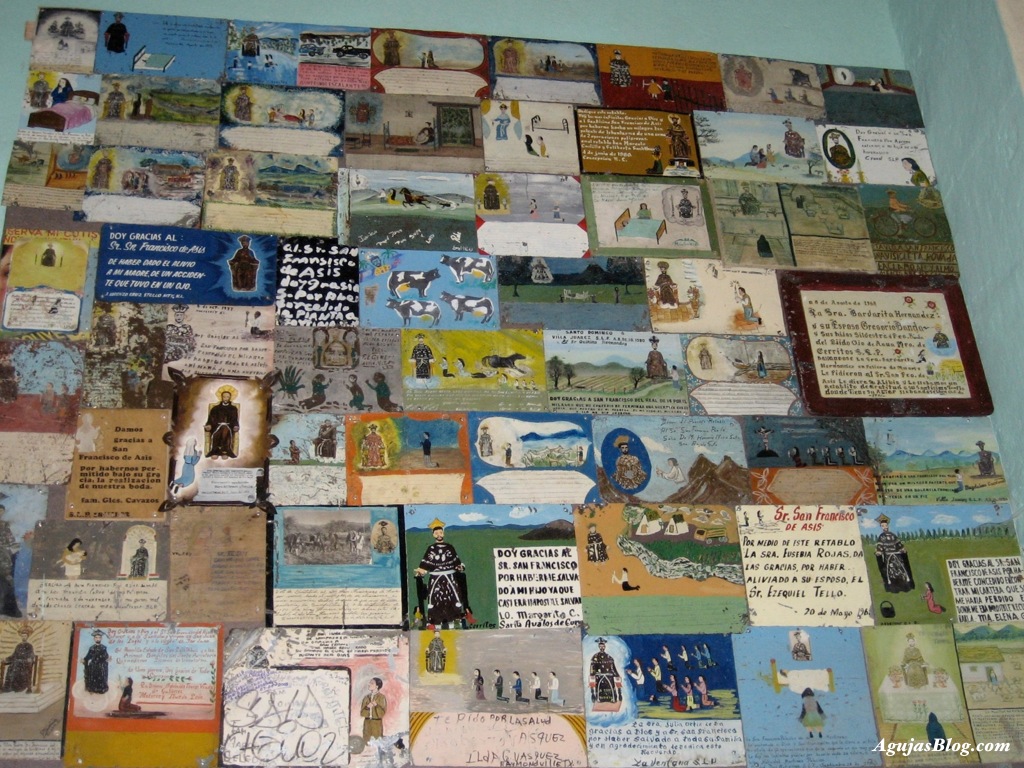
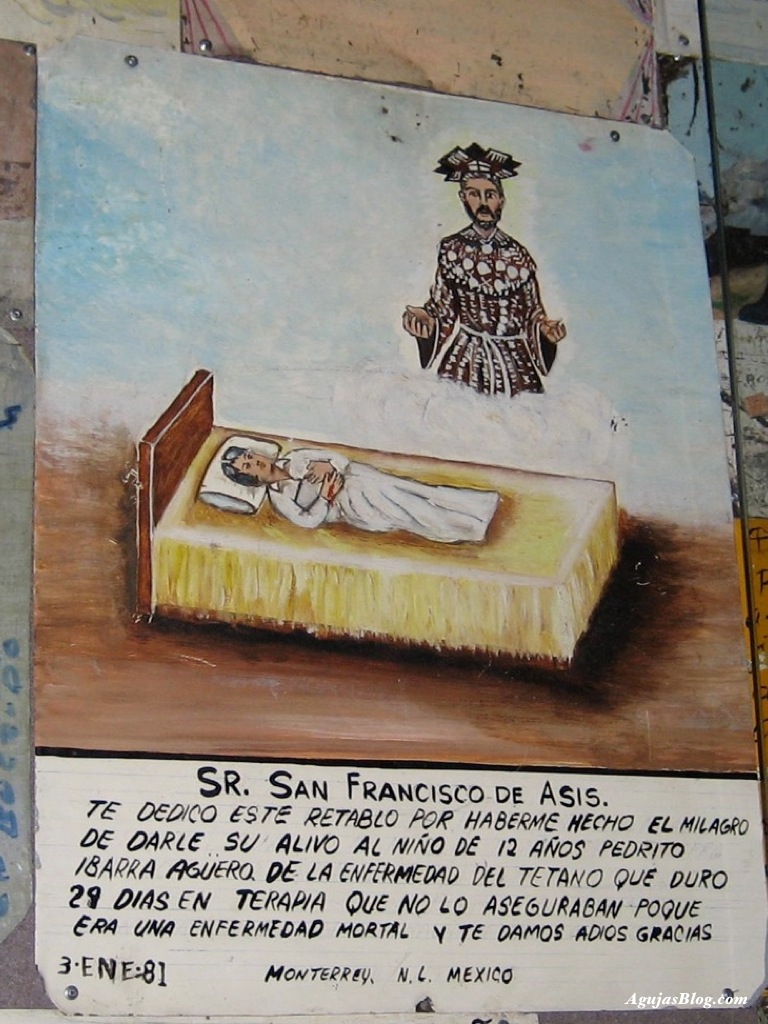
These are retablos. Not being a word I typically use when speaking in Spanish, I had to look this one up. It translates as “retable,” “tableau,” or “altarpiece.” Each retable is a small work of art painted by parishioners as an offering for hearing one’s prayers.
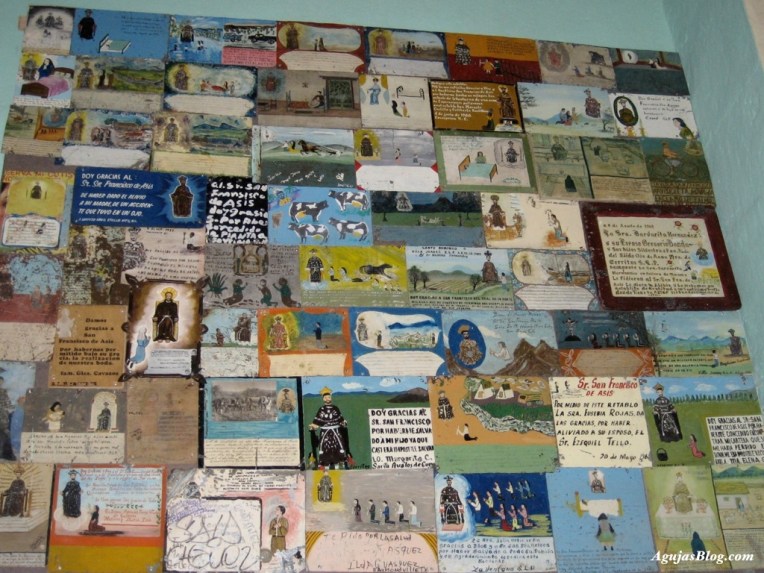
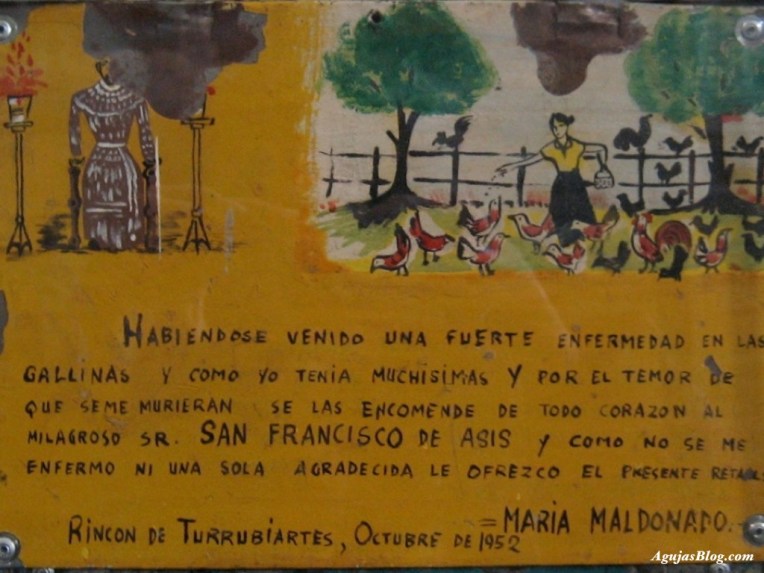
The following are close-ups of some of the retablos. I’ve translated the dedications as close in tone and style from the original Spanish.

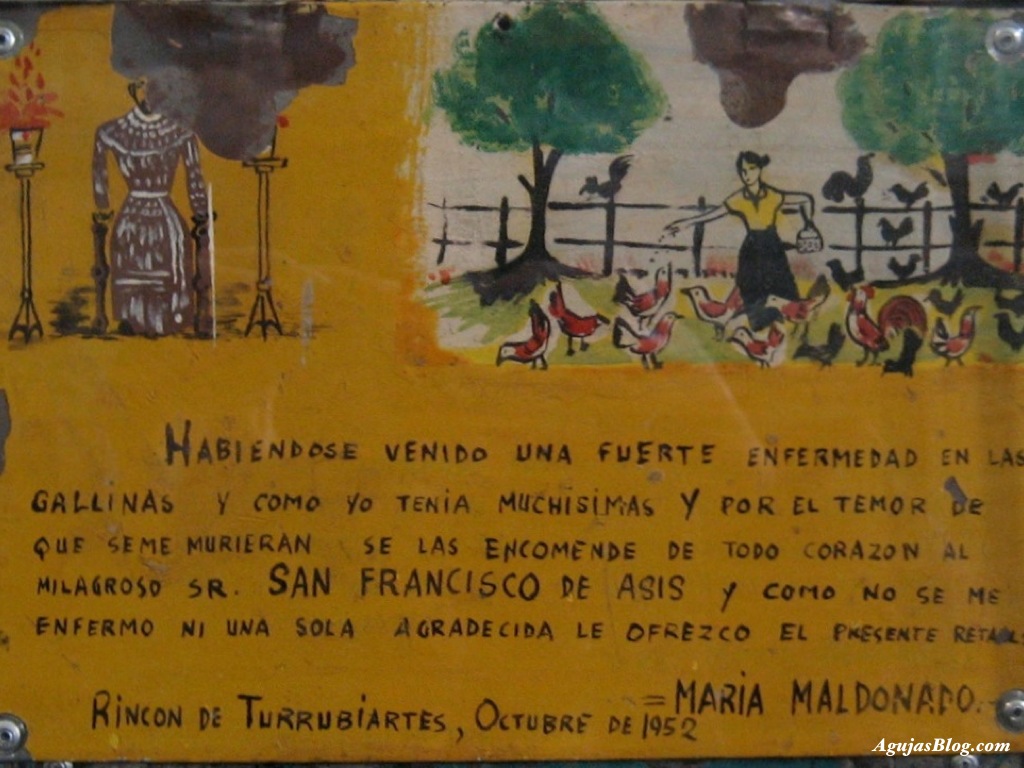
Retablo about chickens: There having come a strong sickness among chickens and since I had so many and out of fear that some would die, I entrusted them with all my heart to the miraculous St. Francis of Assisi and since not a single one became sick I gratefully offer this retable. (October 1952).
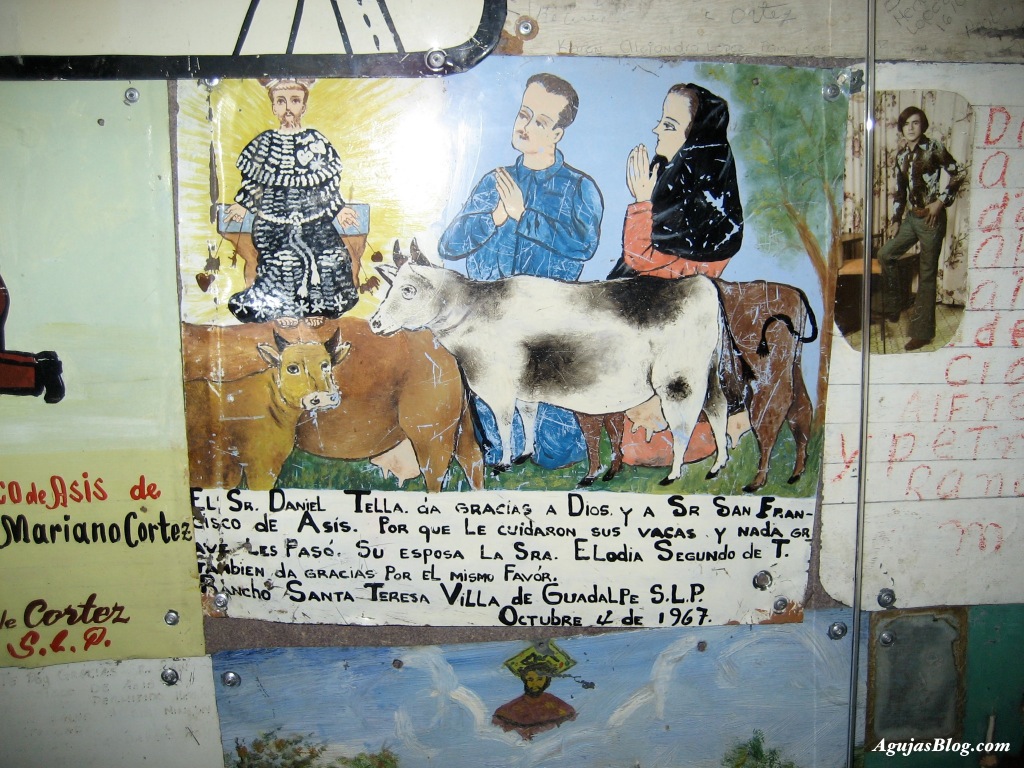
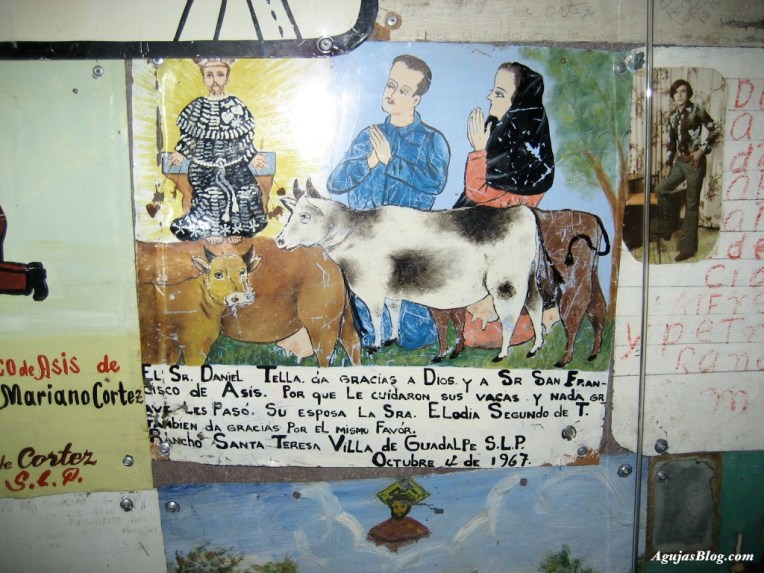
Retablo about cows: Mr. Daniel Tella gives thanks to God and to St. Francis of Assisi because they took care of his cows and nothing serious happened to them. His wife, Mrs. Elodia Segundo de T. also gives thanks for the same favor. (October 1967).
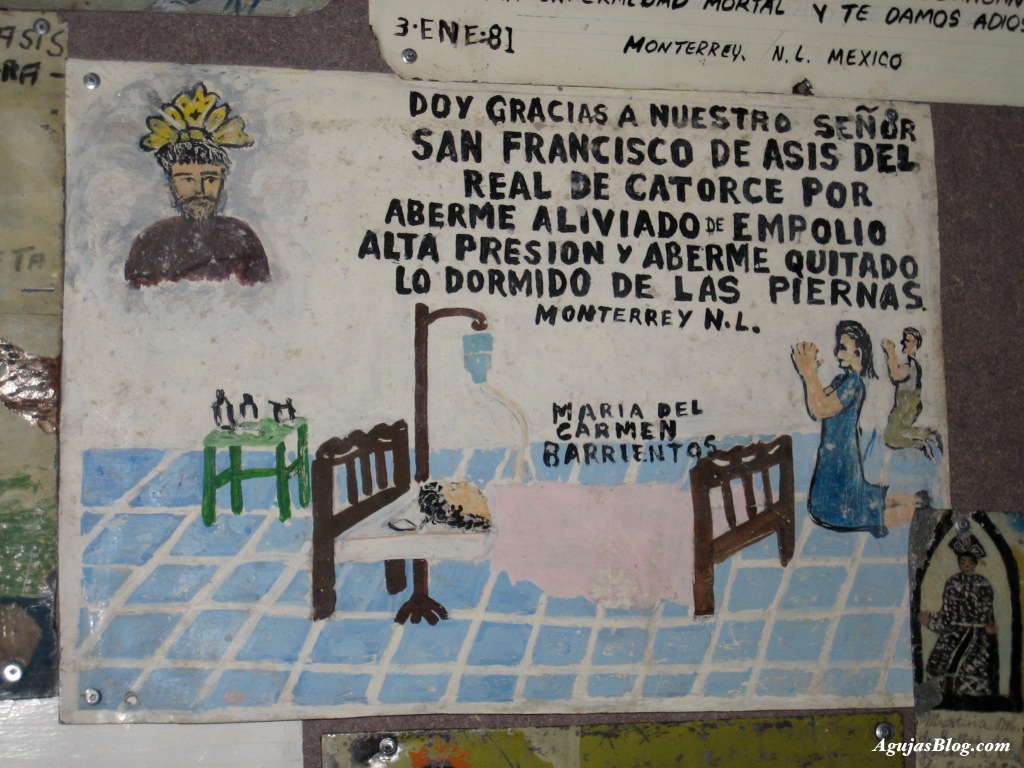
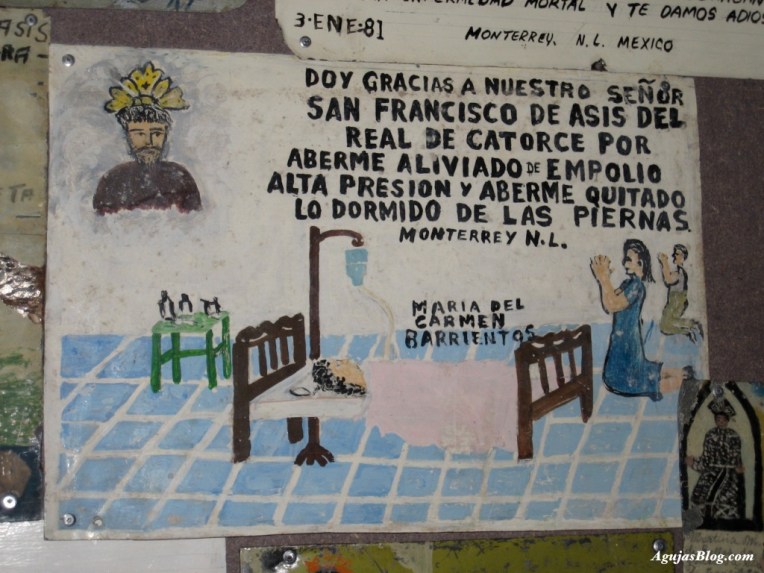
Retablo about embolism (possibly misspelled in the original): I give thanks to our Lord St. Francis of Assisi of Real de Catorce for having cured me of an embolism, high blood pressure and taking away the tingling in my legs.
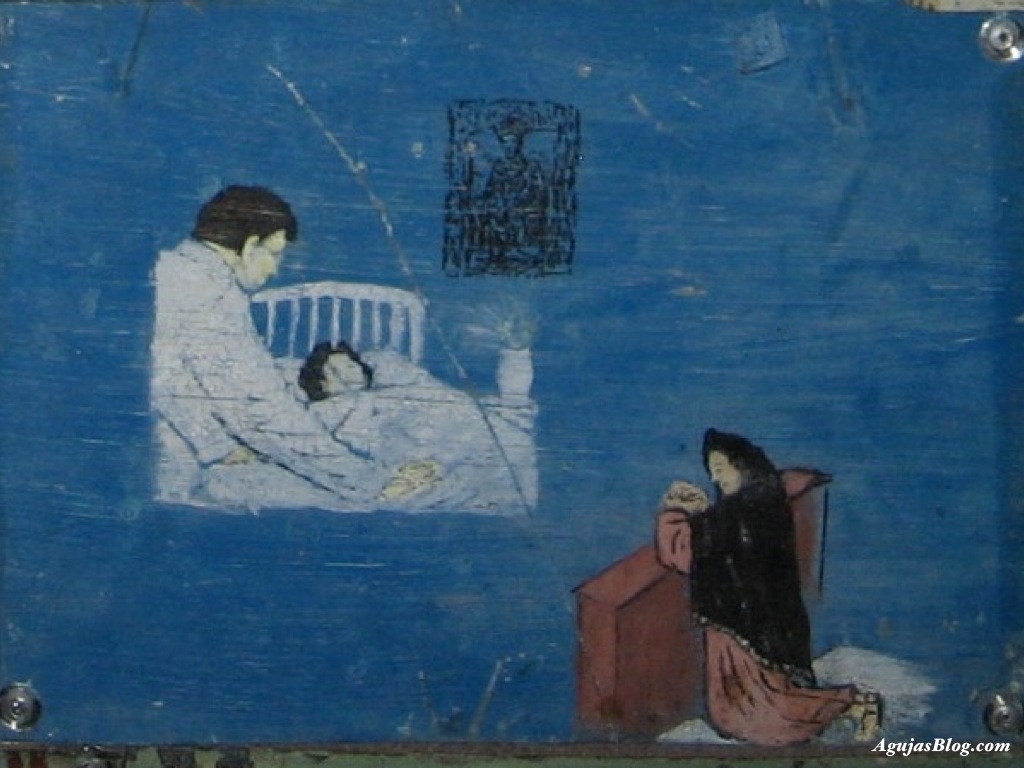
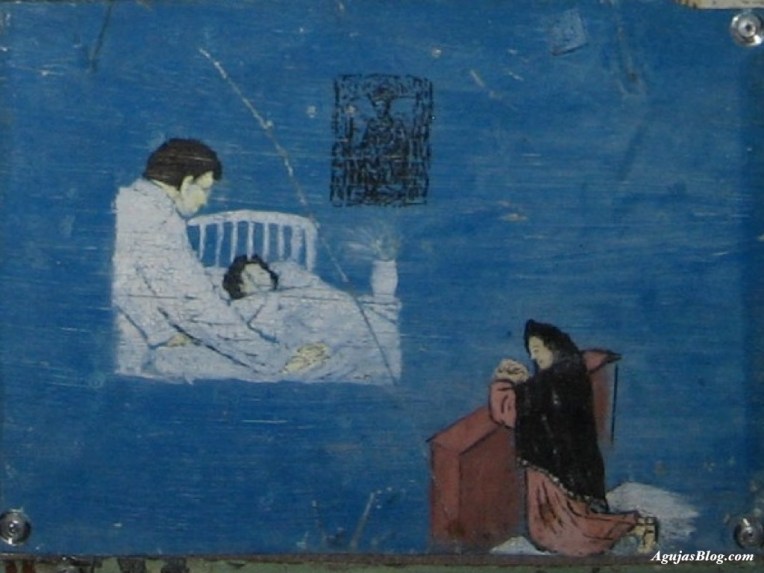
Retablo – painting only.
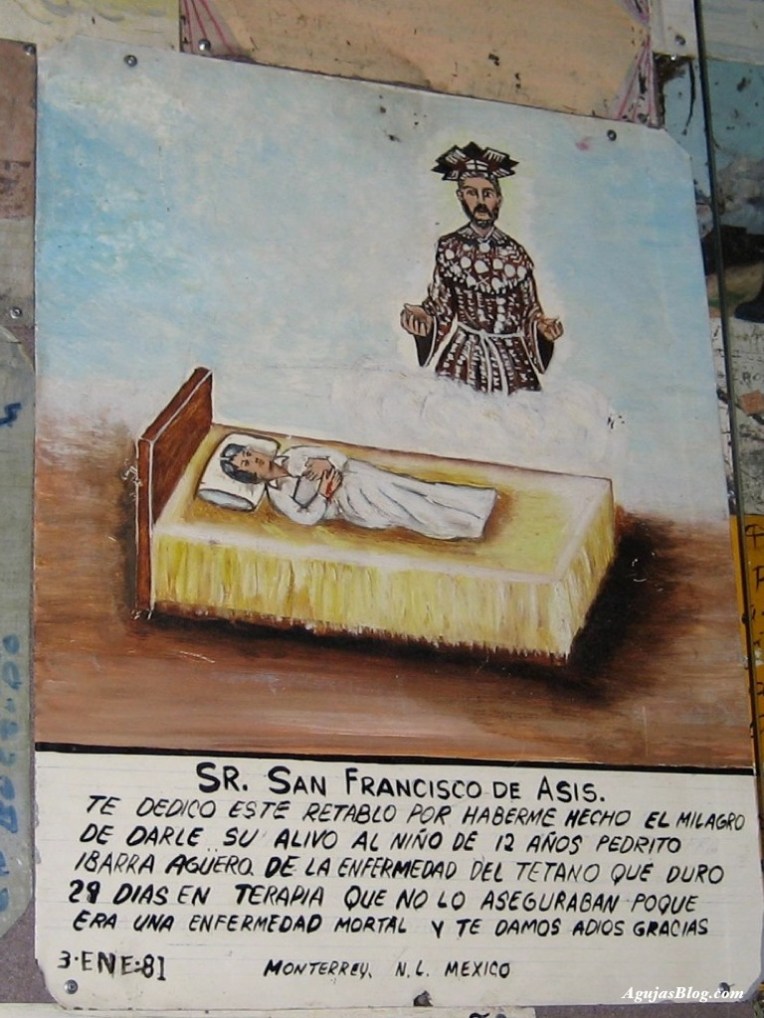
Retablo about tetanus: I dedicate this retable to you for having performed the miracle of healing the child of 12 years, Pedrito Ibarra Agüero of the illness of tetanus that lasted 29 days in therapy and without assurances because it was a mortal illness and we give to God thanks. (January 1981).
In order to gather and confirm facts, such as dates, heights of mountains, etc., I relied heavily on this wonderful guide-book we picked up in Real: Gómez Romero, Josemaría. Real de Catorce: San Luis Potosí, México. Guía Gráfica. Guadalajara, Jalisco, México: IVADIA & G, 2009. For more information or to plan a visit to Real de Catorce, visit their website. If you haven’t already, see the previous post on the Huichol Indians that live in Real and their yarn art.