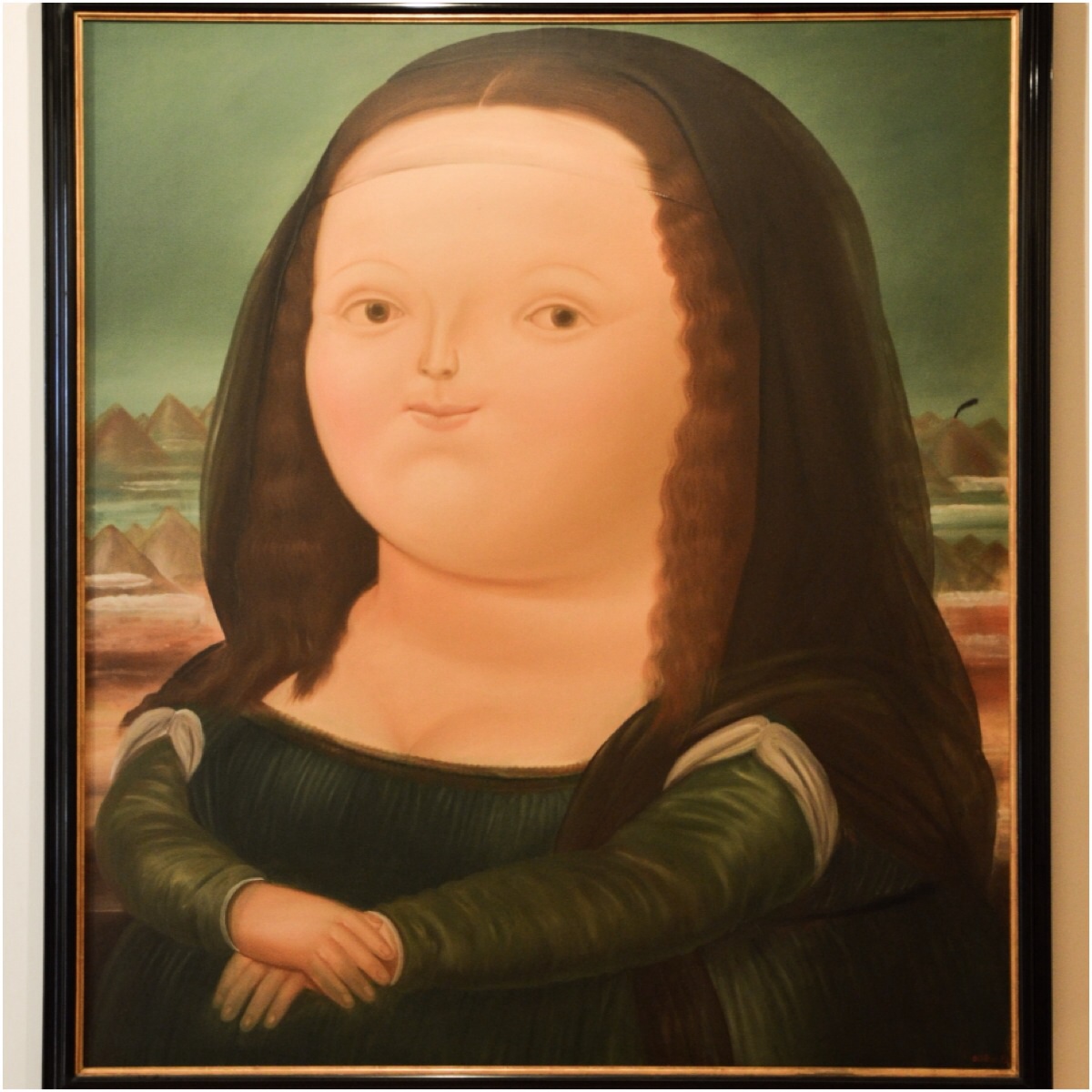
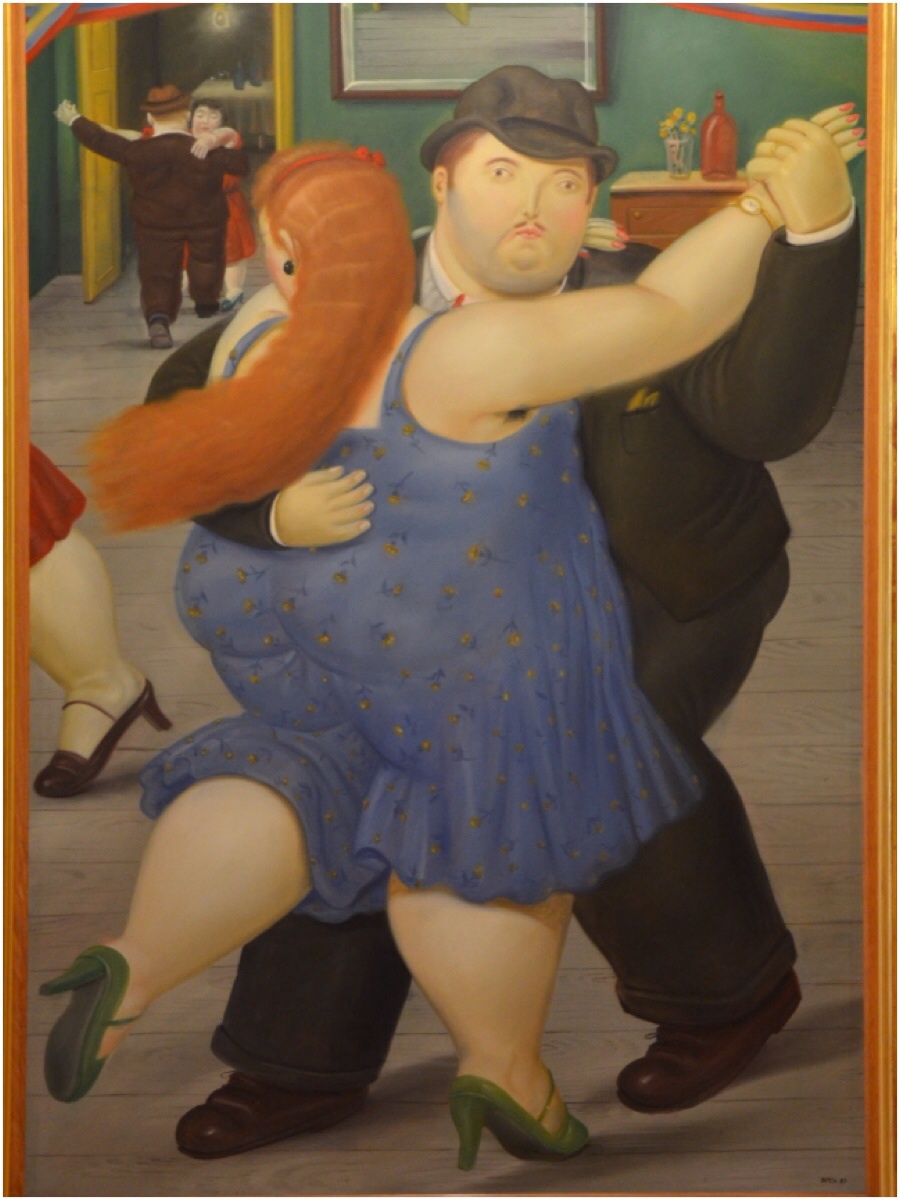
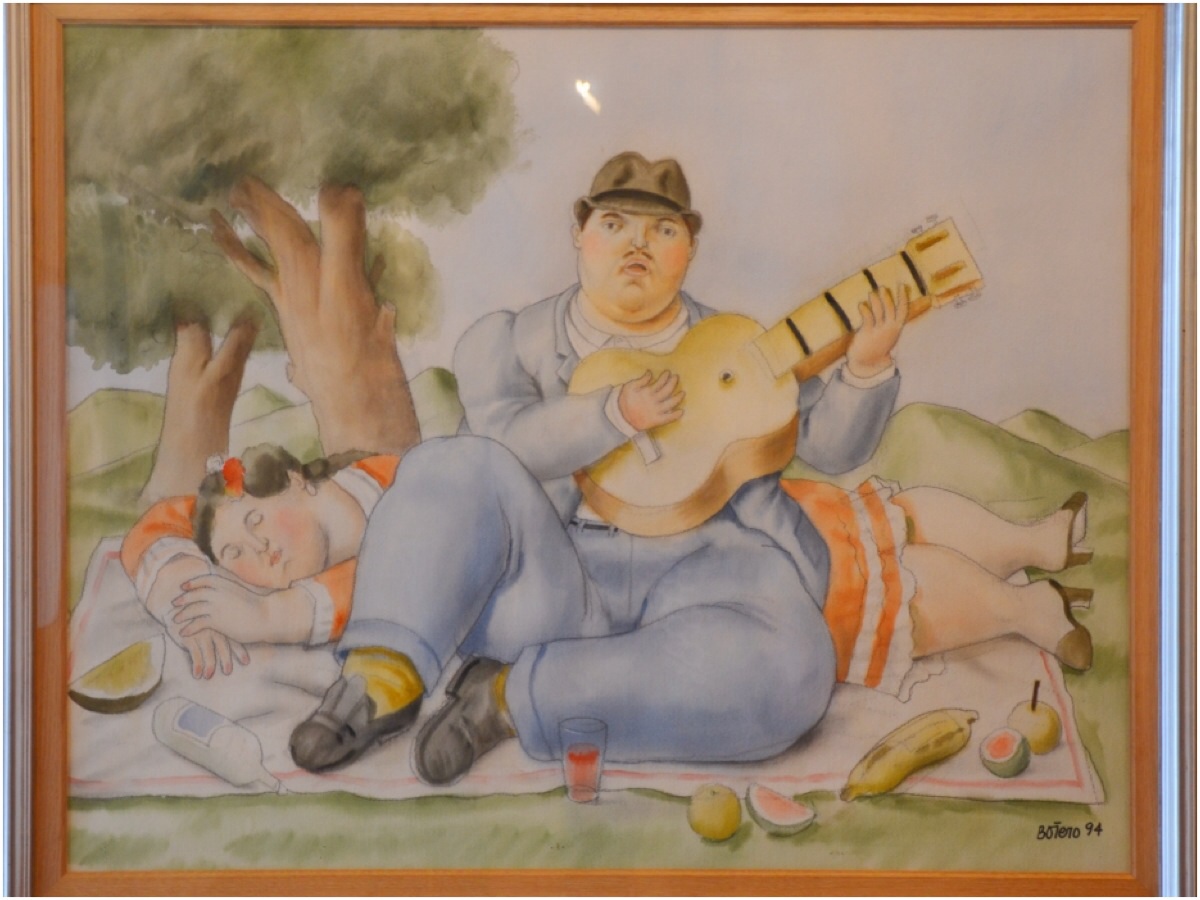
The highlight of our second day in Bogotá was a visit to the Museo Botero. Fernando Botero’s paintings and sculptures are characterized by disproportionately large people and objects. I felt as if I was looking at the portrayals through a different lens. They made me smile.
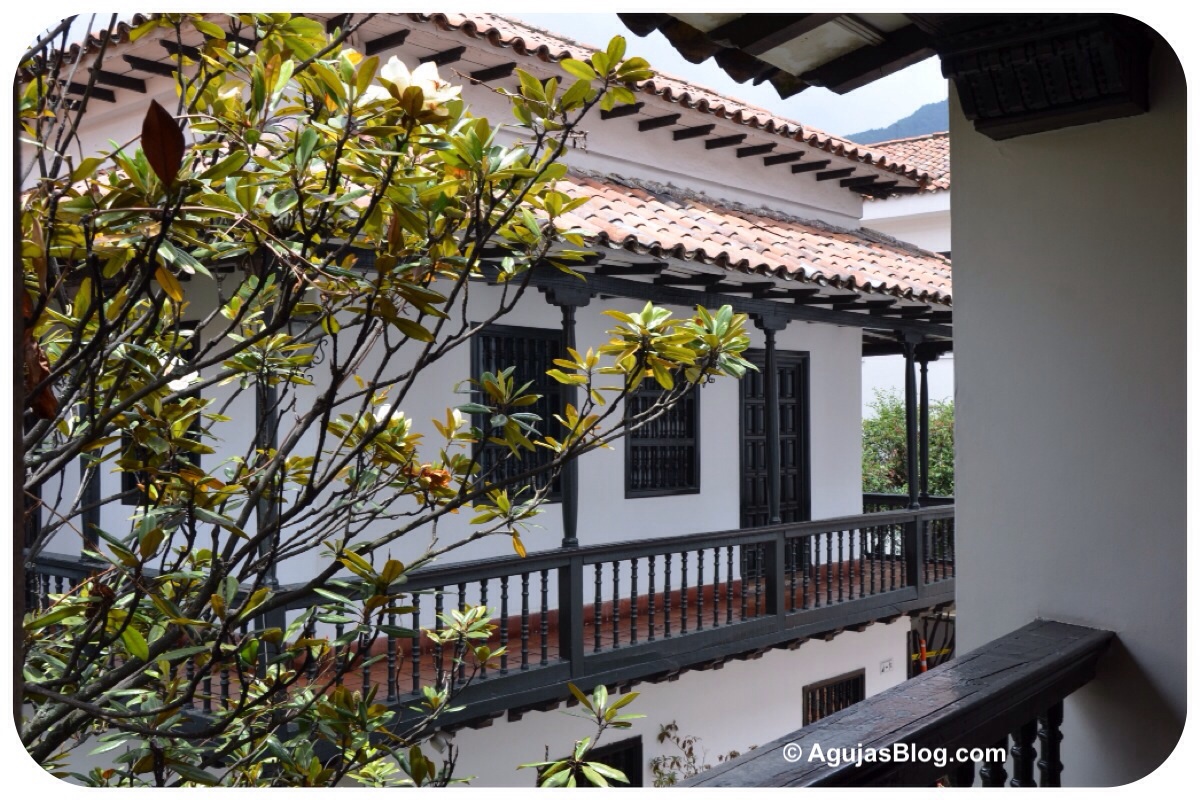
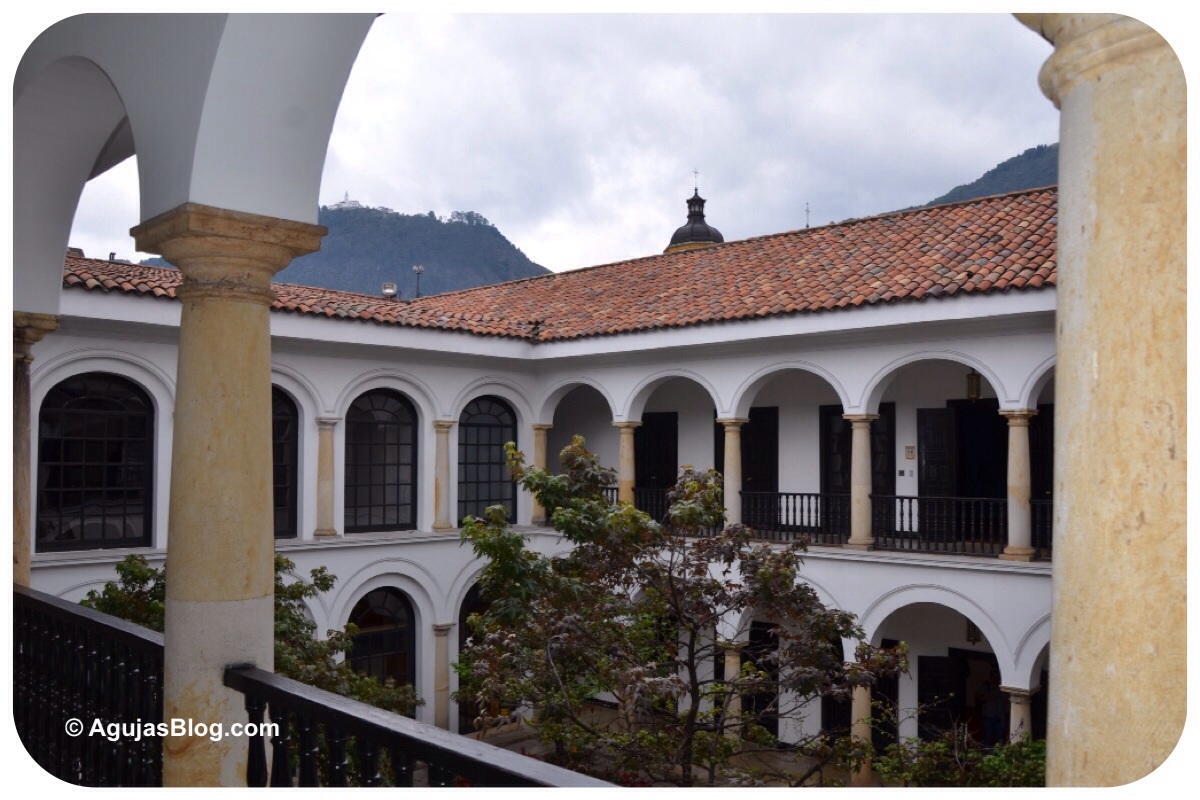
The museum is located inside a roomy house built in the early 1700s for the local archbishops. It has wide verandas and beautiful gardens with views of the nearby mountains.
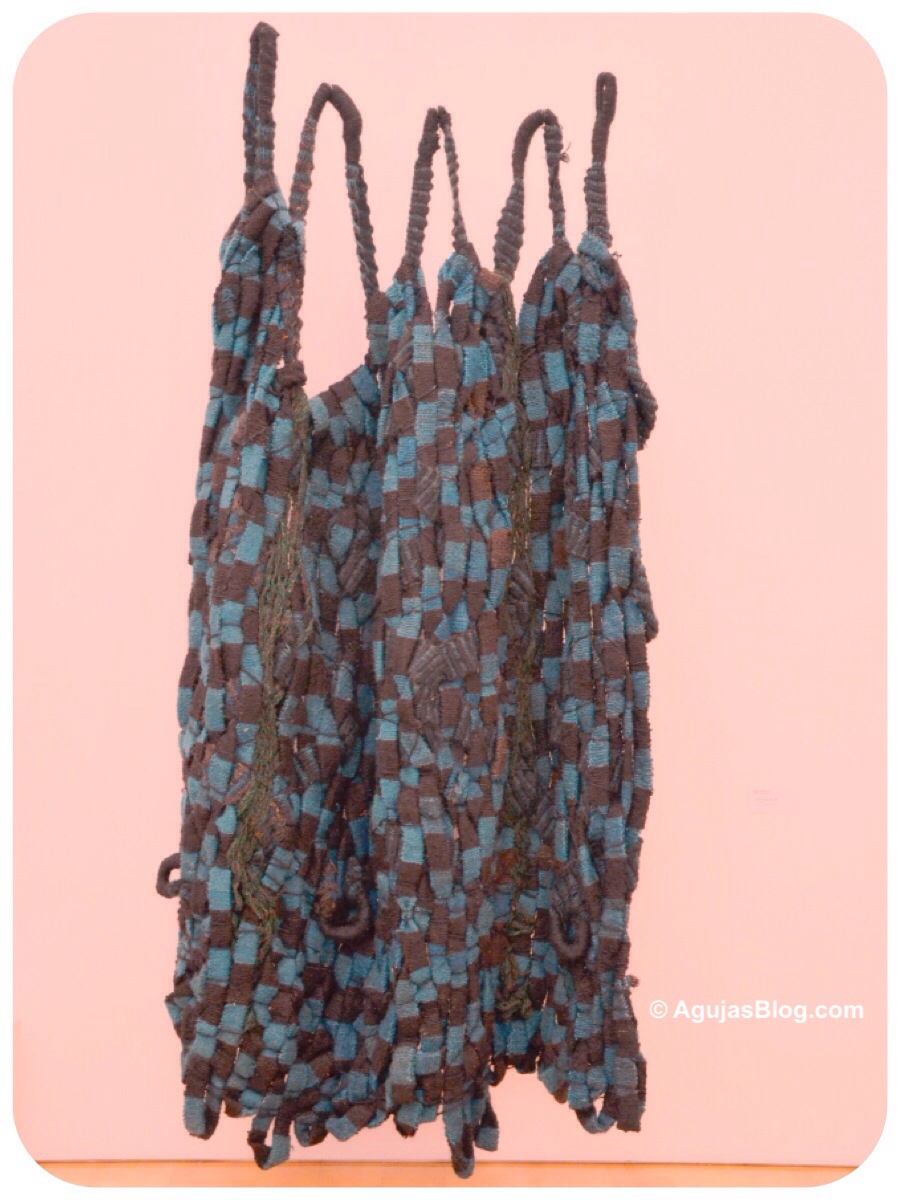
The museum also has a collection of art by international and local artists. This large textile was another favorite. It is the work of Olga de Amaral, a textile artist from Bogotá.
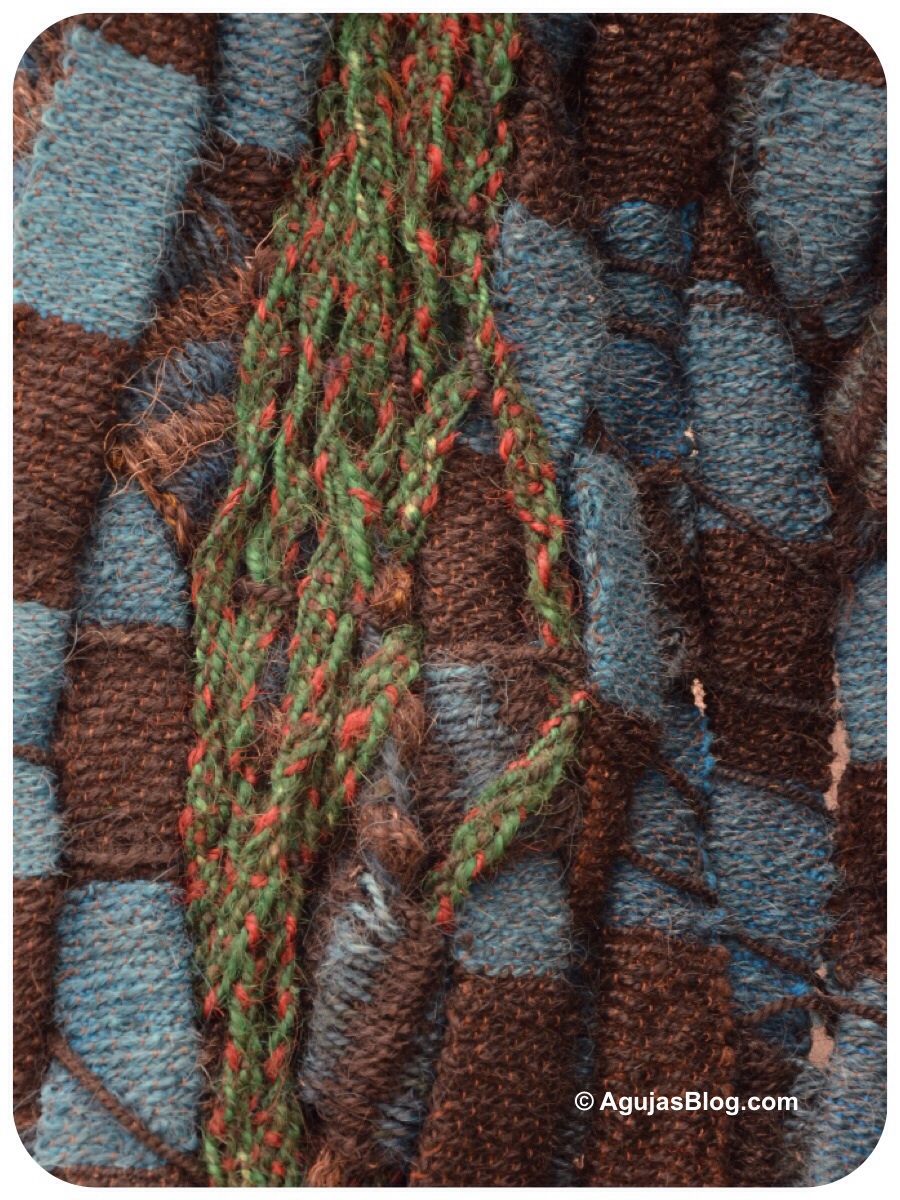
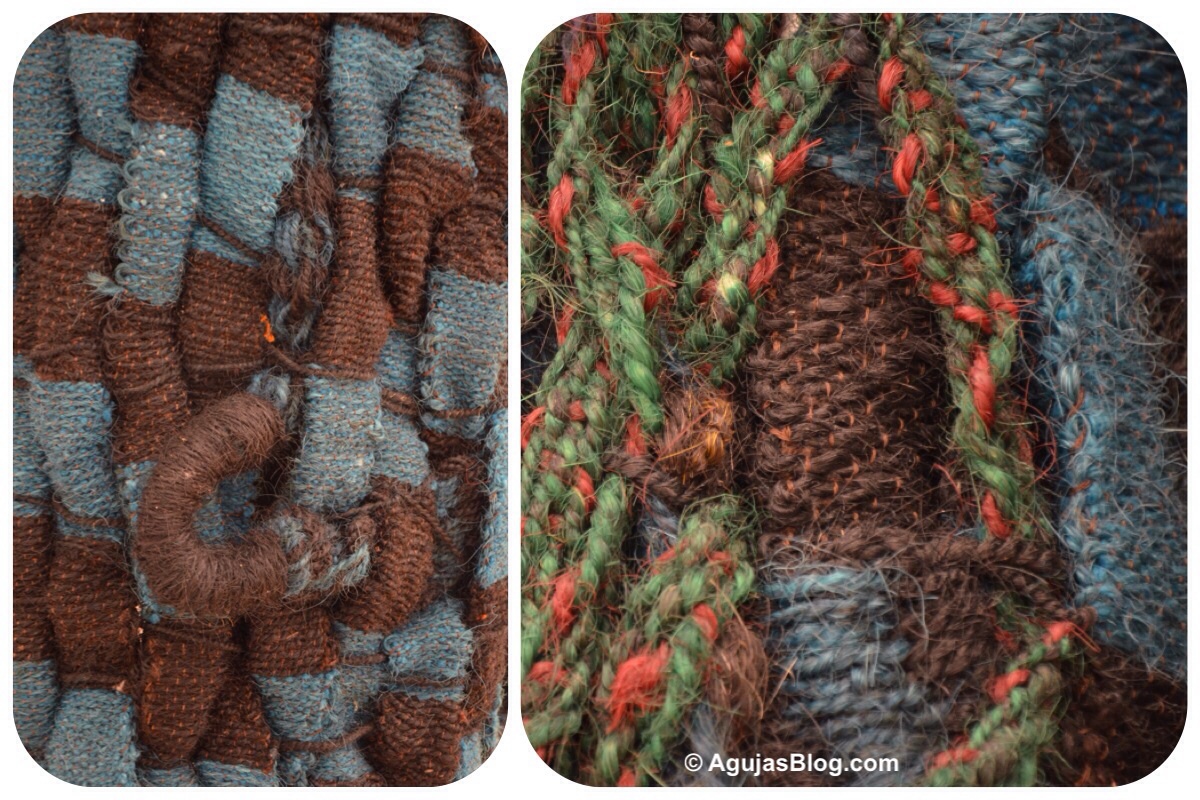
The tapestry is called Muro tejido No. 98 (Ca. 1972), made from animal and vegetable fibers.
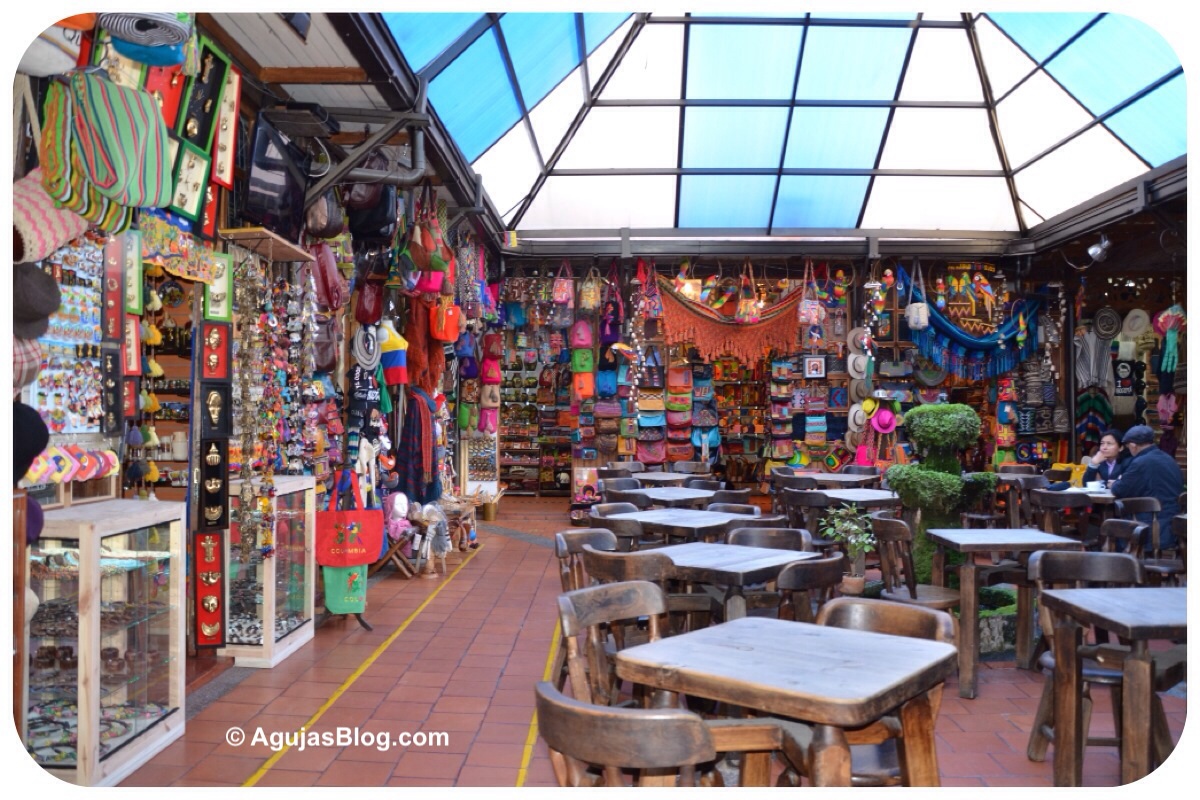
Our last stop was all about shopping! The Galería Artesanal de Colombia had countless tienditas (little stores) full of local arts and crafts
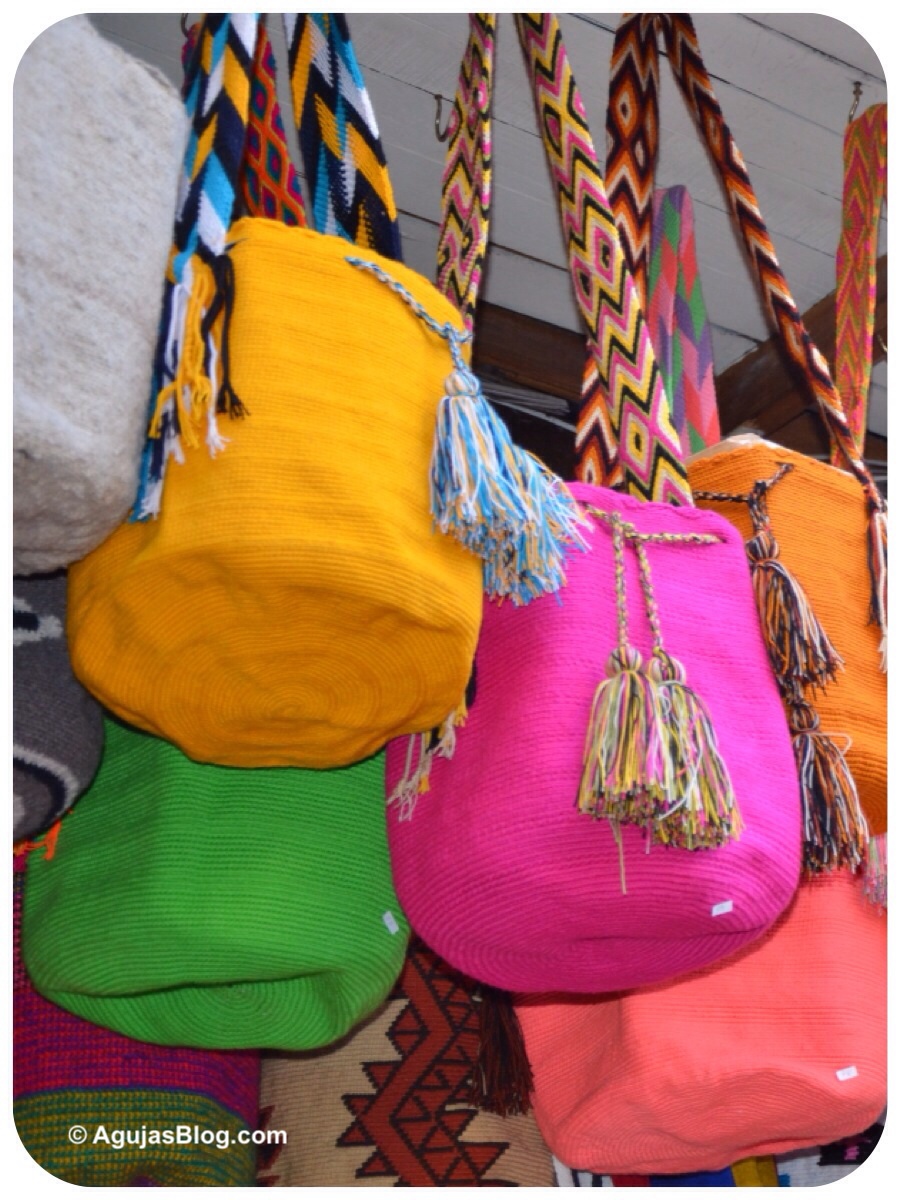
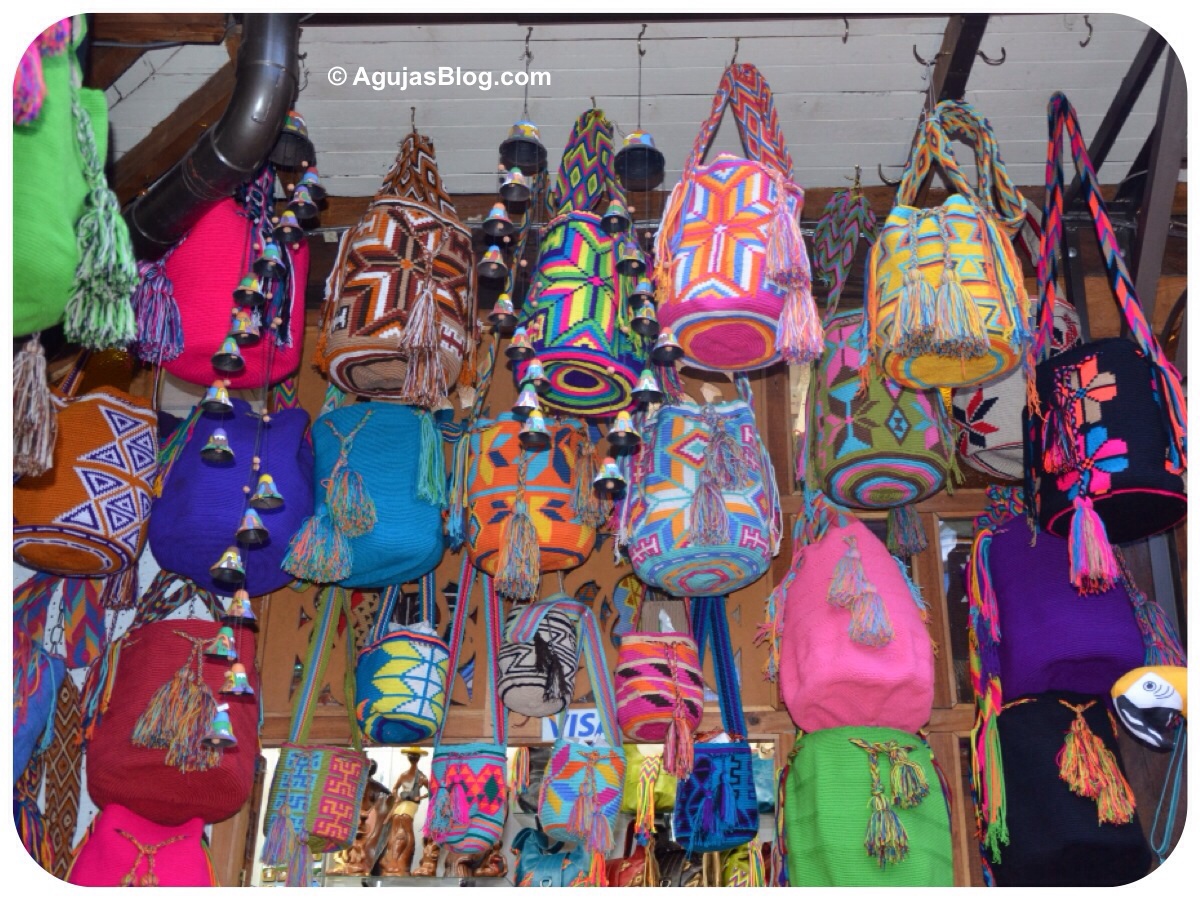
I fell in love with these exquisite crochet bags handmade by Wayúu women. The bags are crocheted with cotton thread and come in vibrant colors and interesting designs, each unique to the woman who made it. Multiple threads are woven together to make the straps.
As young Wayuu women come of age, they learn to weave and crochet Wayuu Mochila bags. According to legend, the tradition comes from “Wale´kerü”, a spider that taught the women how to weave their creative drawings into the Mochila bags. Each design incorporated into every Mochila bag is unique to the weaver, telling a story through the bag’s colors, patterns and shapes. (Source)
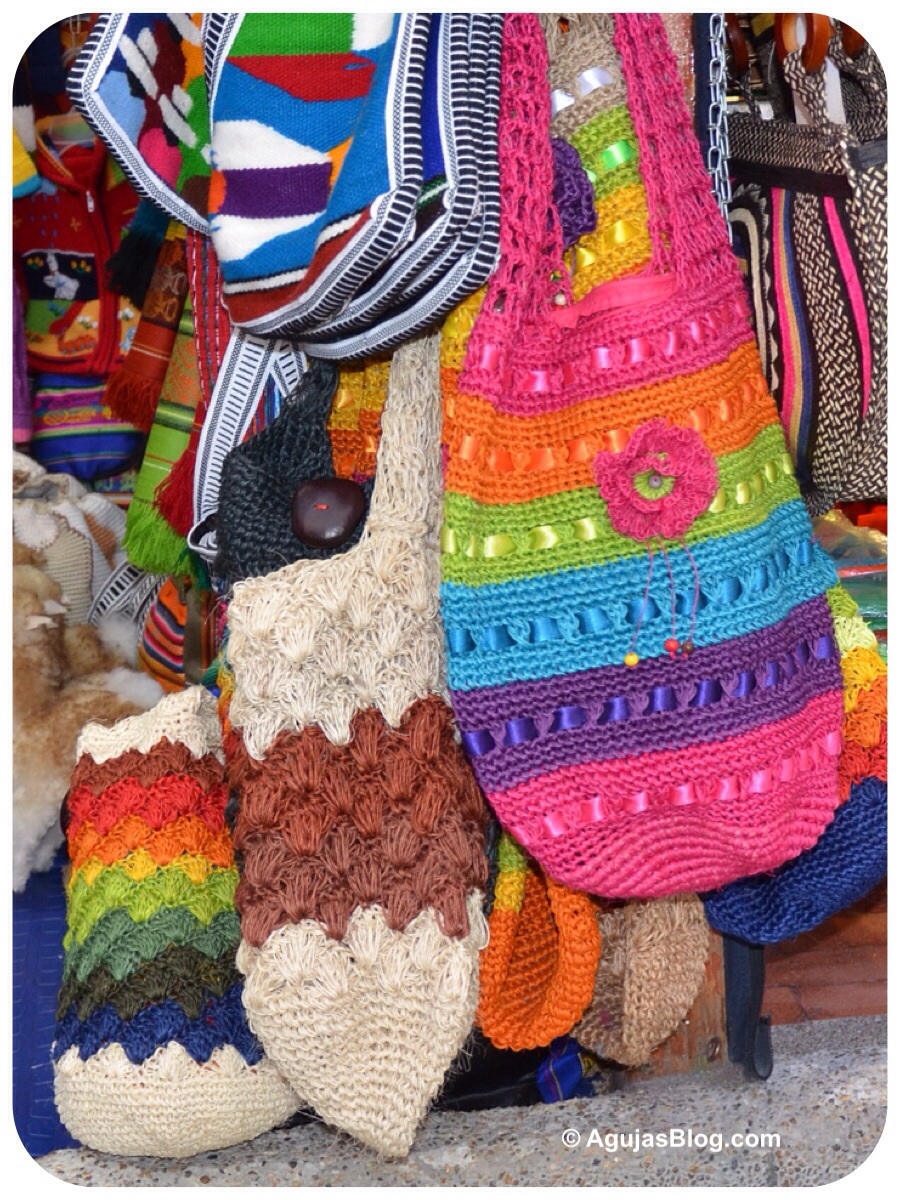
Along the long aisles of hammocks, baskets, bracelets and hats, there were more crocheted bags.
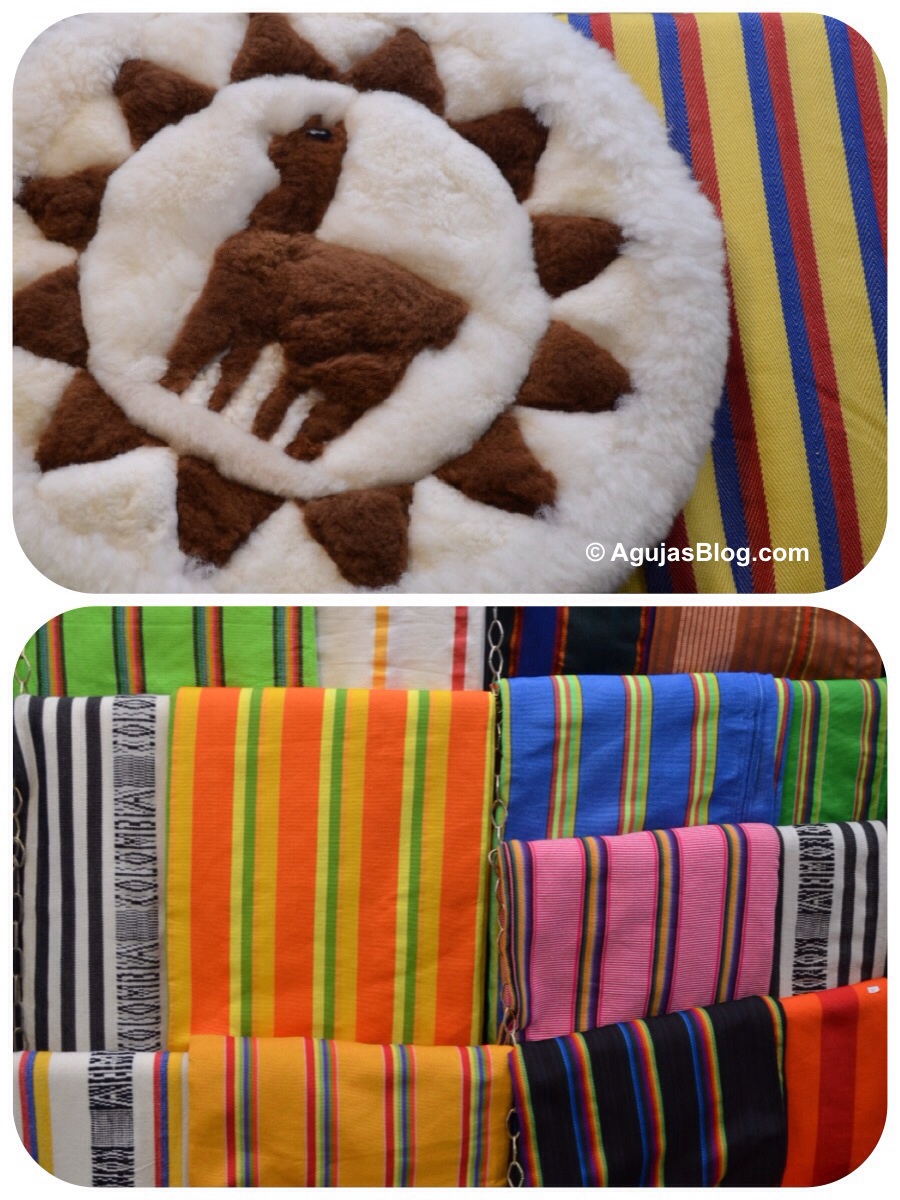
There were also textiles woven in bright colors.
By the end of the day, my head was spinnng, possibly due to the explosion of color, or the altitude! Another amazing day in Bogotá.
This was our first visit to Colombia and now I know where all the beautiful people come from. The capitol is nestled in a valley surrounded by mountains. The vegetation is rich and green and vibrant with colorful flowers. The people are charming and open and beautiful inside and out. Here is a recap of three wonderful days in Bogotá.
Day One
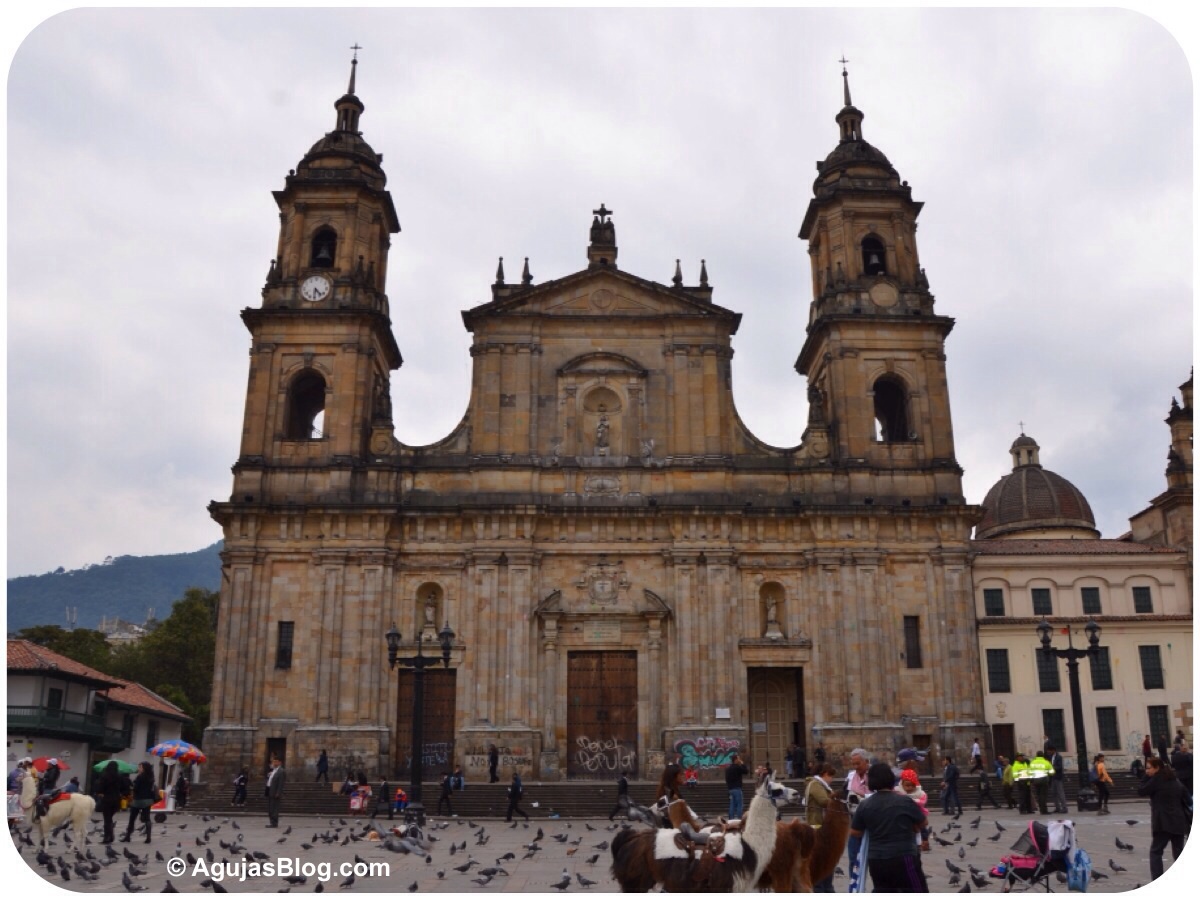
We walked through the cobblestoned streets of the historic La Calendaria district. At its center is Plaza Bolívar anchored at one end by the Cathedral of Bogotá. The Cathedral was built in the early 1800s (source) and has seen better days. But the church and the plaza were still the heart of the city pulsing with people and activity.
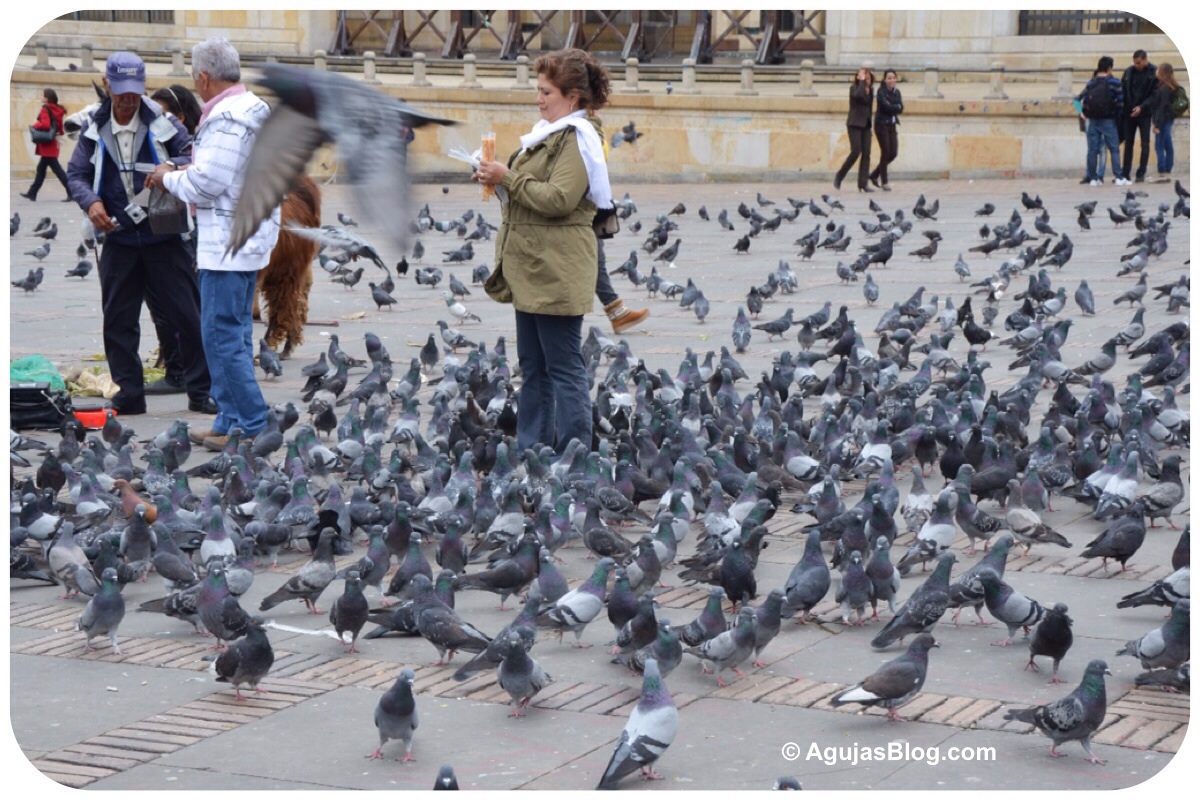
The plaza was taken over by pigeons, hundreds of them. People were buying dried kernels of corn from the street vendors and feeding them. For a moment, I had the sensation that I was in the middle of a Hitchcock movie.
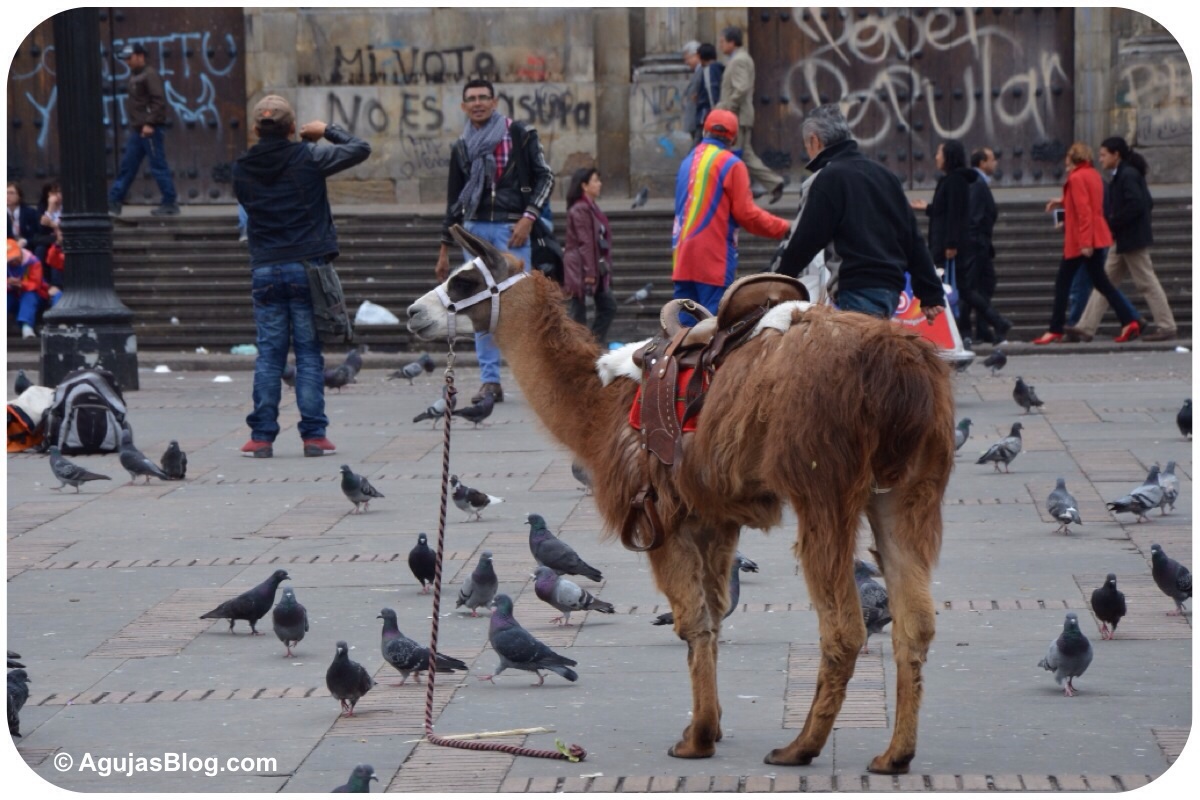
And what’s a plaza without llamas!
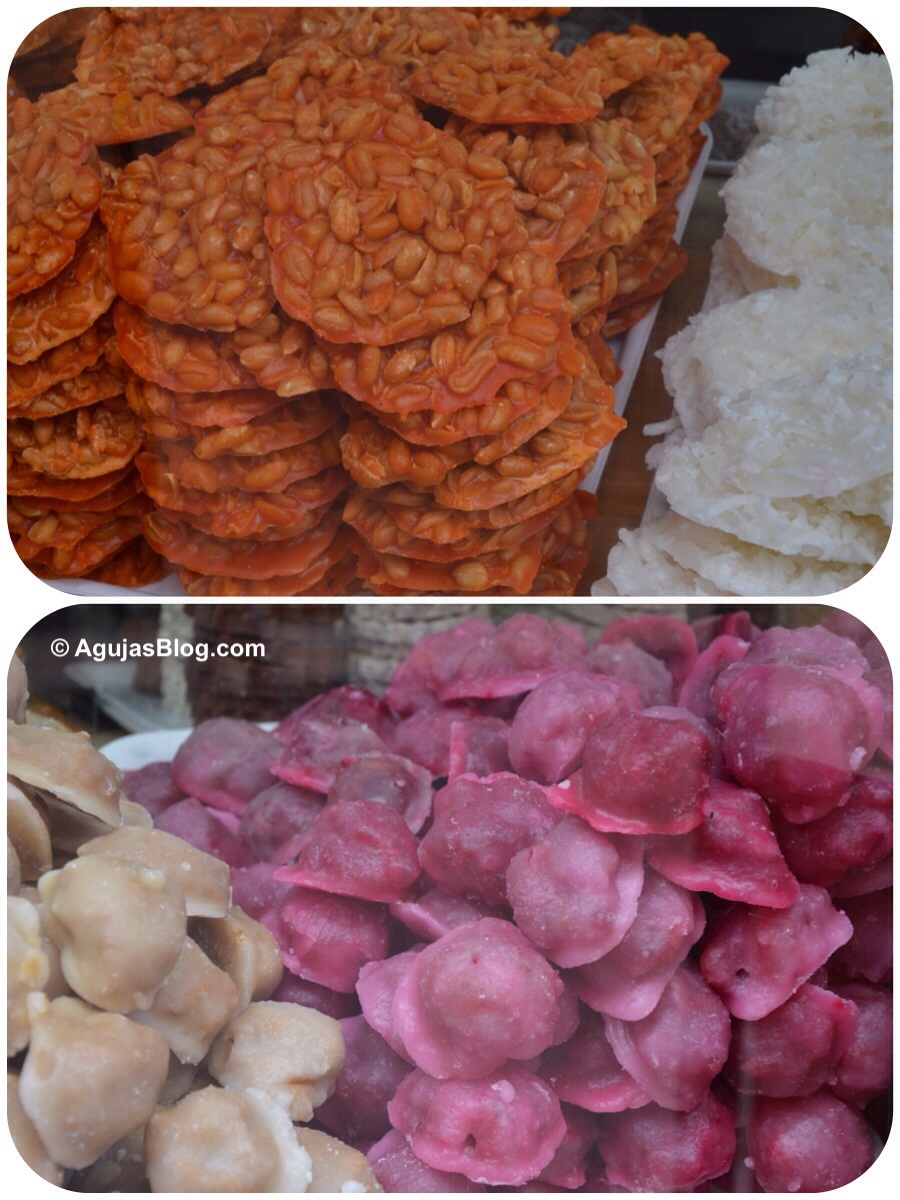
Close to Plaza Bolívar is a very small restaurant called “La Puerta Falsa” (The Fake Door) that has been around since 1816 (source). The first thing that draws you in is the window featuring trays full of these.
The ones on top are cocadas de arequipe con cacahuates y cocadas blancas (coconut with dulce de leche and peanuts and sugared coconut). The goodies at the bottom are called Marquesas. They are filled with fruits such as guanábana and moro (sour sop and mulberries).
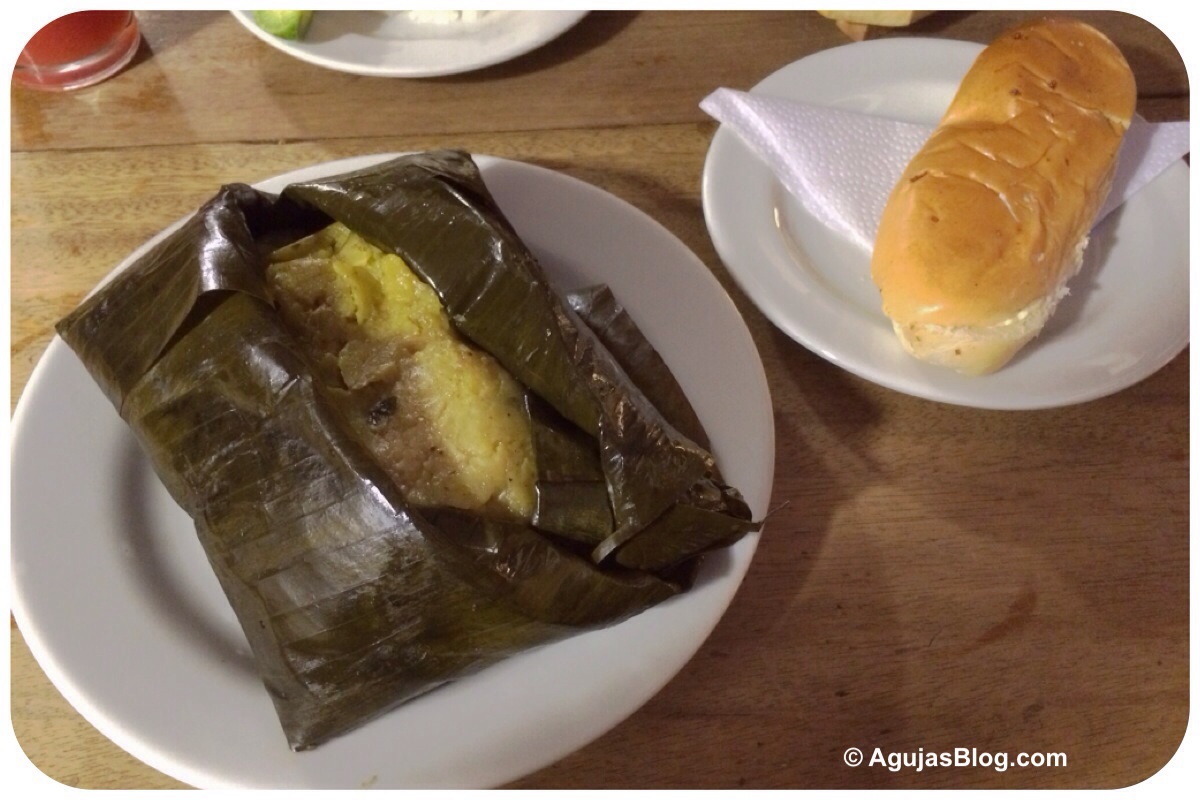
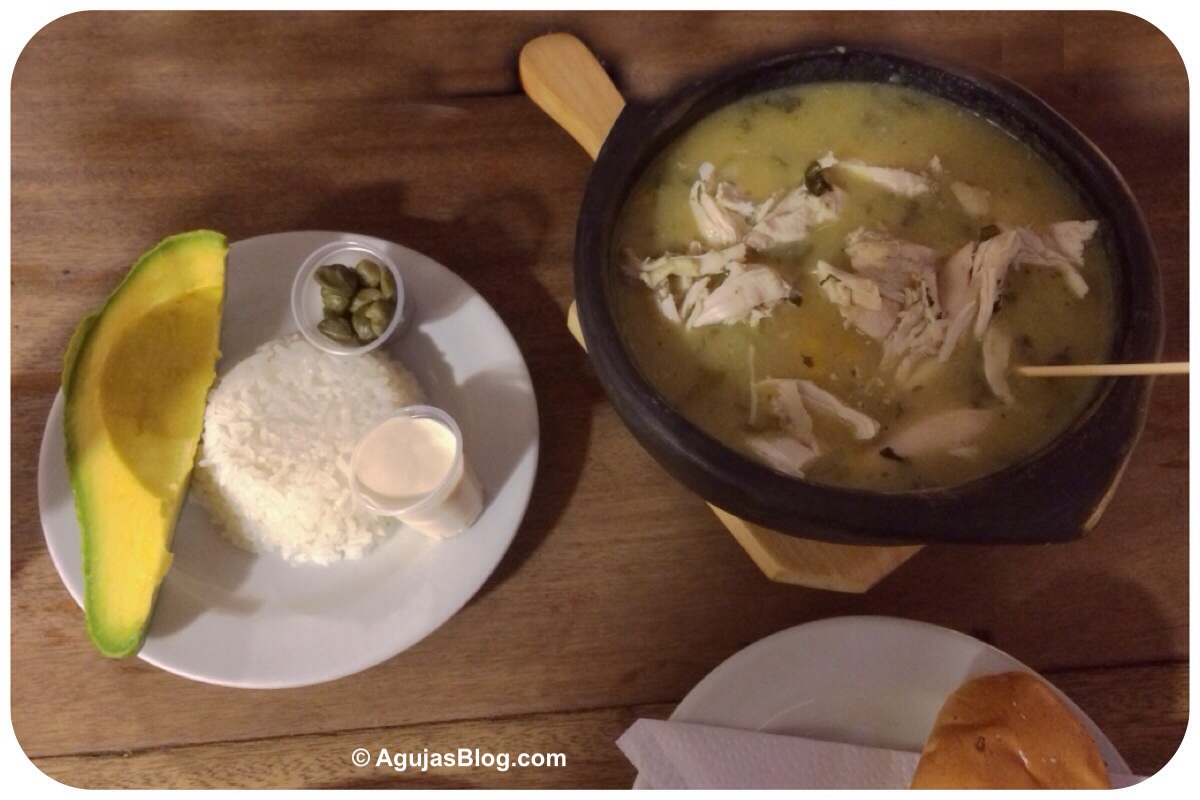
Inside the tiny restaurant, we had a typical Colombian meal of tamales and ajiaco. The tamale was filled with a delicious mixture of cornmeal, chicken, chick peas and carrots all wrapped and tied inside large green banana leaves. To accompany it I had a glass of fresh mulberry juice. My husband had the Ajiaco Santafereño, a thick soup of chicken, yellow potatoes and corn. It was accompanied by rice, avocado slices, crema fresca (fresh cream) and capers.
It so happens that “La Puerta Falsa” was featured in an episode of Parts Unknown with Anthony Bourdain. Watch Anthony enjoy a steaming tamale.
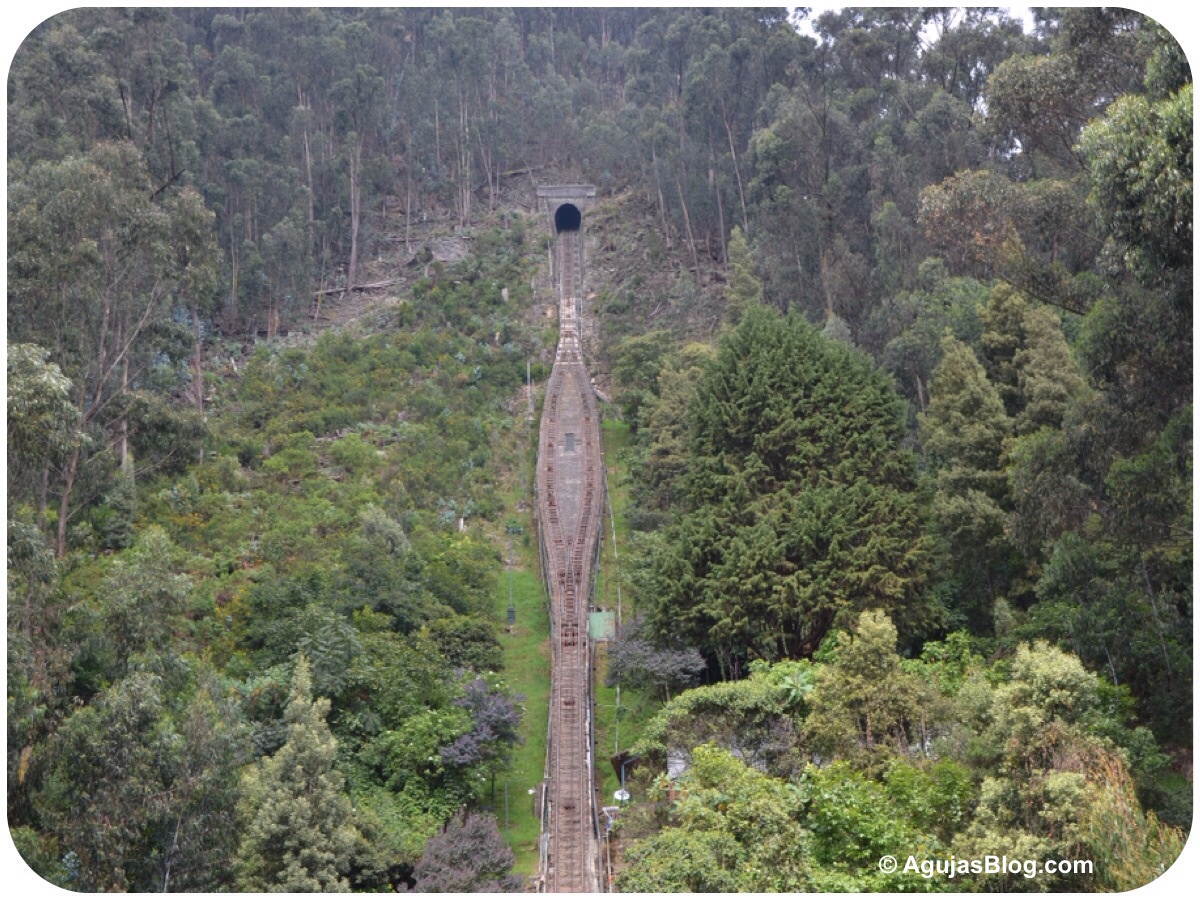
Our next stop was el Cerro Monserrate, a mountain in the center of the city. One can hike up or take either a train or cable car. We chose the teleférico (cable car). The cable car took us over the funicular rails below.
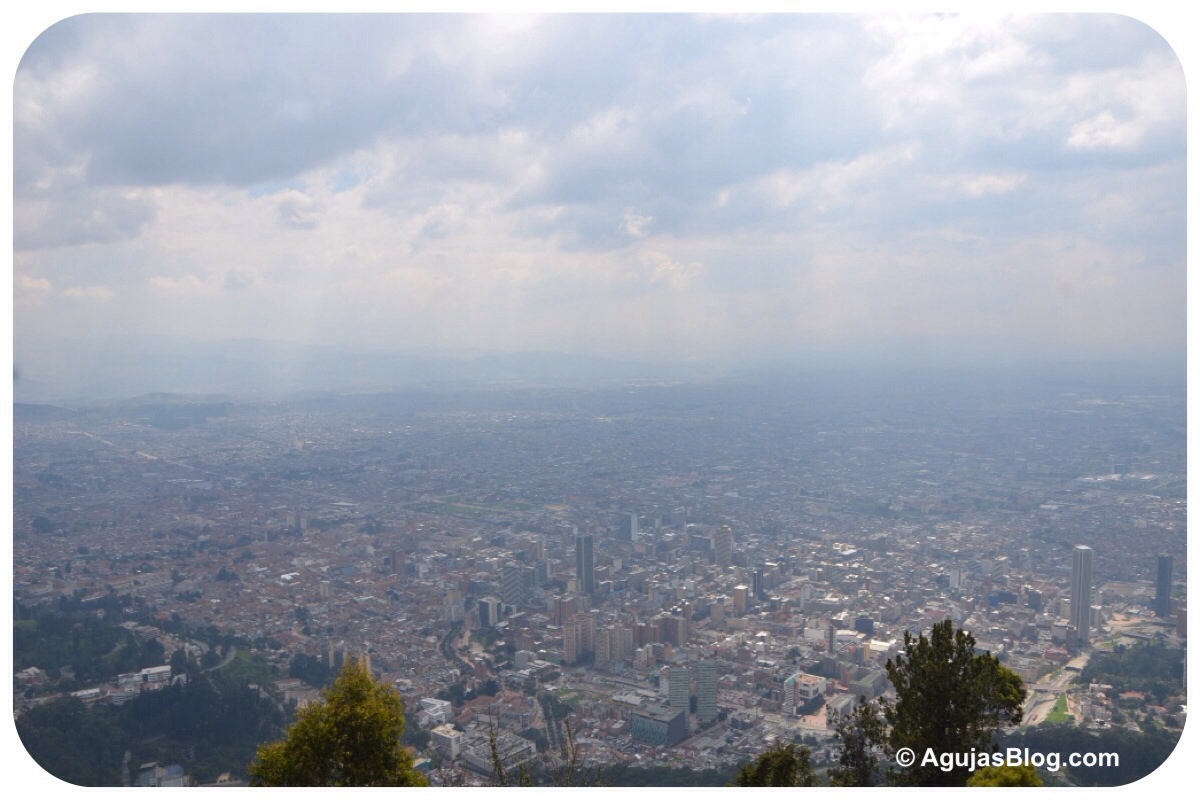
Once up the mountain, from 3,170 meters above sea level, there was this incredible view of Bogotá. The city stretched farther than I could see, possibly due to the smog. According to Colombia’s Official Travel Guide, the city has over 10 million people.
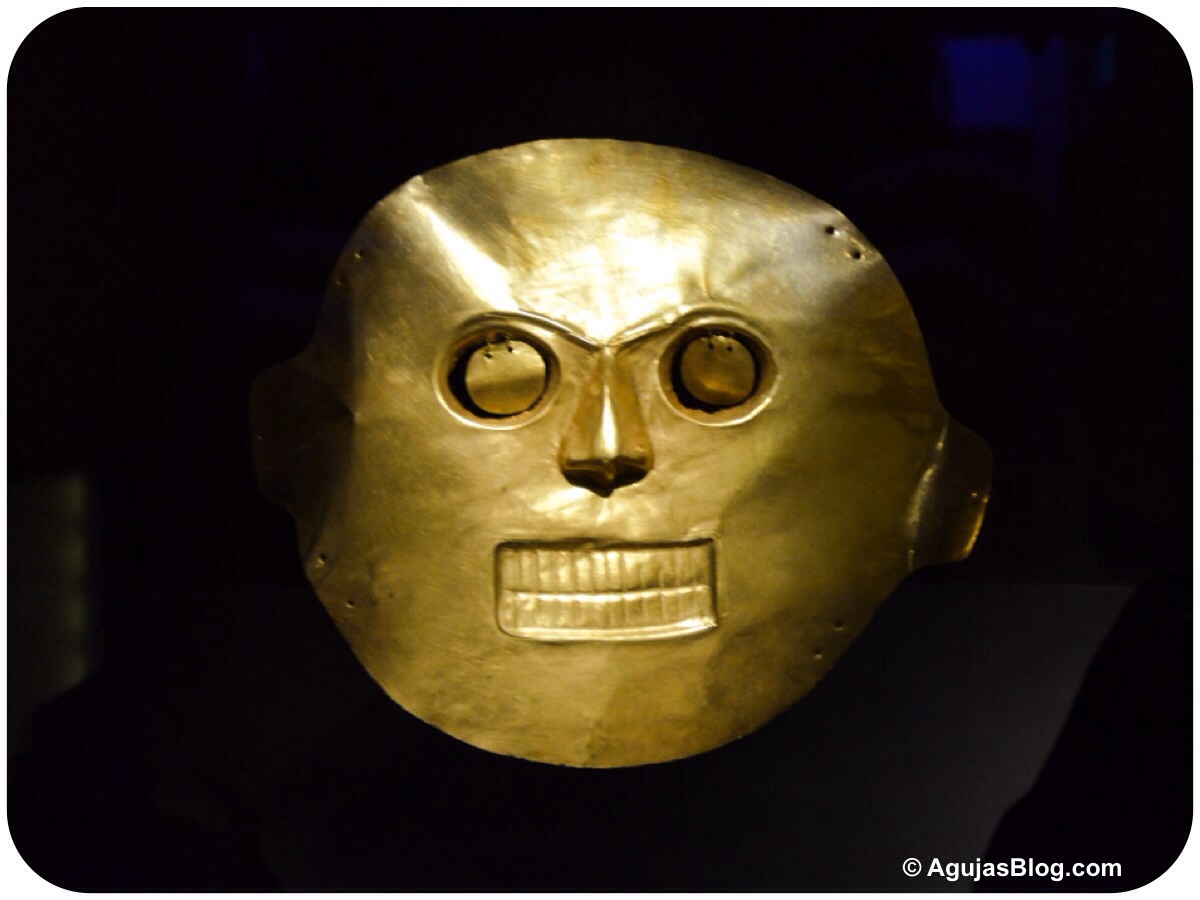
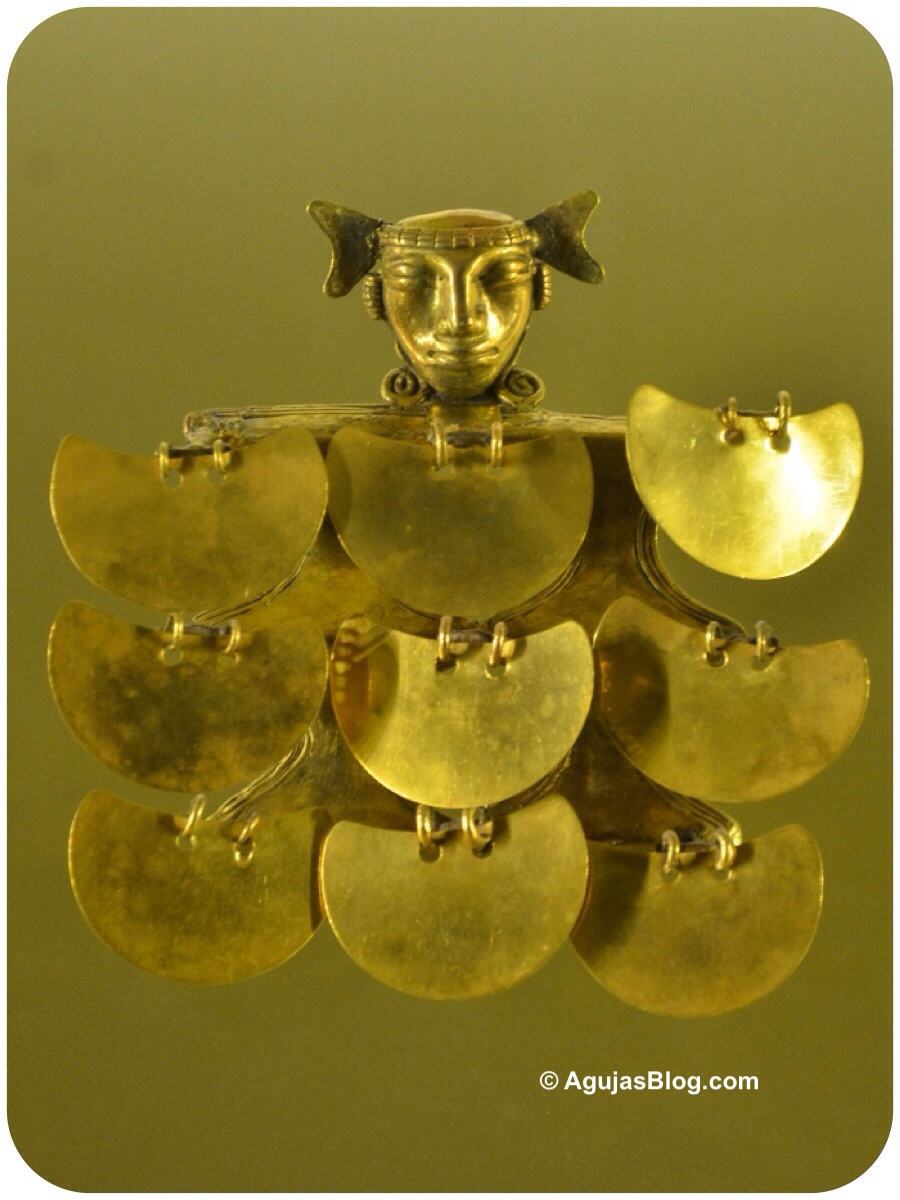
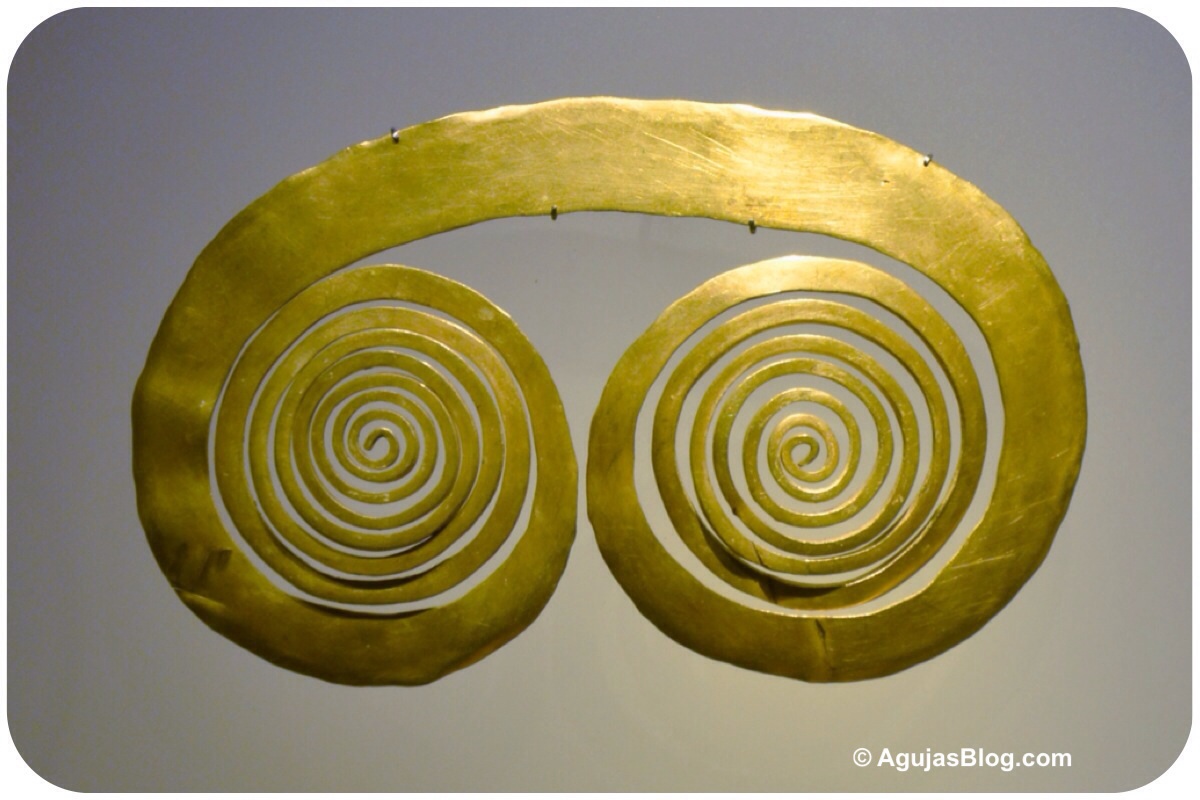
The Museo de Oro (Gold Museum) featured pre-Colombian art hammered out of gold.
Gold funeral masks…made of the sacred metal…immortalized the chieftains with their symbolic power.
During ceremonies, the hanging plates on ornaments twinkled in the light and gave off metallic sounds…
Time was conceived as being cyclical or like a spiral…
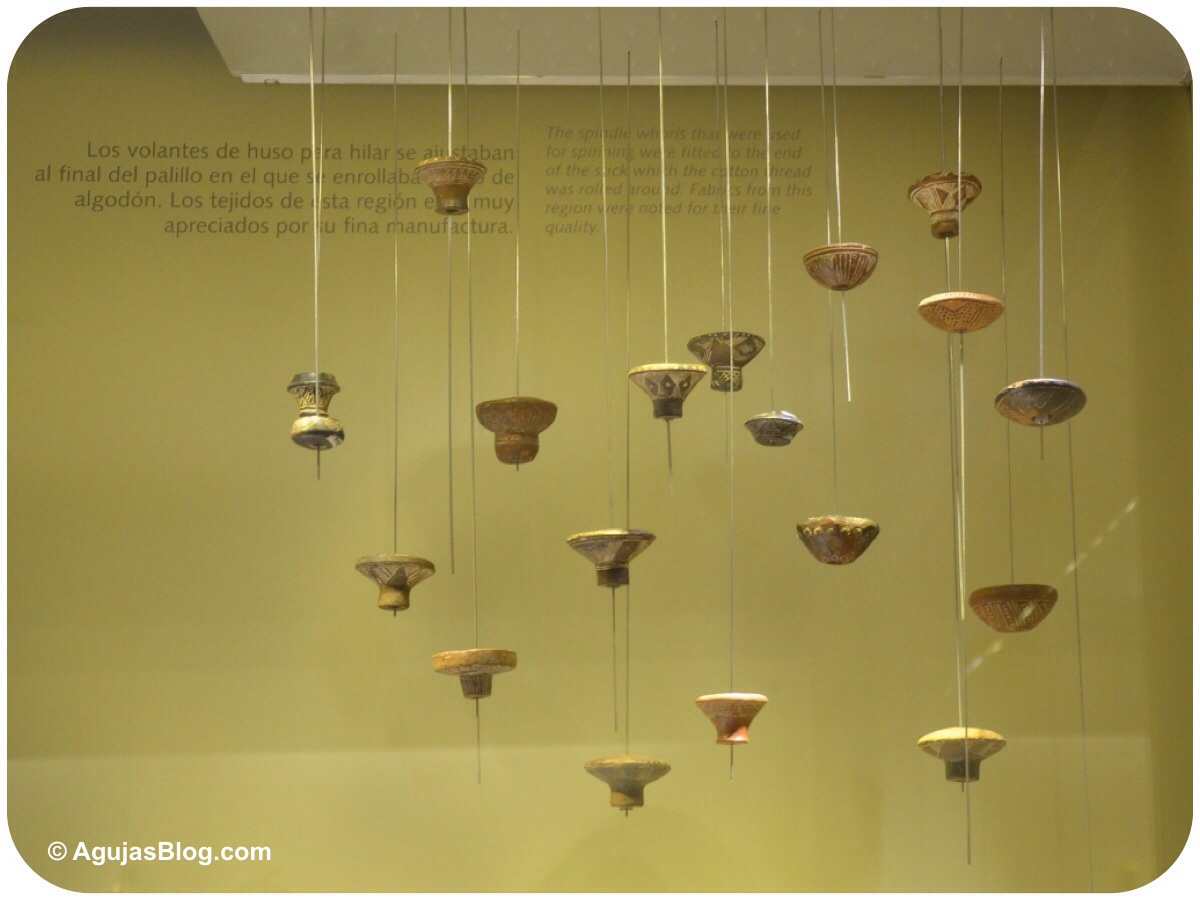
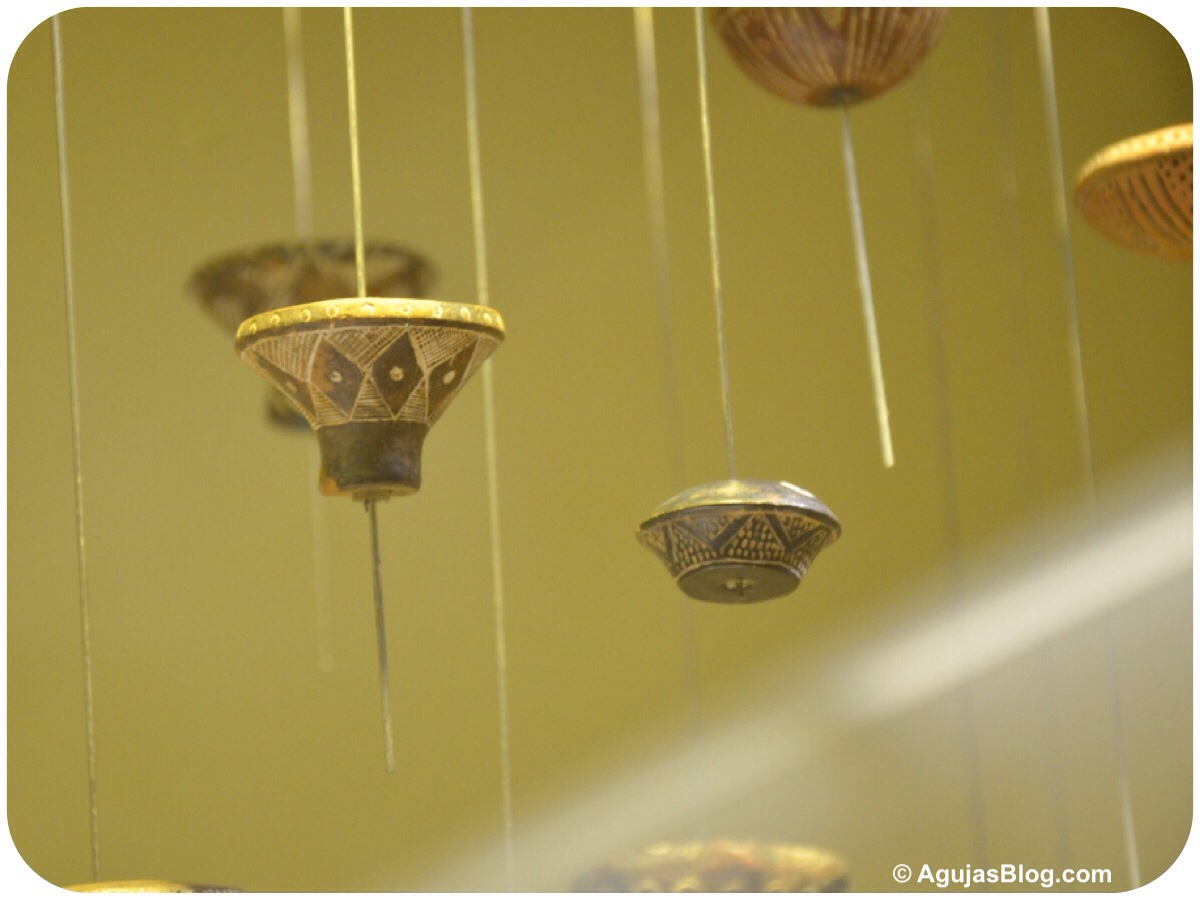
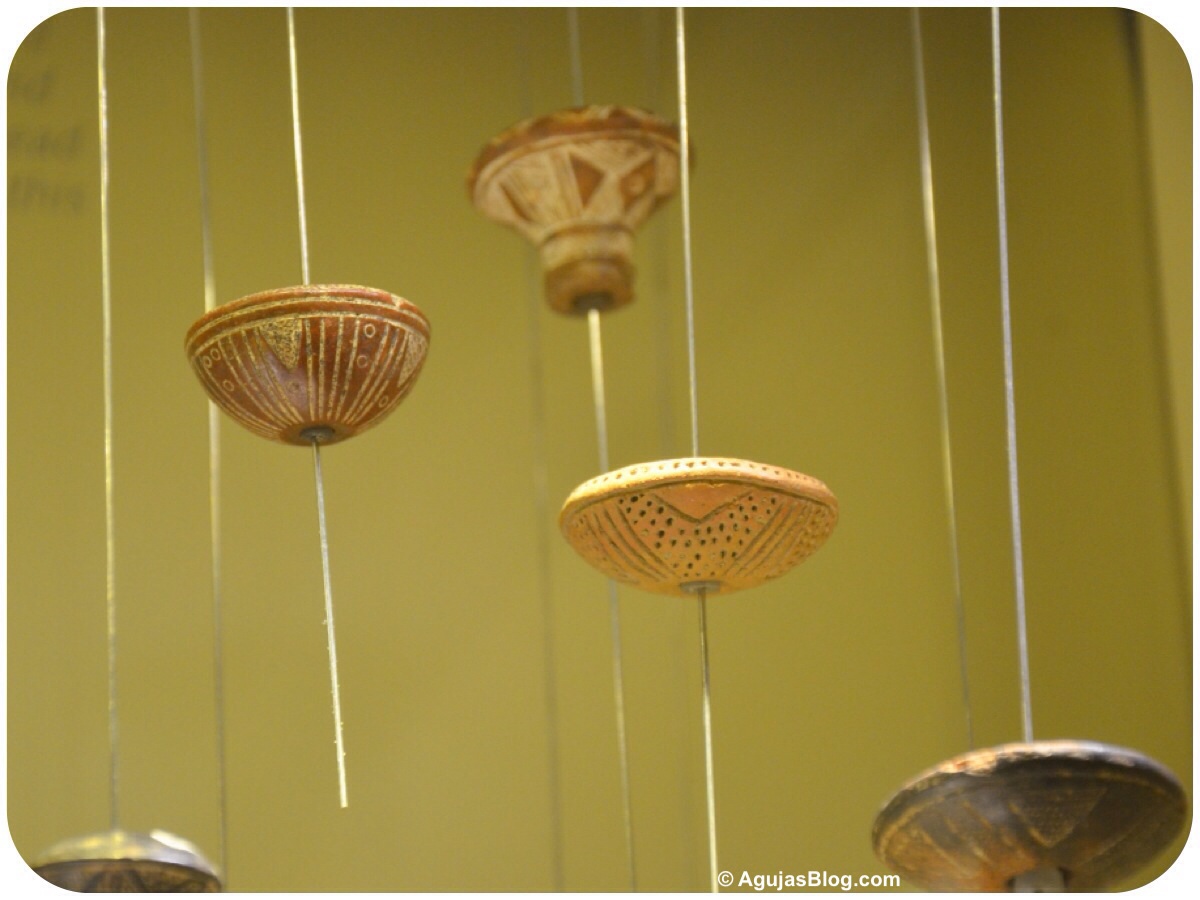
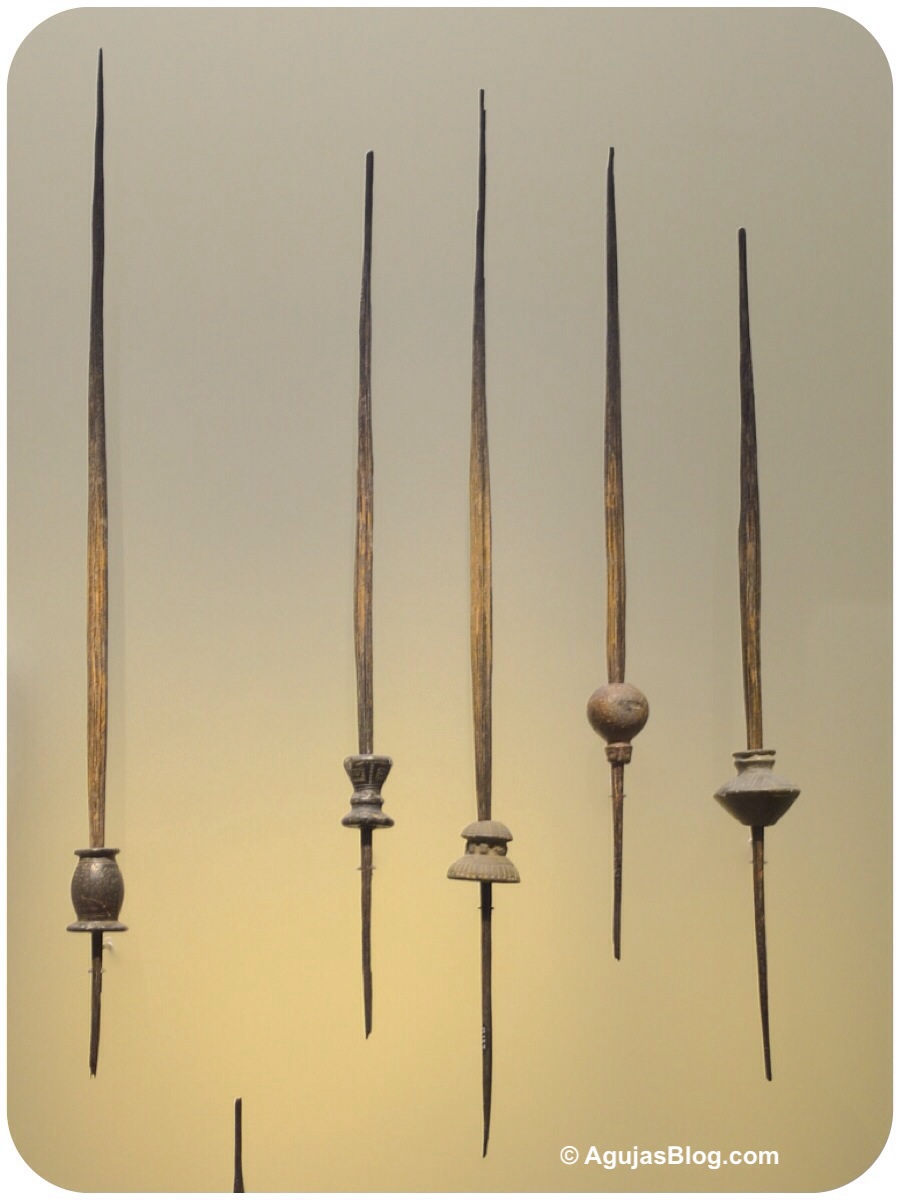
As I turned a corner to the next exhibit room, I saw this.
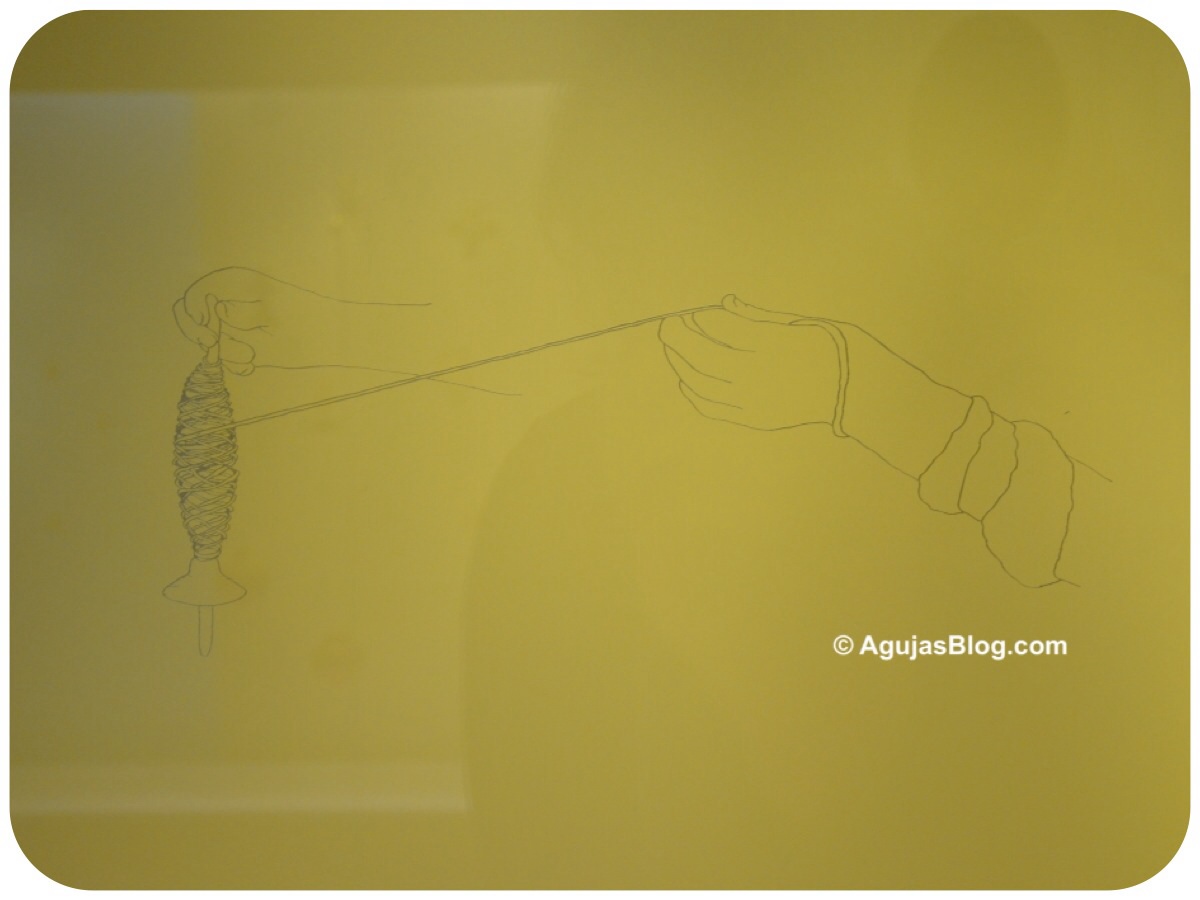
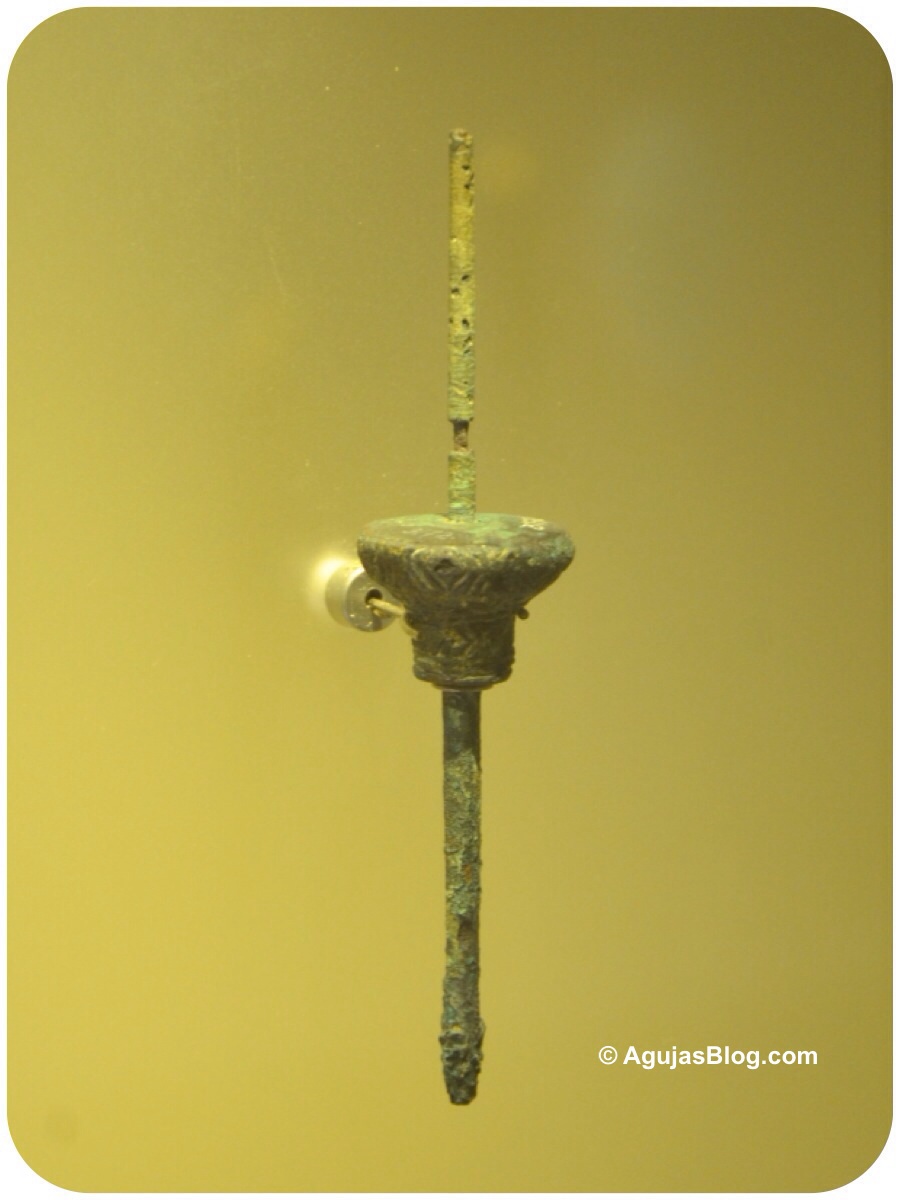
The spindle whorls that were used for spinning were fitted to the end of the stick which the cotton thread was rolled around. Fabrics from this region were noted for their fine quality.
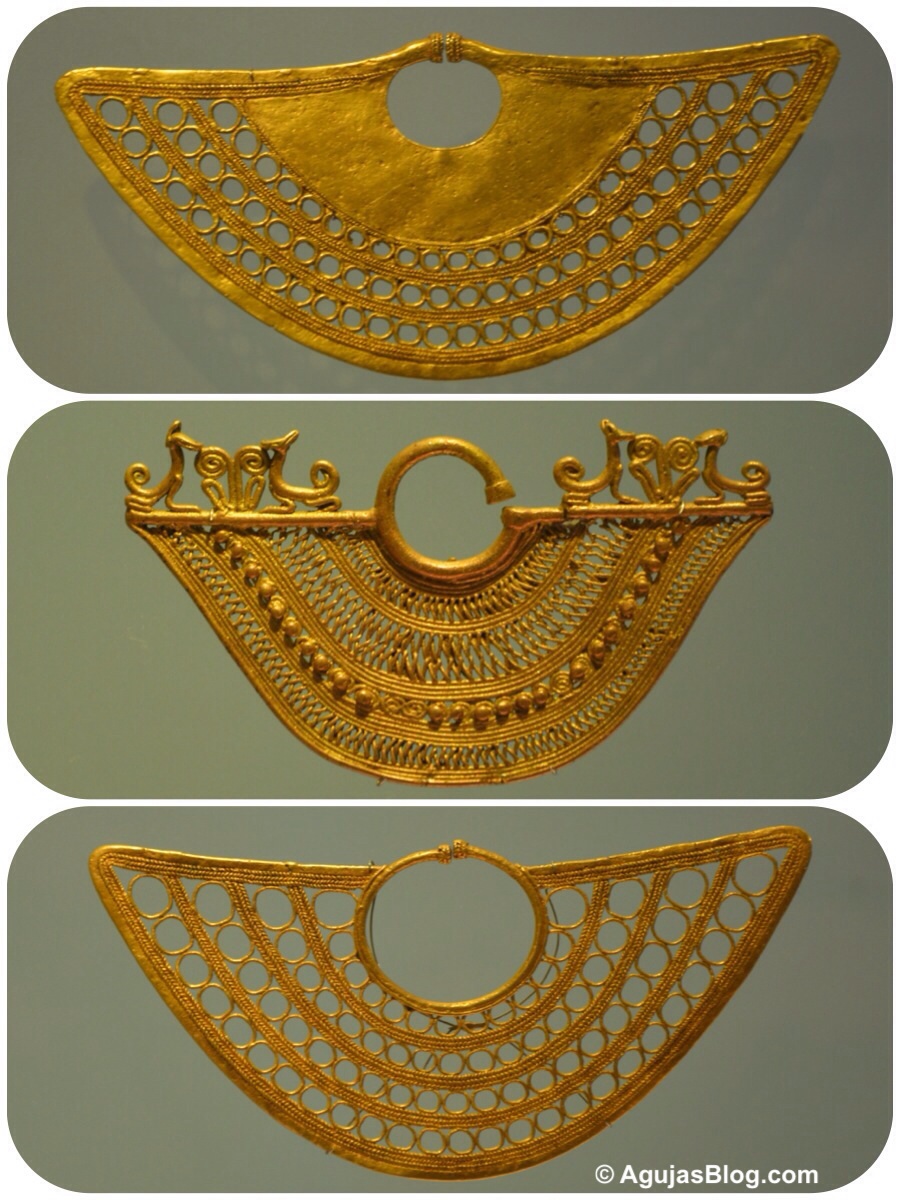
Like a metaphor, the weave notion can be seen in the filigree work in earrings…and in other objects… [200 a.C – 1000 d.C]
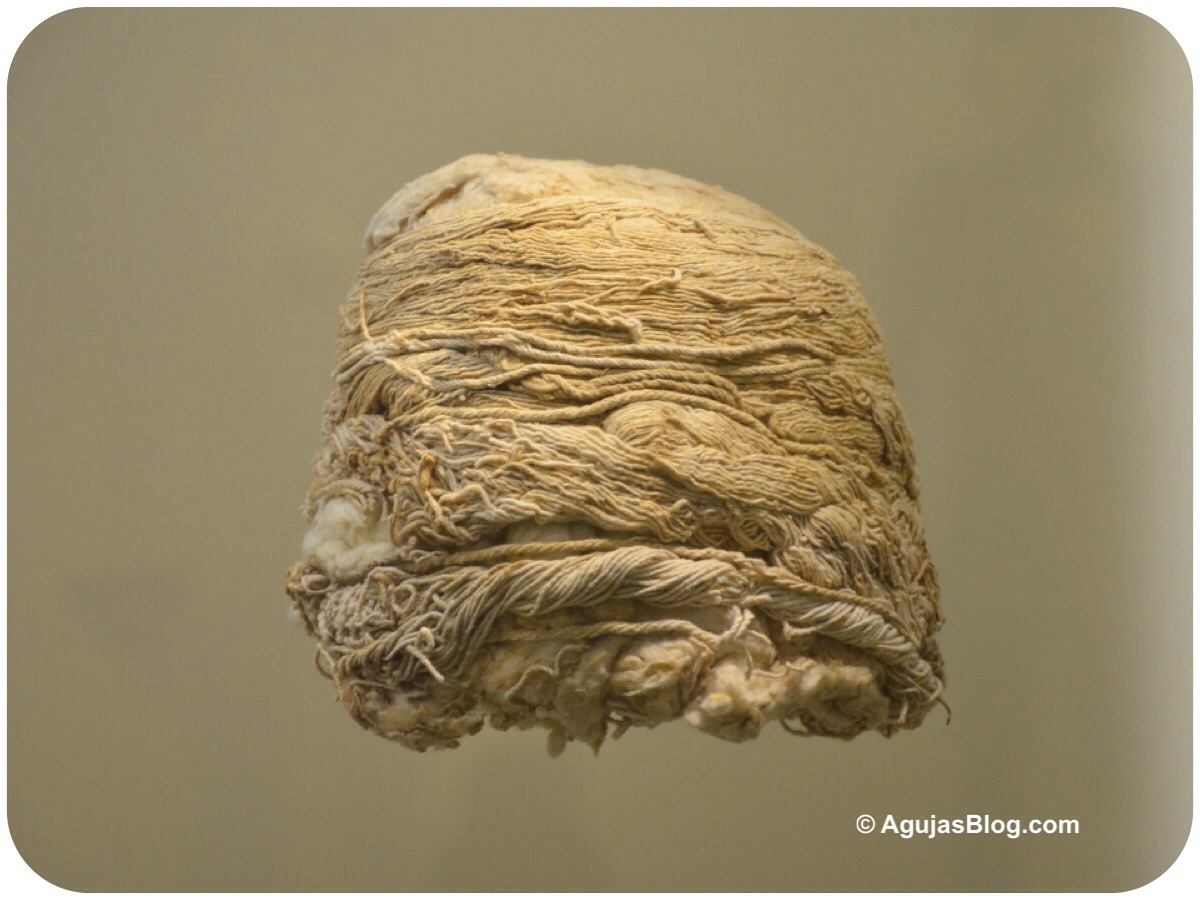
Cotton and sisal were spun using spindles that were driven by engraved stone whorls…
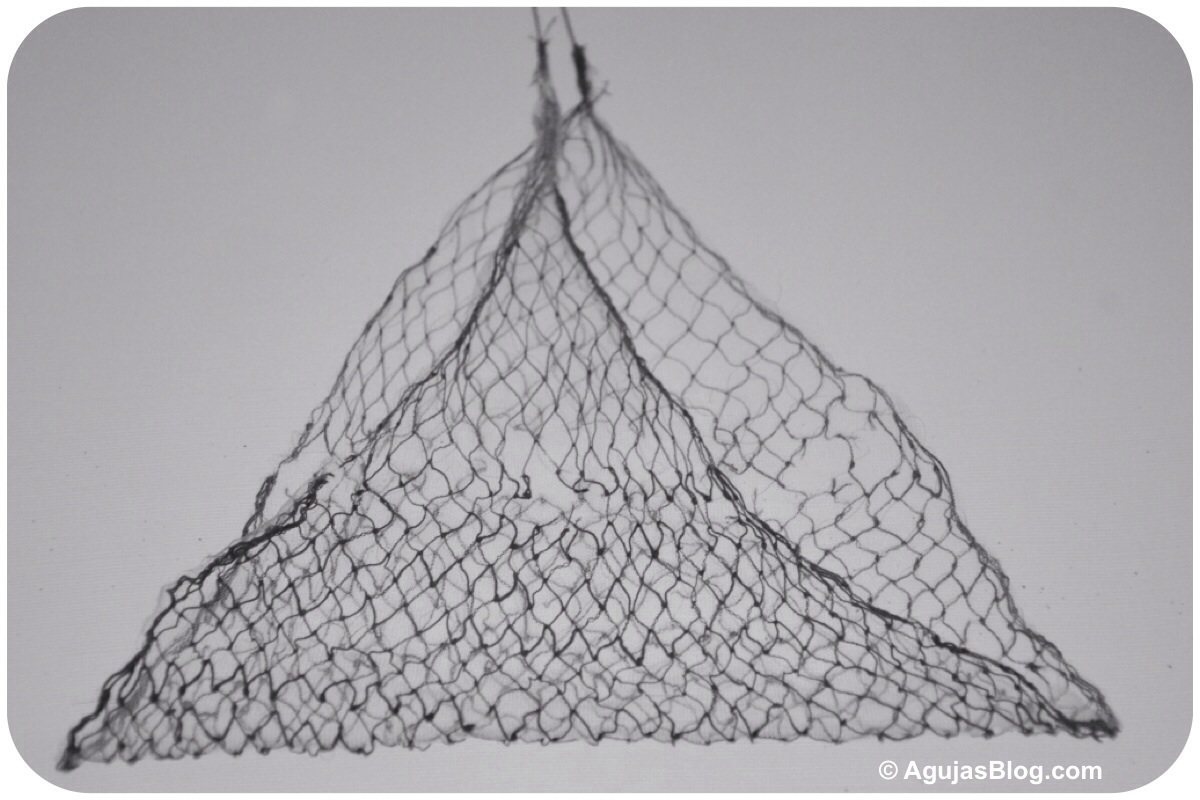
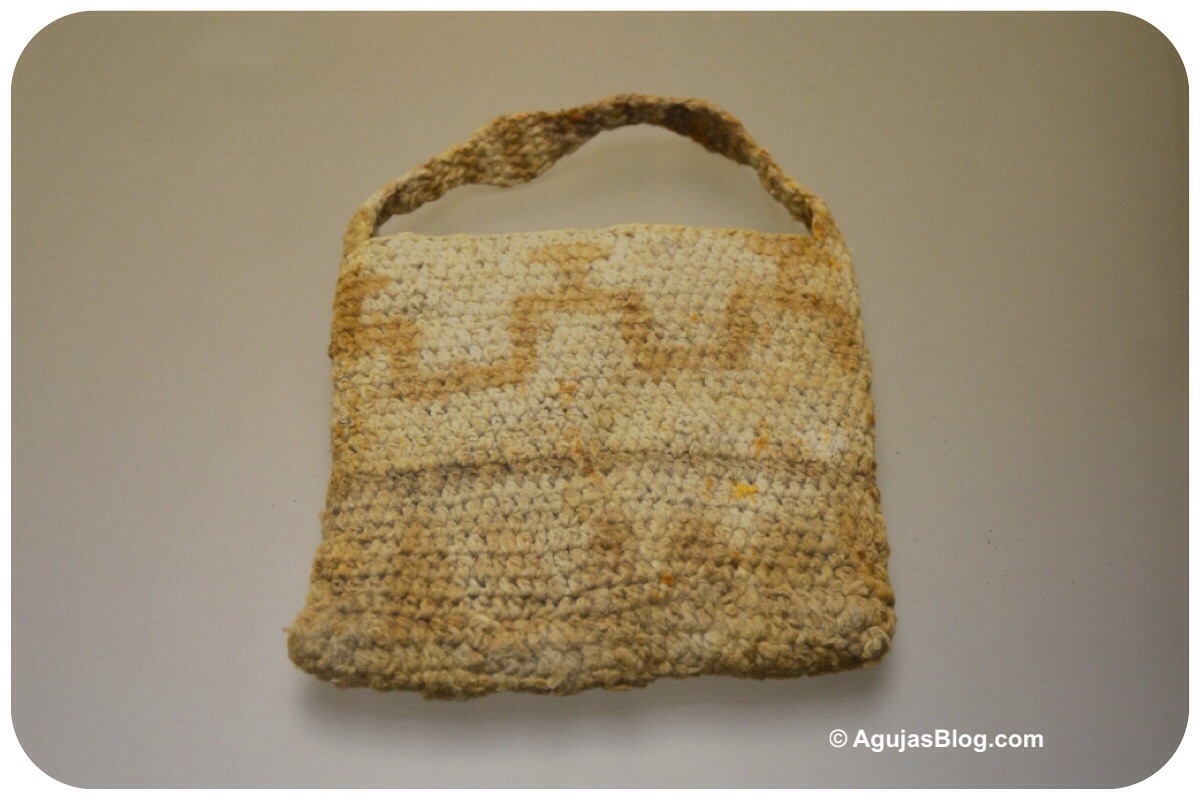
…and the resulting thread was used for making blankets, caps, bags and nets. [600 d.C – 1600 d.C]
We ended Day One with a fantastic dinner at Andrés Carne de Res. We went to the city center location; the original is in the suburb of Chia. I can’t tell you more about it because no retelling will do it justice. It’s the sort of place you simply have to experience, like Bogotá.
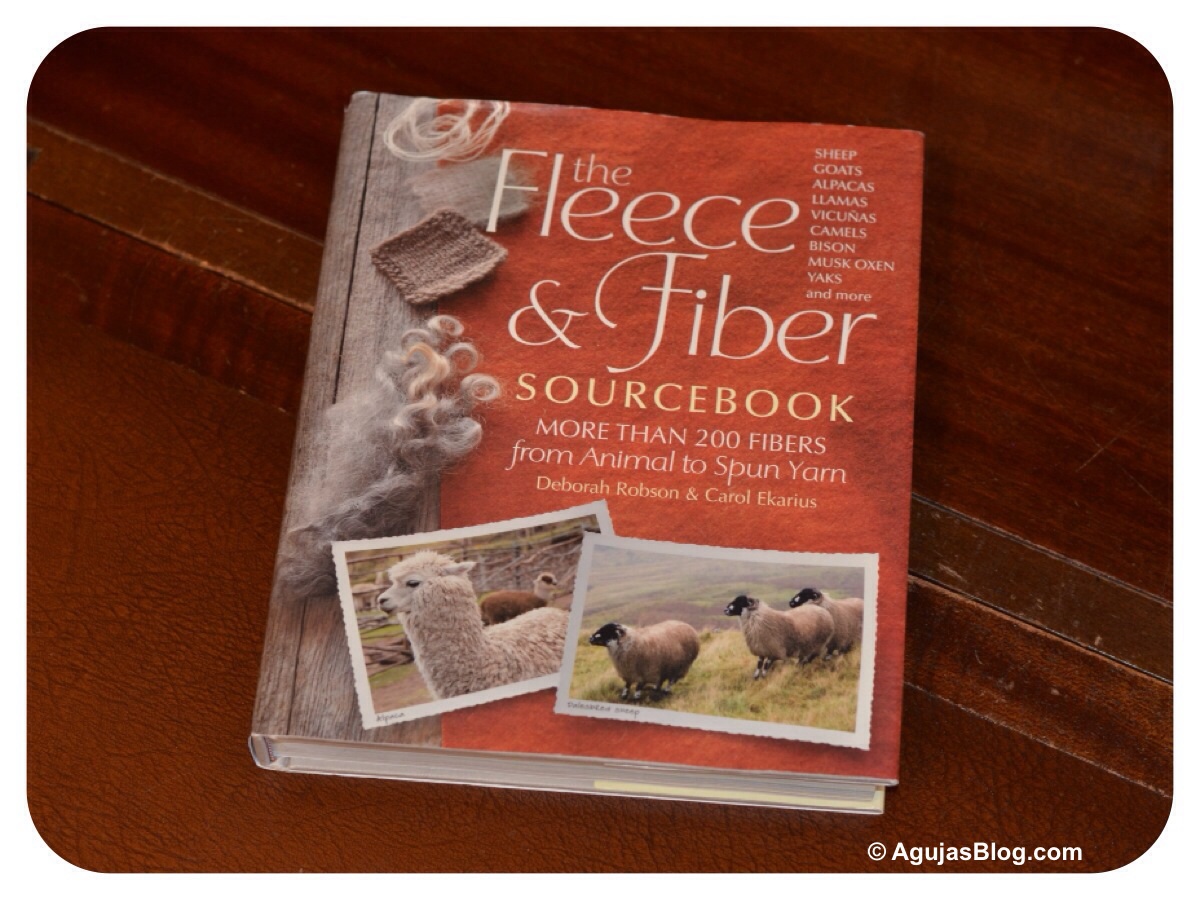
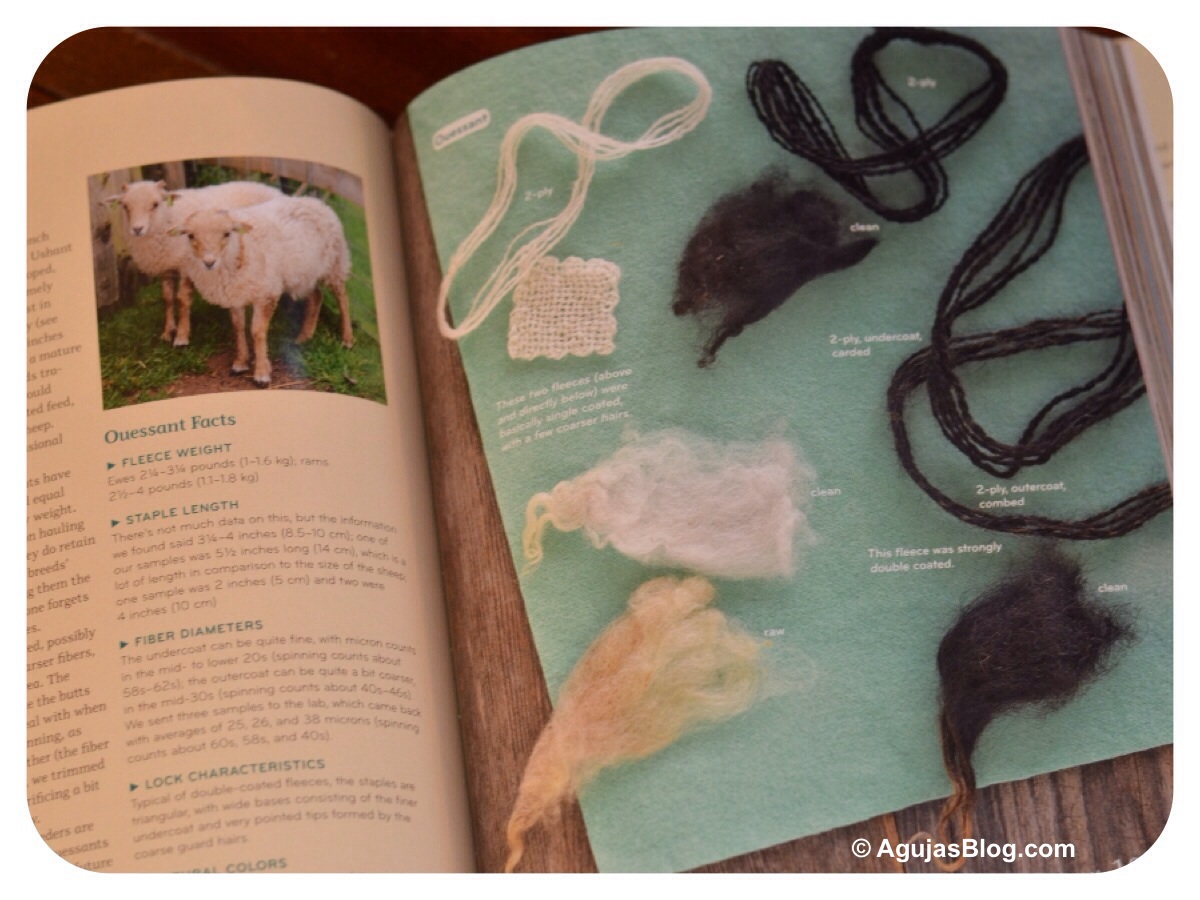
This was an early holiday gift from friends. They know me so well! I had paged through the Fleece & Fiber Sourcebook at the bookstore and became engrossed with the back story of all those wonderful fibers. Now I can read it anytime!
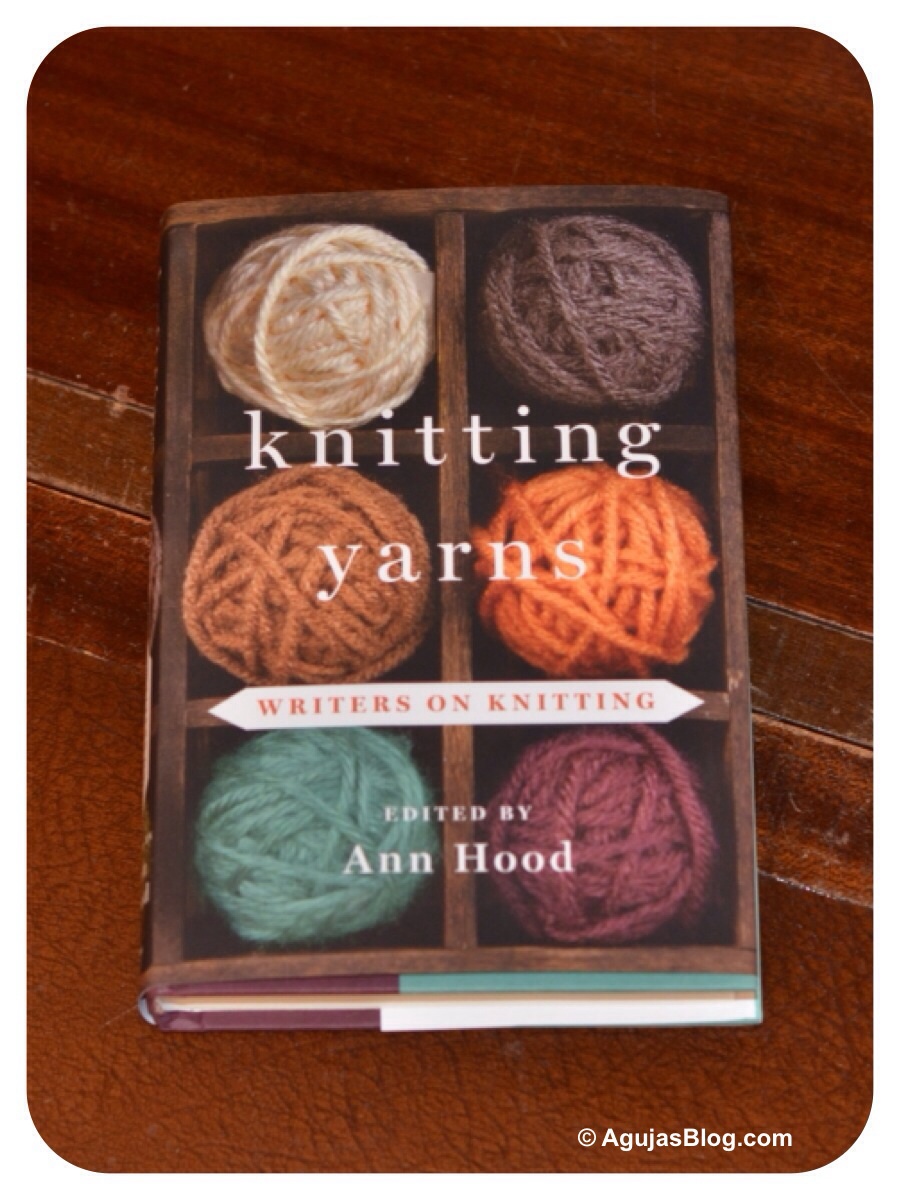
Just in time for the holiday break, there is this collection of stories about knitting. If it wasn’t so warm out (you know, Texas) I would kindle a fire in the fireplace and start reading now.
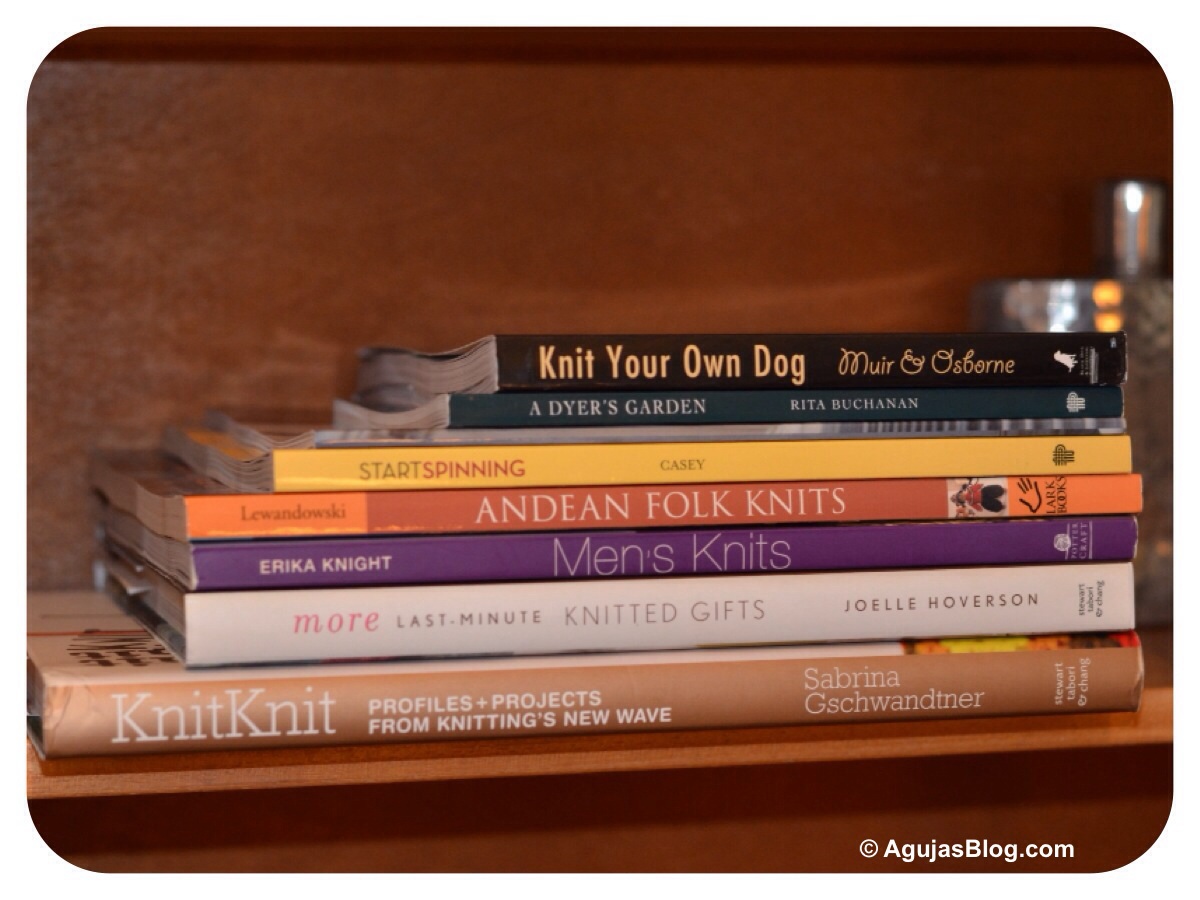
This made me think of other knitting books I’ve collected. There aren’t that many but each one has a purpose – spinning, dyeing, intricate color work, knitting art, and gift ideas.
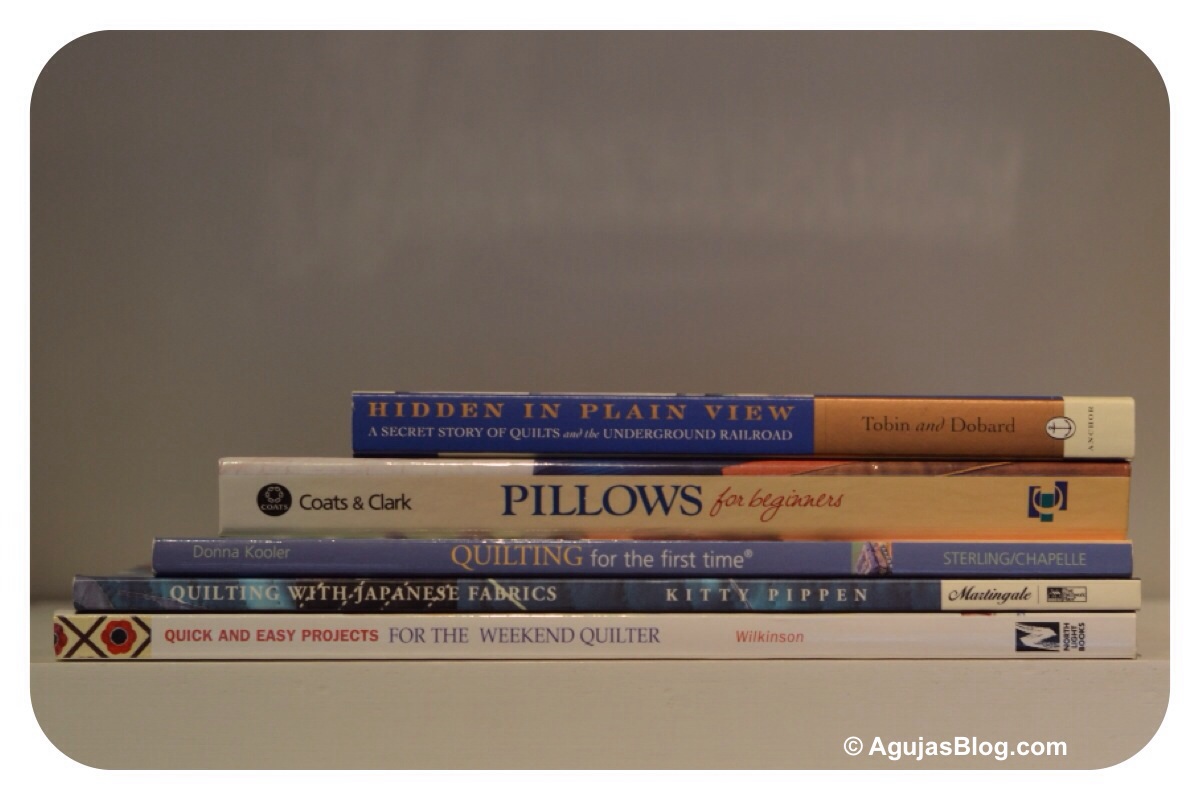
I also realized I had a few quilting books from prior attempts. Quilting with Japanese Fabrics has photos and instructions for stunning silk quilts. I picked up Hidden in Plain View during a trip to Gettysburg. I found it fascinating how quilt patterns were used as signs on the Underground Railroad.
What’s in your knitting library? Any favorites you recommend?
The response to the “Made in China” giveaway was so amazing that one winner just didn’t seem to be enough. In looking through my China stash, I had enough goodies for two care packages so we have two winners!
If you will recall, any of the following actions entered you into the drawing:
Follow Agujas blog
Reblog this post or blog about this giveaway with a link back to Agujas
Follow Agujas on Twitter
Like Agujas on Facebook
Follow Agujas on Tumblr
Like this post
Comment on this post
The original drawing included “passive” entries or followers of Agujas on any venue who did not necessarily comment or retweet or reblog, etc.; but also included multiple entries for those who did. Using a handy random number generator from the web, the first care package goes to:
Hipoptimist has been following Agujas for almost a year and half! Thank you and I hope you enjoy your goodies.
For the second drawing, entries only included those who actively promoted the “Made in China” giveaway either by liking the post, commenting, retweeting, reblogging, liking on Facebook, etc. As in the first drawing, multiple actions earned multiple entries and you were included in both drawings. Using the same random number generator, the second care package goes to:
Idiosyncratic eye had multiple entries and one of those did the trick! Thank you for being part of the Agujas family.
Please contact me at veronica (@) agujasblog (dot) com and provide me with your preferred mailing address. If you are outside of the United States, I will probably use an overnight carrier and may need your phone number as well. (Don’t worry, I will not share it and will promptly delete the information once you confirm receipt).
One of my favorite pastimes in China was shopping in local markets. The chaotic aisles and aggressive salespeople in the touristy markets got old after a while. The local markets were much calmer. They were still busy but mostly filled with locals who needed basic household items. While haggling was still expected, the starting prices were usually much more reasonable.
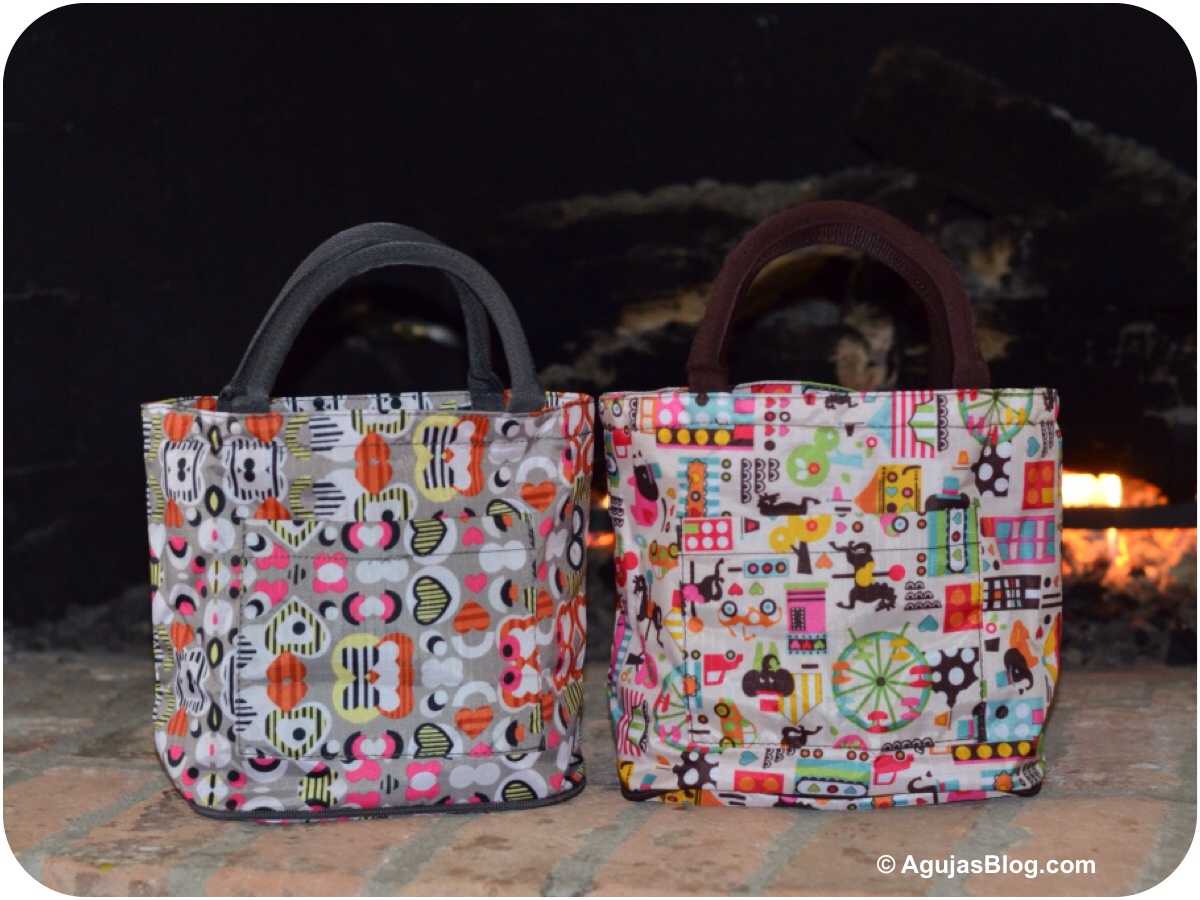
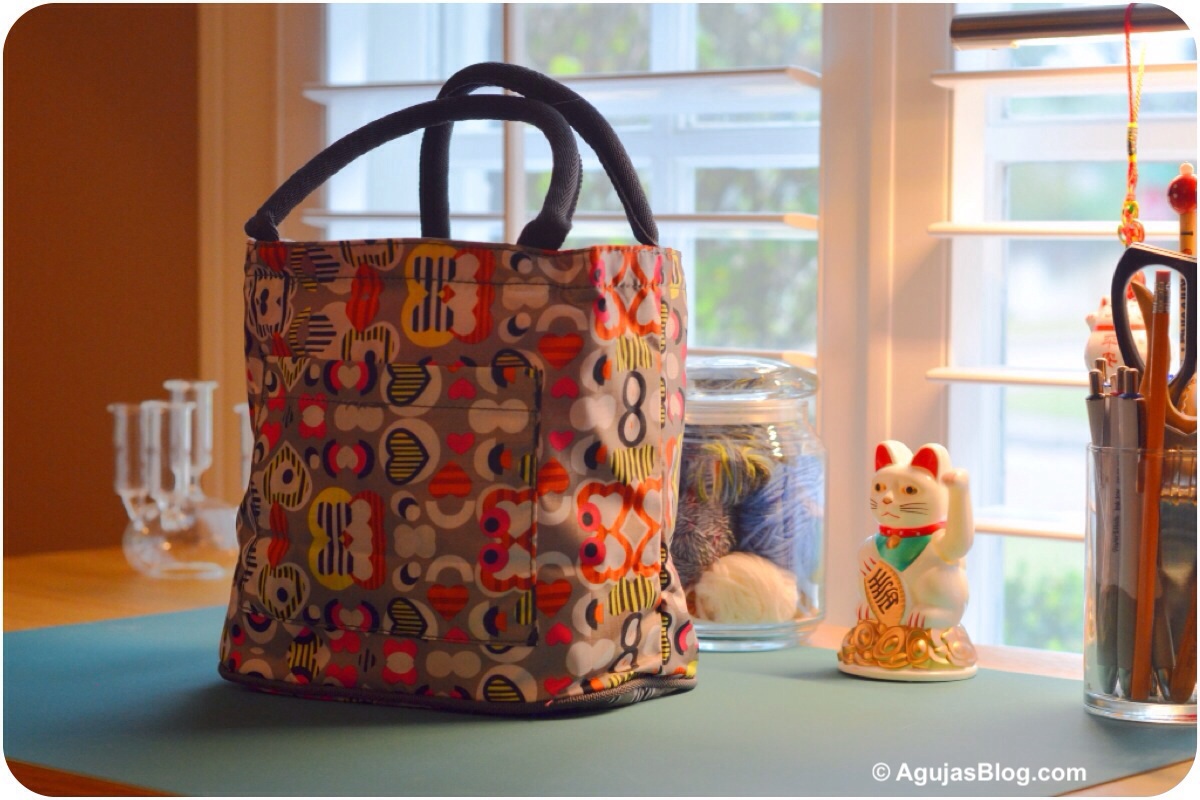
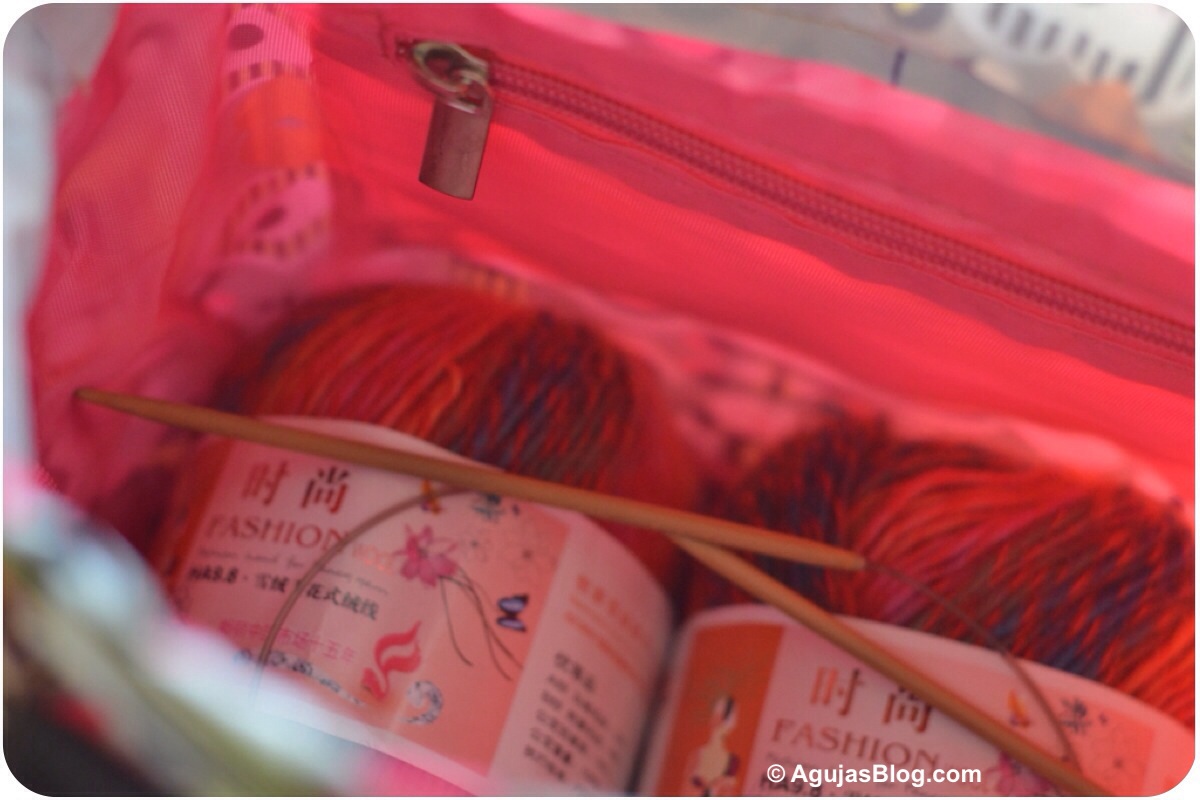
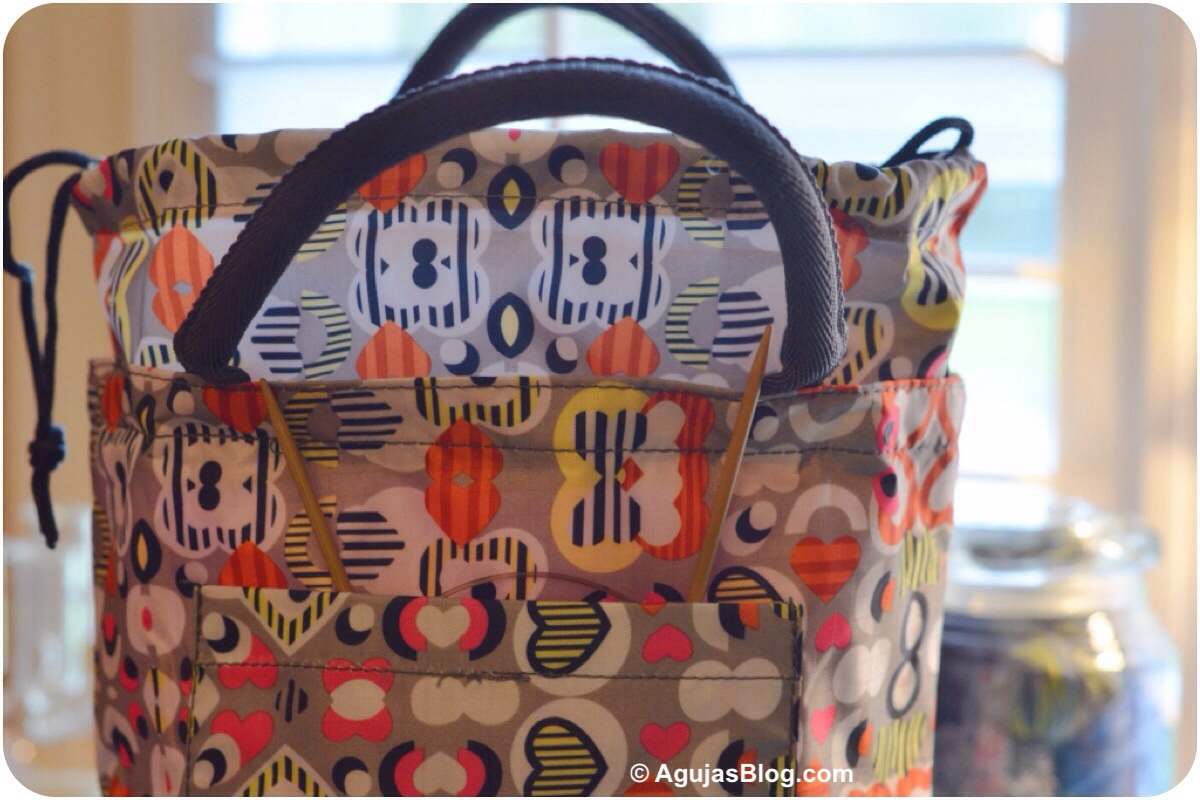
As I wandered the aisles, I found these bags that I thought would be perfect for knitting projects. There were all sorts of patterns and color schemes. The size is just right for 4-5 balls of yarn and a small project, like a hat or scarf.
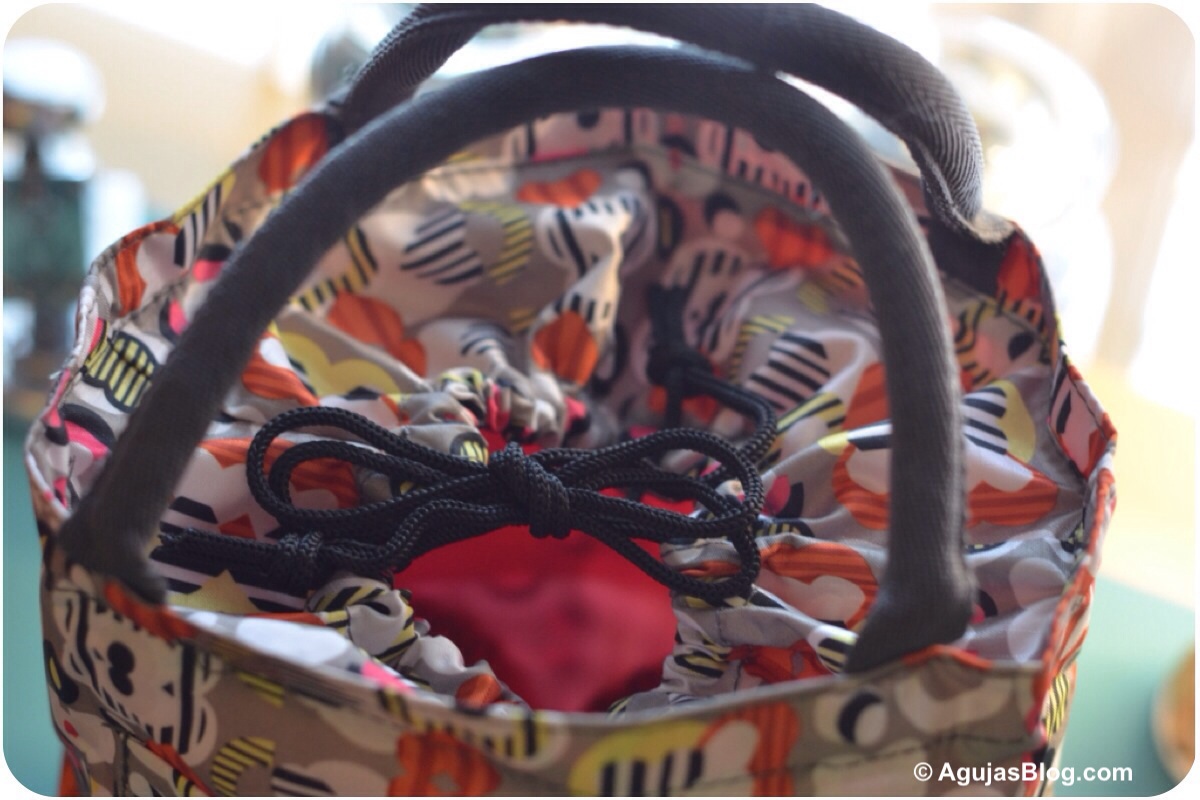
I love the drawstring top and inside zippered catchall pocket.
It’s easy to clean – just wipe with a damp cloth. It has this nifty side pocket for needles or a pattern.
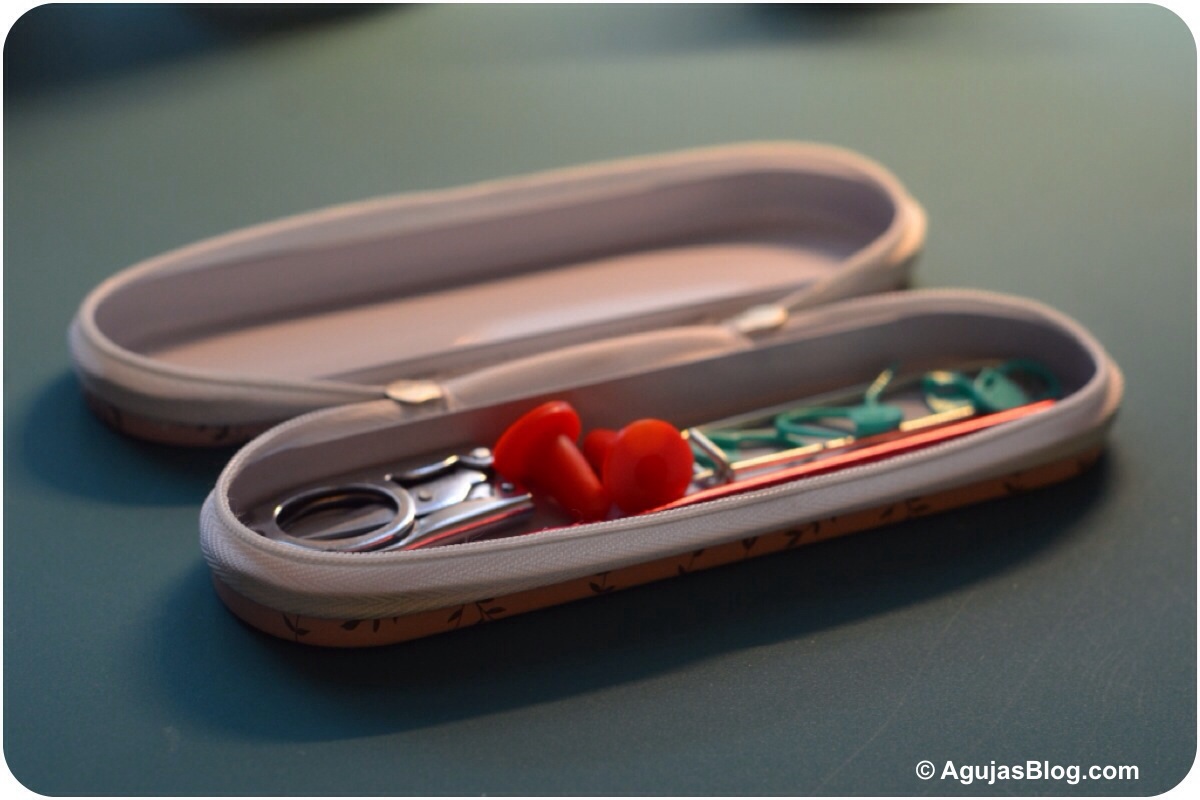
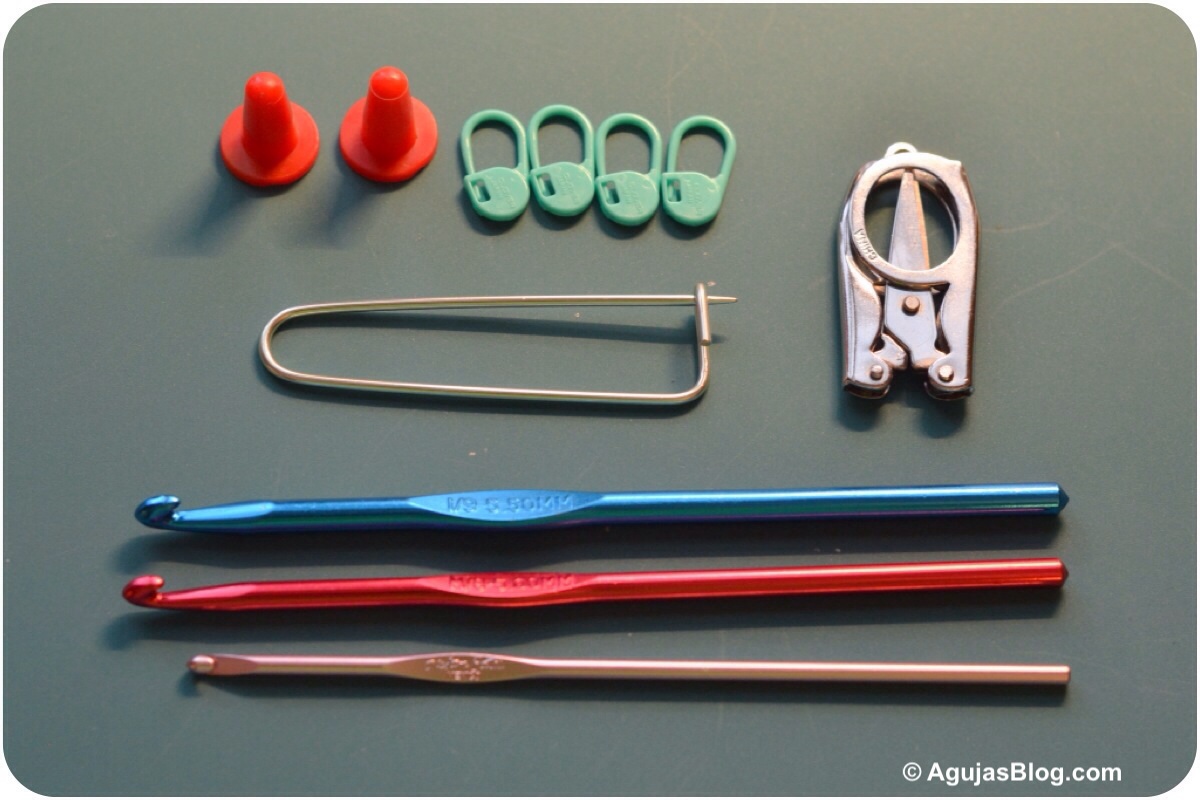
Then I came across these tin pencil boxes. Some had hinged lids and others like this one a zippered closure. I thought they were perfect for crochet hooks and other notions.
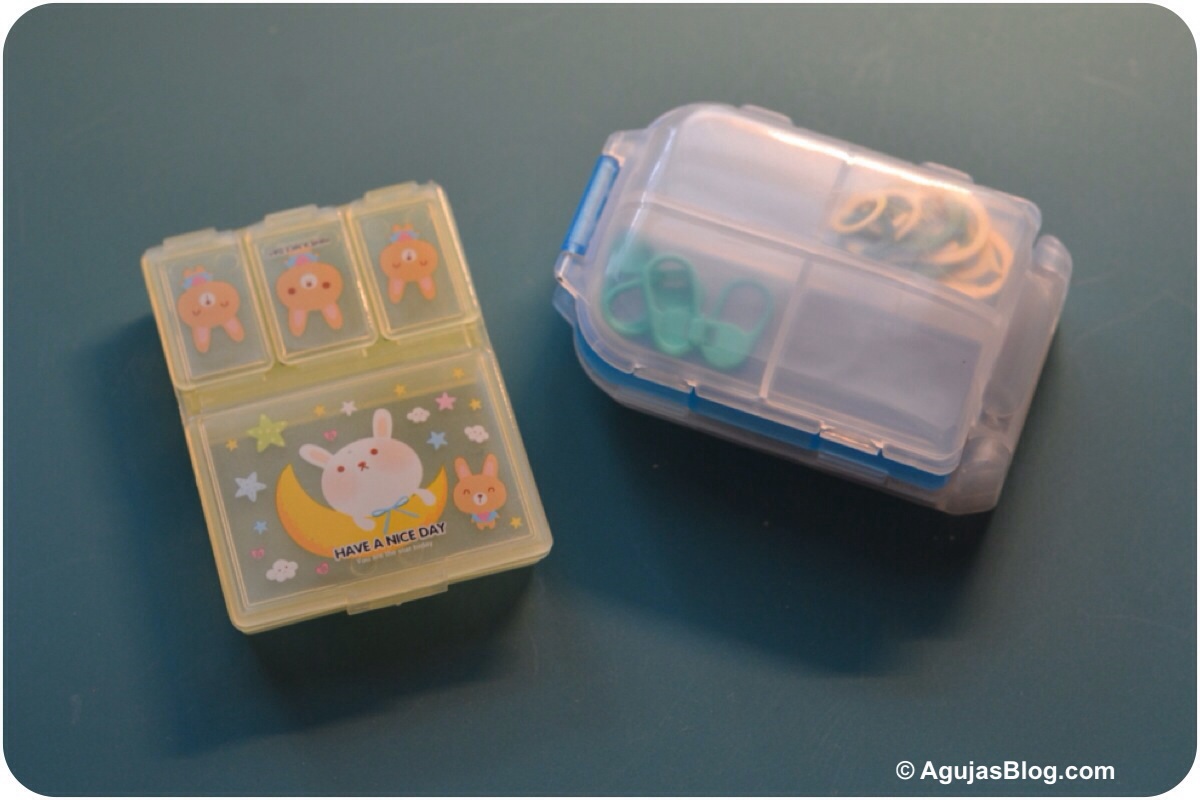
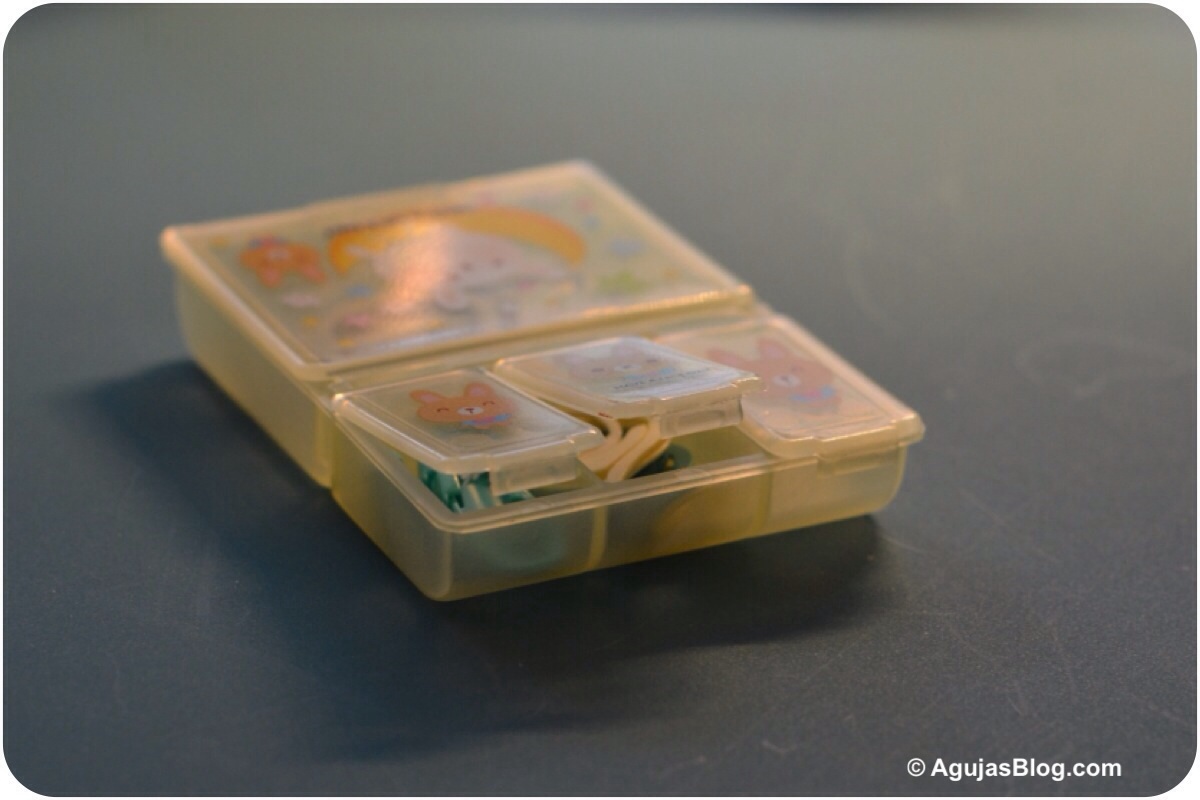
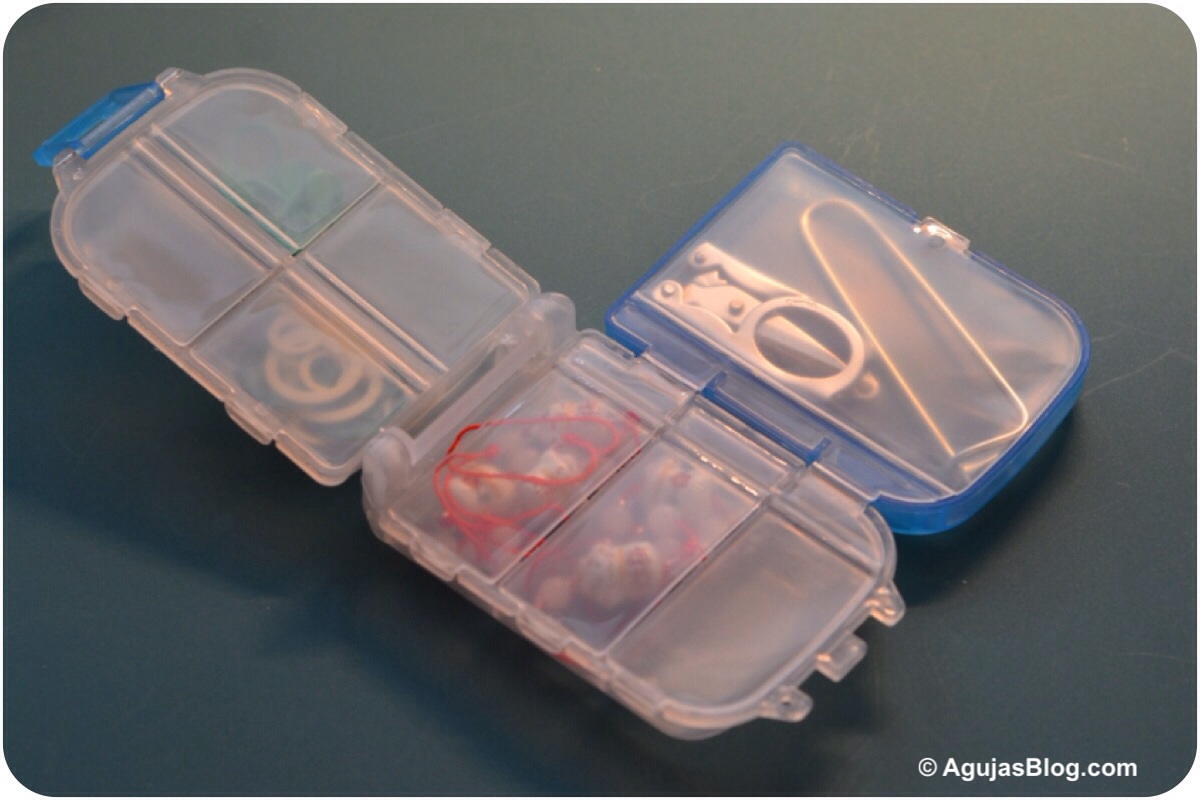
My next finds were these pill boxes. Some were clearly for medicines with their standard labels for each day of the week. But others were just for small stuff.
For a knitter, crocheter or seamstress, they’re the right size for stitch markers, safety pins, buttons, sequins and whatnot.
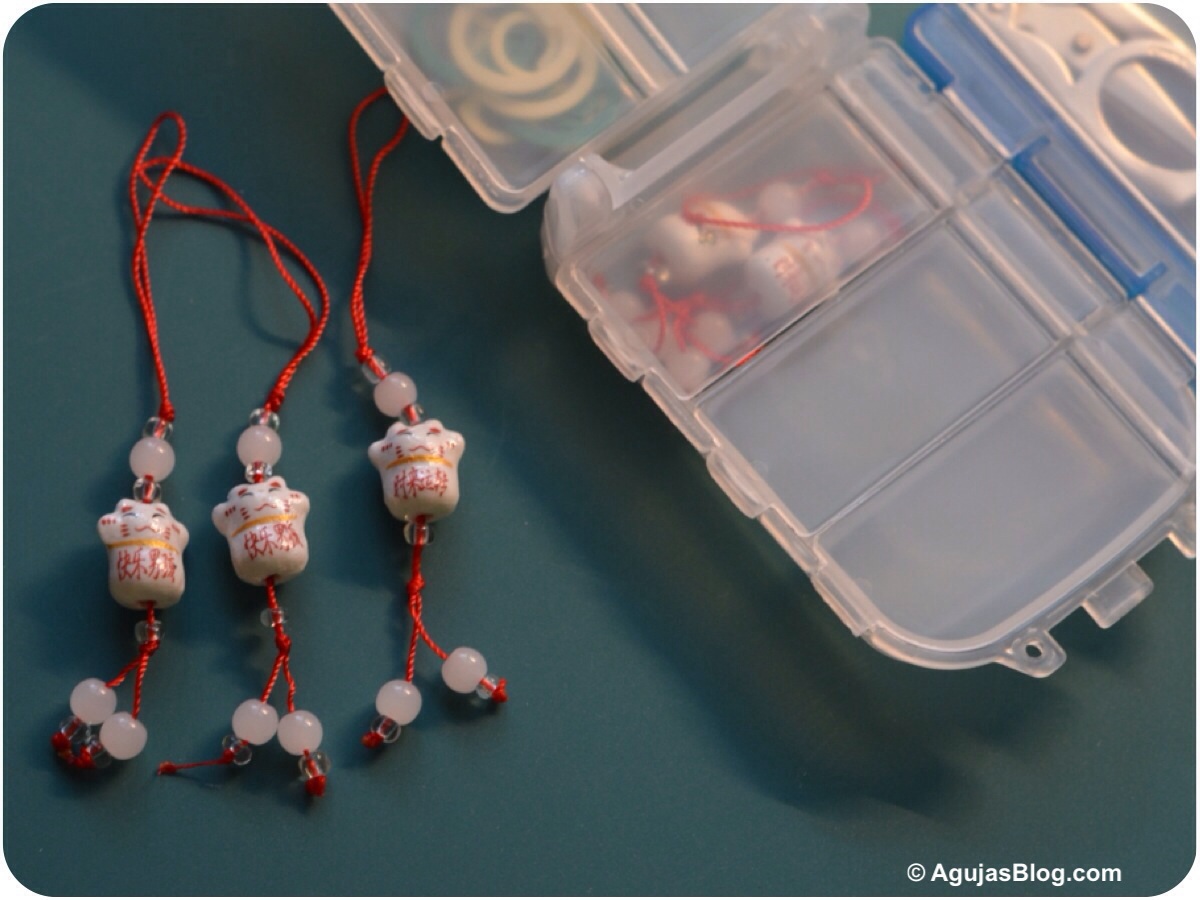
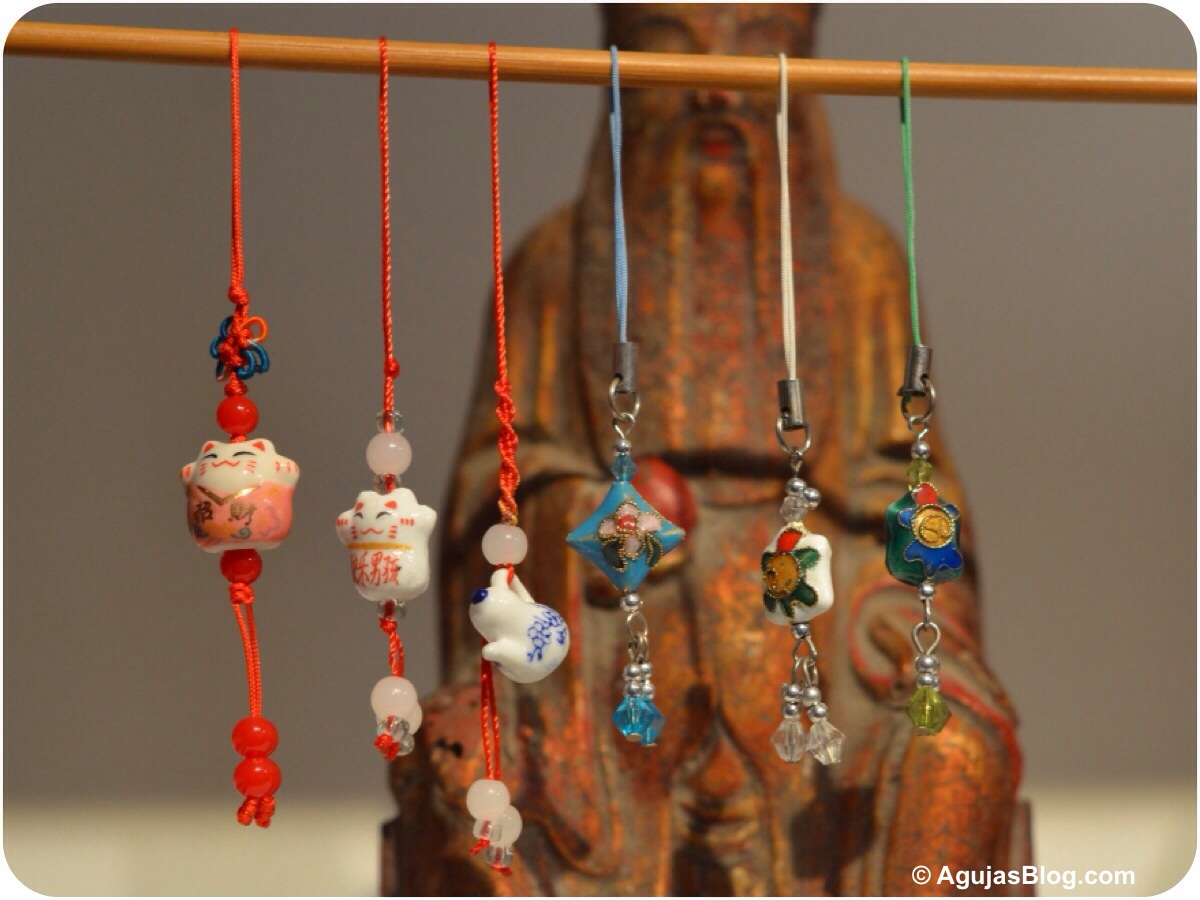
Lastly, I was in need of stitch markers and had not seen any in the yarn stores I located, so I had to improvise. Every market had bins full of these little charms. There were lucky cats, teapots, and colorful beads. They were very light and made the cutest stitch markers.
To celebrate the end of an amazing overseas experience, I am having a “Made in China” giveaway. I will send a care package of various items like the ones above (plus some yarn and a few surprises) to one winner selected at random.
Any of the following actions will enter you into the drawing:
Follow Agujas blog (if you are already a follower, you are already entered!)
Reblog this post or blog about this giveaway with a link back to Agujas
Follow Agujas on Twitter
Like Agujas on Facebook
Follow Agujas on Tumblr
Like this post
Comment on this post
Multiple entries are okay! I will ship the package to you anywhere in the world. Thank you for reading and good luck!
 Agujas