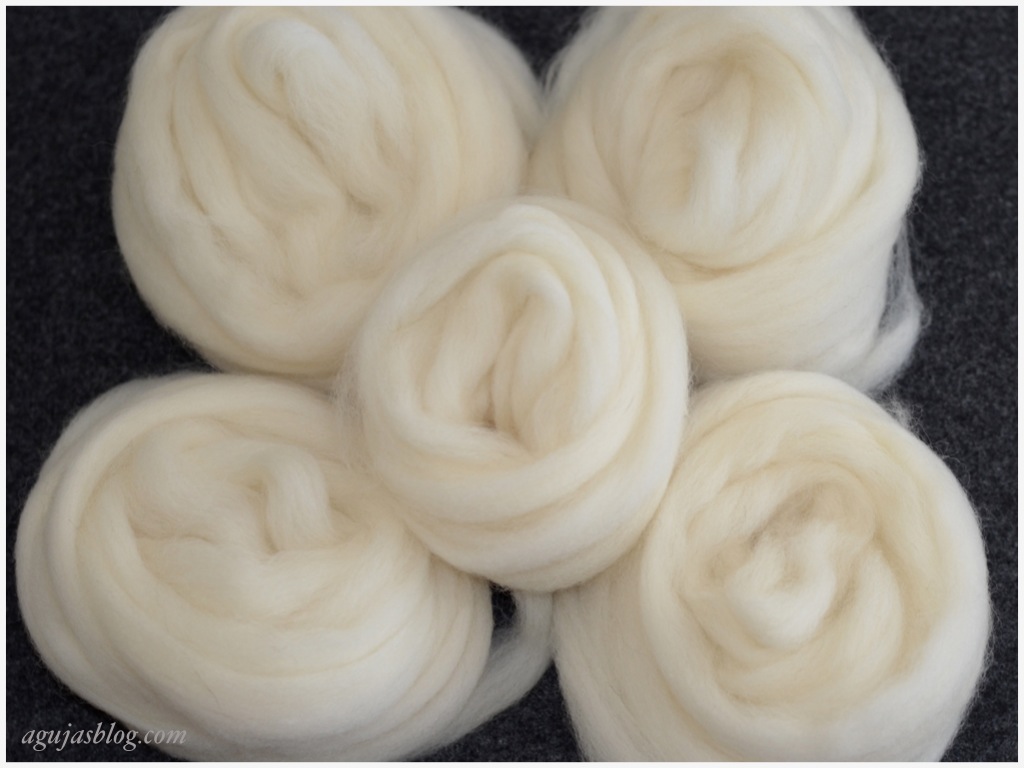
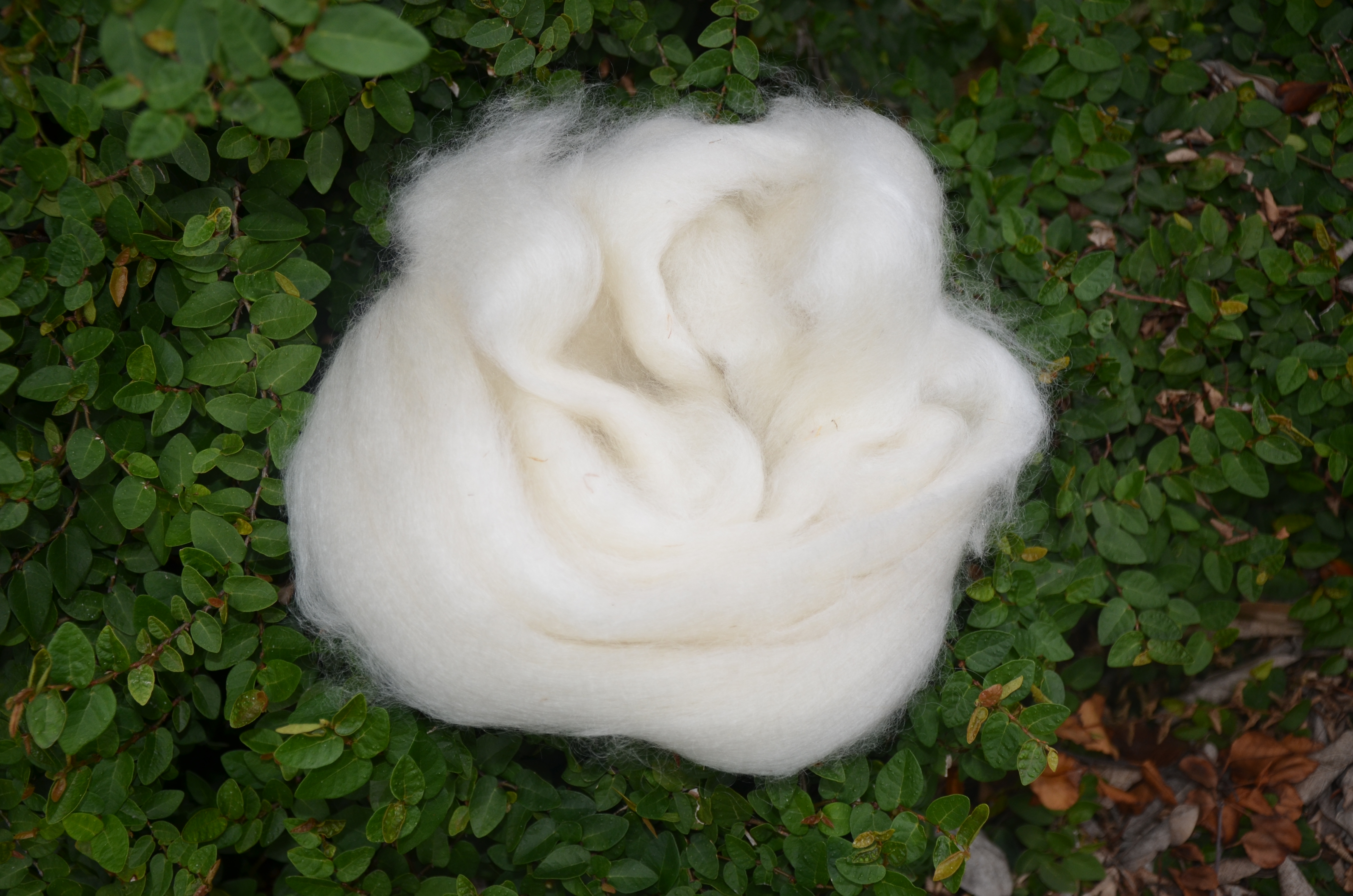
I finally took the plunge. I pulled a lovely white 100% Merino Wool from my fiber stash and started spinning. First, I took the wool and pulled it apart into long thin strips. Then I gently drafted the fibers.
They ended up looking like big cinnamon rolls.
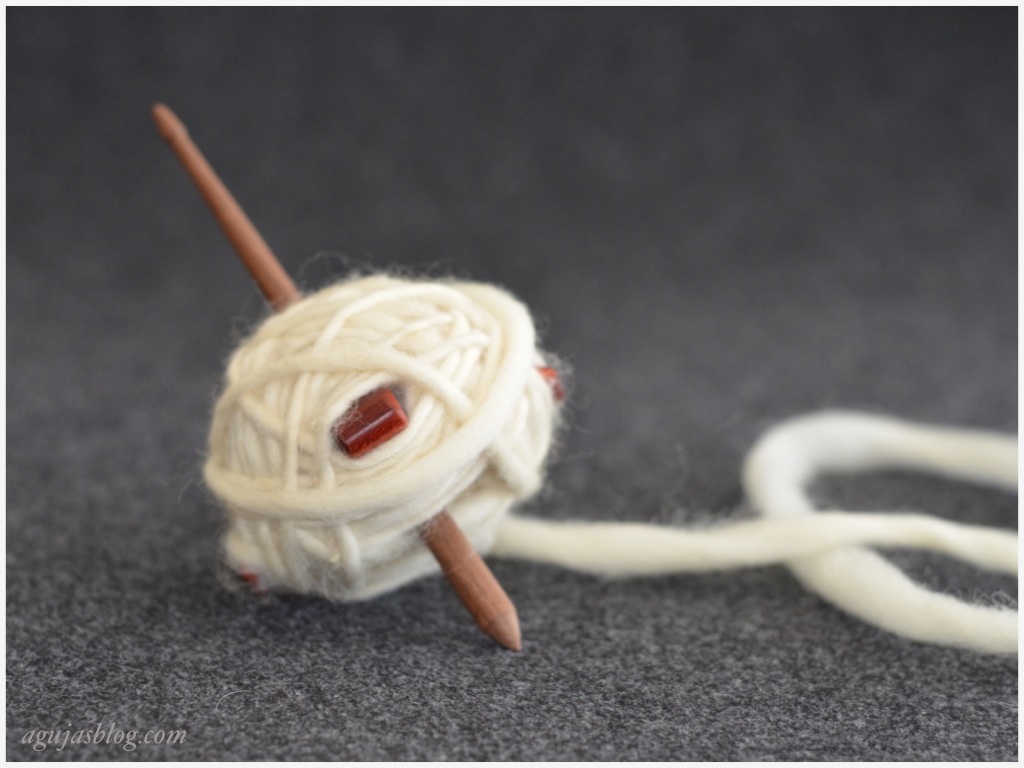
I took out my brand new turkish spindle, attached a leader, and started pulling on the fiber as I turned the spindle clockwise.
My first batch is a bit thick but I’ve read that this is standard for first-time spinners. As I kept spinning, I found I could produce a thinner yarn.
I just have to practice.
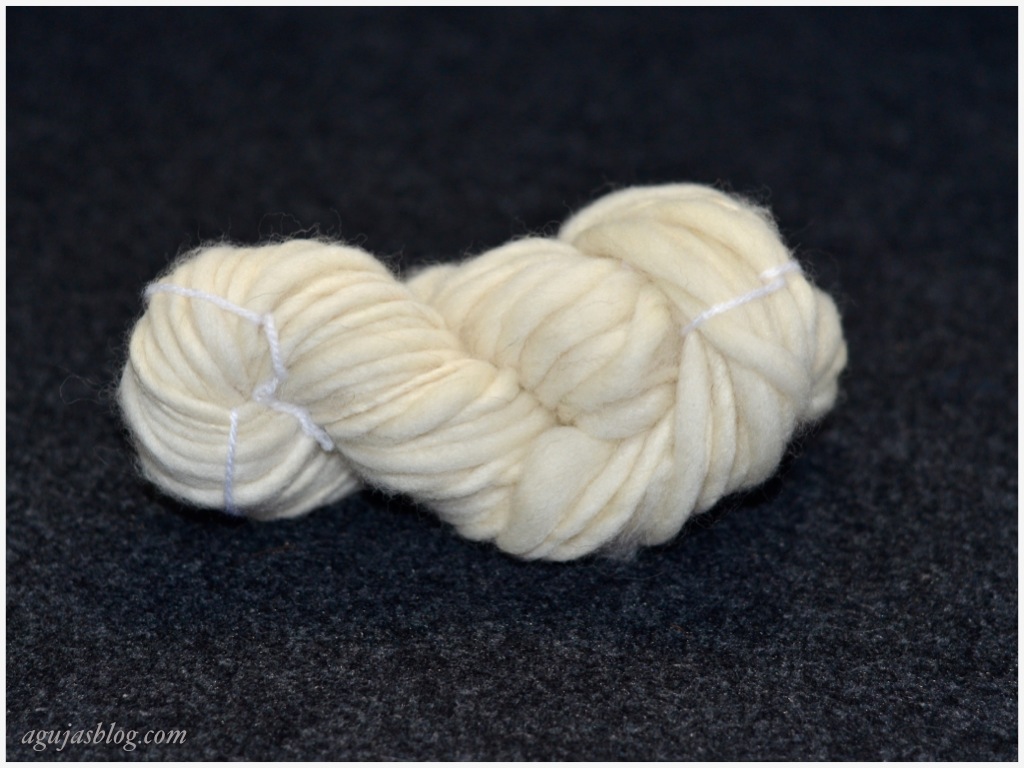
This was my first hank! It’s sort of a mini-hank but I am so pleased!
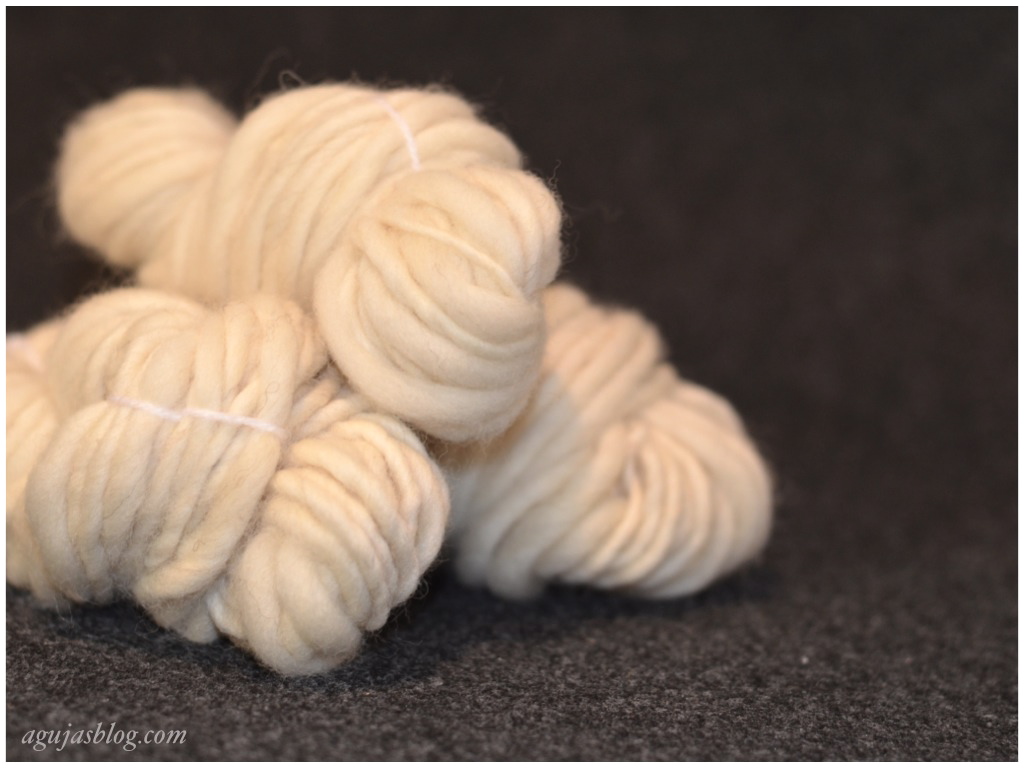
I only had 4 oz. of wool and was able to spin three mini-hanks for a total of 82 yards. I think my yield will be better as my spinning skills improve.
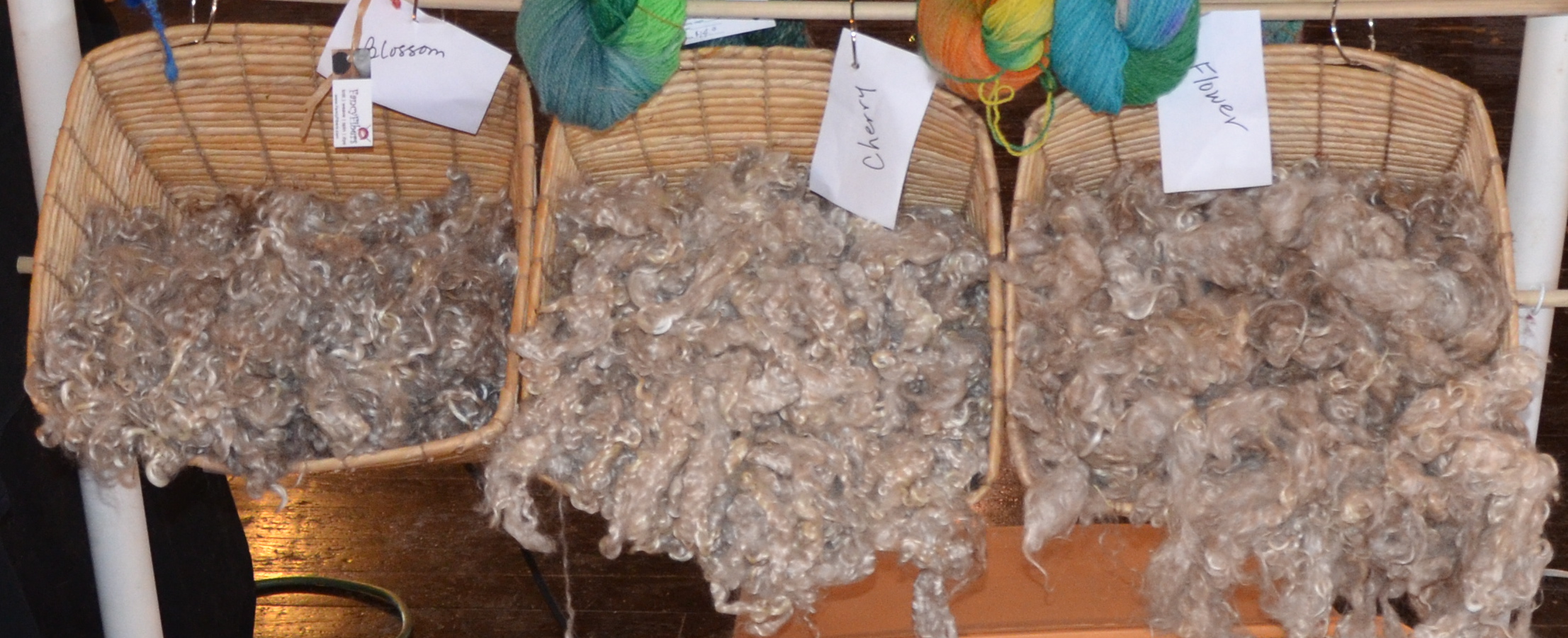
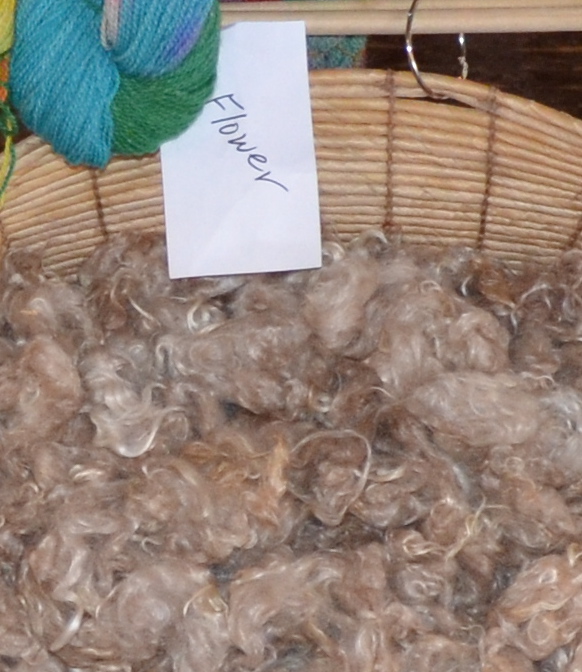
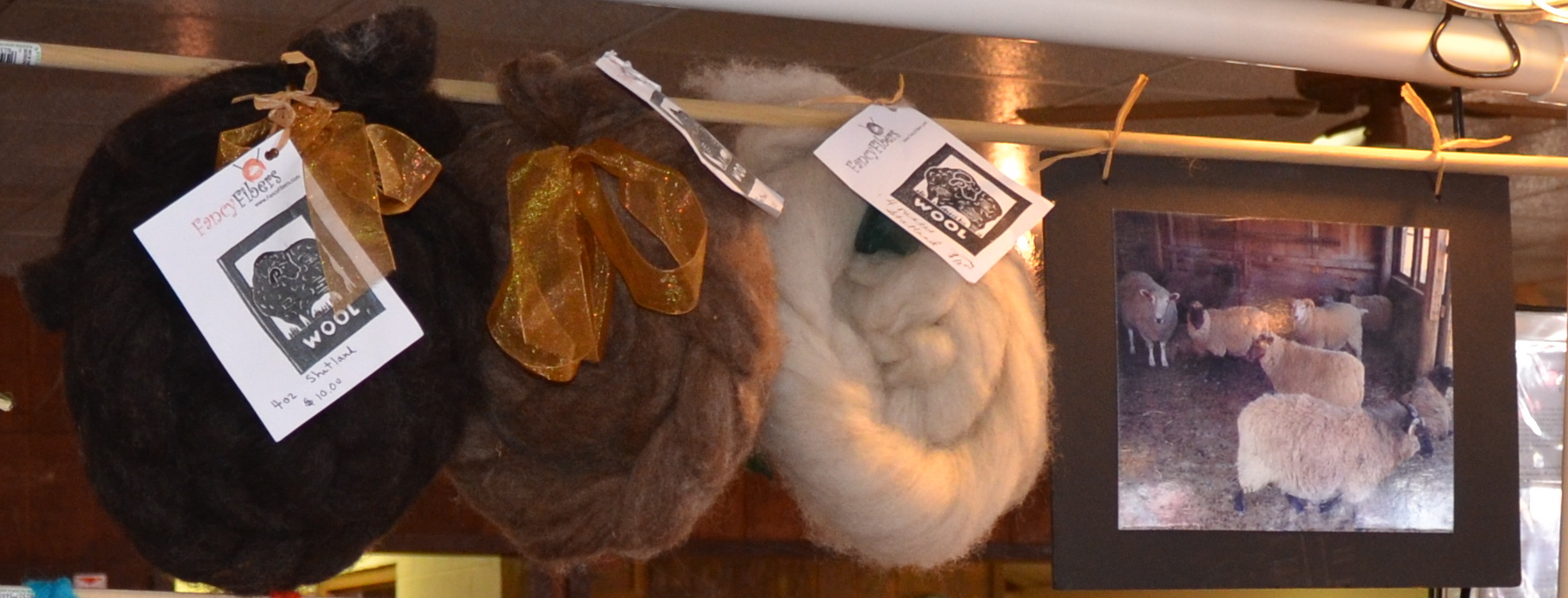
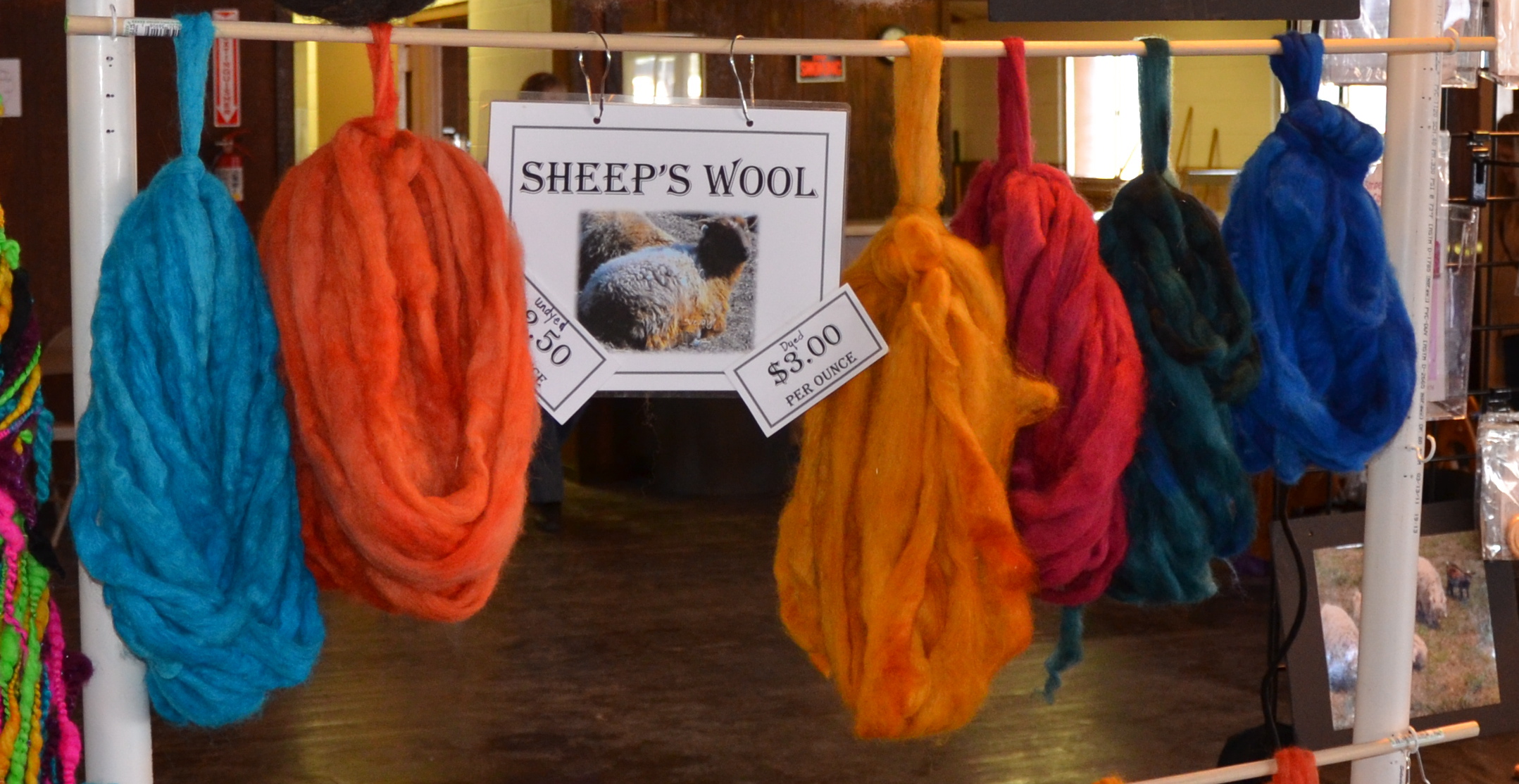
Besides the absolutely adorable animals, the highlight of the Kid’N Ewe Fiber Festival was the fibers! From raw fibers, natural and dyed, combed and carded, there were fibers aplenty. I started a very healthy fiber stash to complement my yarn stash. My first visit was with Mary Berry, proprietress of Fancy Fiber Farms. Mary runs a family farm with her husband where she raises her own animals. Her booth was interesting because it allowed you to see the fibers from their sources (she had pictures of her animals).
Mohair locks from Blossom, Cherry and Flower, kid goats from Mary’s farm.Close-up of Flower's curly locks.Wool roving alongside a picture of their makers.Brightly dyed sheep’s wool.2 oz. of undyed Shetland Wool.2 oz. of undyed Carded Mohair.
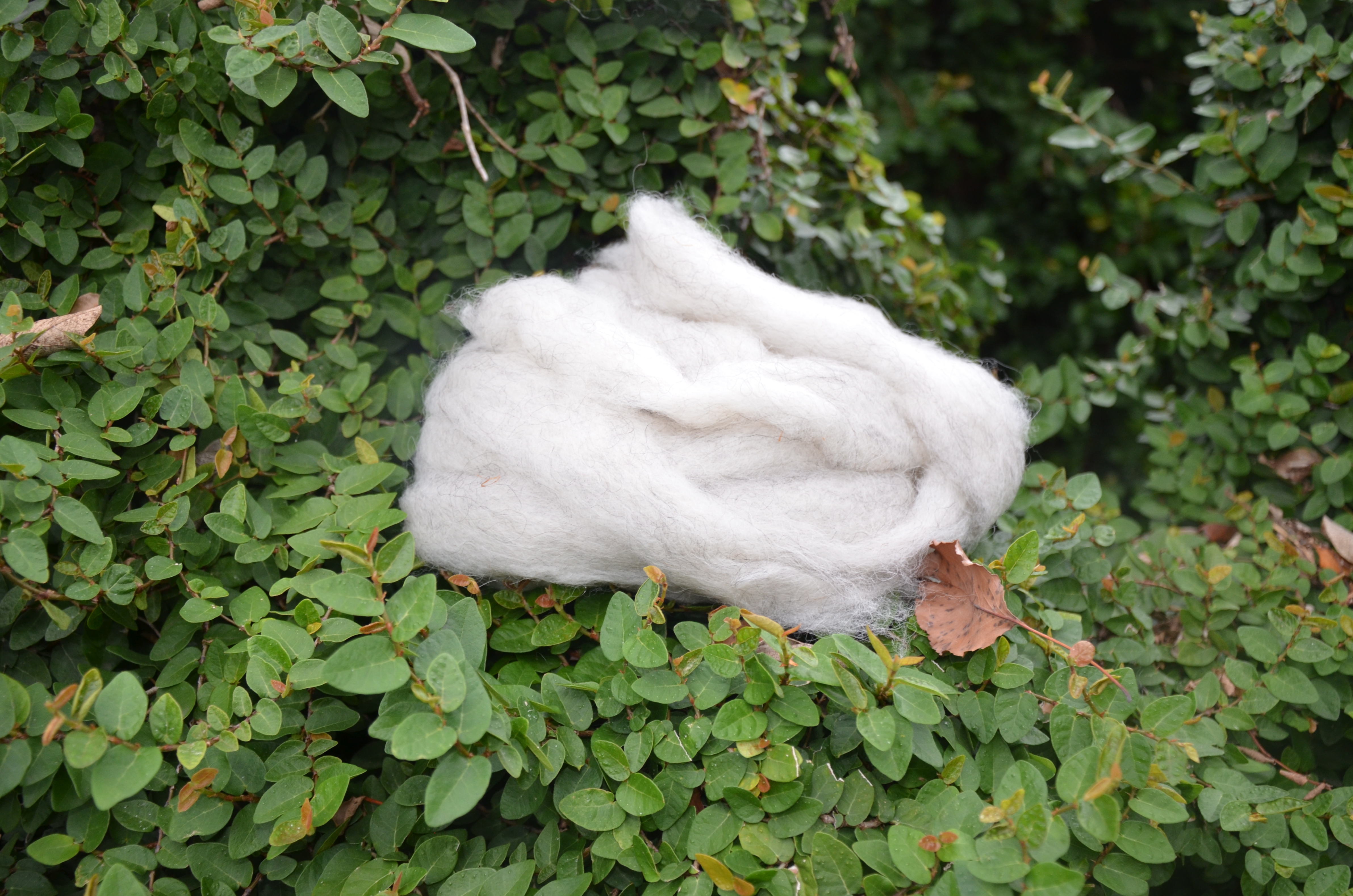
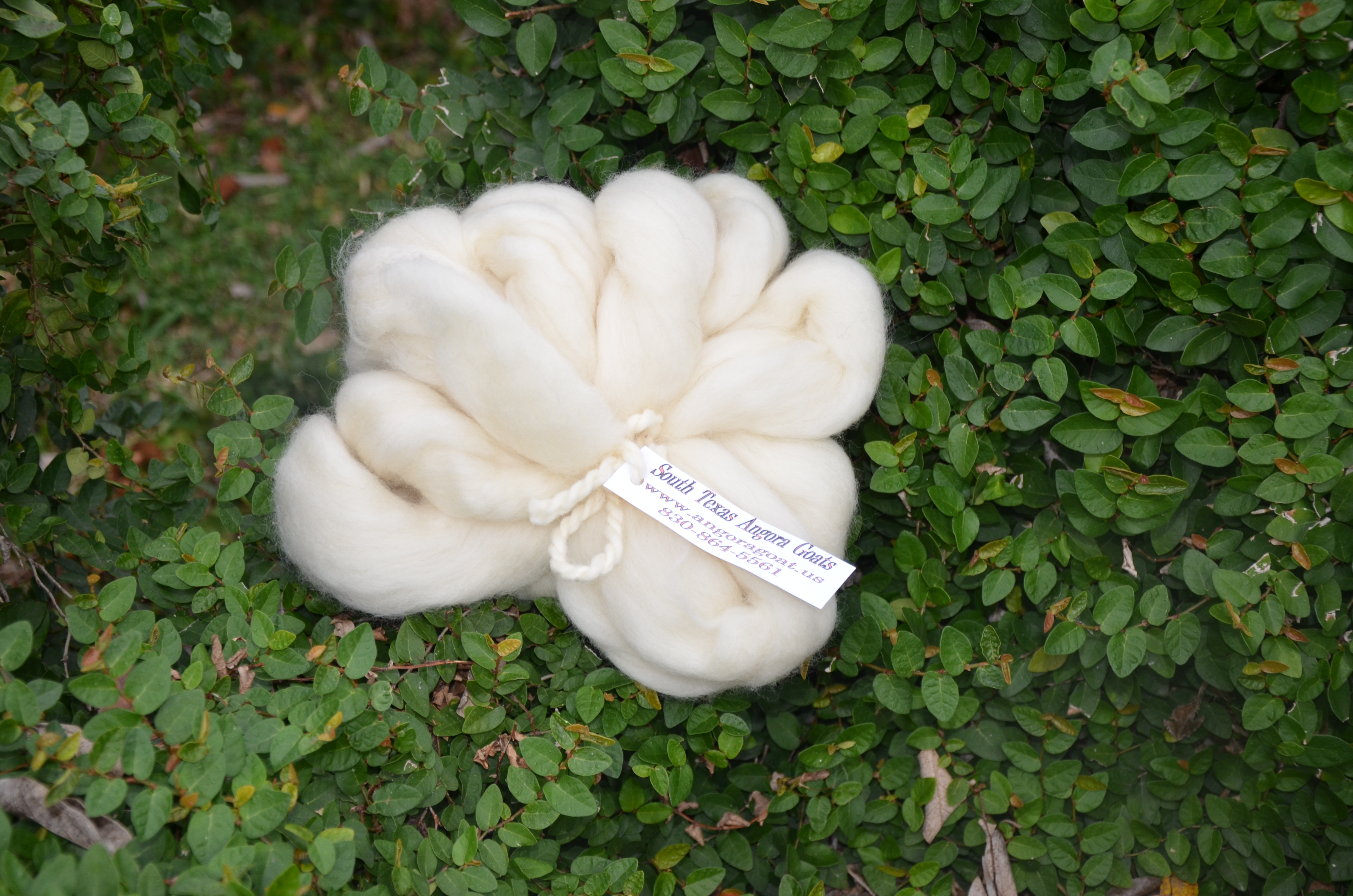
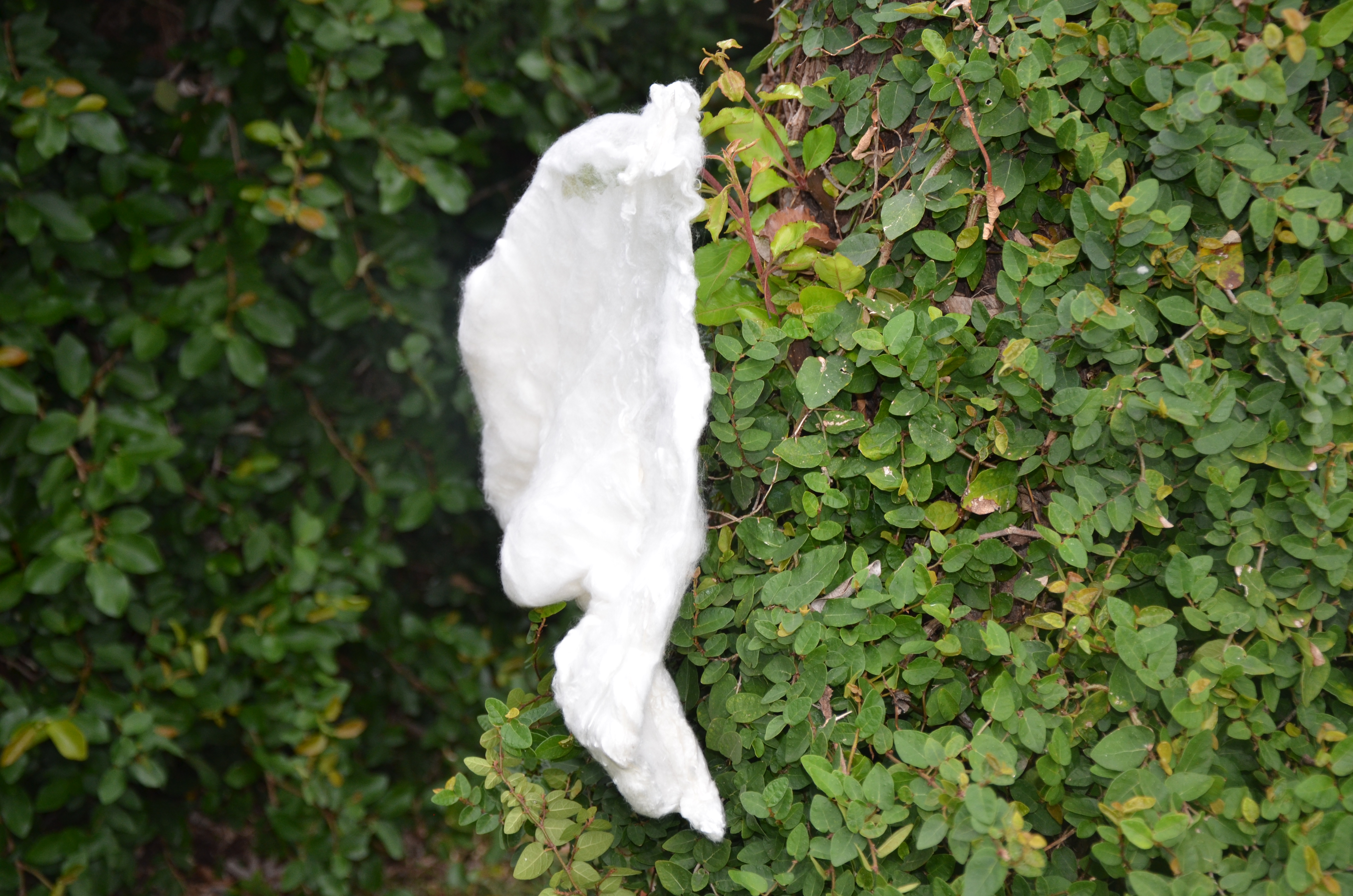
I then stopped by the South Texas Angora Goats booth. Their carded Angora wool was soft and crisp white. I highly recommend visiting their website. They have great pictures of their animals especially their Racka sheep with their spiral horns.
Like letting kids loose in a candy store.Silk hankie from China.
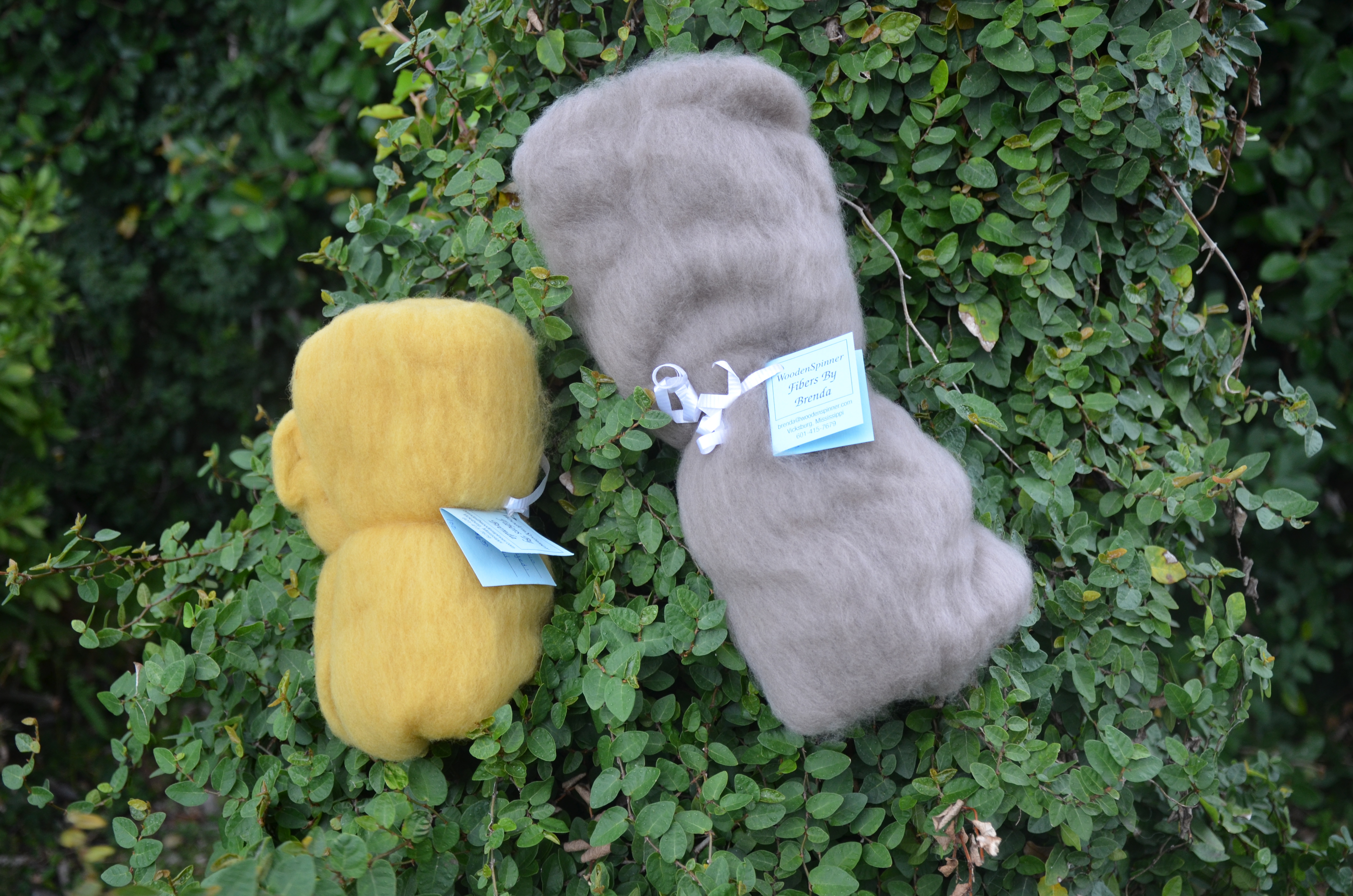
My last stop was at the Wooden Spinner. Proprietors Mike and Brenda Harrower offer high quality, hand-processed fibers. They specialize in creating natural plant dyes for their fibers. The resulting fibers are cast in soft, soothing colors.
Naturally-dyed Merino fibers from the Wooden Spinner. From the left, 1 oz. dyed with marigold flowers and 1 oz. dyed using walnut with aluminum and iron.
Now we shall have to put my spinning skills to the test. Stay tuned!
A knitting trip would not be complete without the opportunity to see, touch and buy yarn. We drove through the Ruhr region to arrive in Wickede, about an hour east of Dusseldorf. We were greeted at Atelier Zitron by the proprietor, Herr Klemens Zitron.
Right away, Herr Zitron took us into the yarn showroom. (If you are a knitter, you can only imagine how difficult it was to keep from running and throwing myself onto the yarn.) Zitron yarn is sold throughout the United States, Canada and Europe. They are more widely known for their sock yarns, and we saw plenty of sock yarn in bright colorways. But the range of Zitron yarns goes far beyond socks.
Their lace weight yarn is exquisite. Herr Zitron showed us various pieces knit with their lace weight yarns – light and airy shawls with intricate patterns.
We spent a good deal of time on the Gobi line. Gobi is a particularly high-quality worsted weight yarn that comes in a series of solid earth tones. It is made from a blend of three luxurious fibers – 40% extra fine merino wool, 30% camel, and 30% alpaca. (I brought home 15 balls in black.) Herr Zitron explained that it is not necessary to knit with chunky yarn to keep warm. One must use high quality yarn that feels good against the skin. A good yarn will keep you warm without overpowering you.
Back in his office, Herr Zitron shared his insights on the fibers that go into producing Zitron yarns. He took out small bags, each filled with a natural undyed fiber. As we touched each one, he made us guess what the fiber origin was. We touched raw merino wool, mohair, and camel, among others. The camel was the most surprising. It was incredibly soft, and strong. He had us feel raw wool typically used for sock yarn. He then placed the wool used in Zitron sock yarn in our hands. The difference was instantly noticeable. Both wools were soft and felt good on the skin, but the wool used in Zitron yarn was splendidly soft and supple. Herr Zitron has discerning taste and only chooses the highest quality fibers to produce the yarns that carry his name.
At Atelier Zitron, they are constantly innovating. Herr Zitron gave us a sneak peek at their Spring yarn collection. All I will share is that it is exquisite. The colorway has a special sheen to it that any knitter would find enchanting. Other than that, you will have to look for it in 2012.
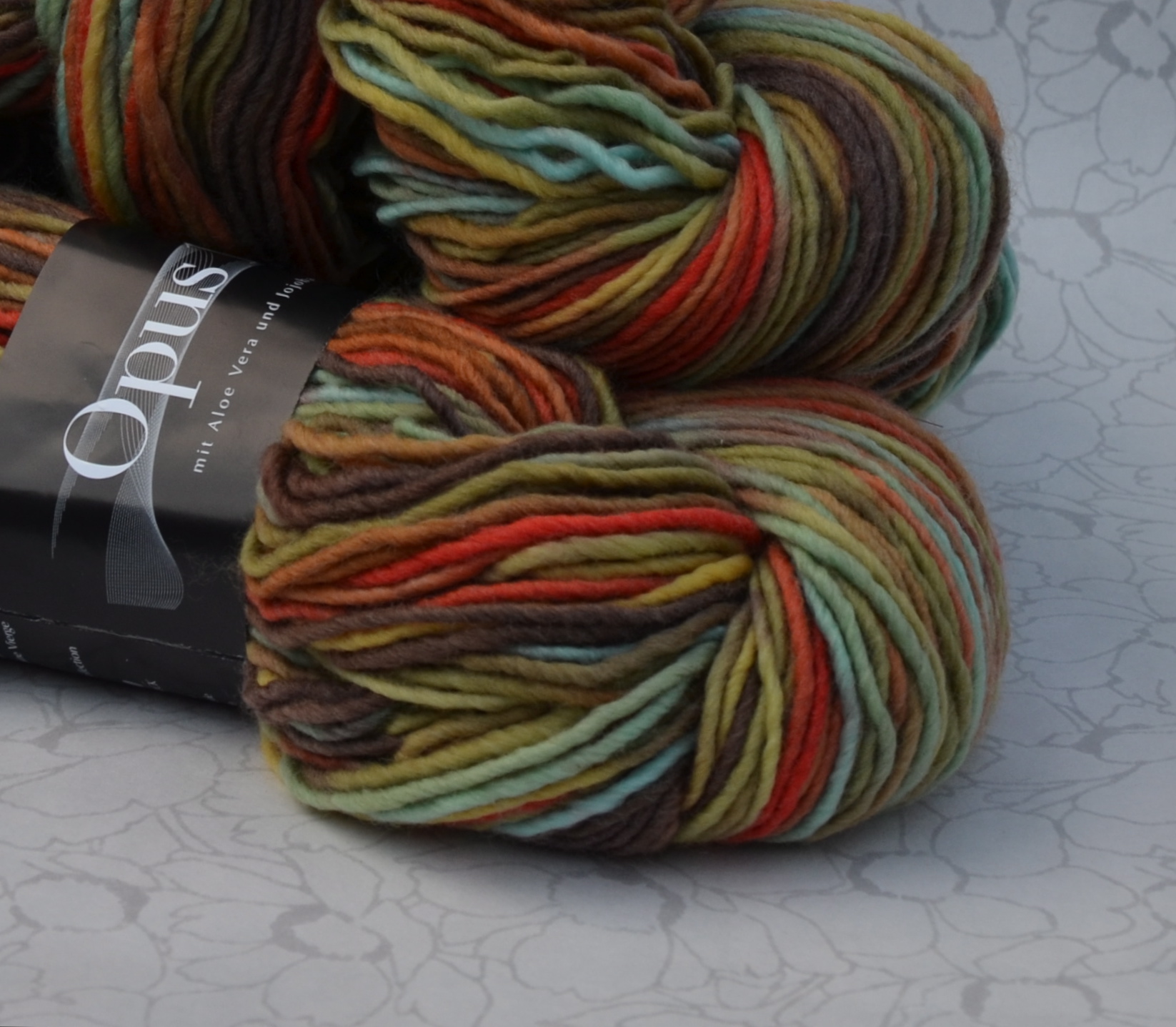
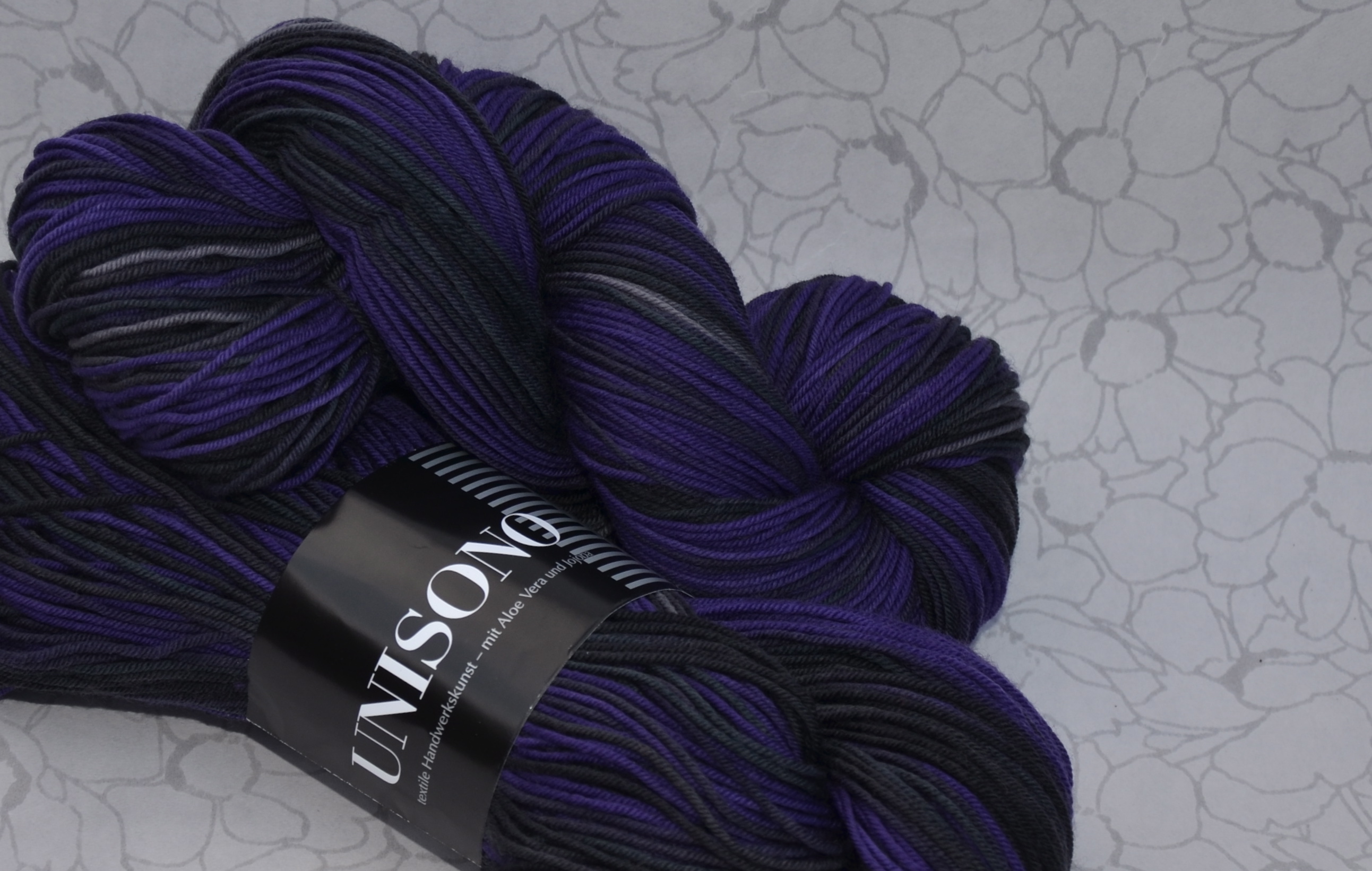
By the end of our visit, we finally had an opportunity to shop. Here is a sampling of my purchases.
Opus 1 - 100% Merino wool enriched with Aloe Vera and Jojoba.Unisono - 100% Merino extra fine, enriched with Aloe Vera and Jojoba.
Zitron yarns are made especially for hand-knitting. All yarns are made in Germany. Learn more about Zitron yarns at their website.
 Agujas