Tie-Dyed Textiles in Cambodia

During his trip to Southeast Asia, my husband purposefully visited a couple of textile factories knowing that I would be interested in knowing about local crafts. The first place he toured was the Institute for Khmer Traditional Textiles (IKTT) in Siem Reap Angkor, Kingdom of Cambodia. There, he walked the shop floor and took the following photographs of local women artisans spinning, dyeing and weaving traditional Cambodian textiles.
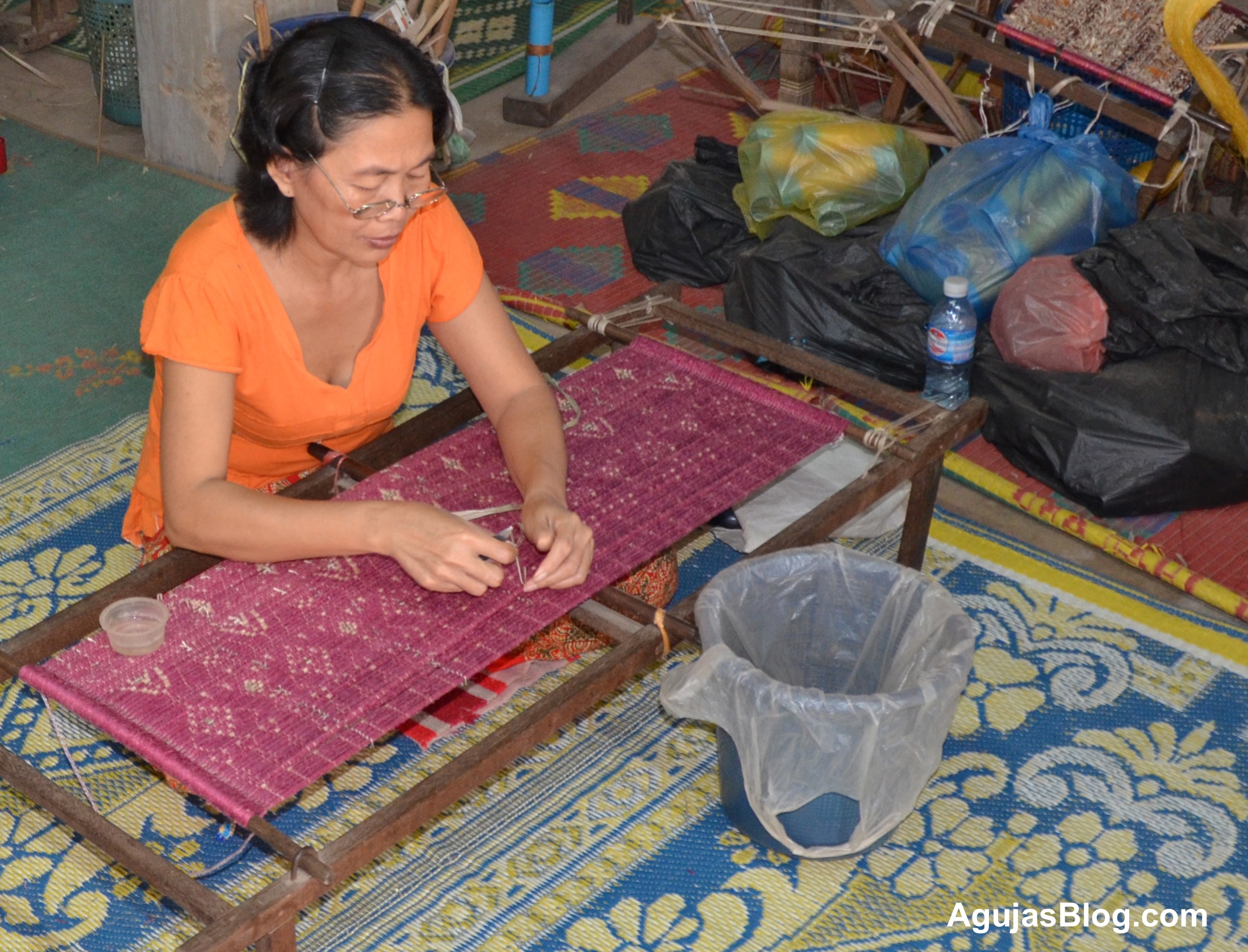
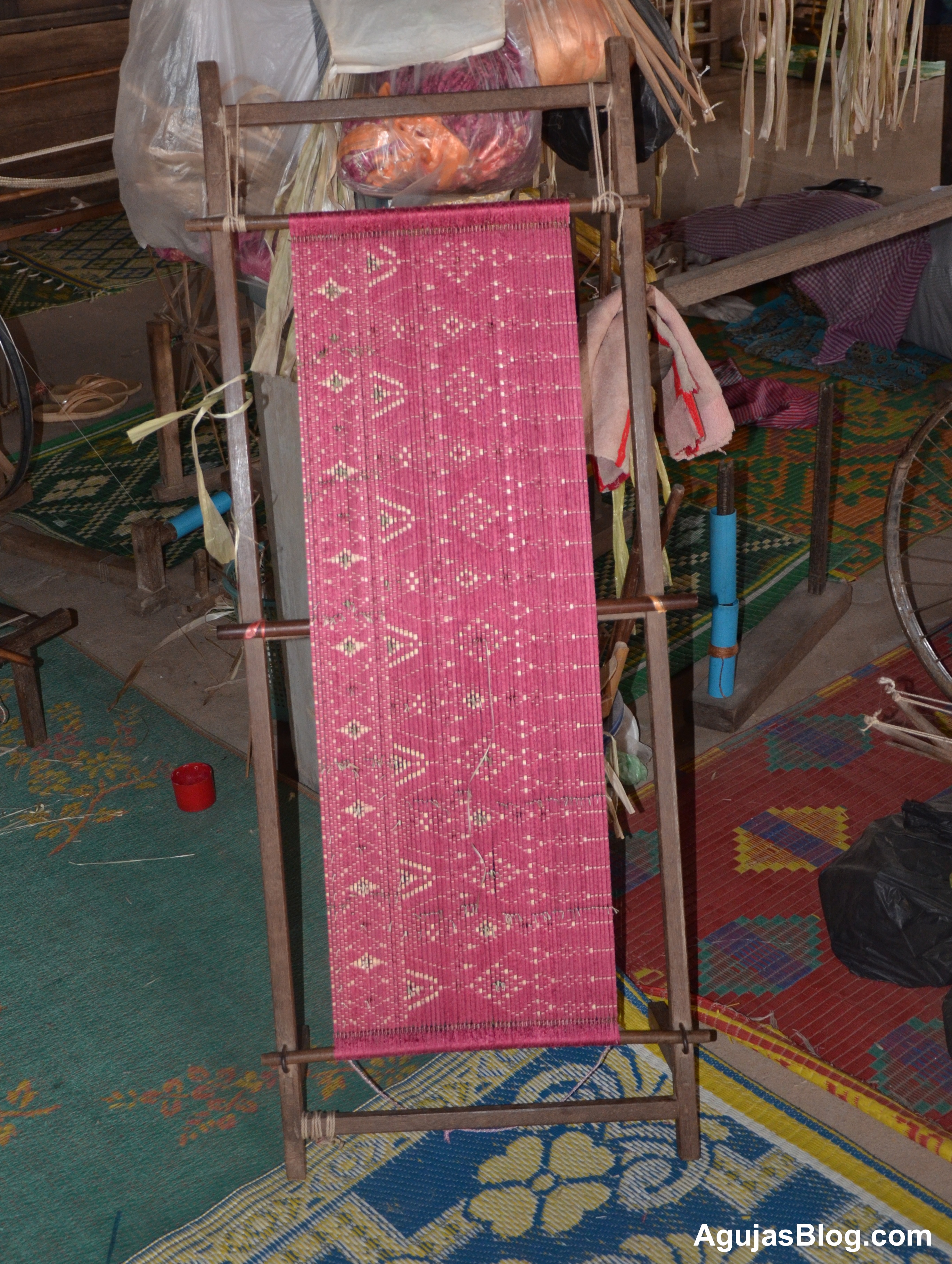
IKTT 5

IKTT 1

The raw yellow silk is reeled from cocoons of the same golden color. I initially thought the golden silk thread had been dyed but it is actually in its natural form. You can read more about yellow raw silk here.
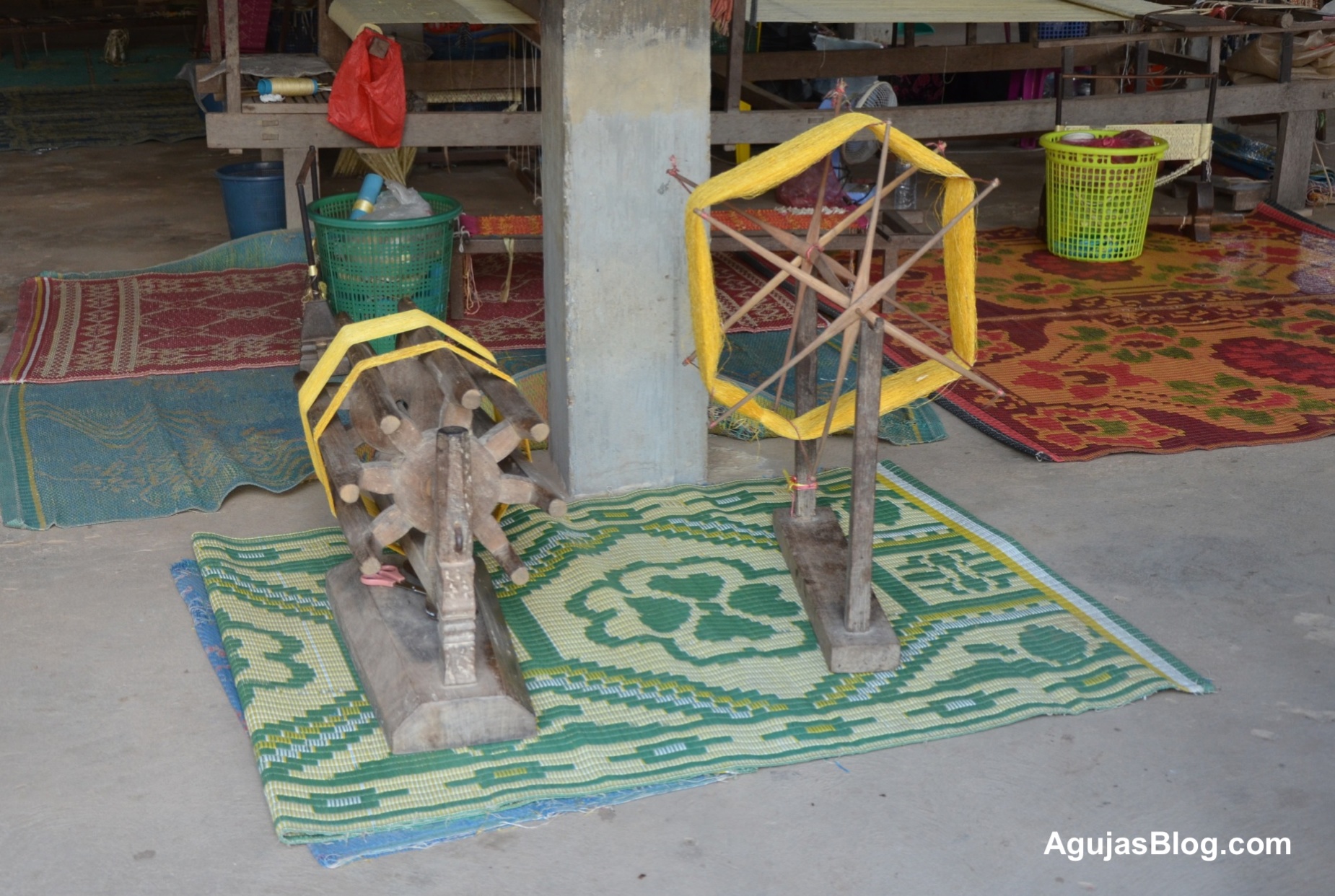
IKTT 2

IKTT has also embarked on preserving and regenerating a natural forest in Siem Reap. The undertaking includes cultivating plants and trees that can be used as natural dyes.

IKTT aims to restore the art of creating traditional Cambodian textiles and has established a village project called PROJECT OF WISDOM FROM THE FOREST where 140 IKTT staff currently live growing trees to be used in silk-worm raising and the natural dying of fabric. We offer job opportunities to disadvantaged women and are working to preserve the national heritage for younger generation[s].
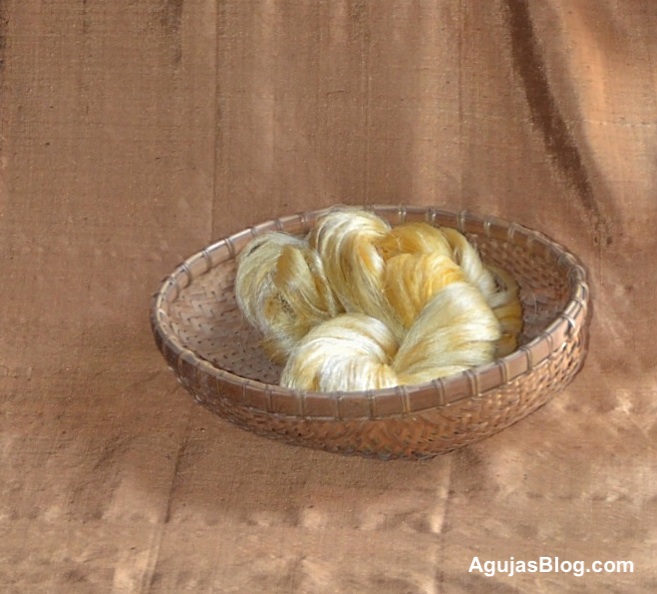
IKTT 3

These scarves are hand knit out of 100% pure silk and sold at market.
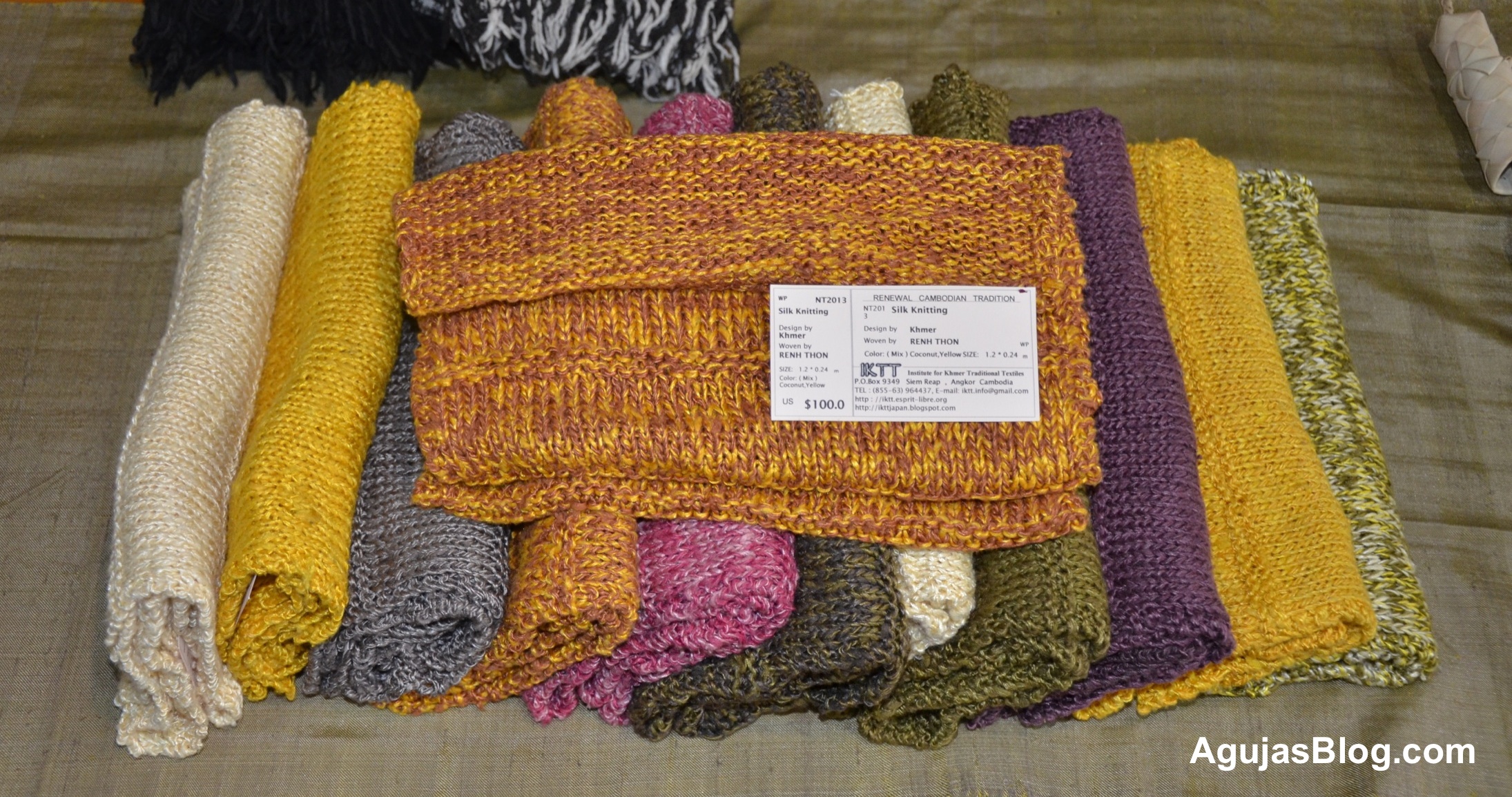
IKTT 4

His next tour was at the Angkor Silk Farm located approximately an hour outside of Siem Reap. Run by Artisans Angkor, they cultivate Mulberry trees at the farm and continue the traditions of Khmer arts and crafts such as weaving silk textiles, stone and wood carving, and silk painting.

Here, a young woman heats up the cocoons as she reels the silk threads from them. I will spare you the photograph of the platter of silk worms my husband shared with me.
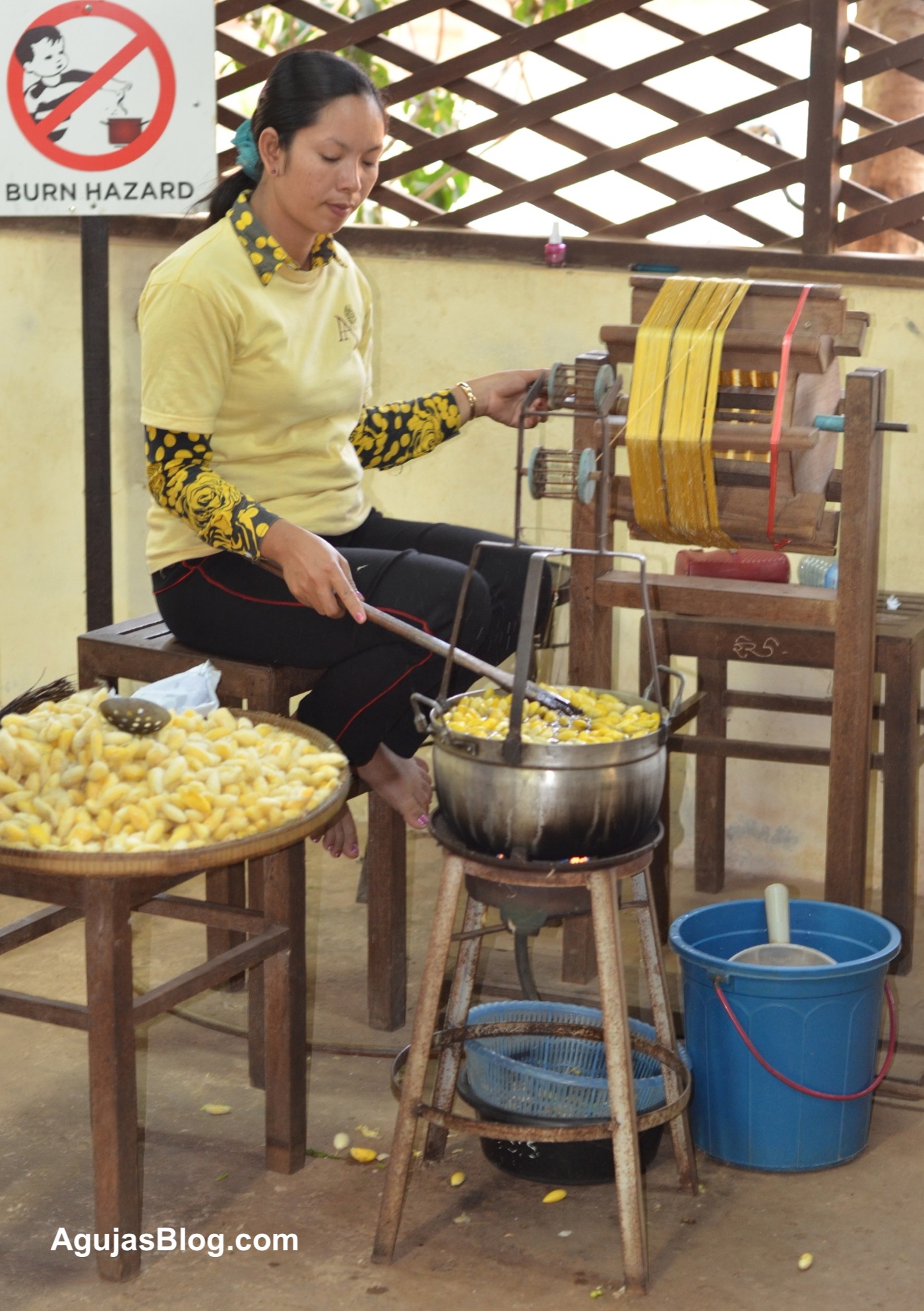
Artisans Angkor 1

The ikat technique, or tie-dyeing of the silk threads, requires meticulous attention to detail. The term “ikat” means “to bind, tie or wrap around.” This young woman is tying a pattern onto the silk threads. My husband tells me that they would work off a picture or another textile to create the pattern.
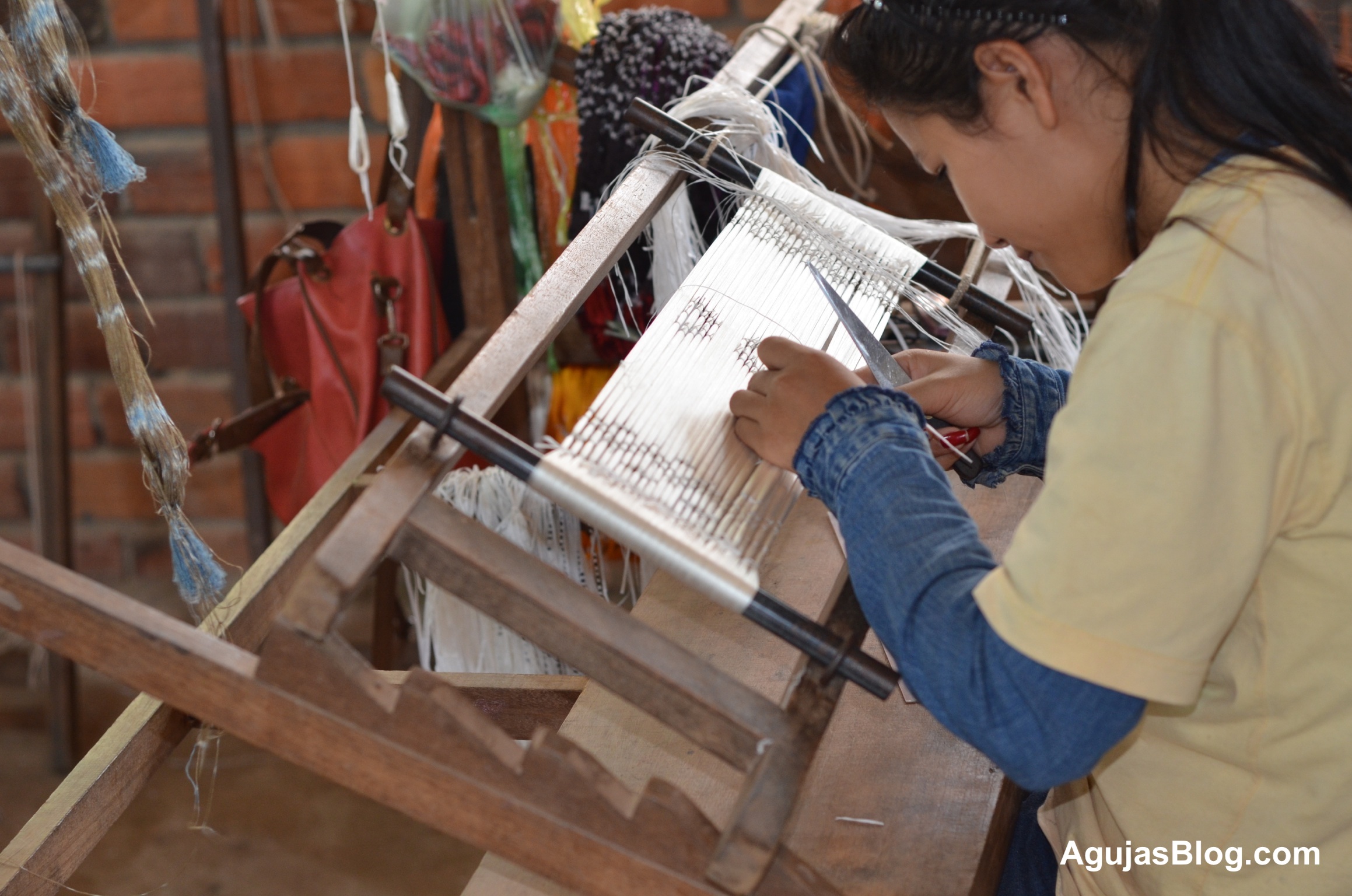
Artisans Angkor 3

After tying the knots, they would submerge the textile into large dye pots to pick up the desired color. Once dry, they would untie the knots and dye the fabric again. This process would continue until they achieved the pattern and color palette they wanted.
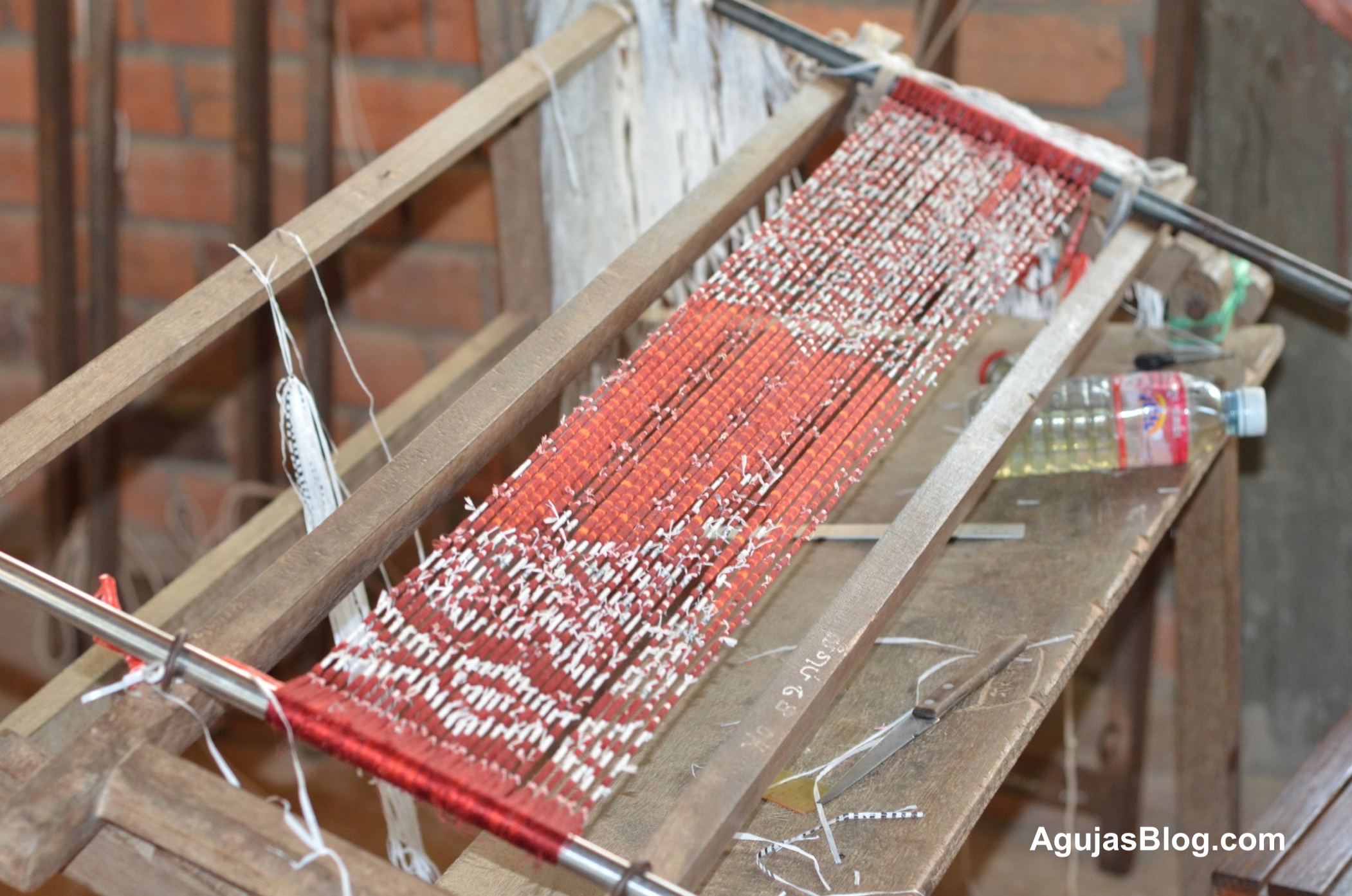
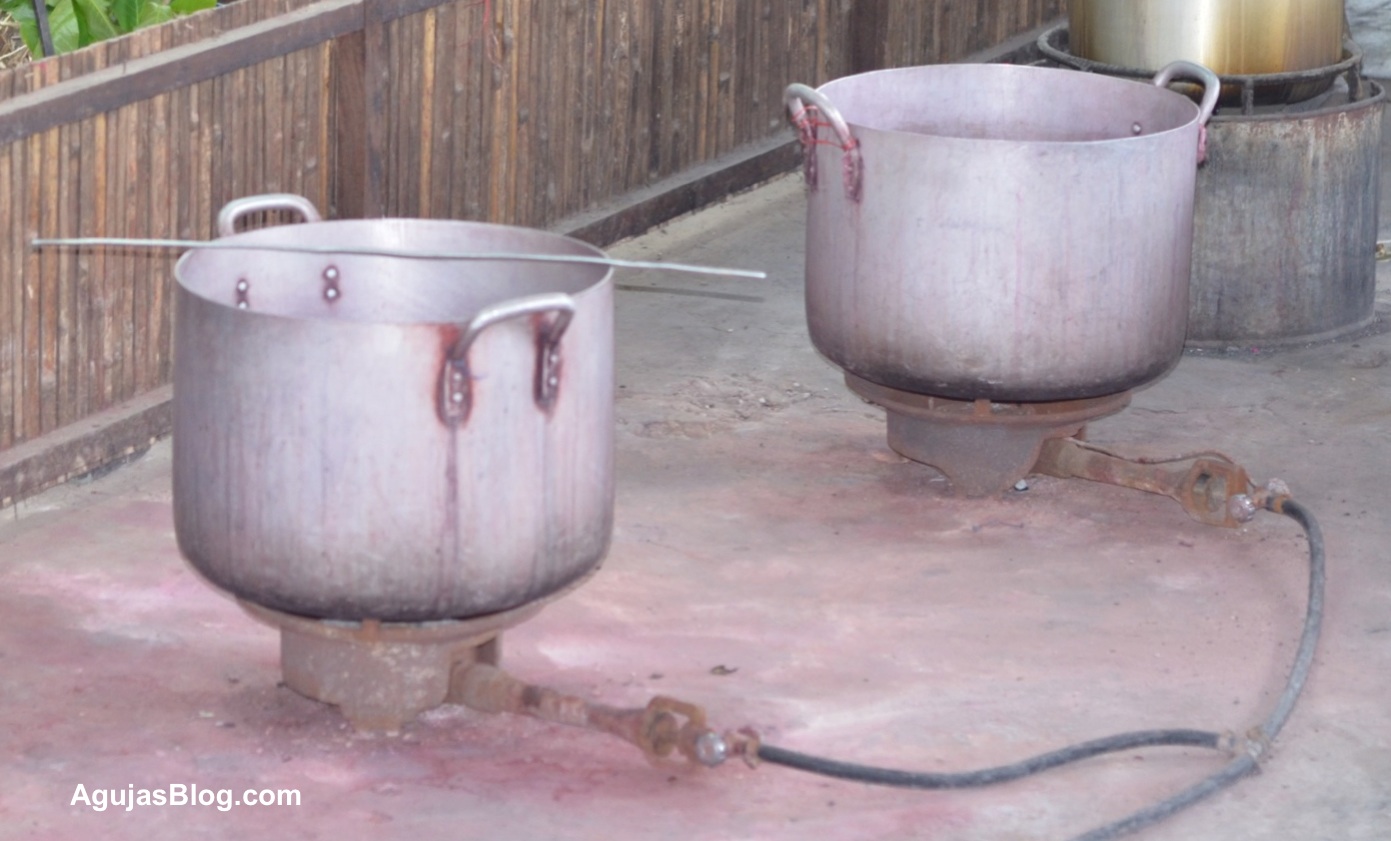
Artisans Angkor 4

Artisans Angkor 2

Apparently, some of the textiles are so beautiful that they are displayed as art and even framed in glass to protect them.
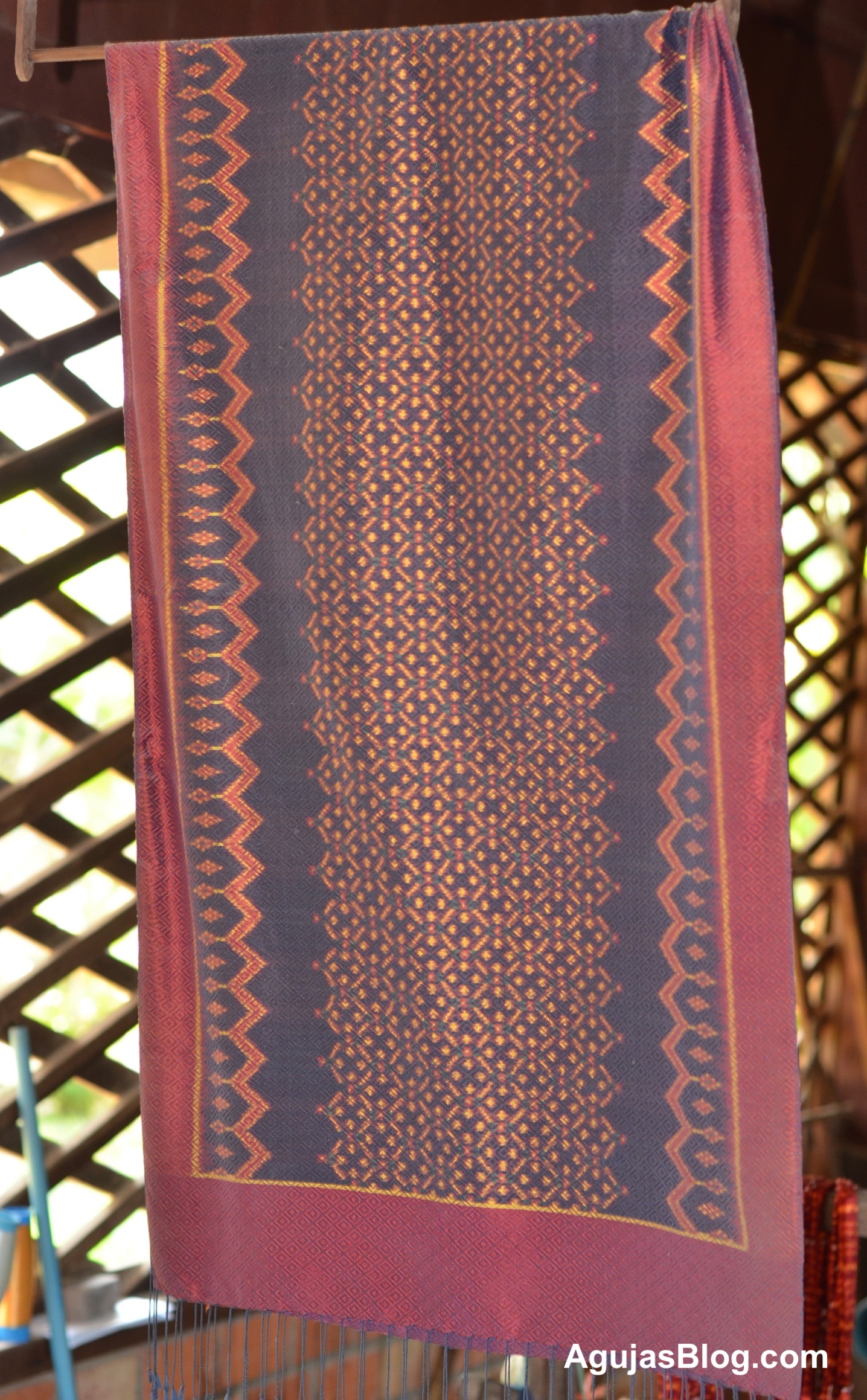
Artisans Angkor 5

I would love to spend a month or two in one of these factories and sit next to these women reeling, dyeing and weaving. Perhaps one day …
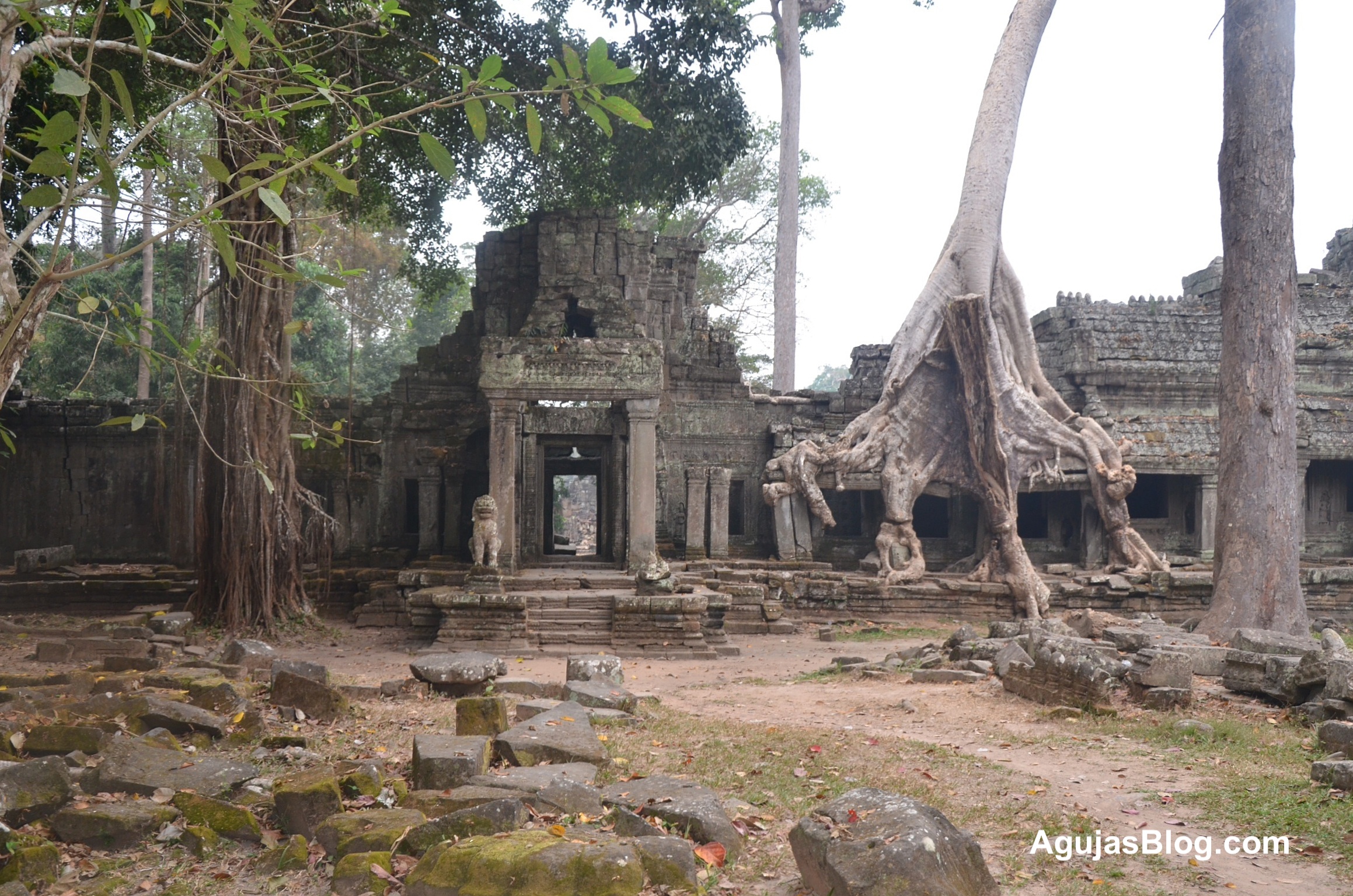
The Temple of Angkor Wat

Here is a view of Angkor Wat through my husband’s eyes.

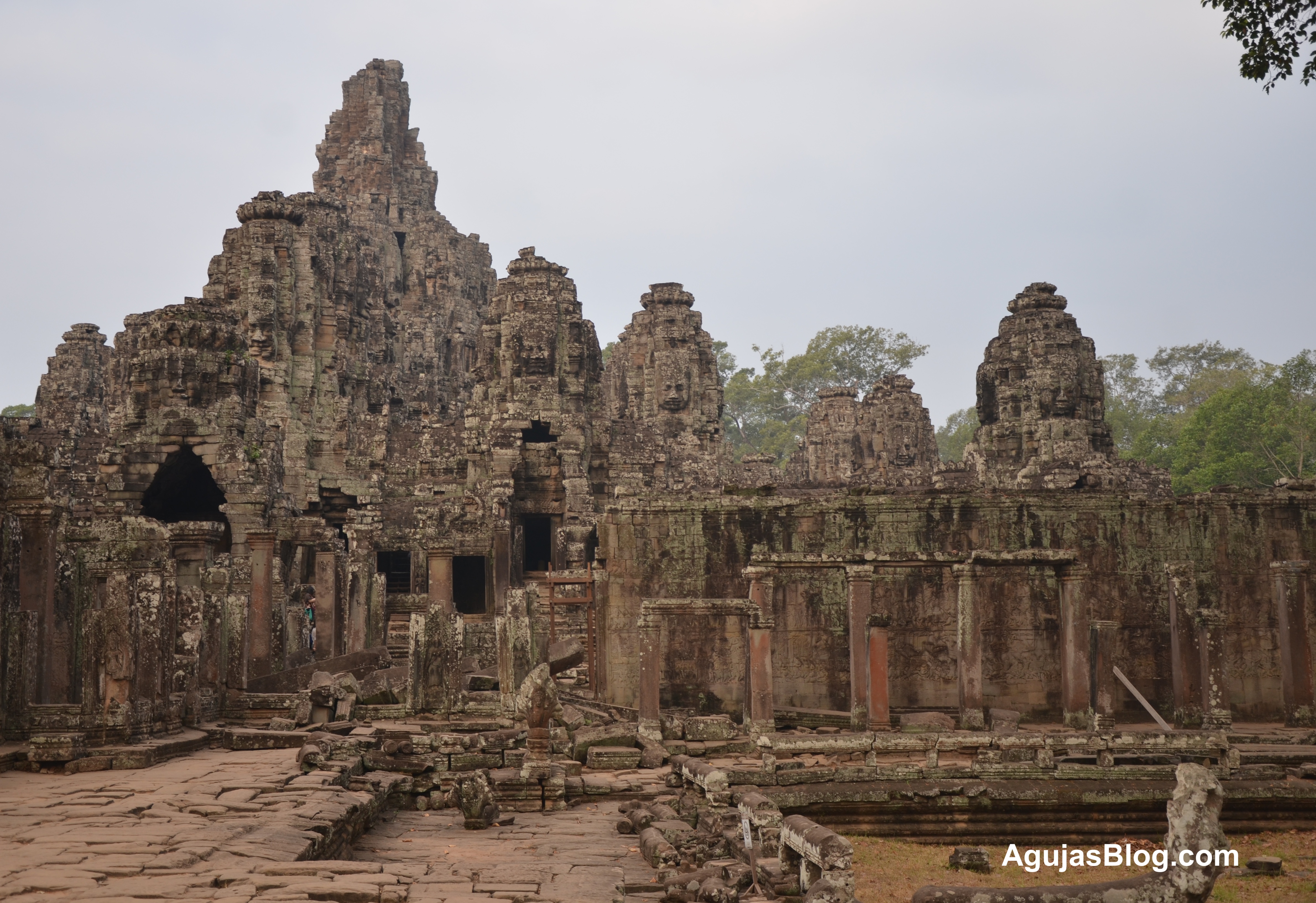
Ankor Wat is the largest Hindu temple and the largest religious monument in the world. It was built in the early 12th Century and covers over 400 square kilometers of land.

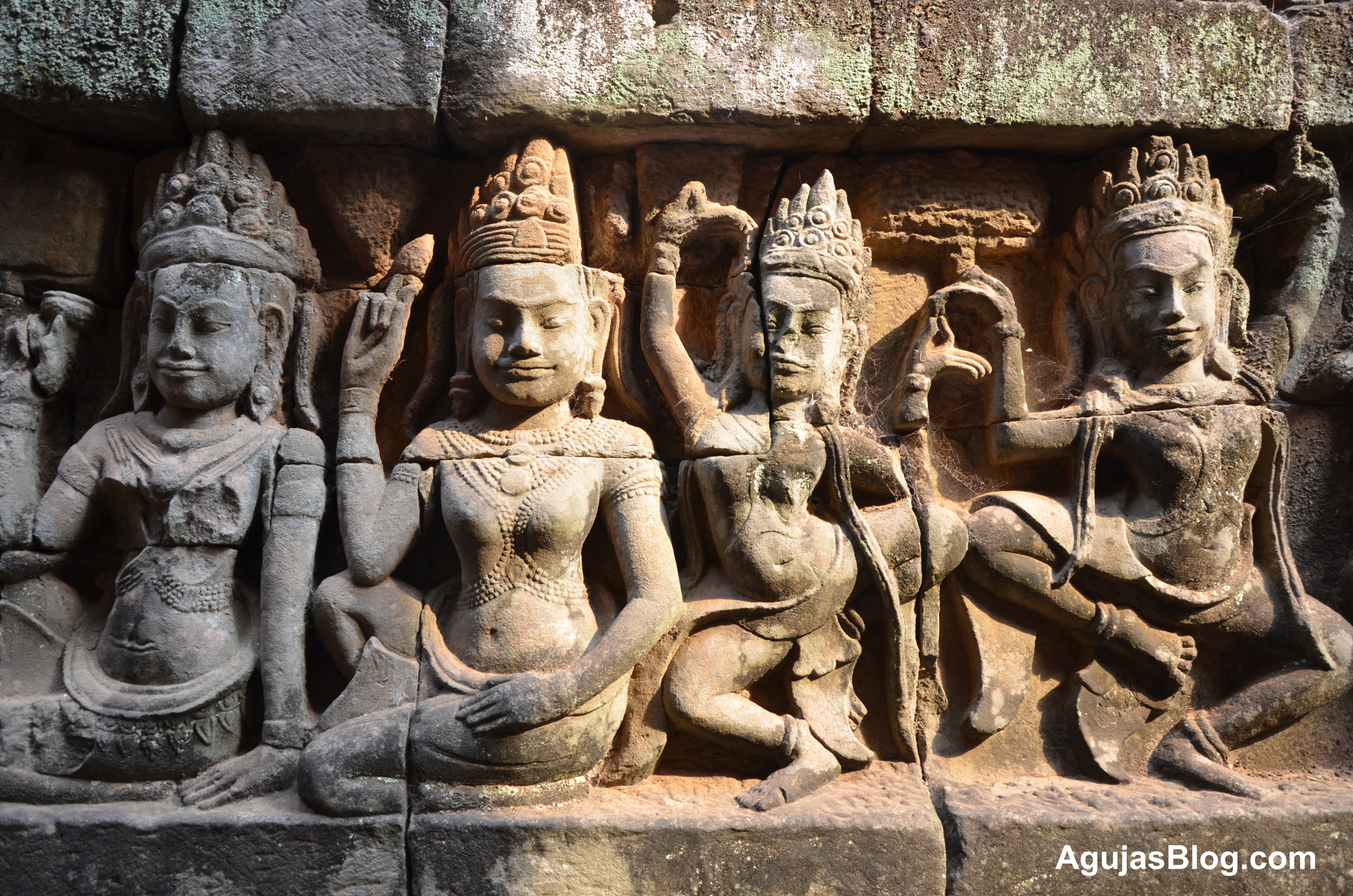
Relief of Hindu deities.

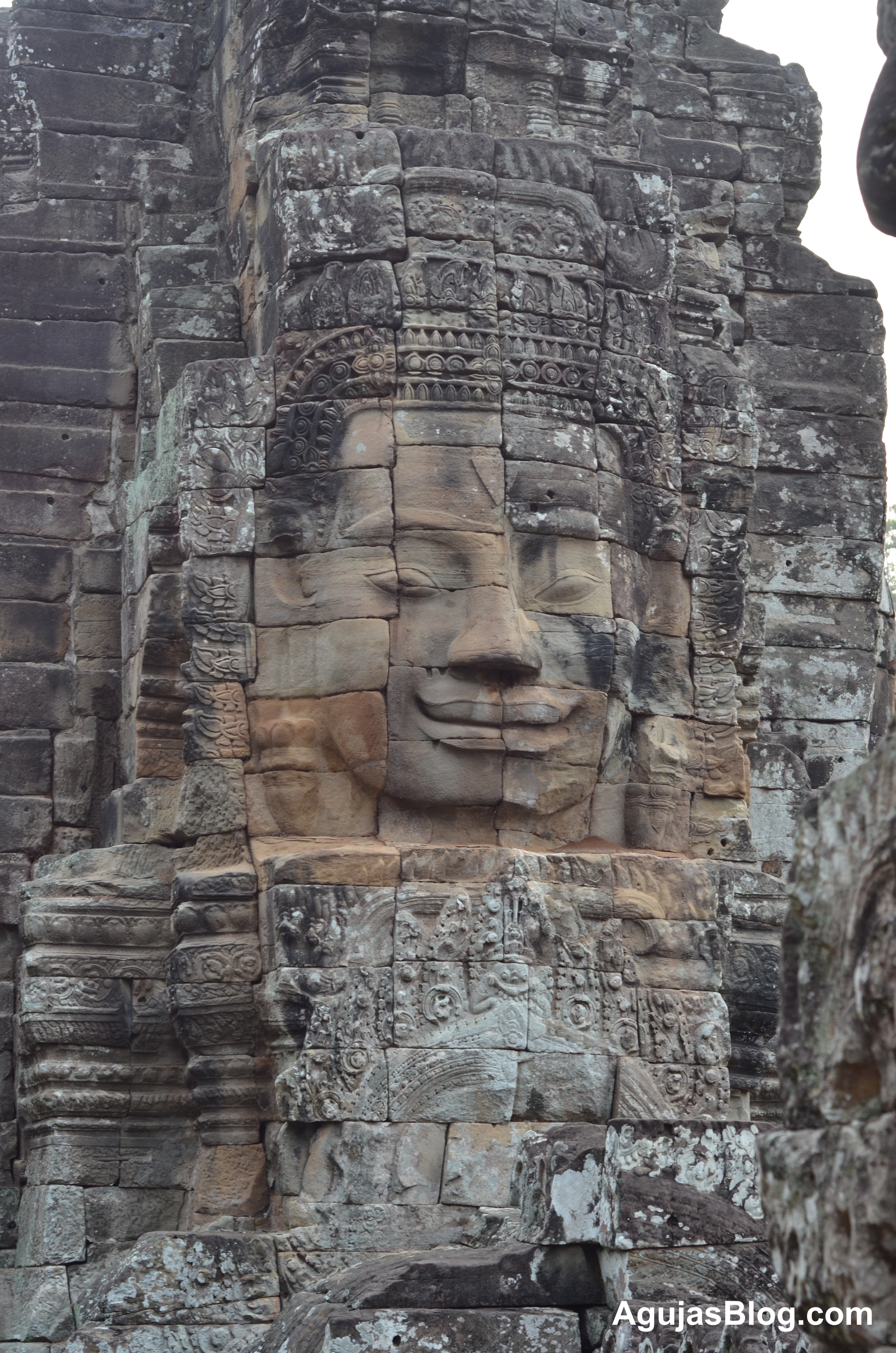
Large face on the walls at Angkor Wat.

Some of the many temple ruins. Do you see the faces?

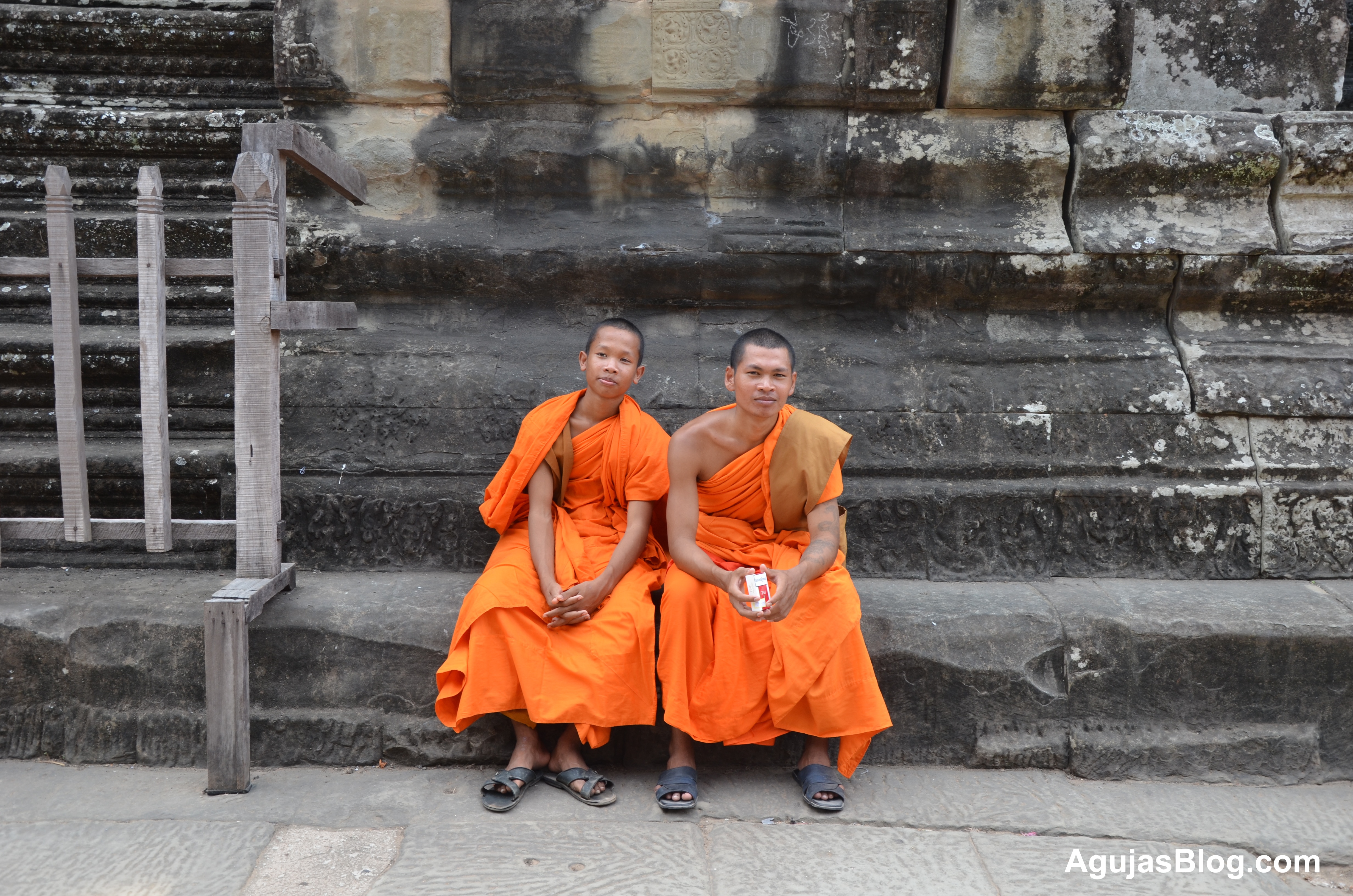
Monks care for the ancient temple. According to my husband, monks hold a place of honor. He saw people give up their seats for them at the front of busses and the people feed them every day.

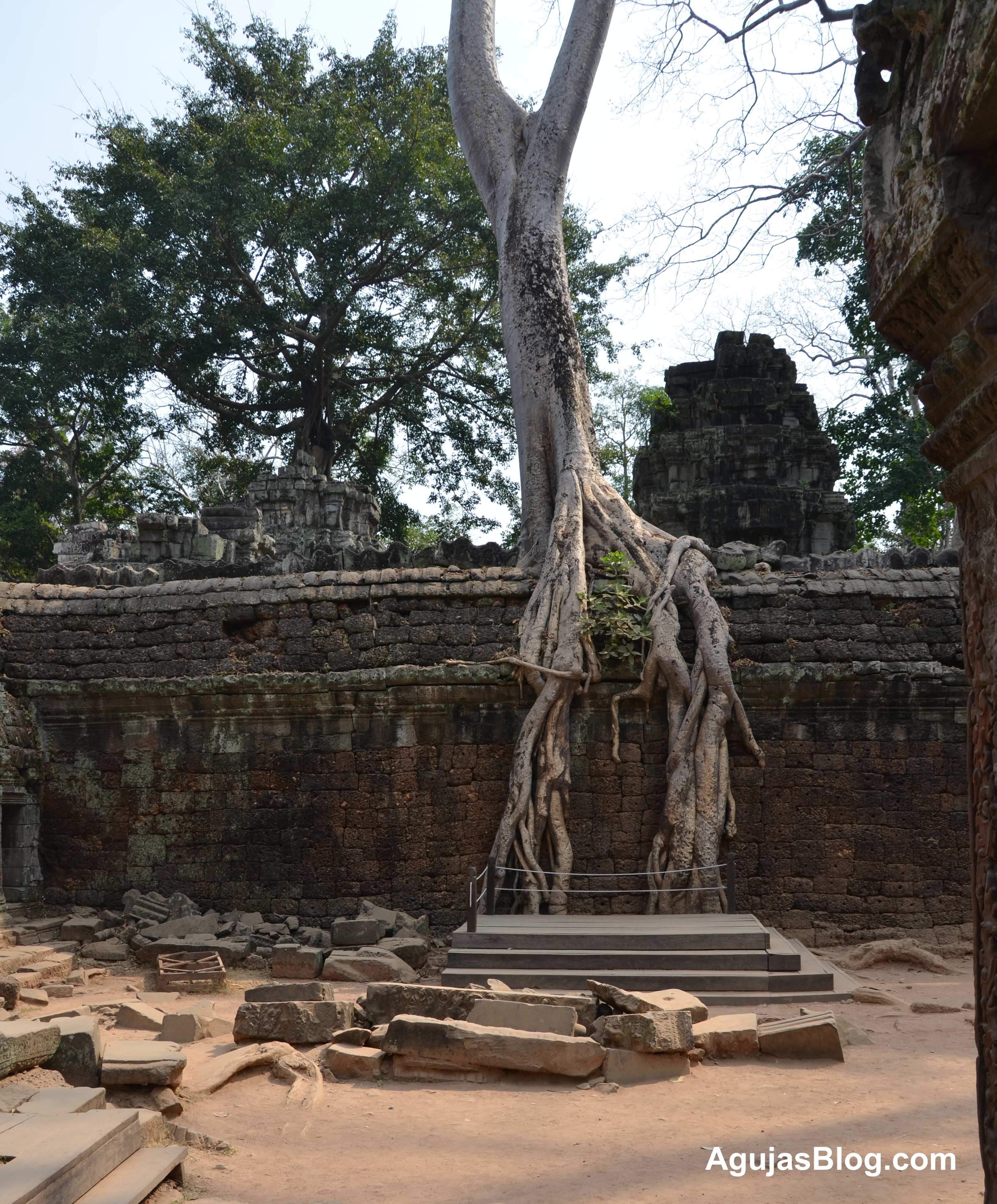
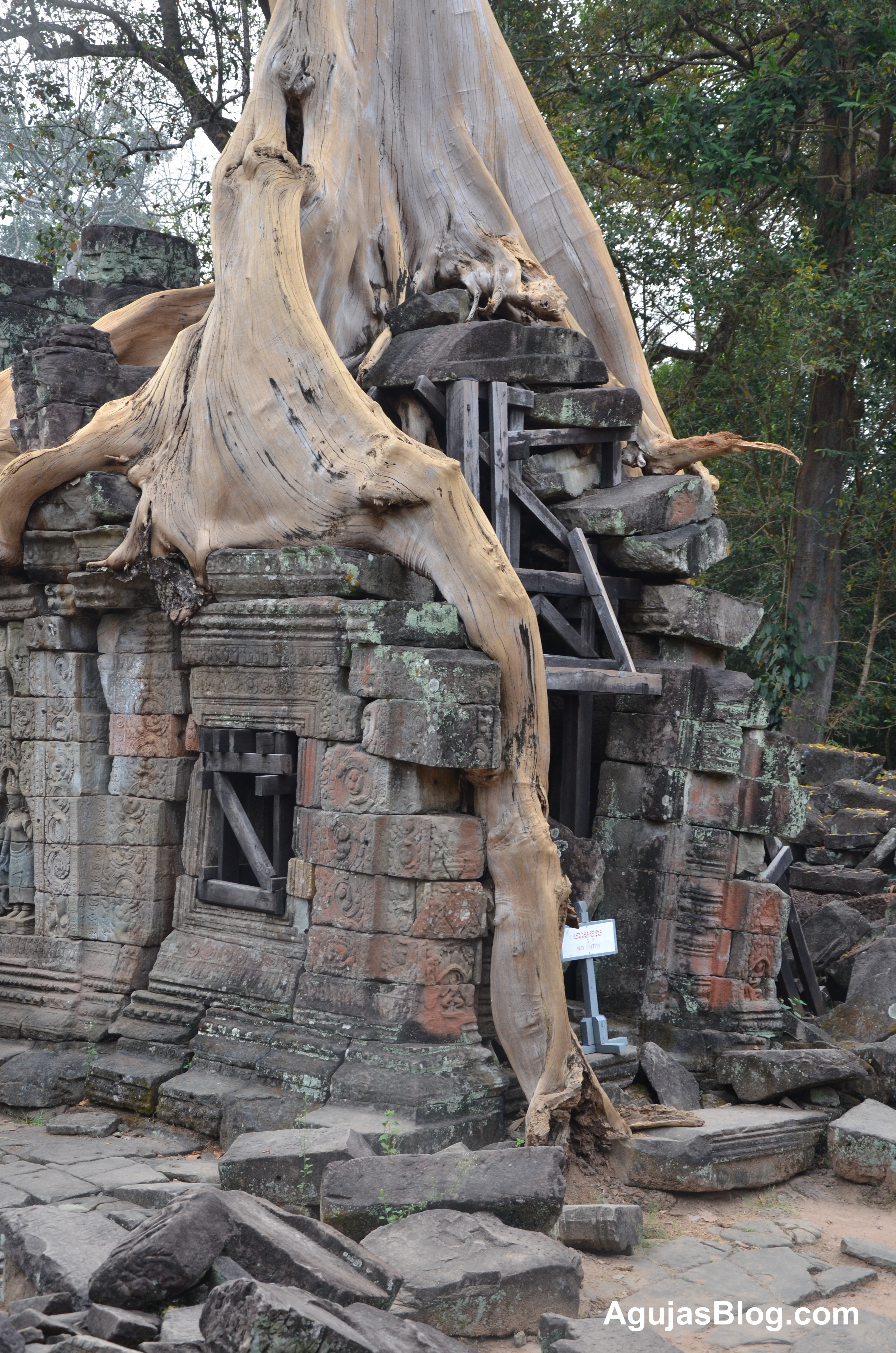
Nature will have its way.

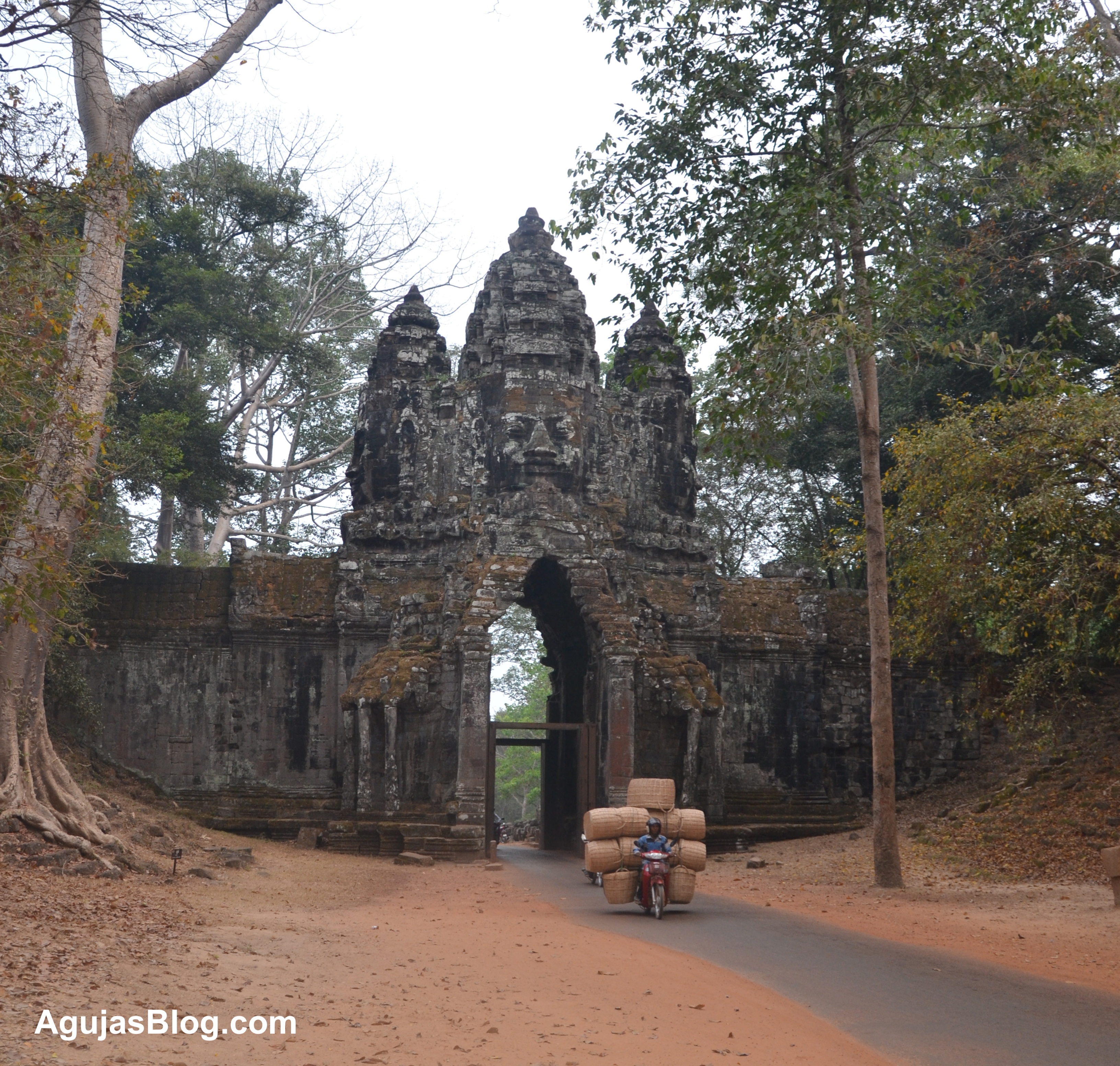
A basket wholesaler carries his wares to vendors in the city.

My husband says it took about three days to see the complex.

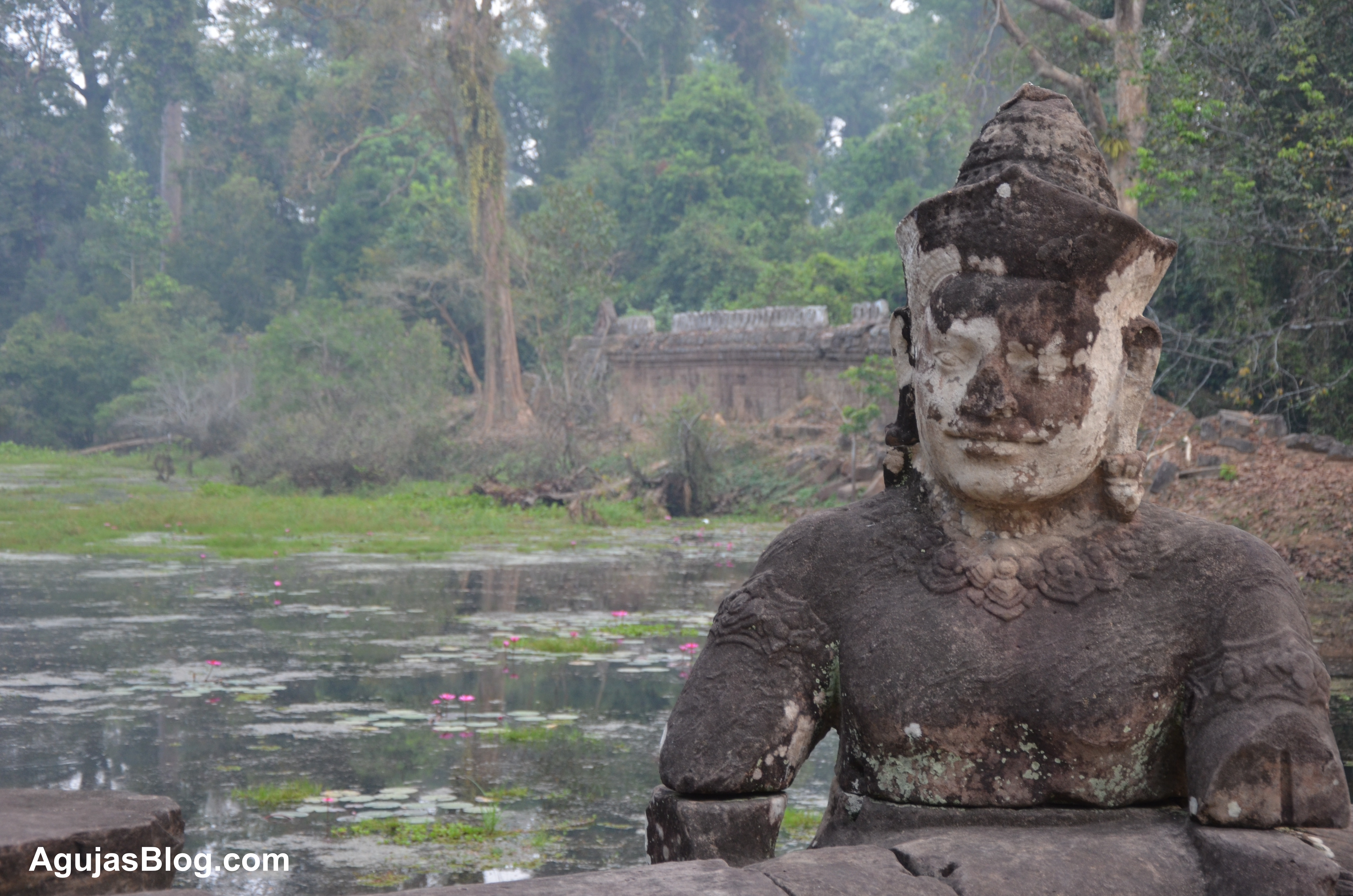
There was a row of these giant statues along the bridge.

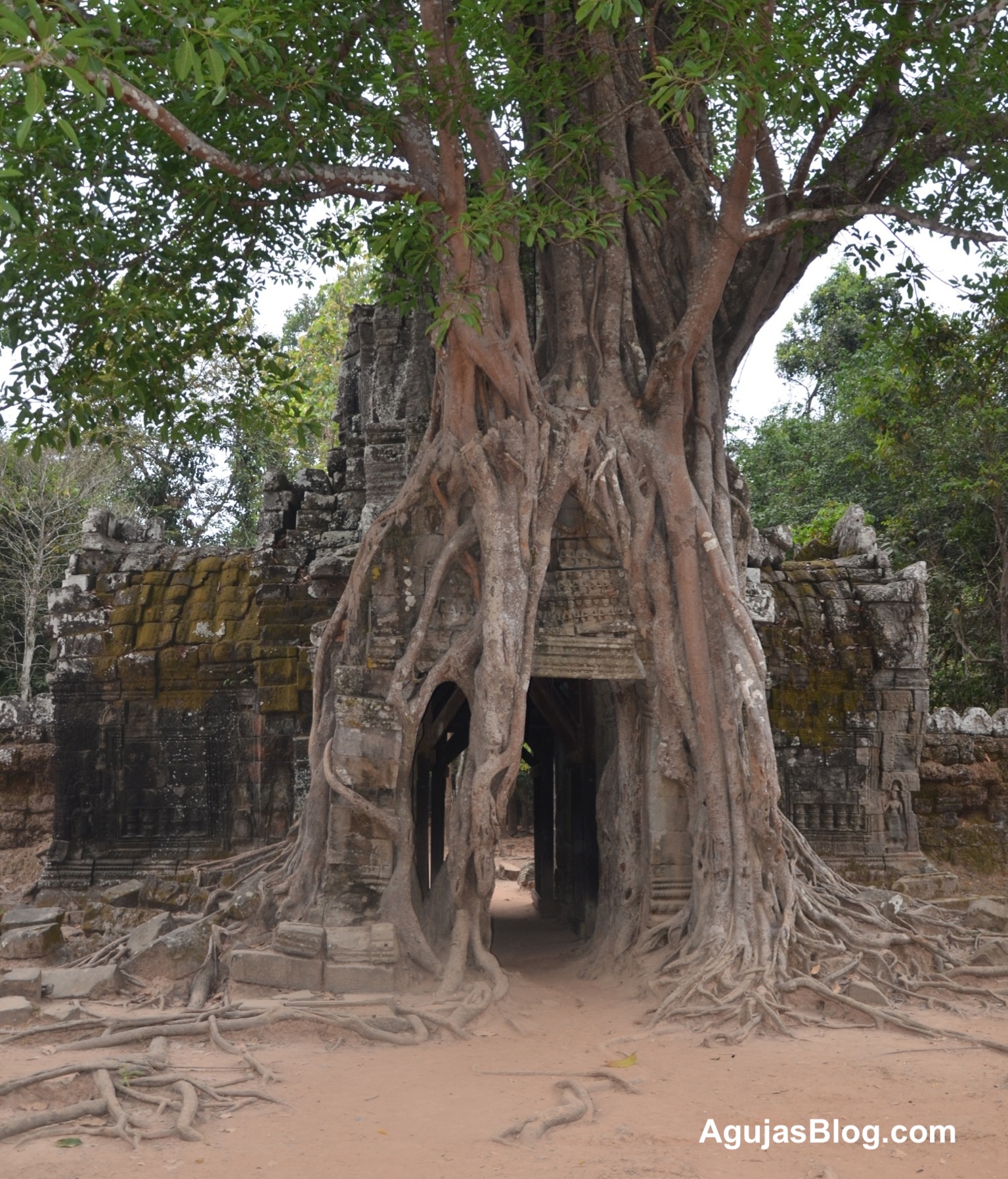
The forest continues to swallow up the temple.

To learn more, visit the Angkor Wat UNESCO World Heritage site.

Spinning Silk in Thailand

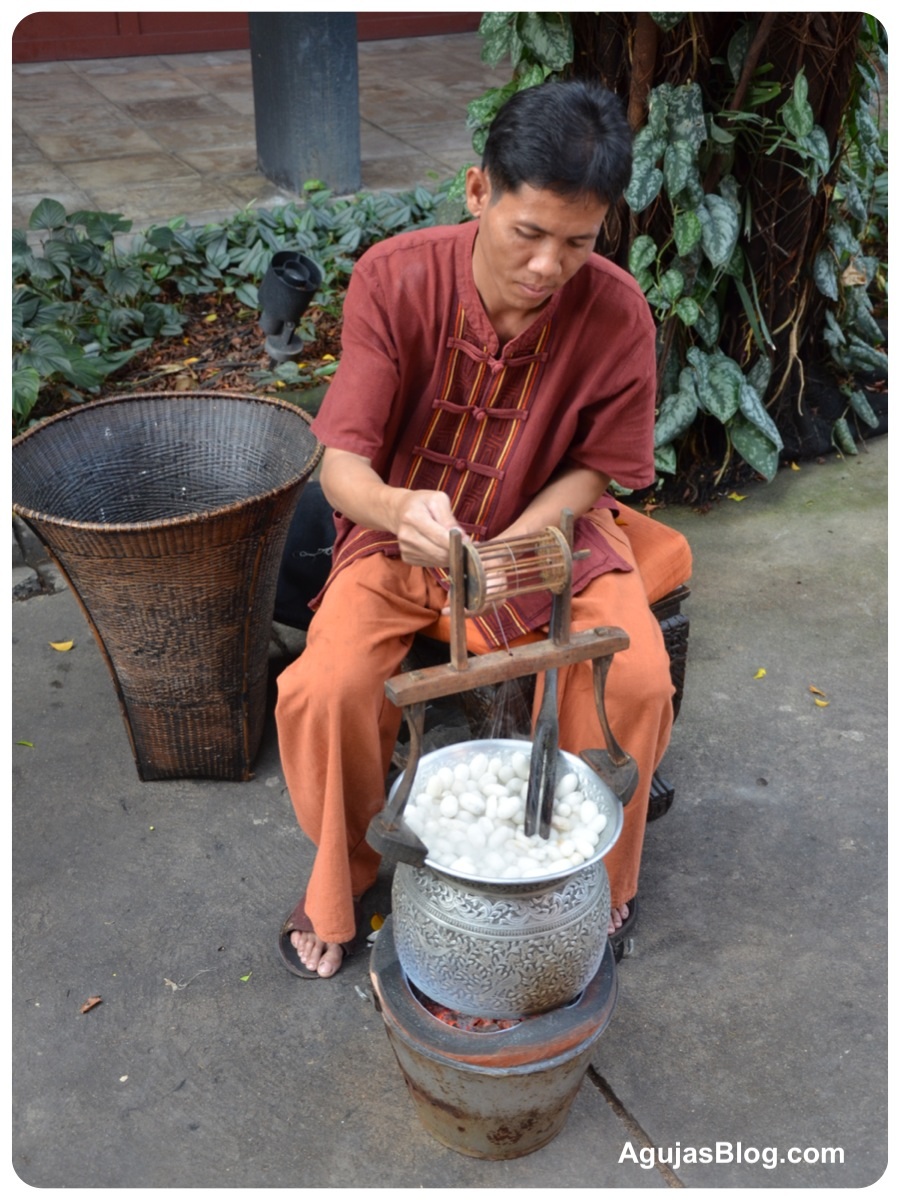
My husband is traveling in Thailand and sent me these photographs. I think he knew I would like them. This first photograph shows a Thai man spinning silk. Look closely and you will see the delicate silk thread being pulled from several silkworm cocoons.

Spinning Silk from Cocoons

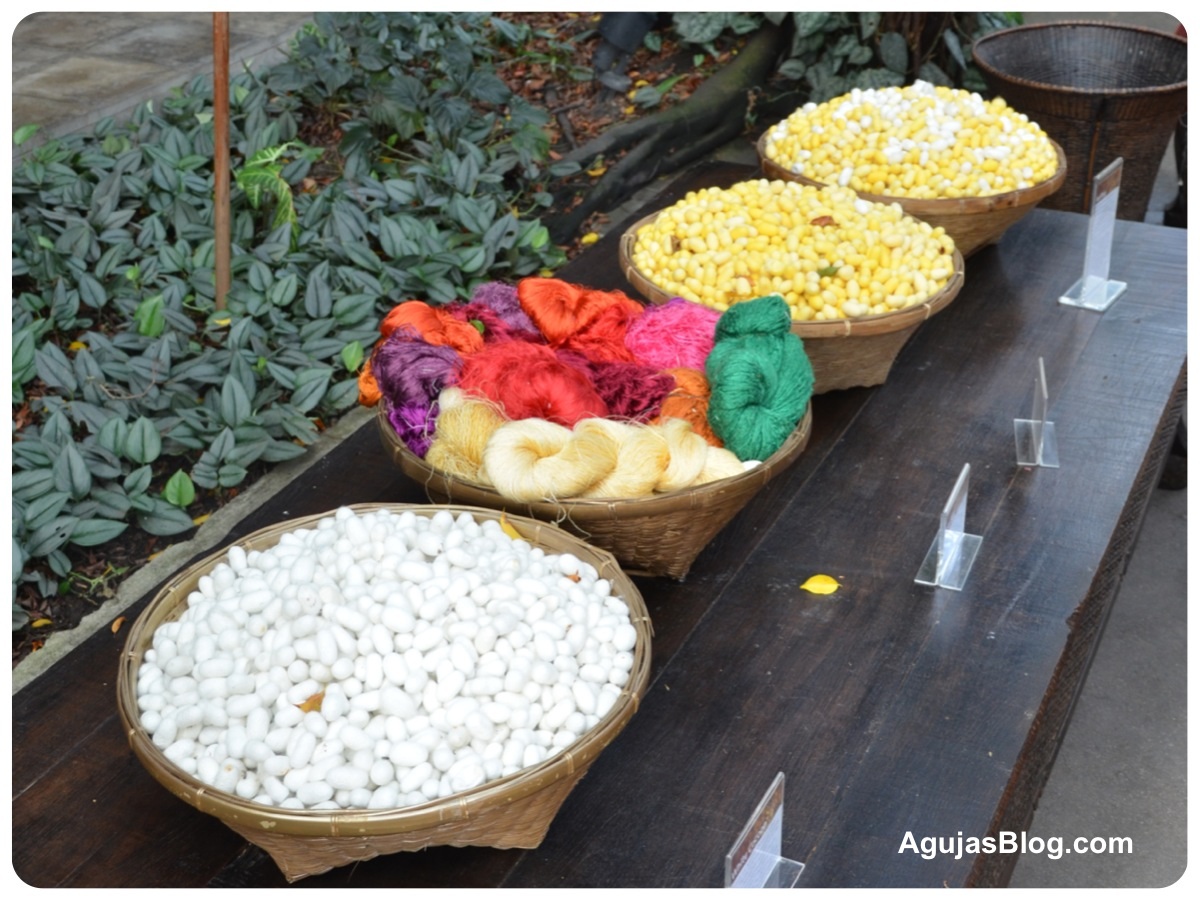
They were taken at the Jim Thompson House in Bangkok. Jim Thompson, as I soon learned, was an American architect who moved to Bangkok after World War II and subsequently established the Thai Silk Company. Look at all those silkworm cocoons!

Silk Cocoons

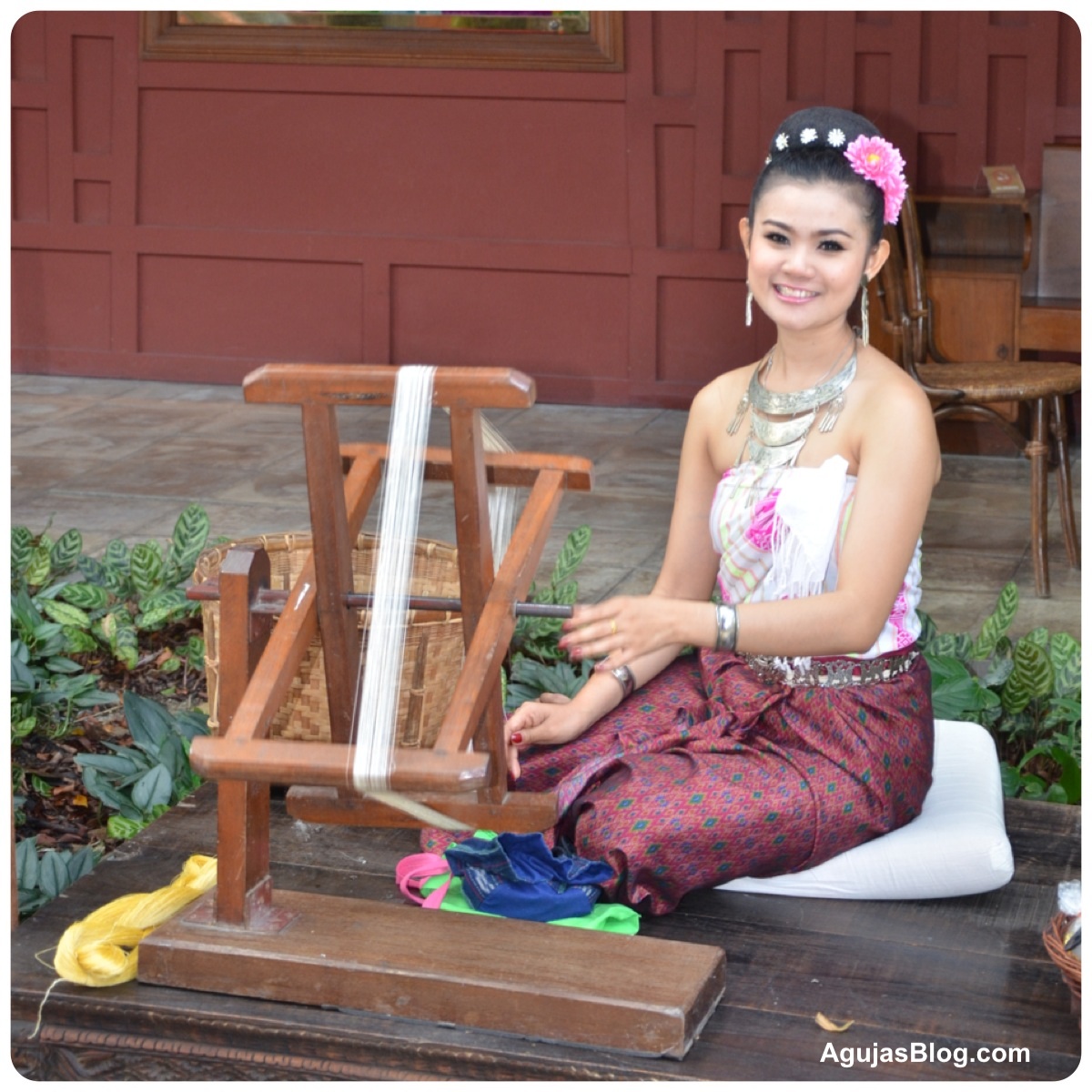
I love this photograph of a beautiful Thai girl winding the silk thread.

Winding Yarn

I have high hopes of receiving a hank or two of Thai silk yarn when he returns. (Hint, hint).

Roskilde in Pictures

{Click on any image for a large-screen view and descriptions}.

Getting Hygge With It

This year, we decided to do something different for Christmas. We wanted to experience cold weather and possibly snow in winter. While the so-called “Winter Texans” flocked south toward the border, we flew north and crossed an ocean to Denmark. We spent most of our time in Copenhagen, which consistently ranks among the top cities in the world for quality of life.

We stayed in a lovely home in the area of Ørestad. It was a short walk to the metro at Bella Center and from there about a 10-15 minute ride to the city center. There were bicycles everywhere, and babies bundled up in thick jumpsuits and wrapped in cozy strollers, renaissance castles, pickled herring, and plenty of varm chokolade. The weather ranged from 43° F during the day to 25° F at night. It was overcast and gloomy and rained half the time, with intermittent moments of sunshine. It was dark by 4 pm. We didn’t get snow. Ironically, it snowed in South Texas while we were in Denmark.

On New Year’s Eve, fireworks exploded throughout the city. They easily continued for over an hour and even lingered for days after. On the first, the streets were littered with cases of exploded fireworks. We have wonderful memories of our Christmas in Denmark.

{Click on any image for a full-screen slide show and to view the descriptions}


On a visit to the Design Museum Danmark, we had the pleasure of viewing a special exhibit commemorating the work of Danish architect Finn Juhl. The exhibit Furniture for the Senses, Finn Juhl 100 featured several chairs designed by Juhl and other Danish architects. Here are a few of my favorites.


And last but not least, here is a sampling of the delicious food we tried during our stay.