Garn on Gotland

Visiting an island with such a rich history and with its very own breed of sheep, yarn was unquestionably on the itinerary. Everywhere we walked in the old town of Visby, there were statues of sheep in recognition of the role that sheep have played in the island’s history. Farmers kept sheep and used their fleece to make clothing to keep warm during the snow-covered winters.
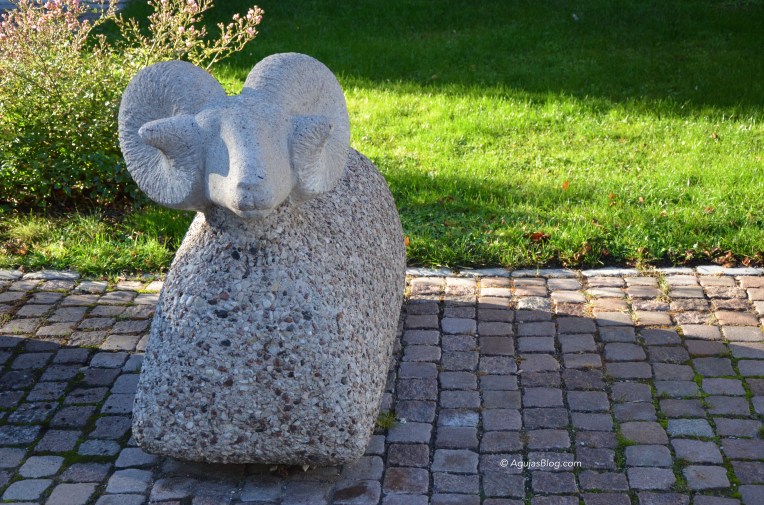
Sheep Statue on Visby

Nothing was wasted. The curly fleece could be found on bags, pillows, clothing, seat cushions and phone cases.
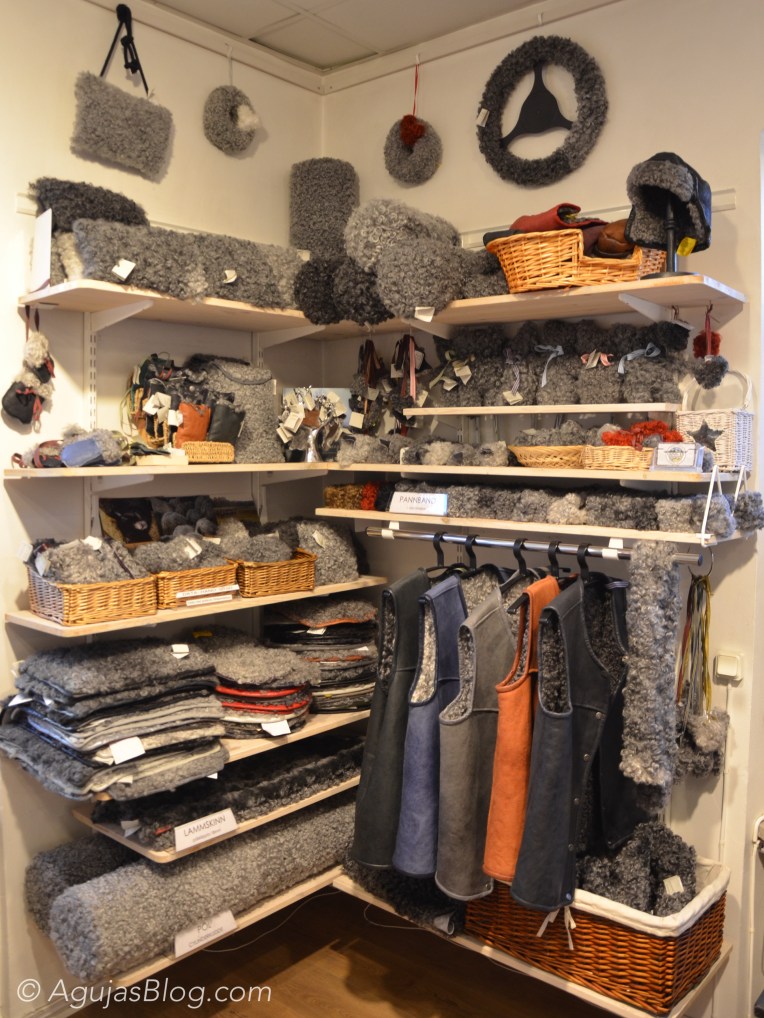
Kvinnfolki - Wool Items

One place to get all sorts of sheepish goodies was at Kvinnfolki. The items at Kvinnfolki are the handiwork of a women’s collective. They make everything by hand in their homes or studios, such as casting pottery and spinning their own yarn. They are located on Donners Plats, Visby’s town square.
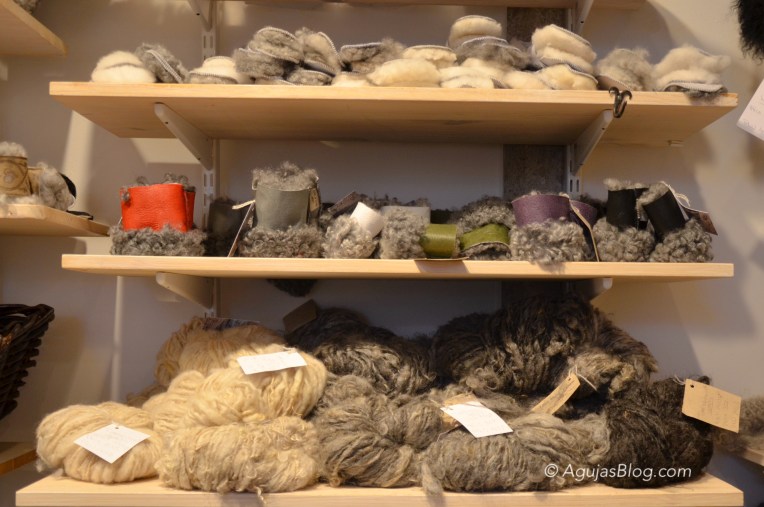
Kvinnfolki - Yarn and Cuffs Display

These sheep pelts were oh-so-soft to touch and so warm! They even smelled sheepish. And see those fluffy slippers to the left? I brought Mom a pair. She says she puts them on as soon as she gets home every day and loves how they keep her feet warm and cozy.
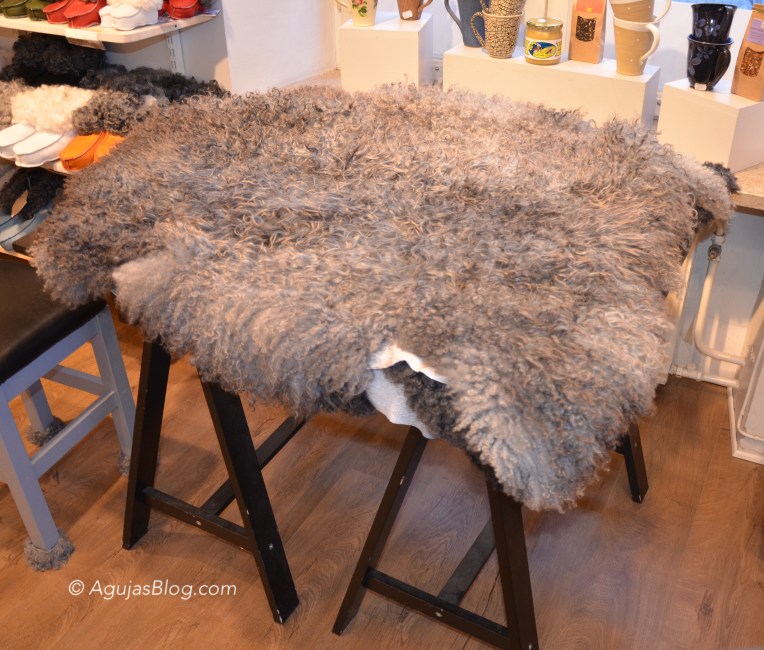
Kvinnfolki - Sheep Pelt

Before moving on to the next shop, we required sustenance. At an adorable little place called Ett Rum För Resande Café (Room for Traveler’s Café), I had the Gotland island specialty – saffranspannkaka, a saffron pancake with red berries and cream. Paired with a cappuccino to warm up my bones, it was the perfect afternoon snack. The chef/owner of the tiny café was so down to earth. Customers of all ages would come in and catch up on the latest news. He must know everyone in town! We spent a while talking with him – he prepares and cooks everything himself using fresh ingredients. He always had some very cool music on and he made a killer pasta dish when we returned the next day for lunch.
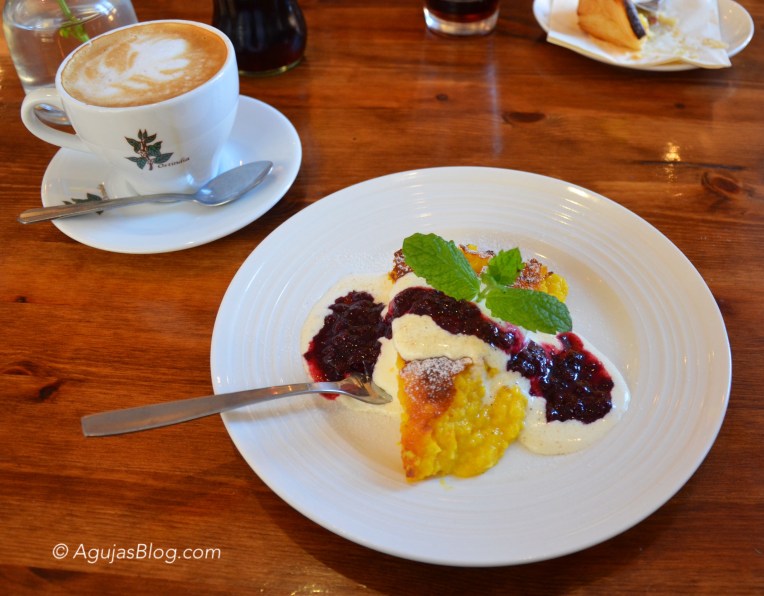
Ett Rum For Resande Cafe - Saffron Dessert

Right across the cobblestone street from the café is an antiques store named Akantus. The middle and back rooms of Akantus are filled with wonderful antiques that included furniture, glassware, pottery, paintings and other decorative items.
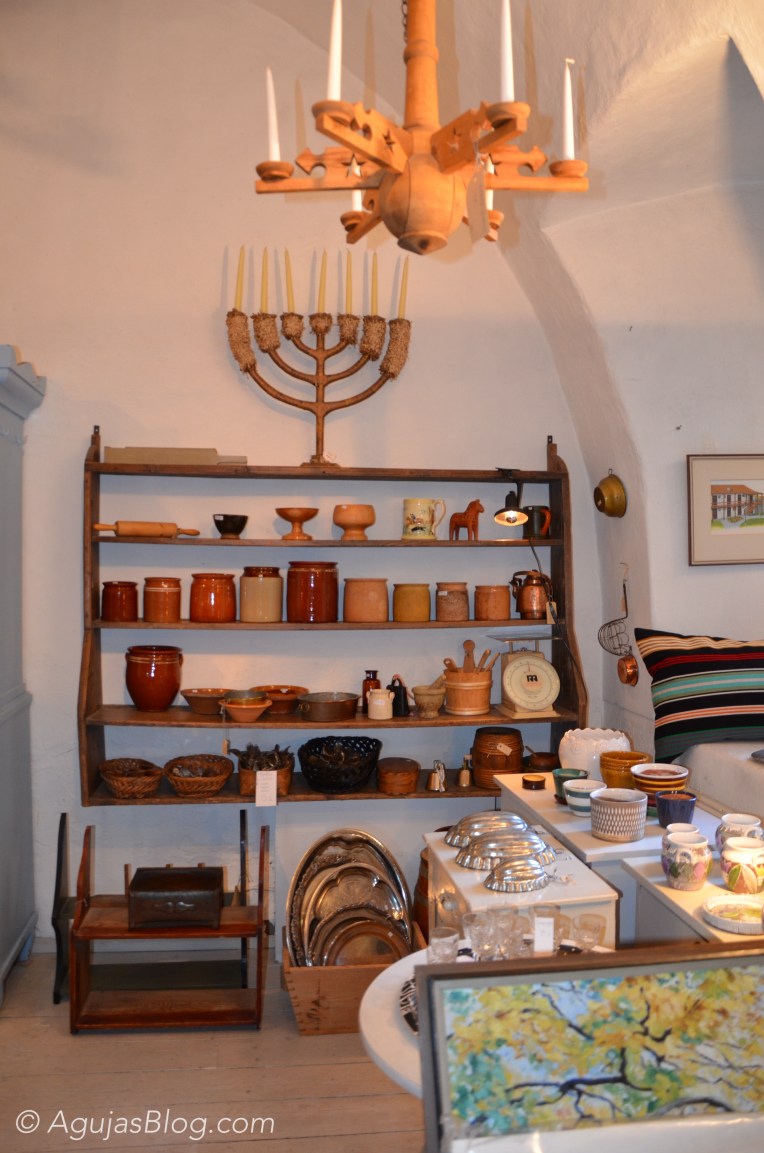
Akantus - Antiques

In the front room, they stock all sorts of whimsical pretty things, like these mice in their cigar box bed – complete with knitted blanket!
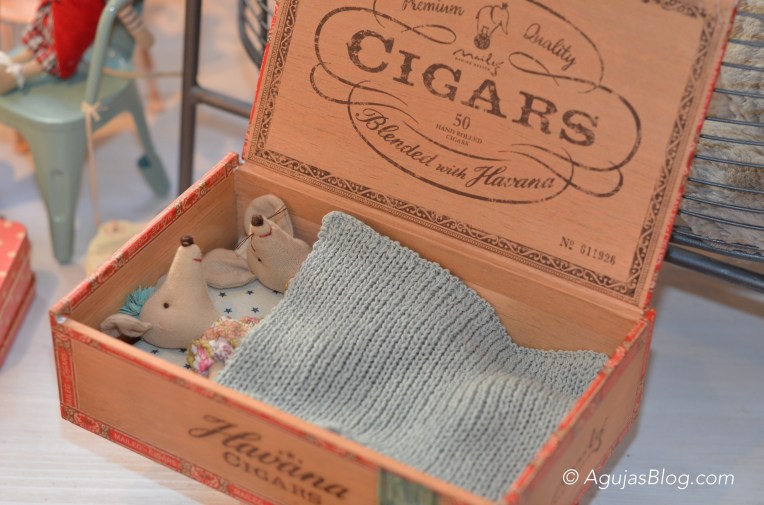
Akantus - Mice in Cigar Box

Further down the street, there are no less than three yarn shops next to each other. One of them was closed for the season but fear not because the other two were open for business. The first stop was at Design & Hantverk Gotland which features yarn and many other hand crafted items from local artisans such as ceramics and glassware. The owners themselves design and make items in pewter, iron and wood.
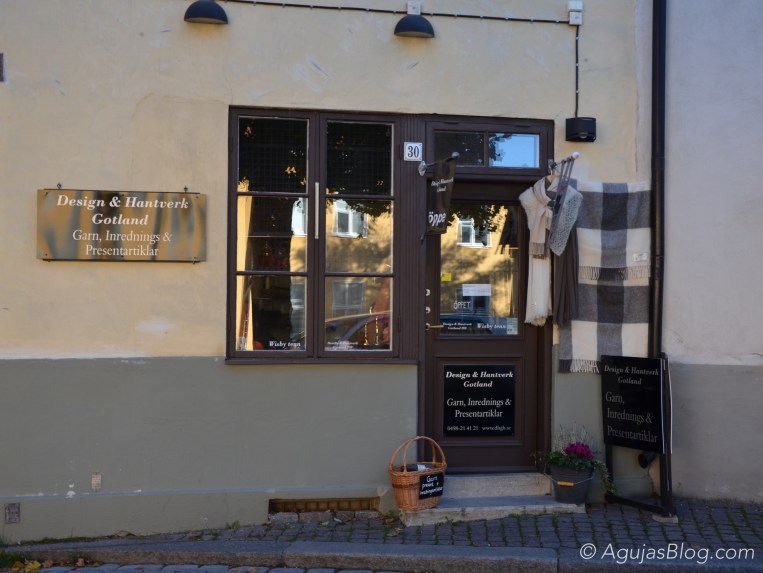
Design & Hantverk Gotland - Storefront

Of course, my attention went straight to the beautiful yarn displays.
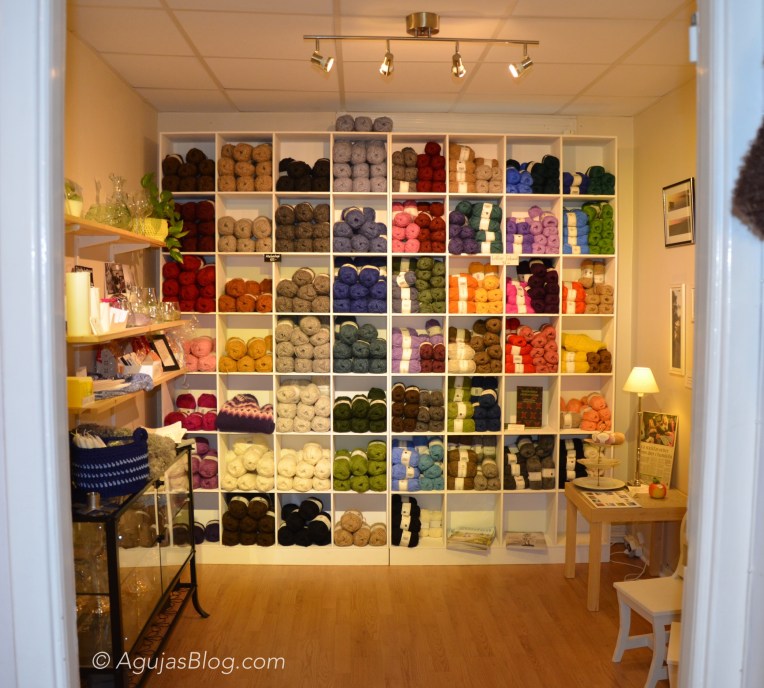
Design & Hantverk Gotland - Yarn Display 1

The owner told me that she hand knit all of these socks! They were thick and colorful and showcased the sock yarn in her shop.
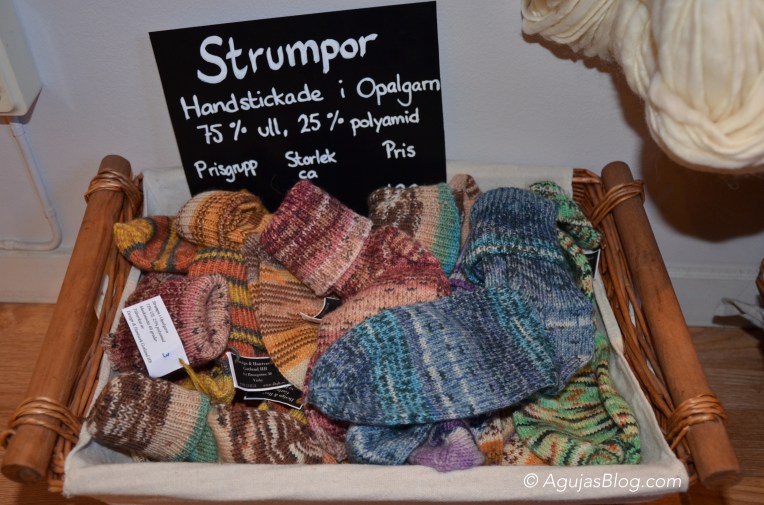
Design & Hantverk Gotland - Knitted Socks

Immediately across the street was Yllet.
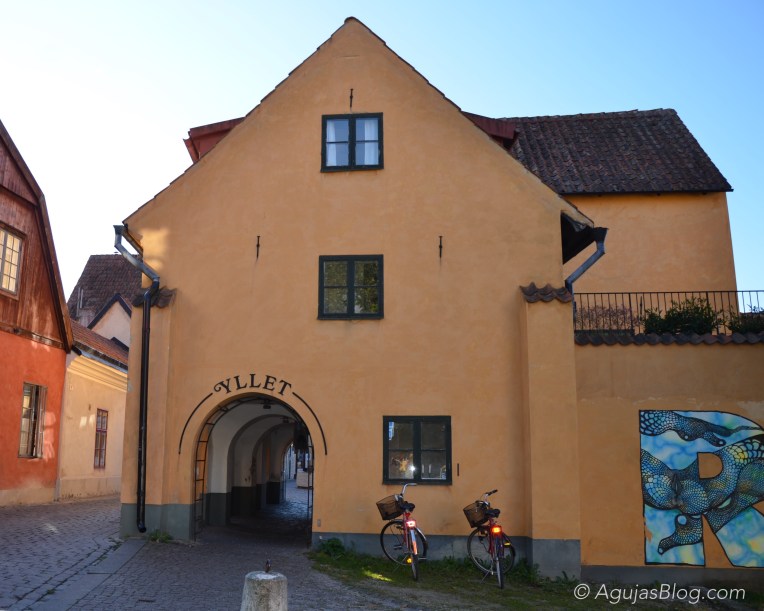
Yllet - Storefront

The owner, Frida, is a lovely young woman who inherited her love of yarn from her mother. Her mother used to export yarn spun from Gotland sheep. Now Frida is at the helm. She sources the fleece locally on the island and has it spun in Finland. She explained that the fleece of the Gotland sheep is very fine, more similar to mohair than wool. She found a spinnery in Finland with the right equipment for spinning the long, delicate fleece. She personally selects the dyes and sells the yarn under her own Yllet label. She is living the life I imagine!!
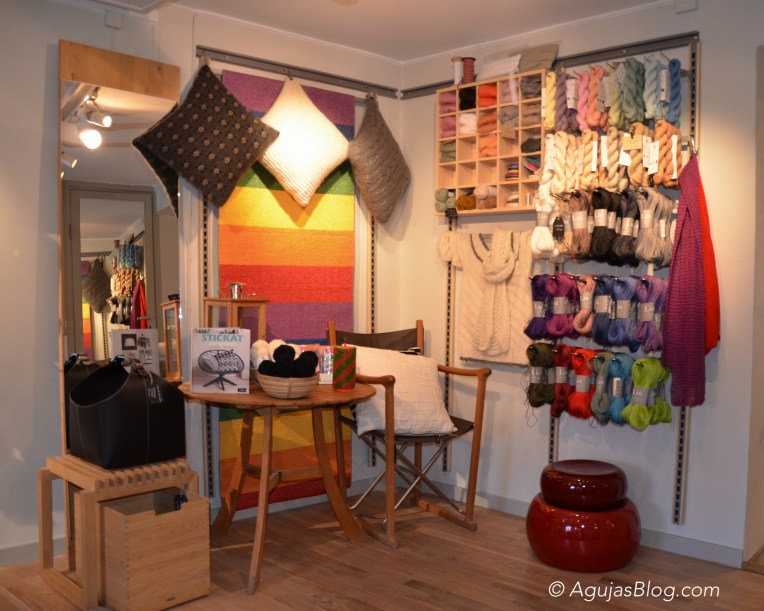
Yllet - Yarn Display 1

In addition to fabulous yarn for hand knitting, she has the yarn machine-knit into sweaters and other clothing. Local women assemble the machine-knit pieces. My husband liked a simple sweater with clean lines but they did not have his size available in the dark gray color he preferred. Frida made a phone call and a local seamstress assembled the sweater in his size and color of choice. It was ready the following day.
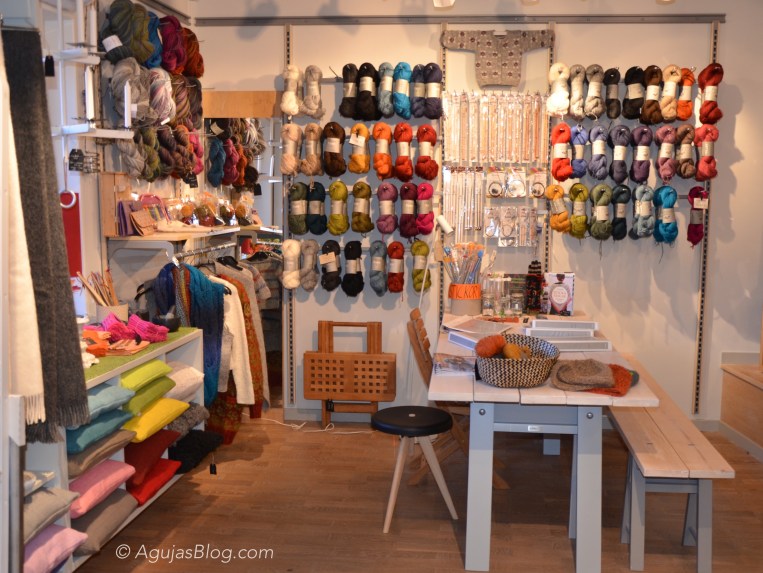
Yllet - Yarn Display 2

Toward the end of our stay, I decided to photograph my purchases in Gotland rather than waiting until I got home. Across the street from our hotel were the Botanical Gardens. Even in the Fall, the gardens were lush and verdant.
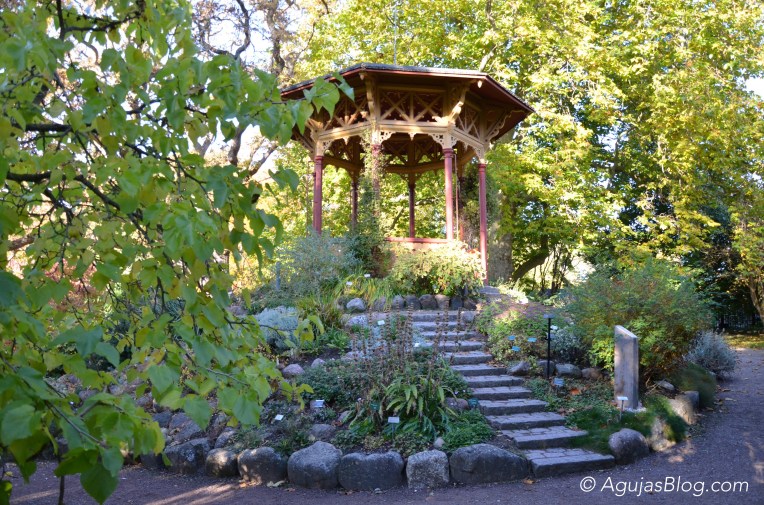
Botanical Gardens - Gazebo
Gazebo built in 1863.

The gardens had their own particular history.

In 1814 a few young men gathered to bathe in the sea, drink punch and socialize. They decided to form the Society of the Bathing Friends (DBW). After a short time they wanted to combine pleasure with usefulness… (Sign posted by the Friends of the Botanic Garden)

Among its contributions, the Society established a school for poor boys in 1815, a savings bank in 1830, and the Botanic Garden in 1855.
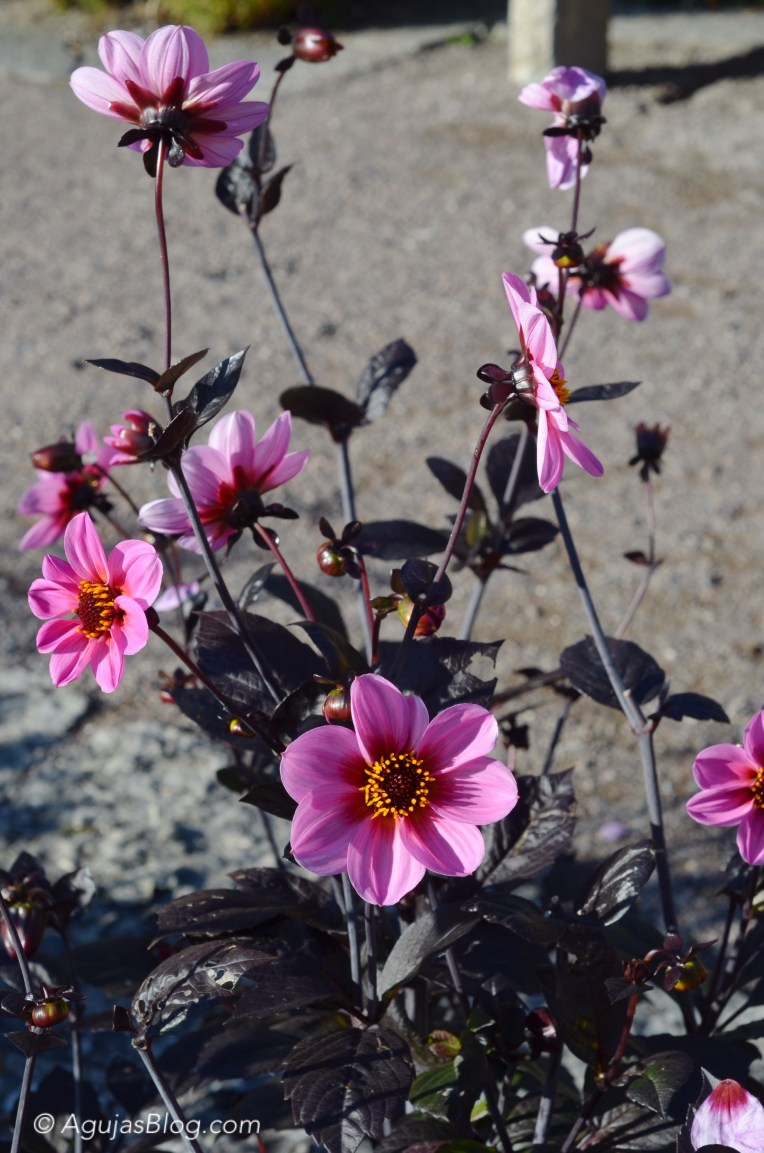
Botanical Gardens - Dáhlia
Dáhlia – Happy Single Wink
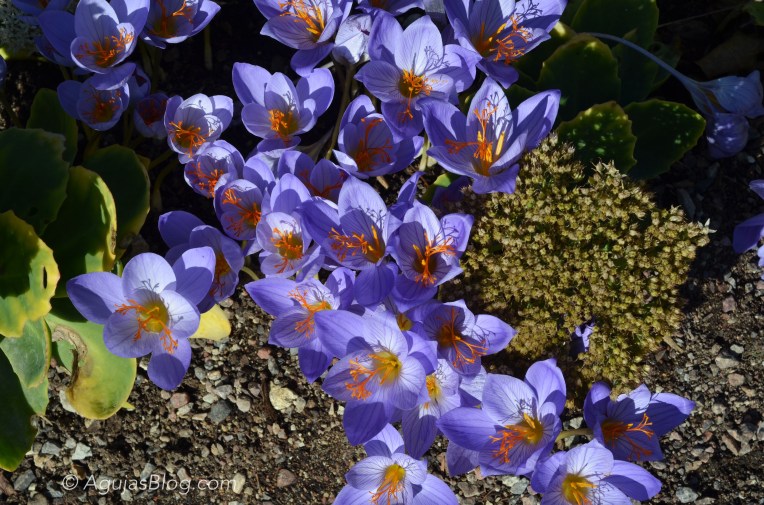
Crócus - Oxonian.
Crócus – Oxonian.
Rósa - Leonardo da vinci.
Rósa – Leonardo da vinci.

Botanical Gardens - White Dáhlia

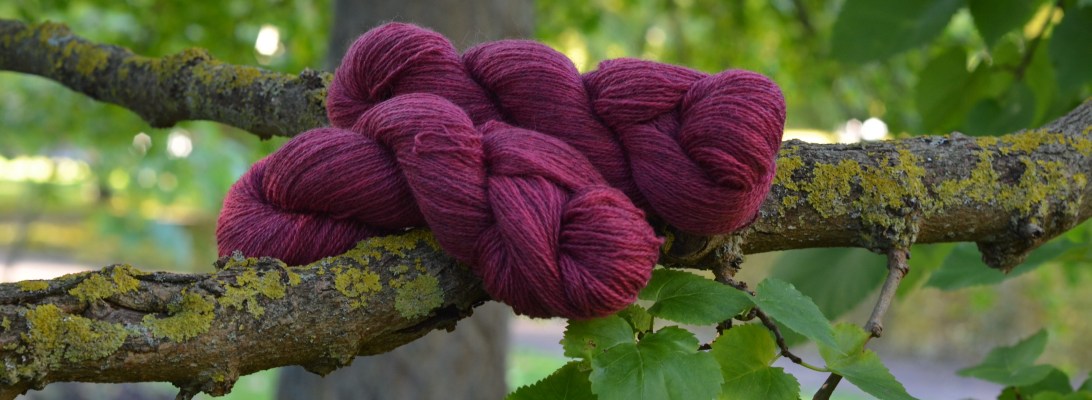
What better place than the botanical gardens for a photo shoot? I took my yarn lovelies to the gardens and arranged them in various poses for the camera. We had so much fun!
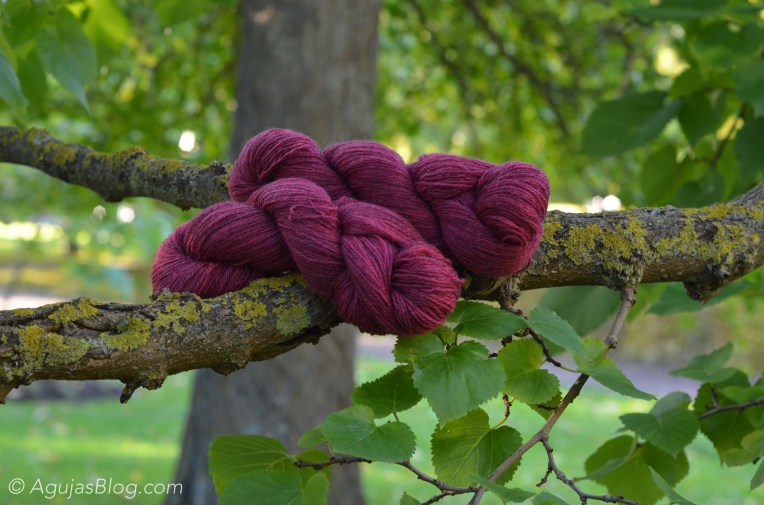
Botanical Gardens - Yllet Yarn Close-up

I call this one, “yarn among the leaves.”
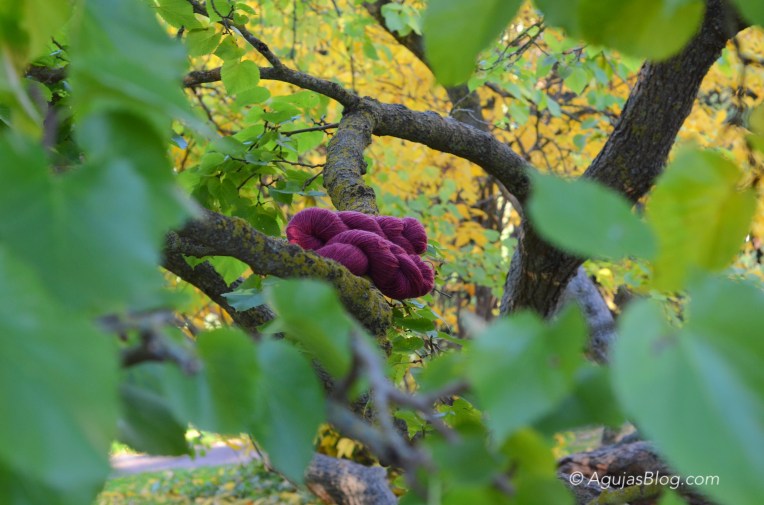
Botanical Gardens - Yllet Yarn

Walking around the gardens scouting good places for the photo shoot, there was this lovely sheep statue next to a fallen tree.
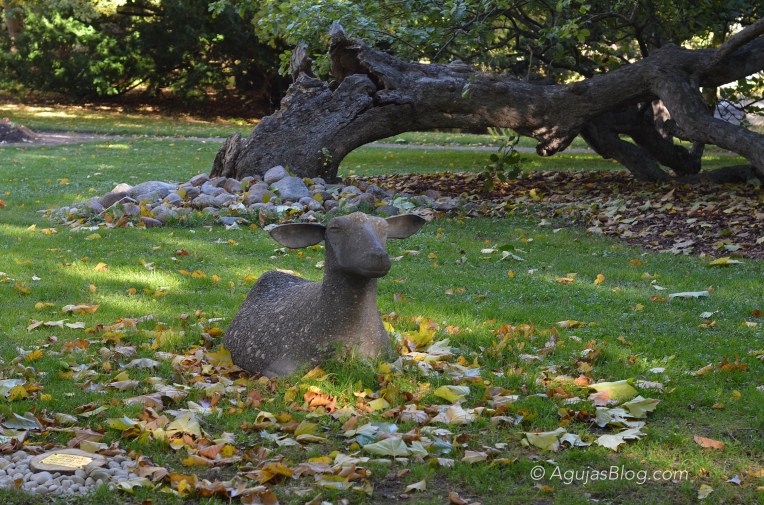
Botanical Gardens - Sheep

Also on the grounds are the ruins of S:t Olaf’s Kyrka.
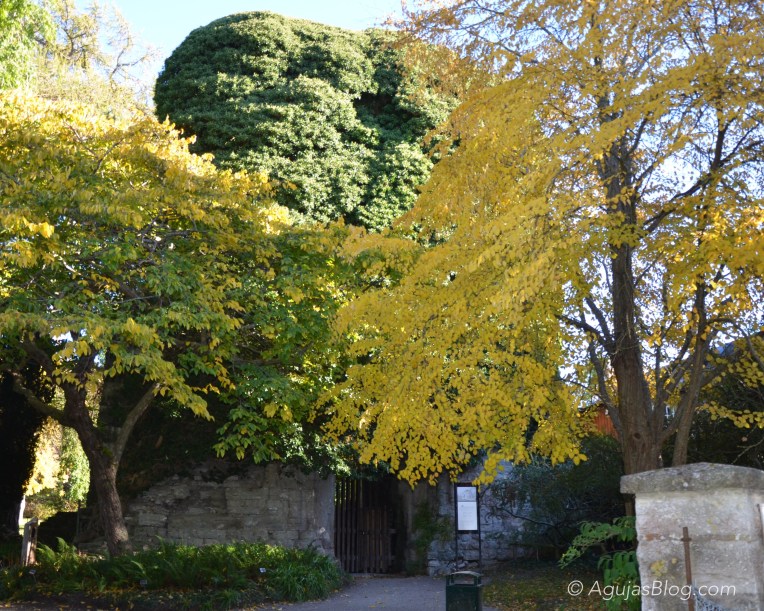
St. Olof's Church - West Tower

In its day, St. Olof’s Church was among the biggest and most sumptuous churches in Visby. It dates from the early years of the 13th century. The church was named after the canonised king of Norway, Olof Haraldsson.

This church was a basilica, i.e. had a tall nave and lower north and south aisles. Parts of the west tower are all that now remains. The walls of the church were demolished after the Middle Ages and the stone was used for buildings in Visby.

Behind the church, the sun was filtering in through the trees.
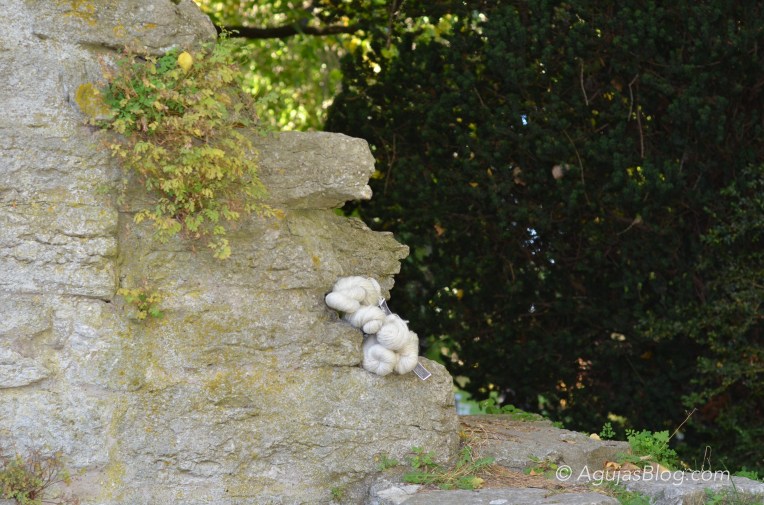
Botanical Gardens - Undyed Wool 2

Botanical Gardens - Undyed Wool 1

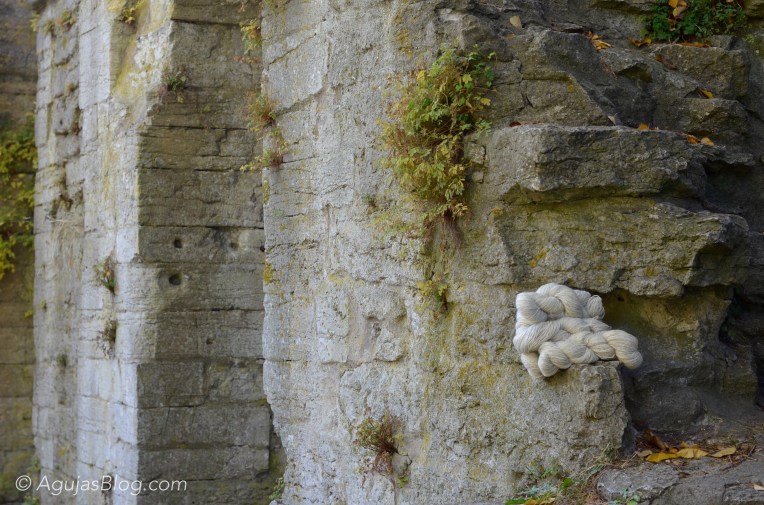
I call this series, “yarn among the ruins.” (LOL)
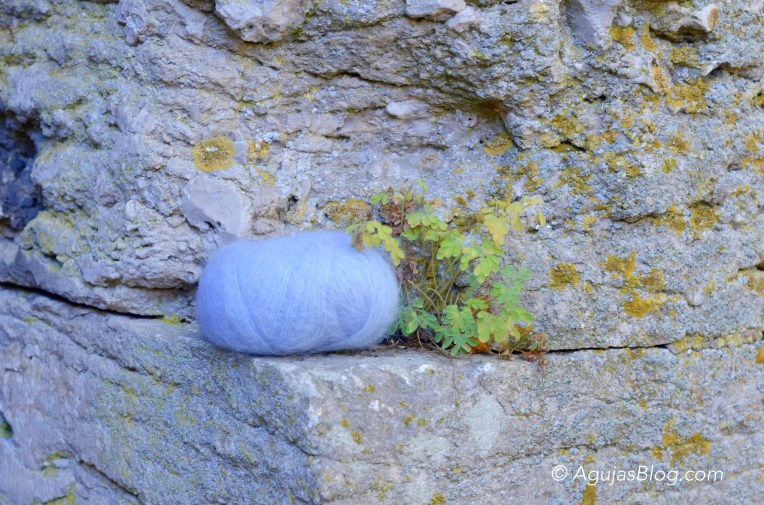
Botanical Gardens - Angora Yarn

Just a few meters outside the medieval wall surrounding the gardens was the icy Baltic Sea. Even though the air was cool, the sun was shining on a magnificent day.
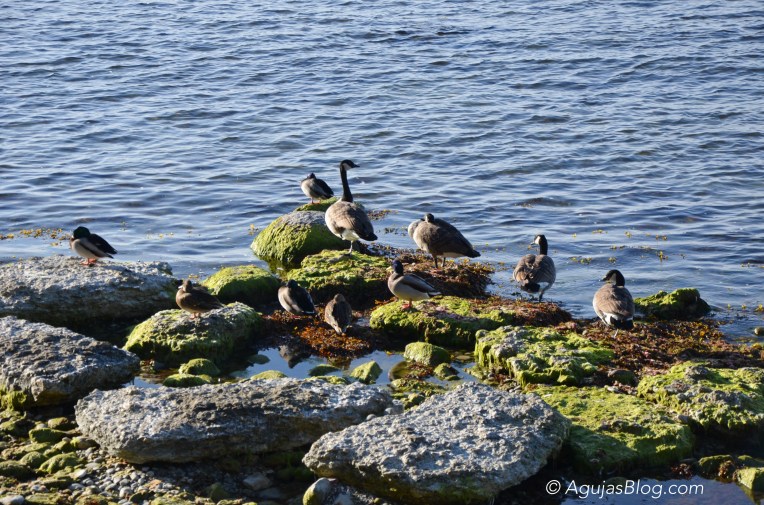
Ducks

A Few Hours on Fårö

Fårö is sparsely populated. The summer tourists were gone and the locals were not to be seen. We had the narrow roads all to ourselves.

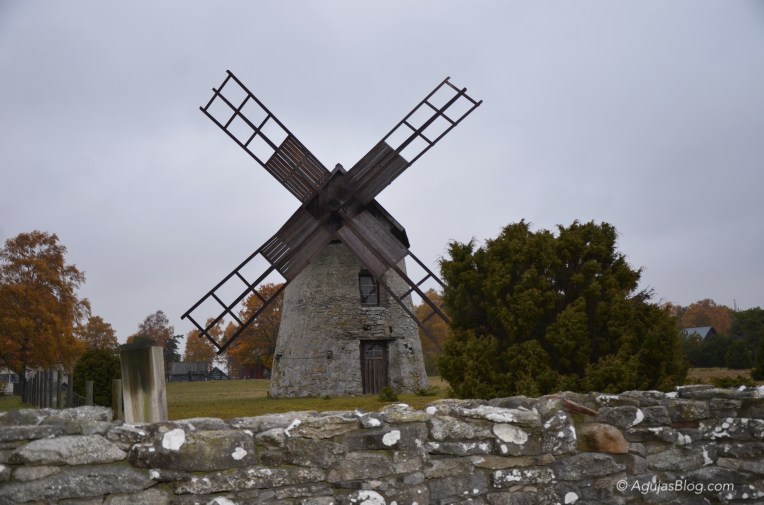
Windmill on Fårö

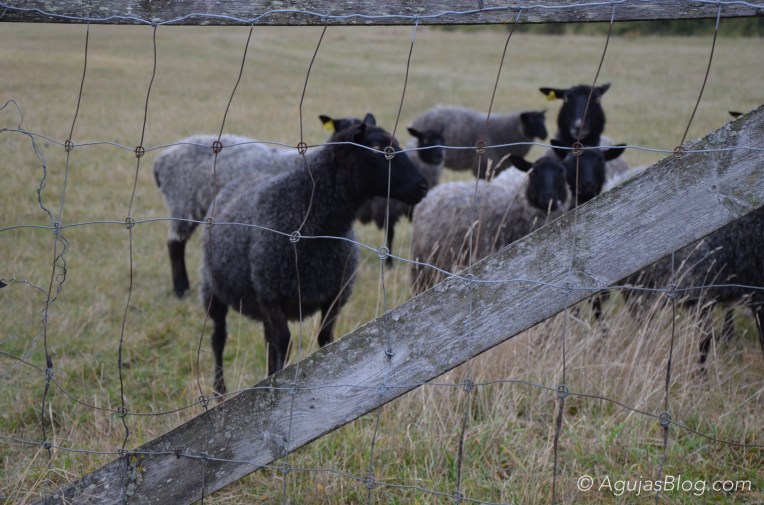
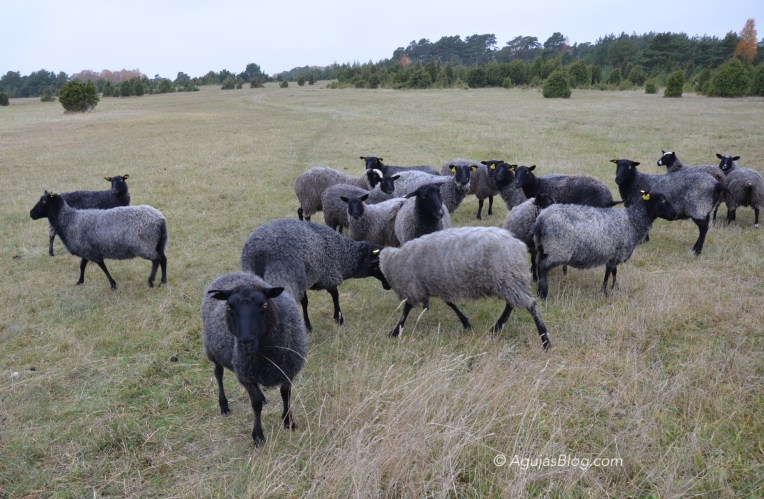
I was on a quest to find Gotland sheep and Fårö satisfied. Along an empty road, behind a fence on a large pasture of land, I spotted them.

Gotland Sheep - Fårö

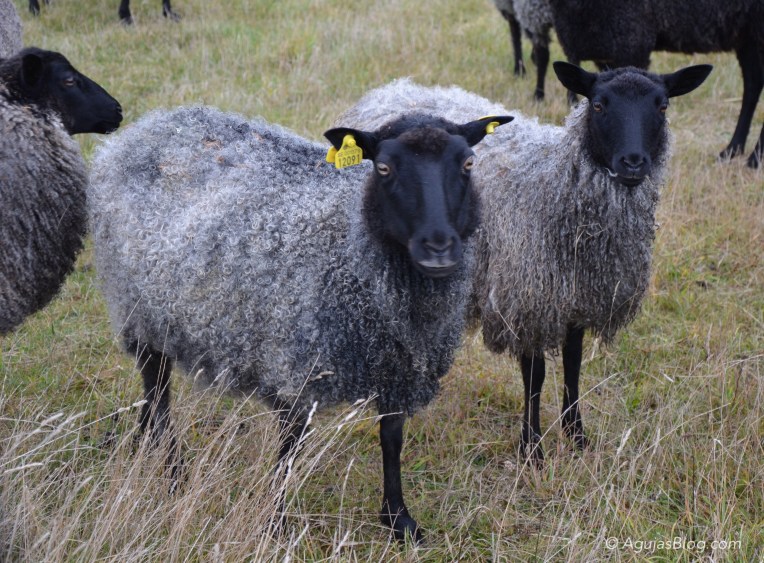
This fella’ (or gal) on the left was quite curious and walked over to me. Meanwhile, the two behind him were playing around butting heads.

Gotland Sheep playing on Fårö

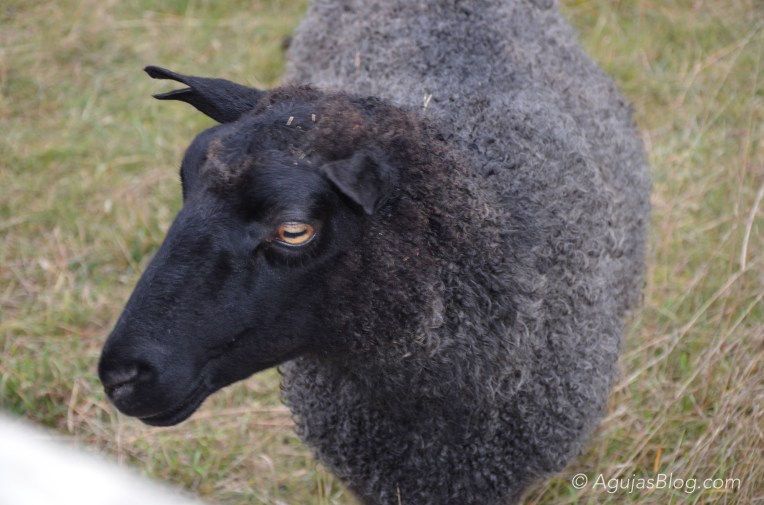
As he got closer, I found his eyes to be quite interesting. Rather than round pupils, his were like horizontal slits. I had never noticed! Apparently this is quite typical for sheep. From a little research on the web, I found an article that explains how the shape of an animals’ pupils affects how well they can control light entering the eye.

Gotland Sheep eyes (Fårö)

… horizontally elongated pupils are nearly always found in grazing animals, which have eyes on the sides of their heads. They are also very likely to be prey animals such as sheep and goats. (Source)

Gotland Sheep grazing on Fårö

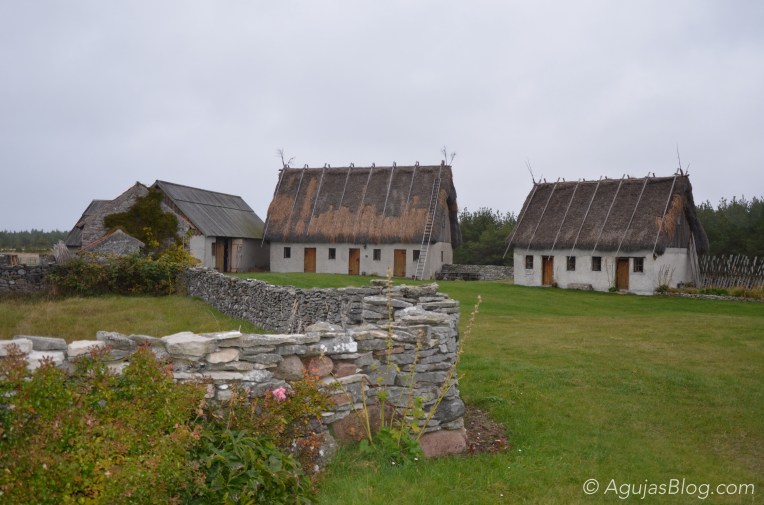
As we continued driving along, we pulled over to take a look at a Gotland farm. This farmhouse at Bondans was built in 1783. There was a visitor’s stand that provided the history of the farm. I snapped a picture of it so that I would remember the details and have transcribed parts of it here.

Bondans Farm

In bygone days, farms were largely self-sufficient. Stone was used to build houses and fences. The forests provided firewood and timber. Clothes were made from wool and linen. The people on the farm lived off their fields and animals, hunting and fishing.

The farmhouse is a ‘parhus’ – a traditional laterally inverted structure with a hall mid-front, backed by a small parlor, both flanked by a large room on each side. Other farm buildings include a cow-shed thatched with sedge, a barn with a threshing mill, a row of outhouses, a store with a goose shed, a cellar and flax-drying shed, where there is a kiln used to roast malt for beer. (Sign posted by the County Administrative Board of Gotland)

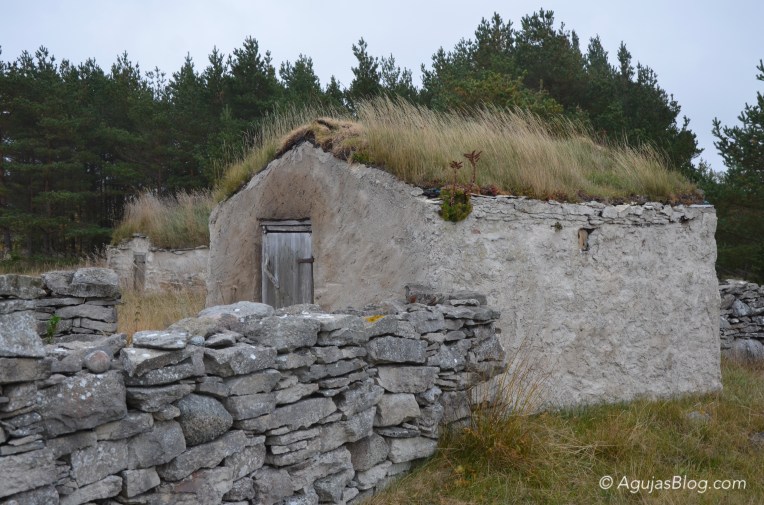
Stone structure and wall on Fårö

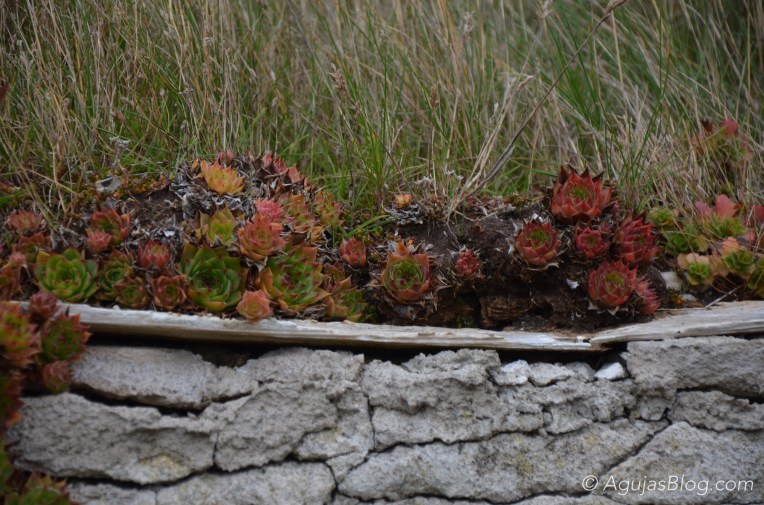
Even back then, these farmers were planting green roofs, which help with insulation.

Nature takes over.

When wood became scarce in the eighteenth century, the state granted twenty years’ tax relief to those who built houses of stone. In the stone houses that were subsequently built, the walls were no longer of finely hewn stone but of dry-walled stone, plastered both inside and outside. (Sign posted by the County Administrative Board of Gotland)

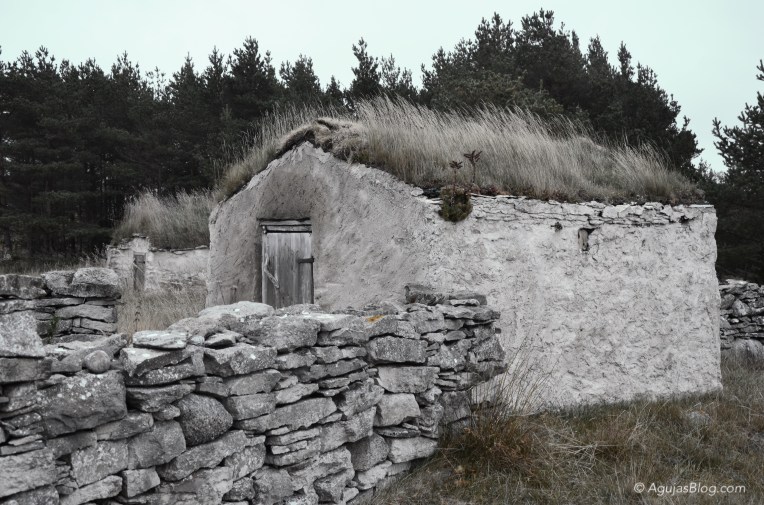
I found this little structure to be so quaint and wondered what it would look like in black and white.

Stone structure on Fårö in black x white

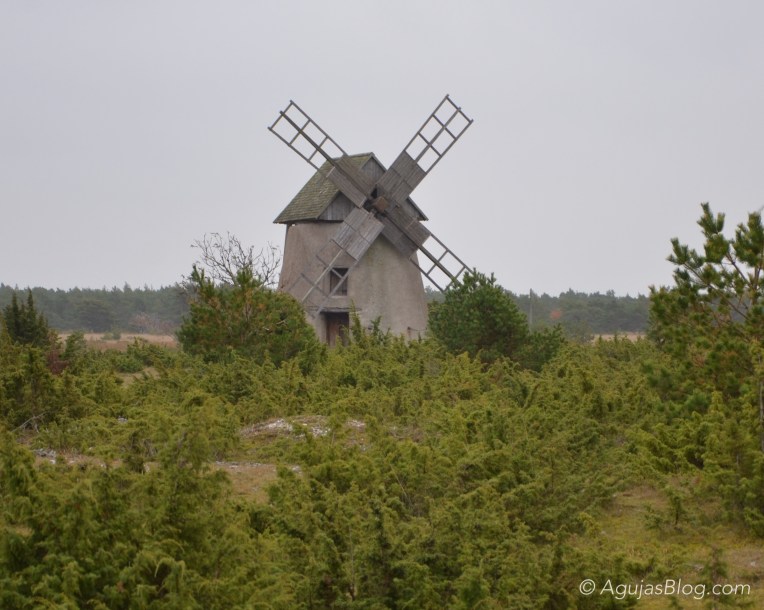
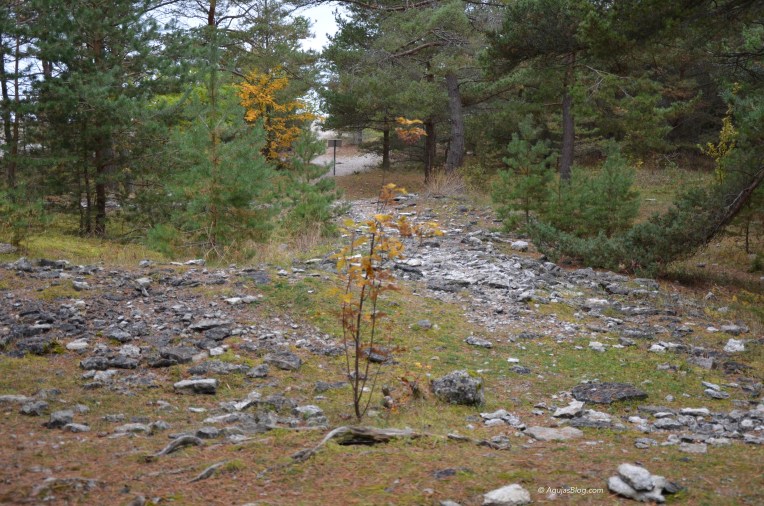
On the Langhammar Nature Preserve, before we reached the rock-covered beaches and giant rauks, we crossed an area with lush green vegetation.

Windmill at Langhammars

The vegetation at Langhammar and in the areas to the south have been strongly affected by long-term sheep-grazing. The south end of the reserve could almost be described as “discontinuous savanna”; pine groves alternate with barren, heath-like tracts of alvar, and smaller areas of somewhat more luxuriant wet meadows. In the central part of Langhammar, the rocky ground is largely covered by low, crouching juniper bushes, which have been stunted by sheep and the wind. (Sign at Langhammars Nature Reserve posted by the County Administrative Board of Gotland)

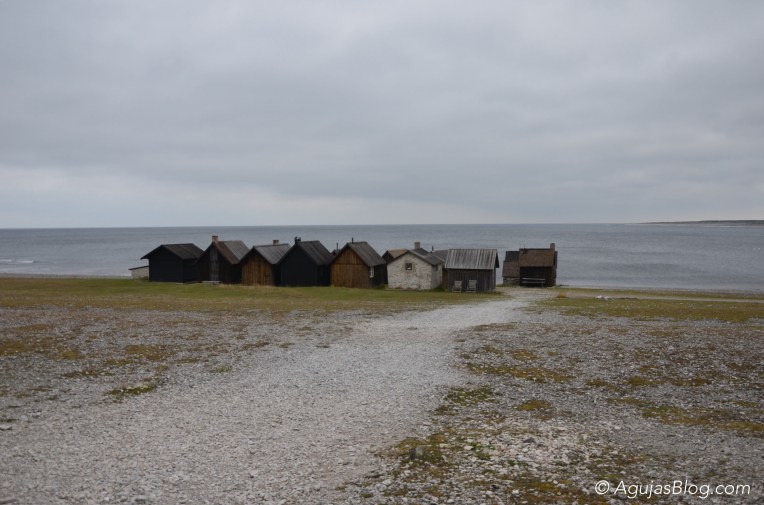
The Helgumannen fishing village is located on the Digerhuvud Nature Reserve. The cottages were all shuttered for the coming winter.

Fishing cabins at Helgumannen, Fårö

Near the Gamla Hamn Nature Reserve, we followed signs pointing to S:t Olof’s Kyrka. Instead of a building, we found only the foundation of the church which dates back to the Medieval period.

S:T Olof's Kyrka

According to tradition, Gotland was converted to Christianity by the saintly Norwegian King Olof. In front of you there are the foundations of a small wooden chapel called St. Olof’s Church. The chapel is surrounded by a circular churchyard. (Sign posted by the County Administrative Board of Gotland)

We didn’t see them but near the shore there is apparently a burial ground with various graves dating back to Medieval times. From the endless gray skies and chill from the wind, I can only imagine what it might have been like during the Ice Age, or to see Viking ships arriving at the harbor. We were only on Fårö for a few hours but I will remember it forever.

Toy Shoppe and Needlework

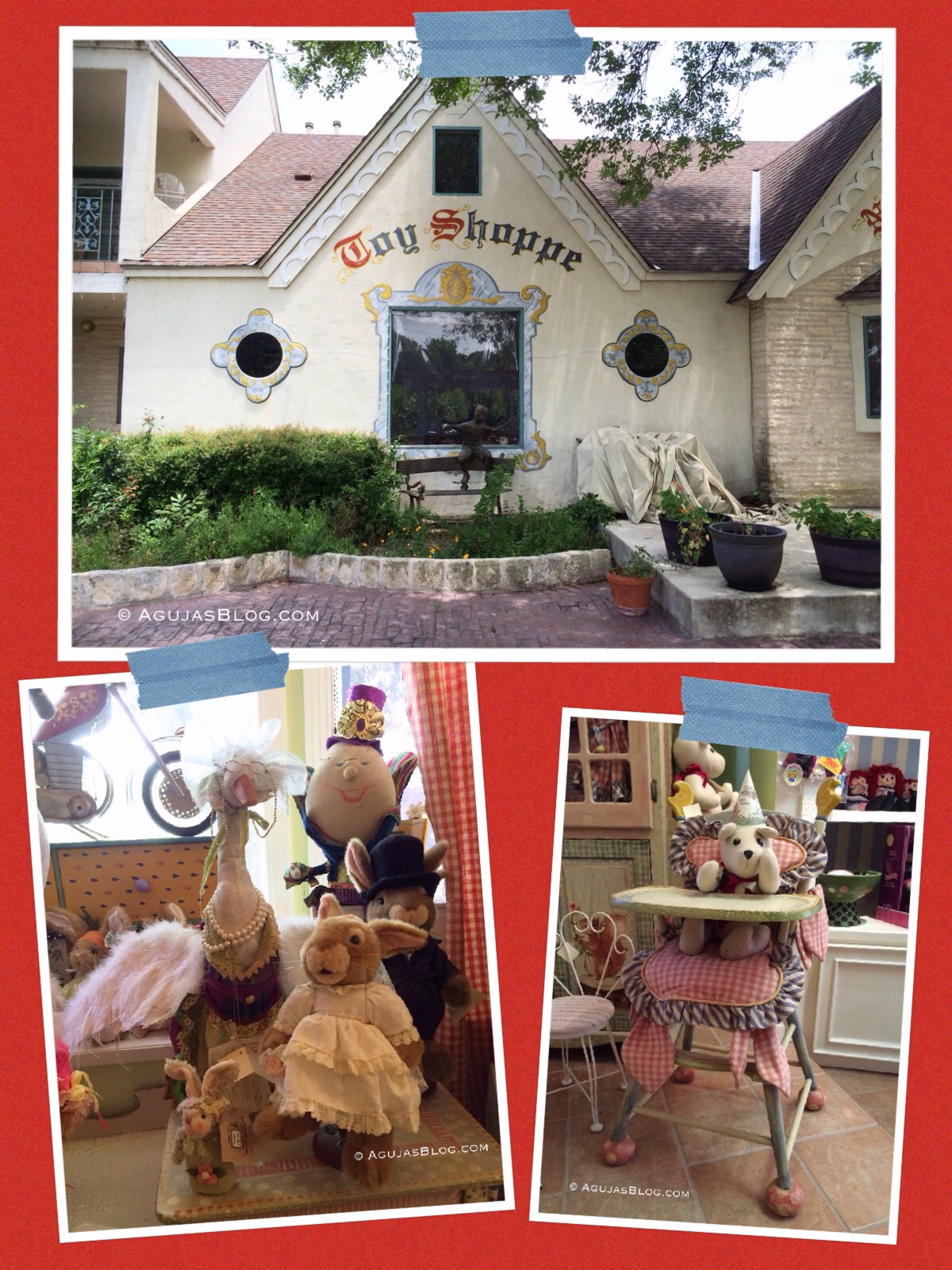
When we took our son to college orientation sometime mid-summer, I had an opportunity to stop by a store I had been wanting to visit for some time. I am so glad I did. Ewe and Eye is as enchanting inside as it is outside.

Ewe & Eye - Toy Shoppe

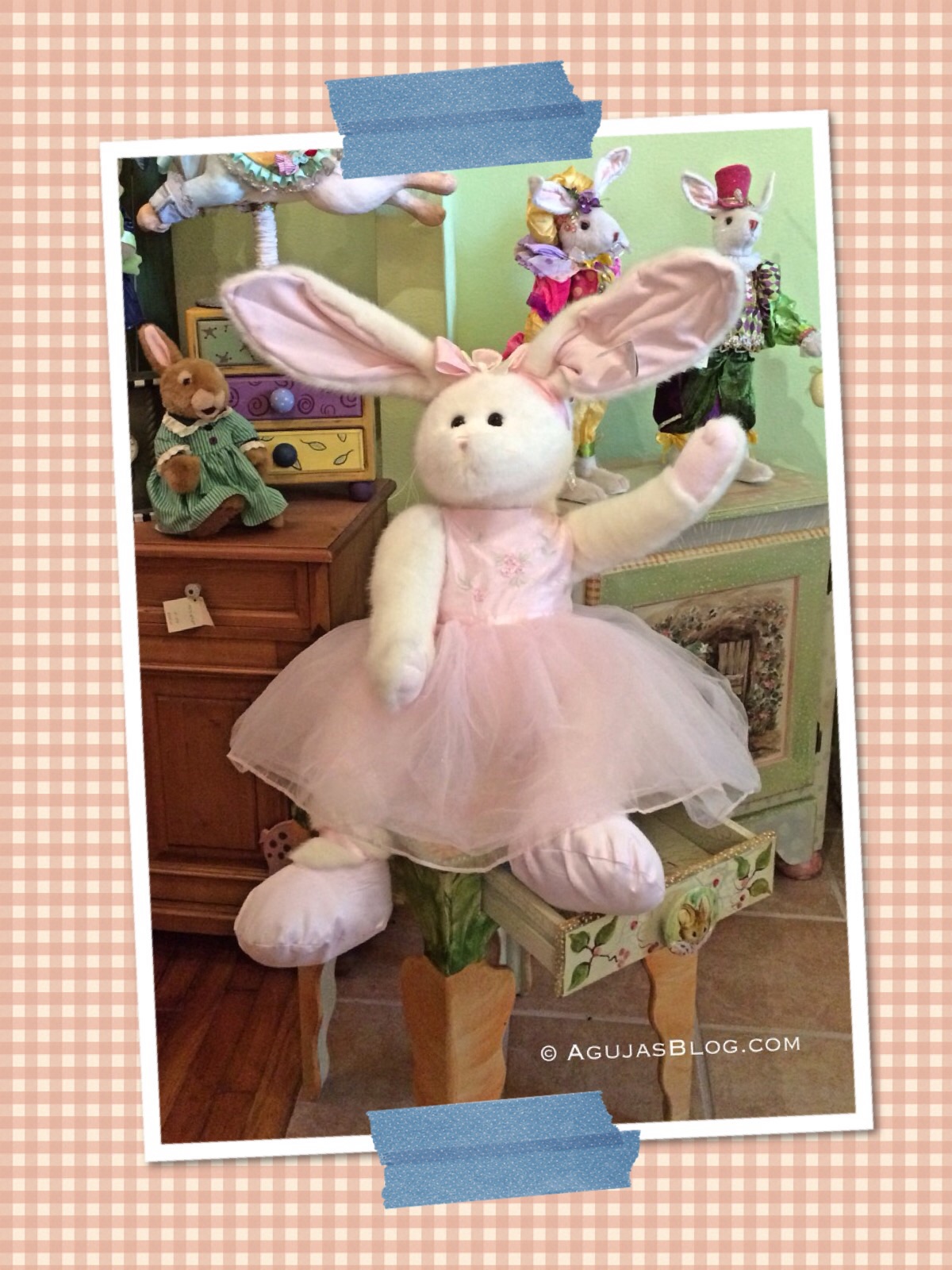
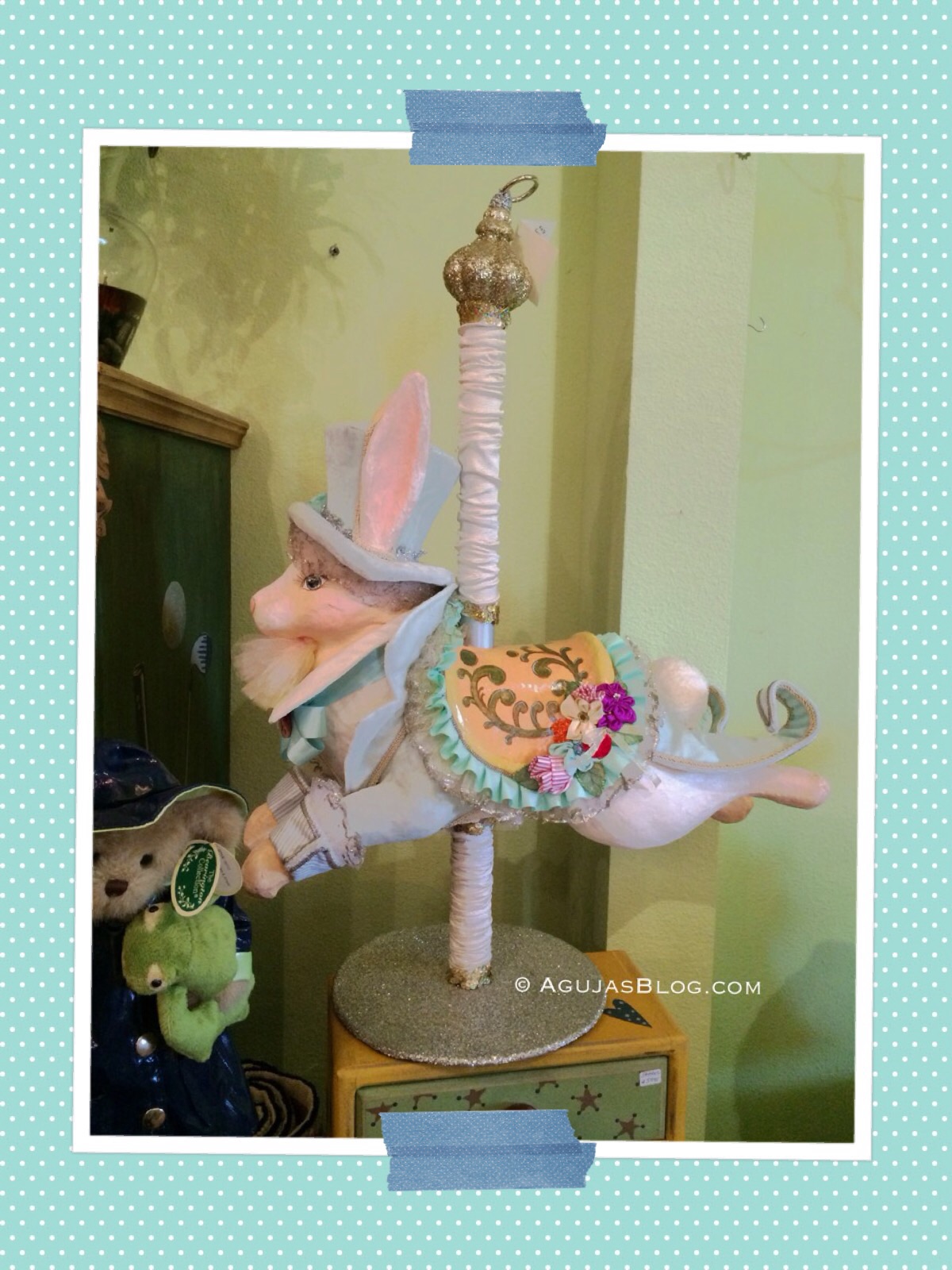
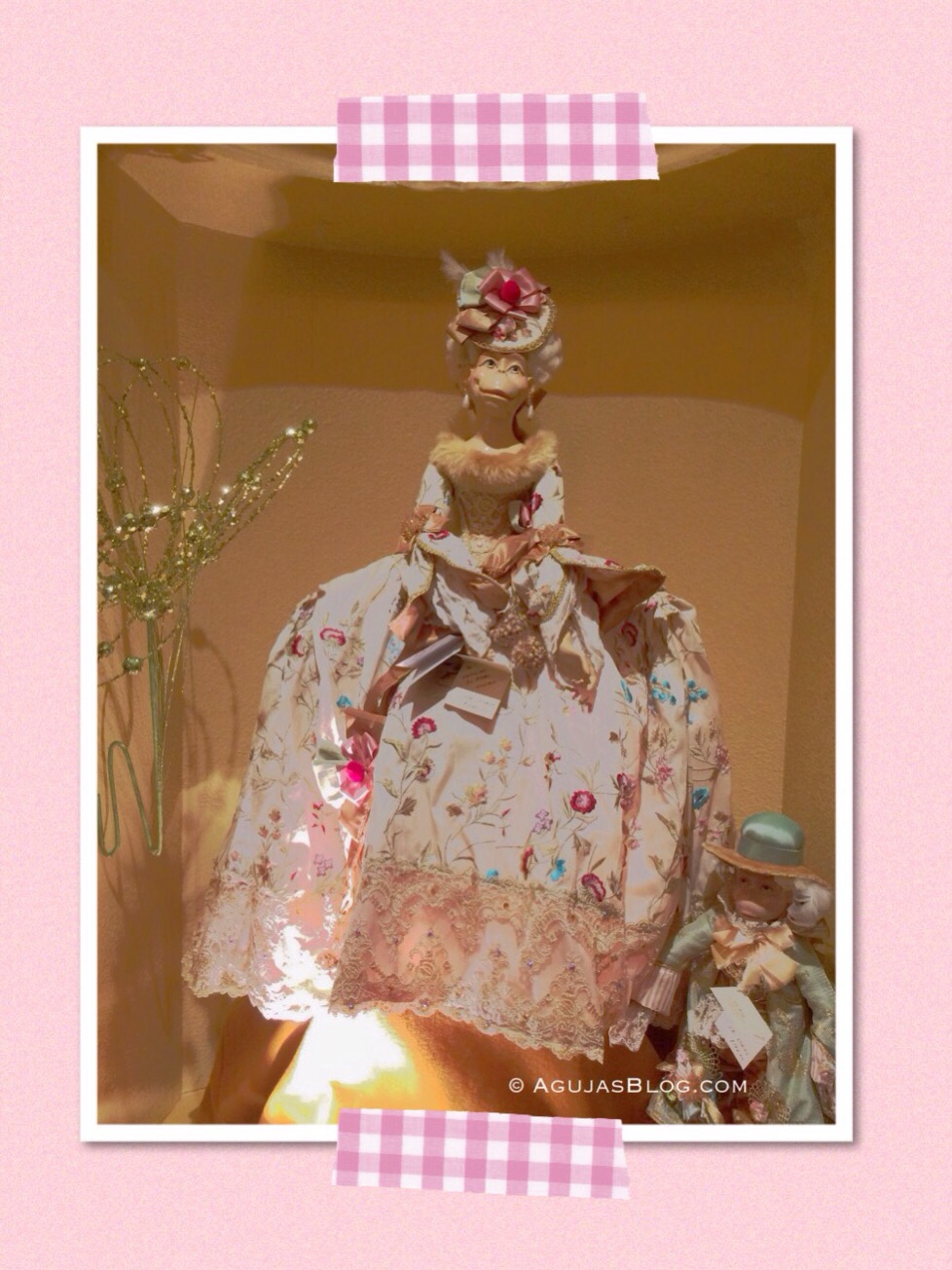
Stepping inside Ewe and Eye is like walking into a fairyland. They carry the prettiest toys from all over the world. Their life-like dolls are just the right size for swaddling. There is a full array of Paddington Bears from England and all shapes and sizes of hand crafted whimsical fairies in almost every room.

Ewe & Eye - Rabbit

Ewe & Eye - Carousel Horse

Each room has delightful surprises and a curated selection of unique toys.

image

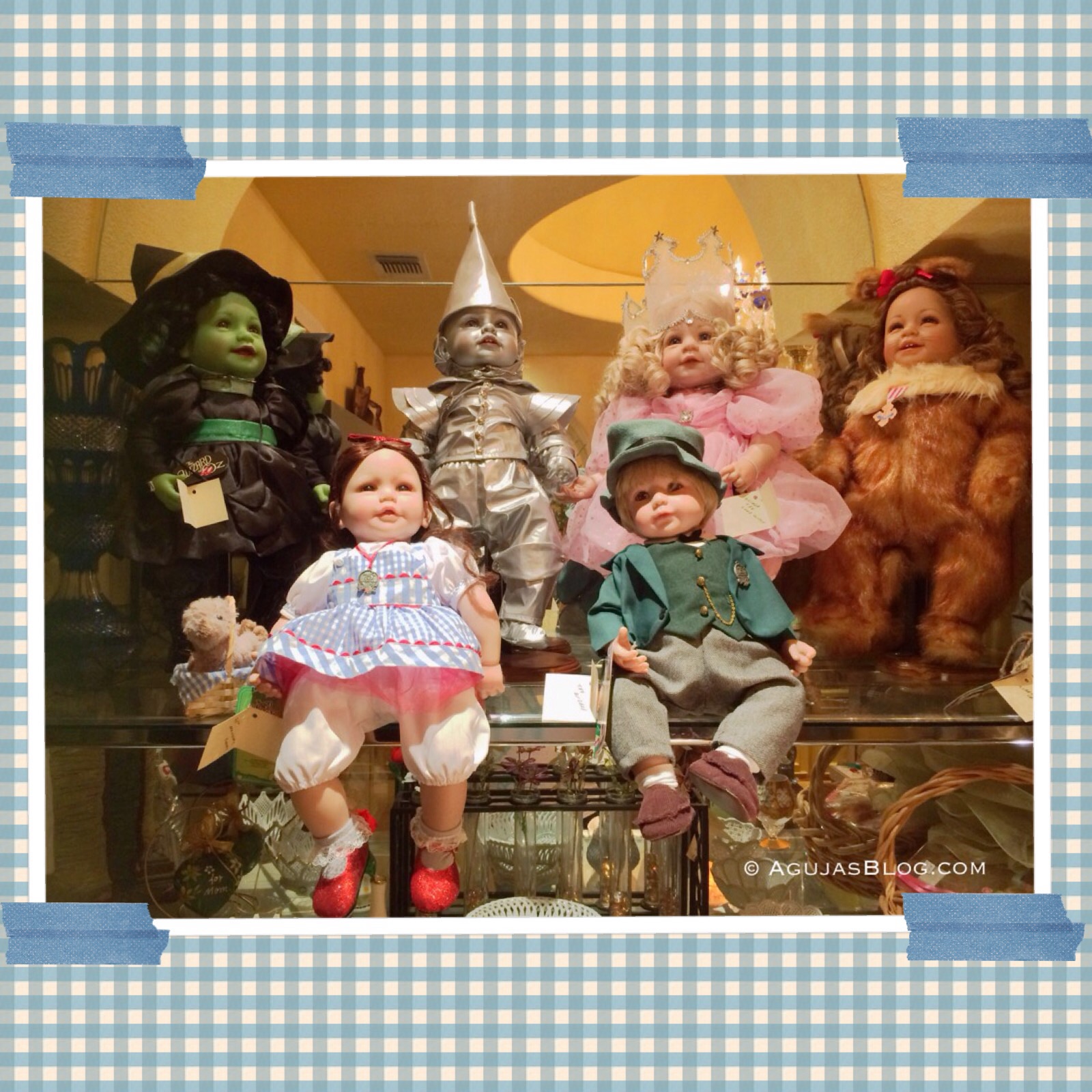
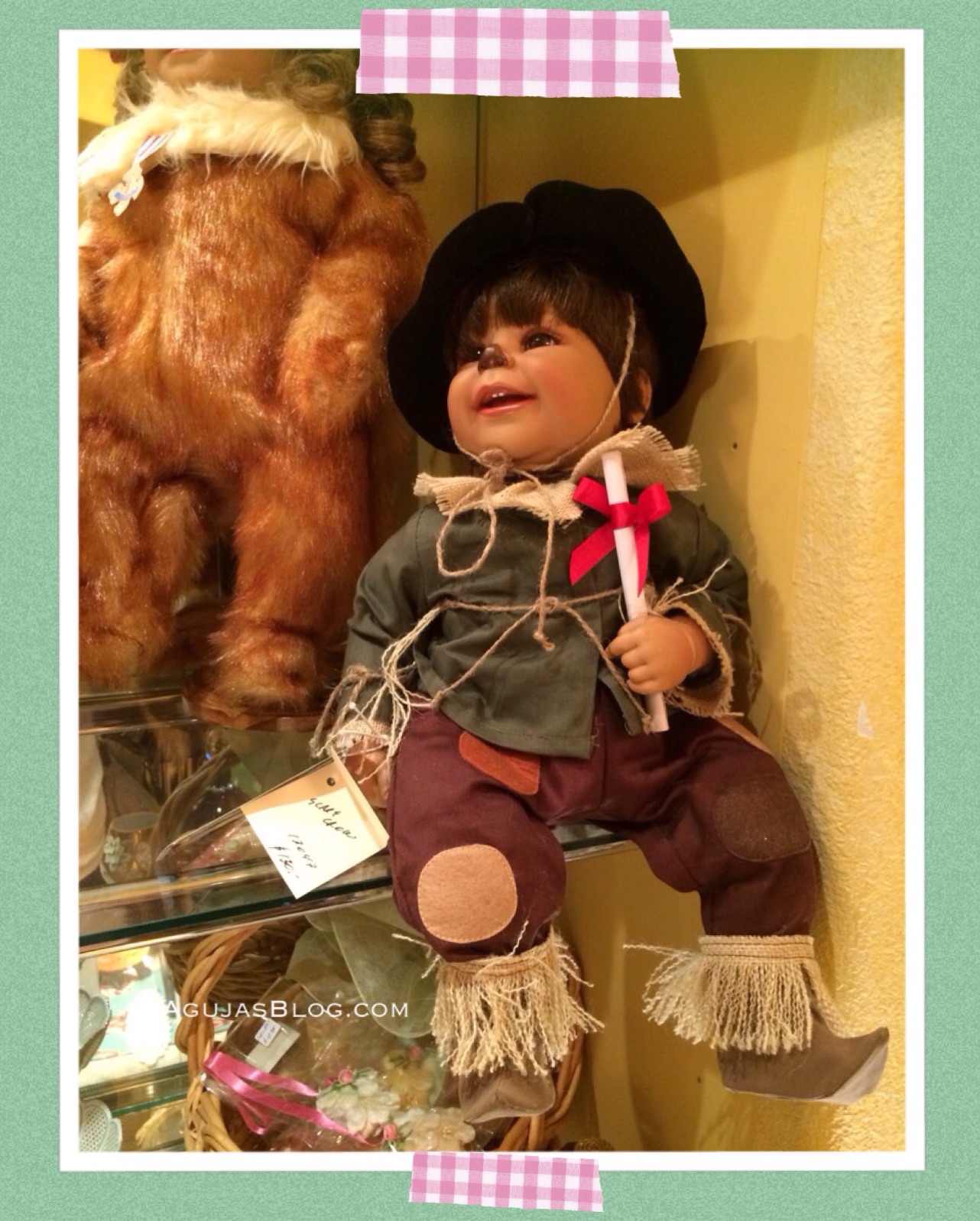
Just look at this incredible Wizard of Oz collection!

Ewe & Eye - Oz

image

Now what could be more perfect than a toy store that carries yarn?

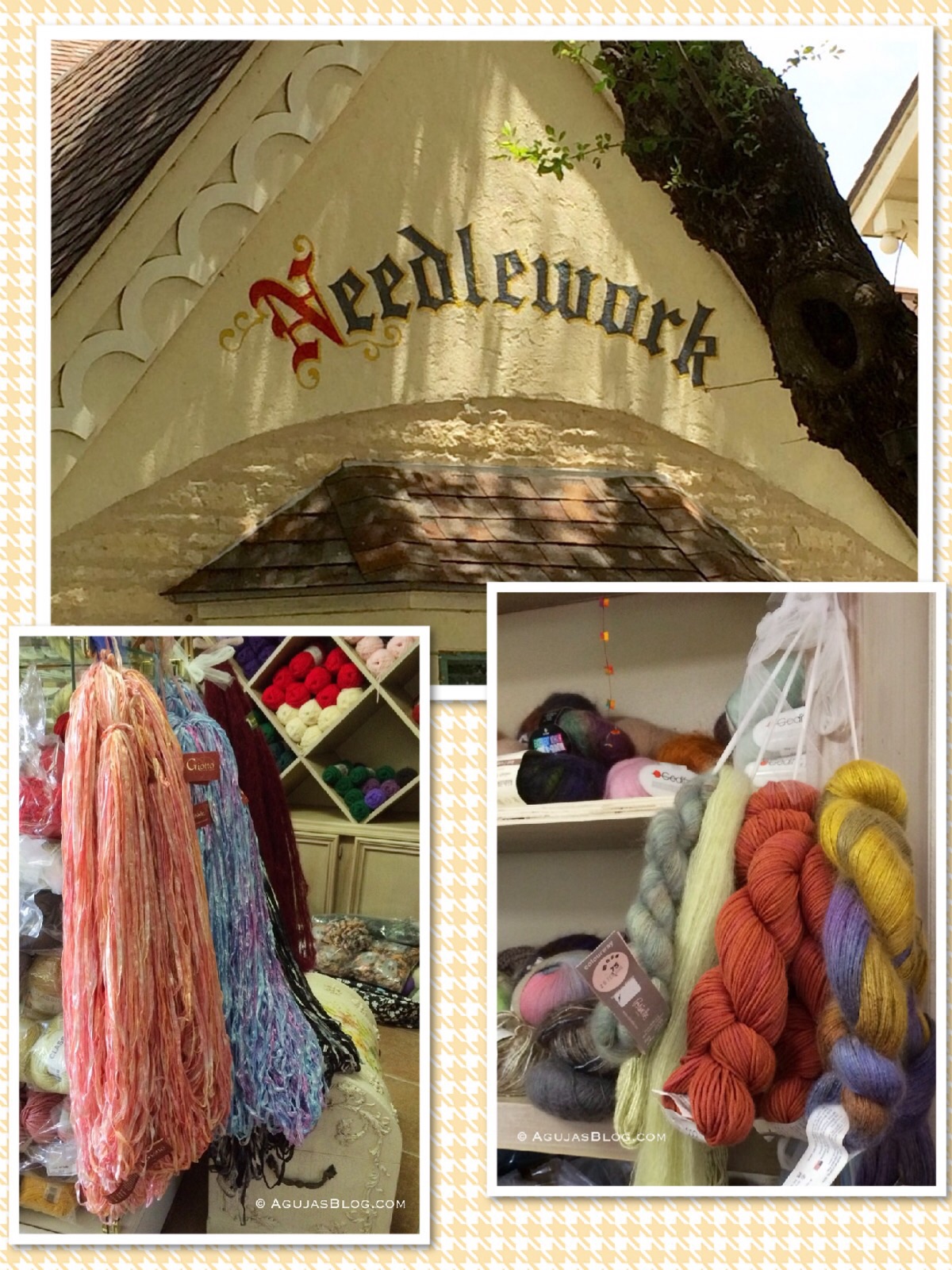
Ewe & Eye - Needlework

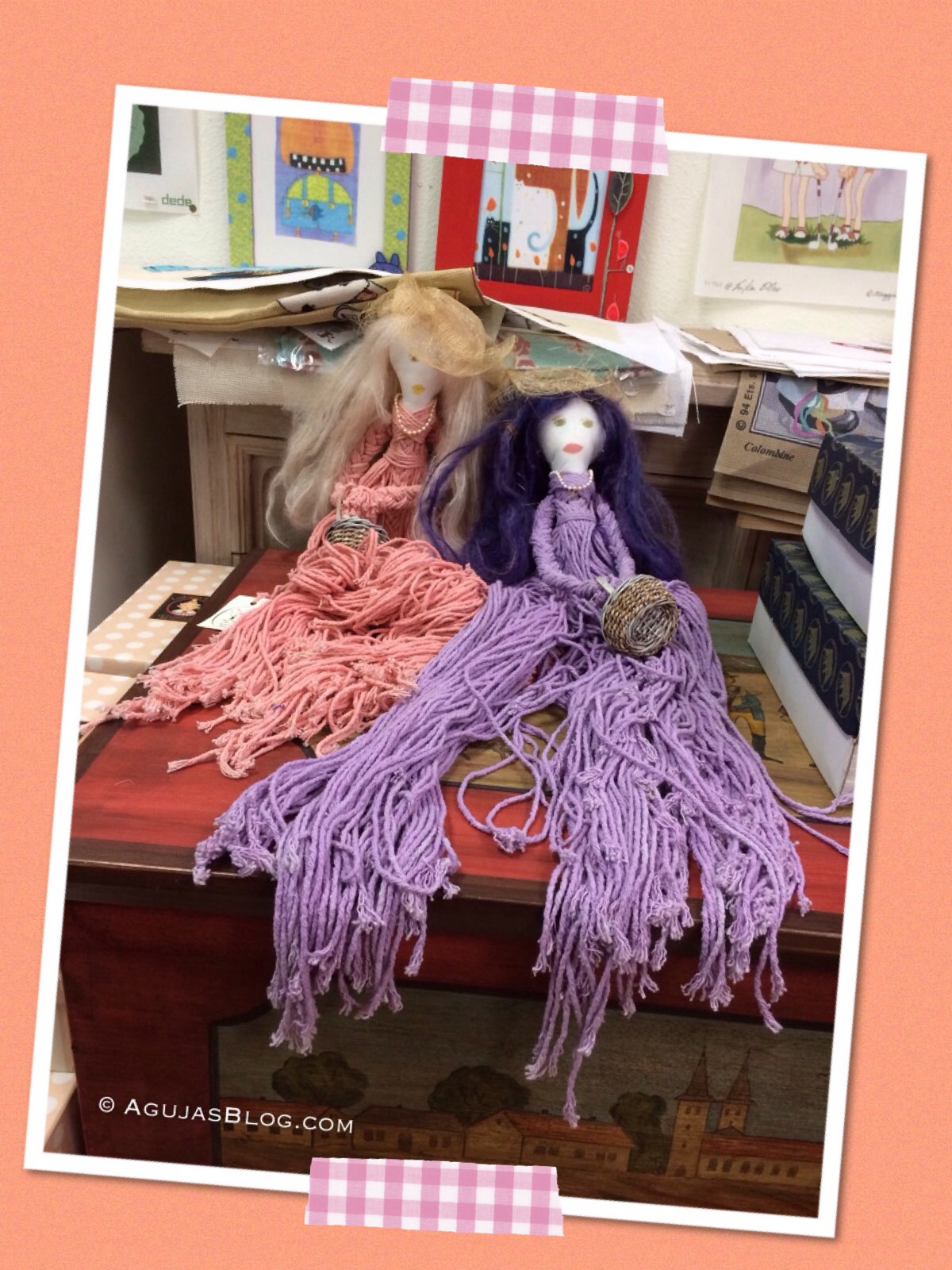
They carry a lovely selection of yarns including Rowan, Prism and all colors and weights of Colinette, among many others. They even had yarn dolls.

image

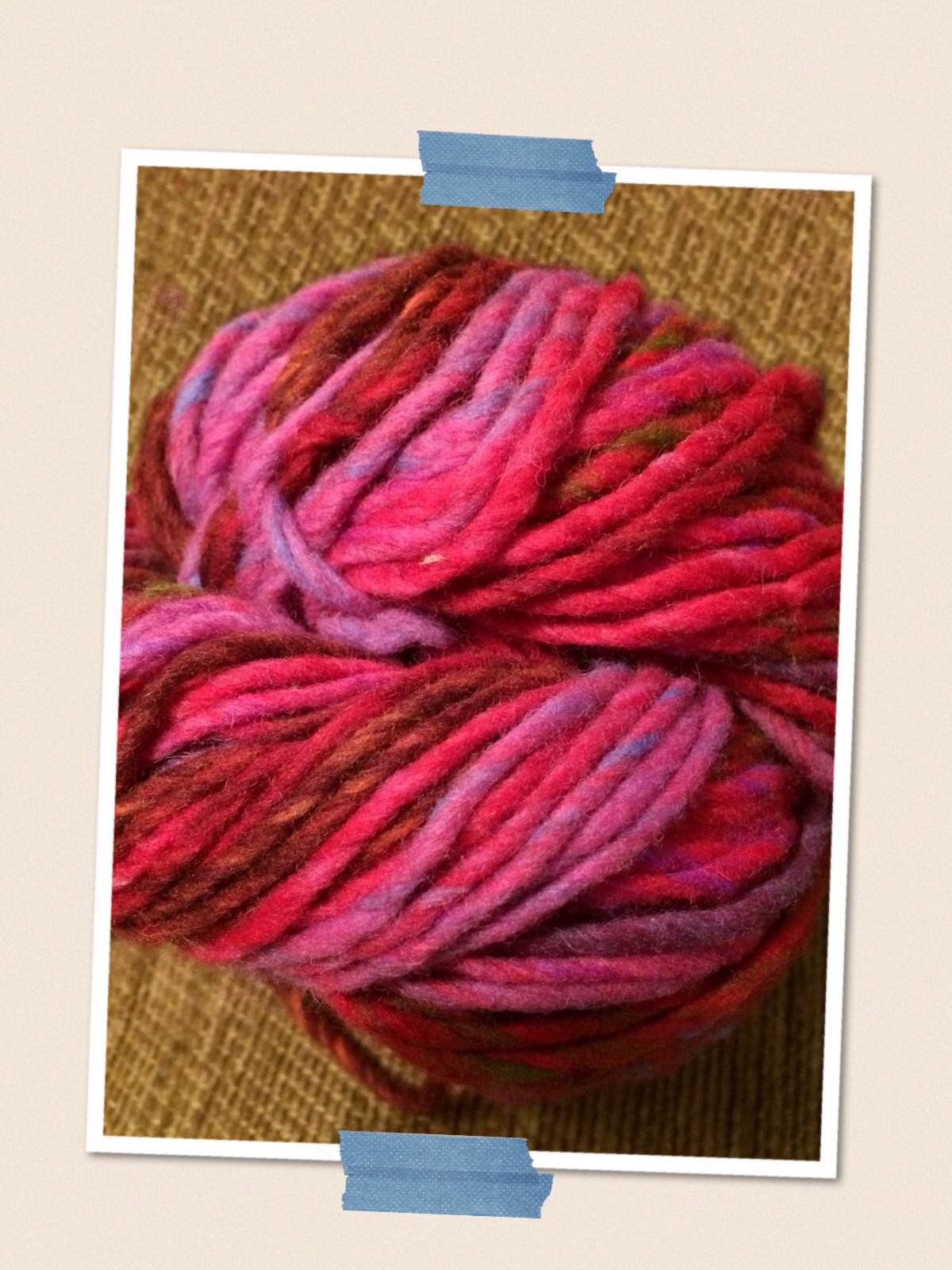
Mr. Jimmy, the Owner and Toy Man Extraordinaire (really, it says so on his business card) was charming and quite knowledgable about the yarn inventory. He can also tell you about every line of toys they carry. After perusing the store and chatting with this delightful gentleman, I selected these skeins to take home with me. Just look at this chunky raspberry gorgeousness.

Ewe & Eye - Raspberry Yarn

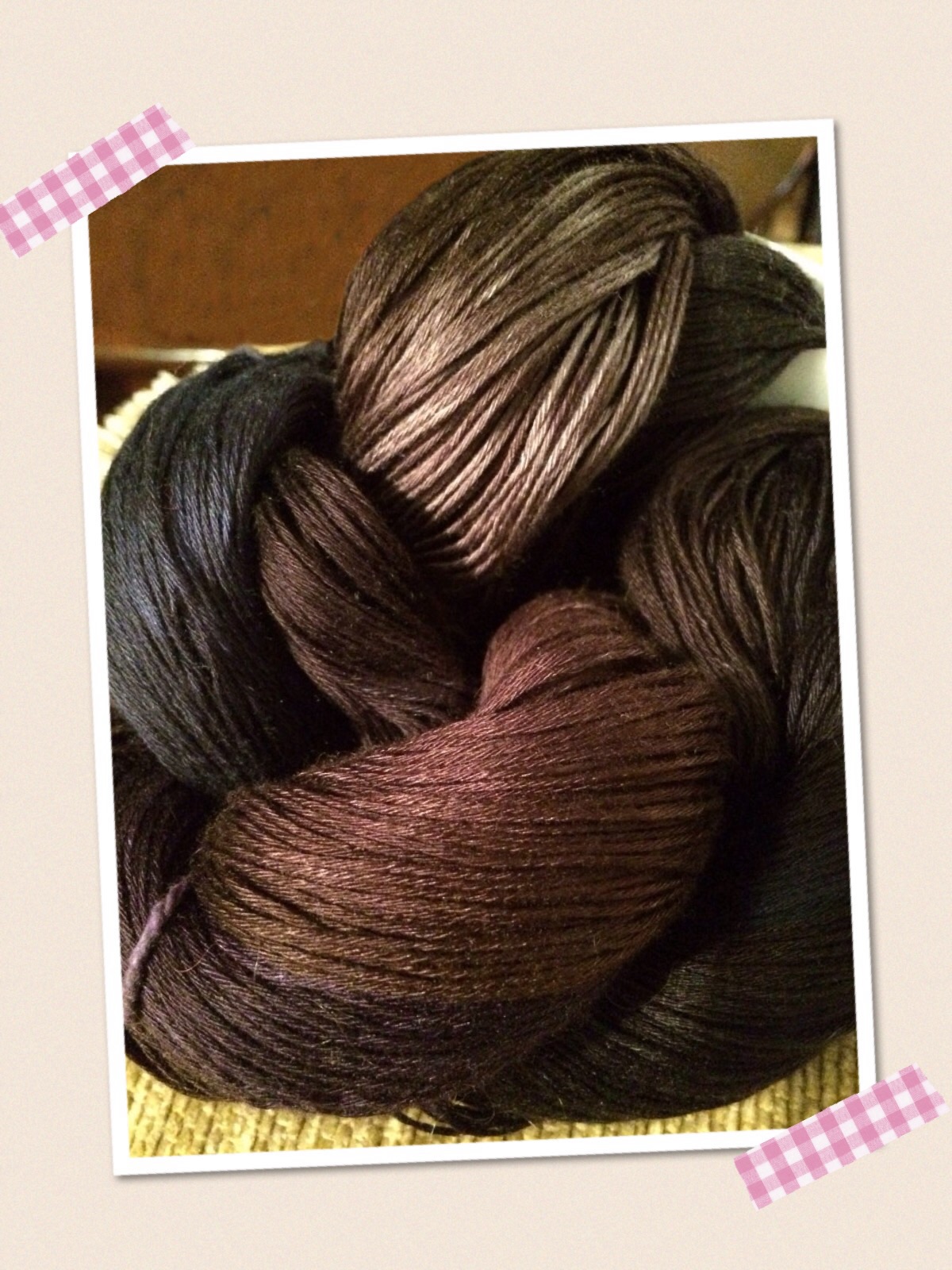
This ridiculously soft skein is to become a pair of socks for my husband.

image

If you are ever in Boerne, stop by Ewe and Eye and say hi to Mr. Jimmy.

Knitting Tools

Besides yarn and needles, there are a few tools that come in handy for knitters and crocheters. These are some of the knitting tools that I’ve been using lately.

DPN Tubes

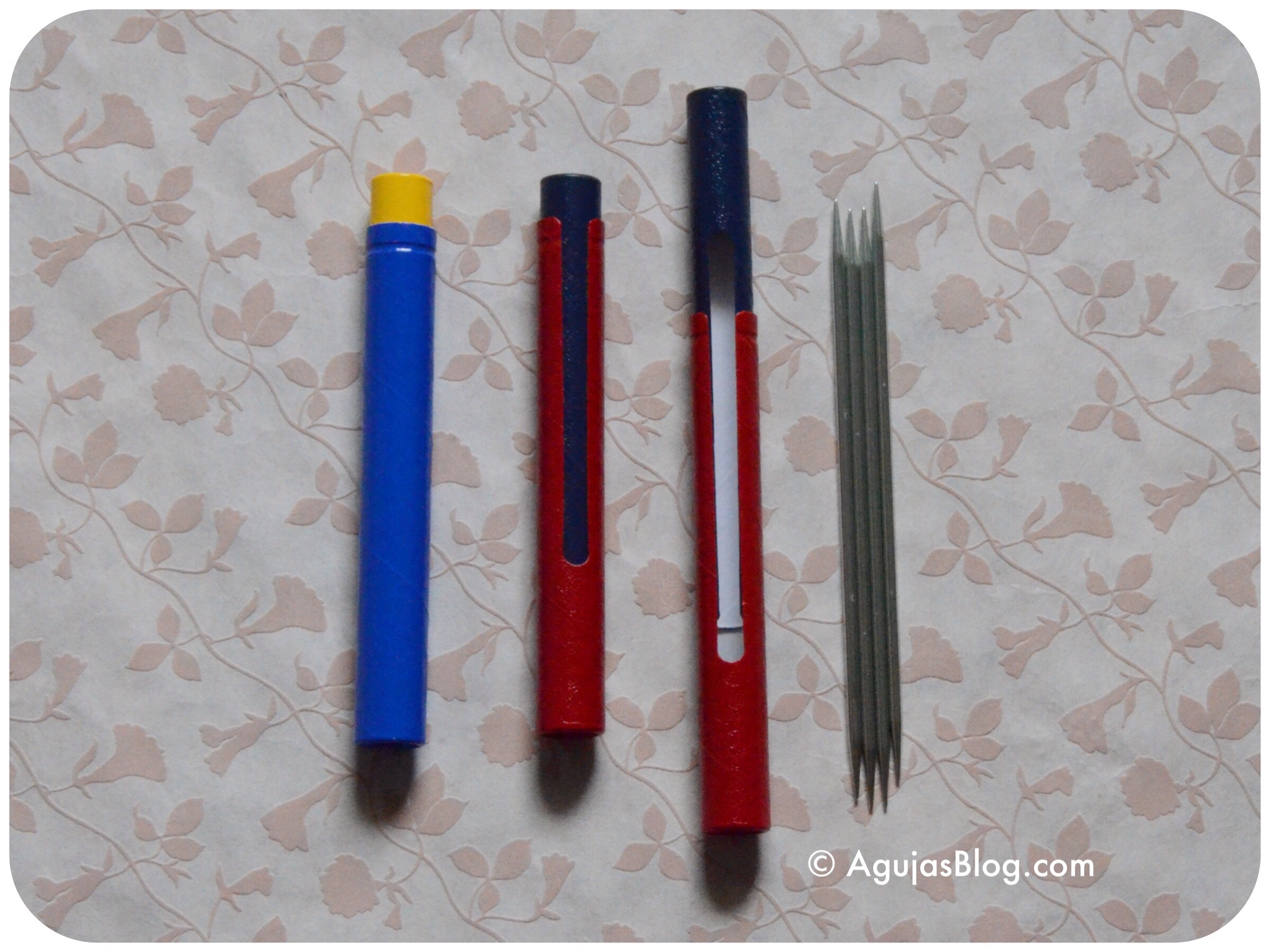
Now that I’m knitting socks, I have found these double-pointed needle (DPN) tubes to be absolutely necessary. With DPNs, there is a higher risk of stitches slipping off the ends. With these tubes, you can store your knitting safely inside without fear of losing stitches. Just carefully line up your needles so that they are side by side and your work is concentrated in the middle. Lay the needles and your work inside the opening of the blue tube. Most of your knitted piece will stick out. Next, slide the red tube over the blue one lining up the openings. Twist slightly to hold your knitting in place.

DPN Tubes 1

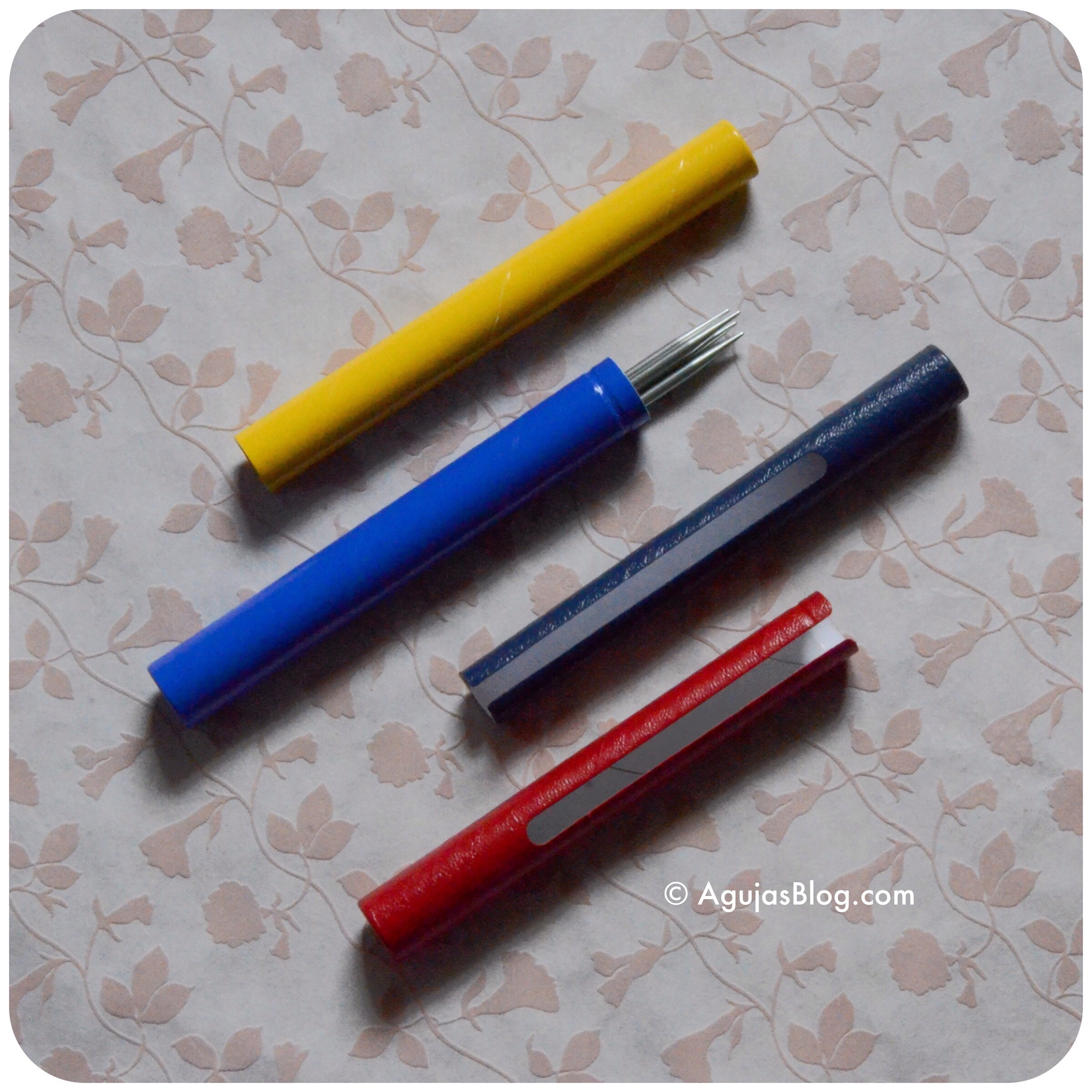
I picked these up at the Must Stash Yarns booth at a fiber festival. (Try saying “must stash yarns” three times very fast). It came with two DPN tubes and a set of tubes without the opening to store and carry your DPNs or crochet hooks.

DPN Tubes 2

Cable Needles & Stitch Holders

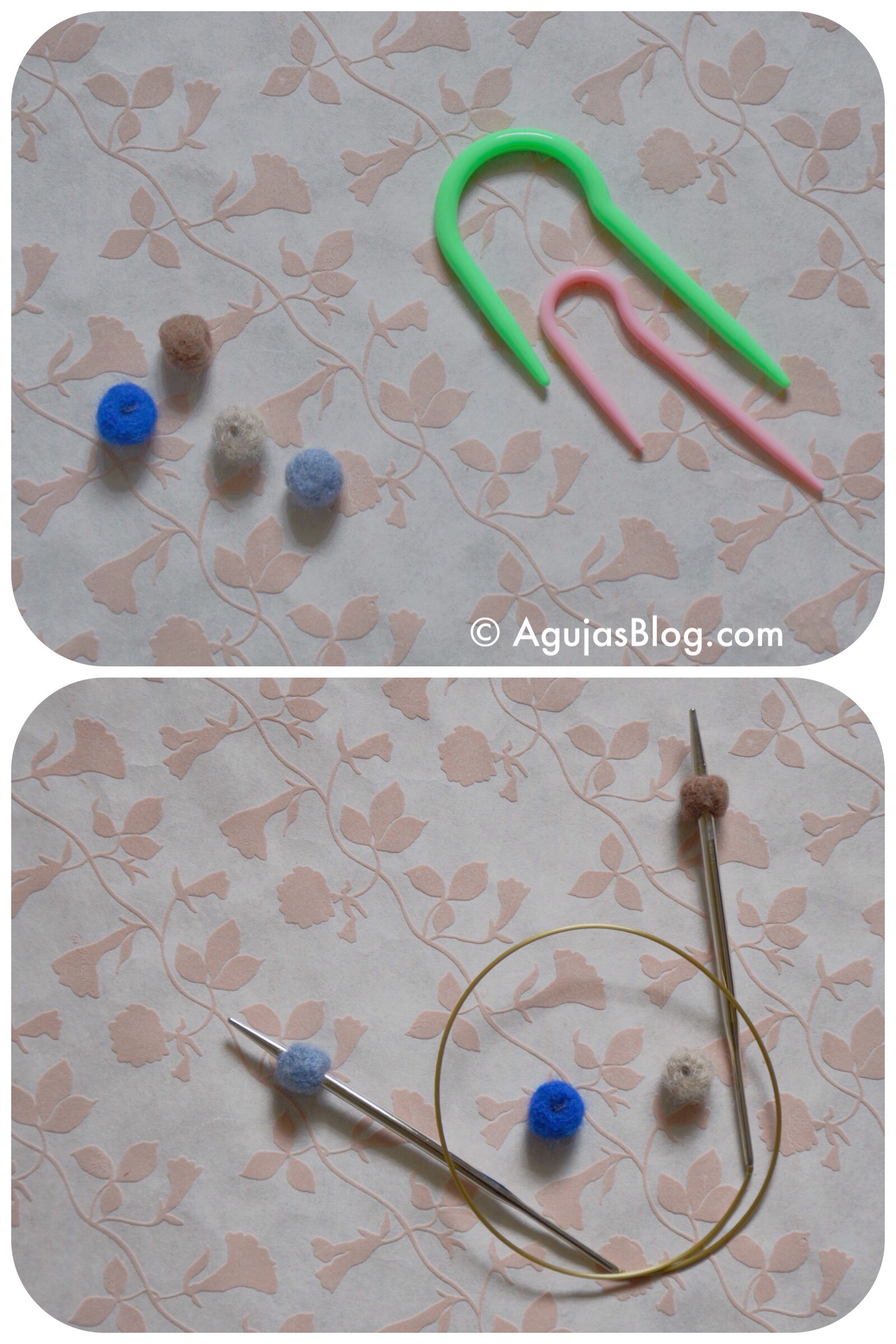
I already have a reliable and boring cable needle in my toolkit but when I saw these colorful chunky cable needles, I had to have them. They’re so much fun in pink and green. Those little round felted thingies are stitch holders. They are handmade locally and come in several colors. I like using these stitch holders made out of felted fibers instead of those rubbery point protectors, although I have some of those as well.  (The cable needles are from WC Mercantile; the stitch keepers from Yarntopia.)

Cable Needles Collage

Nøstepinde & Set Gauge

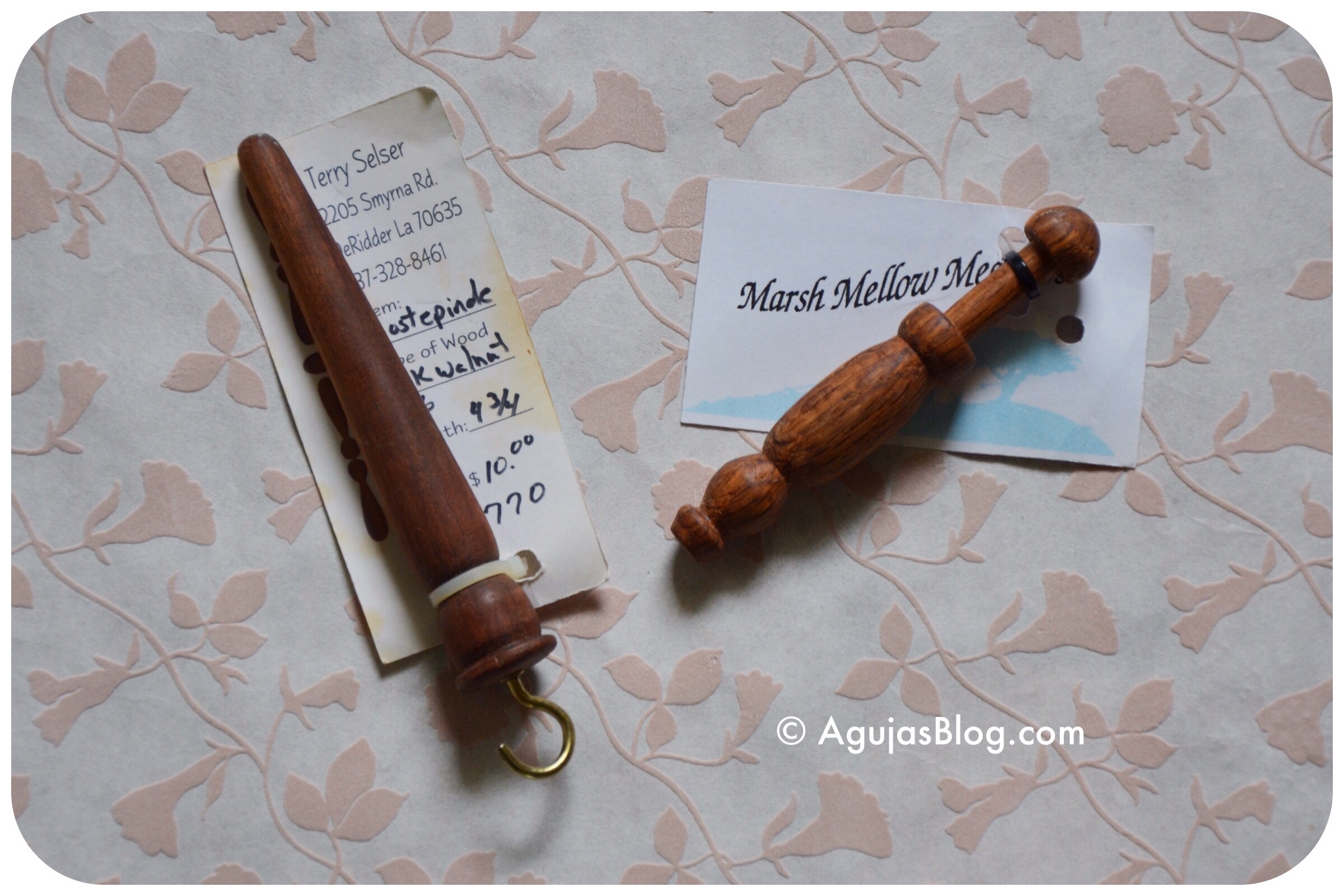
Then there are these beauties in black walnut and oak. The one on the left, a nøstepinde, is used to wind a center pull ball. No kidding! Sometimes the simplest tools are the best. To read how to use this tool, try this post from Hatchtown Farm.

The tool on the right is a set gauge. The thinner section at the top of the gauge is 1 inch wide. To determine the weight of your yarn, wind it around this part of the gauge from end to end. Keep count as this will give you the wraps per inch, which you can then translate into yarn weight.

Both of these simple yet beautiful tools are hand carved at Marsh Mellow Meadows. (Not to be confused with marshmallows. Lots of tongue-twisters!)

Nøstepinde & Wraps Per Inch Tool

Blocking Mats

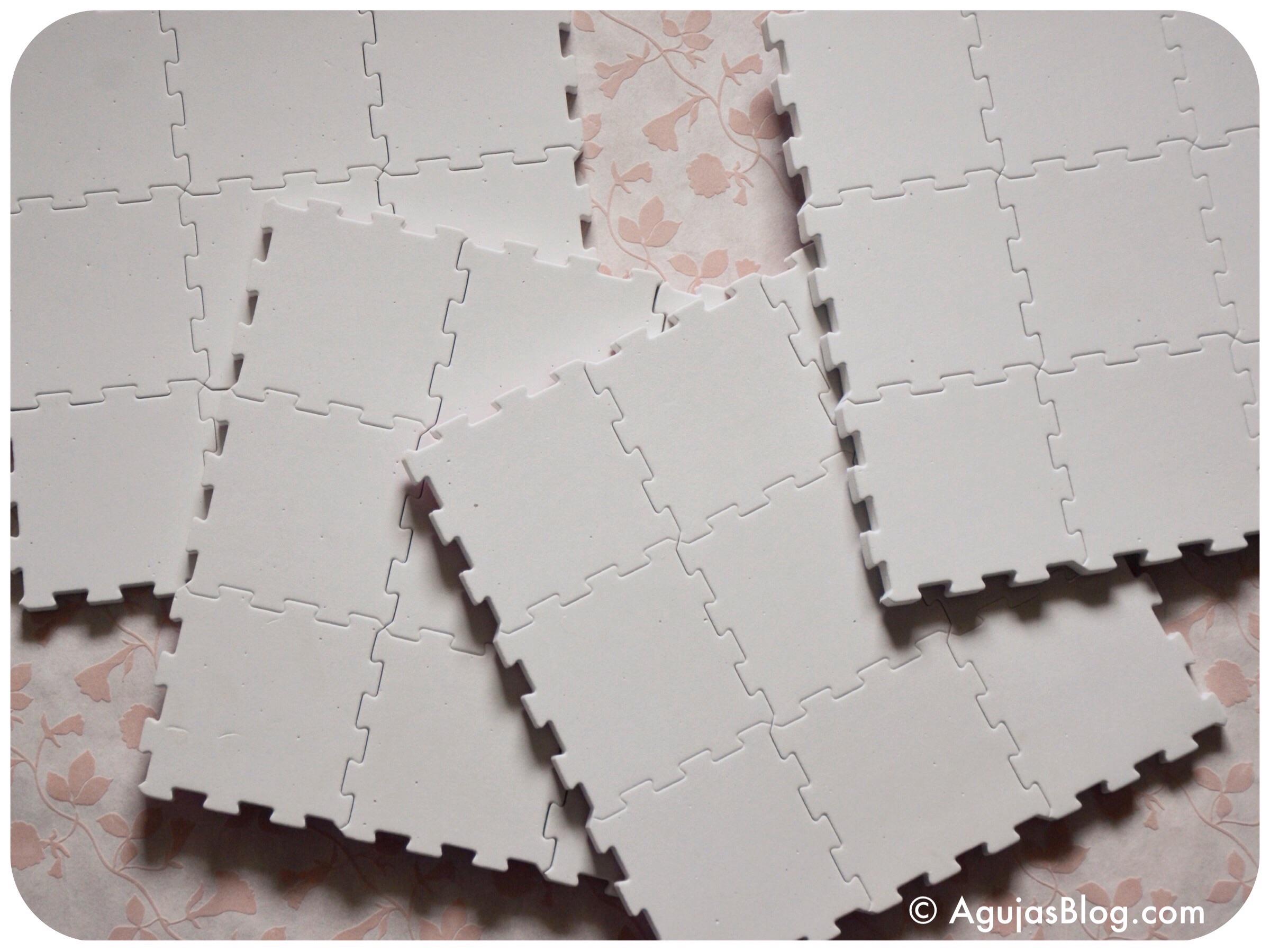
Until very recently, I’ve been blocking my knitted items on large towels. Not always effective because they don’t always lay flat. I looked for blocking mats online and in stores in the arts and crafts and children’s sections and frankly found them way too expensive. Then I found these at a dollar store. $1 each! I even like that they can be broken down into even smaller mats. Or I can make them as long or wide as I need depending on the size of my project.

Blocking Mats 1

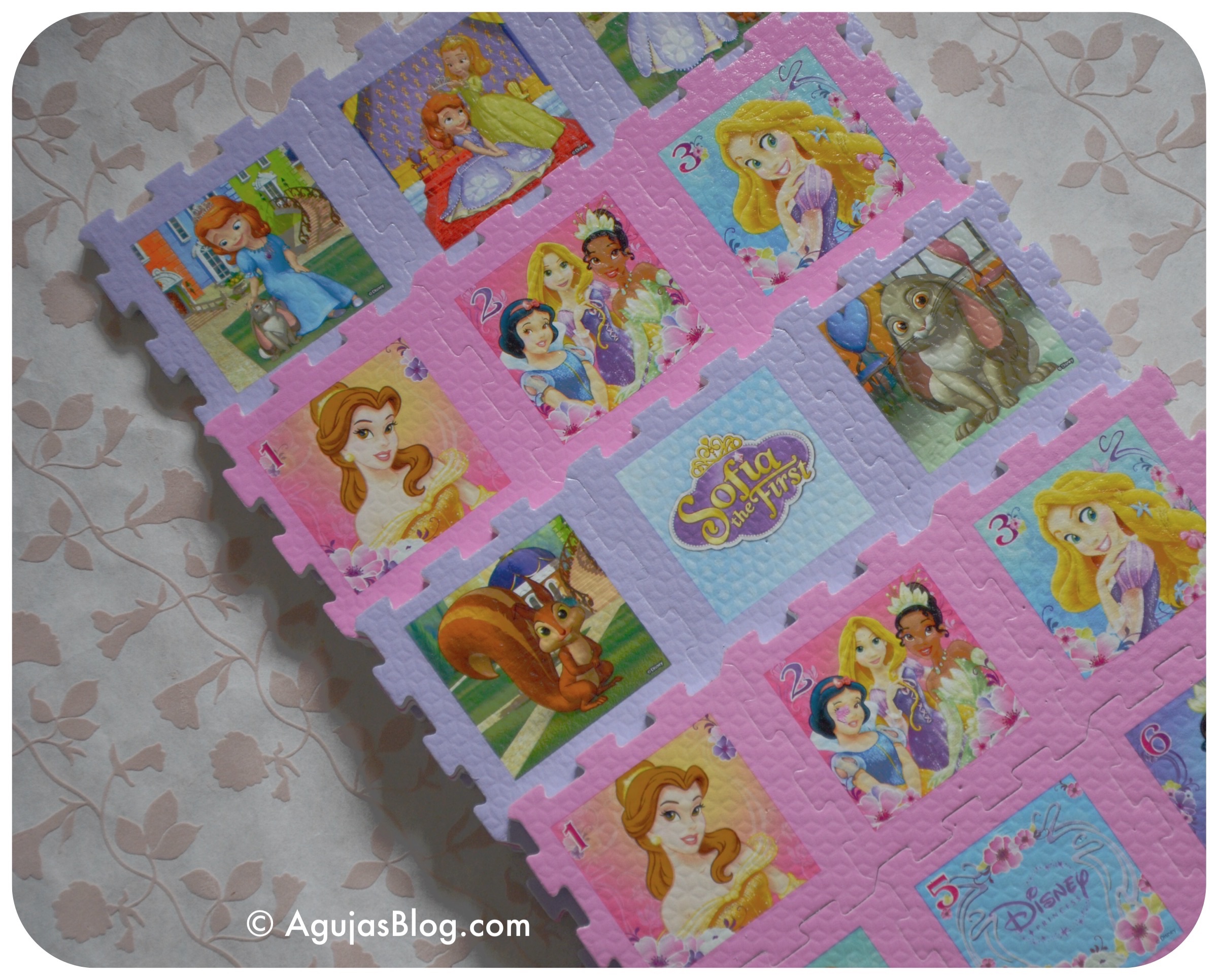
Of course, for a dollar, you can’t be picky about the colors. These come in all shades princess!

Blocking Mats 2

Do you have a favorite knitting or crocheting tool? Do you like it because it’s simple, cute, one-of-a-kind, handmade, fast, or budget-friendly?