This Is Just To Say
I have taken
the yarn
that was in
the basket
and which
you were probably
saving
for a scarf
Forgive me
it was so lovely
so colorful
and so soft
Based on "This Is Just To Say" by William Carlos Williams.
This Is Just To Say
I have taken the yarn that was in the basket
and which you were probably saving for a scarf
Forgive me it was so lovely so colorful and so soft
Based on "This Is Just To Say" by William Carlos Williams.
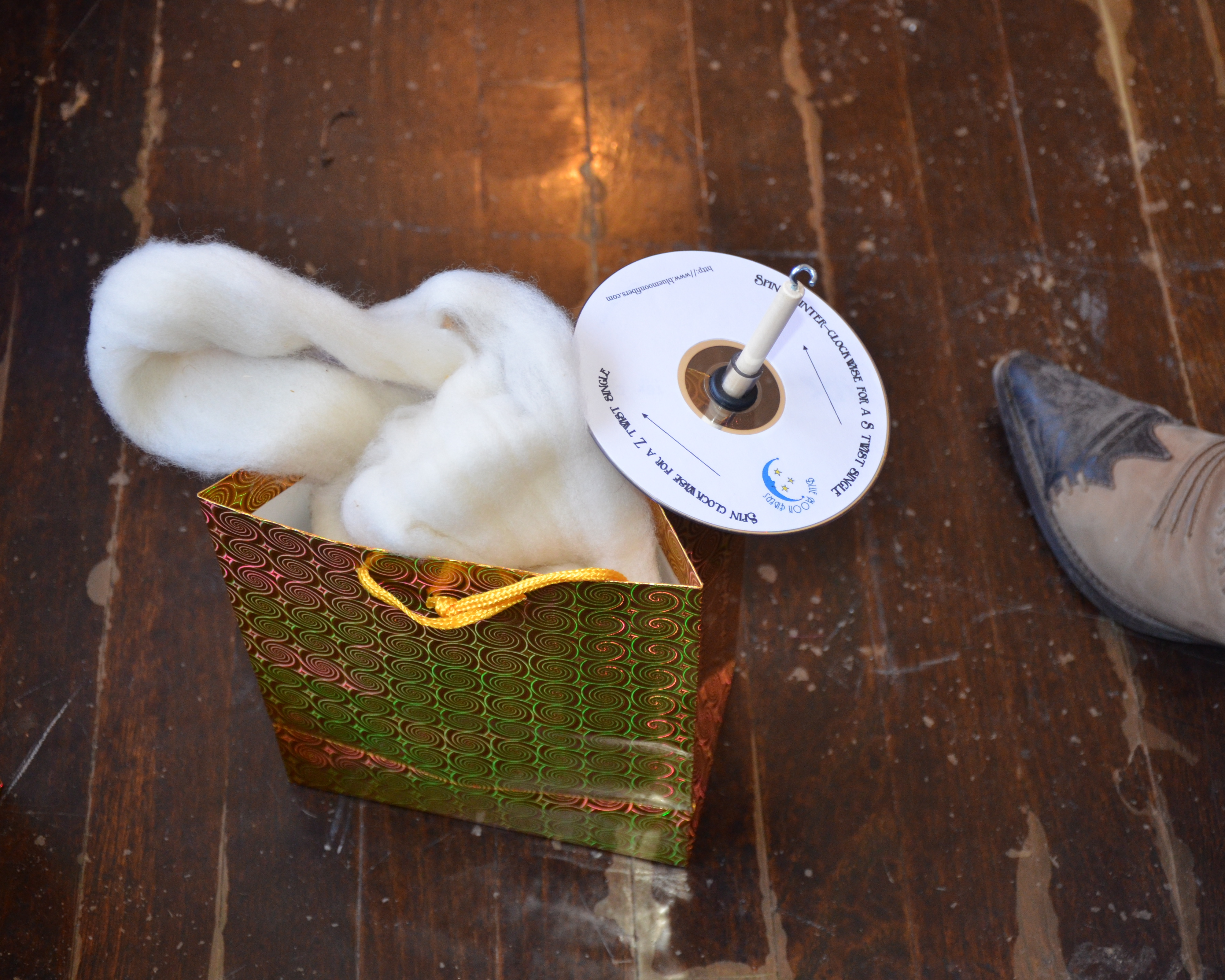
At the Kid’N Ewe Fiber Festival, there were a myriad of tools for spinners and weavers alike. This clever top-whorl spindle was made by BJ Heeke, the instructor for the “So You Wanna Be A Spinner?” class. The instructions on the CD read: “Spin counter-clockwise for an S twist single. Spin clockwise for a Z twist single.” Made from a CD, a 5/16 inch dowel, ligatures (tiny rubber bands used for braces), and a metal hook. Weighs 1.2 oz. You can order your custom-made spindle at Blue Moon Fibers.
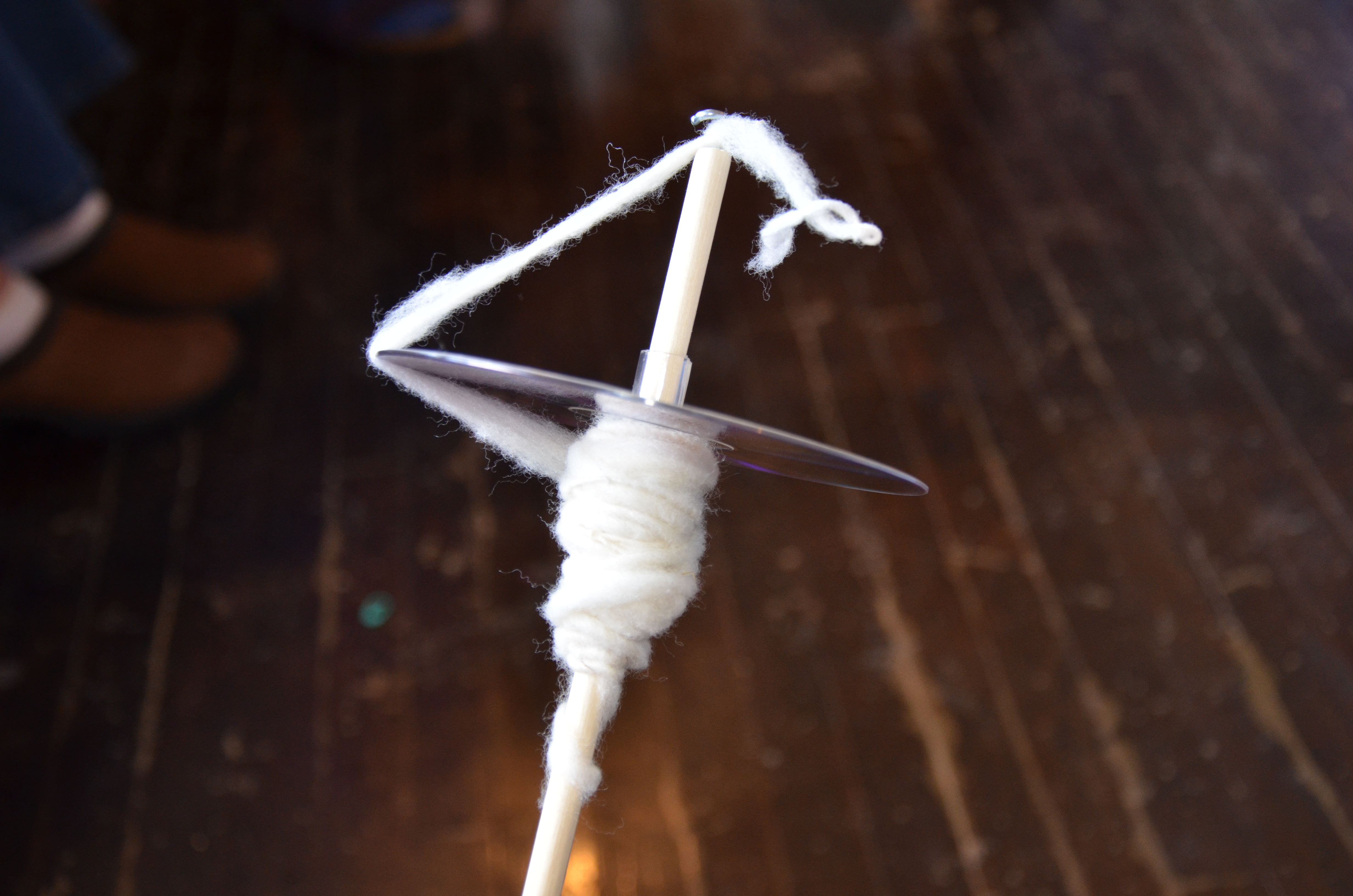
Here’s a snapshot of my materials for the beginner spinning class.
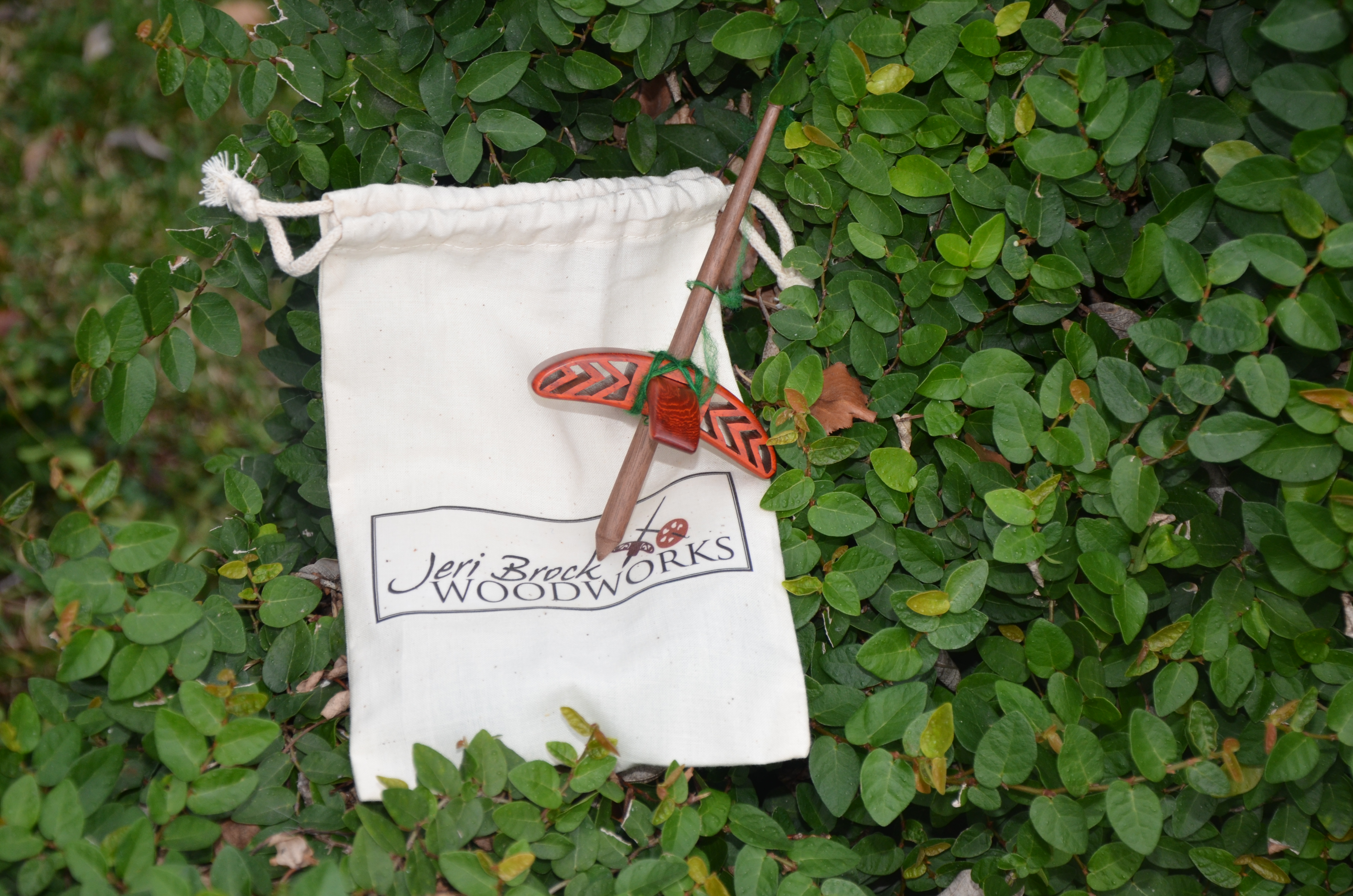
This is a high-quality, hand-crafted Turkish spindle by Jeri Brock Woodworks. Jeri showed me how easy it was to use this beautiful tool. The spindle is constructed from padauk wood for the arms carved with a chevron pattern and a cherry wood shaft. See more of Jeri’s Turkish spindles here.
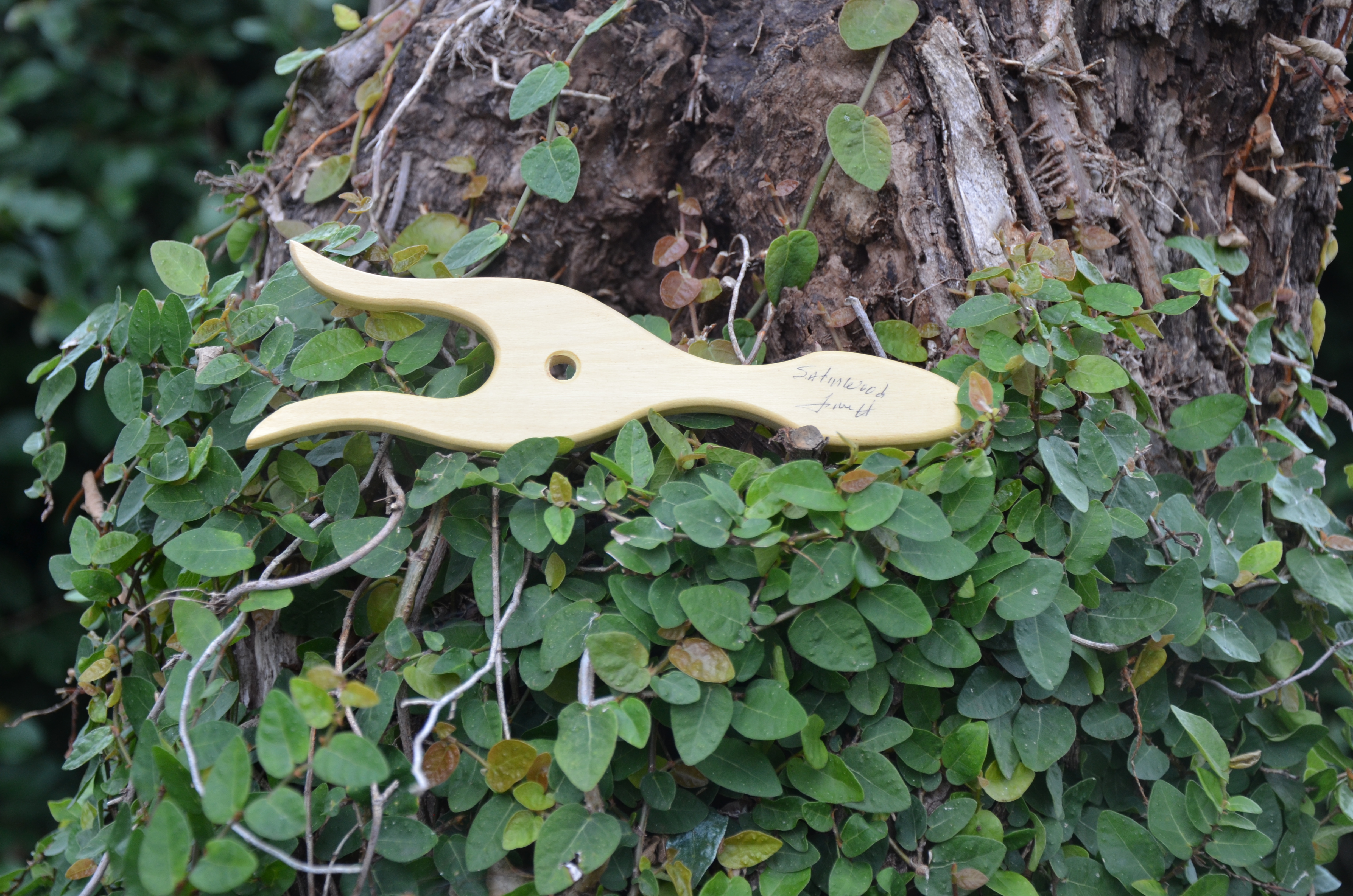
I picked up this handcrafted lucet to create a strong, attractive cord.
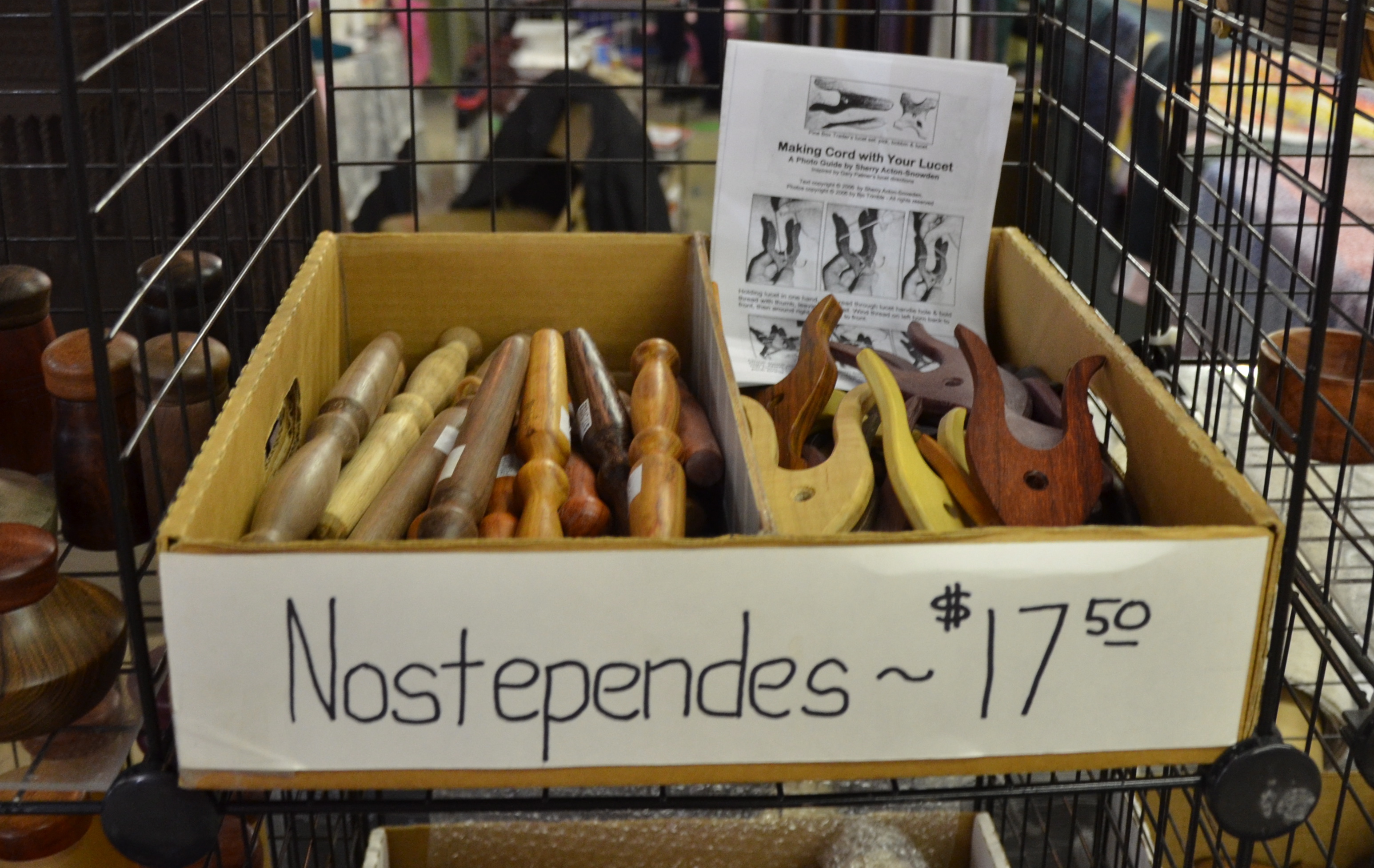
I took a picture of these nostependes but had no idea what they were for. I did a quick search on the web and discovered that this tool is used to wind a ball of yarn! It’s origin is apparently Norwegian and can also be written “nostepinne.” I found a great explanation of how to use this tool at the Hatchtown Farm blog. You learn something new every day!
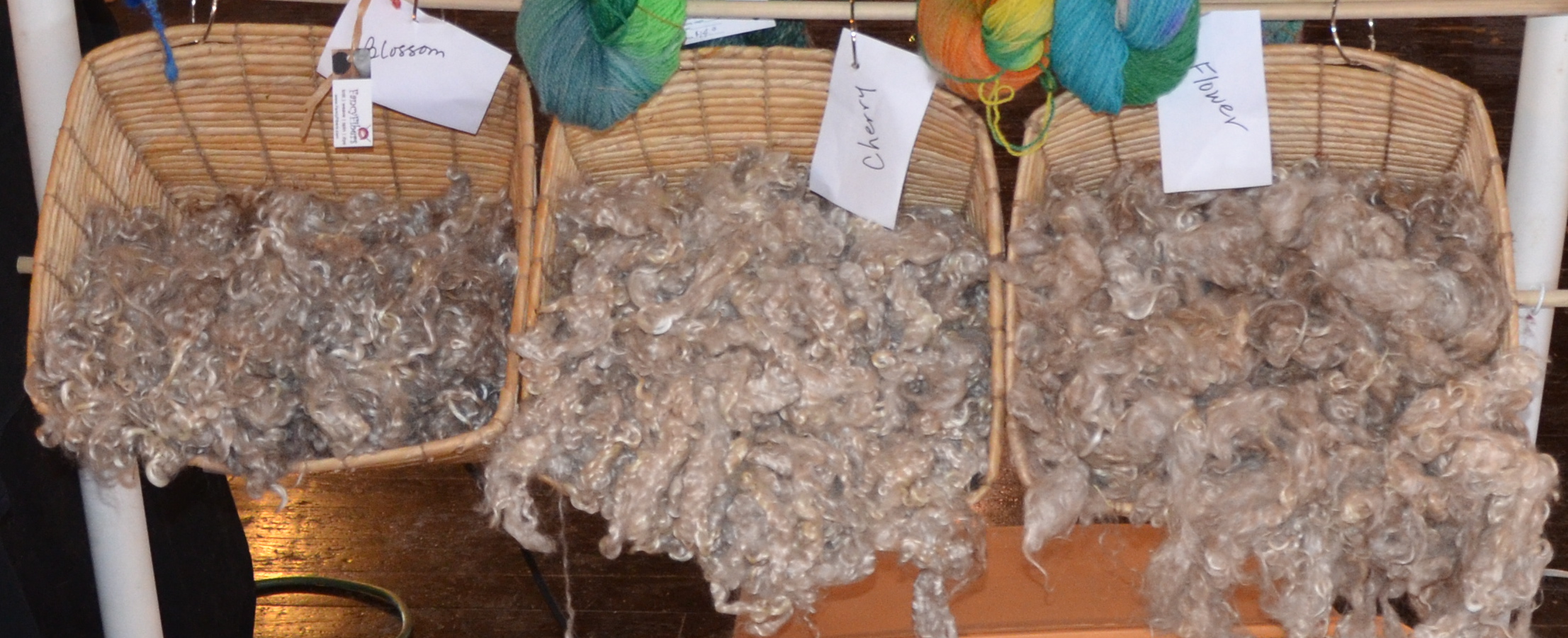
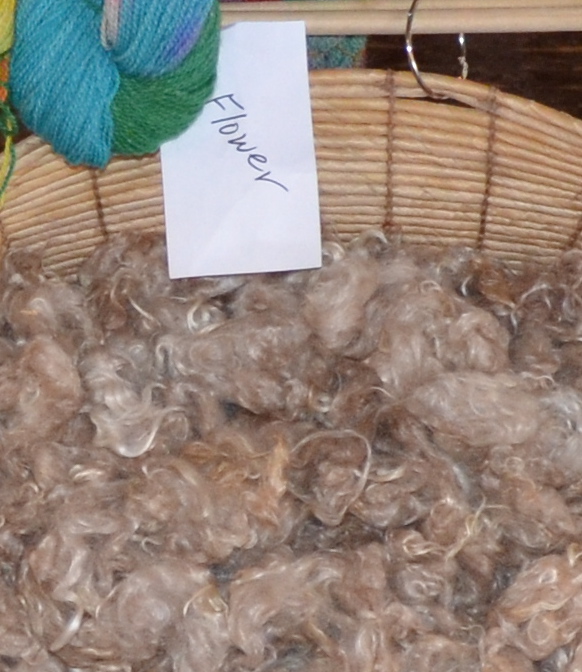
Besides the absolutely adorable animals, the highlight of the Kid’N Ewe Fiber Festival was the fibers! From raw fibers, natural and dyed, combed and carded, there were fibers aplenty. I started a very healthy fiber stash to complement my yarn stash. My first visit was with Mary Berry, proprietress of Fancy Fiber Farms. Mary runs a family farm with her husband where she raises her own animals. Her booth was interesting because it allowed you to see the fibers from their sources (she had pictures of her animals).
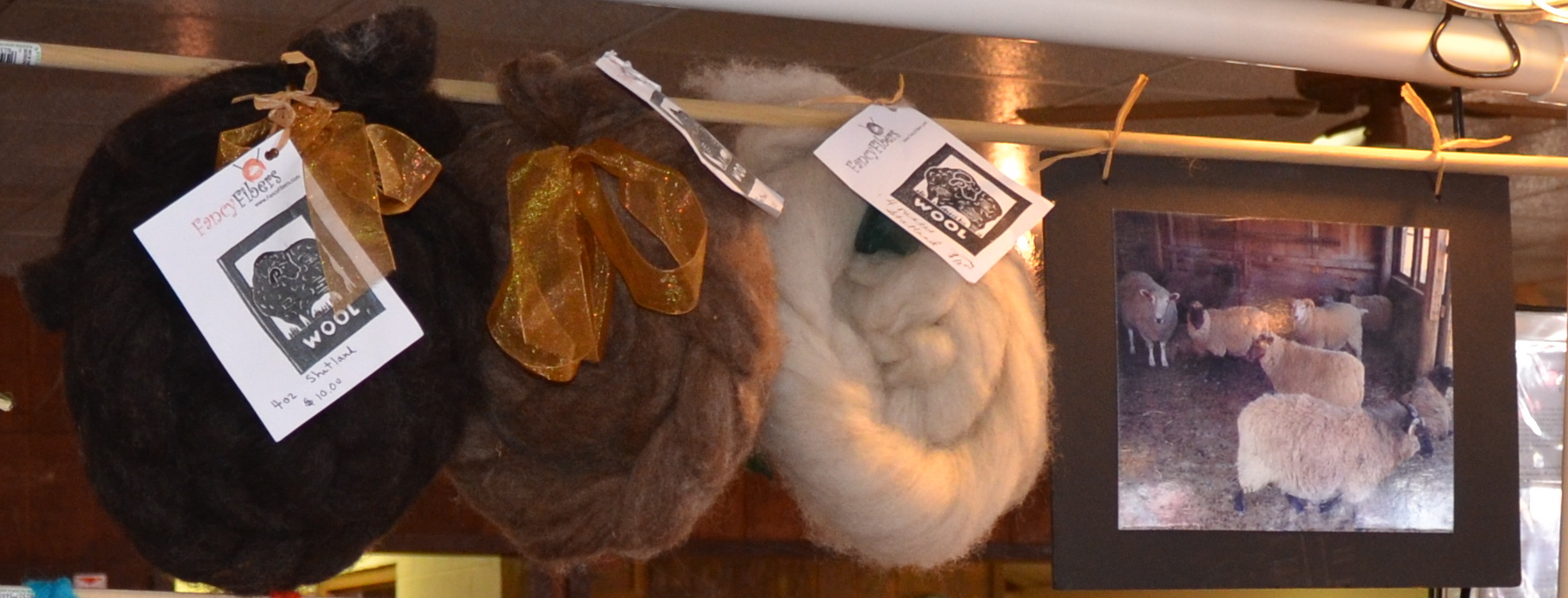
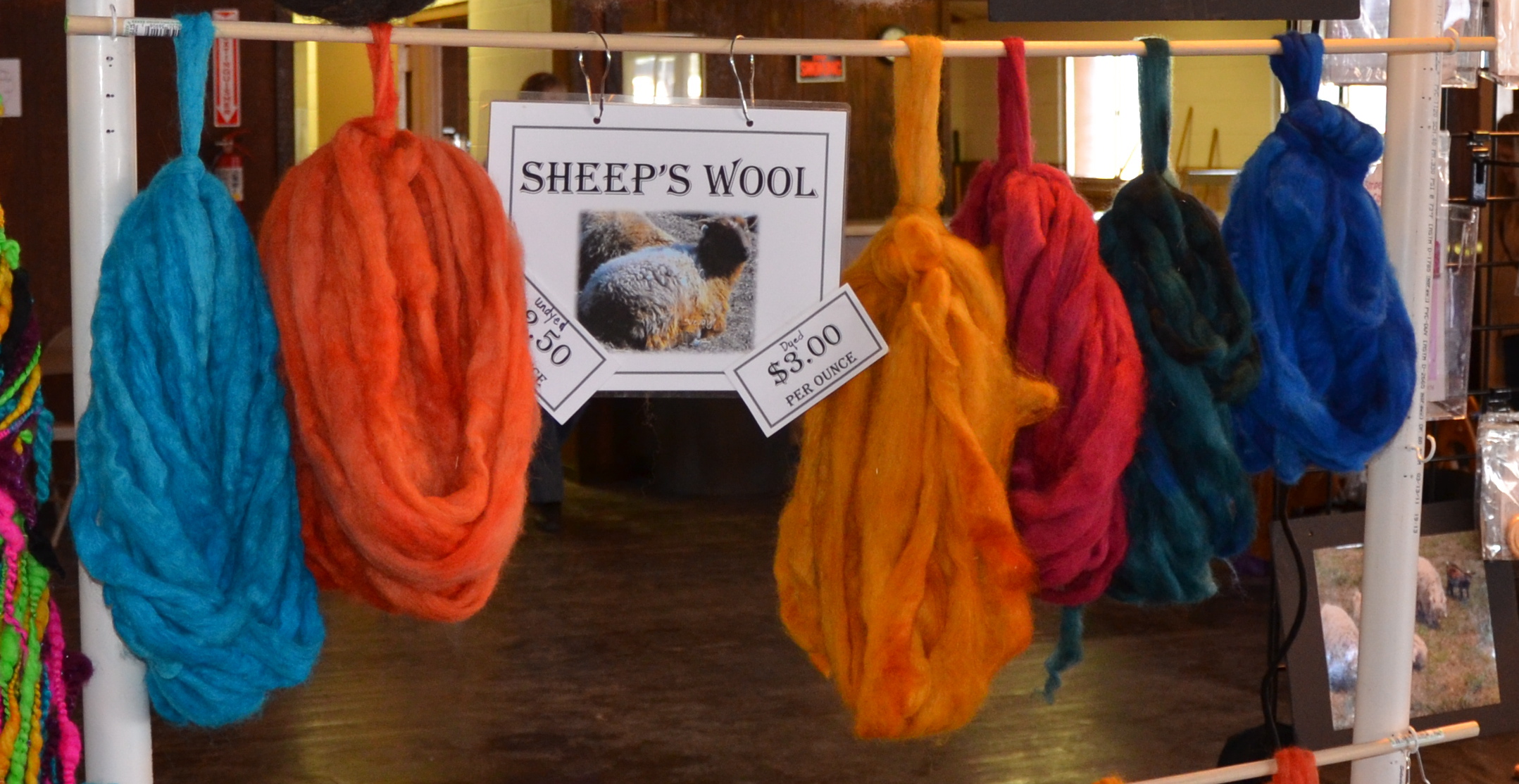
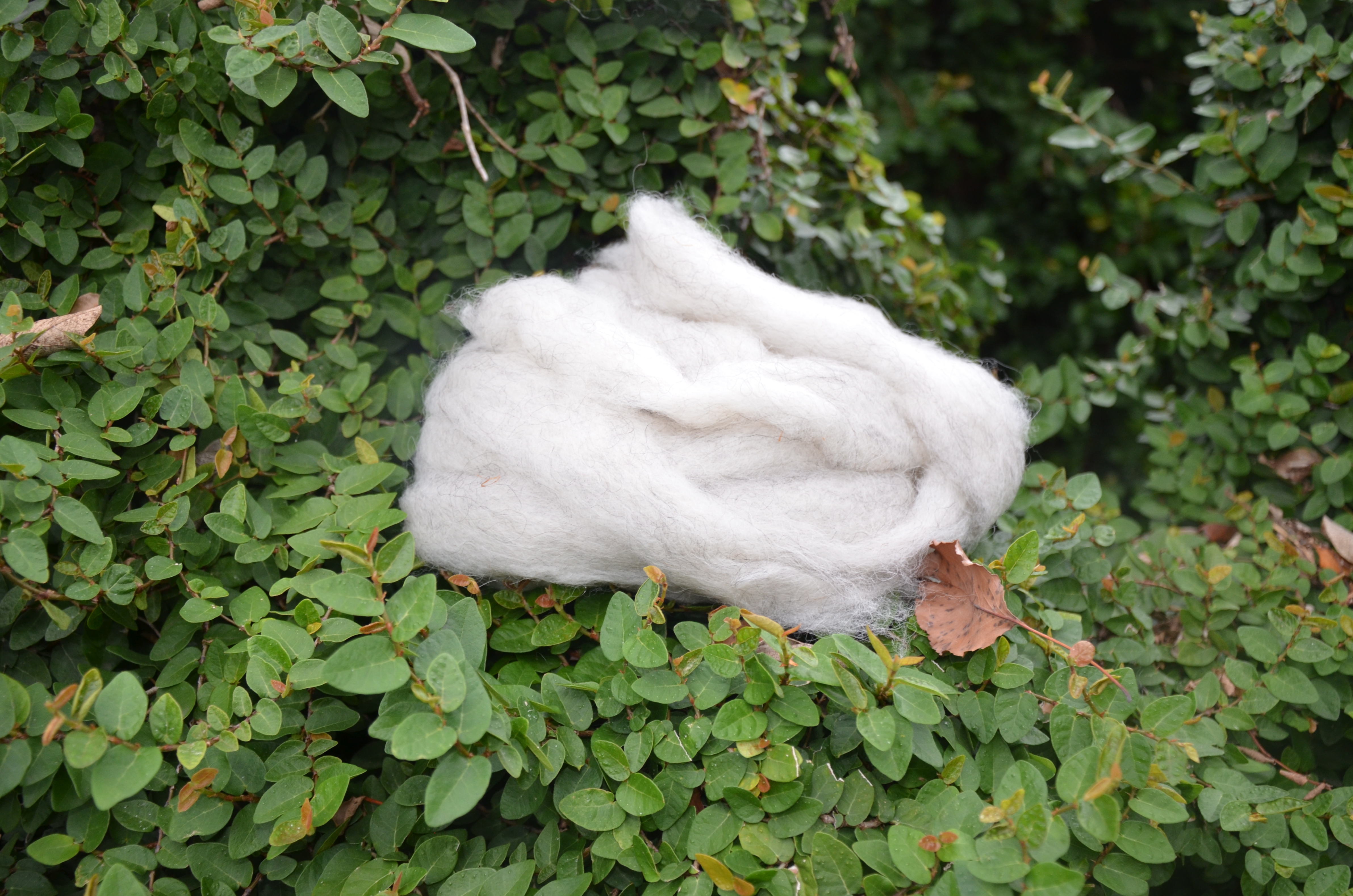
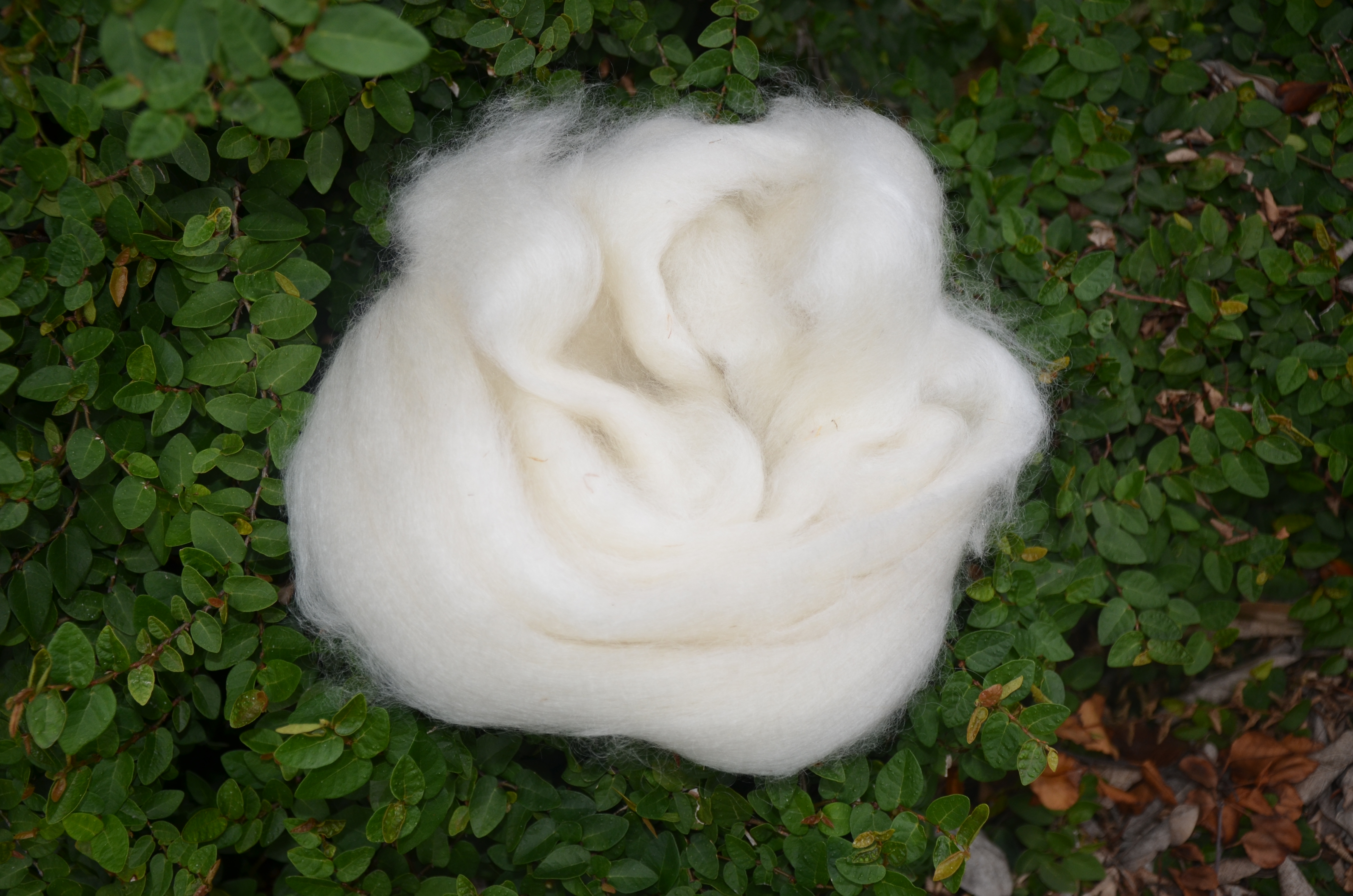
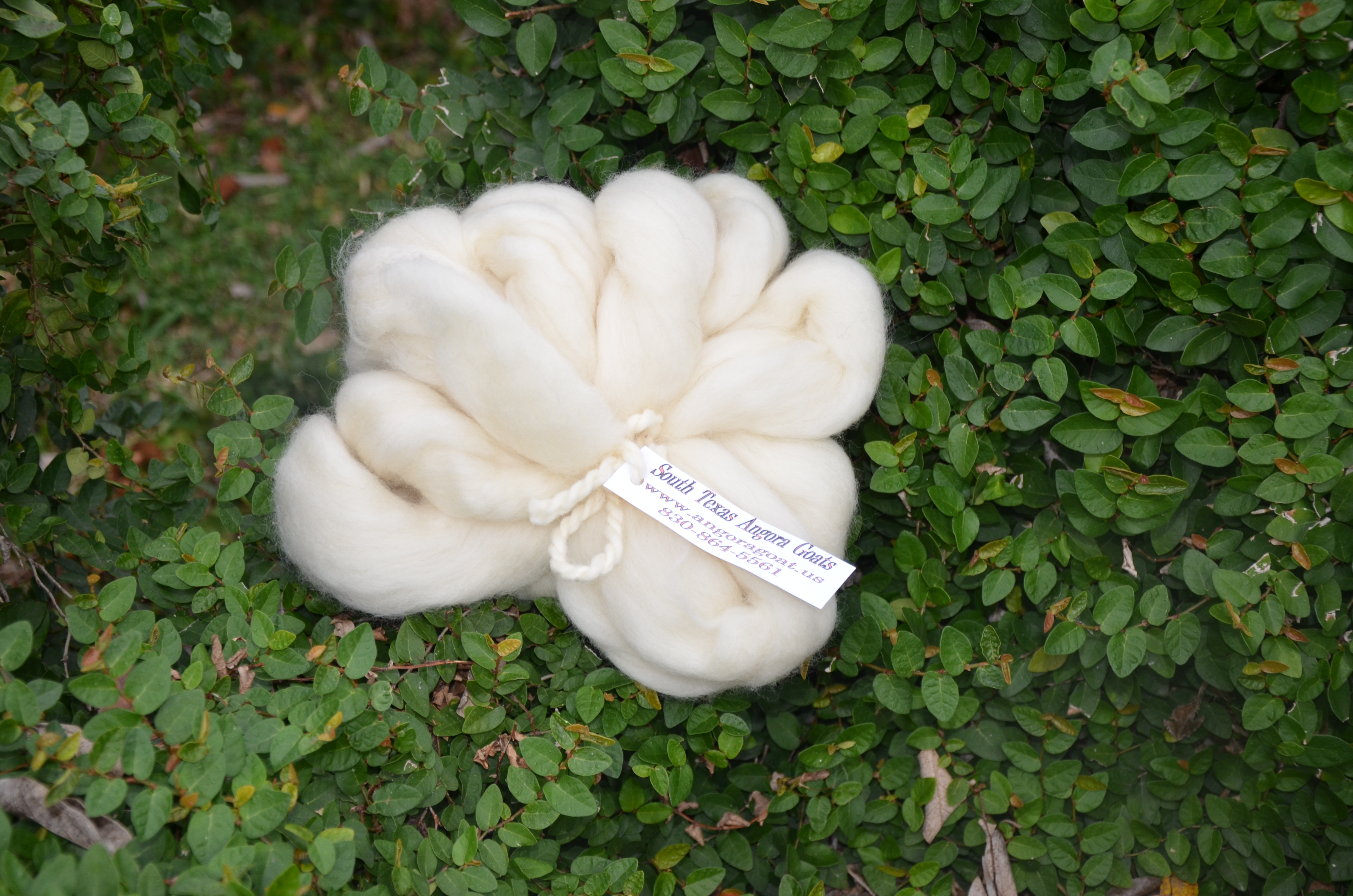
I then stopped by the South Texas Angora Goats booth. Their carded Angora wool was soft and crisp white. I highly recommend visiting their website. They have great pictures of their animals especially their Racka sheep with their spiral horns.
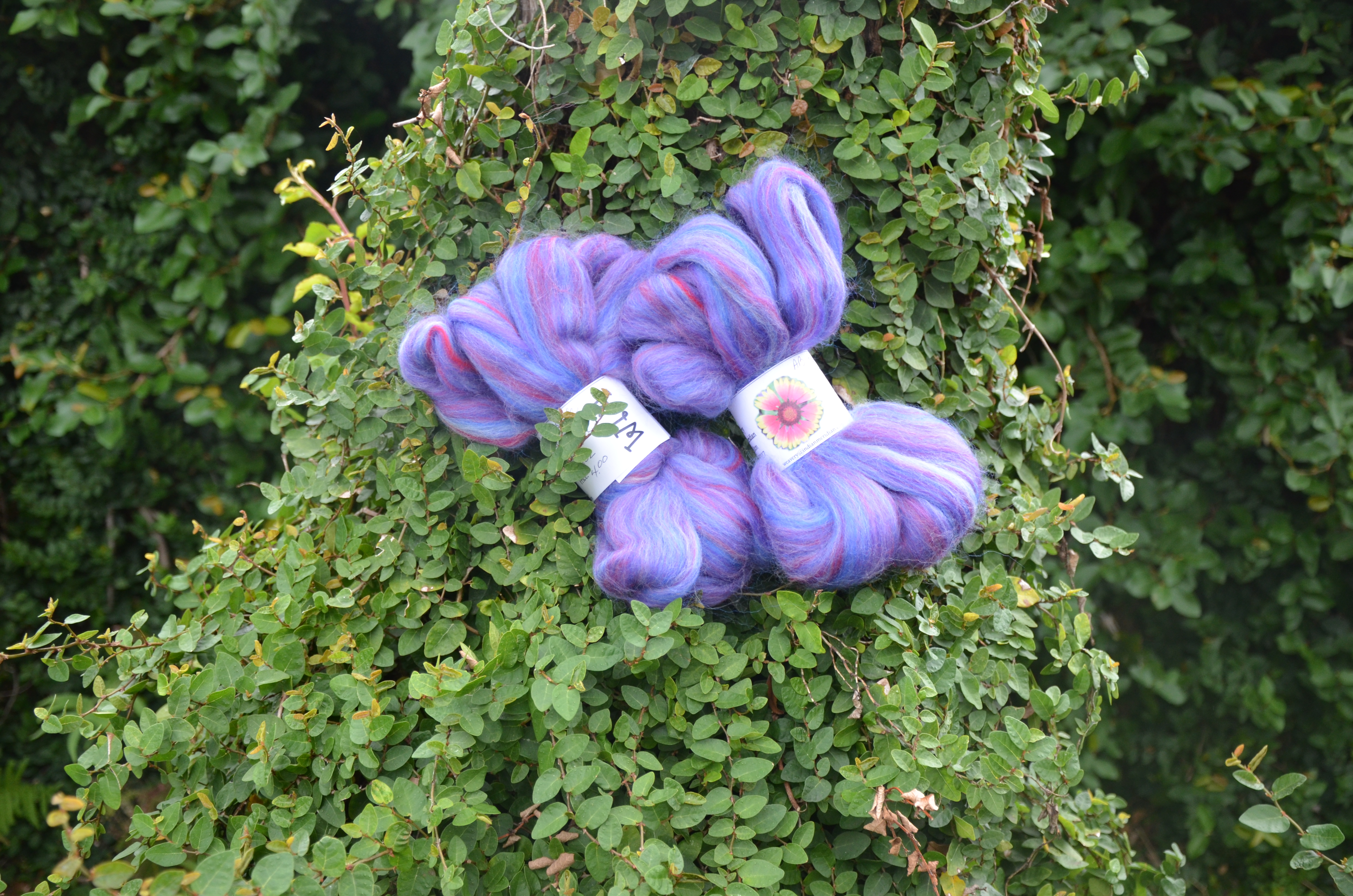
I loved the combination of the purples and reds in this dyed fiber from the Weavery at Indian Meridian.
Another fiber booth.
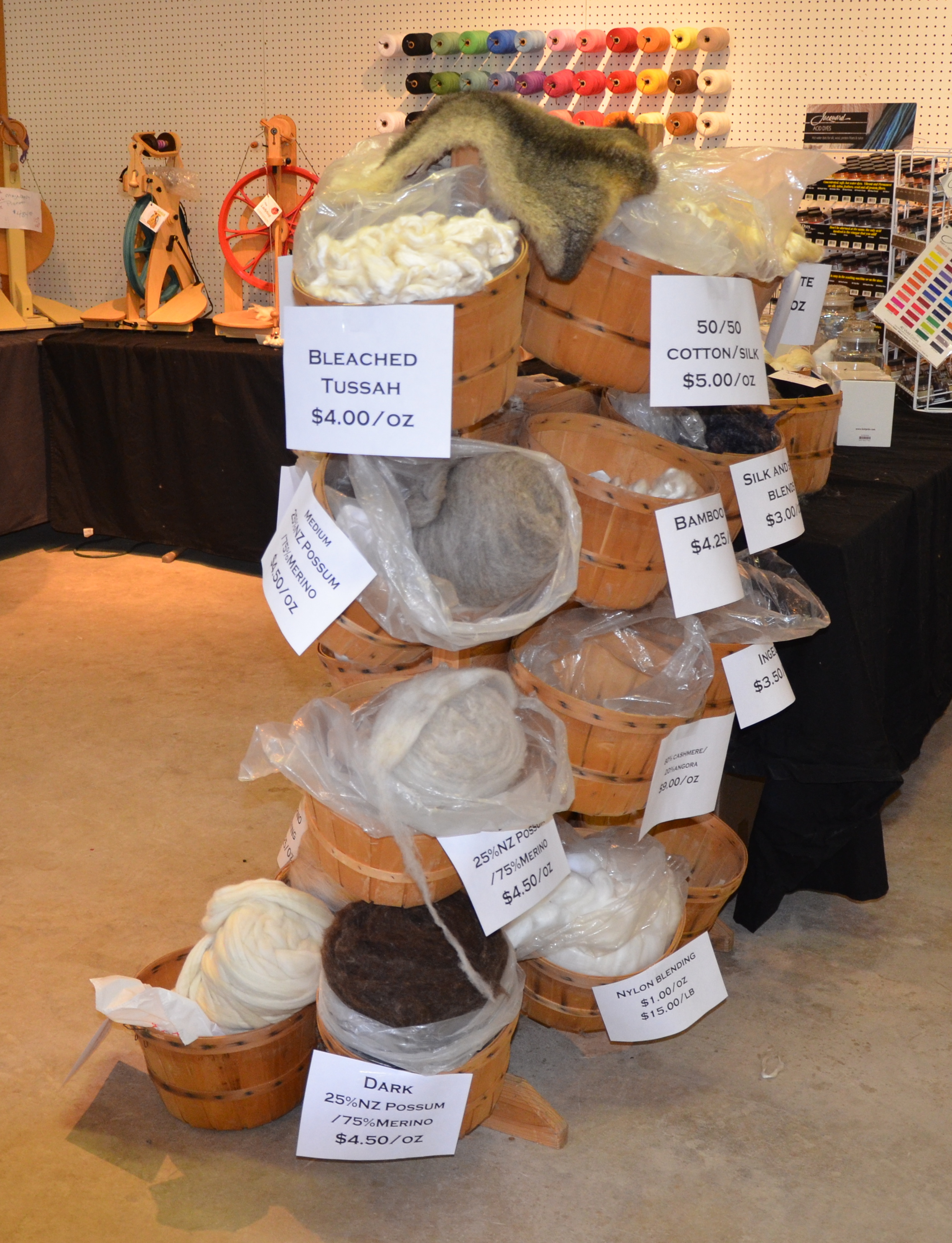
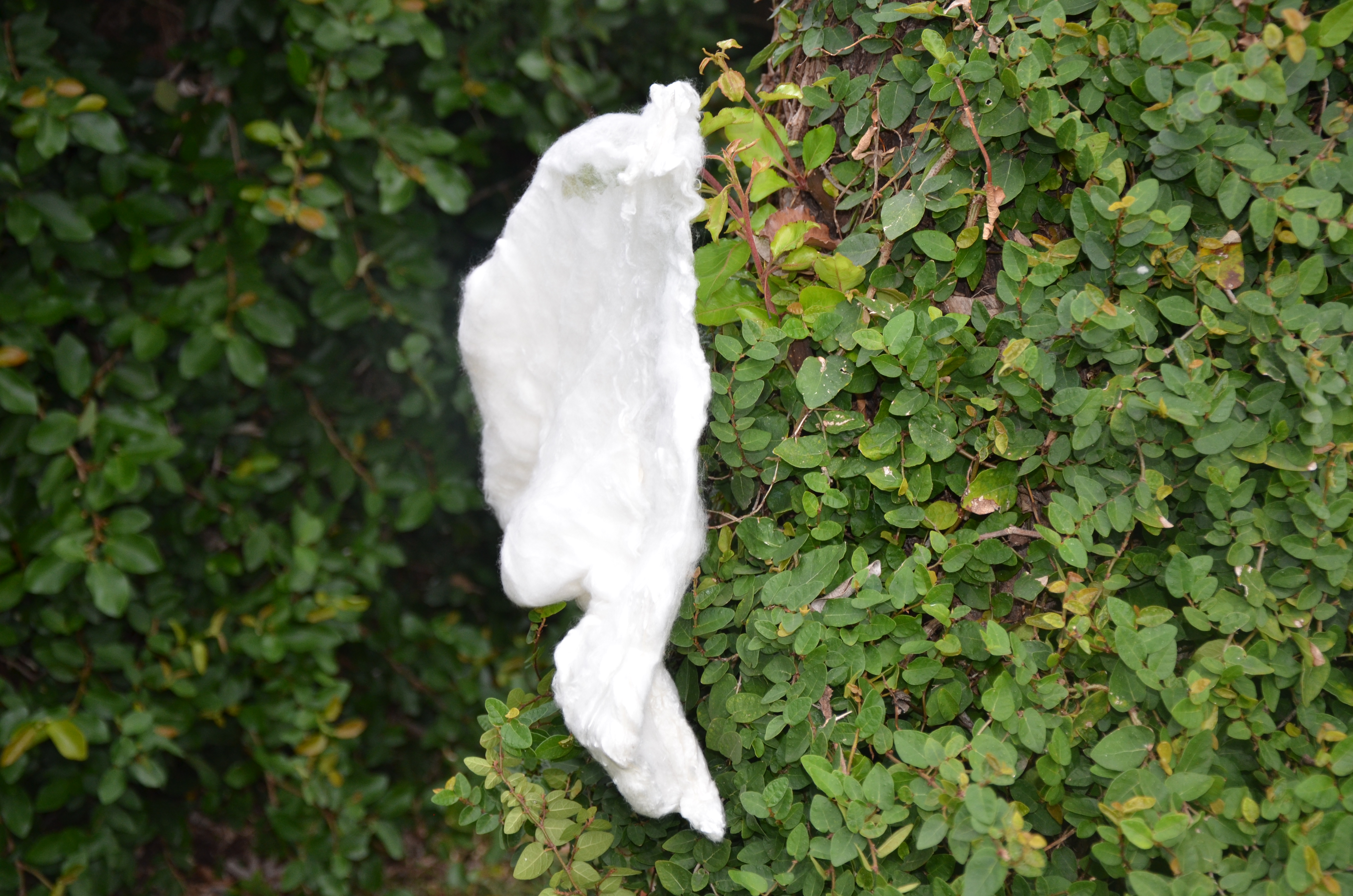
My last stop was at the Wooden Spinner. Proprietors Mike and Brenda Harrower offer high quality, hand-processed fibers. They specialize in creating natural plant dyes for their fibers. The resulting fibers are cast in soft, soothing colors.
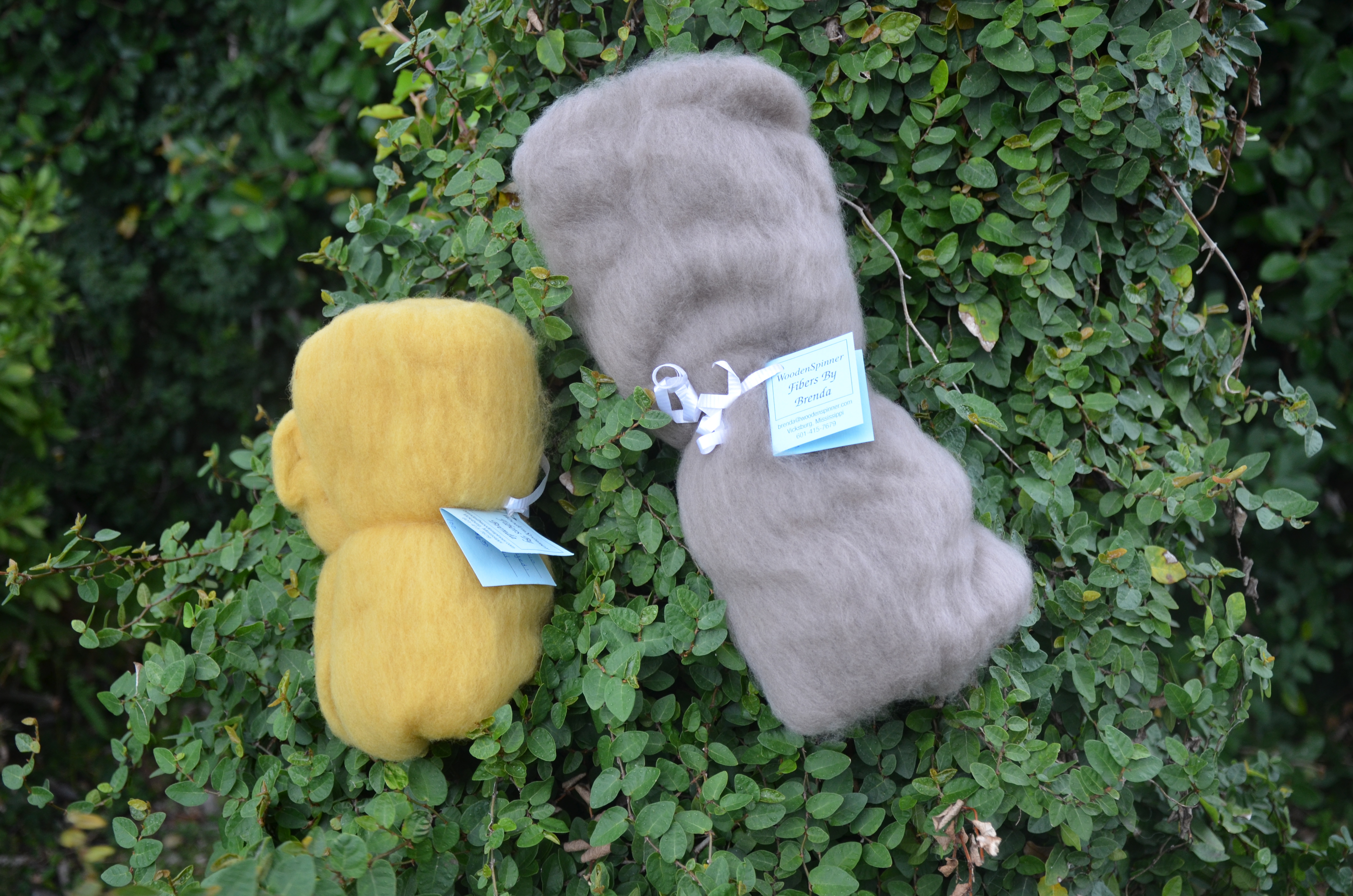
Now we shall have to put my spinning skills to the test. Stay tuned!
The Kid’N Ewe Fiber Festival took place at the Kendall County Fairgrounds in Boerne, Texas. The 23rd annual festival provided “quality supplies and equipment to crafts people, and share[d] knowledge about fiber producing plants and animals.” Source: 2011 Festival Guide. Highlights included: the animals, natural fibers, spinning and weaving tools and classes, dyeing techniques, and the resulting yarn. Here is a peek into the weekend festivities.
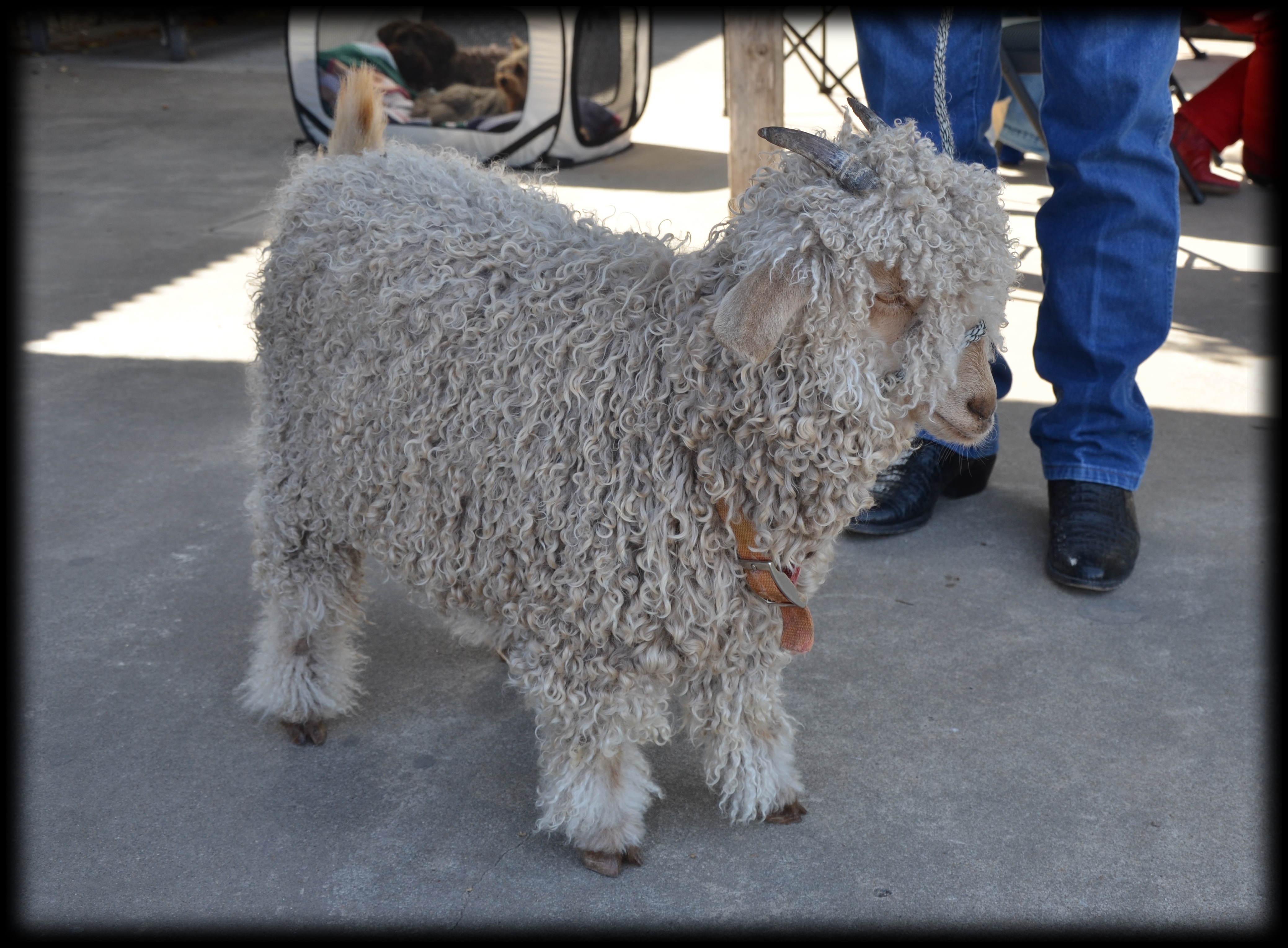
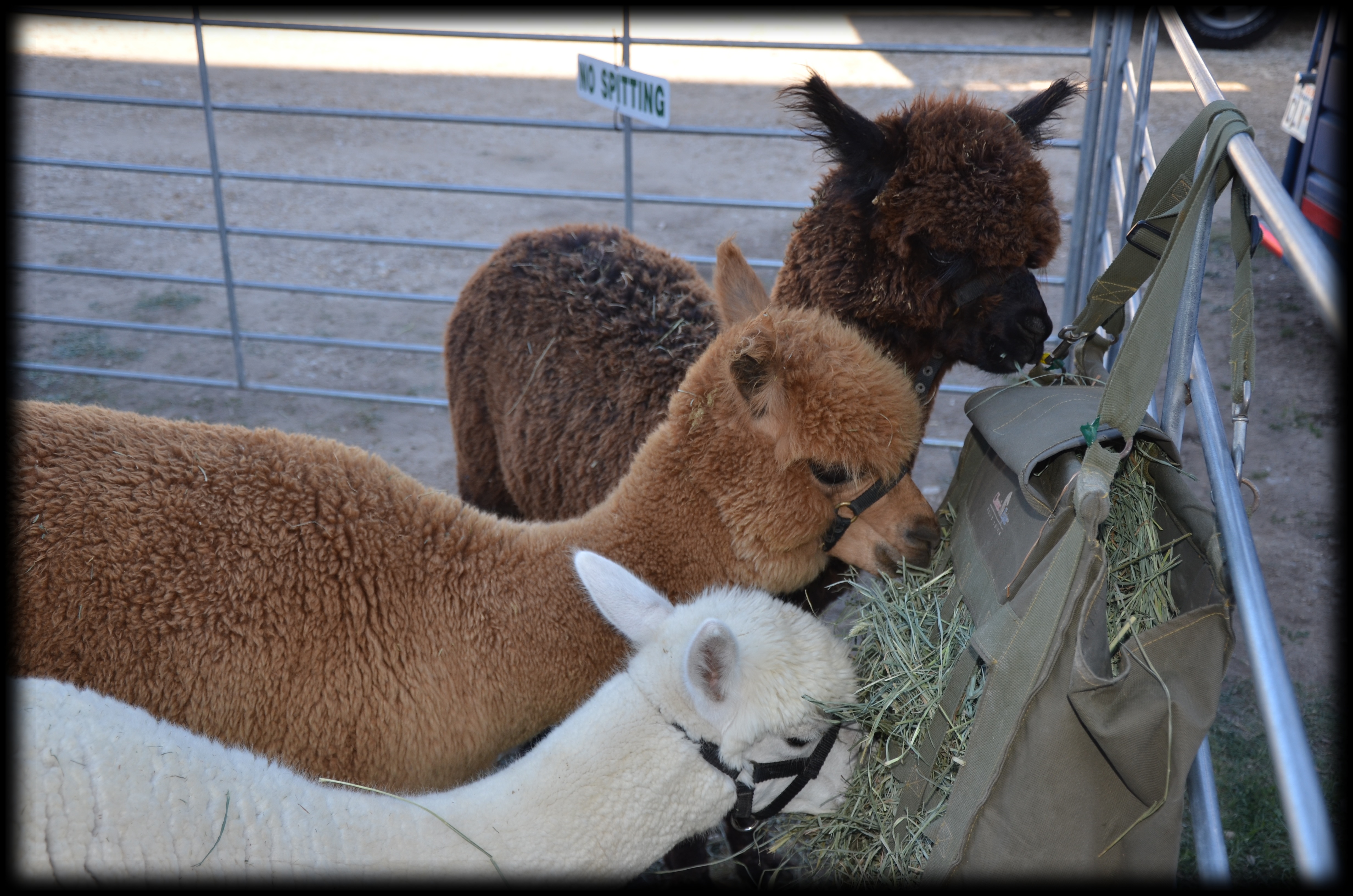
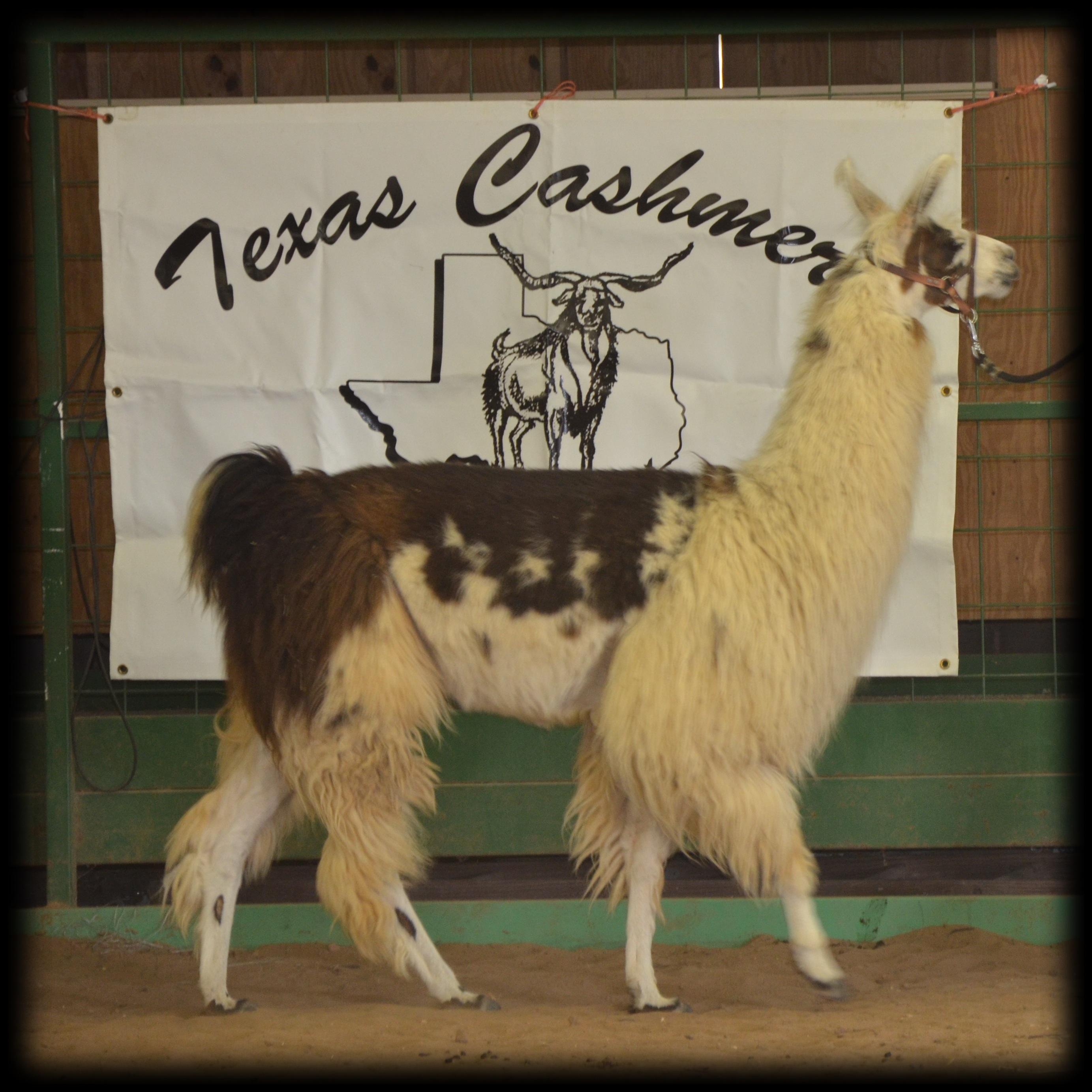
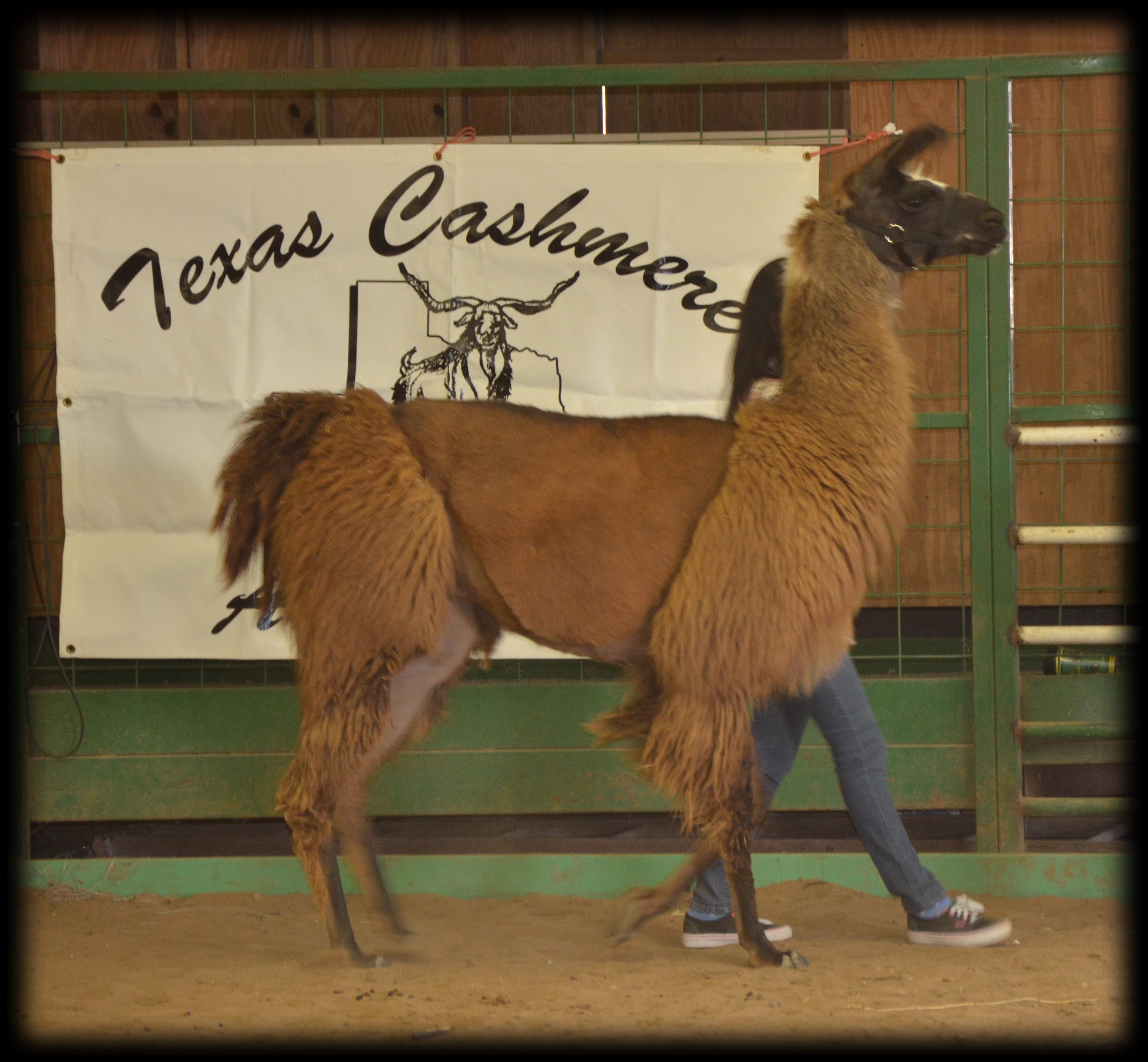
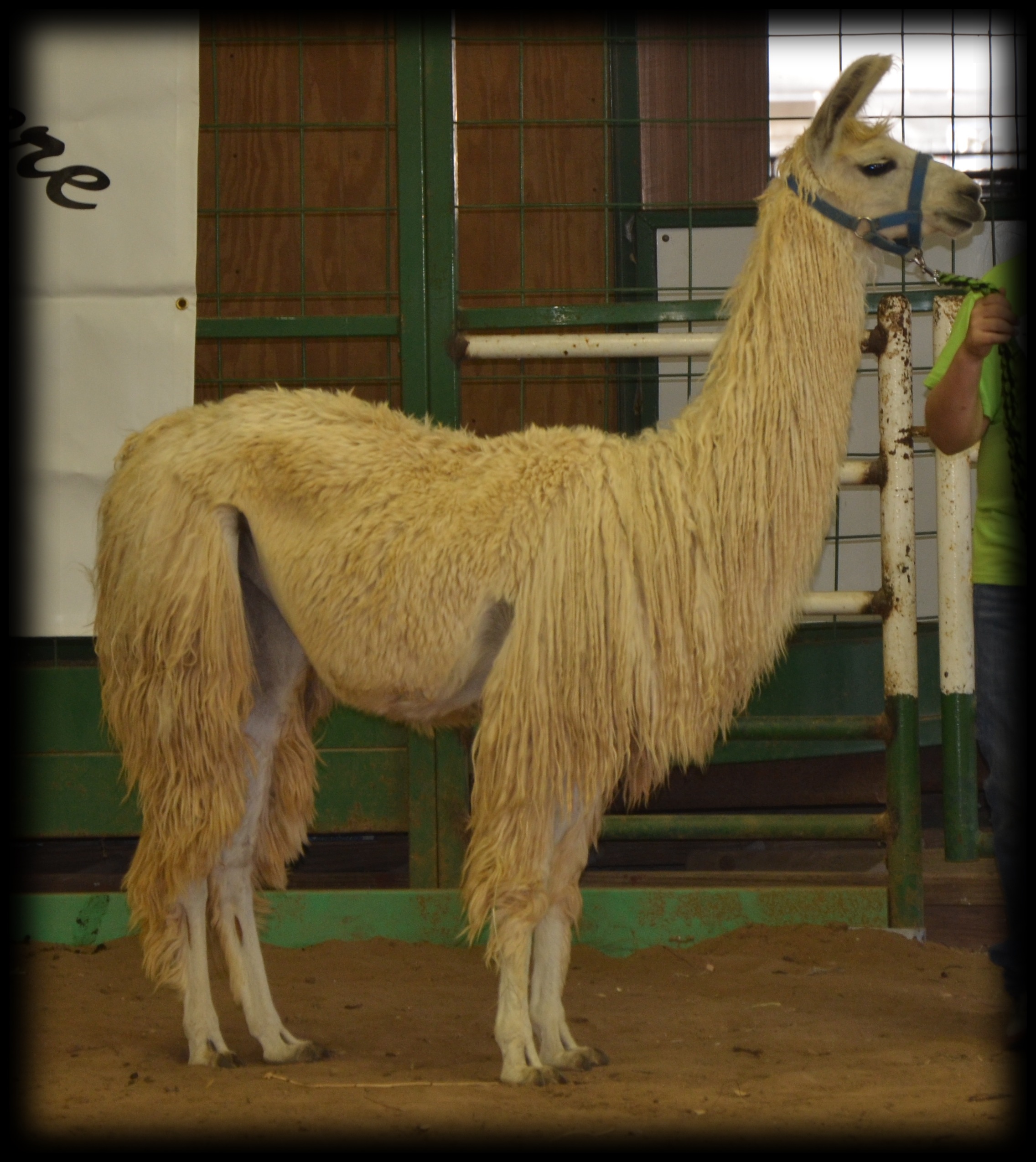
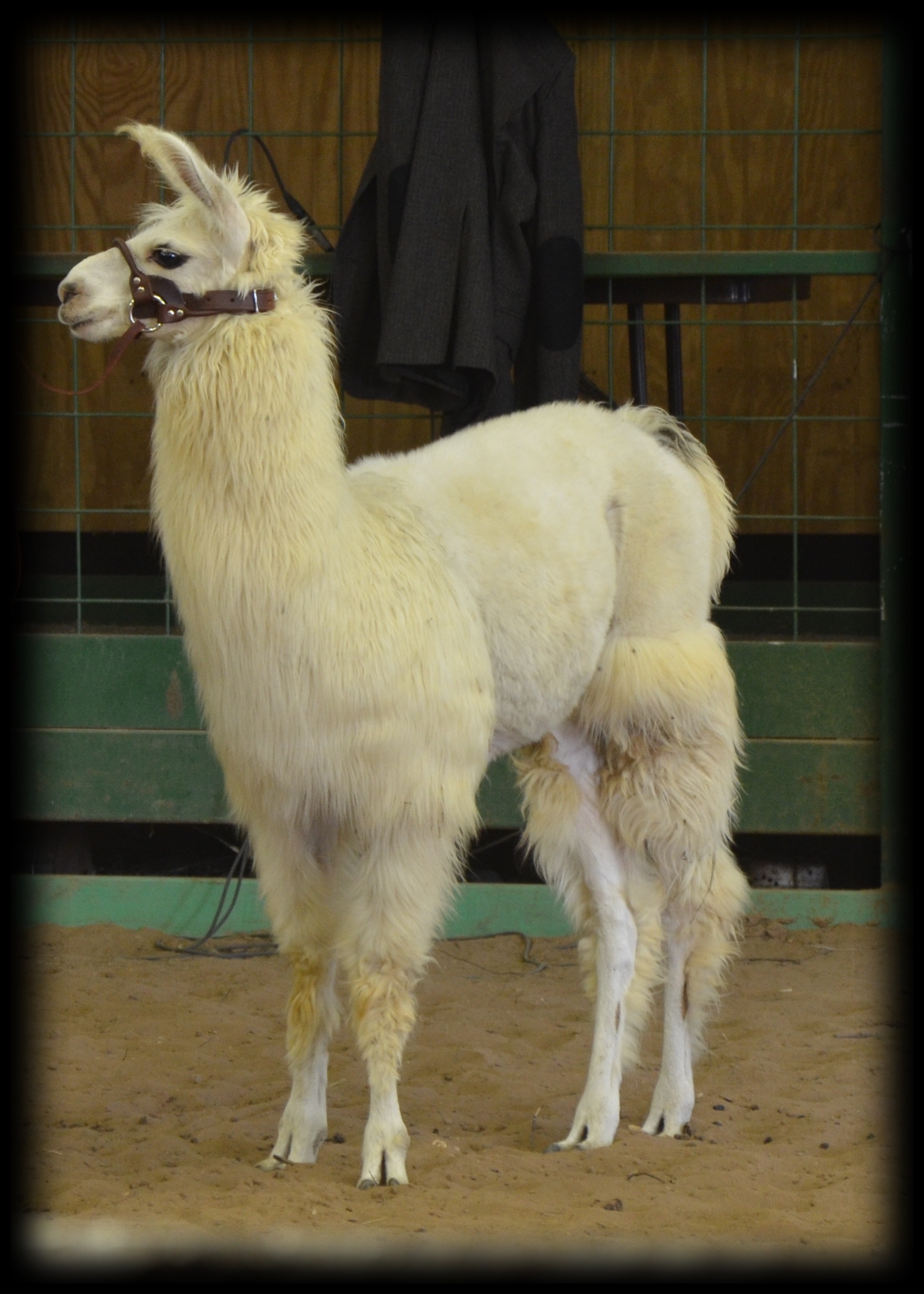
The 2011 festival was sponsored by the South Central Llama Association, the State of Texas Alpaca Ranchers, and the Texas Cashmere Association. You can read about the festival’s history here.
One of the steps in knitting that brings me a sense of satisfaction is getting to the part of the pattern that reads “Bind off. Weave in ends.” That’s when I know I’m almost done! Even though I enjoy the process of knitting itself – selecting the yarn, figuring out what I’m going to make with it, casting on stitches, knitting and purling, and watching the design evolve – my impatient self eventually just wants to get to the final product. Here are a few of my recently completed projects.
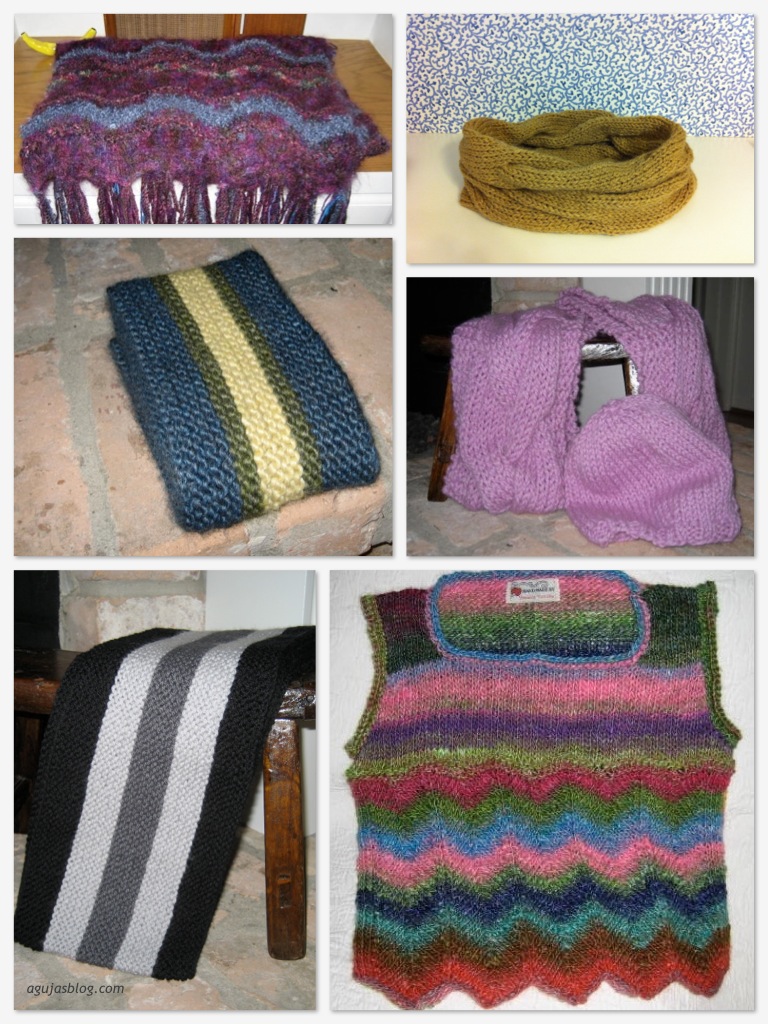
I had fun selecting the various yarns in purple hues with a punch of blue to make this Easy Scallop Throw. The pattern is by Colinette although I have to admit that I did not use Colinette yarns.
I made this Garter Stitch Scarf for my husband. I liked the blue and yellow with a racy green stripe in between. I used Peruvian Mirasol Sulka – 60% Merino Wool, 20% Alpaca, 20% Silk.
I also made him this Monochromatic Scarf in garter stitch, knit lengthwise. I used RY Classic Yarns Cashsoft DK – Extra Fine Merino and Cashmere. It’s a very simple pattern but the grays and blacks give it a nice, elegant look.
I kept seeing cowls in magazines so I decided to make one. I liked the look of this “Burberry” Style Cowl. Knit with Berroco Peruvia Quick – 100% Wool. Pattern here.
When I saw the Big Cable Scarf pattern in Men’s Knits by Erika Knight, I loved the look so much that I made it in lilac for me! I also knit a slouchy beret to match. It’s soooo soft in Plymouth Baby Alpaca Grande.
I fell in love with the incredible colors of Noro yarn and used it to make this top for my four-year old niece. I used Noro Silk Garden #87 and the Tamayo pattern from Noro Family.

