The Boy in the Suitcase

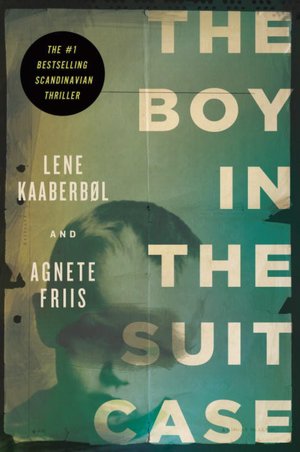
One activity that often competes with my knitting is curling up with a really good murder mystery or psychological thriller. You can do many things while knitting – listen to music, watch tv, have a conversation, sing – but you can’t hold a good book (or electronic reader) in your hands and read while knitting. I just finished The Boy in the Suitcase by Lene Kaaberbøl and Agnete Friis. It’s a #1 international best seller and won Denmark’s Best Thriller Award.
{source}

The title piqued my curiosity. It turns out that the book does revolve around a three year old boy found curled up in a suitcase, that was stashed in a public locker, inside a busy train station. Who he is and how he got there is the crux of the story.

The opening chapter instantly drew me in. An unnamed female struggles to push a heavy suitcase to a parking lot. Before heaving it into her car, she opens it and discovers the boy inside, barely moving but alive.

The ensuing pages weave the story introducing new characters with each new chapter. I made it about halfway through when I lost interest. It was hard to keep the characters straight. I kept having to flip back to old chapters to remind me of each character’s storyline. I think the culprit was poor character development. Even when I reached the end, I found myself questioning the character’s motivations. They simply didn’t feel plausible.

The story did start to come together more meaningfully in the last few chapters. I liked that the ending left the characters with possibilities for redemption. Also, the reasons why there was a boy in a suitcase are revealed. (As you can tell, I am deliberately avoiding spoilers).

There are some interesting aspects to this book beyond the main story. It seems to contain a social criticism of the plight of refugees in Denmark, particularly the exploitation of women into prostitution and child trafficking.

Overall, I would give this book 3 stars out of 5. I wasn’t overwhelmed by the prose or left with memories of endearing, memorable characters, but it’s a good read while relaxing in my comfy chair, with my yarns and needles on the floor beside me.

My Review ★★★☆ ☆
Knit Owls

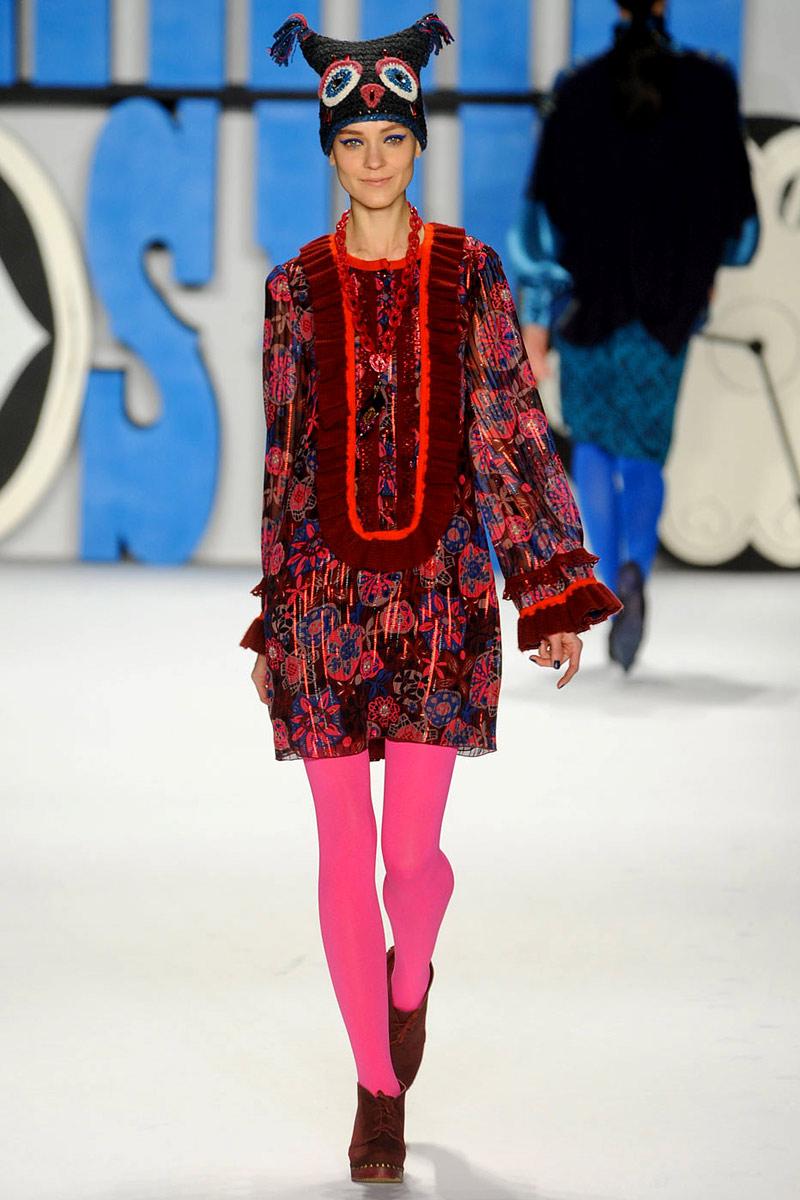
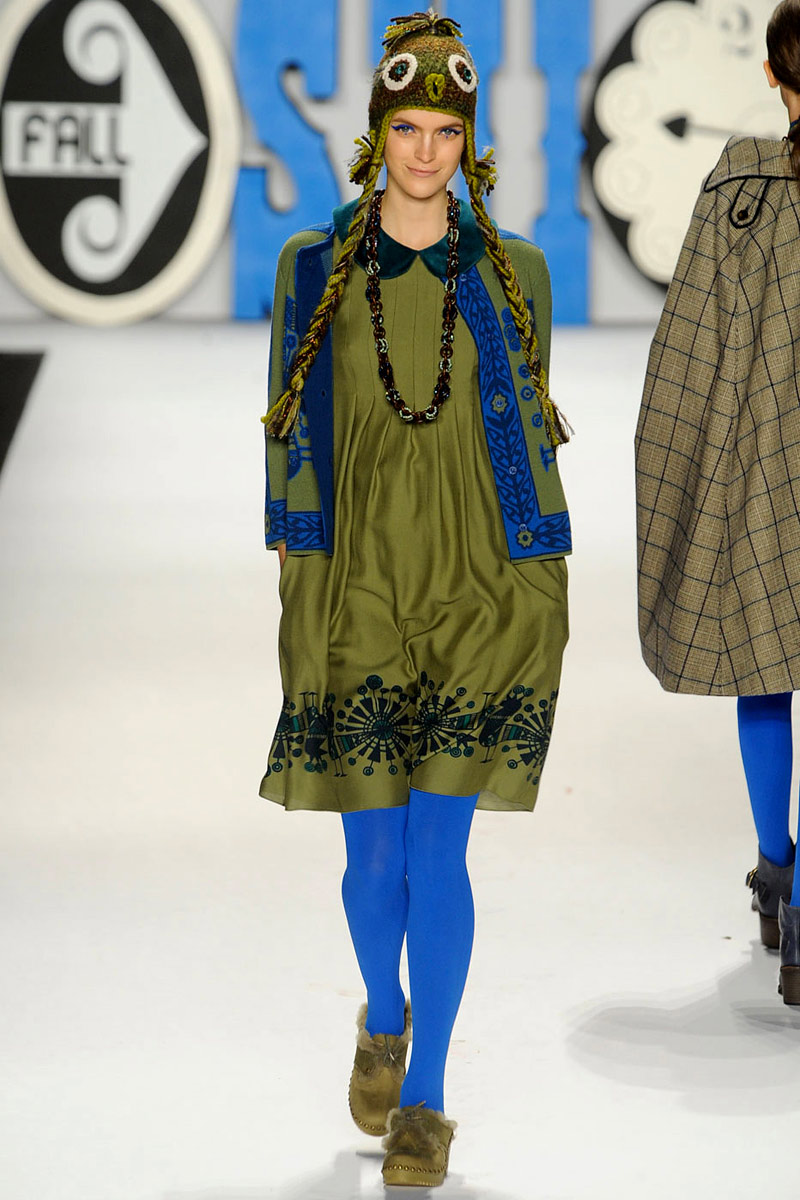
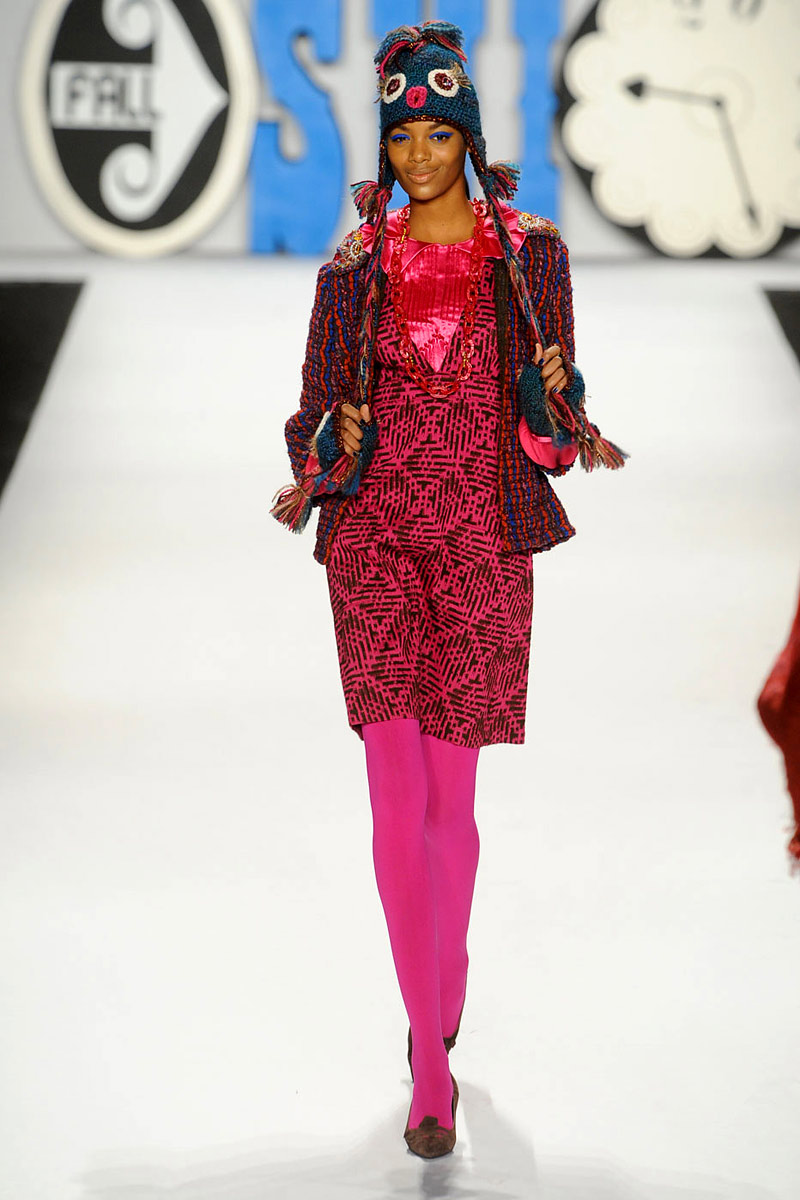
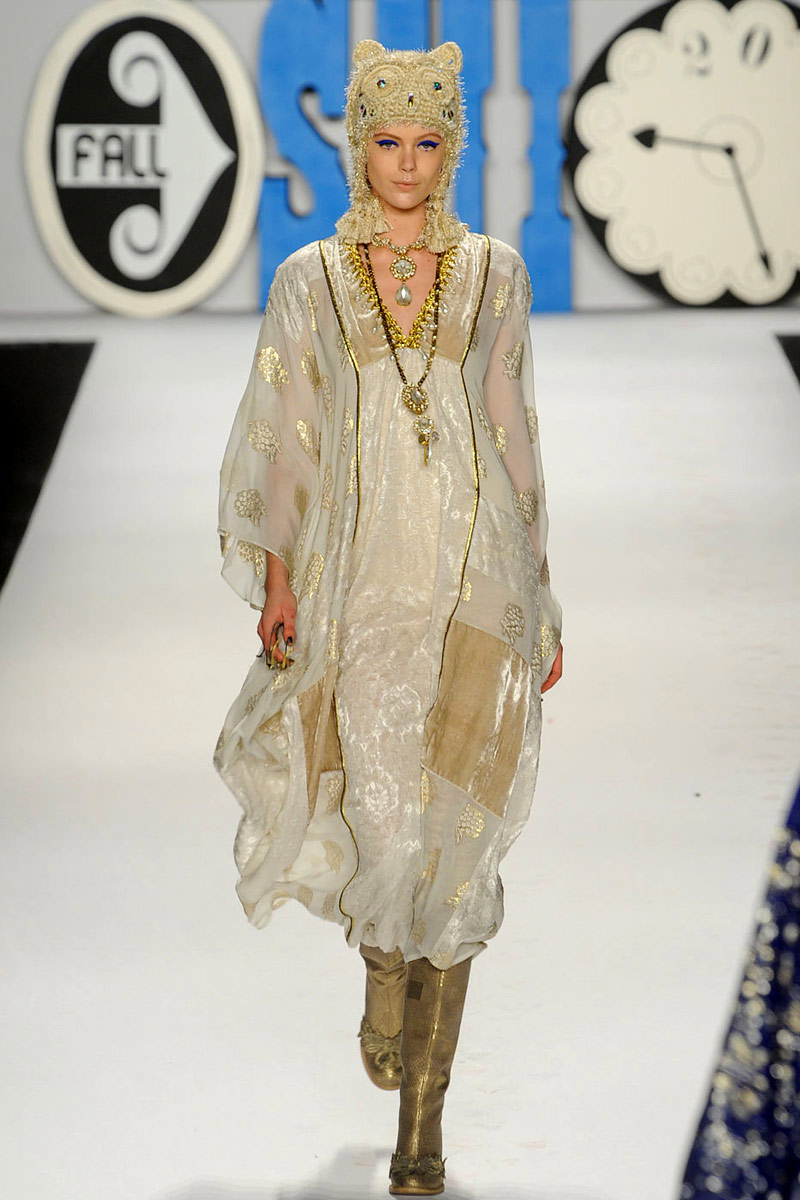
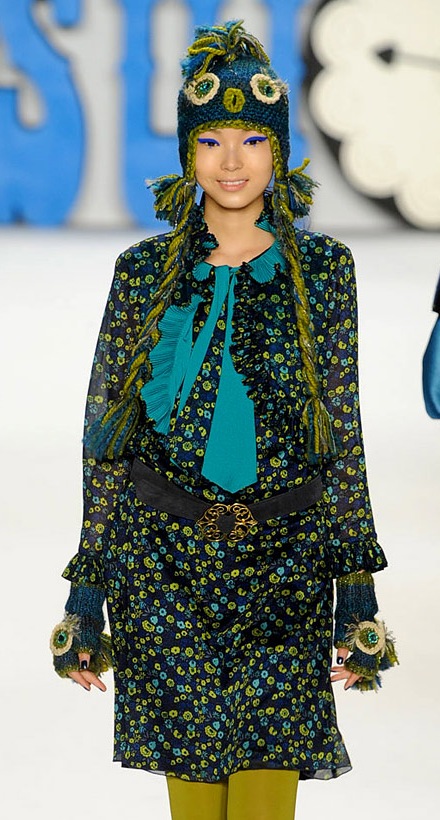
Flipping through pics of all the fabulous designs from New York Fashion Week, my eyes focused in on these whimsical knit owl hats. The knit hats are by designer James Coviello and were featured in Anna Sui’s Fall 2012 collection. Besides the bold colors and the smiling models, the hats added a bit of fun to the whole look. (Also see the knit owl gloves in the first pic). Who thought knit hats could be so cool? To see Ms. Sui’s full collection, go here (same source for all pics).

WIP – Electric Blue Avenue

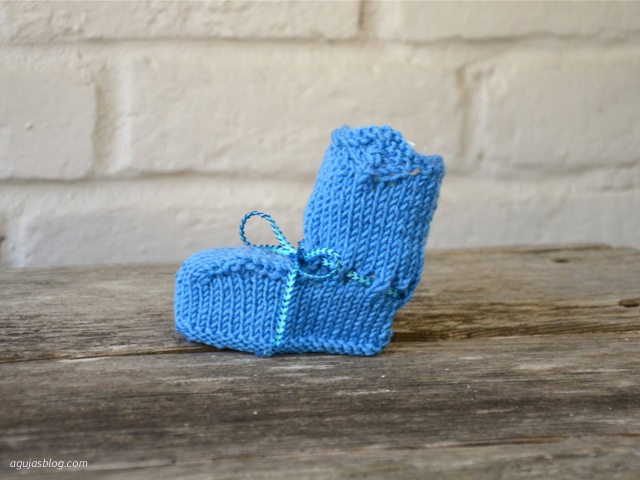
This lone bootie is one-half of an extended work-in-progress. I have a hard time knitting in pairs. Just when I experience the satisfaction of finishing one item, I sigh at the prospect of having to start all over again with the second.

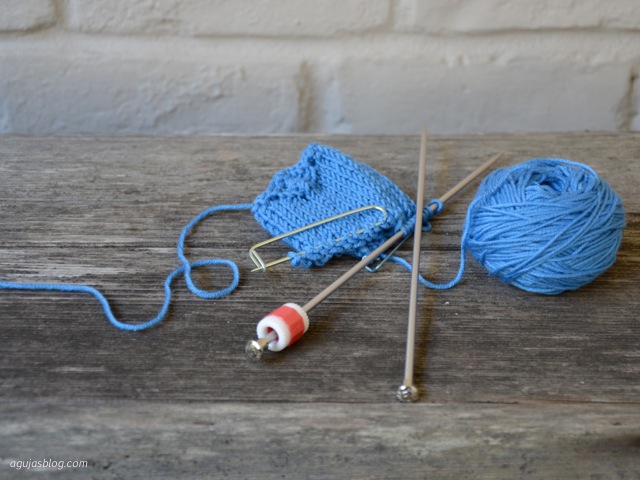
The second bootie was languishing on its needles from lack of attention.

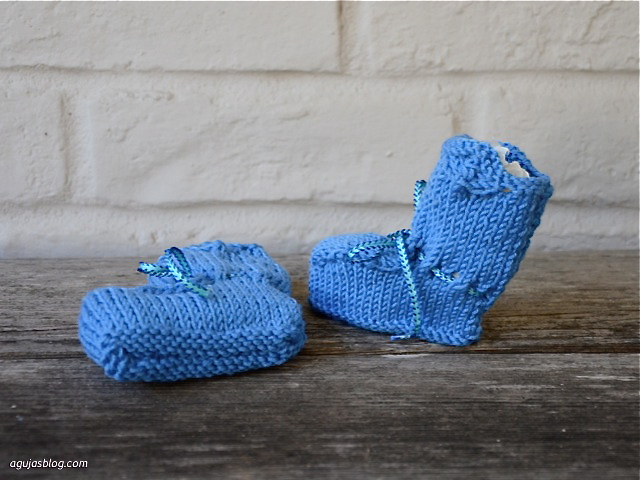
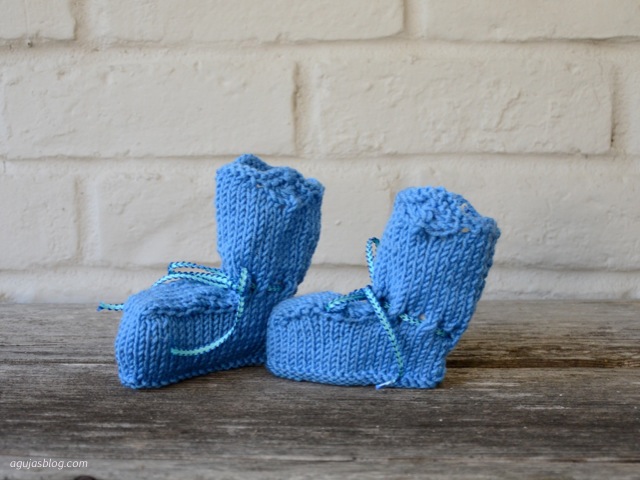
I used Debbie Bliss baby cashmerino in color #340032. I call it “electric blue.” This baby soft yarn is made in Italy from 55% Merino wool, 33% Microfibre and 12% Cashmere. One ball is more than enough for a pair for wee little feet. So after MONTHS of dangling around, I finally took up the needles and finished bootie #2.

Now all I need is a bouncing boy baby shower invitation and I’m all set.

Spinning Doodads

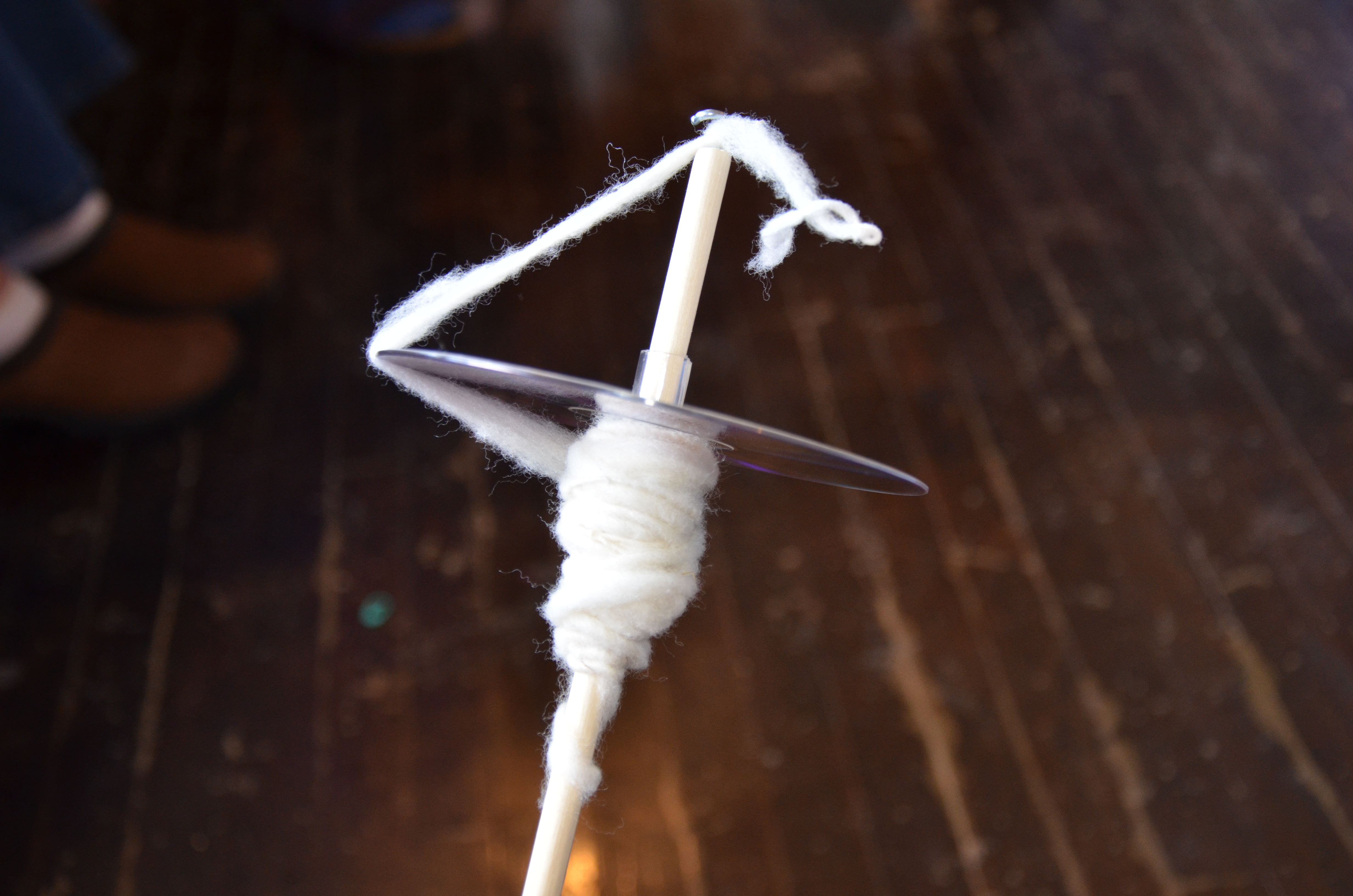
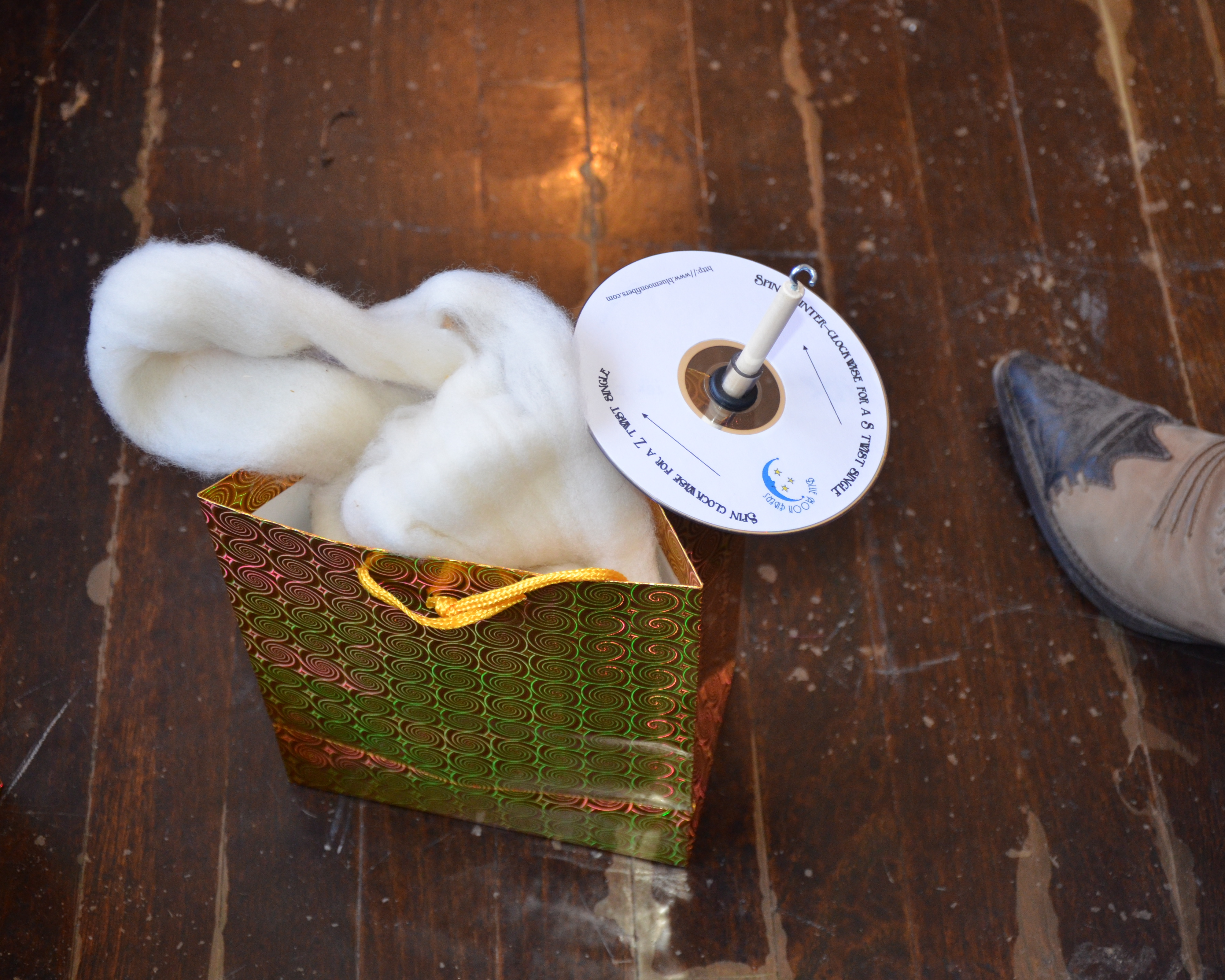
At the Kid’N Ewe Fiber Festival, there were a myriad of tools for spinners and weavers alike. This clever top-whorl spindle was made by BJ Heeke, the instructor for the “So You Wanna Be A Spinner?” class. The instructions on the CD read: “Spin counter-clockwise for an S twist single. Spin clockwise for a Z twist single.” Made from a CD, a 5/16 inch dowel, ligatures (tiny rubber bands used for braces), and a metal hook. Weighs 1.2 oz. You can order your custom-made spindle at Blue Moon Fibers.

My first spun yarn!

Here’s a snapshot of my materials for the beginner spinning class.

My first fiber stash.

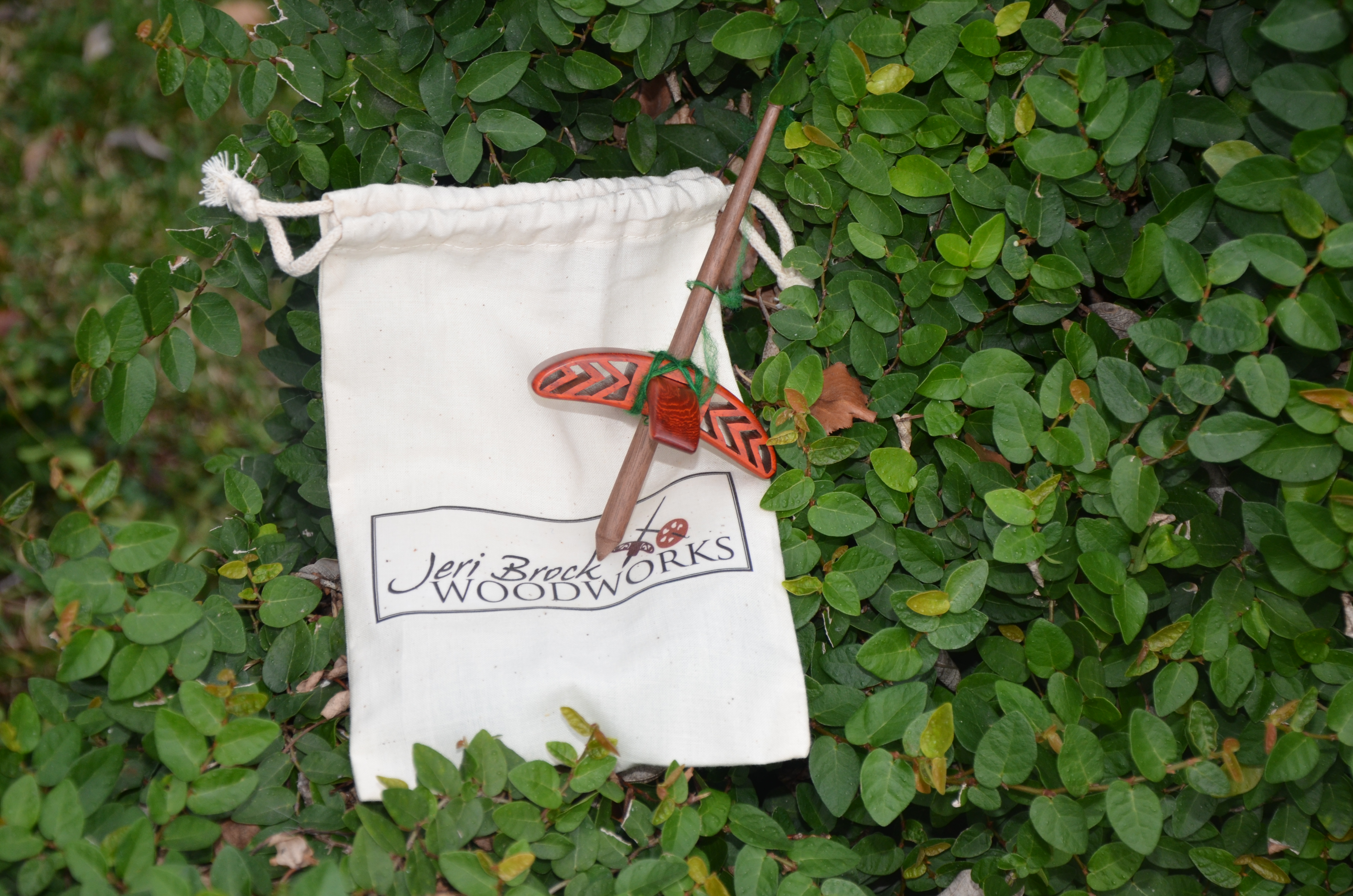
This is a high-quality, hand-crafted Turkish spindle by Jeri Brock Woodworks. Jeri showed me how easy it was to use this beautiful tool. The spindle is constructed from padauk wood for the arms carved with a chevron pattern and a cherry wood shaft. See more of Jeri’s Turkish spindles here.

Turkish spindle.

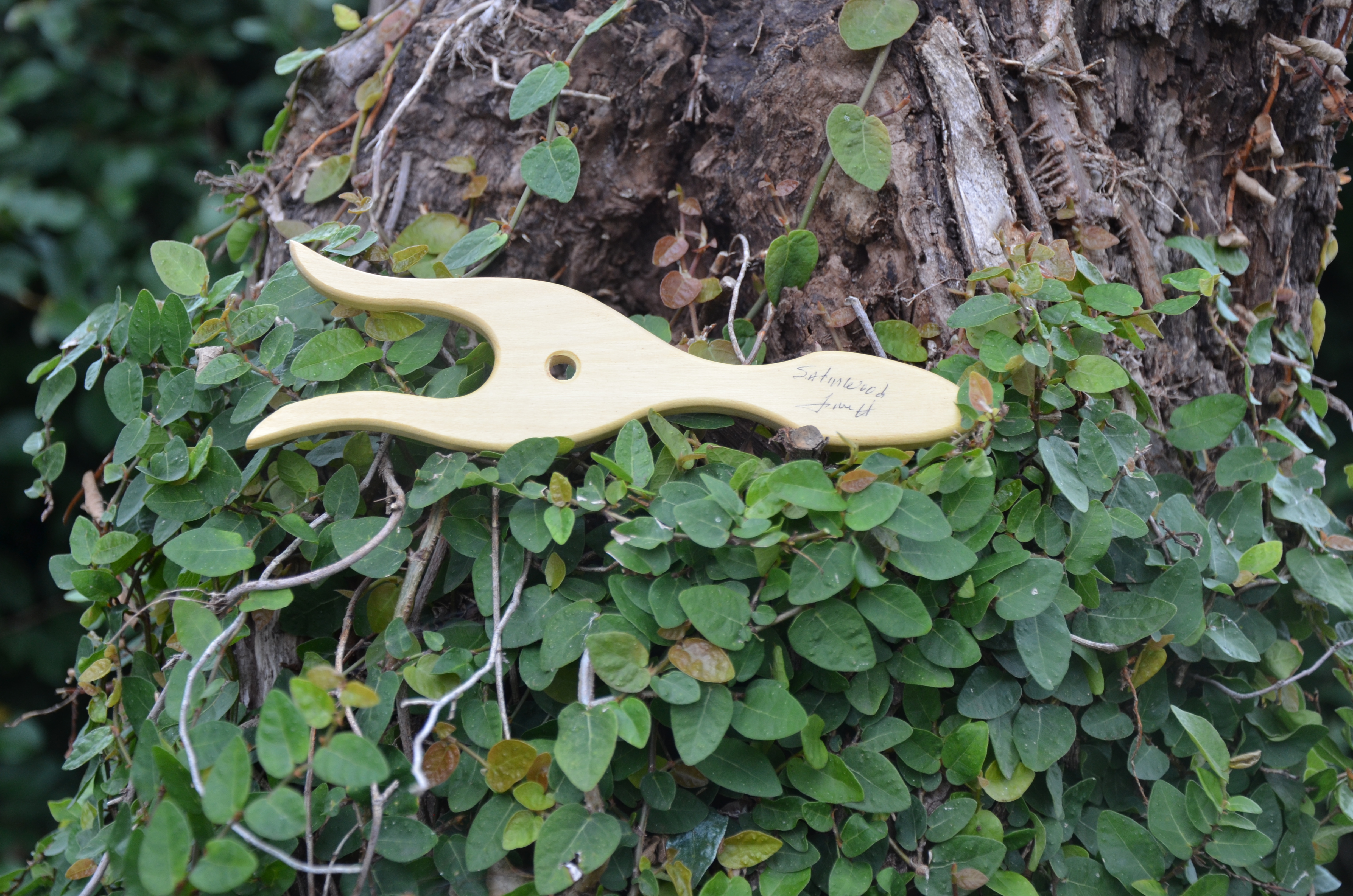
I picked up this handcrafted lucet to create a strong, attractive cord.

Satinwood lucet from Hokett Would Work. Contact would.work@yahoo.com.

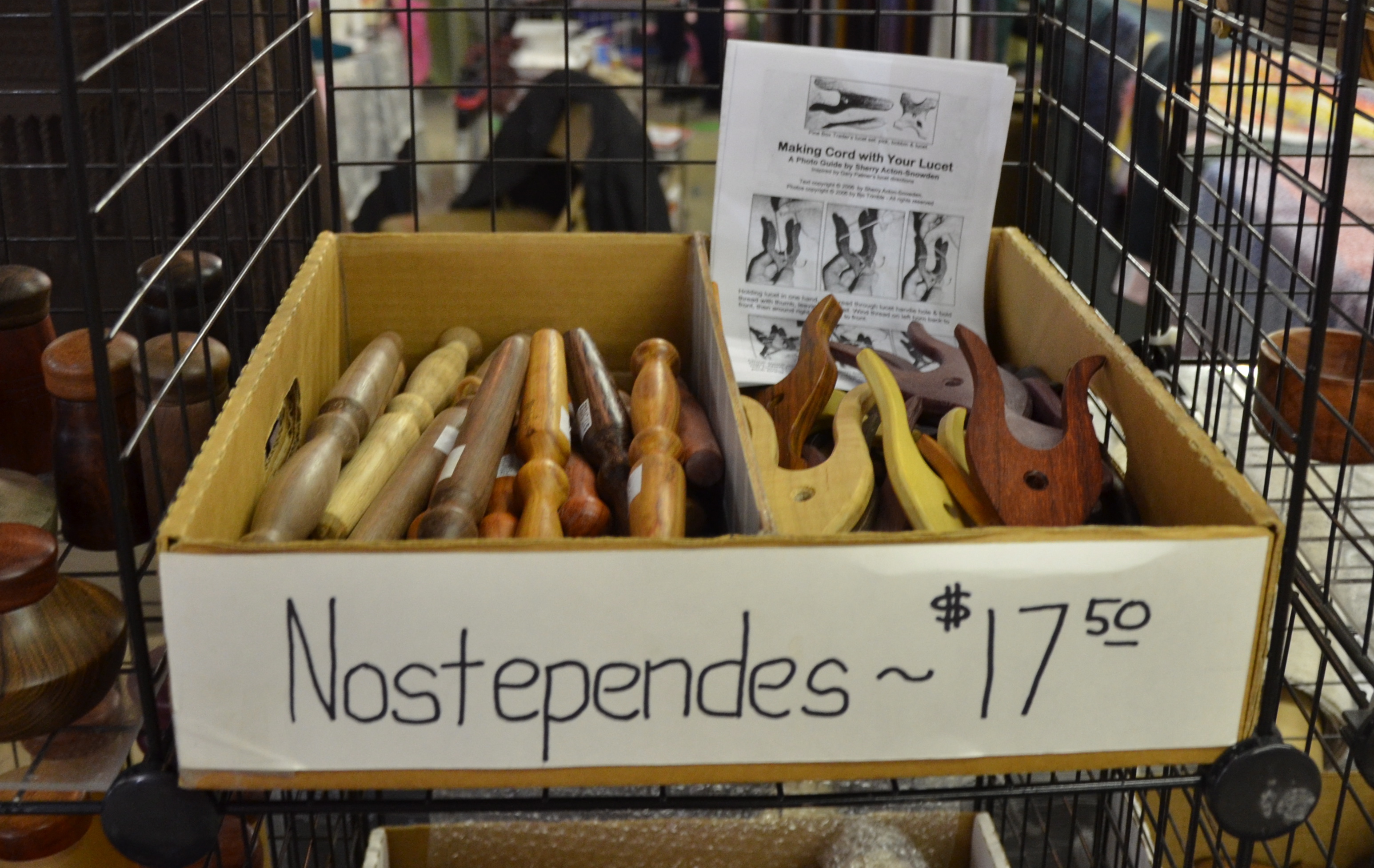
I took a picture of these nostependes but had no idea what they were for. I did a quick search on the web and discovered that this tool is used to wind a ball of yarn! It’s origin is apparently Norwegian and can also be written “nostepinne.” I found a great explanation of how to use this tool at the Hatchtown Farm blog. You learn something new every day!

Nostependes & Lucets.

Kid'N Ewe Festival 2011 - LOGO

{Logo image source}