Visual Inner Structure

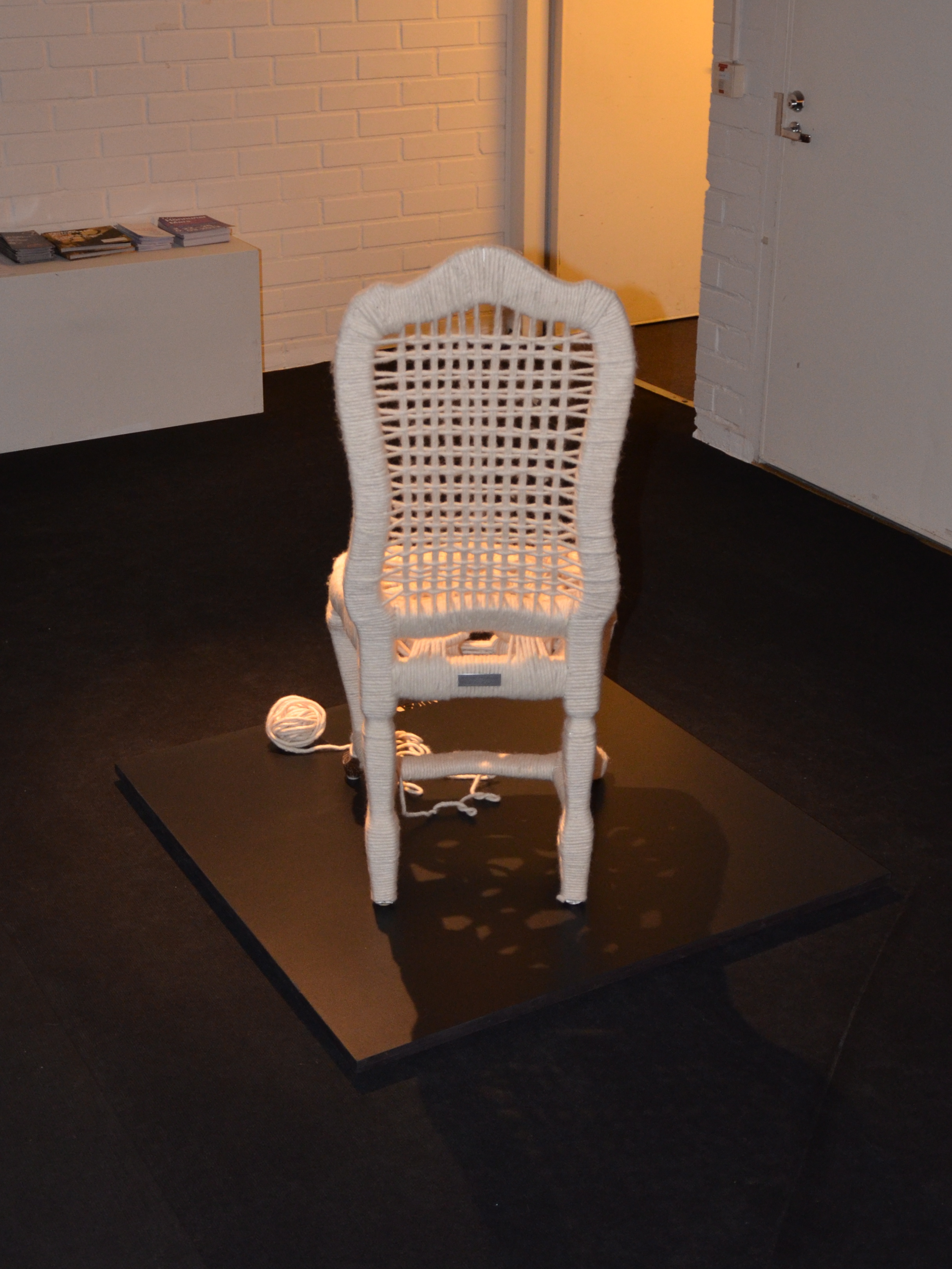
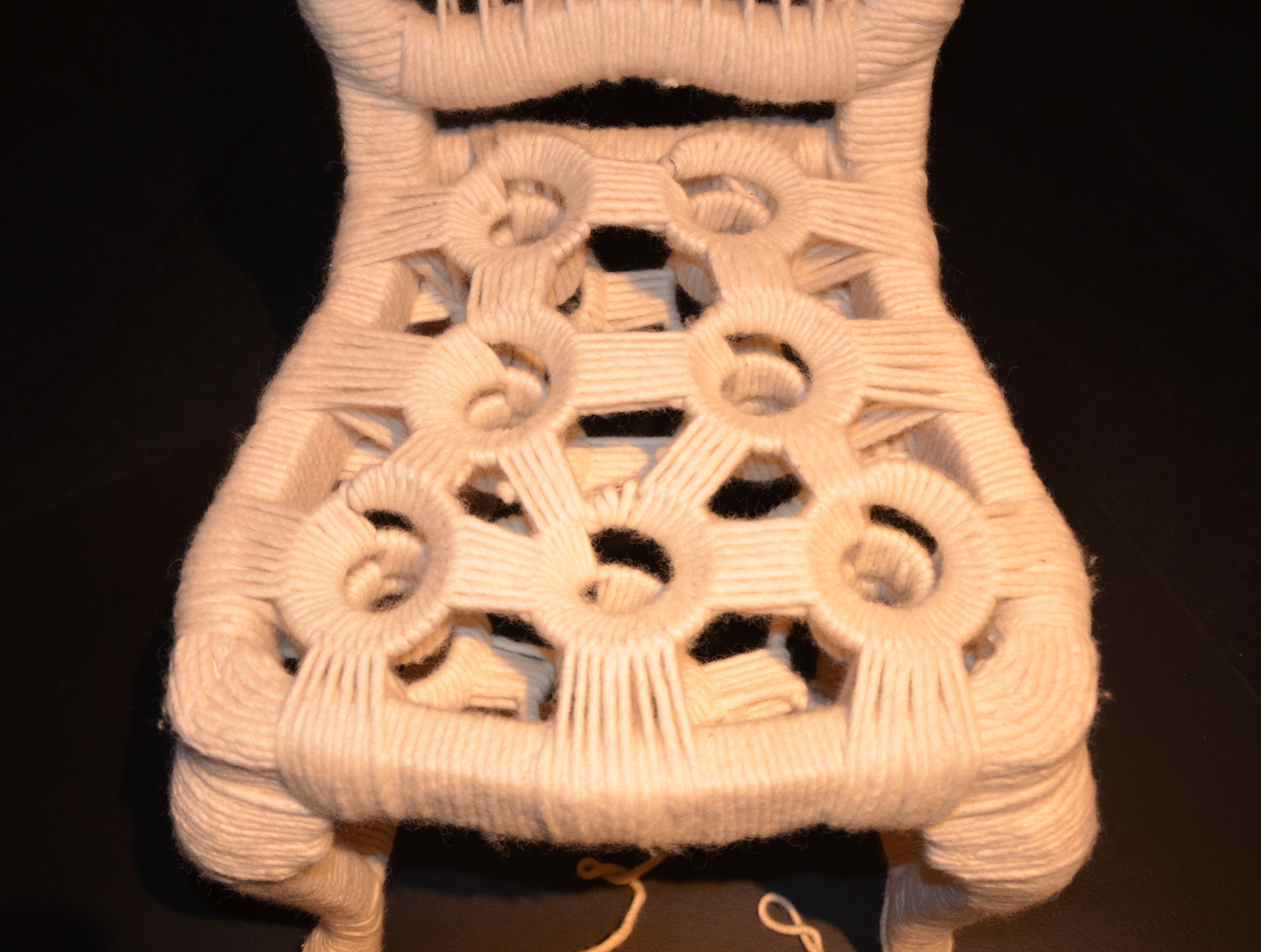
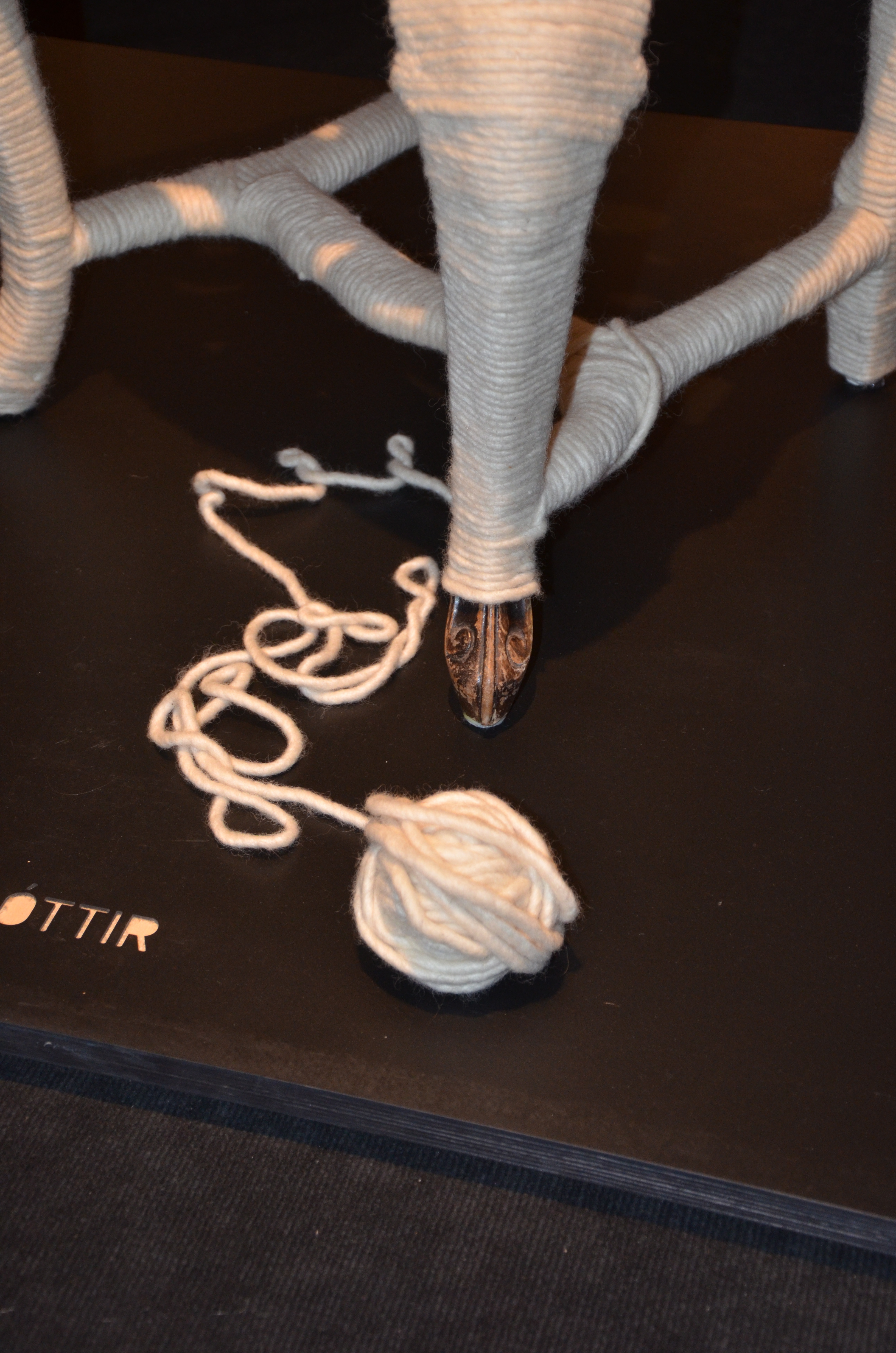
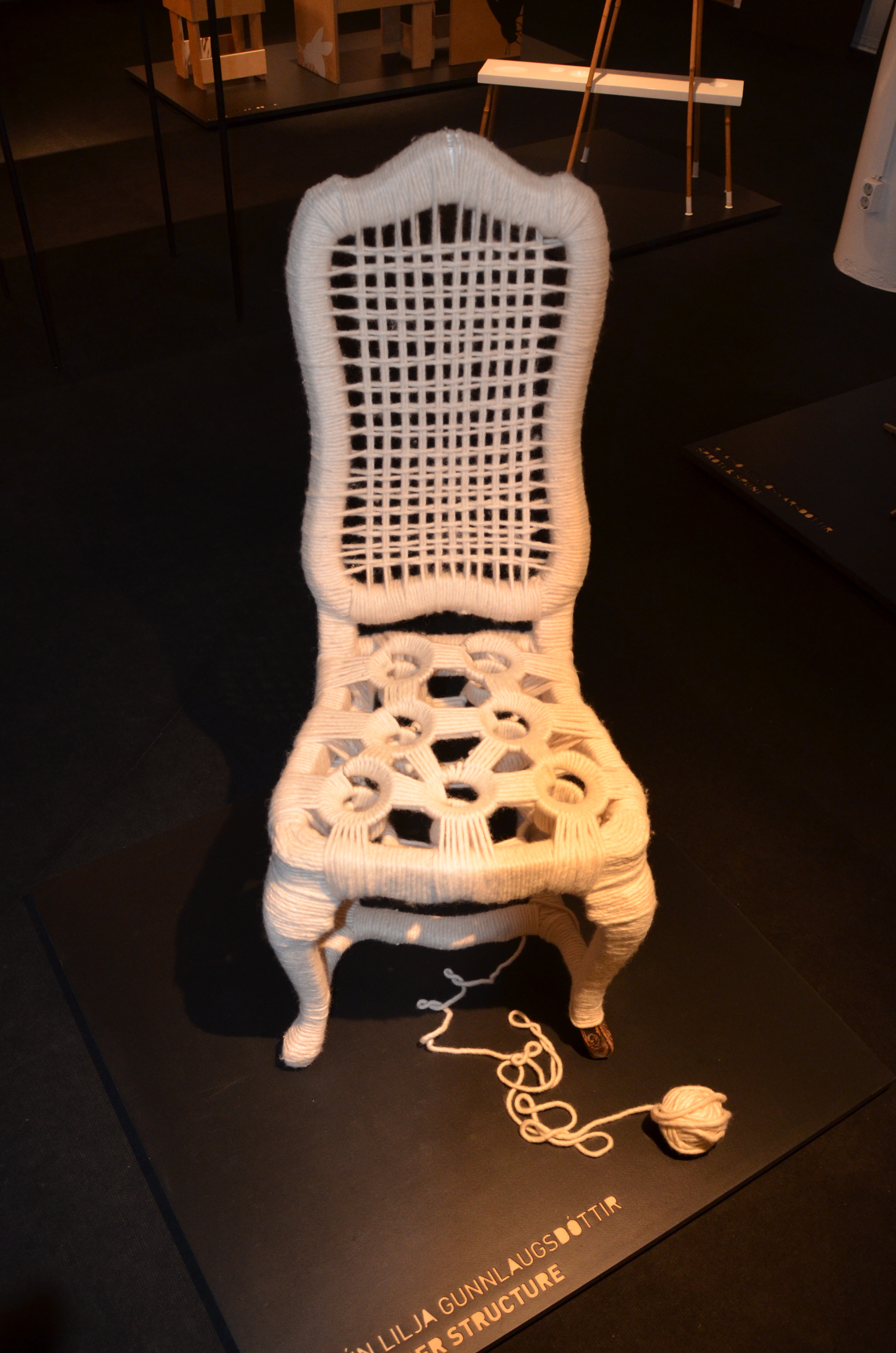
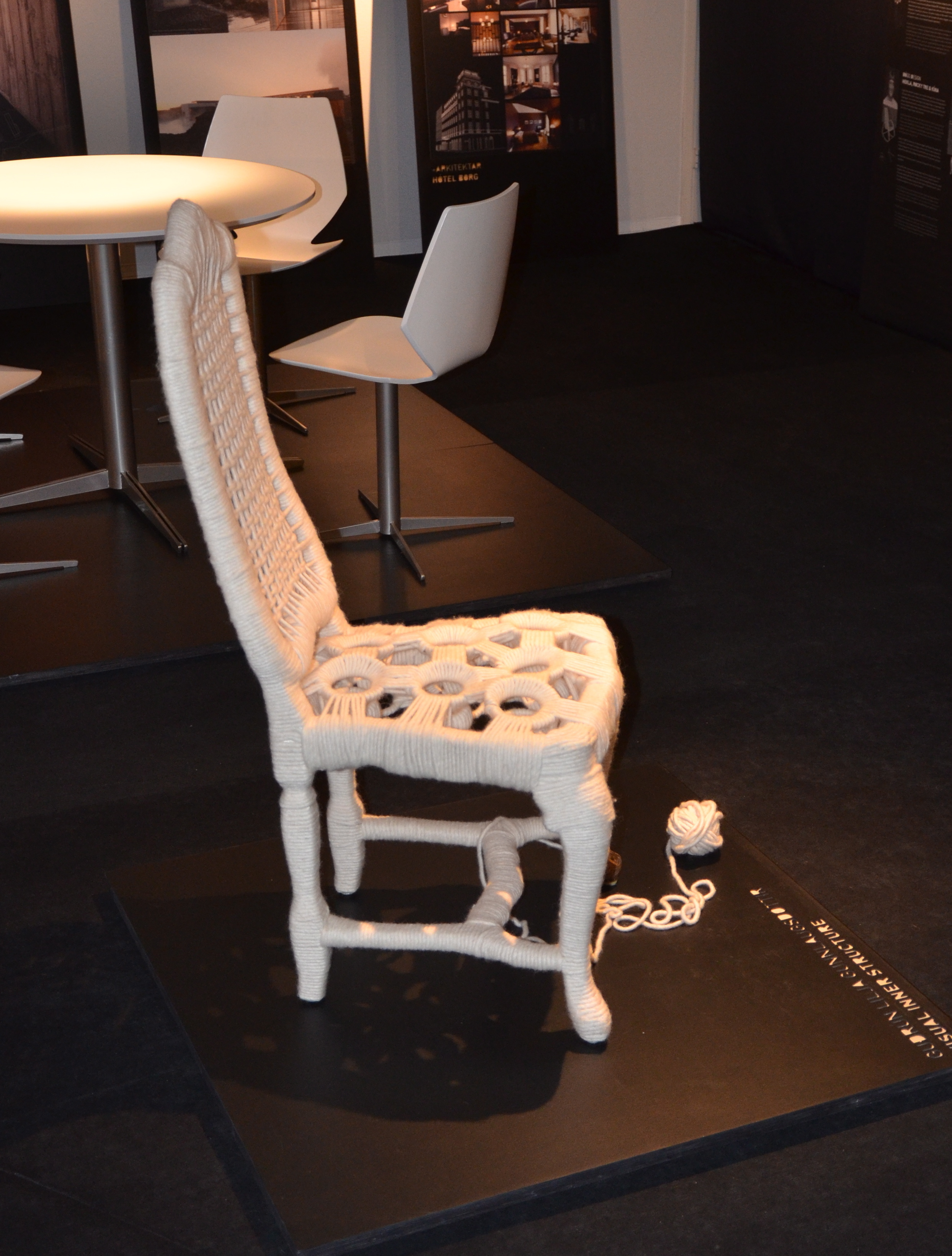
During our time in Helsinki, we practically ran into this exhibit featuring designers from Iceland. The Icelandic Contemporary Design exhibit showcases modern Icelandic designers in the categories of furniture, product design and architecture. What caught my eye was this chair – it was covered in thick white yarn! The chair is called “Visual Inner Structure – Second Life of a Chair” and it is the work of Icelandic designer Gudrún Lilja Gunnlaugsdóttir. According to the exhibit, the designer was inspired to create the chair from her experience working with refugees. The chair represents the life of a refugee who is stripped of everything – her past, family, belongings – to start a new life in a new land. The designer then uses yarn to weave a new life for the chair. Here are various views of the piece.
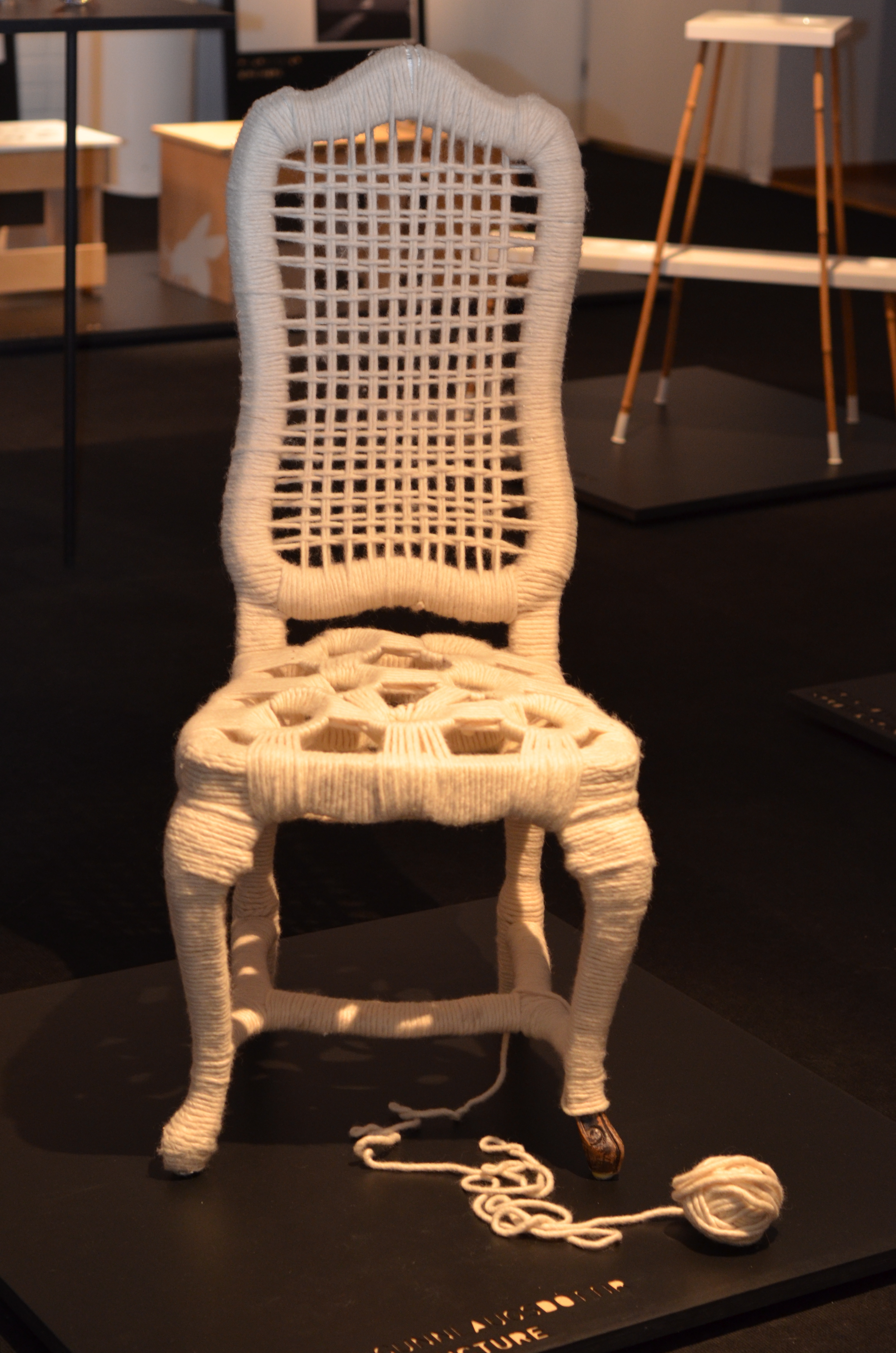
Visual Inner Structure - front view.
Visual Inner Structure - side view.
Visual Inner Structure - back view.
Visual Inner Structure - close up of seat springs.
Visual Inner Structure - close up of chair leg and ball of yarn.
Visual Inner Structure - angled front view.

The designer studied at the Design Academy Eindhoven and formed a company called Studiobility, which strives to bring together art and product design. Read this press release about the Icelandic Contemporary Design exhibit in Helsinki. The press release lists all of the designers in the exhibit with links to each of their biographies or websites.
Out and About in Helsinki

It’s no wonder that Helsinki was chosen as the most livable city in 2011 by Monocle’s annual Quality of Life survey. After spending just a few days there, I was ready to pack up and move. There are several reasons why I loved Helsinki. It’s a walkable city. We walked everywhere. There are wide open sidewalks and pedestrian walkways between buildings. Everything seemed to run smoothly, including the public rail system. It’s unpretentious. The skyline is modest with only a couple of recognizable rooftops on the horizon, including the immaculate white walls and green domes of the Helsinki Cathedral. Everyone was nice. Period.

I loved the emphasis on good design. Walking along the boutiques and workshops in the Design District was inspiring, if not humbling. Everywhere there was an appreciation for all things handcrafted. I even liked the weather. Granted, we were not there in the peak of winter, but it was certainly cold by Texas standards. Nonetheless, I found the cold refreshing and walking around in only 6 hours of sunlight was interesting. Here are my memories of Helsinki.

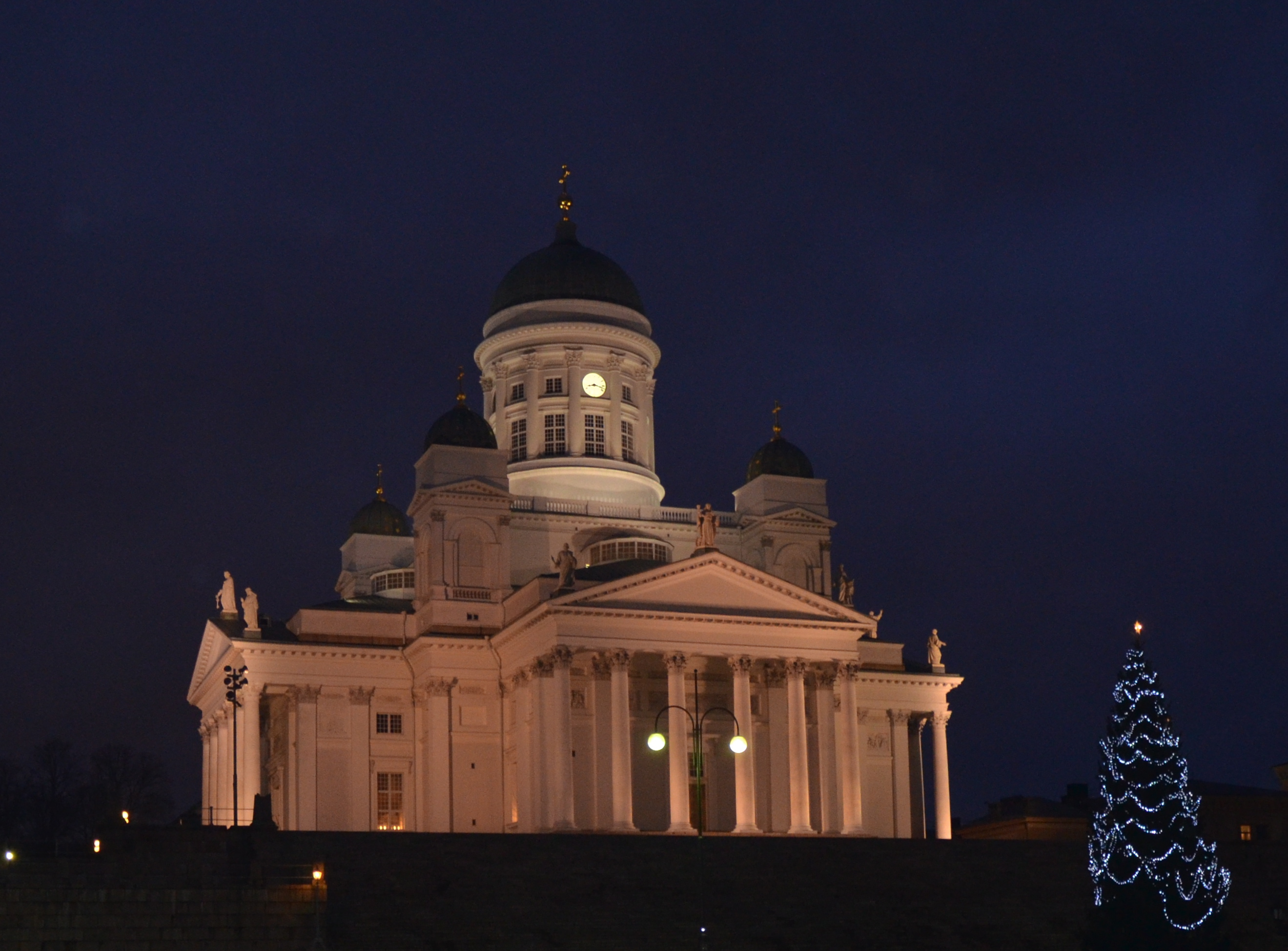
Helsinki Cathedral in the evening.
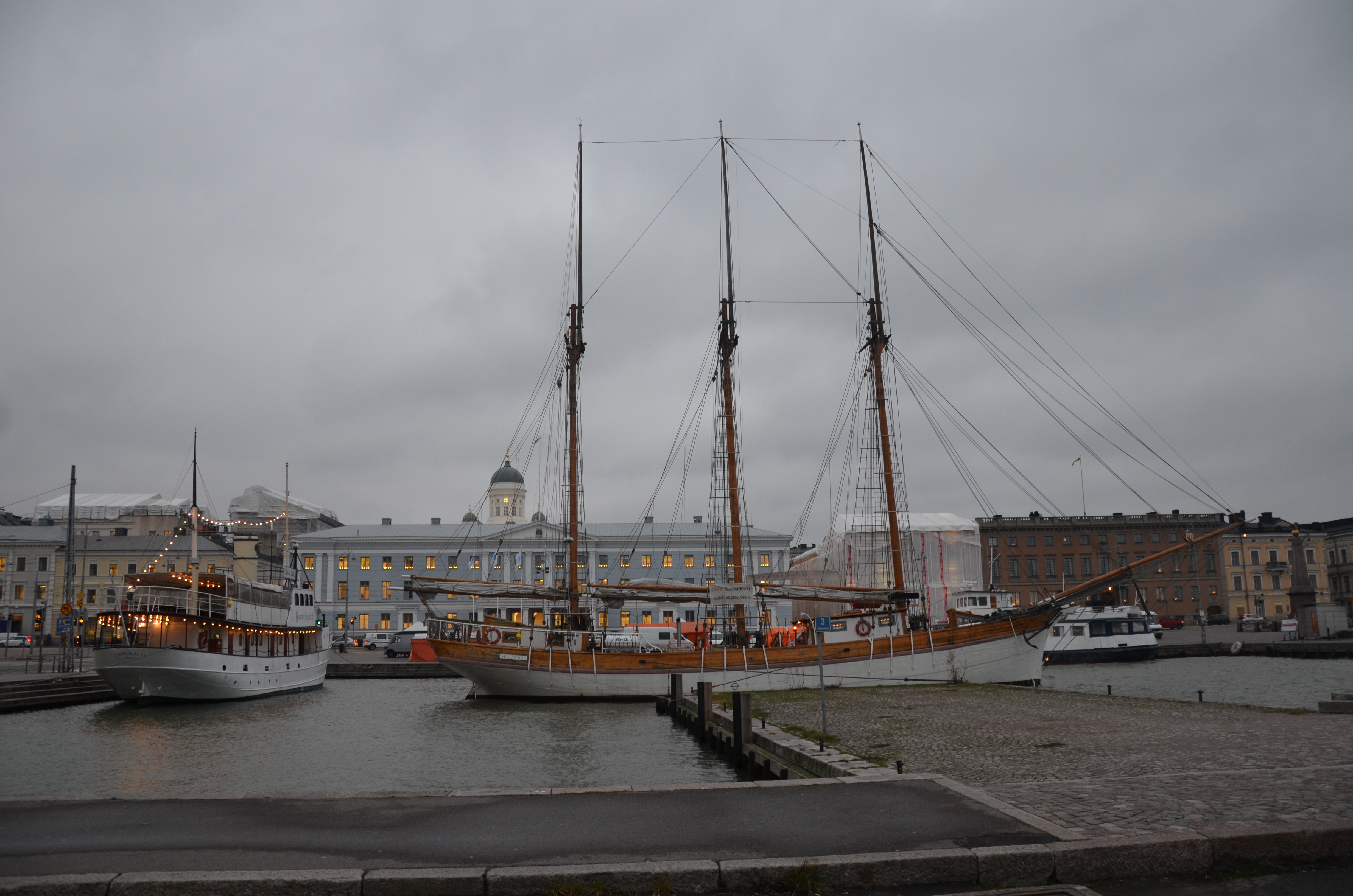
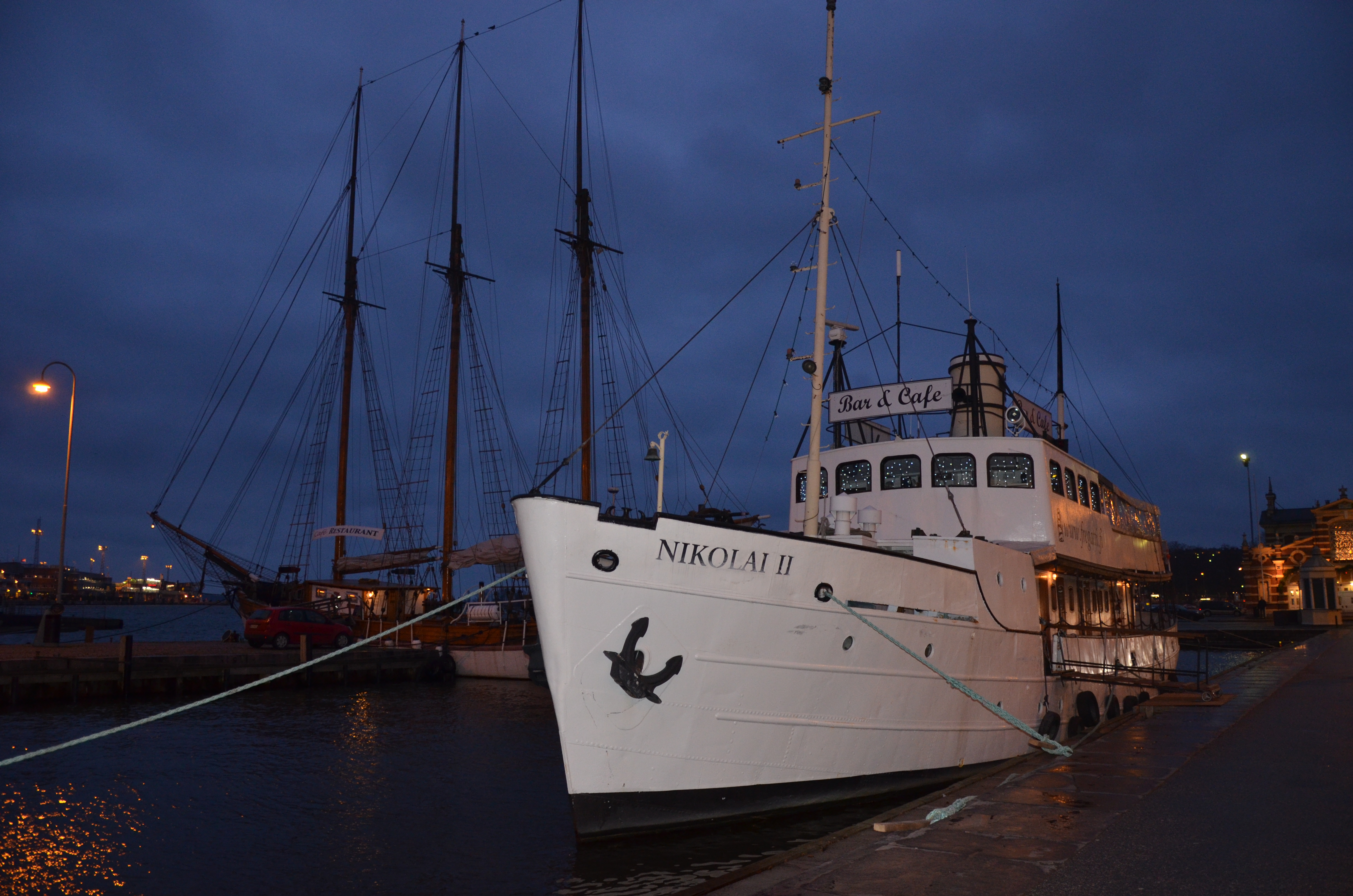
Along the harbor next to the Baltic Sea before sunrise.
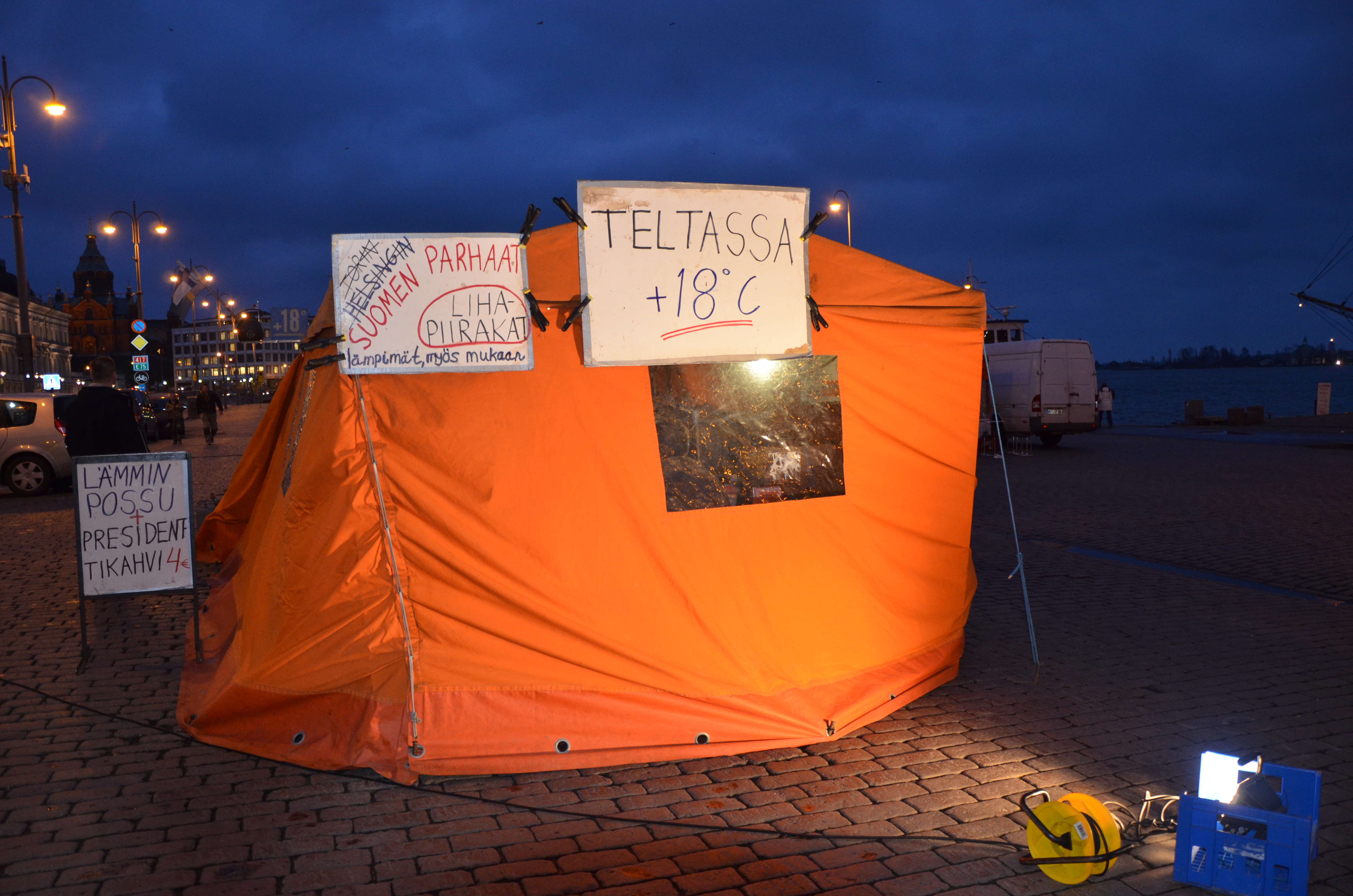
At Kauppatori Market Square. The sign says it all.
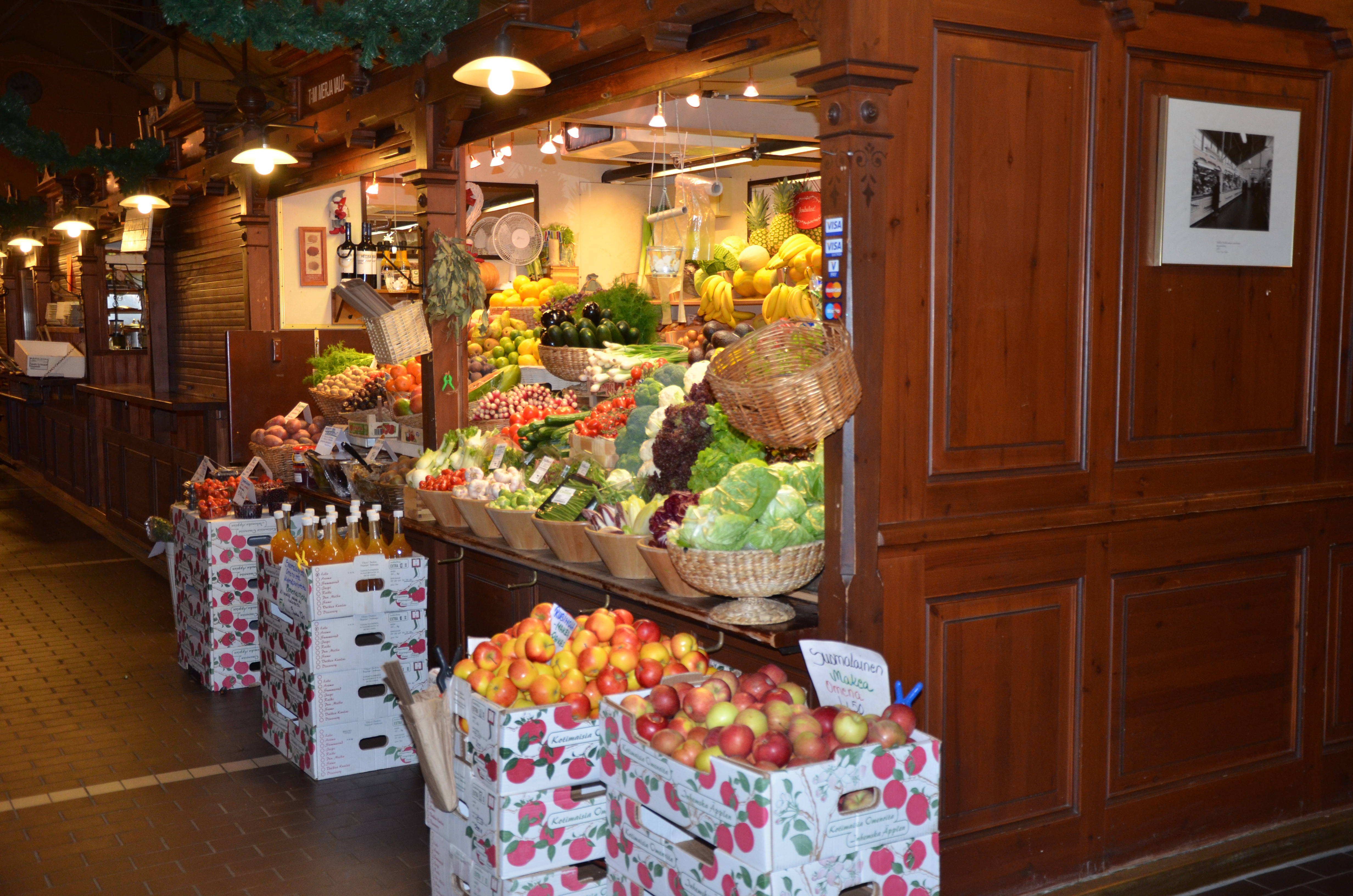
Fruits and veggies inside the old market hall. You could also find fresh salmon steaks, herring and reindeer at the fresh meat stalls.
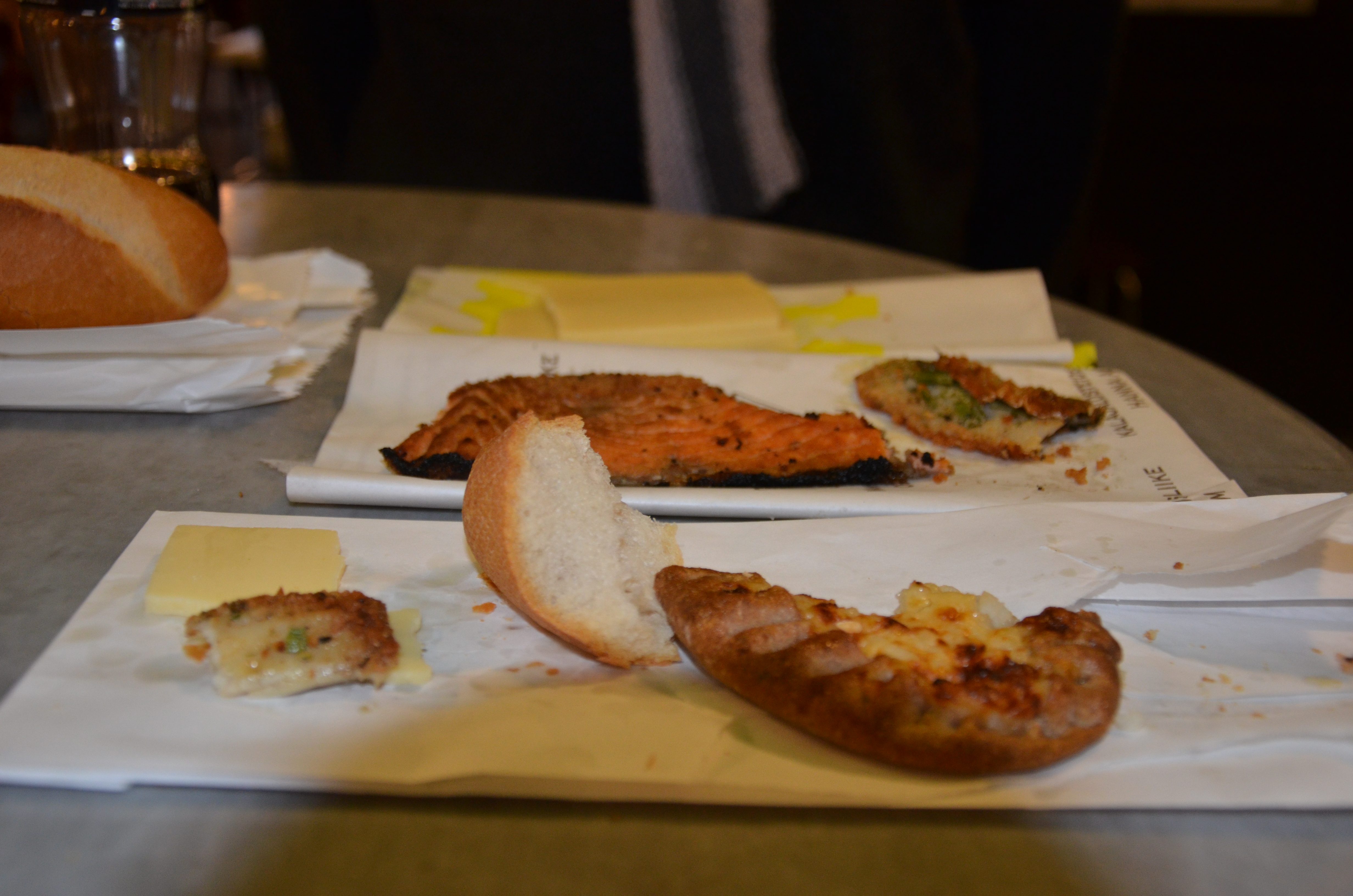
A Finnish breakfast - grilled salmon, fried herring, salty rice cake, cheese and fresh bread.
Sun's coming up. Time is about 10:30 am.
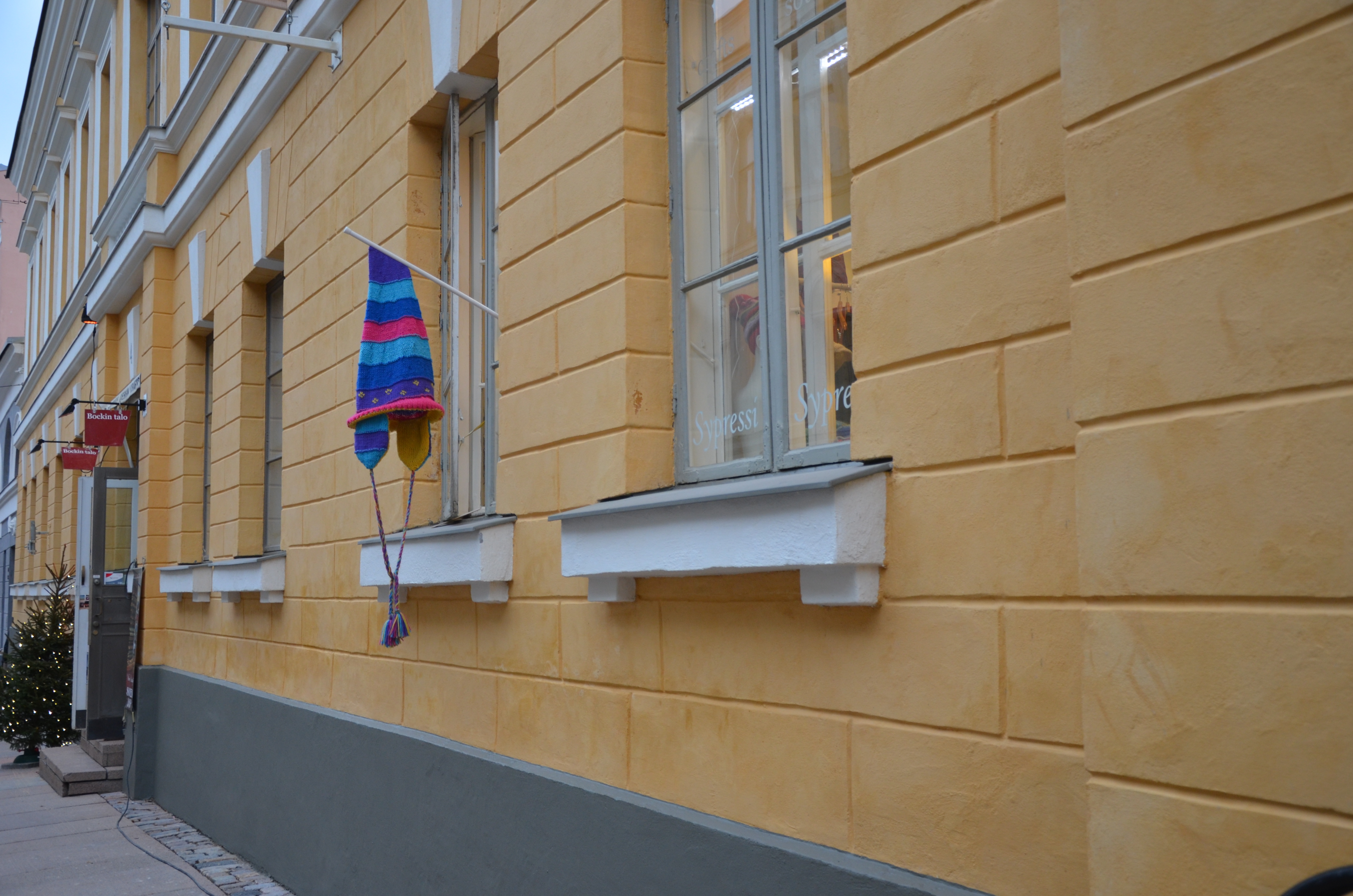
Hand knit items inside.
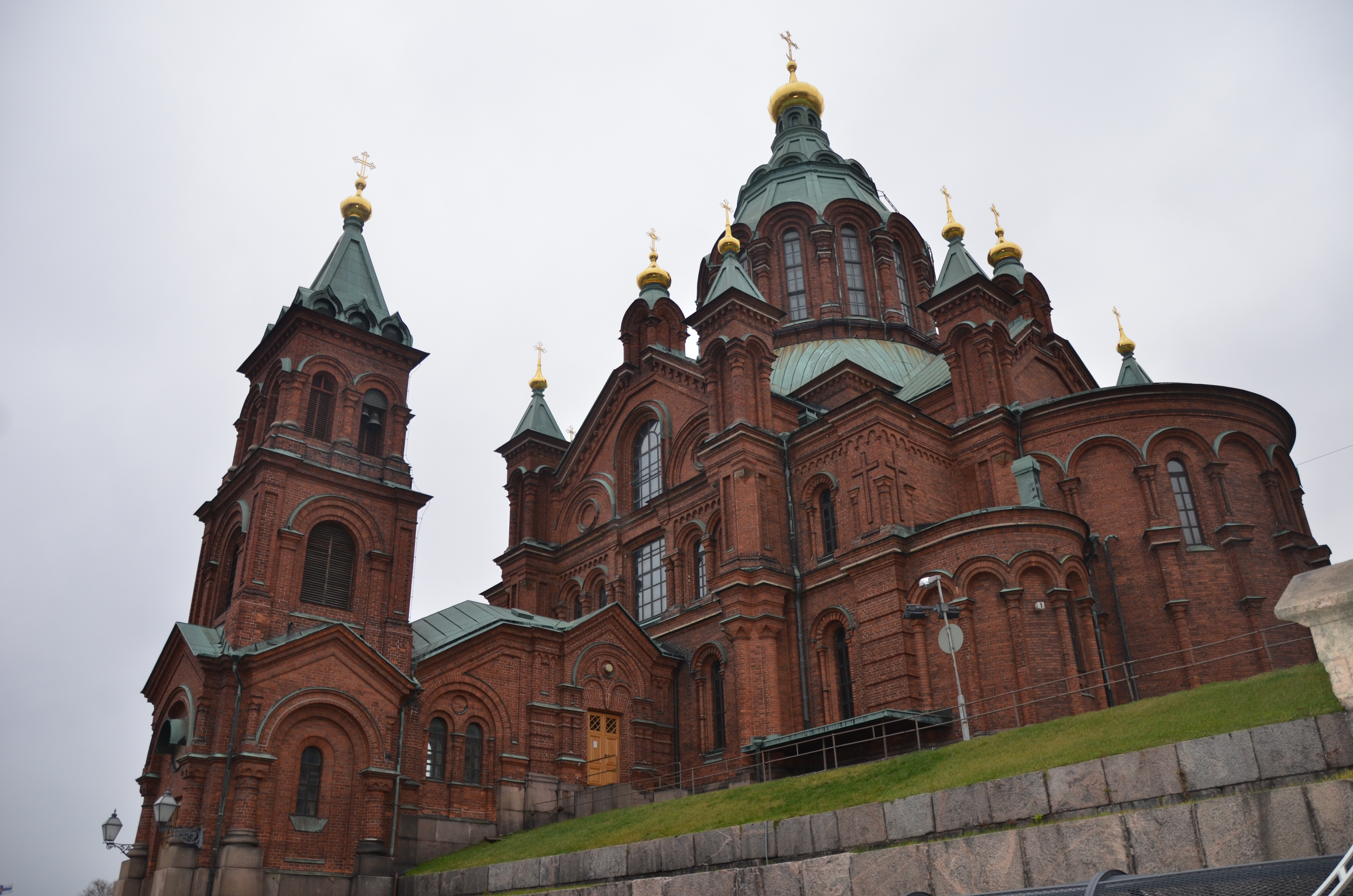
The Uspenski Cathedral is an Eastern Orthodox church that sits on a hilltop overlooking the city.
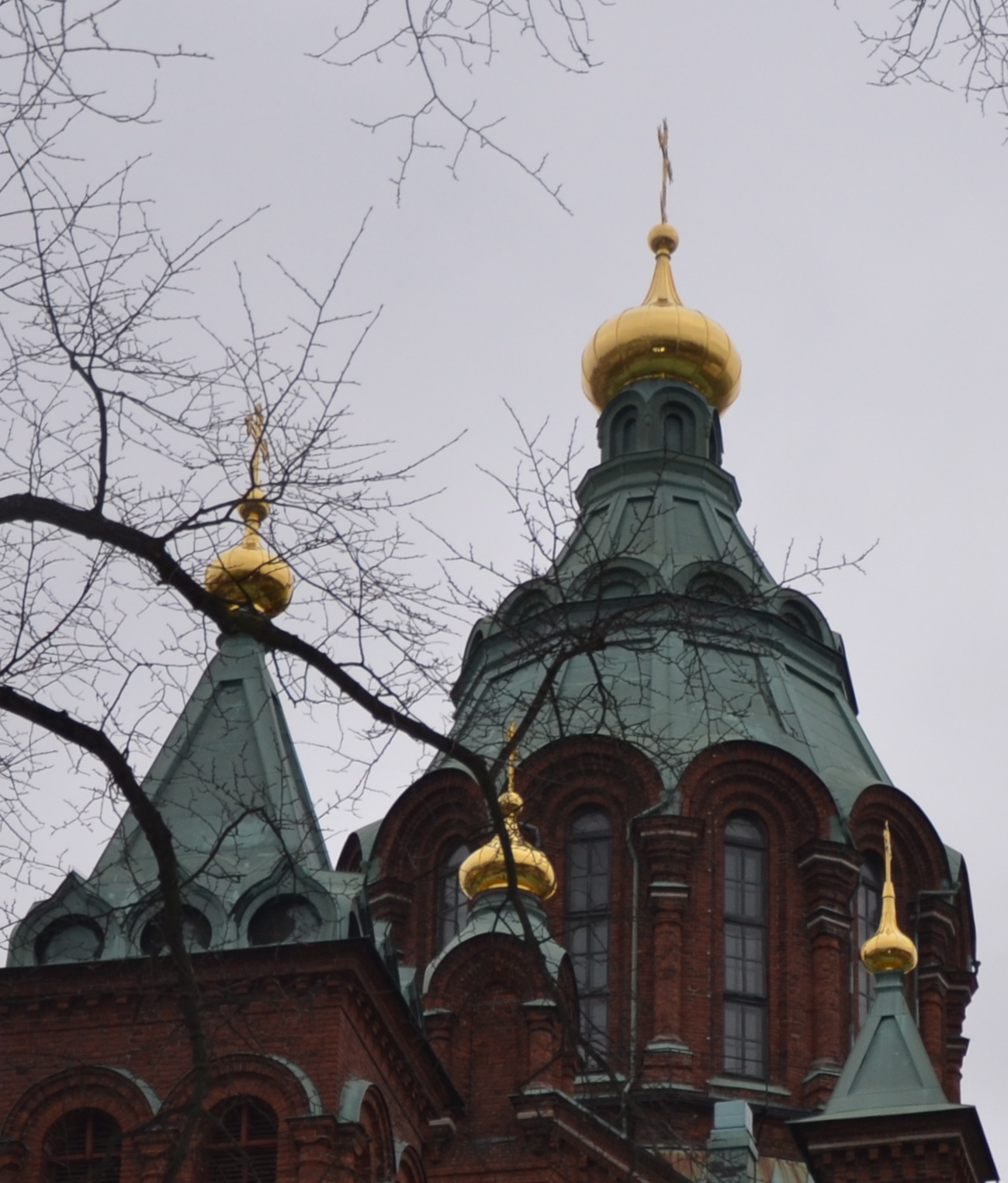
The golden spires of the Uspenski Cathedral.
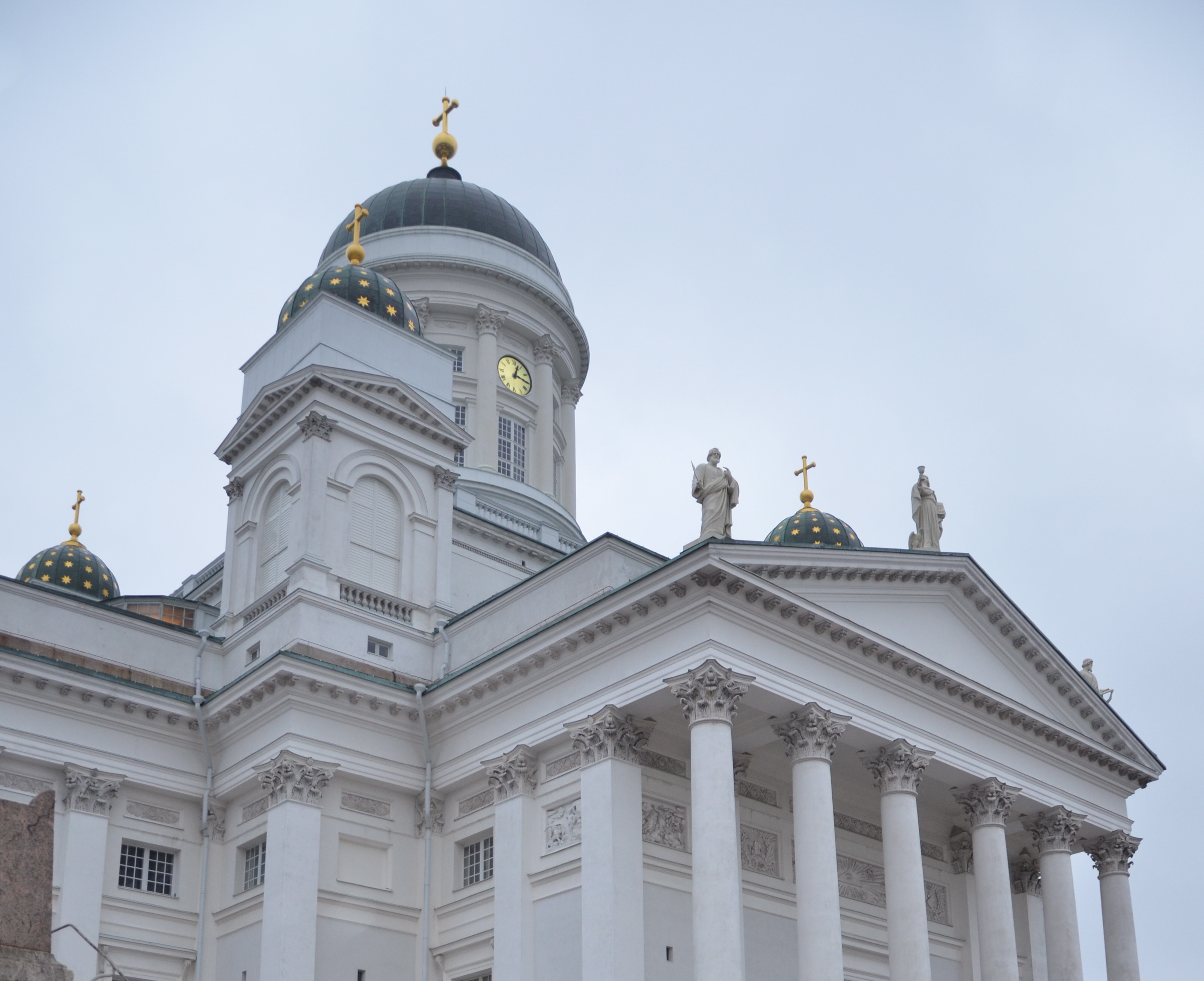
View of the Helsinki Cathedral around noon time. This is the brightest it got during the day.
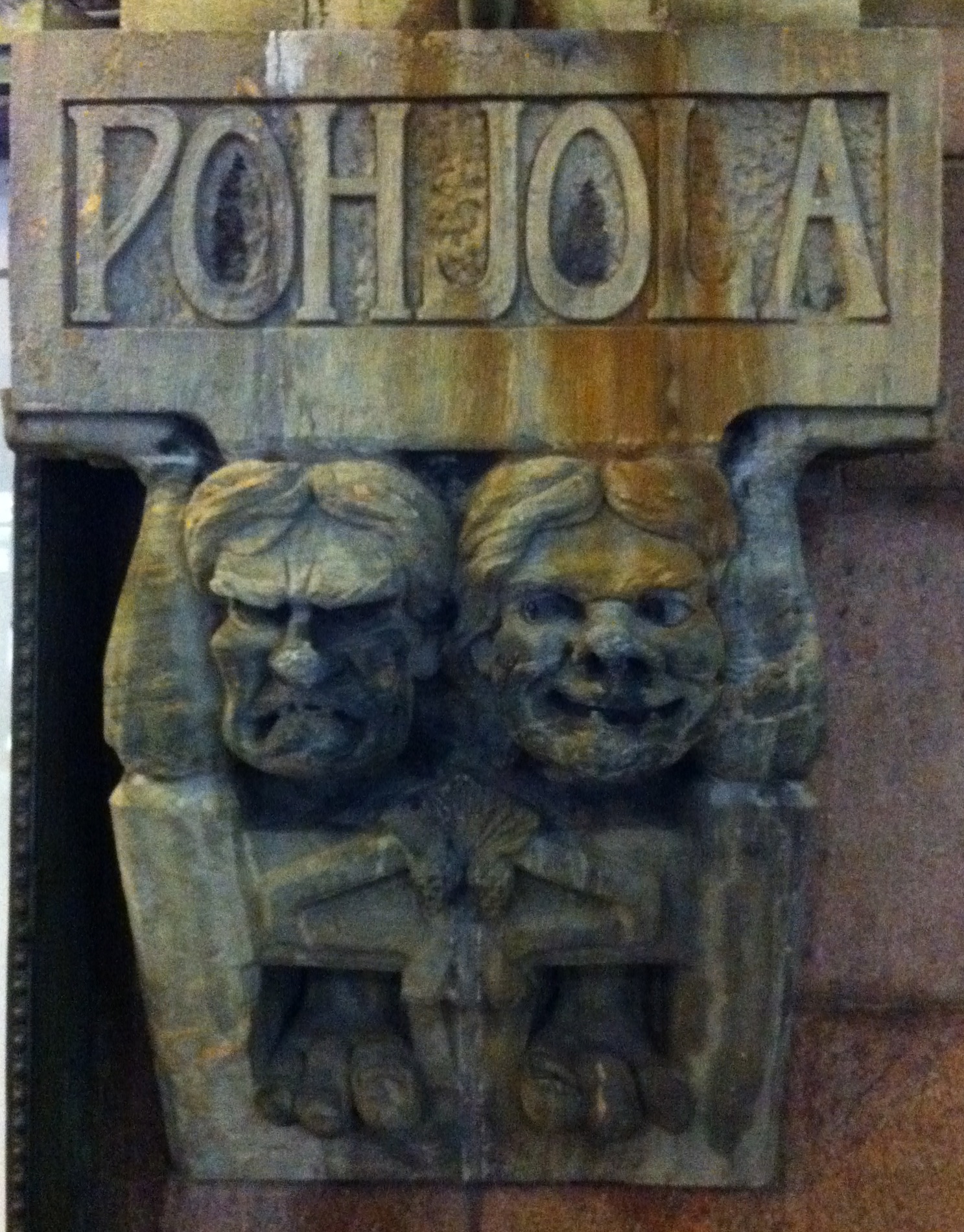
Detail from the Pohjola Insurance building, designed by Finnish architect Eliel Saarinen between 1899-1901. The motifs on the stone facade are of Nordic nature and mythology. Note to Texans: The Gulf Building in downtown Houston is designed after Saarinen’s 2nd place entry in the Chicago Tribune Tower competition.
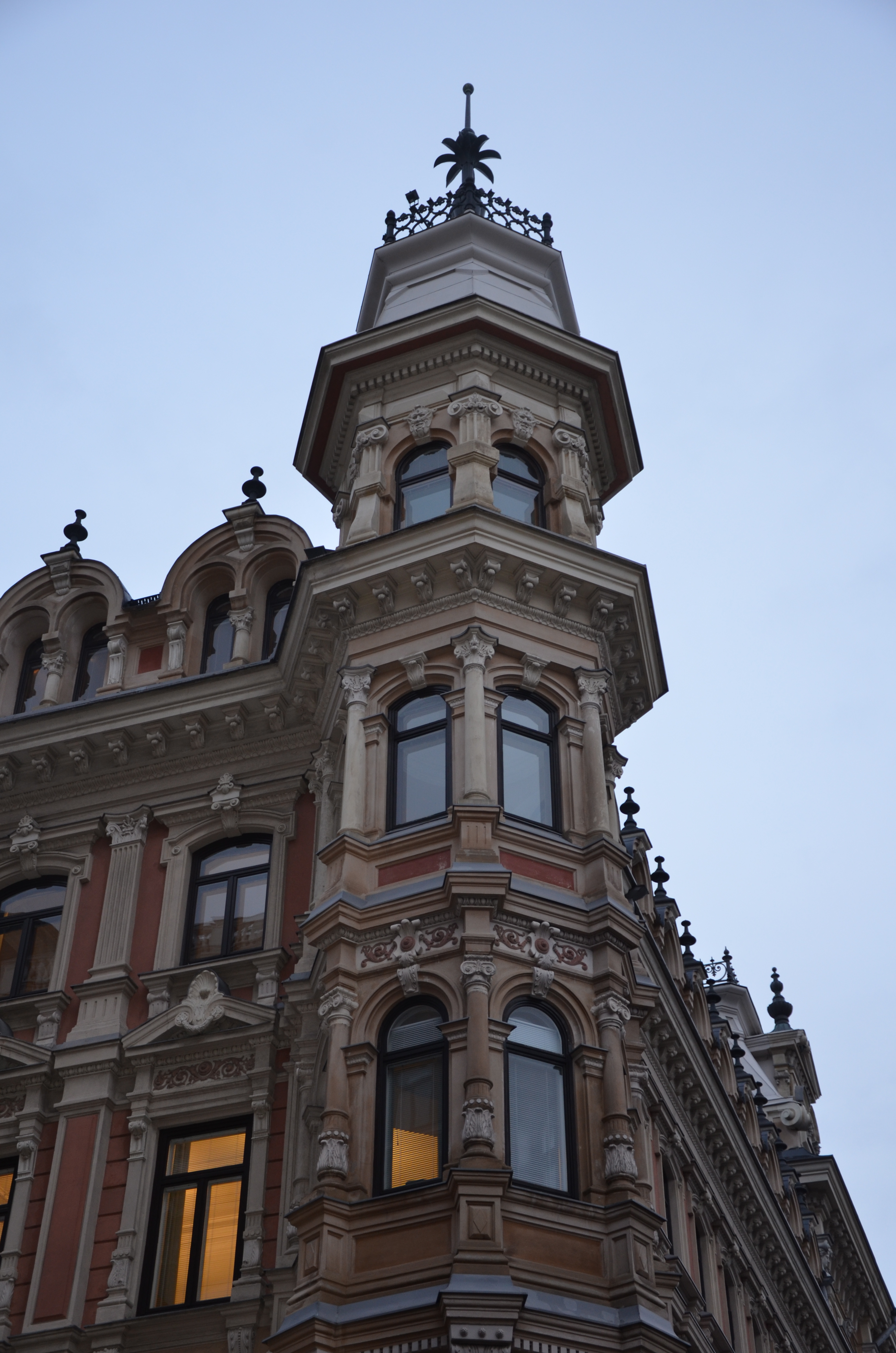
Building across Hotel Kamp. Aarikka has a storefront in this building. Aarikka mostly designs jewelry and decorative items all of which are created in Finland.

Not-So-Common Thread

I ran across this great post on Design Sponge and was amazed by the beautiful hand embroidery by Maricor/Maricar. The attention to detail is exquisite and I love their use of color – the embroidery pops off the screen. I am always on the look out for unique and  modern uses of the “domestic arts” of the past and Maricor/Maricar’s work brings embroidery solidly to the present. The post by Design Sponge does a great job of telling you about their work so please read it here. Also, visit the Maricor/Maricar website and blog.

Ozark Handspun

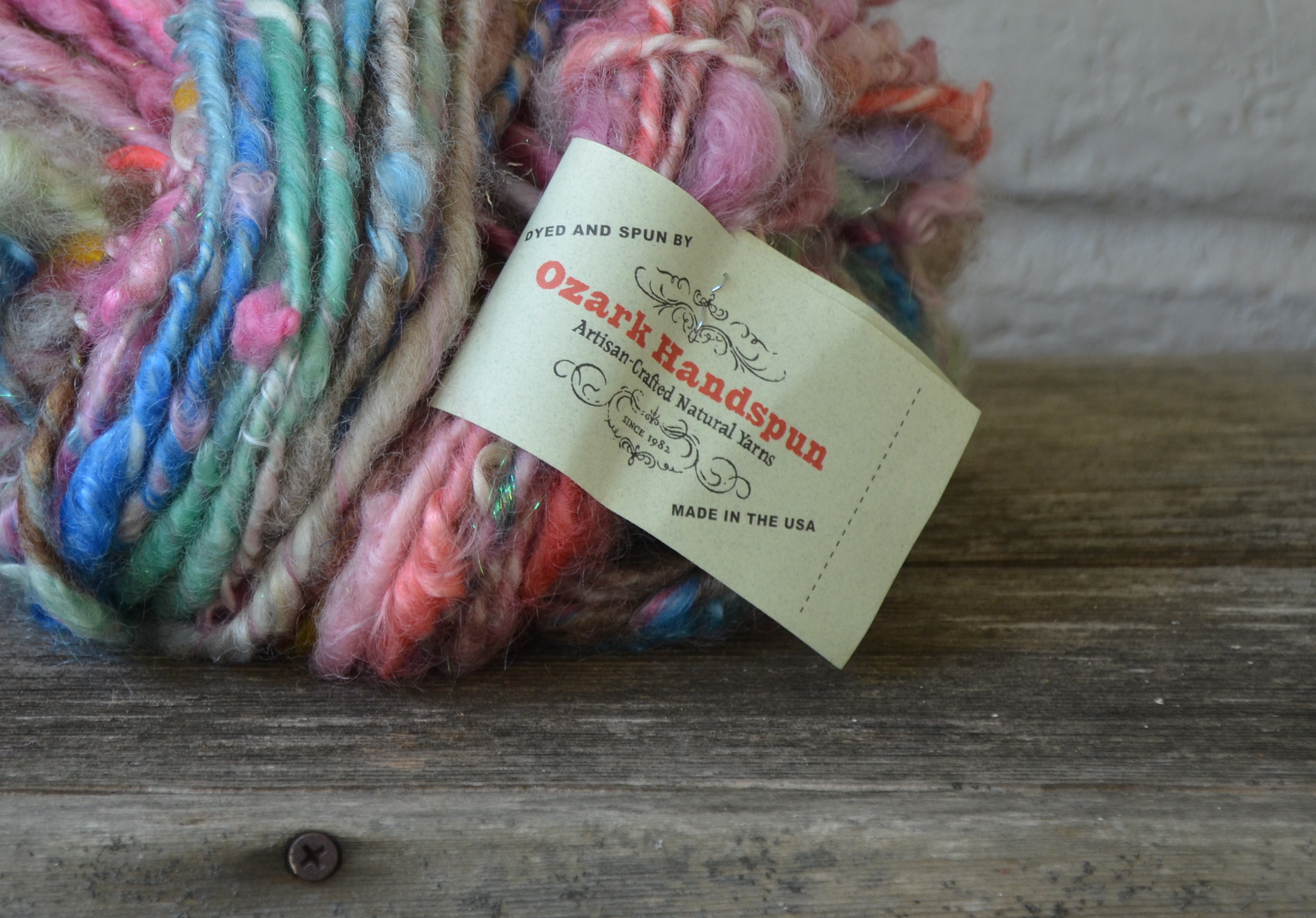
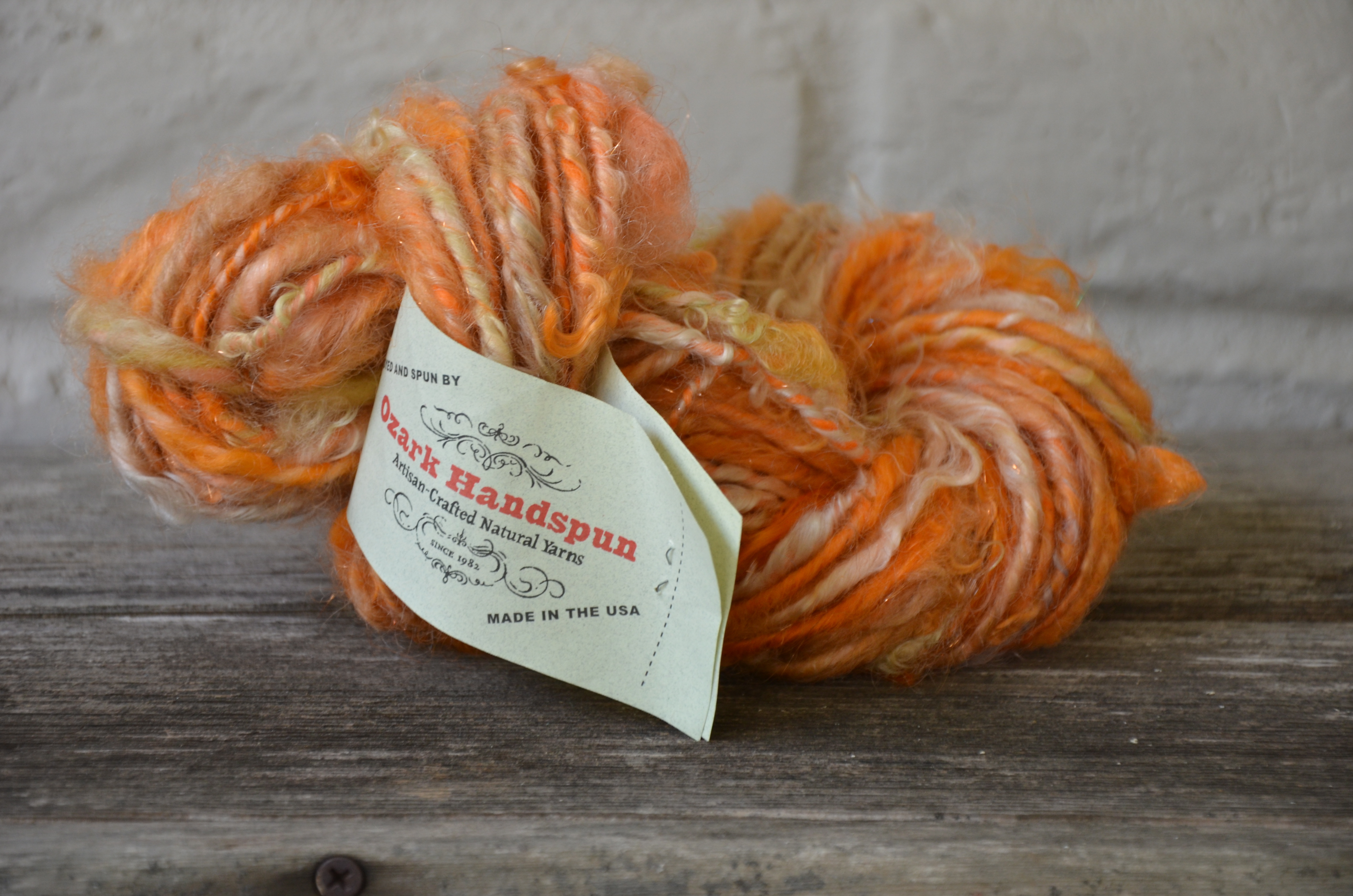
At the 2011 International Quilt Festival, among rows and rows of patterned fabrics and sewing notions, we came across yarn. Ozark Handspun had skeins of variegated hand-dyed, hand-spun yarns. Each skein was unique in texture, color and thickness. David Gentzsch, the artisan, explained how he hand-dyed the wool in vats of color that he mixed himself. He then spun the dyed wool interweaving different batches to create each skein. Here are some examples.

Ozark Handspun - 2 skeins
One skein each of “Baby Doll” and “New Multi”; 65% Mohair, 35% Wool.
Ozark Handspun - 1 skein orange
“Ziggy”; 65% Mohair, 35% Wool.

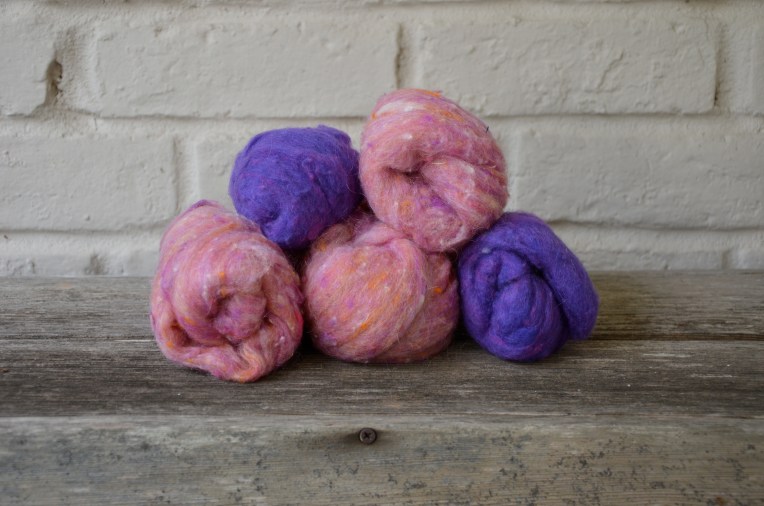
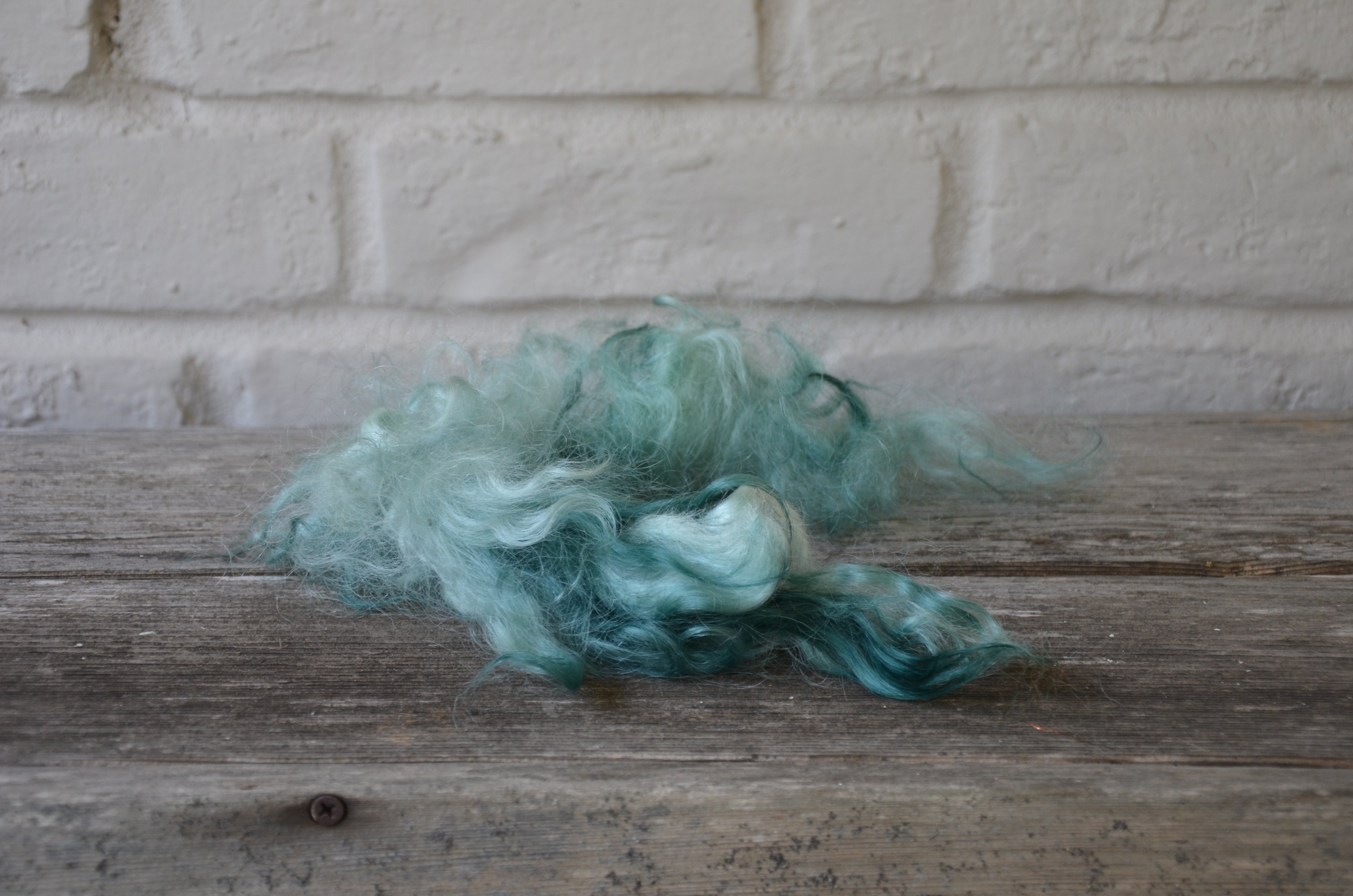
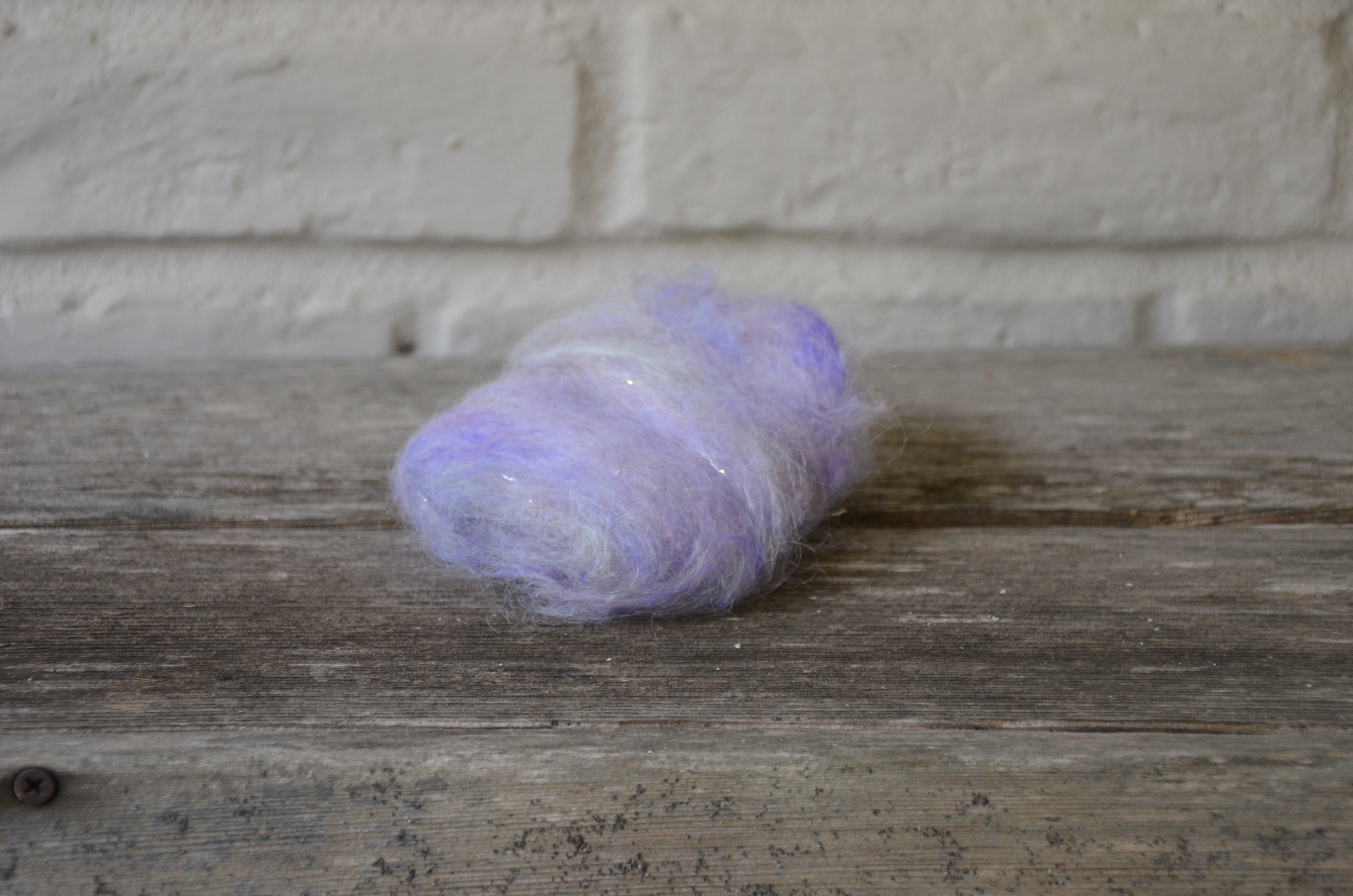
I mentioned to David that I was taking a spinning class the following weekend and to my delighted surprise, he grabbed a couple of handfuls of dyed wool roving and gave them to me!

Ozark Handspun - teal wool
Teal wool.
Ozark Handspun - lilac mohair roving
Lilac mohair.

Learn more about these artisan-crafted natural yarns at Ozark Handspun.