My First Handspun Yarn!

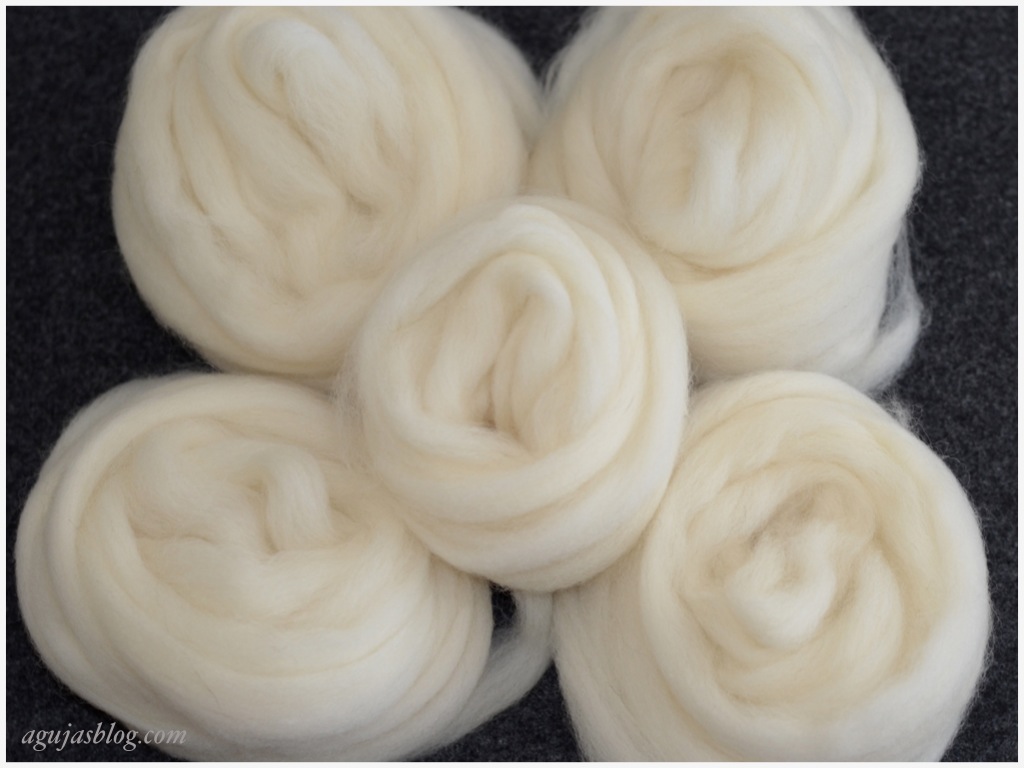
I finally took the plunge. I pulled a lovely white 100% Merino Wool from my fiber stash and started spinning. First, I took the wool and pulled it apart into long thin strips. Then I gently drafted the fibers.

They ended up looking like big cinnamon rolls.
I took out my brand new turkish spindle, attached a leader, and started pulling on the fiber as I turned the spindle clockwise.

My first batch is a bit thick but I’ve read that this is standard for first-time spinners. As I kept spinning, I found I could produce a thinner yarn.

I just have to practice.
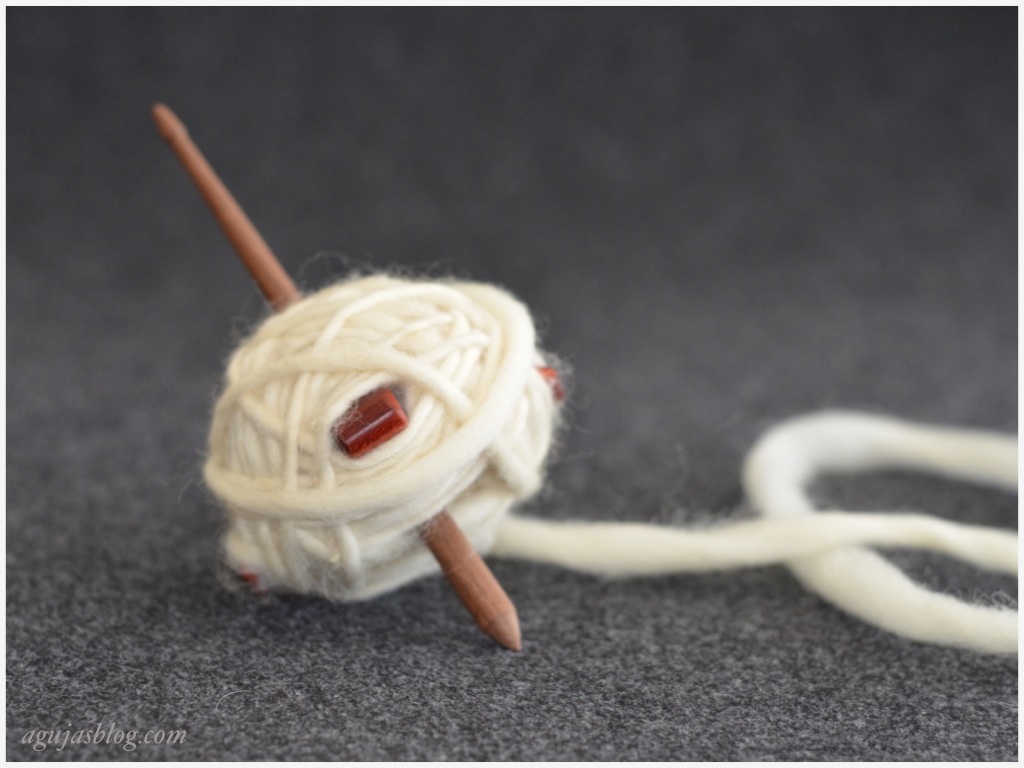
This was my first hank! It’s sort of a mini-hank but I am so pleased!
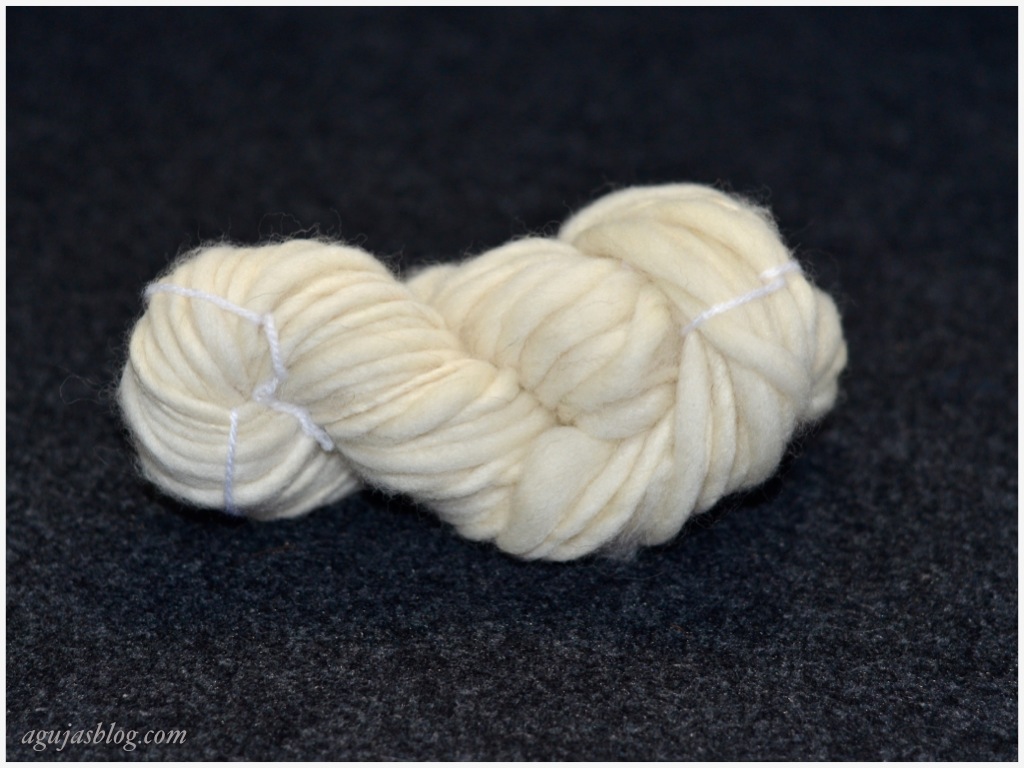
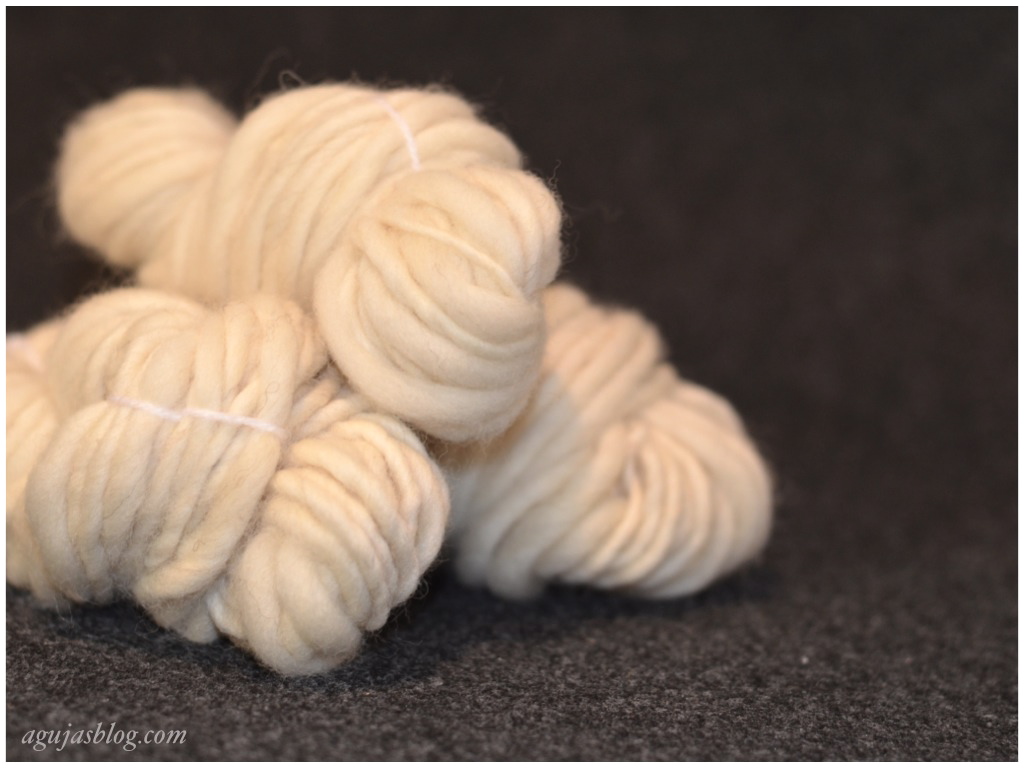
I only had 4 oz. of wool and was able to spin three mini-hanks for a total of 82 yards. I think my yield will be better as my spinning skills improve.

Now I just have to dye it!
My takeaways:

(1) Spinning is way cool.

(2) I must get more fiber.

(3) I need a spinning wheel.
Contemporary Craft in Houston

Some time ago, I discovered the Houston Center for Contemporary Craft (HCCC) located in Houston’s Museum District. The HCCC focuses on arts and crafts made from clay, fiber, glass, metal, wood or found/recycled materials. In addition to a variety of exhibitions, they have an Artist Residency program. When you visit the museum, you can see that each artist has their own workspace for perfecting their craft.

When I visited the museum, the Contemporary Handweavers of Houston (CHH) was holding its Artisan Market. Occupying the large display rooms were booths of textiles, jewelry, rugs, clothing and yarn. Weavers were working on large looms and spinners with their whirring wheels were scattered around the rooms.

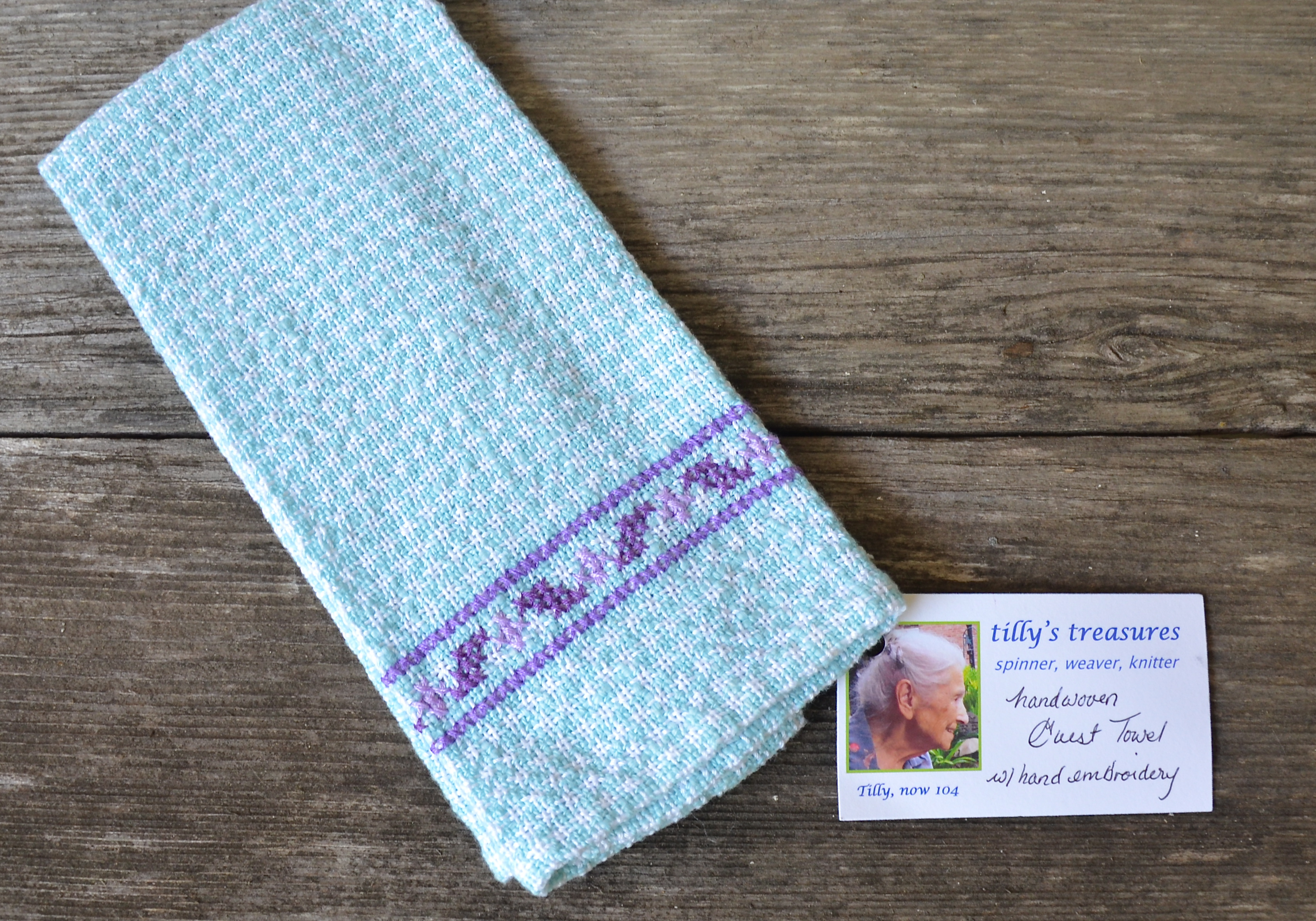
I had to bring this small guest towel home only because it was handwoven and embroidered by 104 year old Tilly Marchwinski. Mrs. Marchwinski was not present but it seemed that everyone there knew her. They told me that she never missed the show but was a little under the weather that day.

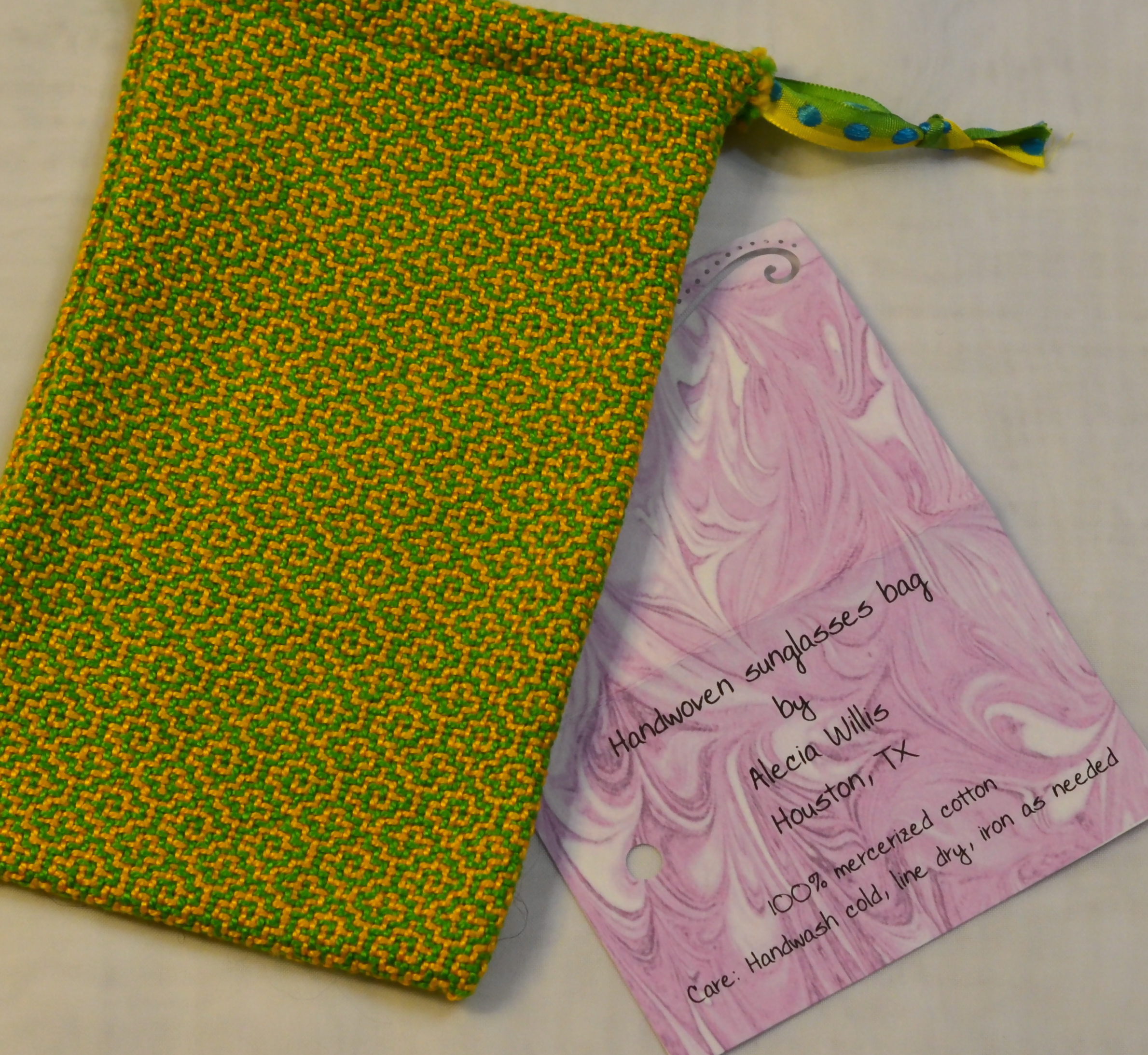
This next item was the perfect sunglasses case. I loved both the vibrant colors and the texture produced by the swirling pattern.

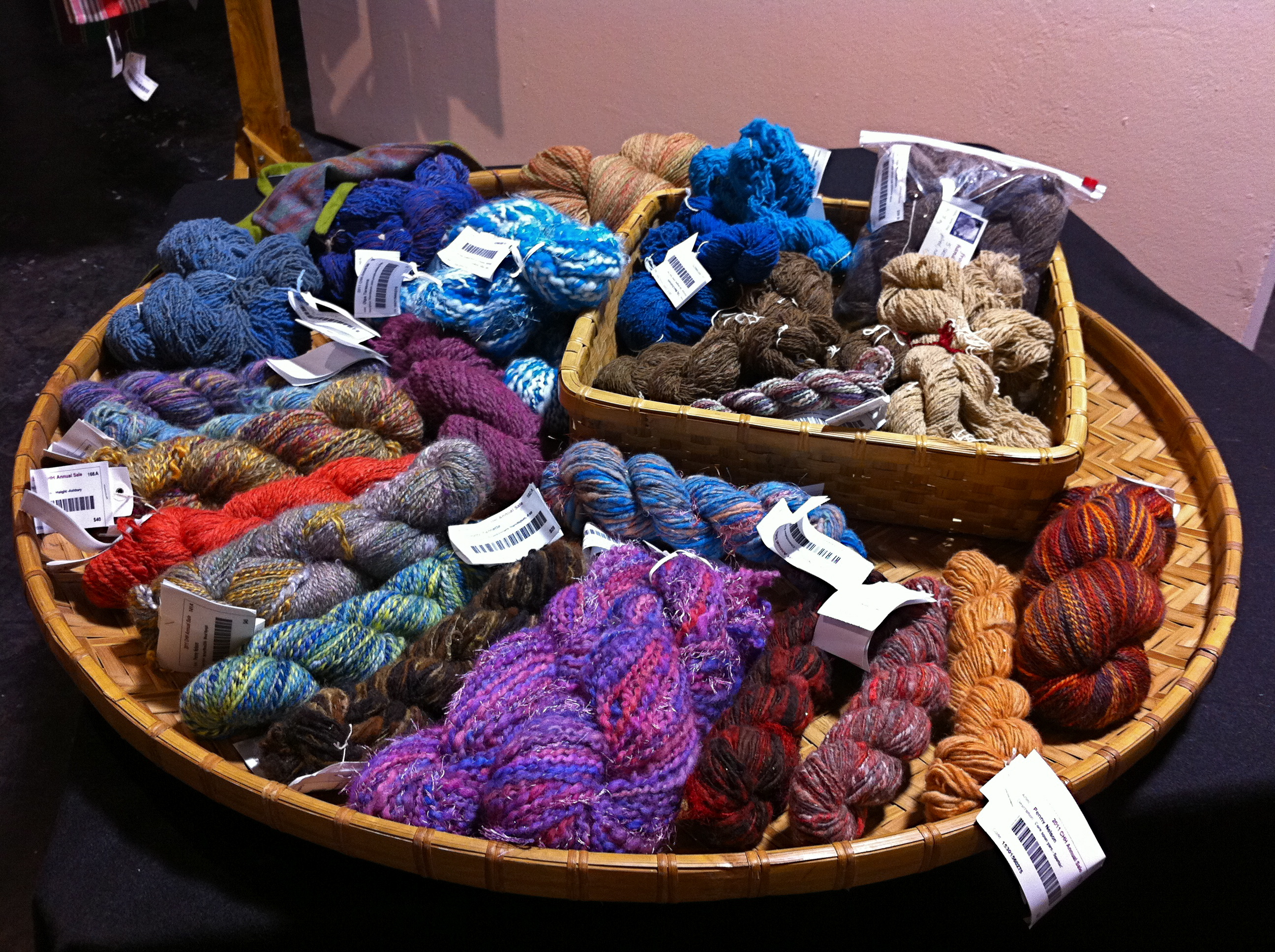
This large basket was filled with handspun, hand dyed yarns.

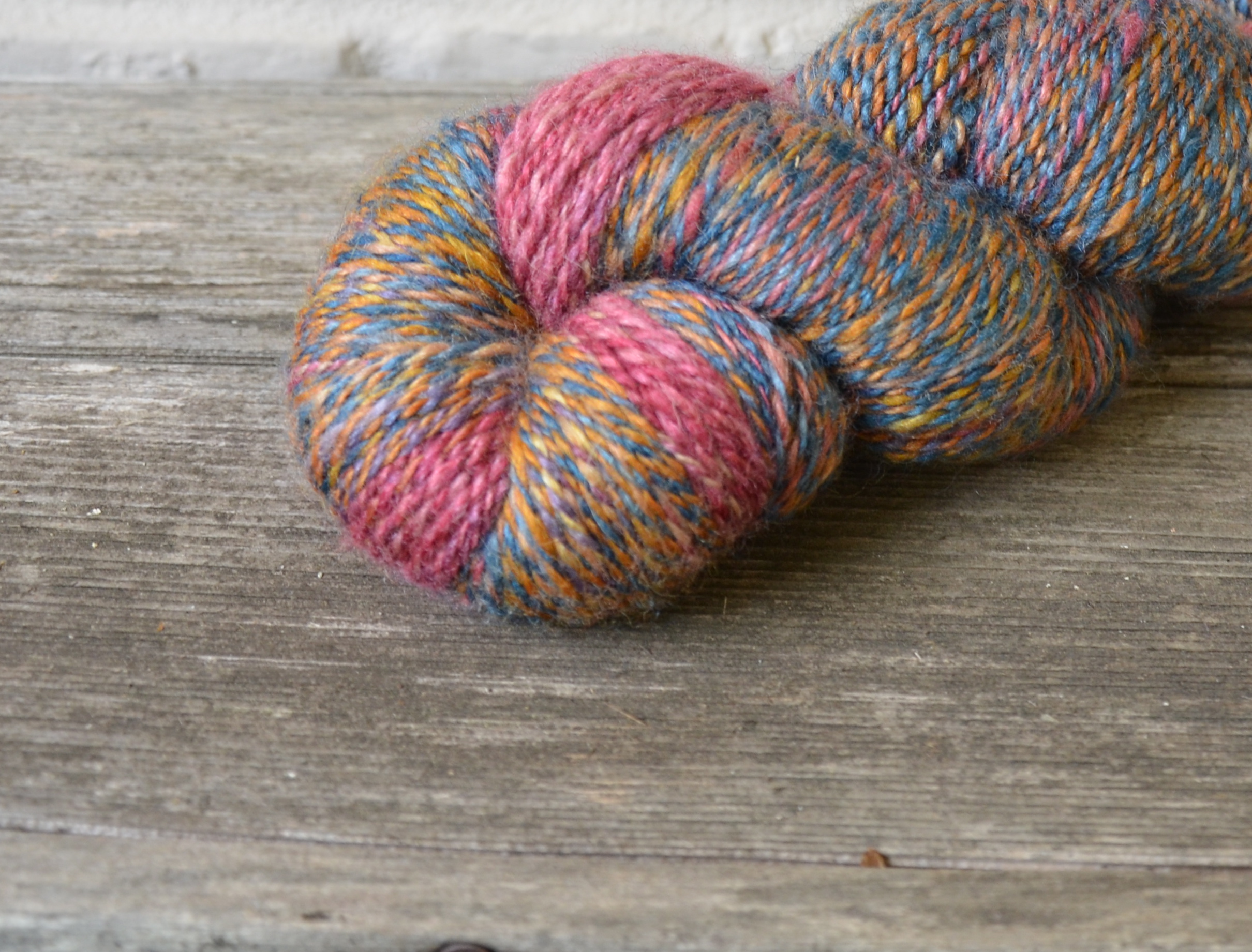
This hank of yarn was handspun by Peggy Barnette of Sky Loom Weavers. Fiber contents – 80% BFL Wool, 20% Silk, 2 ply.

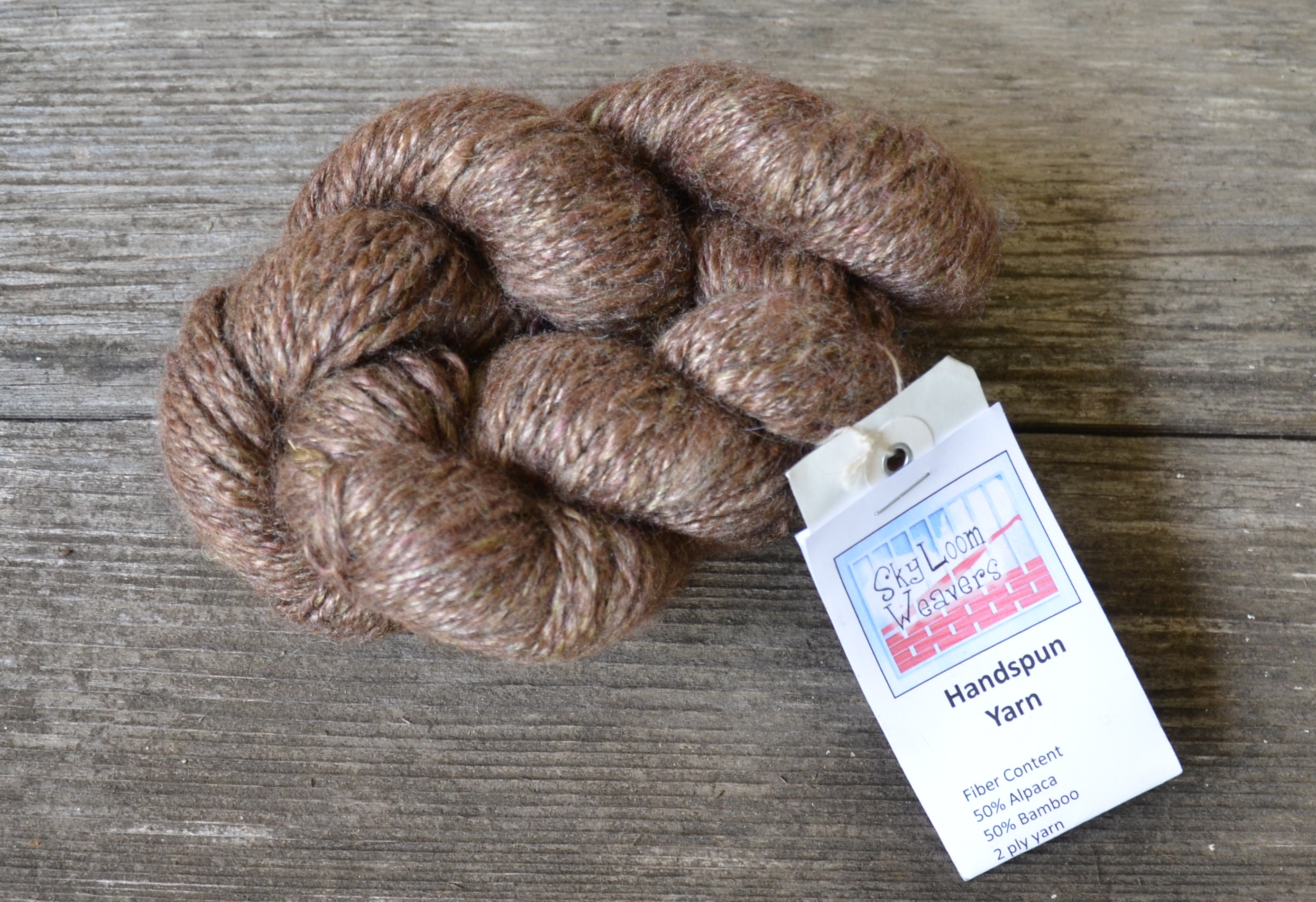
Normally I am drawn to rich, vibrant colors but I couldn’t resist the sheen of this soft brown yarn called “Chocolate Mint.” It is a 2 ply yarn spun from 50% Alpaca, 50% Bamboo by Penny Nelson also of Sky Loom Weavers.

Follow these links to learn more about the HCCC and the CHH. According to their website, the next CHH Artisan Market will be held on September 6-8, 2012 at the HCCC.

Japanese Yarns In The Garment District

A few days ago, I was in New York City and took the opportunity to visit Habu Textiles. I dragged two teenagers through the Garment District in search of 135 W. 29th Street. The entrance is nondescript and if you’re not looking for it, you’ll probably walk right past it. Habu Textiles is located on the 8th floor, which is somehow fitting since the Japanese word for “ha 八” means “8.”

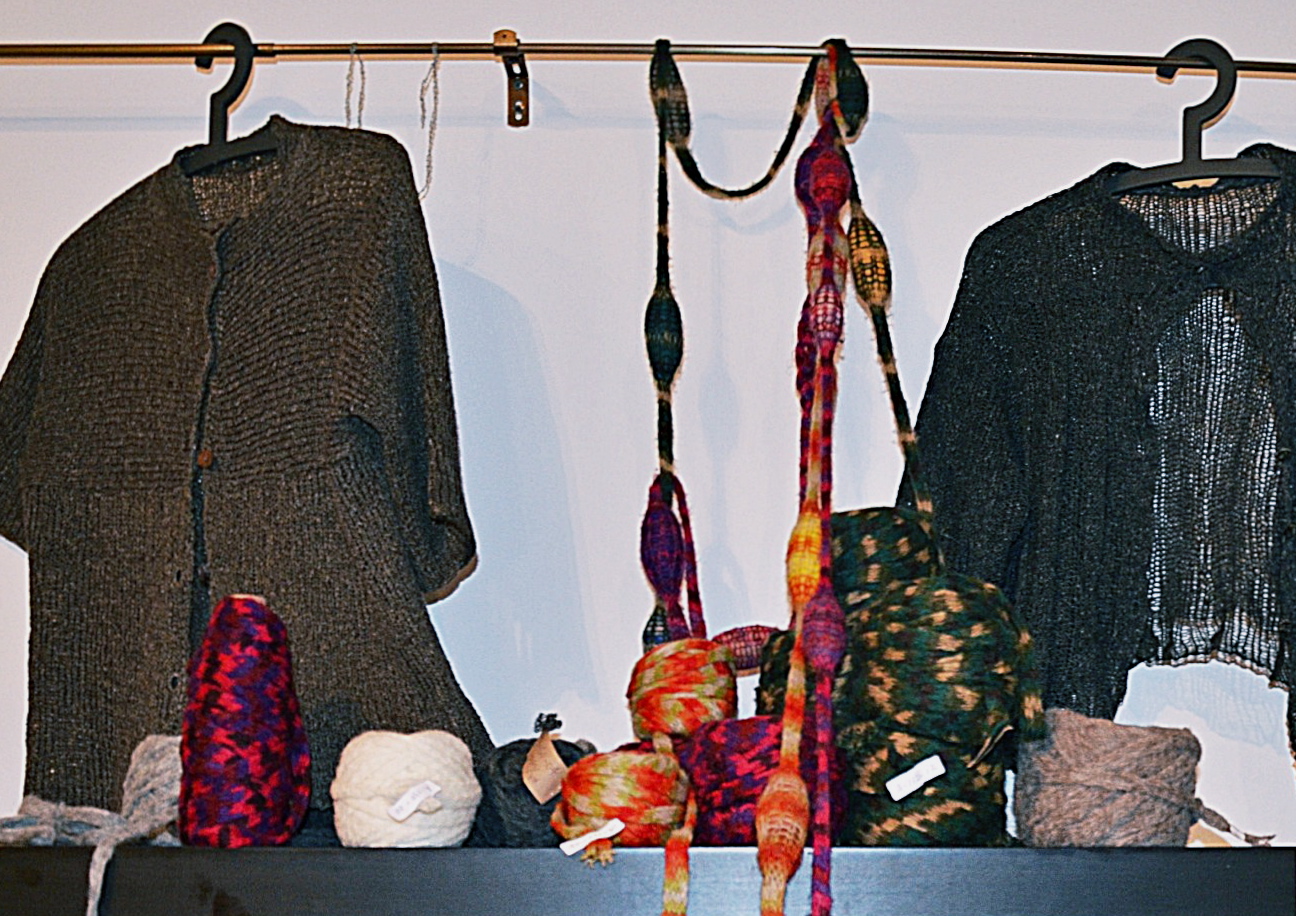
The showroom is quite small but filled with exquisite yarns spun in Japan. The fibers used in the yarns range from wool and silk to bamboo, stainless steel, and cotton so fine it feels like paper. While the showroom itself seems small, it is actually part of a larger room that houses the weaving studio. Beyond the free-standing sheet rock walls of the showroom, I could hear the whirring of looms in the background. I had to fight the urge to pull back the curtains marked “employees only” and take a peek. Thankfully, they were kind enough to let me take pictures of the yarns which I can now share with you.

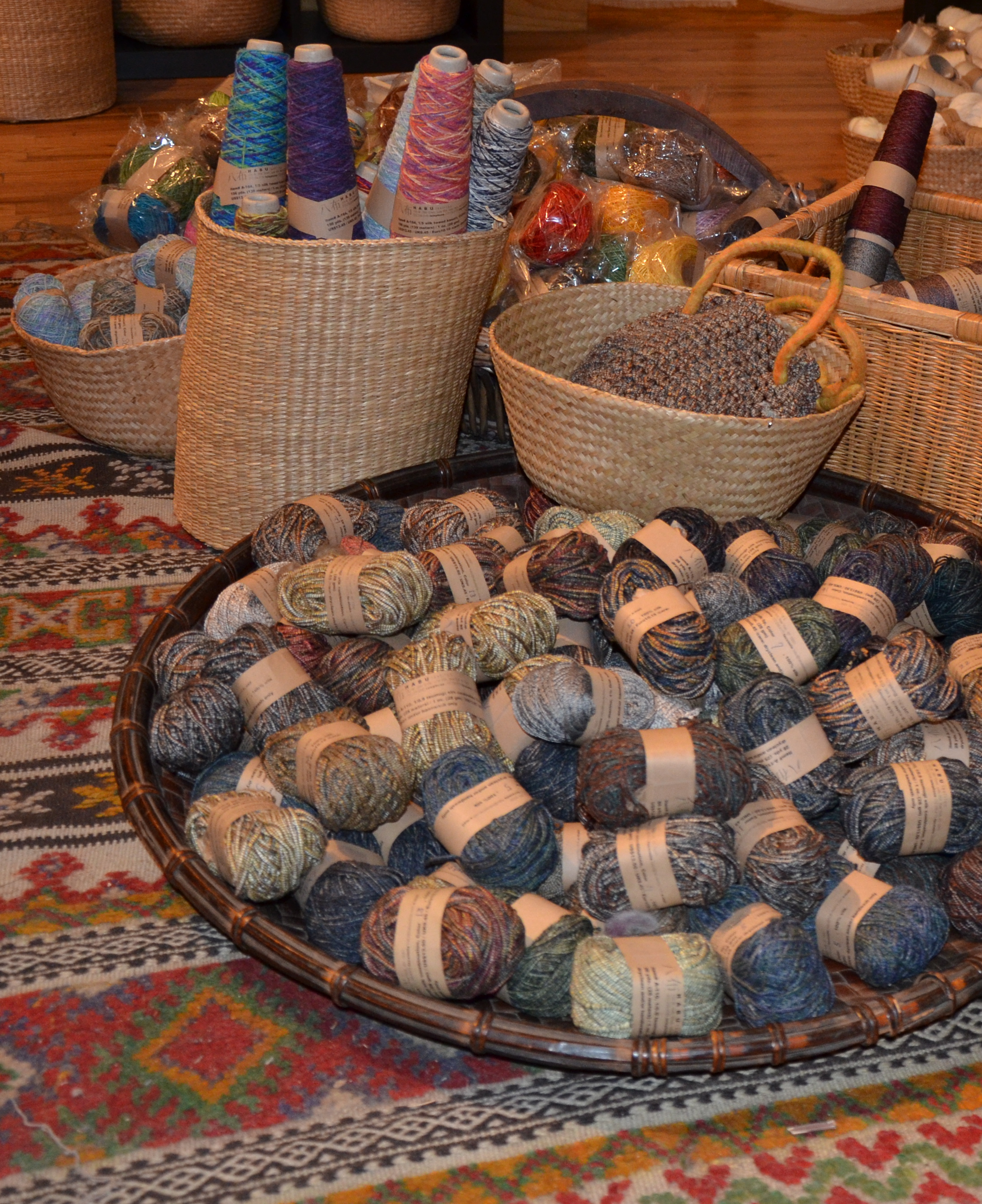
There were baskets filled with yarn throughout the showroom. In the large basket in the foreground is Wrapped Tsumugi Silk (100% Silk). This yarn is a silk wrapped in silk. According to the Habu Textiles website, it is created using a traditional cord-making method.
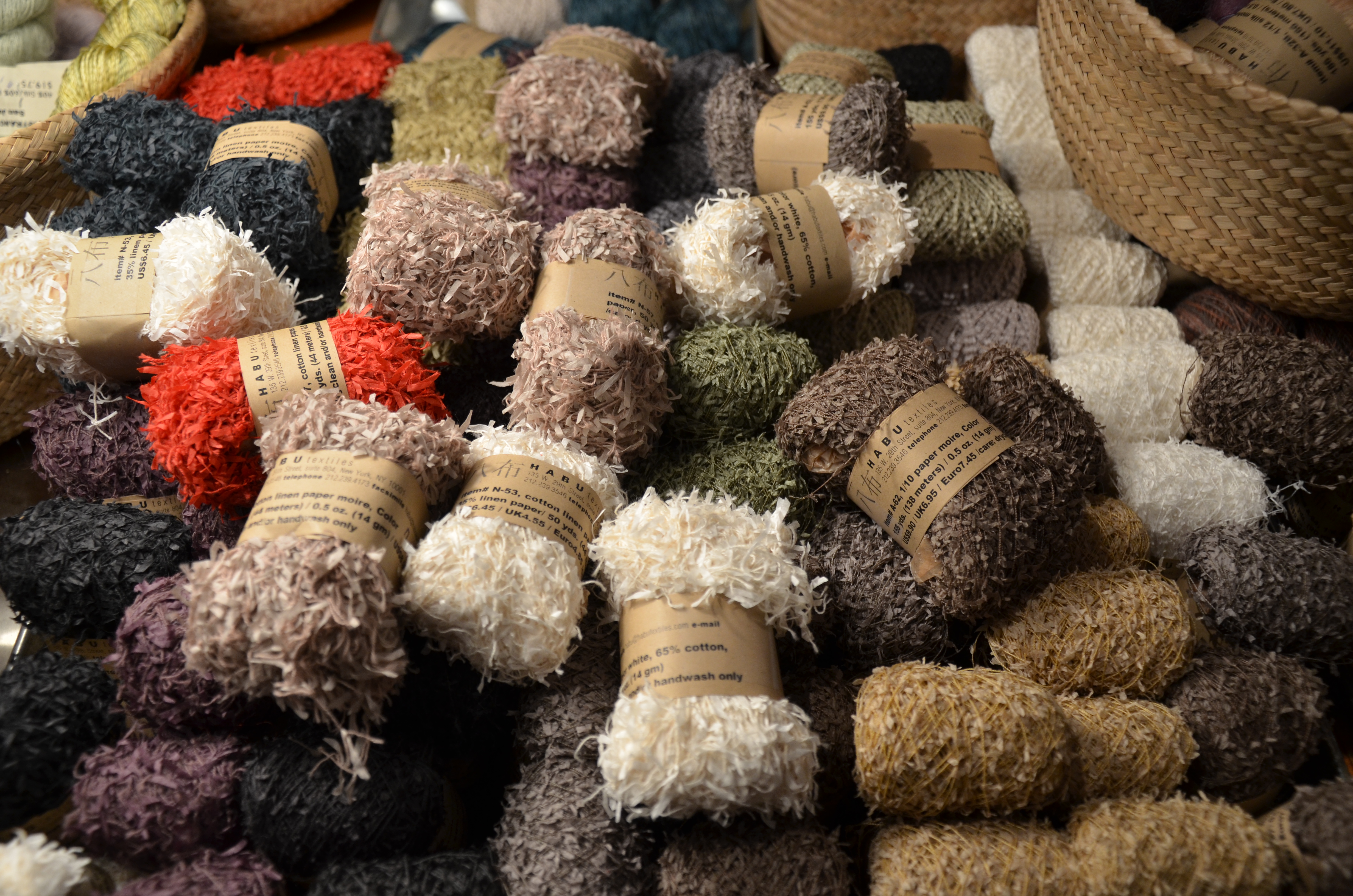
Cotton Linen Paper Moire (65% Cotton, 35% Linen). This lace/fingering weight yarn is exquisitely delicate. It feels like fine paper.
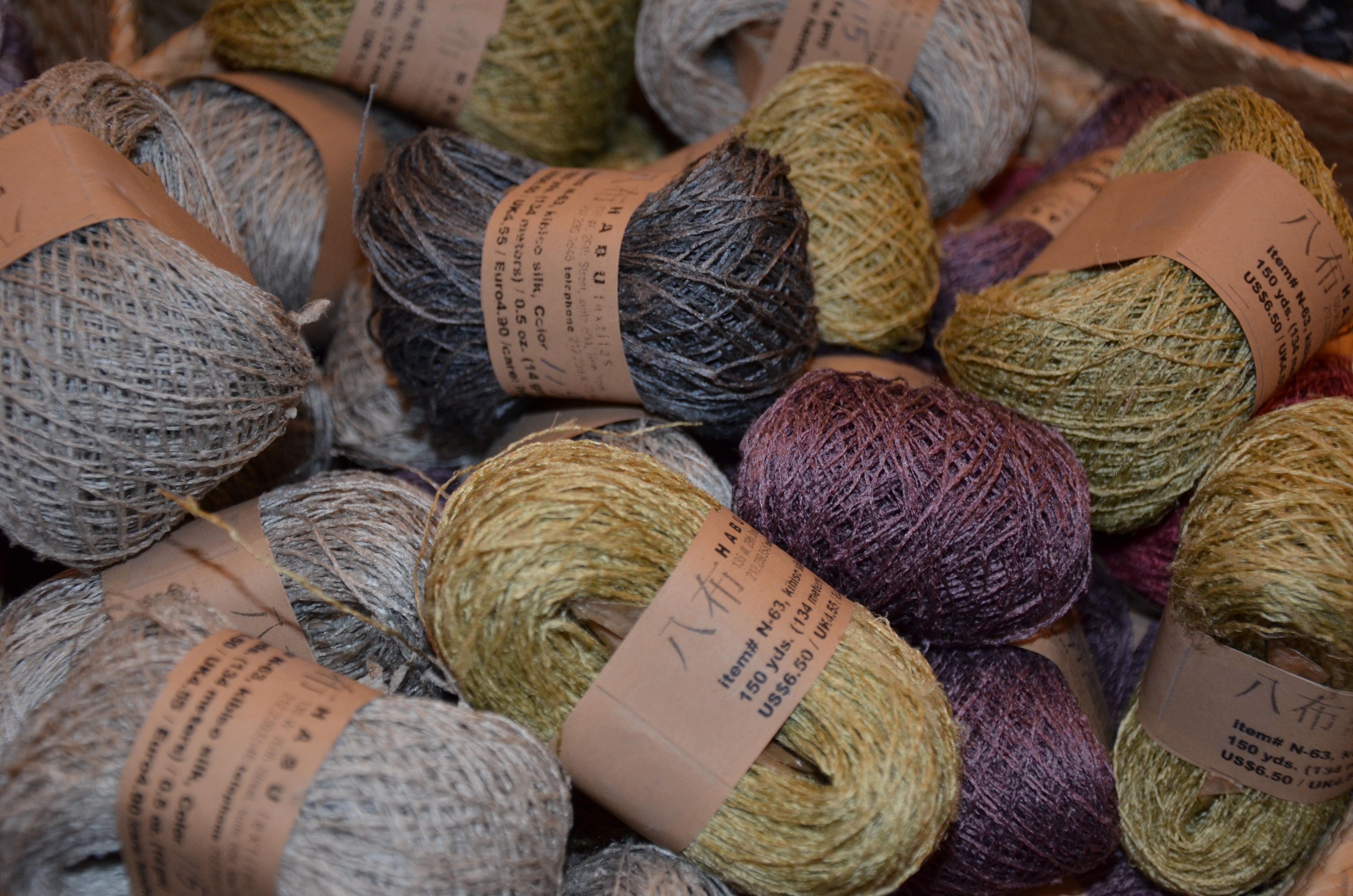
This Kibiso Silk (100% Silk) is made from "waste" silk. It's a slightly rougher silk but with silk's sheen and strength.
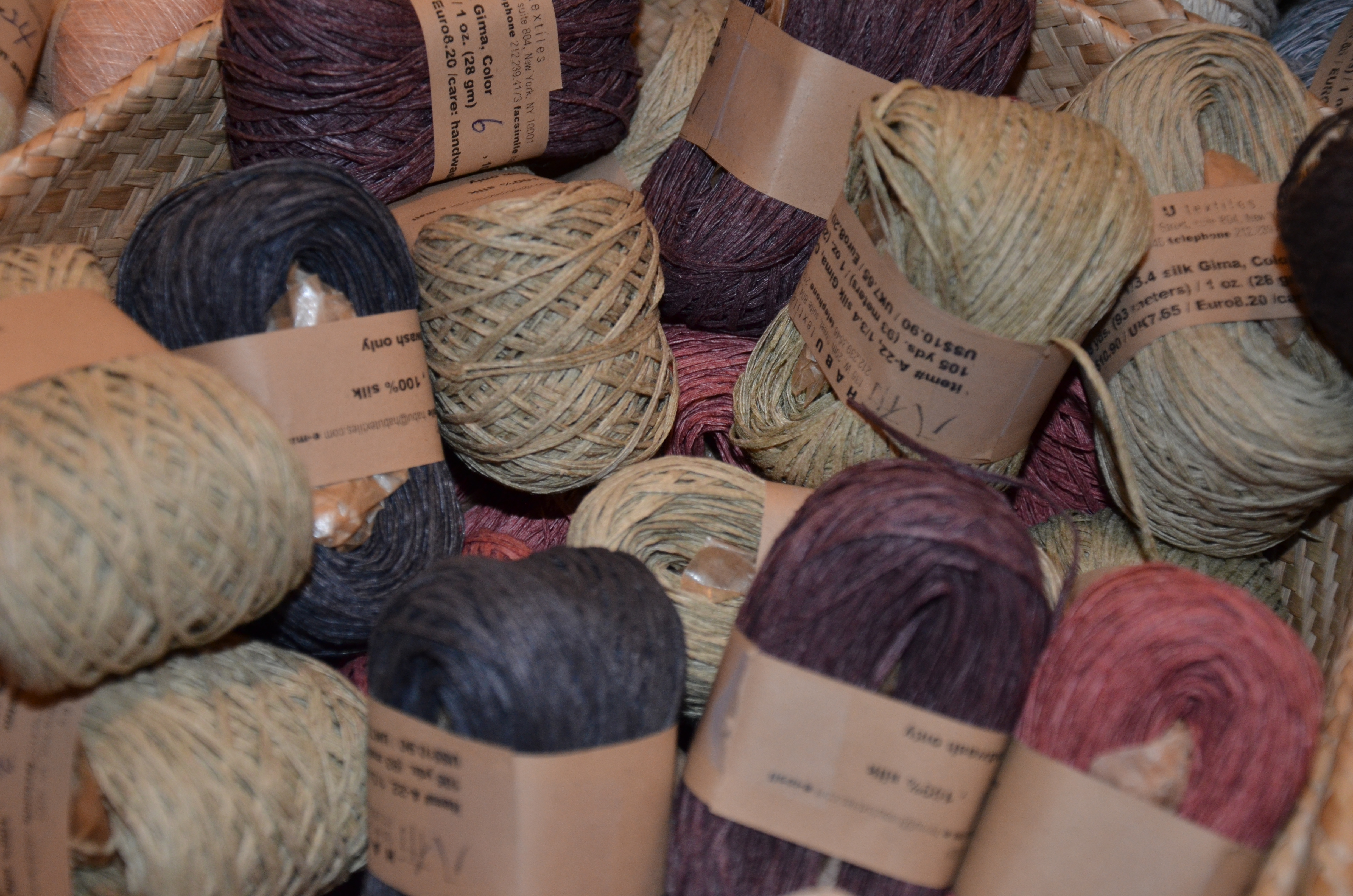
Silk Gima (100% Silk). Gima means "fake linen" in Japanese. This yarn feels like linen but is made entirely of silk.
This "chunky" Alpaca Knitted Yarn (68% Mohair, 32% Nylon) is interesting to look at up close. It is actually a narrow knitted tube. You can knit this knitted yarn with large needles or fill the tube with roving (as shown) to create interesting looks.
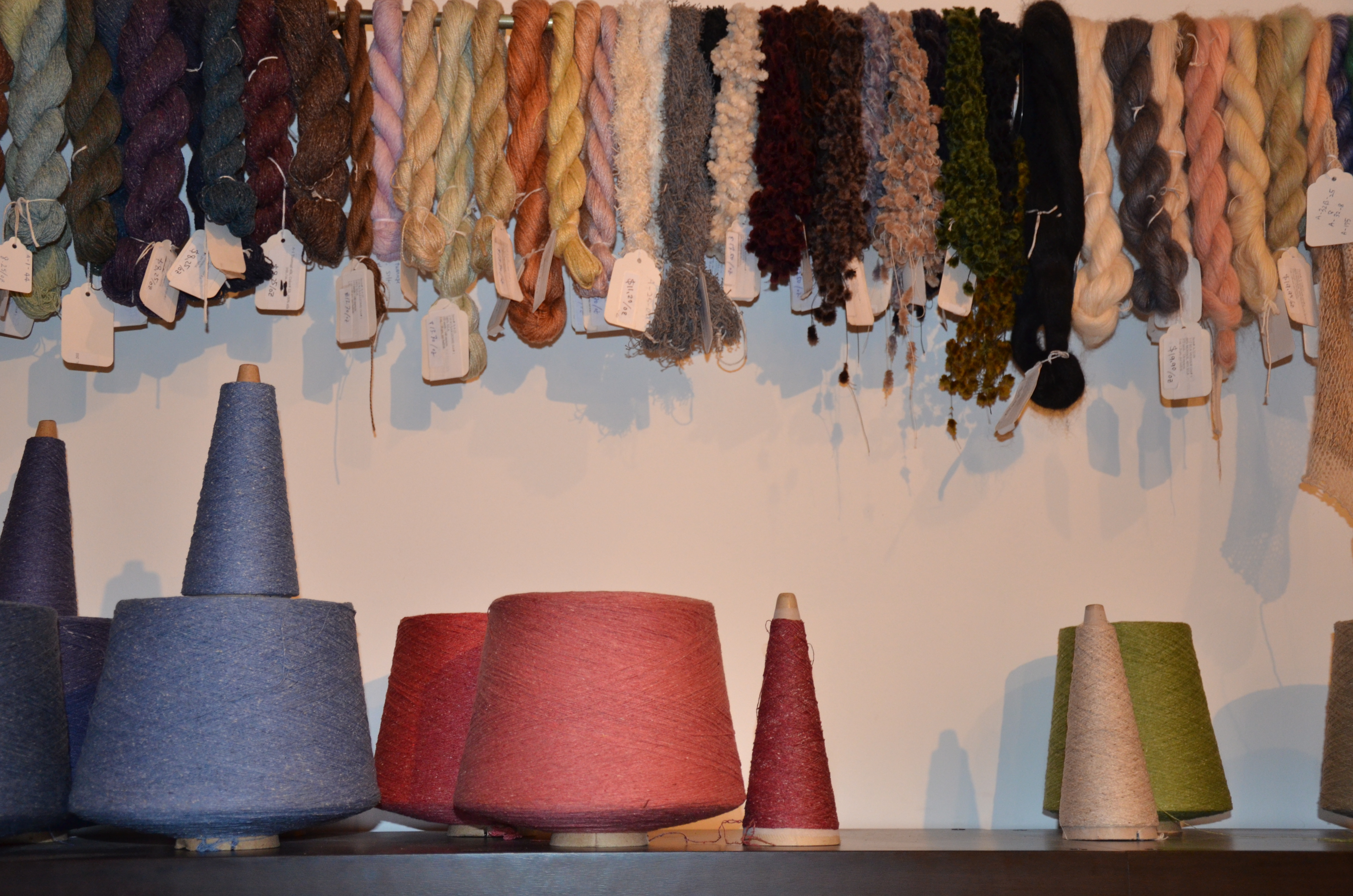
There were shelves full of this thread-like yarn around the showroom.

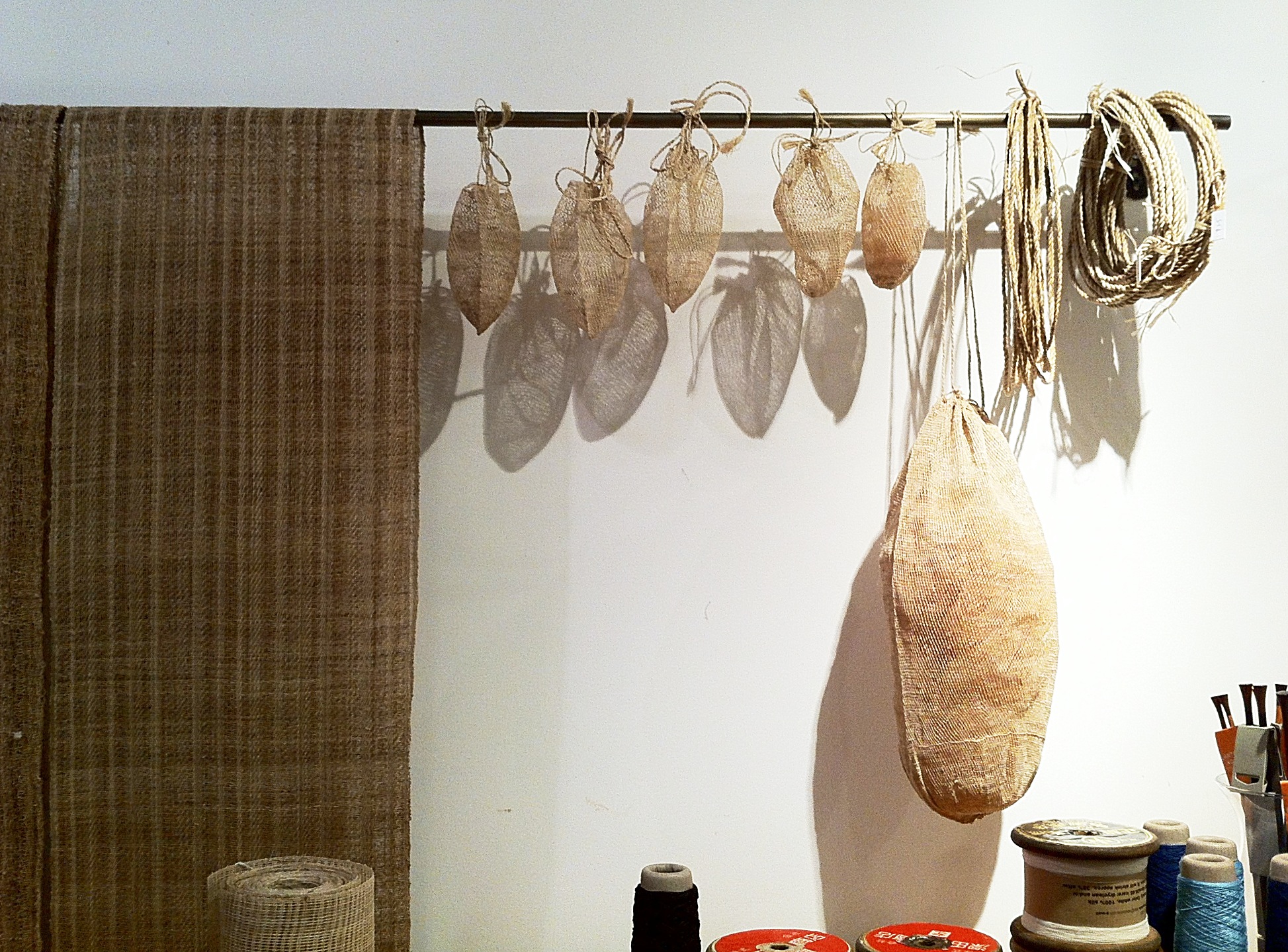
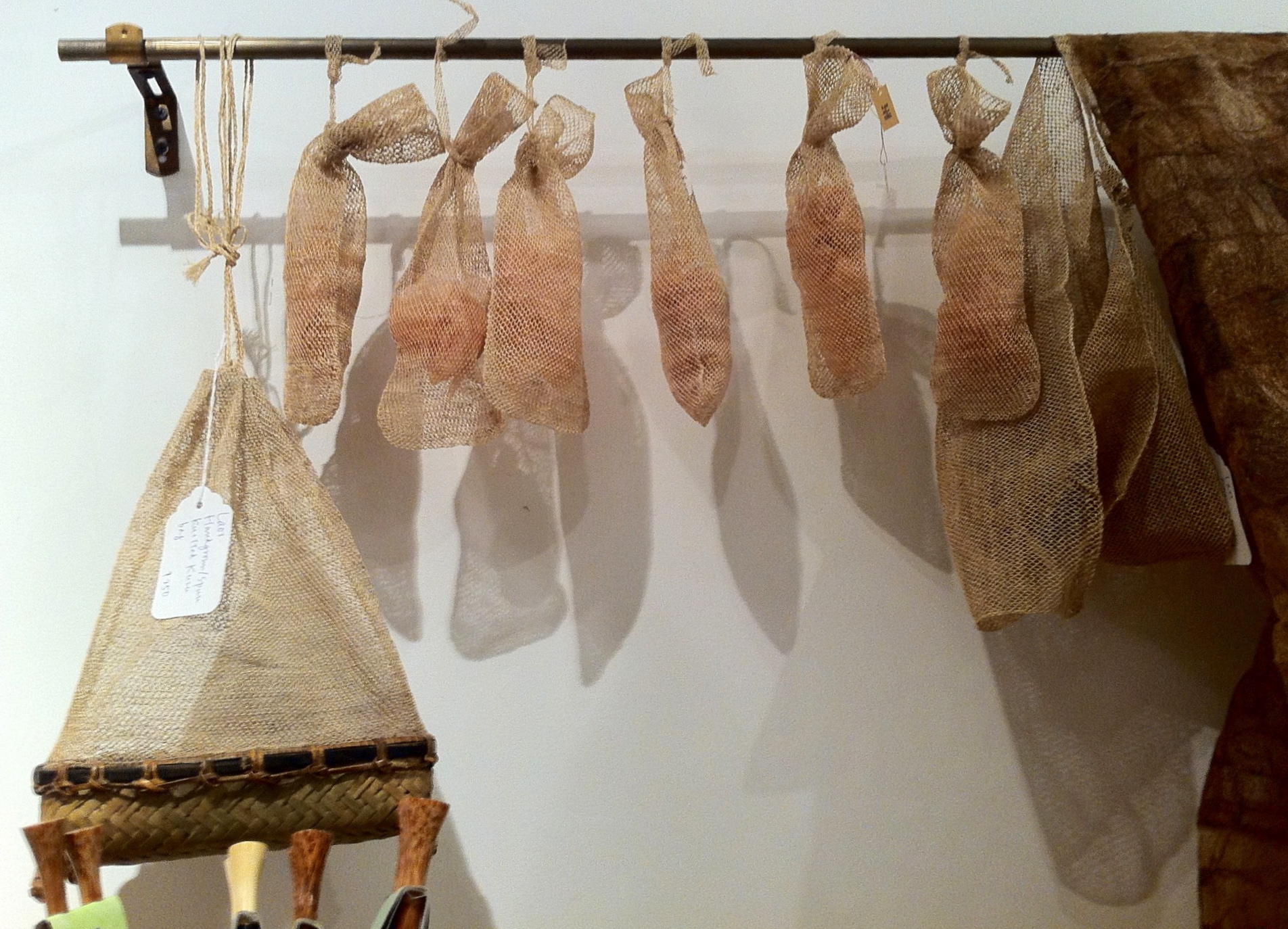
Besides yarns, Habu Textiles offers woven fabrics also made from natural materials such as silk and pineapple fiber. The fibers originate from China, France, Japan, Laos and the United States. These two displays caught my attention. The knotted bags and ropes are made in Laos.

You can learn more about and buy these fabulous yarns and textiles at the Habu Textiles website.

Kid’N Ewe Fiber Festival

Besides the absolutely adorable animals, the highlight of the Kid’N Ewe Fiber Festival was the fibers! From raw fibers, natural and dyed, combed and carded, there were fibers aplenty. I started a very healthy fiber stash to complement my yarn stash. My first visit was with Mary Berry, proprietress of Fancy Fiber Farms. Mary runs a family farm with her husband where she raises her own animals. Her booth was interesting because it allowed you to see the fibers from their sources (she had pictures of her animals).

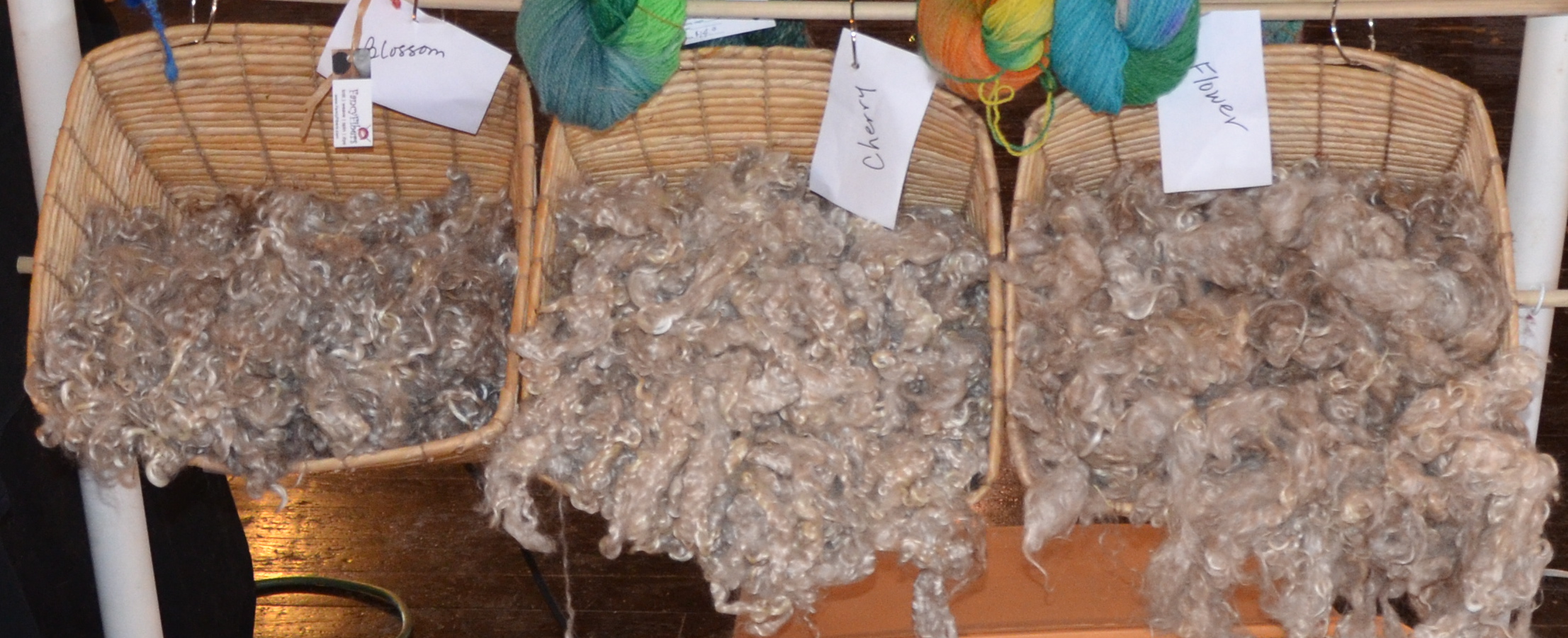
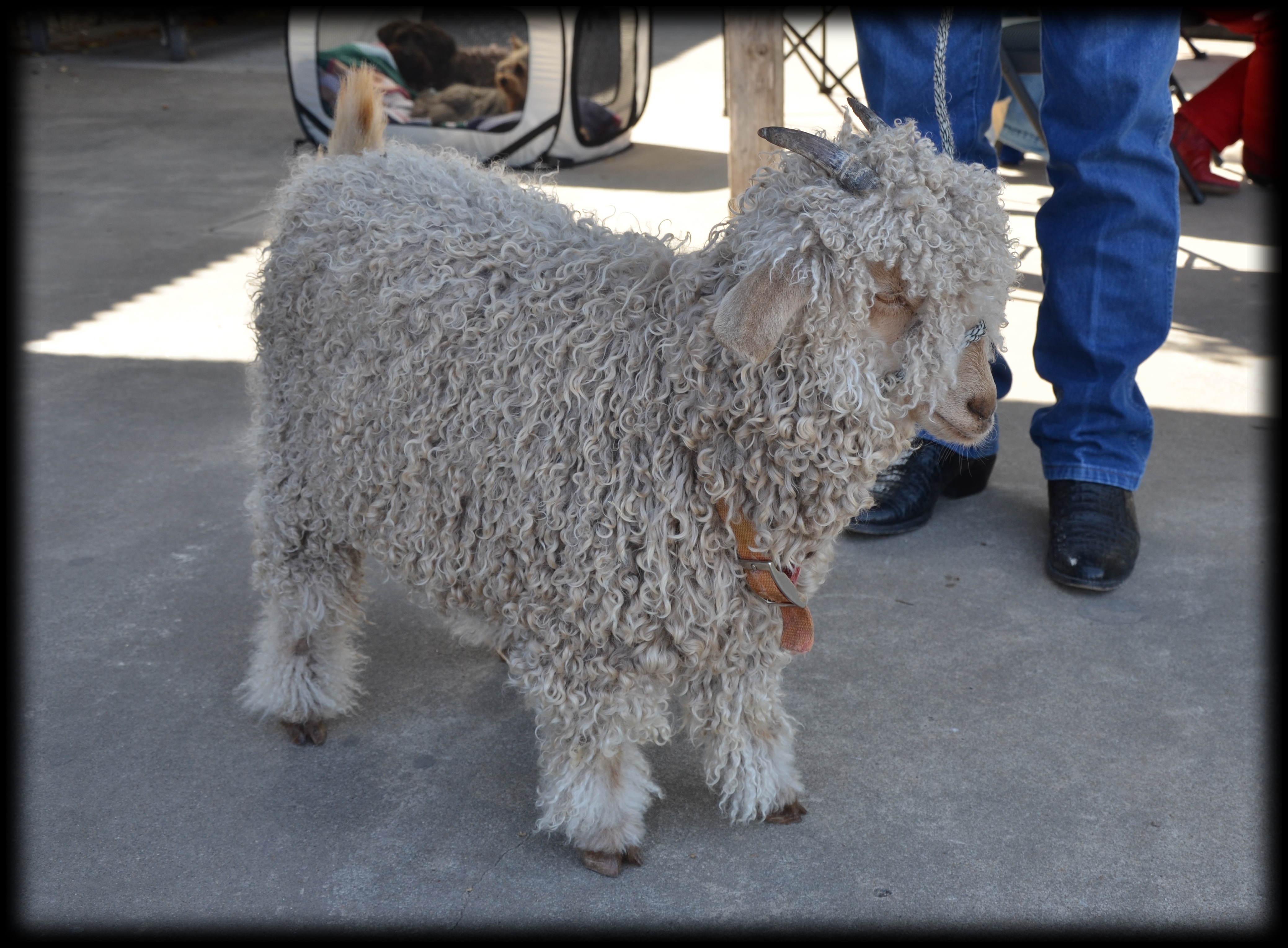
Mohair locks from Blossom, Cherry and Flower, kid goats from Mary’s farm.
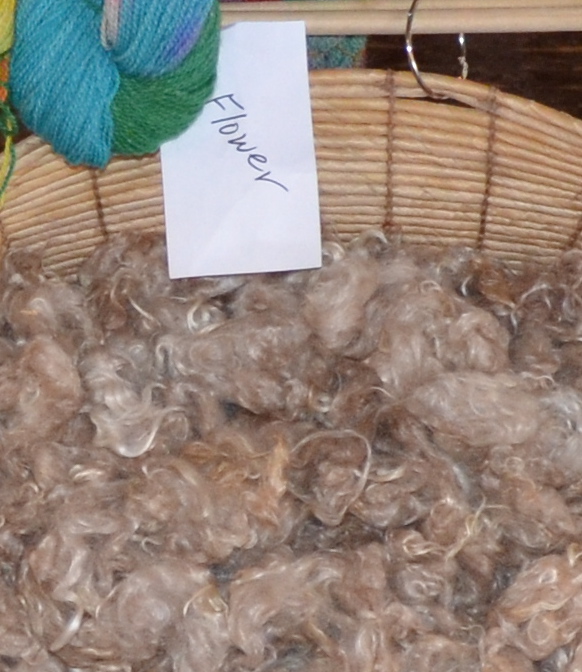
Close-up of Flower's curly locks.
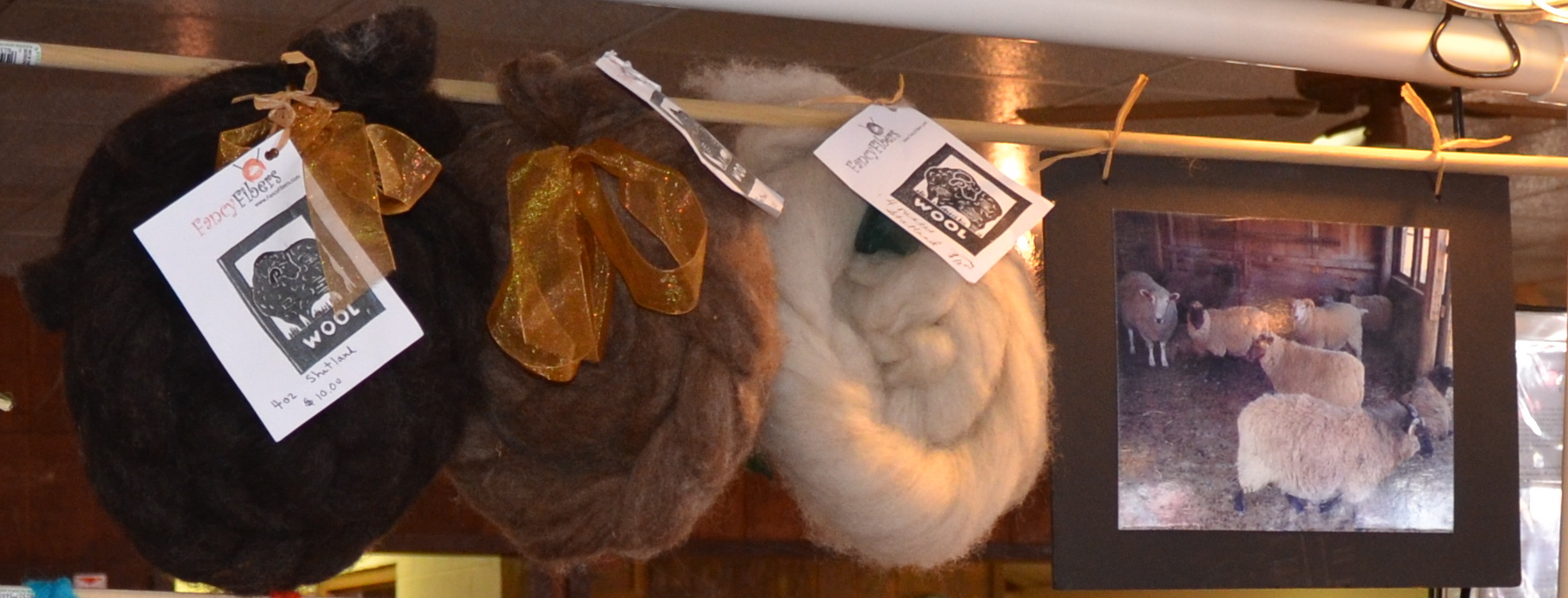
Wool roving alongside a picture of their makers.
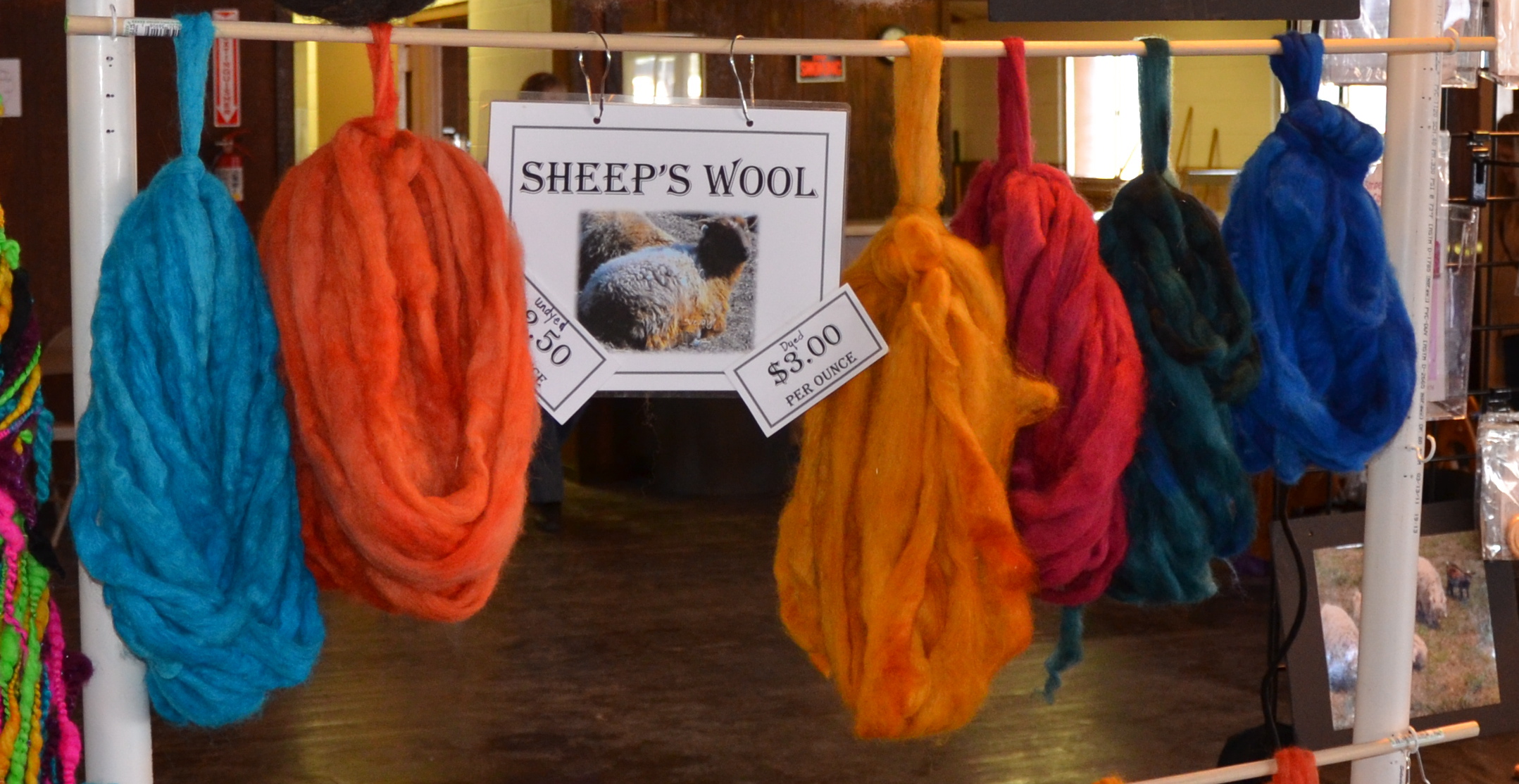
Brightly dyed sheep’s wool.
2 oz. of undyed Shetland Wool.
2 oz. of undyed Carded Mohair.

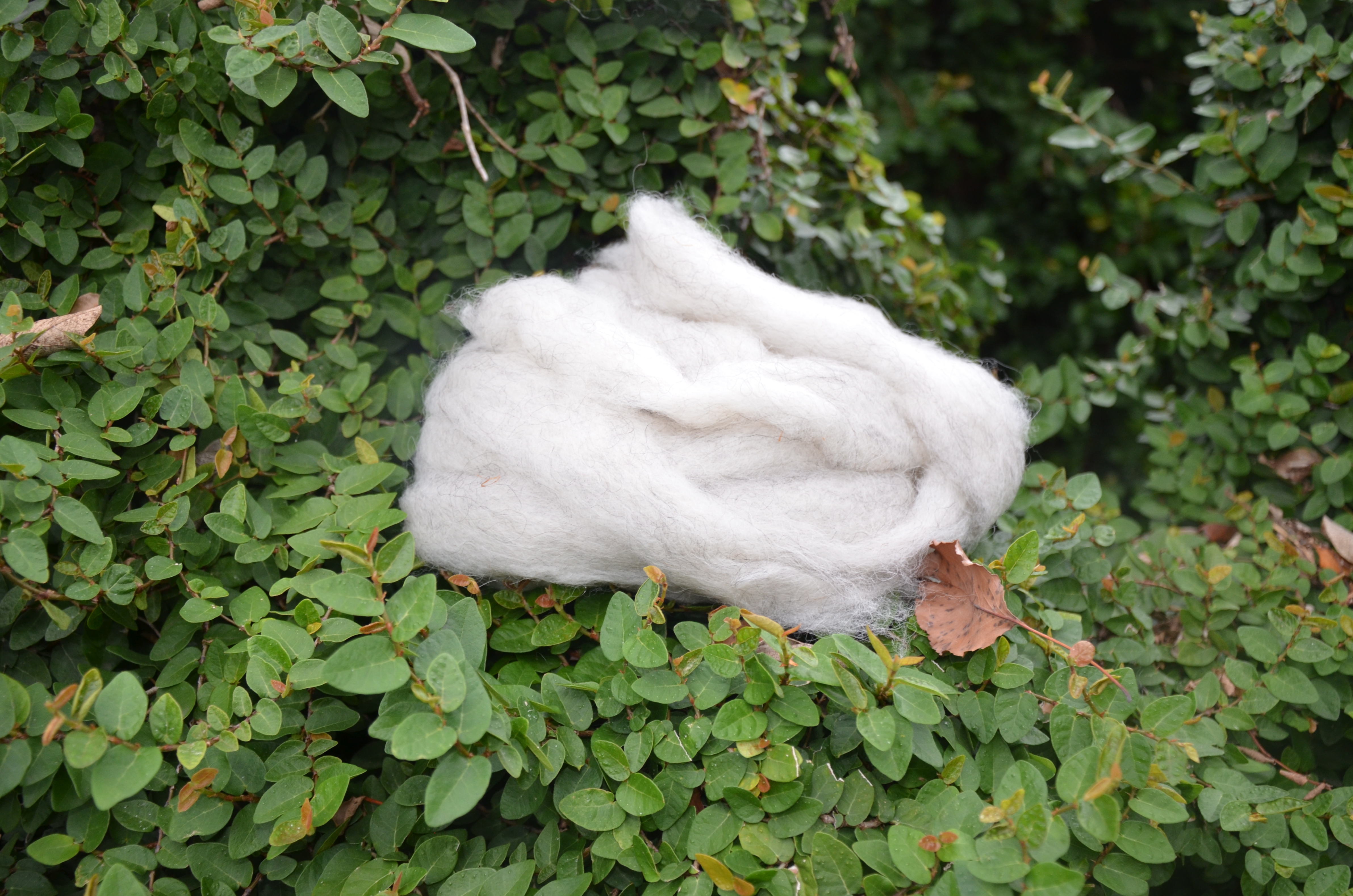
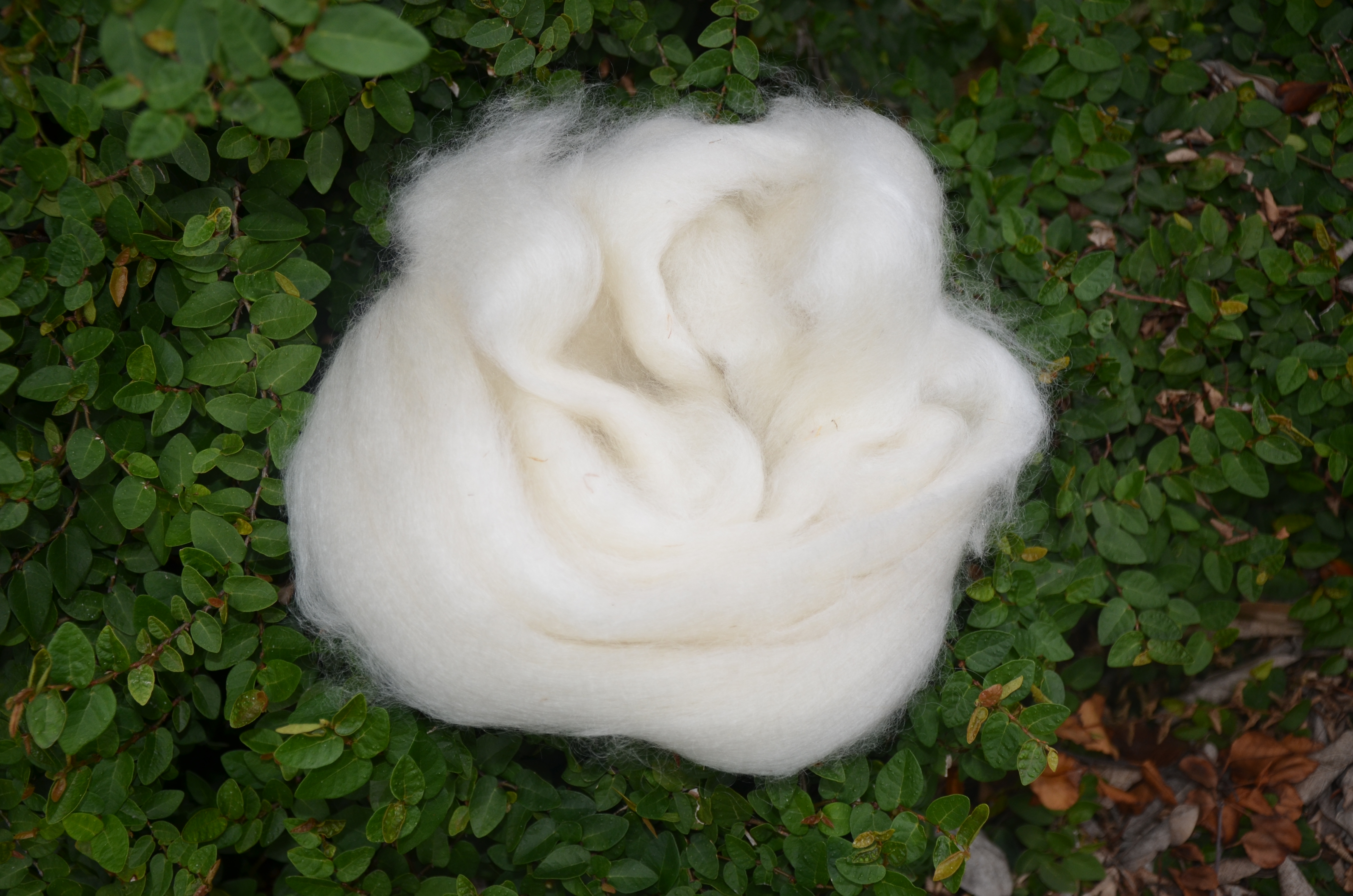
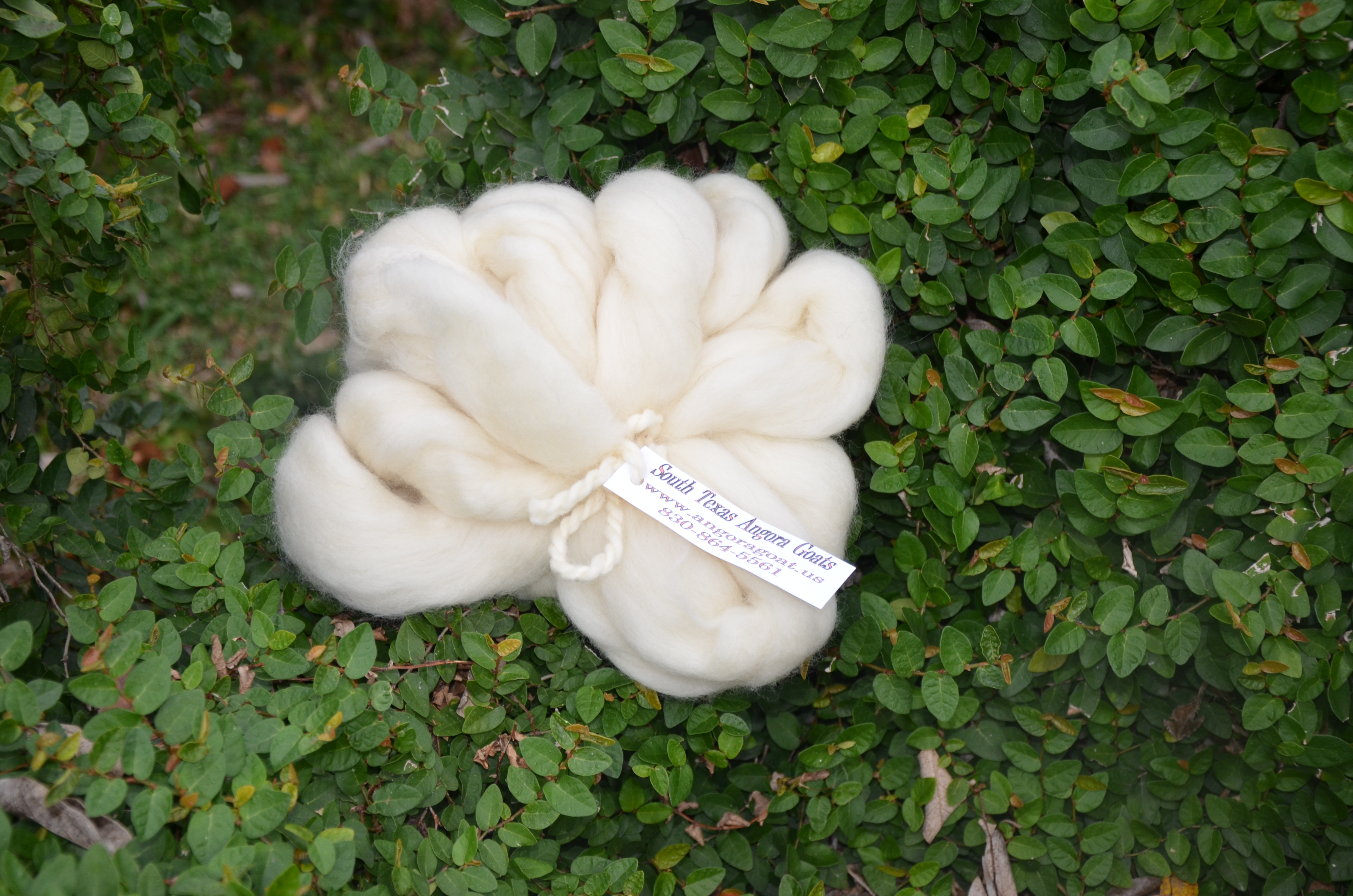
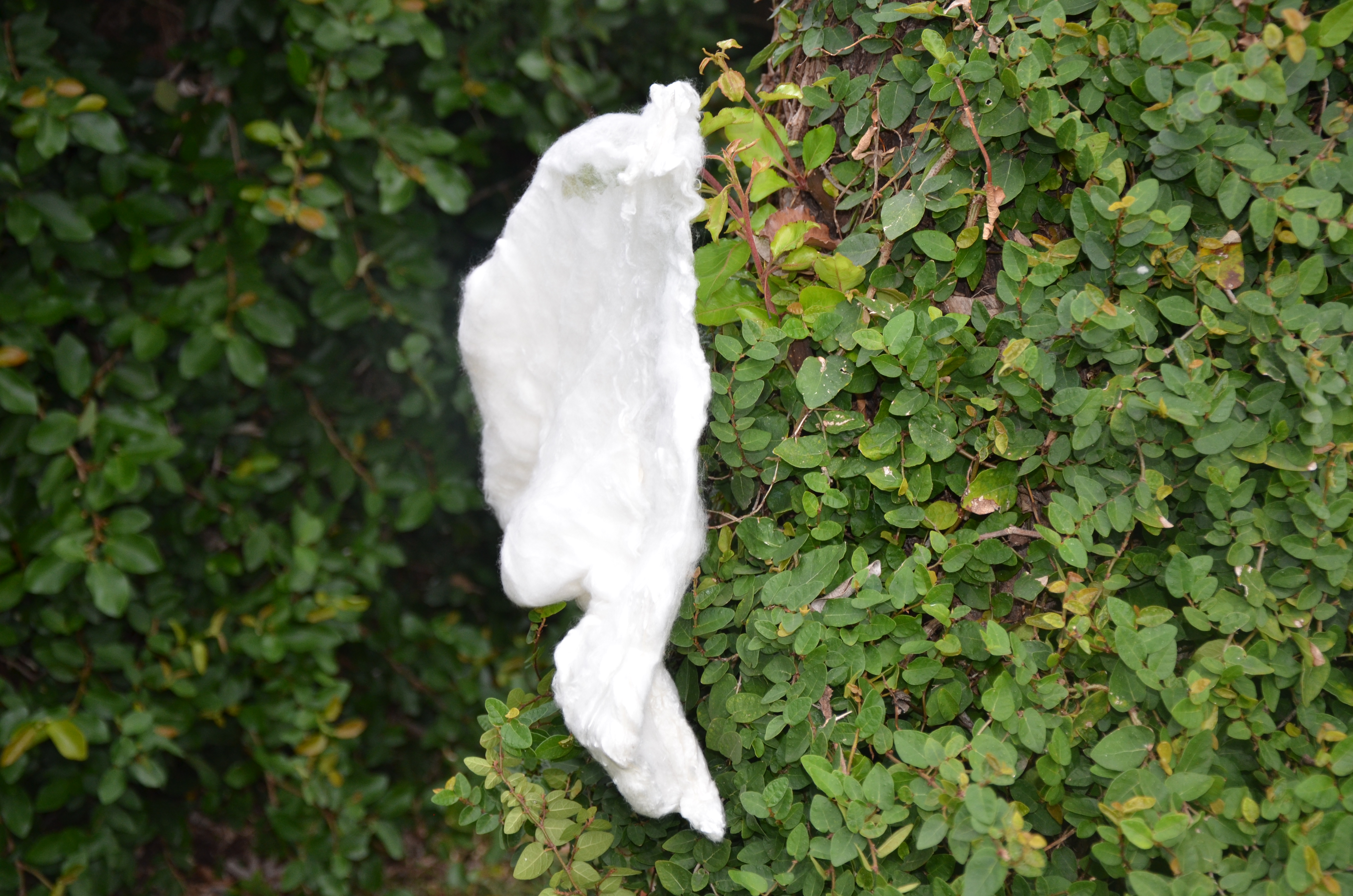
I then stopped by the South Texas Angora Goats booth. Their carded Angora wool was soft and crisp white. I highly recommend visiting their website. They have great pictures of their animals especially their Racka sheep with their spiral horns.

Natural Angora from South Texas Angora Goats.

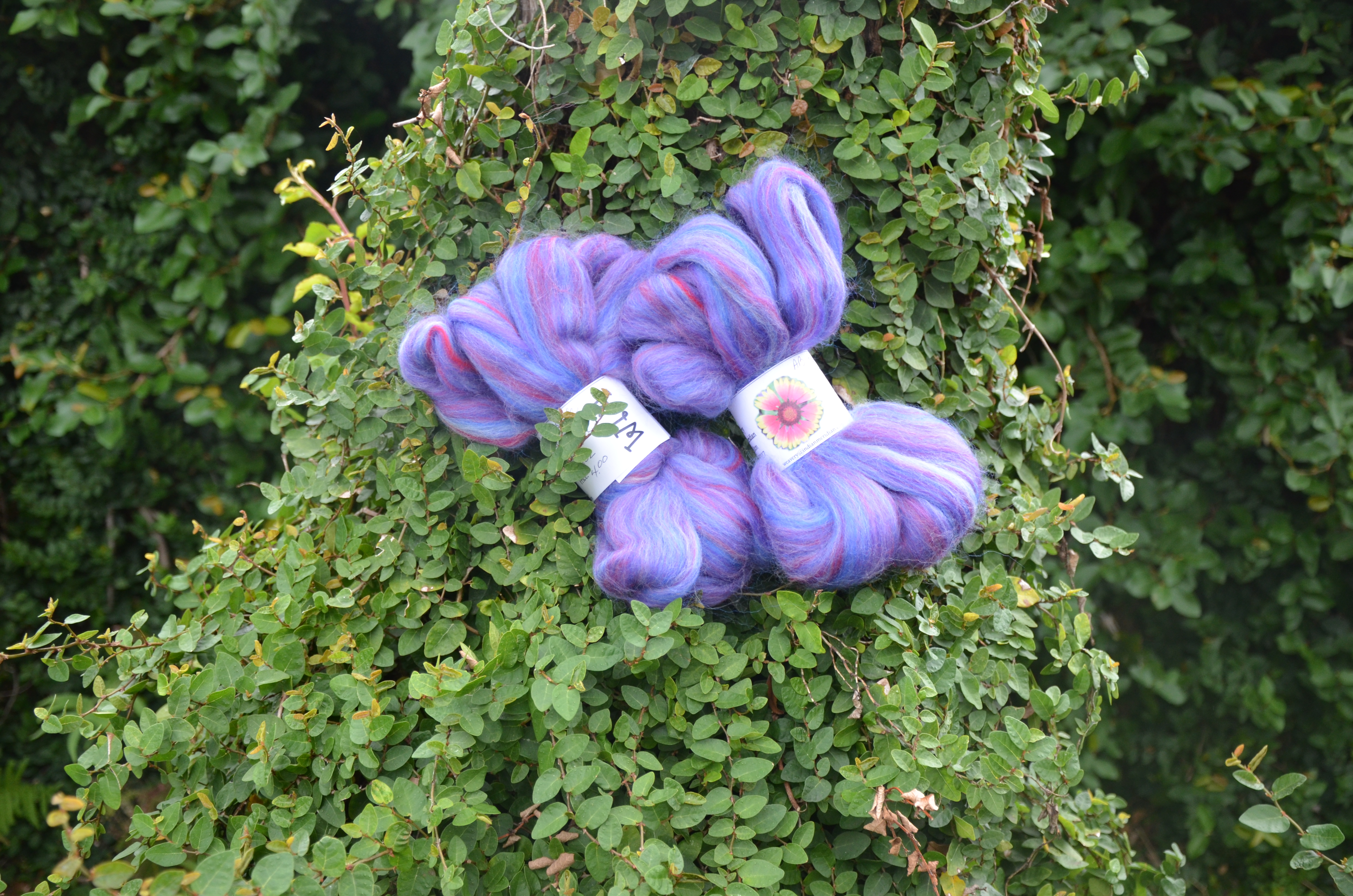
I loved the combination of the purples and reds in this dyed fiber from the Weavery at Indian Meridian.

2 oz. each fine wool imported from the U.K.

Another fiber booth.

Like letting kids loose in a candy store.
Silk hankie from China.

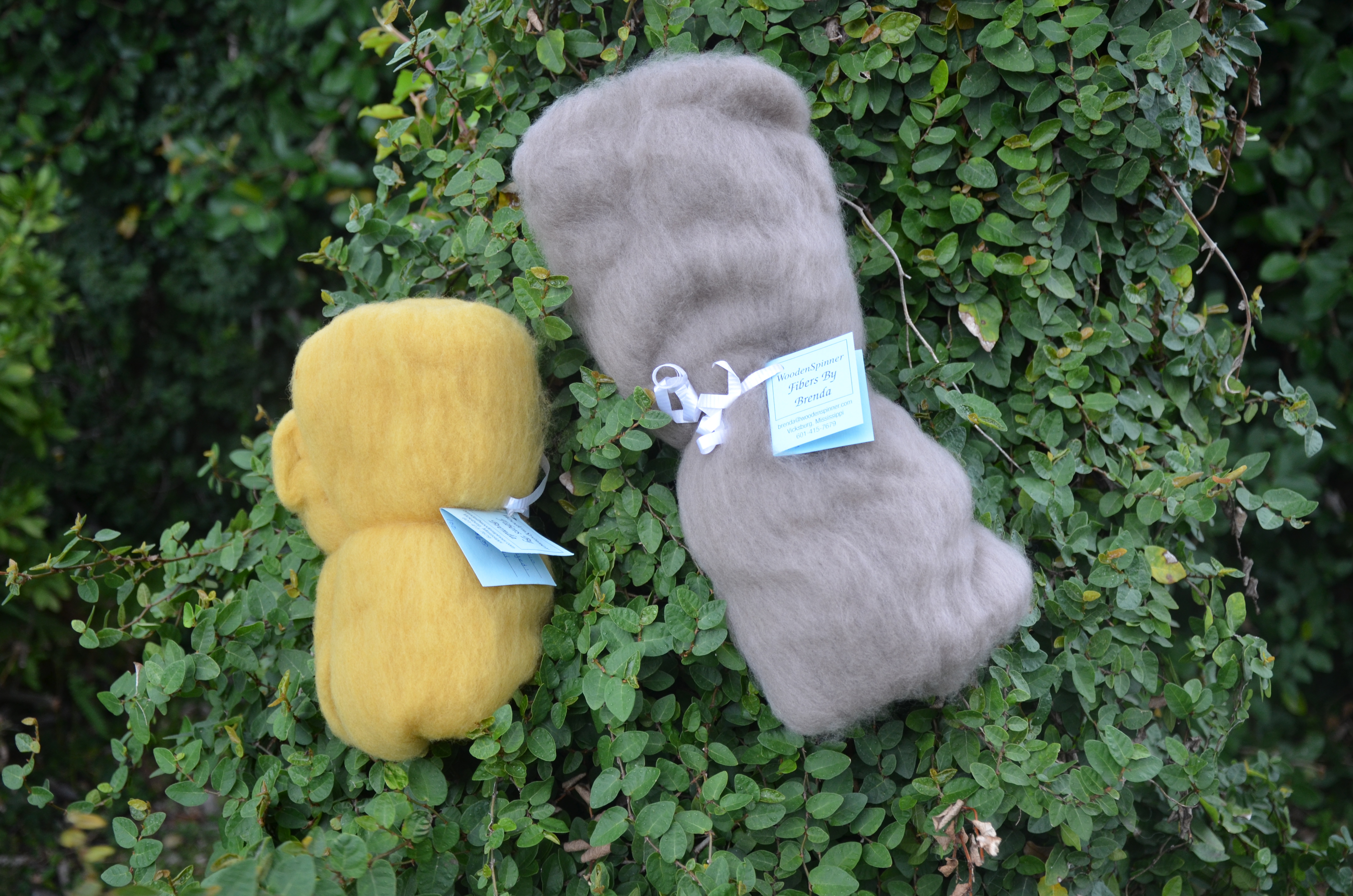
My last stop was at the Wooden Spinner. Proprietors Mike and Brenda Harrower offer high quality, hand-processed fibers. They specialize in creating natural plant dyes for their fibers. The resulting fibers are cast in soft, soothing colors.

Naturally-dyed Merino fibers from the Wooden Spinner. From the left, 1 oz. dyed with marigold flowers and 1 oz. dyed using walnut with aluminum and iron.

Now we shall have to put my spinning skills to the test. Stay tuned!

Goats, and Alpacas, and Sheep! Oh My!

The Kid’N Ewe Fiber Festival took place at the Kendall County Fairgrounds in Boerne, Texas. The 23rd annual festival provided “quality supplies and equipment to crafts people, and share[d] knowledge about fiber producing plants and animals.” Source: 2011 Festival Guide. Highlights included: the animals, natural fibers, spinning and weaving tools and classes, dyeing techniques, and the resulting yarn. Here is a peek into the weekend festivities.

Texas-raised kid mohair goat. Playful toddler with soft, curly locks that are sheared twice a year. He kept butting his head against my legs and would not stand still! Cute little guy.
Kid'N Ewe Fiber Festival 2011
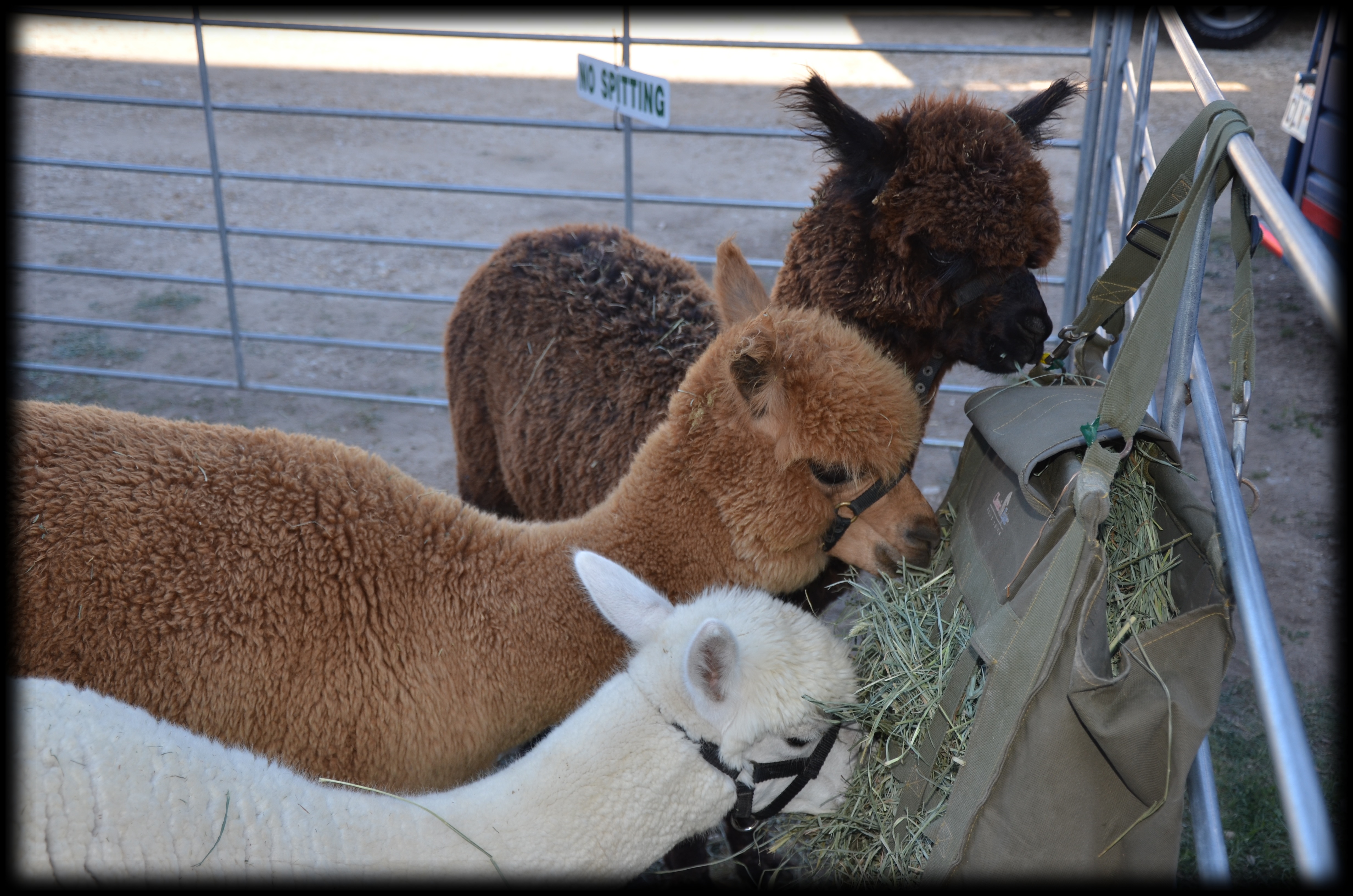
Alpacas in three shades of color.
Kid'N Ewe Fiber Festival 2011
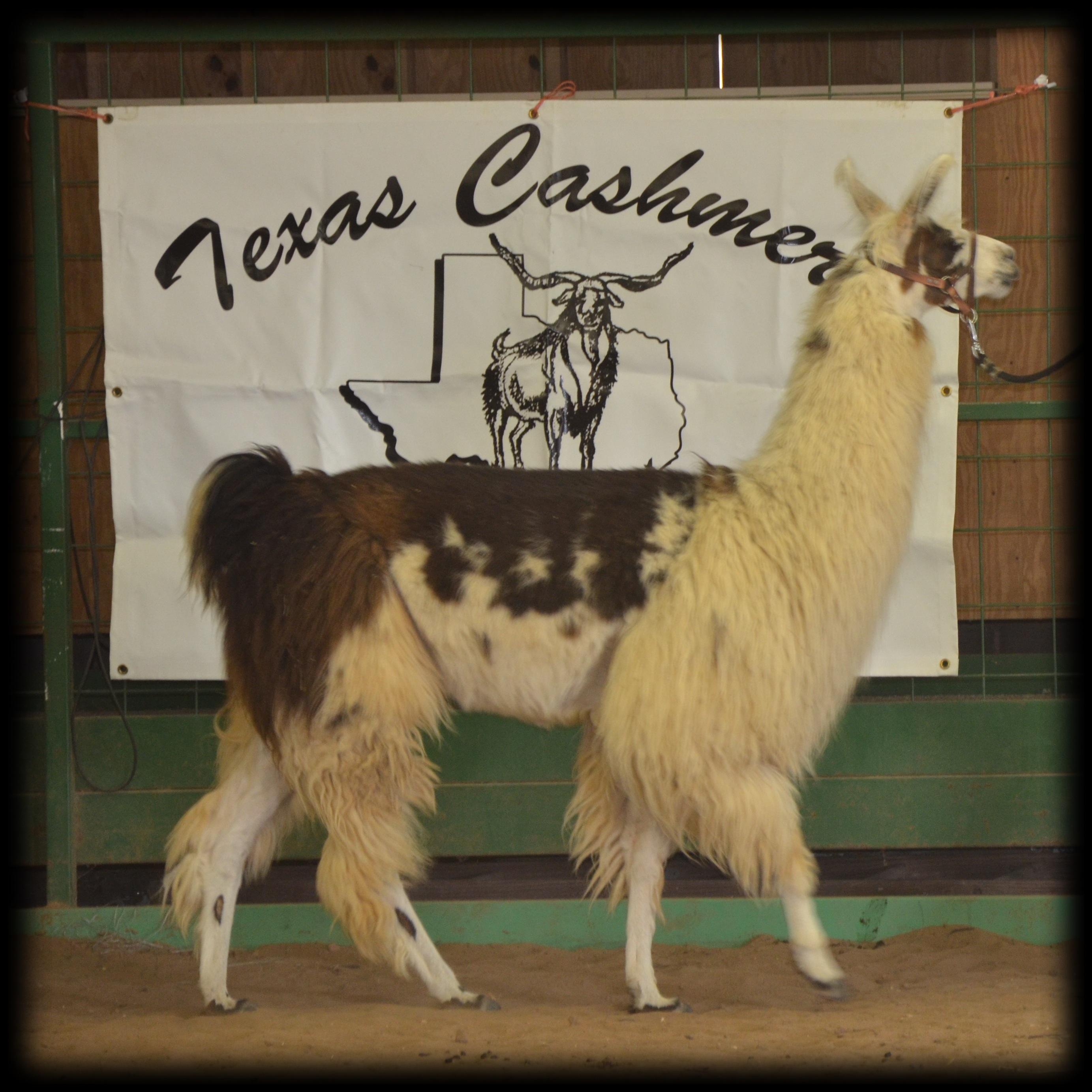
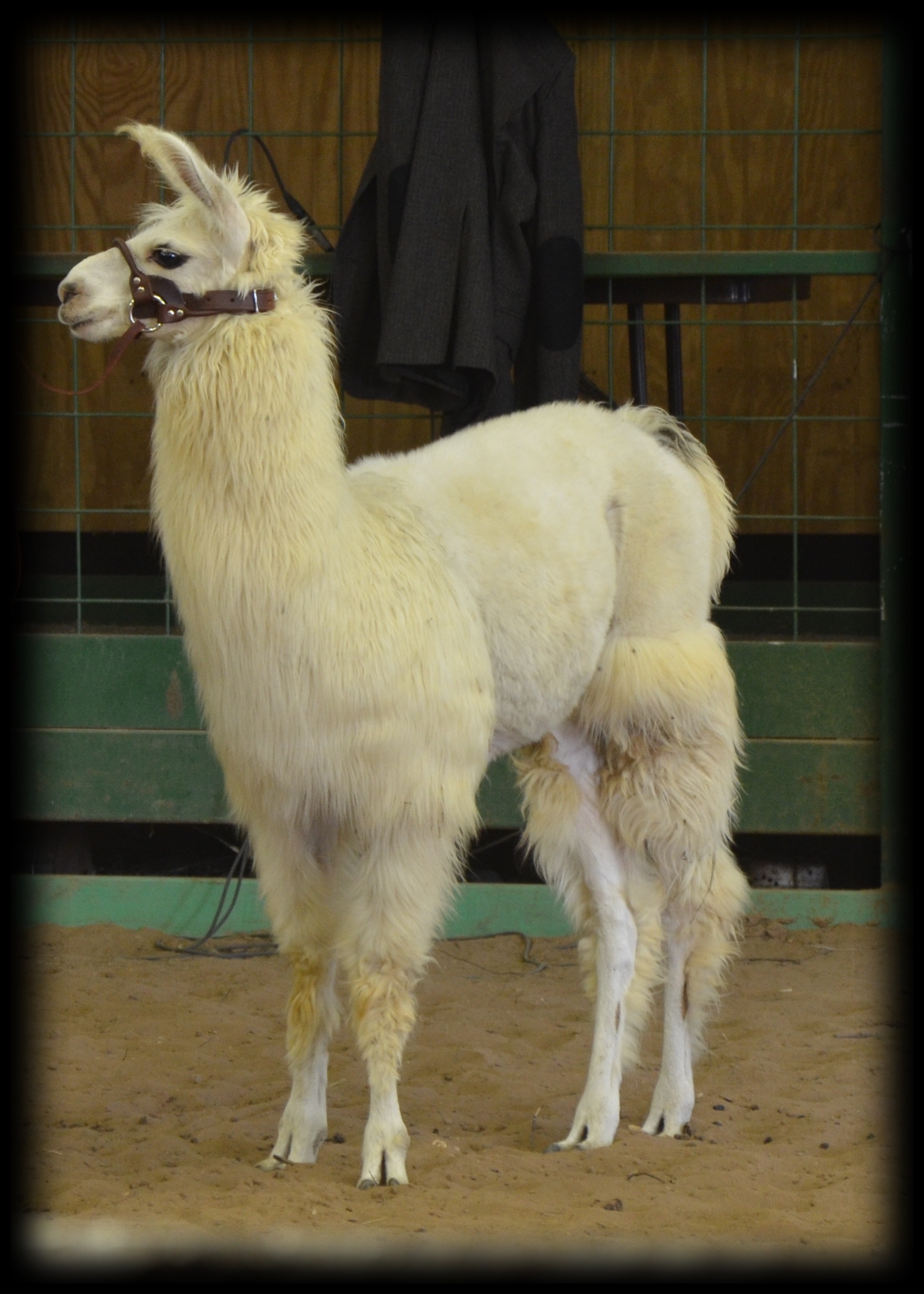
Contestant in the South Central Llama Association (SCLA) Youth Show.
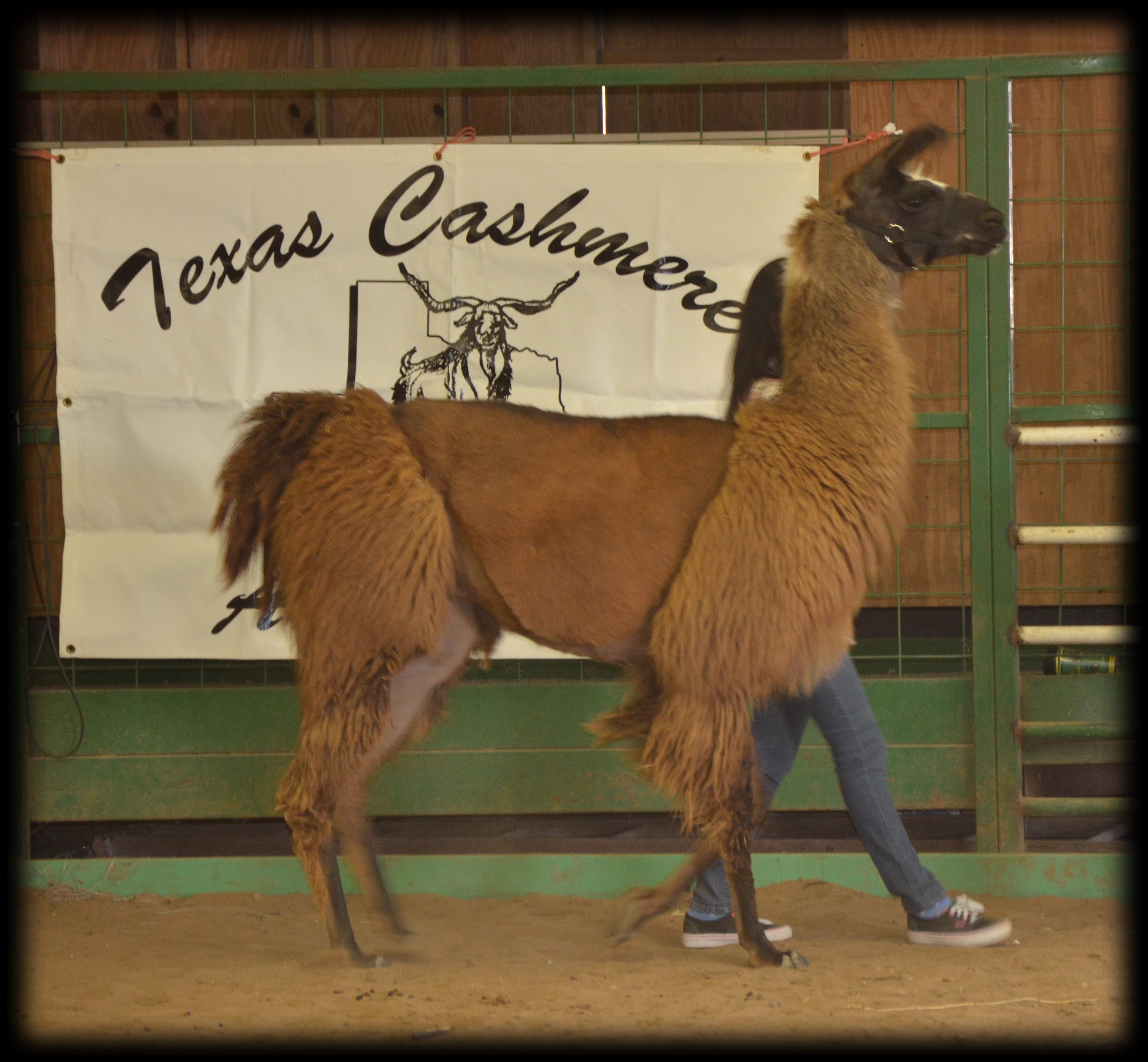
The competition.
Kid'N Ewe Fiber Festival 2011
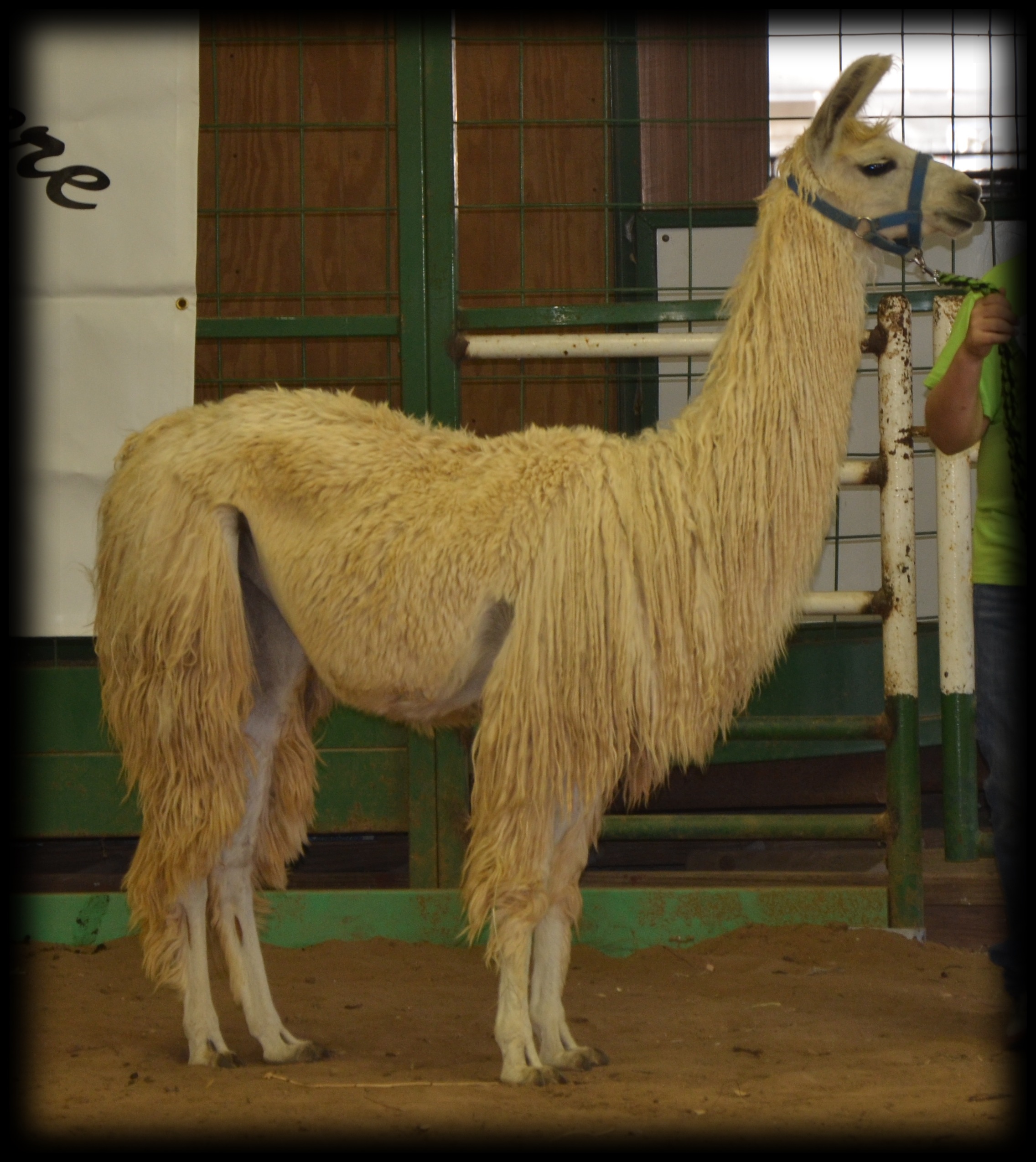
Partially sheared but still displaying long locks.
Kid'N Ewe Fiber Festival 2011
Best in Show.

The 2011 festival was sponsored by the South Central Llama Association, the State of Texas Alpaca Ranchers, and the Texas Cashmere Association. You can read about the festival’s history here.

Kid'N Ewe Festival 2011 - LOGO

{Logo image source}