“40 Under 40: Craft Futures” at the Smithsonian

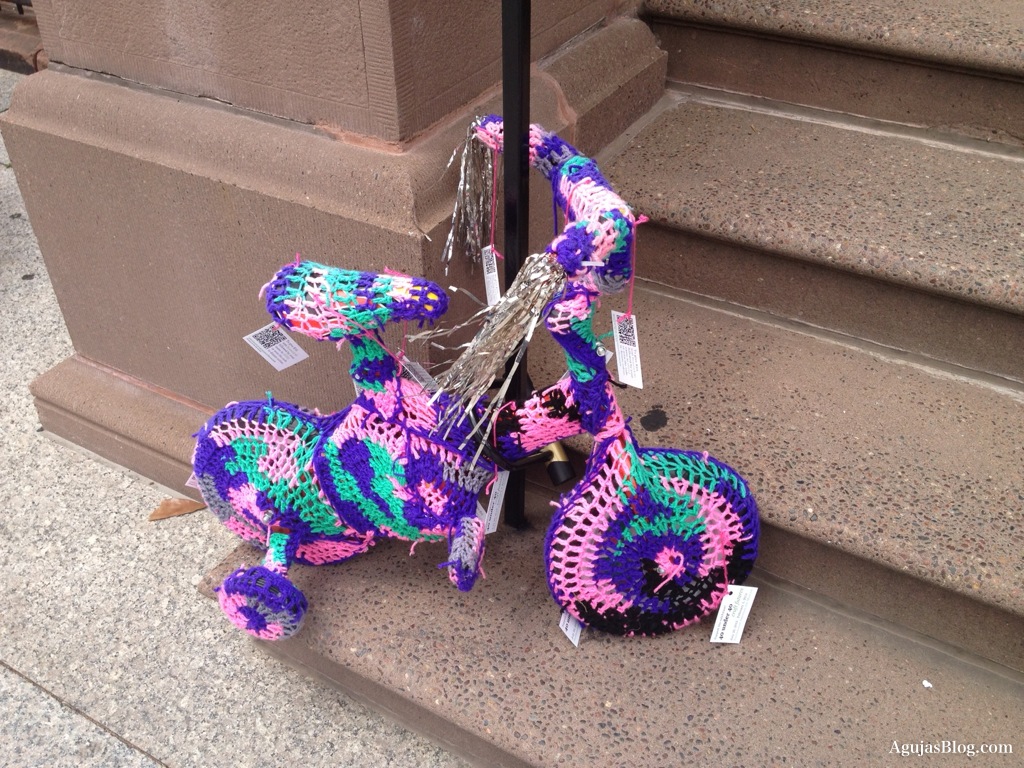
My husband was in Washington, D.C. recently on a business trip. On his way to a meeting, he saw this:

Knowing I would be intrigued, he inquired about the bicycle. The crochet-bombed bicycle is by the Polish artist Olek, one of the artists to be featured in the upcoming “40 under 40: Craft Futures” exhibit. The exhibit will take place in the Renwick Gallery at the Smithsonian American Art Museum from July 20, 2012 through February 3, 2013.

According to the museum’s website, “These 40 artists are united by philosophies for living differently in modern society with an emphasis on sustainability, a return to valuing the hand-made and what it means to live in a state of persistent conflict and unease.”

Amongst other art works in various media, these are some of the knitting and fiber arts-related works you can see and experience first-hand.

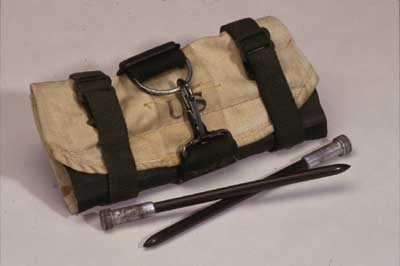
Vintage military knitting needles by Dave Cole (image source).

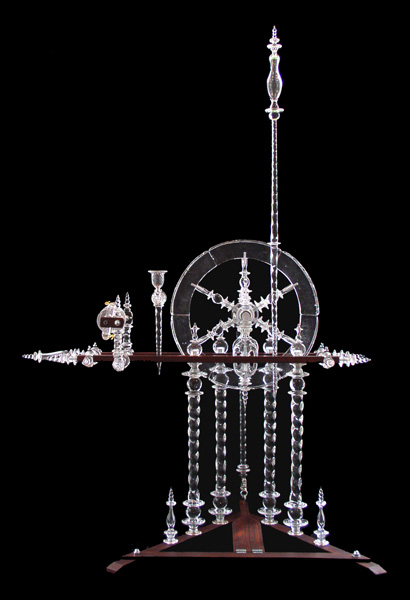
Glass spinning wheel by Andy Paiko (image source). Apparently, this is a fully functioning spinning wheel.

Protest knits by Cat Mazza (image source).

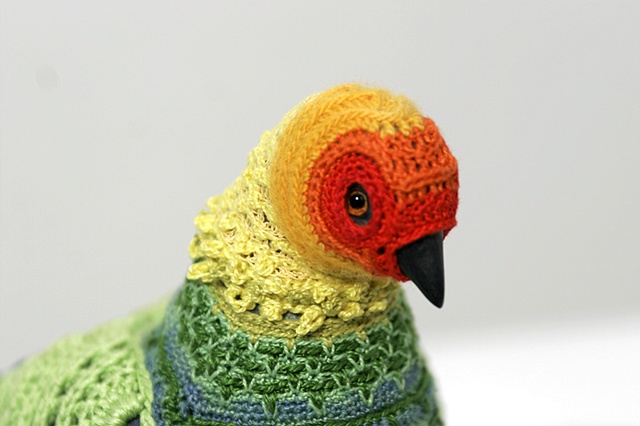
Crochet urban pigeons by Laurel Roth (image source).


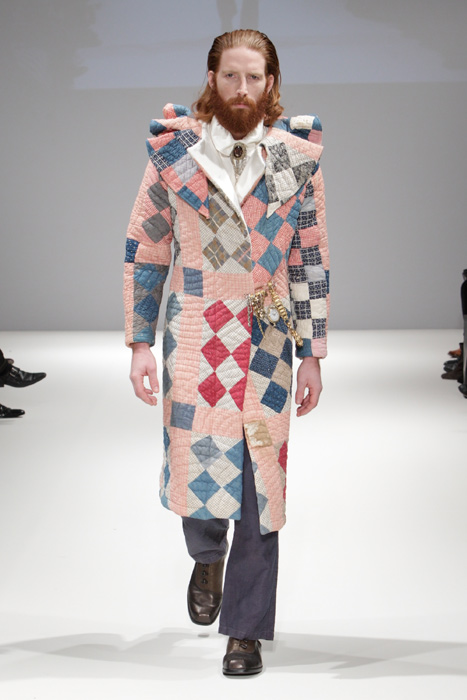
Quilted coat by Jeff Garner (image source).

You can read about all 40 artists and view a slide-show preview of the exhibit at the Smithsonian American Art Museum’s website. Better yet, if you are in D.C., go see it in person. I hope I can.

A Backpacking Trip to Real de Catorce

Real de Catorce is an old mining town in the Sierra de Catorce mountain range in the state of San Luis Potosí, México. My husband did field work there as an undergraduate and told me great stories of the place. So, the day after Christmas one year, we grabbed our backpacks and took off to Real. (Real is pronounced with two syllables – Rĕ ∙ ǎl – with short vowel sounds).

Unless you climb mountains, the only way to reach Real de Catorce is to take a 25 kilometer cobbled road off Highway 62 up the mountain. By cobbled I mean we rode in a bus at about 10-15 mph bumping along the whole way.

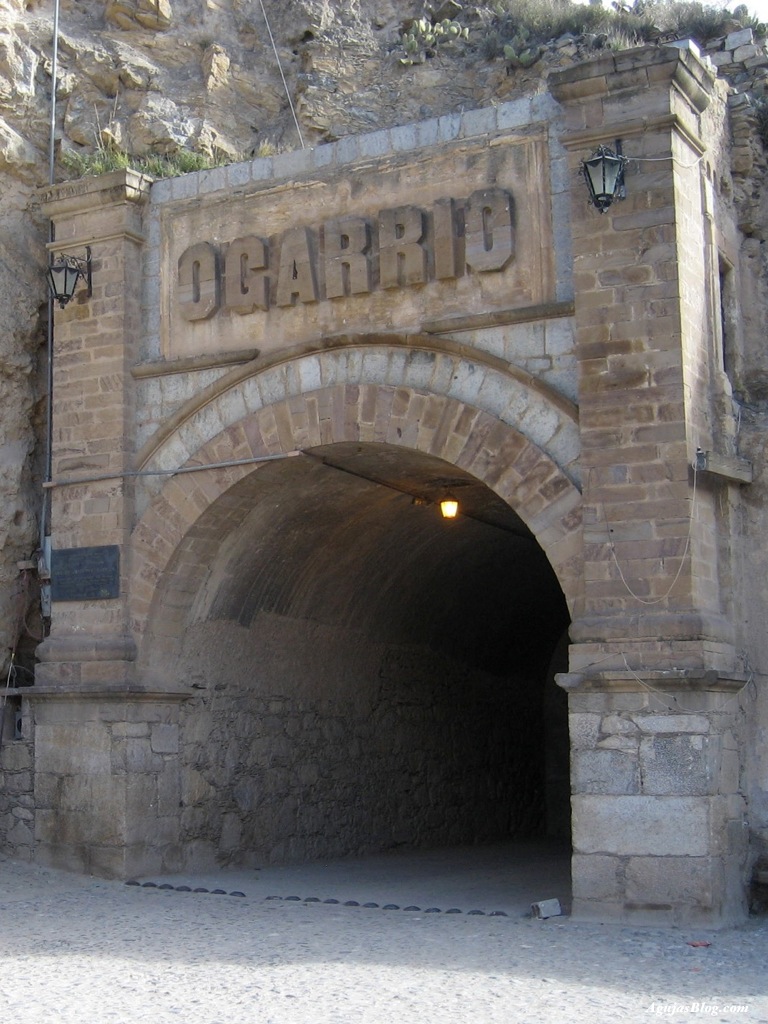
Once at the top, we transferred to a small passenger van for the ride through the tunnel. The only way to town is through the Ogarrio Tunnel, one of the longest tunnels in México, at 2,229 meters long. One can go through the tunnel on foot, on horseback, on a motorcycle or car or truck, but only in one direction at a time. The tunnel is only wide enough for one vehicle. A man with a walkie-talkie stands at the entrance and talks to a man with a walkie-talkie at the other end of the tunnel. They control the flow of traffic by allowing visitors to take turns going through the tunnel in only one direction.
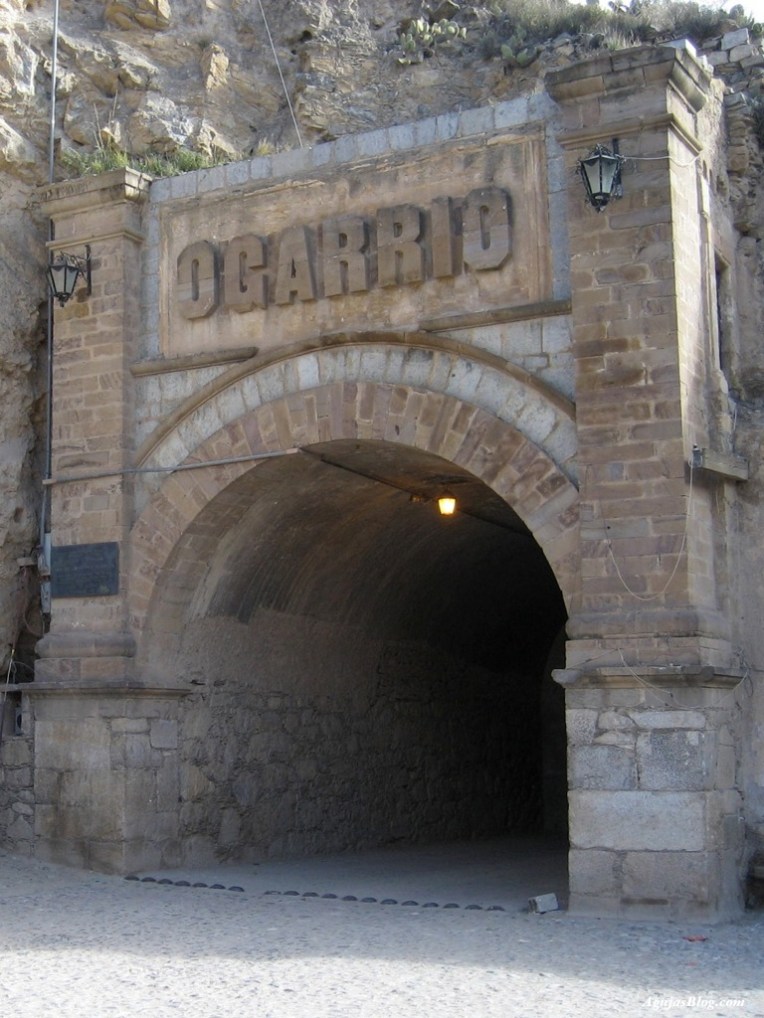
The movie “The Mexican” with Brad Pitt and Julia Roberts was filmed in Real and Brad Pitt’s character drives through the tunnel.

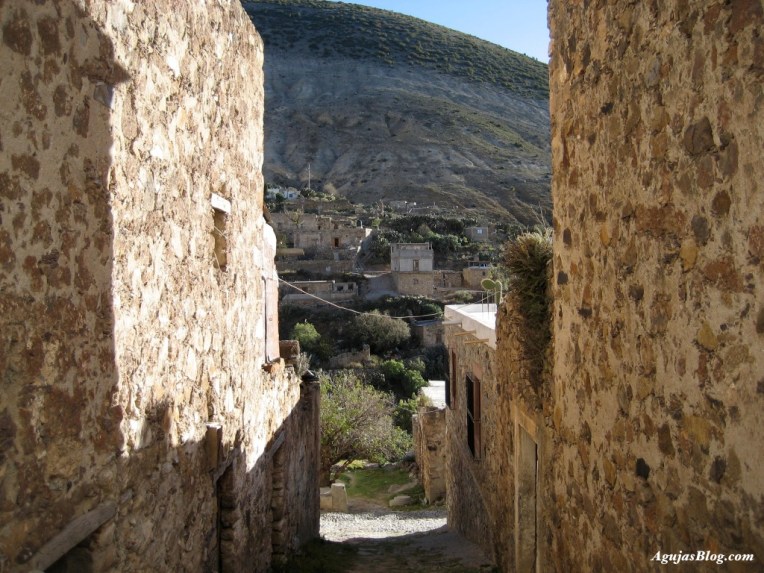
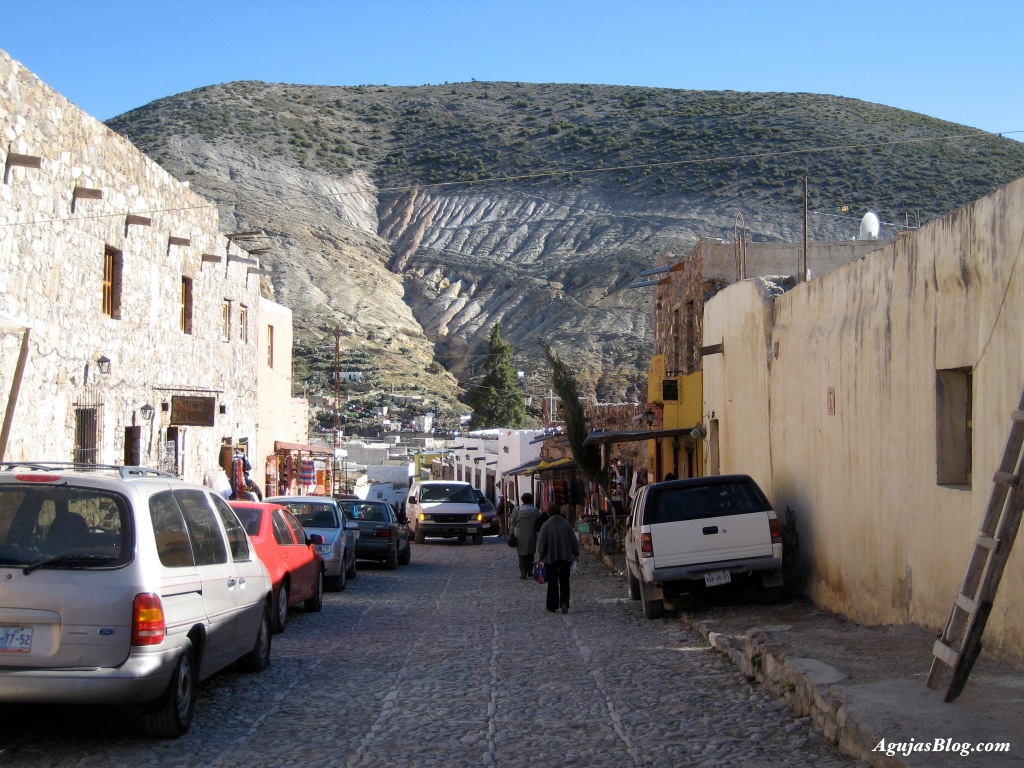
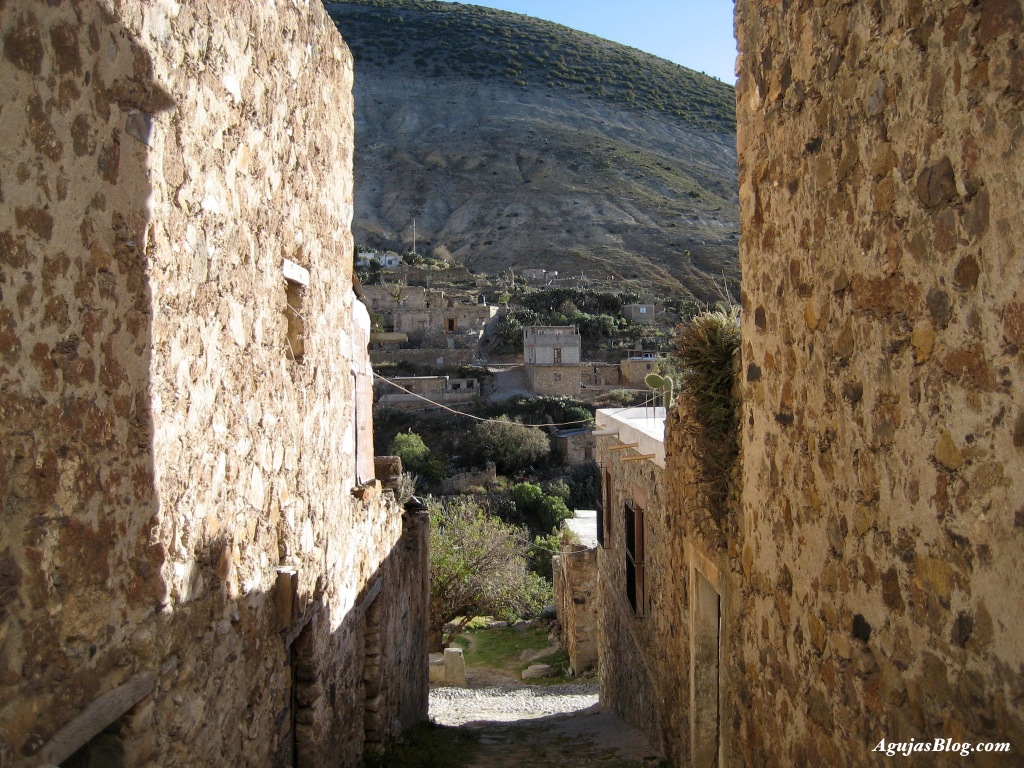
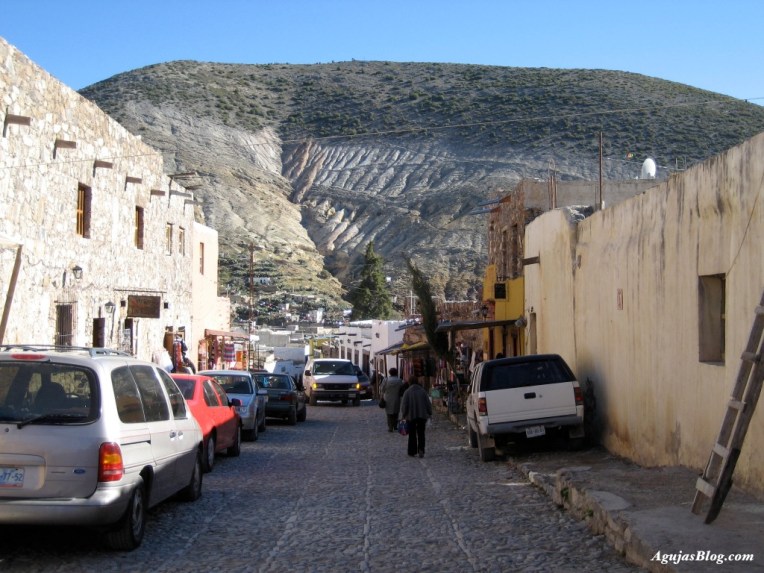
This is the main road in town and a typical side street.
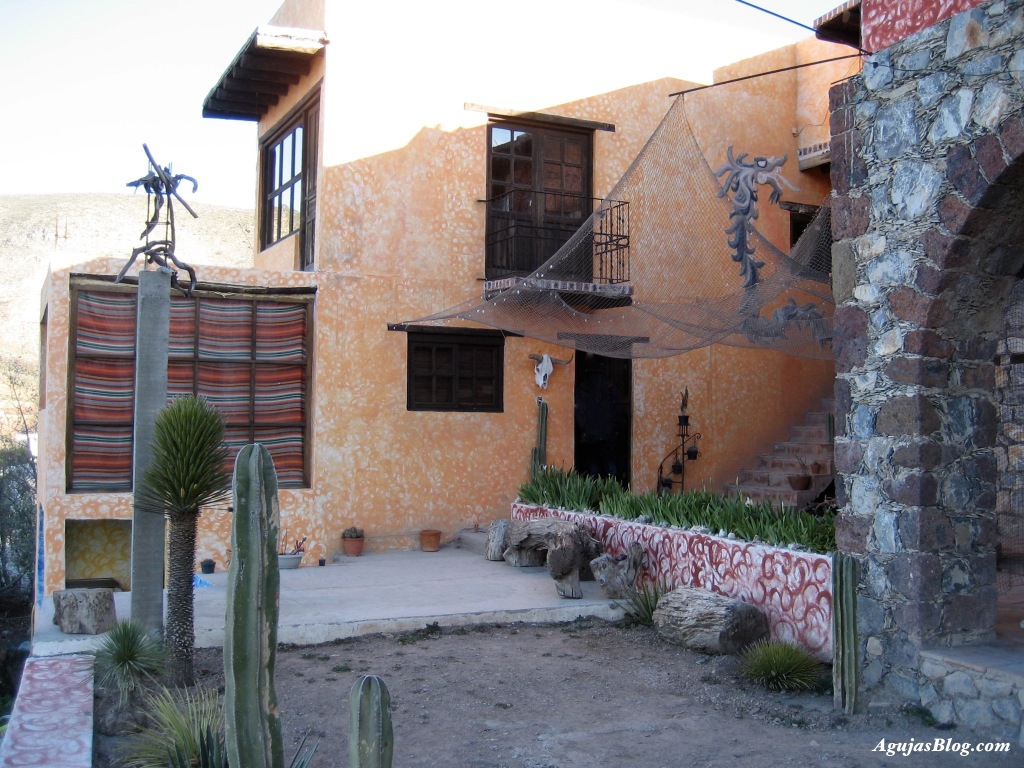
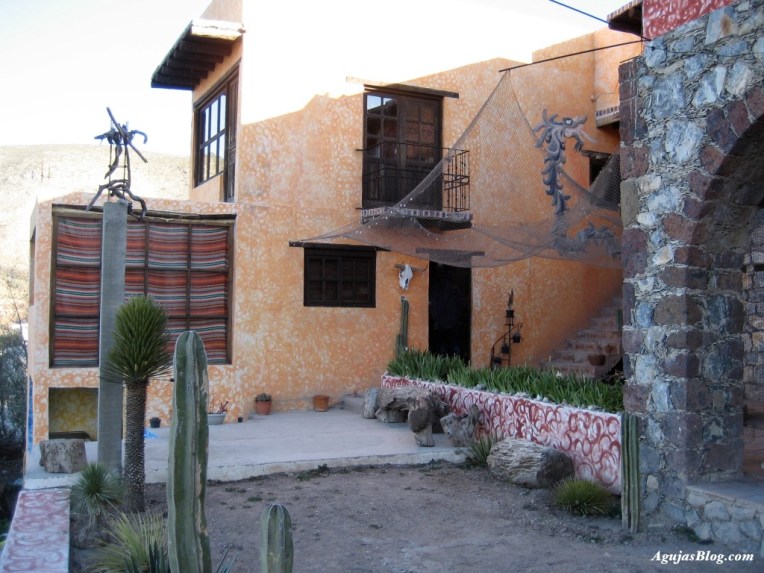
This is our room at the Rincón Mágico (magic corner).
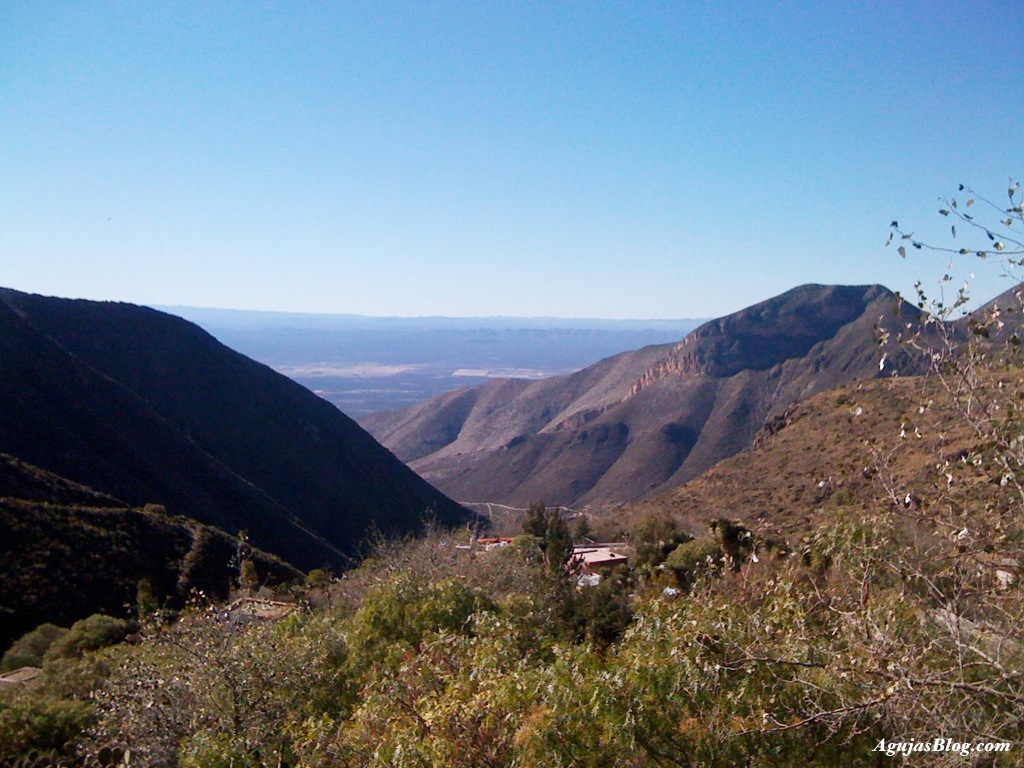
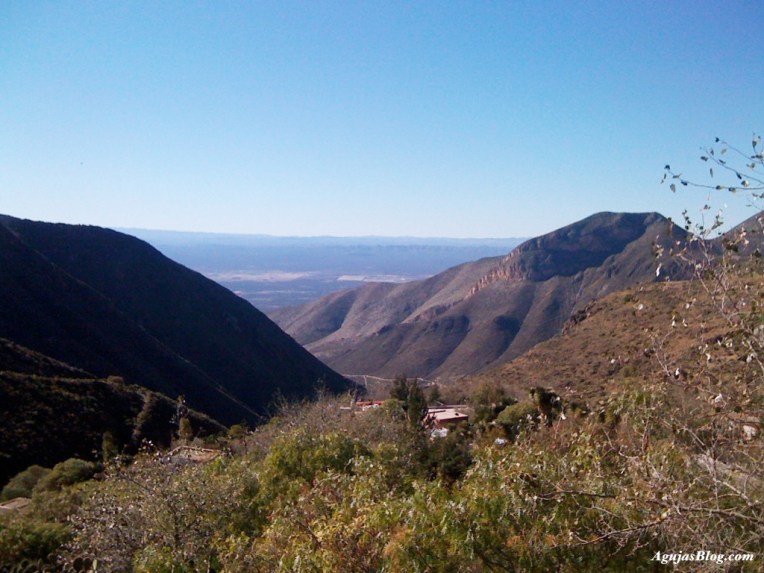
This is the view of the mountains from our room. Real is located 2,770 meters (9,000 feet) above sea level. The mountain range has two peaks that reach 3,100 meters (10,000 feet) high.
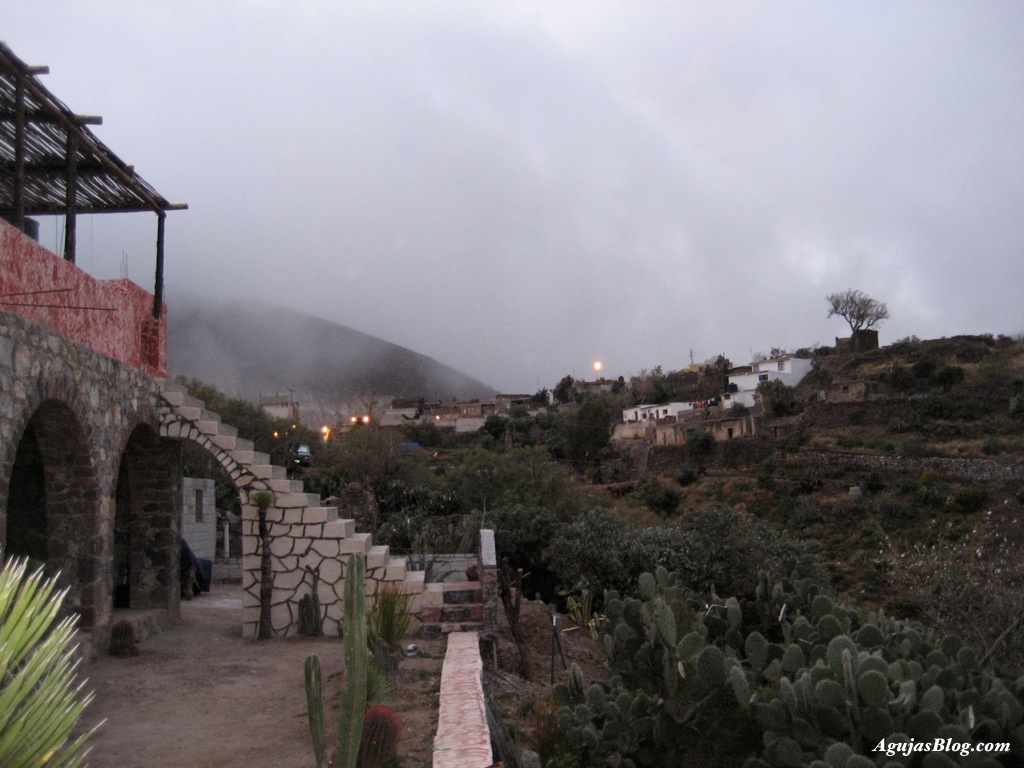
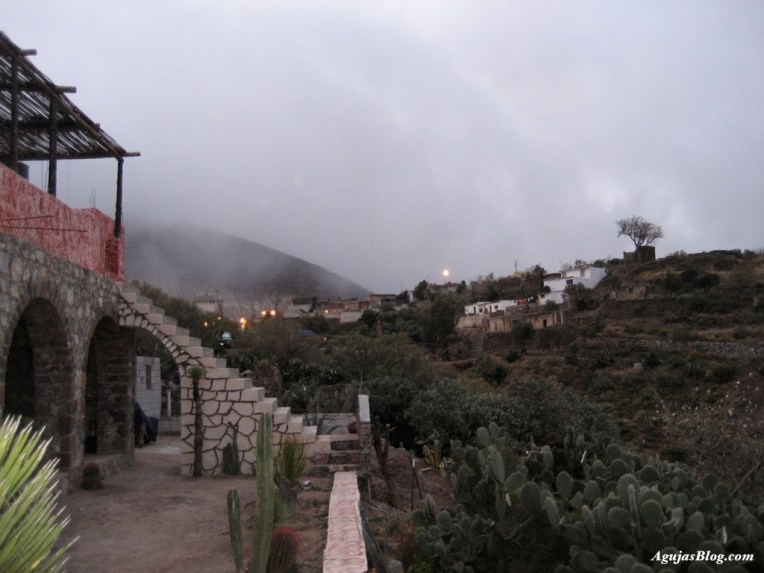
Here’s the view in the direction of town at dusk. As it grew darker, it got colder. The temperature dipped into the 20s. We slept under a stack of 14 woolen blankets.
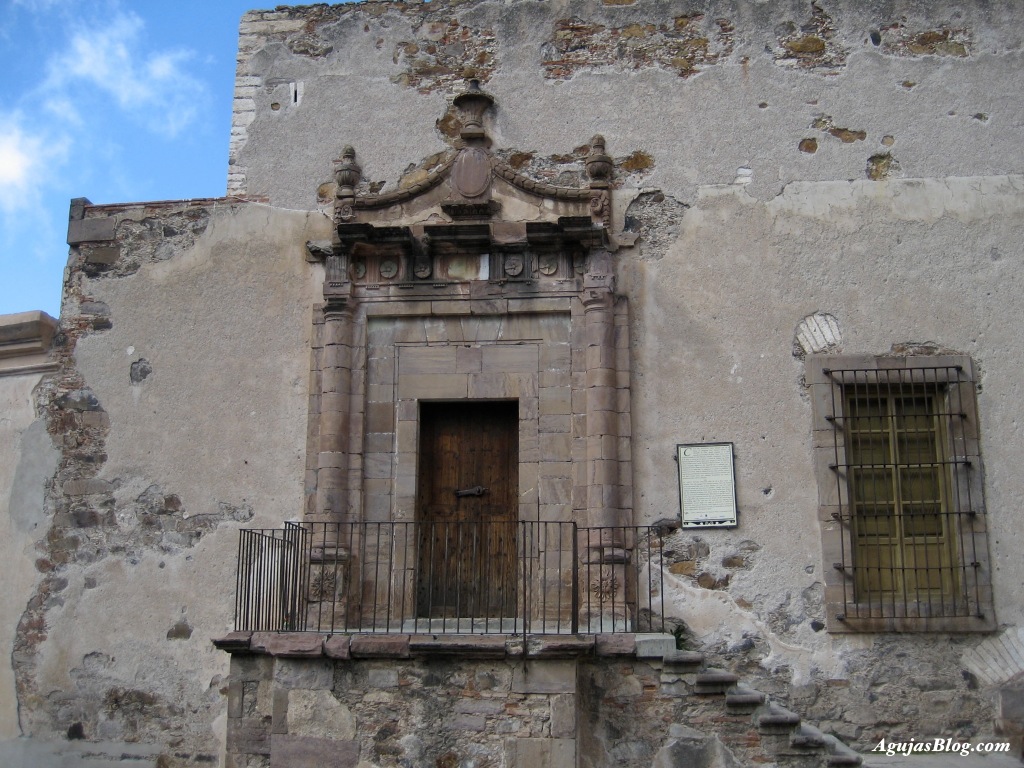
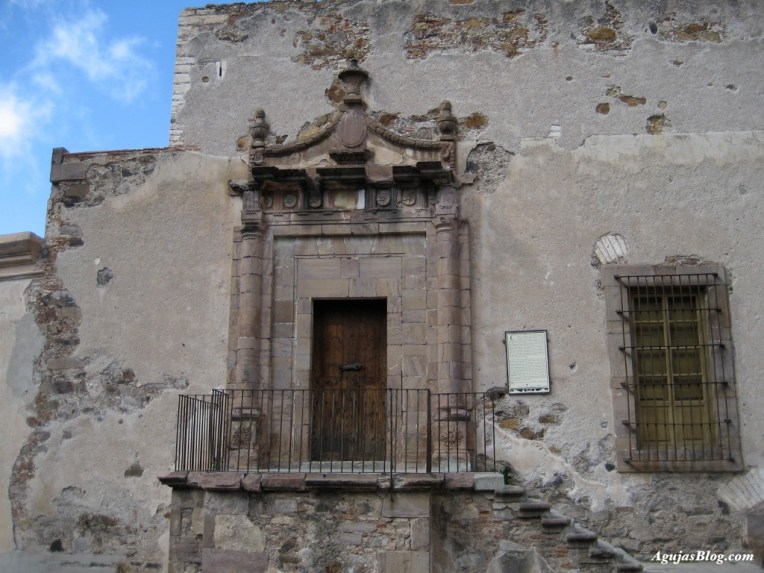
This is La Antigua Casa de Moneda, the mint. It is now a museum. In its heyday in the early 1900s, Real de Catorce was a prosperous mining town due to its abundance of natural resources in the form of silver. The town started to decline with the devaluation of the price of silver and fell apart in 1905 when Mexico switched from silver to gold as their monetary standard. The mint was constructed between 1863-1865; a year later it closed. In only 14 months of operation, 1,485,405 pieces of silver were minted there.
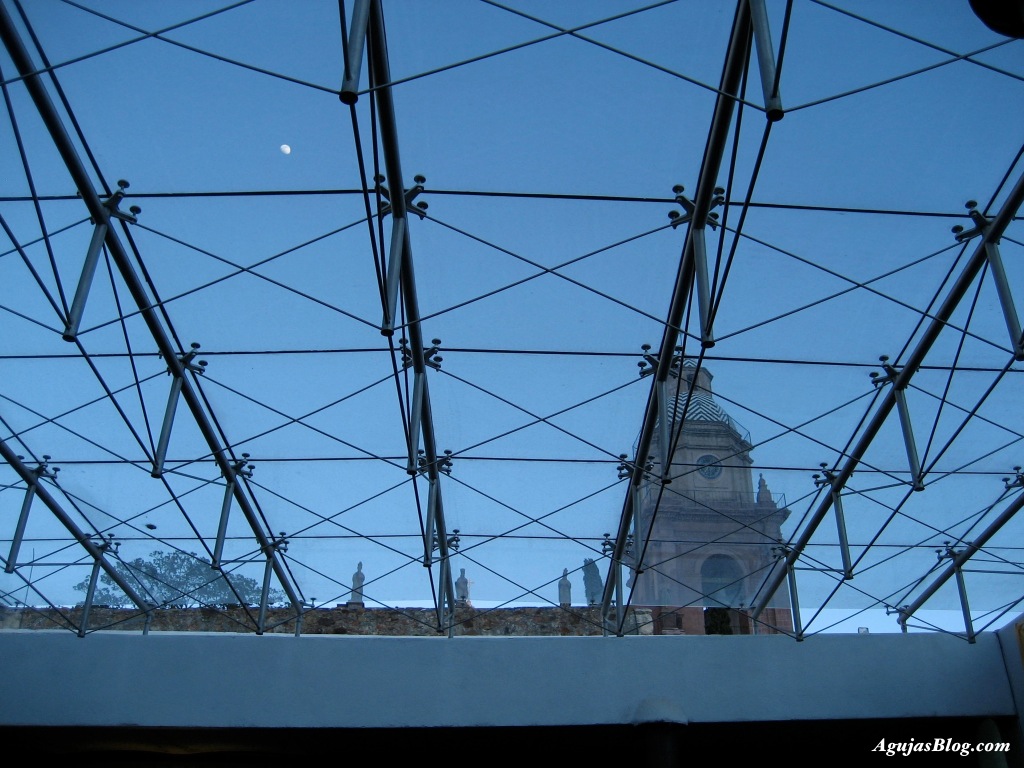
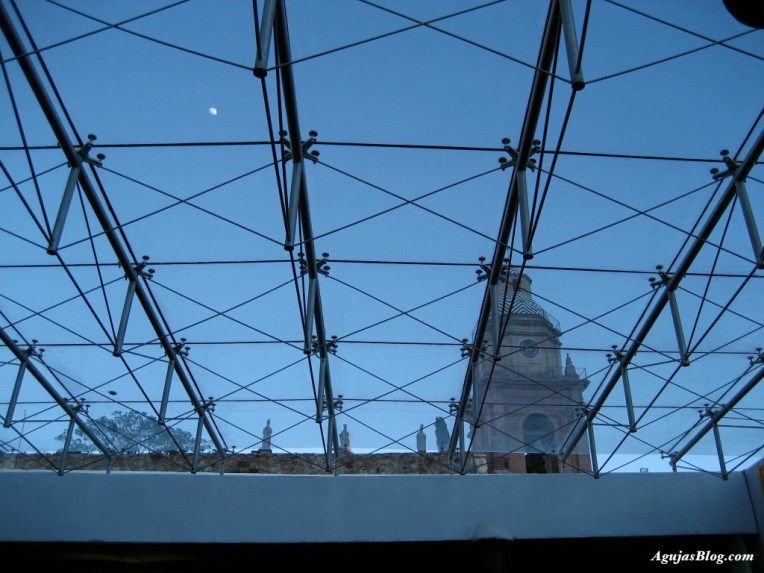
This is the view from inside the atrium. Renovations preserved the work rooms and machines used to mint the silver coins. The museum houses works of art and displays the history of Real through old photos and documents.
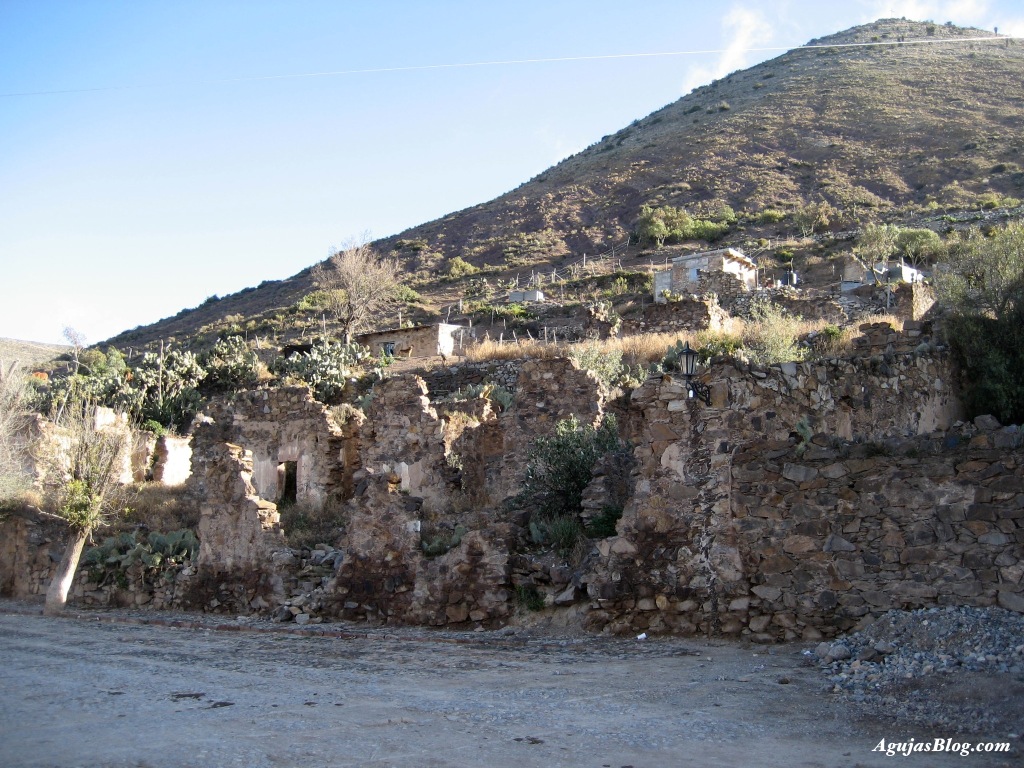
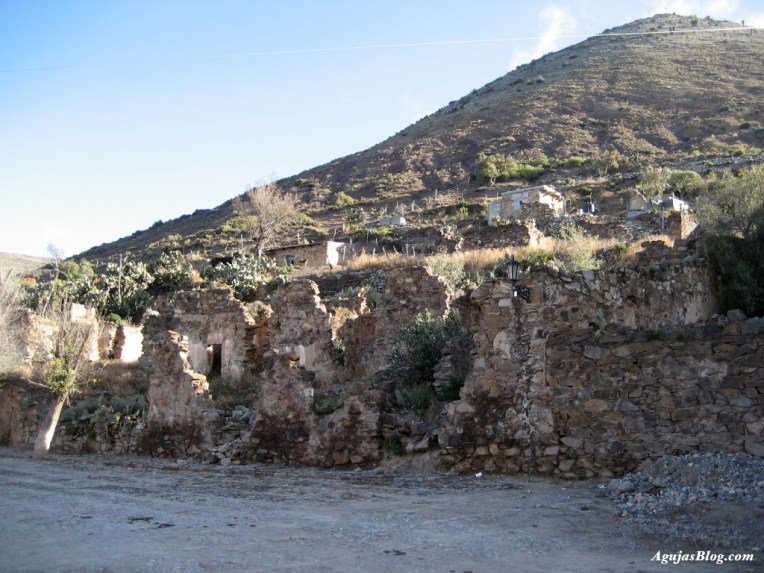
Ruins of abandoned homes.
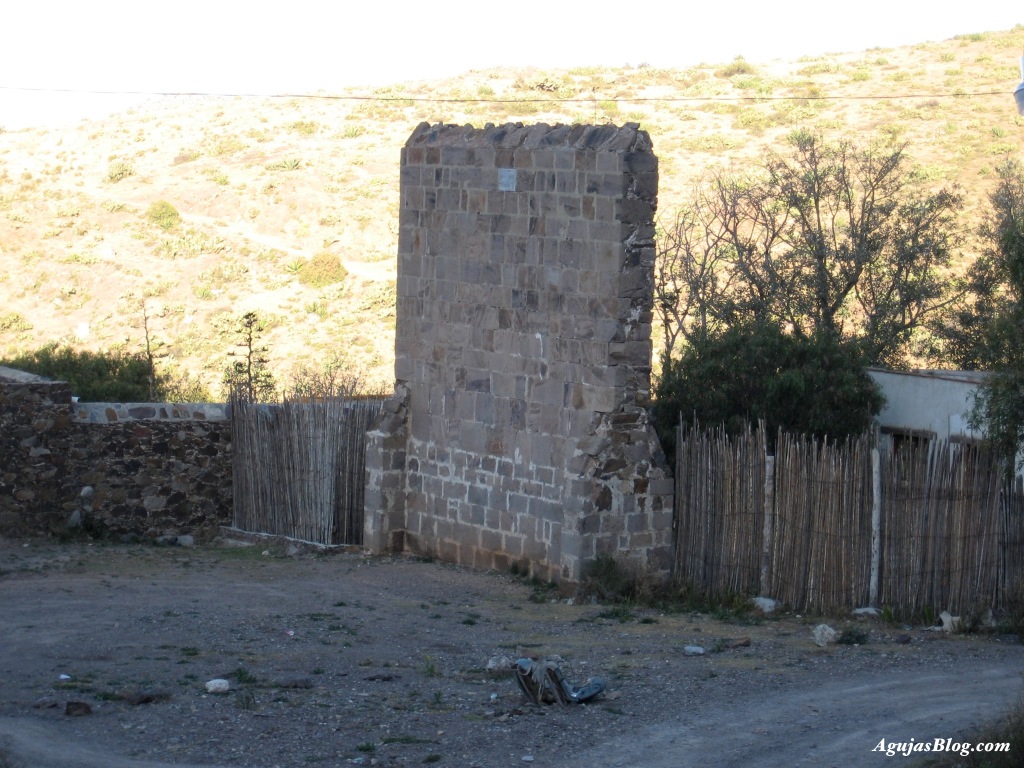
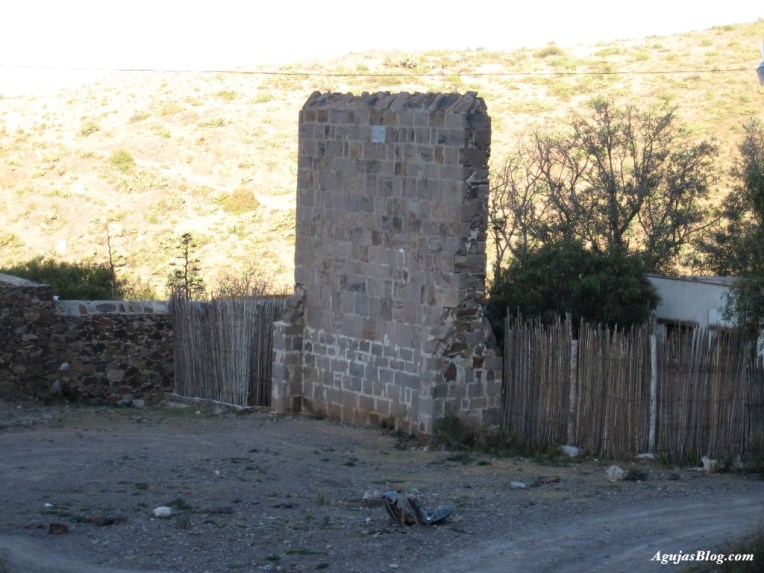
We believe this could have been a shooting wall – a remnant of the Mexican Revolution at the turn of the 19th century.
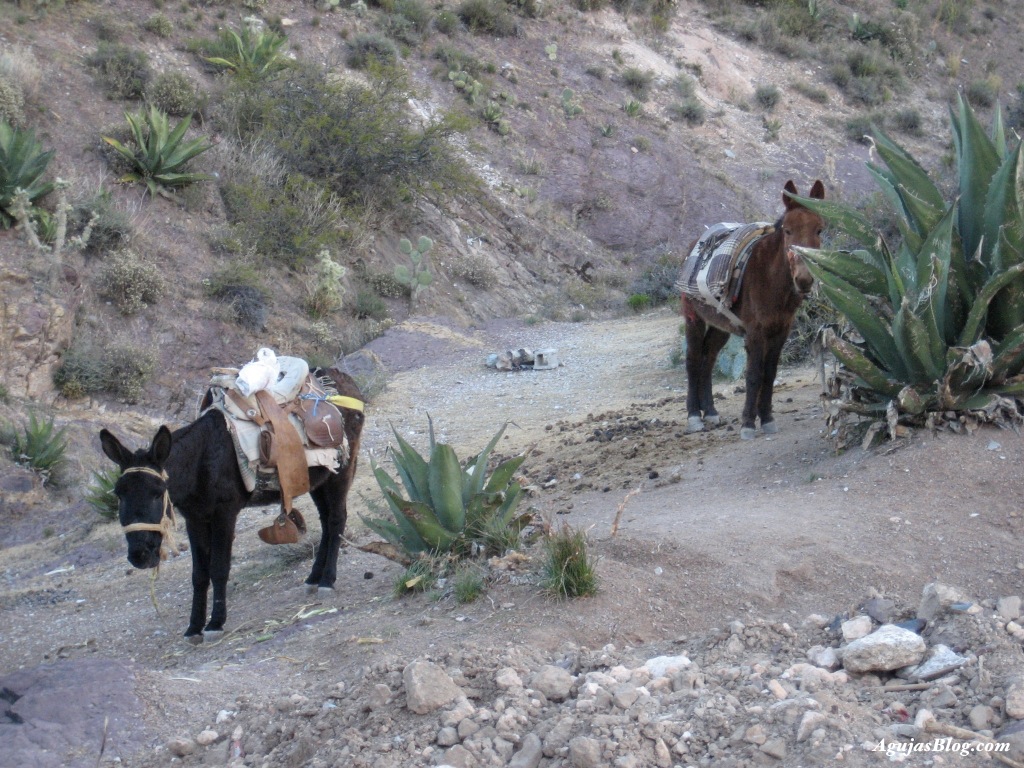
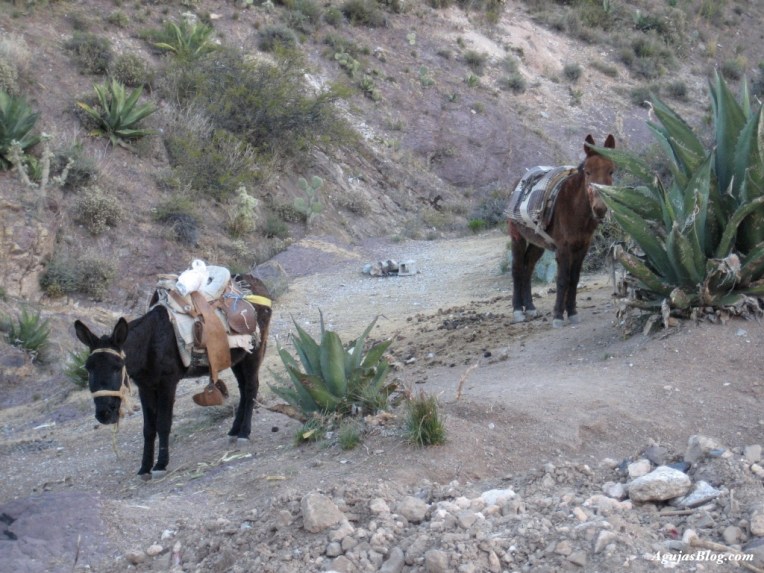
Work mules.
The old cemetery.
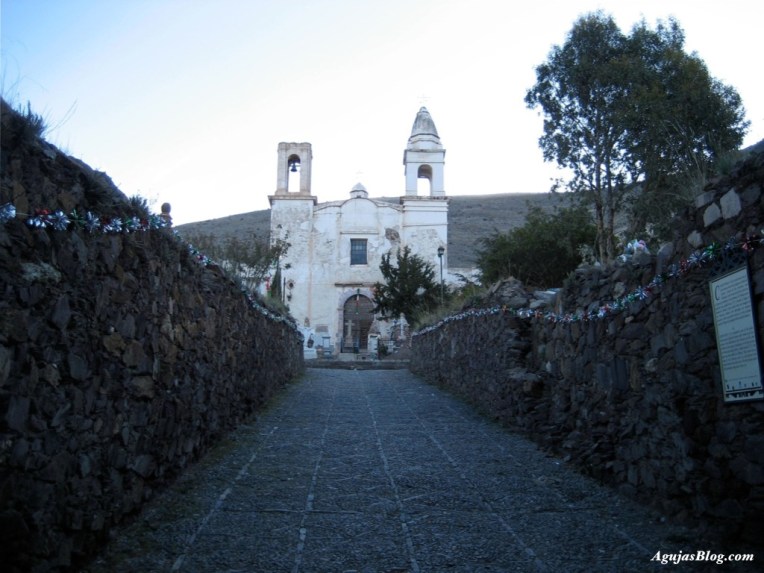
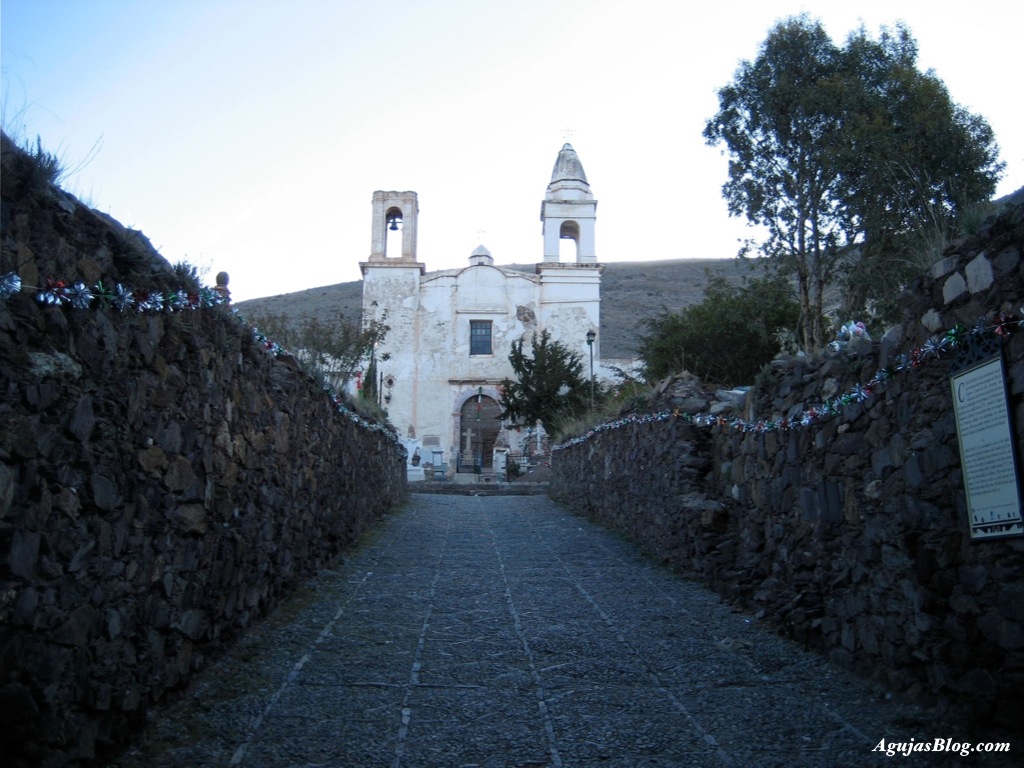
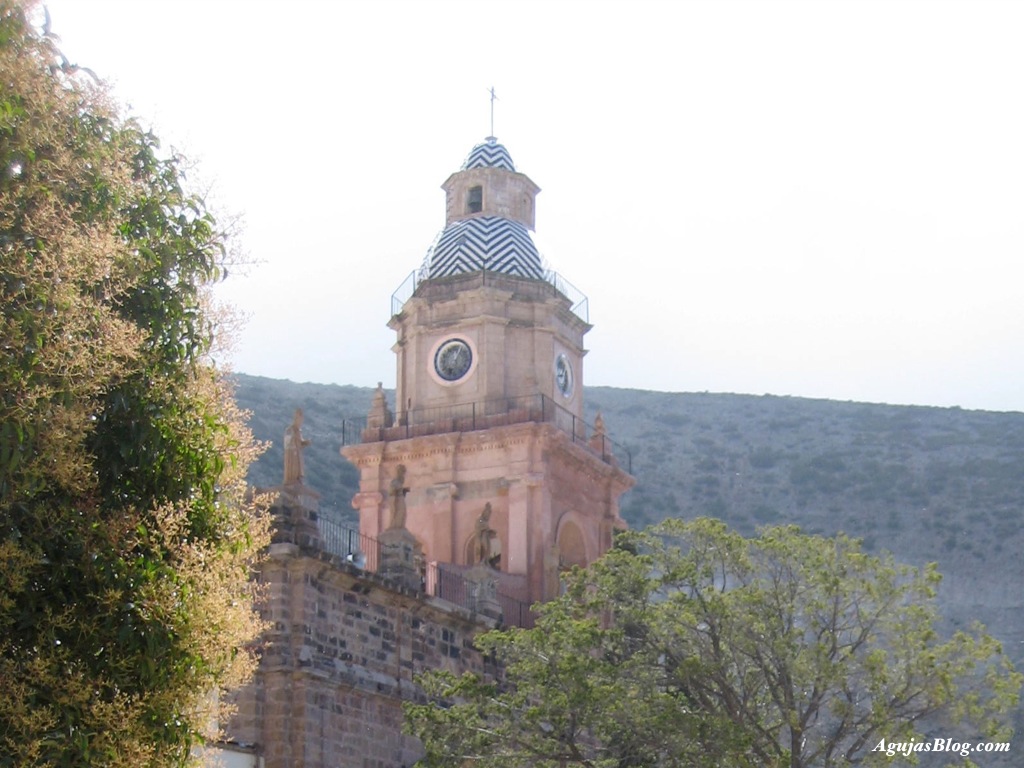
The Iglesia de la Purísima Concepción is the central gathering spot of the town. The church was constructed in 1817. While not the actual patron saint of the church, St. Francis of Assisi is much venerated here.
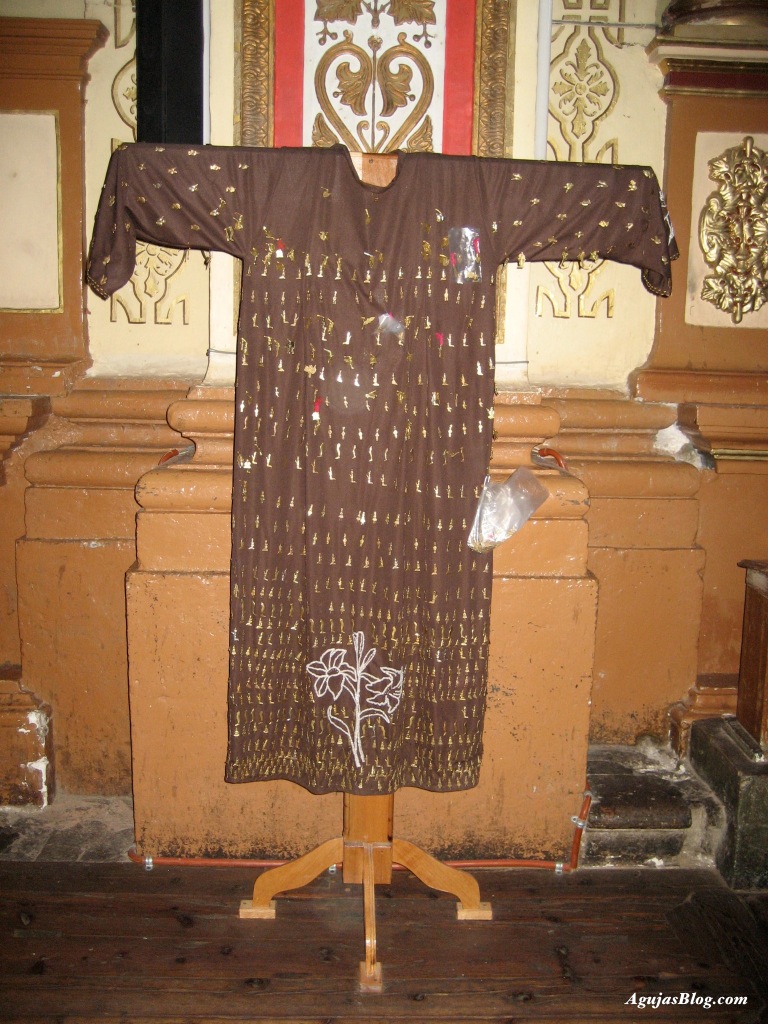
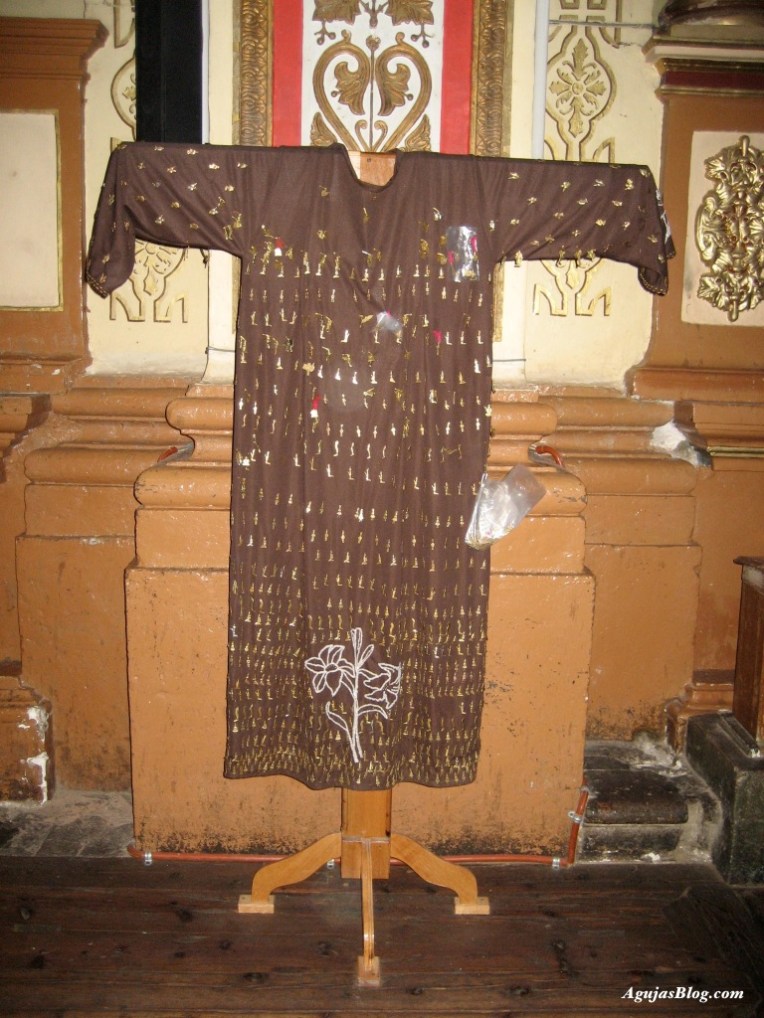
The small pendants hanging from the robe are milagros (miracles). For a small donation, you can buy a gold-plated arm or leg or heart. You then pin the milagro to the robe and say a prayer to St. Francis of Assisi to heal the ache in your arm or other part of the body.
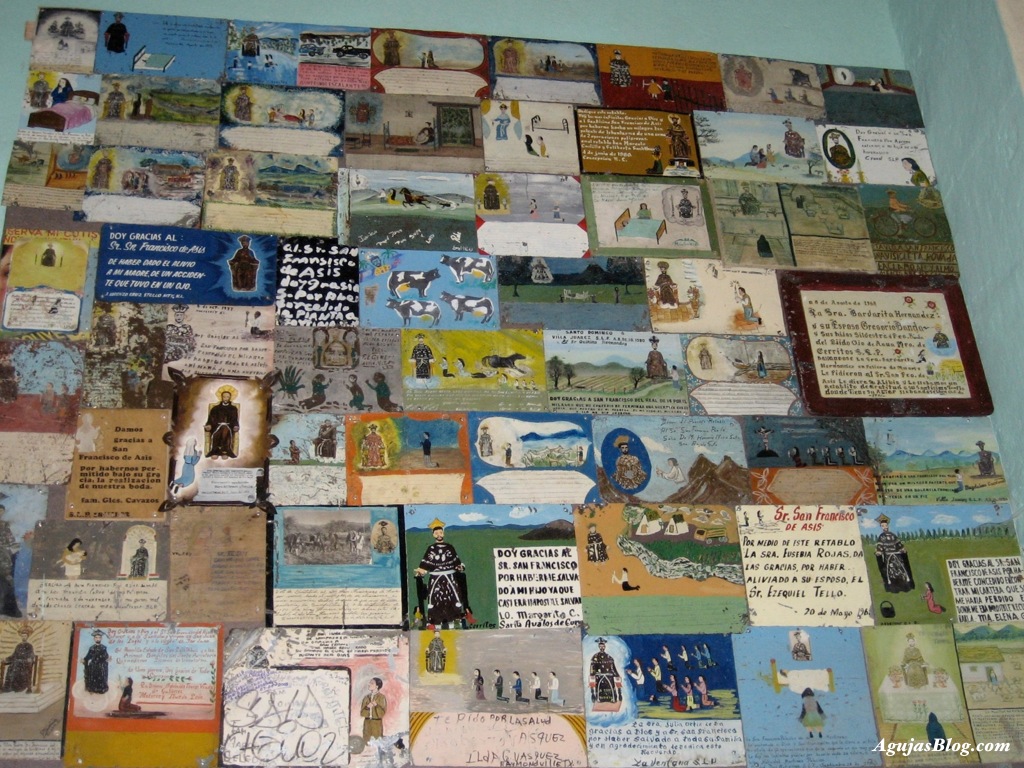
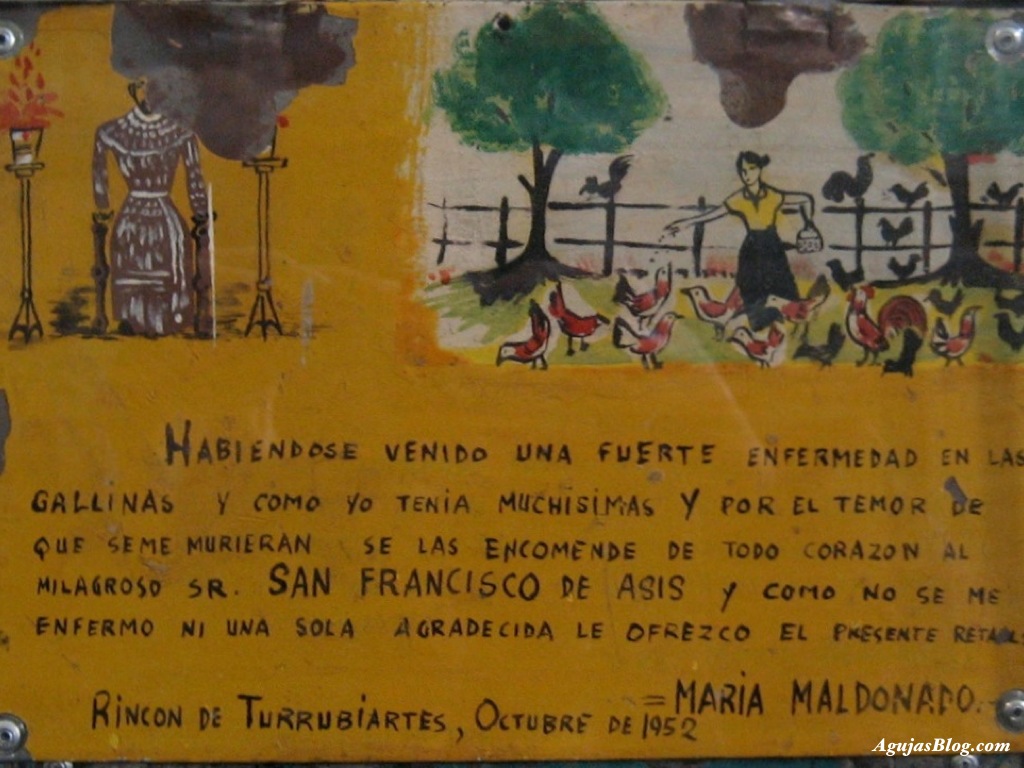
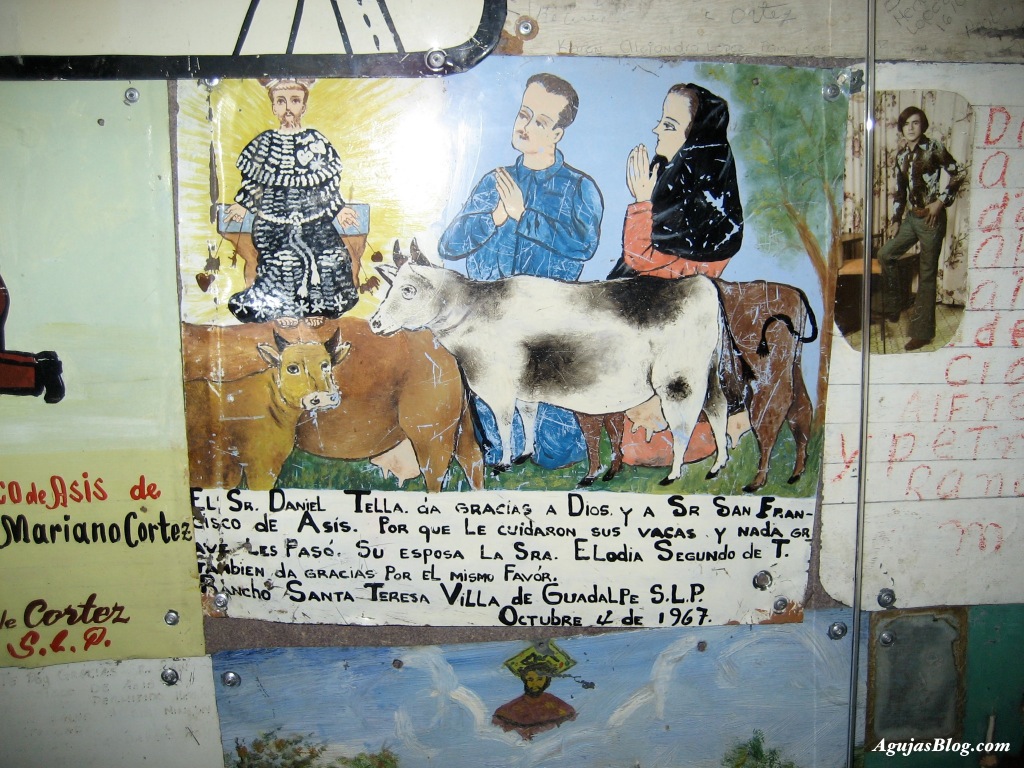
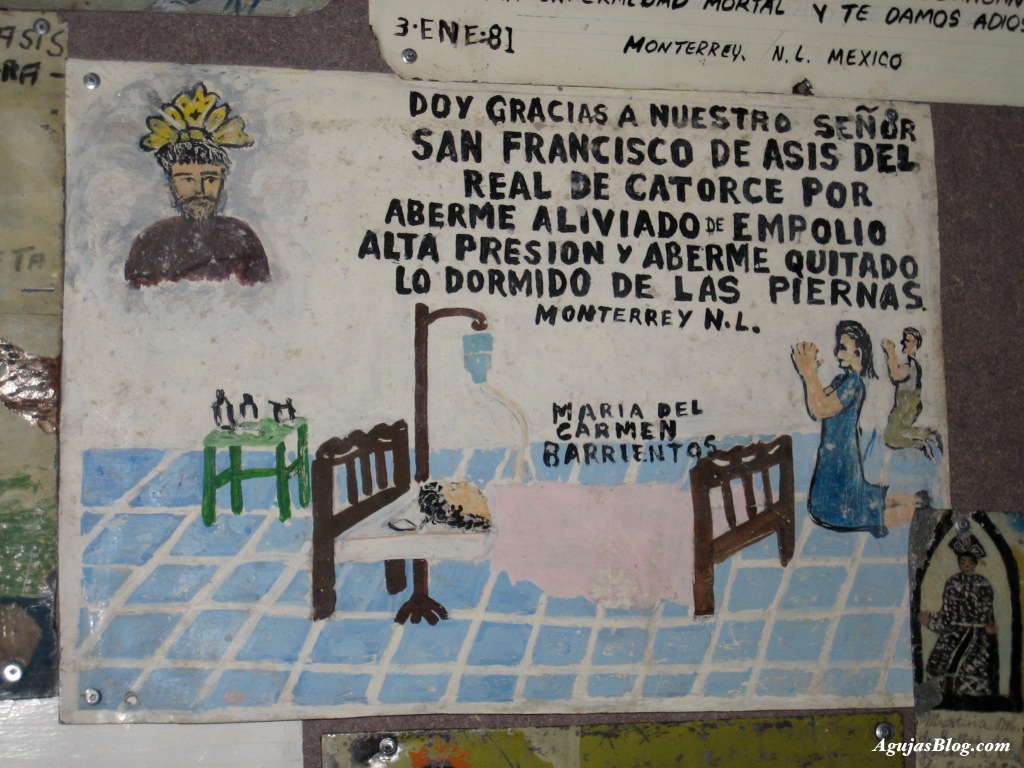
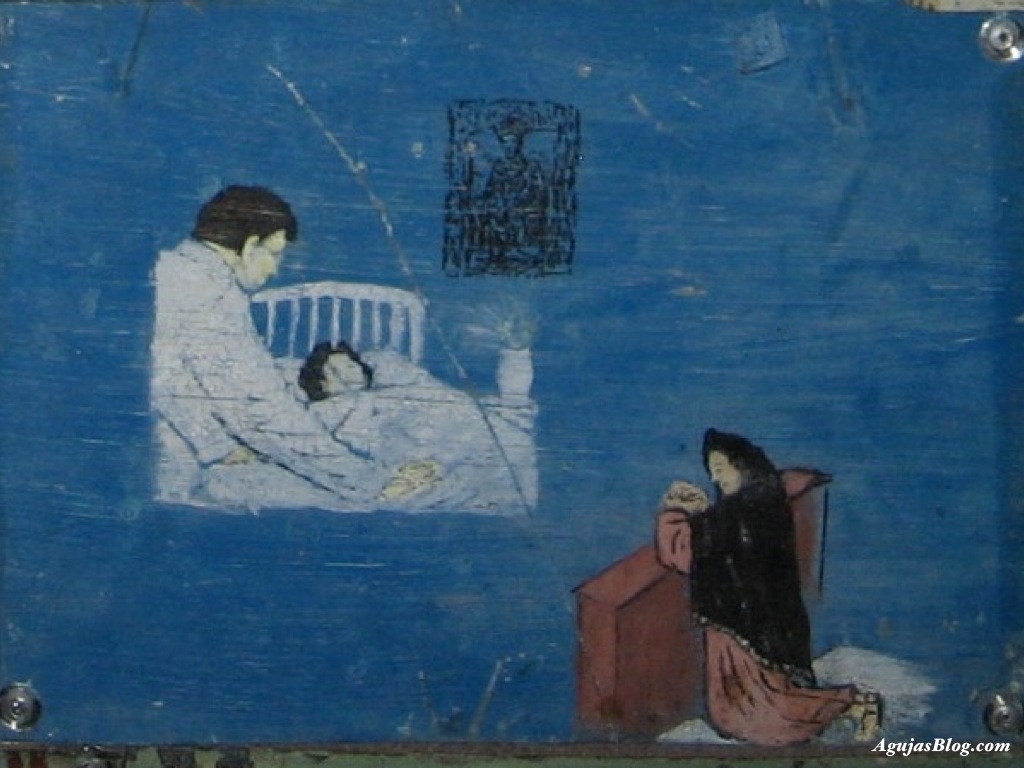
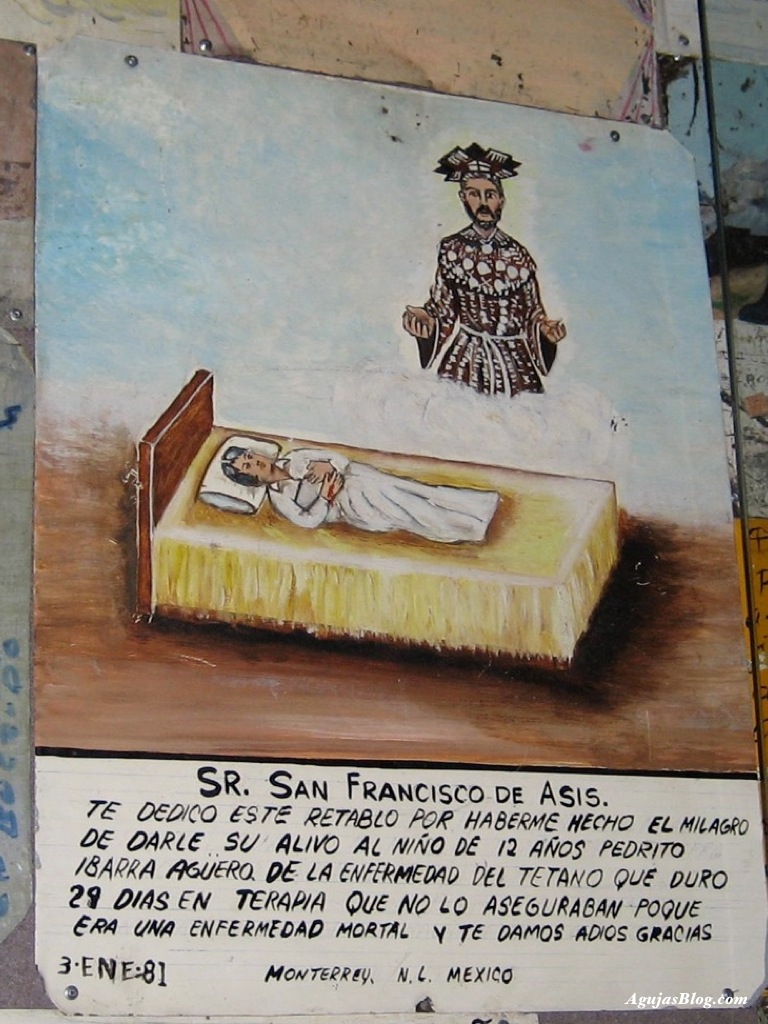
These are retablos. Not being a word I typically use when speaking in Spanish, I had to look this one up. It translates as “retable,” “tableau,” or “altarpiece.” Each retable is a small work of art painted by parishioners as an offering for hearing one’s prayers.
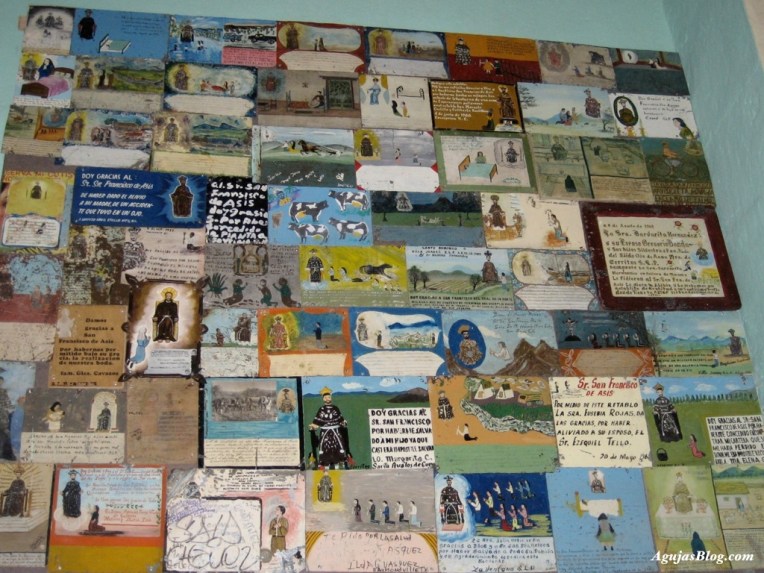
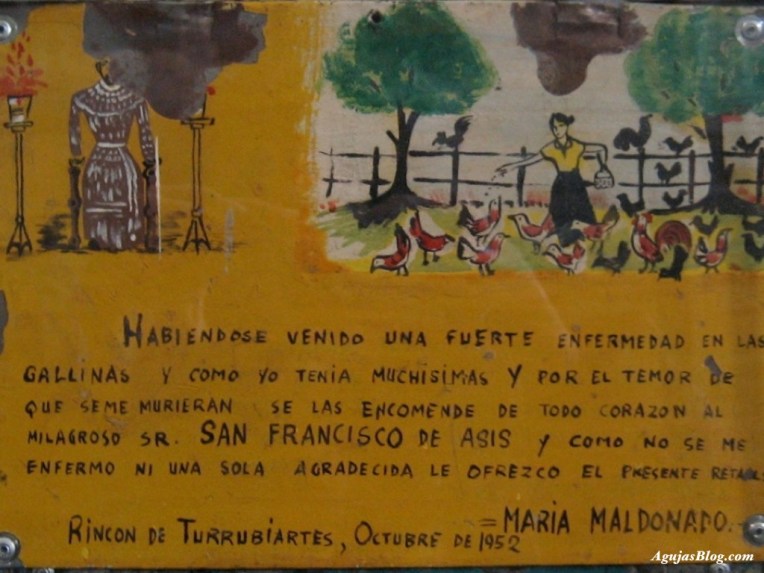
The following are close-ups of some of the retablos. I’ve translated the dedications as close in tone and style from the original Spanish.

Retablo about chickens: There having come a strong sickness among chickens and since I had so many and out of fear that some would die, I entrusted them with all my heart to the miraculous St. Francis of Assisi and since not a single one became sick I gratefully offer this retable. (October 1952).
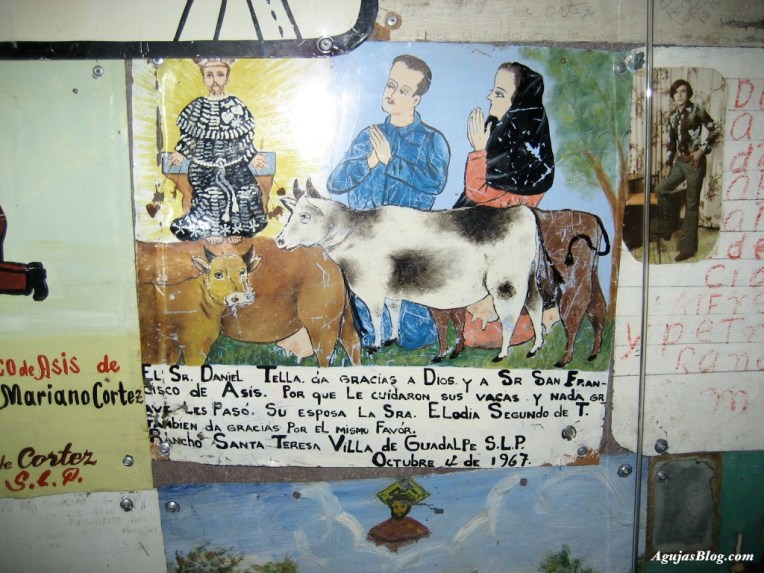
Retablo about cows: Mr. Daniel Tella gives thanks to God and to St. Francis of Assisi because they took care of his cows and nothing serious happened to them. His wife, Mrs. Elodia Segundo de T. also gives thanks for the same favor. (October 1967).
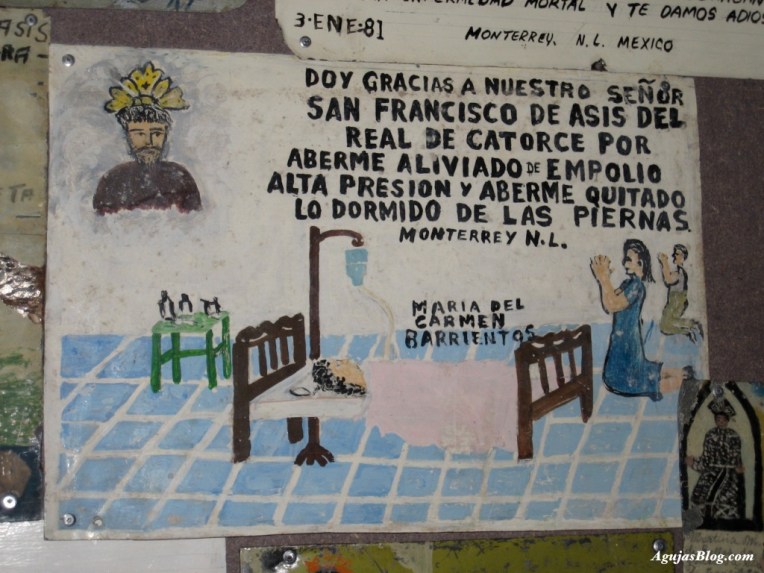
Retablo about embolism (possibly misspelled in the original): I give thanks to our Lord St. Francis of Assisi of Real de Catorce for having cured me of an embolism, high blood pressure and taking away the tingling in my legs.
Retablo – painting only.
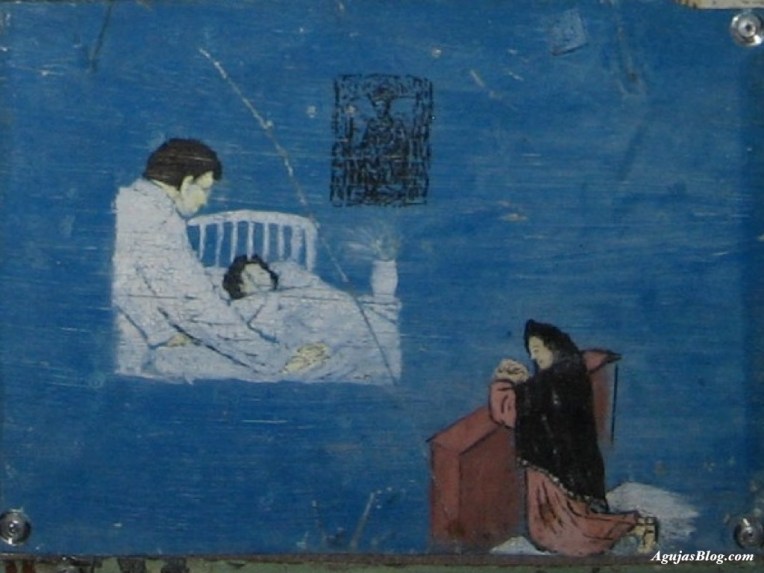
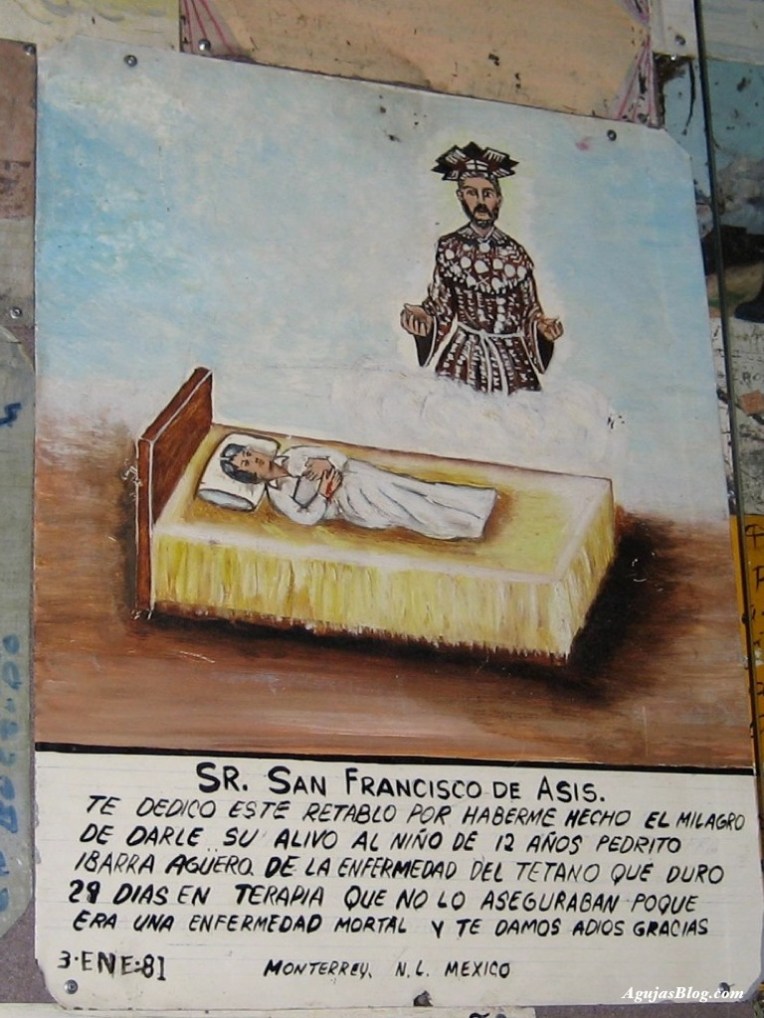
Retablo about tetanus: I dedicate this retable to you for having performed the miracle of healing the child of 12 years, Pedrito Ibarra Agüero of the illness of tetanus that lasted 29 days in therapy and without assurances because it was a mortal illness and we give to God thanks. (January 1981).
In order to gather and confirm facts, such as dates, heights of mountains, etc., I relied heavily on this wonderful guide-book we picked up in Real: Gómez Romero, Josemaría. Real de Catorce: San Luis Potosí, México. Guía Gráfica. Guadalajara, Jalisco, México: IVADIA & G, 2009. For more information or to plan a visit to Real de Catorce, visit their website. If you haven’t already, see the previous post on the Huichol Indians that live in Real and their yarn art.
Huichol Yarn Art

Some time ago, my husband and I made a backpacking trip to Real de Catorce, which is located near Matehuala. Matehuala is significant only in that it marks roughly the half-way point between the U.S.-Mexico border and Mexico City. It was one of those cross-country bus, non-air conditioned van, and back of pick-up truck kind of trips. (Yes, I know, first class all the way).

Real de Catorce is an old silver mining town located about 2,750 meters (9,000 feet) above sea level in the Sierra de Catorce, close to the Tropic of Cancer. The area is home to the Huichol Indians. They can be seen in traditional dress throughout the town and selling their arts and crafts in the markets. One of their crafts involves creating exquisitely detailed and colorful paintings using yarn. The yarn paintings reflect their religious beliefs and aspects of nature that comprise their cosmology.

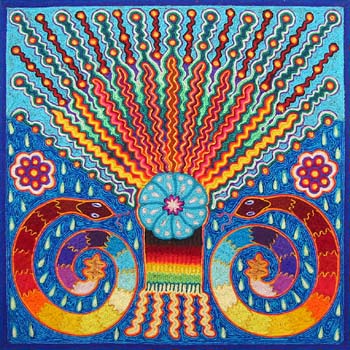
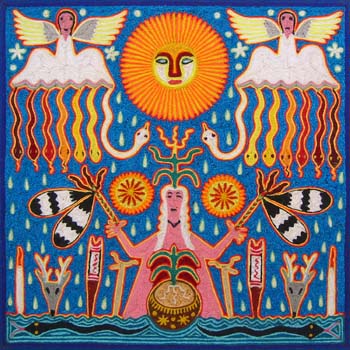
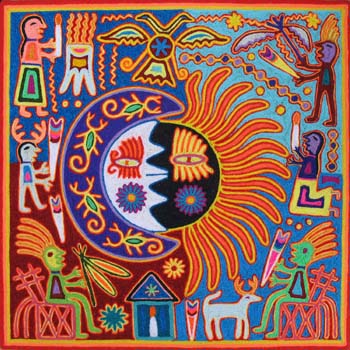
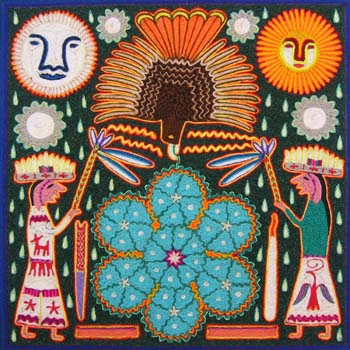
When I visited, I did not take pictures of the Huichol or of their art so I found examples of their art online. The following four yarn paintings came from here. In them, you will find the visions of the Shaman, nature and deities, snakes, eagles, deer, an eclipse, the peyote, and corn, among others.

The central figures in this next yarn painting are the eagle looming overhead flanked by the sun and the moon while the bottom half features the peyote. The peyote is  a kind of cactus with hallucinogenic properties. The peyote is a sacred plant to the Huichol and the cultivation and gathering of the plant is controlled to prevent extinction and misuse.

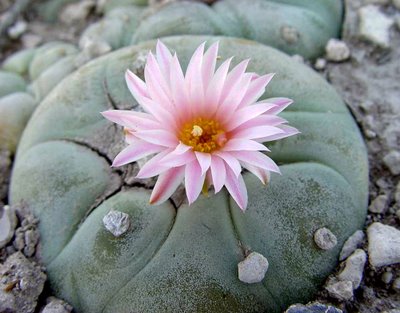
This is what peyote looks like in the wild.

{source}

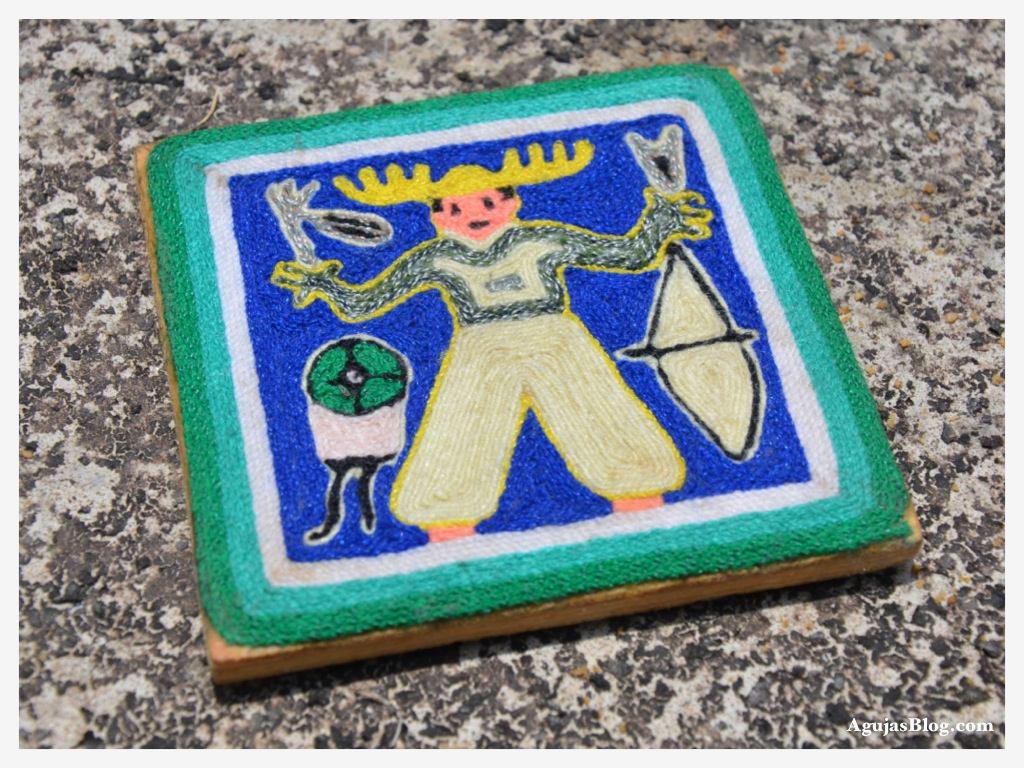
I did bring home this small 4×4 inch yarn painting (small items I could stash in the backpack). The painting is of “Hombre Chaman de Mucho Conocimiento” or “Shaman Man of Much Knowledge” and is signed by the artist, Alejandro López Torres. In it you can appreciate the winding of the yarn on the wood to create the image.

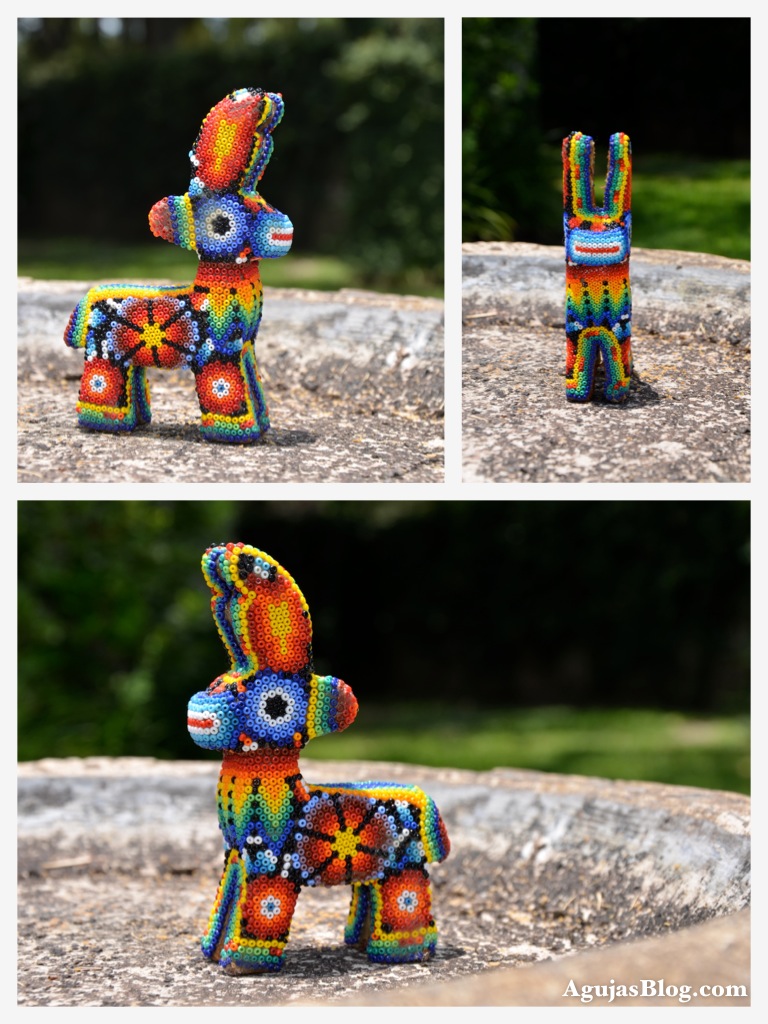
Another Huichol craft uses extremely tiny beads to create jewelry and decorate animals carved from wood. The beaded carvings are usually of animals revered by the Huichol, like this tiny deer (stands 4 1/2 inches tall).

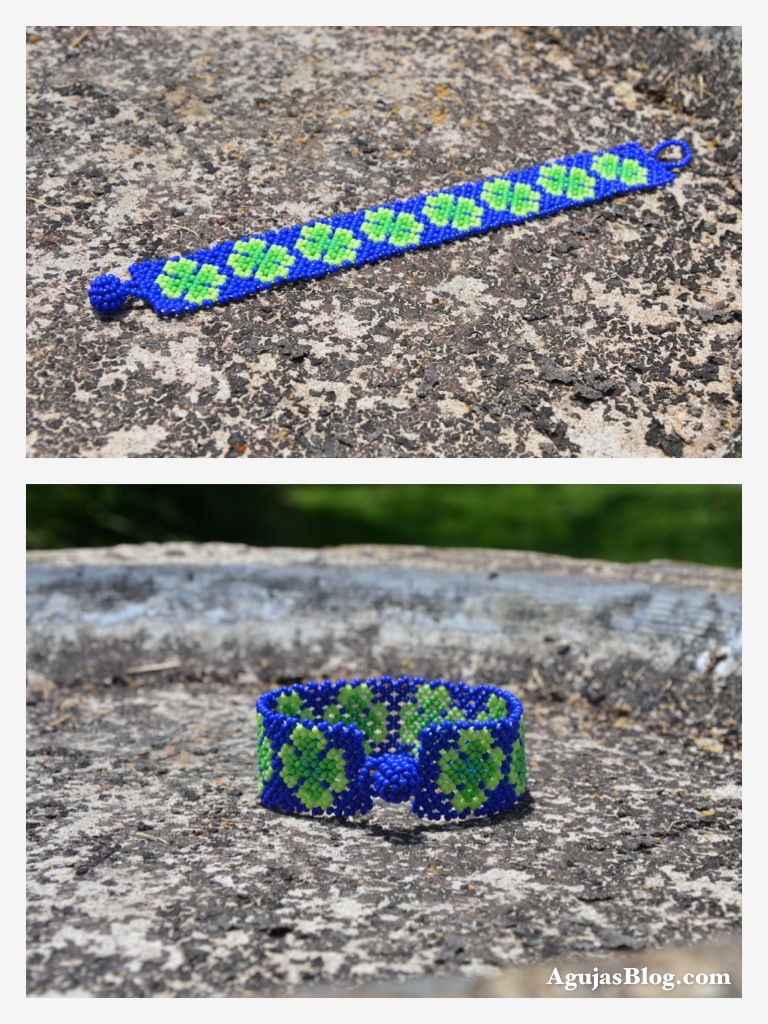
Here is a beaded bracelet I brought home. The main motif is the peyote.

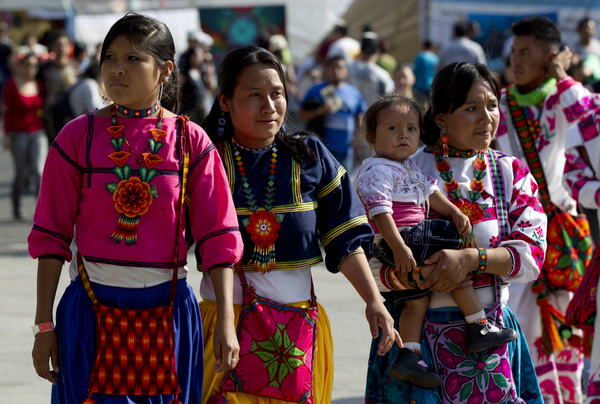
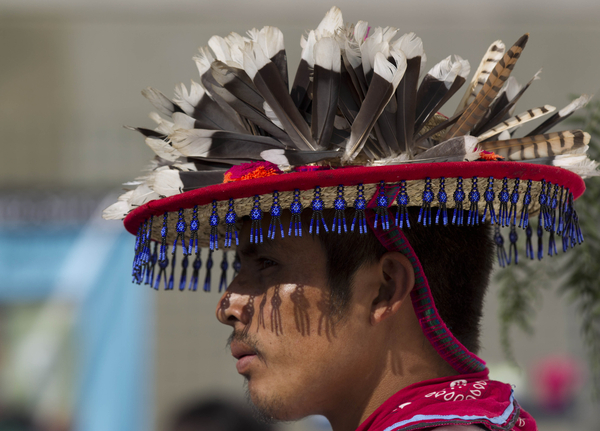
In the process of writing this post, I learned that a few days ago there was a huge gathering of Huichol Indians in Mexico City for Wirikuta Fest 2012. Wirikuta is another name for the Huichol. The music festival featured famous singers and musicians including Café Tacvba and Julieta Venegas, two of our favorite artists. The festival was held in support of the Huichol Indians who are fighting the encroachment of mining on their lands. The following pictures of Huichol in traditional dress were taken at the festival and can be found here (slides 18 & 19).

Stay tuned for a post about Real de Catorce.

Which Wheel?

Having succumbed to the joy of hand spinning, I figured it was time to seriously investigate getting a wheel. I received wonderful advice from experienced spinners I have met in person or through the online knitter-blogger world. I also researched various brands and read many articles on what to look for in a spinning wheel. It isn’t as simple as I had hoped.

I’ve boiled it down to the following considerations.

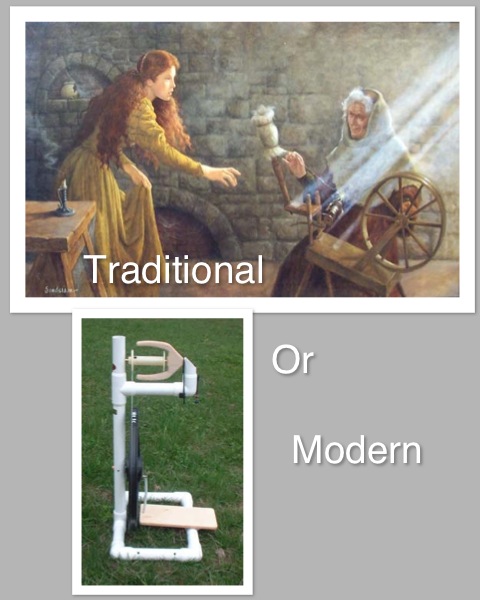
Traditional vs. Modern

This is largely a matter of personal preference.

{image source: top, bottom}

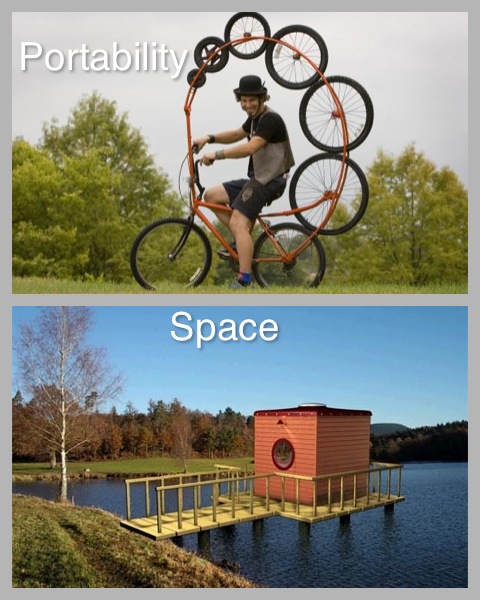
Portability vs. Floor Space

This is also a function of your own lifestyle. Do you plan to take your wheel with you when you travel or will you use your wheel primarily at home? And do you have room for it?

{image source: top, bottom}

Spinning Ratios

This one is a bit more technical. Here’s my take on ratios.

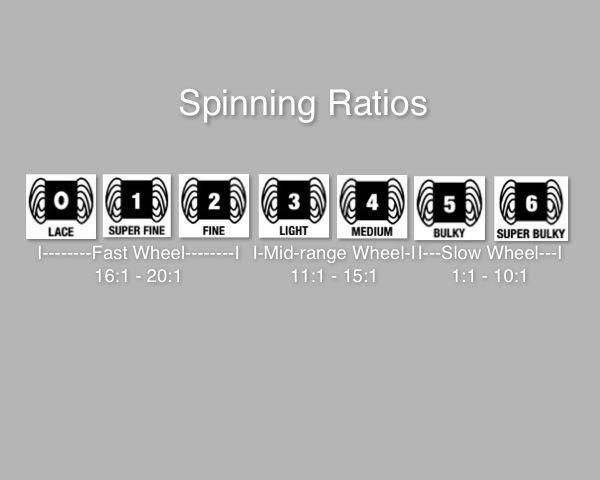
This is largely influenced by the kind of fiber and weight of yarn you want to spin. Will you be spinning finer yarns with fibers requiring a lot of twist or heartier fibers that require less twist? Another way to think about it is do you prefer to spin thread-like, lace weight yarn or the chunky, super bulky kind? Ratios range from 1 to 20 (simplified version). Note that there is an inverse relationship between spinning wheel ratios and yarn weights. Ideally, a wheel with the broadest range of ratios is best.
{image source: yarn weights}

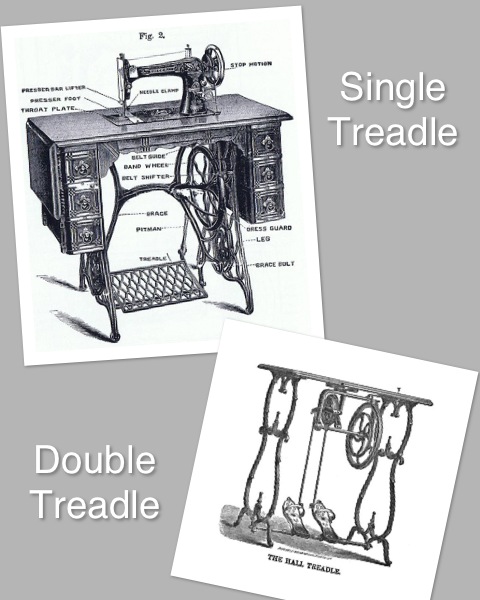
Foot Pedals

The best recommendation I have received on single vs. double treadle (foot pedals) is to simply try a few wheels and choose whichever you feel the most comfortable using. I am leaning toward the double treadle. From my research, I have gleaned that a double treadle is less tiring on your legs.
{image source: top, bottom}

Brands

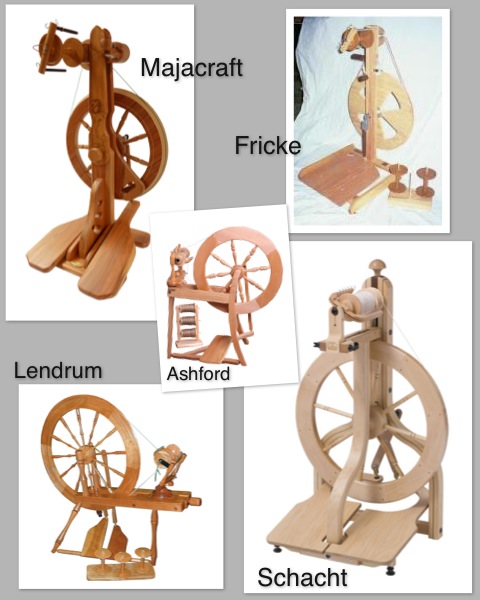
There are many more spinning wheel makers out there than I ever imagined. The good news is that there is a lot of craftsmanship that goes into making them. Here are some of the wheels recommended by fellow spinners.

{image source: Majacraft, Fricke, Ashford, Lendrum, Schacht}

Costs also vary considerably. Generally, prices range from $339 to $1350.

{source}

Happy Spinning!

With all the choices out there, and spinners willing to share their knowledge, I don’t think you can go wrong with any of these wheels.

{source}

References

Besides input from many individuals, these articles were helpful and offer far more technical advice in choosing a wheel:

Versatile Blogger Award

What a joy it was to launch my email and find a note from Anastasia from For the Knit of It telling me she had nominated me for the Versatile Blogger Award! This is the best possible honor because it comes from a fellow blogger and knitter. So, first and foremost, thank you Anastasia.

According to the VBA Rules, here are the next steps:

  1. Add the award to your blog 
  2. Thank the blogger who gave it to you 
  3. Mention 7 random things about yourself ✓ (see below)
  4. List the rules 
  5. Pass on the award to 15 bloggers ✓ (the fun part; see further below)
  6. Inform the 15 bloggers by commenting on their blogs ✓ (even more fun)

7 Random Things About Me:

  1. I can not sing. (Well, I can, but you wouldn’t want to listen).
  2. I can twirl a baton.
  3. I peek at the answers when solving crossword puzzles.
  4. I’ve read The Three Musketeers by Alexandre Dumas at least a dozen times. The plot has romance, intrigue, politics, religion, heroes & villains, kings & queens, honor, friendship and sword fights – what more could one want?
  5. When I was in grade school, I had a goat as a pet. My aunt killed it and cooked it for dinner (cabrito). I don’t like cabrito.
  6. I really dig Kurt Russell’s hat in “The Thing.”
  7. I am learning Mandarin.

I am now pleased to pass on this award to some of my favorite bloggers:

Fiber Arts
Travel & Adventure
Photography