Japanese Yarns In The Garment District

A few days ago, I was in New York City and took the opportunity to visit Habu Textiles. I dragged two teenagers through the Garment District in search of 135 W. 29th Street. The entrance is nondescript and if you’re not looking for it, you’ll probably walk right past it. Habu Textiles is located on the 8th floor, which is somehow fitting since the Japanese word for “ha 八” means “8.”

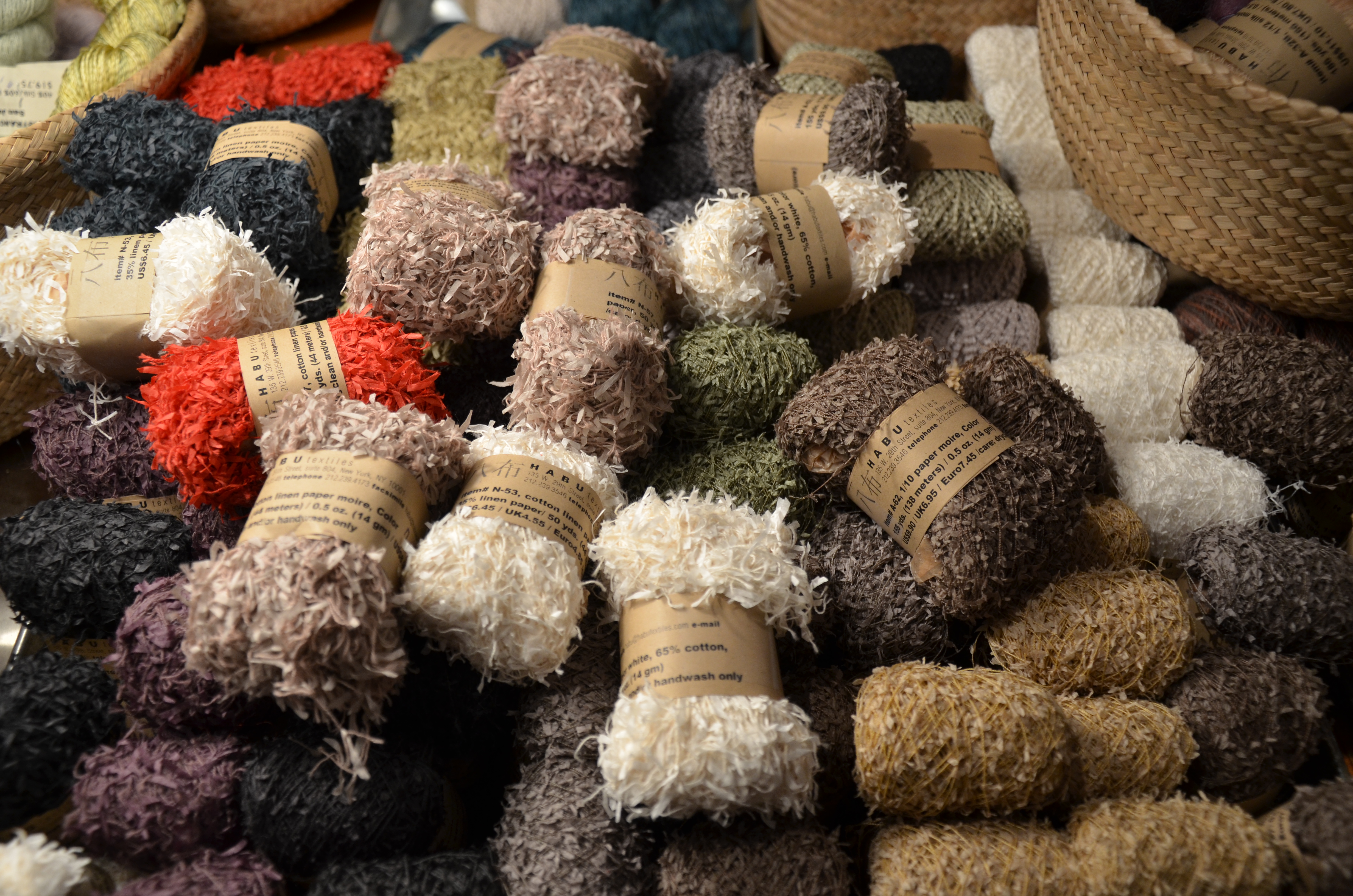
The showroom is quite small but filled with exquisite yarns spun in Japan. The fibers used in the yarns range from wool and silk to bamboo, stainless steel, and cotton so fine it feels like paper. While the showroom itself seems small, it is actually part of a larger room that houses the weaving studio. Beyond the free-standing sheet rock walls of the showroom, I could hear the whirring of looms in the background. I had to fight the urge to pull back the curtains marked “employees only” and take a peek. Thankfully, they were kind enough to let me take pictures of the yarns which I can now share with you.
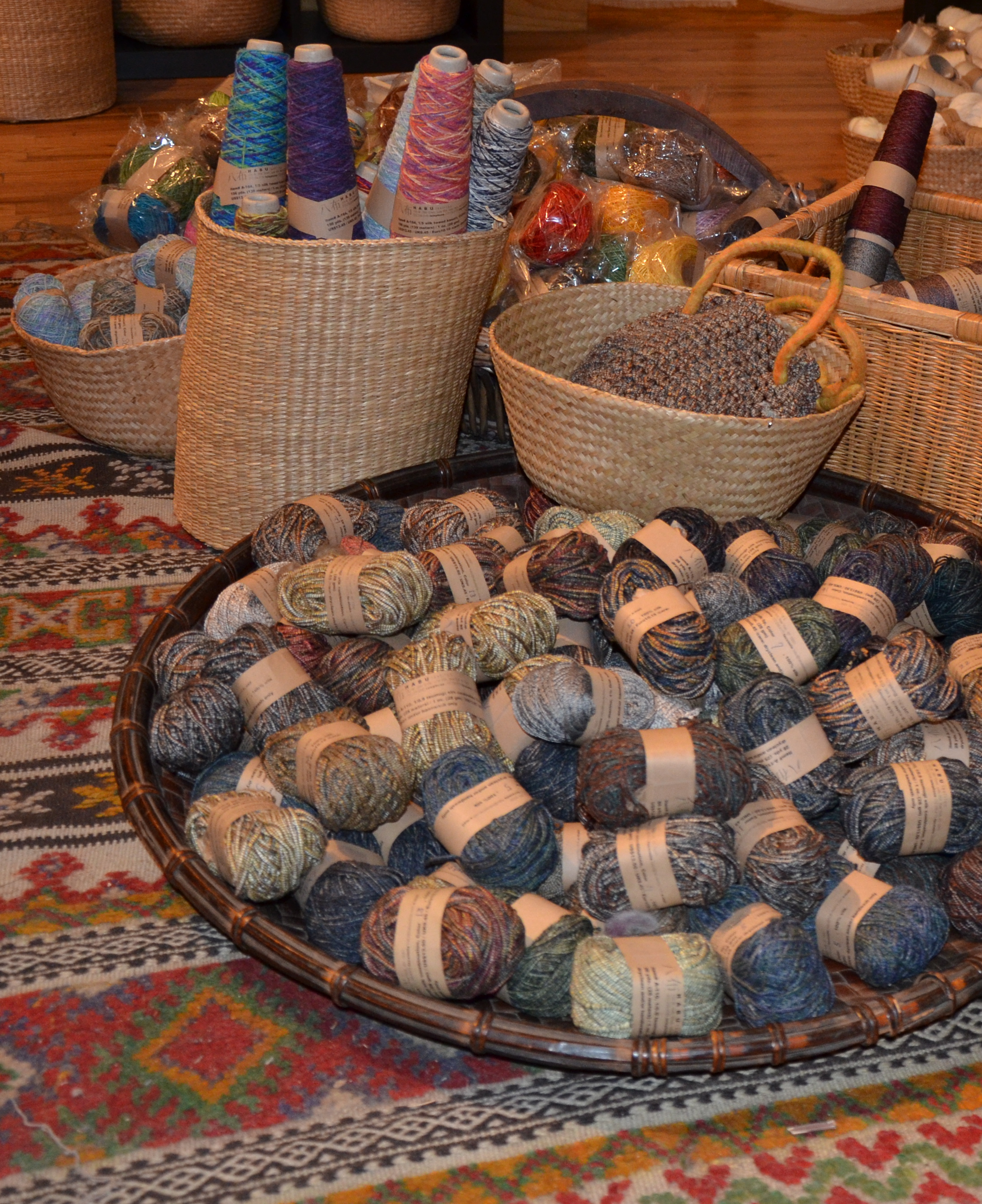
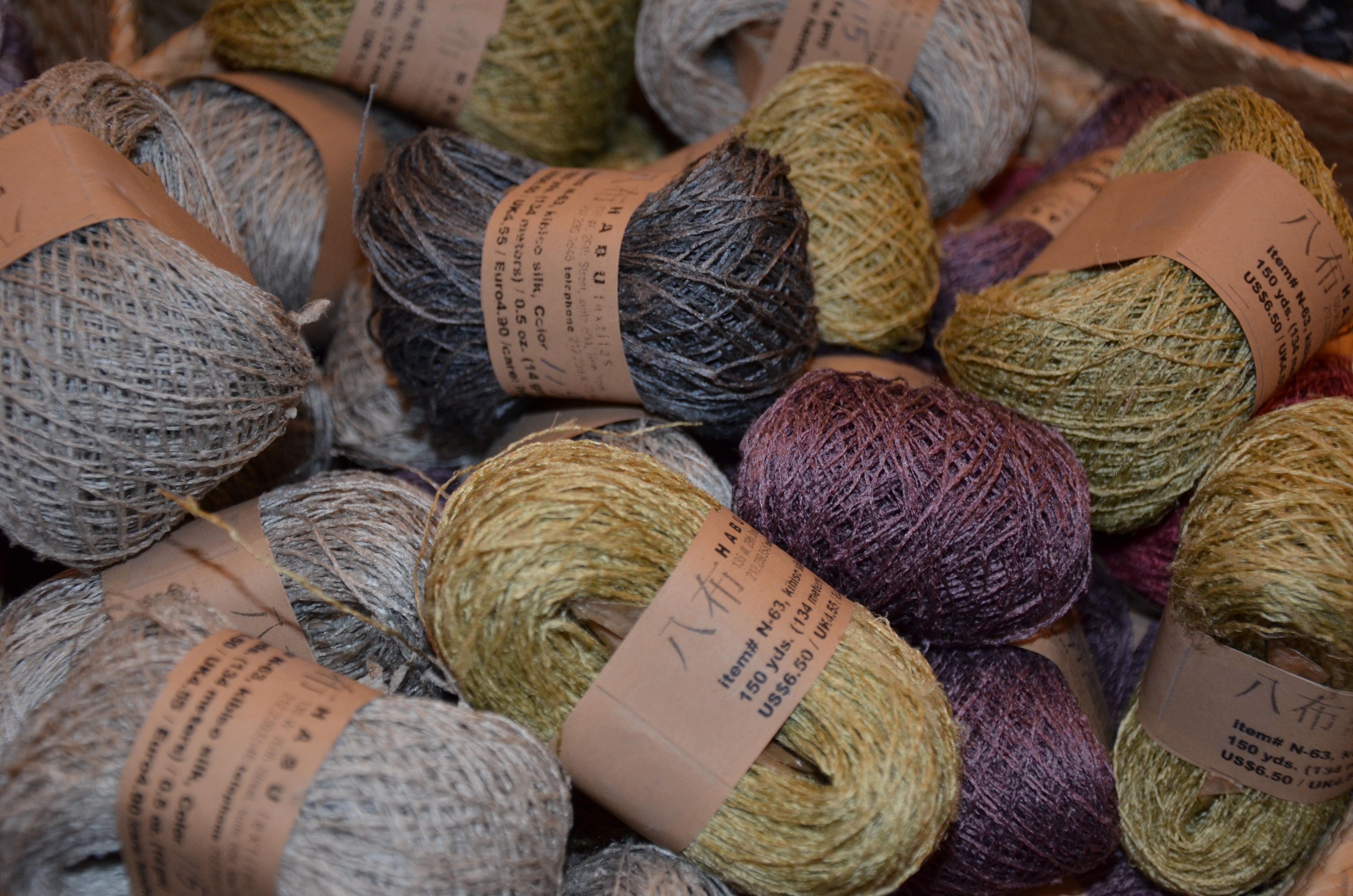
There were baskets filled with yarn throughout the showroom. In the large basket in the foreground is Wrapped Tsumugi Silk (100% Silk). This yarn is a silk wrapped in silk. According to the Habu Textiles website, it is created using a traditional cord-making method.
Cotton Linen Paper Moire (65% Cotton, 35% Linen). This lace/fingering weight yarn is exquisitely delicate. It feels like fine paper.
This Kibiso Silk (100% Silk) is made from "waste" silk. It's a slightly rougher silk but with silk's sheen and strength.
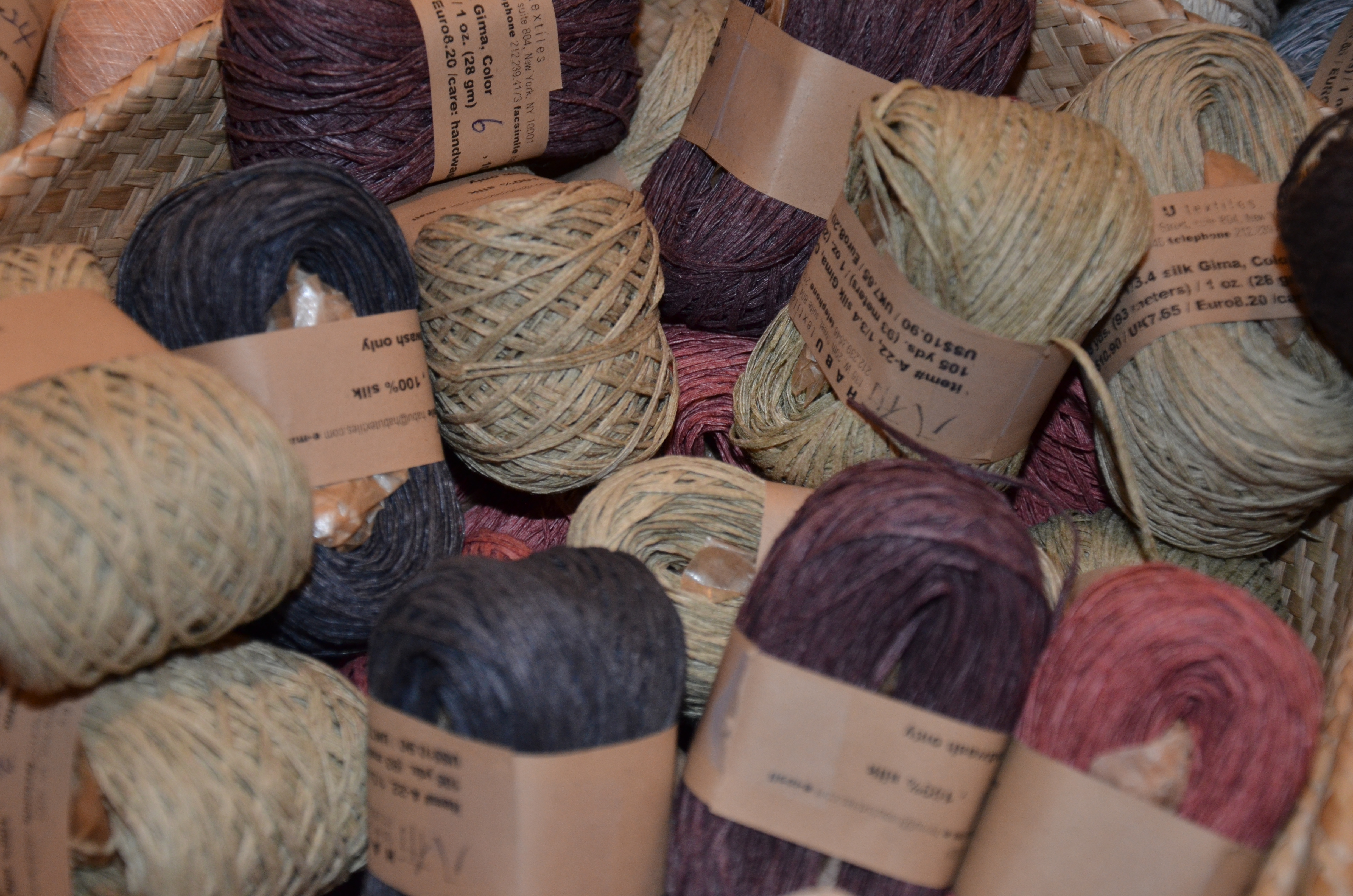
Silk Gima (100% Silk). Gima means "fake linen" in Japanese. This yarn feels like linen but is made entirely of silk.
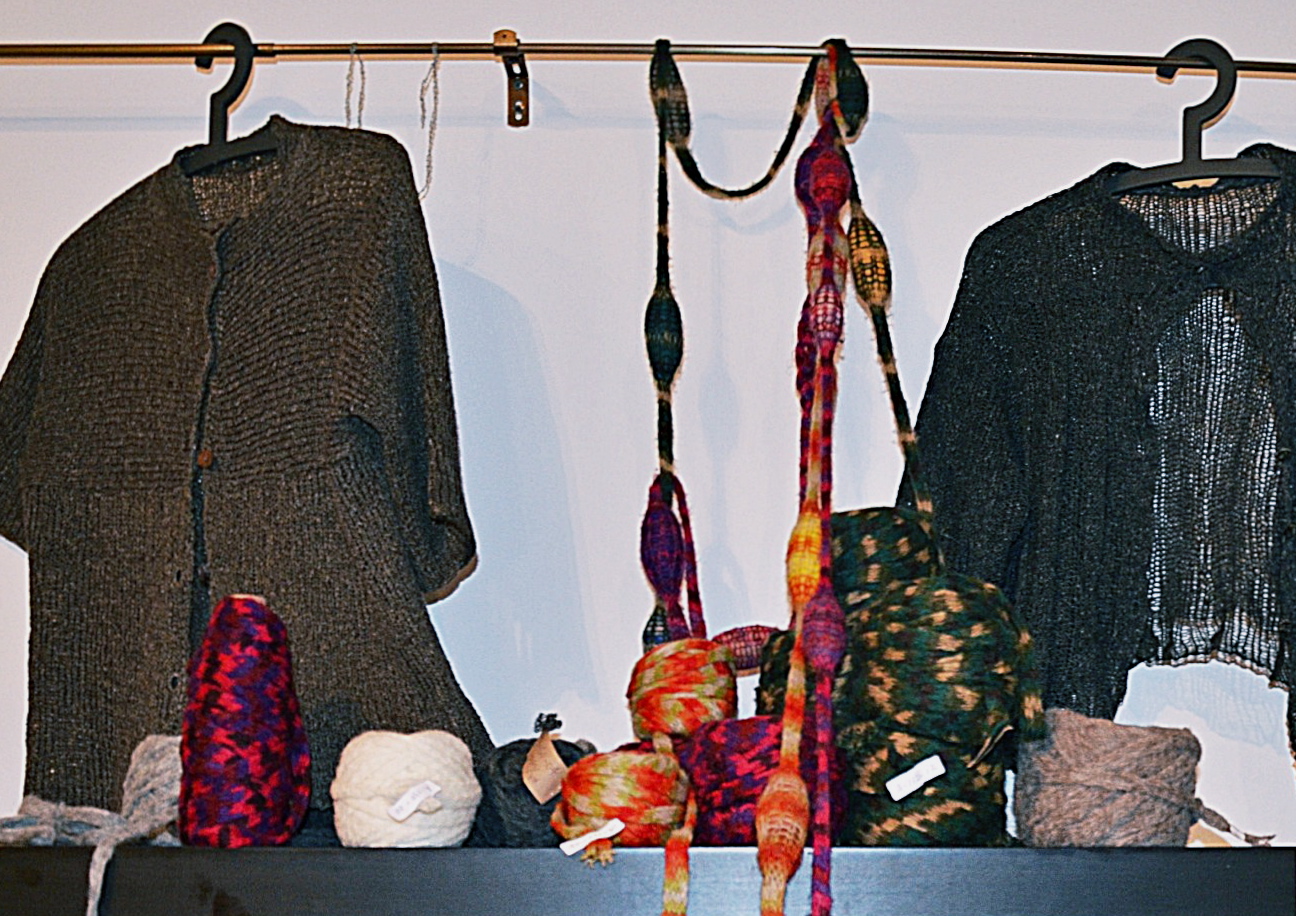
This "chunky" Alpaca Knitted Yarn (68% Mohair, 32% Nylon) is interesting to look at up close. It is actually a narrow knitted tube. You can knit this knitted yarn with large needles or fill the tube with roving (as shown) to create interesting looks.
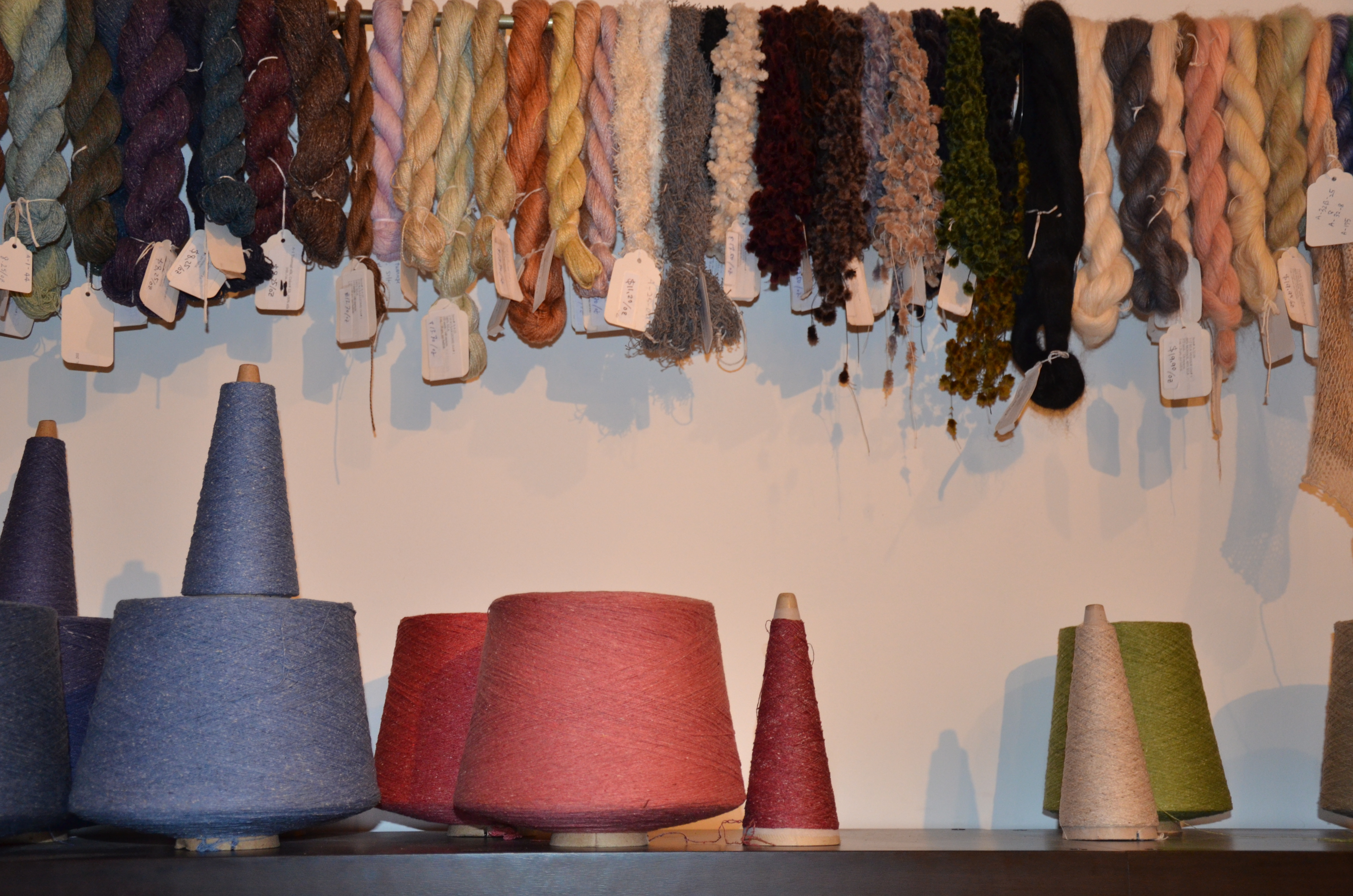
There were shelves full of this thread-like yarn around the showroom.

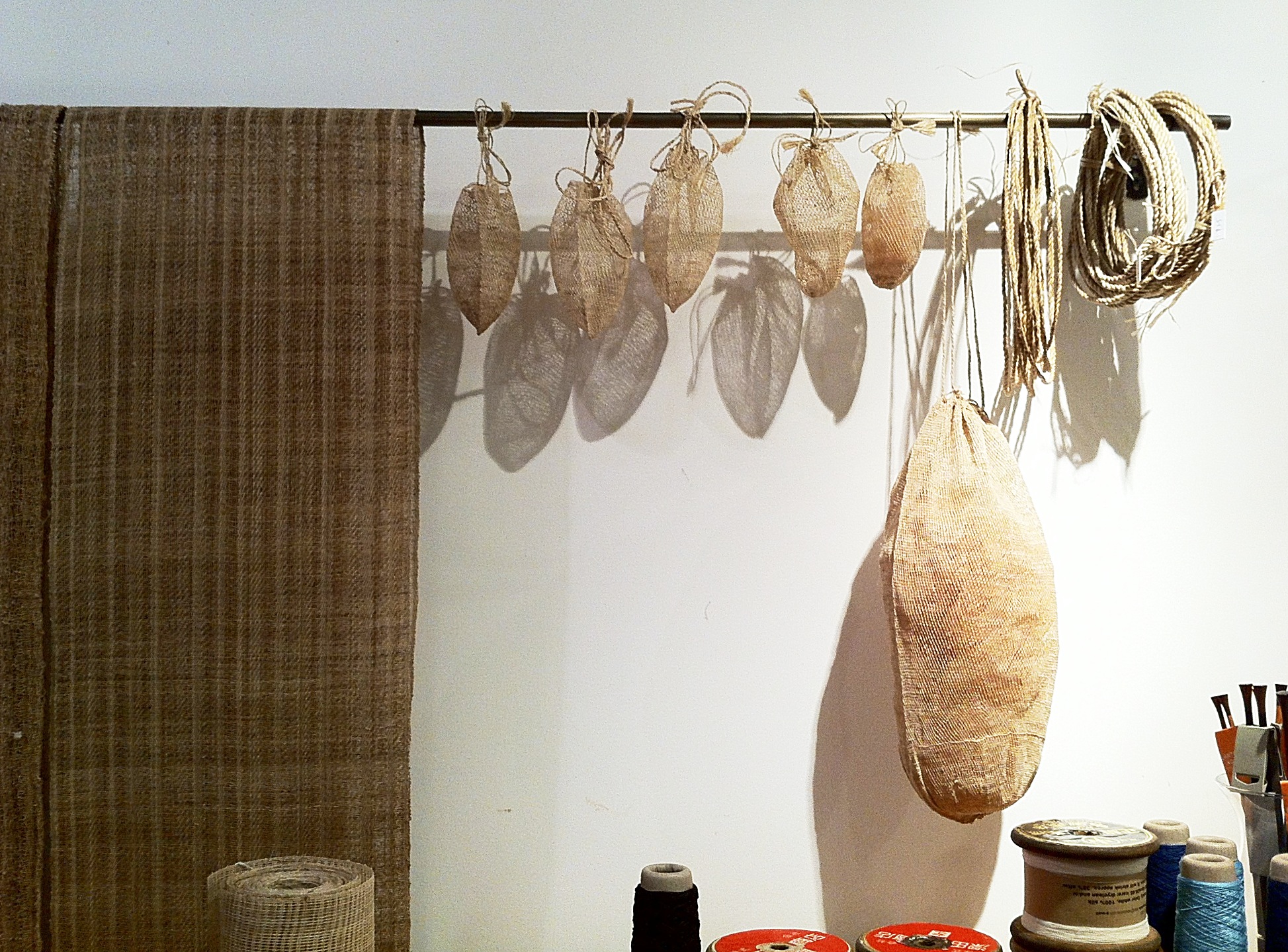
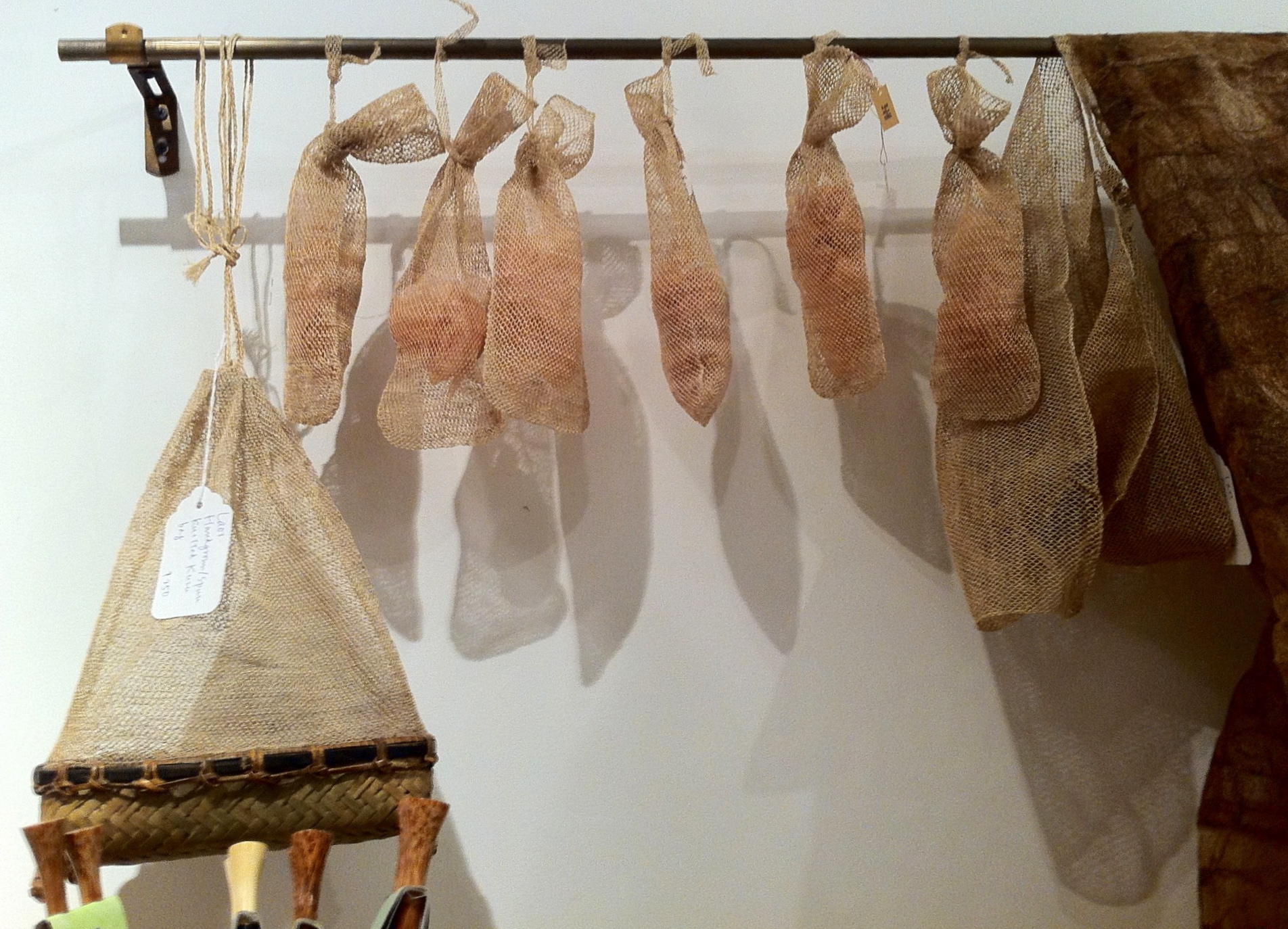
Besides yarns, Habu Textiles offers woven fabrics also made from natural materials such as silk and pineapple fiber. The fibers originate from China, France, Japan, Laos and the United States. These two displays caught my attention. The knotted bags and ropes are made in Laos.
You can learn more about and buy these fabulous yarns and textiles at the Habu Textiles website.
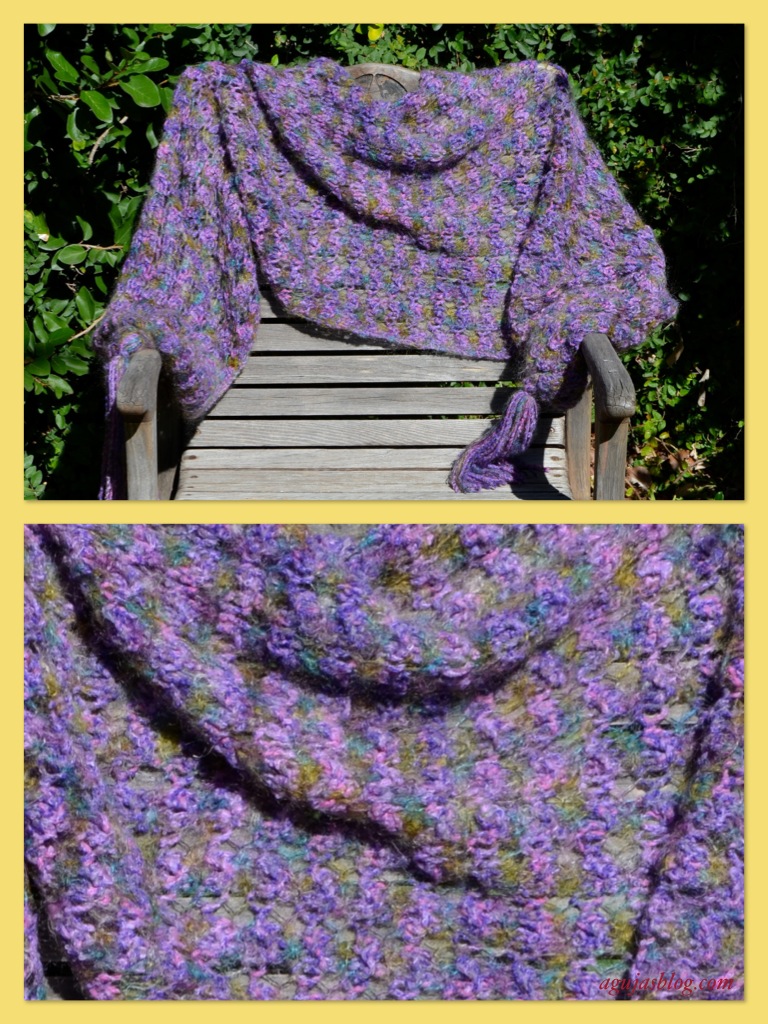
Knit Napa Shawl

The reverse lace stitch of this shawl gives it a nice drape. The pattern is in the Comforts, Throws, Shawls & Scarves booklet by Colinette. The pattern calls for Colinette’s Prism and Mohair but I substituted yarns. I used Portrait by Artful Yarns (#112) and Stampata Super Chunky by Sirdar (#782).

Our Family Heirloom Quilts

When I married my husband, he brought three beautiful quilts into our home. The quilts were handmade by his mother, whom I had the honor to meet shortly before she passed away. Besides raising six children, my mother-in-law was a seamstress. She measured, designed, cut and assembled custom-made clothing, mostly dresses for women. She used a combination of hand and machine sewing for her garments.

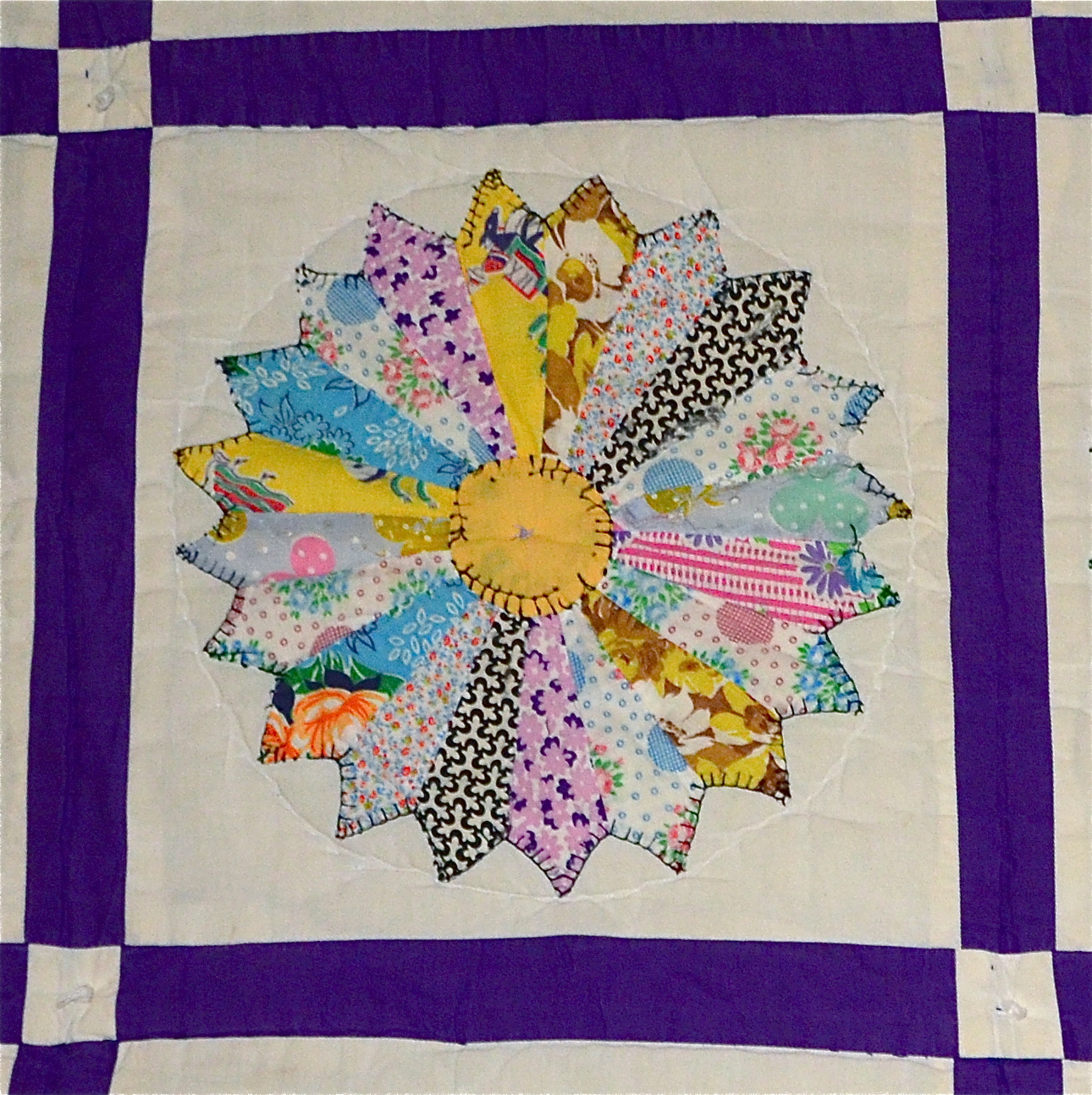
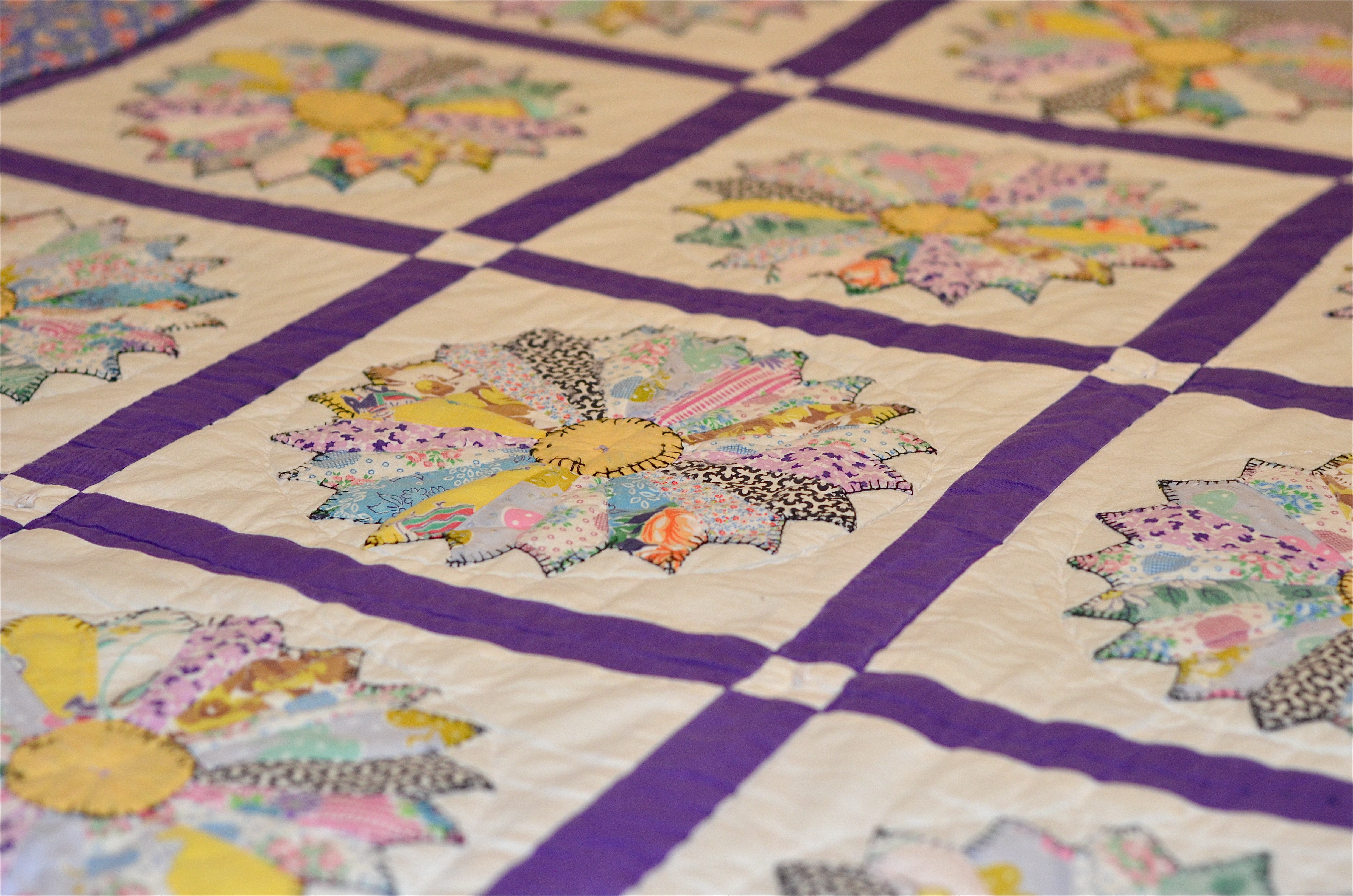
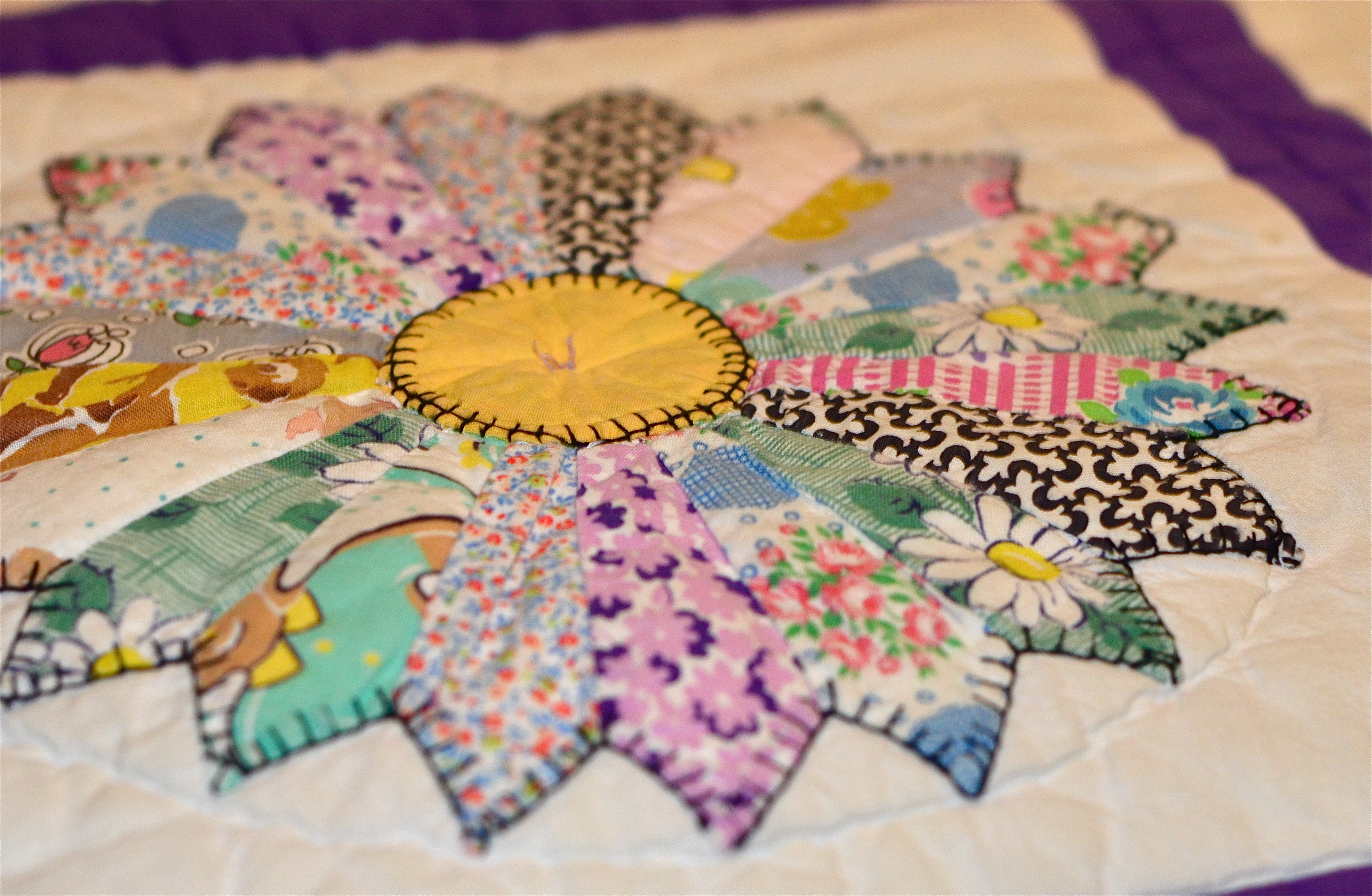
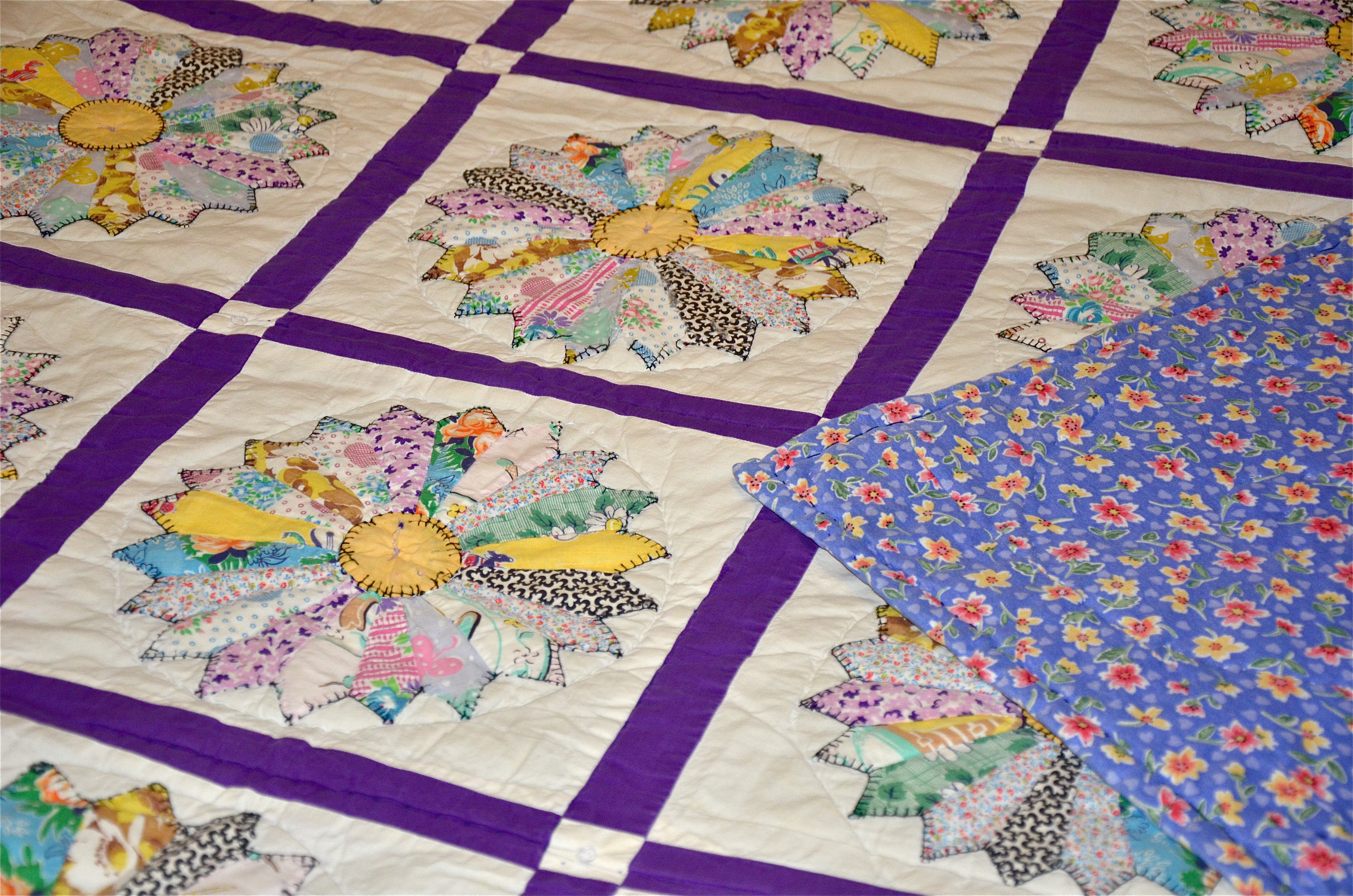
Along the way, she crafted quilts for each child and grandchild. My husband became the beneficiary of this beautiful Friendship Ring quilt. This quilt has been gently used throughout the years to cover sleepy boys (and husbands). My husband has fleeting memories of dresses made from the same patterns and colors of the fabrics in his mother’s quilts.

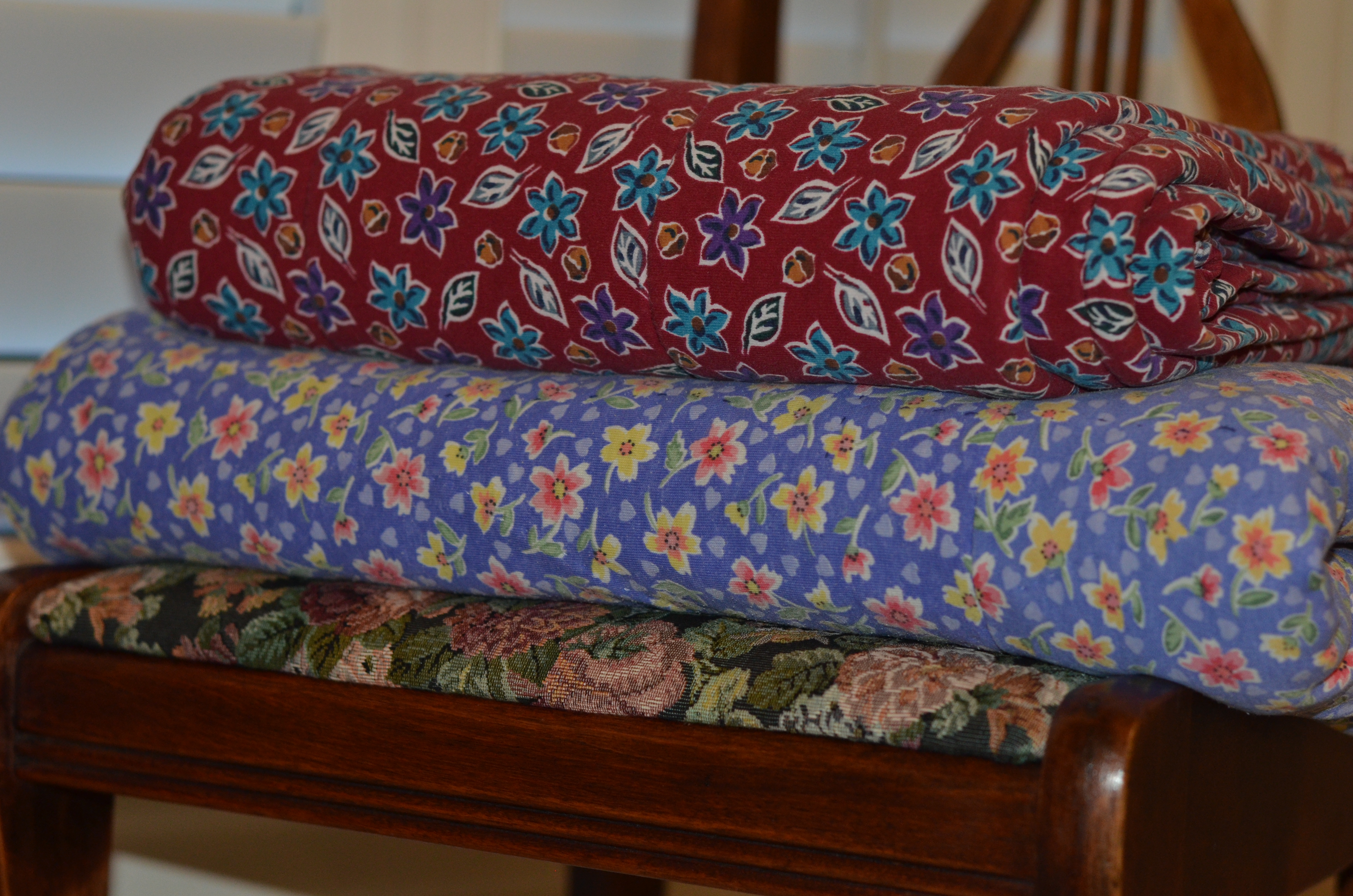
This second quilt is a simple whole cloth quilt (red background). She must have used a thicker batting because this quilt is heavier than the others. The weight is comforting somehow when you snuggle up underneath it.

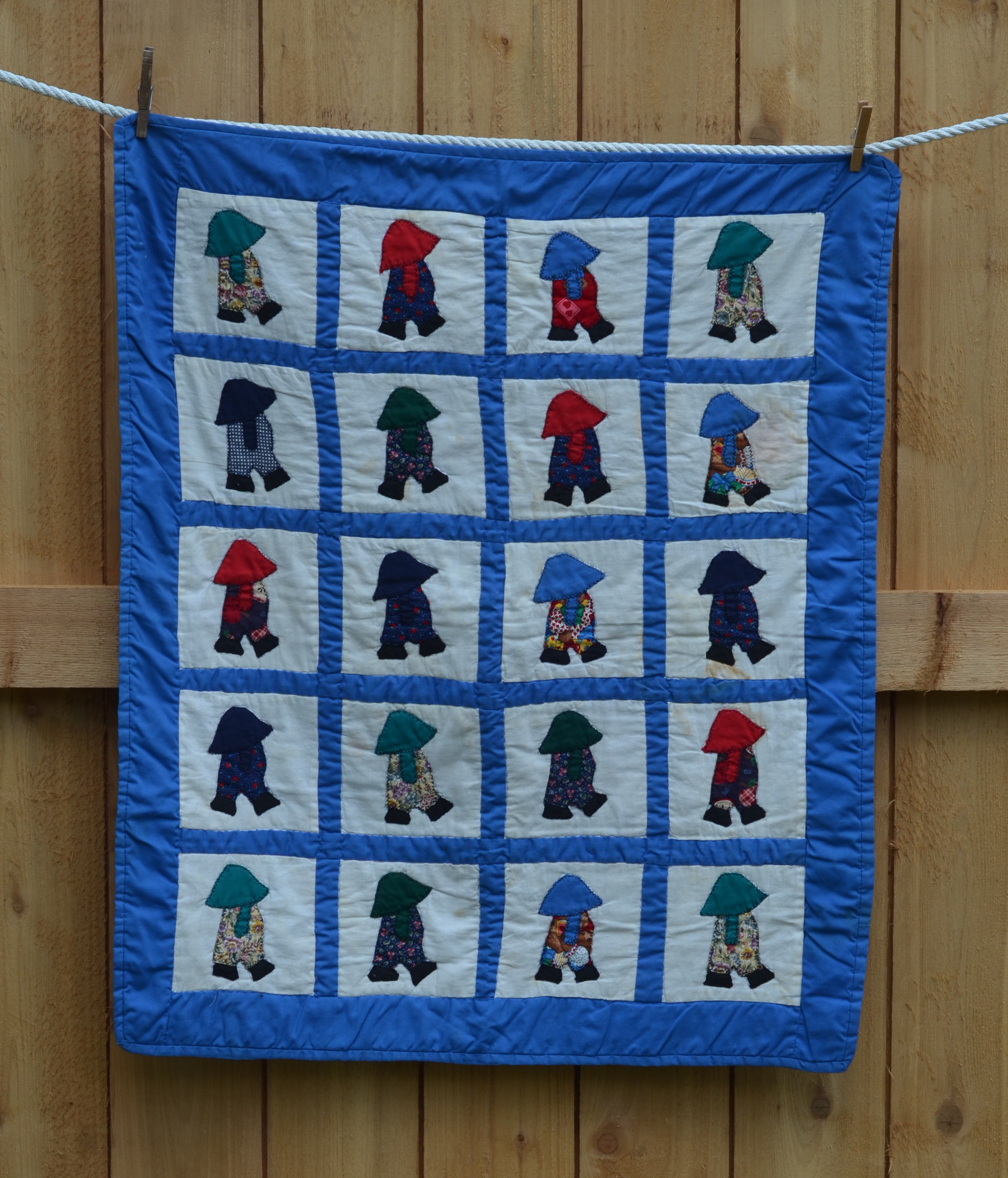
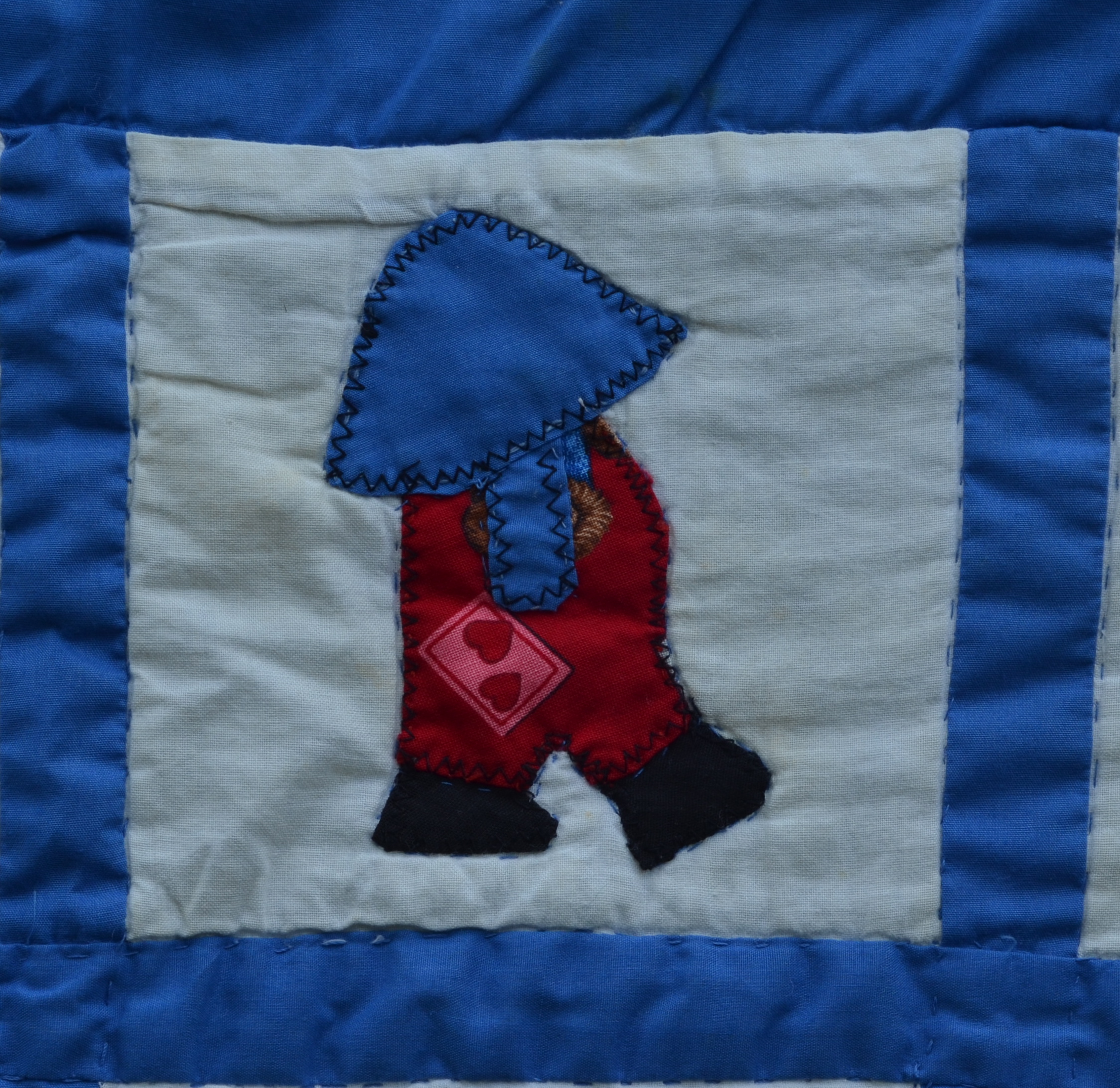
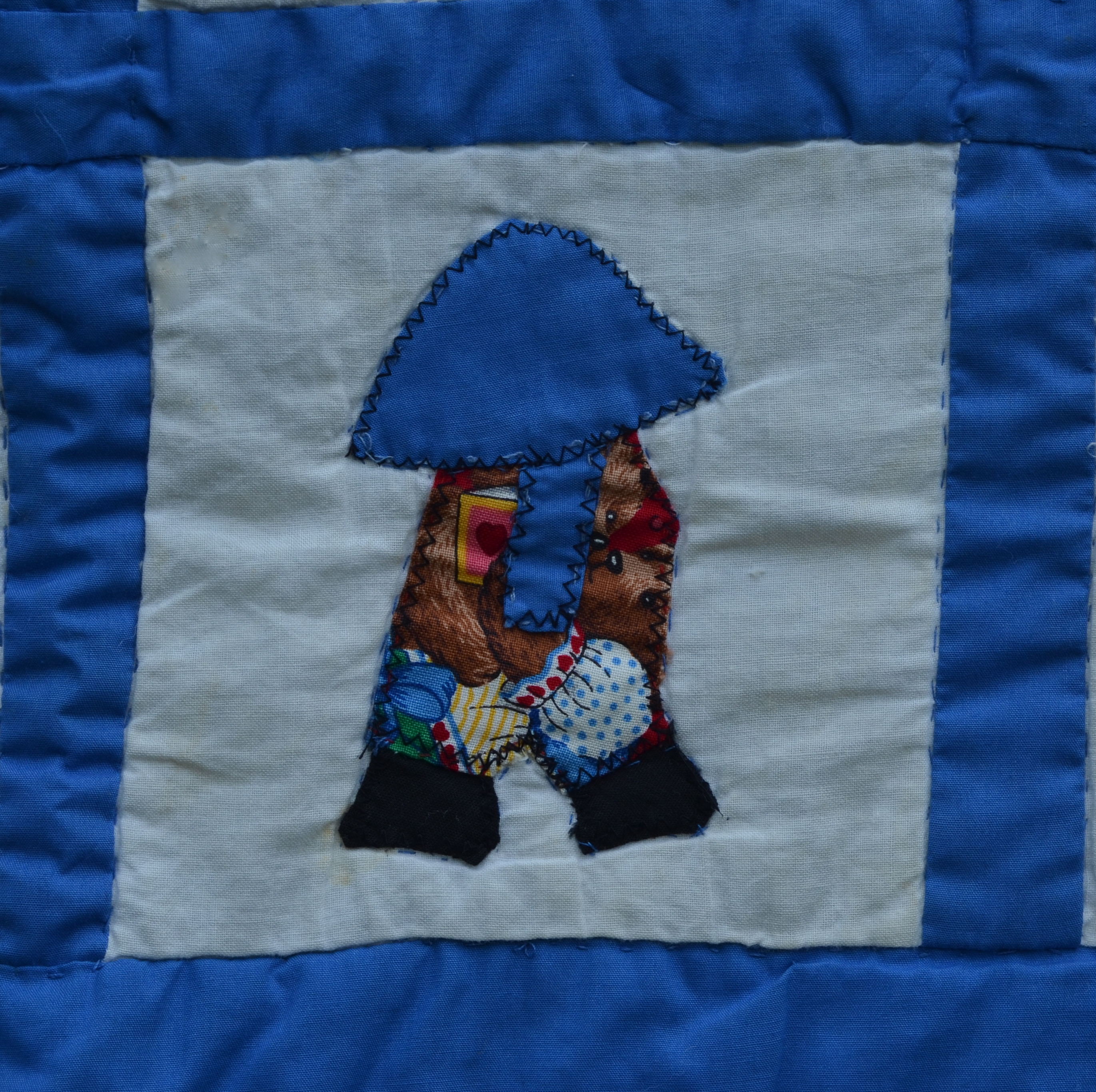
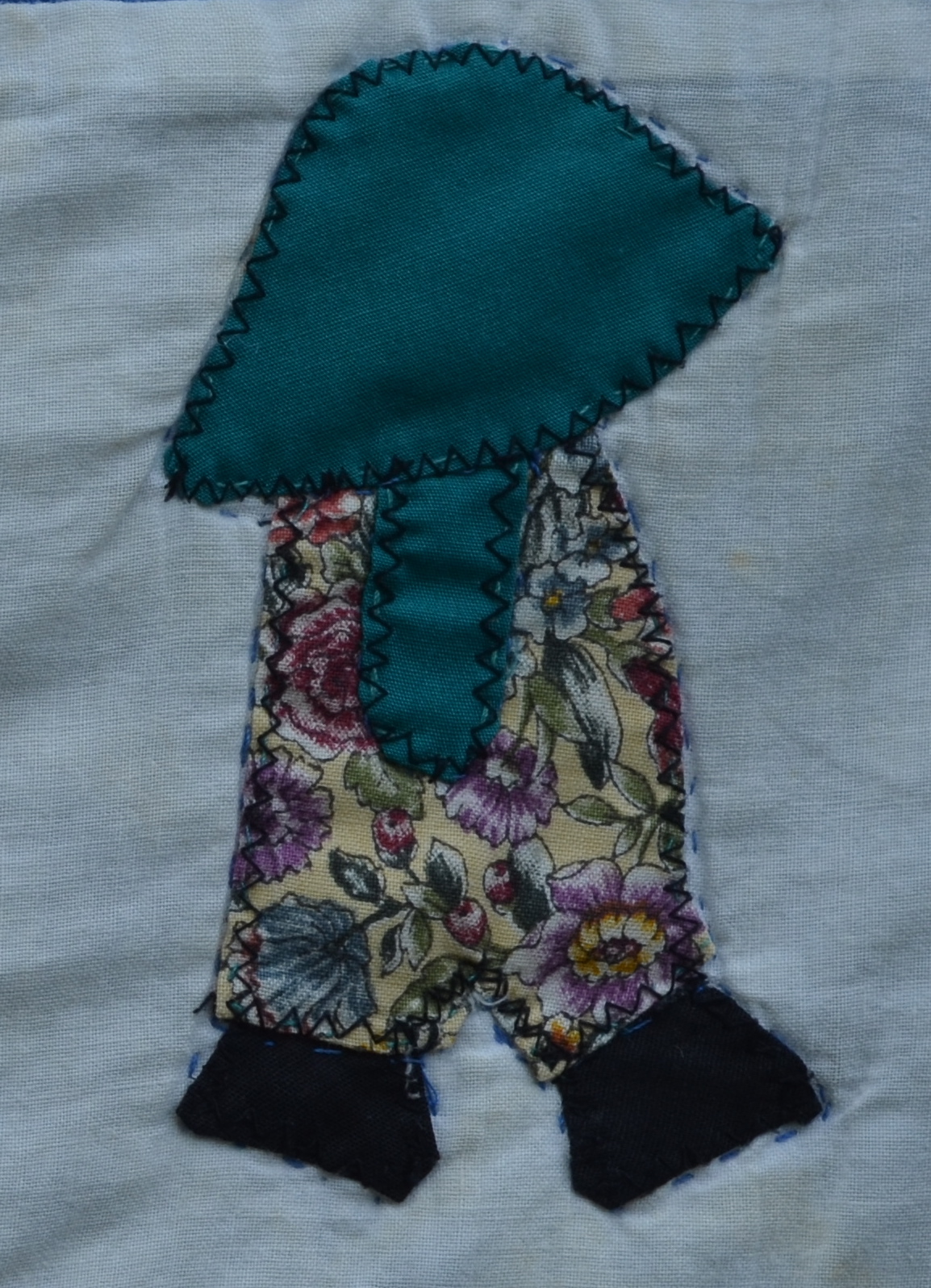
The third quilt was a gift for our son. The little Dutchmen pattern with the blue borders was just right for his crib.

These are our family heirlooms. We chose not to display them on a wall but rather use them as they were intended – to cover cold toes and keep hearts warm.

A Visit to Medieval Maastricht

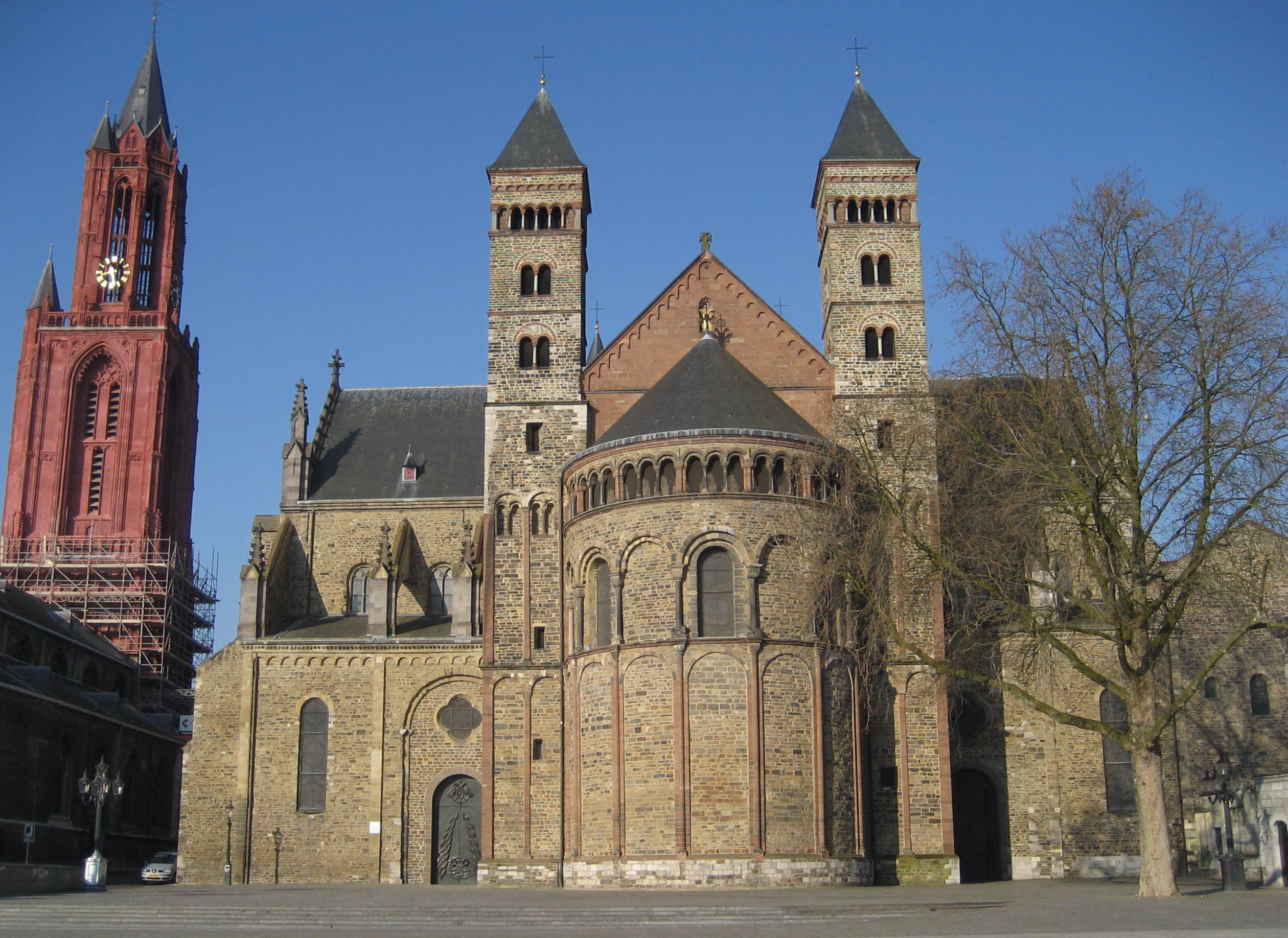
The Saint Servatius Basilica located in Vrijthof, Maastricht's city square. It is flanked by St. John's Church (with the red spire).
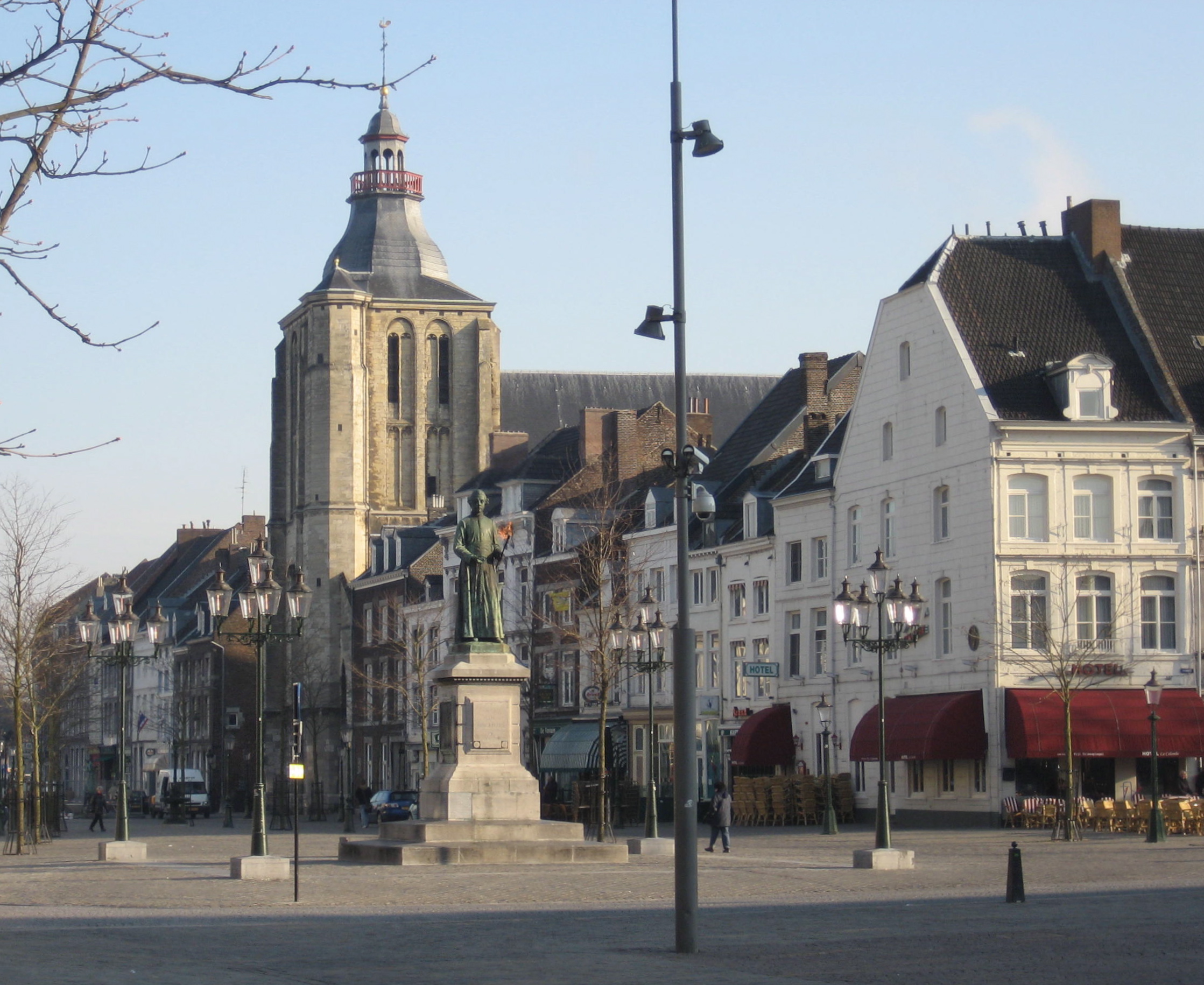
Market Square where you can find City Hall. The bronze statue is of Jan Pieter Minckeleers, a Dutch scientist who invented gas lighting. The statue has an eternal flame.
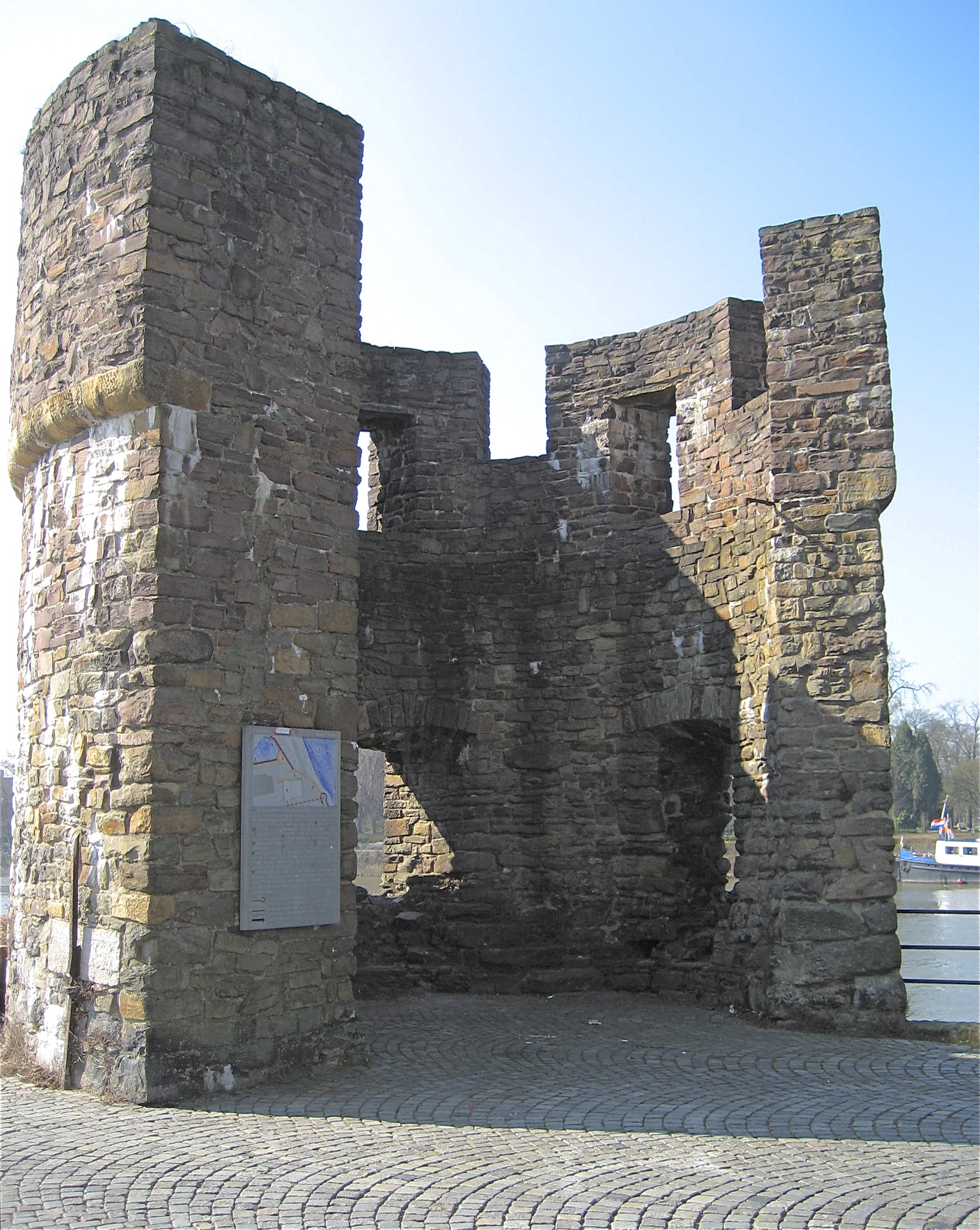
An ancient guard tower on the east bank of the Meuse River.
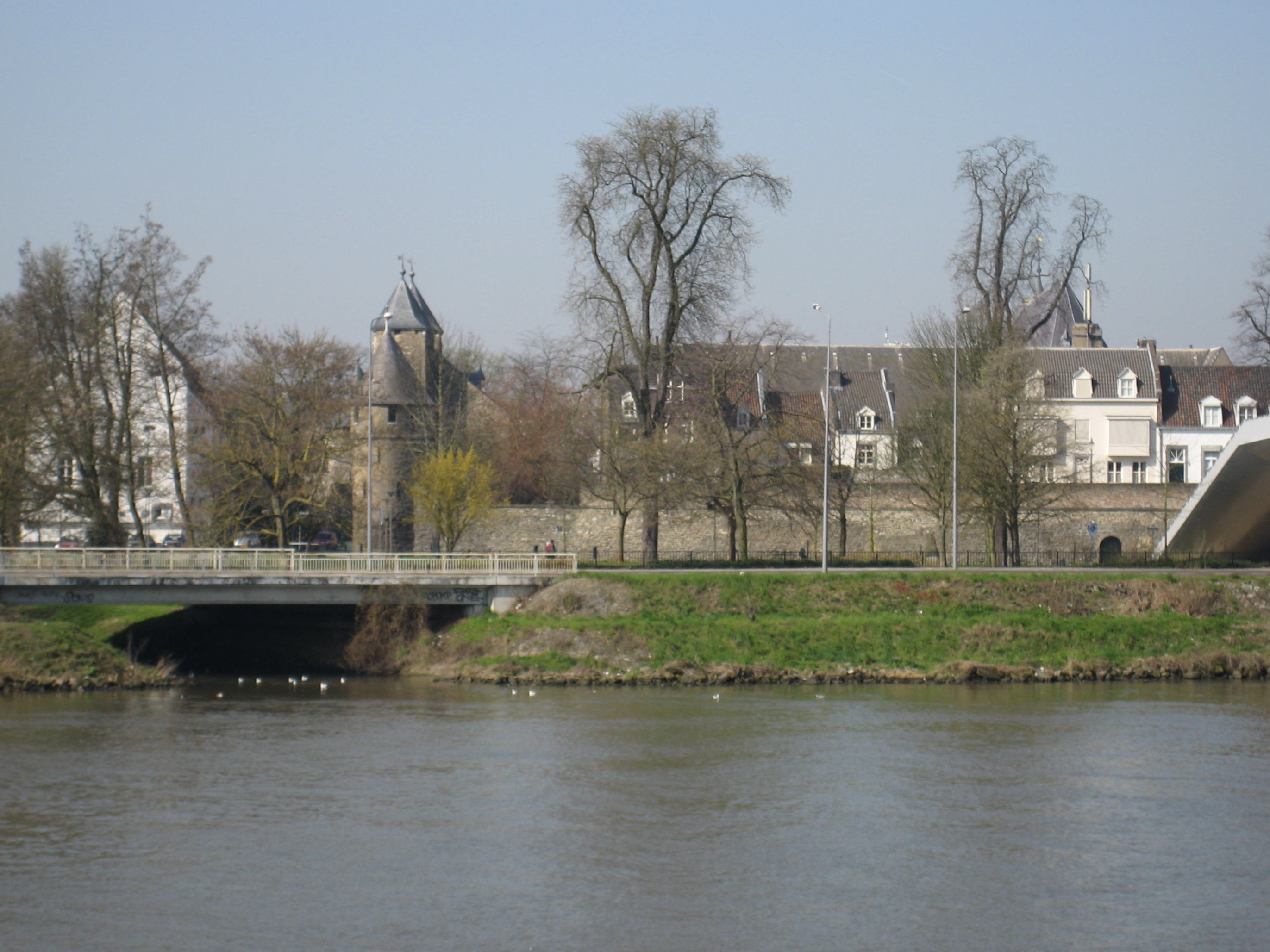
View across the Meuse River.
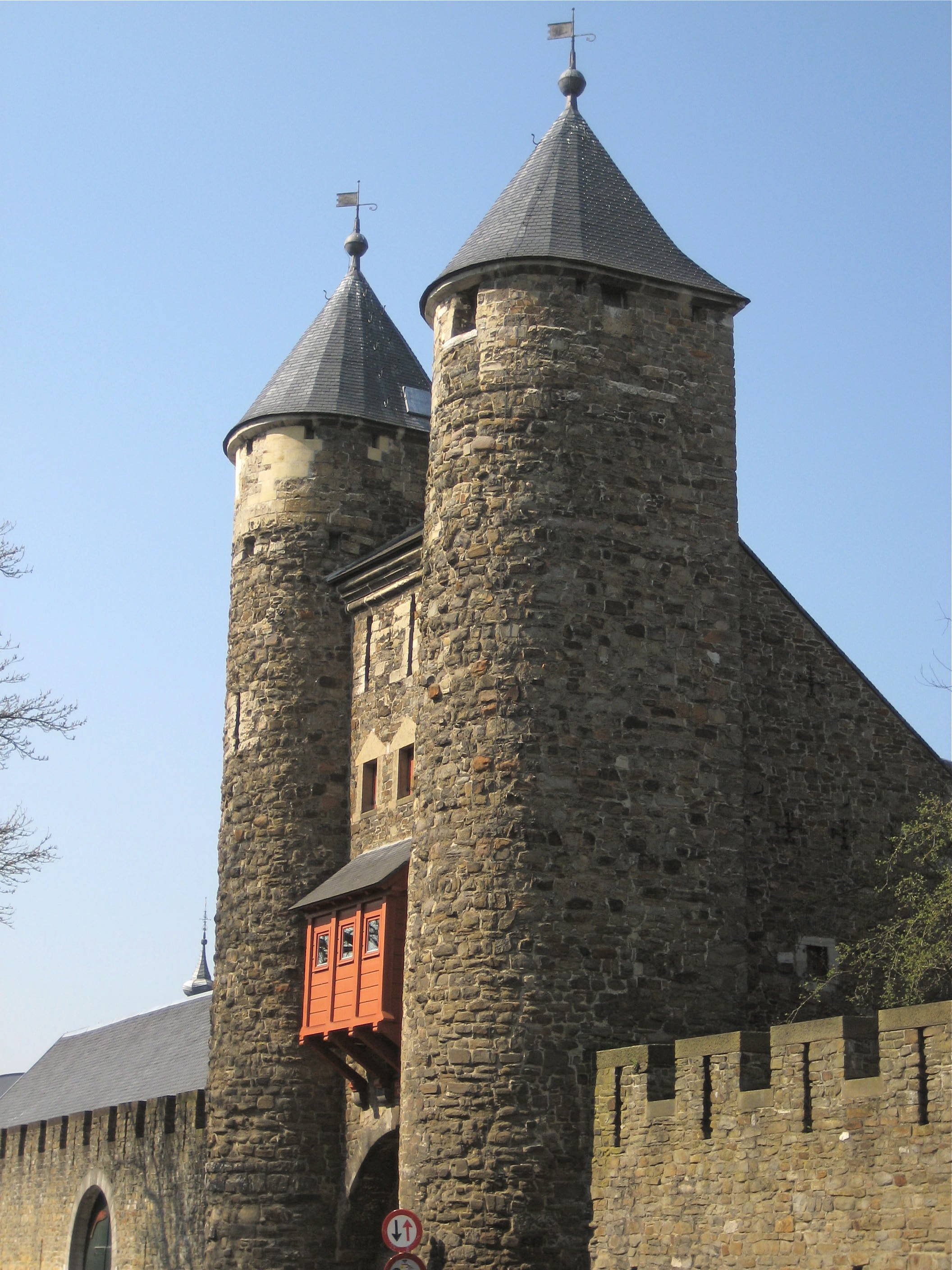
13th Century Helpoort or "Hell's Gate," remains of the city's medieval fortifications.
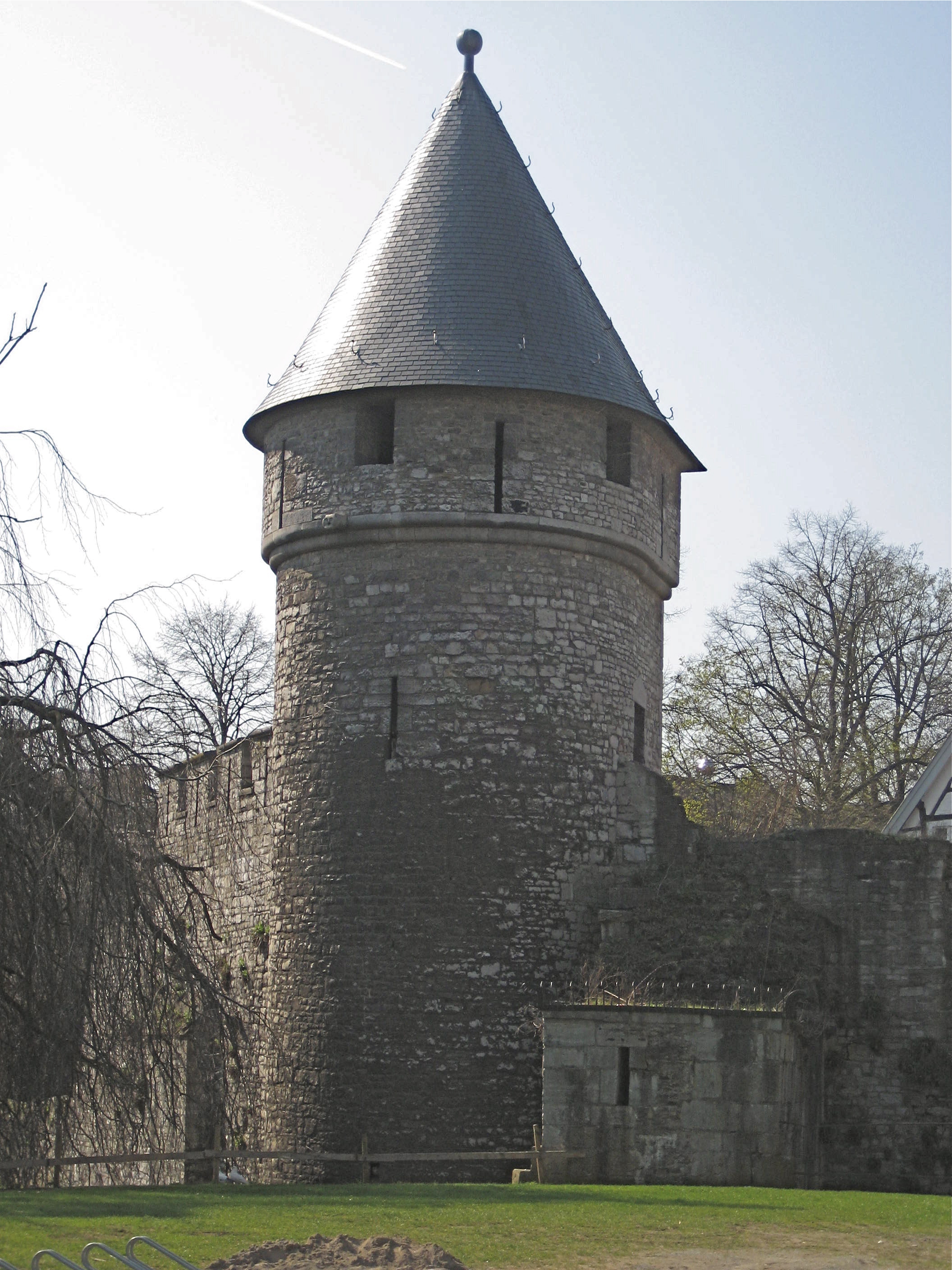
Look-out tower along the medieval walls.
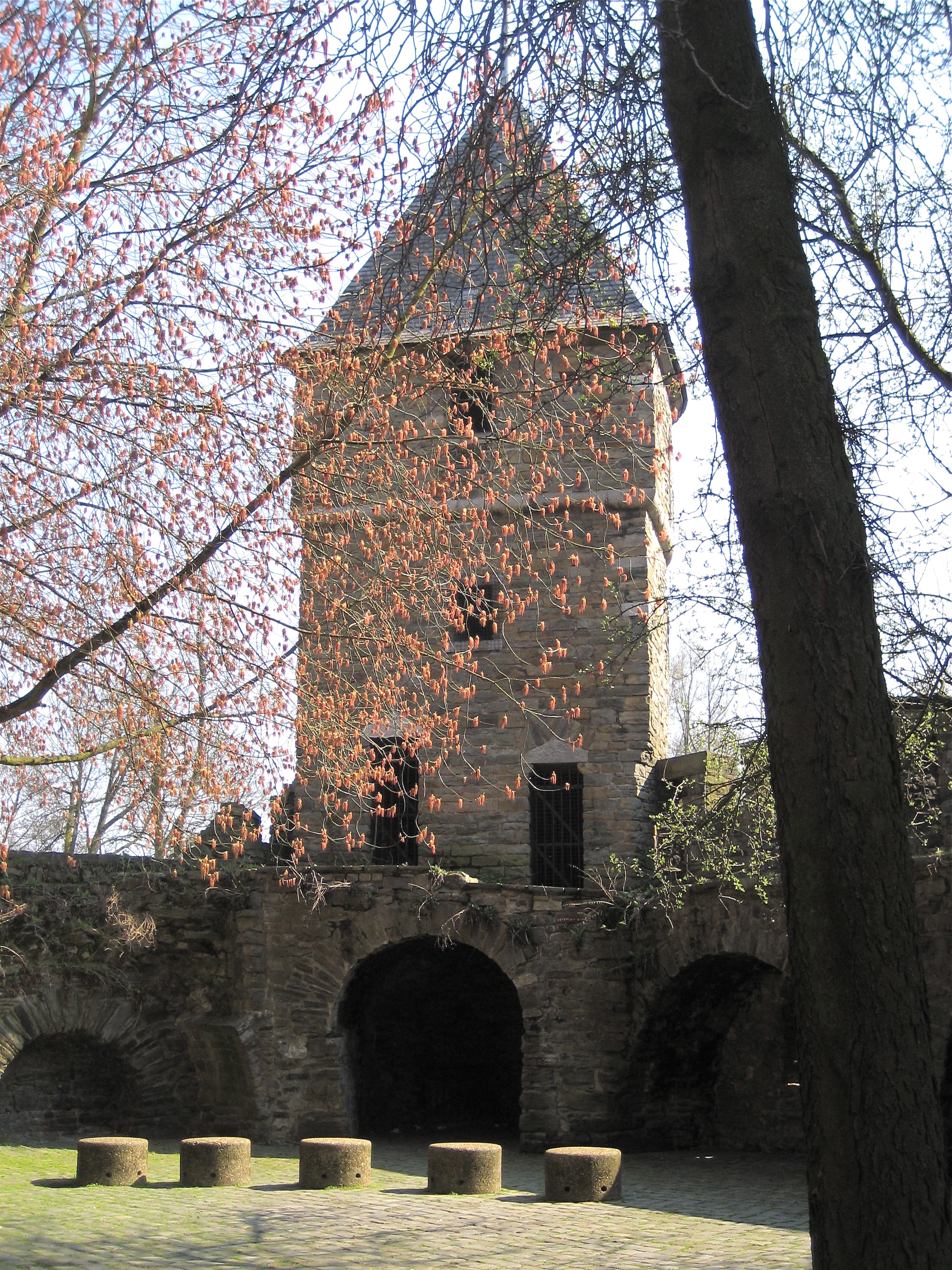
View from within the city's fortified walls.
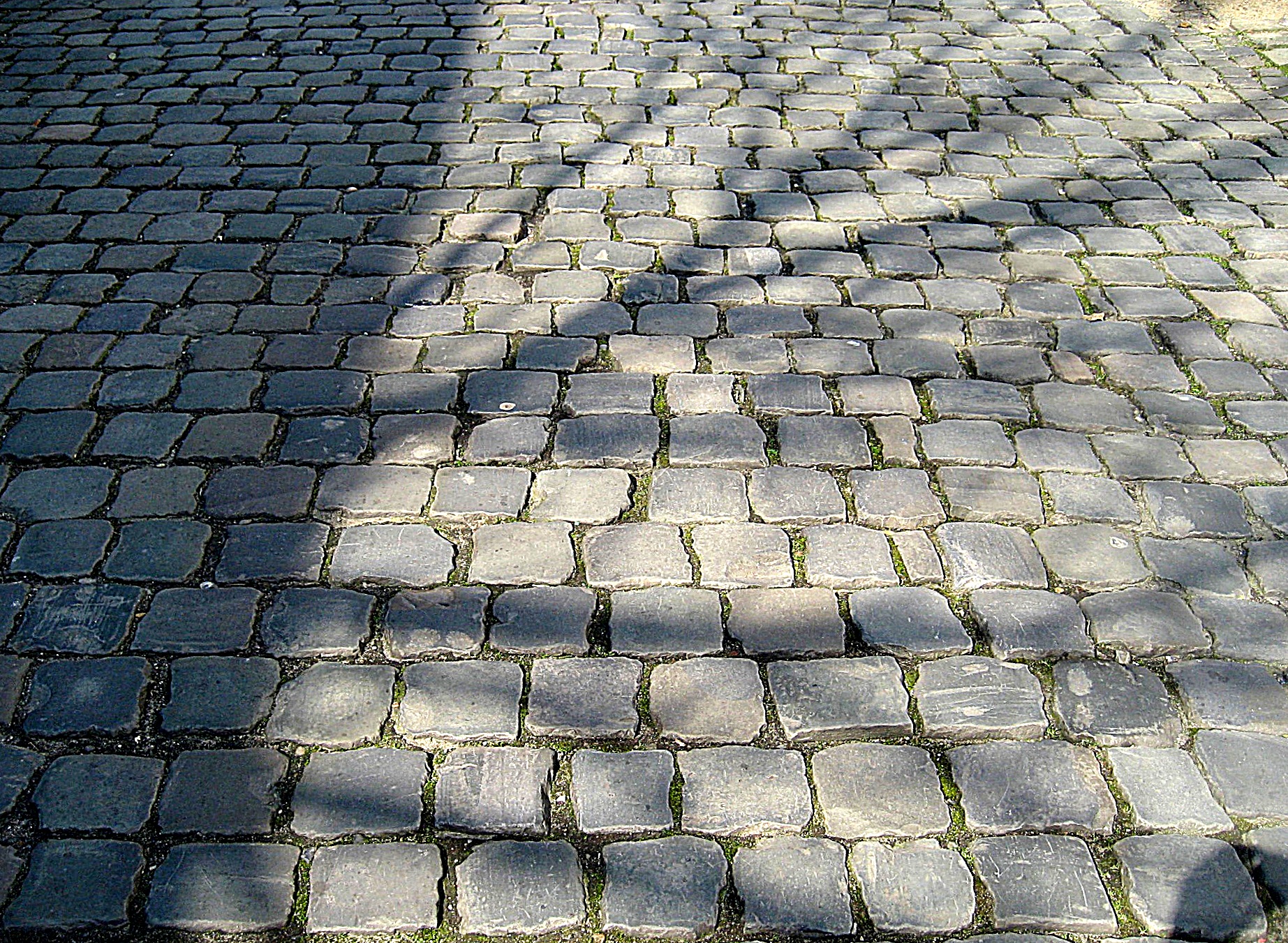
Maastricht's cobblestoned streets.
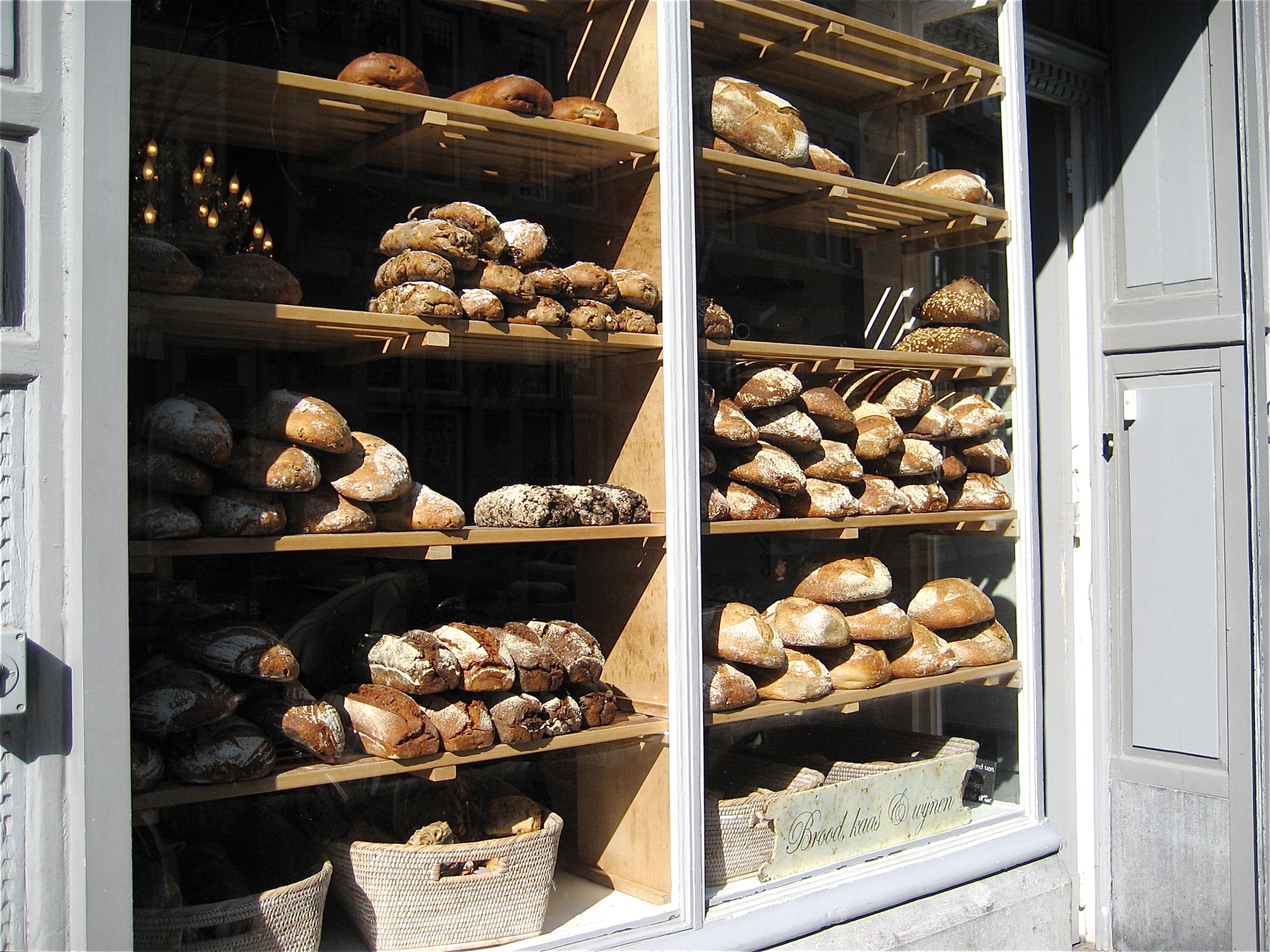
Bread and cheese shop.
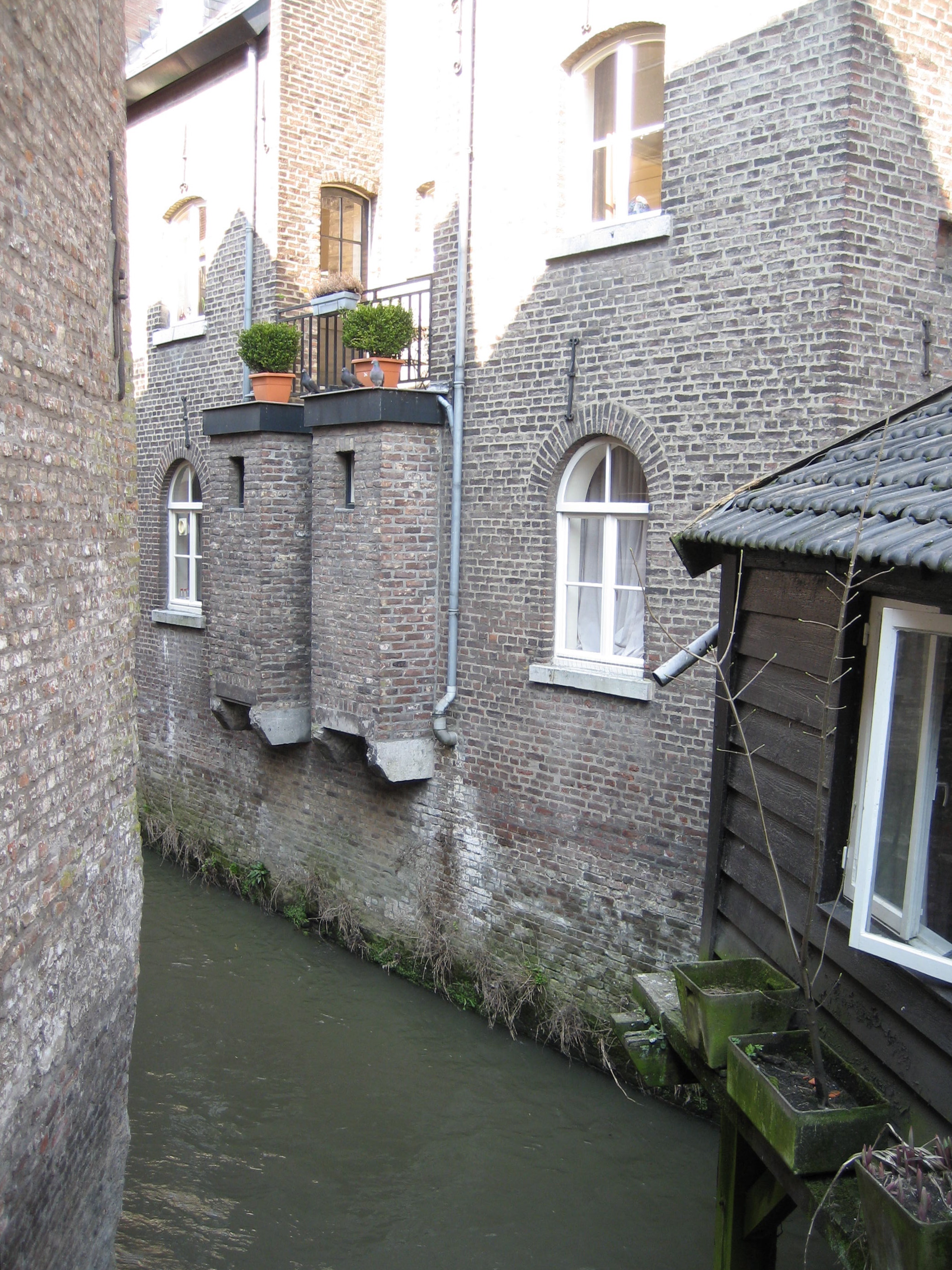
Homes with narrow watery alleyways from the Jeker River which runs through town.
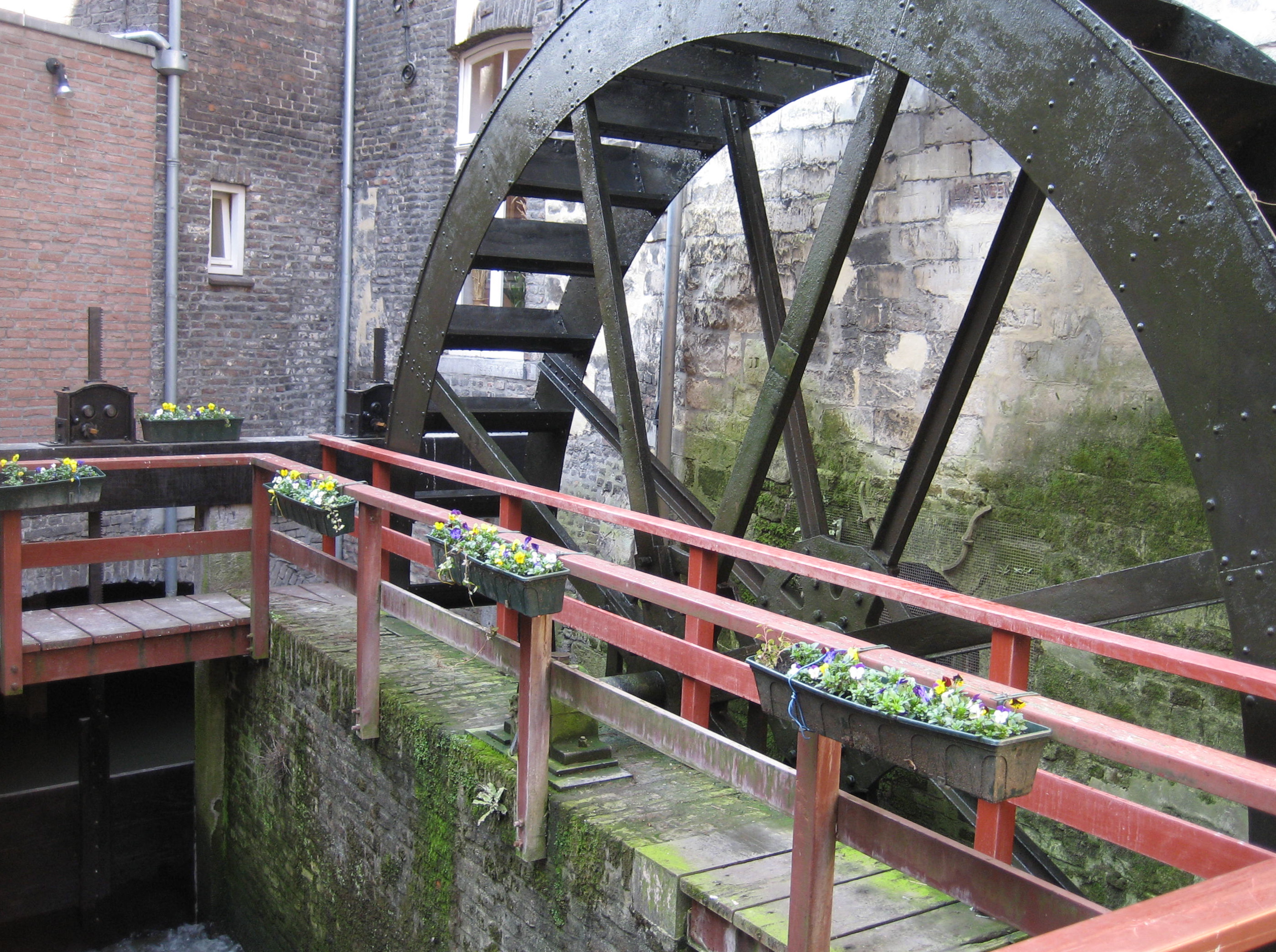
Water wheel.
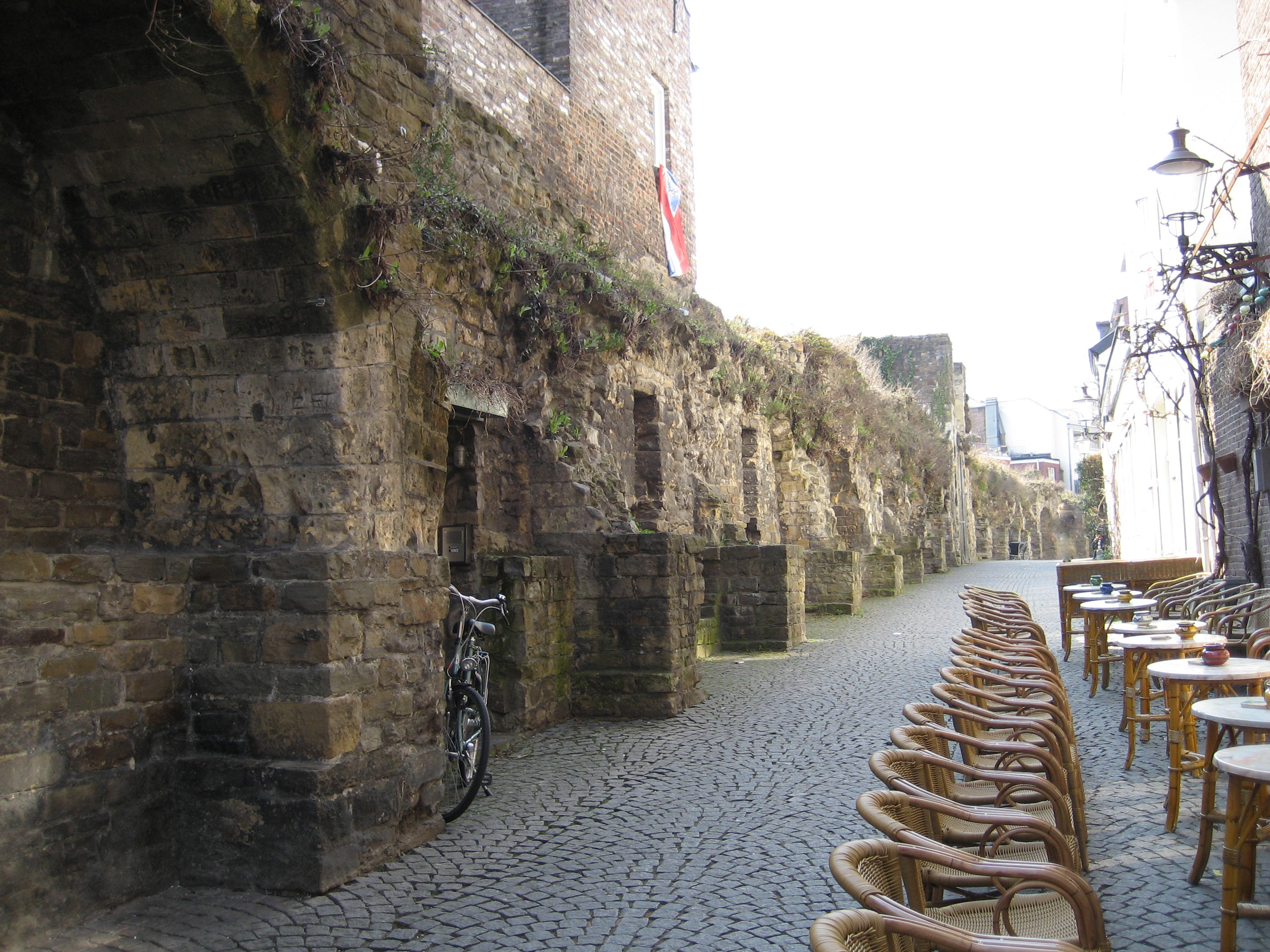
Outdoor cafes along the ruins of the medieval walls.

Kalverliefde or Puppy Love

Kalverliefde by David Adolphe Constant Artz.
Late 1800s. Oil on canvas.

The young boy stares entranced by the young girl who is knitting. This landscape by the sea is by Dutch painter David Adolphe Constant Artz. It is available for €150,000 at The European Fine Art Fair (TEFAF) in Maastricht, The Netherlands. The 2012 TEFAF takes place March 16-25.

{image source}