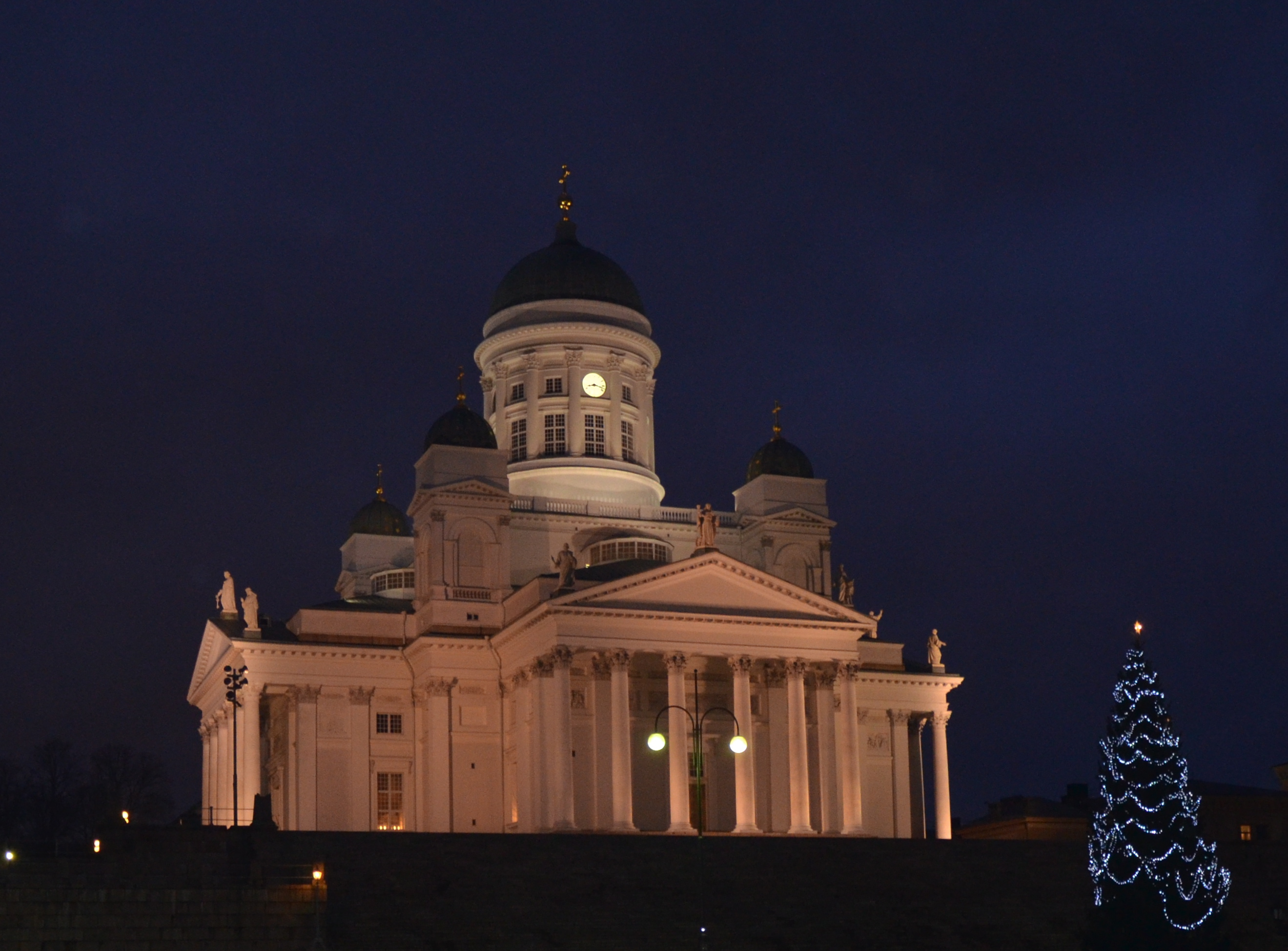
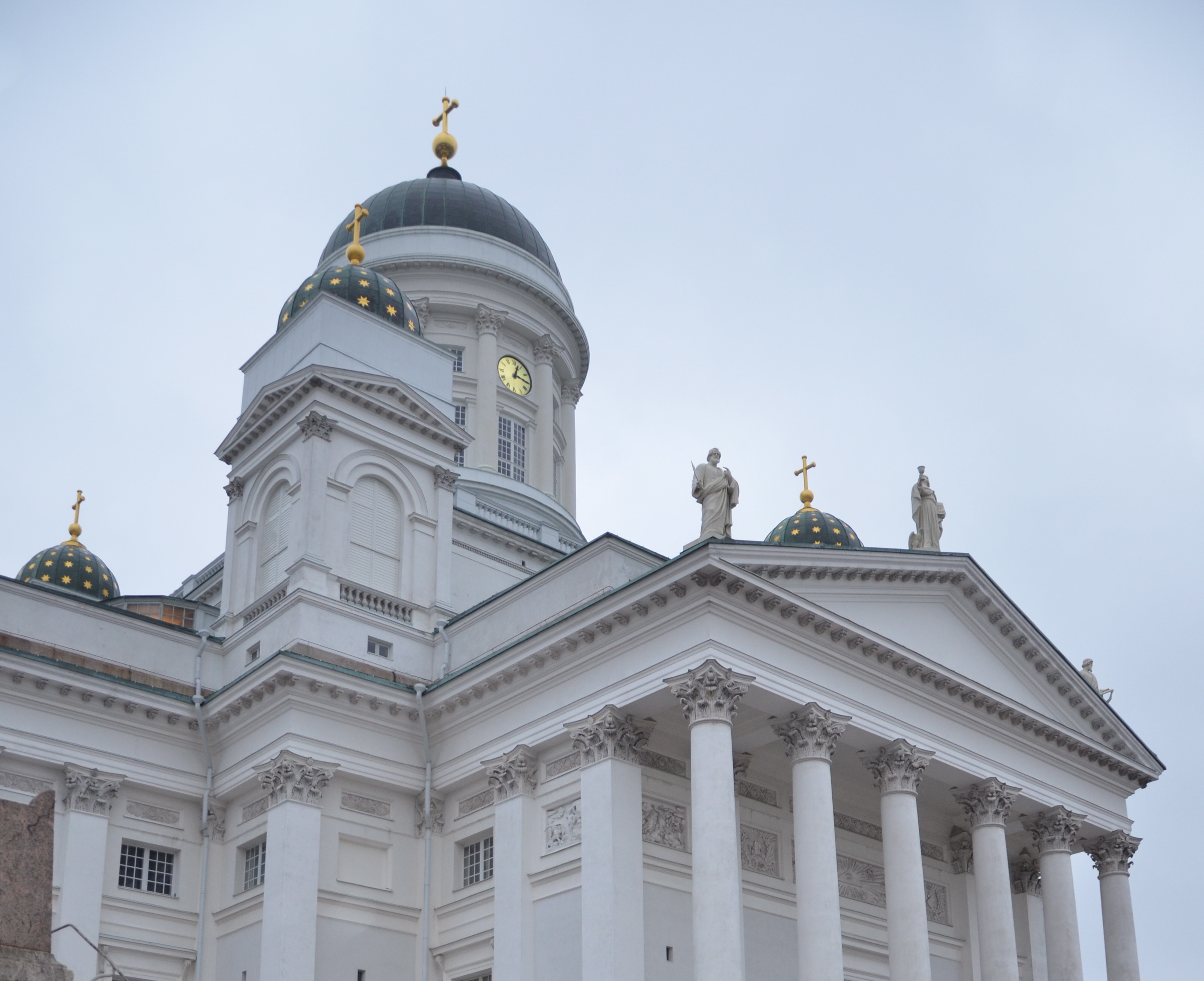
It’s no wonder that Helsinki was chosen as the most livable city in 2011 by Monocle’s annual Quality of Life survey. After spending just a few days there, I was ready to pack up and move. There are several reasons why I loved Helsinki. It’s a walkable city. We walked everywhere. There are wide open sidewalks and pedestrian walkways between buildings. Everything seemed to run smoothly, including the public rail system. It’s unpretentious. The skyline is modest with only a couple of recognizable rooftops on the horizon, including the immaculate white walls and green domes of the Helsinki Cathedral. Everyone was nice. Period.
I loved the emphasis on good design. Walking along the boutiques and workshops in the Design District was inspiring, if not humbling. Everywhere there was an appreciation for all things handcrafted. I even liked the weather. Granted, we were not there in the peak of winter, but it was certainly cold by Texas standards. Nonetheless, I found the cold refreshing and walking around in only 6 hours of sunlight was interesting. Here are my memories of Helsinki.
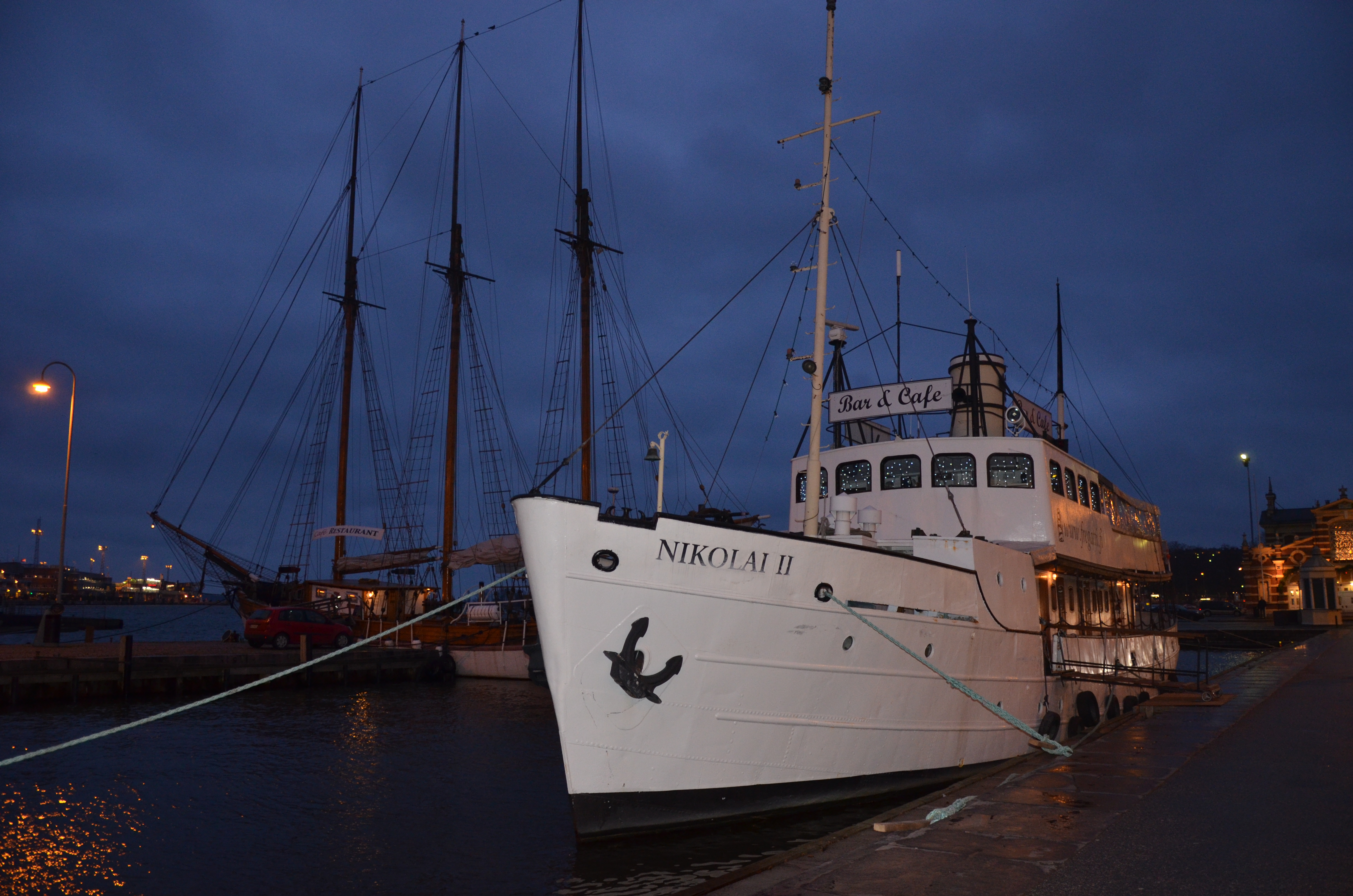
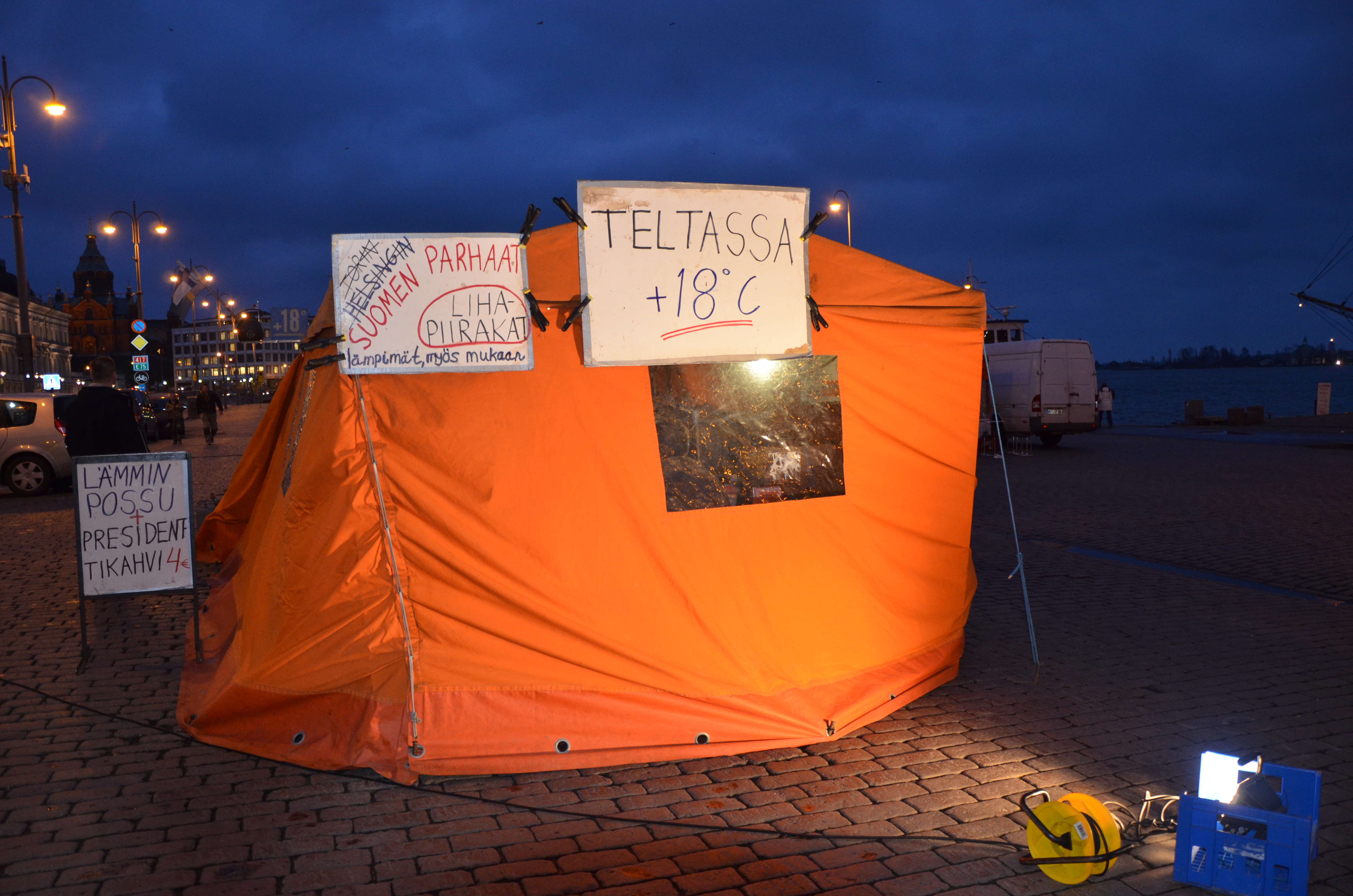
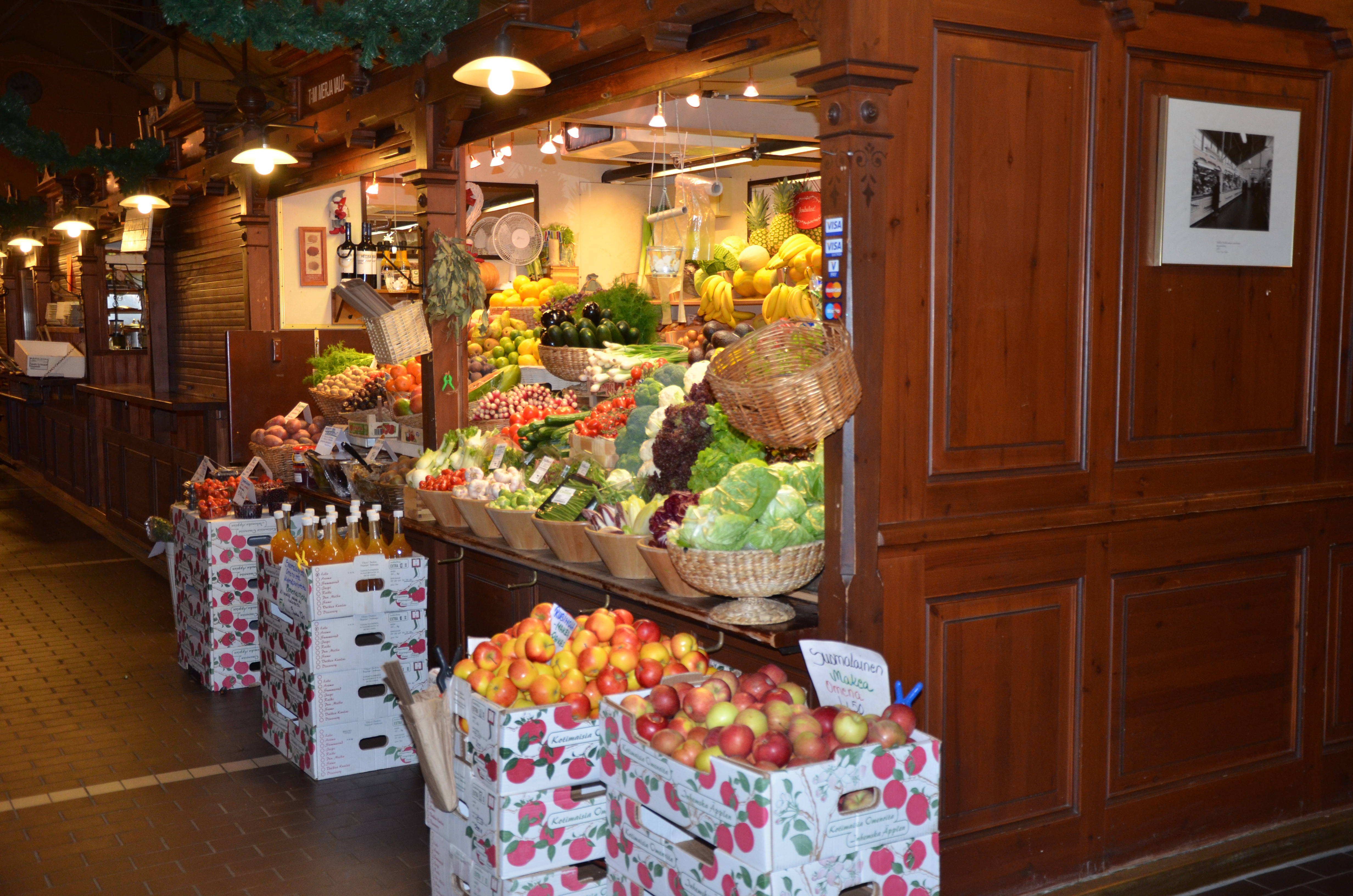
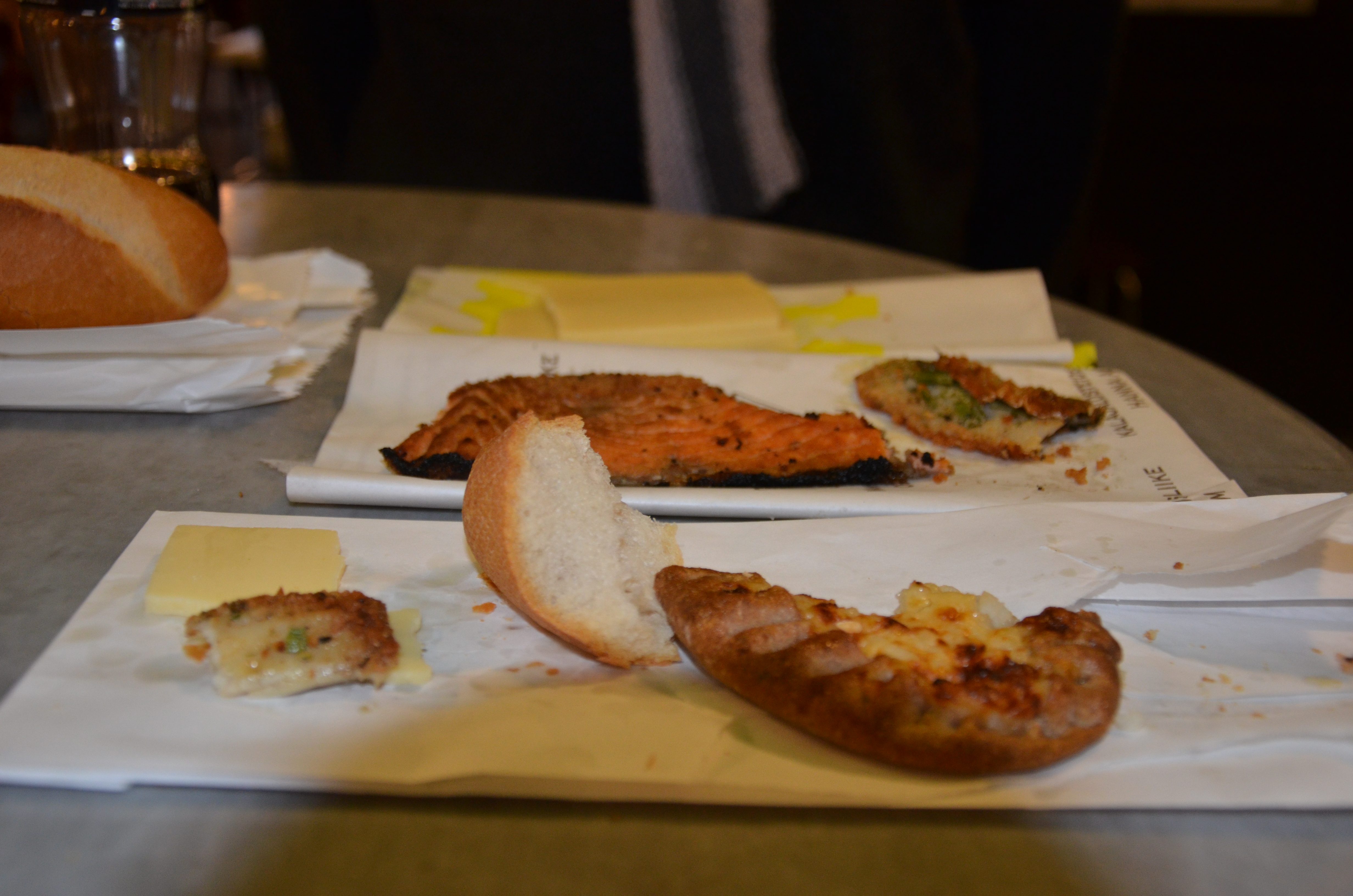
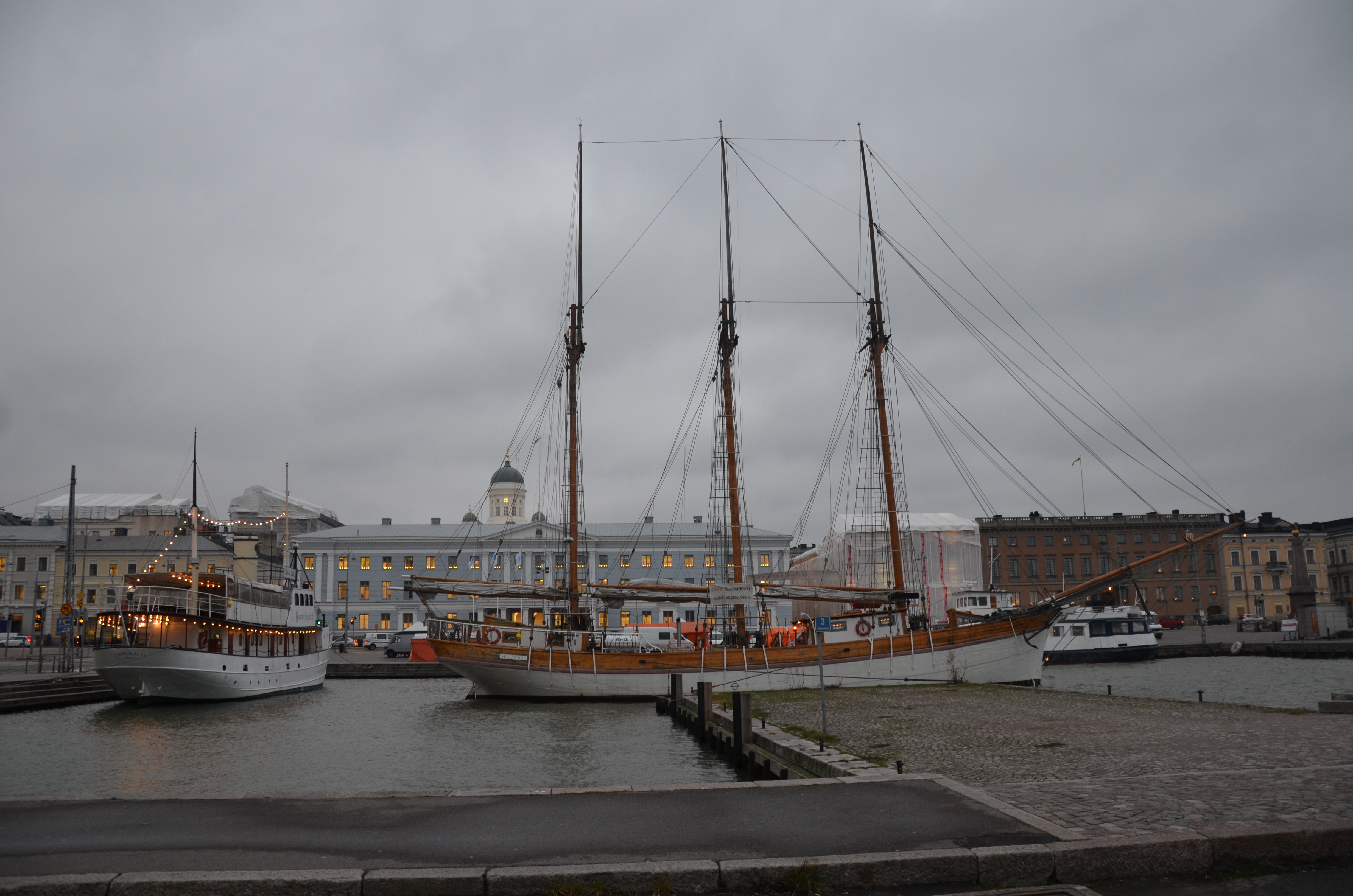
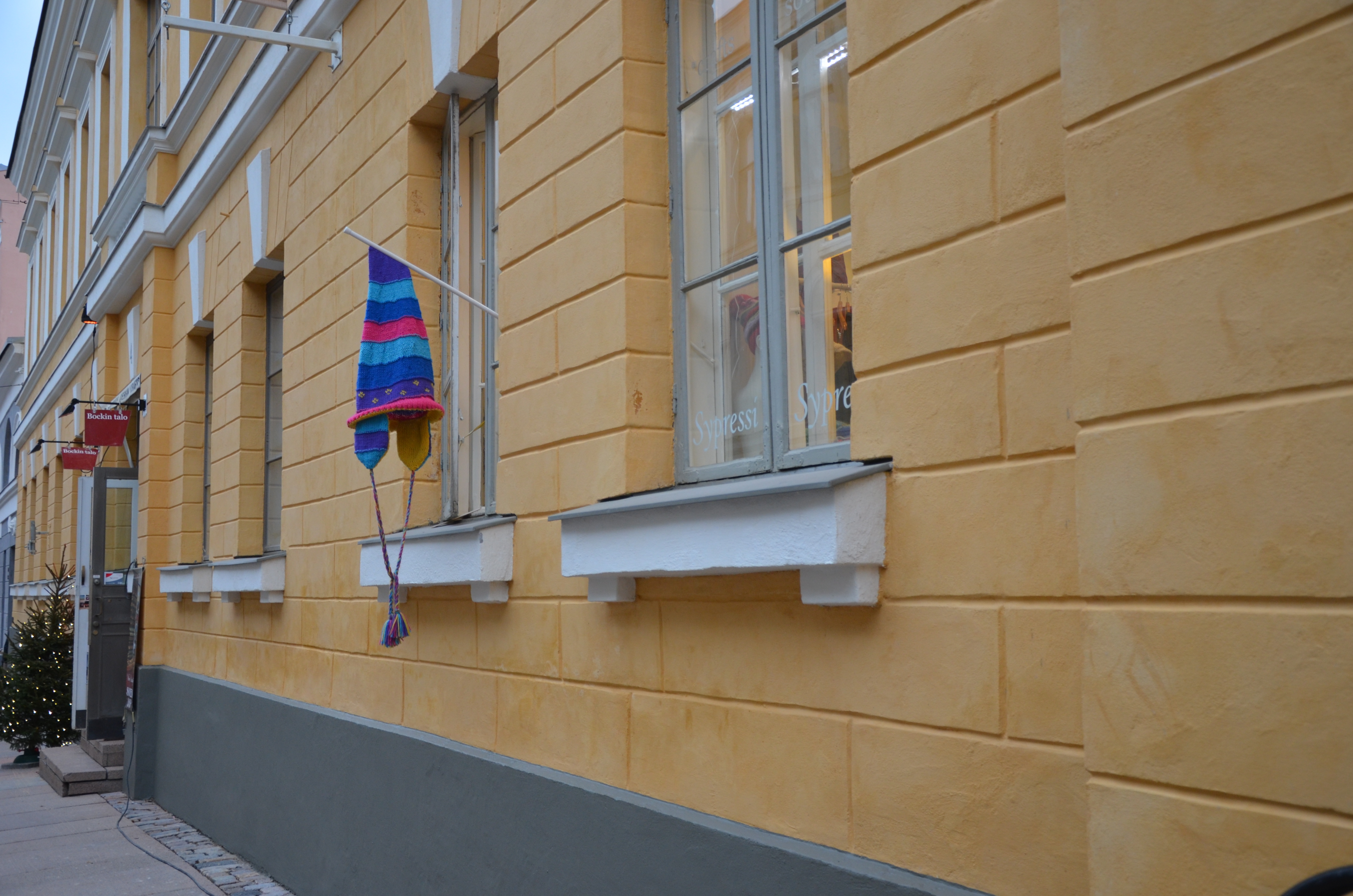
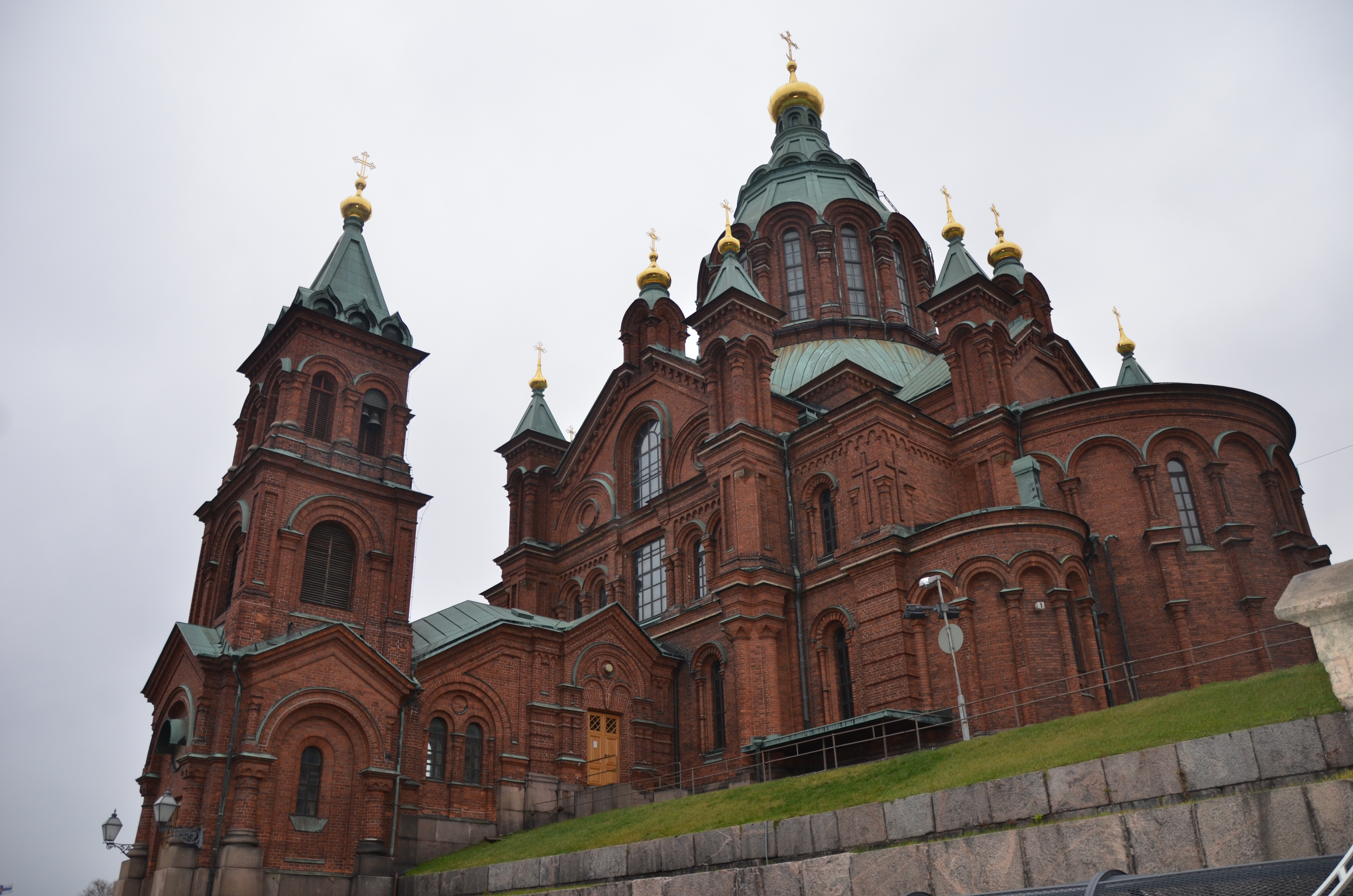
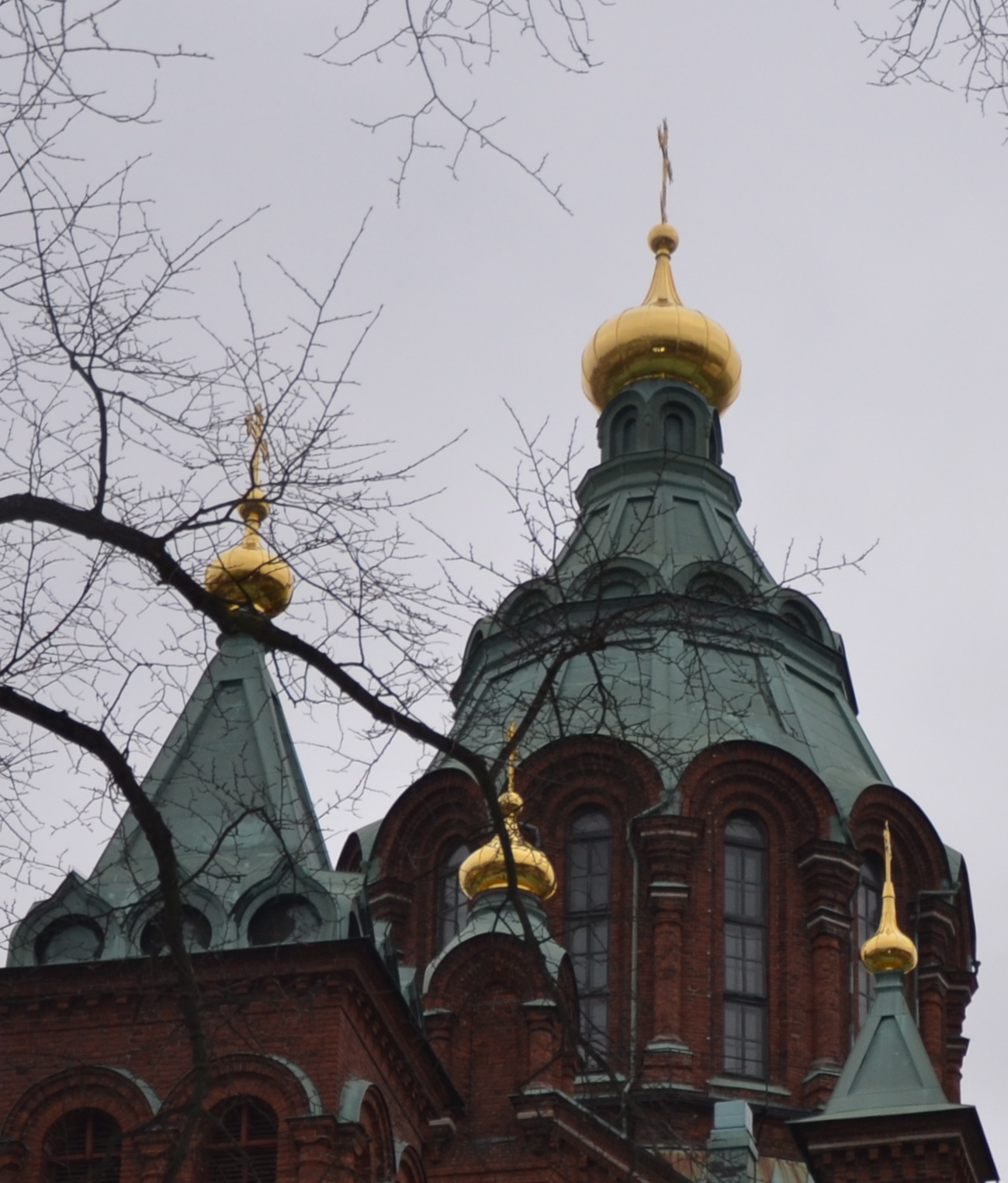
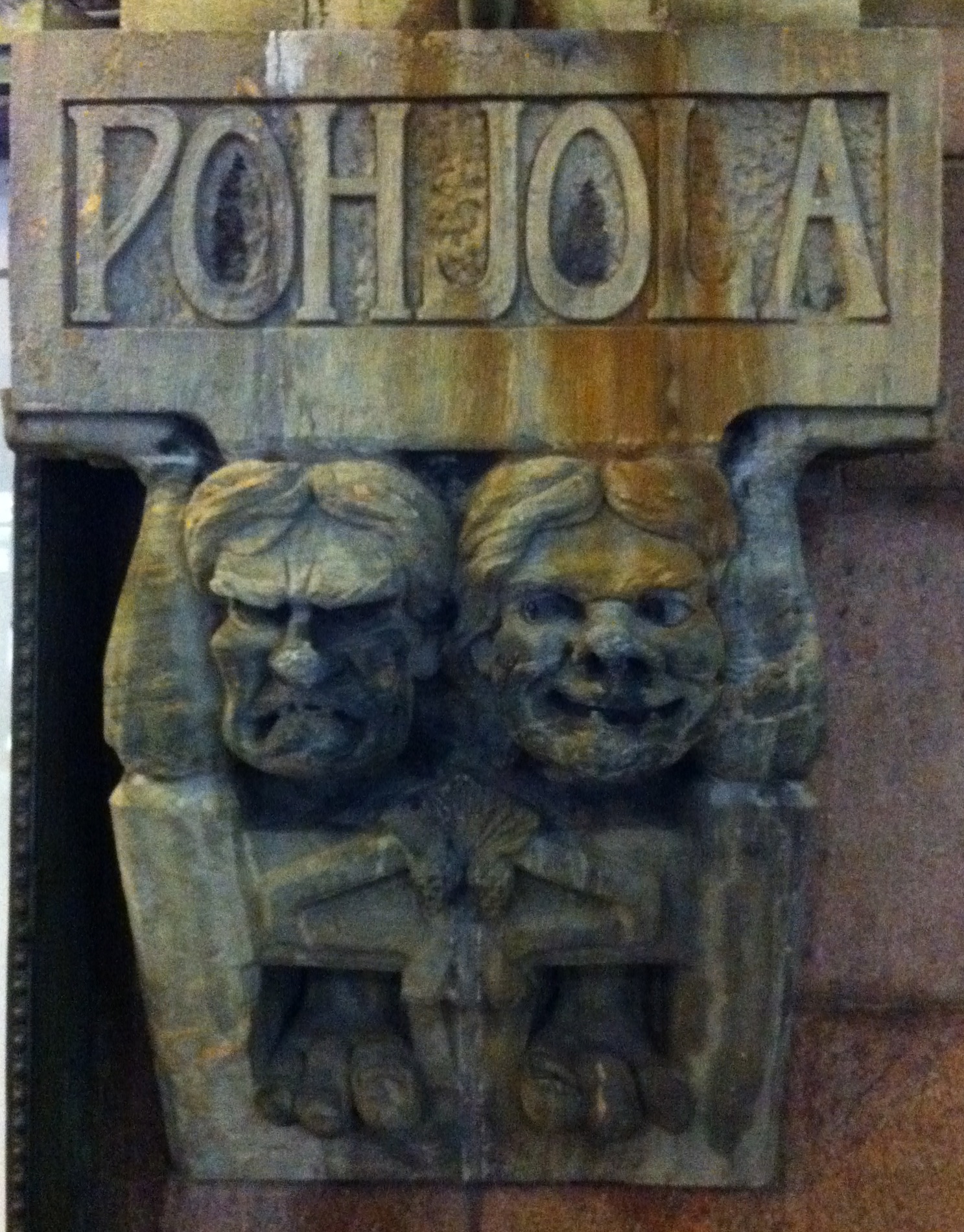
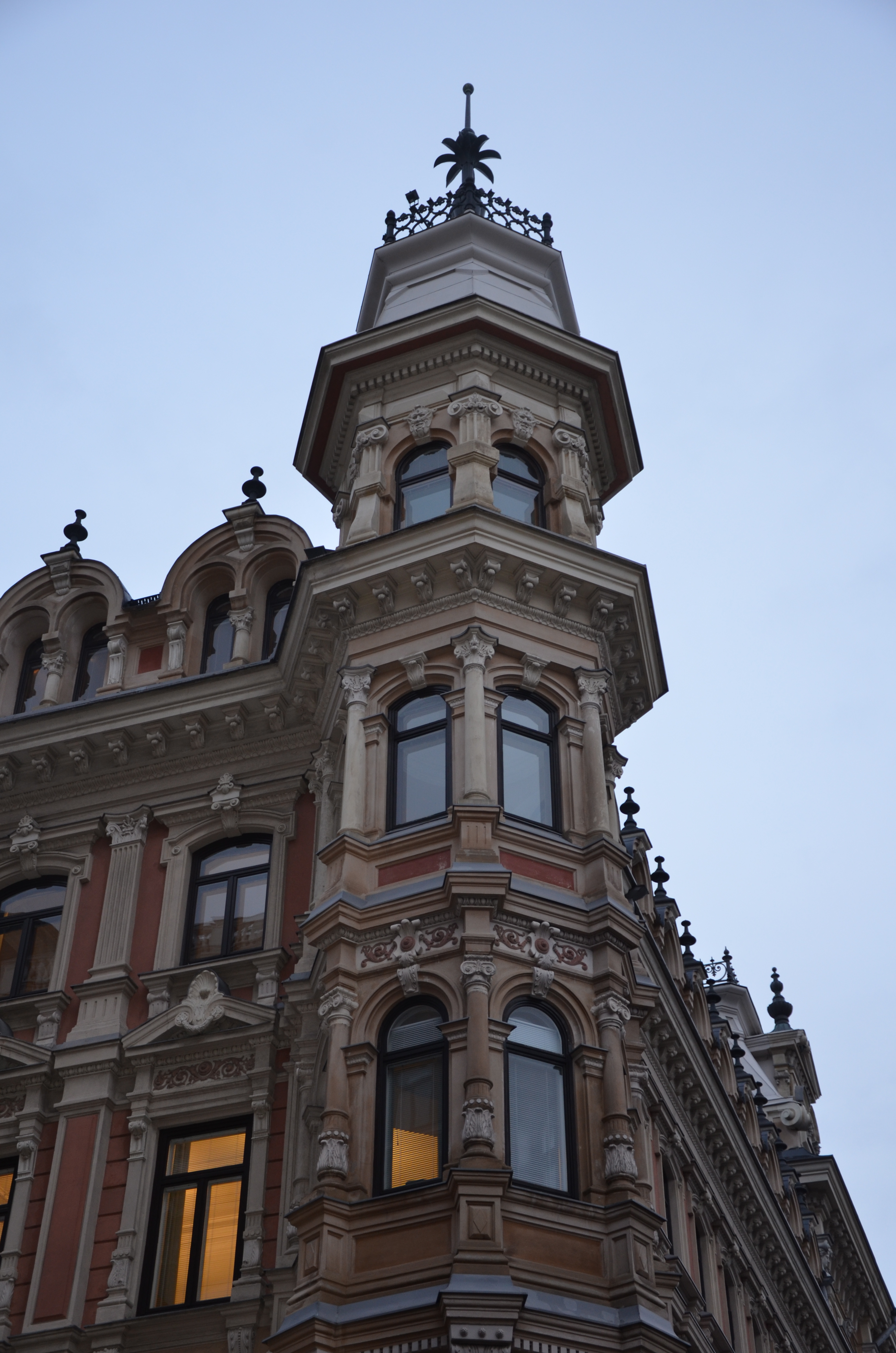
Helsinki Cathedral in the evening.Along the harbor next to the Baltic Sea before sunrise.At Kauppatori Market Square. The sign says it all.Fruits and veggies inside the old market hall. You could also find fresh salmon steaks, herring and reindeer at the fresh meat stalls.A Finnish breakfast - grilled salmon, fried herring, salty rice cake, cheese and fresh bread.Sun's coming up. Time is about 10:30 am.Hand knit items inside.The Uspenski Cathedral is an Eastern Orthodox church that sits on a hilltop overlooking the city.The golden spires of the Uspenski Cathedral.View of the Helsinki Cathedral around noon time. This is the brightest it got during the day.Detail from the Pohjola Insurance building, designed by Finnish architect Eliel Saarinen between 1899-1901. The motifs on the stone facade are of Nordic nature and mythology. Note to Texans: The Gulf Building in downtown Houston is designed after Saarinen’s 2nd place entry in the Chicago Tribune Tower competition.Building across Hotel Kamp. Aarikka has a storefront in this building. Aarikka mostly designs jewelry and decorative items all of which are created in Finland.
A knitting trip would not be complete without the opportunity to see, touch and buy yarn. We drove through the Ruhr region to arrive in Wickede, about an hour east of Dusseldorf. We were greeted at Atelier Zitron by the proprietor, Herr Klemens Zitron.
Right away, Herr Zitron took us into the yarn showroom. (If you are a knitter, you can only imagine how difficult it was to keep from running and throwing myself onto the yarn.) Zitron yarn is sold throughout the United States, Canada and Europe. They are more widely known for their sock yarns, and we saw plenty of sock yarn in bright colorways. But the range of Zitron yarns goes far beyond socks.
Their lace weight yarn is exquisite. Herr Zitron showed us various pieces knit with their lace weight yarns – light and airy shawls with intricate patterns.
We spent a good deal of time on the Gobi line. Gobi is a particularly high-quality worsted weight yarn that comes in a series of solid earth tones. It is made from a blend of three luxurious fibers – 40% extra fine merino wool, 30% camel, and 30% alpaca. (I brought home 15 balls in black.) Herr Zitron explained that it is not necessary to knit with chunky yarn to keep warm. One must use high quality yarn that feels good against the skin. A good yarn will keep you warm without overpowering you.
Back in his office, Herr Zitron shared his insights on the fibers that go into producing Zitron yarns. He took out small bags, each filled with a natural undyed fiber. As we touched each one, he made us guess what the fiber origin was. We touched raw merino wool, mohair, and camel, among others. The camel was the most surprising. It was incredibly soft, and strong. He had us feel raw wool typically used for sock yarn. He then placed the wool used in Zitron sock yarn in our hands. The difference was instantly noticeable. Both wools were soft and felt good on the skin, but the wool used in Zitron yarn was splendidly soft and supple. Herr Zitron has discerning taste and only chooses the highest quality fibers to produce the yarns that carry his name.
At Atelier Zitron, they are constantly innovating. Herr Zitron gave us a sneak peek at their Spring yarn collection. All I will share is that it is exquisite. The colorway has a special sheen to it that any knitter would find enchanting. Other than that, you will have to look for it in 2012.
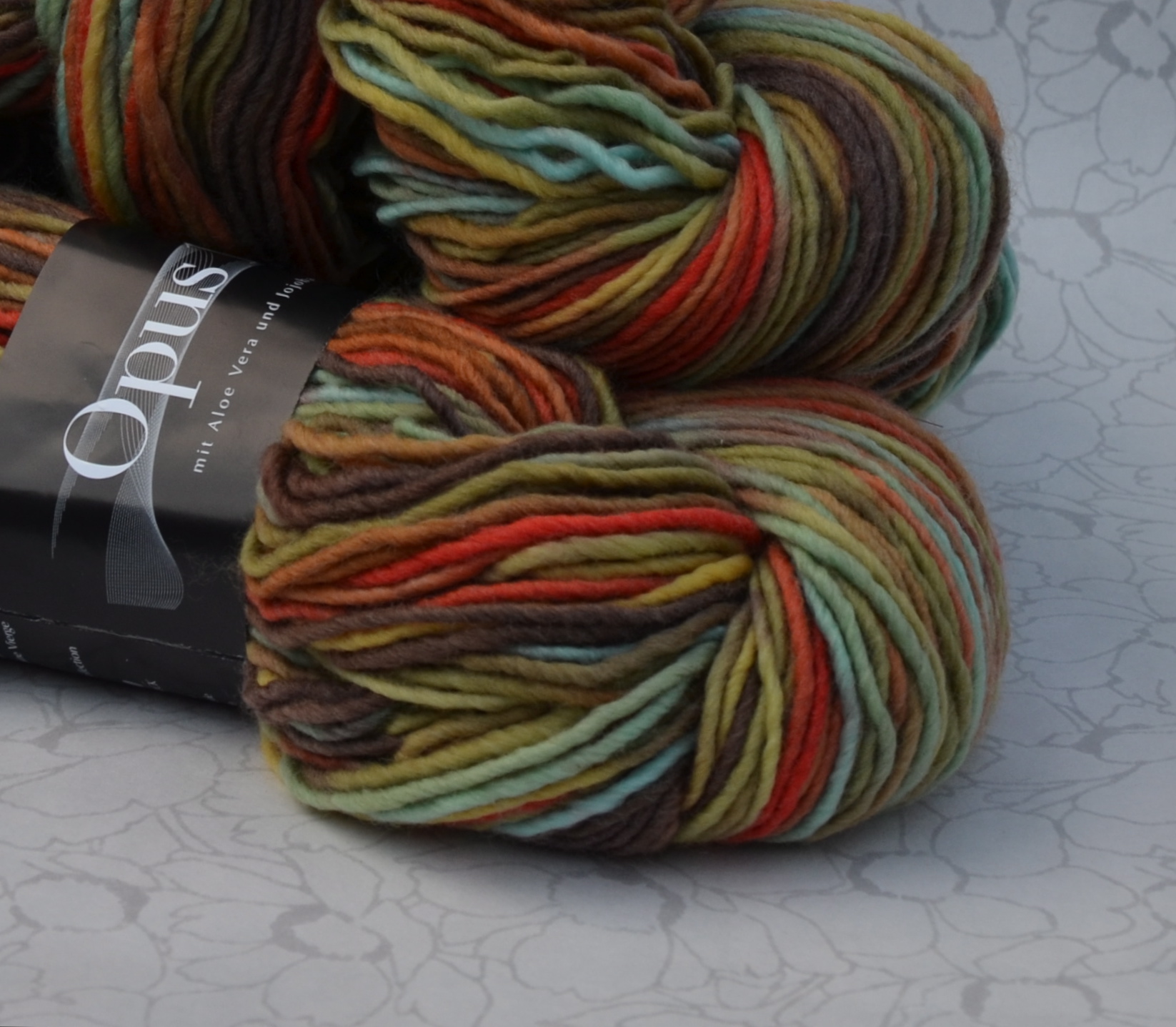
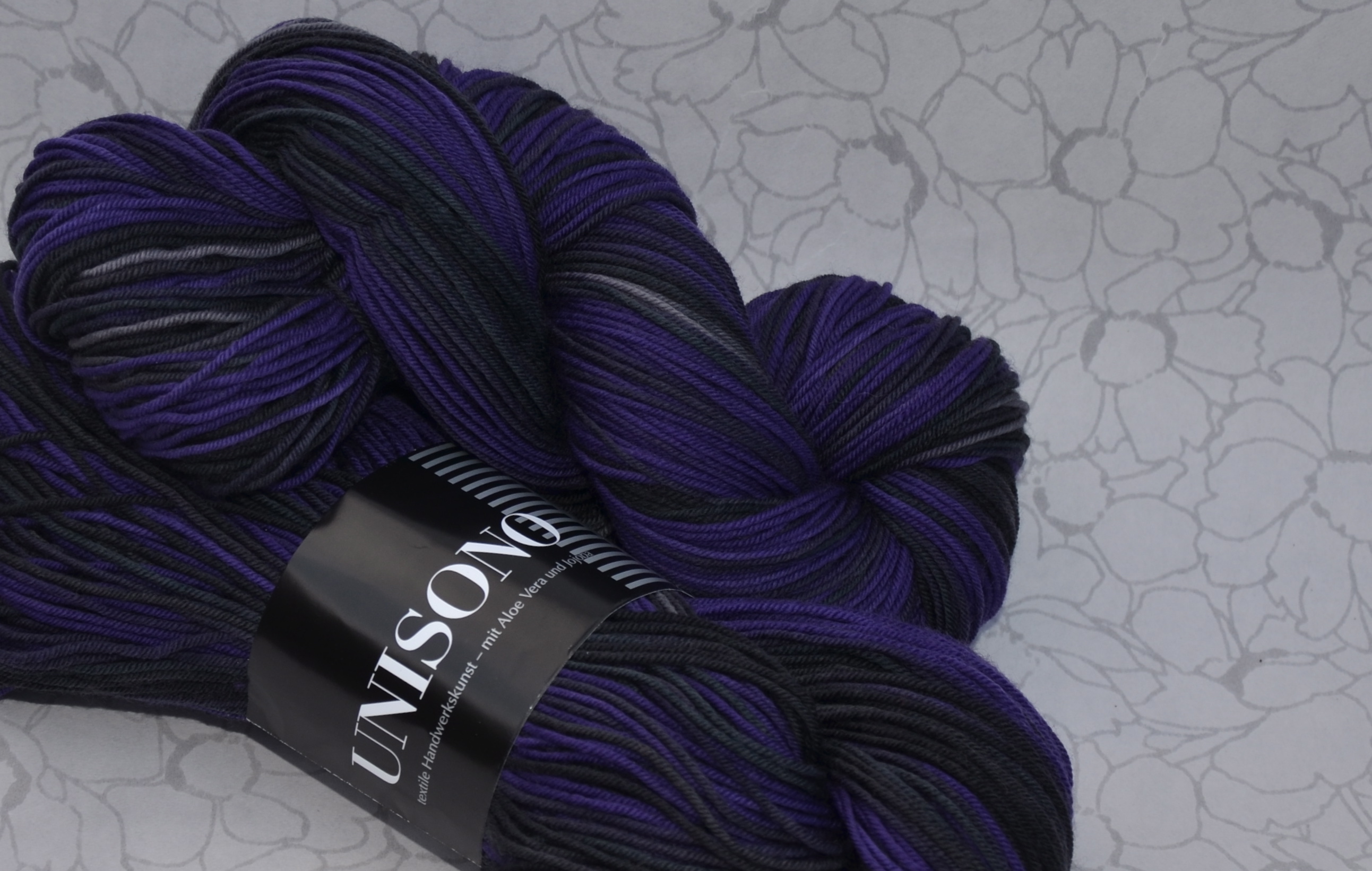
By the end of our visit, we finally had an opportunity to shop. Here is a sampling of my purchases.
Opus 1 - 100% Merino wool enriched with Aloe Vera and Jojoba.Unisono - 100% Merino extra fine, enriched with Aloe Vera and Jojoba.
Zitron yarns are made especially for hand-knitting. All yarns are made in Germany. Learn more about Zitron yarns at their website.
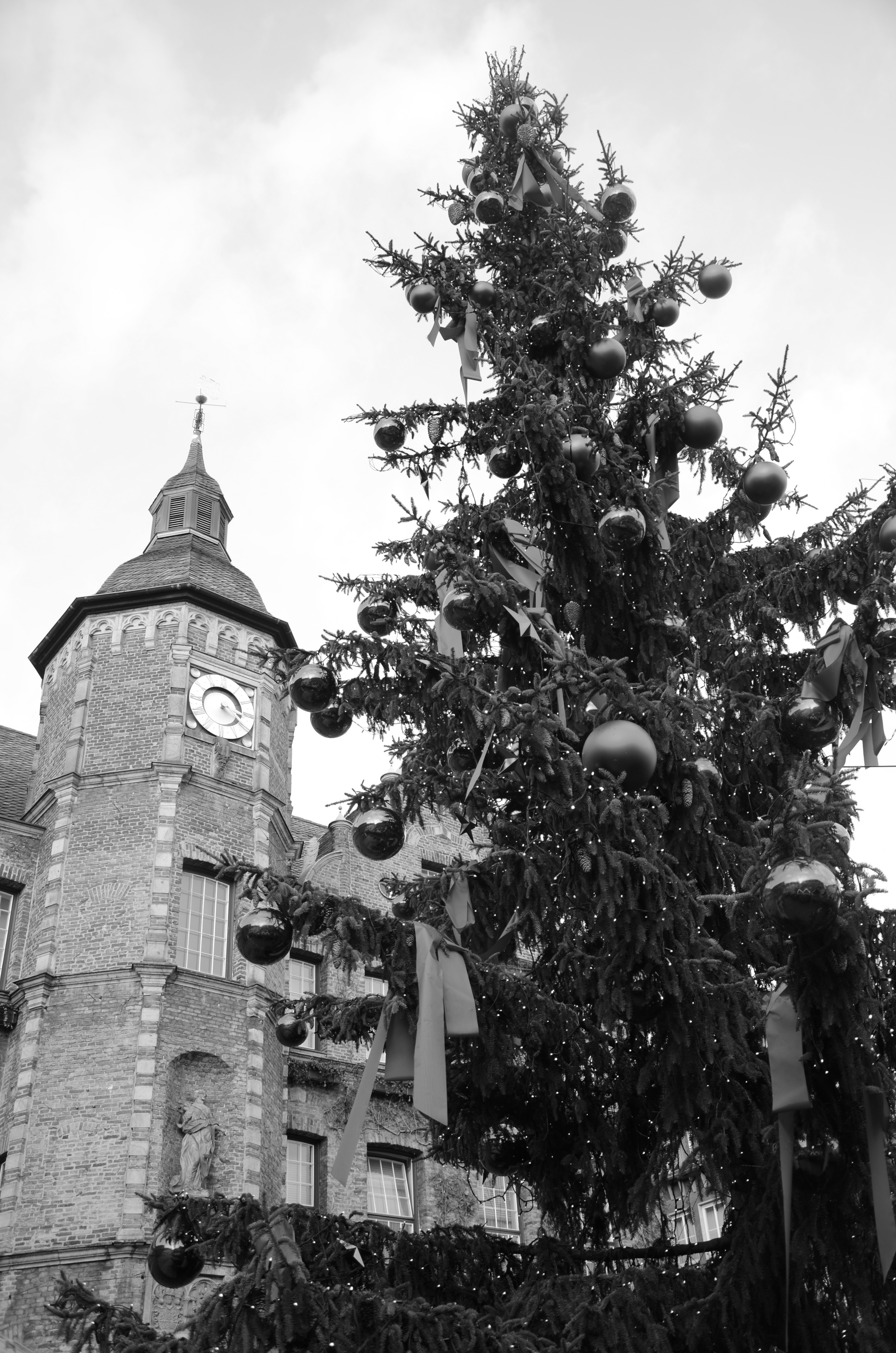
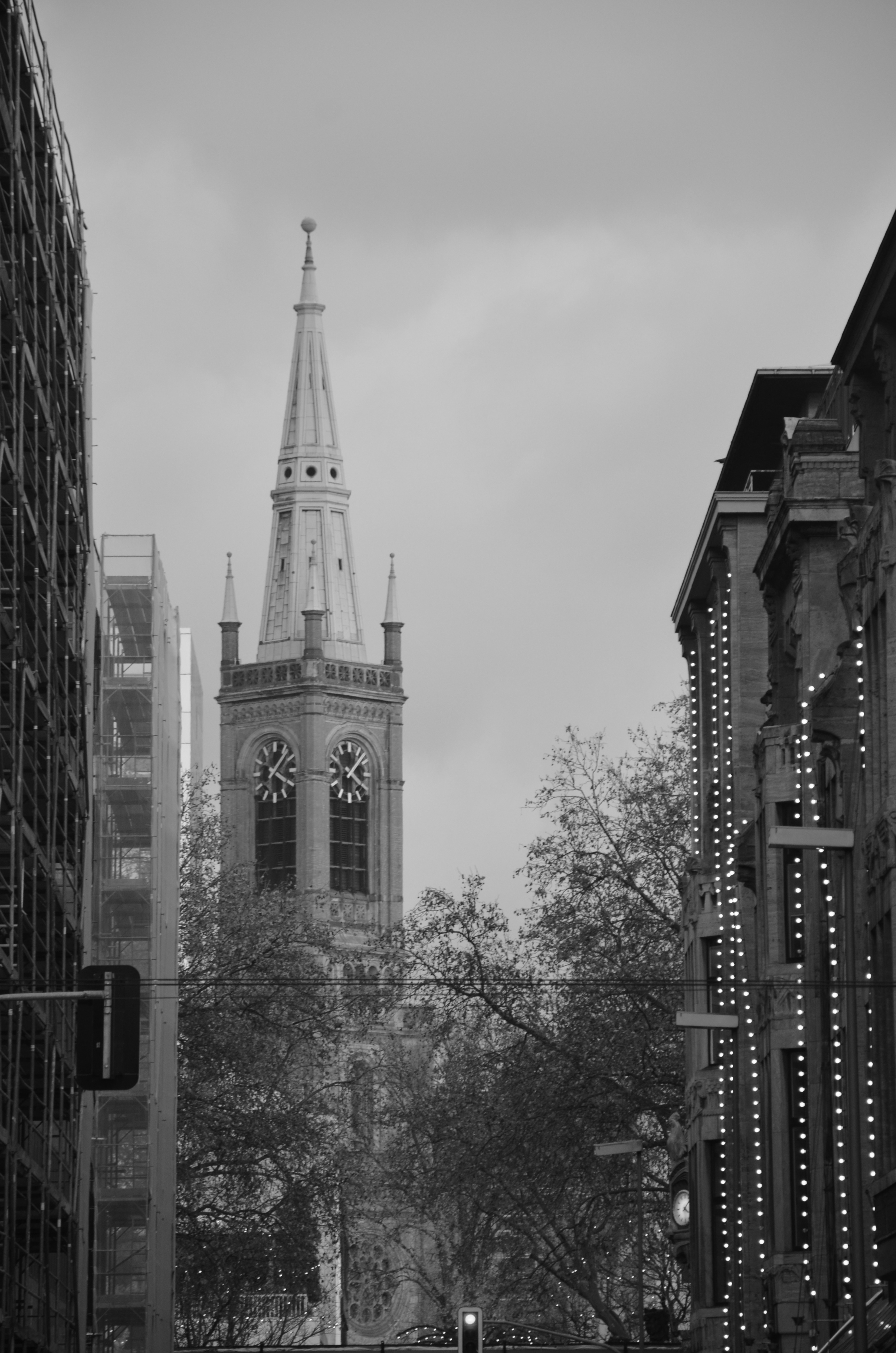
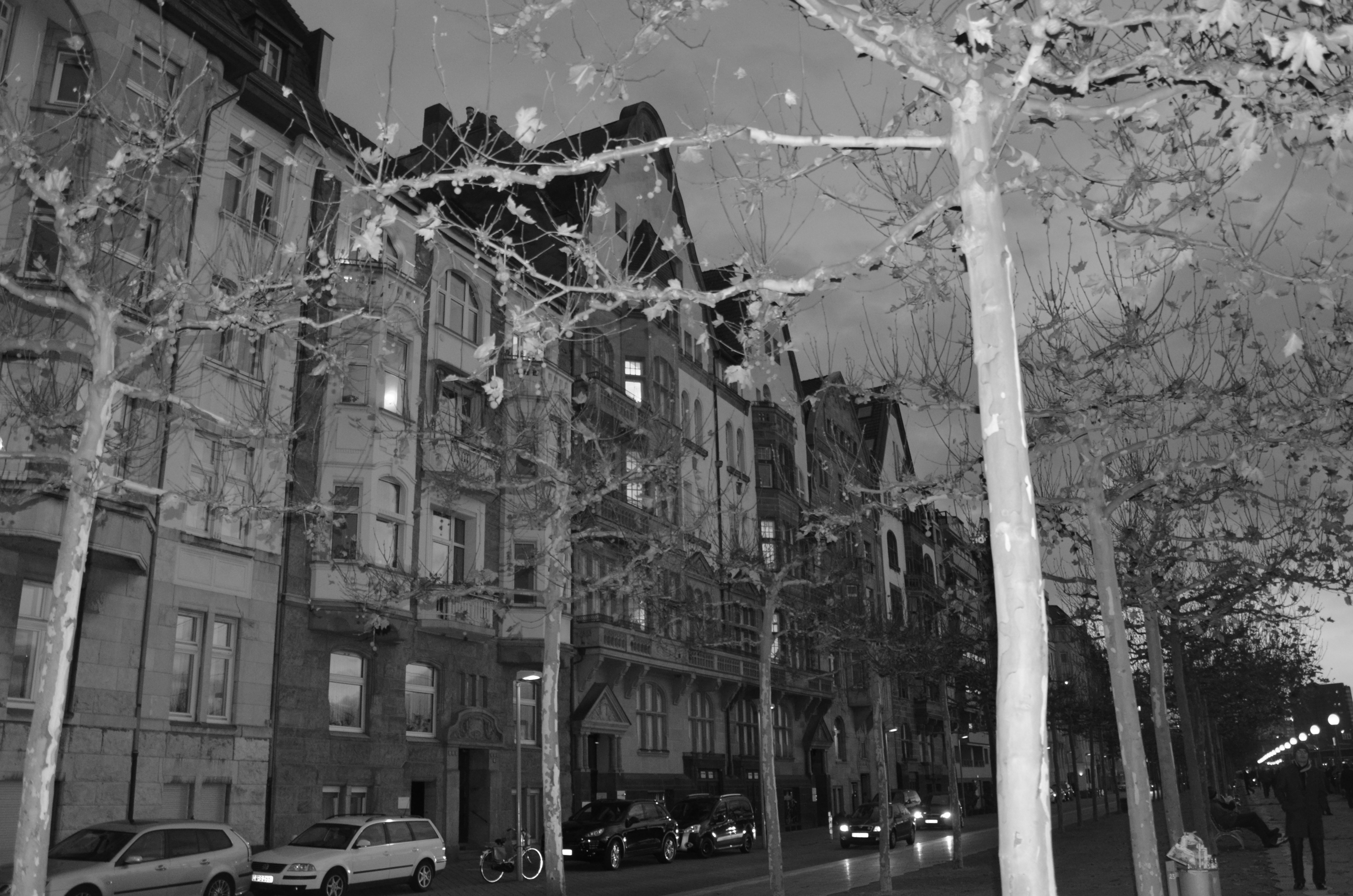
On the last leg of our trip to Germany, after visiting the knitting needle factory and the yarn atelier, we spent time at the Christmas Markets in Dusseldorf. The evening was cool and the sky a bit overcast but the lights from all the vendor stalls filled the night.
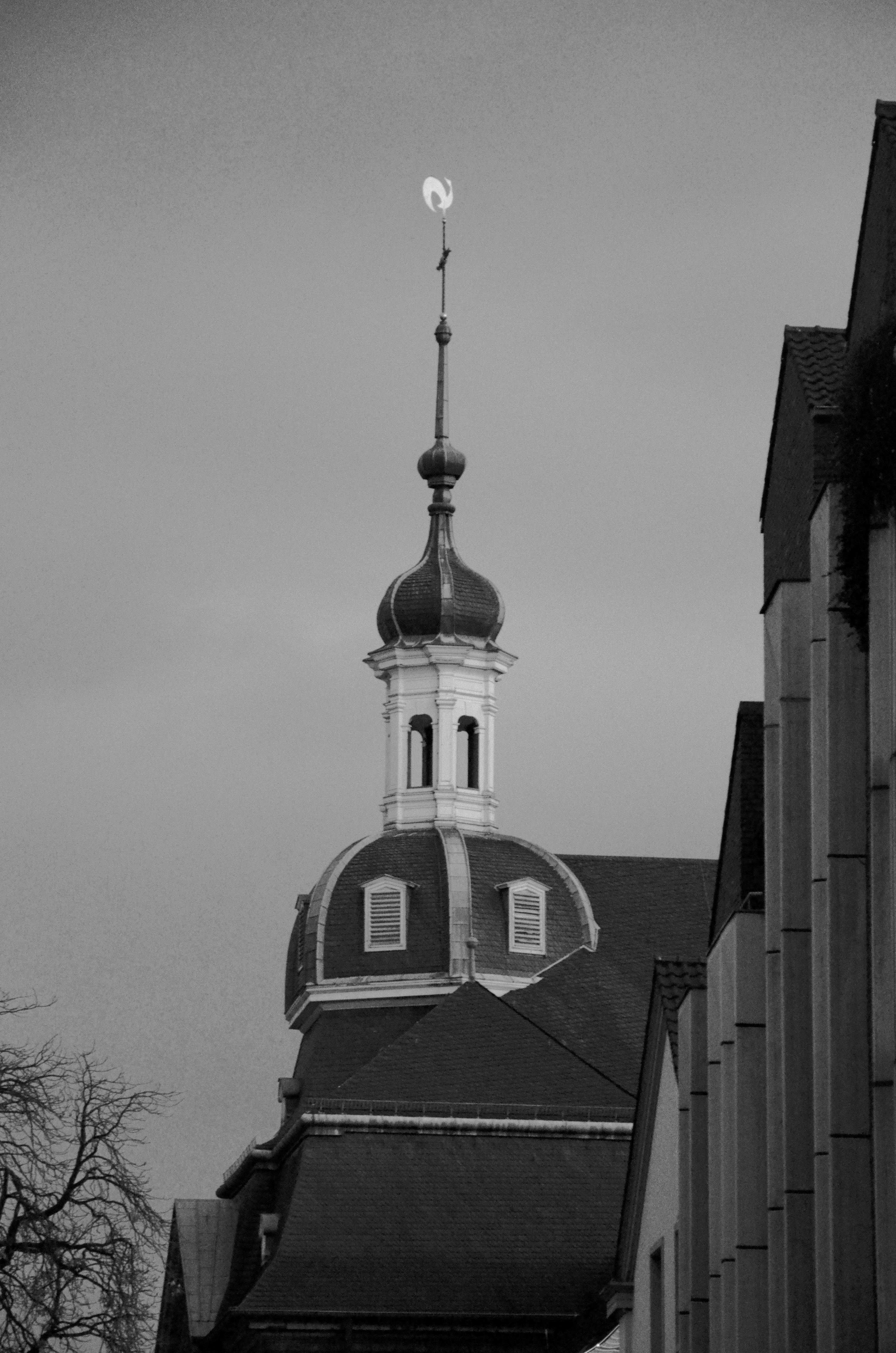
Dusseldorf Town Hall in Altstadt (old town).
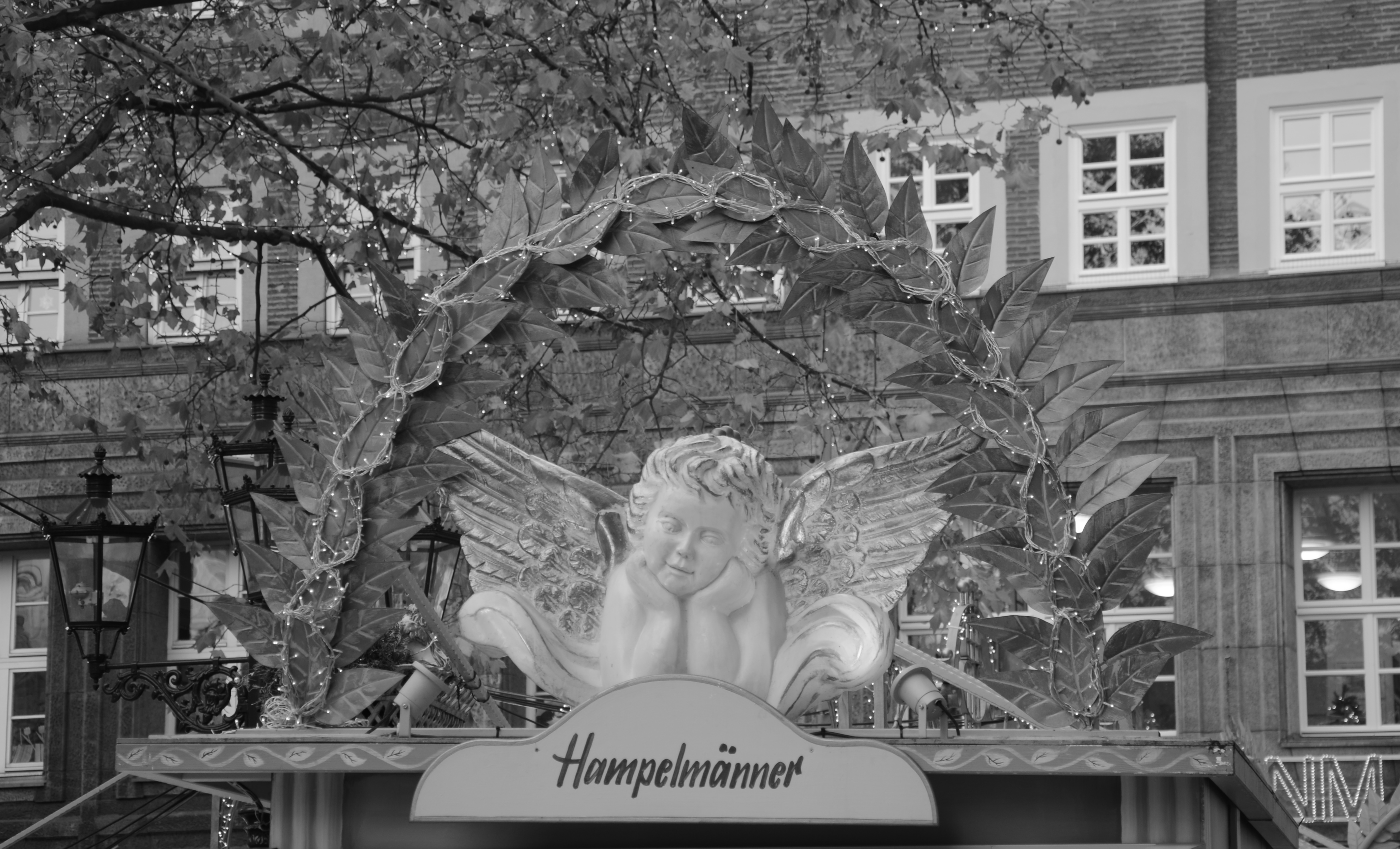
Engelchenmarkt (little angels market) on Heinrich-Heine-Platz.
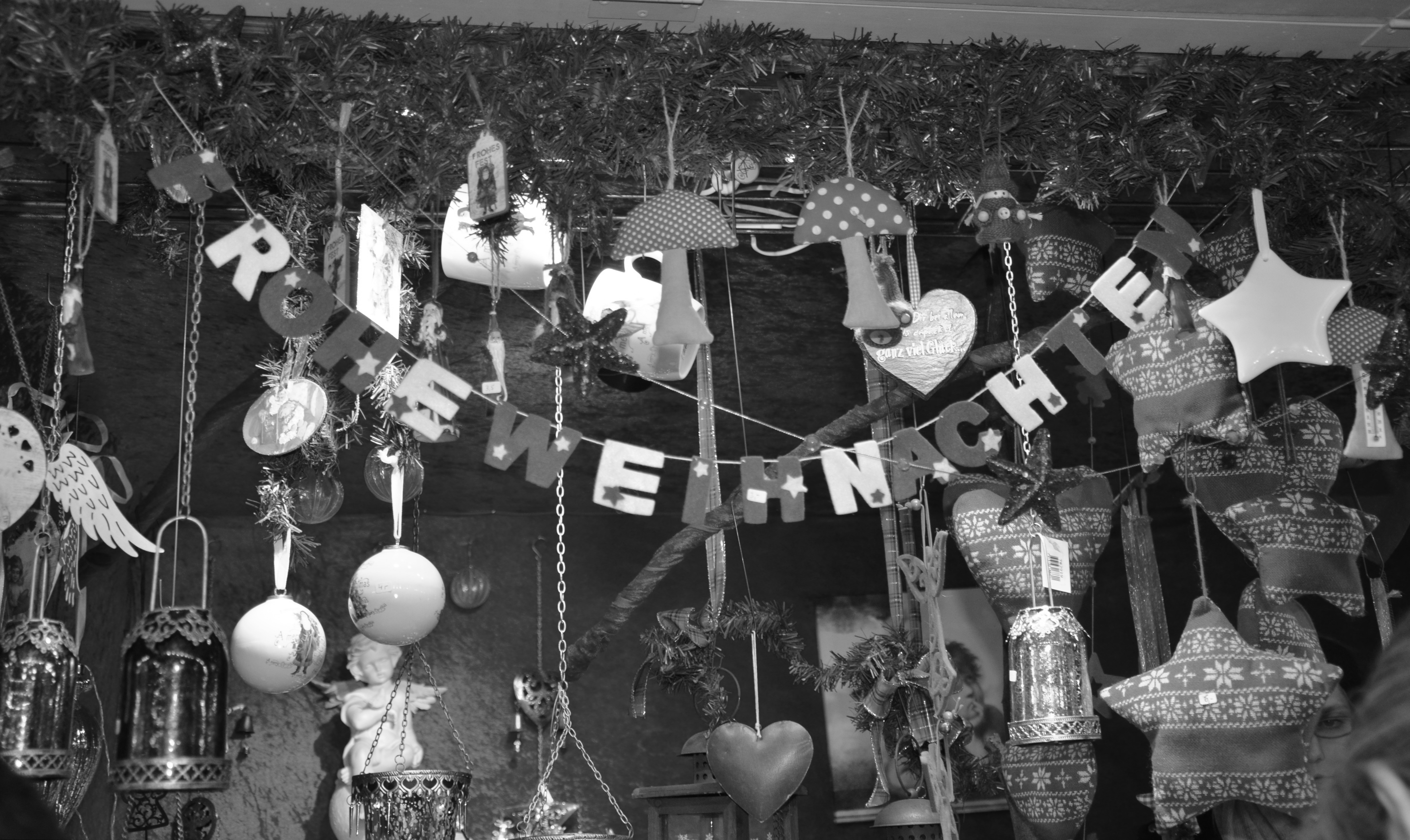
Merry Christmas.
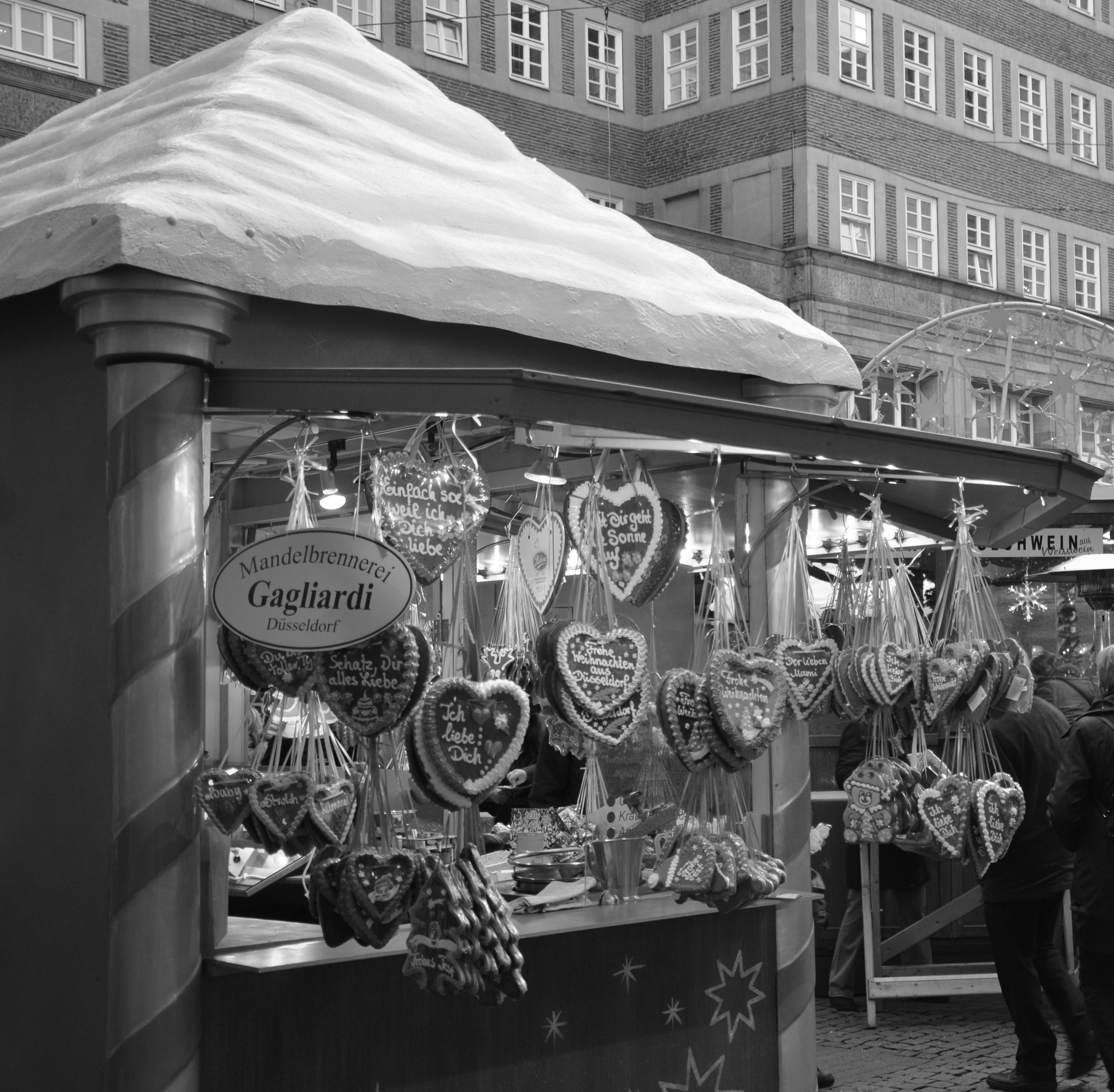
Candy booth at the Sternchenmarkt (little star market).
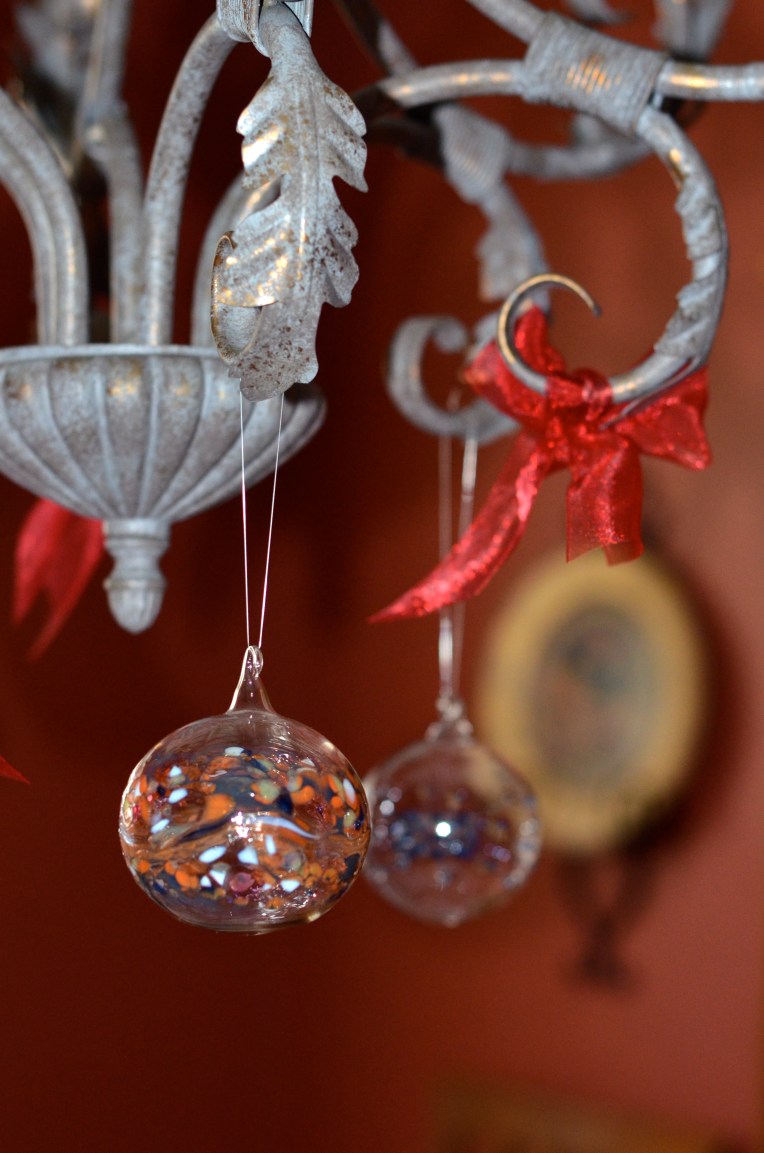
Treasured souvenirs from Cologne – hand blown glass ornaments. The glass ornaments are made in Germany by brothers; Rolf Schrade specializes in ornaments, Rainer Schrade designs jewelry. Here is a link to the Glaswerk Galerie blog. Watch this video to see Rolf at his craft.
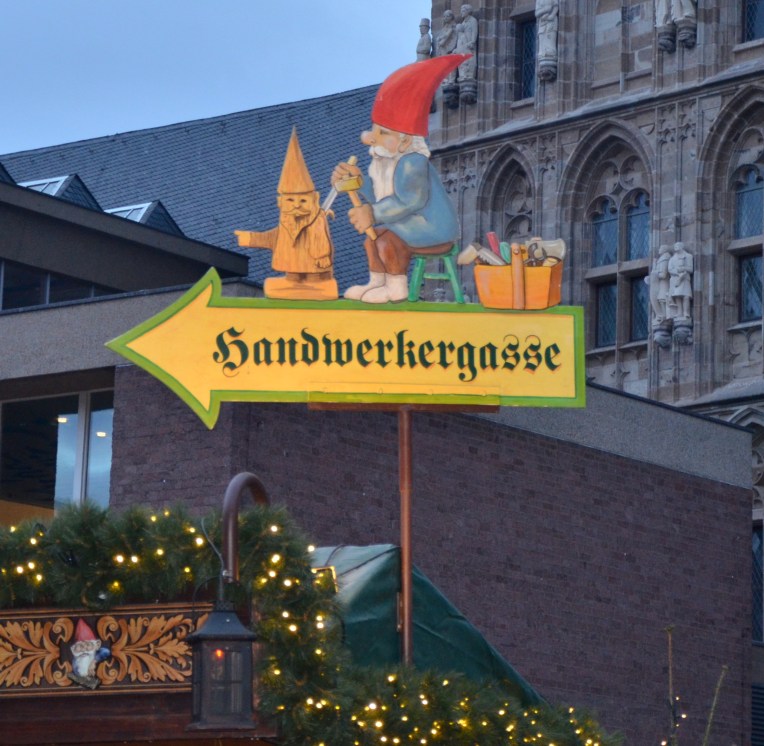
Sign at the Gnome Christmas Market in Cologne, Germany. This way to the artisan’s workshops. Handwerker – artisan, craftsman. Gasse – lane, a cobbled street.