My Knitting Library

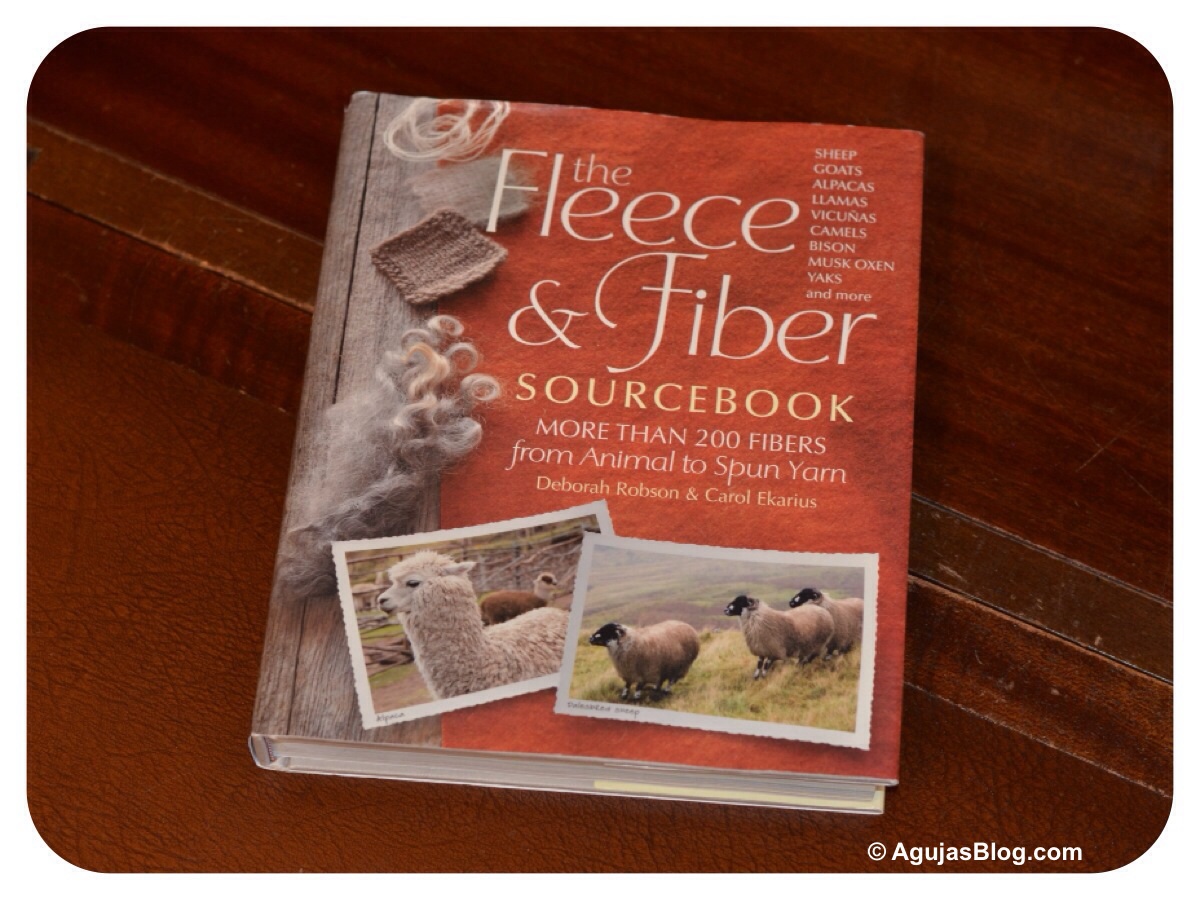
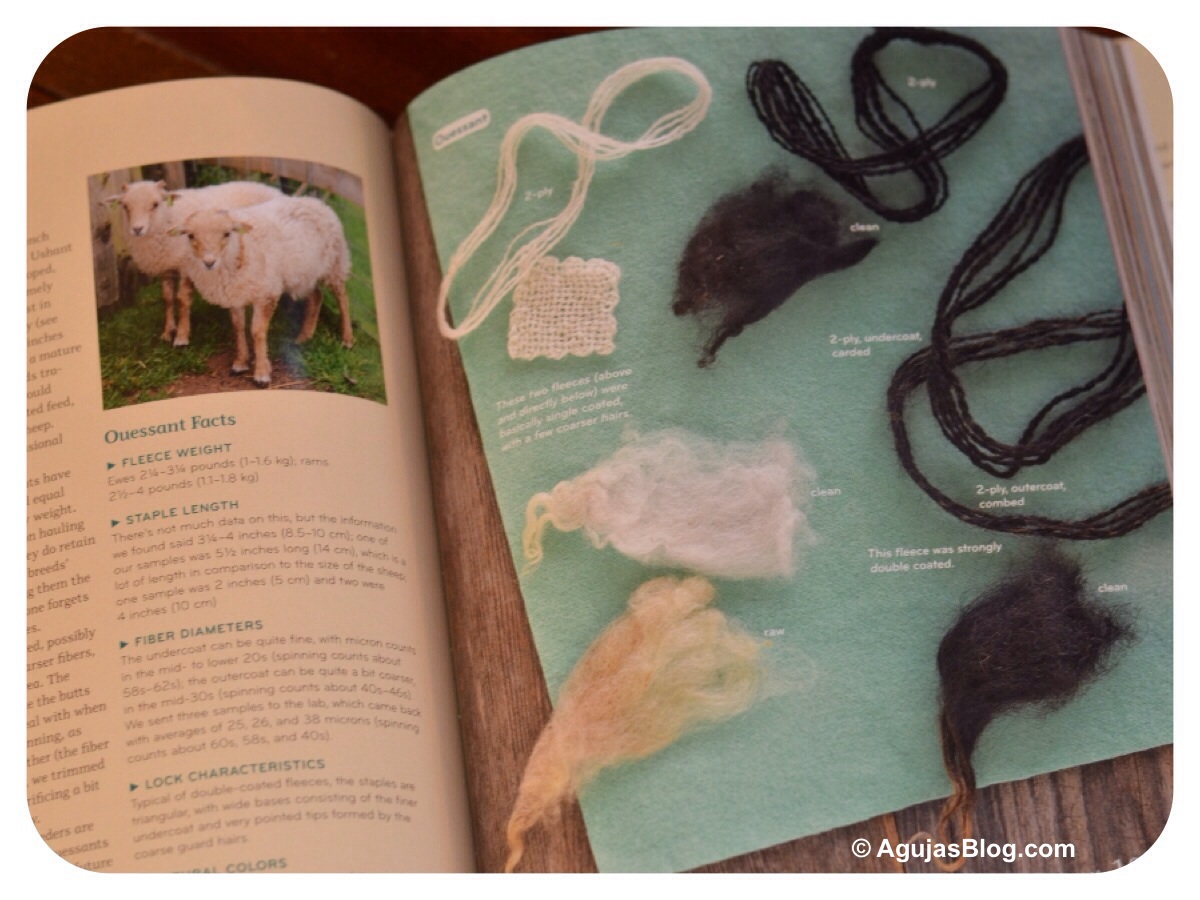
This was an early holiday gift from friends. They know me so well! I had paged through the Fleece & Fiber Sourcebook at the bookstore and became engrossed with the back story of all those wonderful fibers. Now I can read it anytime!

Fleece & Fiber Sourcebook

Fleece & Fiber Sourcebook -Sample

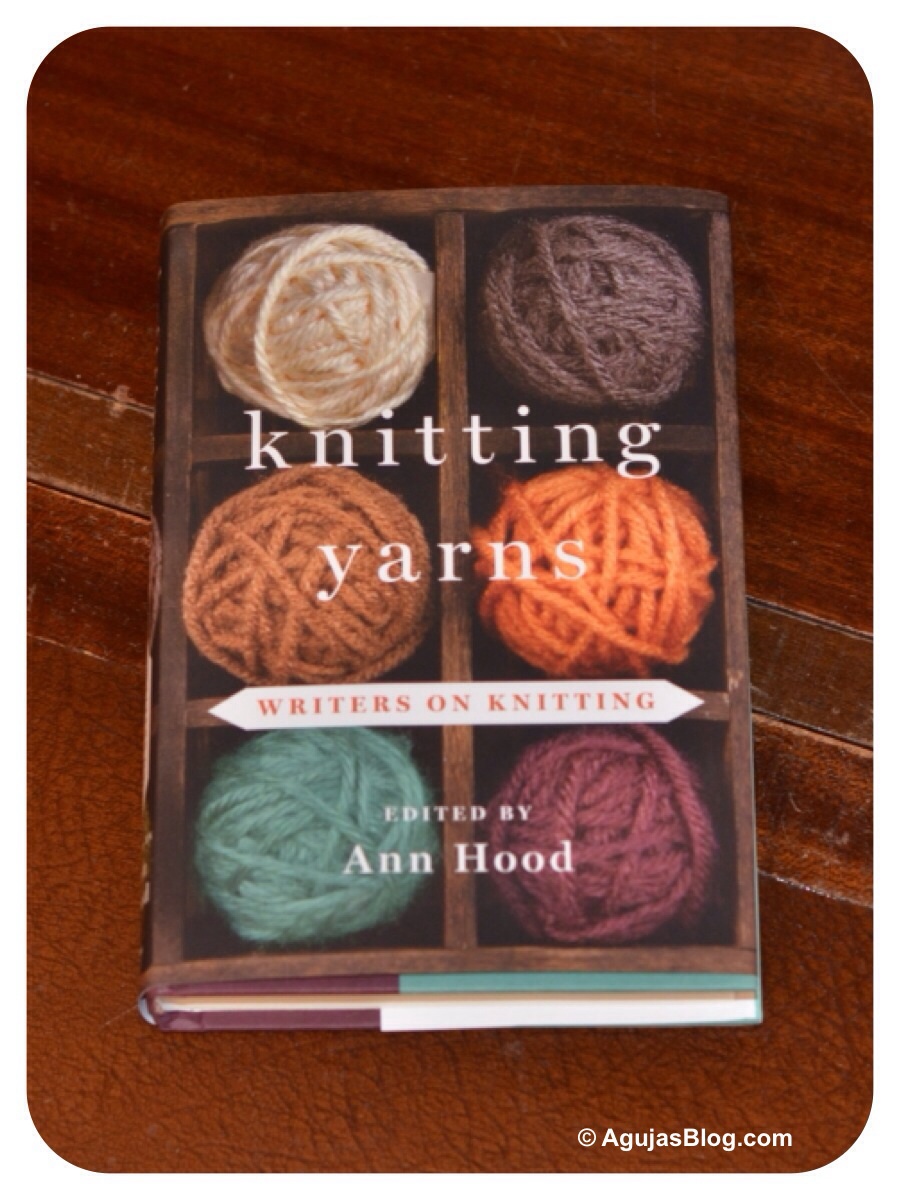
Just in time for the holiday break, there is this collection of stories about knitting. If it wasn’t so warm out (you know, Texas) I would kindle a fire in the fireplace and start reading now.

Knitting Yarns

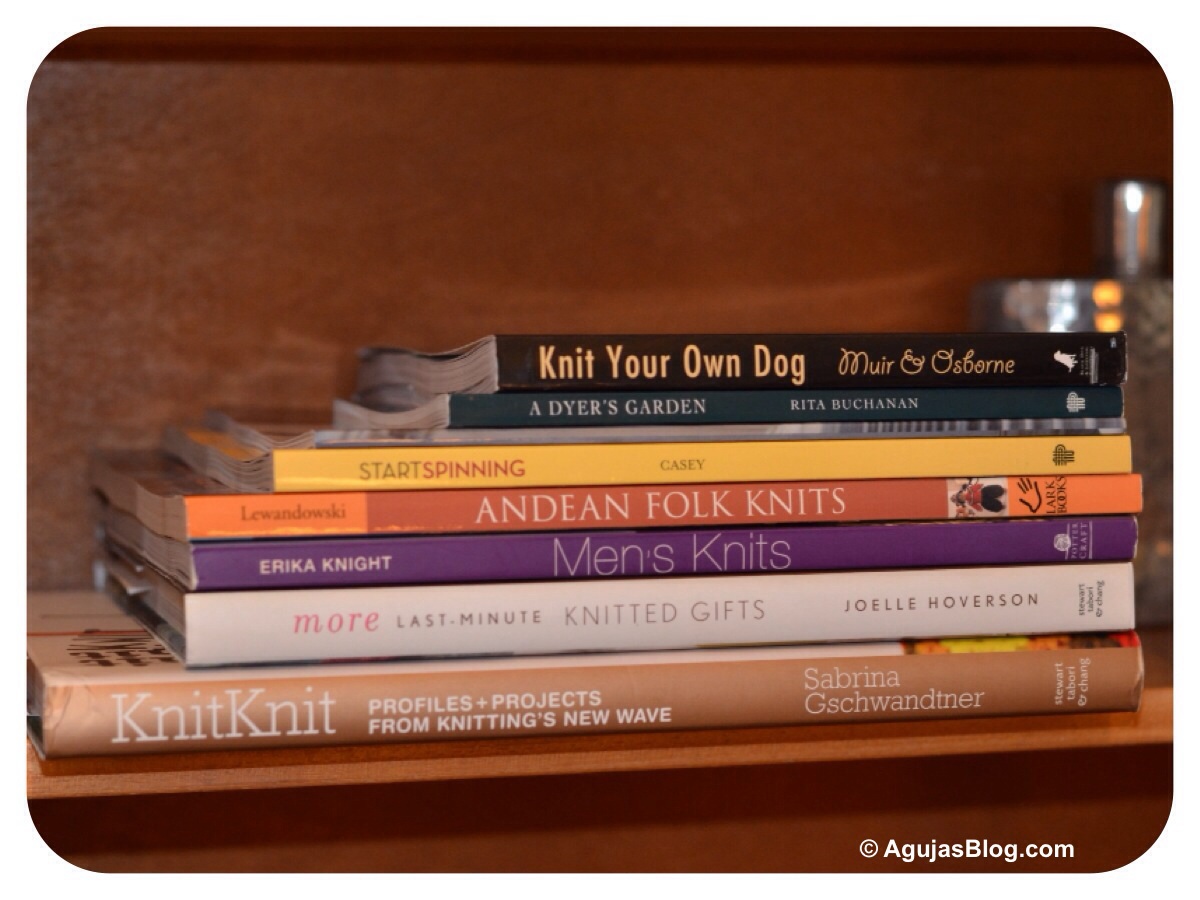
This made me think of other knitting books I’ve collected. There aren’t that many but each one has a purpose – spinning, dyeing, intricate color work, knitting art, and gift ideas.

Knitting Books

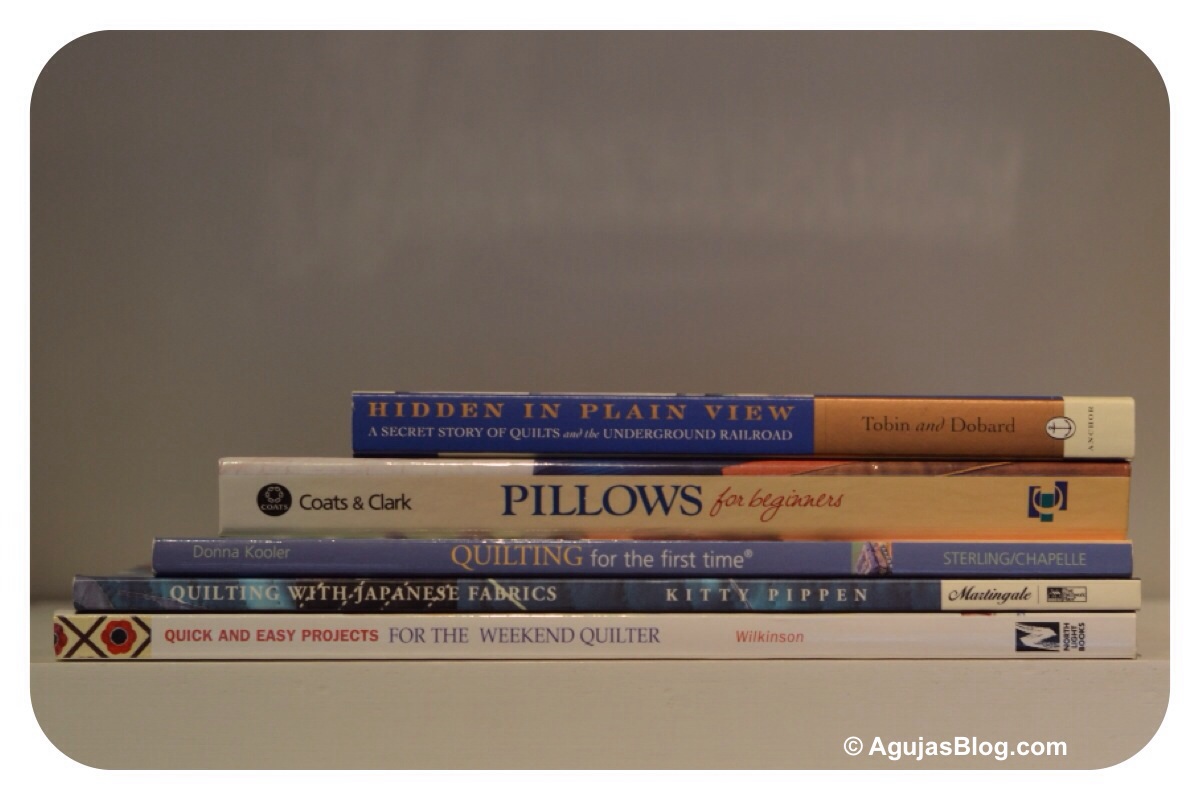
I also realized I had a few quilting books from prior attempts. Quilting with Japanese Fabrics has photos and instructions for stunning silk quilts. I picked up Hidden in Plain View during a trip to Gettysburg. I found it fascinating how quilt patterns were used as signs on the Underground Railroad.

Quilting and Sewing Books

What’s in your knitting library? Any favorites you recommend?

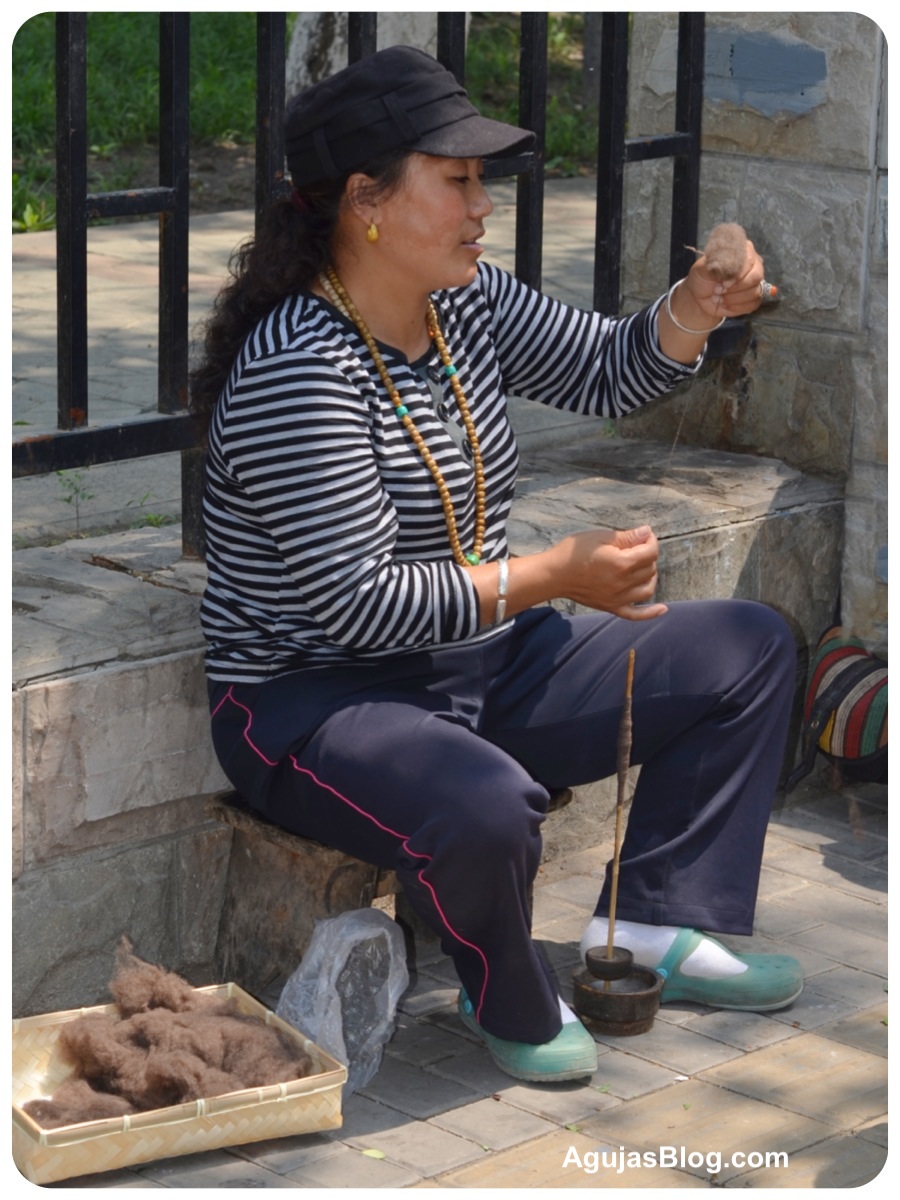
Spinning Near Yashow Market

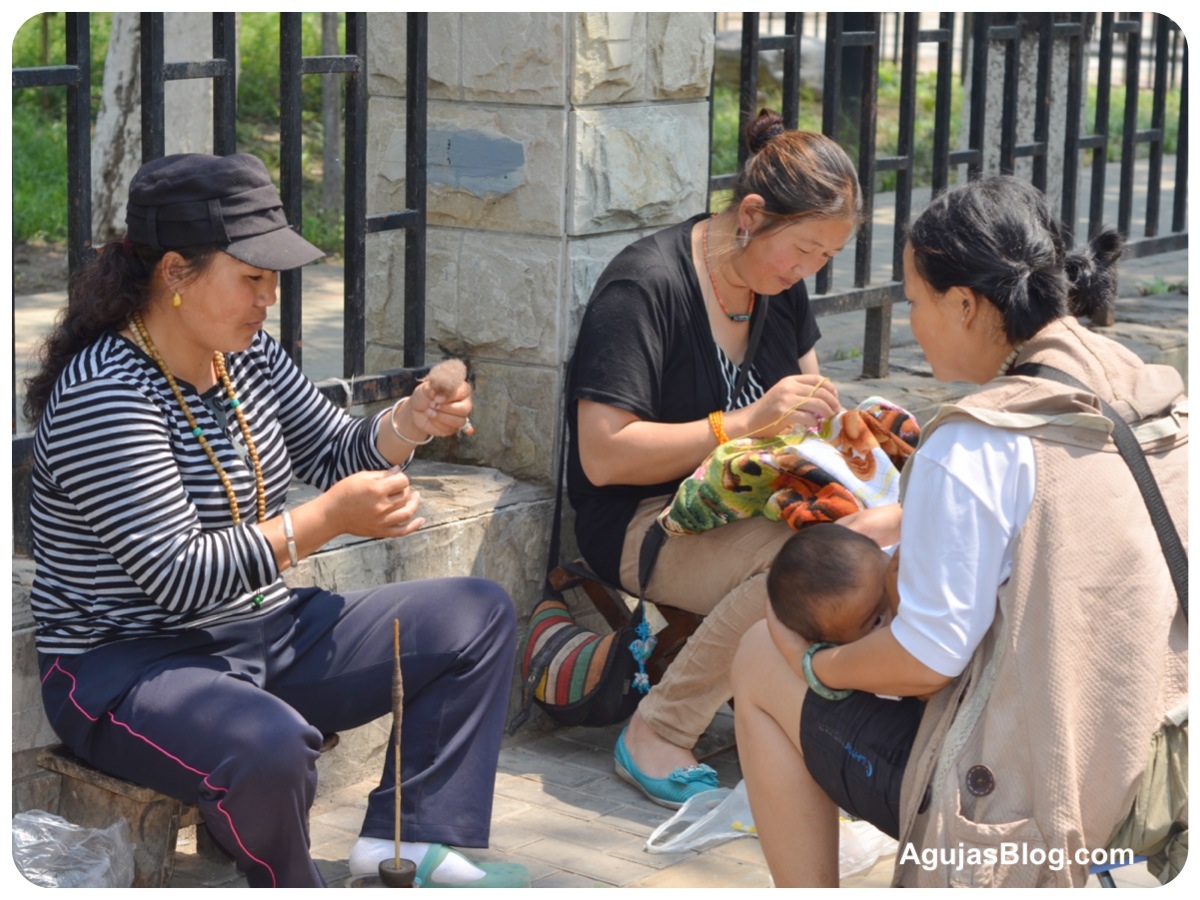
As I was walking towards the subway after a morning of haggling at Yashow Market, I saw this – a woman spinning wool!

Spinning at Yachow Market

I asked her if the fiber was 新羊毛 (xīn yáng máo), the Chinese term for wool. She smiled and nodded.

Spinning and Cross-Stitching at Yachow Market

Her companion had a thick yellow thread or yarn on the floor beside her. As she talked, she continued working on what looked like a cross-stitch landscape. I may have to carry my WIP and a little stool with me so I can join these sidewalk sessions. The ladies allowed me to take a few photos. Even the baby peeked into the camera!

Gifts from Southeast Asia

My wonderful, amazing, sweet, gorgeous husband not only took photos of places that would interest me during his trip, he also brought back a few mementos.

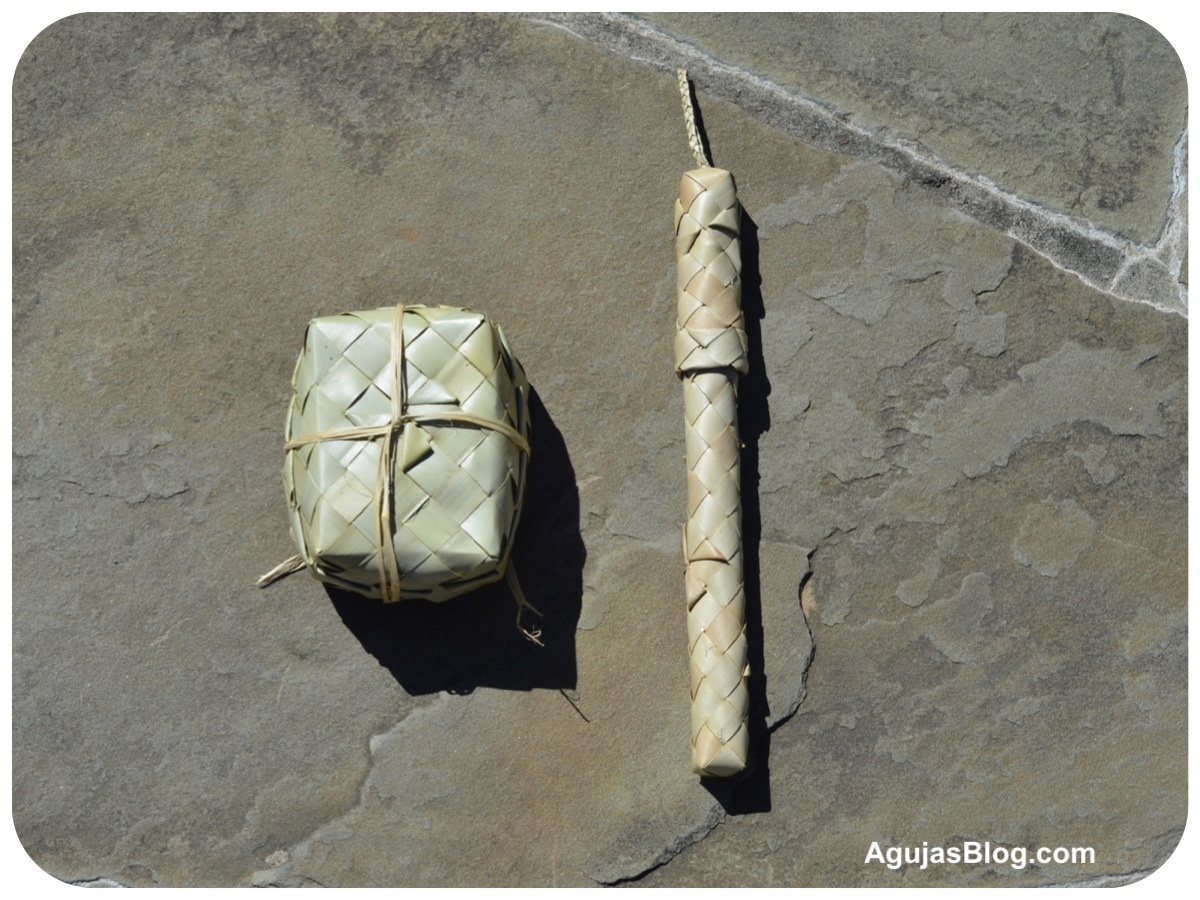
Woven Baskets 1
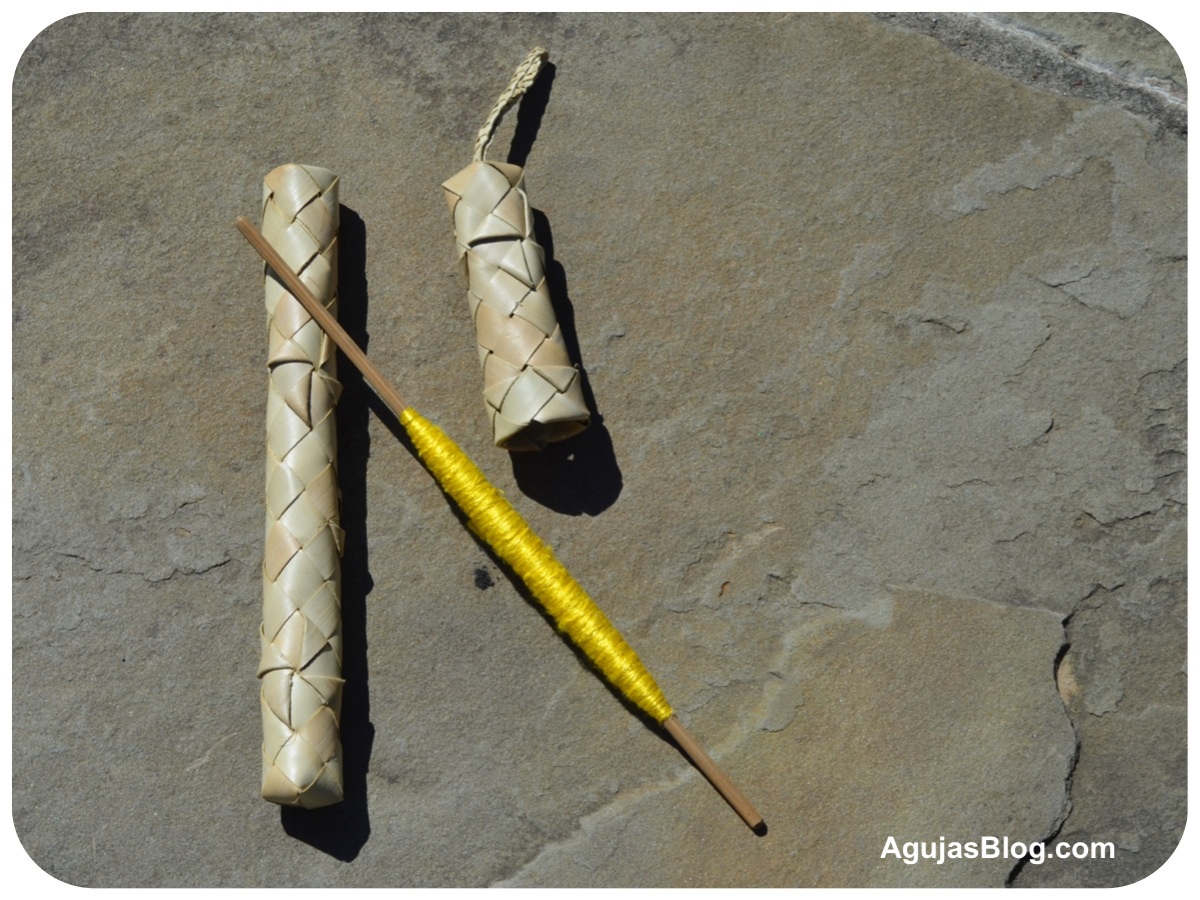
The woven tube contains a sample of raw yellow silk. He picked up this souvenir at the Institute for Khmer Traditional Textiles (IKTT) in Siem Reap, Cambodia.

Raw Silk 2
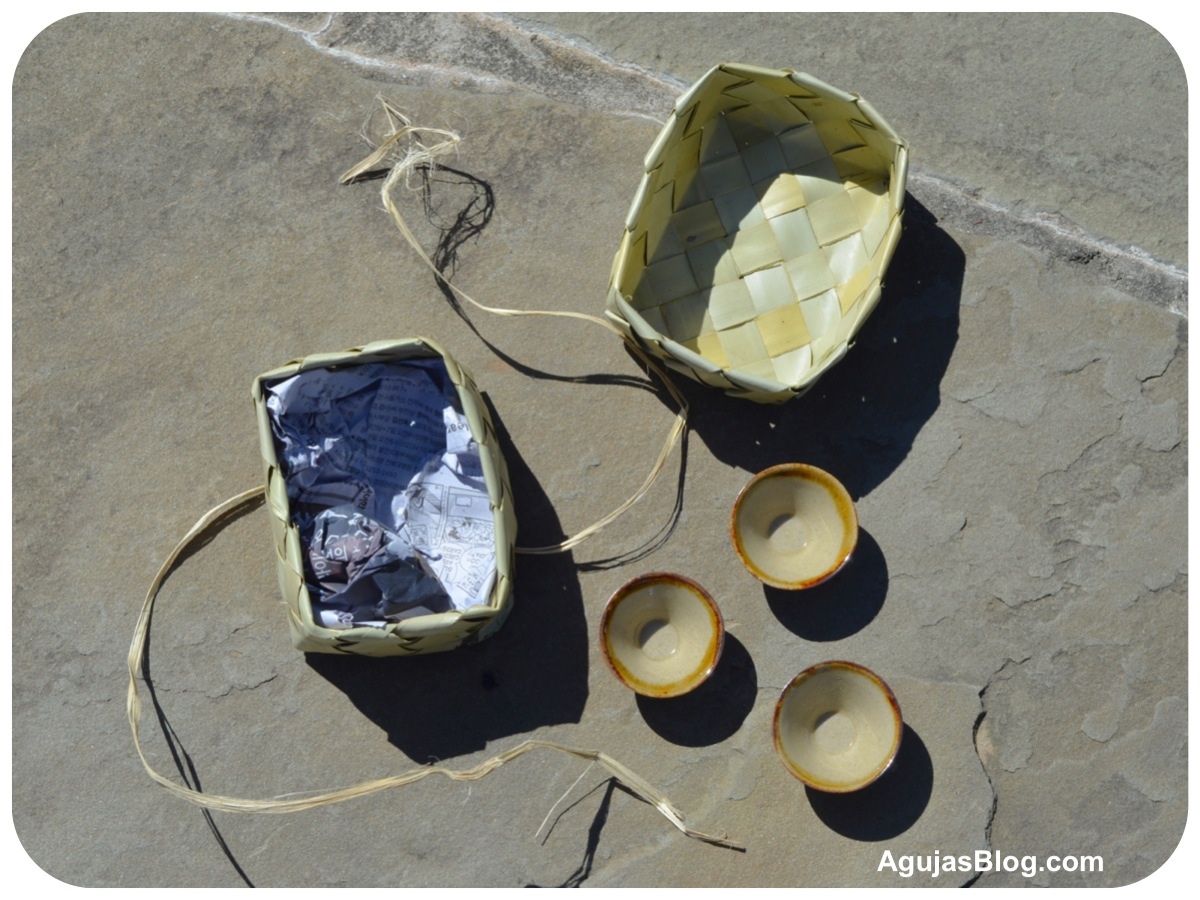
The small woven box contained these small pottery bowls. These came from a ceramics factory in Chiangmai, Thailand.

Small Pottery 3
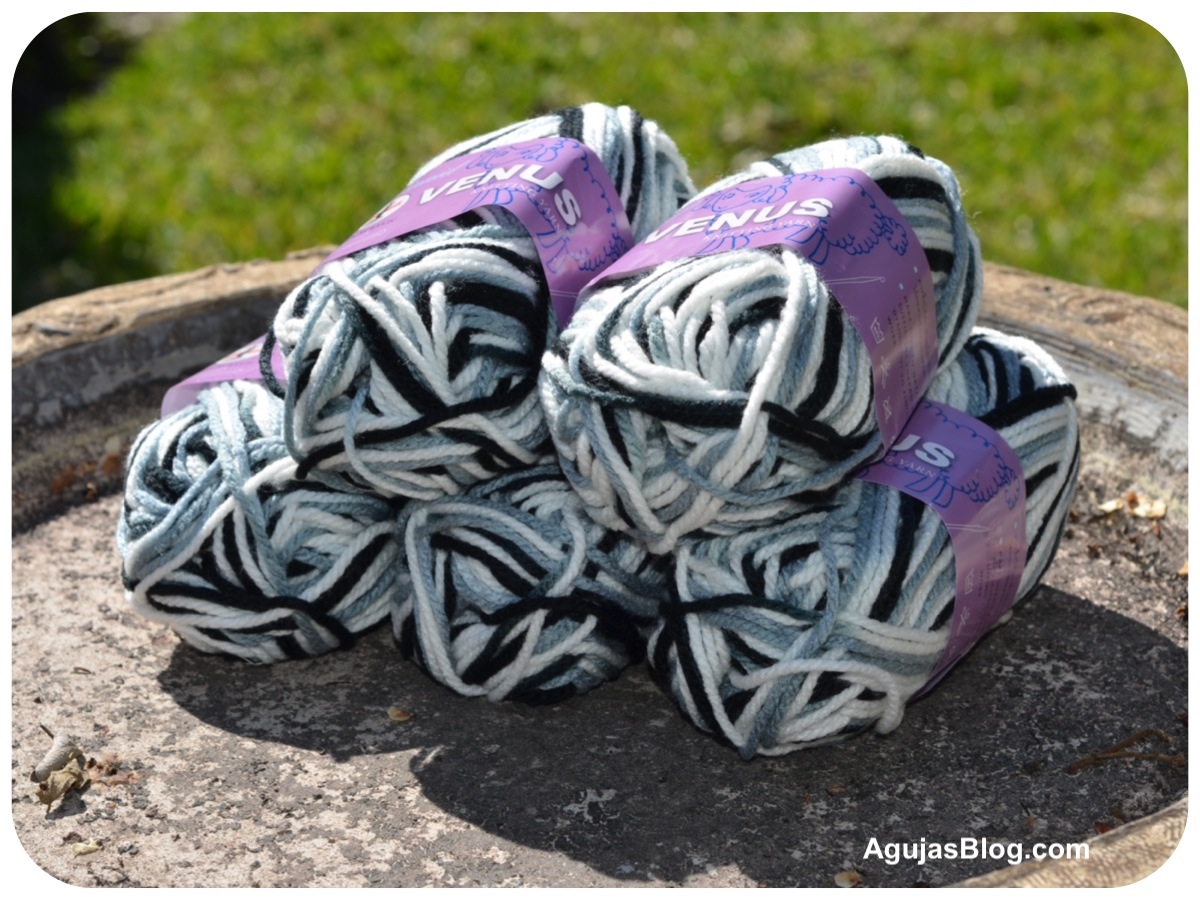
This yarn is made in Thailand. My husband found a yarn shop in the Farong District, the old part of Bangkok. The original Mandarin Oriental Hotel is located in the Farong District. Around this area are countless craftsmen specializing in silk, silver, gems, antiquities and other items.

Yarn Made in Thailand 4
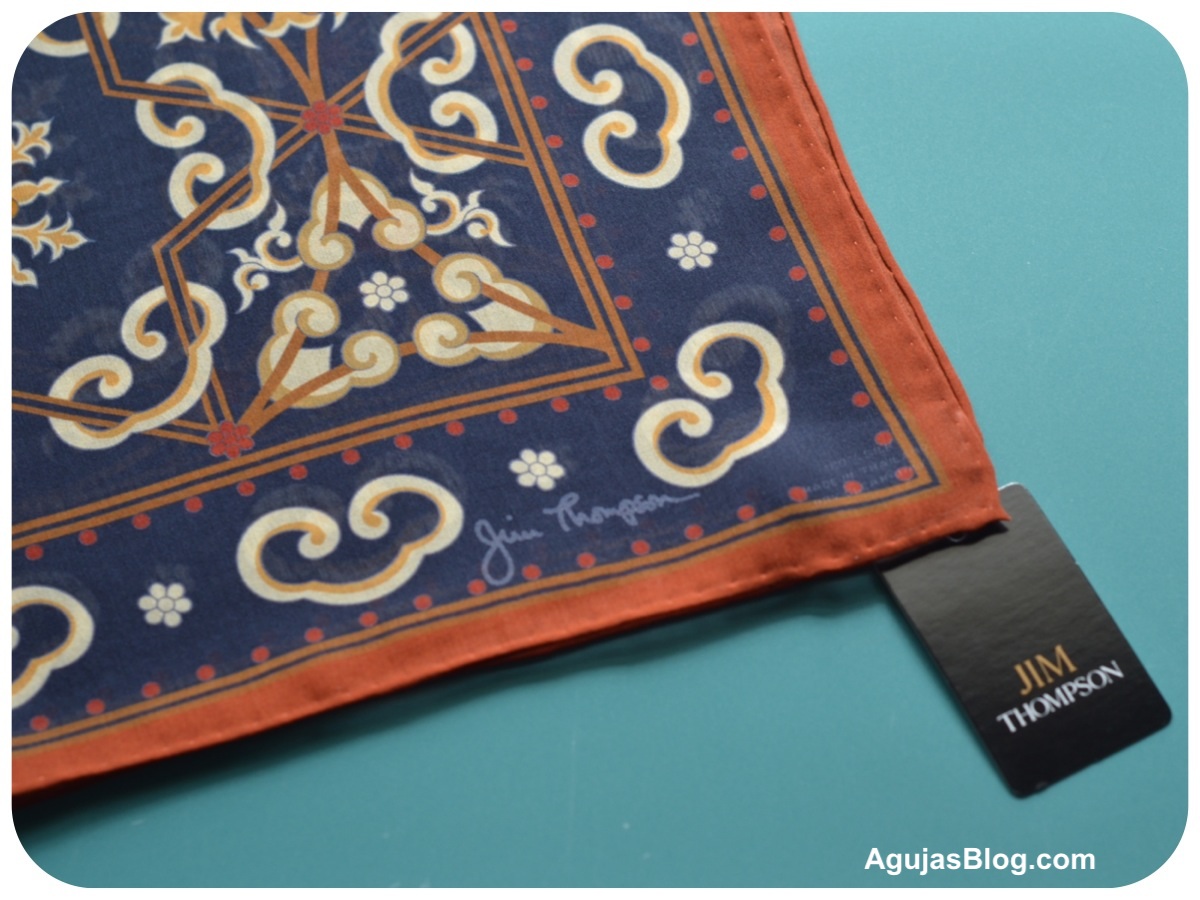
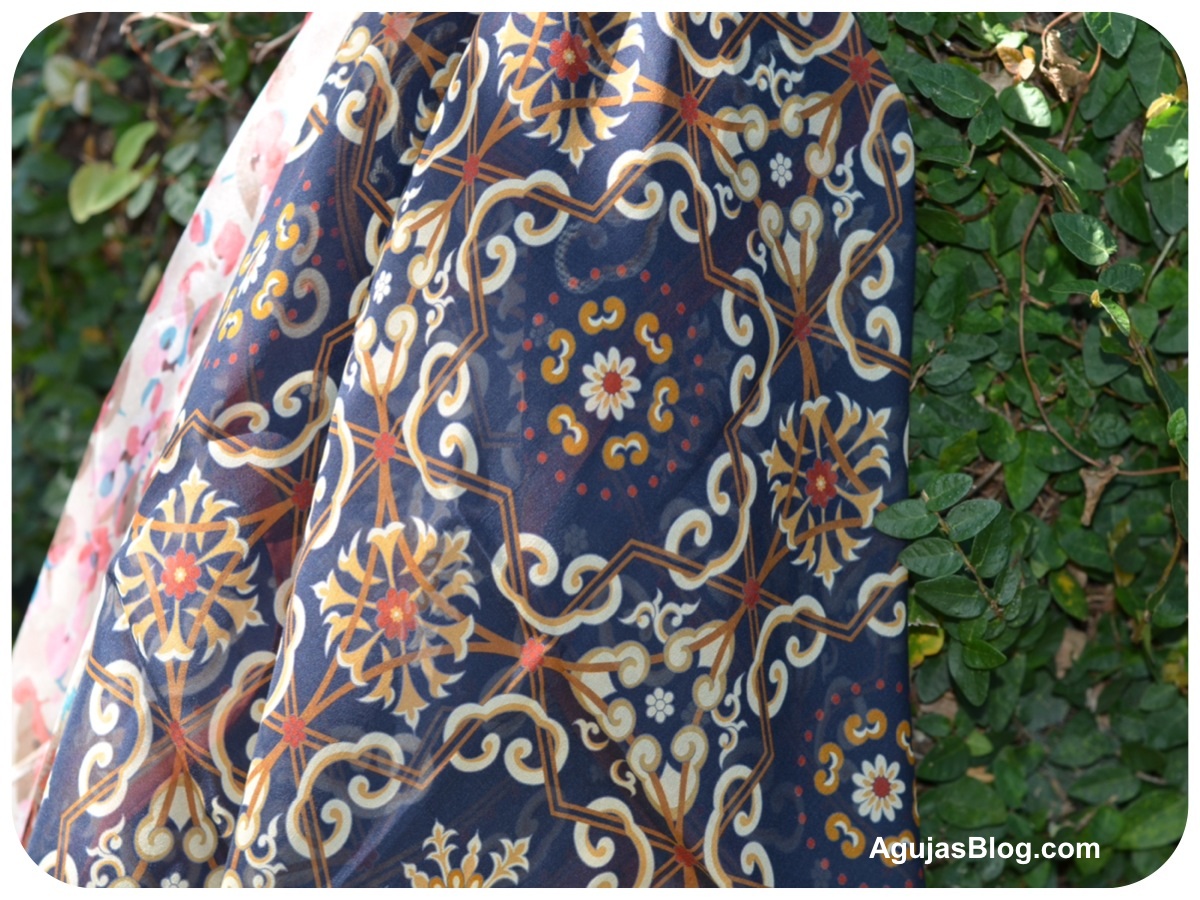
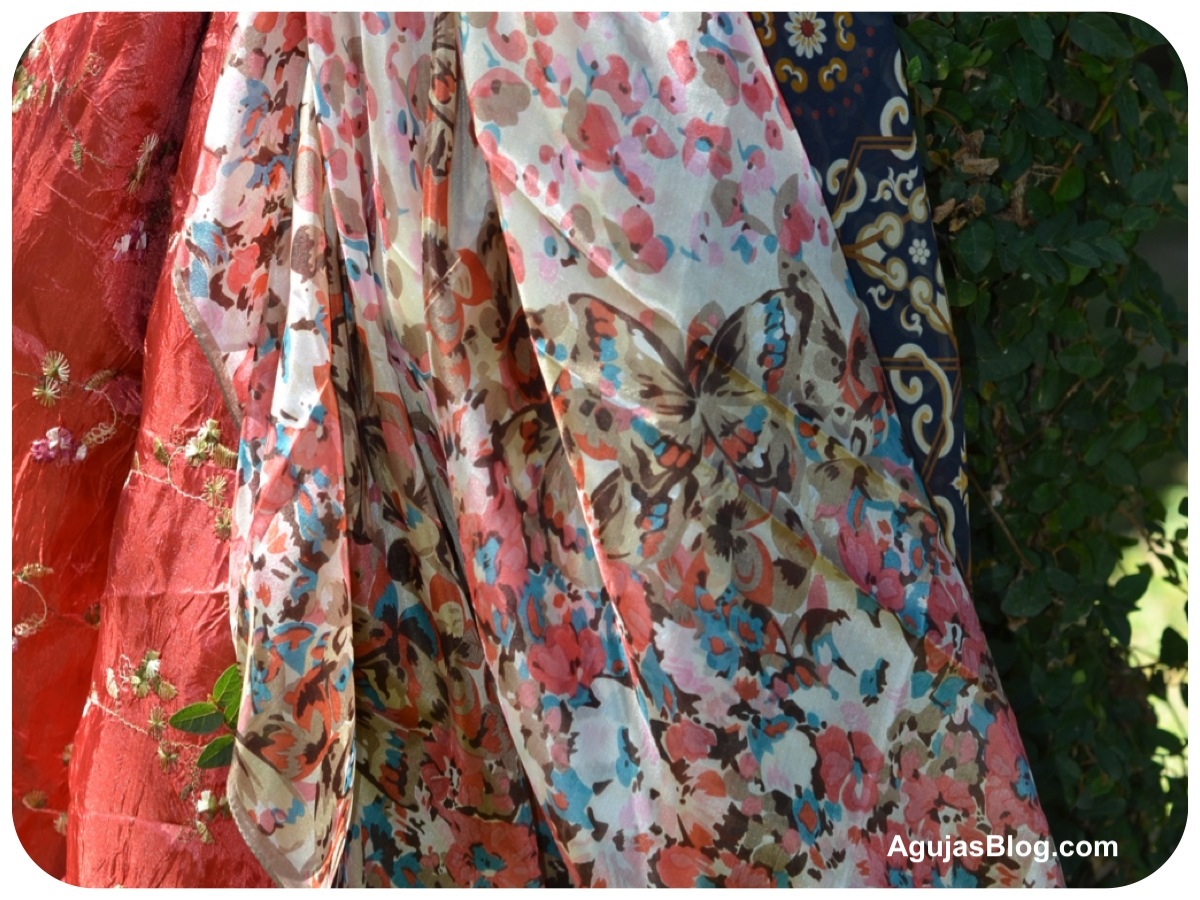
This is a beautiful silk scarf from the museum shop at the Jim Thompson House in Bangkok.

Jim Thompson Silk Scarf 5 Silk Scarf from Bangkok 6
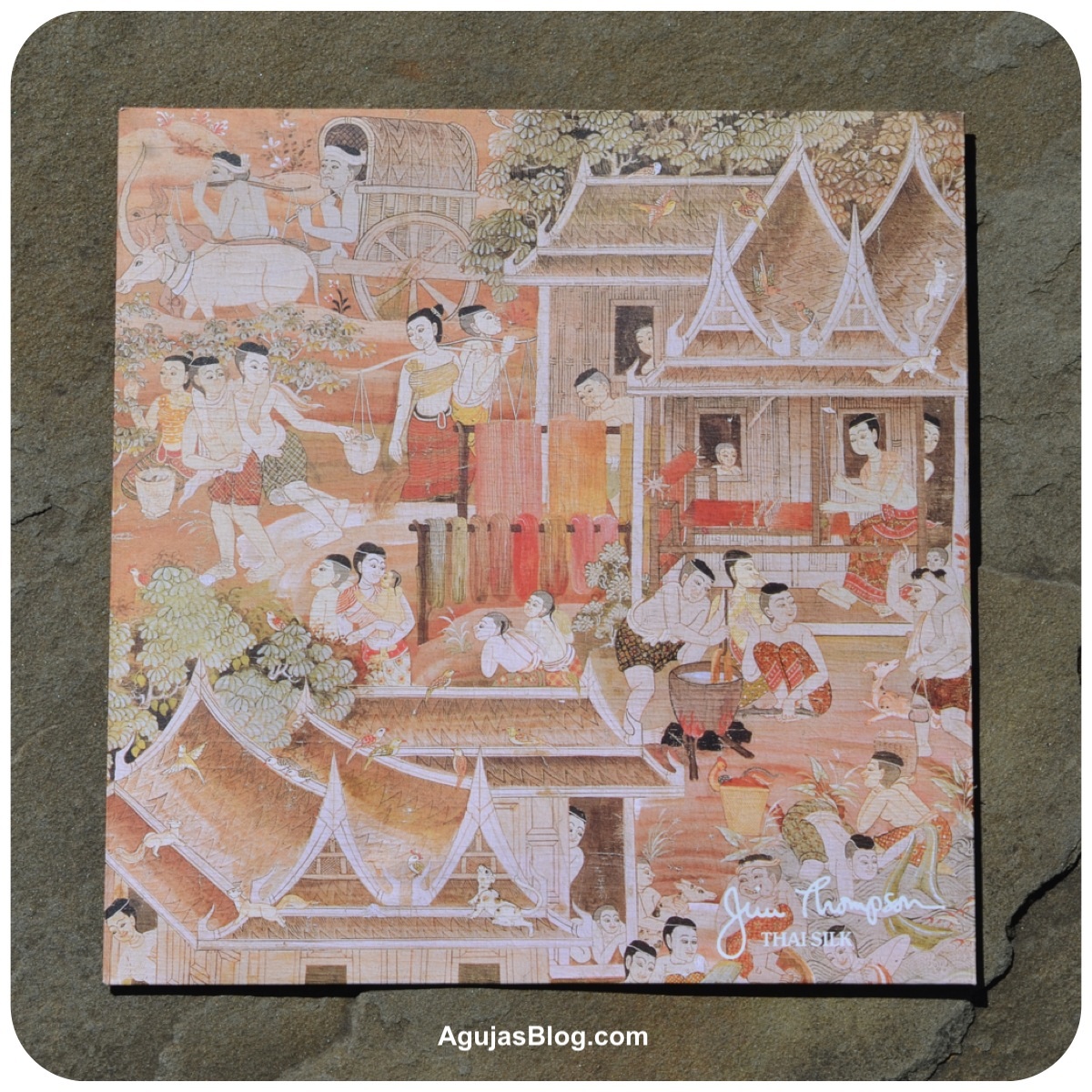
Even the packaging it came in is beautiful. The paper envelope is imprinted with scenes of the silk-making process.

Silk Scarf Packaging 7
He picked this up during his visit to Chiangmai in northern Thailand. This silk scarf is from Jolie Femme, a Thai silk factory.

Butterfly Silk Scarf 8
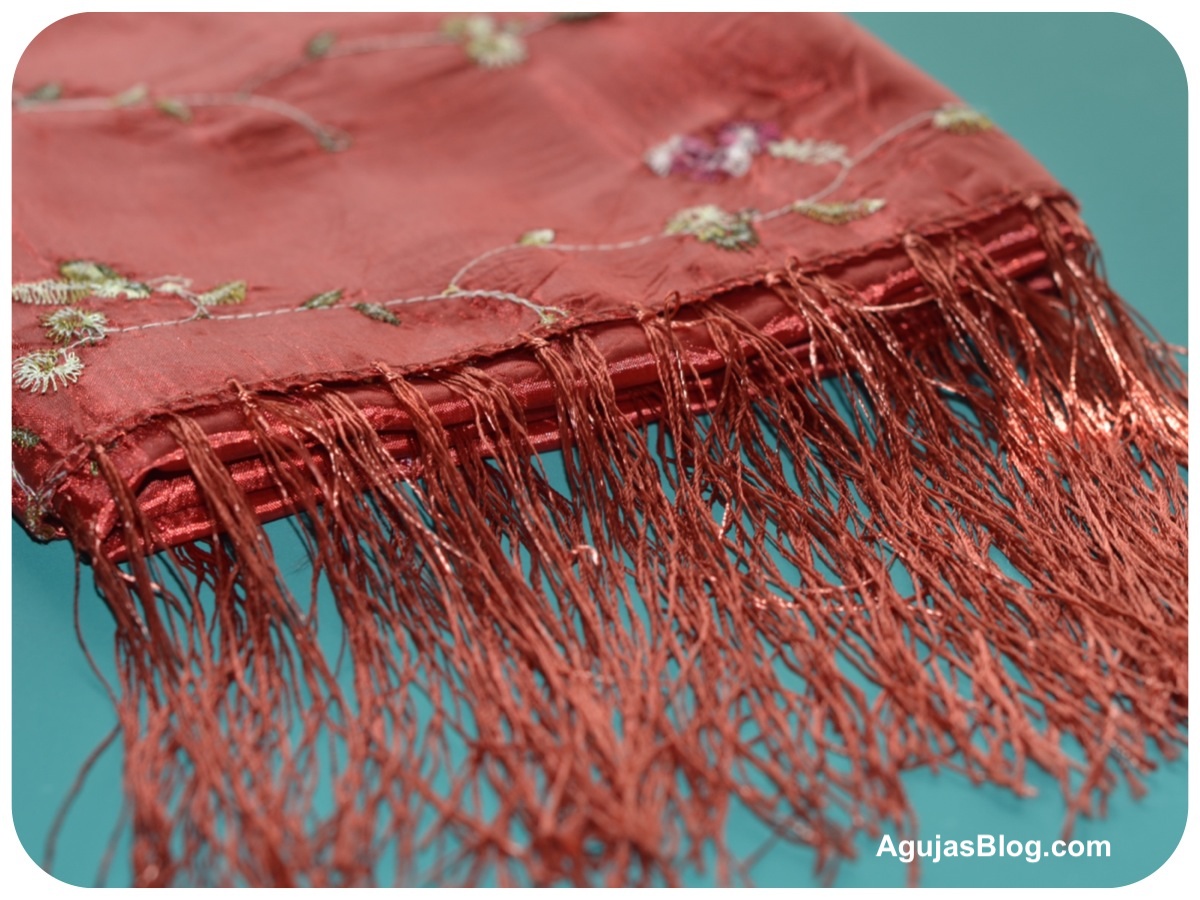
This crumpled silk scarf is from the Old Market in Siem Reap, Cambodia.

Crumpled Silk Scarf 9
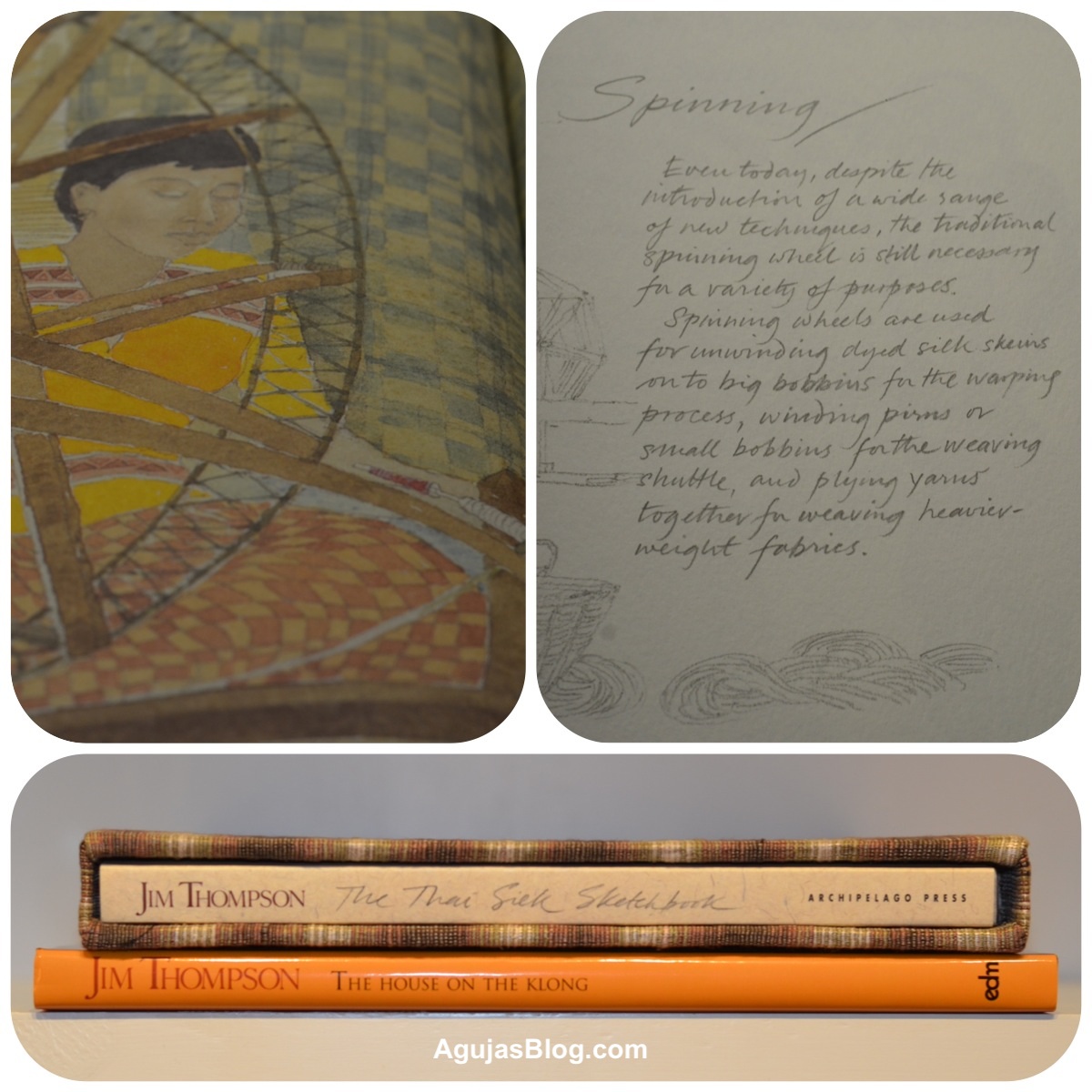
Finally, he brought these two illustrated books that tell the history of the Thai silk industry. The Thai Silk Sketch Book contains beautiful watercolors depicting the reeling, spinning, dyeing and weaving of silk textiles. The House on the Klong is a lovely picture book about the art collected by Jim Thompson over his lifetime and which is now on display at his home turned museum.

Jim Thompson Books 10
I may not have been there but he made sure to give me a sense of the place through photographs, retelling what he saw, and bringing these lovely things to make me smile.

Tie-Dyed Textiles in Cambodia

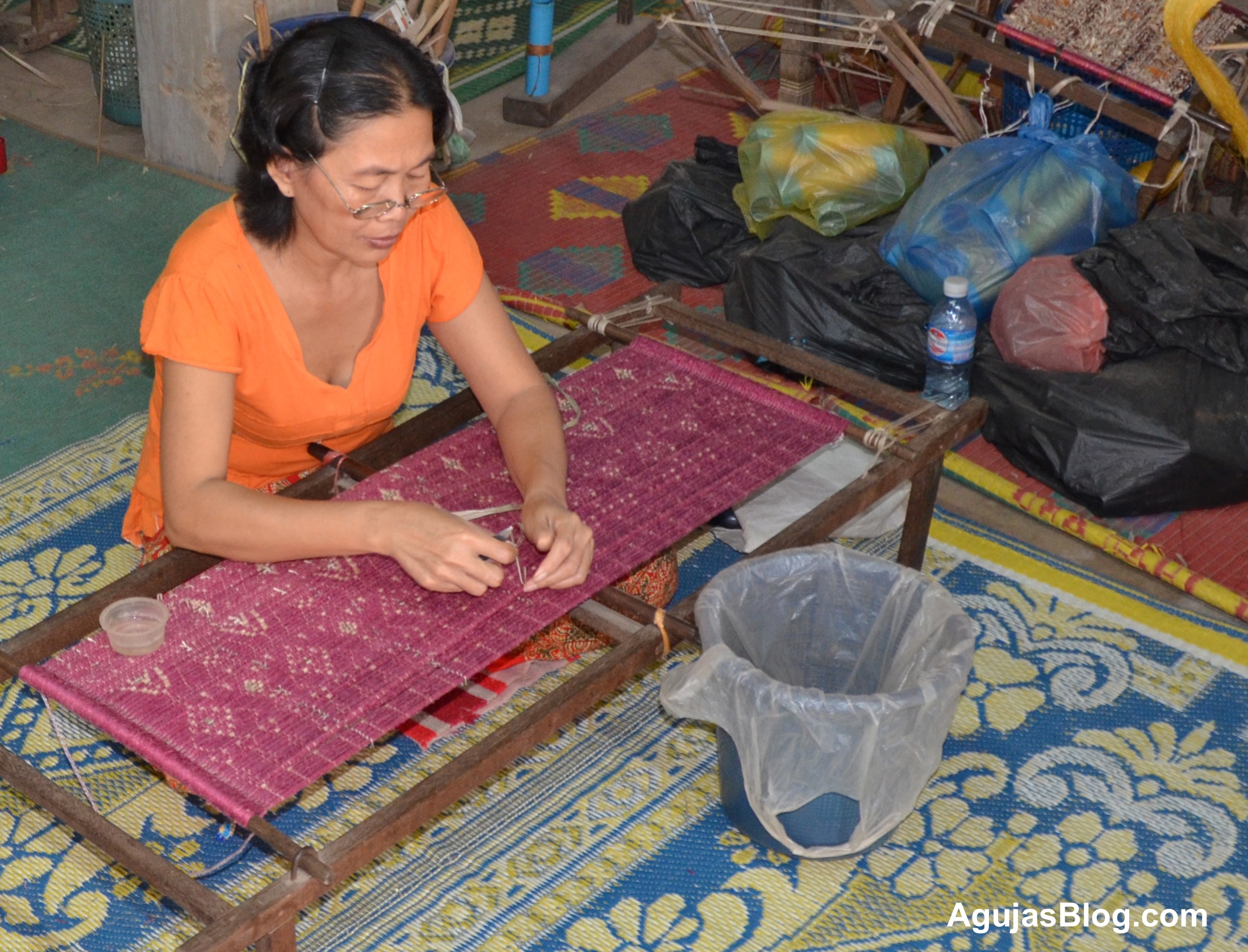
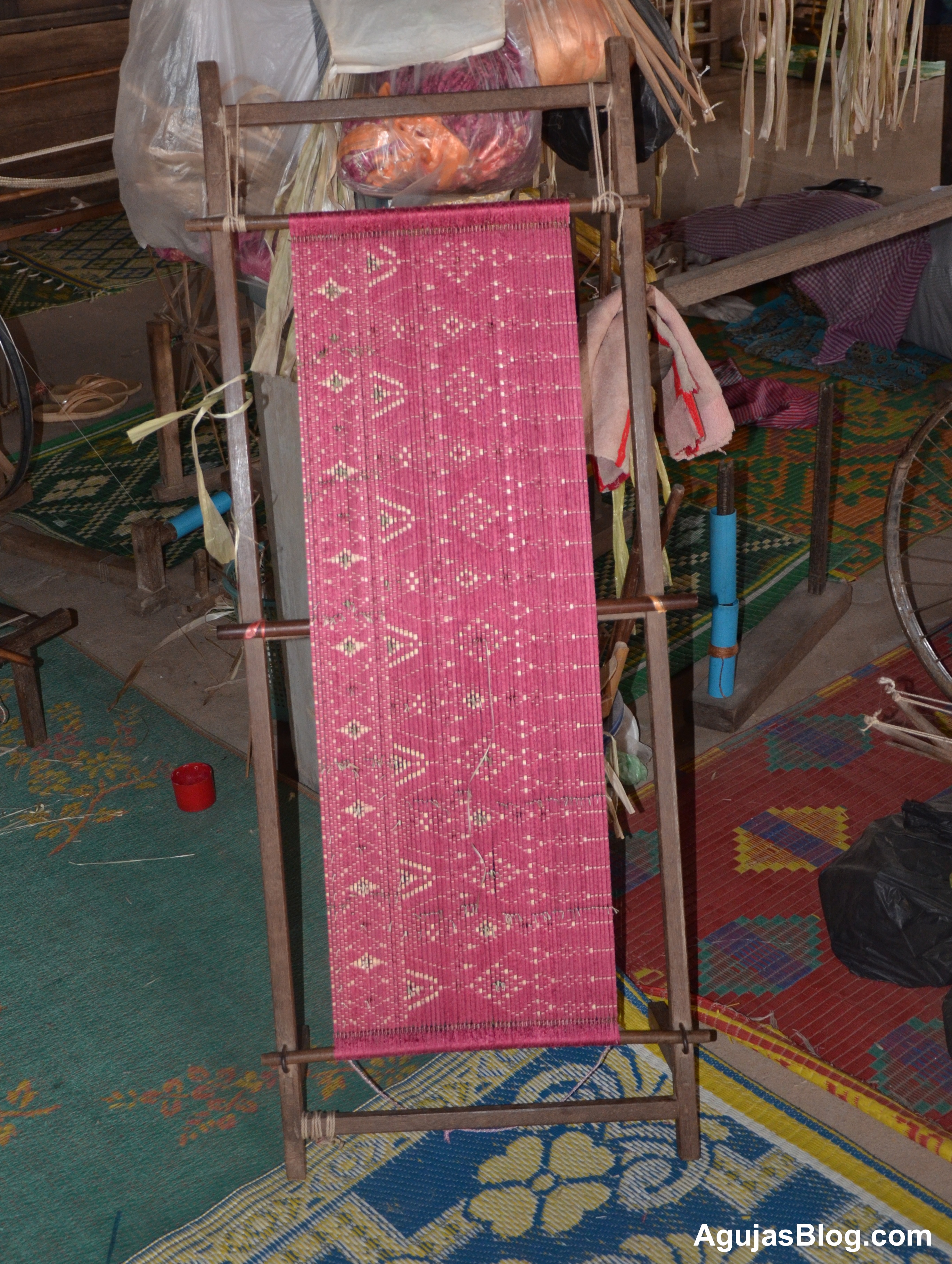
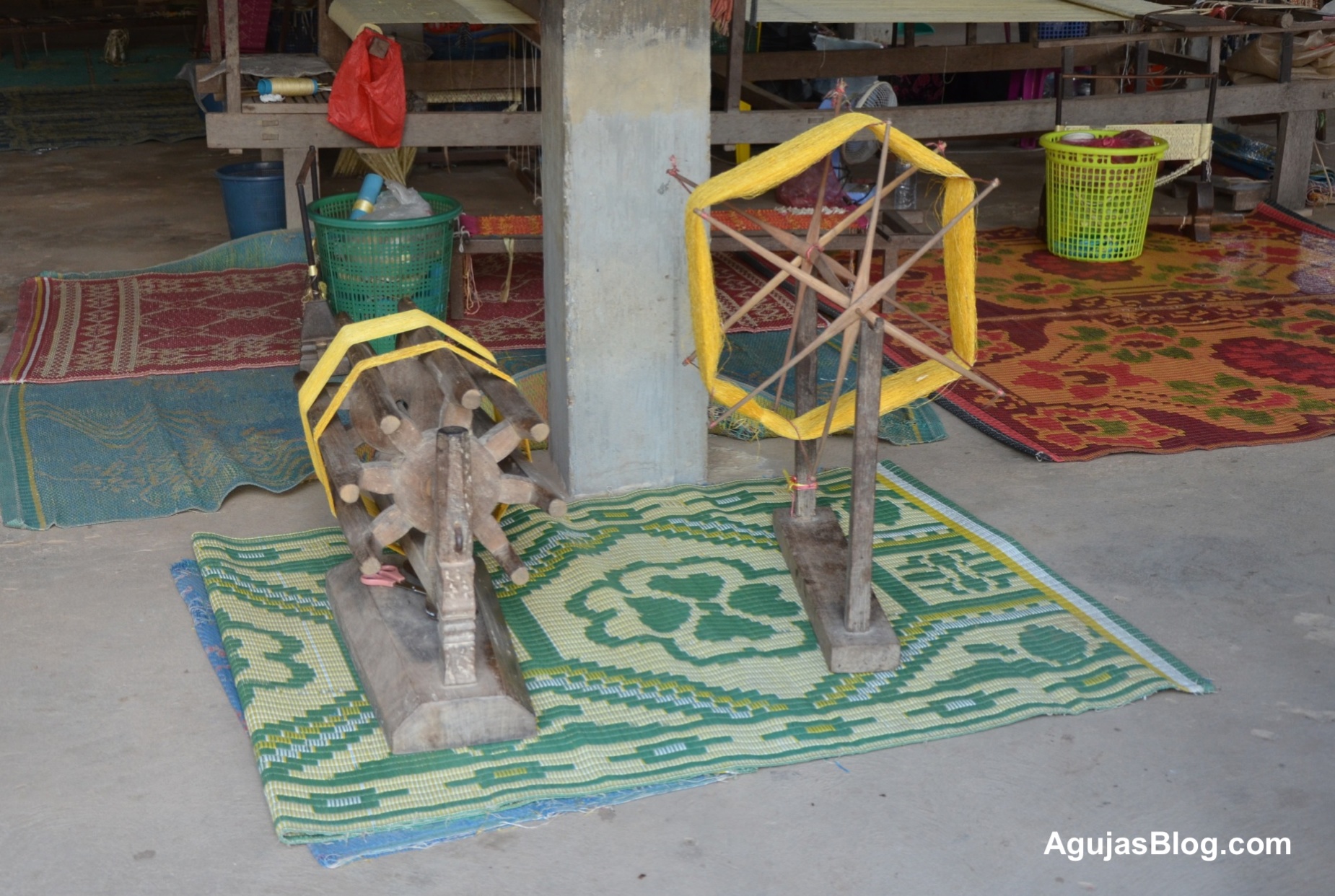
During his trip to Southeast Asia, my husband purposefully visited a couple of textile factories knowing that I would be interested in knowing about local crafts. The first place he toured was the Institute for Khmer Traditional Textiles (IKTT) in Siem Reap Angkor, Kingdom of Cambodia. There, he walked the shop floor and took the following photographs of local women artisans spinning, dyeing and weaving traditional Cambodian textiles.
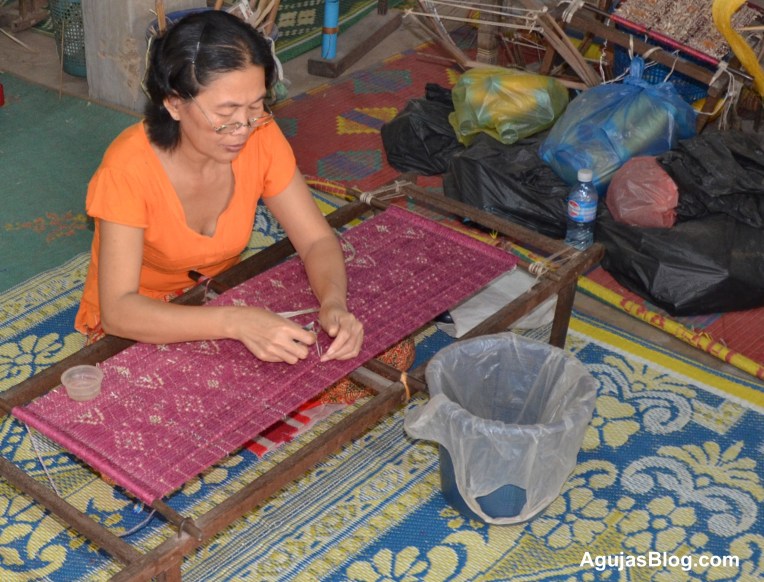
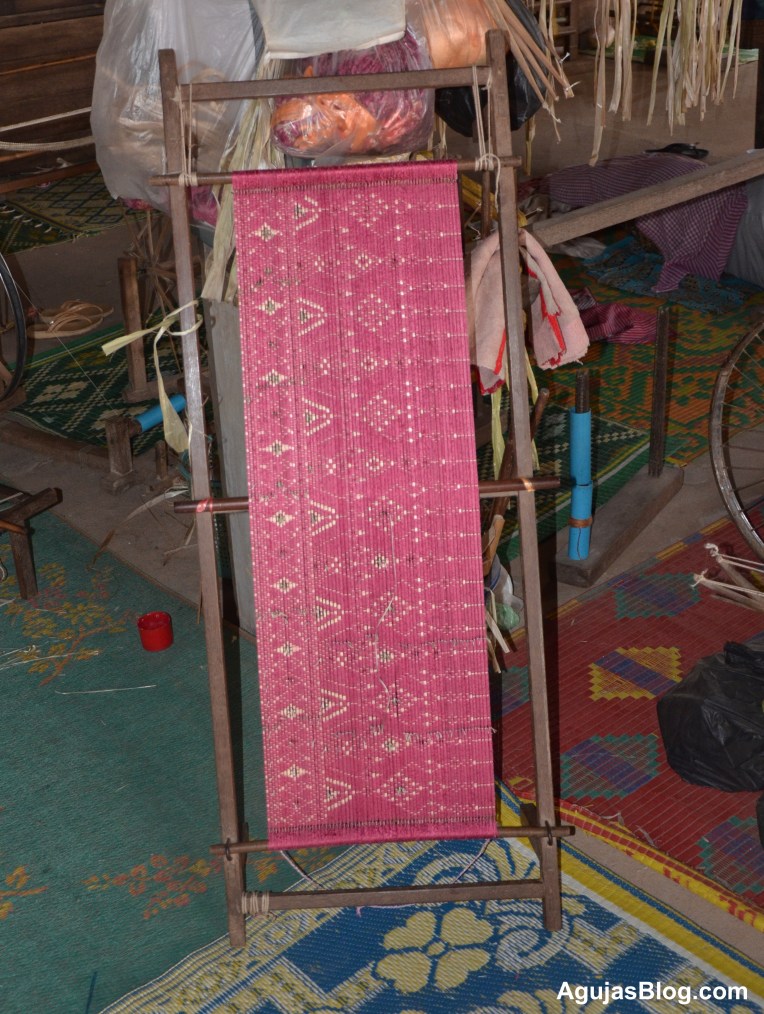
IKTT 5

IKTT 1

The raw yellow silk is reeled from cocoons of the same golden color. I initially thought the golden silk thread had been dyed but it is actually in its natural form. You can read more about yellow raw silk here.
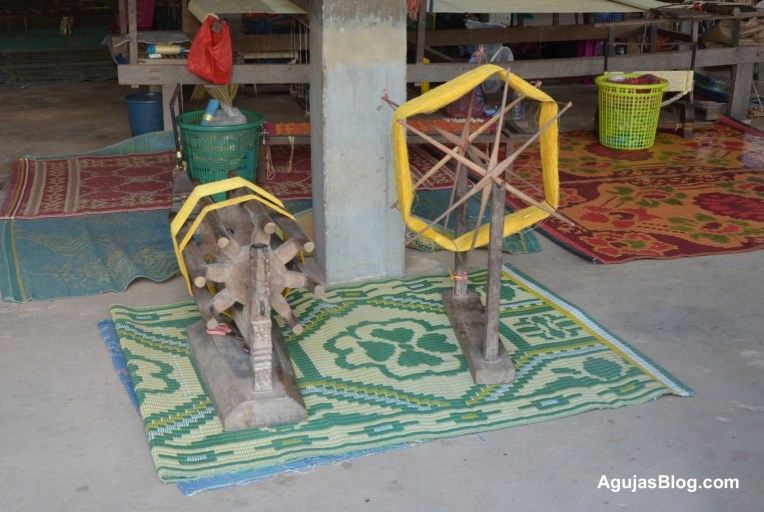
IKTT 2

IKTT has also embarked on preserving and regenerating a natural forest in Siem Reap. The undertaking includes cultivating plants and trees that can be used as natural dyes.

IKTT aims to restore the art of creating traditional Cambodian textiles and has established a village project called PROJECT OF WISDOM FROM THE FOREST where 140 IKTT staff currently live growing trees to be used in silk-worm raising and the natural dying of fabric. We offer job opportunities to disadvantaged women and are working to preserve the national heritage for younger generation[s].
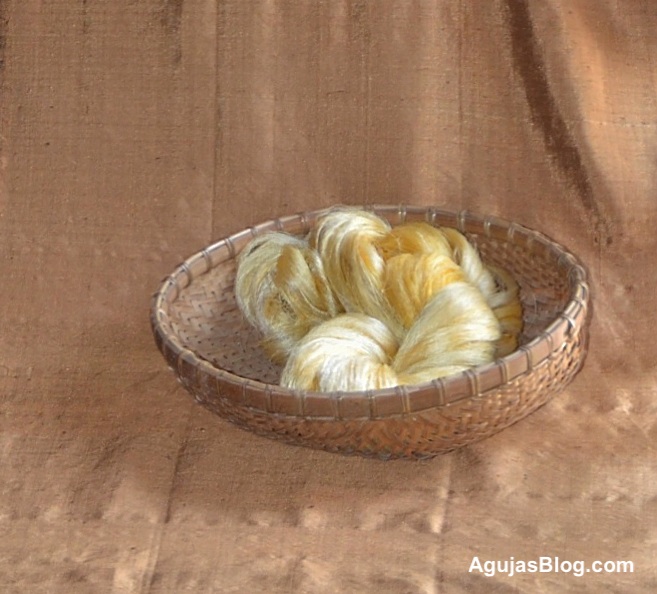
IKTT 3

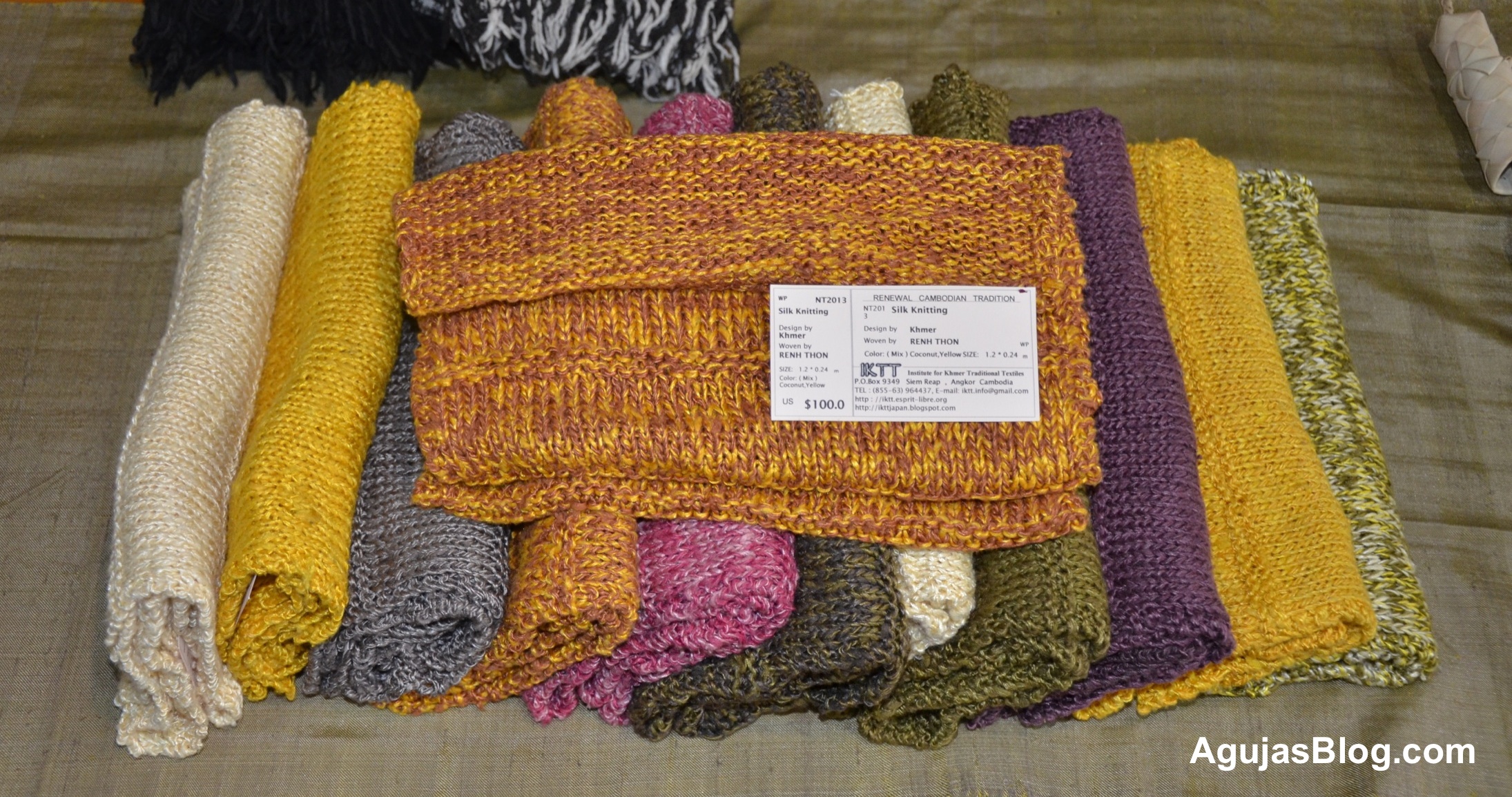
These scarves are hand knit out of 100% pure silk and sold at market.
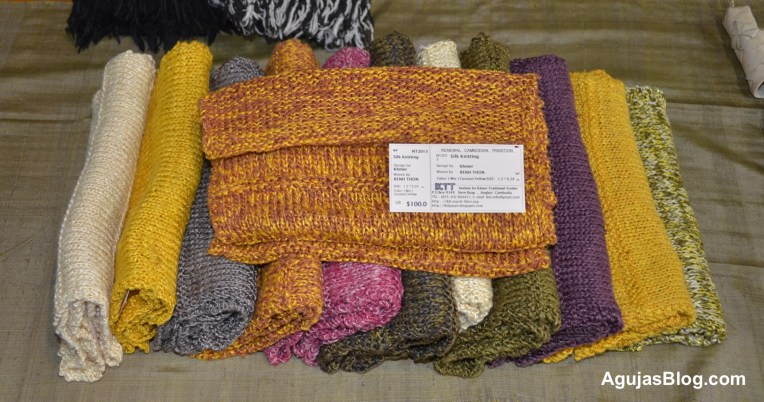
IKTT 4

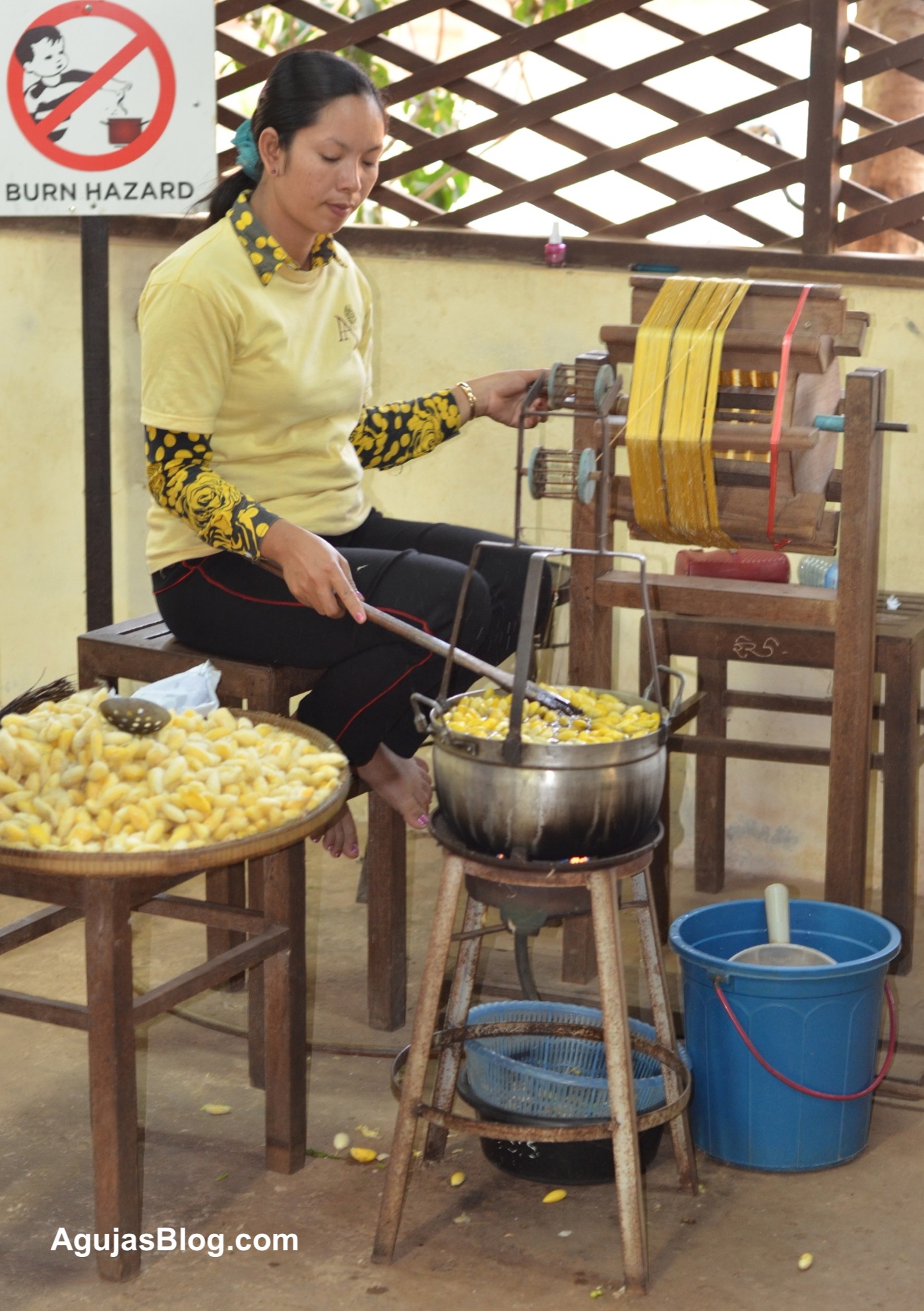
His next tour was at the Angkor Silk Farm located approximately an hour outside of Siem Reap. Run by Artisans Angkor, they cultivate Mulberry trees at the farm and continue the traditions of Khmer arts and crafts such as weaving silk textiles, stone and wood carving, and silk painting.

Here, a young woman heats up the cocoons as she reels the silk threads from them. I will spare you the photograph of the platter of silk worms my husband shared with me.
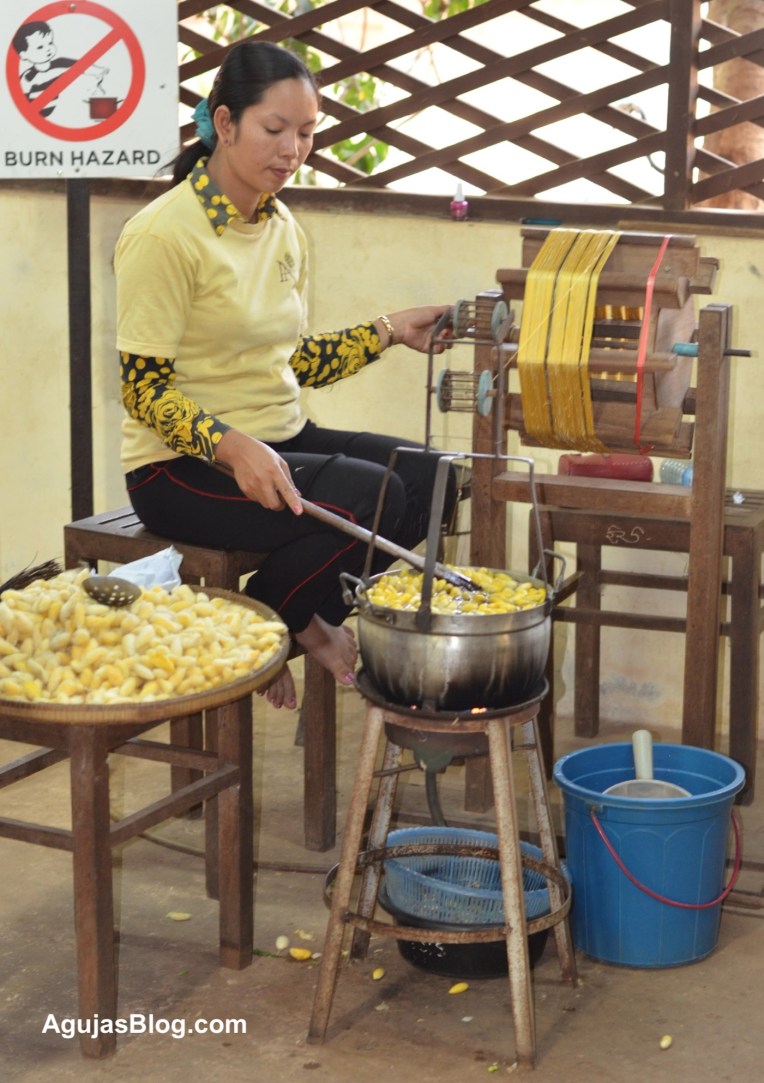
Artisans Angkor 1

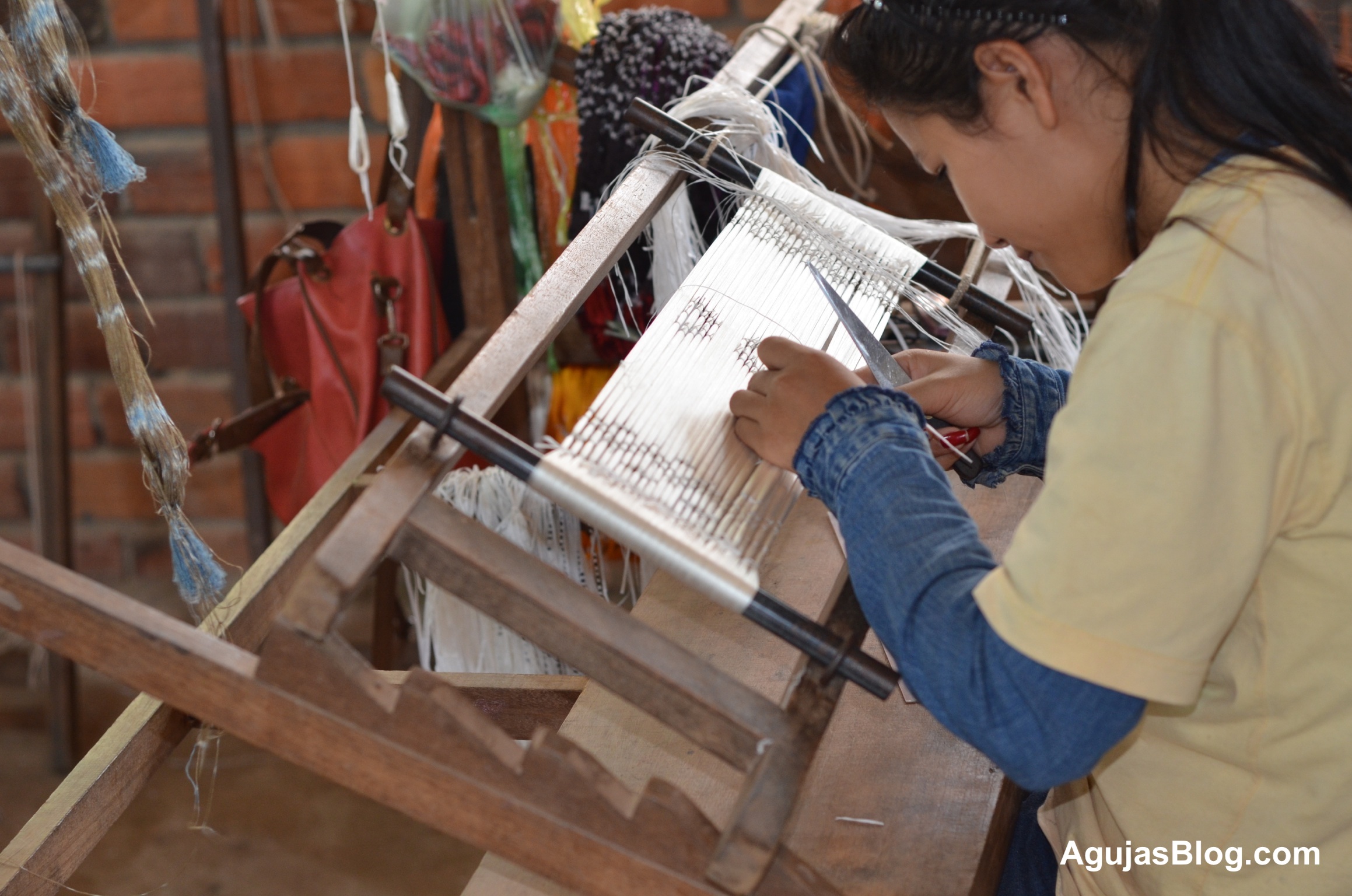
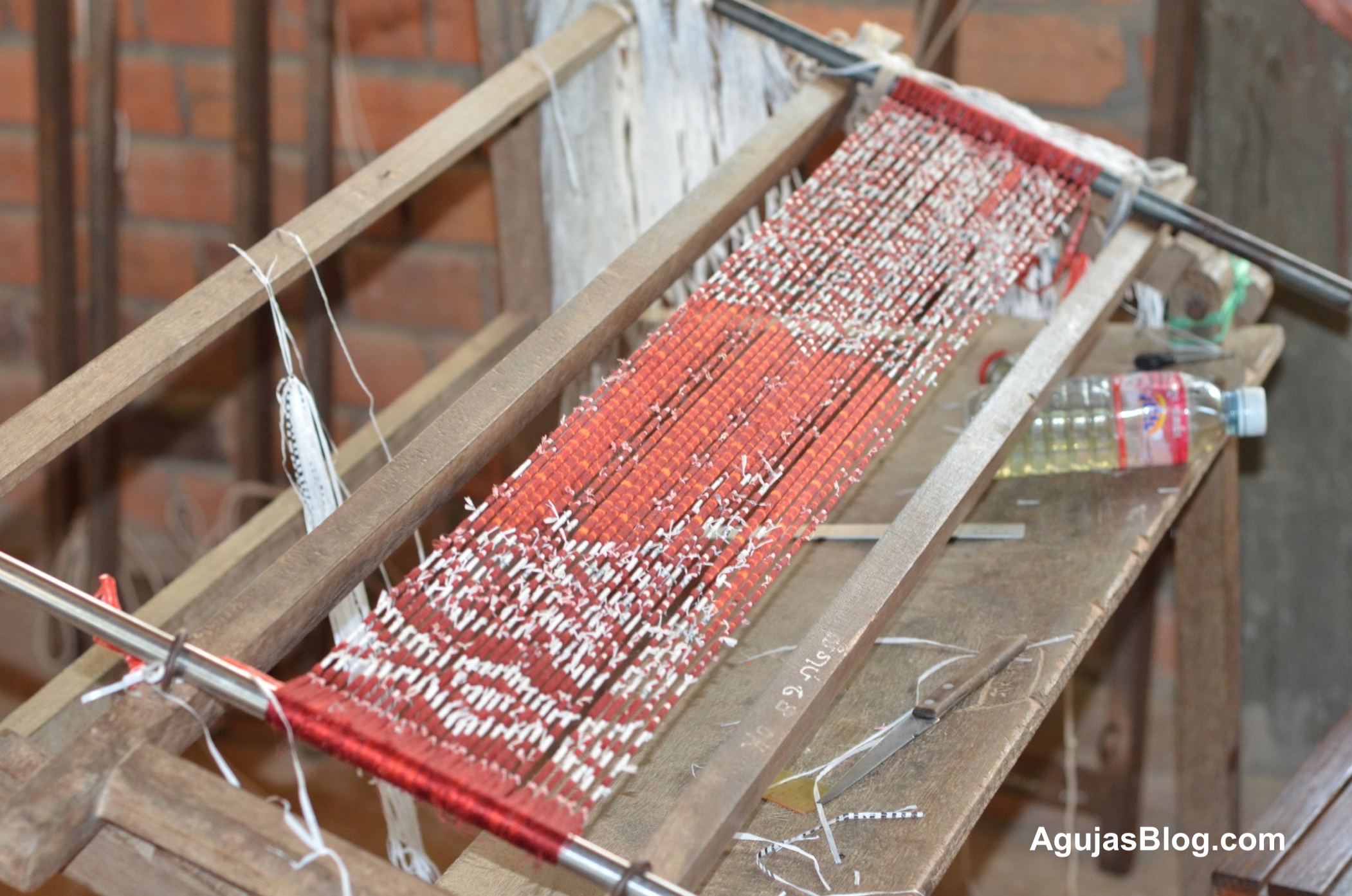
The ikat technique, or tie-dyeing of the silk threads, requires meticulous attention to detail. The term “ikat” means “to bind, tie or wrap around.” This young woman is tying a pattern onto the silk threads. My husband tells me that they would work off a picture or another textile to create the pattern.
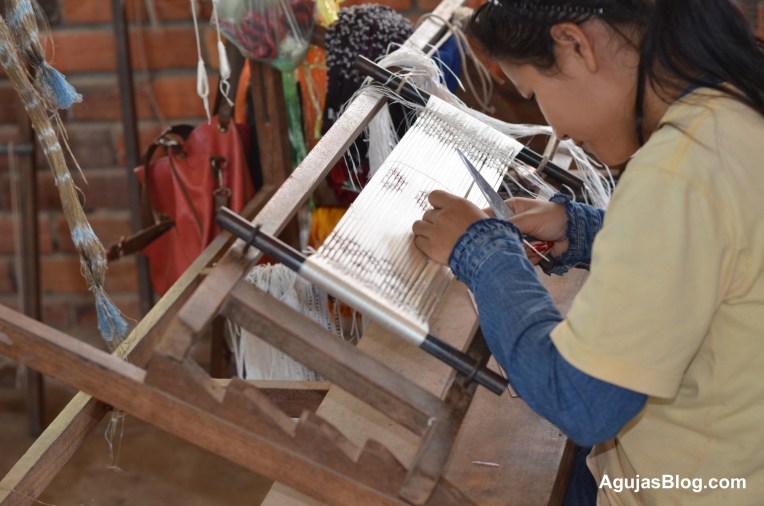
Artisans Angkor 3

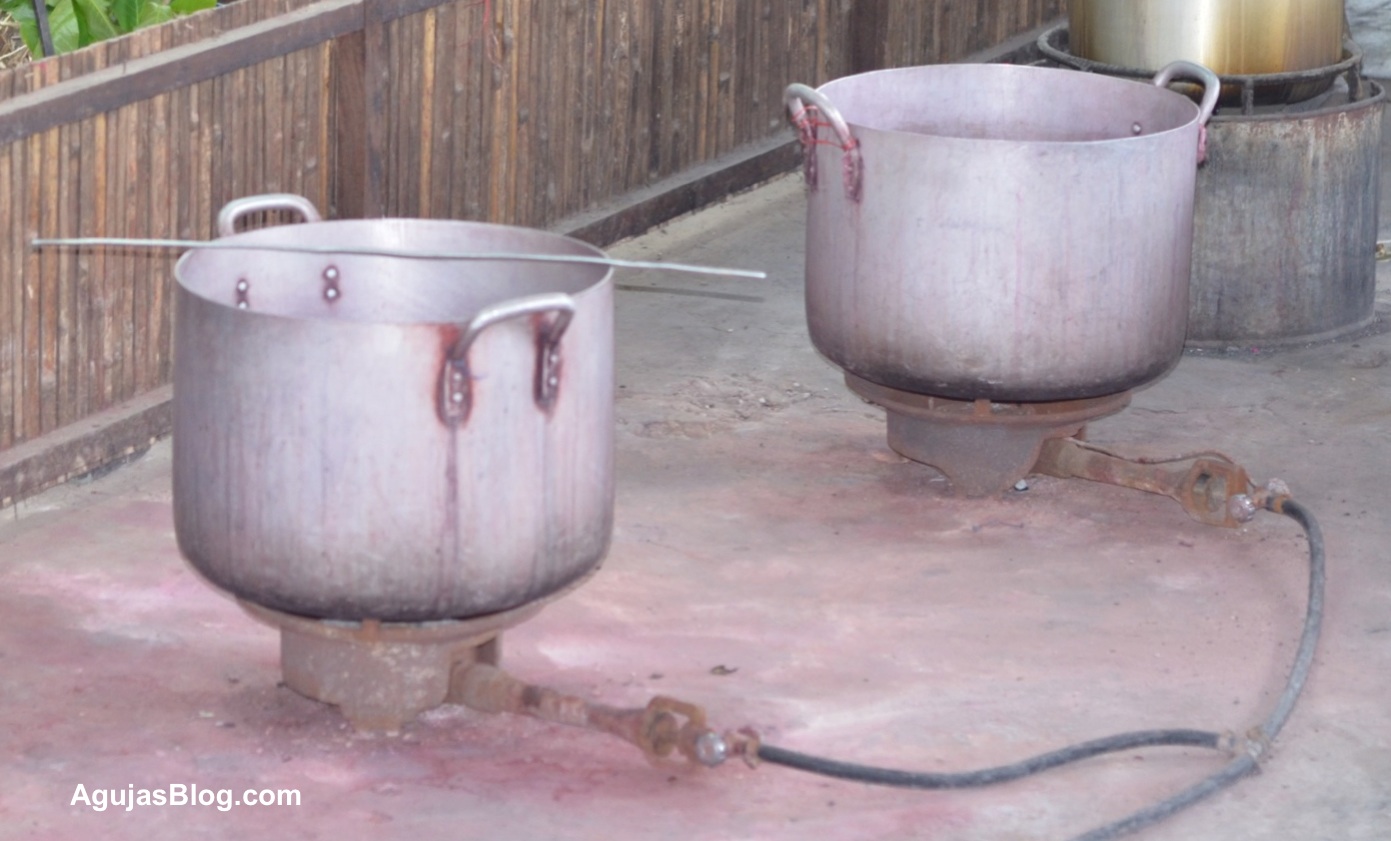
After tying the knots, they would submerge the textile into large dye pots to pick up the desired color. Once dry, they would untie the knots and dye the fabric again. This process would continue until they achieved the pattern and color palette they wanted.
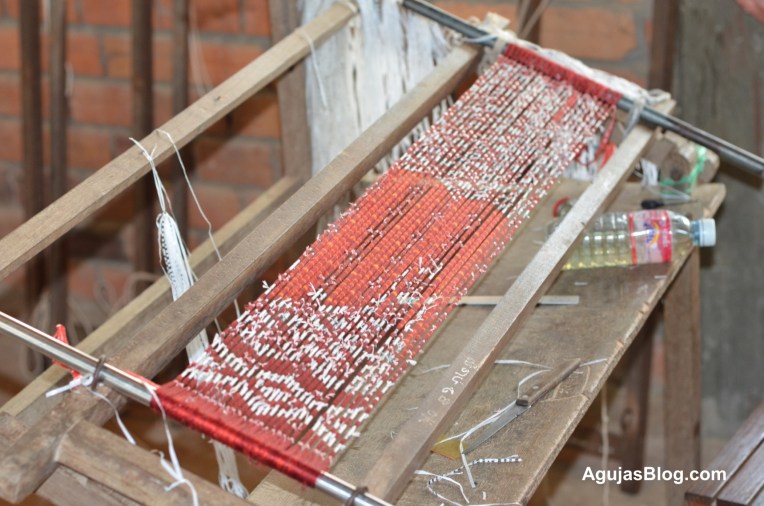
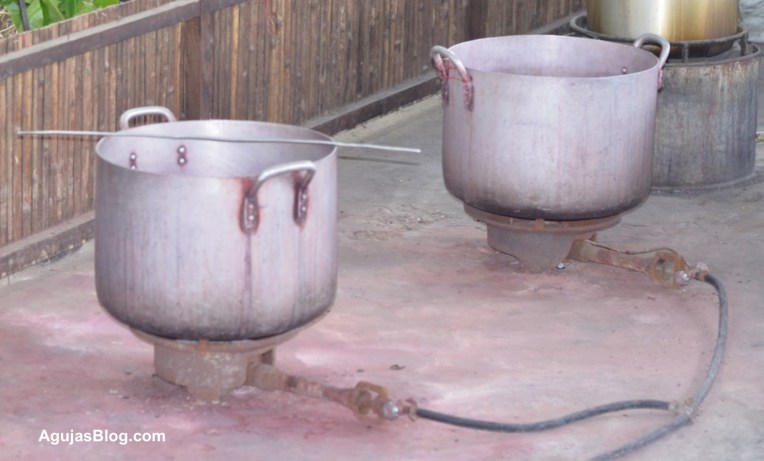
Artisans Angkor 4

Artisans Angkor 2

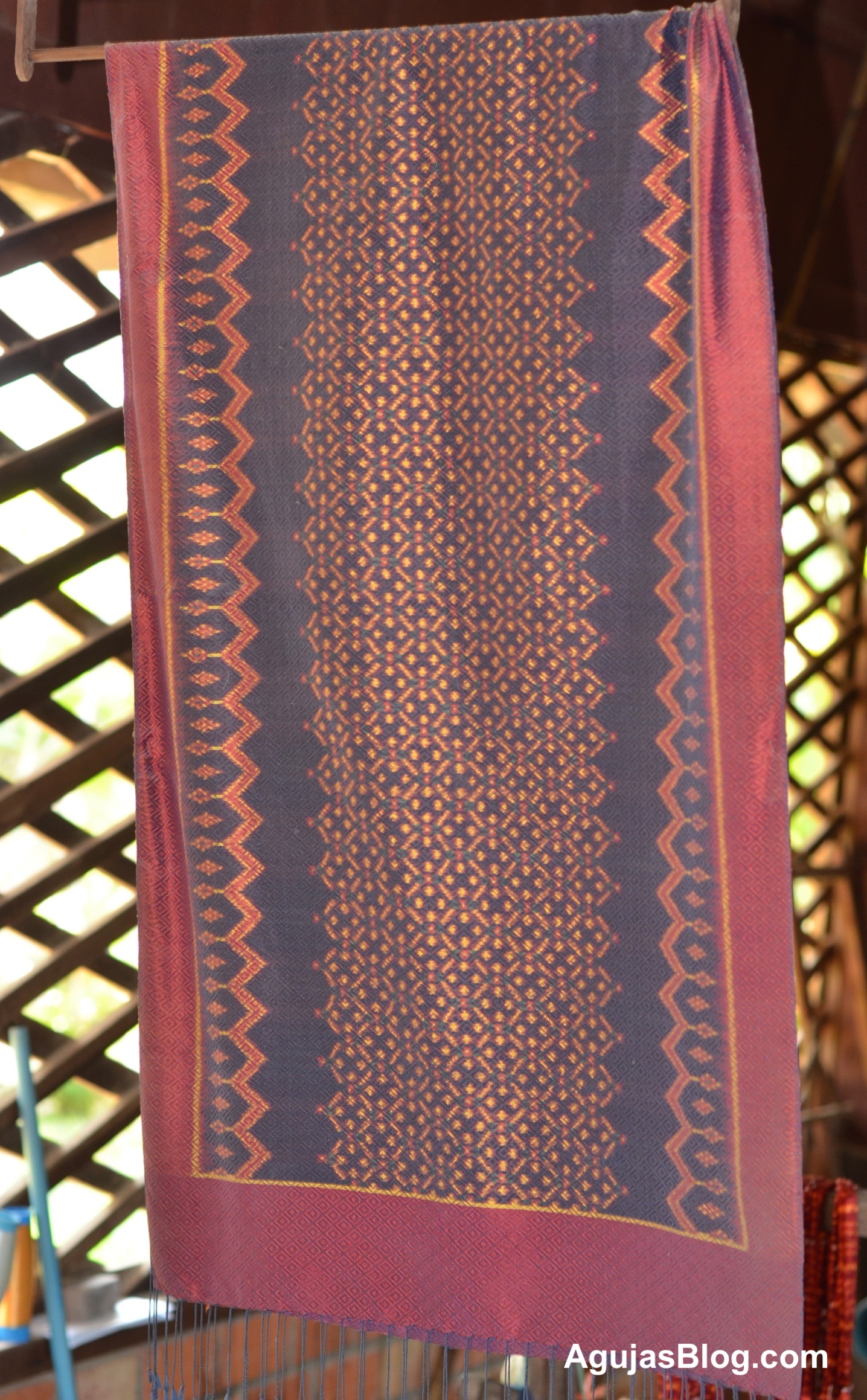
Apparently, some of the textiles are so beautiful that they are displayed as art and even framed in glass to protect them.
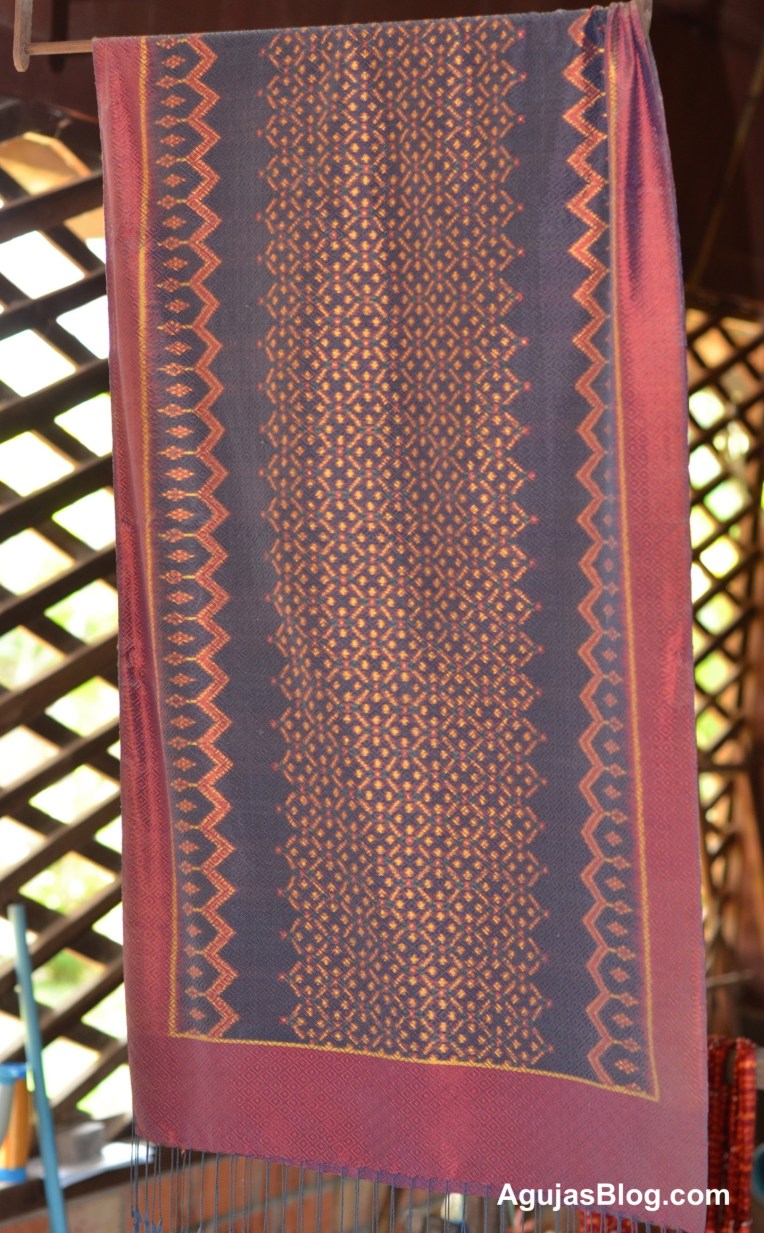
Artisans Angkor 5

I would love to spend a month or two in one of these factories and sit next to these women reeling, dyeing and weaving. Perhaps one day …
Spinning Silk in Thailand

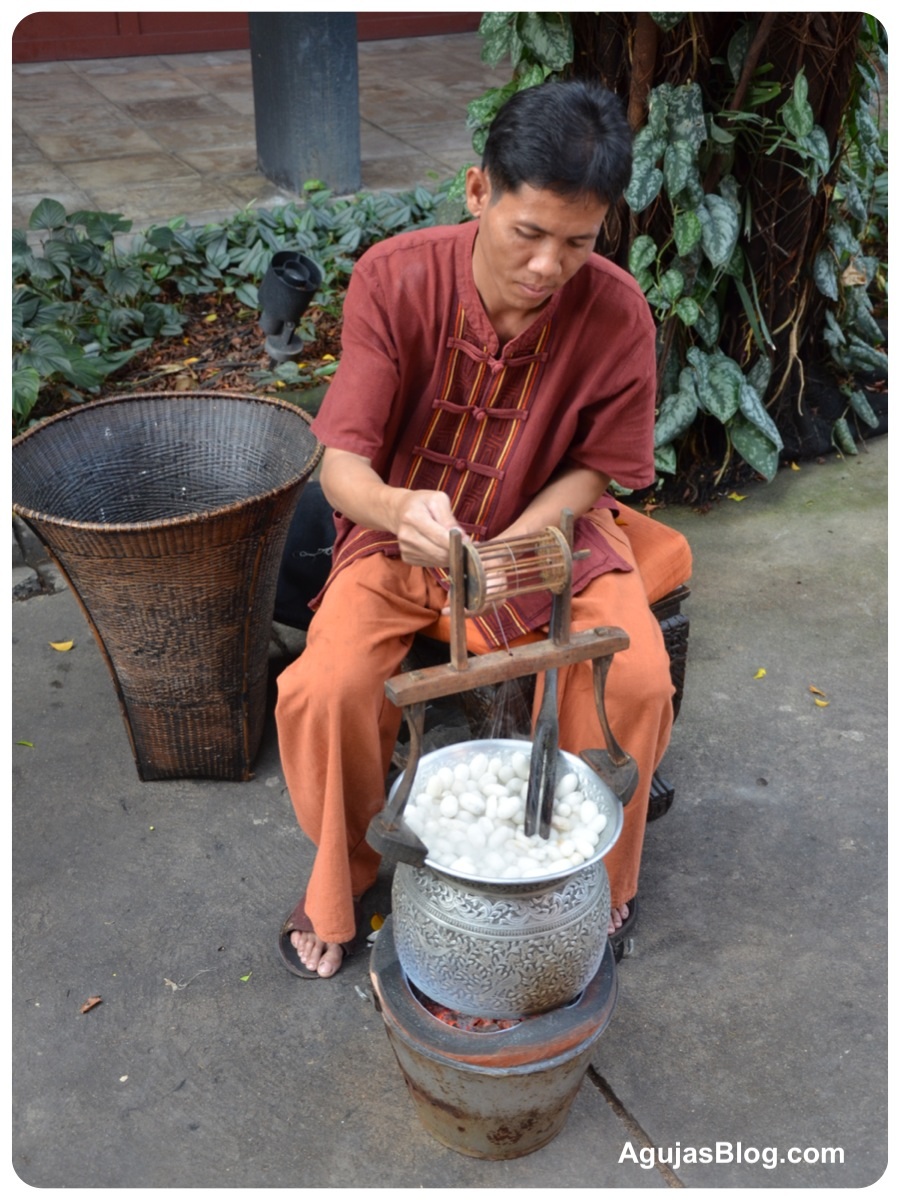
My husband is traveling in Thailand and sent me these photographs. I think he knew I would like them. This first photograph shows a Thai man spinning silk. Look closely and you will see the delicate silk thread being pulled from several silkworm cocoons.

Spinning Silk from Cocoons

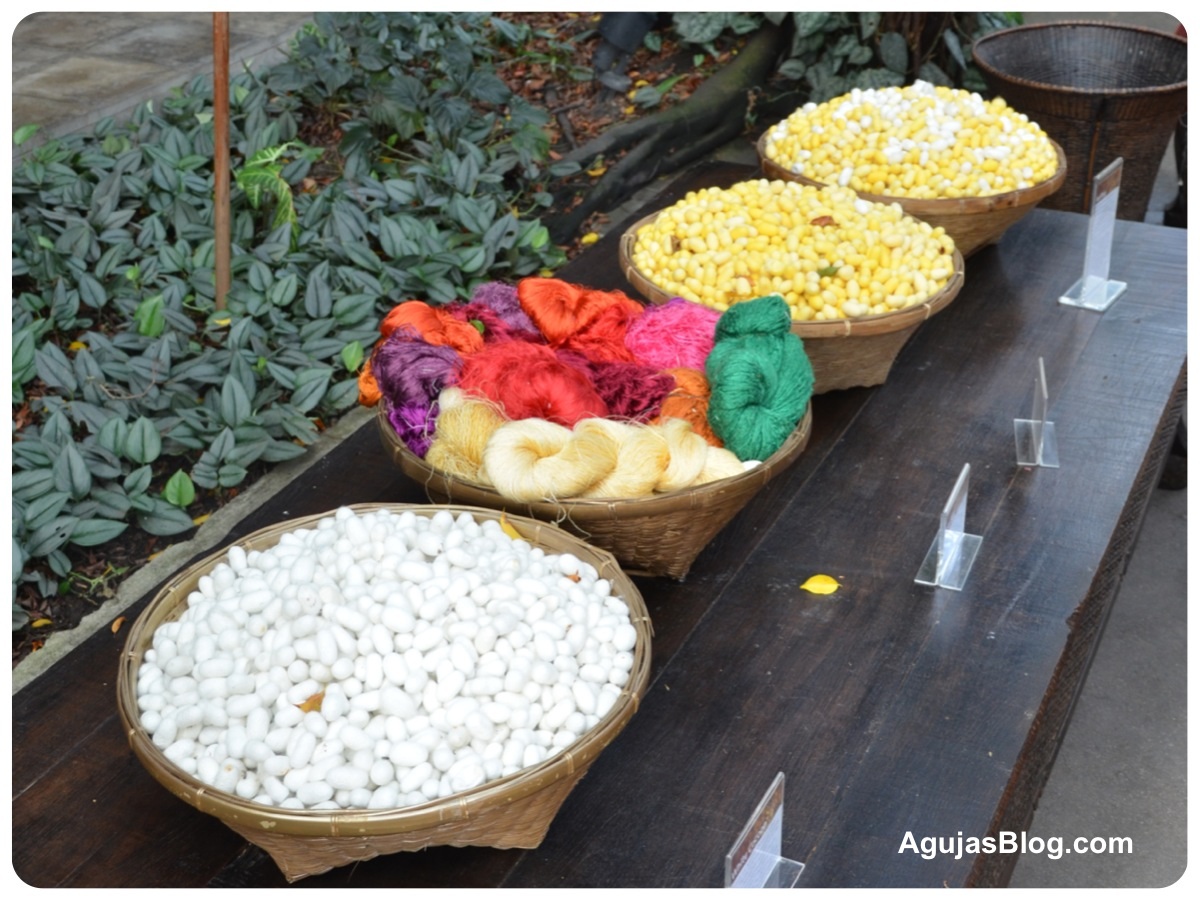
They were taken at the Jim Thompson House in Bangkok. Jim Thompson, as I soon learned, was an American architect who moved to Bangkok after World War II and subsequently established the Thai Silk Company. Look at all those silkworm cocoons!

Silk Cocoons

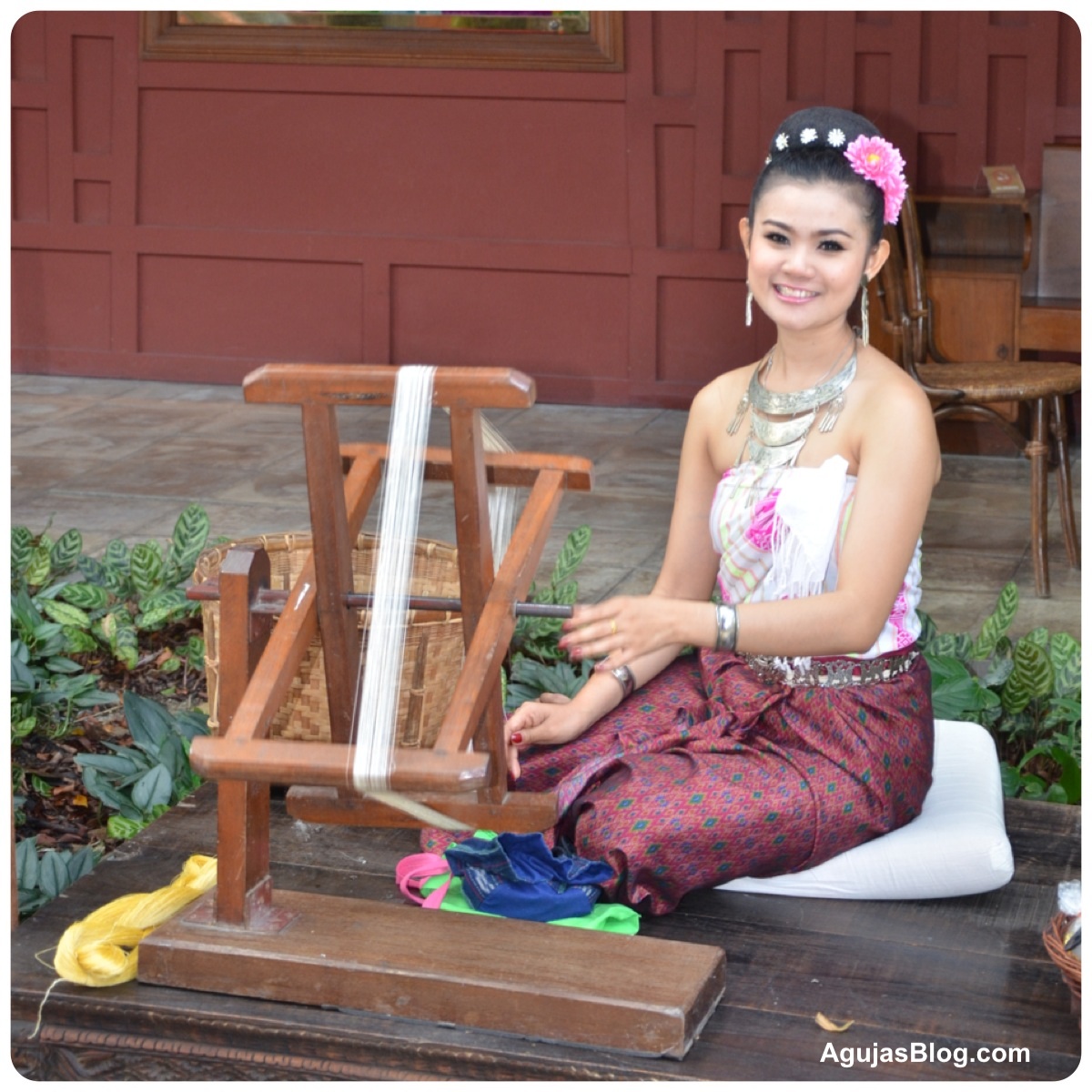
I love this photograph of a beautiful Thai girl winding the silk thread.

Winding Yarn

I have high hopes of receiving a hank or two of Thai silk yarn when he returns. (Hint, hint).