Letting Go

The moment I had been dreading came and went. My son left for university.

The summer seemed to fly by. It’s not as if I spent every waking hour with him. There was work for him and for me. And time with the girlfriend. He took turns hanging out with his friends, figuring they would see each other again on breaks and holidays, knowing full well things would never be the same. We managed to find a few hours here and there for Mother-Son time. It gets hard to do so when they’re 18.

I’ve mostly been in denial. Even as we unloaded his things from the car and helped him set up his room, it seemed like just another summer camp, only this one would last much longer. I could see momentary fear in his eyes when we first arrived. Everything was so new, uncharted. As the day progressed and he was settled with familiar things around him, he seemed to relax.

On day three, it was time to let go. I gave his room one more motherly pass, wiping countertops and putting things away, and then there wasn’t anything left to do, except say goodbye. As if on cue, my husband went to get the car. I knelt beside my boy and said a prayer. I looked into his eyes and I saw that he was ready. The tears flowed momentarily but I reigned them in and put a smile on it. I kissed him and said goodbye.

As we drove away from campus onto the interstate, the tears escaped. So many memories came to mind. The day of his birth. The moment the doctor placed him on my stomach, still connected to me by the umbilical cord. The times he cried when someone he didn’t know well picked him up – those great big crocodile tears flowing like a waterfall and the cutest pout ever. Images of him grabbing his toes the way babies do. Watching him pour a bowl of scrambled eggs on his head and cracking up. The time he had pneumonia and lost all that weight. Multiple emergency room visits and IVs to calm his asthma, followed by endless popsicles. Him getting sick every time I had to go out-of-town on business. Him sitting and sulking in time out. Picking him up from school and knowing he was in trouble just from looking at his face. So many memories.

✦ ✦ ✦ ✦ ✦

A week has gone by. I keep myself busy. I’ve started Chinese language classes again and I have two knitting projects on the needles. And for the first time since we were married, my husband and I have had some one-on-one adult time (we both had kids when we met). I try not to think about him being away. There is a certain peace in knowing he is where he needs to be and I have to trust that I’ve prepared him as best as I could. It’s up to him to do the rest.
Girl’s Weekend

Mom turned seventy-something this month and I had been contemplating a mother-daughter weekend for some time. To make it even more fun, we invited my aunt whom I had not seen in a while. Thus began our girl’s weekend.

The destination was Fredericksburg, Texas. Fredericksburg was founded by German immigrants and named after Prince Frederick of Prussia. (Source). It is located among the rolling stretch of the Texas Hill Country just a short drive from Luckenbach, Texas. Yes, the one with “Waylon and Willie and the boys.”

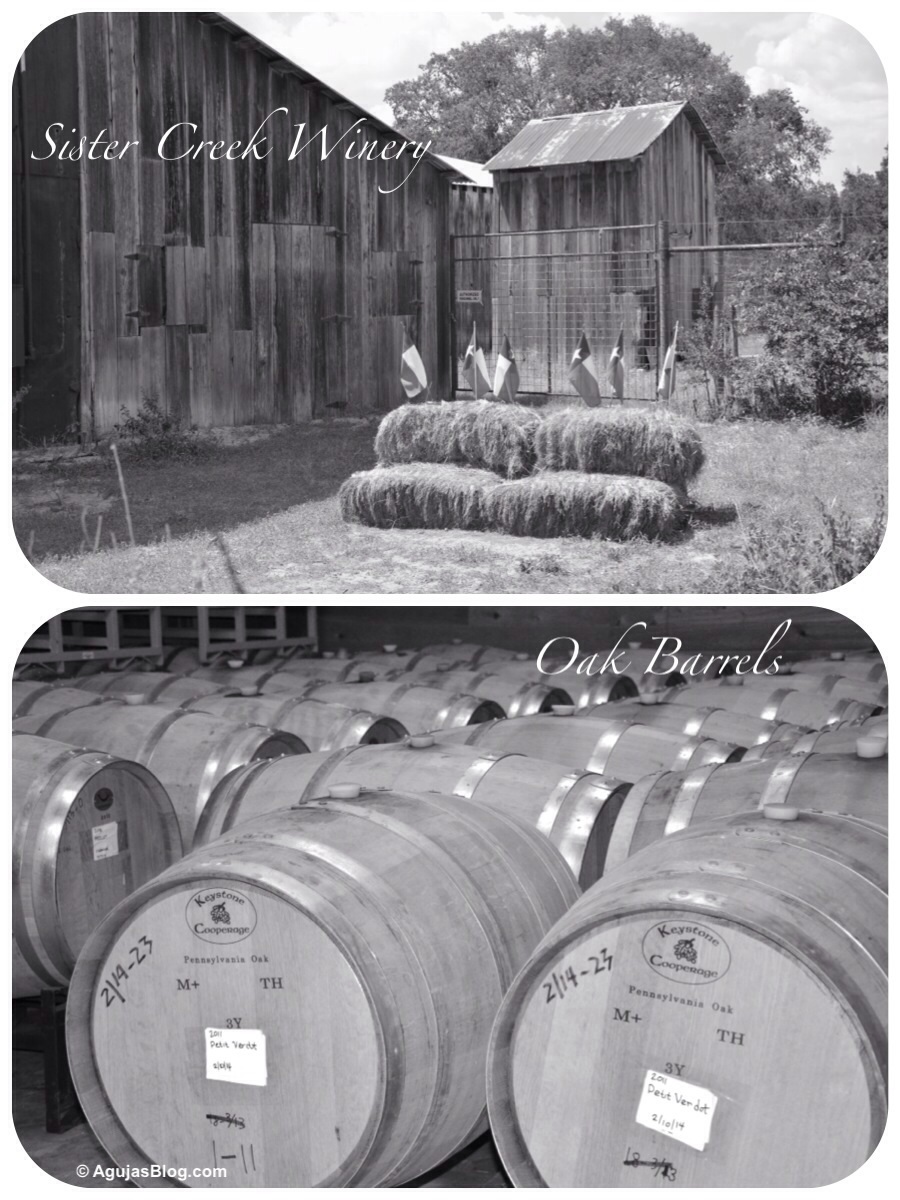
We took the scenic route on Farm Road 1376 to get there and made our first stop in Sisterdale, Texas (population 25). Housed in a restored cotton gin is the winery for Sister Creek Vineyards.

Sister Creek Winery

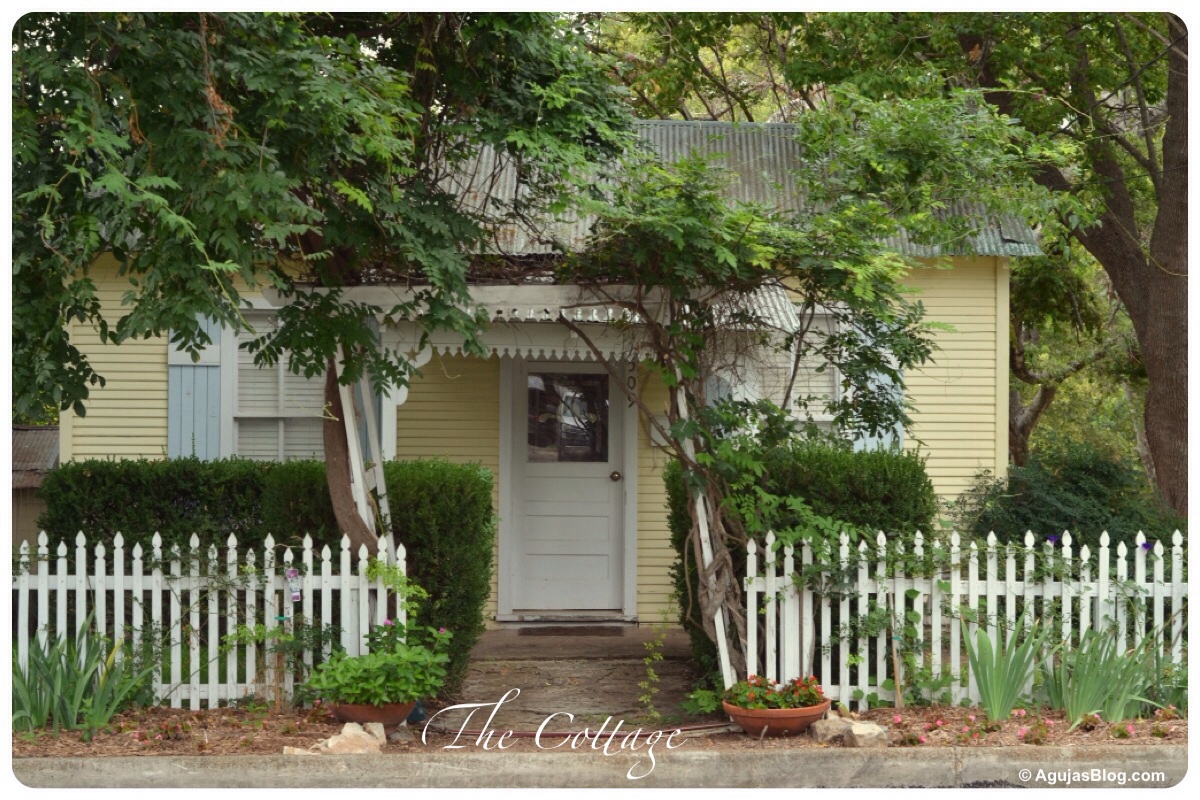
We toured the various rooms where the grapes are turned into Merlots, Pinot Noirs and Chardonnays. Oak barrels were neatly arranged in rows fermenting the wine. A sign read, “Employees only please. Our wine is resting.” After a wine tasting, we packed up a couple of bottles and hit the road again.

Upon arriving in Fredericksburg, our first stop was the cottage which would be our home for the weekend. Words cannot describe how adorable this place is – all 440 comforting, quaint and cozy square feet. Mom said it was like staying in a life-size doll house.
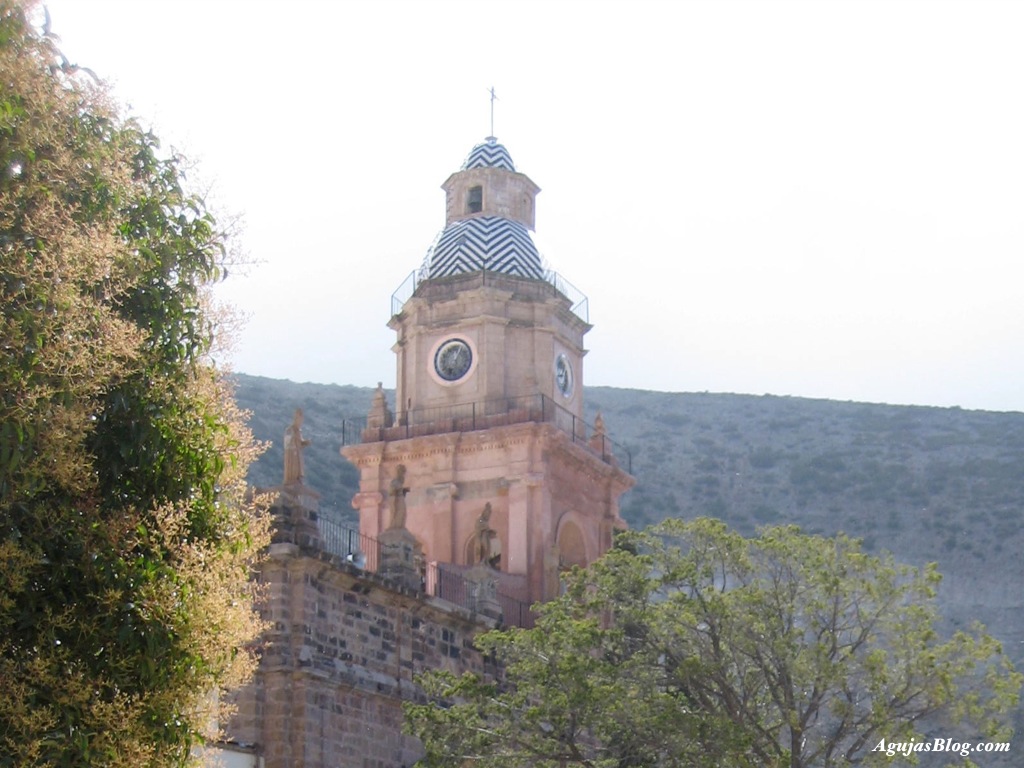
The Cottage

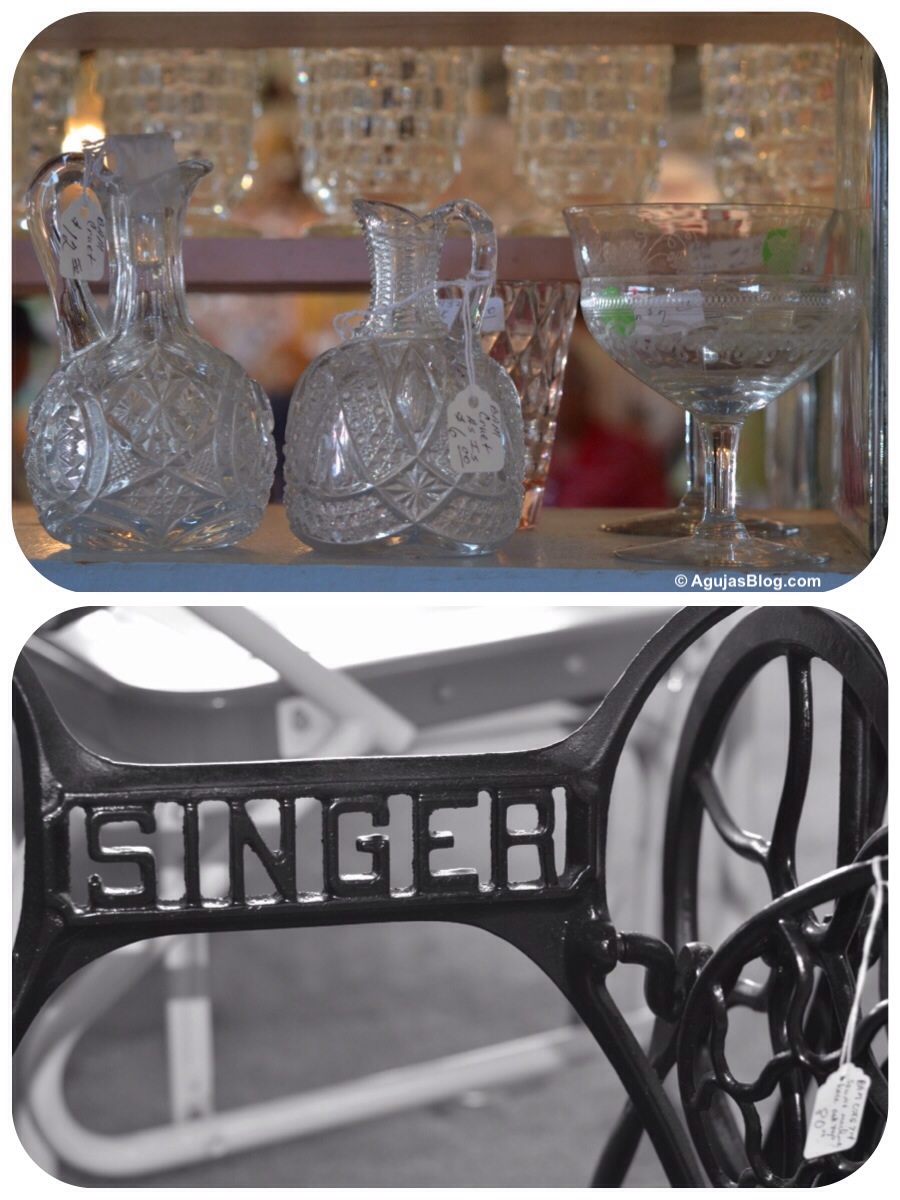
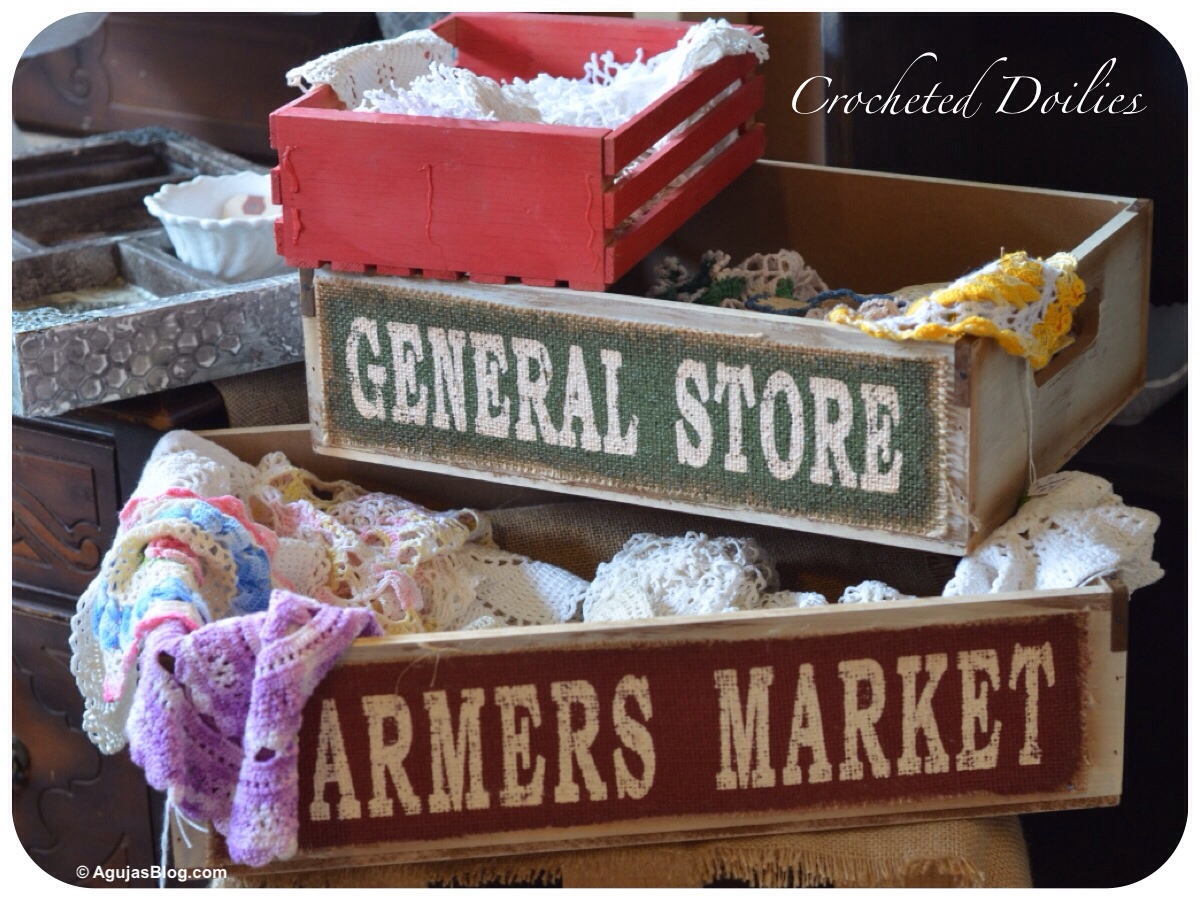
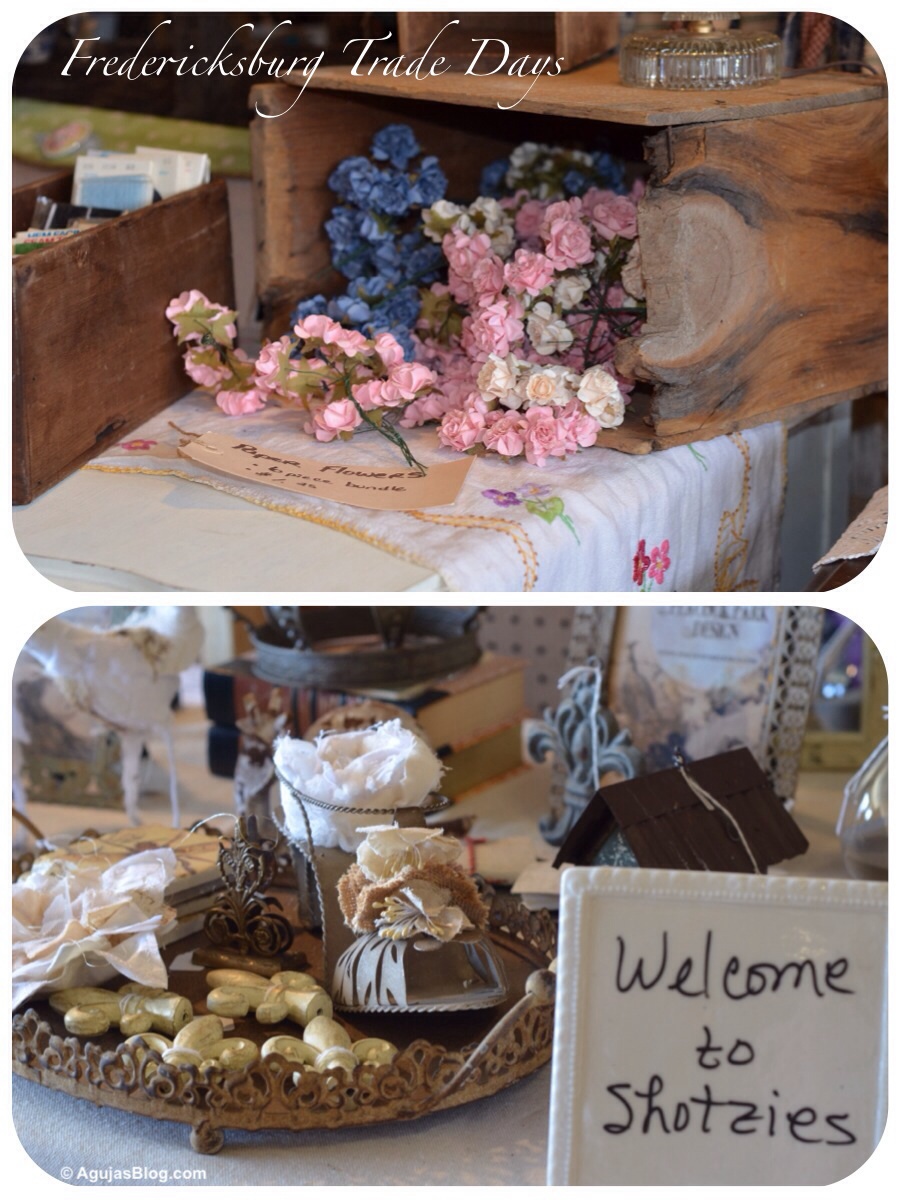
Once settled in, the rest of the weekend was filled with one delight after another. It turns out that the monthly Fredericksburg Trade Days was during our girl’s weekend. Trade Days is a giant flea market with 7 barns and various acres of antiques and collectibles. The girls were giddy with excitement stopping at every booth, finding shabby chic and rustic decorations, and sampling Texas salsas and peach jams.

Trade Days 1

Trade Days 3

Trade Days 2

For meals, we ate hearty German food and locally-brewed lagers and ales at the biergartens and steakhouses; and creamed corn frito pies and bacon-wrapped grilled jalapeños at the food stalls at Trade Days.

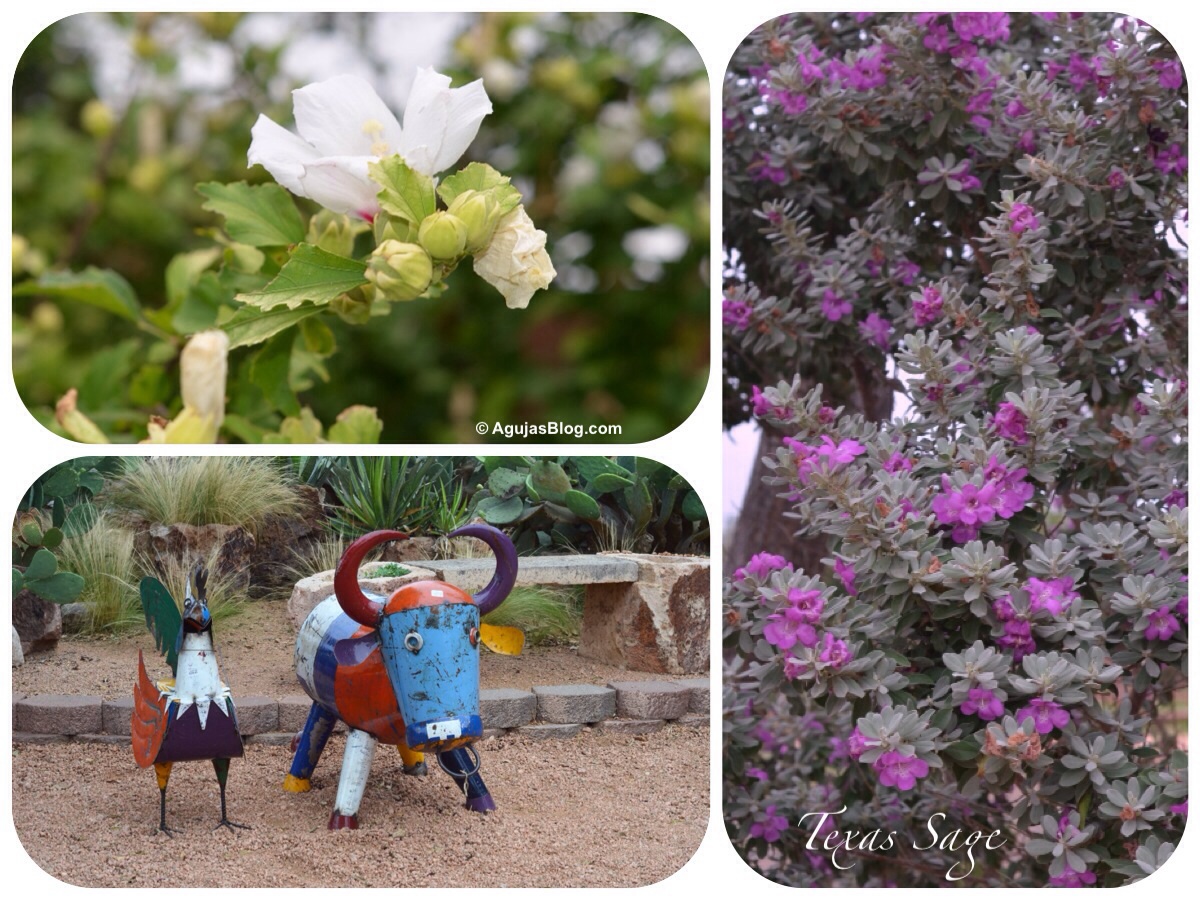
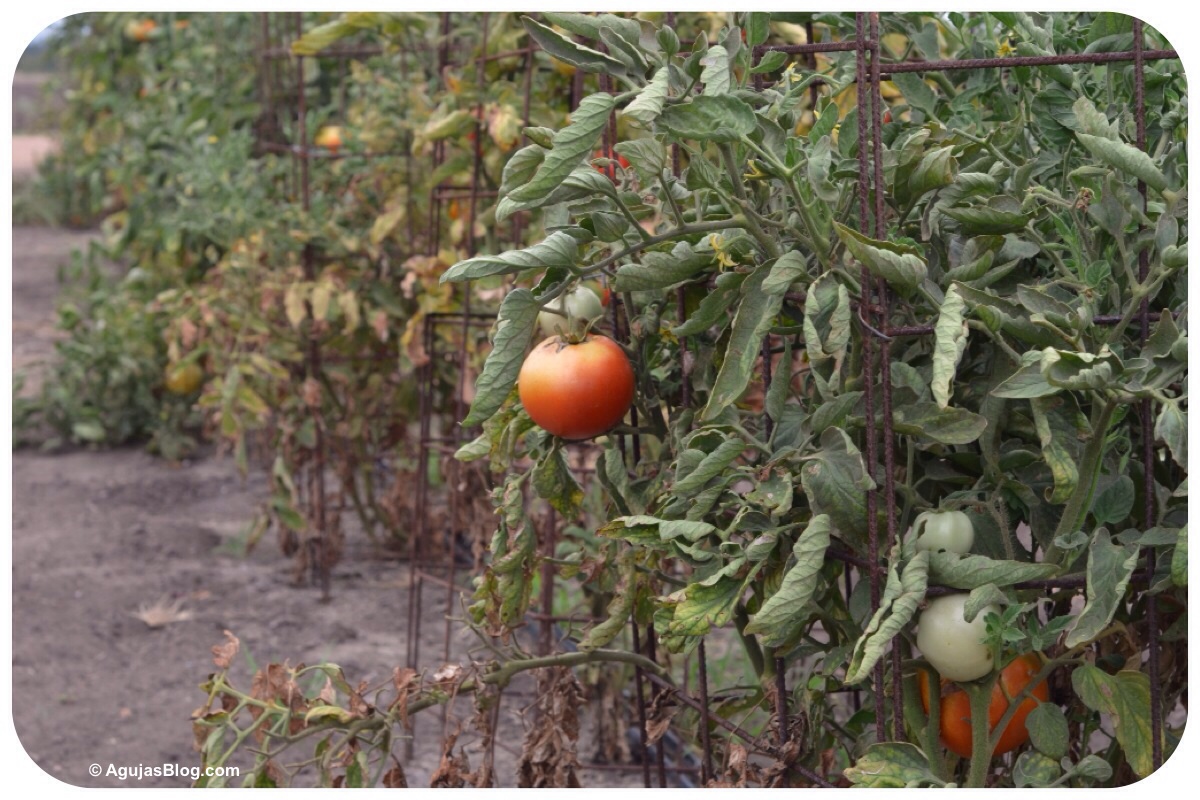
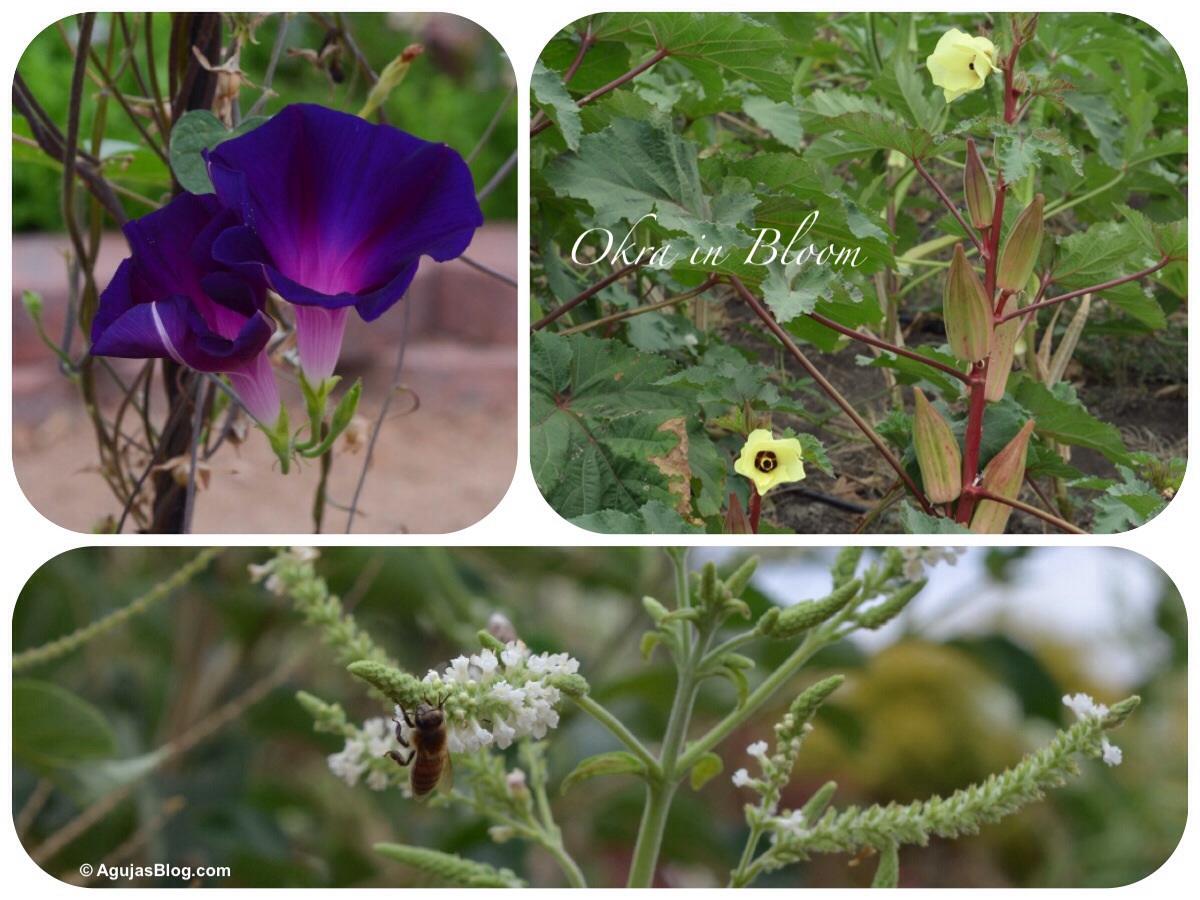
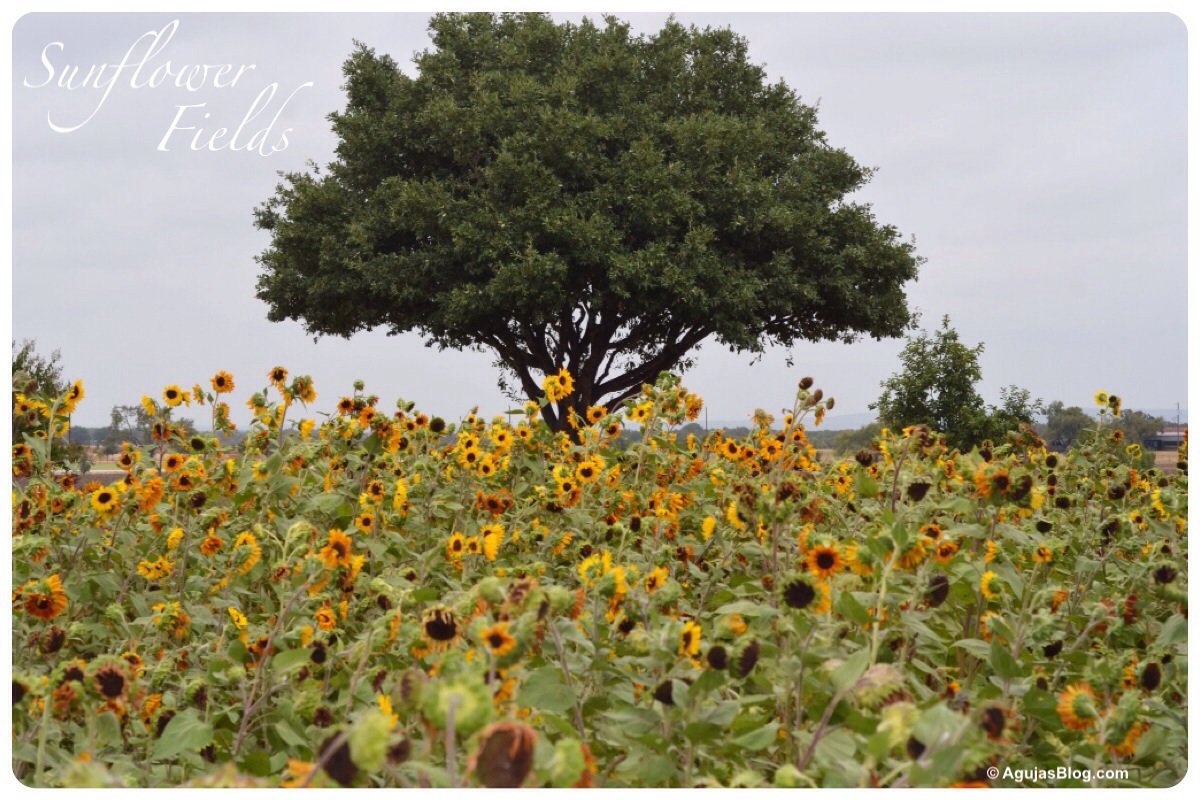
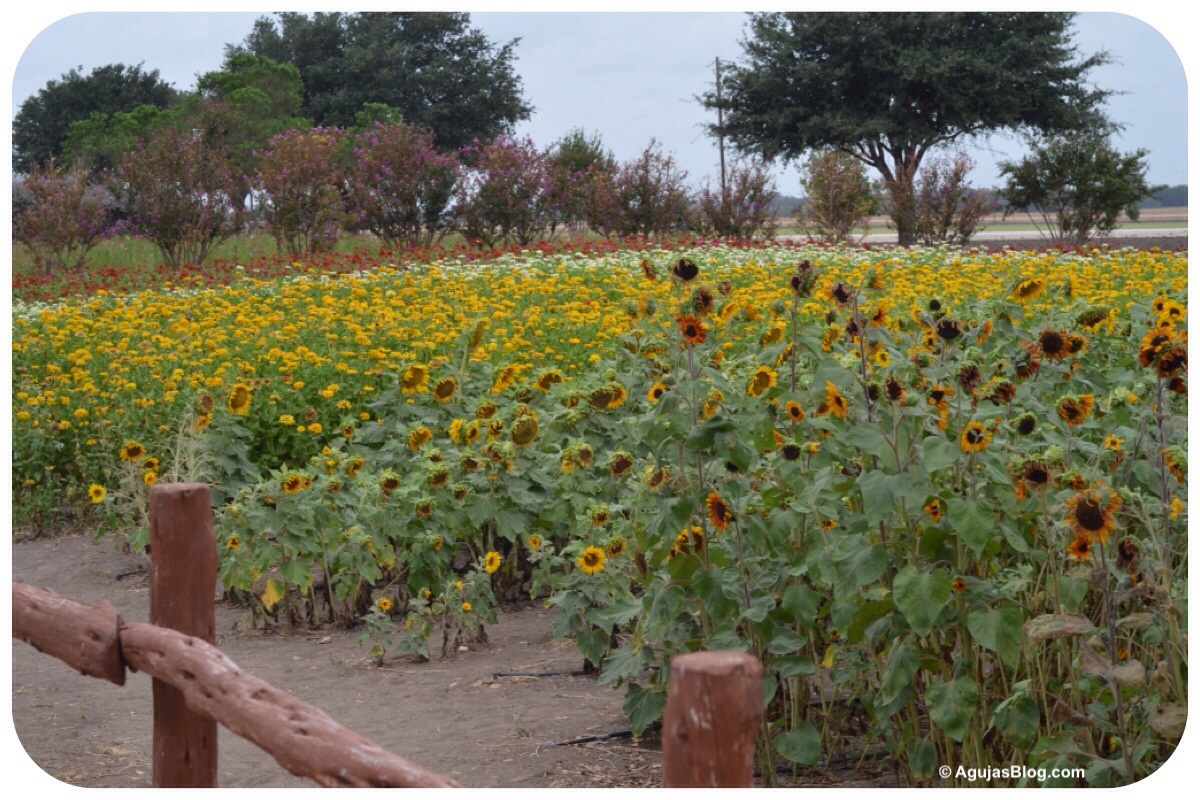
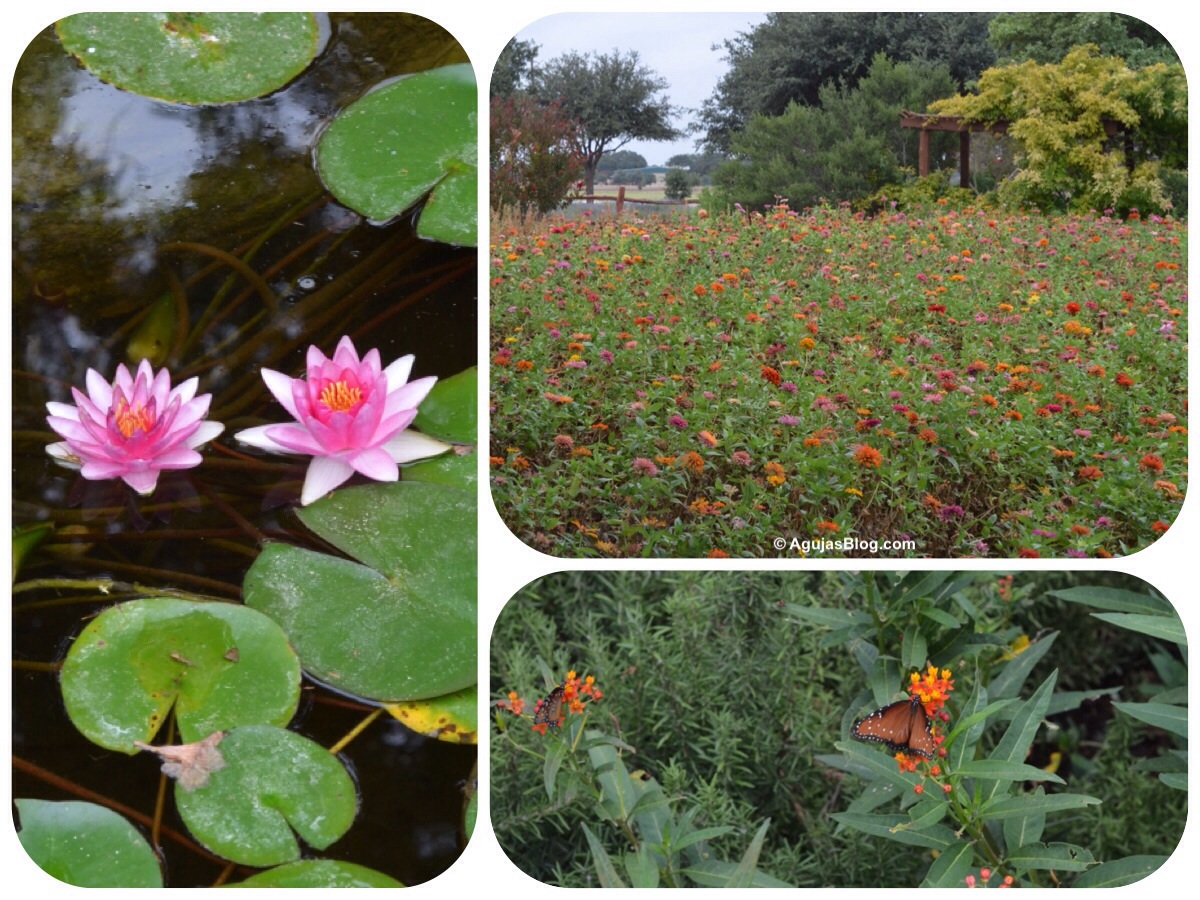
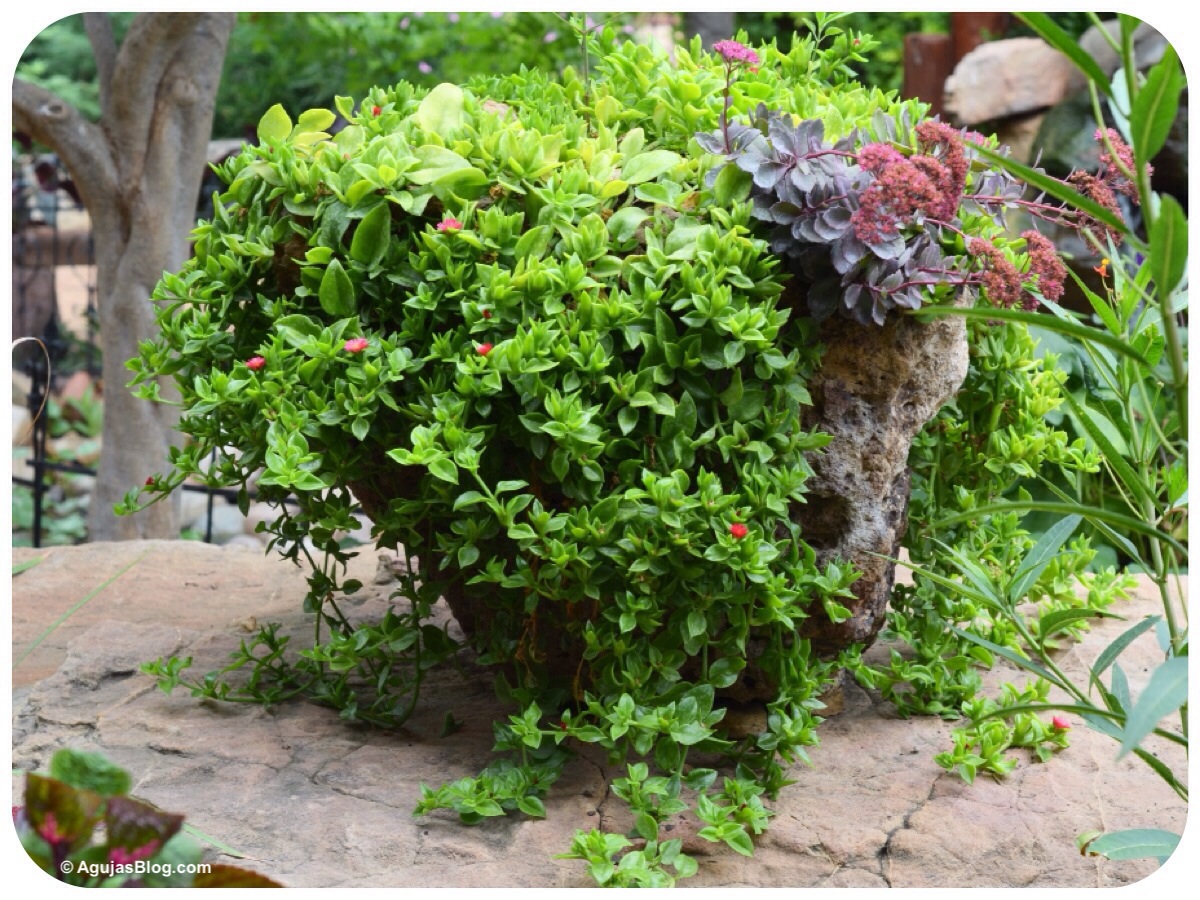
On Sunday morning, after enjoying hot coffee and the freshly-baked chocolate chip cookies left at the cottage by our host, we stopped at Wildseed Farms. Wildseed Farms has acres of zinnias, sunflowers, dahlias, and other wildflowers; and rows of vegetables and shrubs. Everything is labeled so that one can buy the seeds or plants from the nursery.

Wildseed Farms Nursery 2

Wildseed Farms Nursery 3

Wildseed Farms Nursery 4

Wildseed Farms 2

Wildseed Farms 1

Wildseed Farms 3

We shopped, slept, did our make-up together sitting at the cozy kitchen table, talked, laughed, and enjoyed life. Just us girls.

Wildseed Farms Nursery 1

Supper on South Street

On my trip to Philadelphia, I had a few precious hours on Sunday afternoon in which to soak up as much of the local culture as possible. After a mad dash to the Historic District to visit Independence Hall and see the Liberty Bell, I made my way to South Street. South Street is an eclectic, bohemian neighborhood which has managed to maintain a historic look through years of gentrification. Some of the building facades with their stripped paint have a decaying quality while brand new structures like the Whole Foods grocery store serve as a focal point for the funky blend of South Street residents.

As I meandered my way past tiled mosaic exteriors, bars and boutiques, I almost walked past Supper. I had not eaten except for an apple at the airport so I was famished. I took a quick glance at the menu posted on the window and instantly knew I had come to the right place. Supper is a chef-owned restaurant that “serves seasonal farm-direct American cuisine.” Through a partnership with Blue Elephant Farm, a privately owned organic farm, they cook with and serve fresh produce grown exclusively for them.

Providence was with me because it happened to be Restaurant Week and Supper was serving a four-course meal for $35.

The Beverage

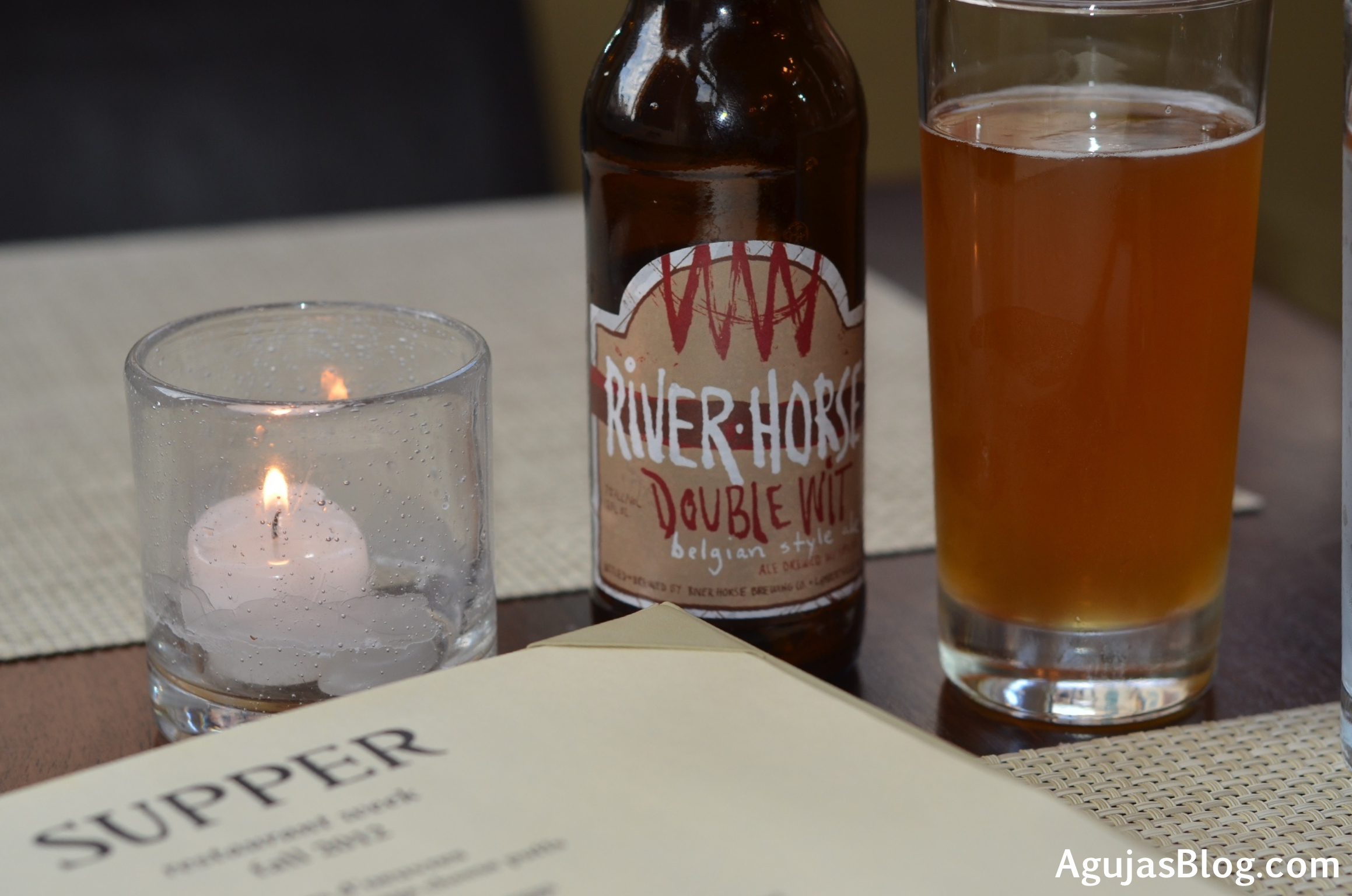
River Horse Double Wit, a Belgian style wheat brew with orange peel, lemon peel and coriander. Brewed in Pennsylvania.

The Hors d’oeuvre

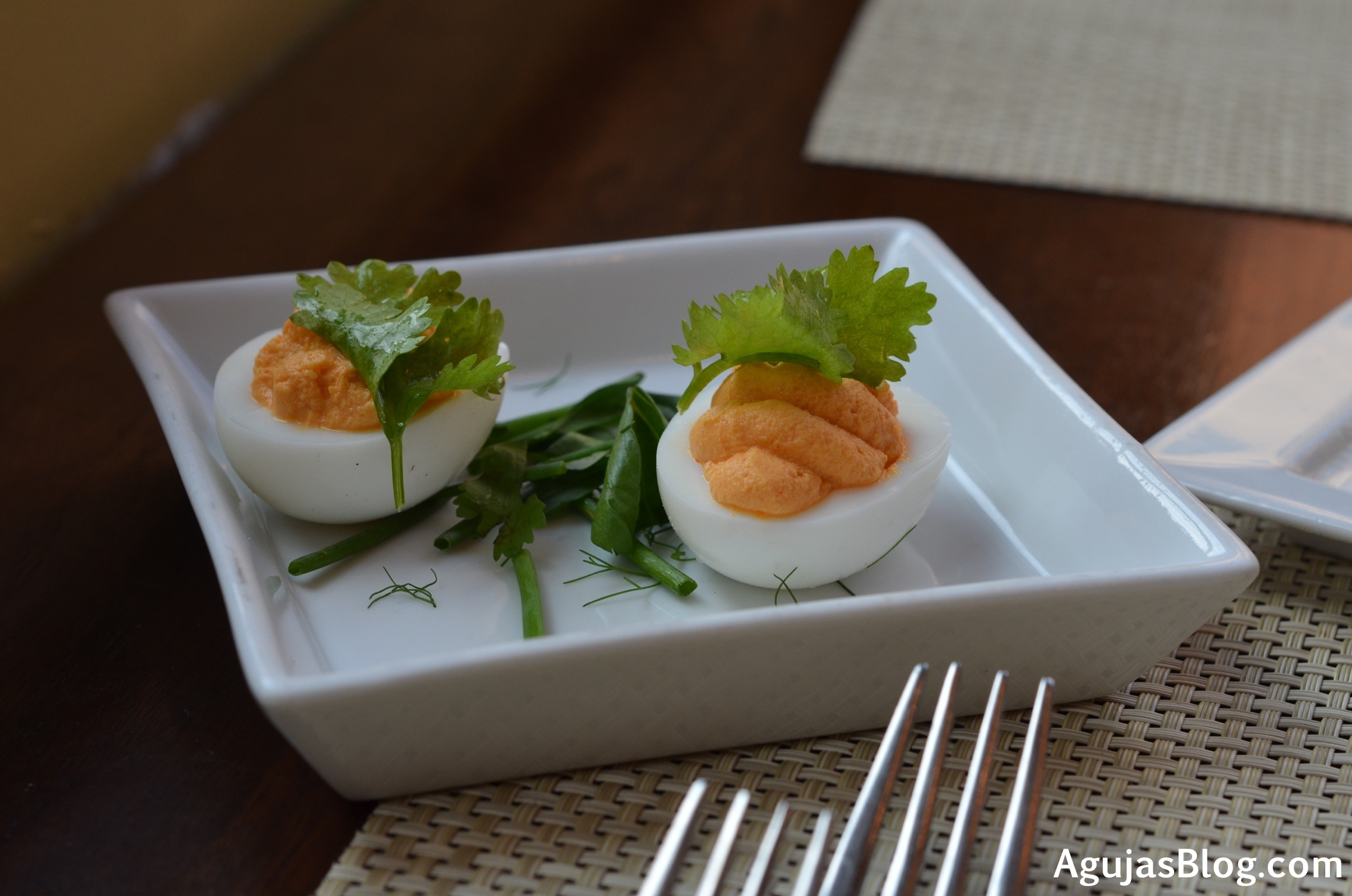
Sriracha deviled eggs, freshly-baked rosemary bread and sweet cream butter.

First Course

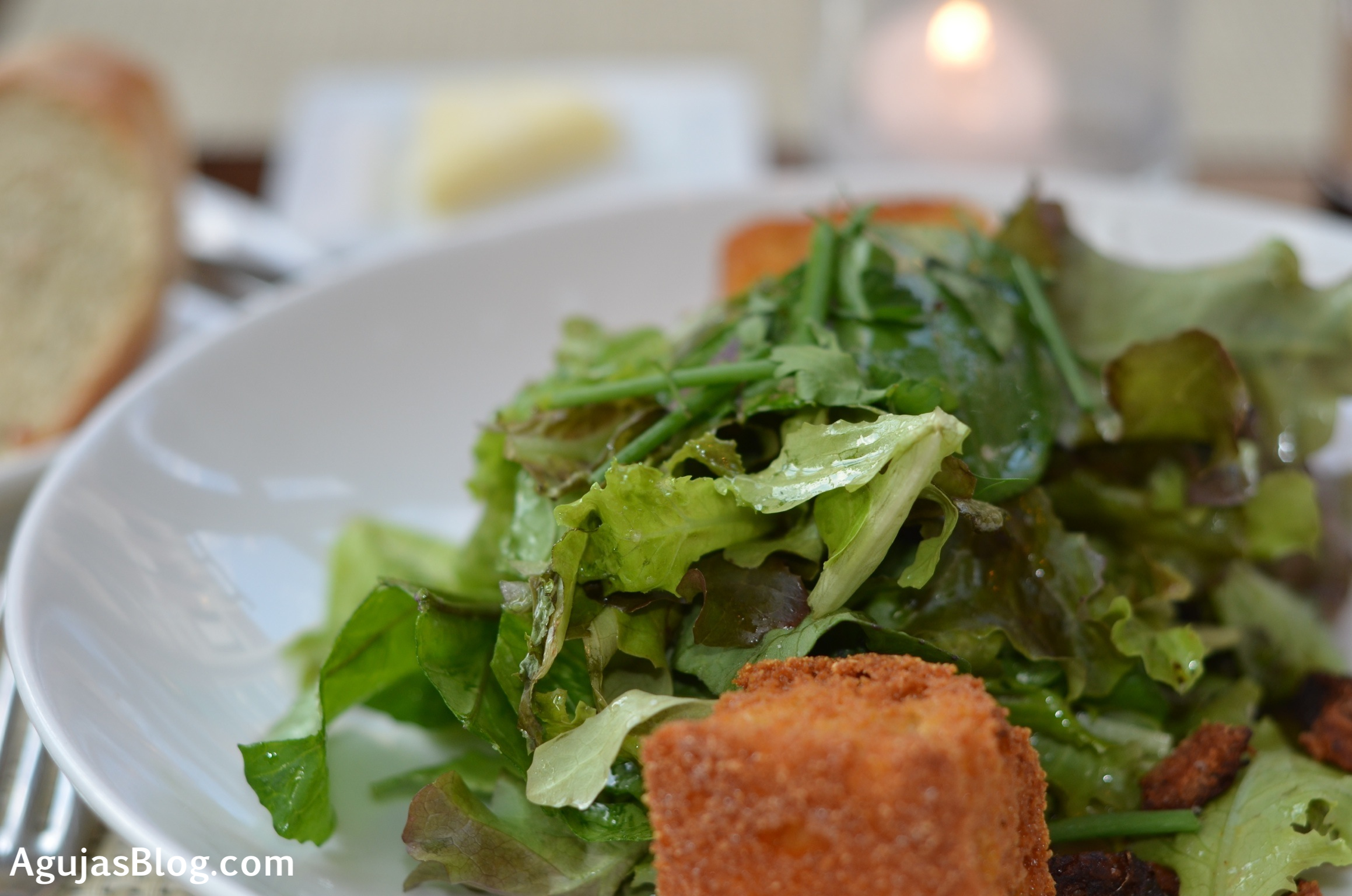
BE Farm greens and herbs salad with ben’s apples, smoked chicken cracklins, cornbread croutons and buttermilk dressing.

Entree

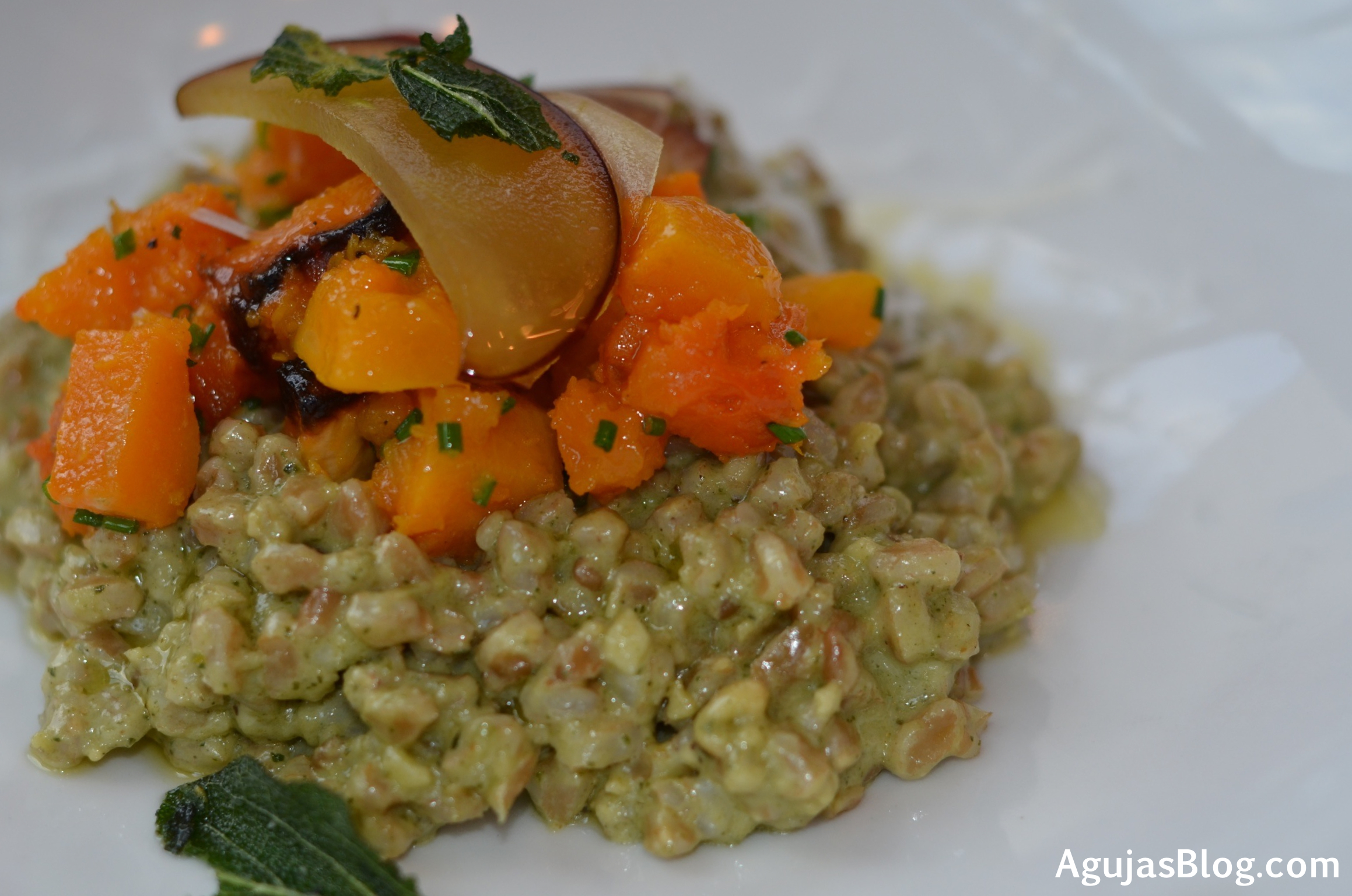
BE Farms farro risotto with butternut squash, caramelized apple and mint.

Dessert

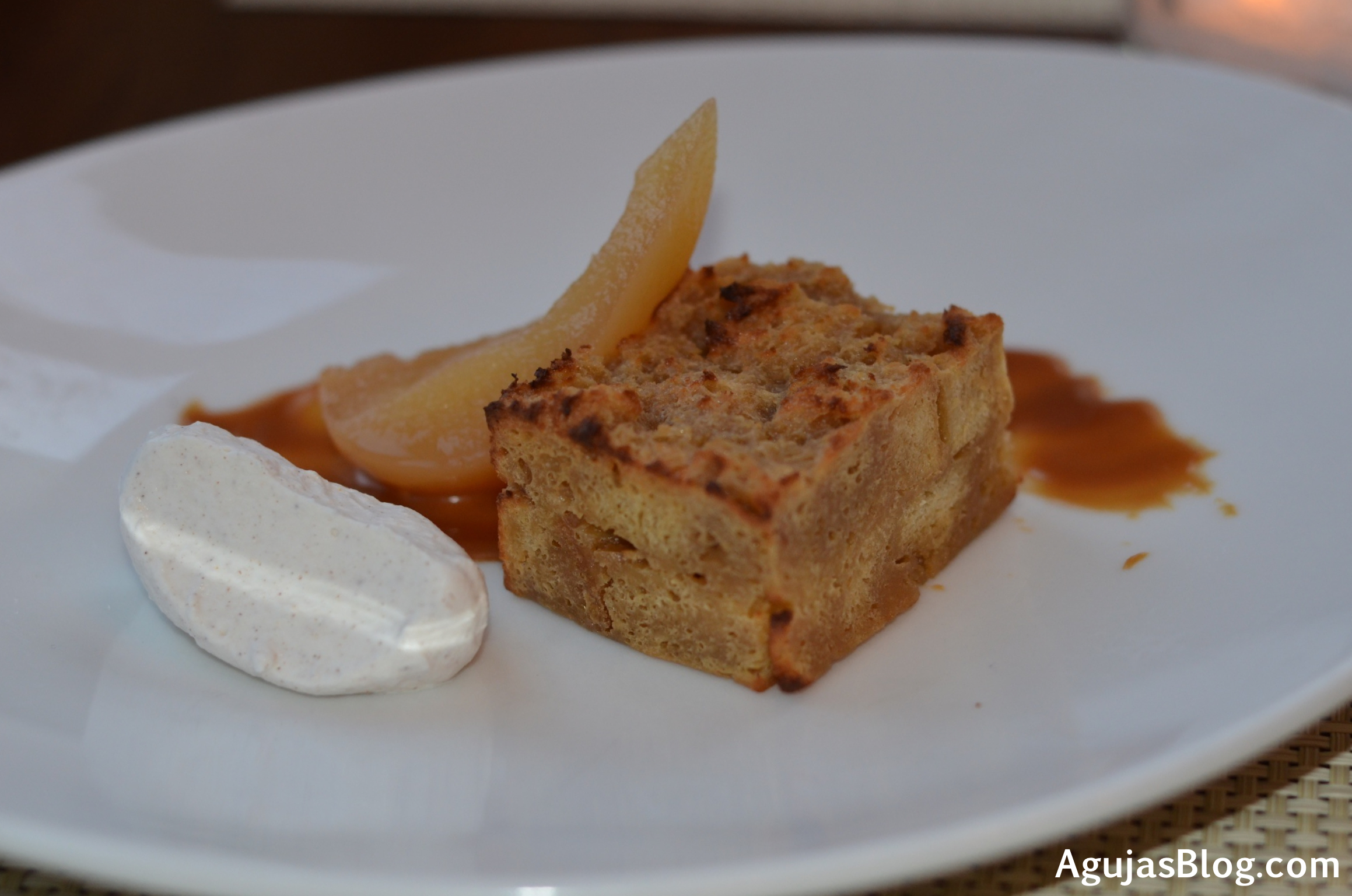
Butterscotch bread pudding with poached pears and spiced whipped cream.

Location

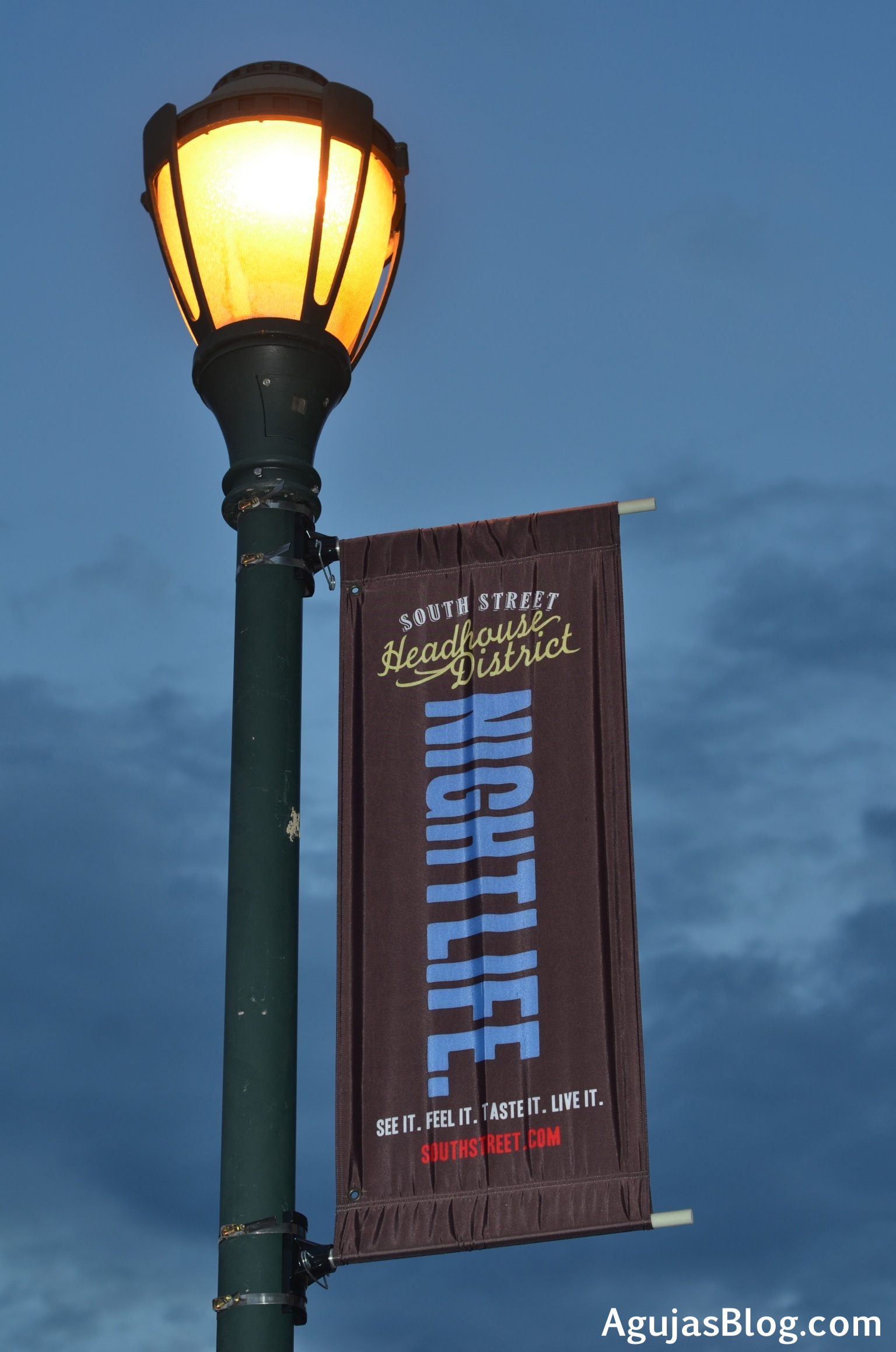
Supper is located at 926 South Street, Philadelphia, PA, in the South Street Headhouse District.

The Streets of Philadelphia

I was in Philadelphia for a business conference the first full week in October. I arrived as early as possible on Sunday and had a few hours of daylight in which to see as much as I could. I managed to visit Independence Hall and see the Liberty Bell. Here are a few highlights.

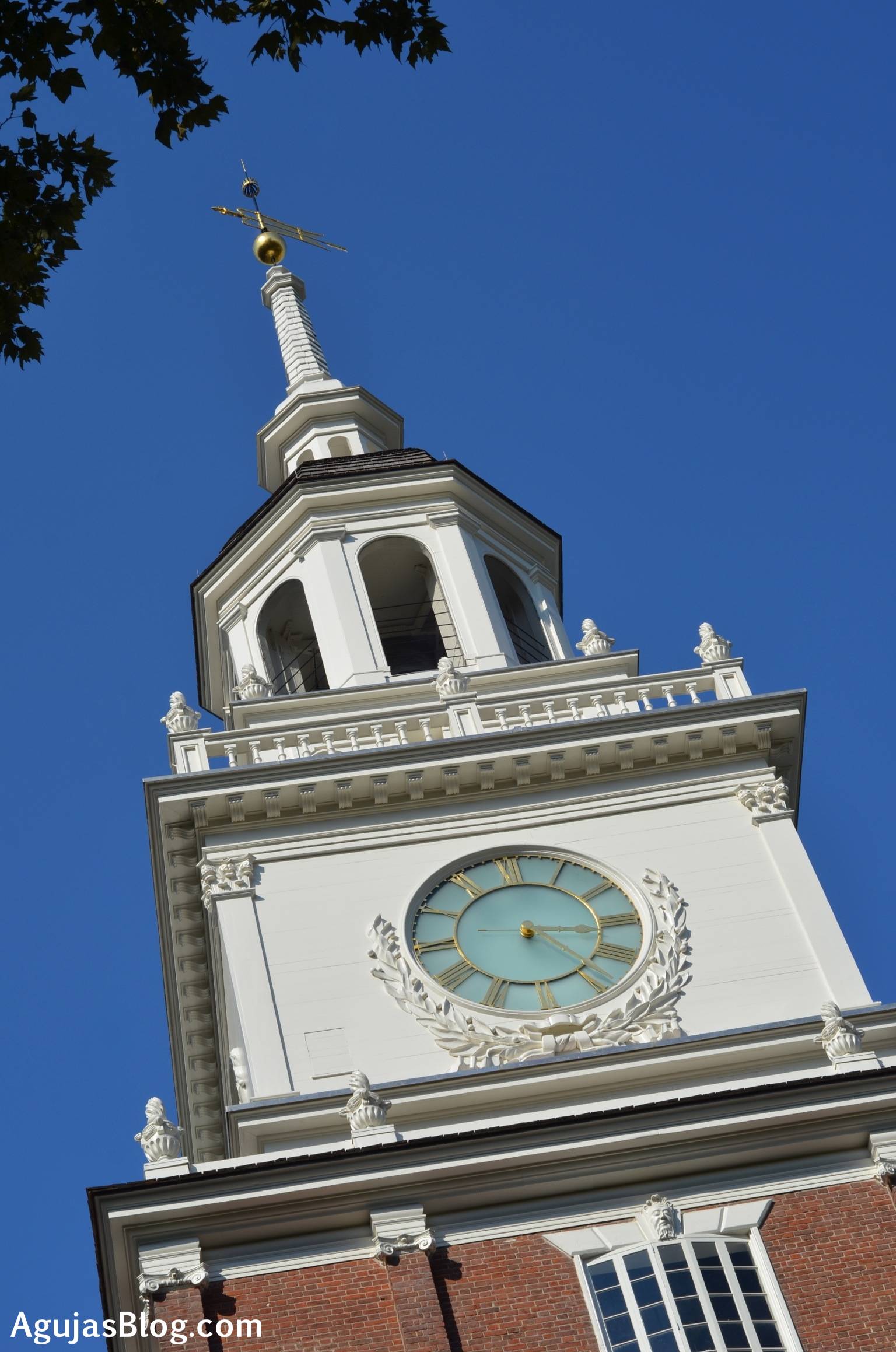
The spire atop Independence Hall.
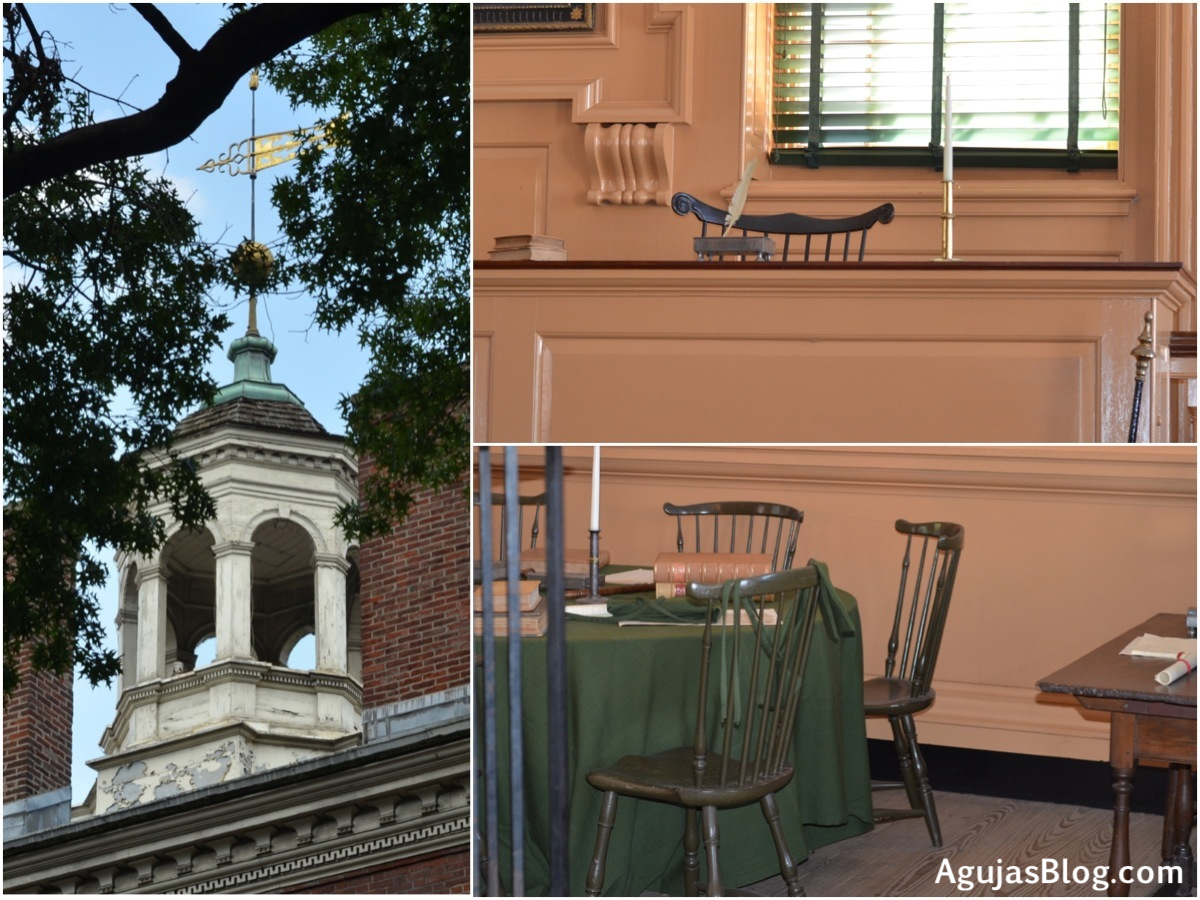
Left: Weathervane atop Independence Hall. Right (Top & Bottom): Pennsylvania Supreme Court Chamber.
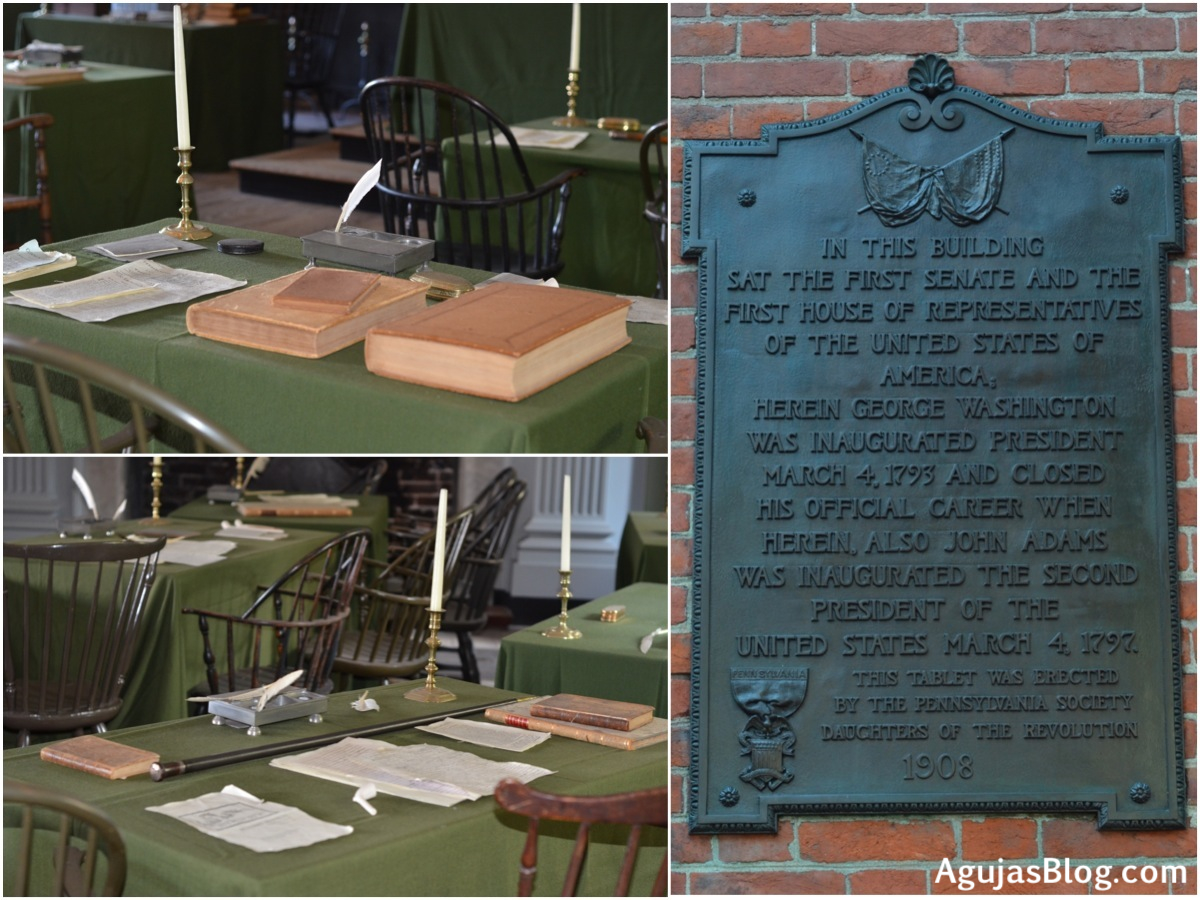
Top: Assembly Room where the delegates from the 13 colonies adopted the Declaration of Independence. Bottom: The black walking stick belonged to Thomas Jefferson. Right: Independence Hall was the site of many key events in American history.
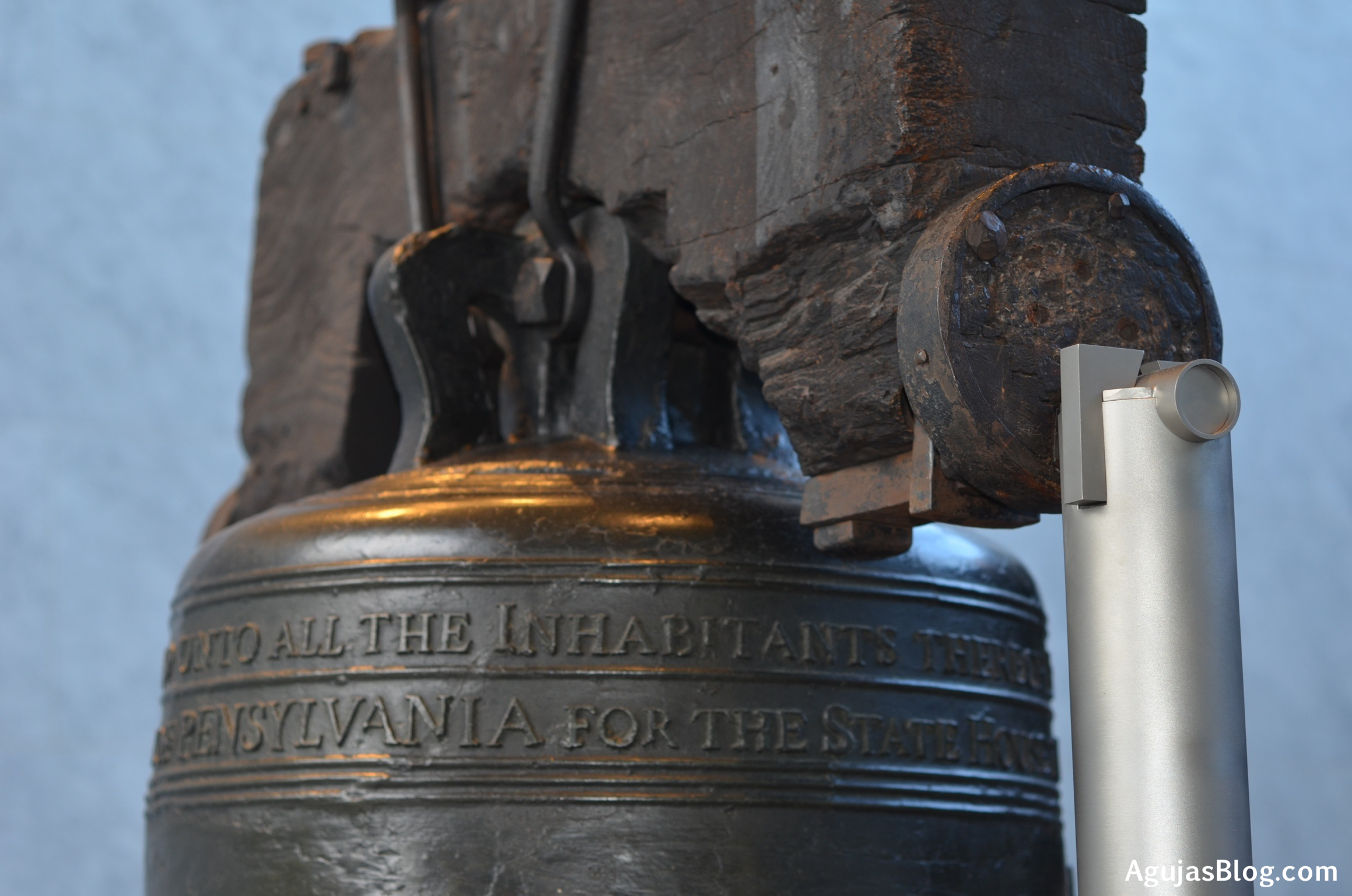
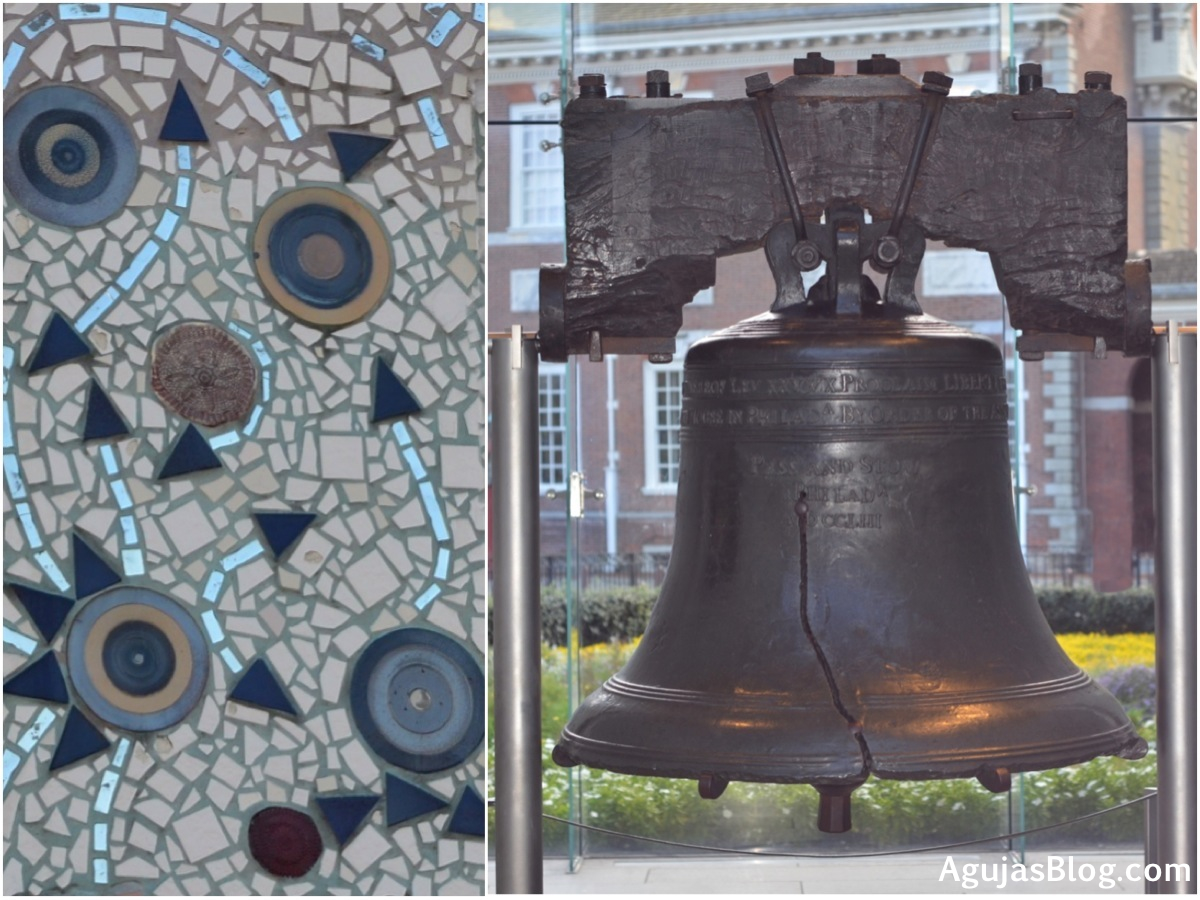
The inscription reads, “Proclaim Liberty throughout all the Land unto all the Inhabitants thereof” Leviticus 25:10.
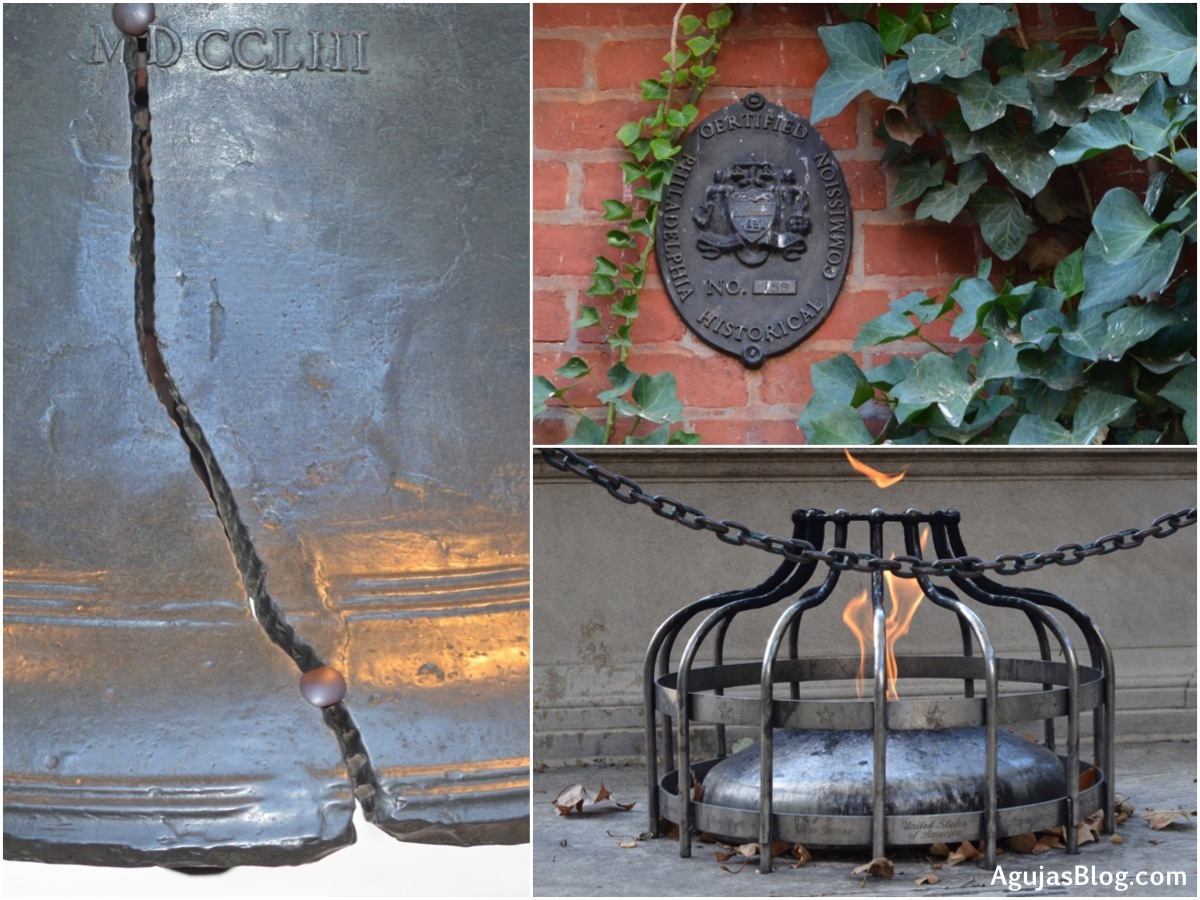
Left: The Liberty Bell weighs 2,080 pounds, is made of bronze and its strike note is an E-flat. (Source: http://www.nps.gov) Top: A historical building covered with ivy. Bottom: The eternal flame at the Tomb of the Unknown Soldier.
Left: A tiled mosaic covered the facade of a building on South Street. Right: The bell last rang in 1846 to celebrate George Washington’s birthday. (Source: http://www.nps.gov)
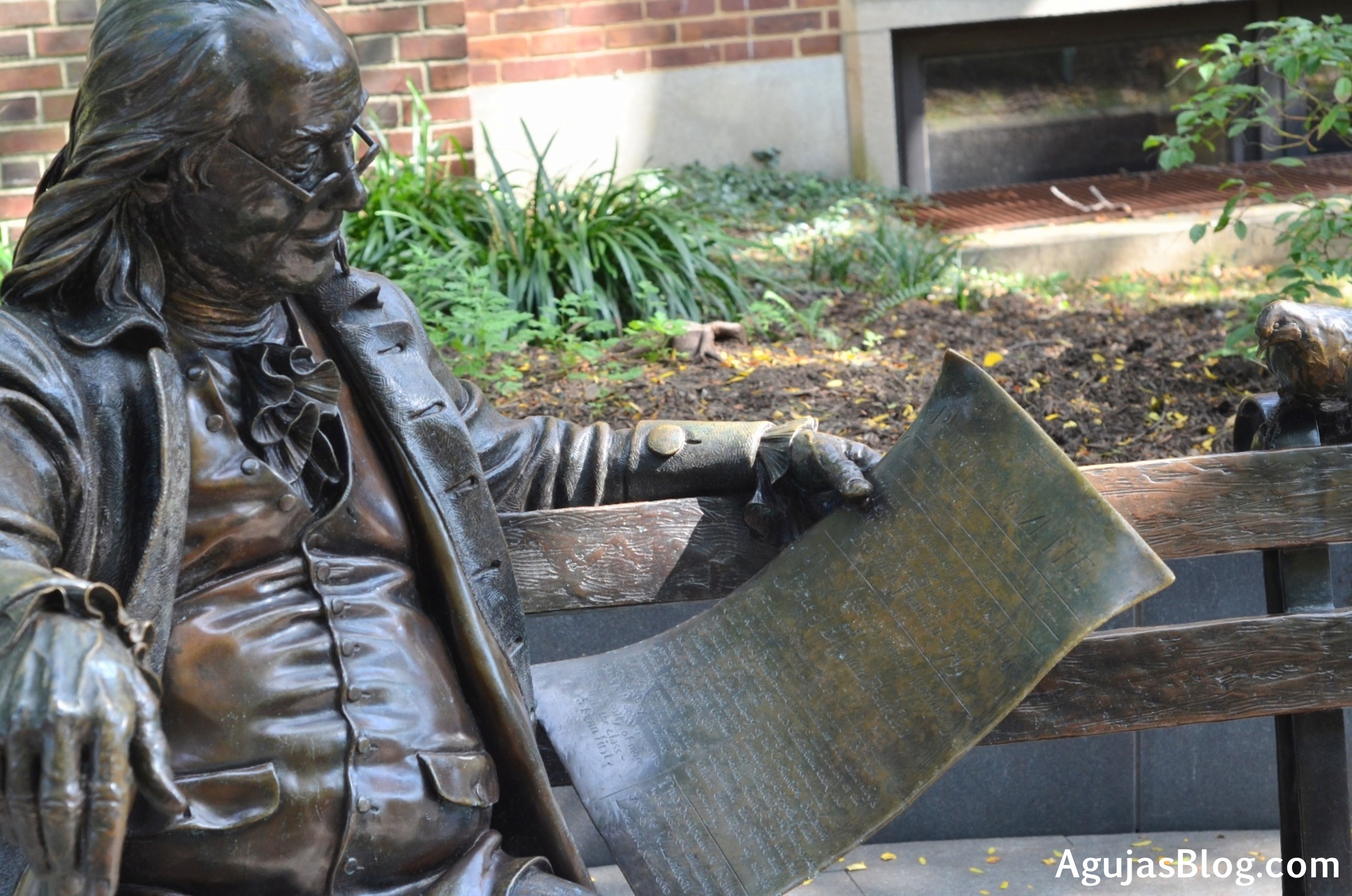
Statue of Benjamin Franklin on the campus of the University of Pennsylvania.

Should you find yourself in Philly, I highly recommend these historic sites. The National Park Service provides information on operating hours and things to see and do. If you plan to visit Independence Hall, you will need tickets. They are free but you have to reserve them.

A Backpacking Trip to Real de Catorce

Real de Catorce is an old mining town in the Sierra de Catorce mountain range in the state of San Luis Potosí, México. My husband did field work there as an undergraduate and told me great stories of the place. So, the day after Christmas one year, we grabbed our backpacks and took off to Real. (Real is pronounced with two syllables – Rĕ ∙ ǎl – with short vowel sounds).

Unless you climb mountains, the only way to reach Real de Catorce is to take a 25 kilometer cobbled road off Highway 62 up the mountain. By cobbled I mean we rode in a bus at about 10-15 mph bumping along the whole way.

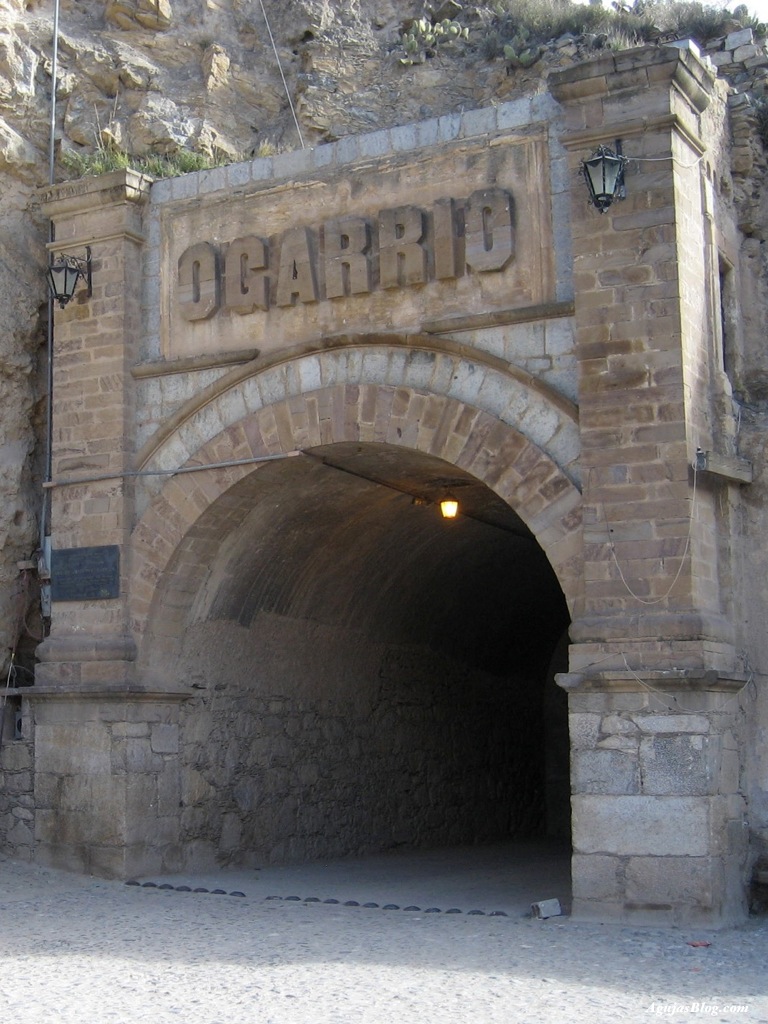
Once at the top, we transferred to a small passenger van for the ride through the tunnel. The only way to town is through the Ogarrio Tunnel, one of the longest tunnels in México, at 2,229 meters long. One can go through the tunnel on foot, on horseback, on a motorcycle or car or truck, but only in one direction at a time. The tunnel is only wide enough for one vehicle. A man with a walkie-talkie stands at the entrance and talks to a man with a walkie-talkie at the other end of the tunnel. They control the flow of traffic by allowing visitors to take turns going through the tunnel in only one direction.

The movie “The Mexican” with Brad Pitt and Julia Roberts was filmed in Real and Brad Pitt’s character drives through the tunnel.

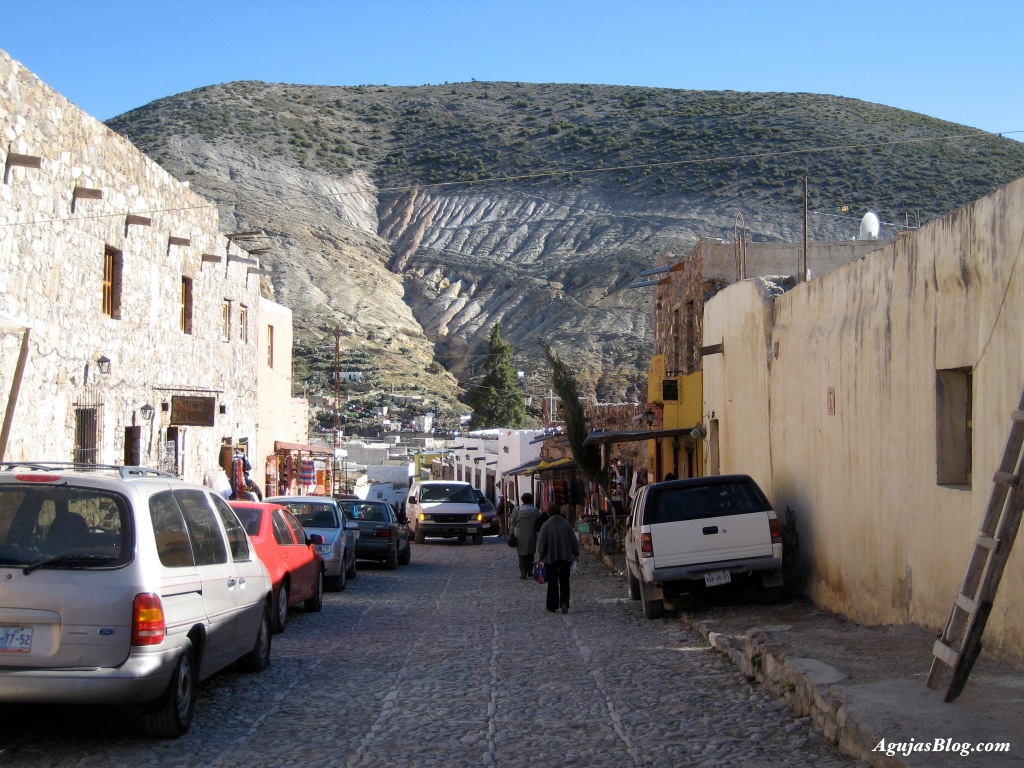
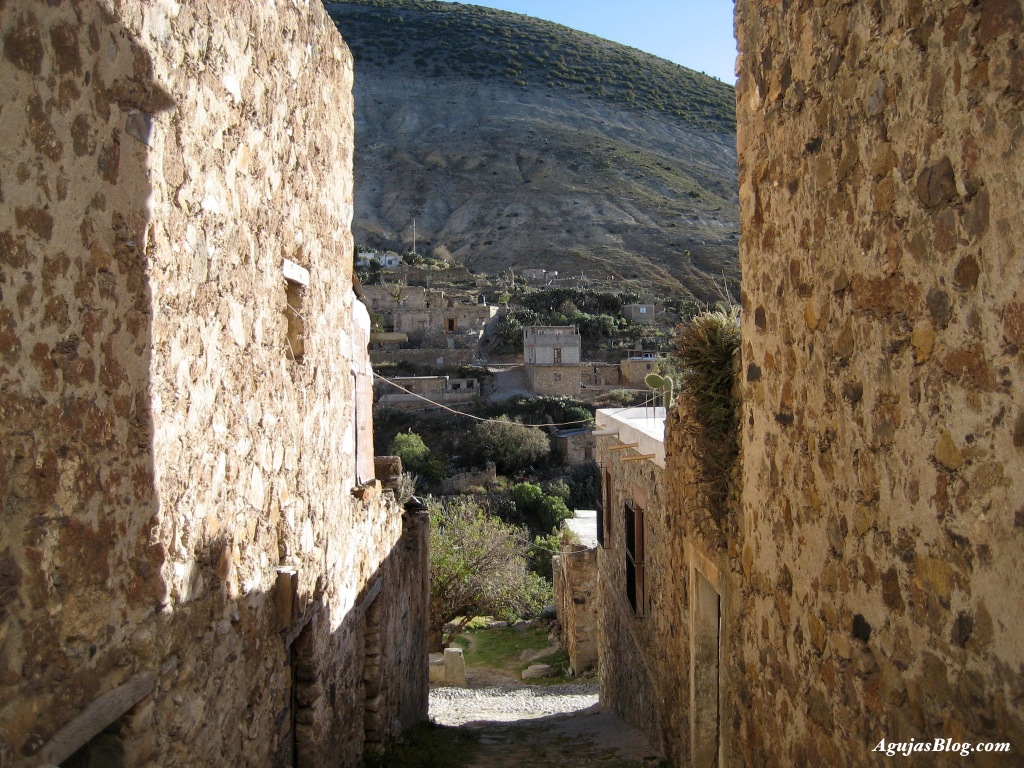
This is the main road in town and a typical side street.

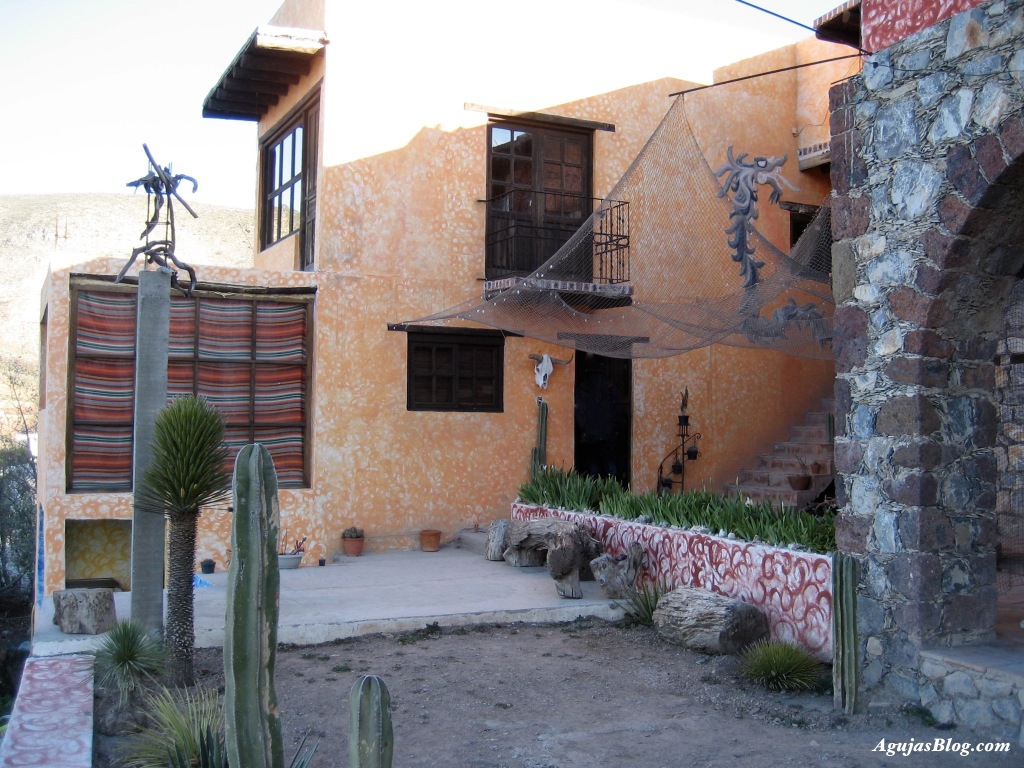
This is our room at the Rincón Mágico (magic corner).

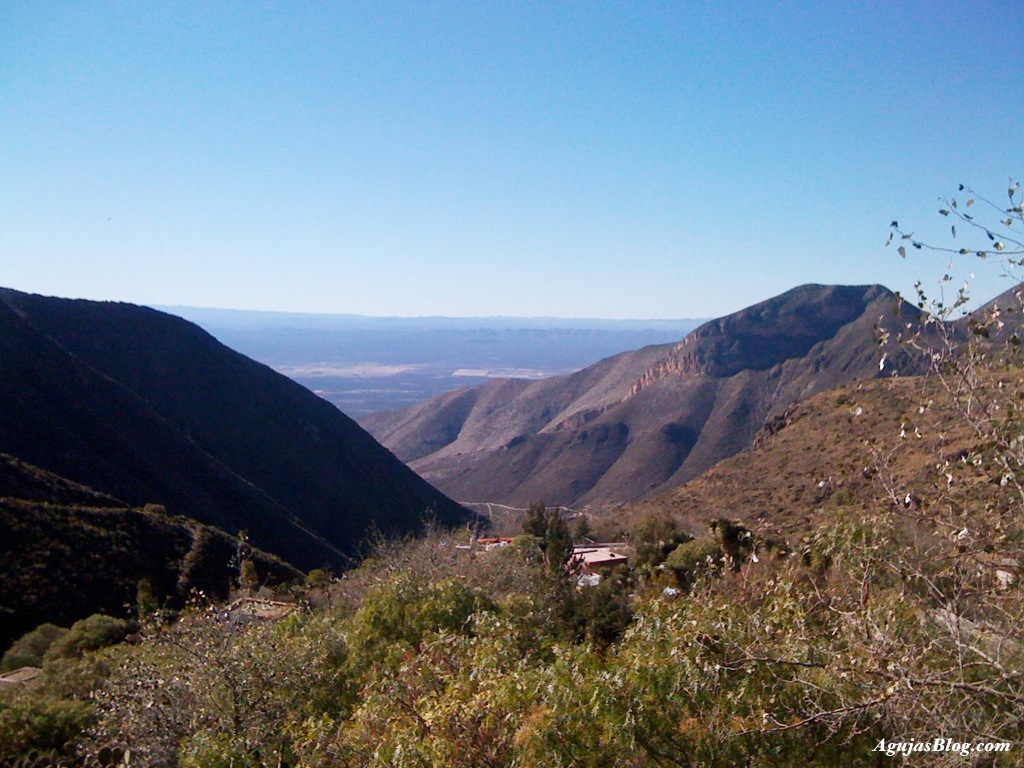
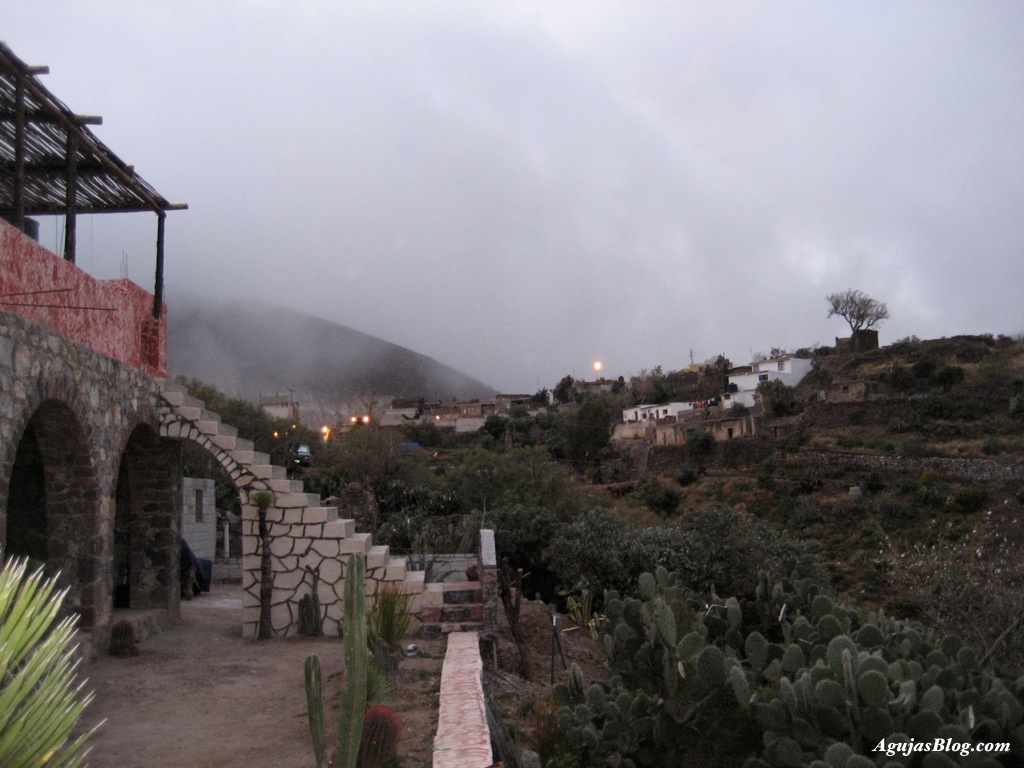
This is the view of the mountains from our room. Real is located 2,770 meters (9,000 feet) above sea level. The mountain range has two peaks that reach 3,100 meters (10,000 feet) high.

Here’s the view in the direction of town at dusk. As it grew darker, it got colder. The temperature dipped into the 20s. We slept under a stack of 14 woolen blankets.

This is La Antigua Casa de Moneda, the mint. It is now a museum. In its heyday in the early 1900s, Real de Catorce was a prosperous mining town due to its abundance of natural resources in the form of silver. The town started to decline with the devaluation of the price of silver and fell apart in 1905 when Mexico switched from silver to gold as their monetary standard. The mint was constructed between 1863-1865; a year later it closed. In only 14 months of operation, 1,485,405 pieces of silver were minted there.

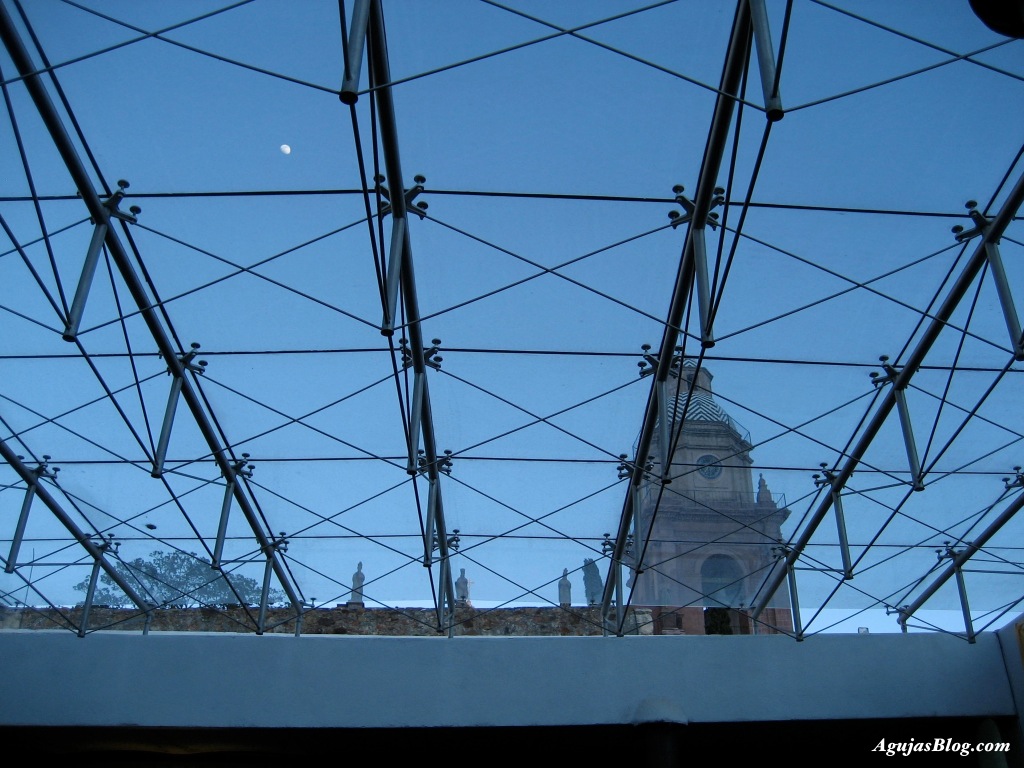
This is the view from inside the atrium. Renovations preserved the work rooms and machines used to mint the silver coins. The museum houses works of art and displays the history of Real through old photos and documents.

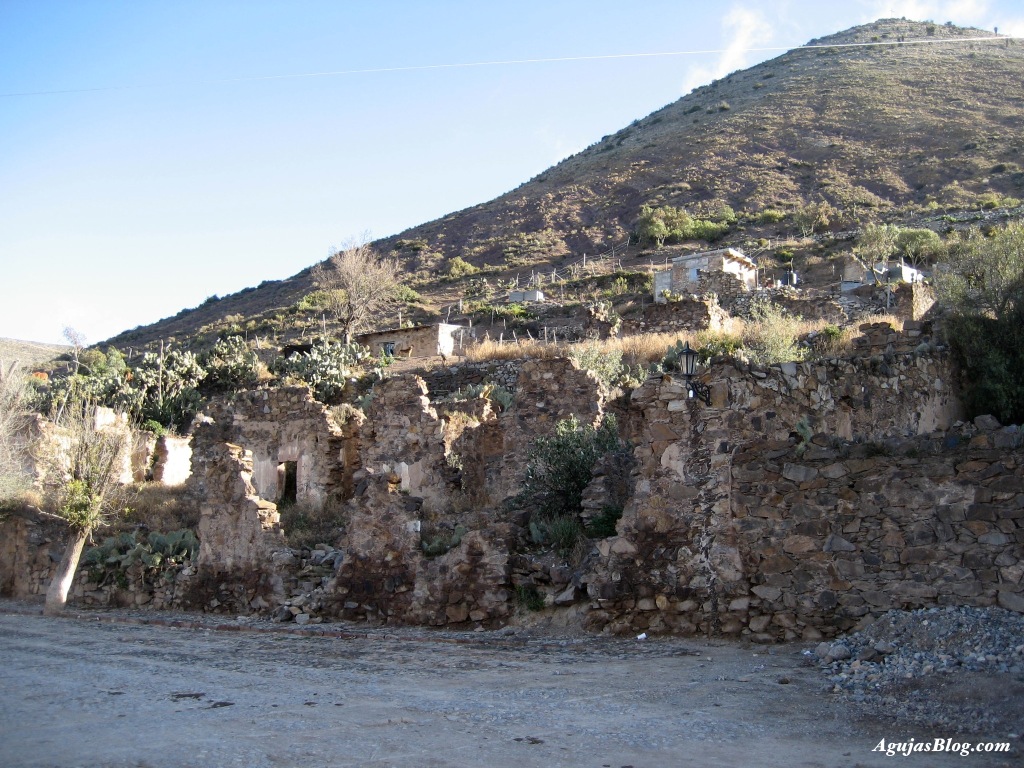
Ruins of abandoned homes.

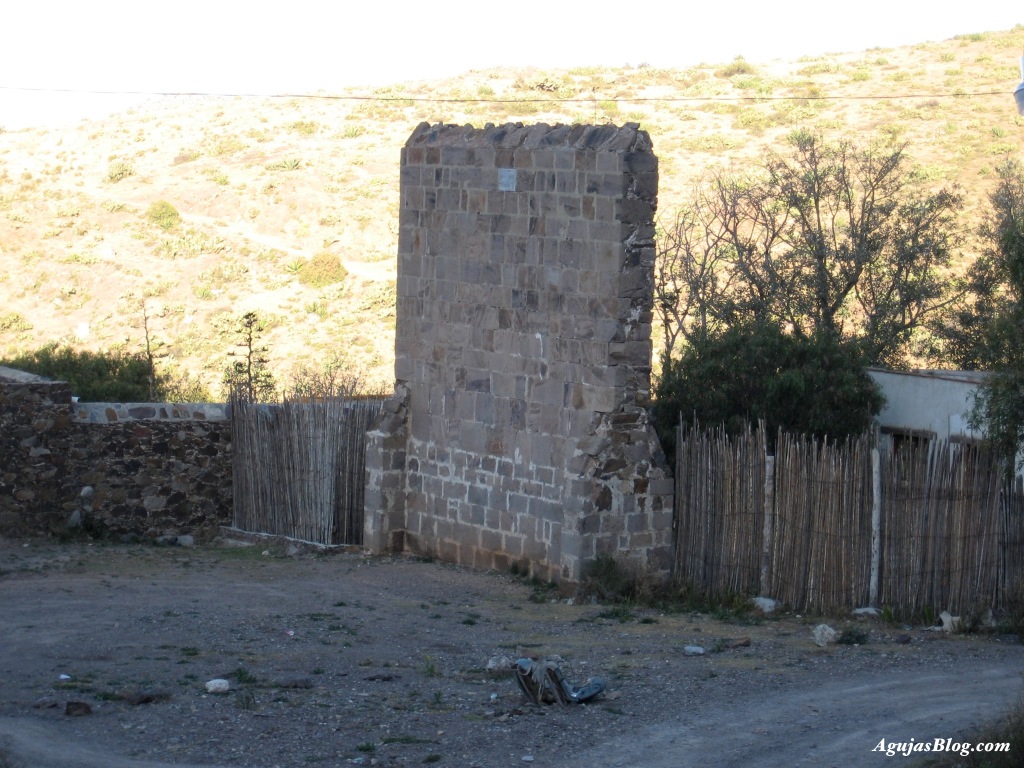
We believe this could have been a shooting wall – a remnant of the Mexican Revolution at the turn of the 19th century.

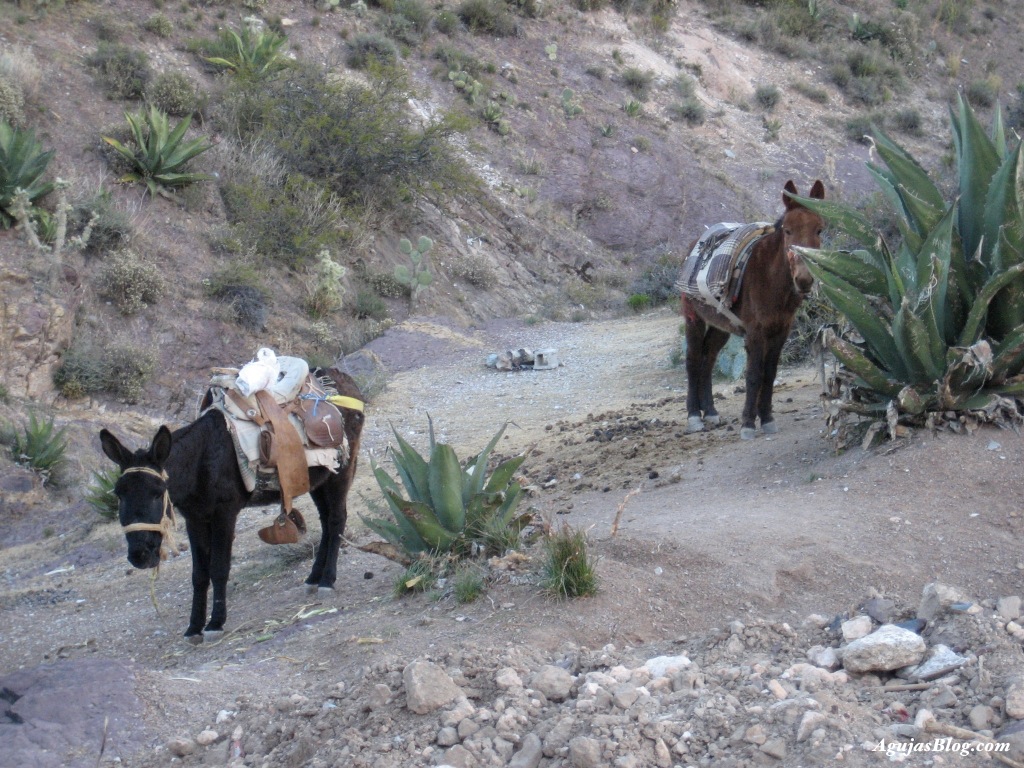
Work mules.

The old cemetery.

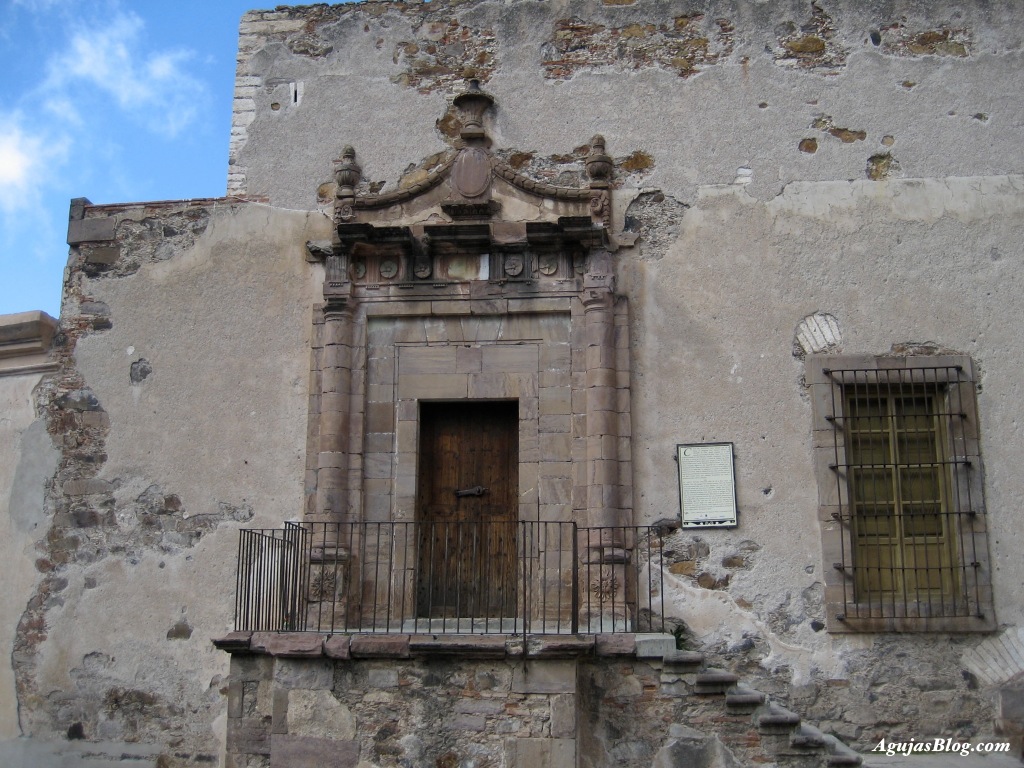
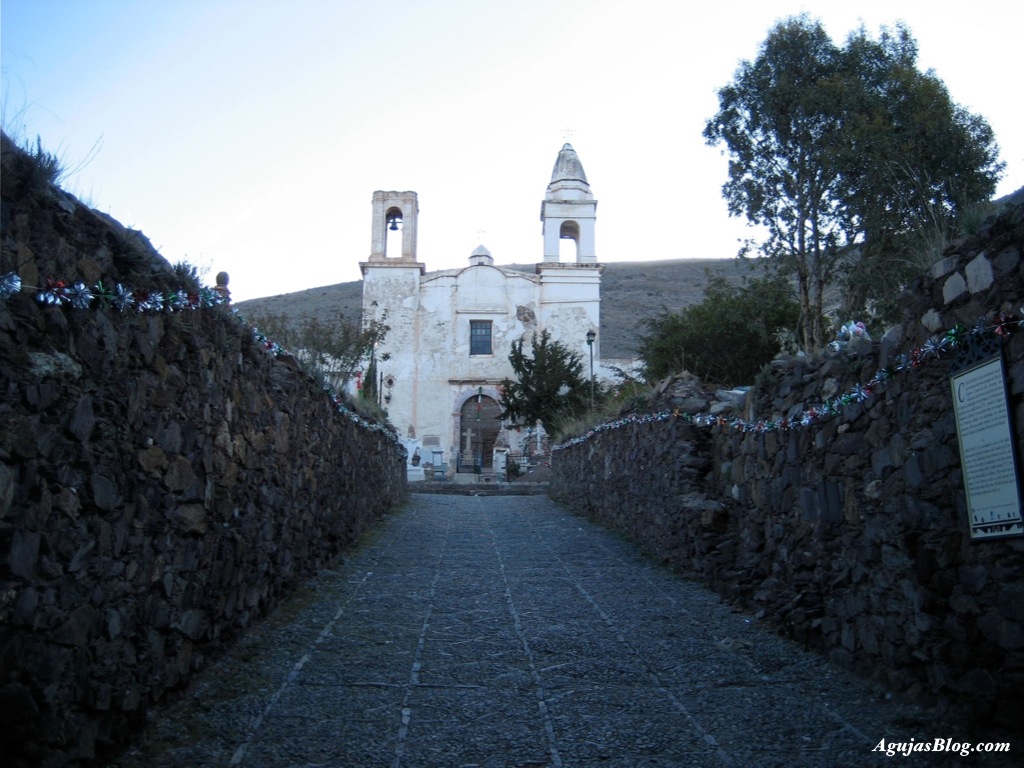
The Iglesia de la Purísima Concepción is the central gathering spot of the town. The church was constructed in 1817. While not the actual patron saint of the church, St. Francis of Assisi is much venerated here.

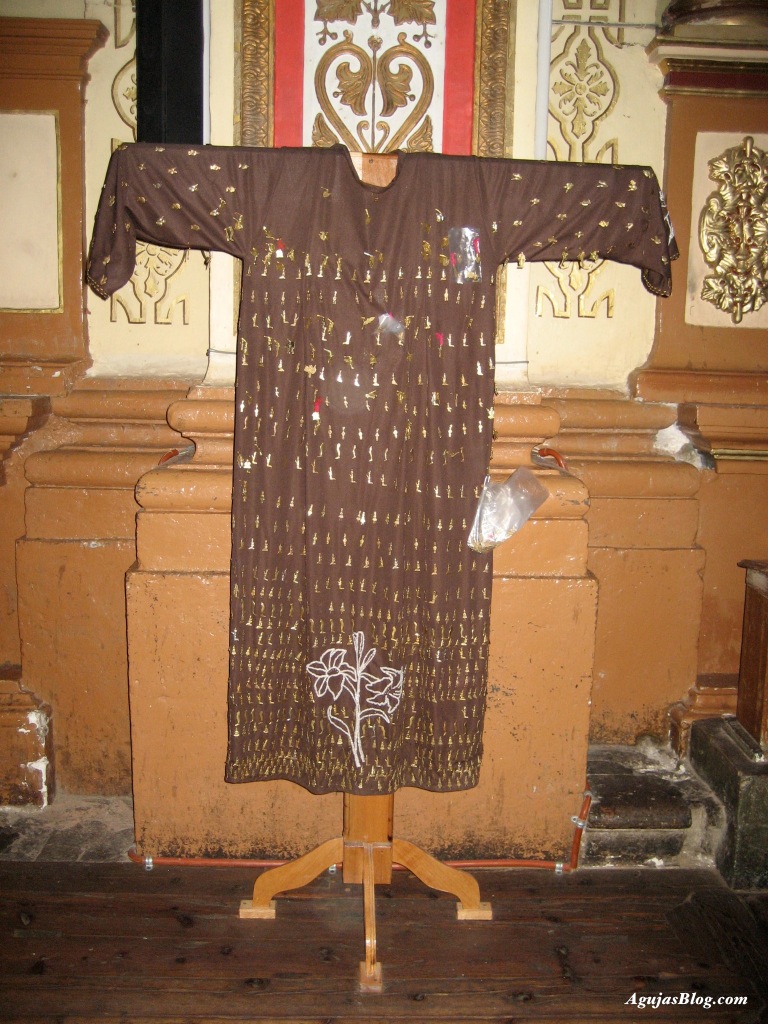
The small pendants hanging from the robe are milagros (miracles). For a small donation, you can buy a gold-plated arm or leg or heart. You then pin the milagro to the robe and say a prayer to St. Francis of Assisi to heal the ache in your arm or other part of the body.

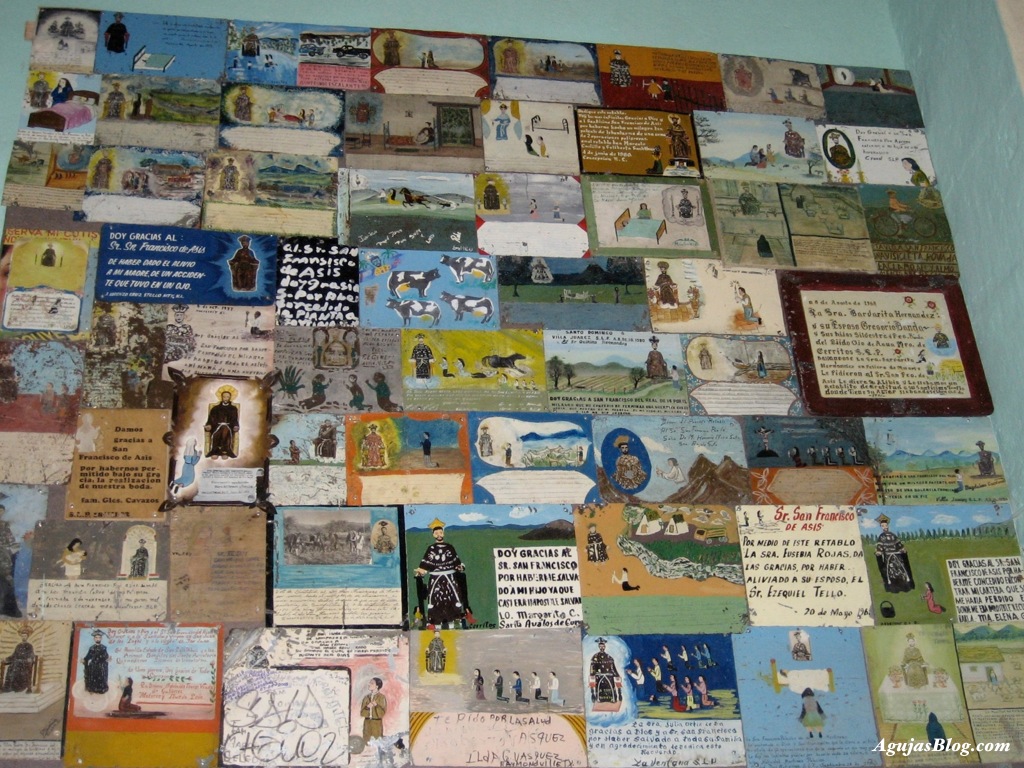
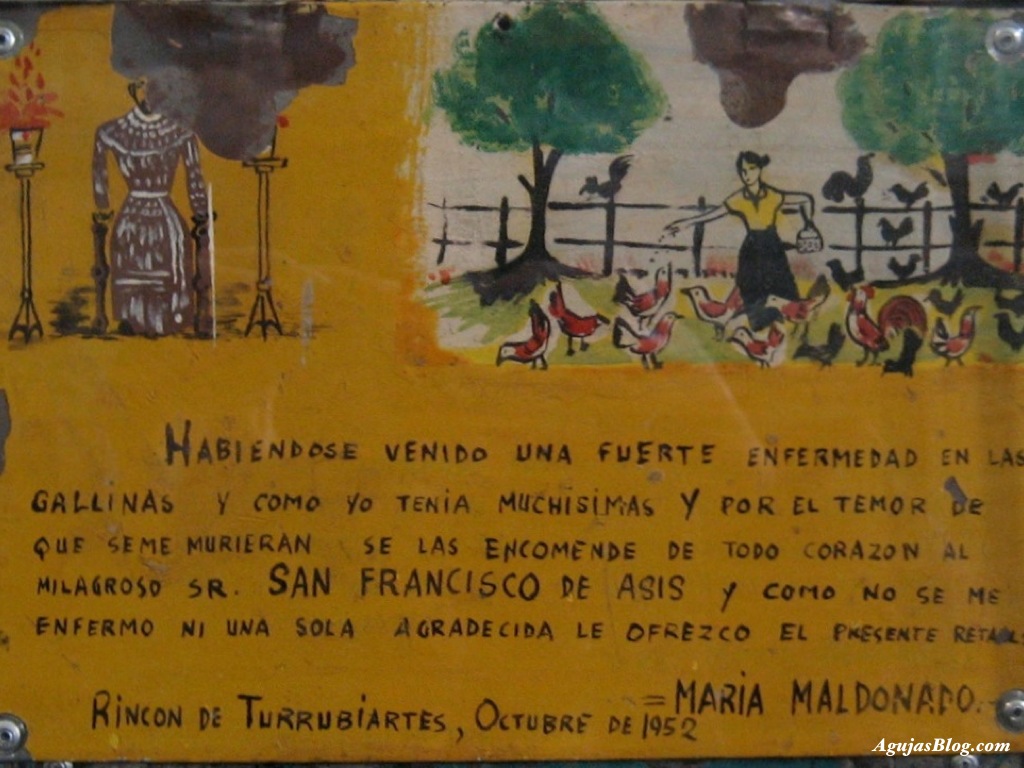
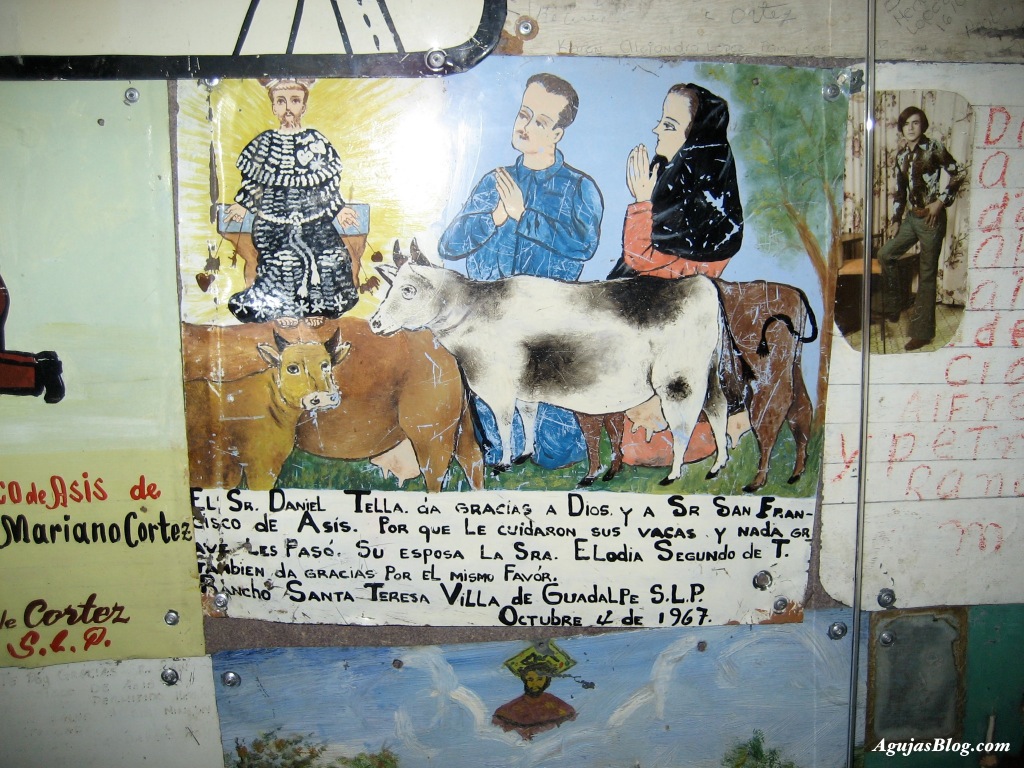
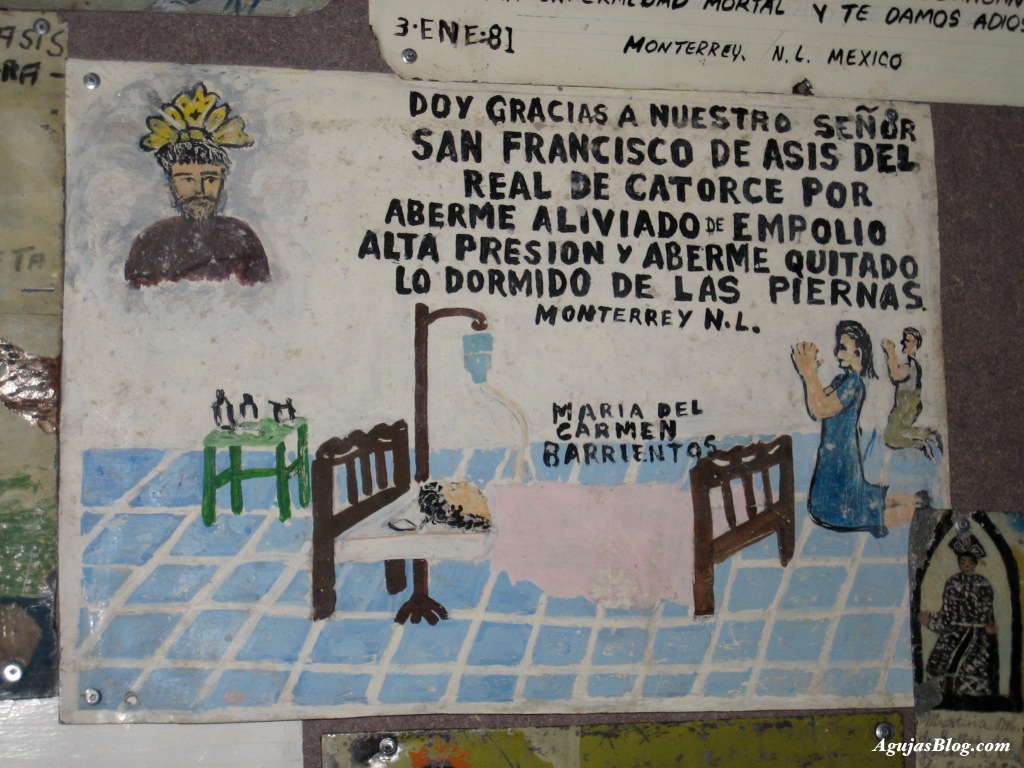
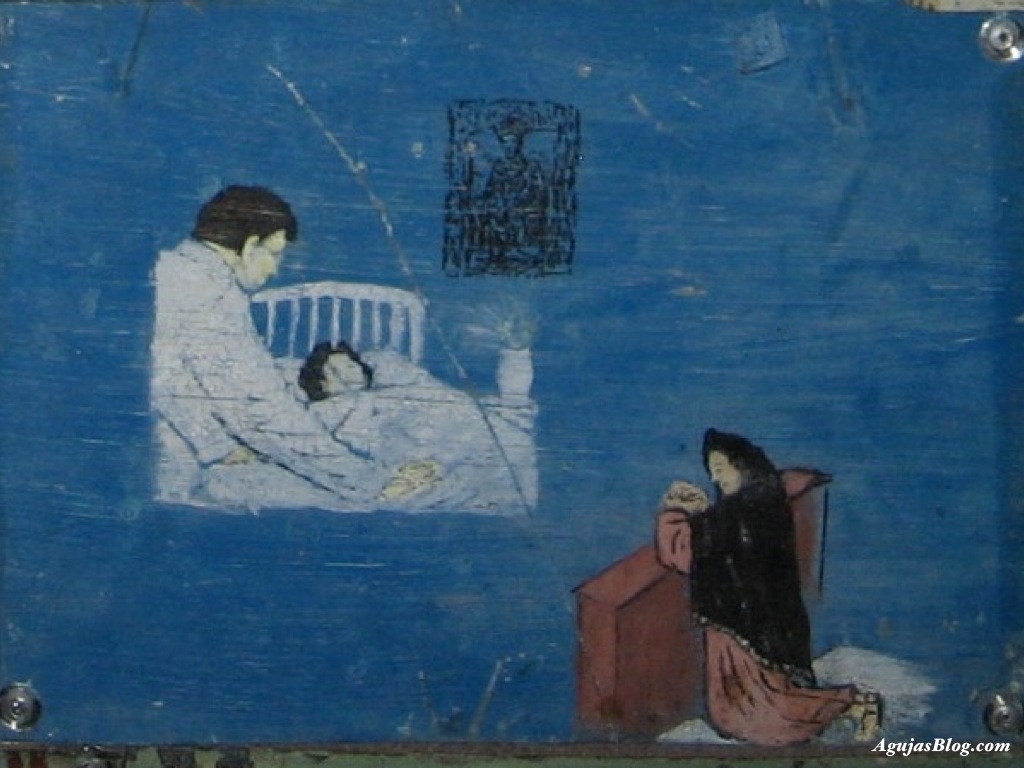
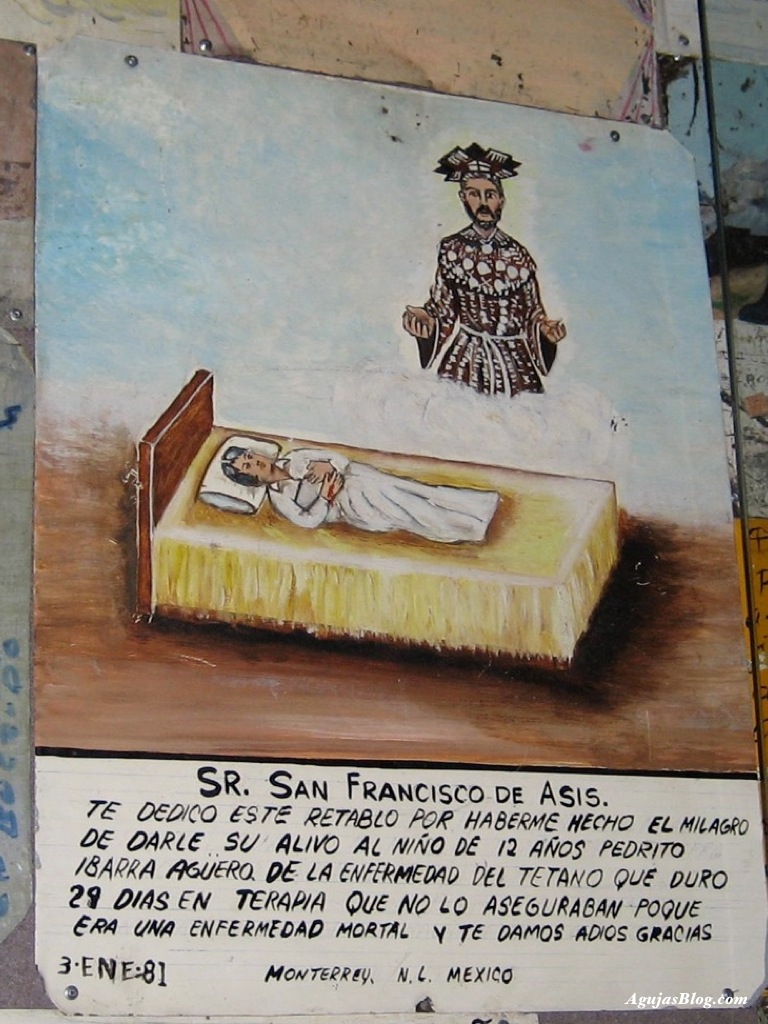
These are retablos. Not being a word I typically use when speaking in Spanish, I had to look this one up. It translates as “retable,” “tableau,” or “altarpiece.” Each retable is a small work of art painted by parishioners as an offering for hearing one’s prayers.

The following are close-ups of some of the retablos. I’ve translated the dedications as close in tone and style from the original Spanish.

Retablo about chickens: There having come a strong sickness among chickens and since I had so many and out of fear that some would die, I entrusted them with all my heart to the miraculous St. Francis of Assisi and since not a single one became sick I gratefully offer this retable. (October 1952).

Retablo about cows: Mr. Daniel Tella gives thanks to God and to St. Francis of Assisi because they took care of his cows and nothing serious happened to them. His wife, Mrs. Elodia Segundo de T. also gives thanks for the same favor. (October 1967).

Retablo about embolism (possibly misspelled in the original): I give thanks to our Lord St. Francis of Assisi of Real de Catorce for having cured me of an embolism, high blood pressure and taking away the tingling in my legs.

Retablo – painting only.

Retablo about tetanus: I dedicate this retable to you for having performed the miracle of healing the child of 12 years, Pedrito Ibarra Agüero of the illness of tetanus that lasted 29 days in therapy and without assurances because it was a mortal illness and we give to God thanks. (January 1981).

In order to gather and confirm facts, such as dates, heights of mountains, etc., I relied heavily on this wonderful guide-book we picked up in Real: Gómez Romero, Josemaría. Real de Catorce: San Luis Potosí, México. Guía Gráfica. Guadalajara, Jalisco, México: IVADIA & G, 2009. For more information or to plan a visit to Real de Catorce, visit their website. If you haven’t already, see the previous post on the Huichol Indians that live in Real and their yarn art.