Huichol Yarn Art

Some time ago, my husband and I made a backpacking trip to Real de Catorce, which is located near Matehuala. Matehuala is significant only in that it marks roughly the half-way point between the U.S.-Mexico border and Mexico City. It was one of those cross-country bus, non-air conditioned van, and back of pick-up truck kind of trips. (Yes, I know, first class all the way).

Real de Catorce is an old silver mining town located about 2,750 meters (9,000 feet) above sea level in the Sierra de Catorce, close to the Tropic of Cancer. The area is home to the Huichol Indians. They can be seen in traditional dress throughout the town and selling their arts and crafts in the markets. One of their crafts involves creating exquisitely detailed and colorful paintings using yarn. The yarn paintings reflect their religious beliefs and aspects of nature that comprise their cosmology.

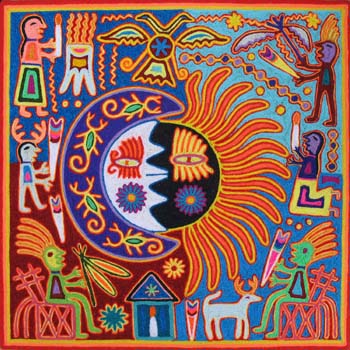
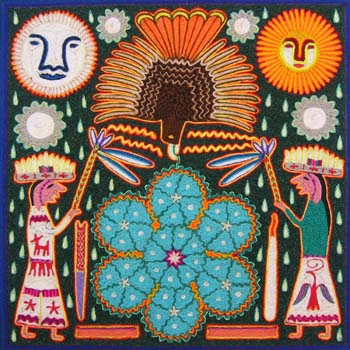
When I visited, I did not take pictures of the Huichol or of their art so I found examples of their art online. The following four yarn paintings came from here. In them, you will find the visions of the Shaman, nature and deities, snakes, eagles, deer, an eclipse, the peyote, and corn, among others.
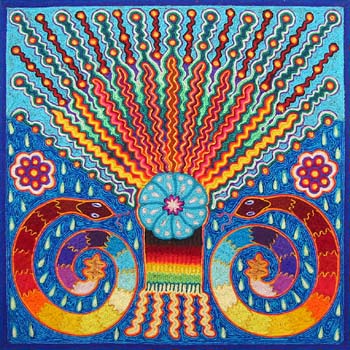
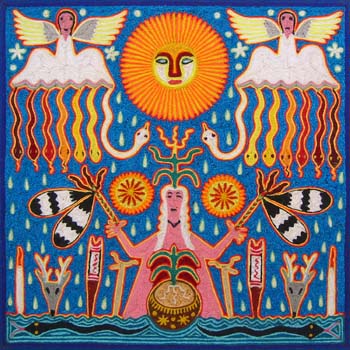
The central figures in this next yarn painting are the eagle looming overhead flanked by the sun and the moon while the bottom half features the peyote. The peyote is  a kind of cactus with hallucinogenic properties. The peyote is a sacred plant to the Huichol and the cultivation and gathering of the plant is controlled to prevent extinction and misuse.
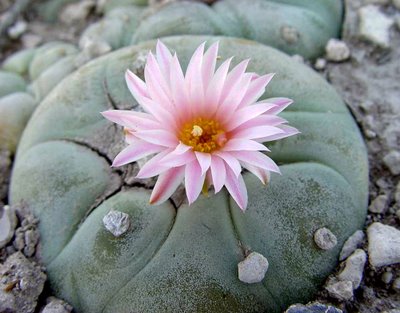
This is what peyote looks like in the wild.
{source}

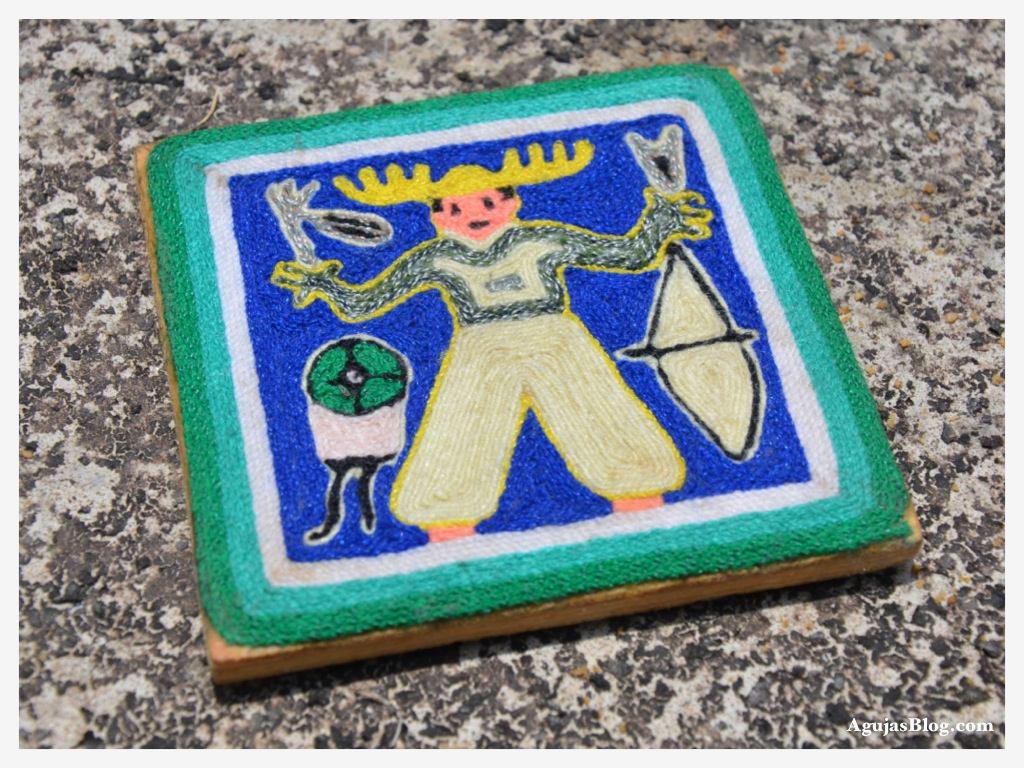
I did bring home this small 4×4 inch yarn painting (small items I could stash in the backpack). The painting is of “Hombre Chaman de Mucho Conocimiento” or “Shaman Man of Much Knowledge” and is signed by the artist, Alejandro López Torres. In it you can appreciate the winding of the yarn on the wood to create the image.
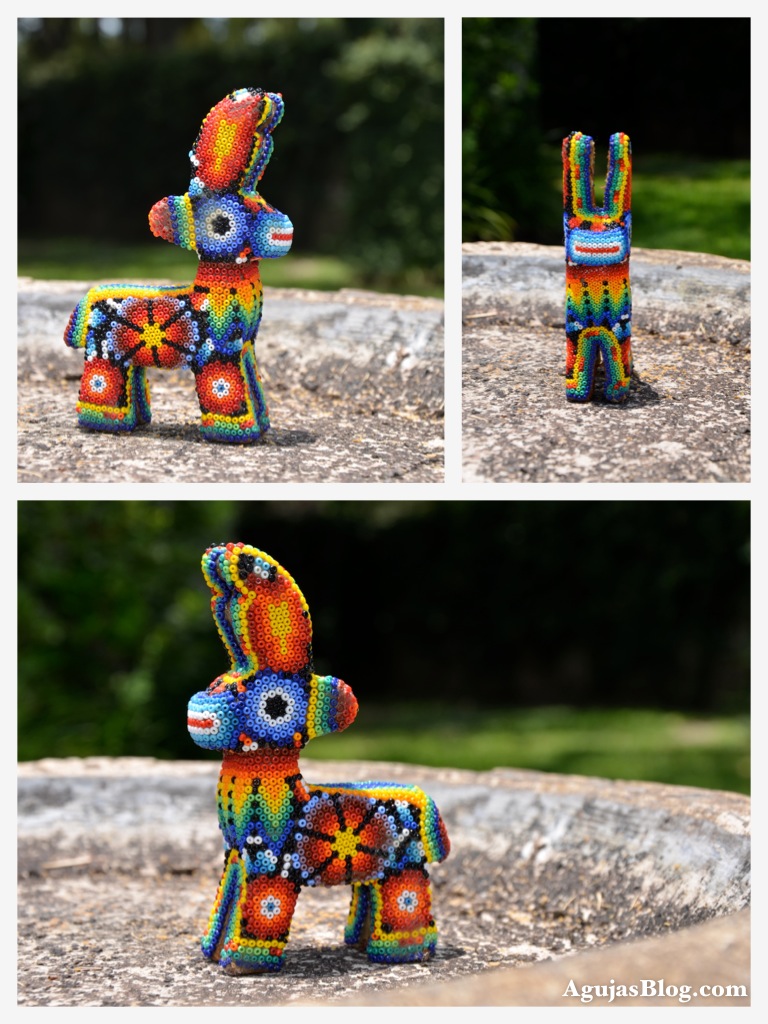
Another Huichol craft uses extremely tiny beads to create jewelry and decorate animals carved from wood. The beaded carvings are usually of animals revered by the Huichol, like this tiny deer (stands 4 1/2 inches tall).
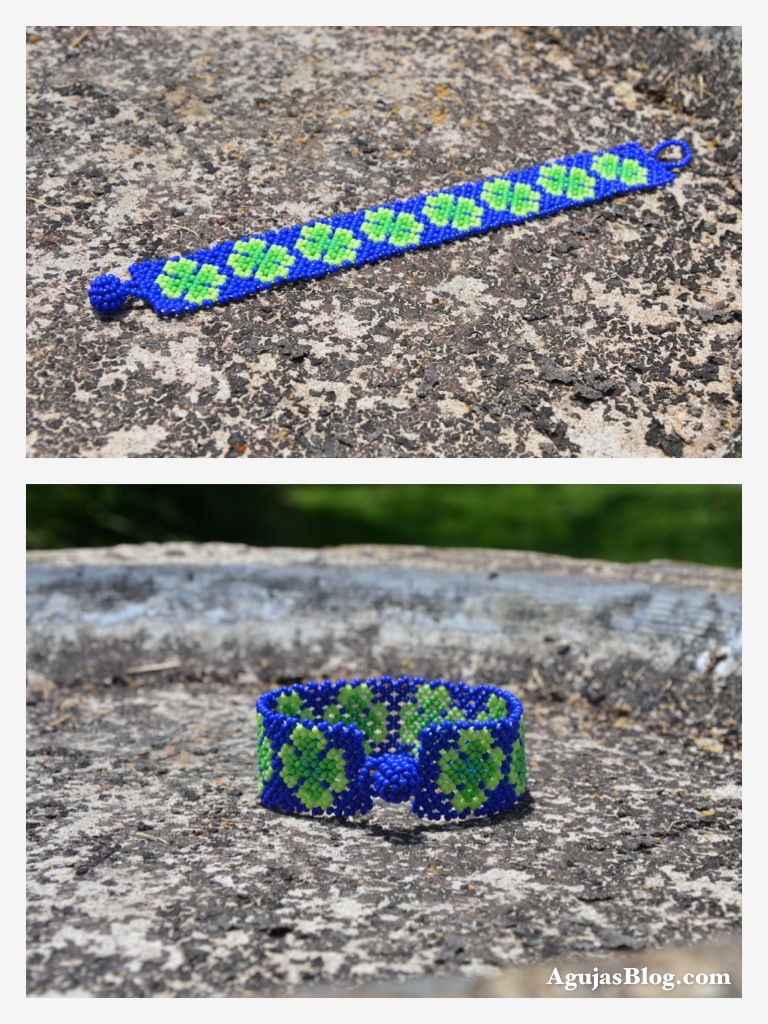
Here is a beaded bracelet I brought home. The main motif is the peyote.
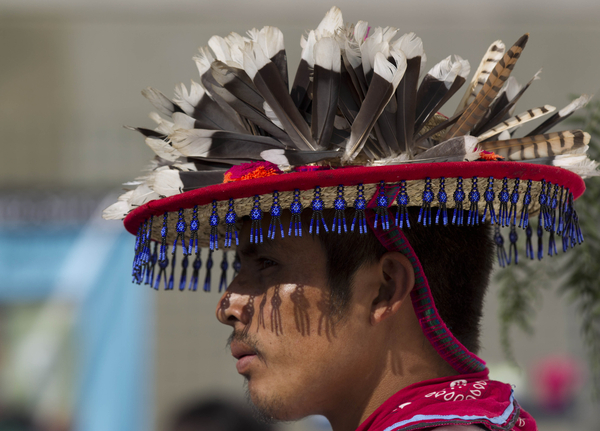
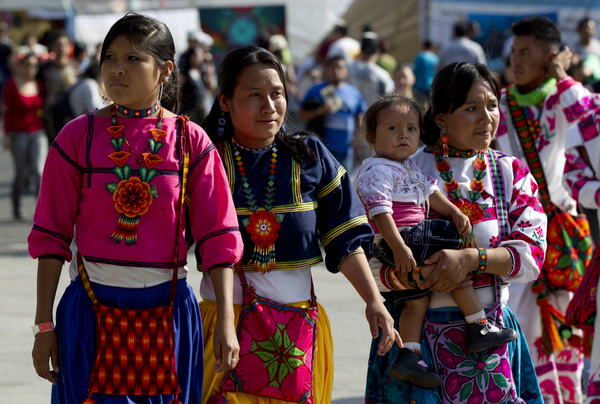
In the process of writing this post, I learned that a few days ago there was a huge gathering of Huichol Indians in Mexico City for Wirikuta Fest 2012. Wirikuta is another name for the Huichol. The music festival featured famous singers and musicians including Café Tacvba and Julieta Venegas, two of our favorite artists. The festival was held in support of the Huichol Indians who are fighting the encroachment of mining on their lands. The following pictures of Huichol in traditional dress were taken at the festival and can be found here (slides 18 & 19).
Stay tuned for a post about Real de Catorce.
Roadside Blooms

There are long stretches of road in Texas.

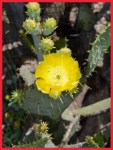
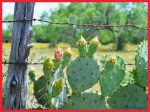
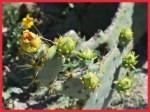
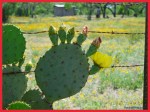
You see the occasional armadillo (dead or alive) by the highway. Even tumbleweed has been known to roll across as if being swept aside by the dusty wind. And in the driest parts of the state, you can find an abundance of the prickly pear cactus, our state plant.

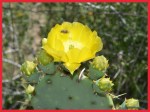
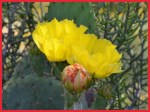
The plant is a source of food. It produces a red fruit – the tuna – about the size of a fig. The green pads of the plant are stripped of their thorns, cleaned, peeled and cooked with onions, peppers and tomatoes – nopalitos!

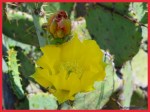
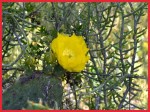
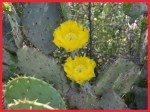
And not to be outdone, the resilient cactus casually displays her bright blooms to the hot sun. On a recent drive home to see family, we pulled over to admire these roadside beauties.

More Reasons Why I ❤ NY

Here are more pictures from our trip to New York City. Besides the huge skyscrapers and art deco buildings, sculptures and other architectural details caught my eye. Here is a random sampling of some of them.

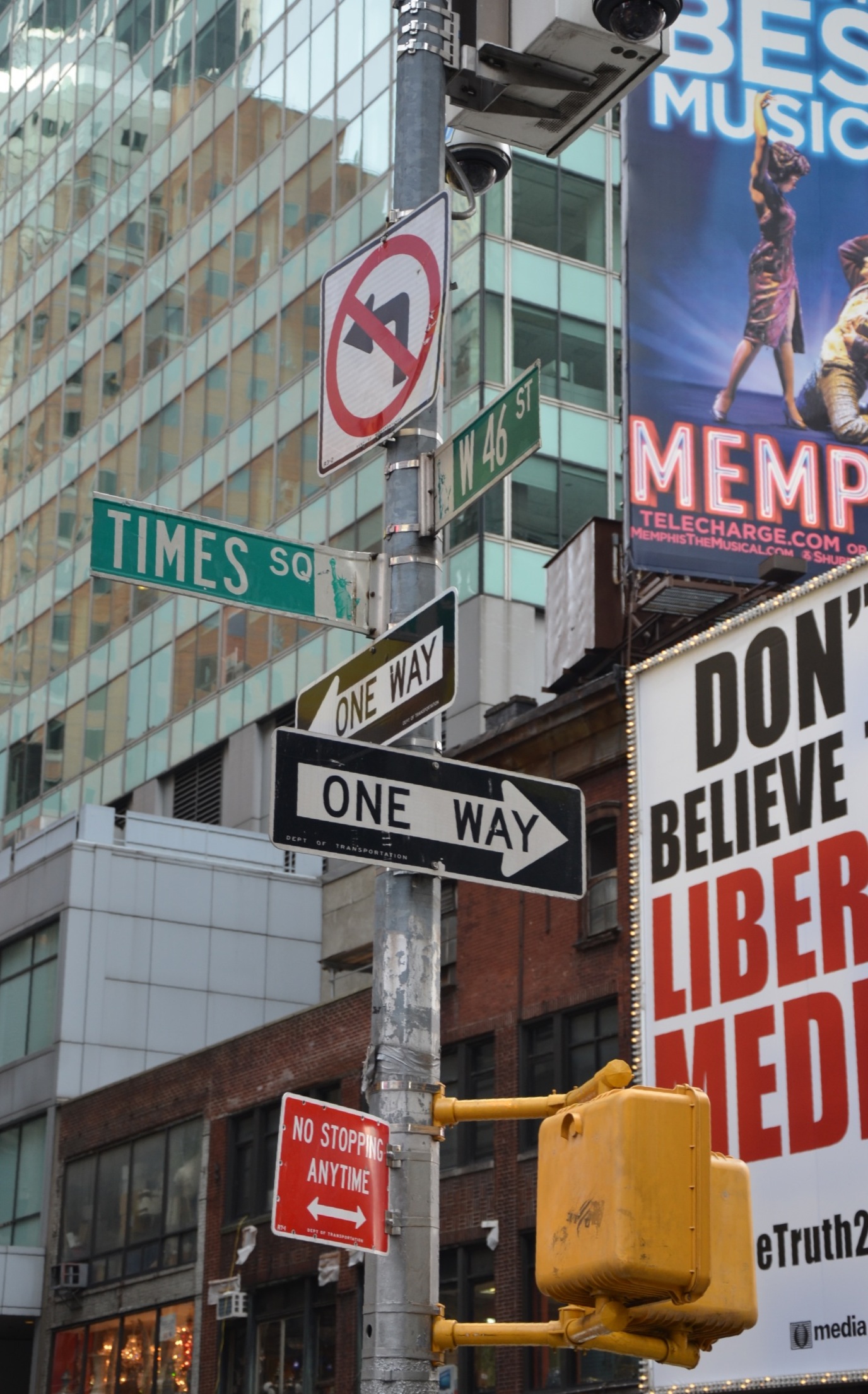
Who can resist Times Square? With its energy and buzz, it's quintessential New York and a people-watching paradise.
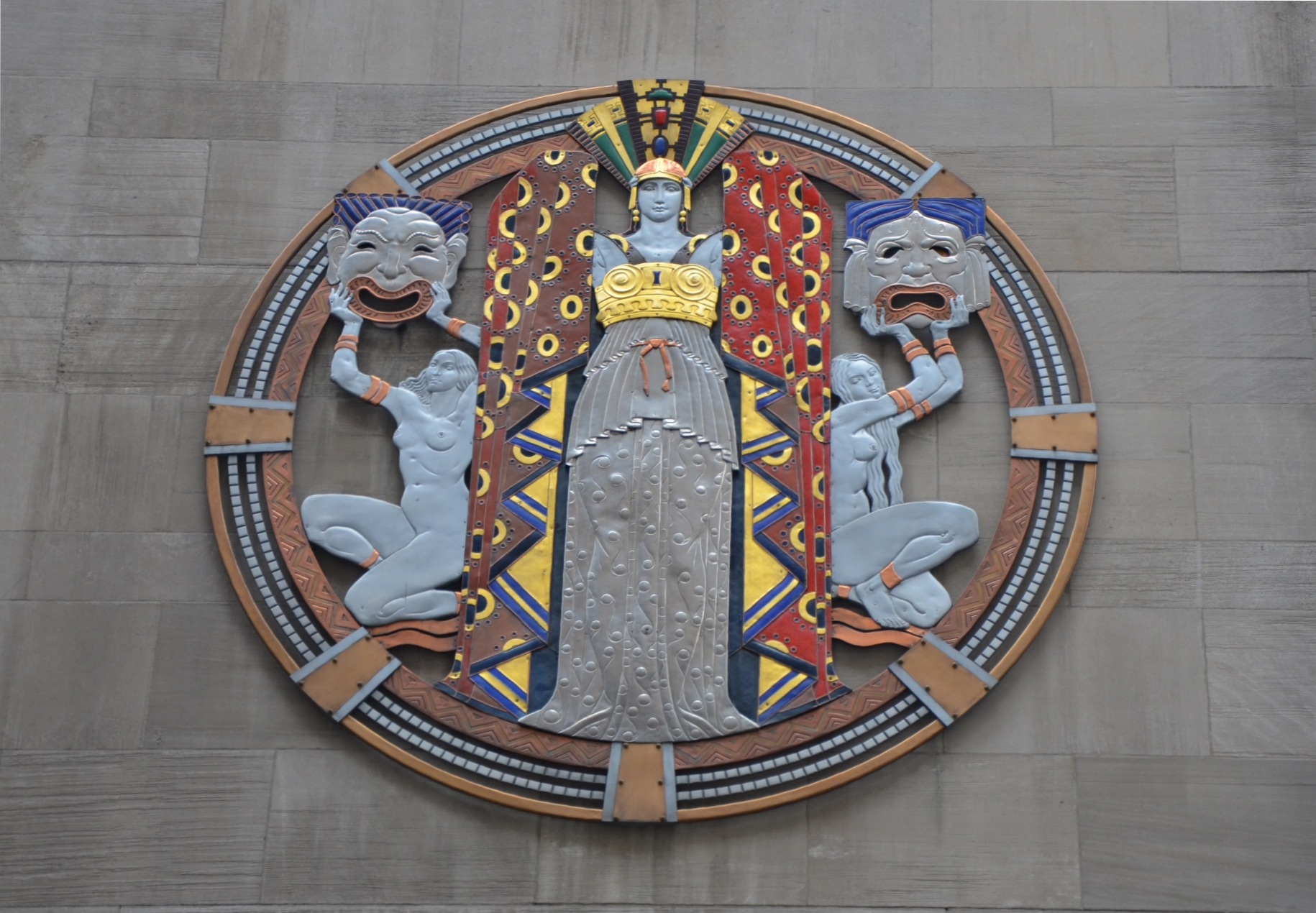
On the 50th Street side of Radio City Music Hall, there are three large plaques that represent the main activities inside - "Dance, Drama and Song." This one is "Drama."
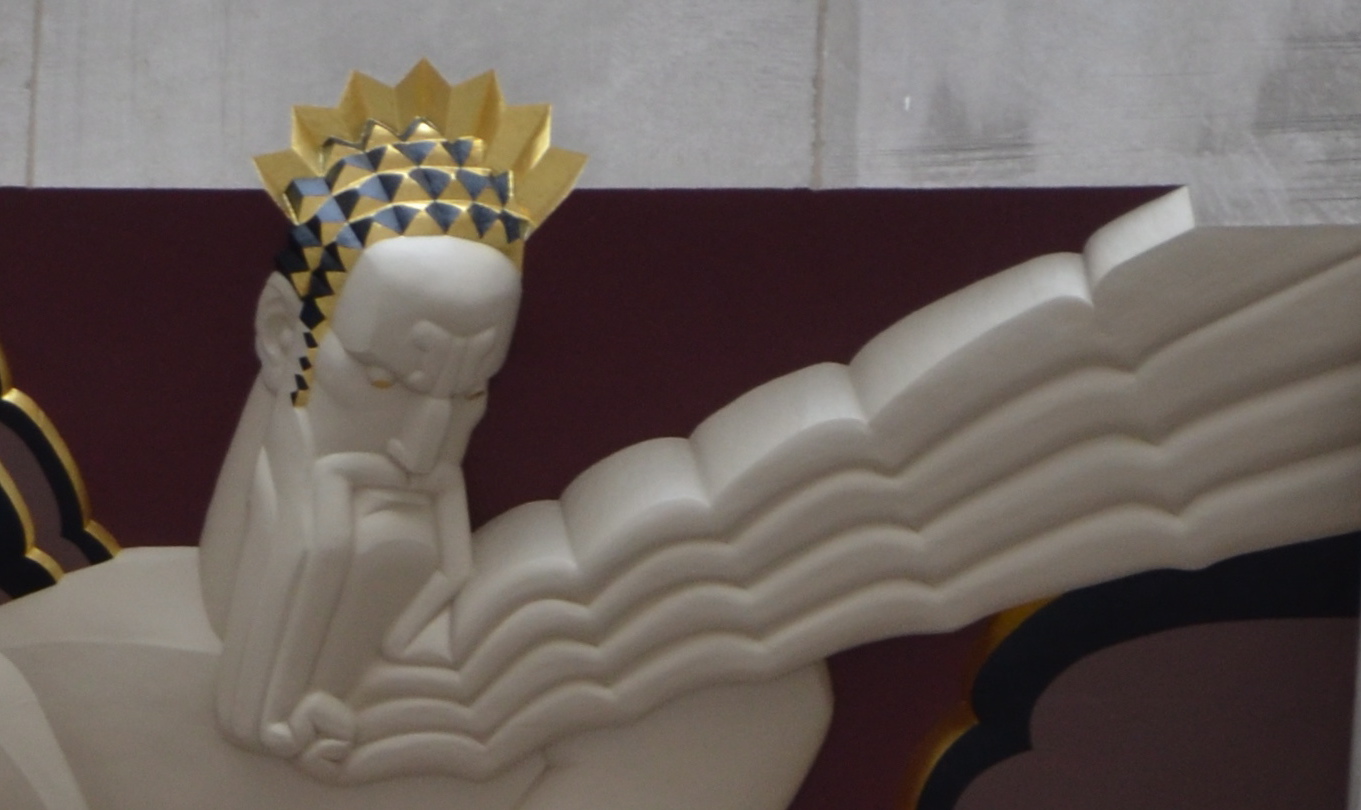
At 30 Rockefeller Plaza, directly in front of the famous ice-skating rink, is "Wisdom" (1933).
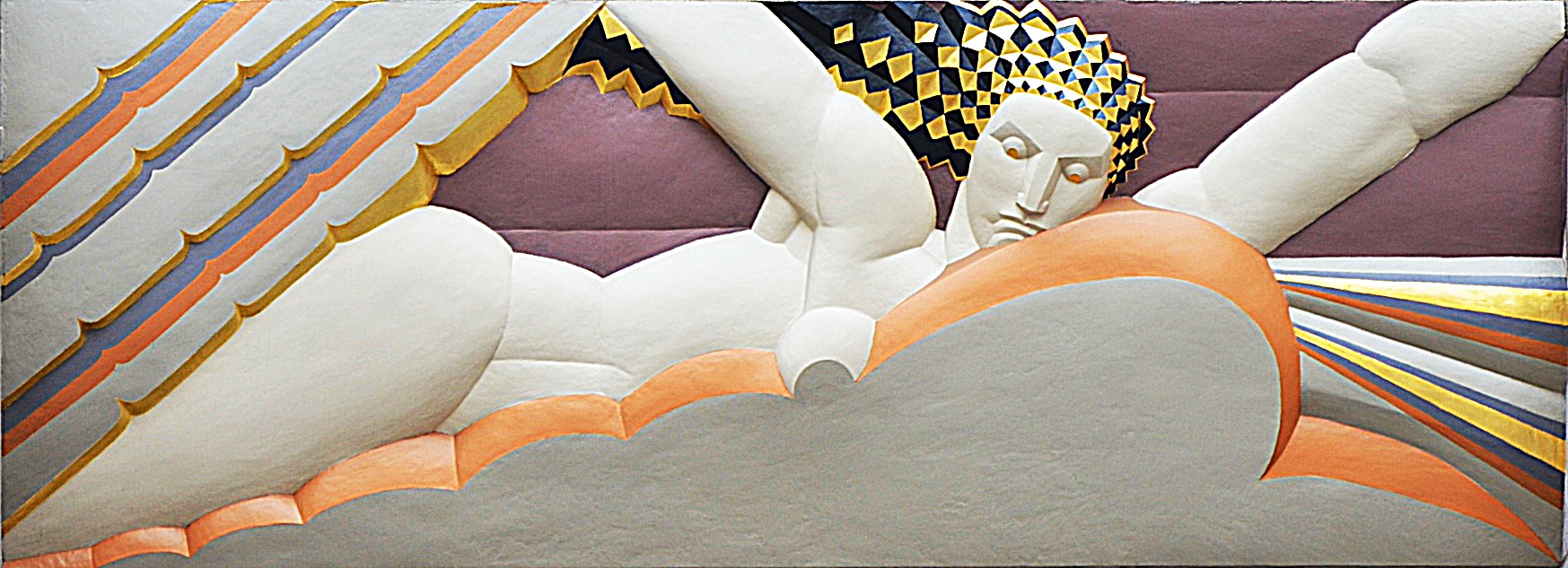
Flanking "Wisdom" are "Sound and Light" (1933). These stylized panels represent new technologies of the times - radio (sound) and television (light). This one is "Light."
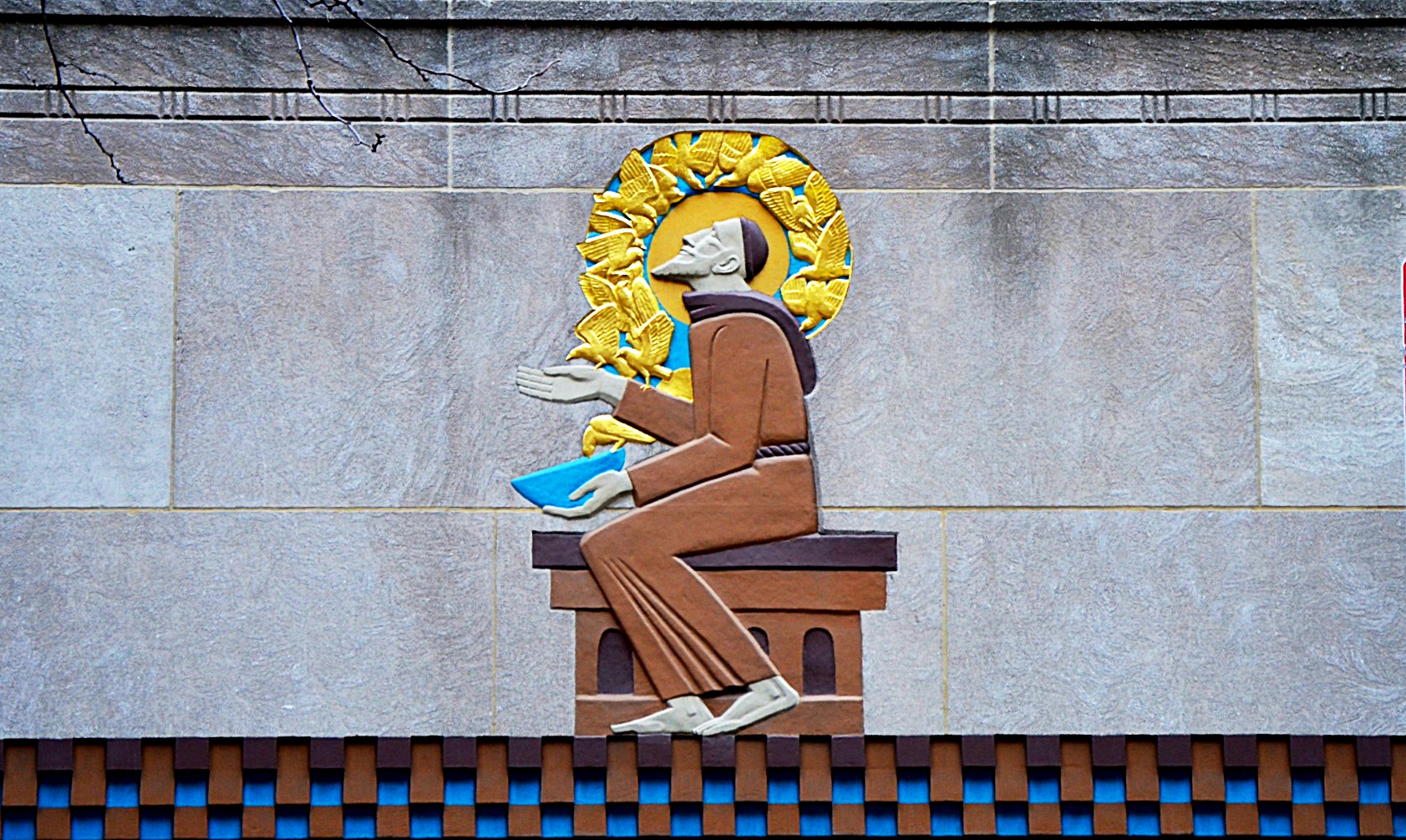
"Saint Francis of Assisi with Birds" (1937) sits above a building entrance on 50th Street.
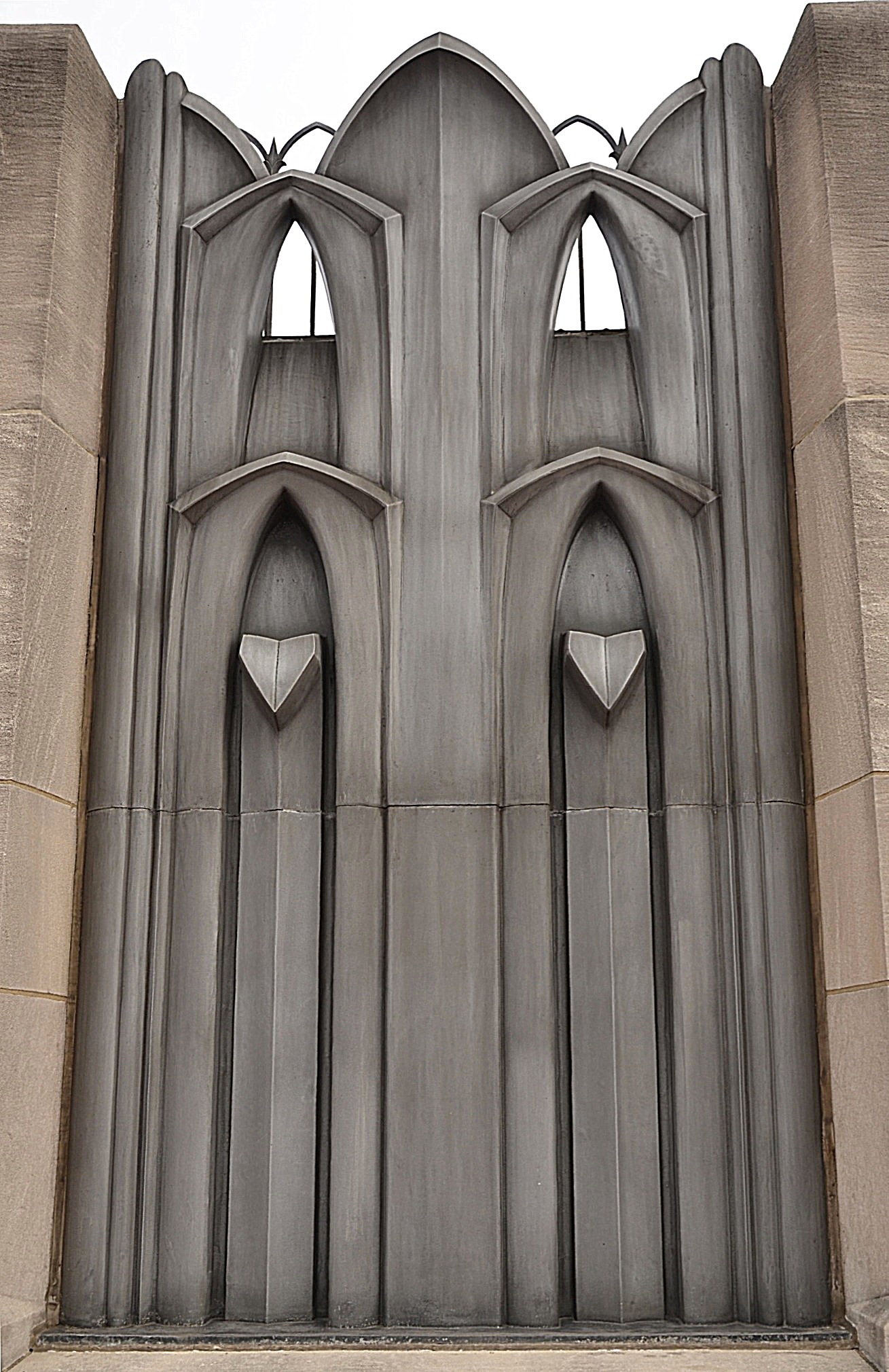
At the viewing area at the "top of the rock" you can see these large metal panels up close. I halfway expected to see the bat signal floating up in the sky over "Gotham City."
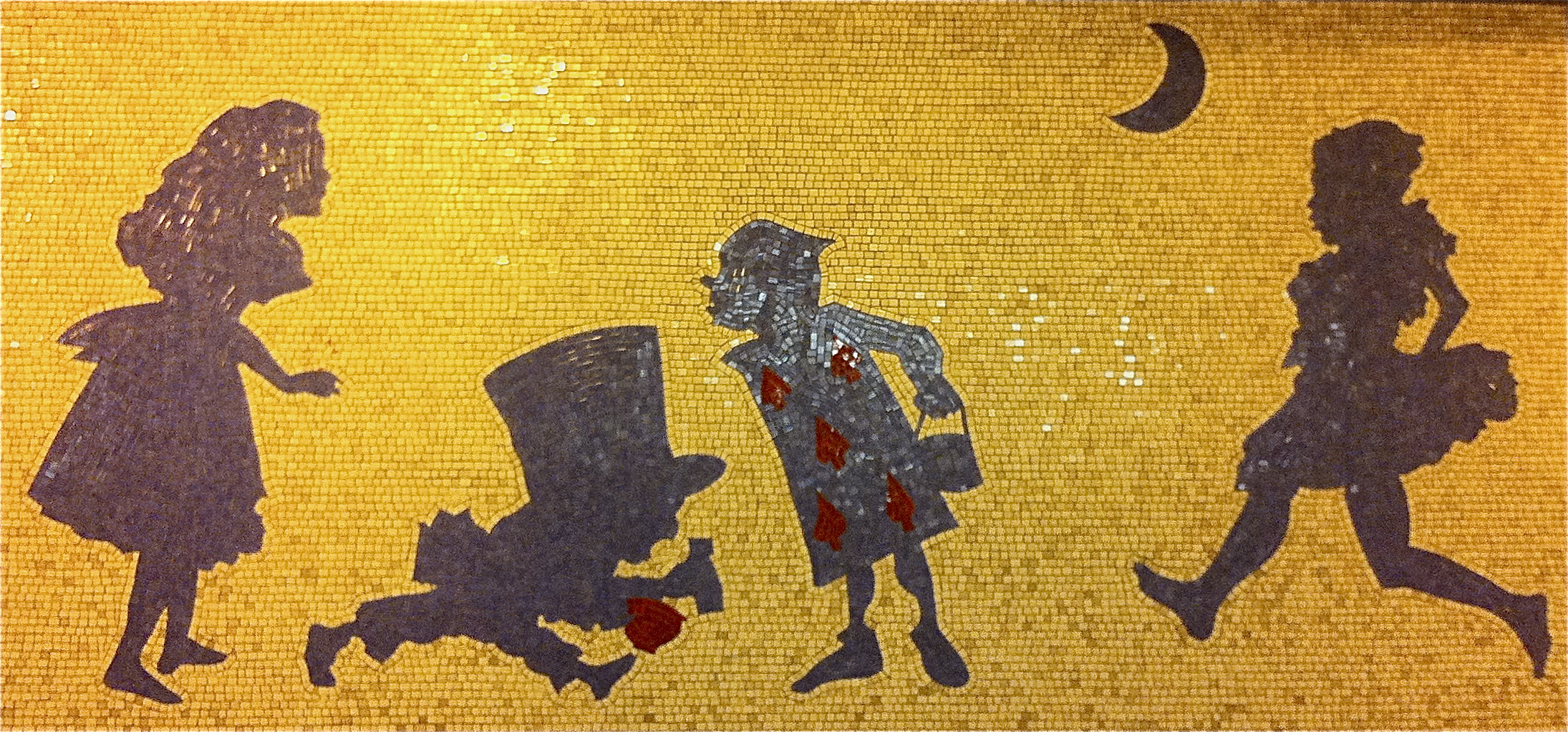
This tiled panel was appropriately located at the 50th Street subway stop near the Theater District. It is part of the "Alice: The Way Out" tile work by Liliana Porter (1994).
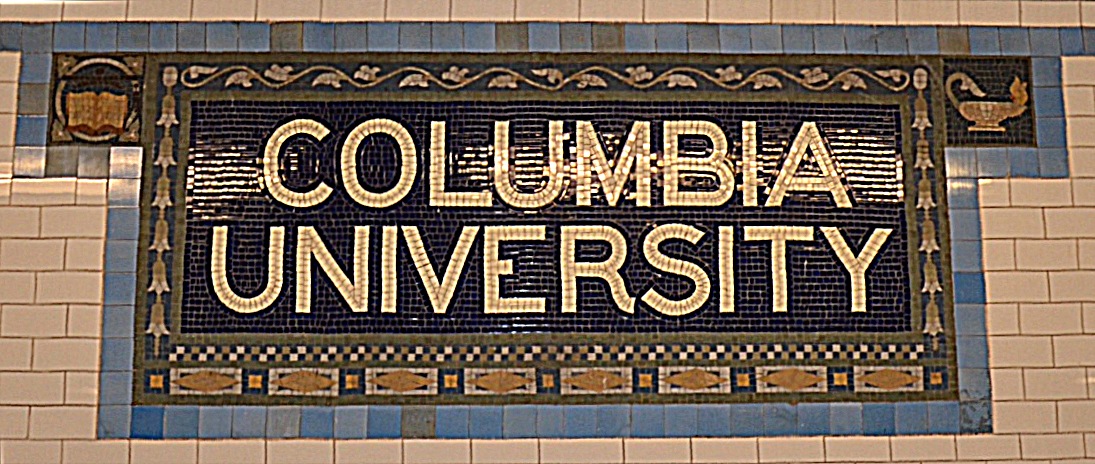
Subway stops are labeled by colorful tile mosaics, like this one at the 116th Street-Columbia University stop.
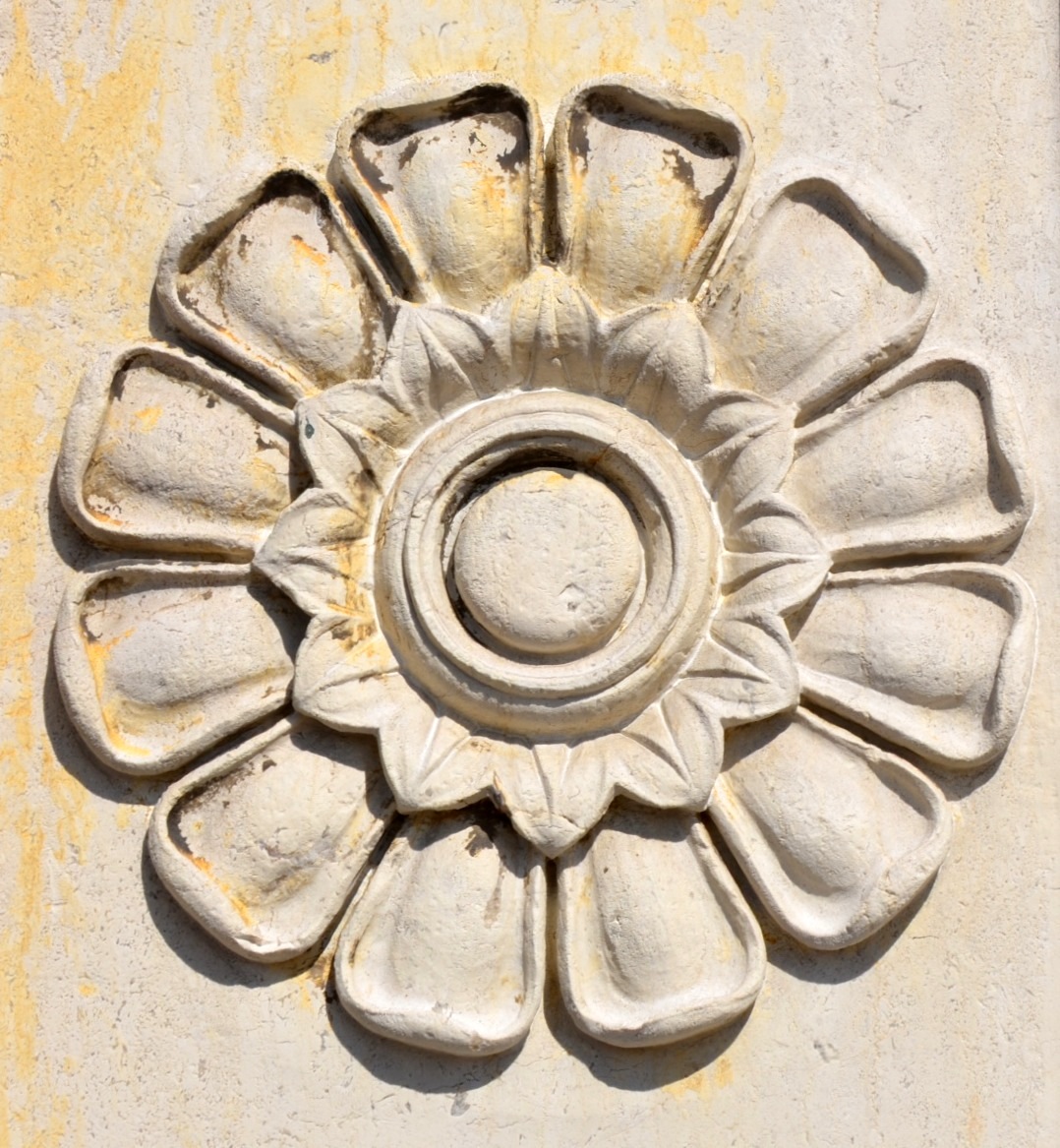
A stone rosette adorns either side of the entrance to Low Memorial Library, a National Historic Landmark, on the Columbia University campus.

To learn more about some of the artwork, try these links: Rockefeller Center, NYC Subway Art Guide.

 NY.

I ❤ NY

I bravely spent 5 days of Spring Break in New York City with two teenagers. We saw the typical touristy sights, but oh, what sights to see! These are some of the images I was able to capture.

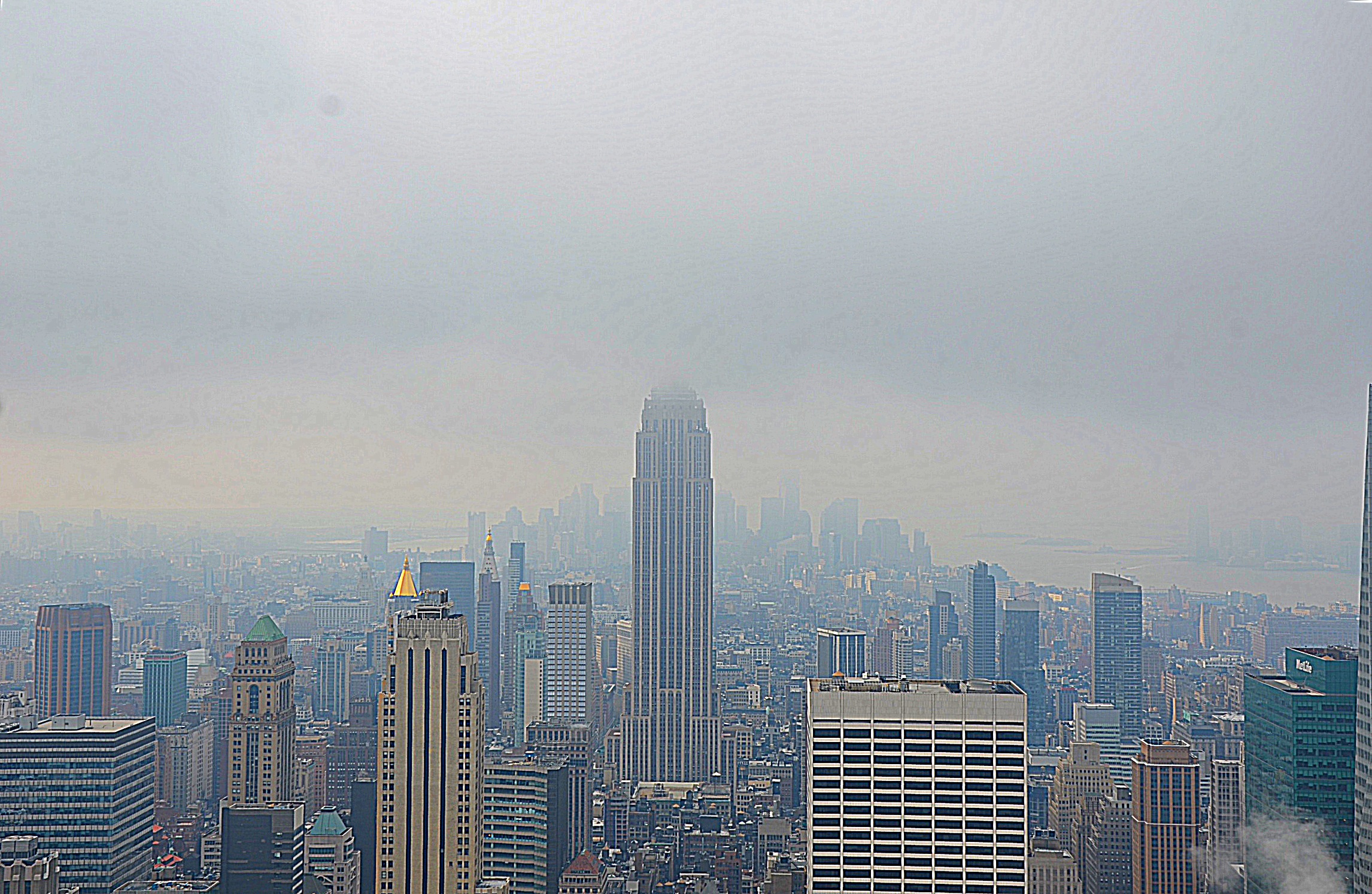
Manhattan skyline from the top of the Rockefeller Center. I touched up the photograph a bit to better see the outlines of the buildings in the Financial District (in the background).
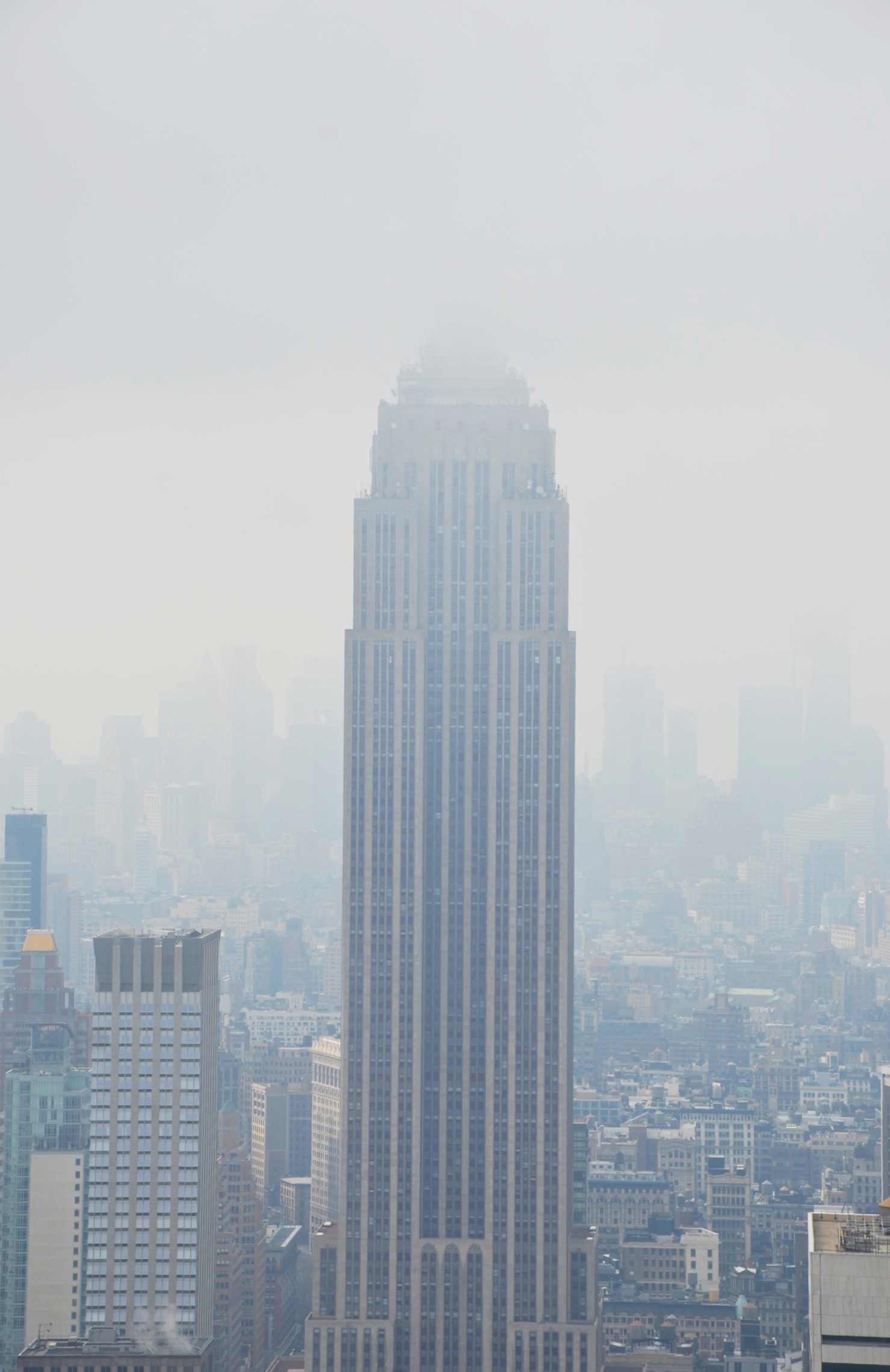
The top of the Empire State Building looks mysterious. Of course, it's just hidden behind the smog.
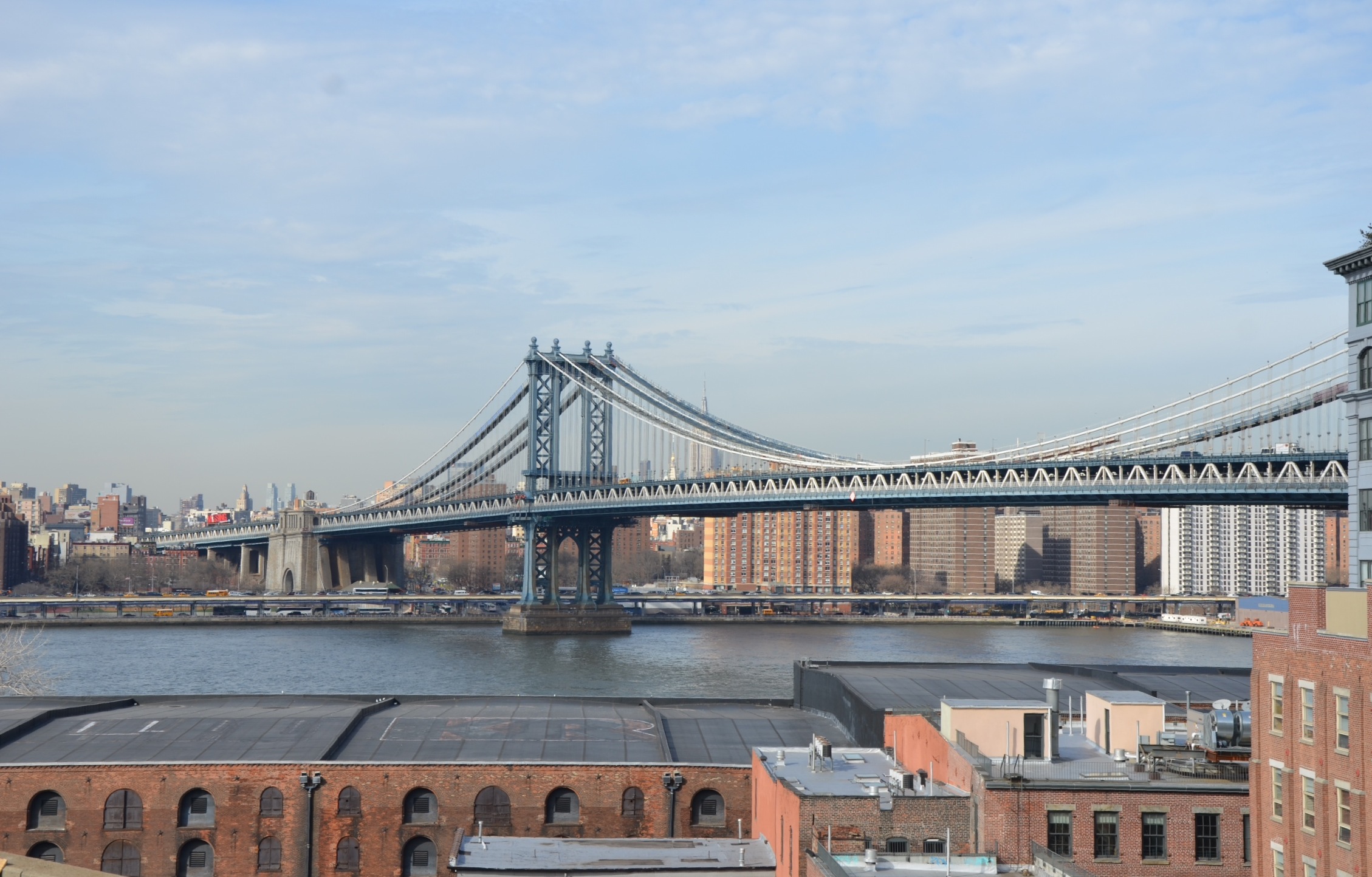
View of the Manhattan Bridge from the Brooklyn Bridge.
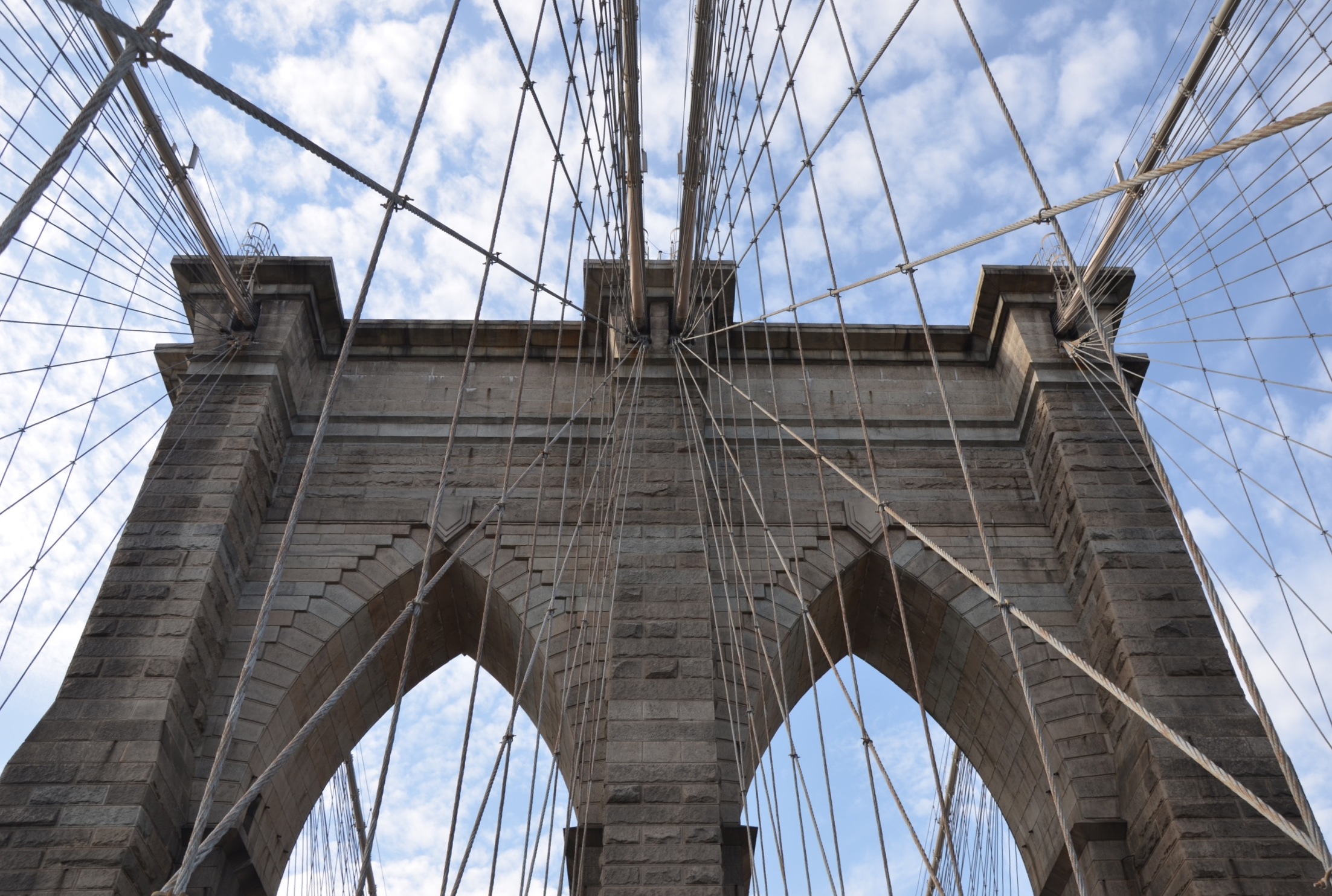
Walking across the Brooklyn Bridge toward Manhattan.
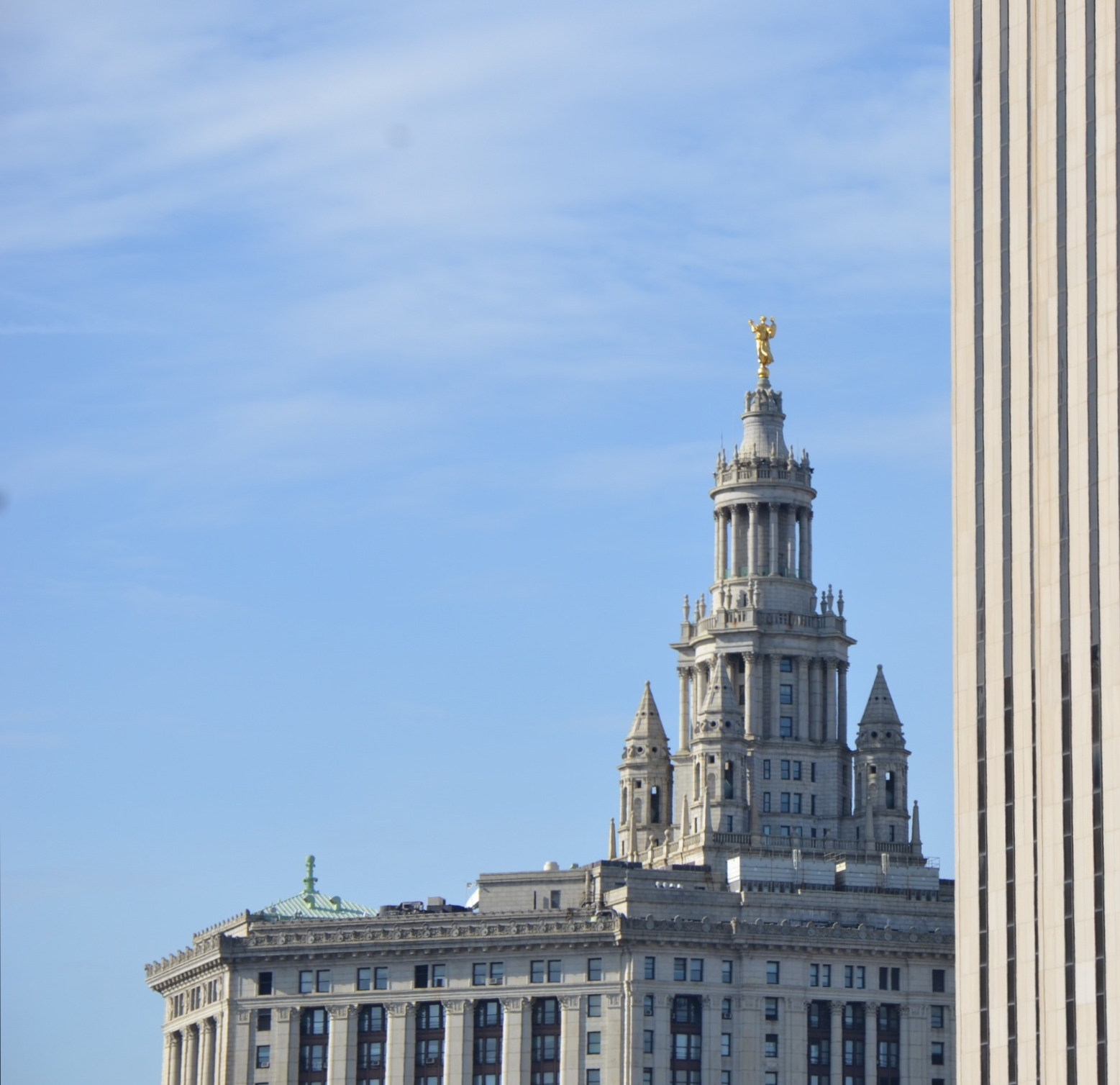
Spire of the Manhattan Municipal Building as seen from the Brooklyn Bridge.
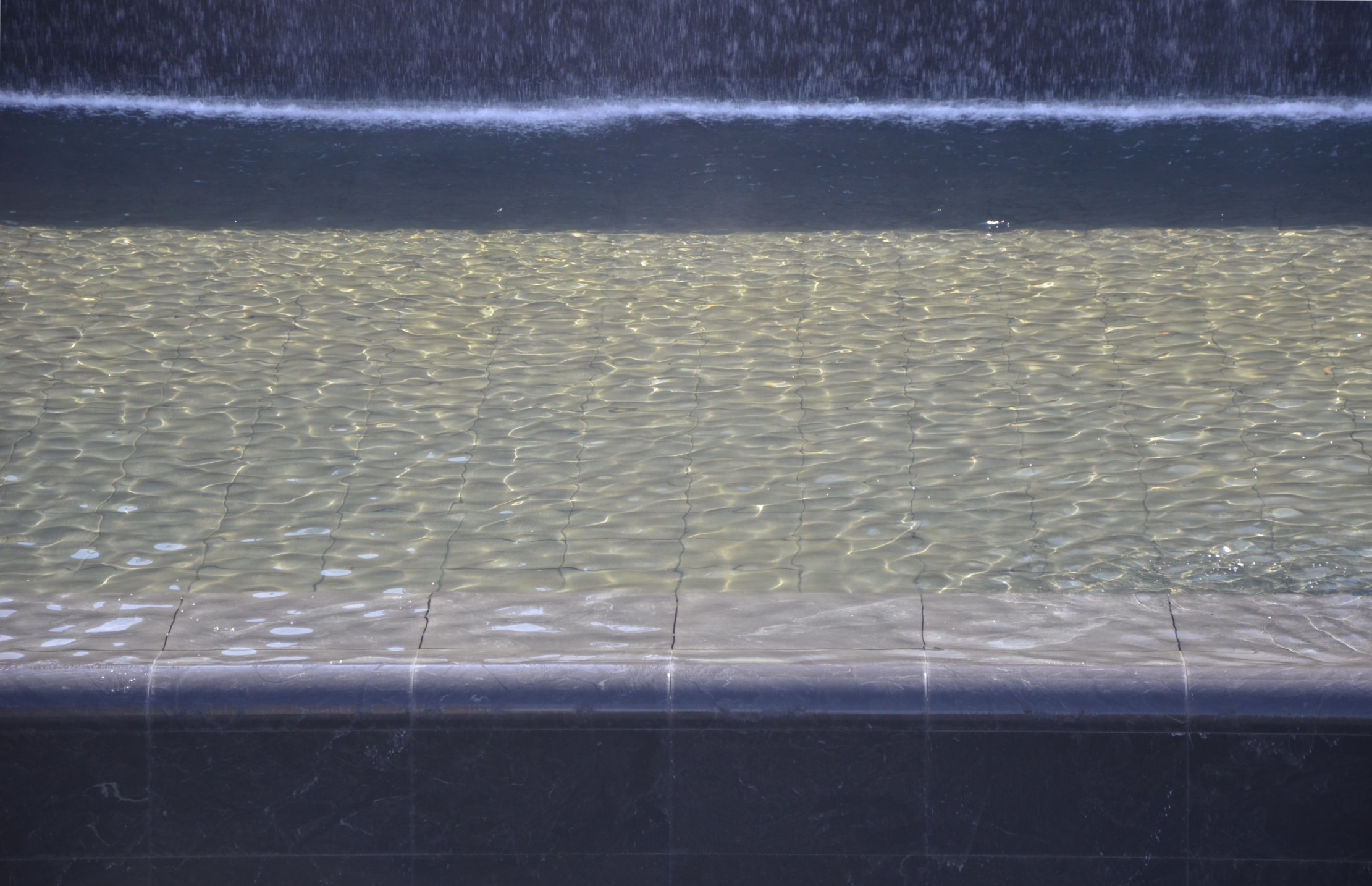
One of the reflecting pools at the 9/11 Memorial.
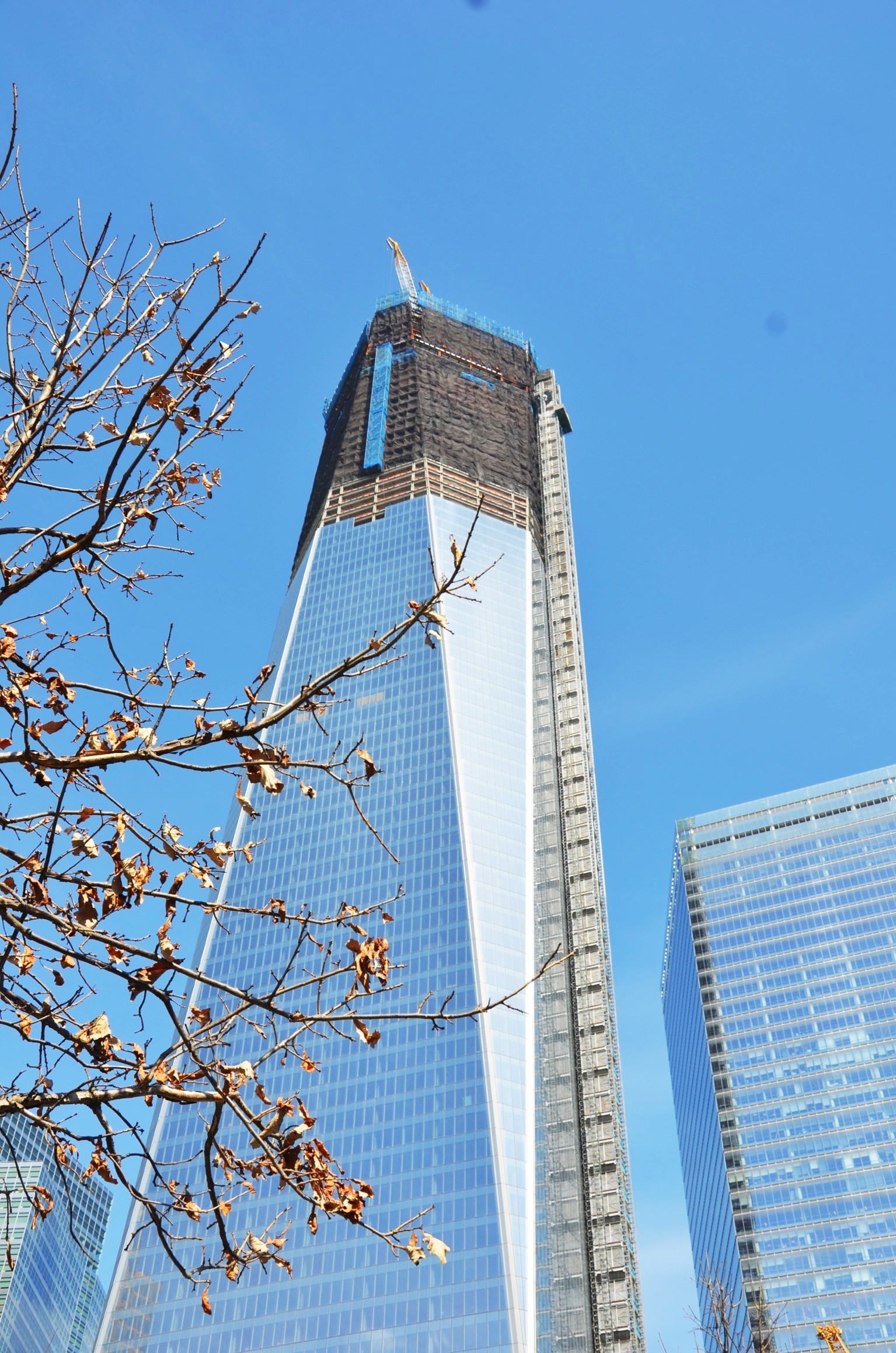
Construction in progress at 1 World Trade Center.
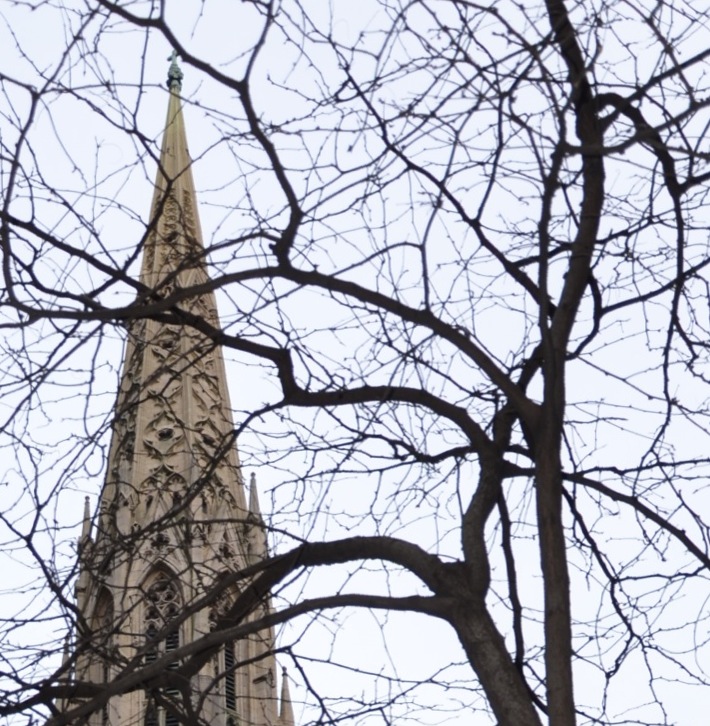
One of the spires of St. Patrick's Cathedral.
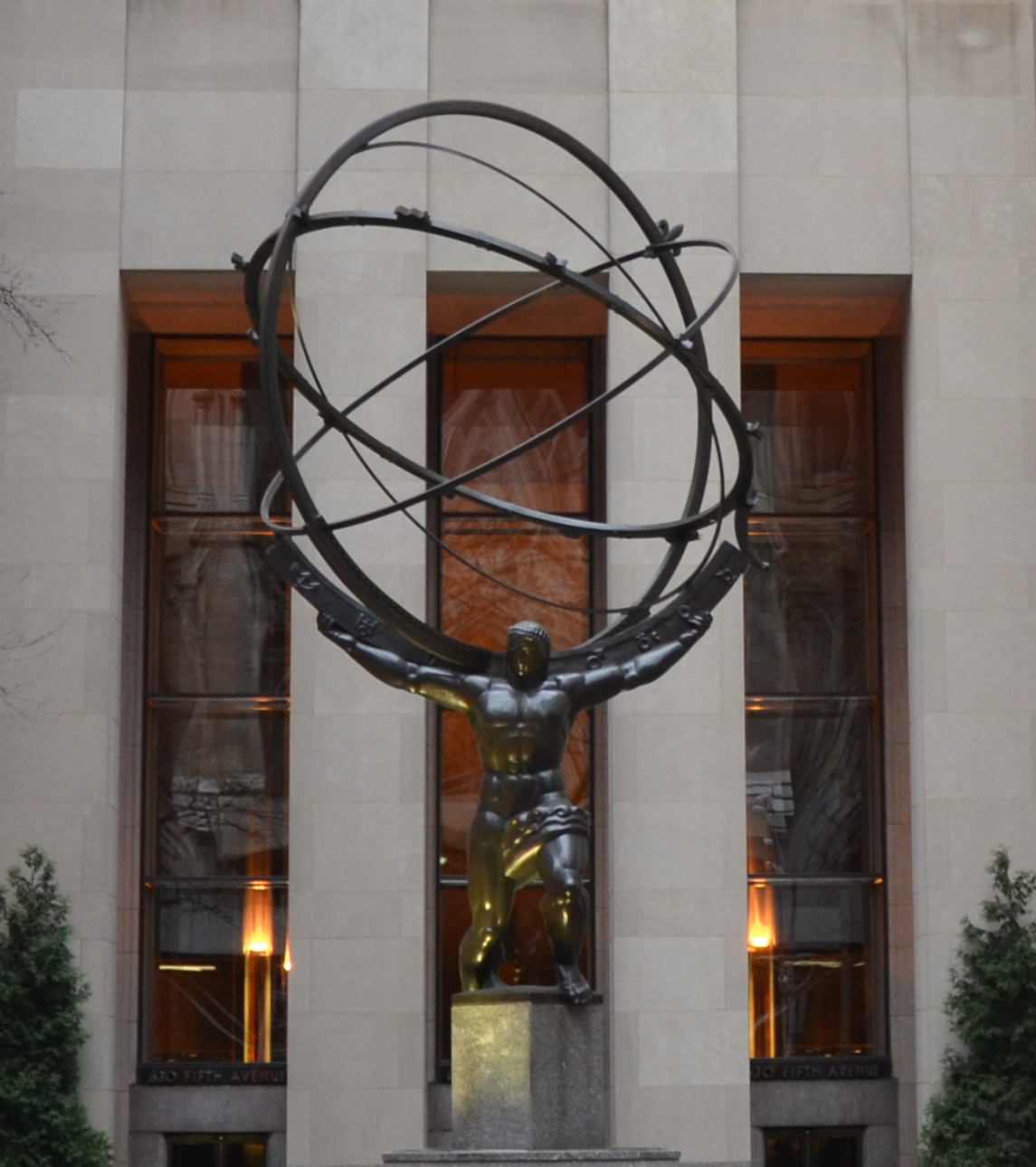
The iconic bronze statue of Atlas in front of the Rockefeller Center.
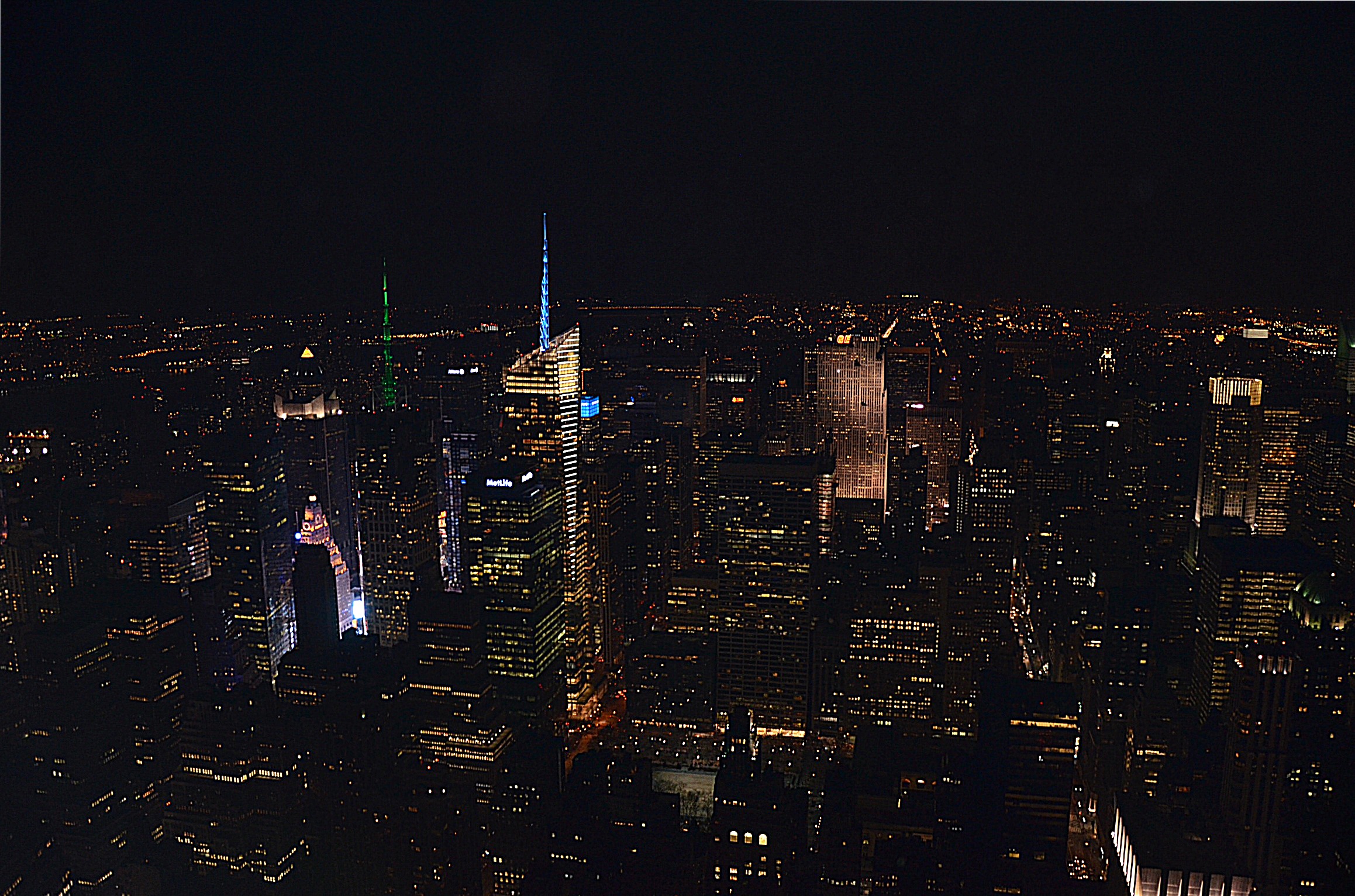
View of the city lights at night. Taken from the top of the Empire State Building.

 NY.