A Day at the Fiber Festival

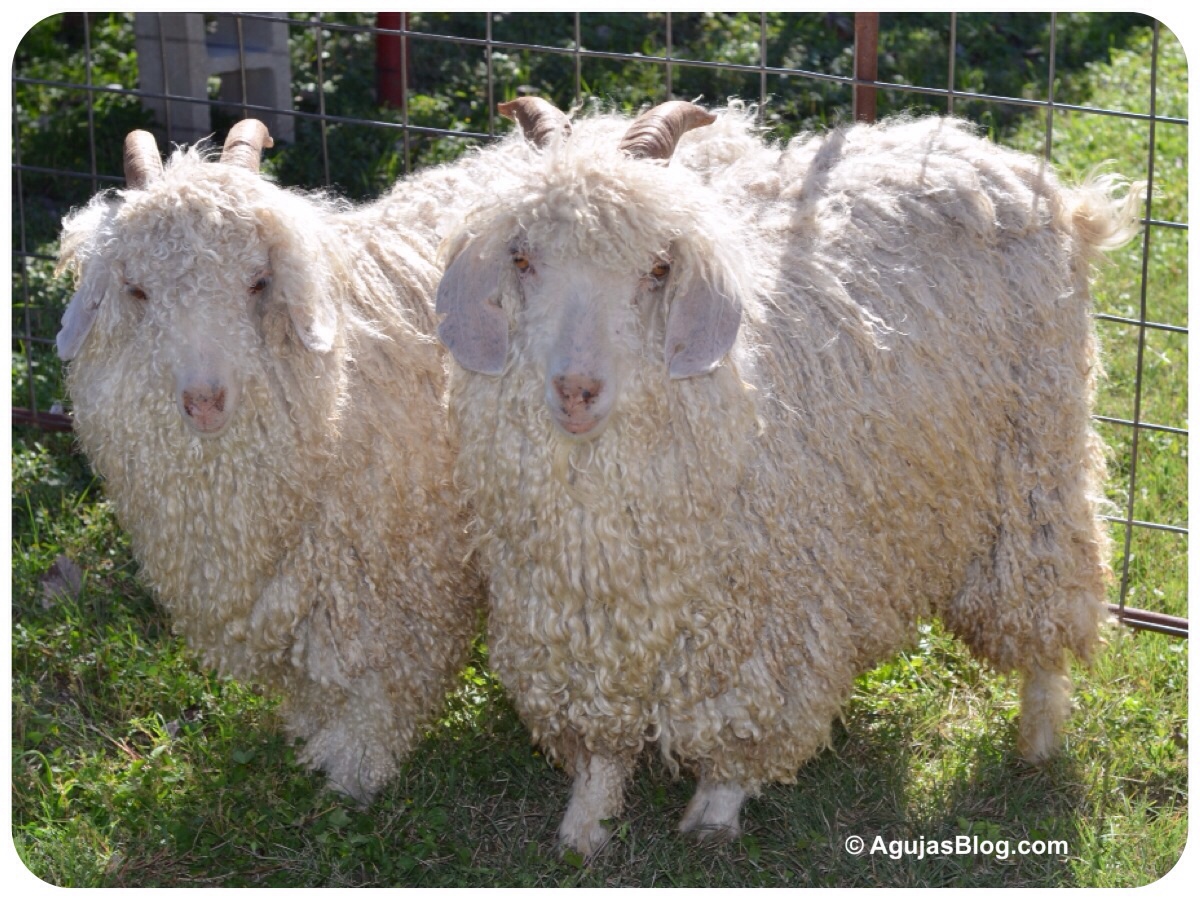
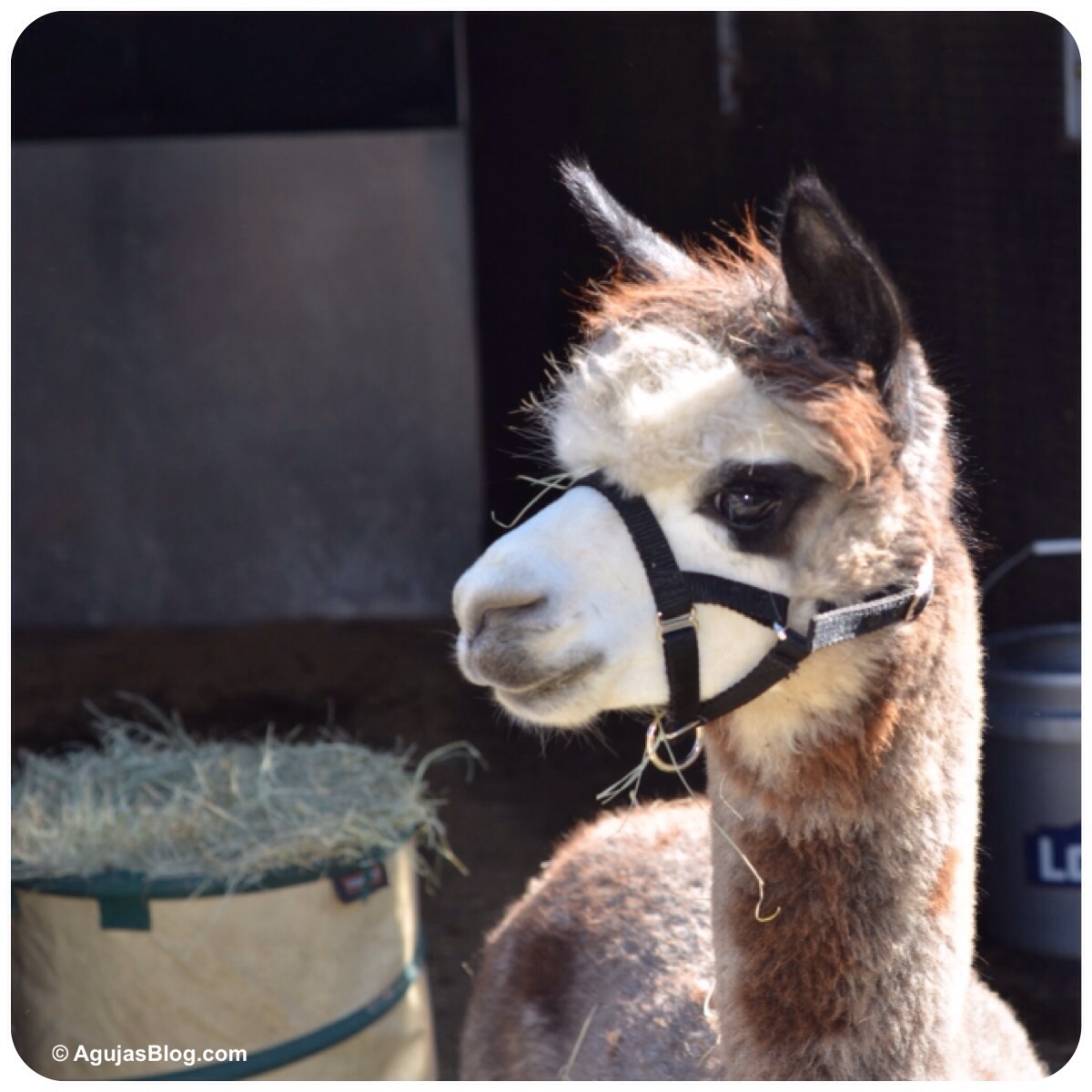
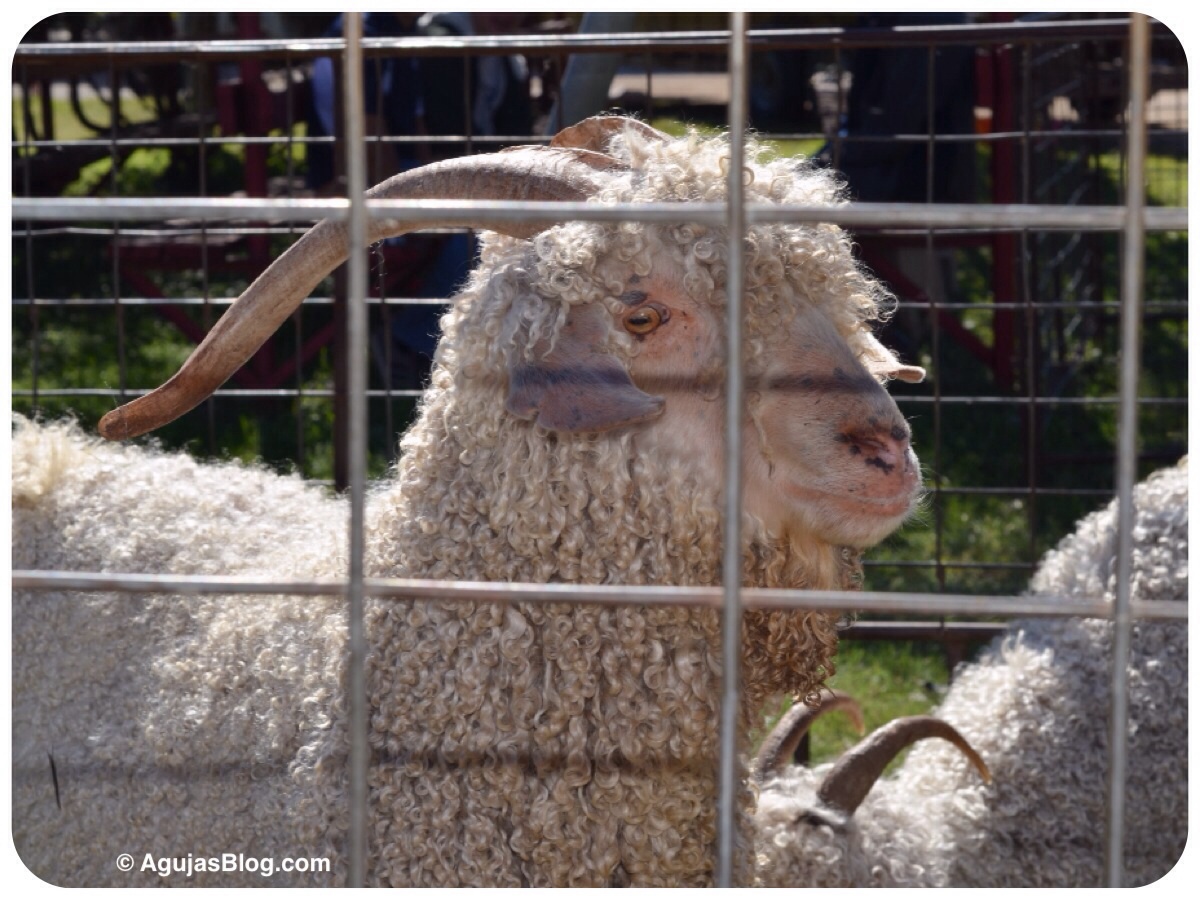
My very first spinning lesson was at the Kid’N Ewe And Lamas Too fiber festival a couple of years ago. This past weekend, I revisited this annual festival which is spread out over three large barns at the Kendall County Fairgrounds. There was weaving, spinning, felting, knitting and crocheting everywhere!

I spent hours swooning over fibers from animal and plant sources including camel, yak, buffalo, sheep, goat and silkworm as well as hemp, bamboo, and cotton. Many were hand dyed in stunning colors like these wool batts …

Gorgeous merino, bamboo, and angelina batts from Yorkieslave Artworks. (www.orkieslave.etsy.com)
Gorgeous merino, bamboo, and angelina batts from Yorkieslave Artworks. (www.yorkieslave.etsy.com)
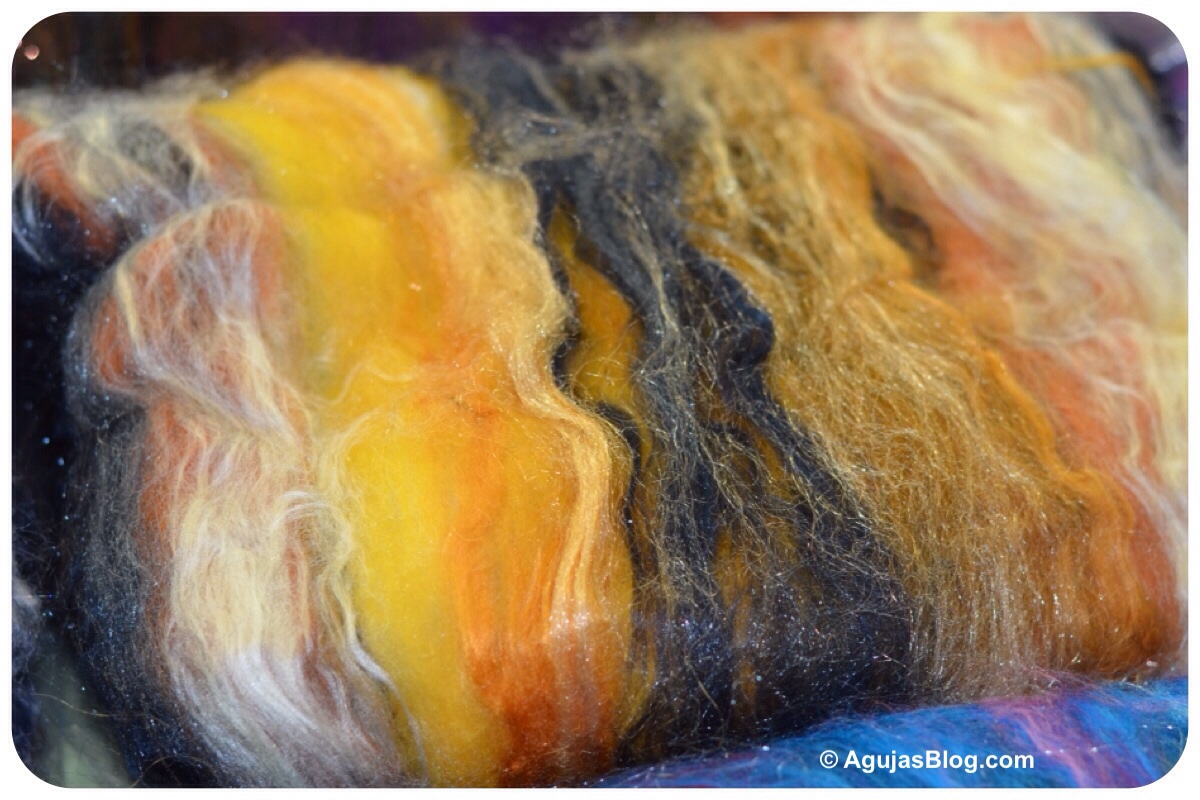
Luscious browns and golds from Yorkieslave Artworks. (www.orkieslave.etsy.com)
Luscious browns and golds from Yorkieslave Artworks. (www.yorkieslave.etsy.com)
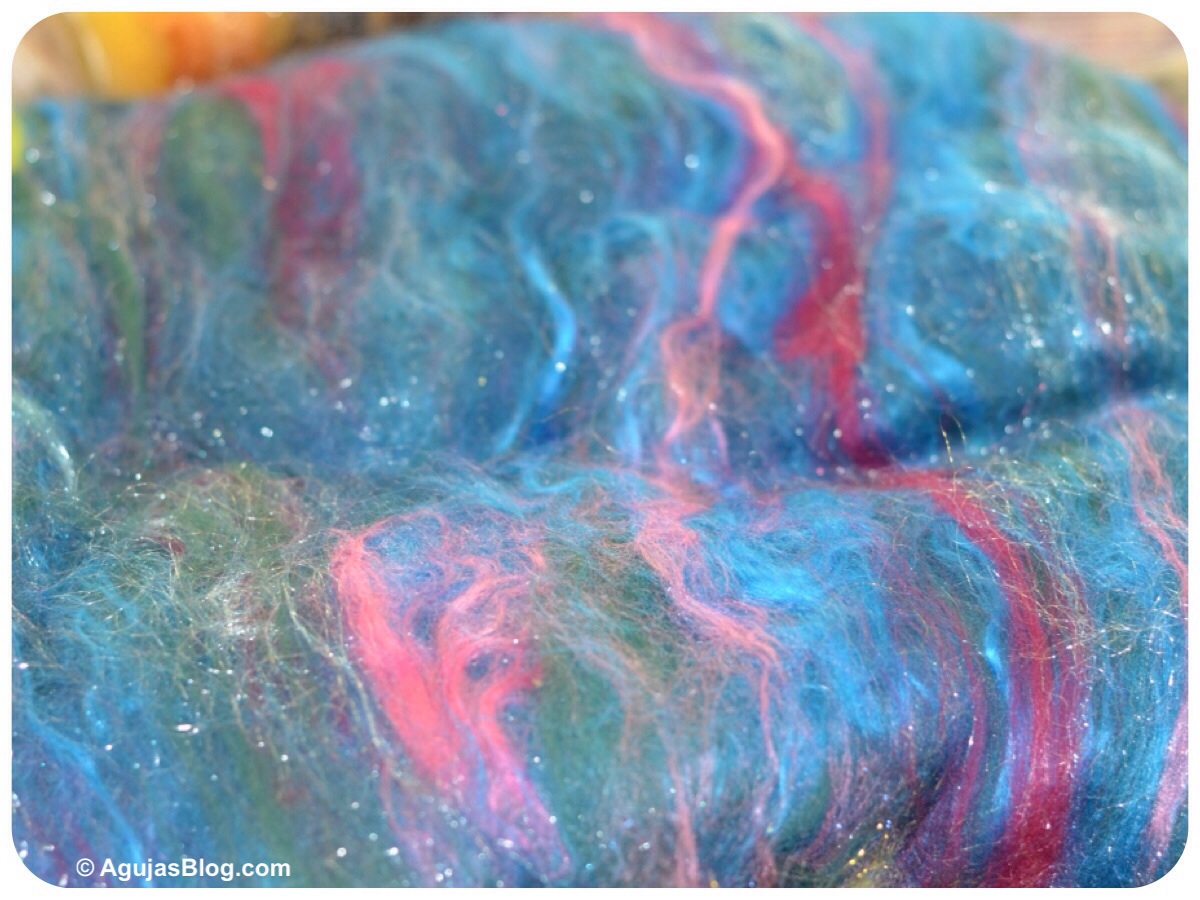
Glistening waves in a deep blue sea from Yorkieslave Artworks. (www.orkieslave.etsy.com)
Glistening waves in a deep blue sea from Yorkieslave Artworks. (www.yorkieslave.etsy.com)

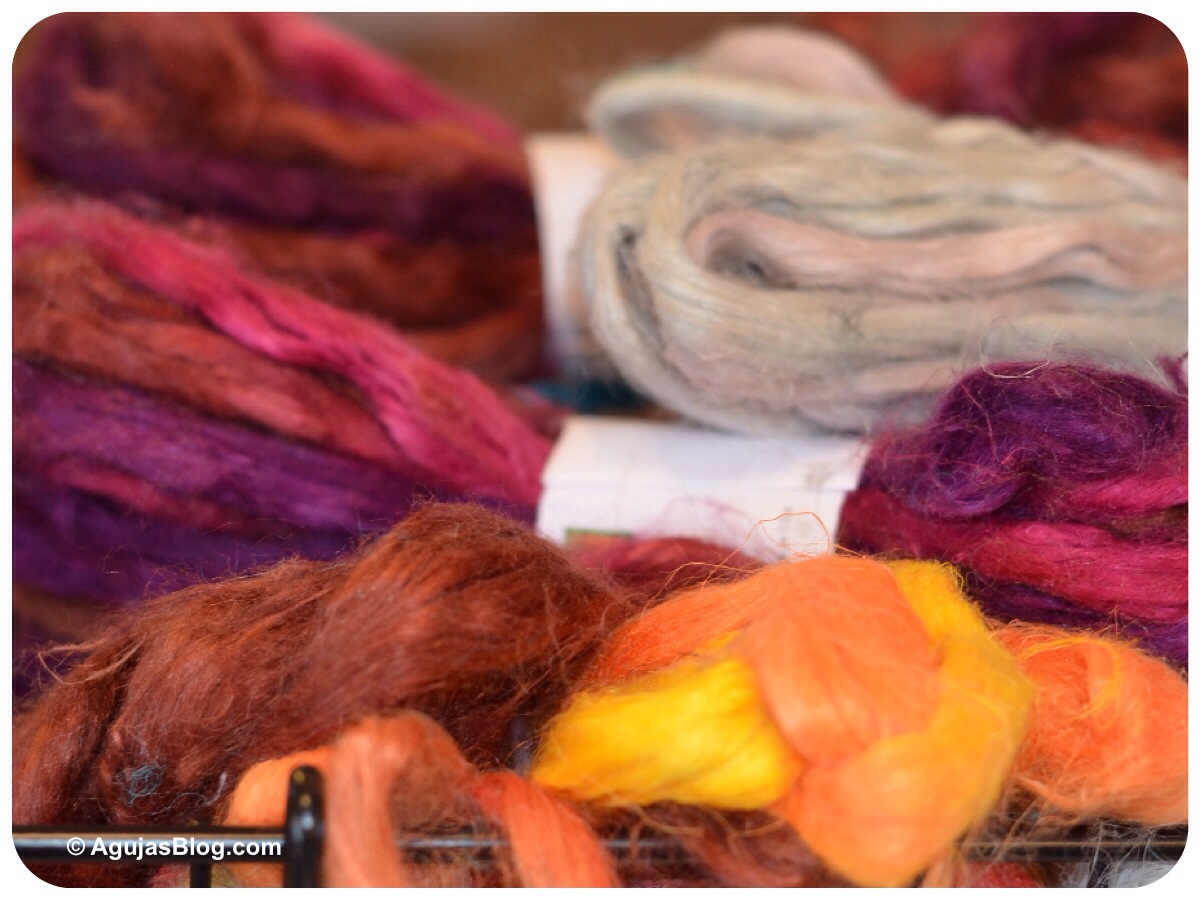
… and this hemp fiber in deep tones.

Hand-dyed natural plant fibers from the Fiber Lady. (www.fiberlady.com)

There were countless hand crafted tools throughout including this lovely assortment of spindles and shuttles.

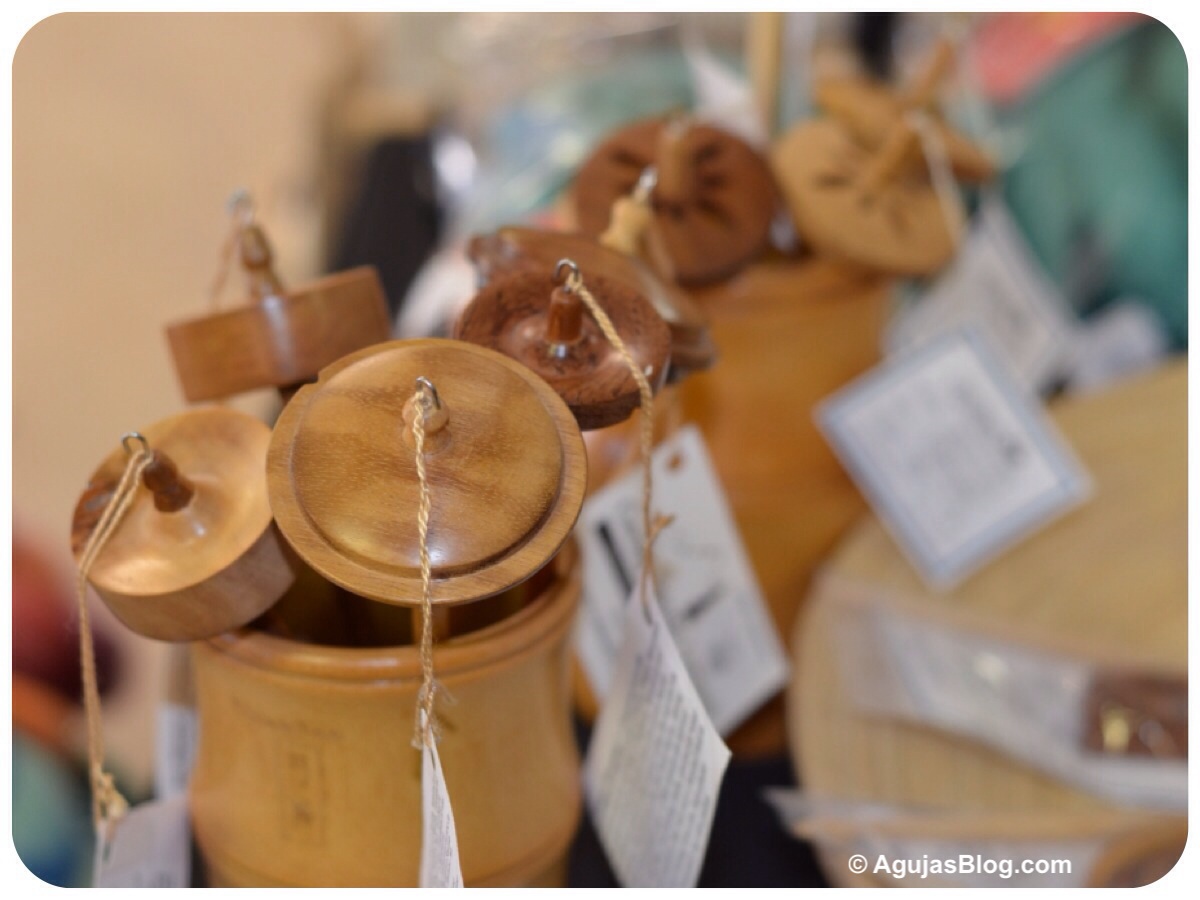
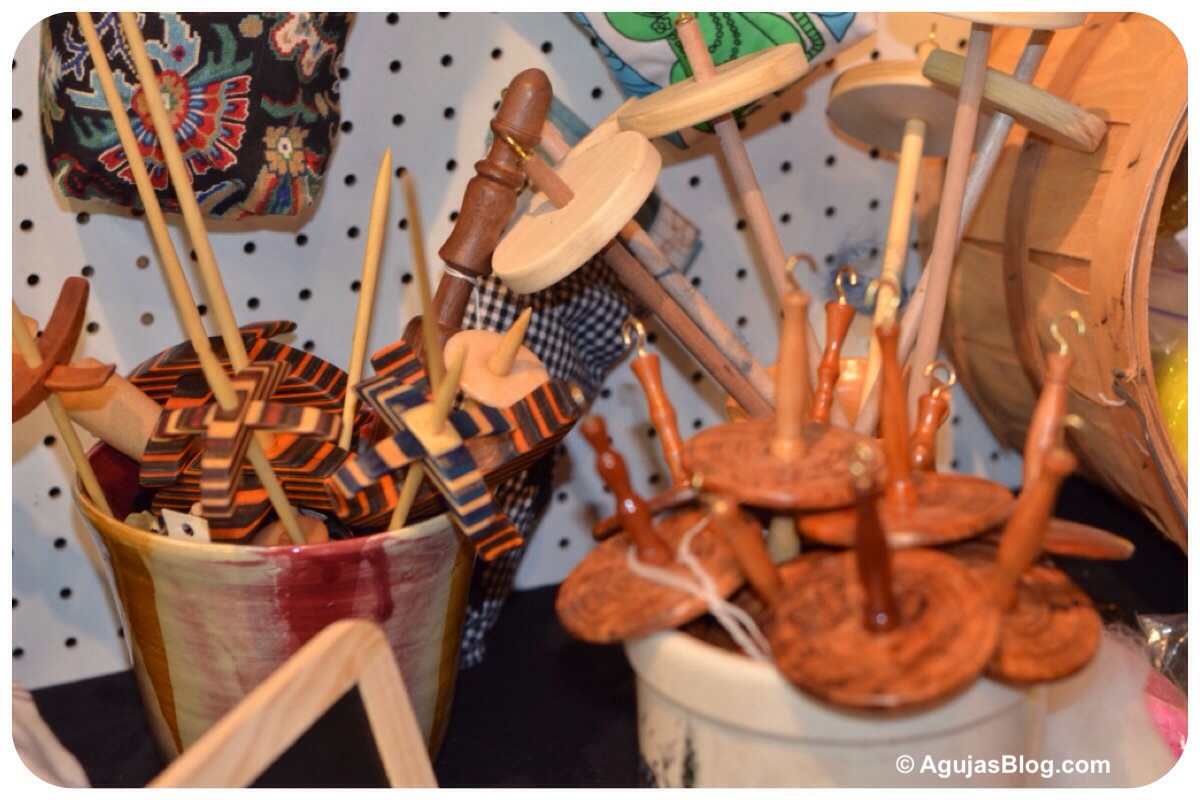
These wooden spindles are from Yarnorama (I think). I didn't pick up a business card. (www.yarnorama.com)
These wooden spindles are from Yarnorama (I think). I didn’t pick up a business card. (www.yarnorama.com)
Turkish and top whorl drop spindles from Heritage Arts. (www.heritageartstexas.com)
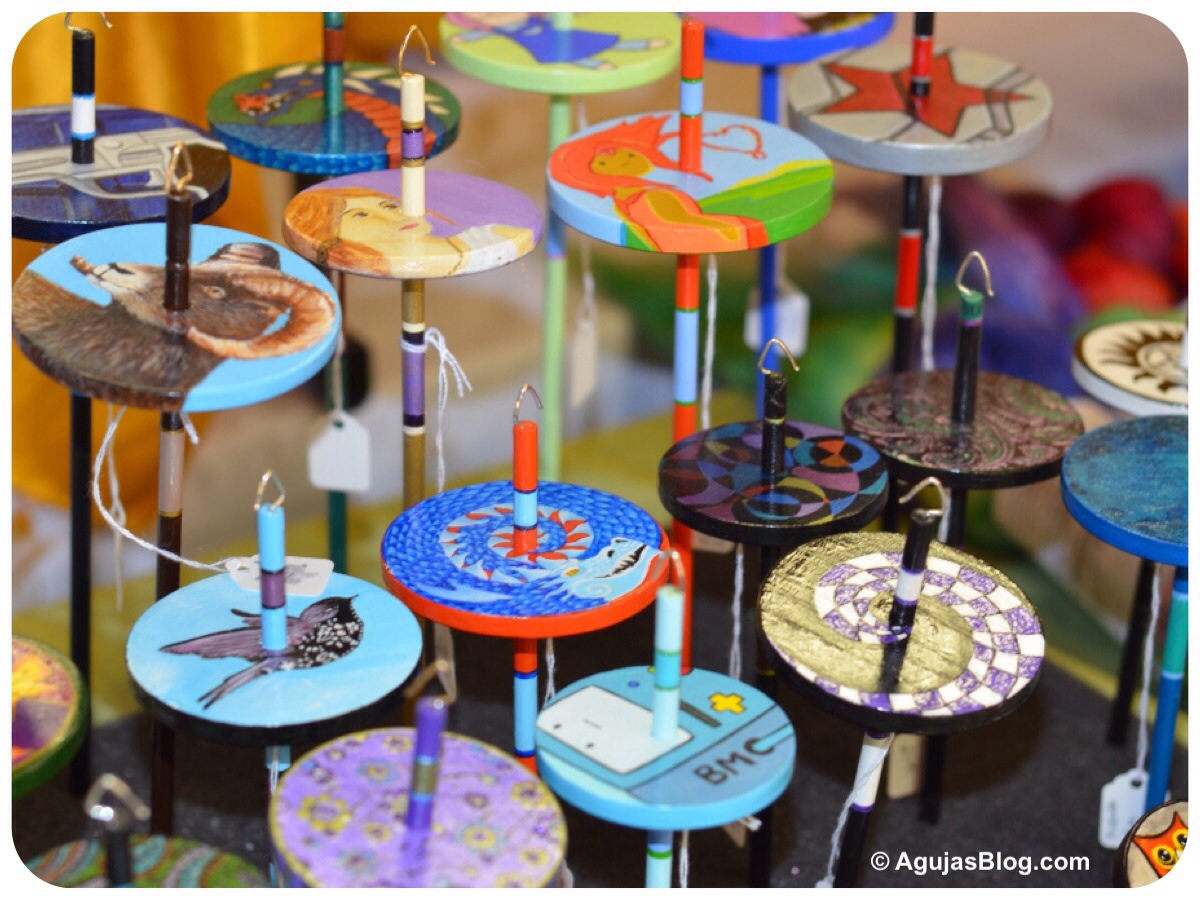
Unique hand painted wooded spindles from Yorkieslave Artworks. (www.orkieslave.etsy.com)
Unique hand painted wooded spindles from Yorkieslave Artworks. (www.yorkieslave.etsy.com)
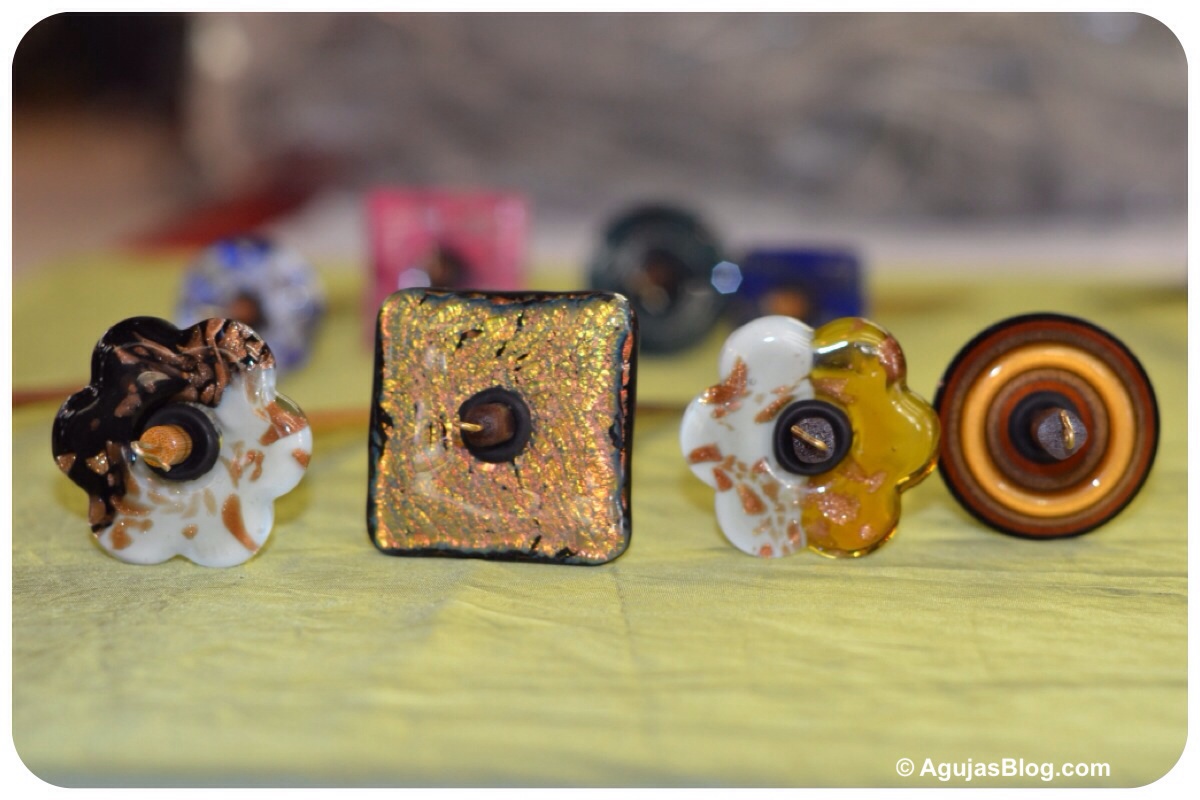
Hand crafted glass and wood spindles from Yorkieslave Artworks. (www.orkieslave.etsy.com)
Hand crafted glass and wood spindles from Yorkieslave Artworks. (www.yorkieslave.etsy.com)
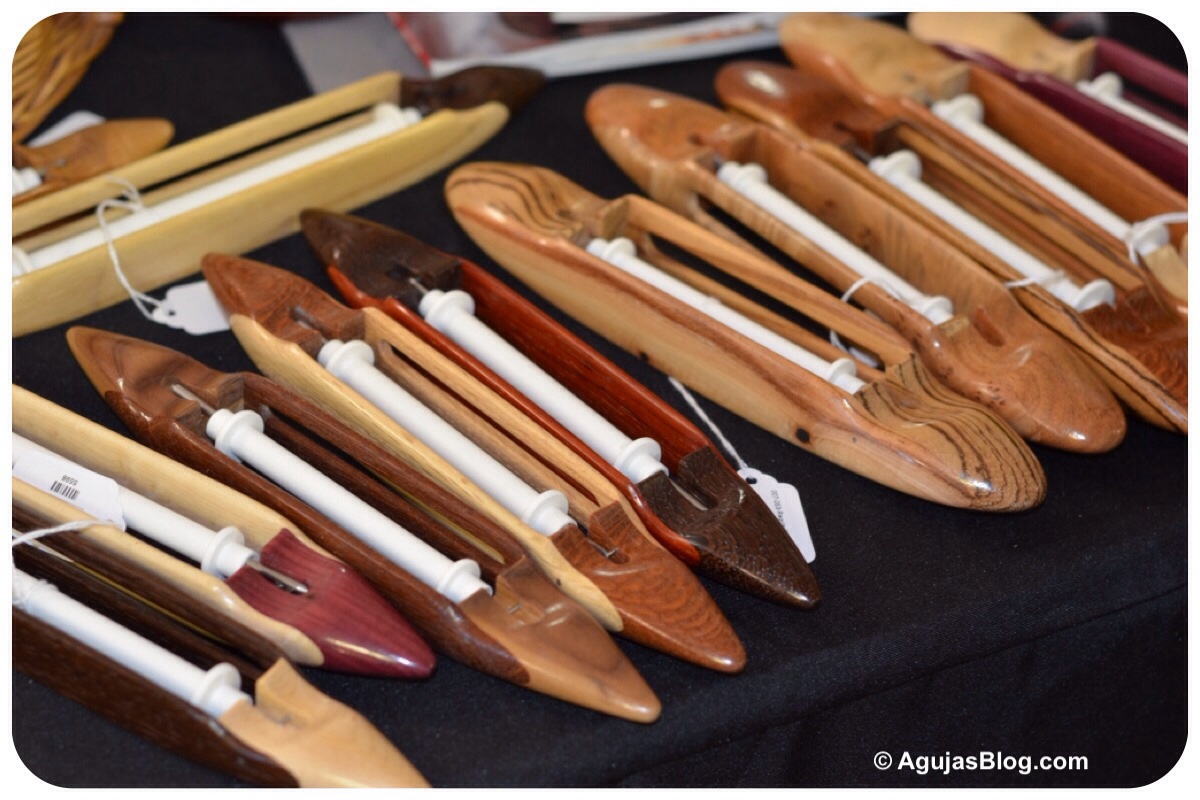
These wooden shuttles are from Yarnorama (I think). I didn't pick up a business card. (www.yarnorama.com)
These wooden shuttles are from Yarnorama (I think). I didn’t pick up a business card. (www.yarnorama.com)

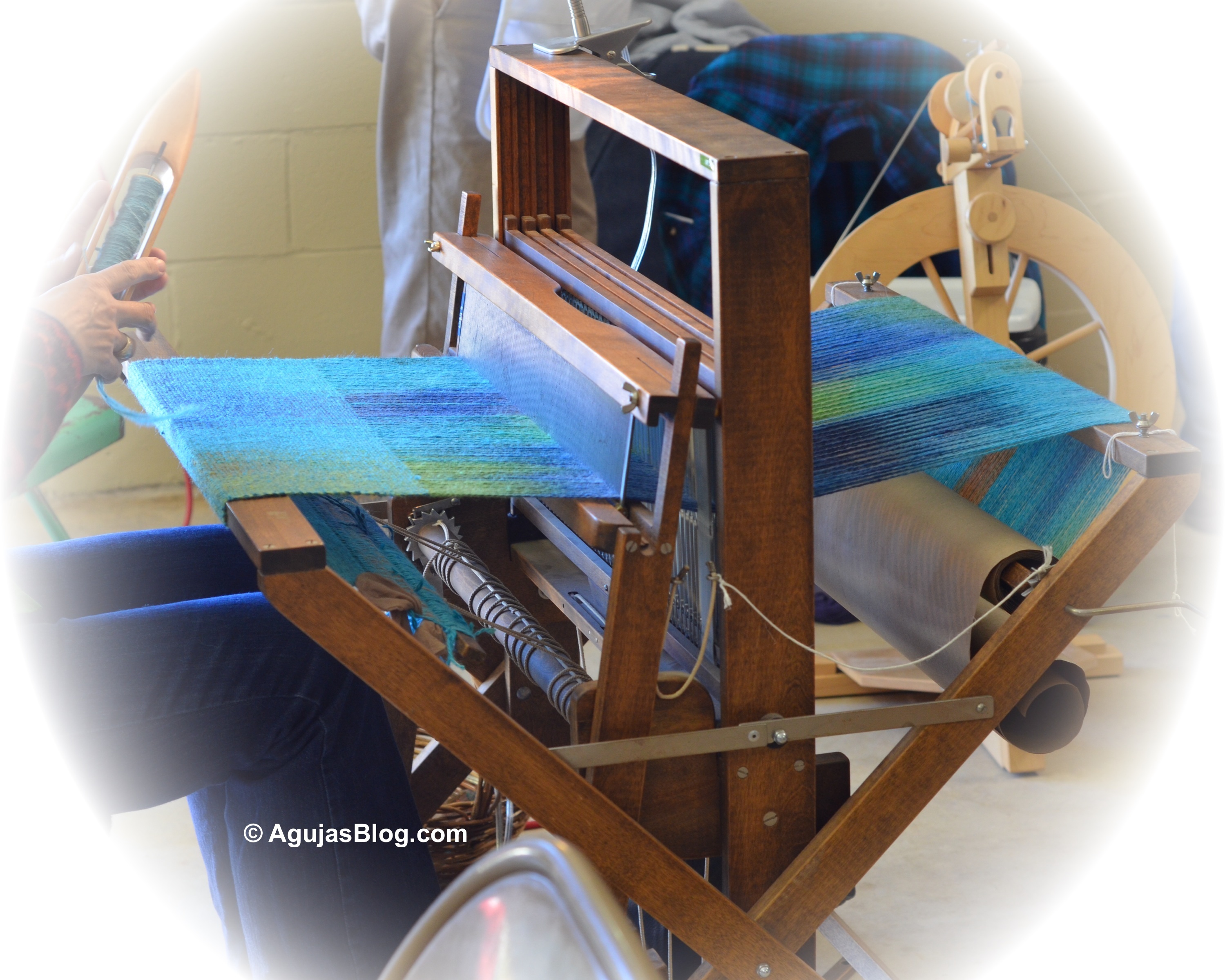
Behind rows of vendor stalls in one of the barns, several teams were in full swing for the Fiber to Fashion demonstrations. Spinners using spindles and wheels were busily turning fiber into yarn. The yarn was fed to the weaver who meticulously wove it on a loom. The goal was to create a finished product – a 20″ x 72″ shawl – in one day.

One of the Fiber to Fashion teams working on their woven shawl.

The team pictured here held a raffle for their shawl. I bought one ticket for $1 but, alas, did not win. I watched them as they were making the fringe and putting the final touches on the shawl. It was absolutely gorgeous.

The air was cool, the sun was out, the animals were adorable, kindred spirits were plentiful, and there were three barns full of fibery goodness – perfect!

A Place for Weaving

During our trip to Comfort in search of yarn, we discovered another little gem in the quaint historic district. Comfort Crockery is immediately across the street from The Tinsmith’s Wife. The main area is dedicated to original artwork by local and regional artists. The items included pottery, glassware, jewelry and mesquite furniture. But what really drew me in was a sign that read “Loom Room.”

It turns out that Comfort Crockery offers weaving classes and all the tools needed by spinners and weavers alike. They had spindles, spinning wheels, fiber and looms. I chatted with the owner who gave me a preview of wonderful things to come. She led me through a hallway that opened up into a cavernous room that was to become the Loom Room. There were piles of lumber, saw horses and tools scattered throughout. The room was being carefully renovated.

As I soon learned, Comfort Crockery is housed in a historic building designed in the mid-1800’s by architect Alfred Giles of San Antonio. The town itself was settled by German immigrants who were “freethinkers.”

Freethinkers were German intellectuals who advocated reason and democracy over religious and political authoritarianism. Many had participated in the 1848 German revolution and sought freedom in America. They strongly supported secular education and generally did not adhere to any formal religious doctrines. They applied themselves to the crafts of physical labor and divided their time between farming and intellectual pursuits. Freethinkers advocated universal equal rights, and their moral values were dominated by their respect for life. They actively supported such social issues as the abolition of slavery and the rejection of secession. (Source)

So our quaint afternoon in search of yarn became a wonderful mini history lesson. These are some of the things I saw at Comfort Crockery.

Tesoros del Camino

My husband, the pilgrim, returned from a long walk of 863 kilometers across northern Spain. He walked westward from the Spanish-French border to the Atlantic Ocean. He followed the Camino De Santiago (the Way of St. James), a pilgrimage that has been walked by thousands before him since medieval times.

This was his trip, not mine, so I cannot write about its spiritual significance or the physical endurance required to make the trip. That is his story to tell, or not, in his own time. What I can relay are snippets of experiences and sights that he shared with me along the way.

The first day was the hardest. It was an uphill climb through ankle-deep mud in the pouring rain and winds that blew horizontally along the path. He told me that there were crosses and makeshift memorials covered in stones marking the places where pilgrims had started and ended their walks.

On his way from Roncesvalles to Burguete, he walked through the Sorginaritzaga Forest. Before entering, he came across a sign written in four languages. The caption read “Brujería” or “Witchcraft.”

The Sorginaritzaga forest, whose meaning is “oakwood of witches,” was where some of the most well-known witches’ covens of the XVI century were held, …

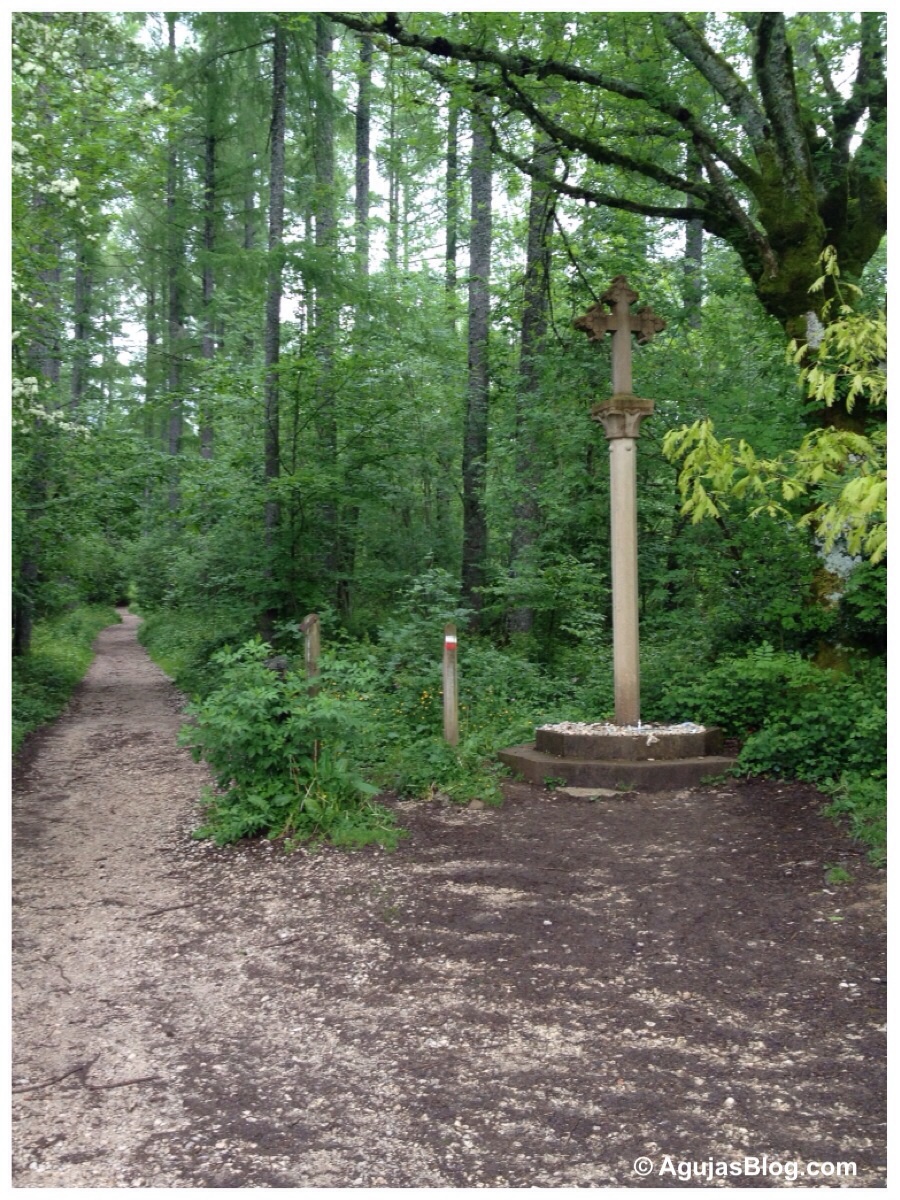
As he walked through the forest, he came across the White Cross placed there to protect the pilgrims from witches.
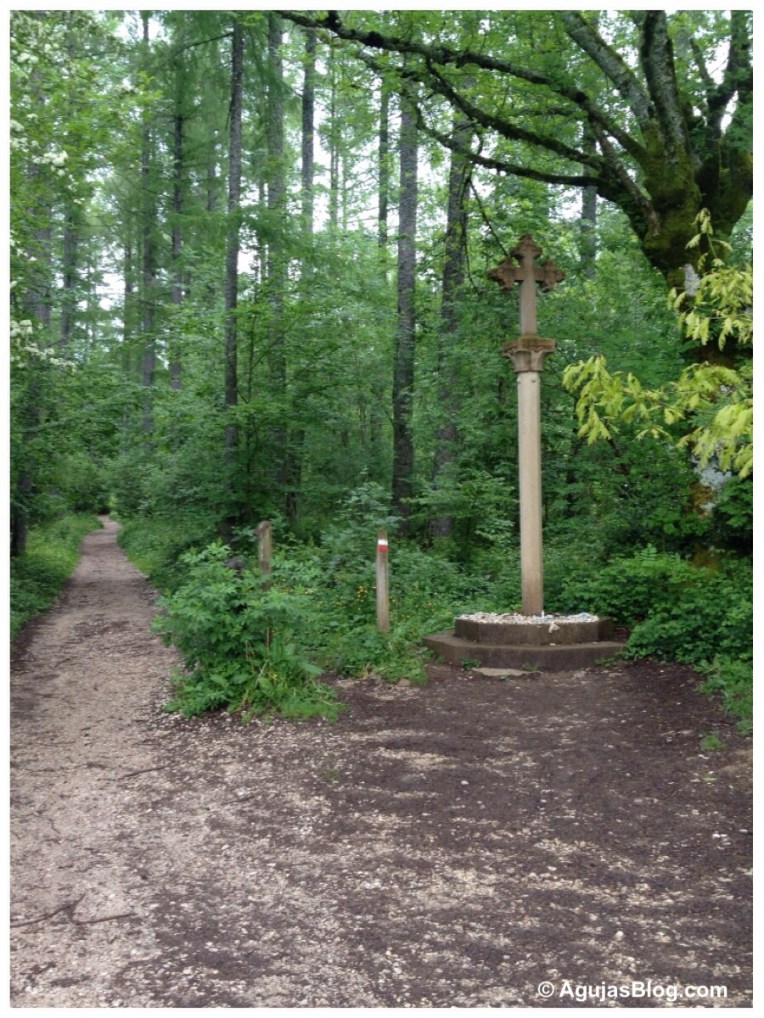
Sorginaritzaga Forest

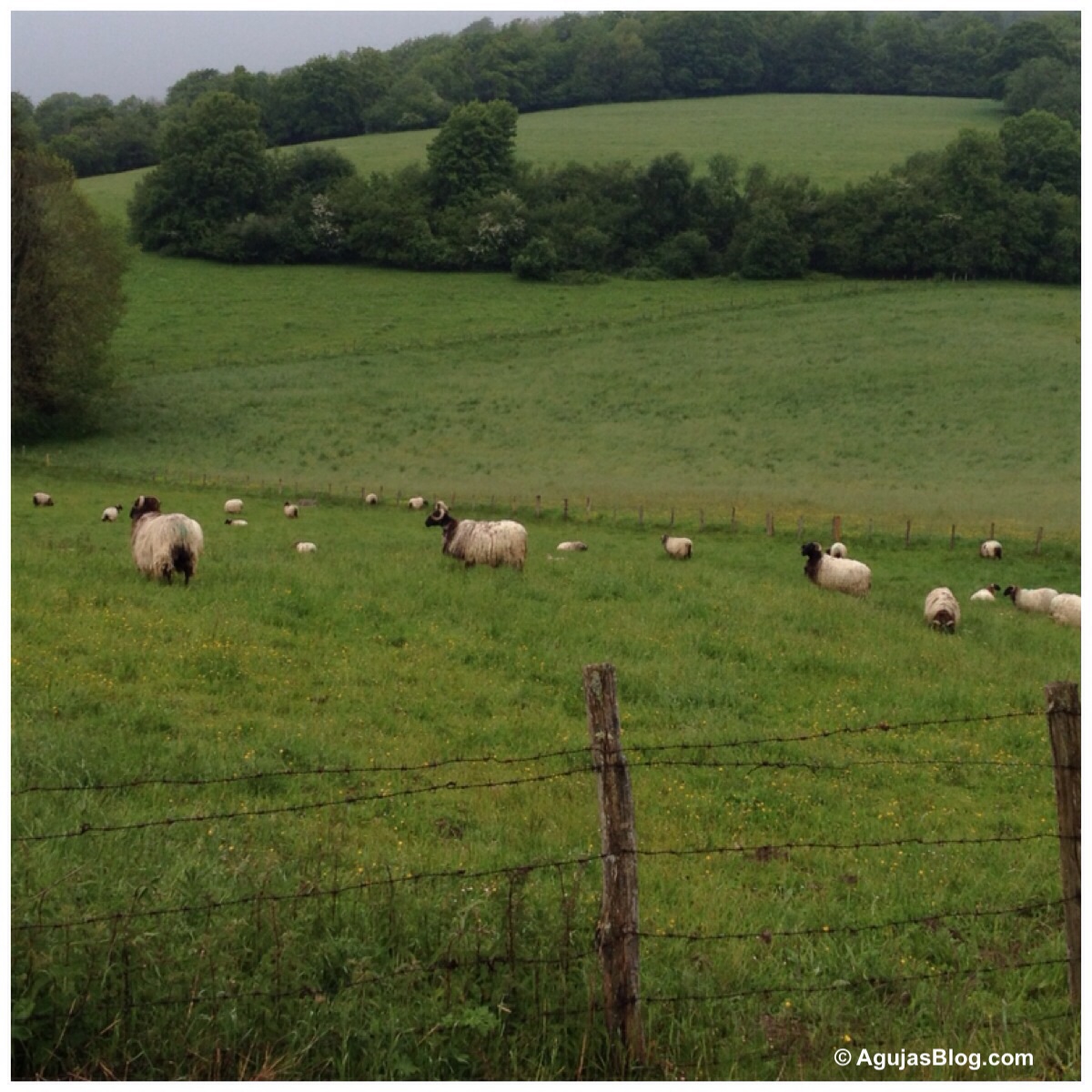
Despite this ominous beginning, he found time to send me photos of the countryside and of sheep grazing in the fields. He spotted this flock of sheep near the Basque town of Zubiri.
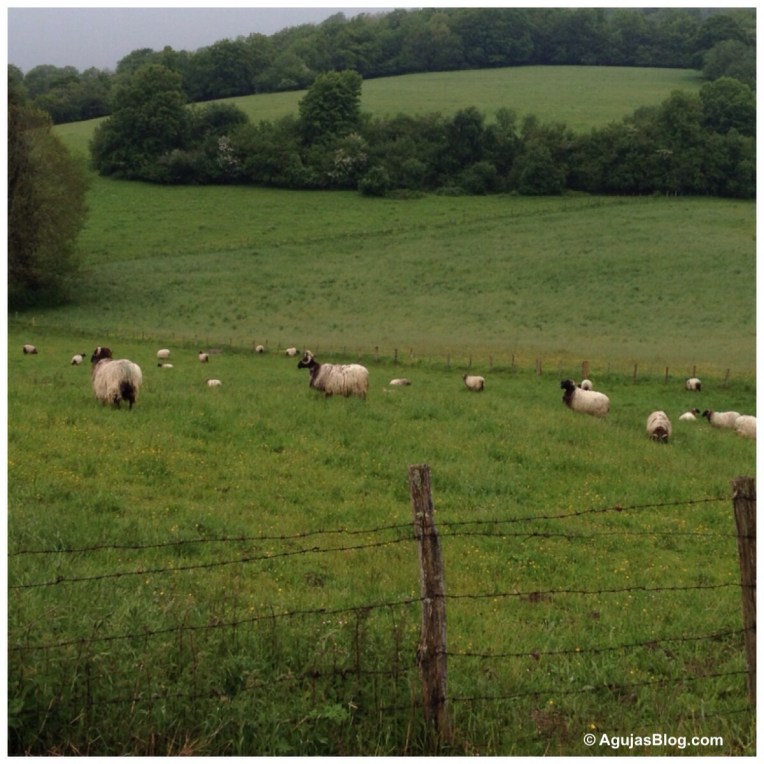
Near Zubiri

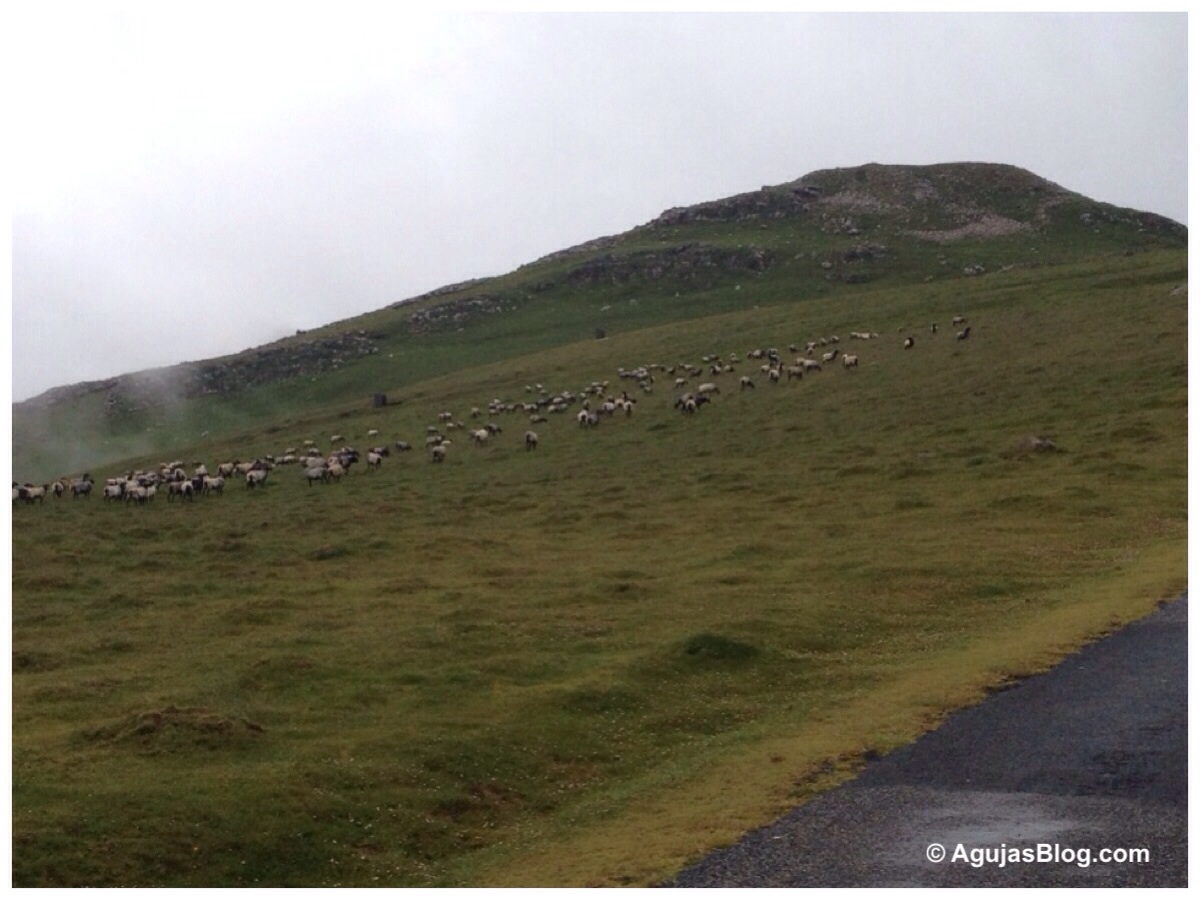
He told me these were Manech sheep. They are black-faced free roaming sheep known for their milk and from which “ossau-iraty” cheese is made.
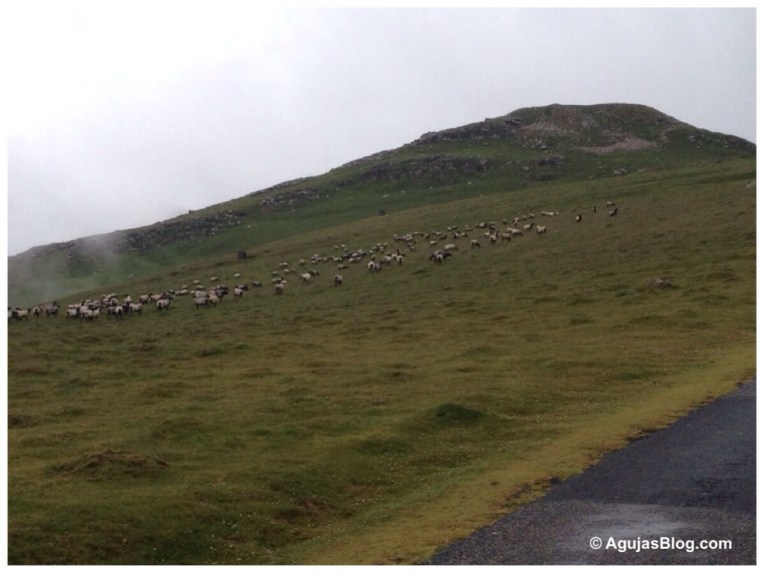
Manech Sheep

He even snapped photos of some of the yarn stores he happened to spot in the towns he came across. Mercería Nhilos is in Nájera; Lanas Lany in León.

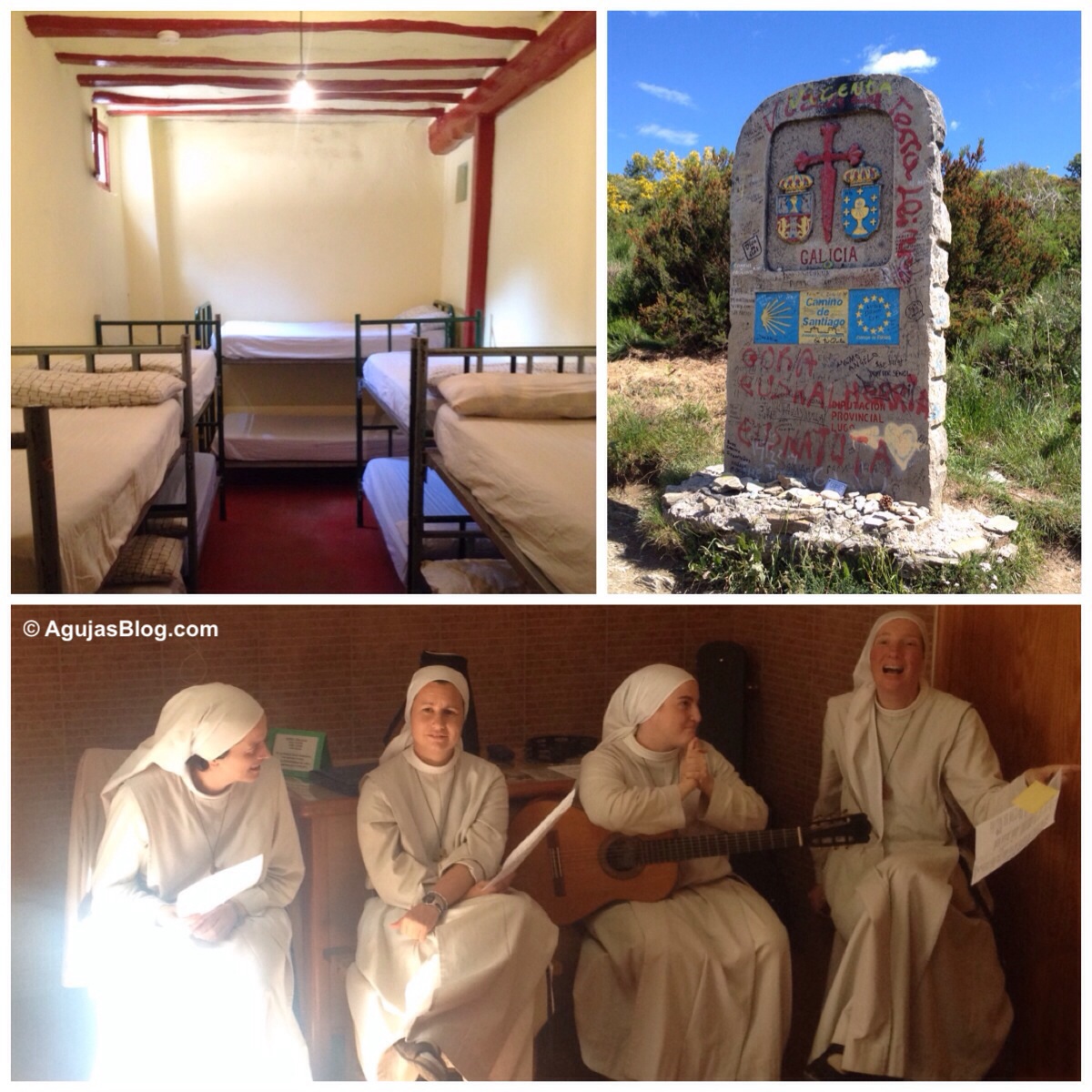
Along the way, pilgrims stay in albergues. The albergues provide a bed and usually a meal, sometimes a community dinner or a light breakfast. Curfews are strict so as not to disturb the weary pilgrims. The bunk beds shown below are in a pilgrim’s shelter attached to a local church in Belorado. The albergue was run by German nuns. The bed was free although a contribution of 5€ to the nun’s fund was recommended.

Another albergue was at St. Mary’s Nunnery in the city of Carrión de los Condes. According to my husband, one nun will tend to your feet with an extensive first aid kit and all the patience in the world. That evening, they held a pilgrim’s mass with a blessing of the feet followed by a community dinner and some singing and entertainment for the weary travelers. The following day would consist of a brutal 20-mile walk in desert-like conditions.

Within 58 kilometers of Santiago de Compostela, my pilgrim made it up the side of a mountain in the province of Galicia where this stone marker is located.
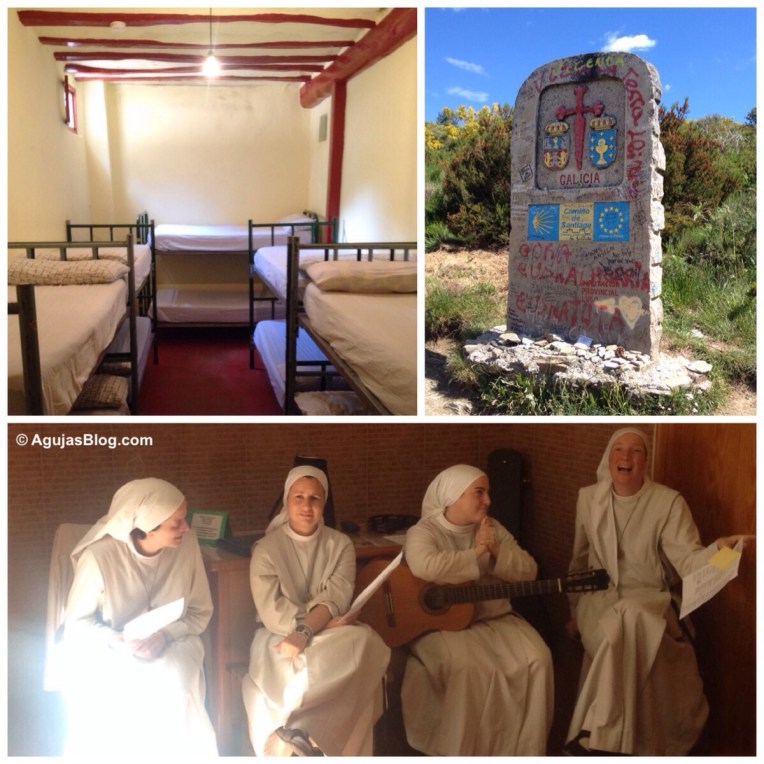
El Camino Collage Summer 2014

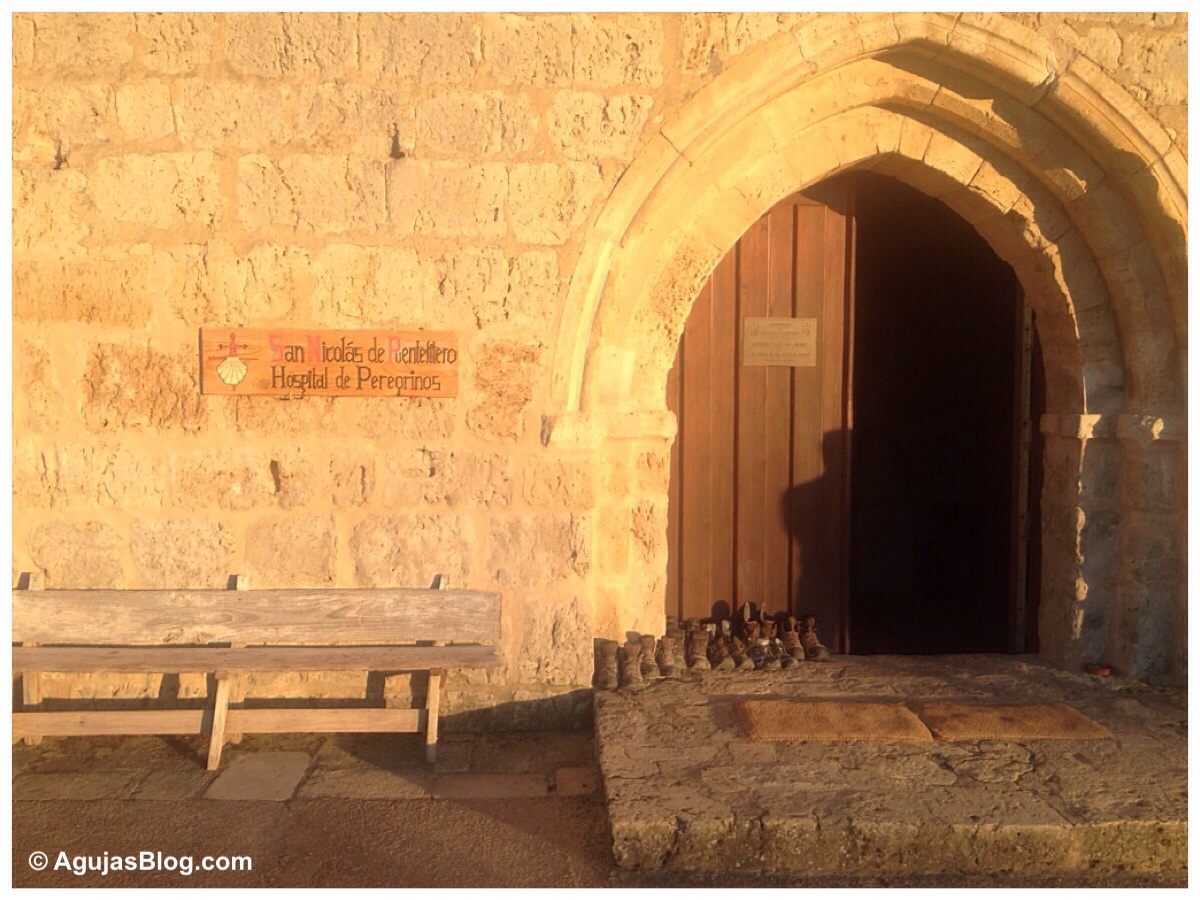
This albergue was situated near Itero de la Vega in a medieval structure run by an Italian religious fraternity. The simple refuge had no electricity, only candles to light the way.
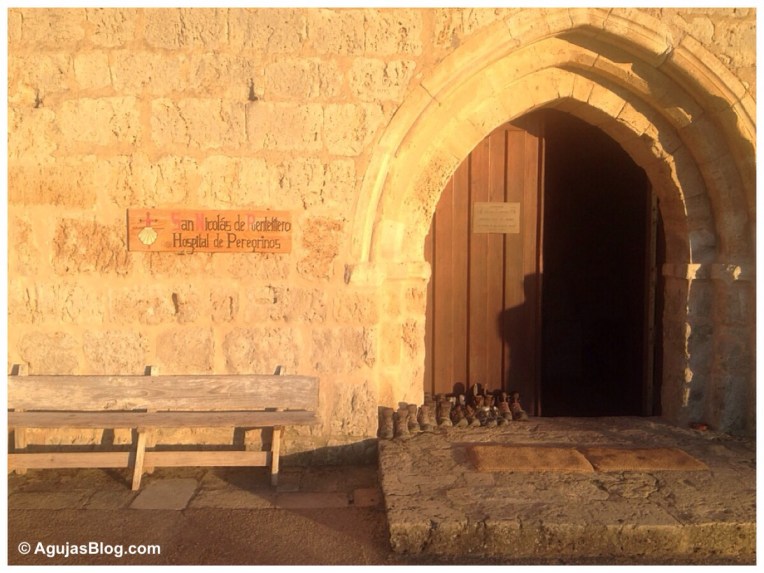
Albergue San Nicolás

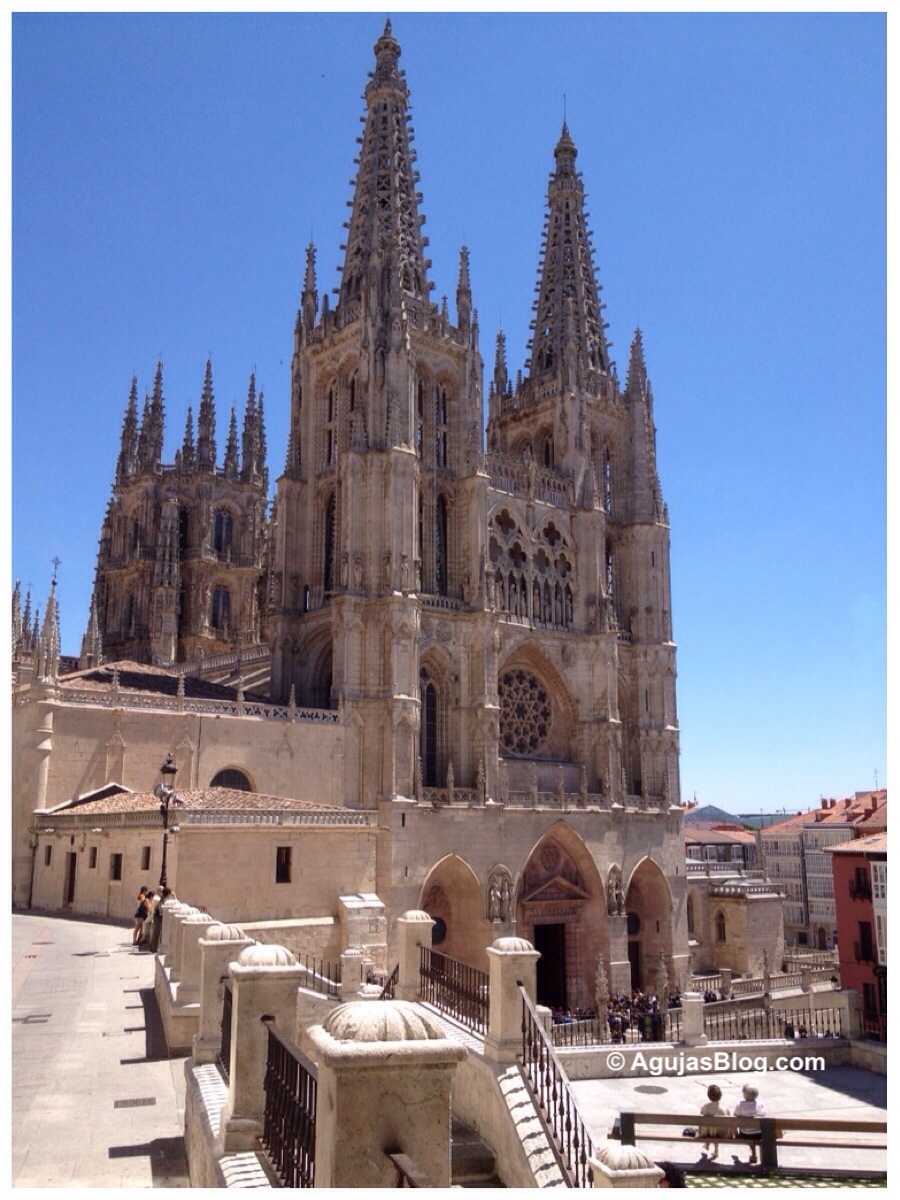
In Burgos, he had a clear view of the magnificent cathedral.
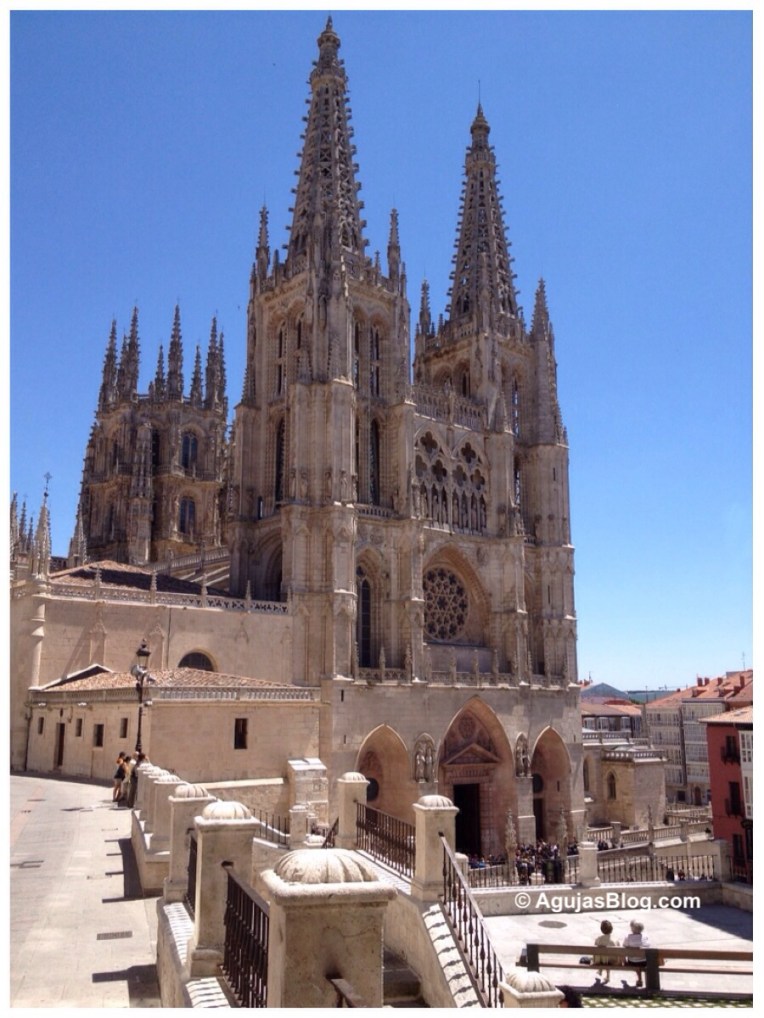
Burgos Cathedral

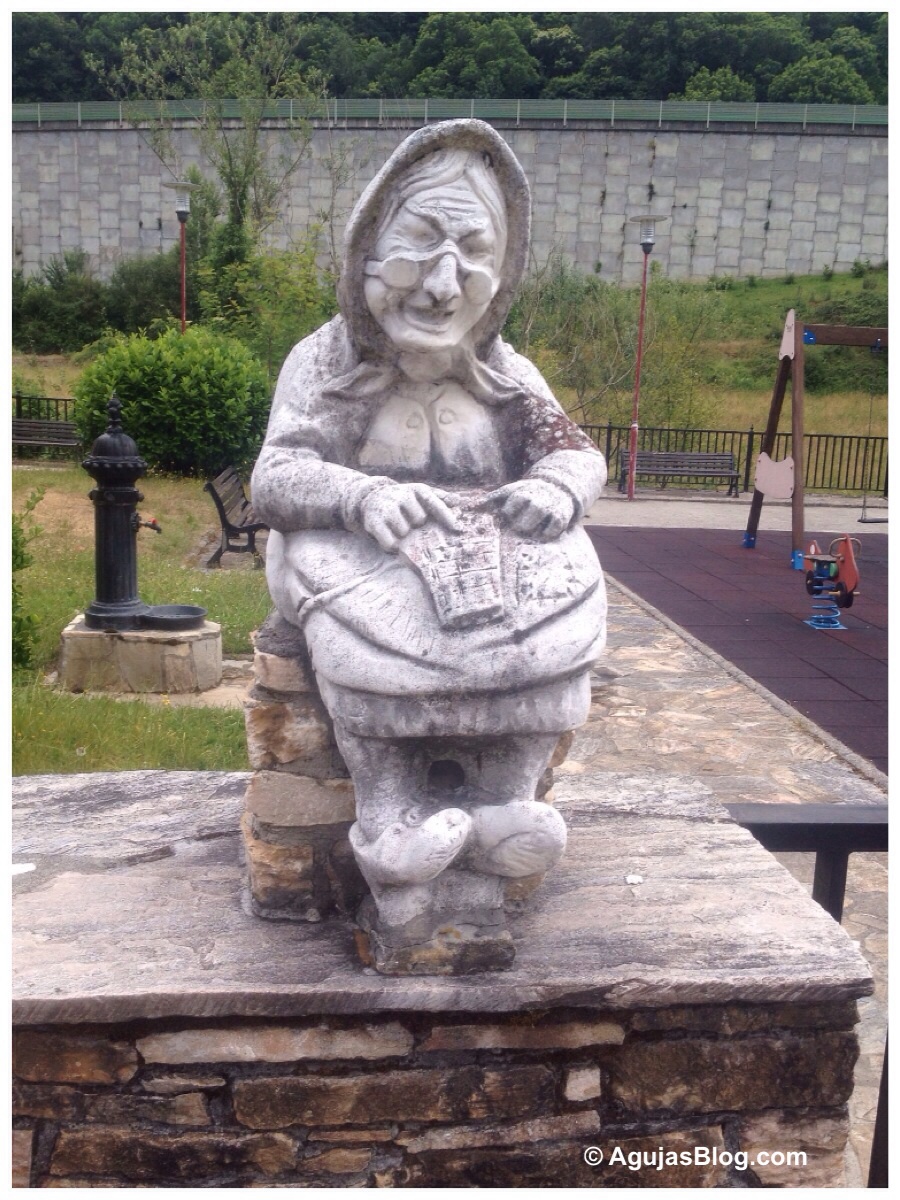
Halfway between León and Santiago de Compostela, he stayed in the town of Vega de Valcarce, population 800. It was there he spotted this statue of an old woman knitting.
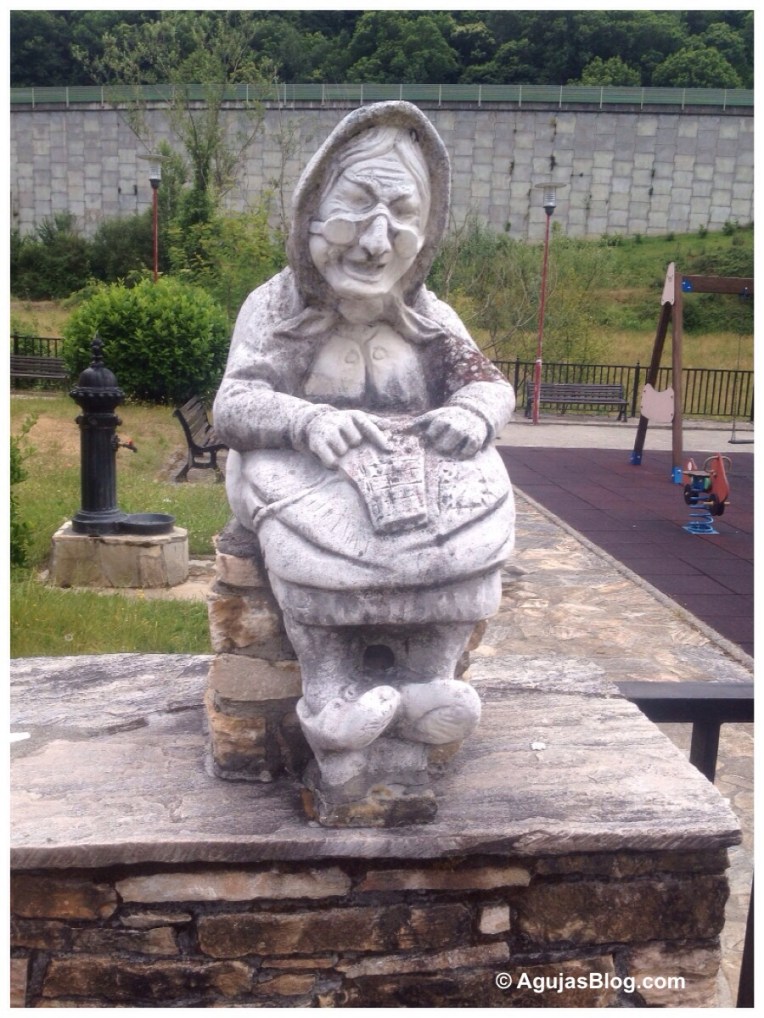
Statue @ Vega De Valcarce

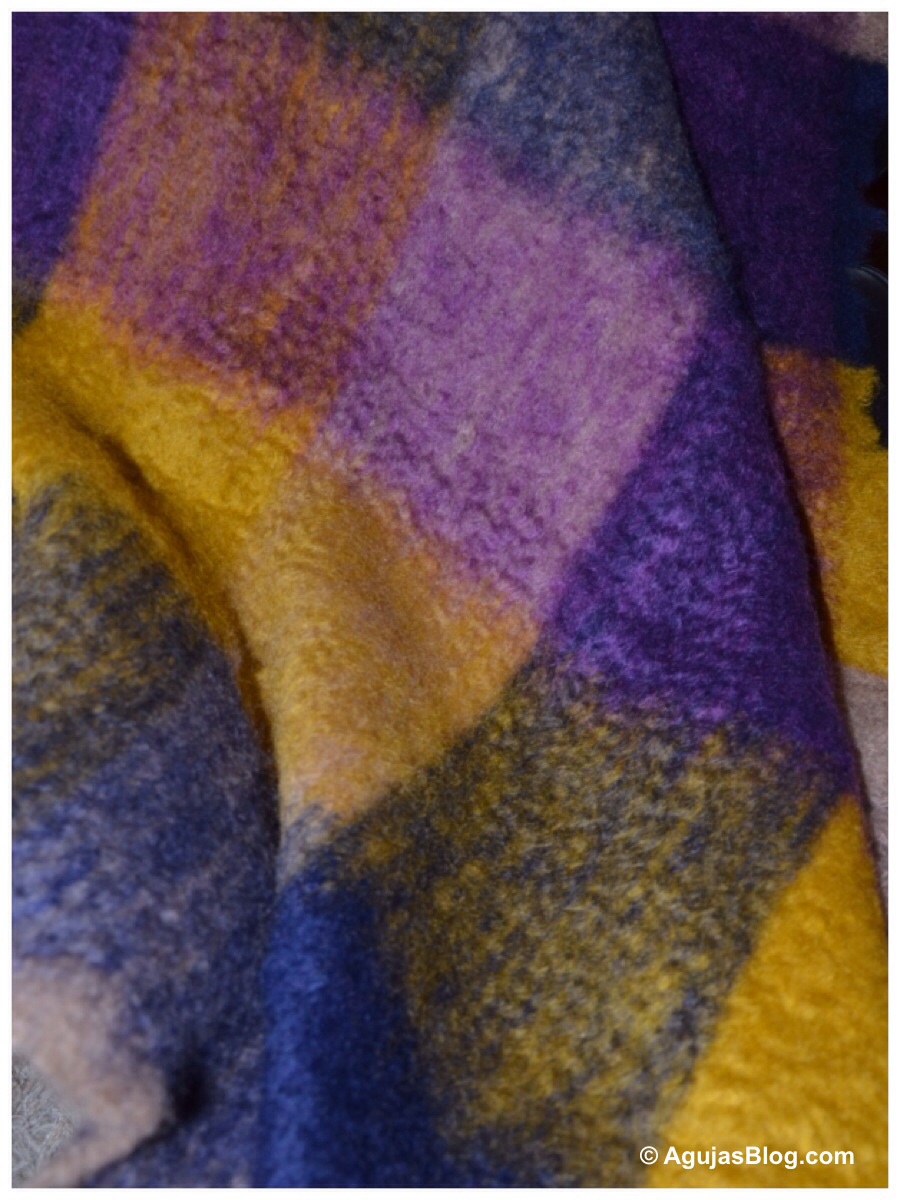
From Ezcaray, arriving precisely on my birthday, he shipped this exquisite blanket woven with 73% mohair and 27% wool from Mantas Ezcaray.
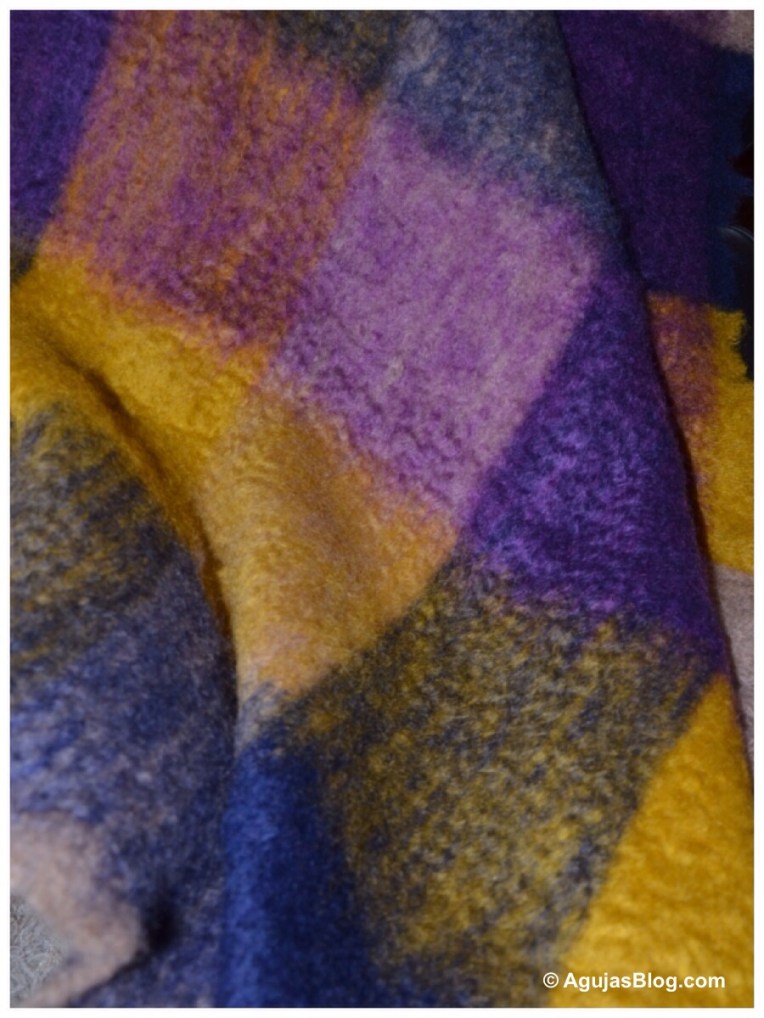
Mantas Ezcaray

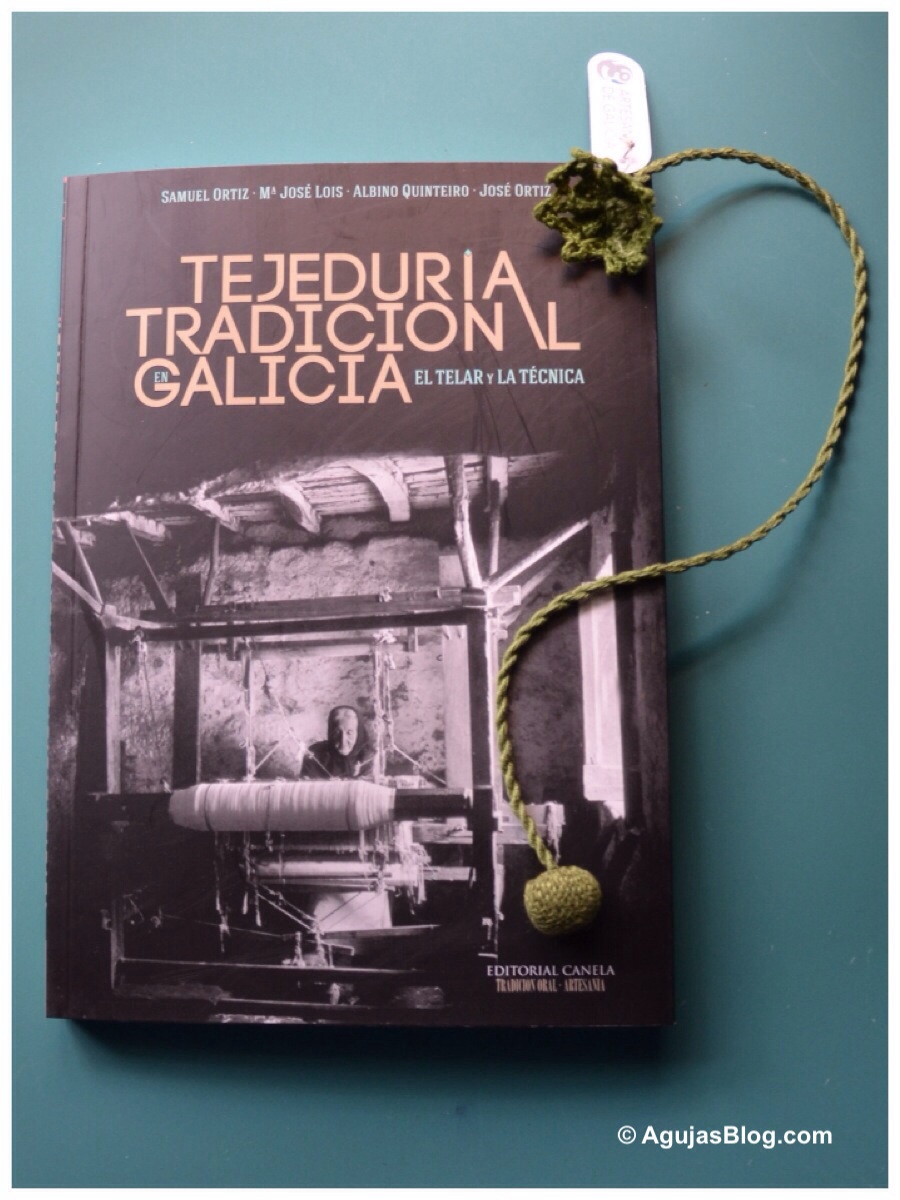
When he returned – a little sunburned, a bit achy – he came bearing gifts. For the boys, beautiful picture books about the Camino de Santiago and a myriad of stories, both funny and painful. For me, this book, Tejeduría Tradicional Galicia, or roughly translated, Traditional Weaving of Galicia. To complement this gift came a bookmarker knit by a local artisan made from a linen yarn spun from locally cultivated flax.
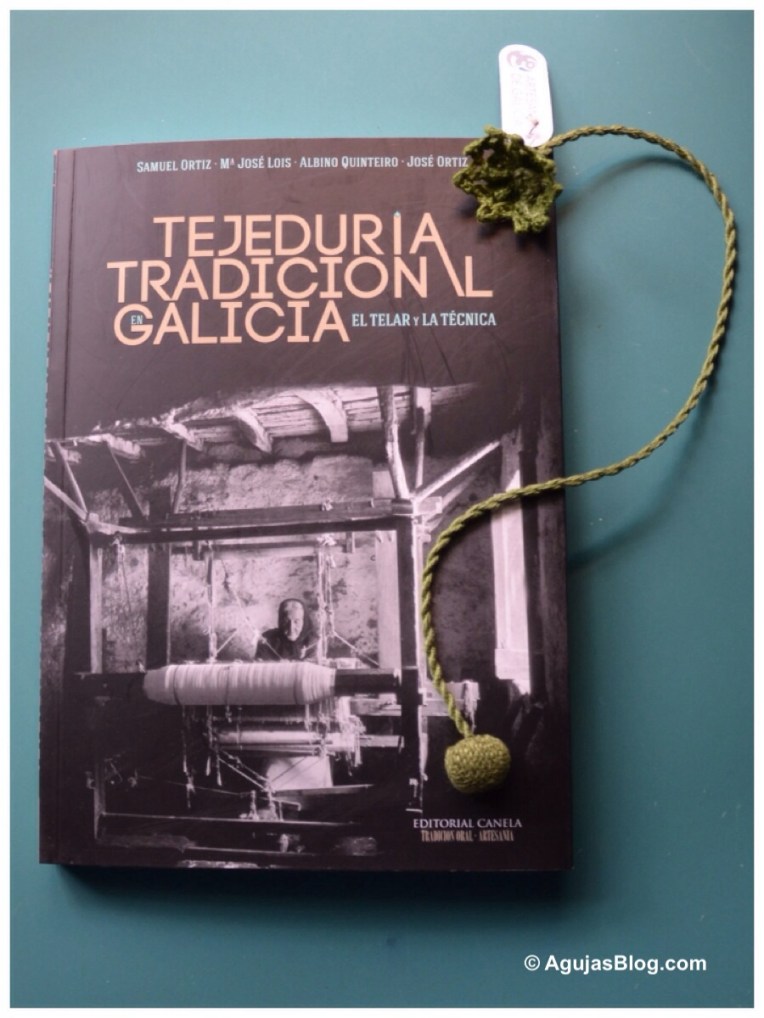
Tejedería Tradicional Galicia

We hope our boys make this journey some day. Perhaps my pilgrim and I will travel it together.
Yarn Terrors

Horrors! I had a knitter’s worst nightmare – while awake!

I recently switched phones and despite backing up my data, the yarn inventory on my Vogue knitting app did not carry over. I’m certain it was user error because most of my other data transferred.

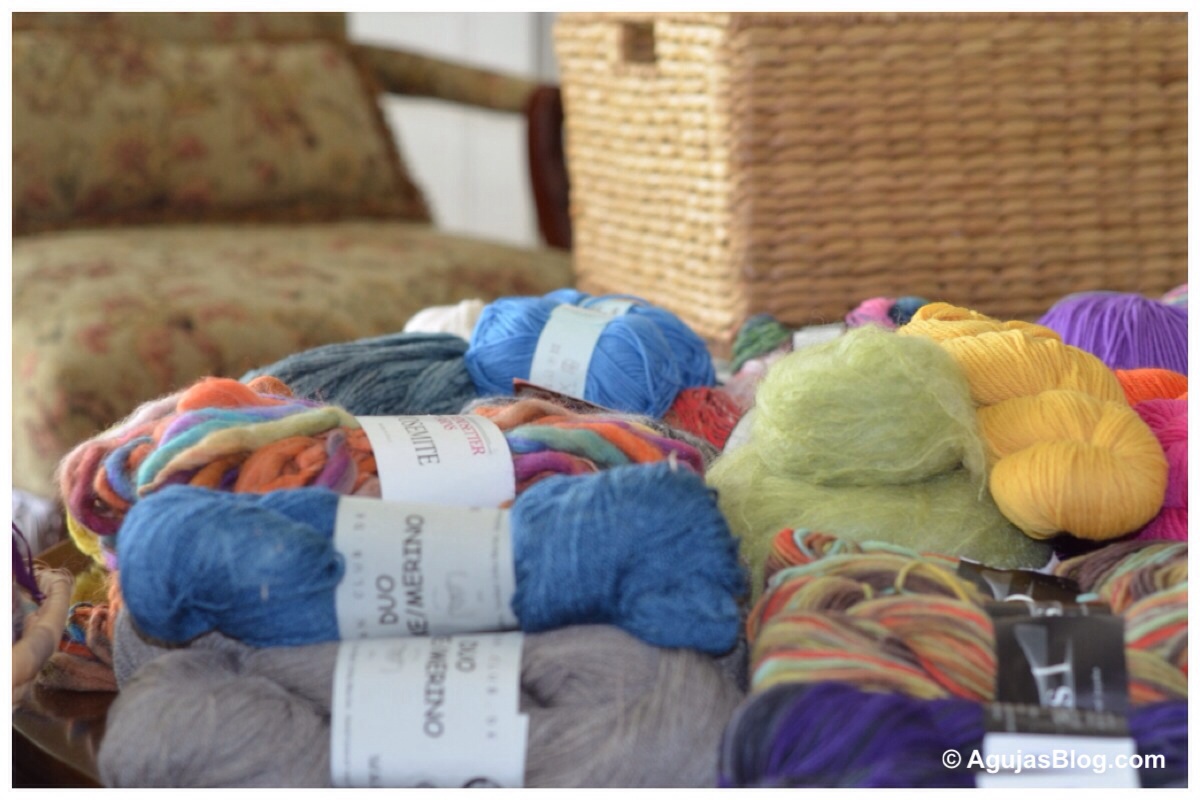
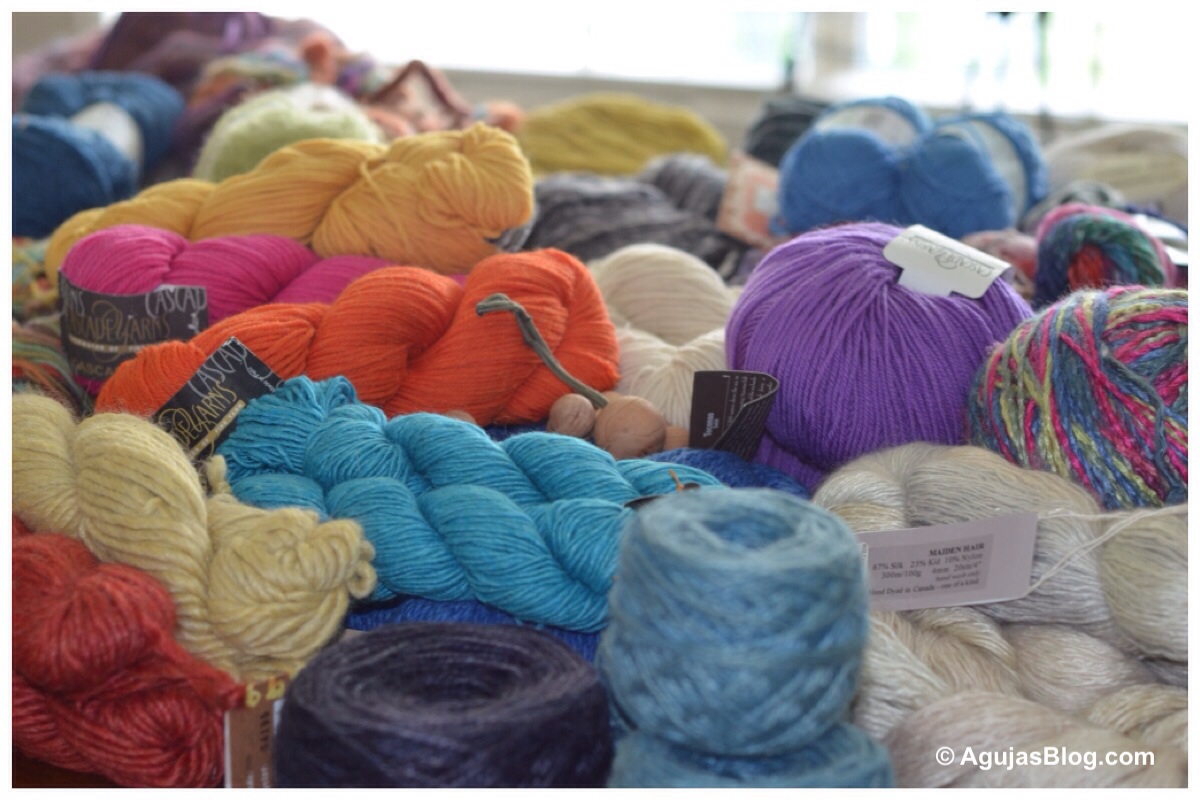
I didn’t mind though. It was a perfect excuse to take out the yarn stash and air it out. I do that from time to time. It reminds me of the beautiful skeins I’ve picked up here and there and sparks project ideas.

Yarn Stash May 2014 2

To my horror, as I was halfway through taking it out of its bin, out flew a moth! Noooooooooo! You can imagine the waves of panic that shot through me. I chased the culprit around the room and away from my yarn. I then turned to my stash and immediately examined every single skein, ball and hank for damage. Alas, there were several casualties.

The next couple of days were devoted to separating the damaged skeins from the rest. I threw out three skeins that seemed to have gotten the worst of it. Thankfully, the damage seemed contained to a corner of one bin.

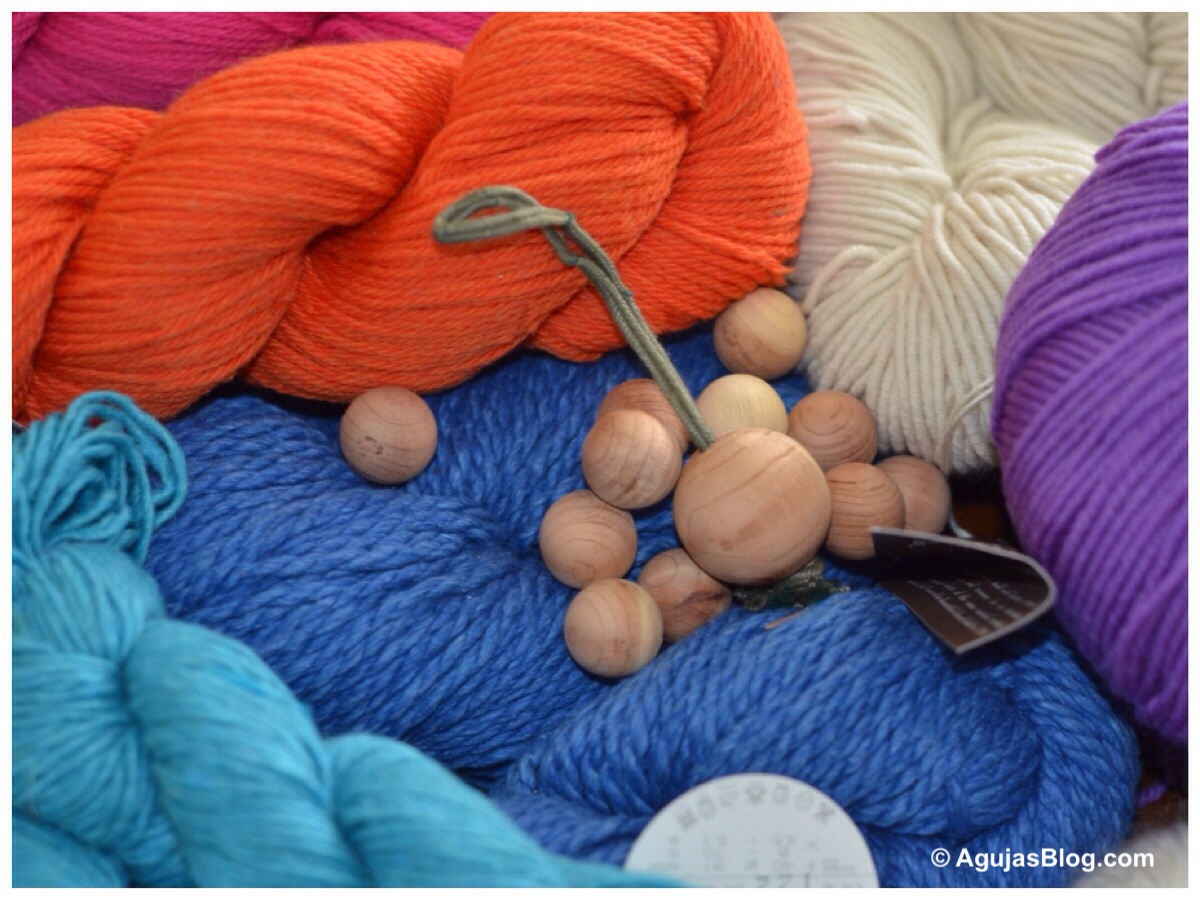
I was surprised to find the cursed critters in my stash. I periodically inspect and reorganize my stash (yes, I am a bit OCD about it) and keep a pile of cedar balls in each basket. But it was not enough.

Yarn Stash with Cedar Balls

After taking photos and entering my stash inventory into the app, I began storing the yarn inside plastic bags. I bought some lavender-scented moth balls wrapped in light paper and put one inside each bag, like little lethal sentinels guarding my treasures. I know those fibers are better off with circulating air but I was in defensive mode. I figured I could wash out the moth ball smell later. Better that than having to toss away yarn. My stash is a few skeins smaller but otherwise intact.

Yarn Stash May 2014 1

Now I really have to knit it down rather than risk losing any more of it. Yarn protection suggestions  are welcome.