Travel Tools and Notions

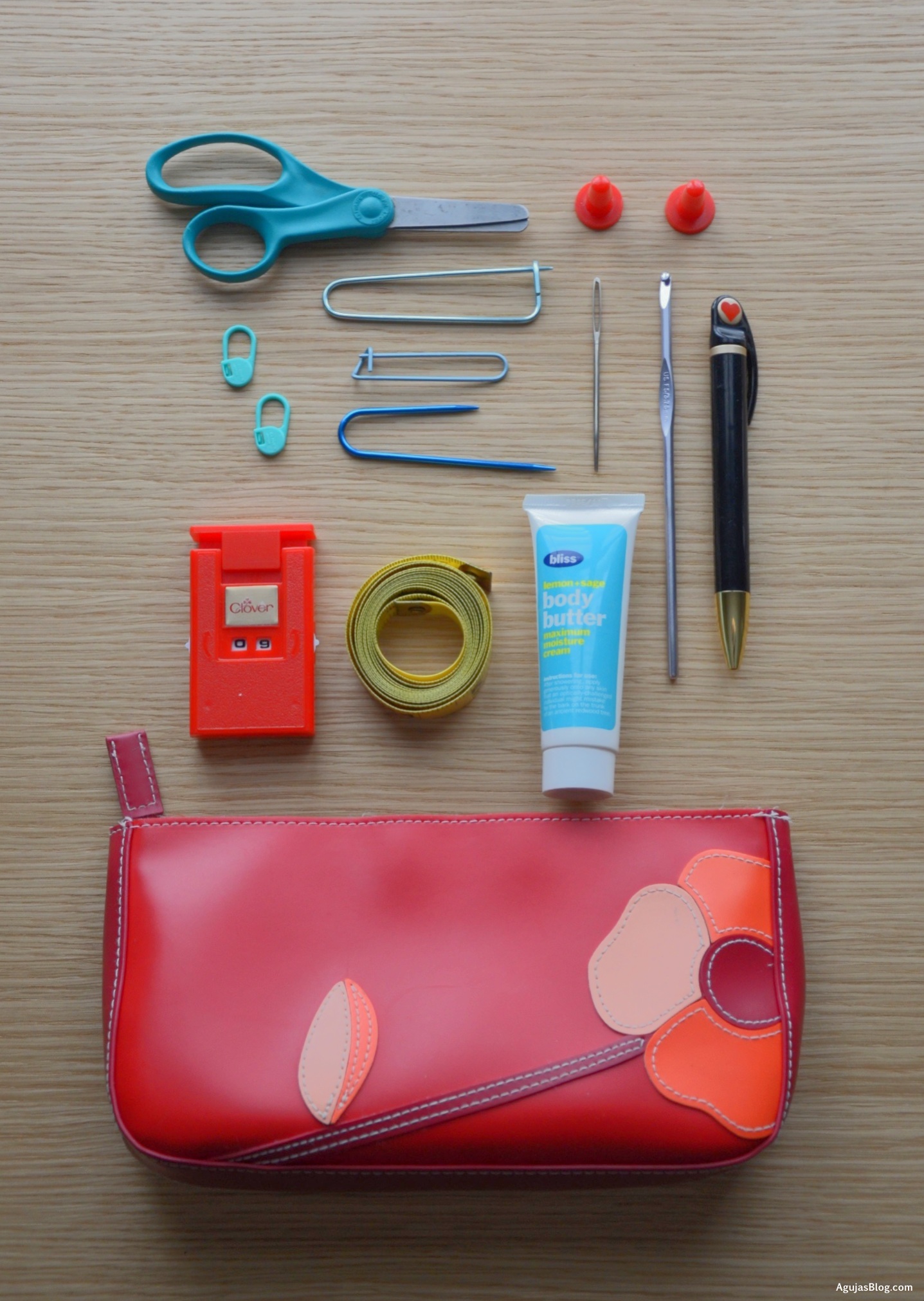
These are the tools and notions that always go with me in my knitting bag.

From top left to right: (1) Blunt scissors (can’t get through airport security otherwise); (2) Pair of needle point protectors; (3) Stitch markers; (4) Stitch holders in two sizes; (5) Cable needle; (6) Yarn needle for weaving in ends;  (7) Crochet hook for saving dropped stitches; (8) A pen; (9) Stitch counter; (10) Measuring tape; (11) Travel-sized hand lotion; (12) Small cosmetic bag (one of those free gifts with purchase at the cosmetic counter).

What’s in your bag?

I dare you to go to a yarn store and not buy anything

I went to the yarn store to pick up some fiber for the ladybug. Mom went with me.

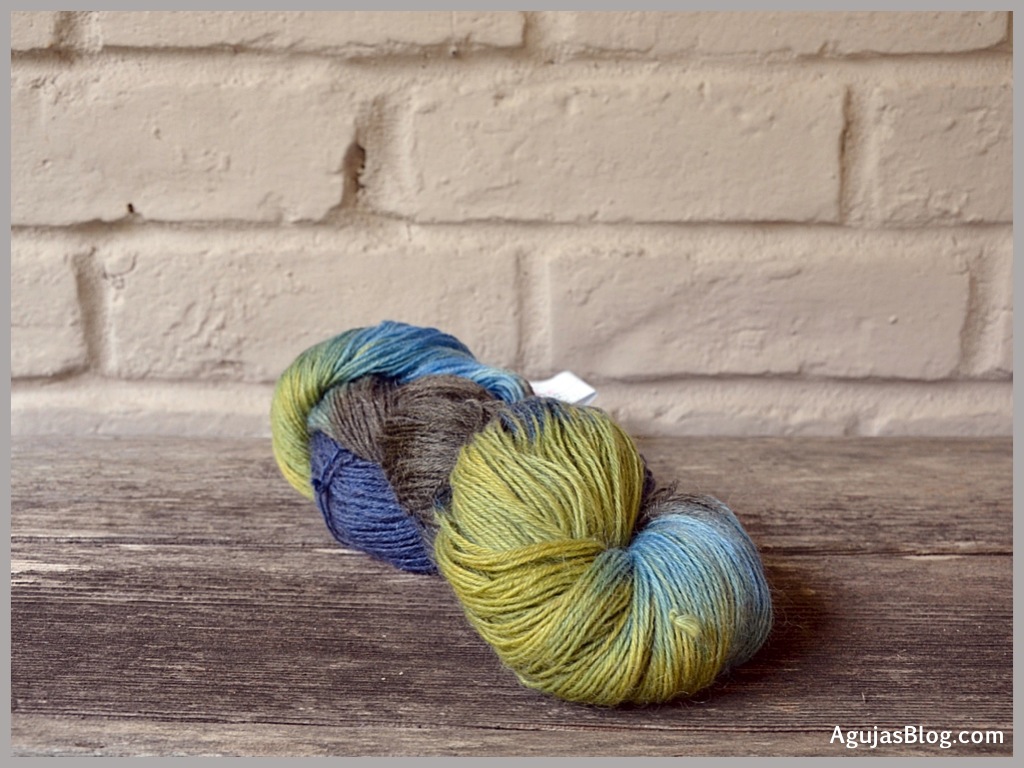
While I was perusing the fiber options, Mom saw a ruffled knit collar on display and decided I should knit it for her. She picked this yarn for it. It is called Sakkie by Plymouth Yarn. It’s a fingering weight sock yarn made in South Africa. Fiber contents: 40% wool, 40% mohair, 20% nylon.

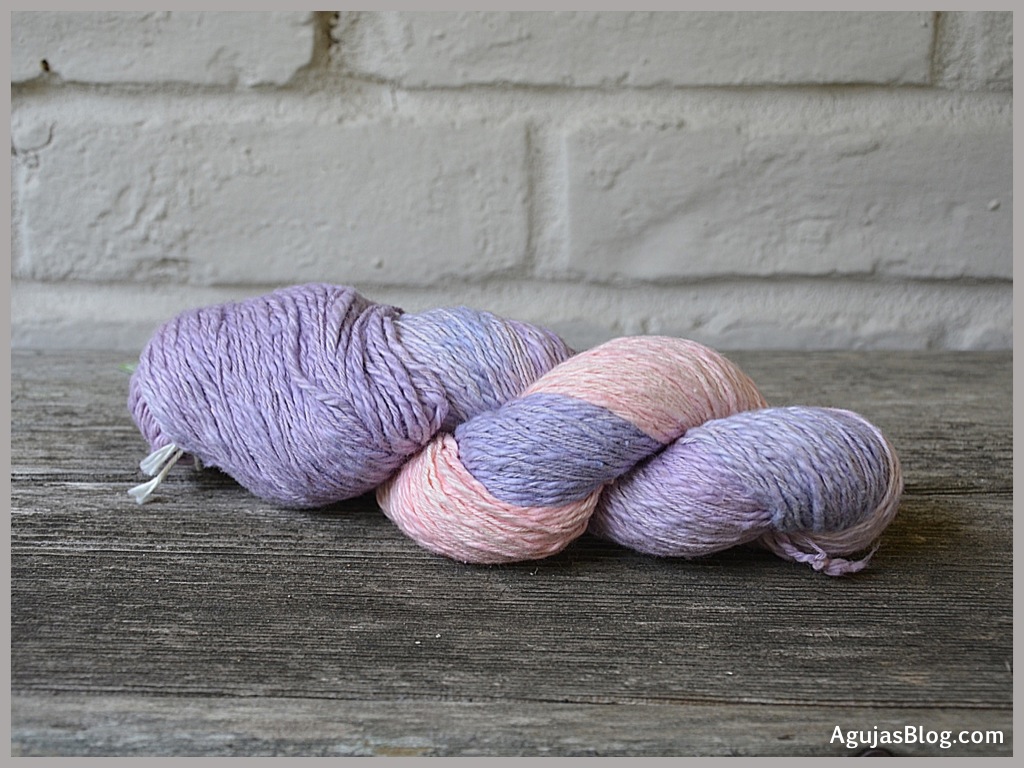
I found this in the sales bin. My aunt, my mother’s little sister, will also soon be having surgery. Once Mom shows her the wash cloths I made for her after her surgery, my aunt will also want some. So I’m preparing. This is Pichasca by Ester Bitran. It’s a sport weight 100% cotton yarn hand-dyed in Chile.

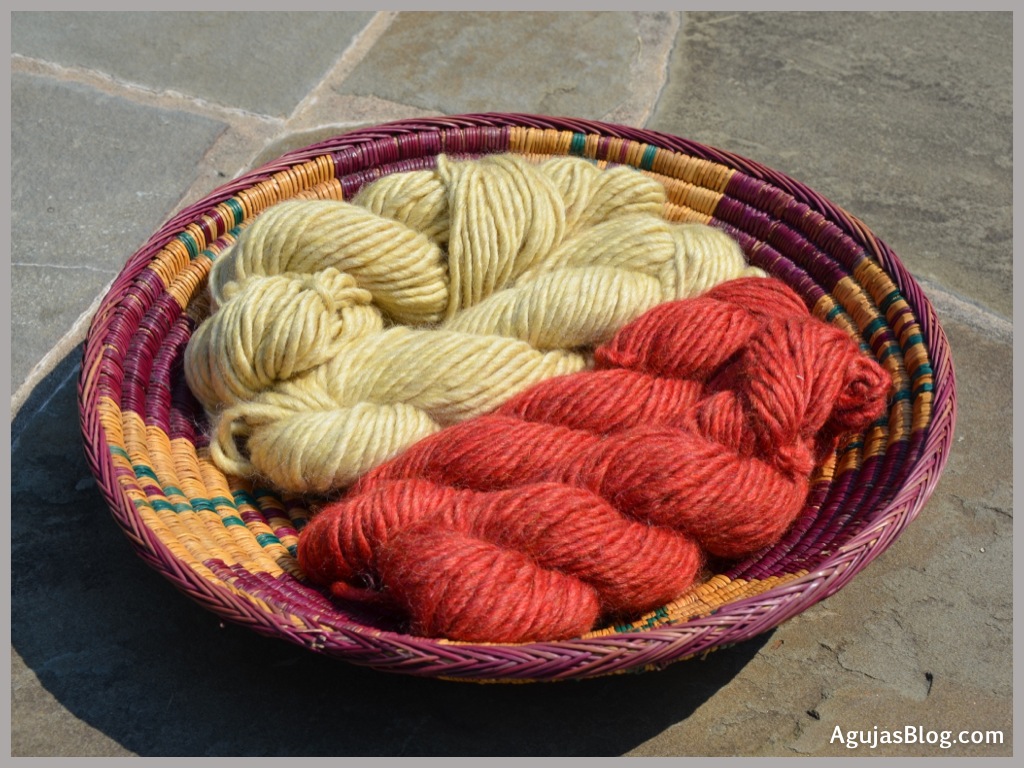
I picked these up because they were on sale and they were pretty and you never know when you’re going to need some yellow and red yarn for something. These are Sulka by Mirasol, a worsted weight yarn made of 60% wool, 20% silk, and 20% alpaca.

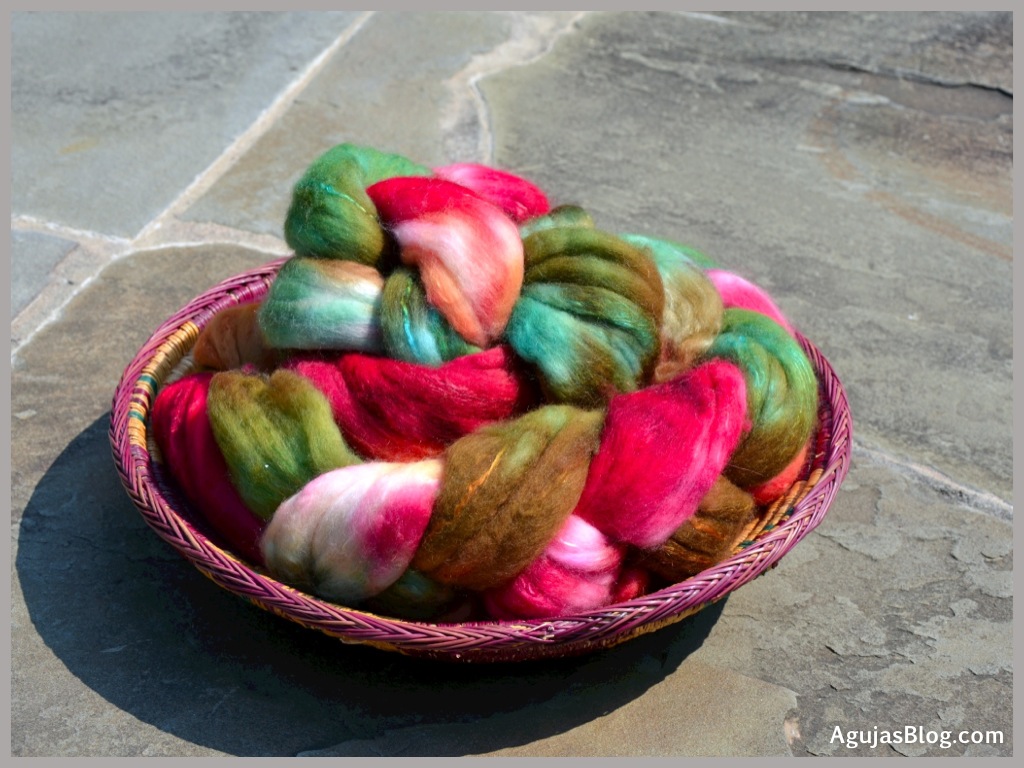
This is what I went to the yarn store for in the first place. It’s a hand-dyed silky cashmerino by Frabjous Fibers. The colourway is #8 Cottage Garden and each top is 4 oz.

Go ahead. I dare you.

My Very Own Ladybug

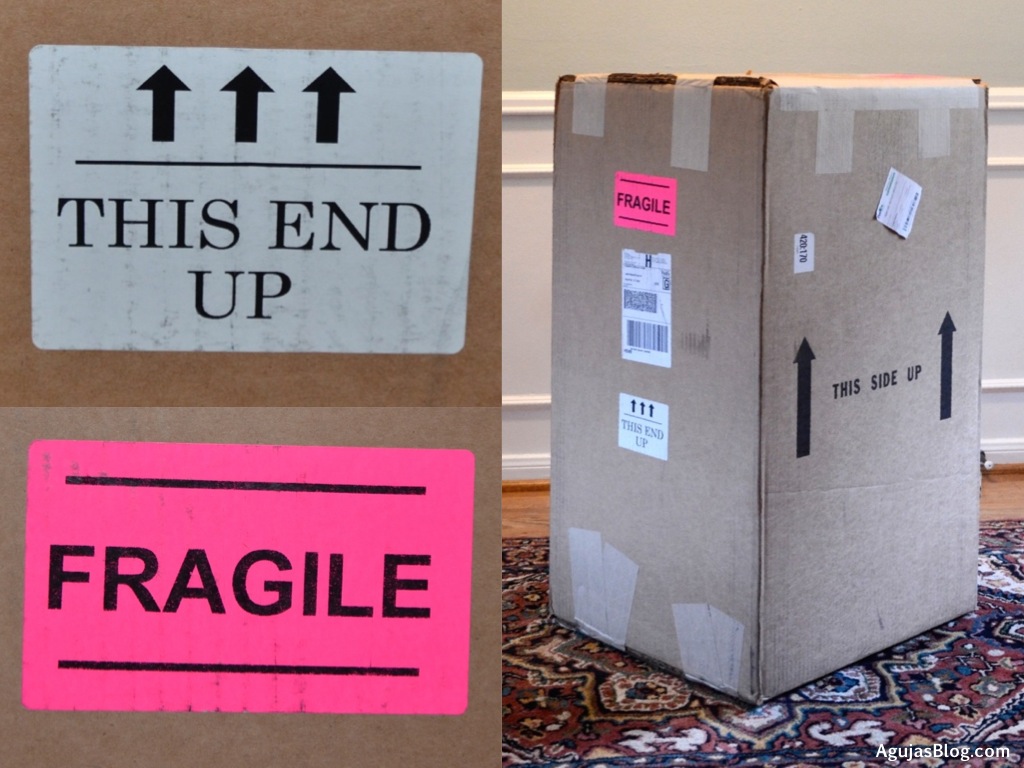
A very large box arrived at my doorstep the other day.

After much angst and deliberation, I ordered my very own spinning wheel. (Actually, I placed the order but it was a Mother’s Day gift from my husband extraordinaire).

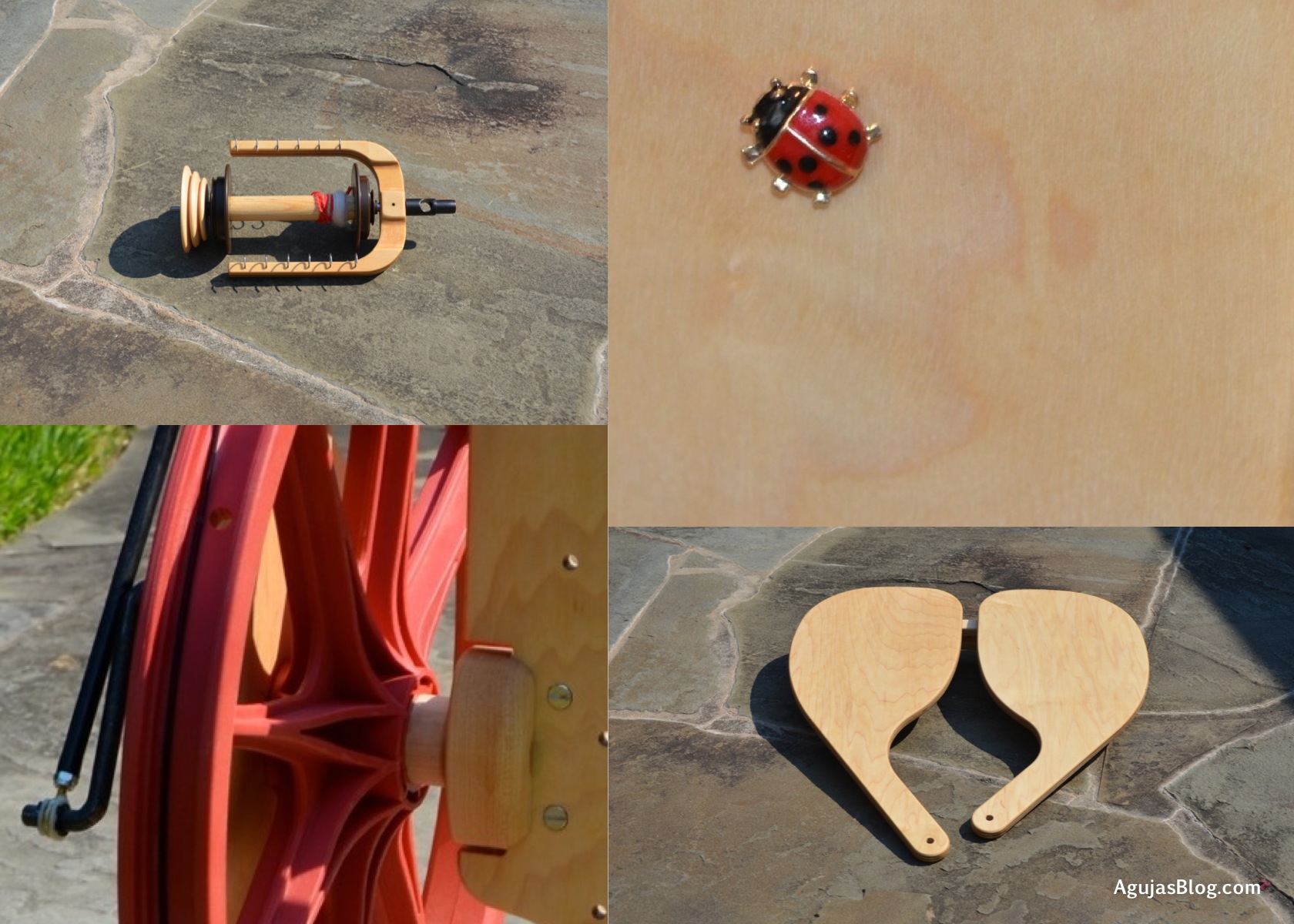
I carefully laid out the parts.

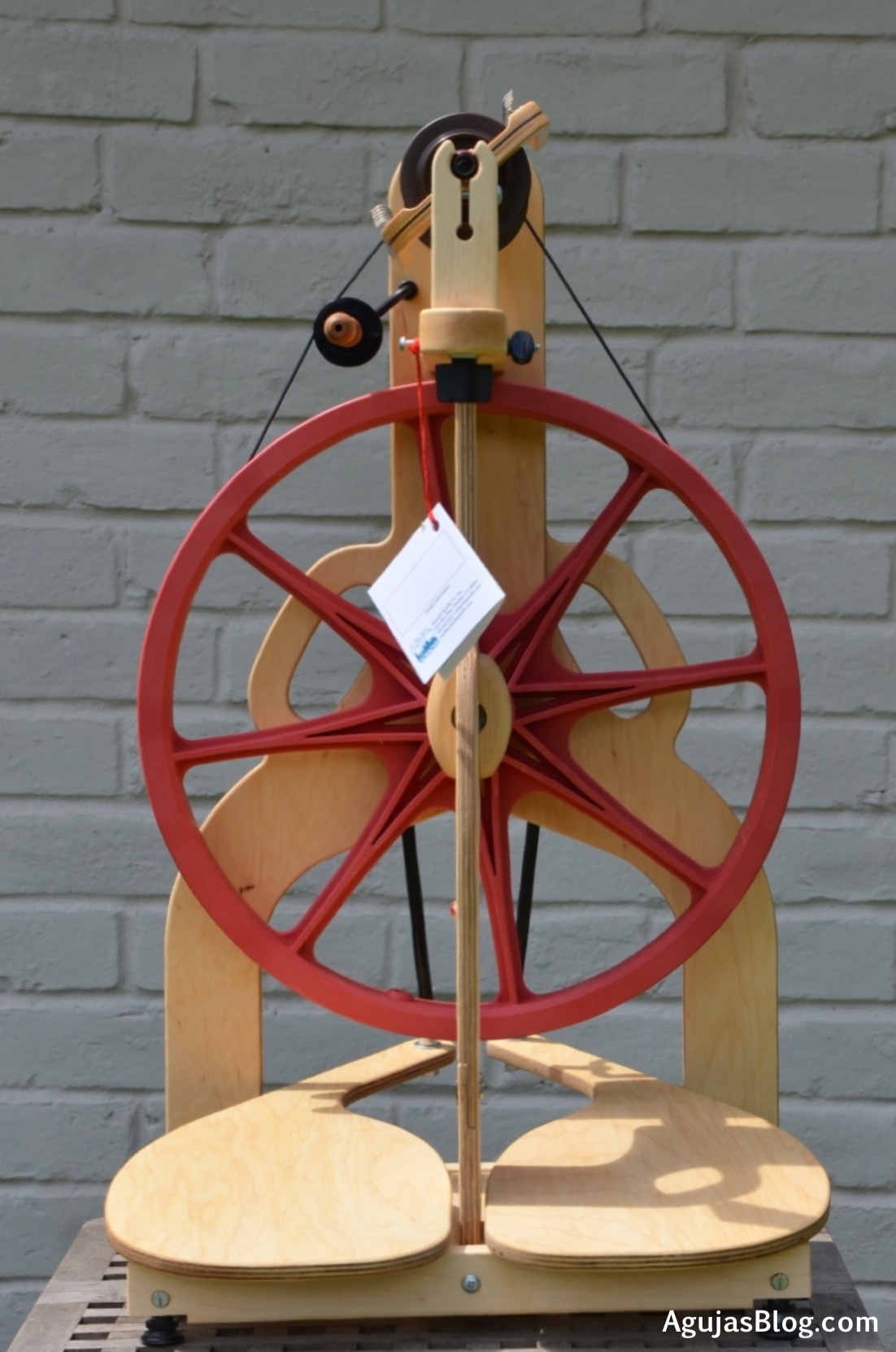
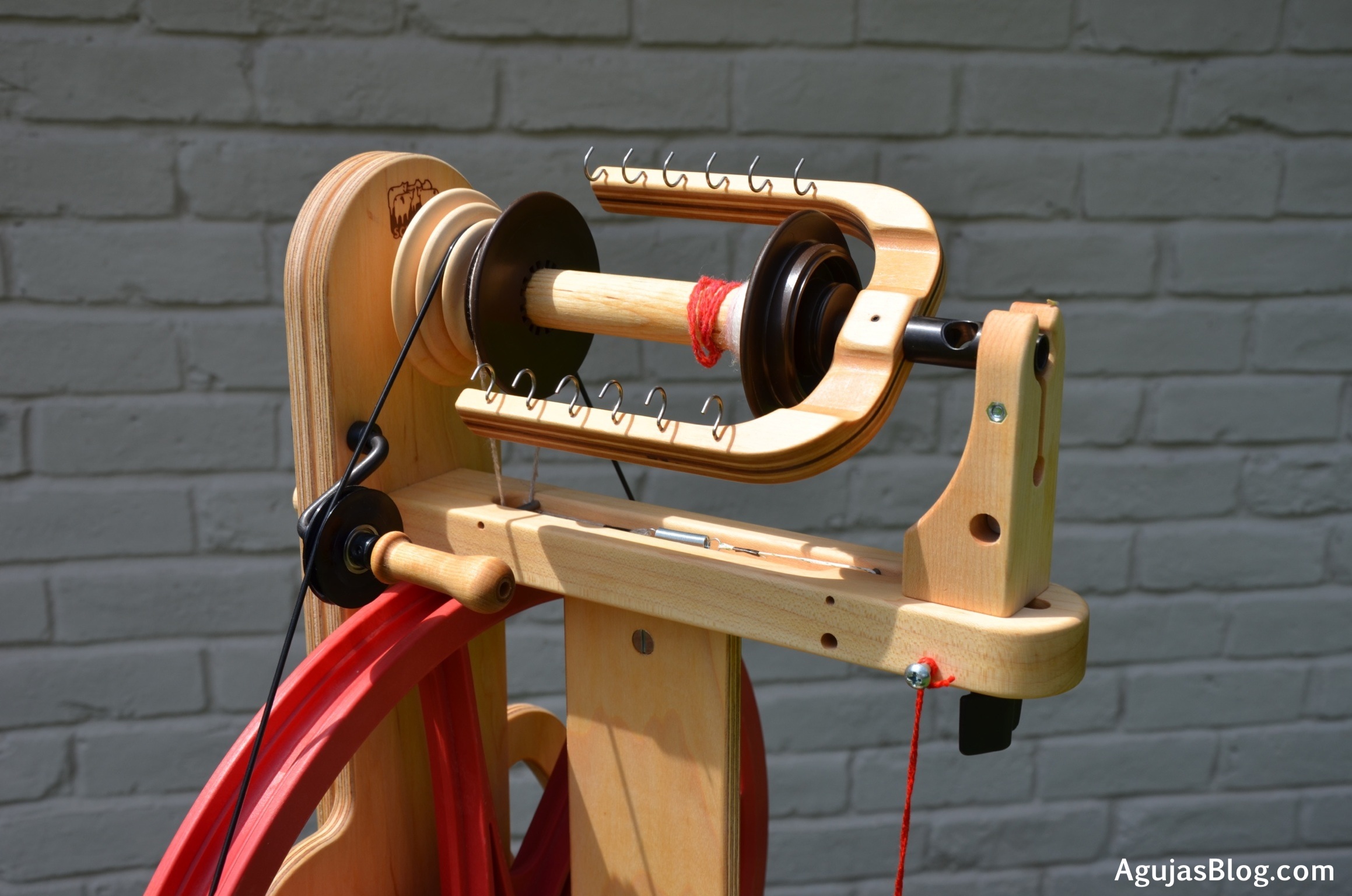
There was a little assembly required. I wish I could say it was easy but not so. Not all the parts are labelled on the assembly diagram. This could have been simpler but the husband extraordinaire figured it out. Isn’t she beautiful?

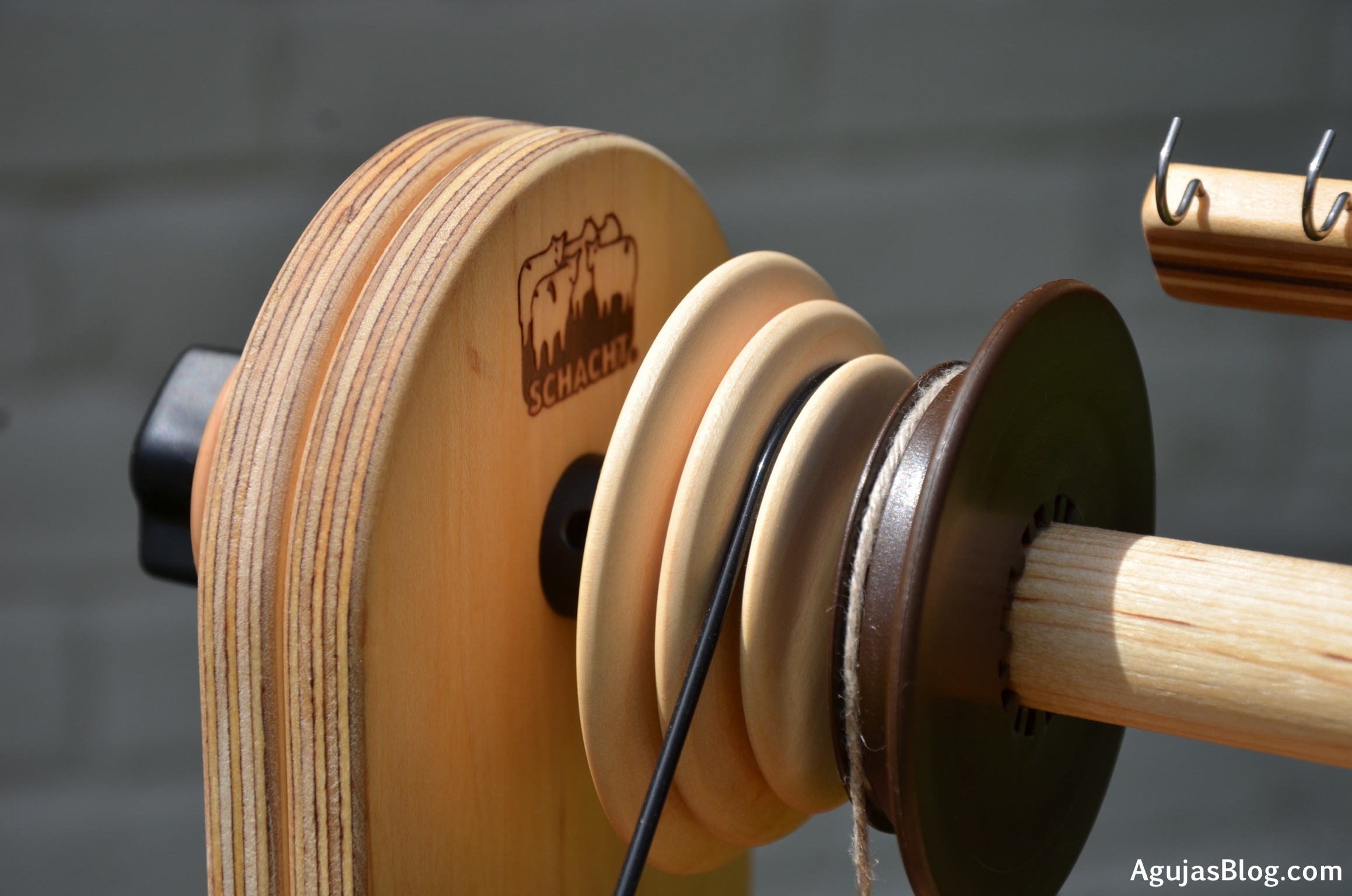
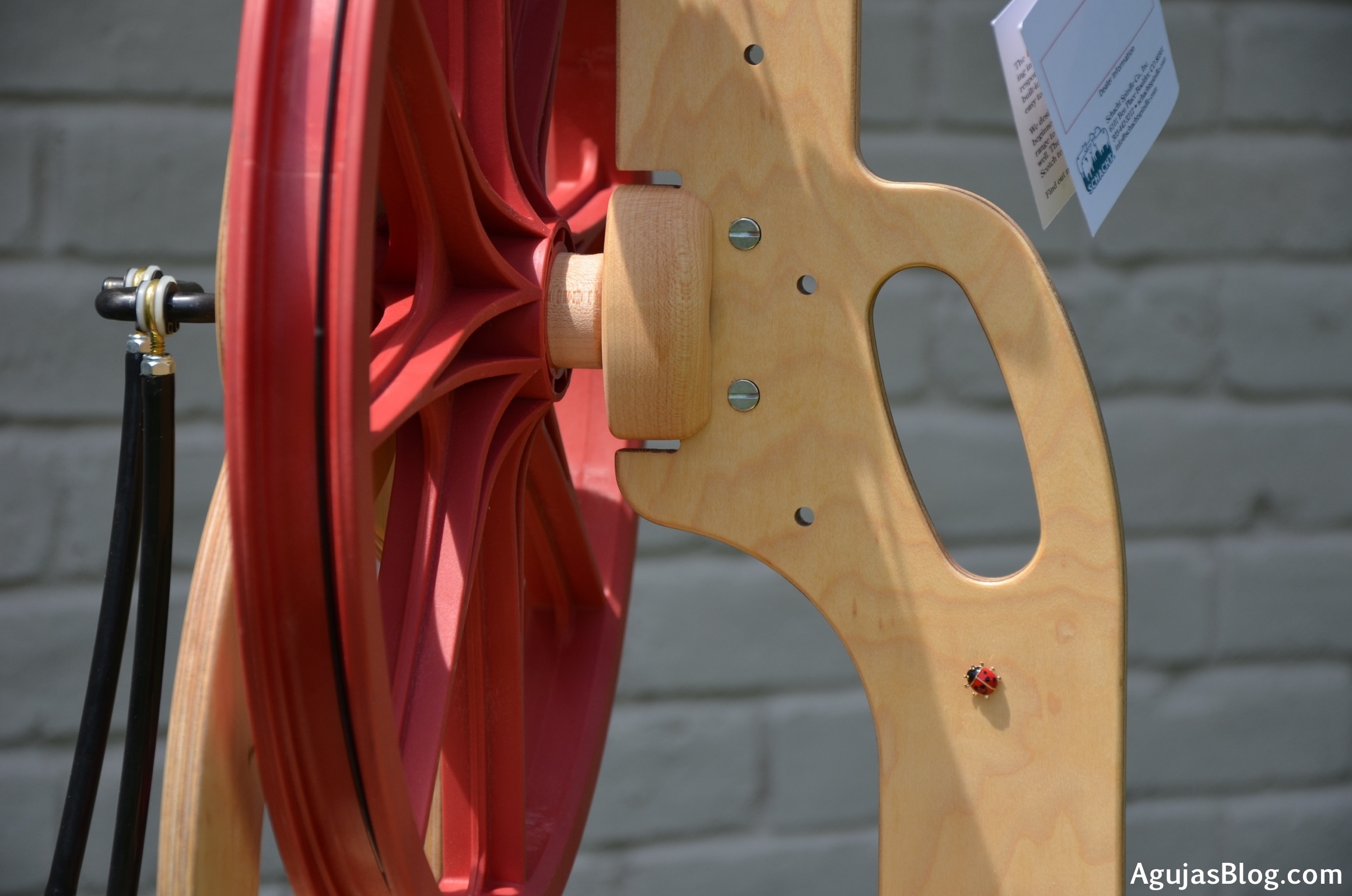
Why I chose the Schacht Ladybug: The modern look appealed to me. It’s portable with built-in handles. The weight – neither too light or heavy – keeps it sturdy. It’s a good size – I can easily store it in a corner. The breadth of spinning ratios ranged from 7:1 to 12.5:1 (with the included fast and medium whorls) and can be expanded to slow (5:1 & 6:1) and high speeds (14:1 & 16:1) with additional flyer whorls.

I went with a double treadle (personal preference). Schacht is one of several reputable makers of spinning wheels. Each wheel is hand crafted in Colorado.

Plus it came with my very own ladybug.

The cost was in the mid-range of the wheels I researched – not cheap but didn’t break the bank either.

Now, I need to stop ogling her and actually take her out for a spin. (Yes, pun intended).

The Ice Princess

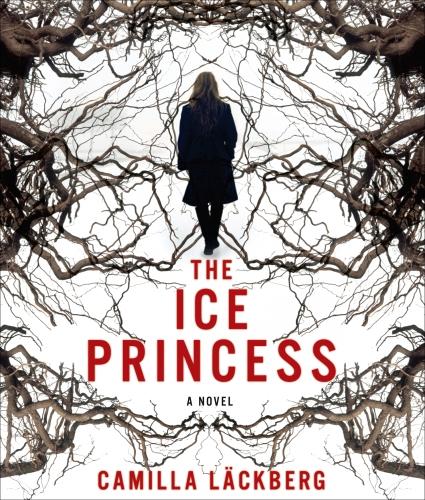
Of late, I have been captivated by Scandinavian literature. I love the sense of place, the cold, the darkness of the settings. While I had read some Scandinavian authors years ago, it was the Millennium trilogy by Stieg Larsson that brought me back. I discovered the series by watching the first movie in an old theatre with sticky floors that shows mostly independent films. It was the original Swedish version with Noomi Rapace as Lisbeth. The sense of place of the Swedish landscape and the complexity of the characters were so palpable I could almost touch them. I immediately found all the books and devoured them. I’ve been on a Scandinavian literature kick since.

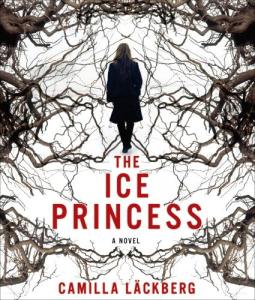
I had not heard of Camilla Läckberg but thought I would give her a try. The Ice Princess is Camilla Läckberg’s first novel – her first four novels have been bestsellers in Sweden. I like that the novel plunges you right into the thick of things in the opening pages. A man checking on a neighbor’s house during a cold winter finds a dead woman sitting in a frozen tub, with icicles hanging from her hair, and one of her arms dangling over the edge with frozen blood pooled on the floor.
{Source}

The rest of the story unwinds to reveal characters that seem real with human foibles and redeeming qualities. You meet Erica, whose parents have just died and who is in town to pack up their home. There’s a sibling rivalry between Erica and her little sister, Anna, who seems to tense up around her husband. There’s Superintendent Mellberg, the incompetent bureaucrat and chief of police; and Patrick Hedström, the detective who just wants to solve the crime. There’s a murderer. And there’s Alex, the ice princess, who happened to be one of Erica’s childhood friends.

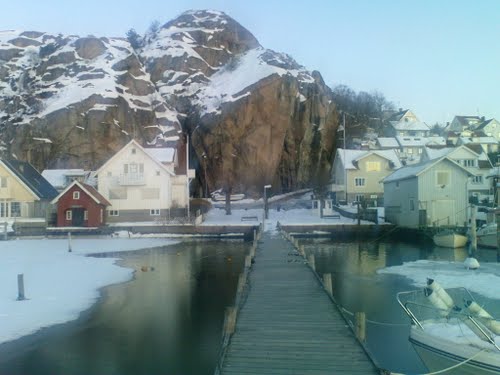
One of my favorite parts of this novel is the setting. All of Läckberg’s novels take place in the remote fishing village of Fjällbacka on Sweden’s west coast. Fjällbacka is the author’s birthplace and she seems to know the town’s roads with all its twists and turns very well. As I read the novel, phrases like “15 degrees below zero” stayed with me. This is Fjällbacka in winter.
{Source}

{Source}

I highly recommend reading The Ice Princess. It will draw you in immediately with solid character development, an element of mystery, and a chilly setting to get you through these hot summer months.

My Review ★★★★☆
Weaving Home Exhibit

This past weekend, I attended a weaving demonstration sponsored by the Houston Arts Alliance. Weaving Home: Textile Traditions from Houston’s Karenni Community showcases the weaving process and textiles created by women refugees from Myanmar (formerly known as Burma). For the Karenni, weaving is both a tradition from their homeland and a means of providing financial support for their families.

I had not fully appreciated that Houston is home to several refugee communities from across the globe. These men, women, and children flee their countries as a result of armed conflicts and other conditions difficult to imagine. A local organization, The Community Cloth, supports these refugee communities. Through seed grants, The Community Cloth empowers refugee women to create and sell their handmade crafts.

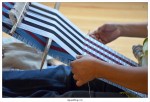
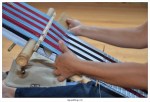
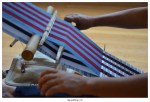
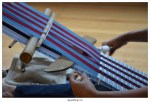
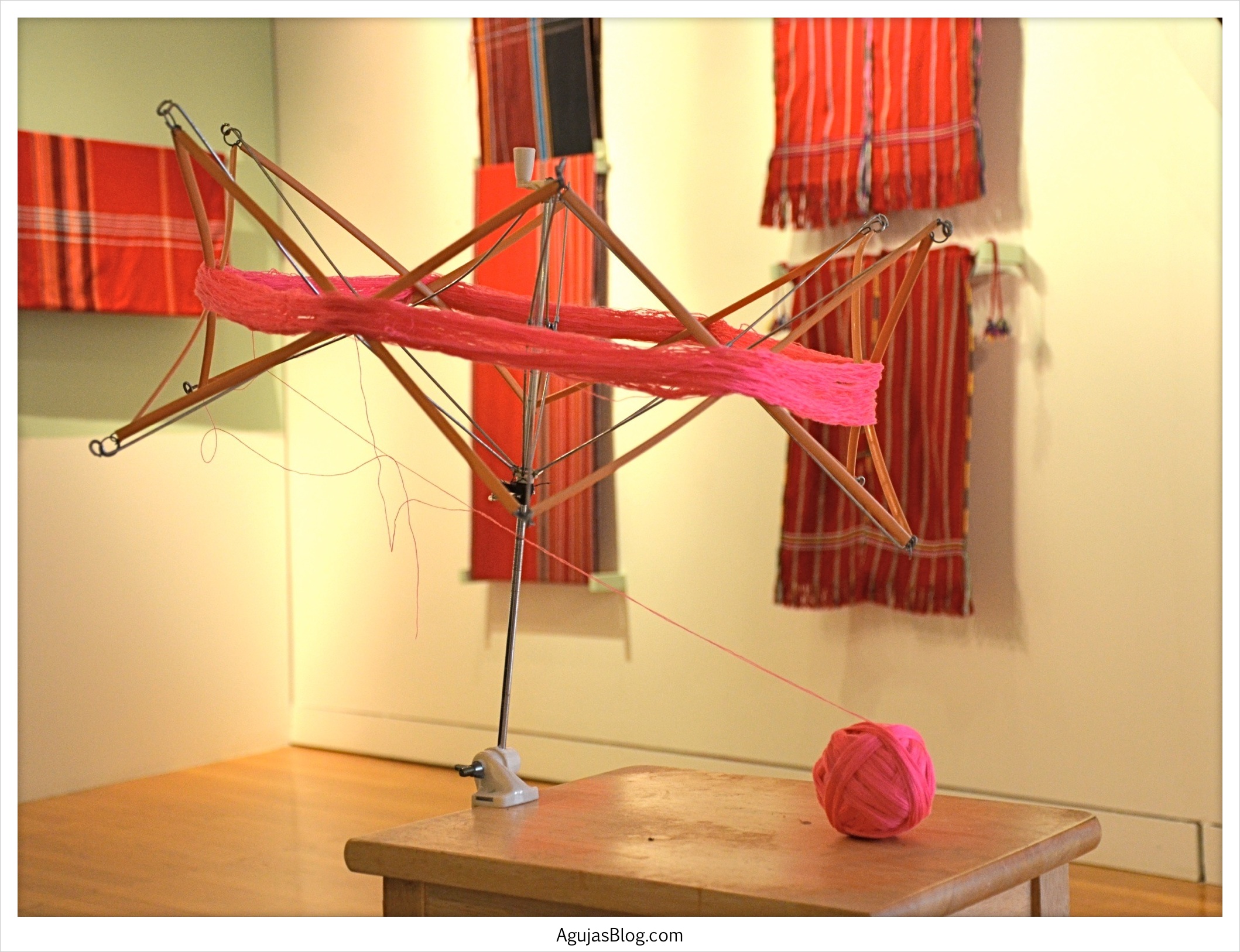
The live demonstration featured a Karenni weaver using a back strap loom. With her permission, I captured some shots of her at her craft. I found the movement of her hands to be almost poetic.

Click on any photo for a large-screen view.

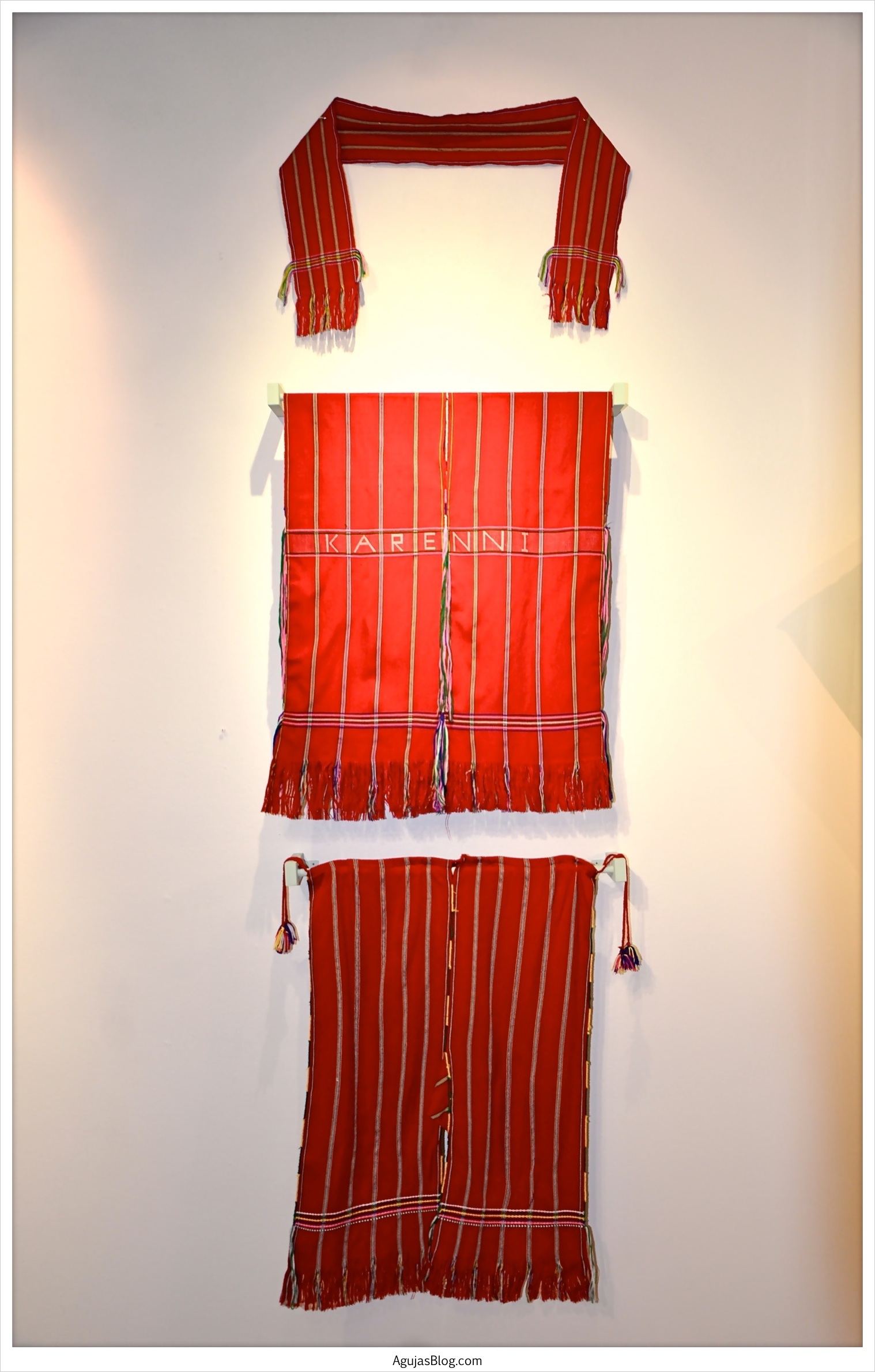
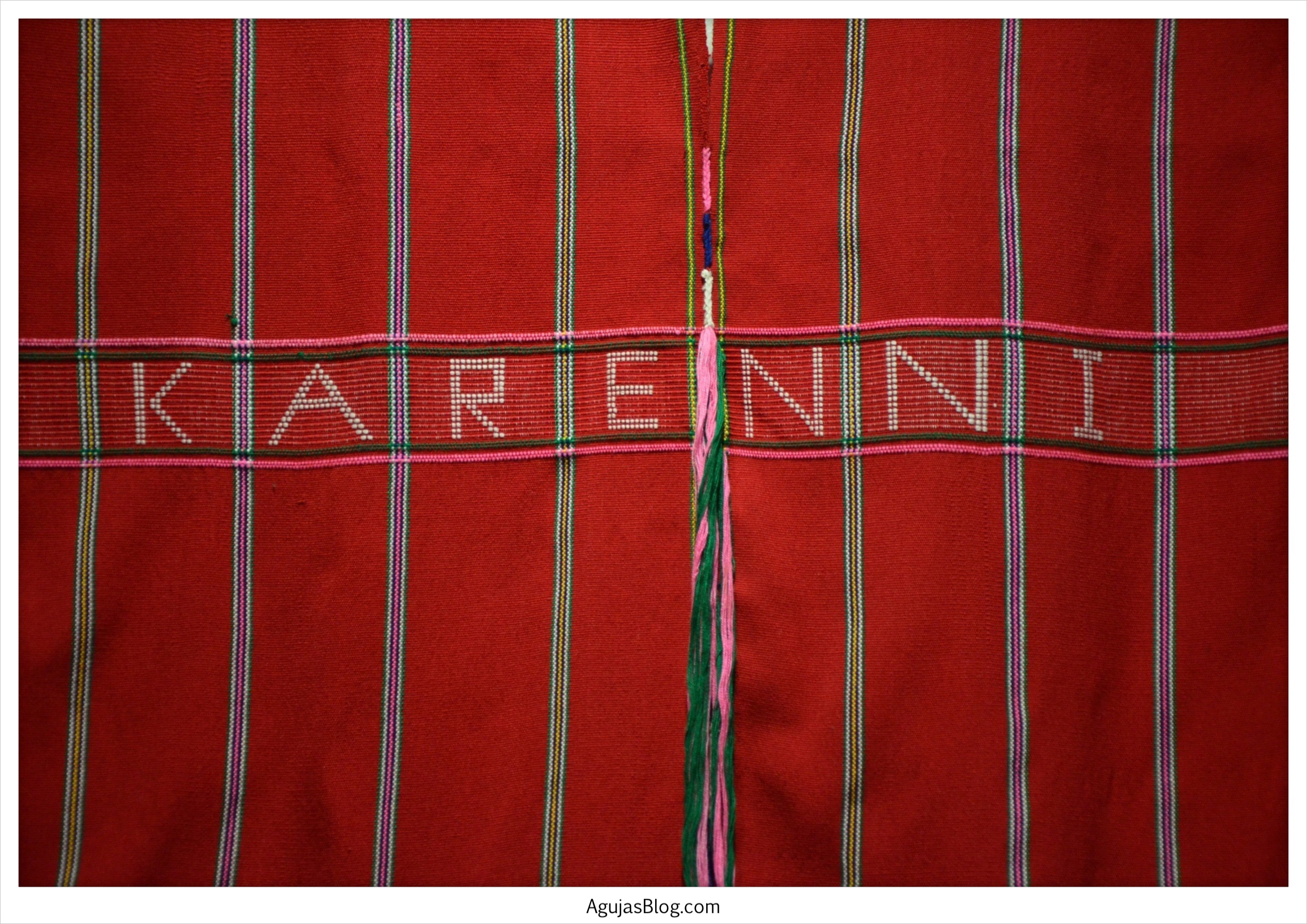
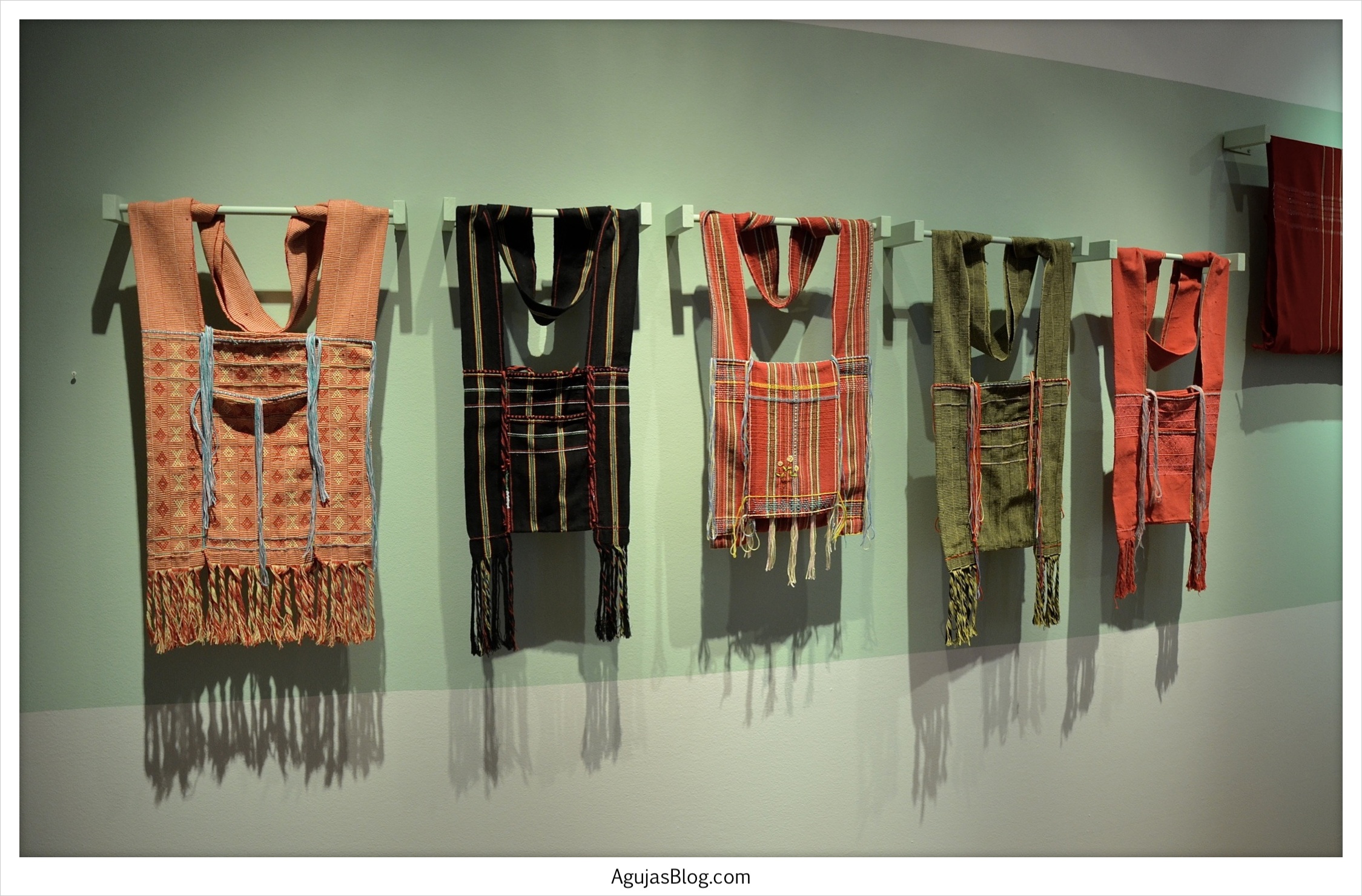
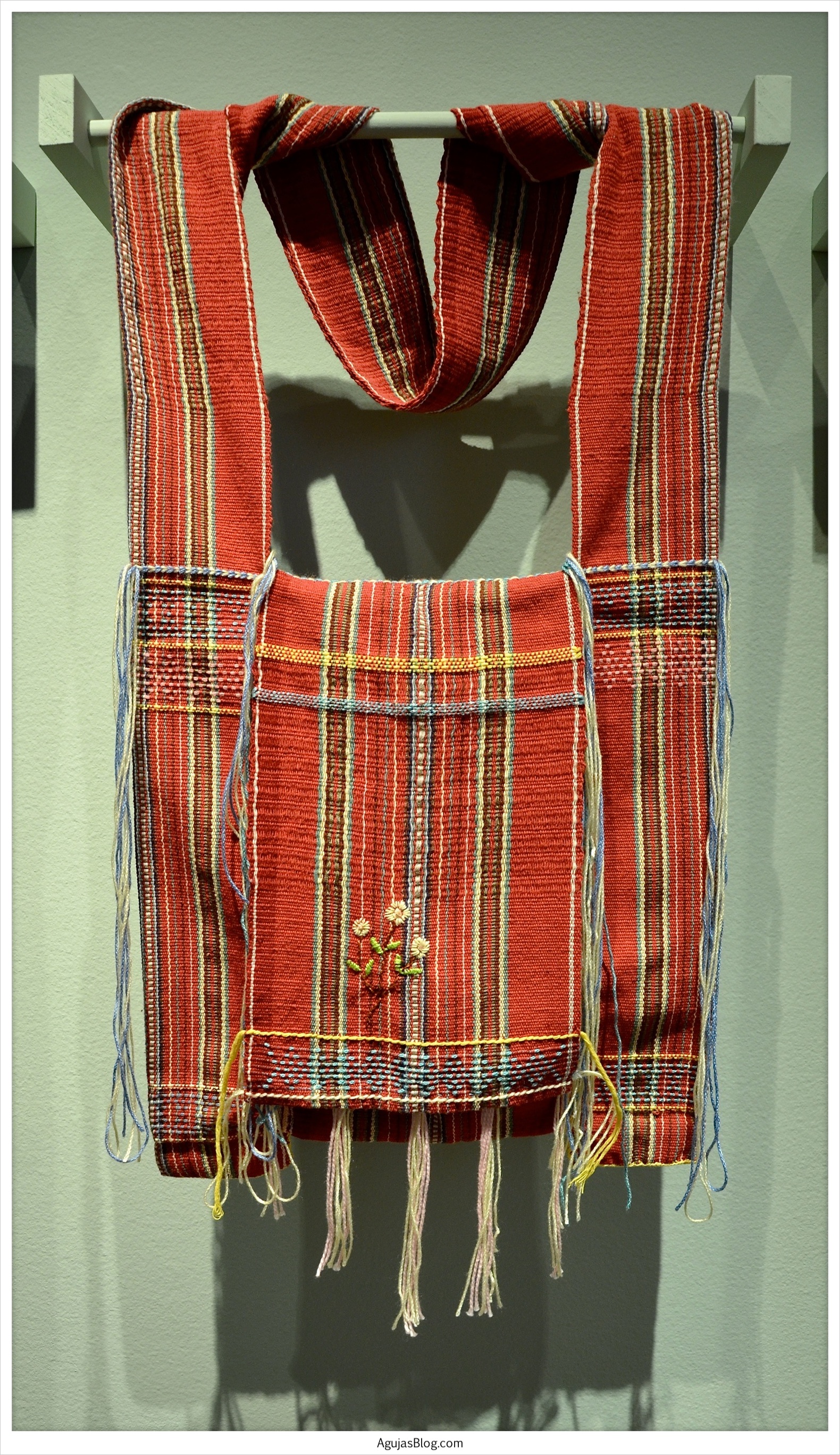
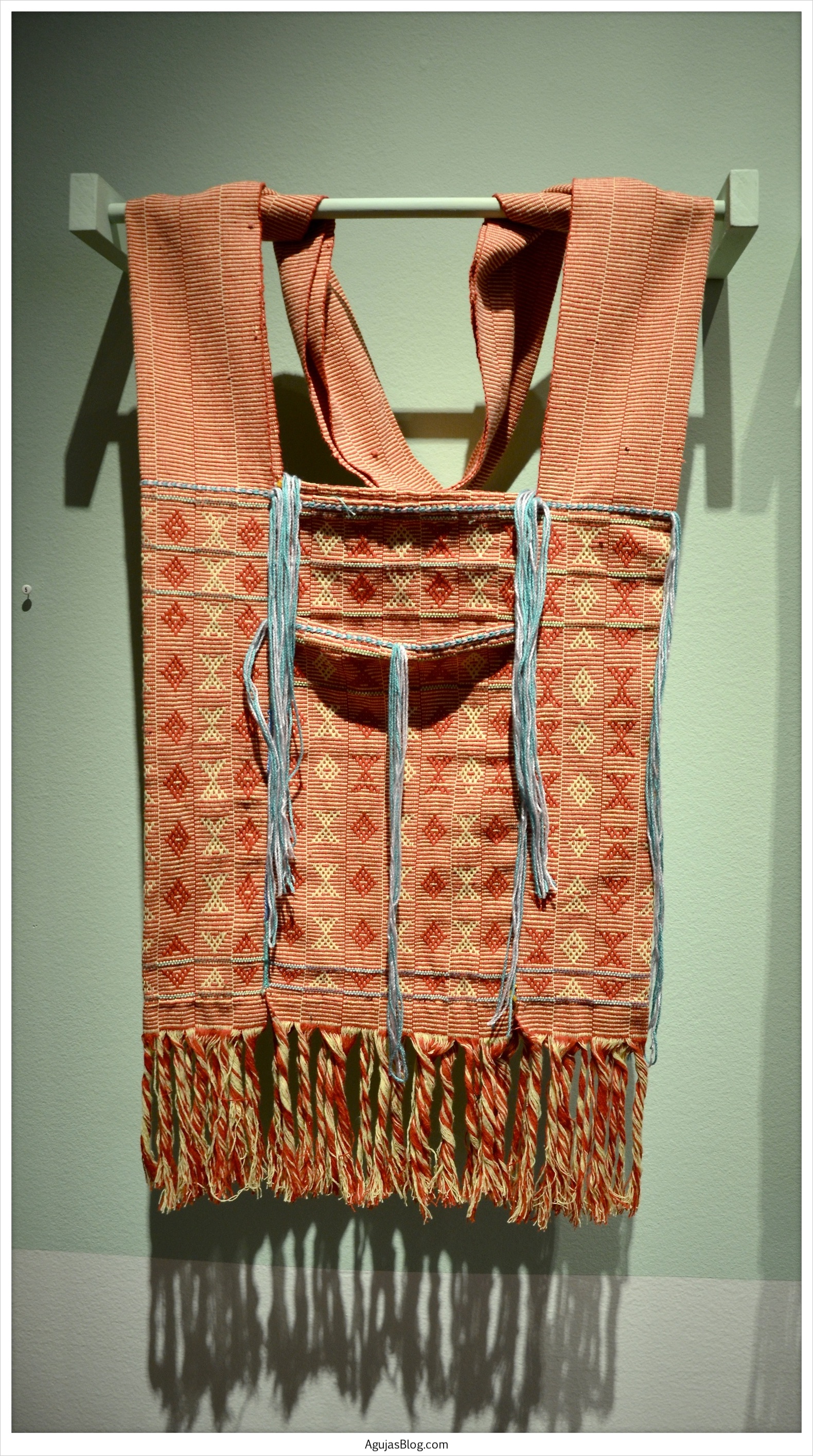
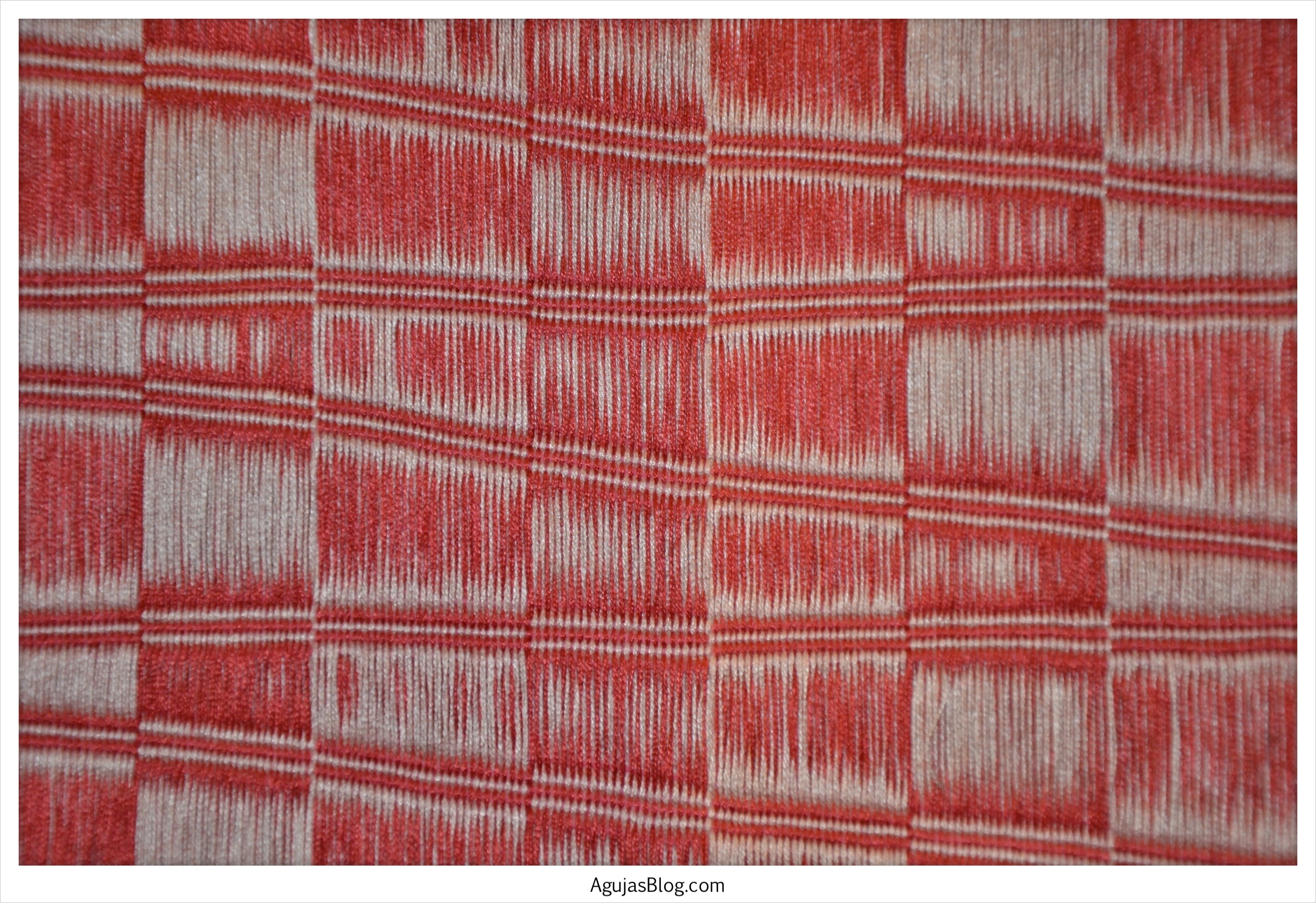
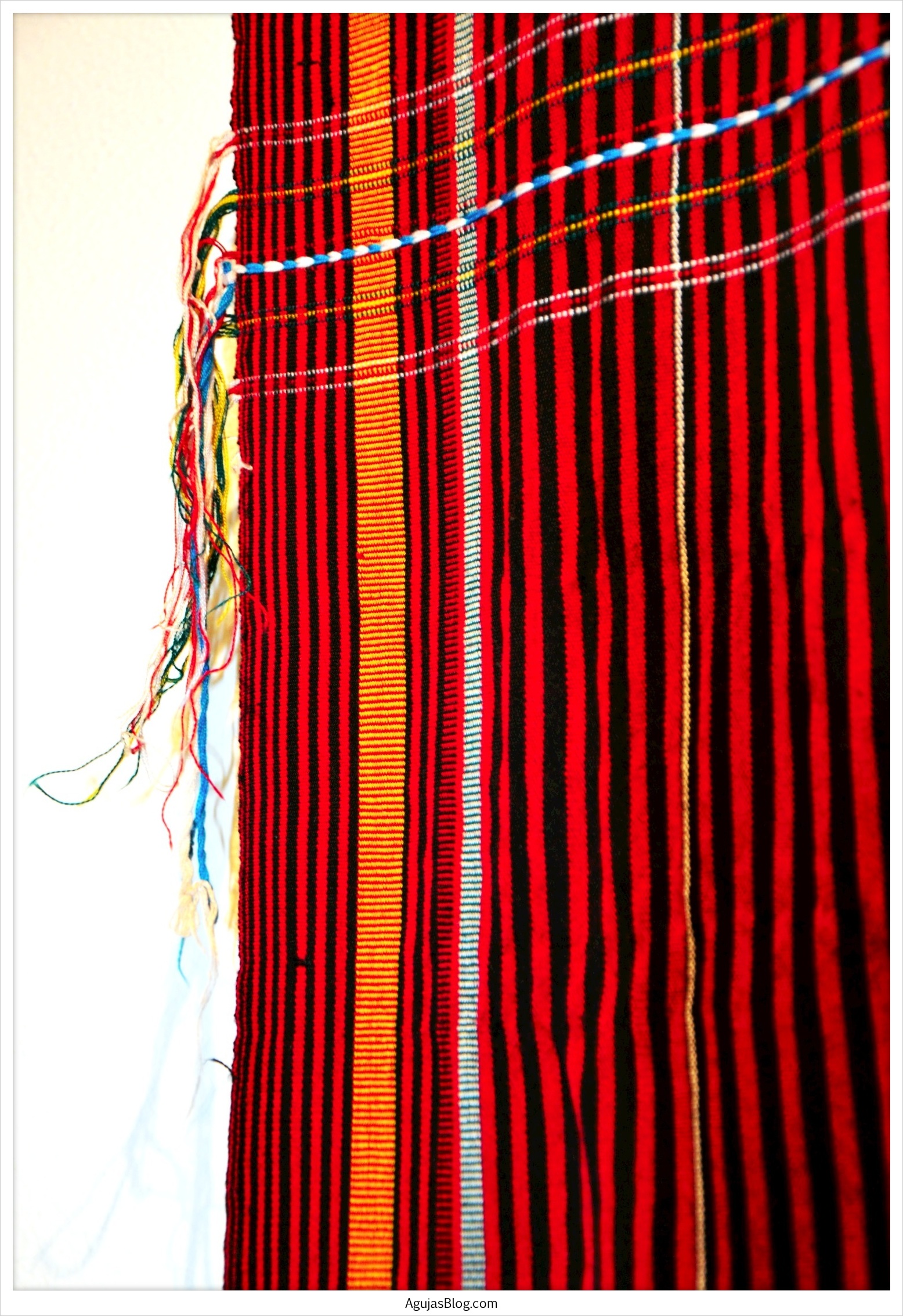
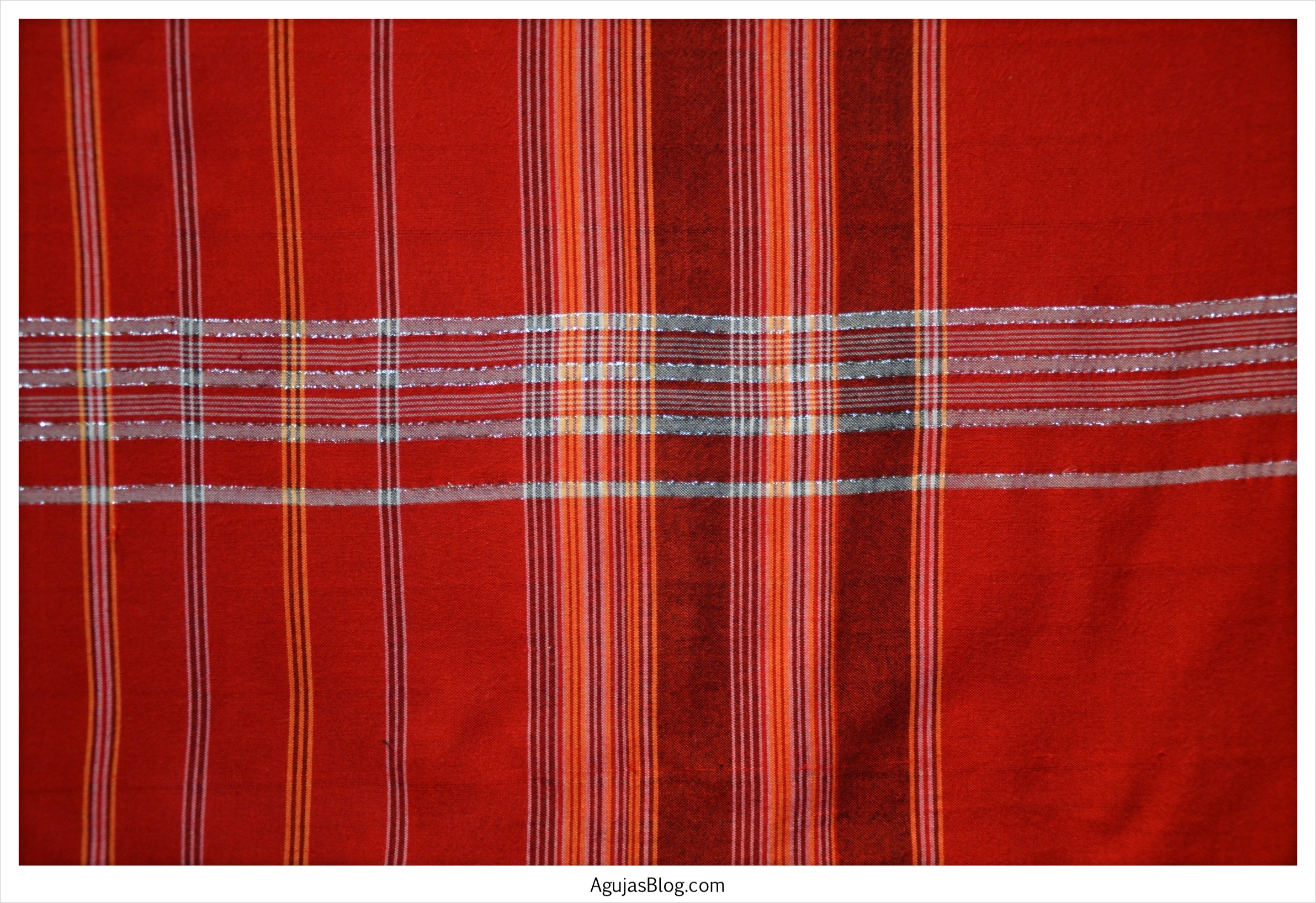
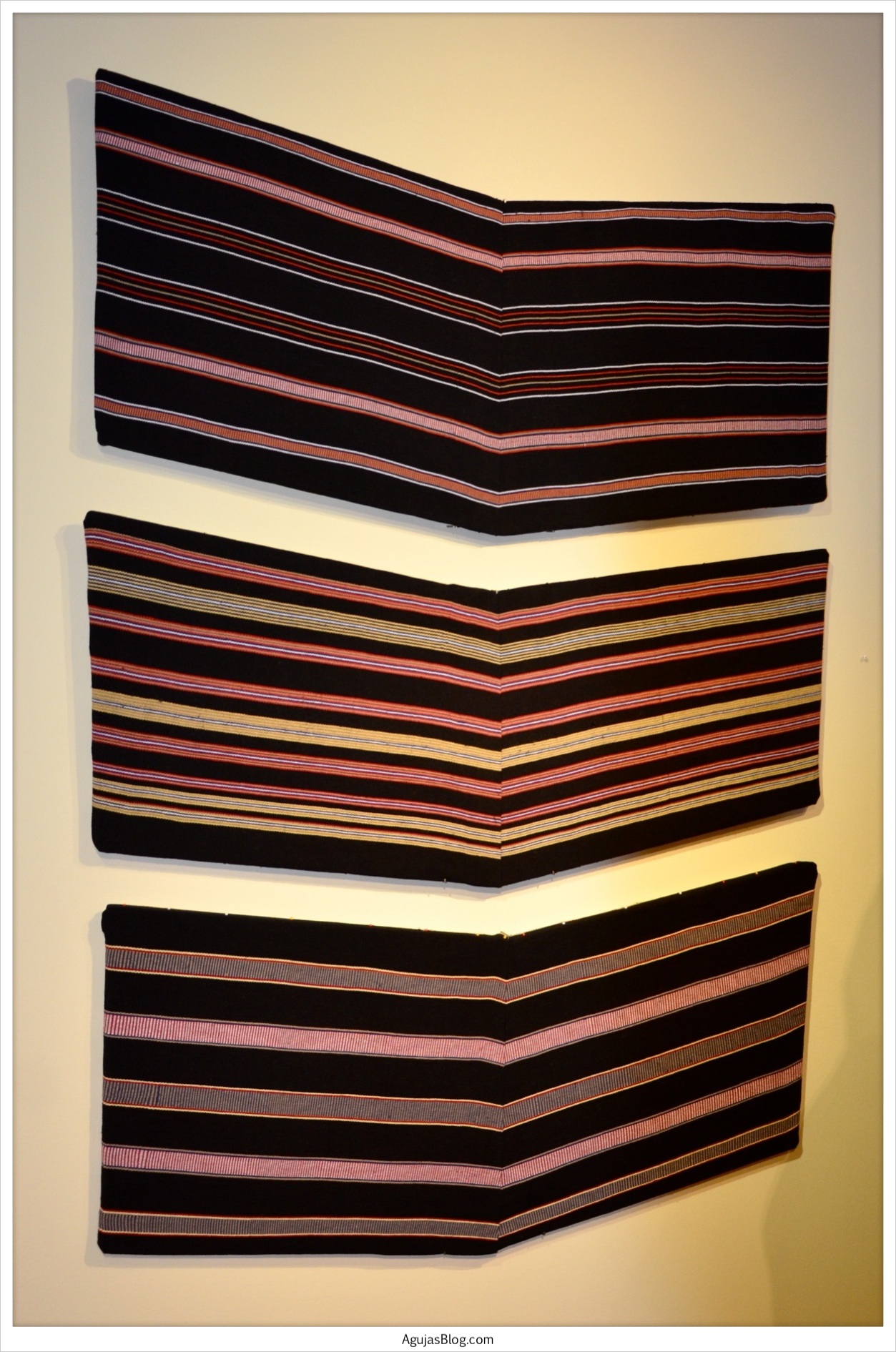
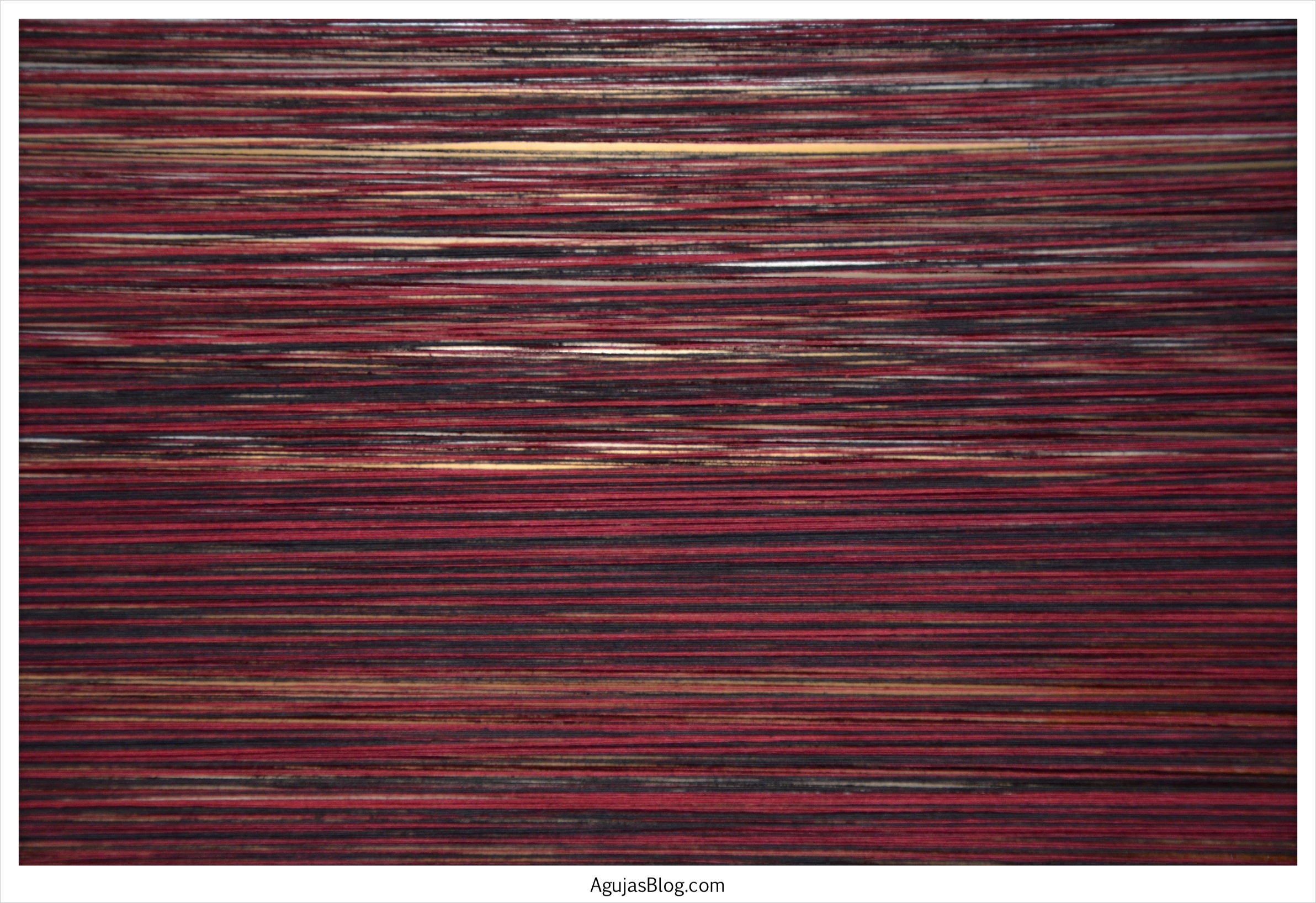
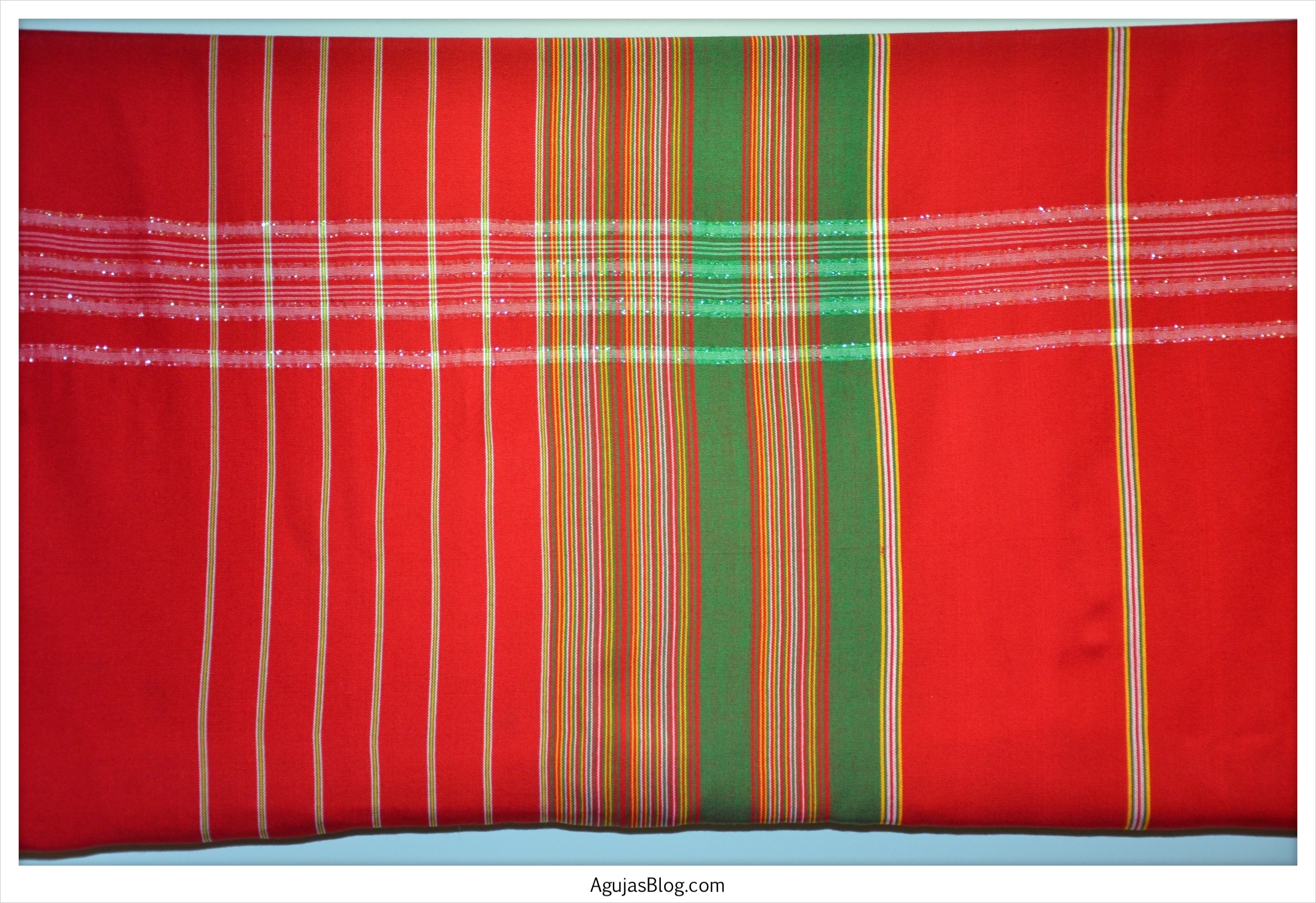
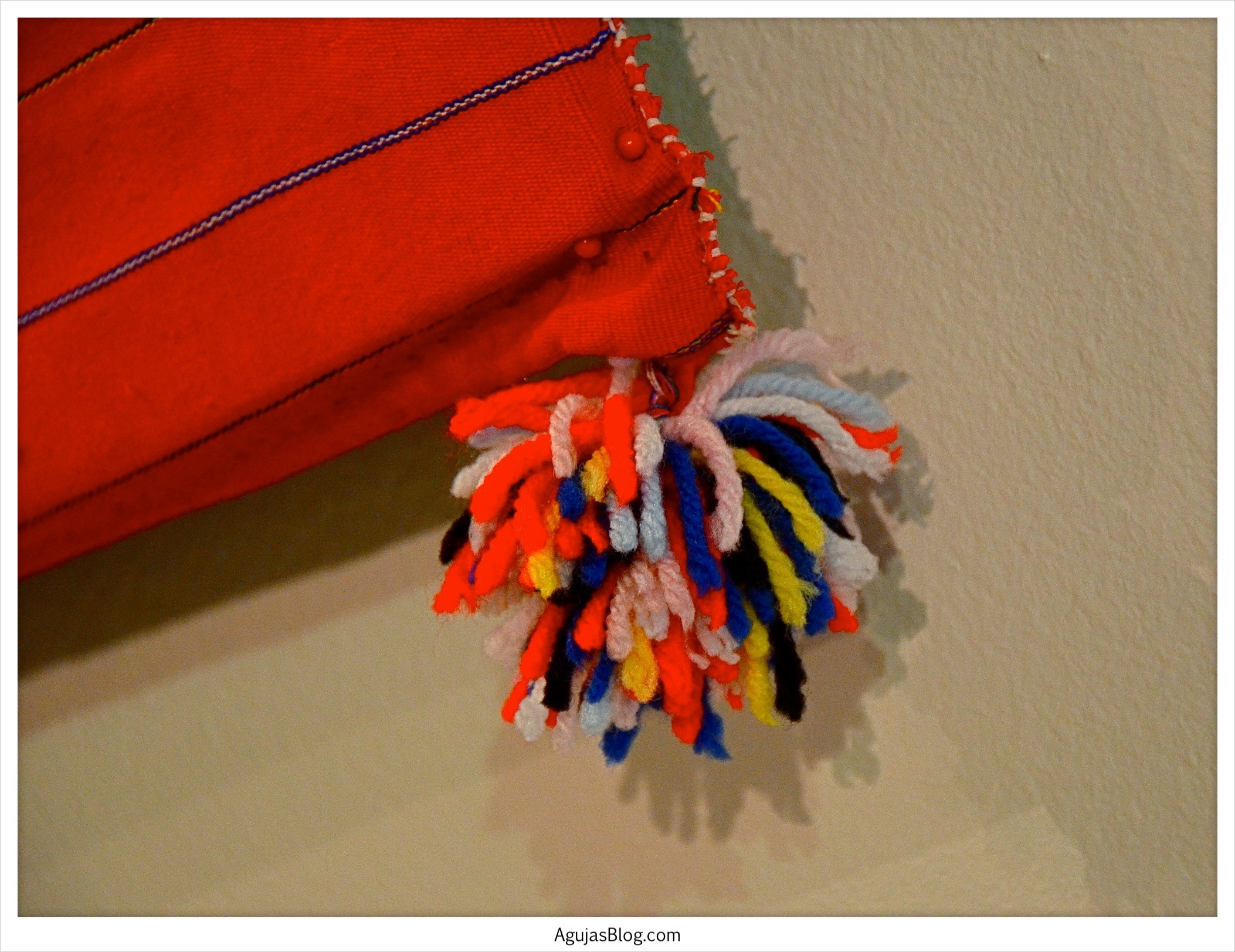
The rest of the exhibition featured displays of beautiful woven textiles. Items included traditional clothing and bags, and more modern items such as table runners and scarves.

The craftsmanship was evident in the patterns and lively colors. I was able to touch the textiles and appreciate the delicacy of the fine threads. The materials varied but were mostly made of cotton and some synthetic blends.

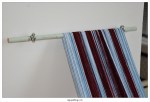
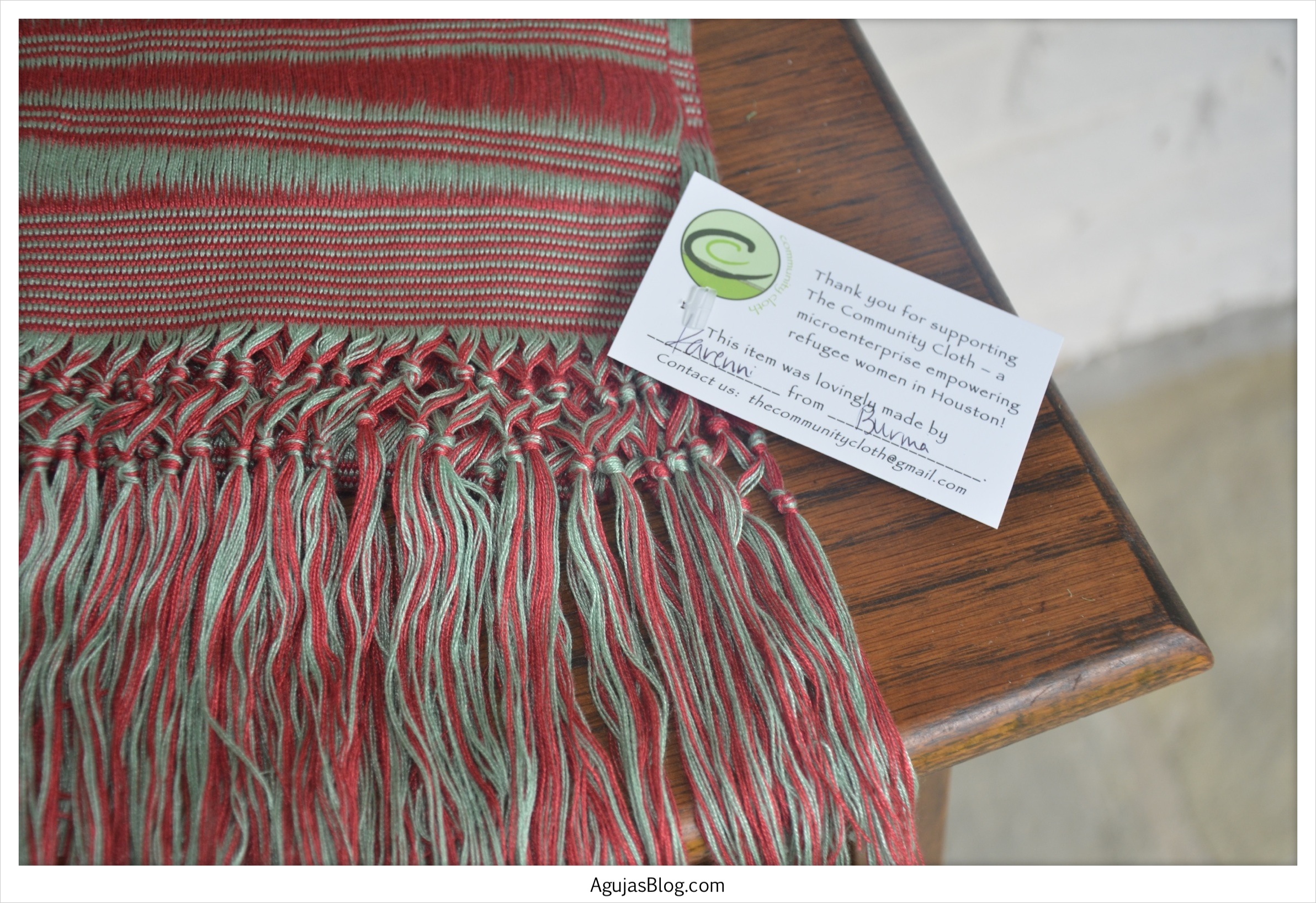
The purchase of this incredibly soft woven scarf was my little contribution to the Karenni microenterprise.

The Houston Arts Alliance website has a section devoted to the Weaving Home exhibit which I highly encourage you to read. You can learn more about and sponsor a seed grant for women artisans at The Community Cloth.