Mantón Bordado

When I travel, I always try to bring back something that will remind me of the place I visited. Something a little more meaningful than a key chain but not too excessive (and that will fit in my luggage).

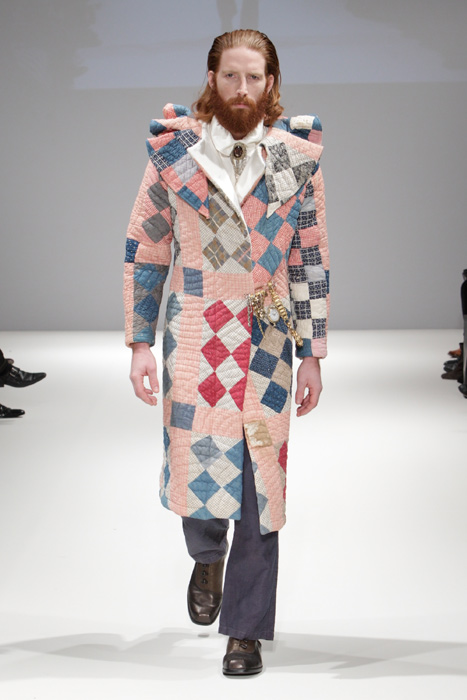
I brought back this mantón bordado (embroidered shawl) from Madrid. They told me it was hand embroidered (although I have some doubts). Nonetheless, the vibrant flowers and flirtatious tassels remind me of Spain.
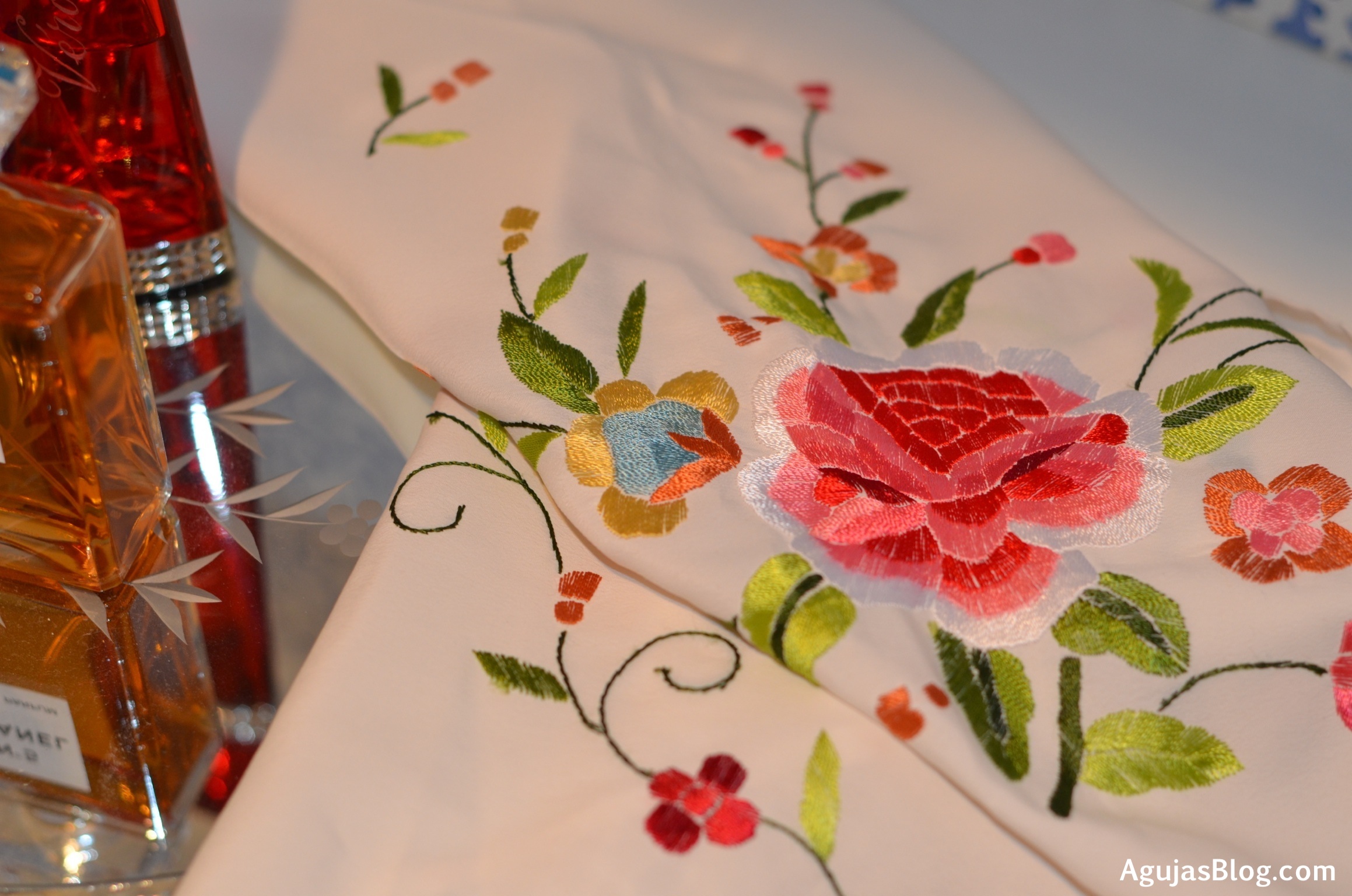
I also picked up this set of toallas bordadas (embroidered towels) with a crocheted border. I like their simplicity and elegance.
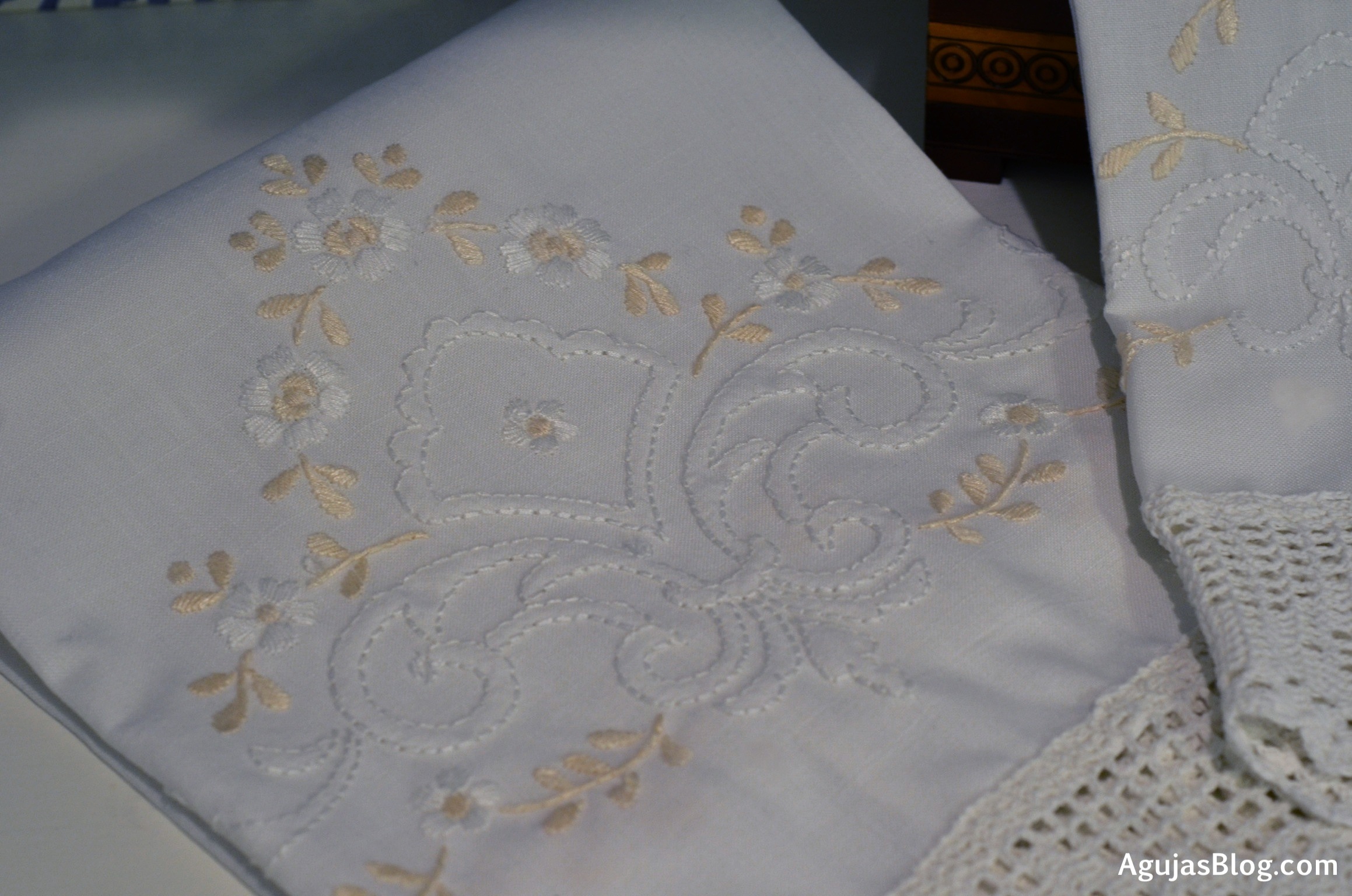
Here are a few other images captured on the streets of Madrid.

This 20 ton bronze statue of a bear under a strawberry tree (el oso y el madroño) is located at the Puerta del Sol. The symbol of the bear (which apparently used to roam in the forests outside the city) and the strawberry tree are emblematic of Madrid.
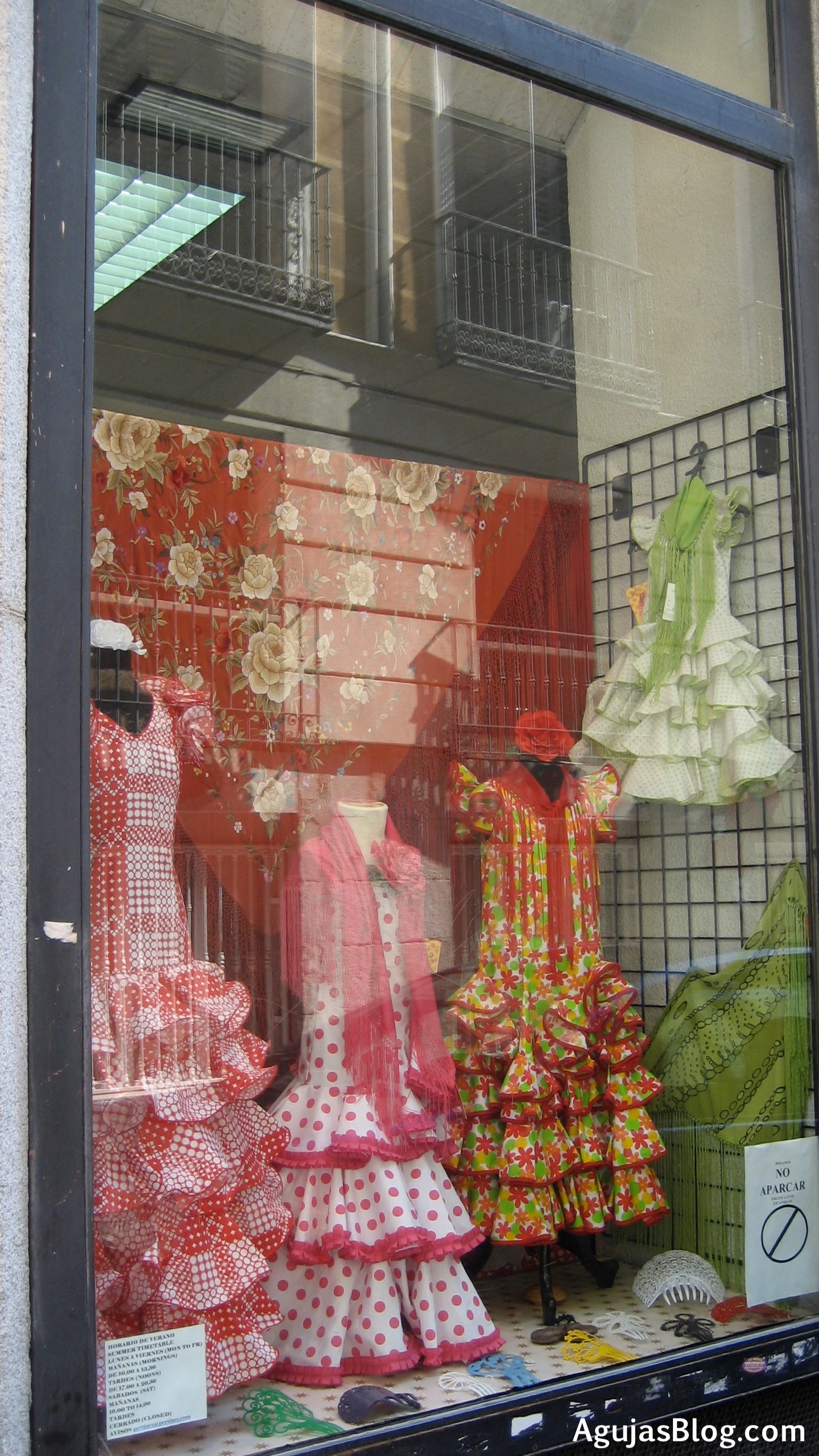
A shop window with traditional flamenco dresses.
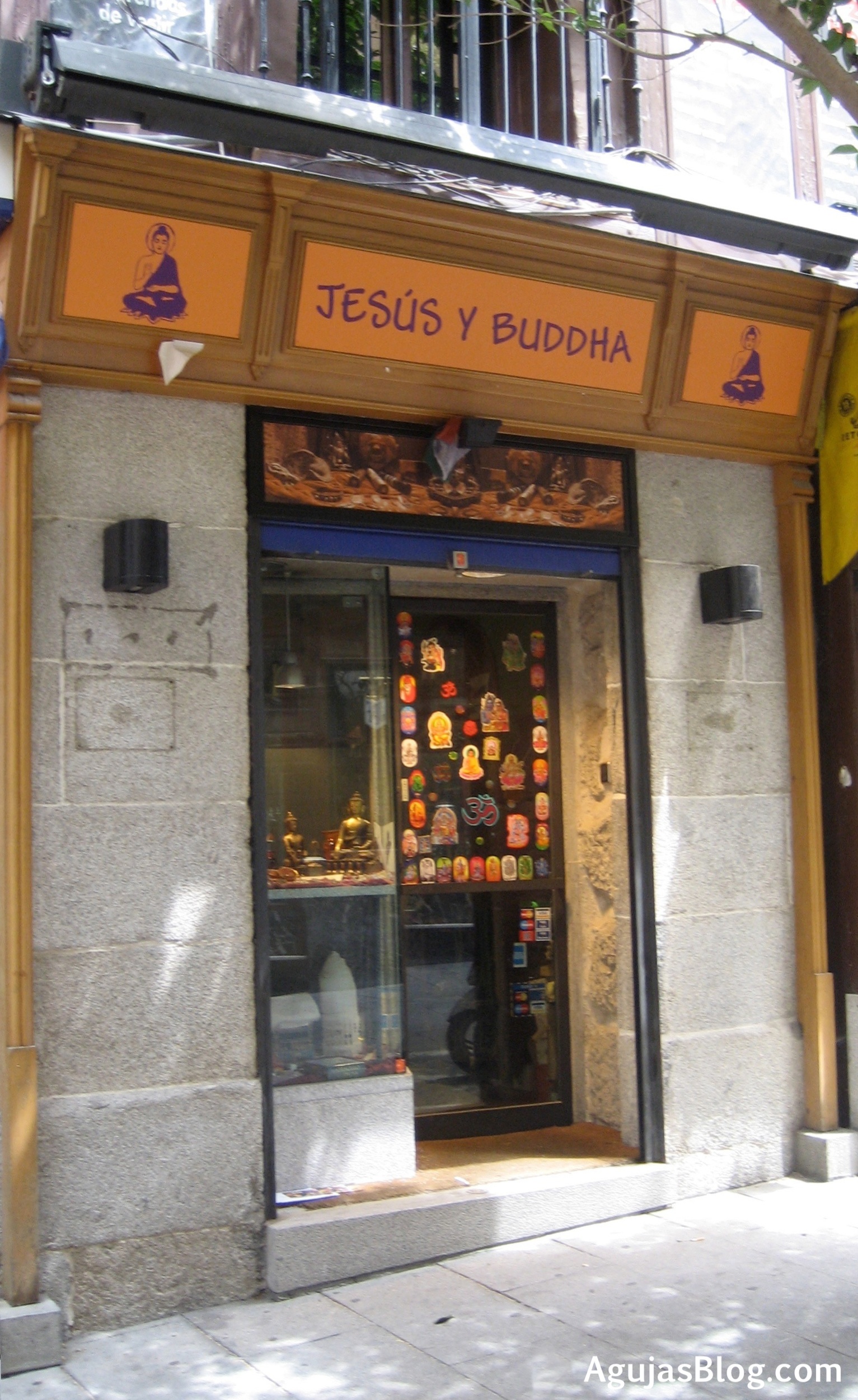
I couldn’t help but snap a photo of this storefront. Why can’t we all just get along?!
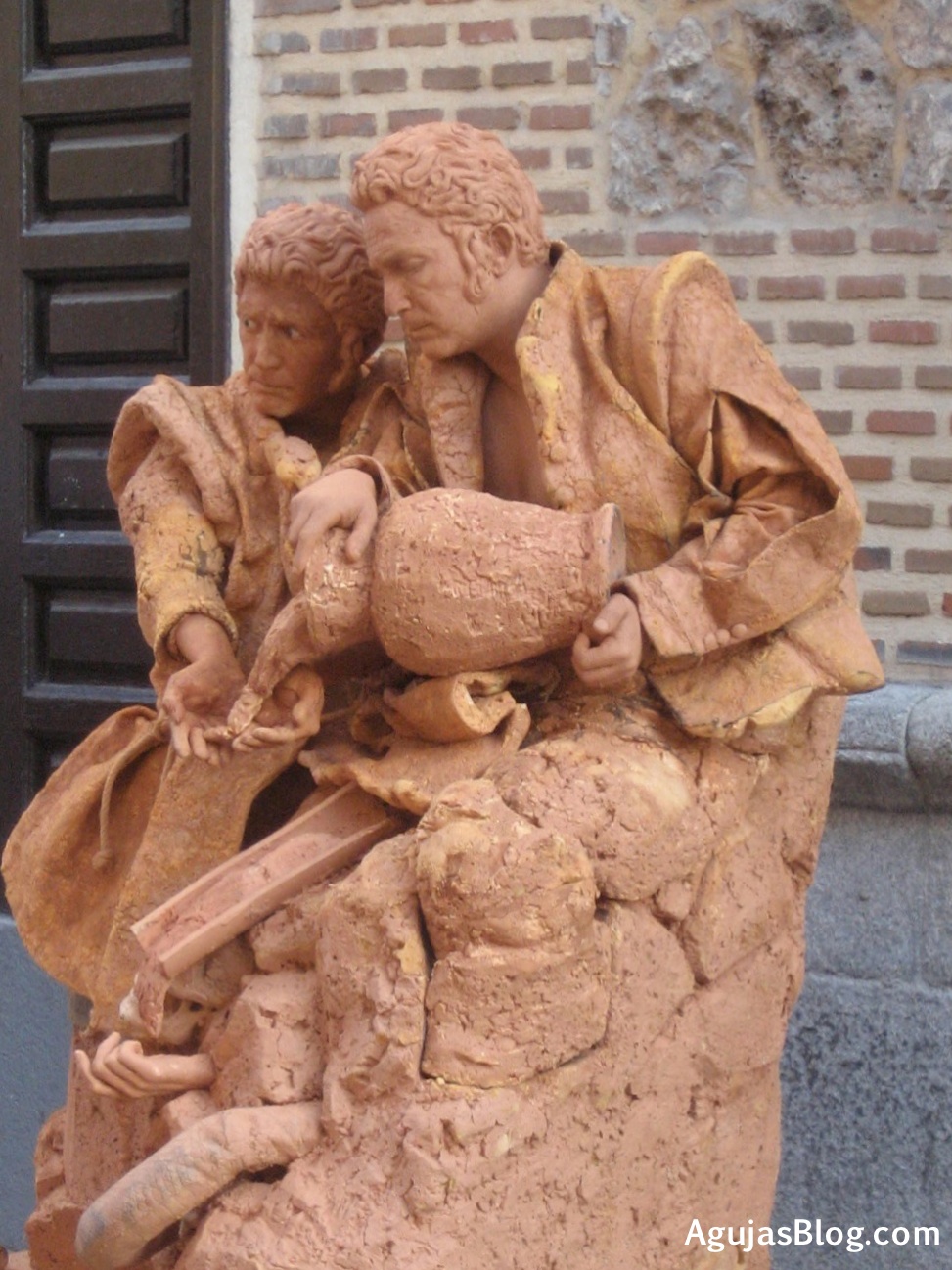
Los Petrificados (the petrified ones), one of many street performers in Madrid. At first glance, I thought it was a statue until someone dropped a coin in a box in front of them. The woman’s eyes moved and the man looked up while he poured the water.
I have other pictures to share. Hasta la próxima. (Until next time).
Knitting Portraits

Ever since I started knitting, I have a tendency to look for artwork featuring either women knitting or spinning on old-fashioned wheels when visiting museums. I have been fortunate to visit both the Louvre in Paris and the Metropolitan Museum of Art (the Met) in New York. It was there that I discovered these first two paintings.

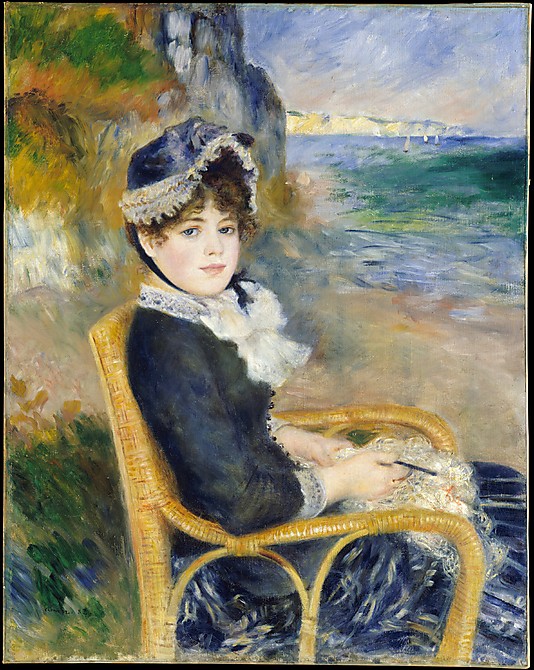
The first is called “By the Seashore” by Auguste Renoir on display at the Met. The woman is beautiful with her ruddy cheeks and penetrating eyes. According to the museum catalog, Renoir most likely painted this portrait in his studio and rendered the images of the sea and cliffs from memory. There is a distinct difference between the clear outlines of the woman (his mistress and later his wife) and the looser brushstrokes of the landscape behind her. After her gaze, I noticed the items in her hands – a knitting needle and something she is working on.

By the Seashore by Auguste Renoir
1883 – Oil on canvas

{source}

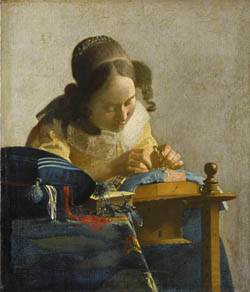
This next painting, “The Lacemaker” by Johannes Vermeer, is at the Louvre. Her face is so intently focused on her craft that it draws my eyes to her hands. My eyes then rest on the pillow with the loose threads spilling over.

The Lacemaker by Johannes Vermeer
c. 1669-70 – Oil on canvas

{source}

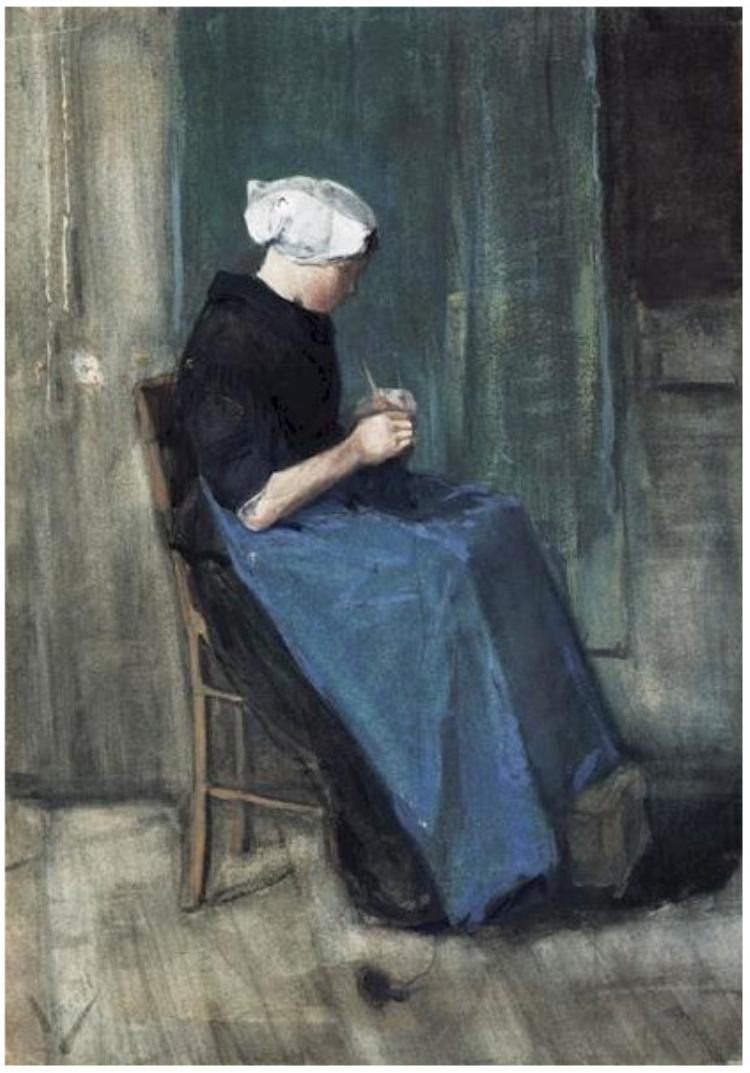
I wish I could see this next one in person but it is in a private collection. The painting is “Young Woman Knitting” by Vincent Van Gogh. The girl stands out against the barren room. I am immediately entranced by the deep blues of her apron. The colors are in direct contrast to the browns of the floor and walls. You can just see her yarn trailing along her skirt to the ball on the floor. The scene feels so familiar.

Young Woman Knitting by Vincent Van Gogh
1881 – Watercolor

{source}

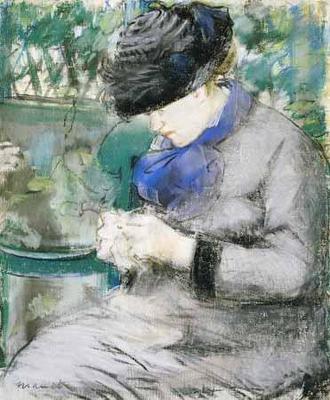
This last painting is “Girl Sitting in the Garden” by Edouard Manet, also in a private collection. You can hardly see the girl’s face hidden under her hat as she watches her knitting. Even the knitting is loosely implied against the gray of her dress accented by that blue bow and the greenery in the garden.

Girl Sitting in the Garden by Edouard Manet
1879 – Pastel on paper

{source}

If you were to google “paintings woman knitting,” many other options will present themselves. I like these and hope one day to see them again or for the first time in person.

Weaving Home Exhibit

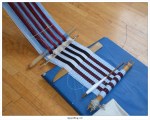
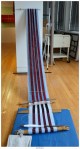
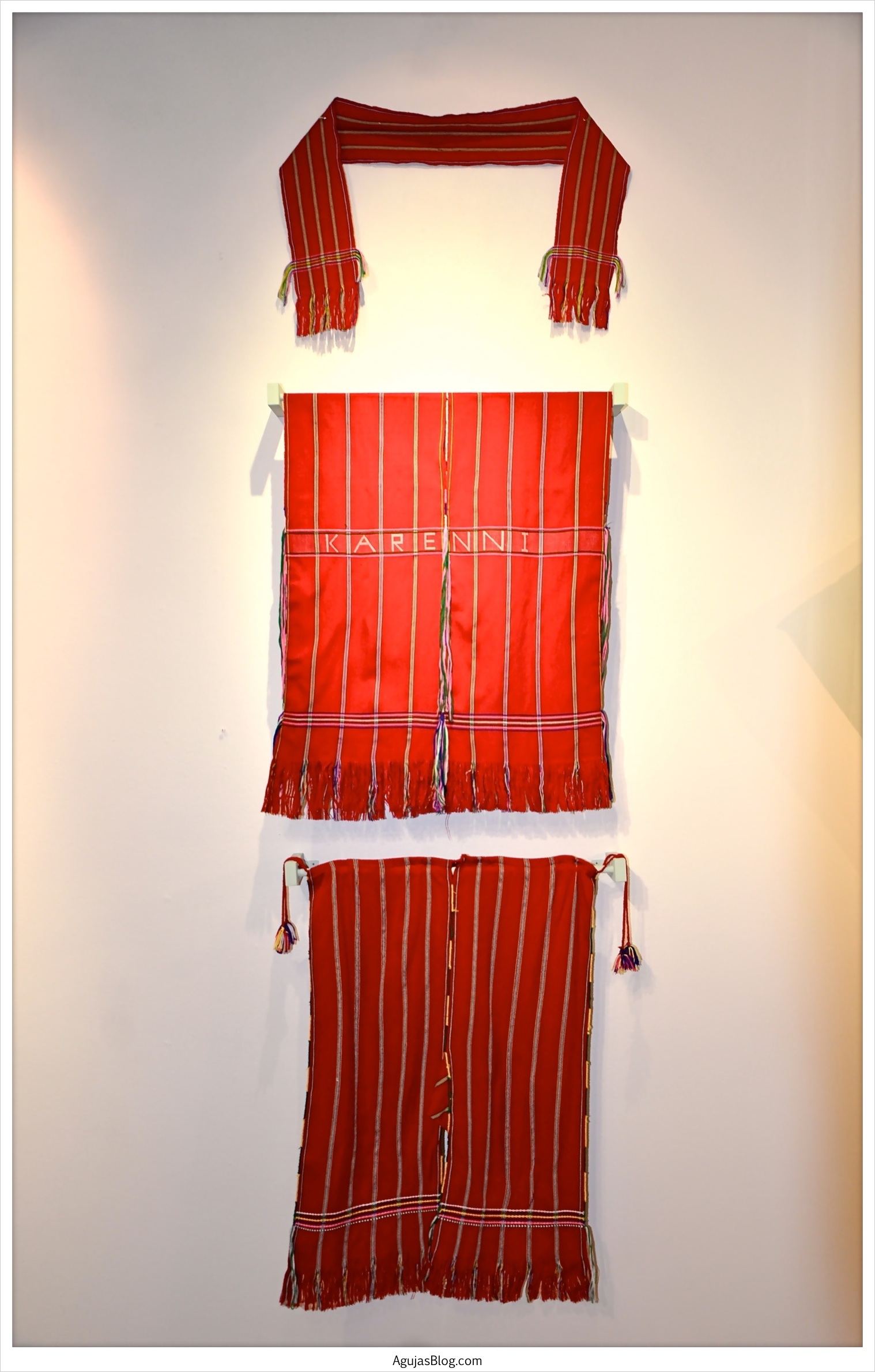
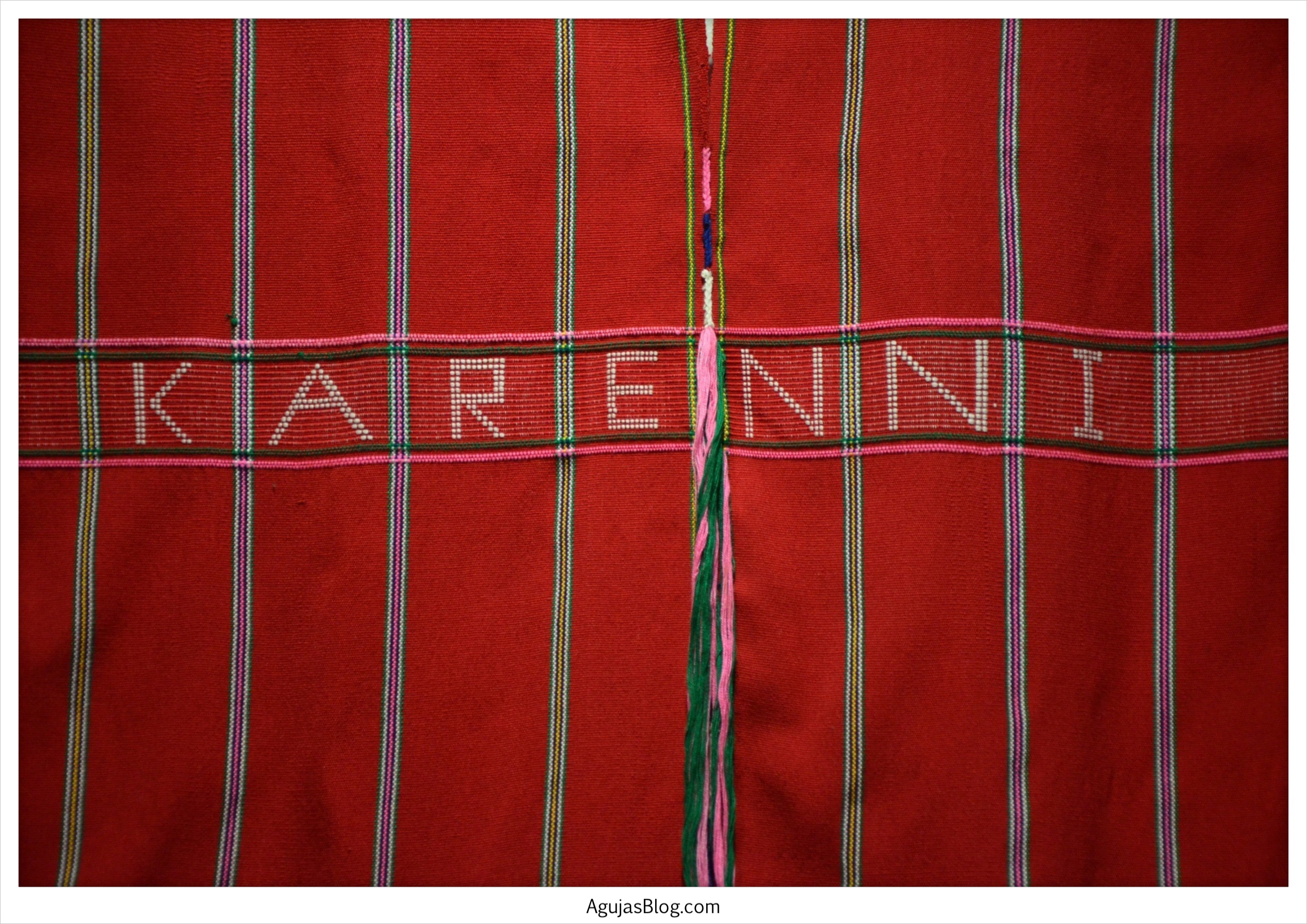
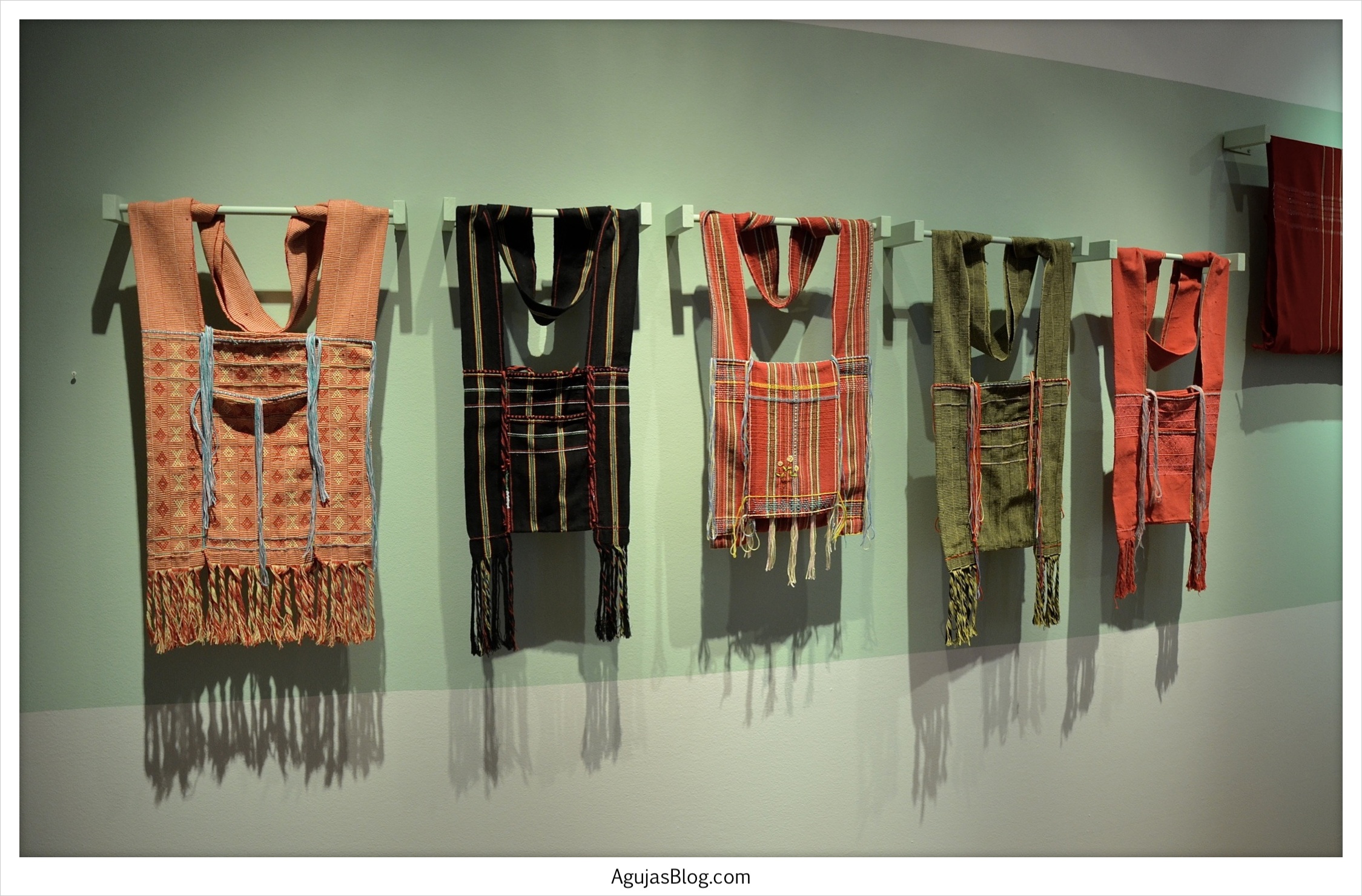
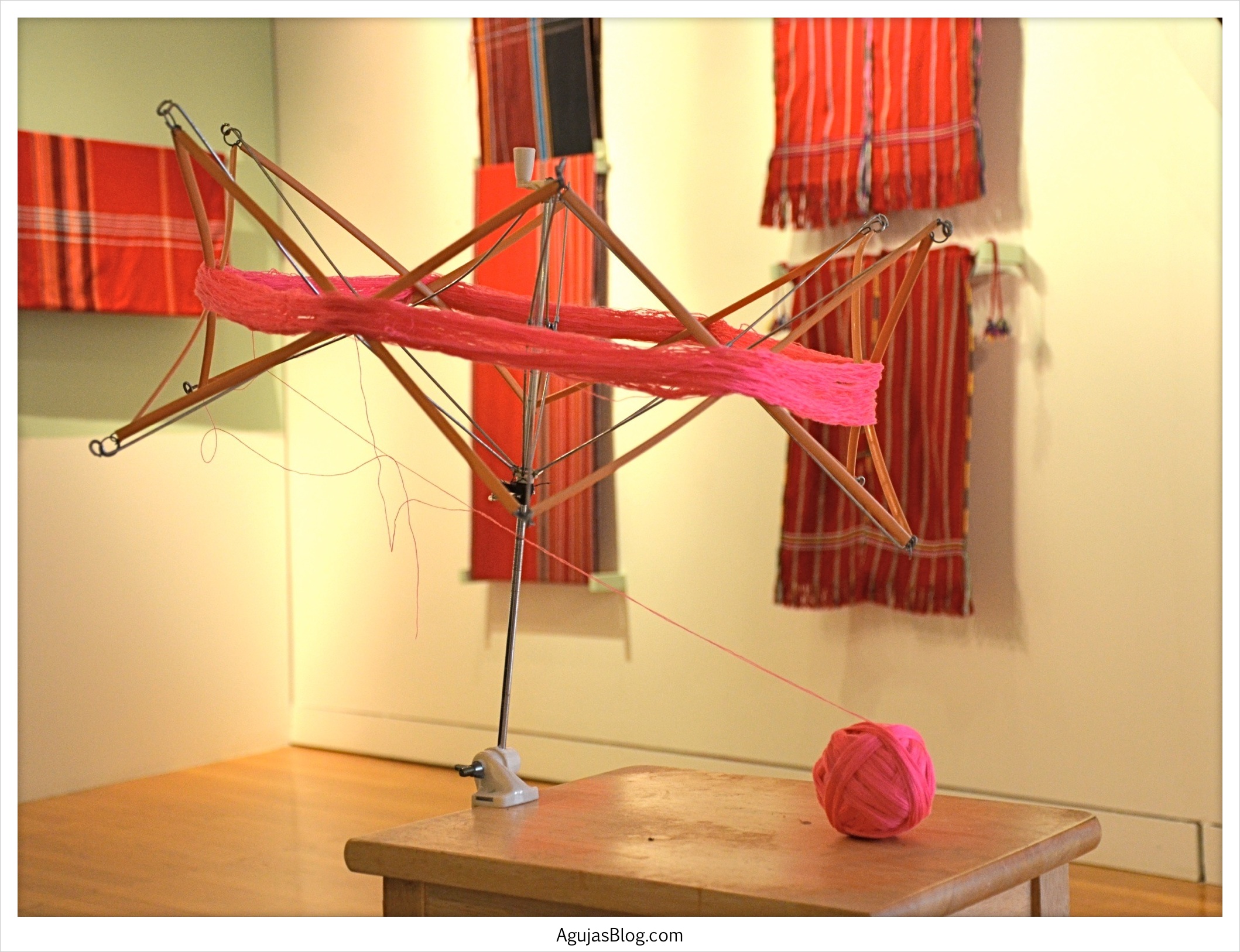
This past weekend, I attended a weaving demonstration sponsored by the Houston Arts Alliance. Weaving Home: Textile Traditions from Houston’s Karenni Community showcases the weaving process and textiles created by women refugees from Myanmar (formerly known as Burma). For the Karenni, weaving is both a tradition from their homeland and a means of providing financial support for their families.

I had not fully appreciated that Houston is home to several refugee communities from across the globe. These men, women, and children flee their countries as a result of armed conflicts and other conditions difficult to imagine. A local organization, The Community Cloth, supports these refugee communities. Through seed grants, The Community Cloth empowers refugee women to create and sell their handmade crafts.

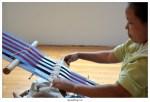
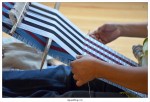
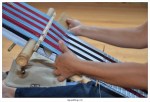
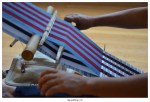
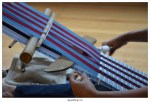
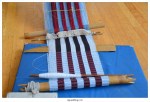
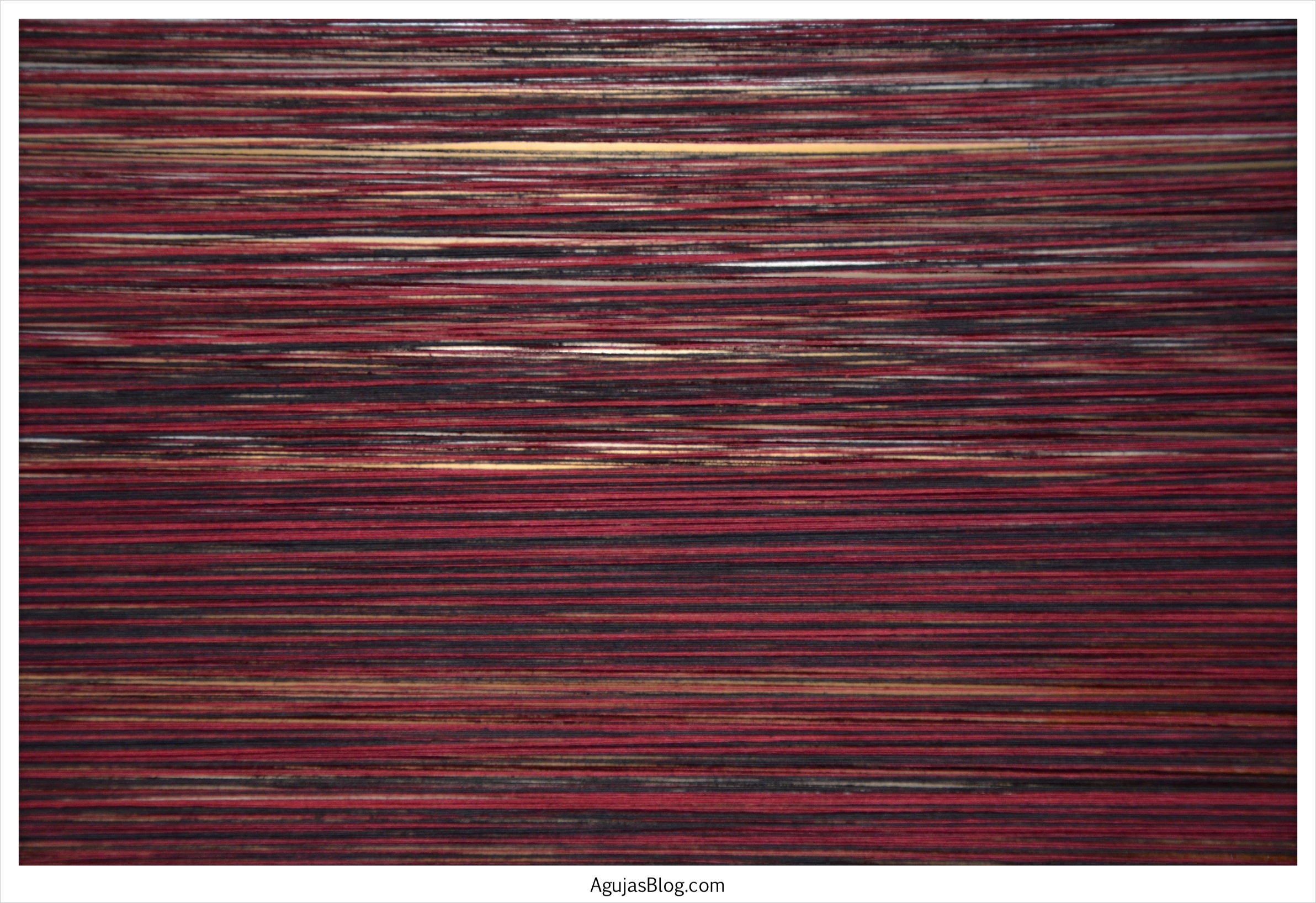
The live demonstration featured a Karenni weaver using a back strap loom. With her permission, I captured some shots of her at her craft. I found the movement of her hands to be almost poetic.

Click on any photo for a large-screen view.

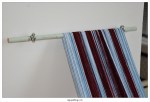
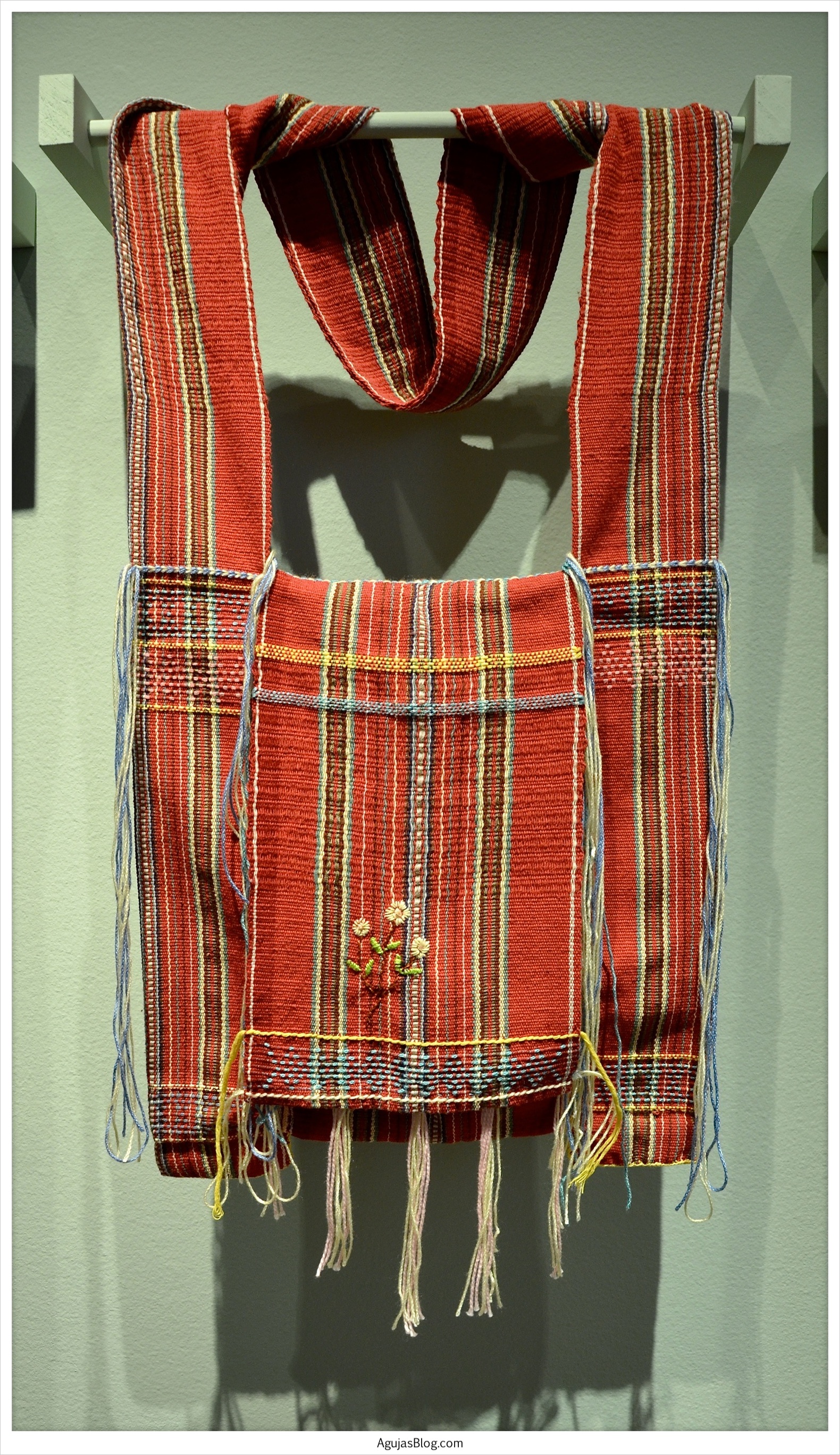
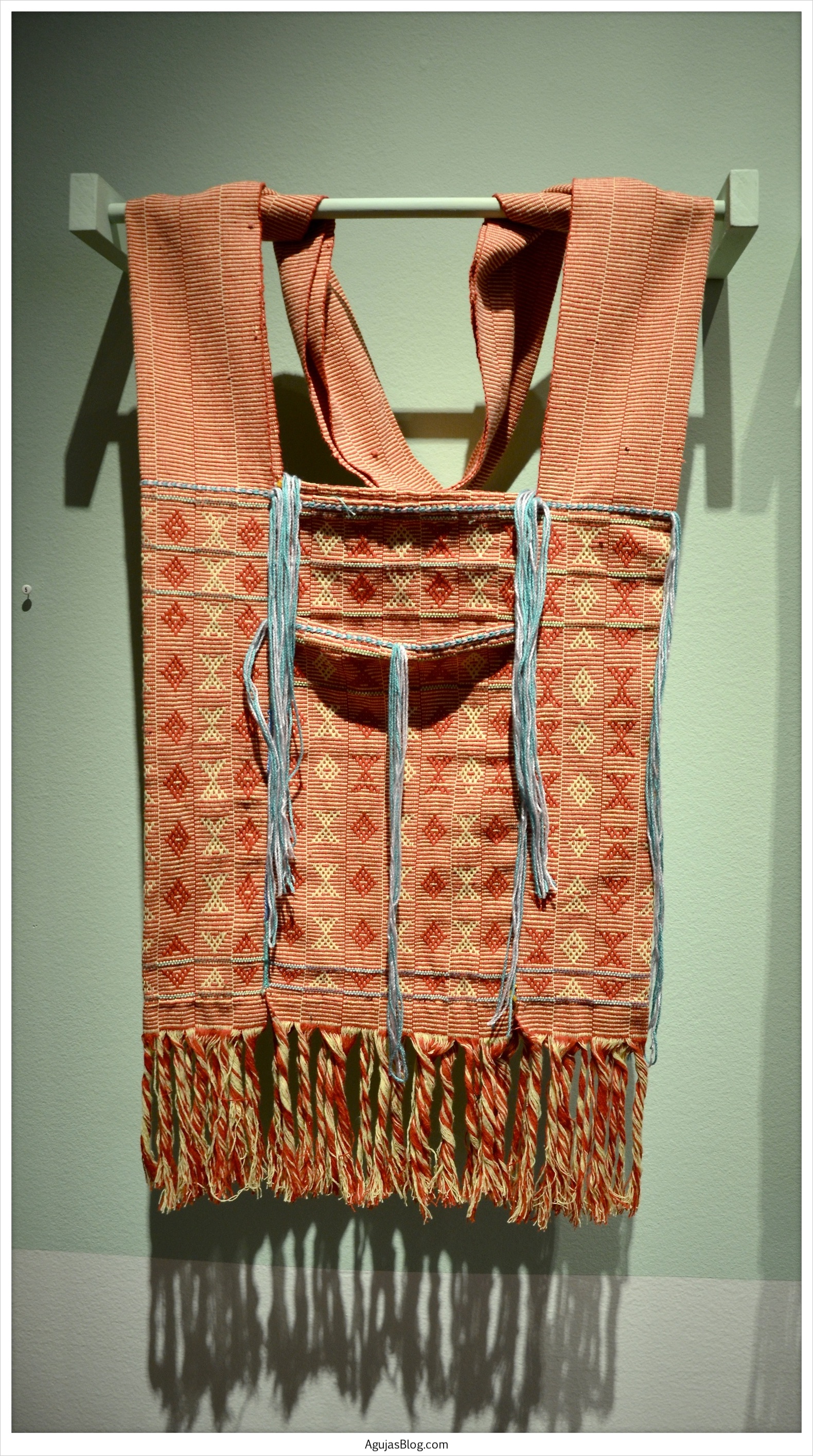
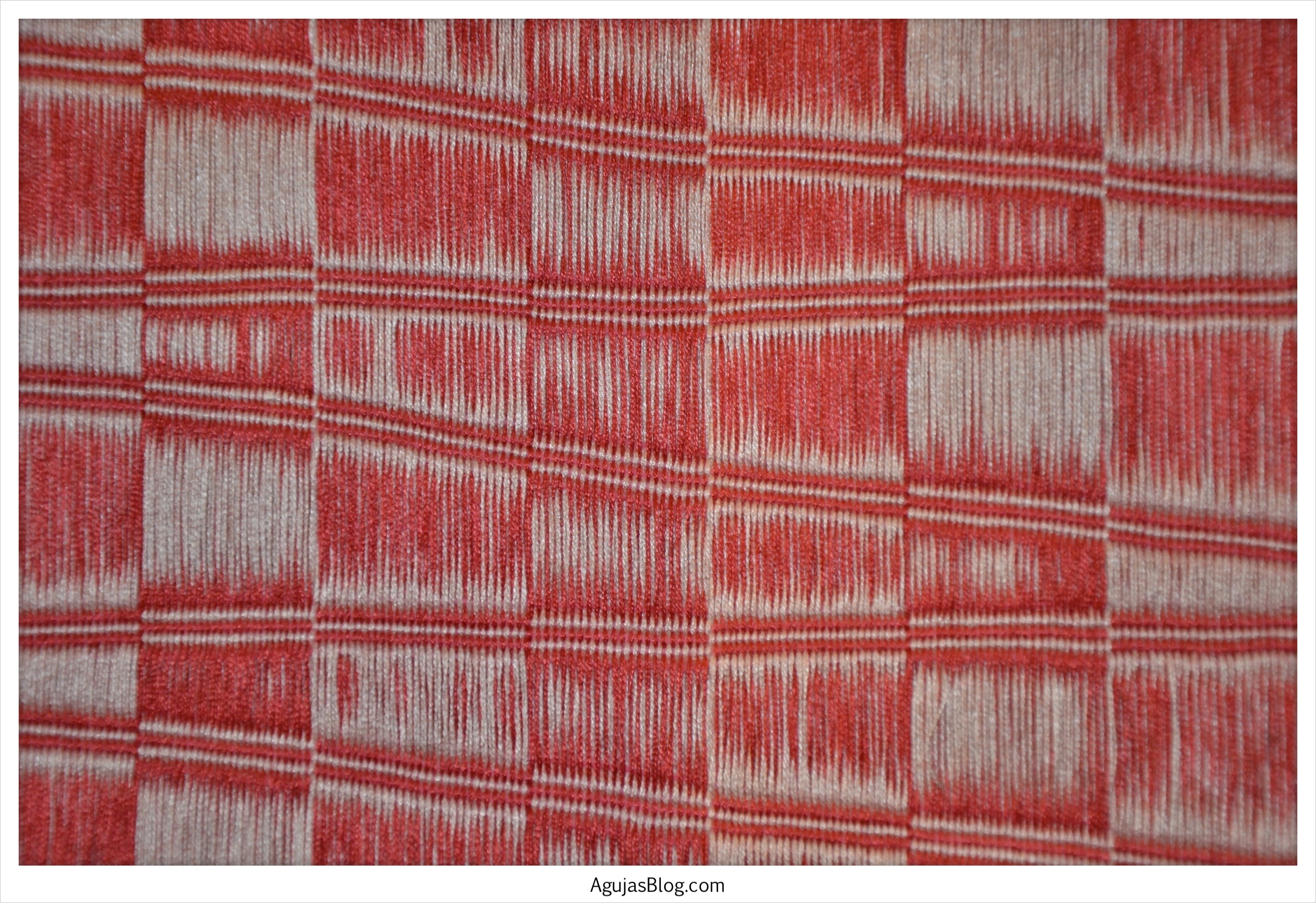
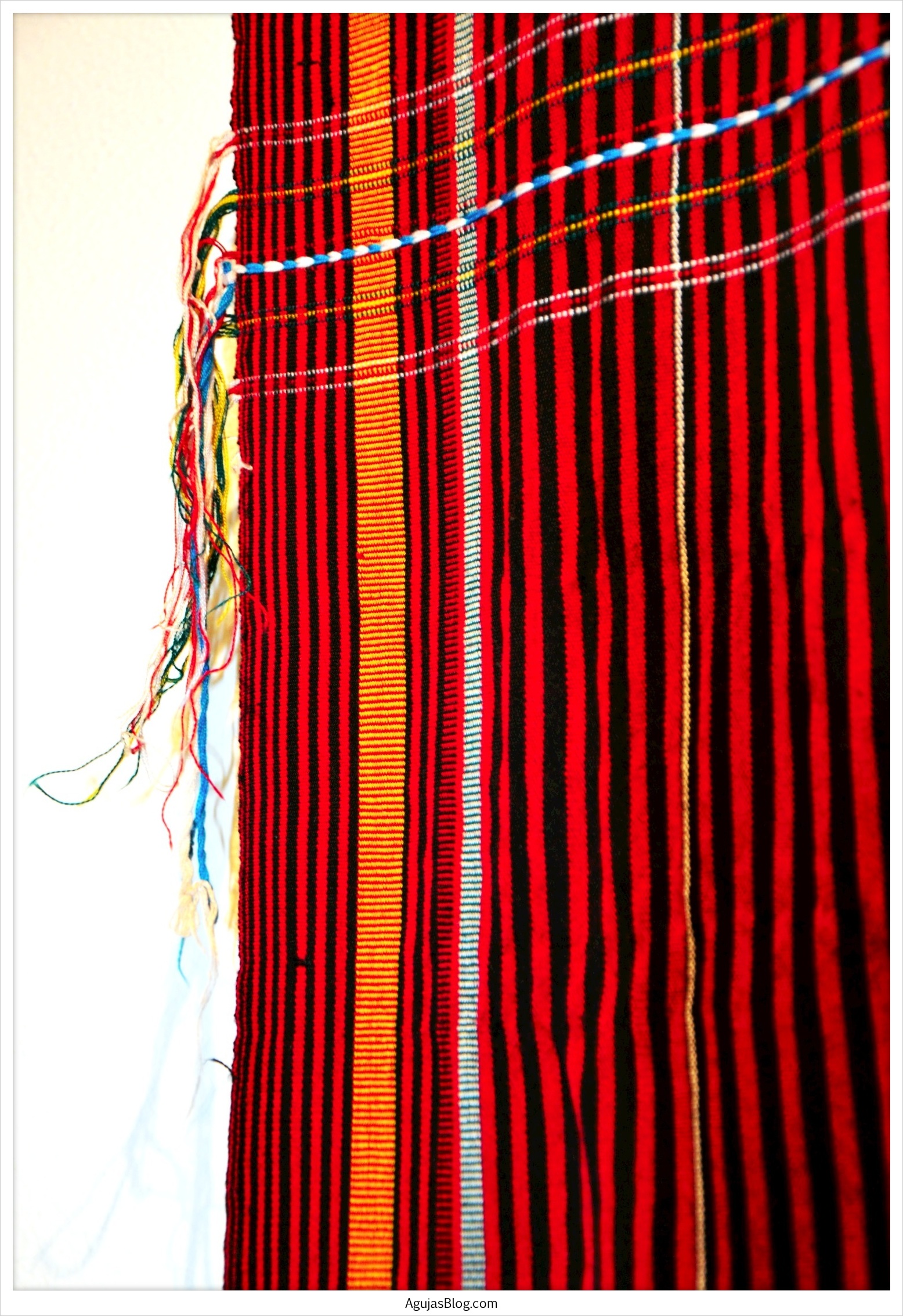
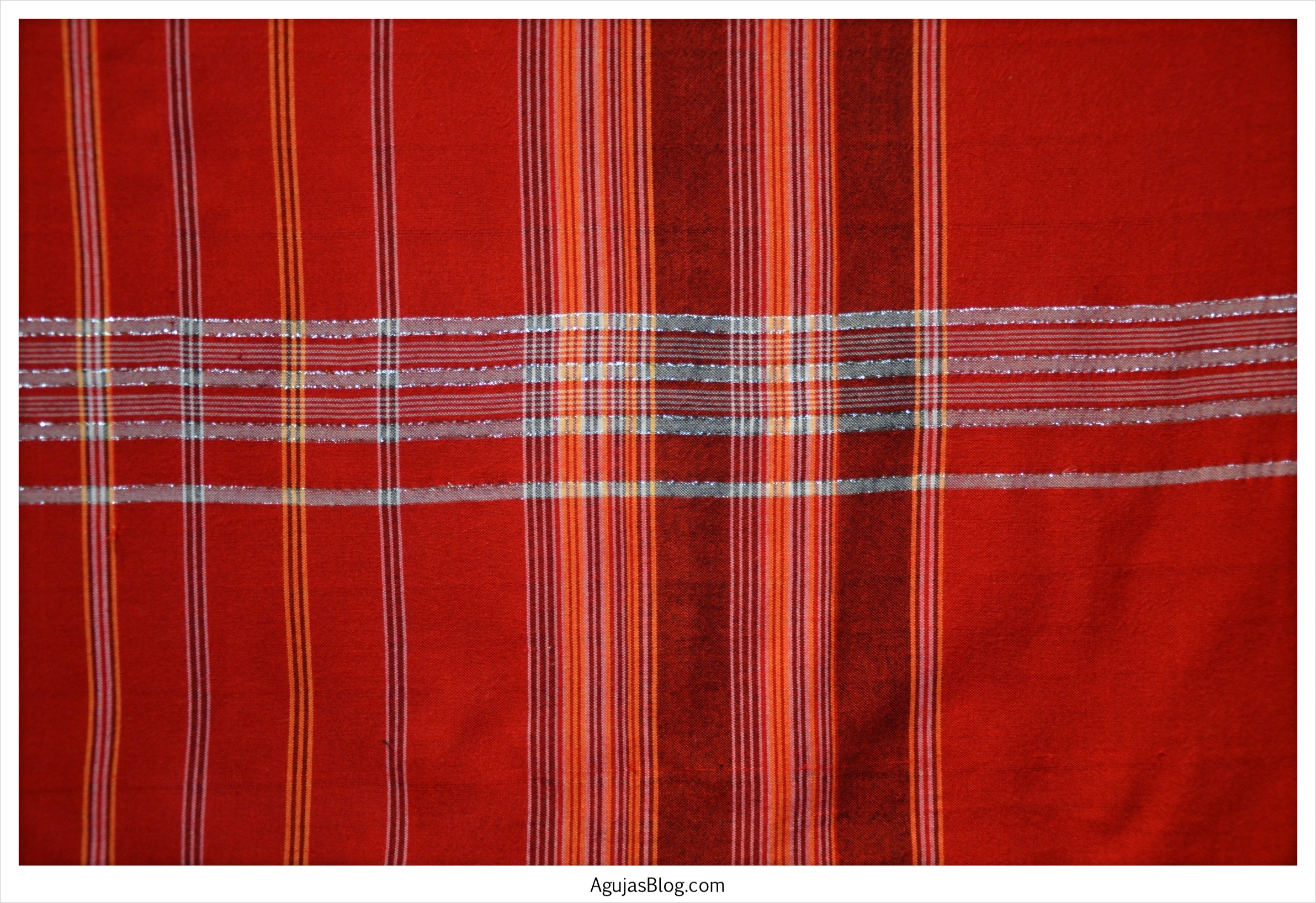
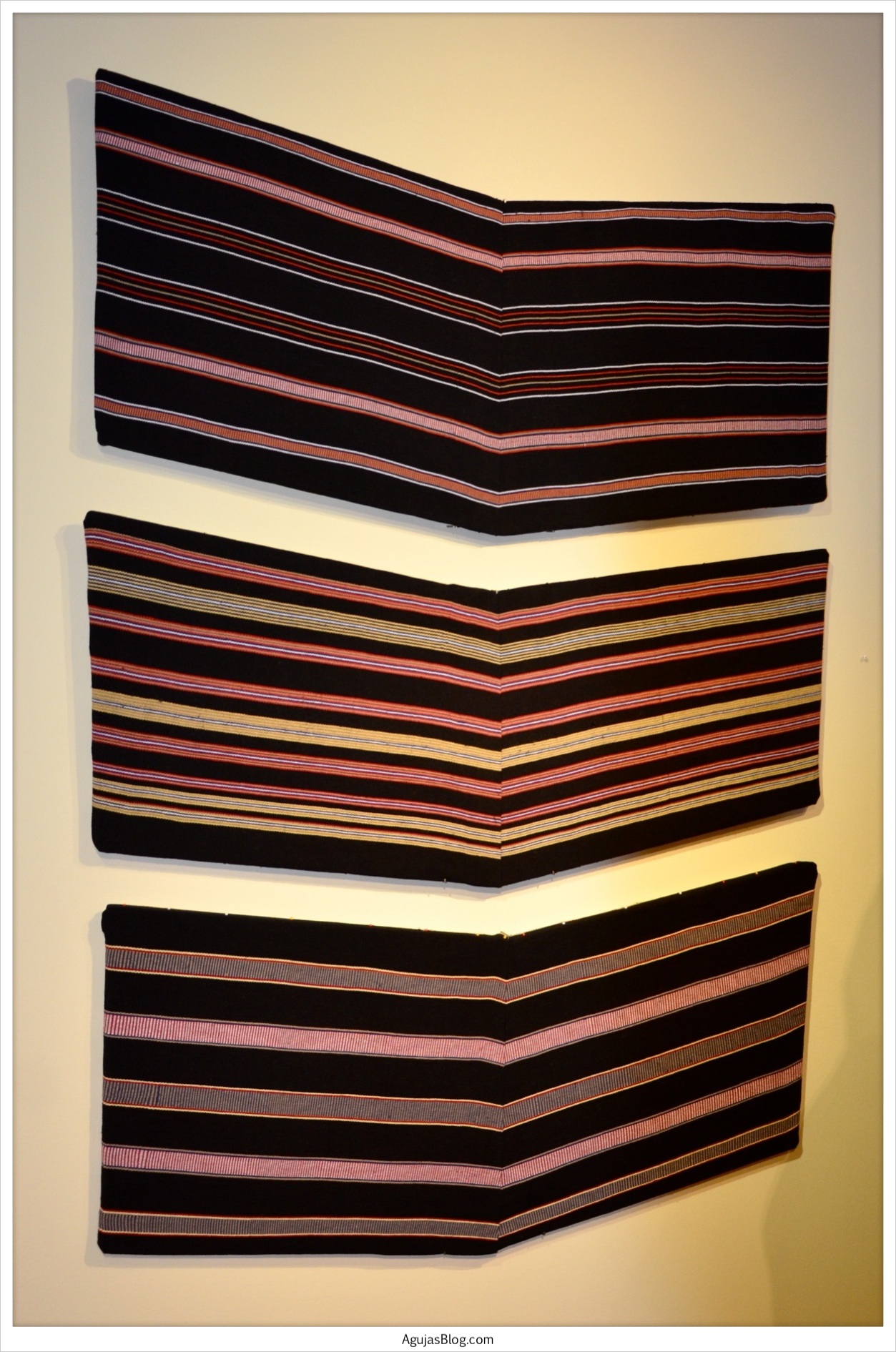
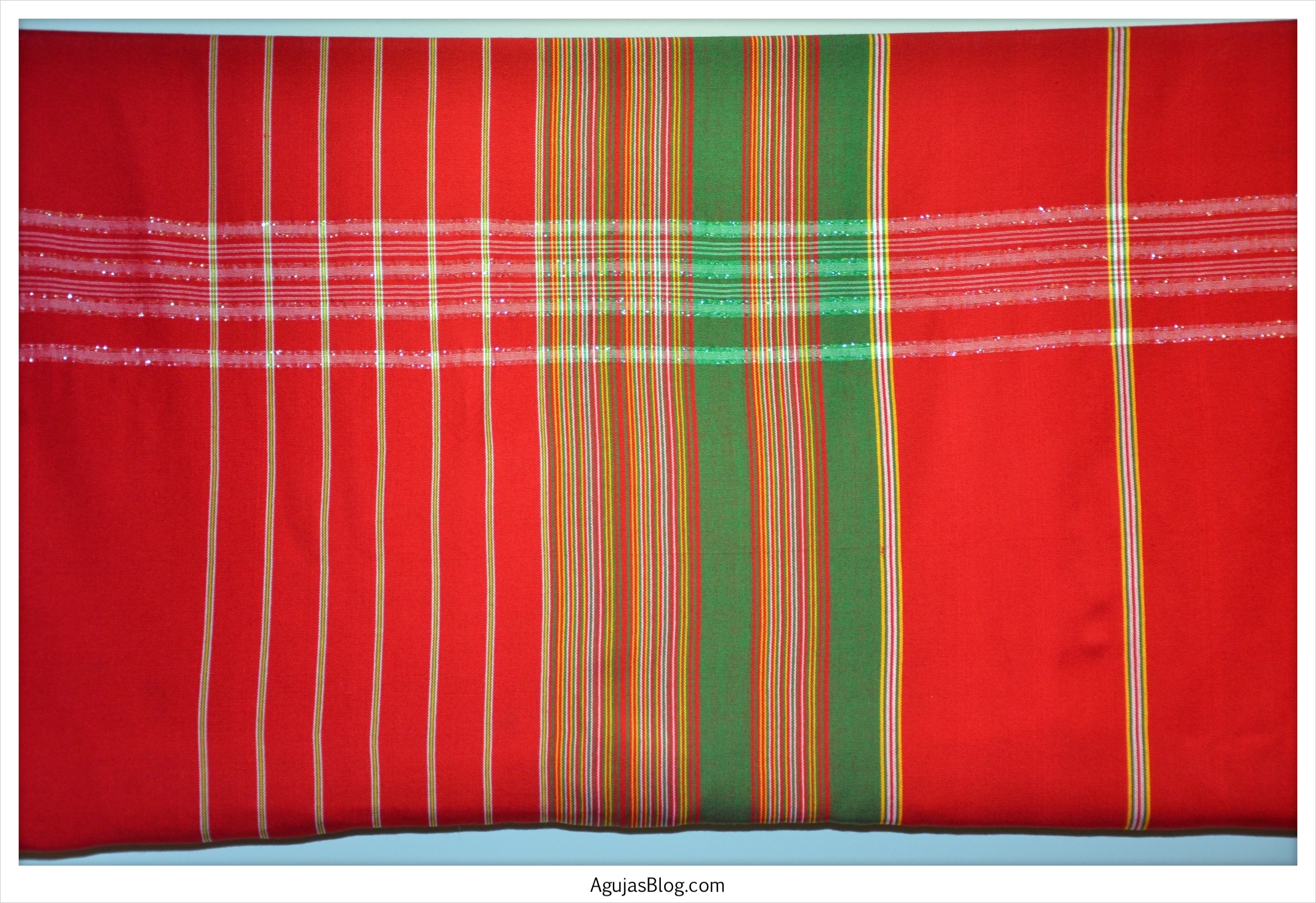
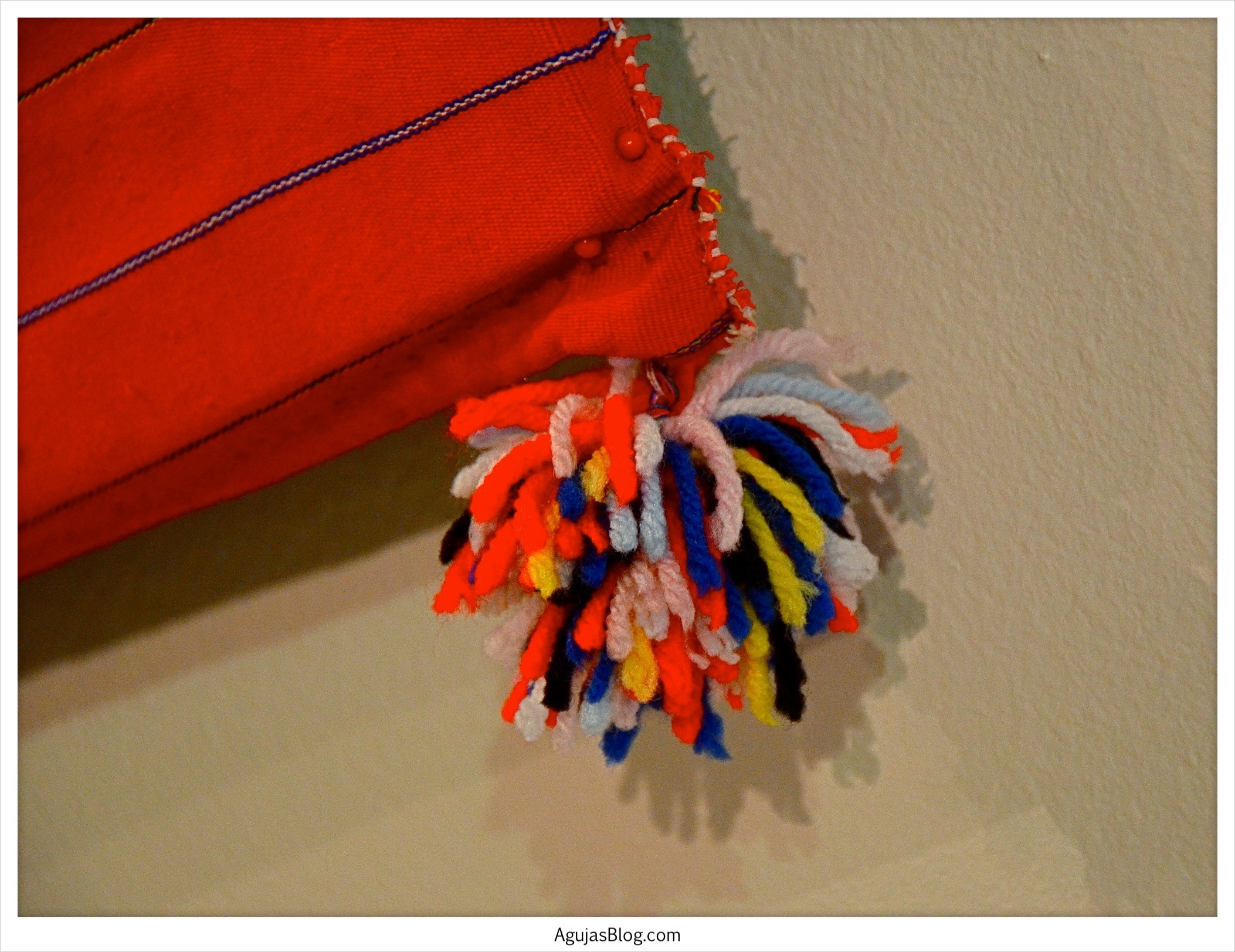
The rest of the exhibition featured displays of beautiful woven textiles. Items included traditional clothing and bags, and more modern items such as table runners and scarves.

The craftsmanship was evident in the patterns and lively colors. I was able to touch the textiles and appreciate the delicacy of the fine threads. The materials varied but were mostly made of cotton and some synthetic blends.

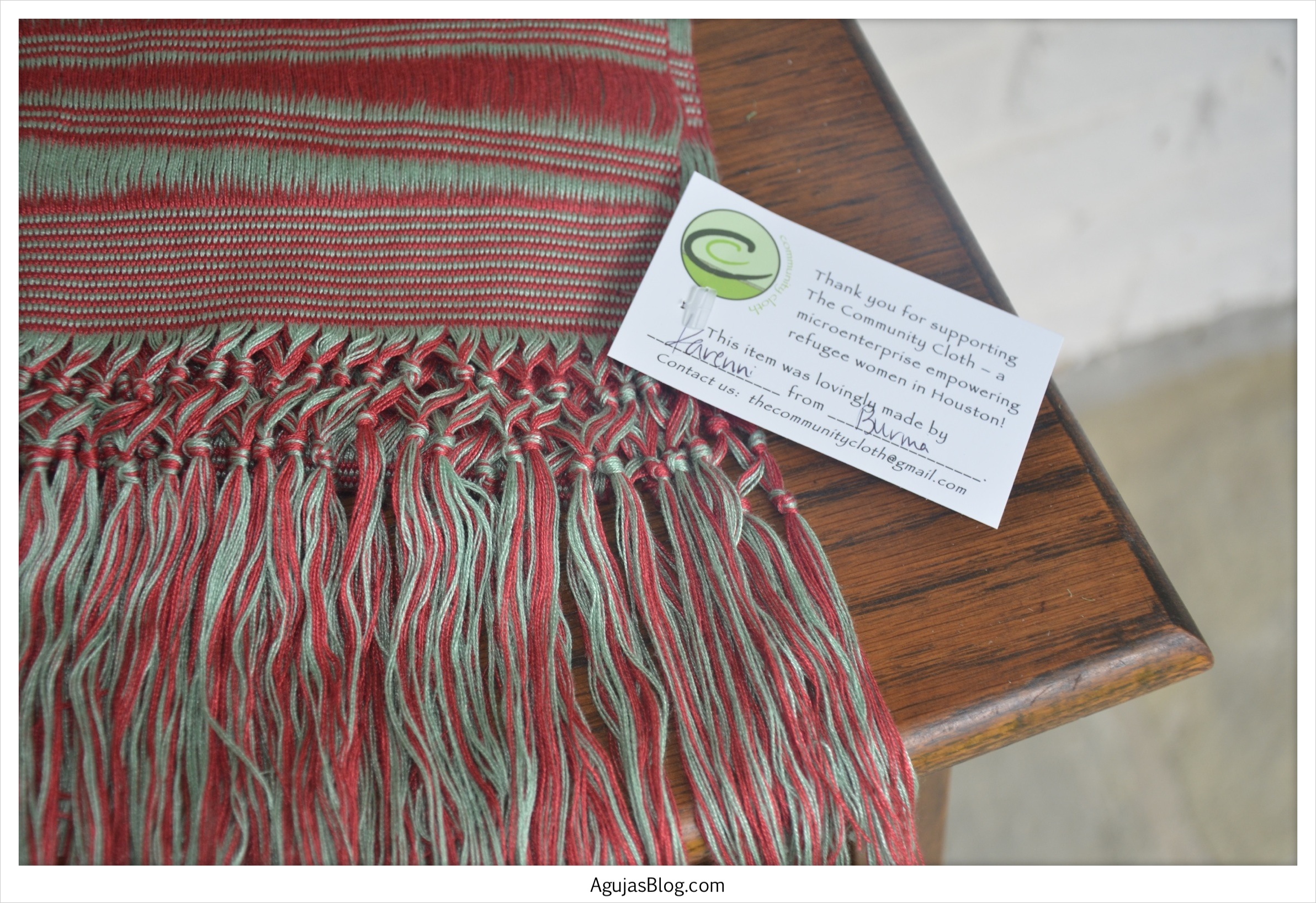
The purchase of this incredibly soft woven scarf was my little contribution to the Karenni microenterprise.

The Houston Arts Alliance website has a section devoted to the Weaving Home exhibit which I highly encourage you to read. You can learn more about and sponsor a seed grant for women artisans at The Community Cloth.

Pear Humor

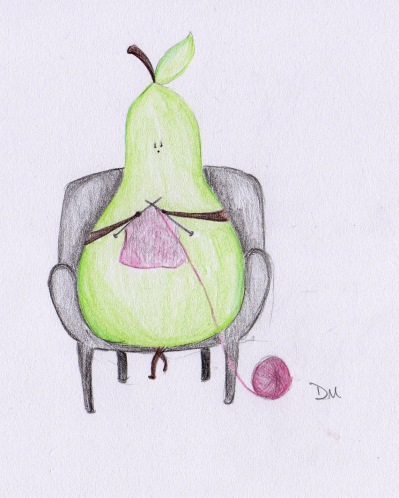
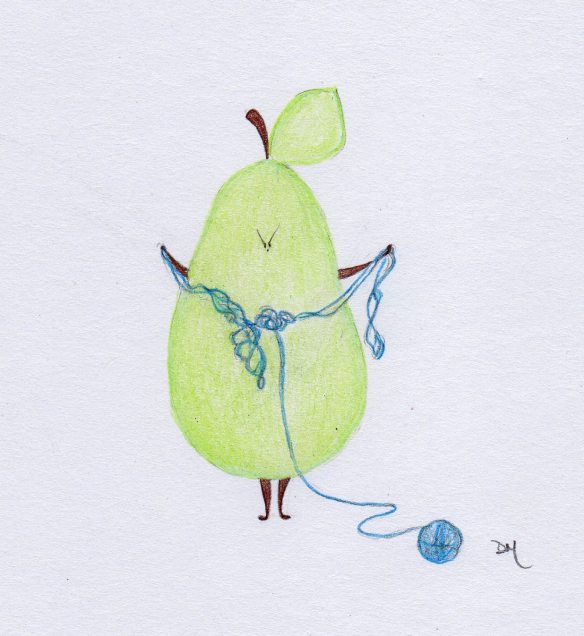
I don’t recall how I came across Angry Pear but I was hooked. I can’t help but chuckle at Angry Pear’s antics. For a fruit with such a small face, this Pear can be quite expressive! And why is Pear so angry anyway?

I have chosen my two favorite drawings to share because they just so happen to be about knitting.

Knitting Pear
Knitting Woes

Thanks to Drew McKevitt, the artist (and a knitter, by the way), for giving Agujas permission to post her artwork. Stop by Angry Pear whenever you need a smile. And be on the lookout for another Angry Pear knitting mishap.

“40 Under 40: Craft Futures” at the Smithsonian

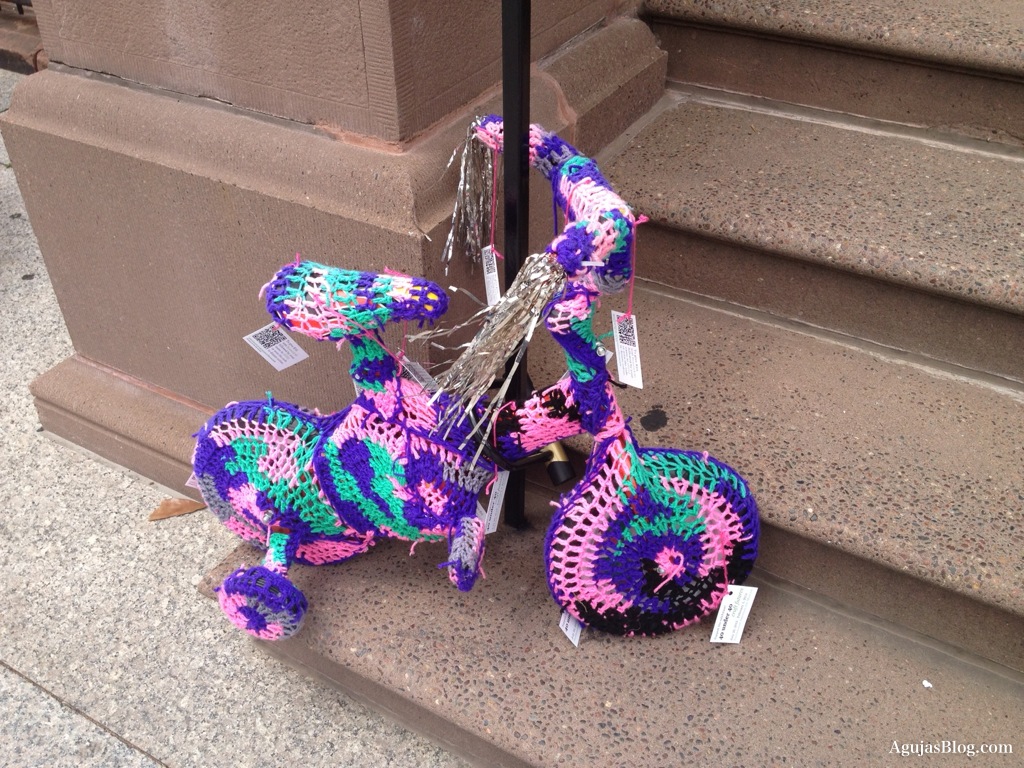
My husband was in Washington, D.C. recently on a business trip. On his way to a meeting, he saw this:

Knowing I would be intrigued, he inquired about the bicycle. The crochet-bombed bicycle is by the Polish artist Olek, one of the artists to be featured in the upcoming “40 under 40: Craft Futures” exhibit. The exhibit will take place in the Renwick Gallery at the Smithsonian American Art Museum from July 20, 2012 through February 3, 2013.

According to the museum’s website, “These 40 artists are united by philosophies for living differently in modern society with an emphasis on sustainability, a return to valuing the hand-made and what it means to live in a state of persistent conflict and unease.”

Amongst other art works in various media, these are some of the knitting and fiber arts-related works you can see and experience first-hand.

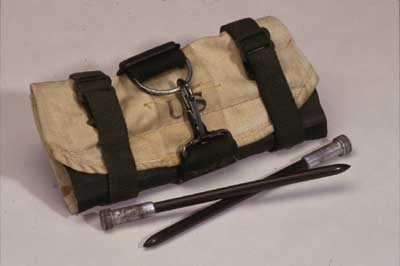
Vintage military knitting needles by Dave Cole (image source).

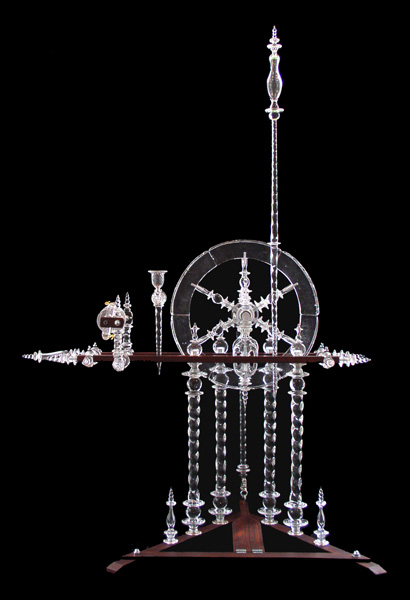
Glass spinning wheel by Andy Paiko (image source). Apparently, this is a fully functioning spinning wheel.

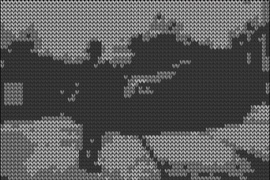
Protest knits by Cat Mazza (image source).

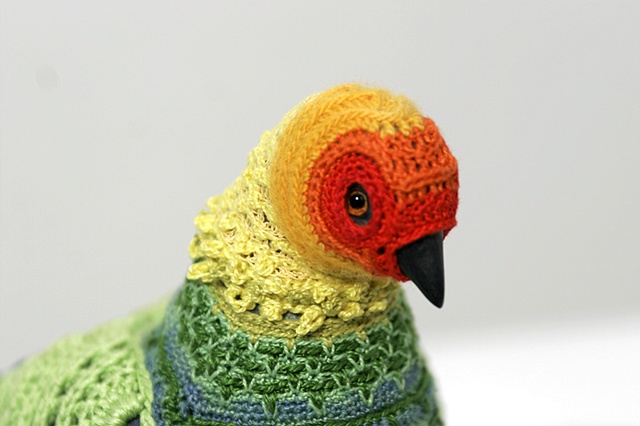
Crochet urban pigeons by Laurel Roth (image source).


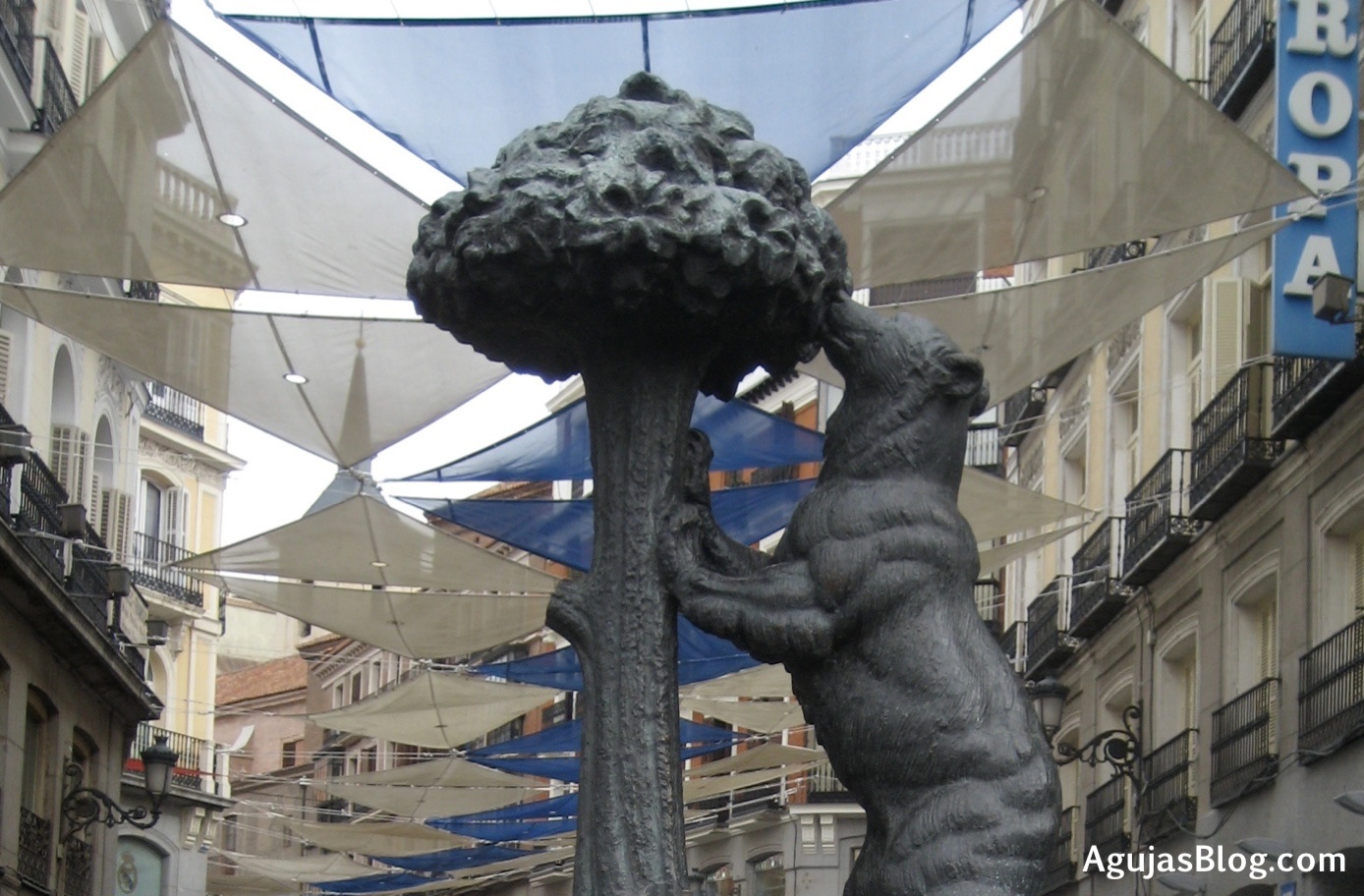
Quilted coat by Jeff Garner (image source).

You can read about all 40 artists and view a slide-show preview of the exhibit at the Smithsonian American Art Museum’s website. Better yet, if you are in D.C., go see it in person. I hope I can.