Huichol Yarn Art

Some time ago, my husband and I made a backpacking trip to Real de Catorce, which is located near Matehuala. Matehuala is significant only in that it marks roughly the half-way point between the U.S.-Mexico border and Mexico City. It was one of those cross-country bus, non-air conditioned van, and back of pick-up truck kind of trips. (Yes, I know, first class all the way).

Real de Catorce is an old silver mining town located about 2,750 meters (9,000 feet) above sea level in the Sierra de Catorce, close to the Tropic of Cancer. The area is home to the Huichol Indians. They can be seen in traditional dress throughout the town and selling their arts and crafts in the markets. One of their crafts involves creating exquisitely detailed and colorful paintings using yarn. The yarn paintings reflect their religious beliefs and aspects of nature that comprise their cosmology.

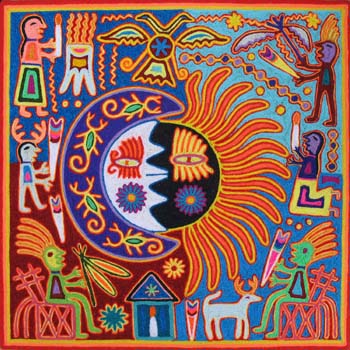
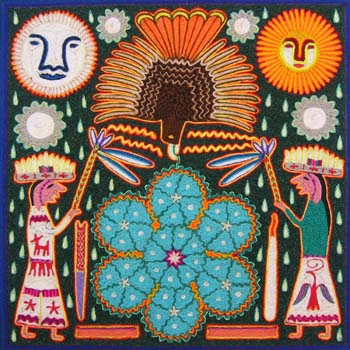
When I visited, I did not take pictures of the Huichol or of their art so I found examples of their art online. The following four yarn paintings came from here. In them, you will find the visions of the Shaman, nature and deities, snakes, eagles, deer, an eclipse, the peyote, and corn, among others.
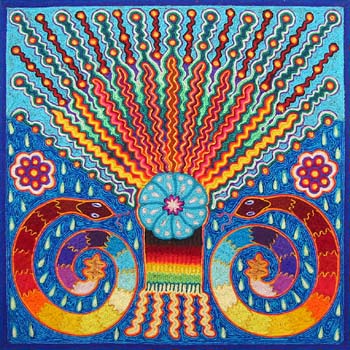
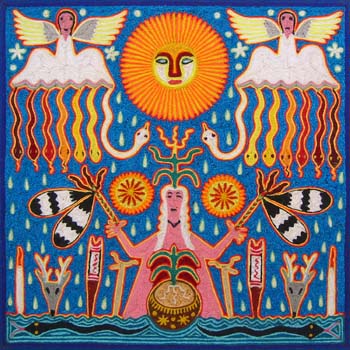
The central figures in this next yarn painting are the eagle looming overhead flanked by the sun and the moon while the bottom half features the peyote. The peyote is  a kind of cactus with hallucinogenic properties. The peyote is a sacred plant to the Huichol and the cultivation and gathering of the plant is controlled to prevent extinction and misuse.
This is what peyote looks like in the wild.

{source}

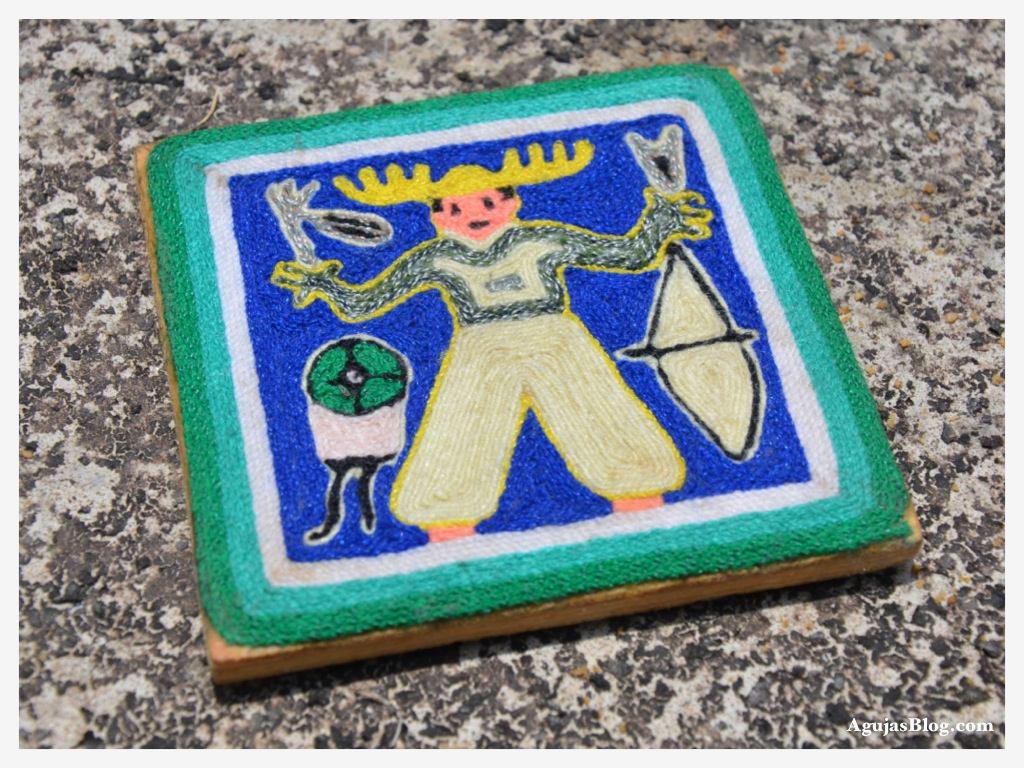
I did bring home this small 4×4 inch yarn painting (small items I could stash in the backpack). The painting is of “Hombre Chaman de Mucho Conocimiento” or “Shaman Man of Much Knowledge” and is signed by the artist, Alejandro López Torres. In it you can appreciate the winding of the yarn on the wood to create the image.
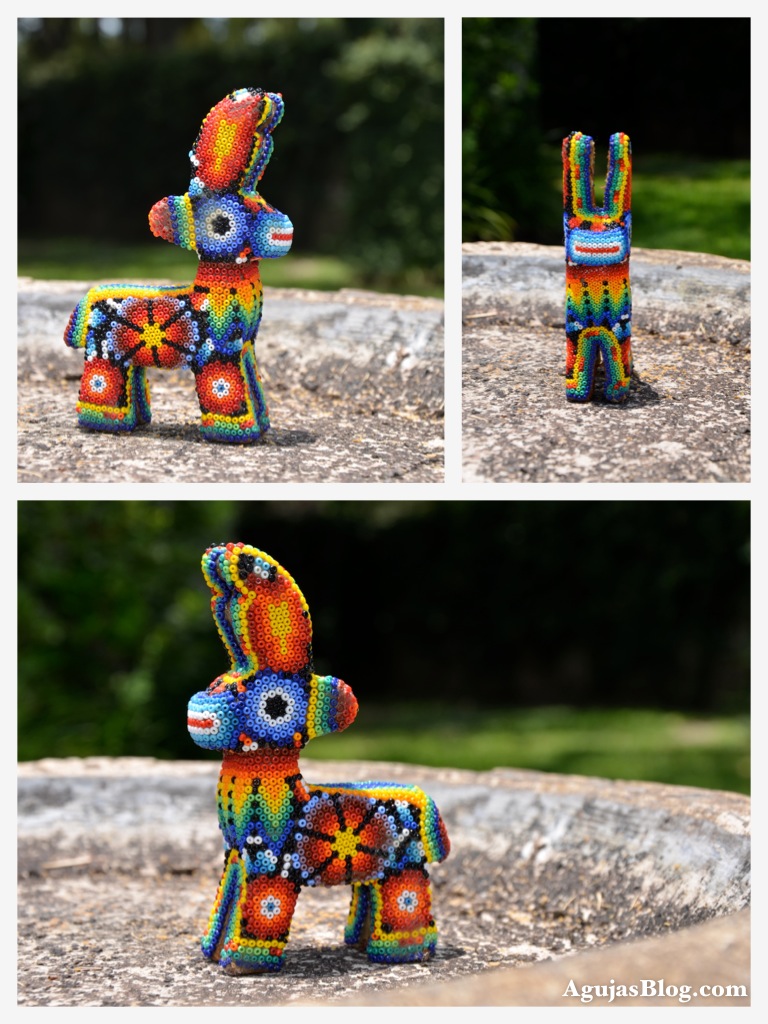
Another Huichol craft uses extremely tiny beads to create jewelry and decorate animals carved from wood. The beaded carvings are usually of animals revered by the Huichol, like this tiny deer (stands 4 1/2 inches tall).
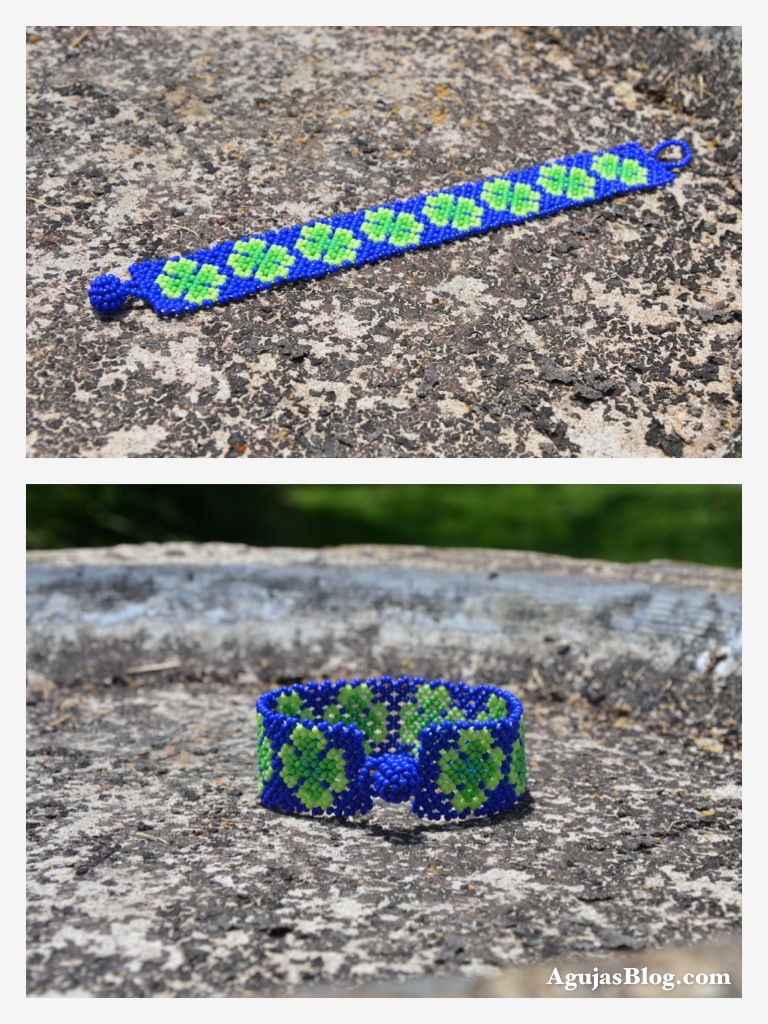
Here is a beaded bracelet I brought home. The main motif is the peyote.
In the process of writing this post, I learned that a few days ago there was a huge gathering of Huichol Indians in Mexico City for Wirikuta Fest 2012. Wirikuta is another name for the Huichol. The music festival featured famous singers and musicians including Café Tacvba and Julieta Venegas, two of our favorite artists. The festival was held in support of the Huichol Indians who are fighting the encroachment of mining on their lands. The following pictures of Huichol in traditional dress were taken at the festival and can be found here (slides 18 & 19).

Stay tuned for a post about Real de Catorce.
Your Husband is a Berber!

We wanted to explore Africa and chose Morocco as our first venture on the continent. We were tempted by Casablanca with romantic images of dapper men in white suits and damsels in distress but decided on a more traditional route. We spent most of our time inside the medina in Marrakech and a couple of days lost in the labyrinth of Fès.

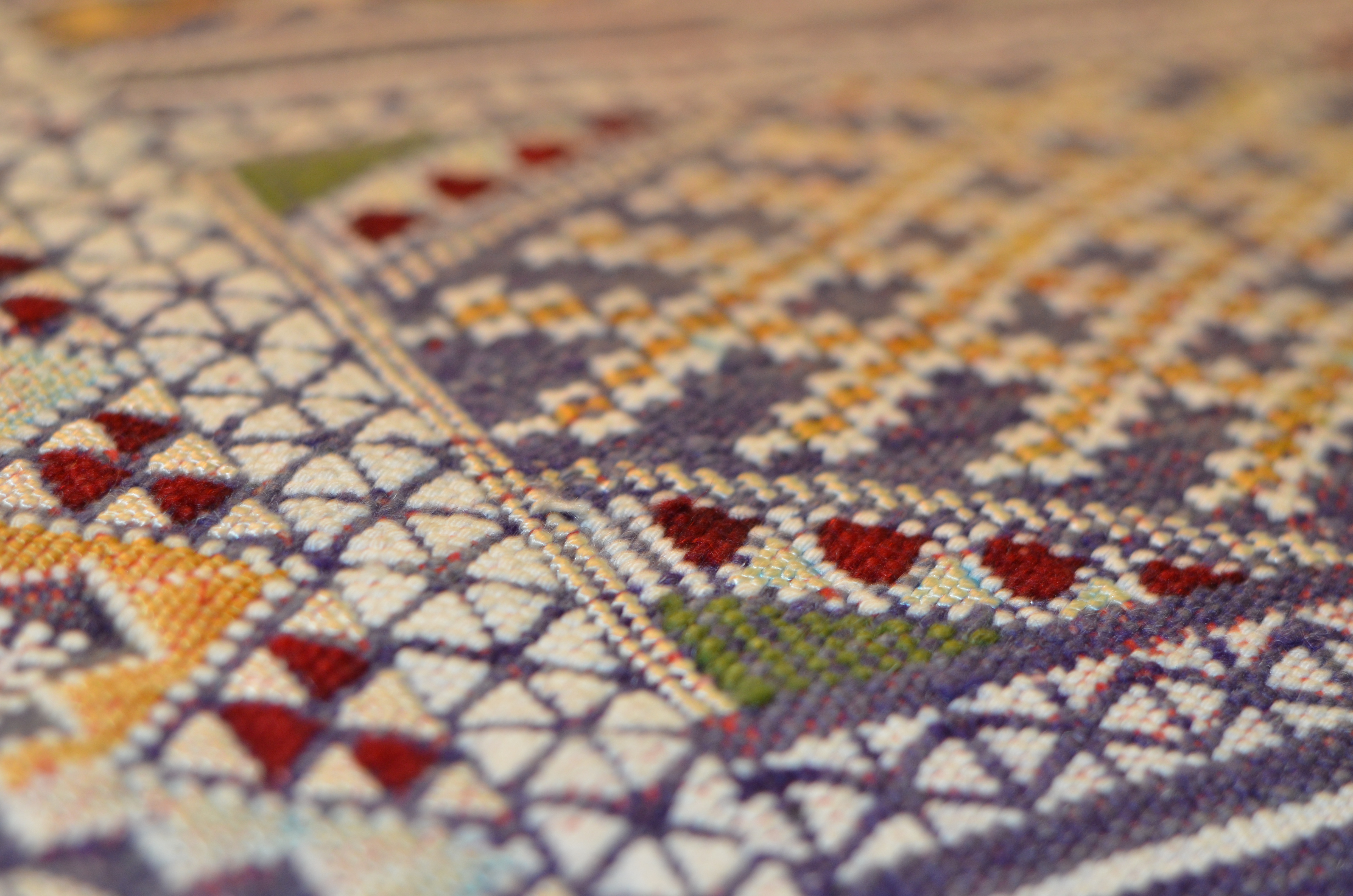
If you go to Morocco, a must buy is a woven rug. And if you are going to buy a rug in Morocco, you must be prepared to haggle.

We meandered from rug seller to rug seller, browsing, looking, until we decided to get serious. At the first sign of actual interest, the proprietor took us upstairs to a room stacked to the ceiling with carpets. One by one, a young boy took them down and displayed them on the floor at our feet while we sipped on sweet mint tea.

We saw a few we liked and started whittling them down to our favorites. Then the negotiations began. My husband took the lead while I listened and occasionally shook my head. The starting price was outrageously high. My husband patiently explained that we knew nothing about rugs or how much work went into making each one but thought they were all quite beautiful, and that we were on a budget. He made a counter-offer. Apparently it was outrageously low because our host threw his hands in the air and described the craftsmanship that went into each one in agonizing detail.

And so the conversation continued. The proprietor gave us another price. I opened my eyes wide with shock. My husband told him we would love to buy a rug from him since he had been so patient with us but it was too far off our budget. Another counter-offer. More detailed explanations. It continued like this for some time. I had another glass of mint tea. Finally, they agreed on a price. The proprietor exclaimed that he would not want to disappoint me by sending us home without a rug. We thanked him effusively.

As my husband handed him the agreed-upon price, the proprietor turns to me and exclaims, “Your husband is a Berber!” I can only deduce that meant that (a) my husband is cheap, or (b) a very good negotiator.

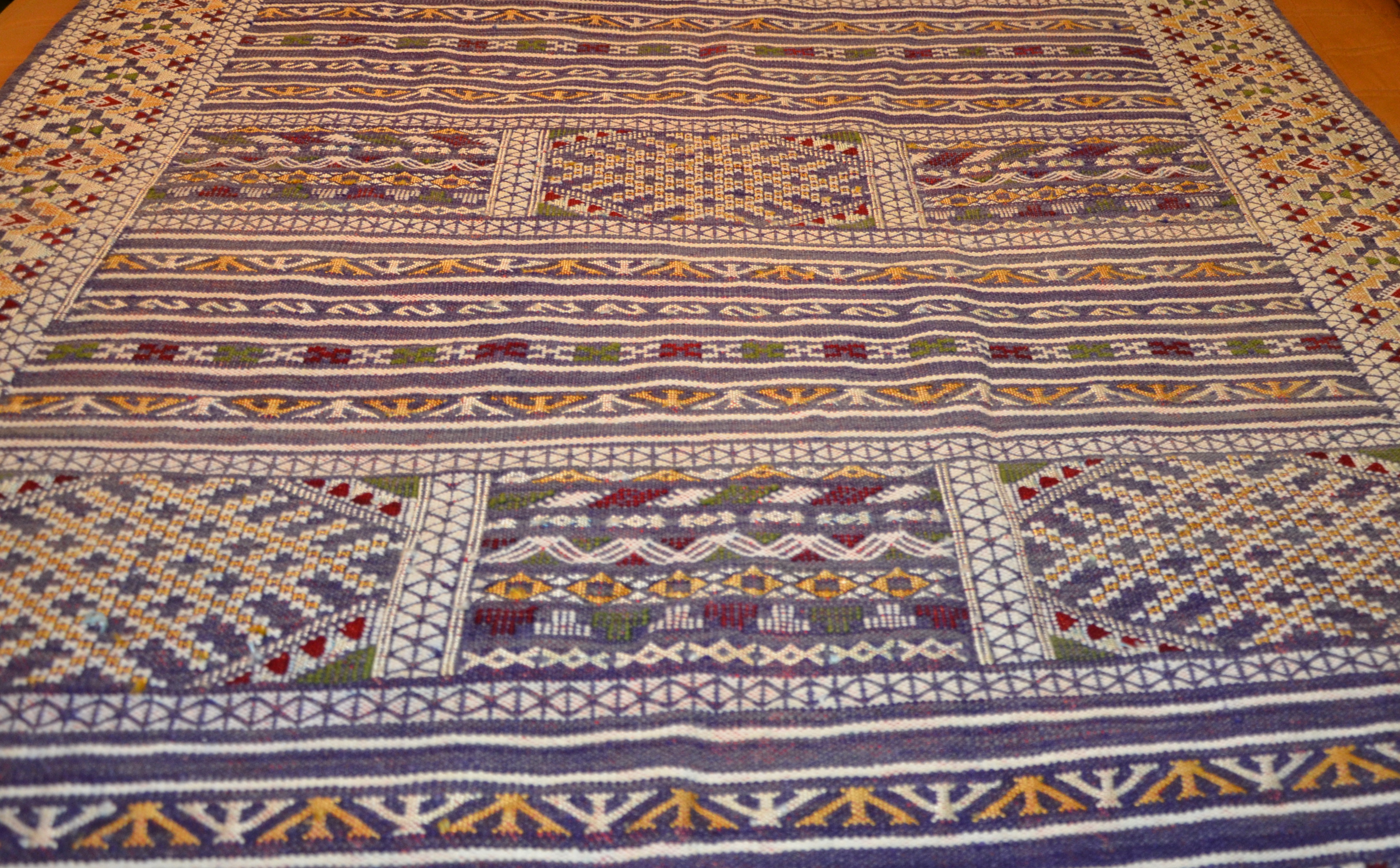
This is our Moroccan rug.

Our Family Heirloom Quilts

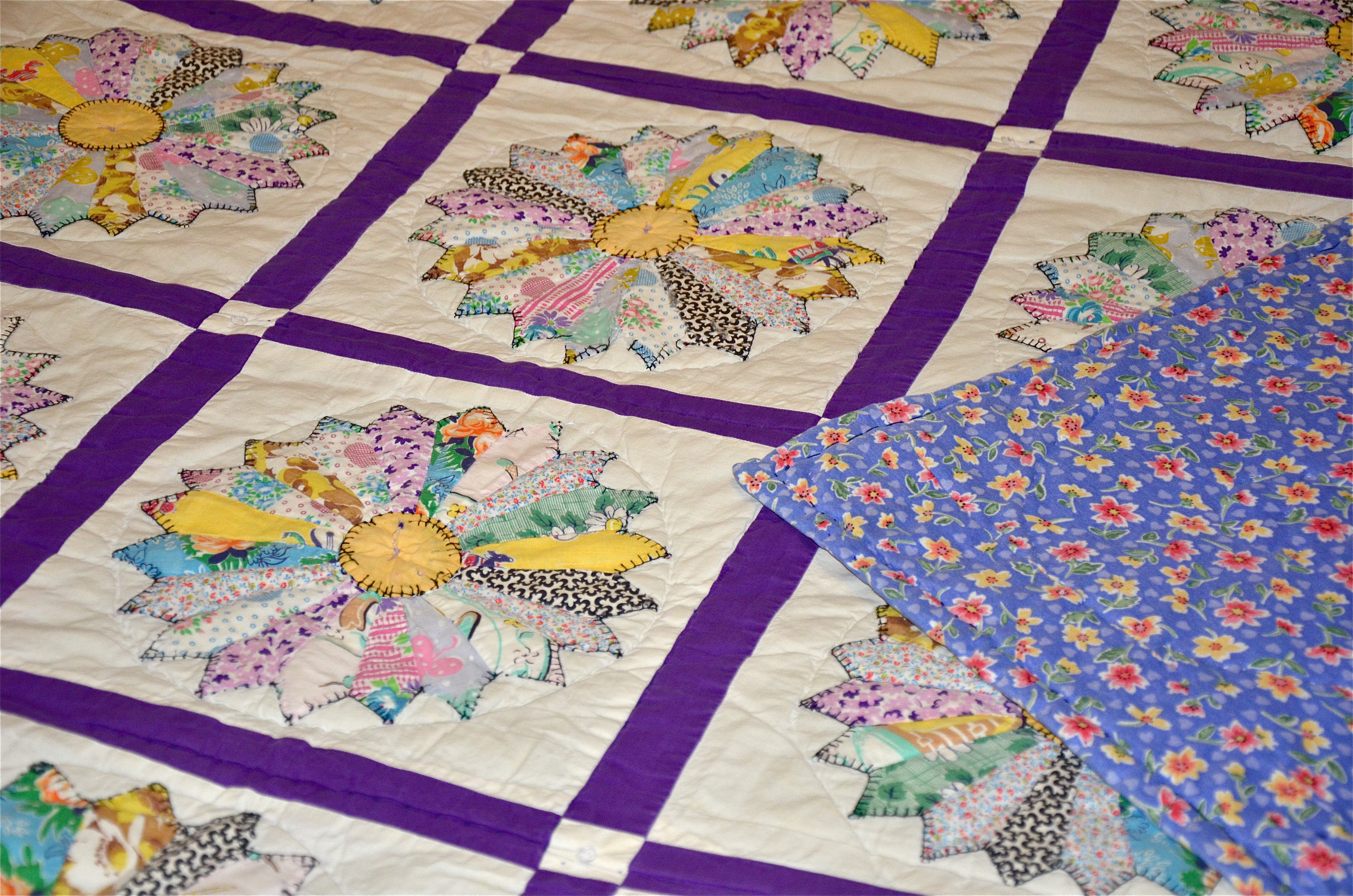
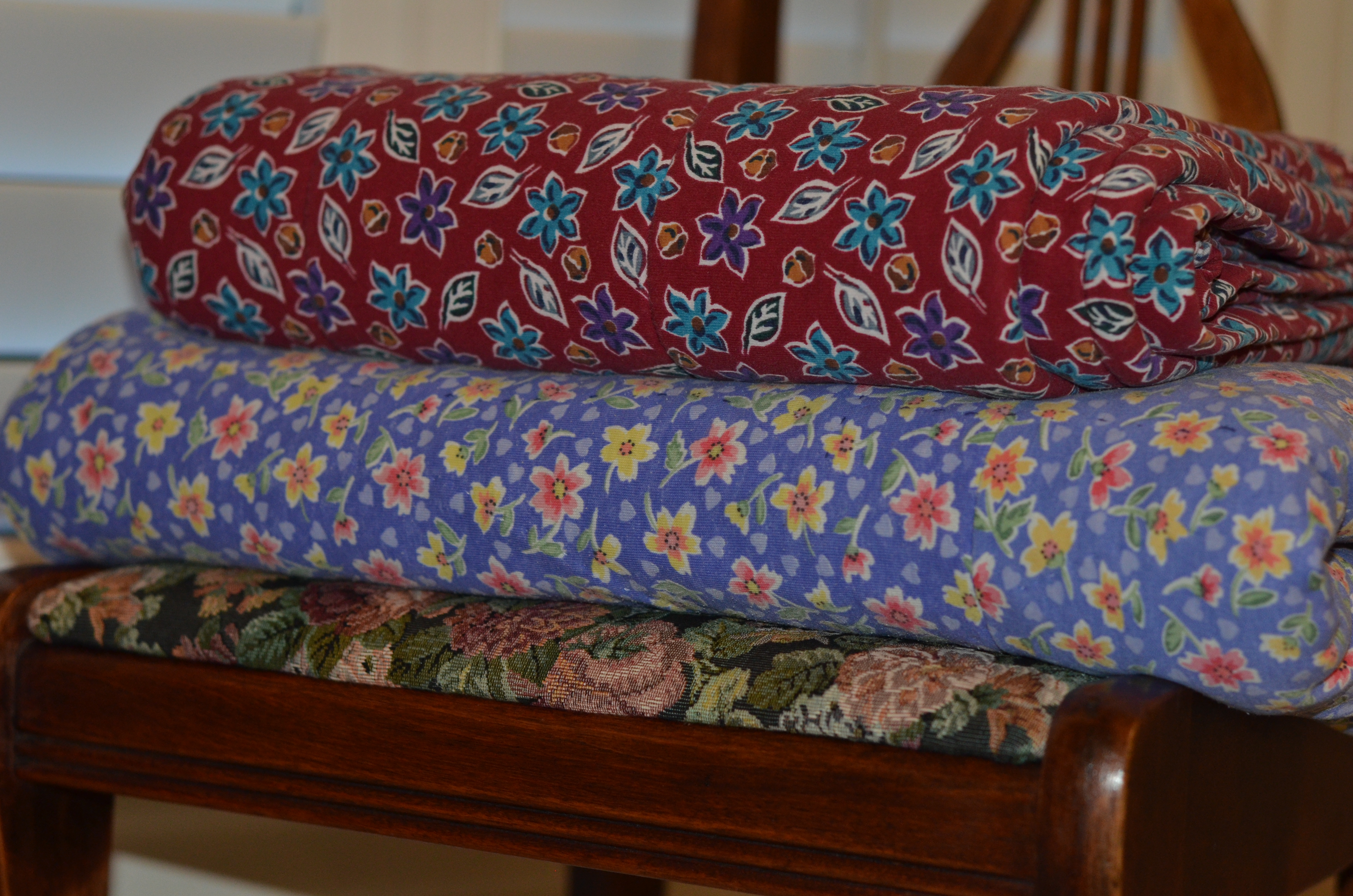
When I married my husband, he brought three beautiful quilts into our home. The quilts were handmade by his mother, whom I had the honor to meet shortly before she passed away. Besides raising six children, my mother-in-law was a seamstress. She measured, designed, cut and assembled custom-made clothing, mostly dresses for women. She used a combination of hand and machine sewing for her garments.

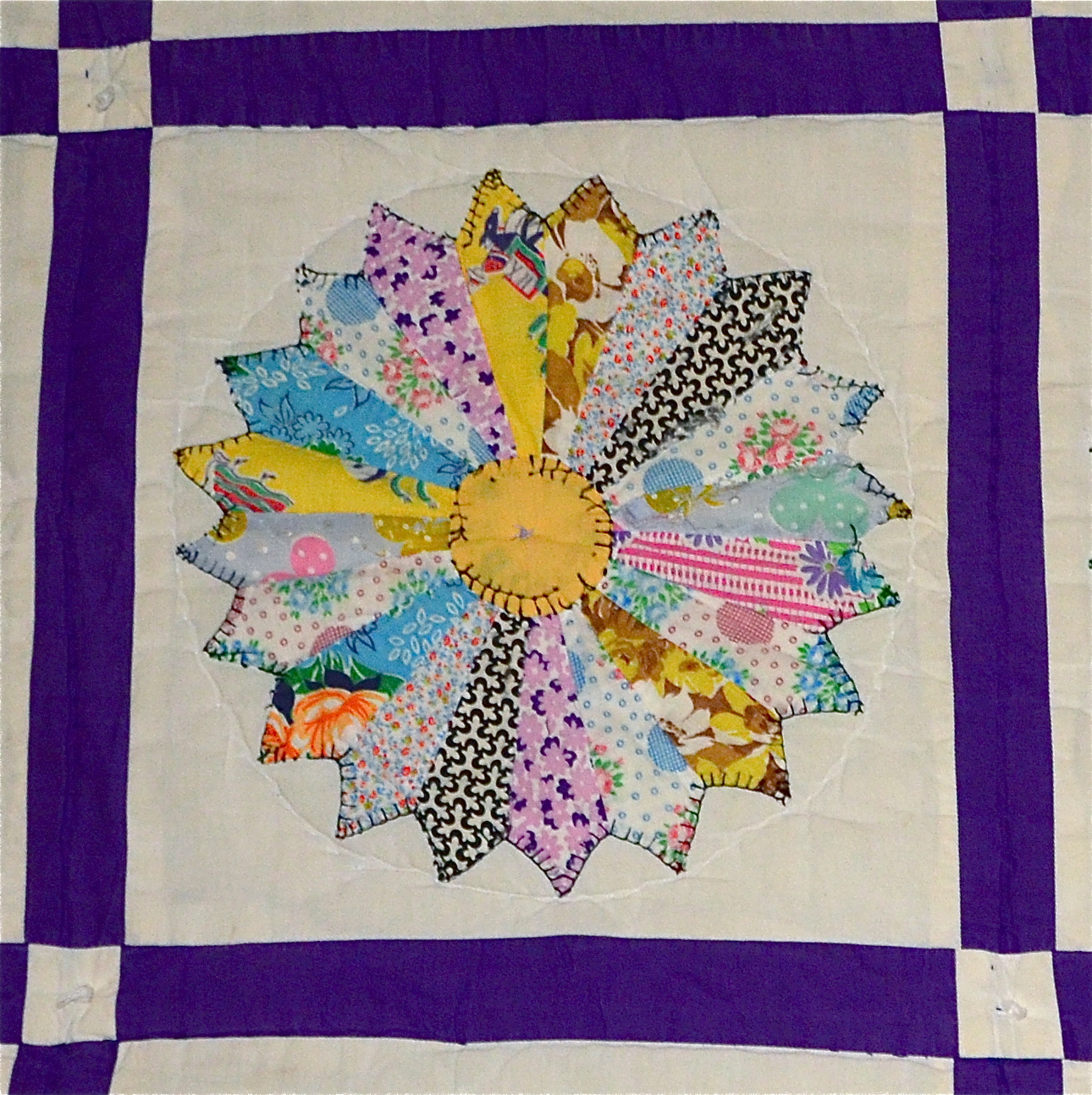
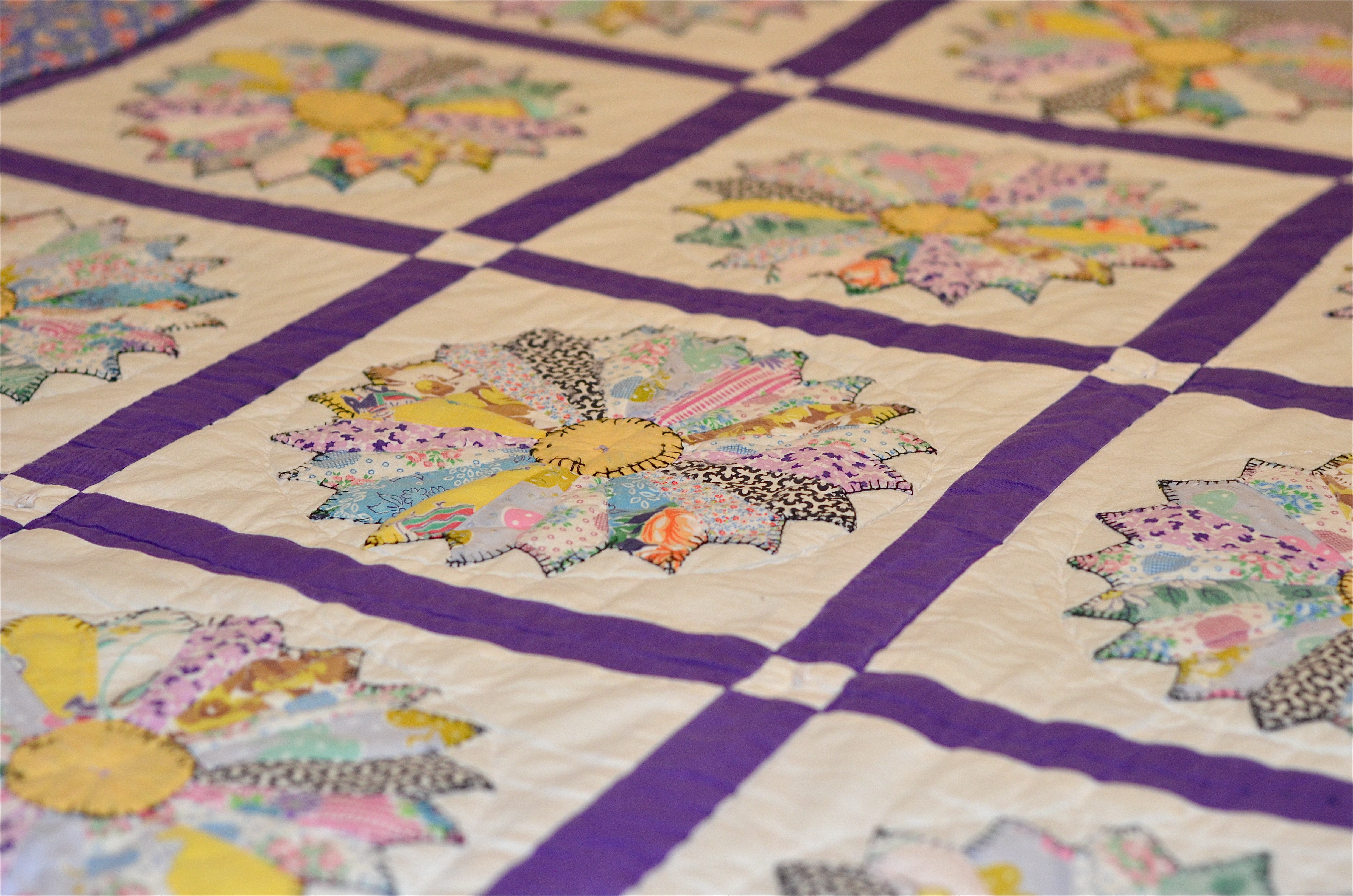
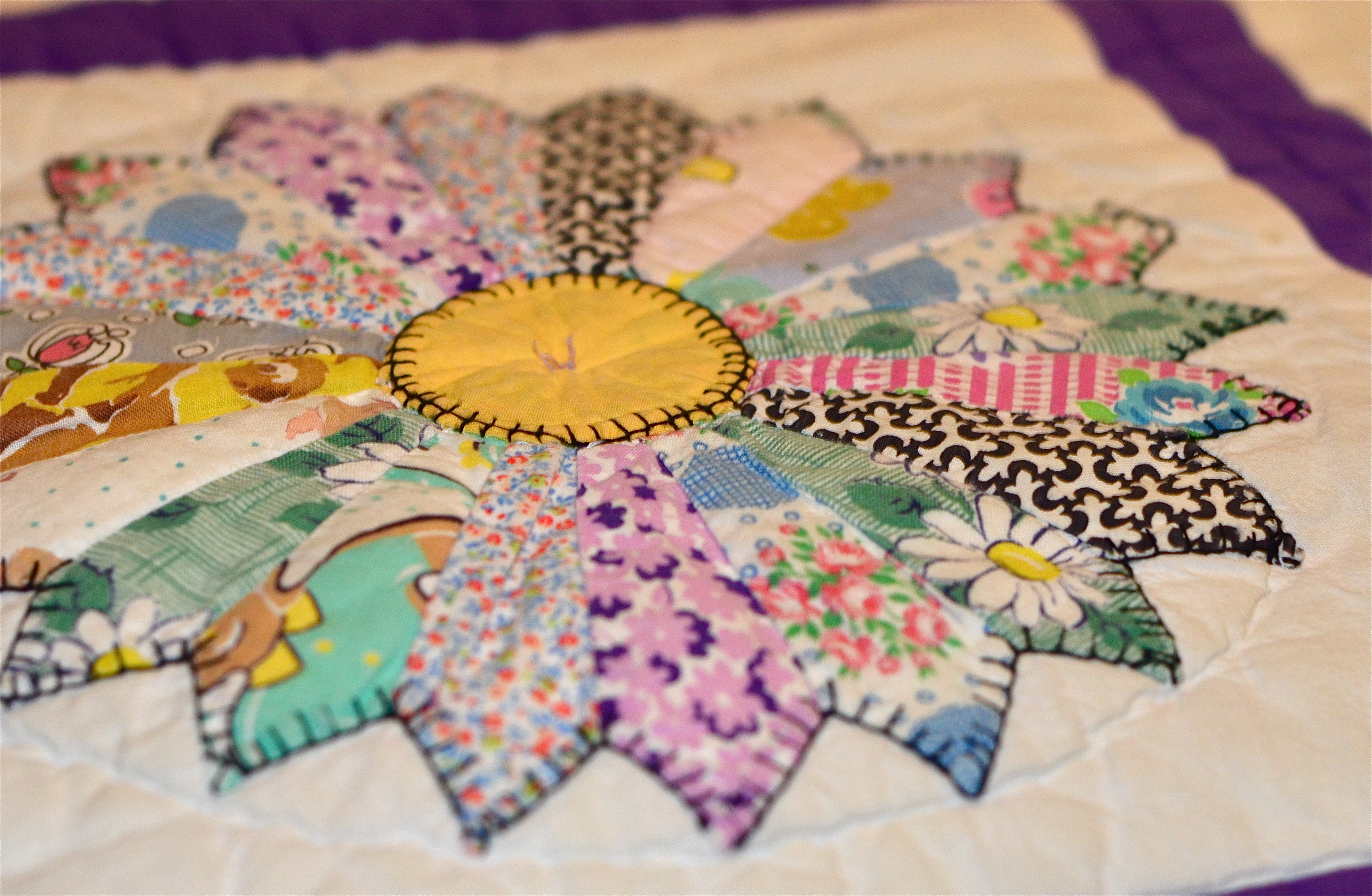
Along the way, she crafted quilts for each child and grandchild. My husband became the beneficiary of this beautiful Friendship Ring quilt. This quilt has been gently used throughout the years to cover sleepy boys (and husbands). My husband has fleeting memories of dresses made from the same patterns and colors of the fabrics in his mother’s quilts.

This second quilt is a simple whole cloth quilt (red background). She must have used a thicker batting because this quilt is heavier than the others. The weight is comforting somehow when you snuggle up underneath it.

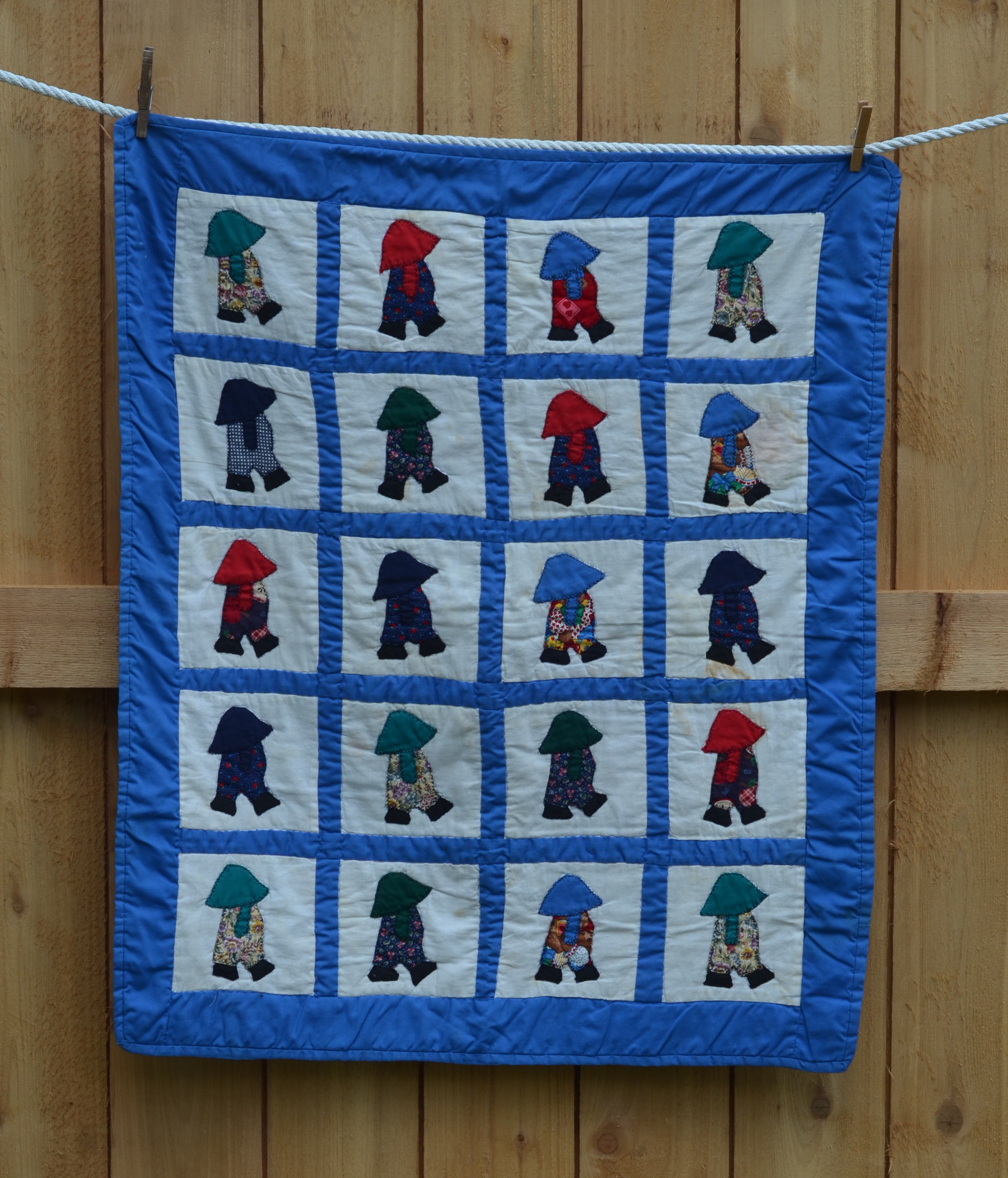
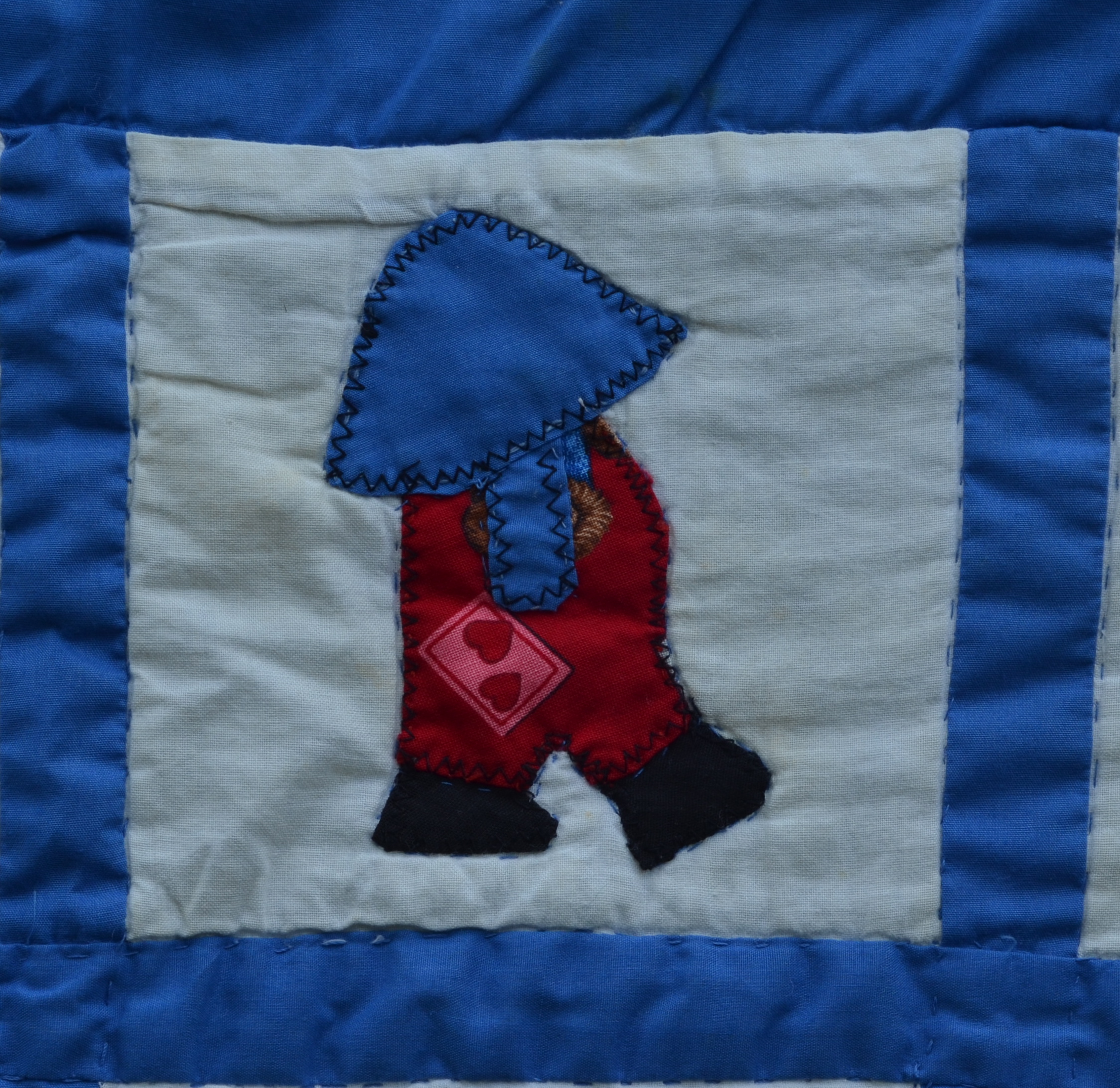
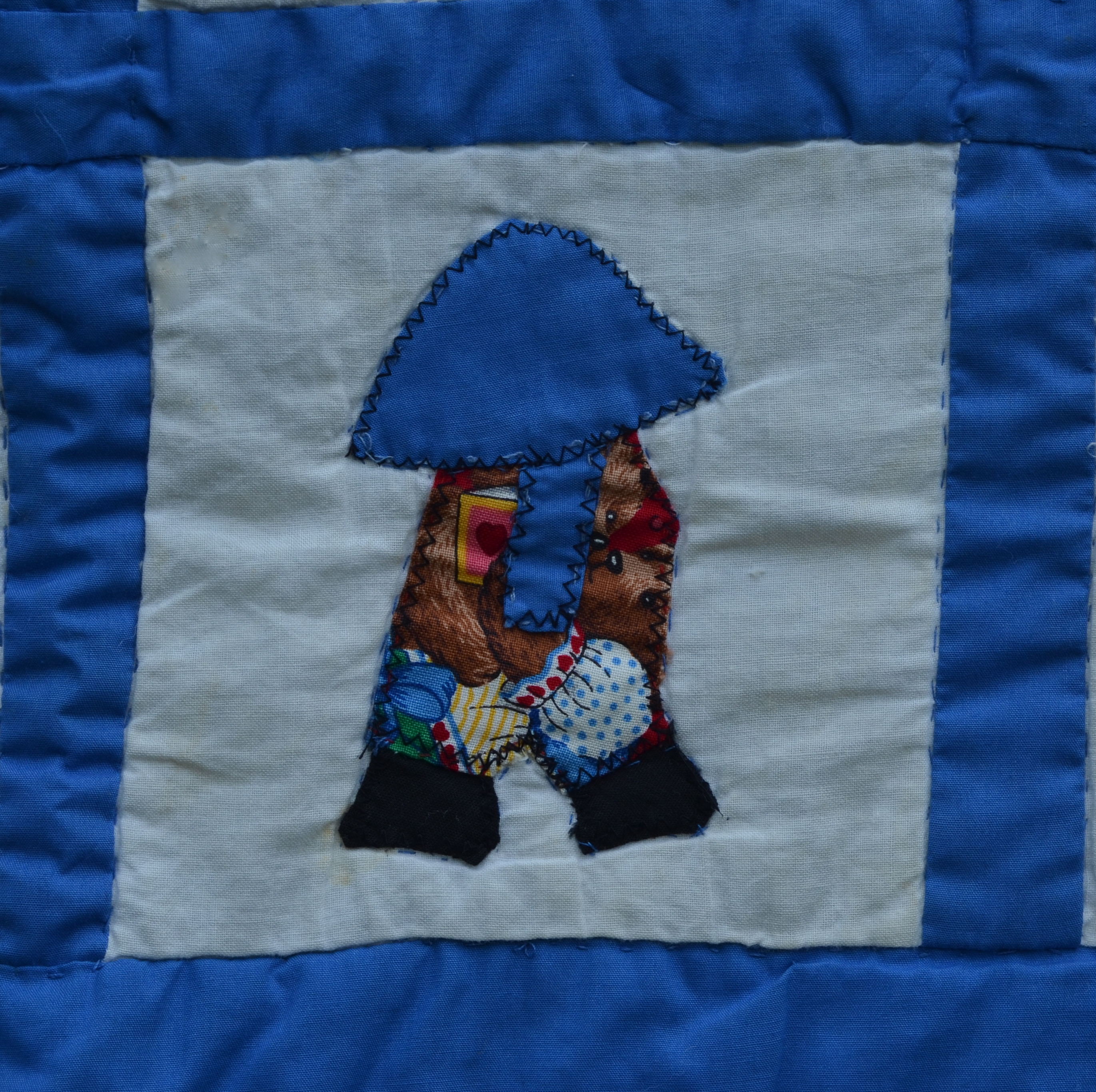
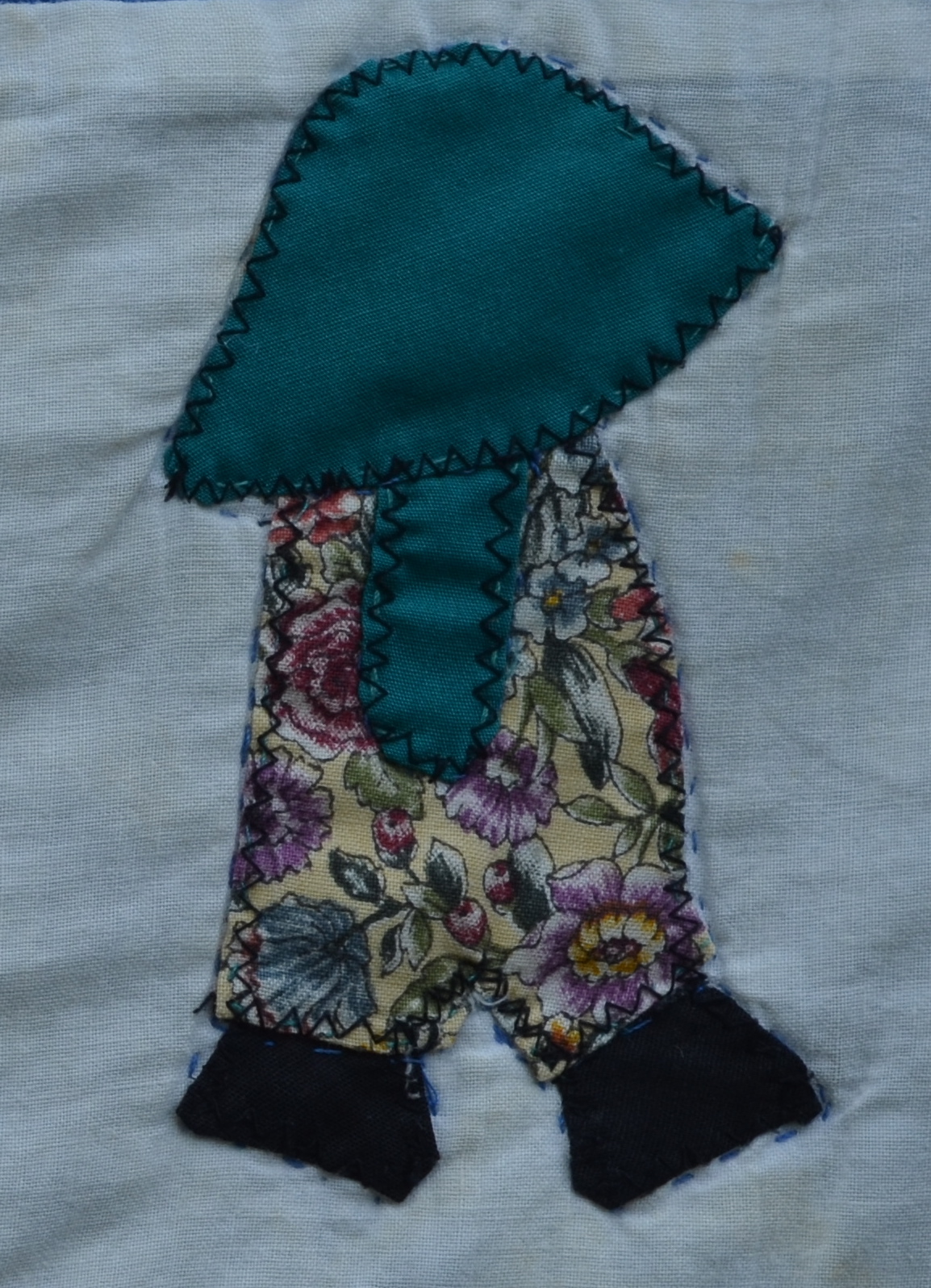
The third quilt was a gift for our son. The little Dutchmen pattern with the blue borders was just right for his crib.

These are our family heirlooms. We chose not to display them on a wall but rather use them as they were intended – to cover cold toes and keep hearts warm.

Cross-Stitched Magazines

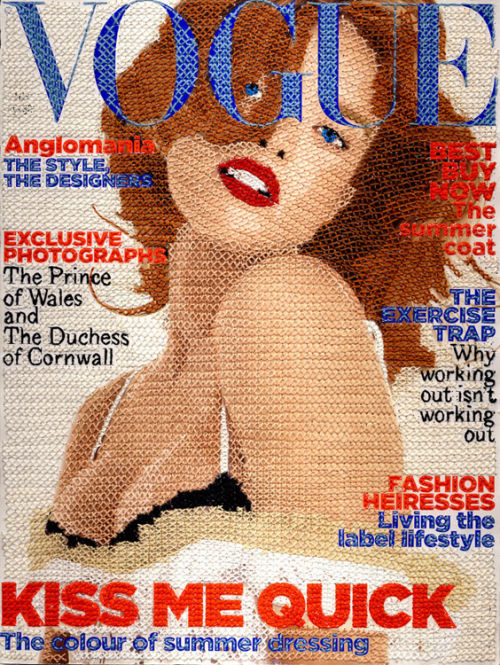
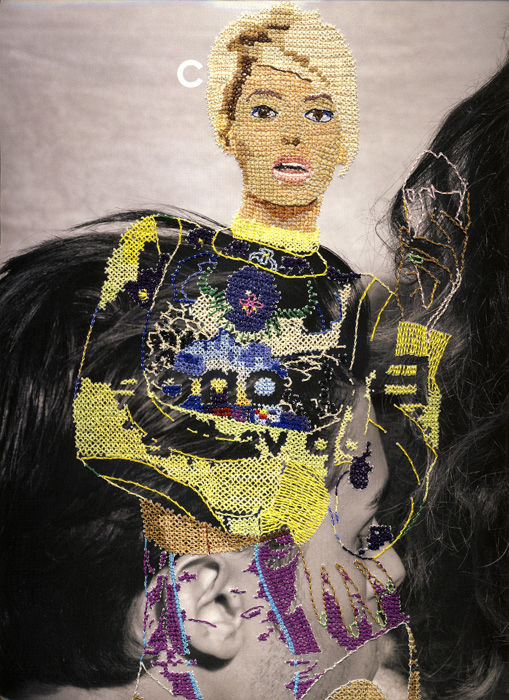
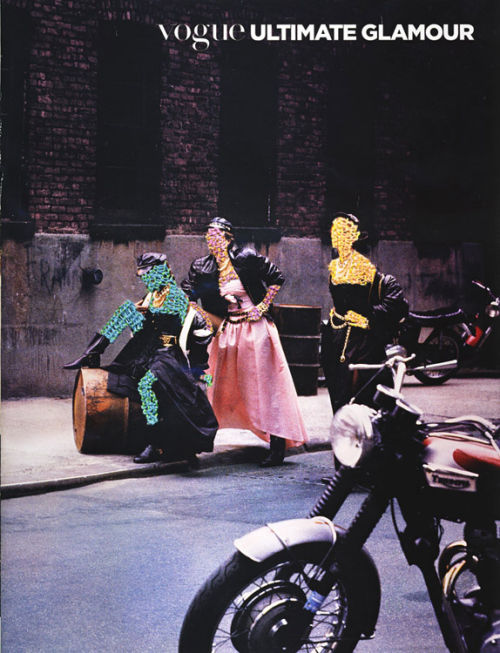
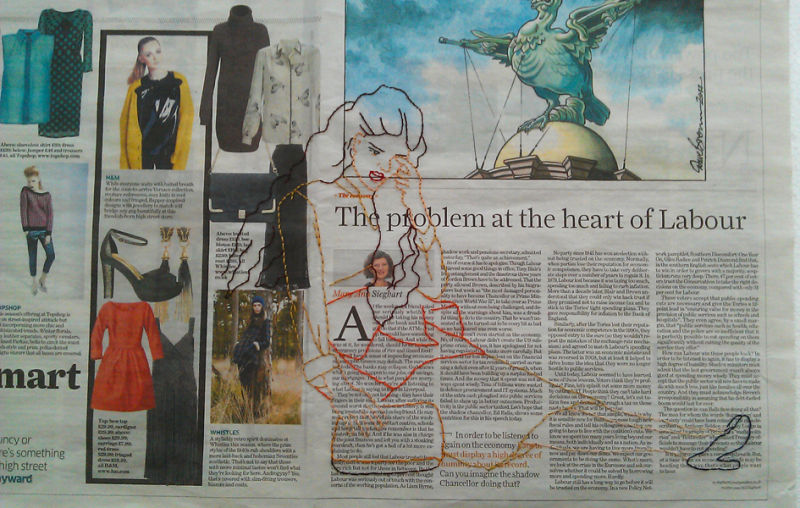
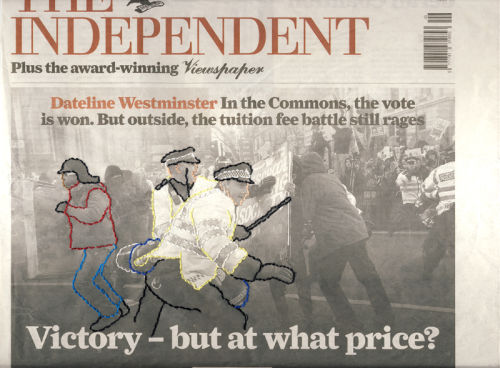
I was struck by the artistry in these cross-stitched magazine covers and newspapers. Another instance of finding threads in unexpected places. The artist, Inge Jacobsen, has taken an everyday disposable item that displays one-dimensional images of beauty and fashion and converted it into a unique piece of art. I learned about this artist from an article in Design Milk, Stitched Magazines by Inge Jacobsen | Design Milk. Here are a few cross-stitched images from her website at Inge Jacobsen.

Cross-stitched Vogue magazine cover. According to the artist's website, a cover like this can take 50 hours to create by hand.
A cross-stitched Beyonce from the cover of Dazed & Confused superimposed on a page from a magazine or photograph.
Three cross-stitched super-models from a page in Vogue magazine.

The embroidered images on newspaper is surprising and refreshing. The image of the woman almost floats over the page.

I like this last one in particular because we see violent images like this repeated in the media so often that we become anesthetized to them and stop seeing them. The artist has taken a hazy picture of a violent scene and forced us to take a closer look.

Visit Inge Jacobsen’s website to read about the philosophy behind her art and see more of her handiwork.

Johanna Gullichsen Textiles

One of our must-stops while in Helsinki was the Johanna Gullichsen design studio. Located in the Helsinki Design District, (they have another store in Paris), the storefront features table linens, bags, and pillow covers made out of the artist’s bold and geometric woven textiles. The second room contains bolts and bolts of her wonderful fabrics. They are available for purchase for furniture upholstery and there were several chairs in the studio covered in them. While we were there, the designer was in consultation with a client so we did not get an opportunity to speak with her. Nonetheless, we did revel in the various textiles.

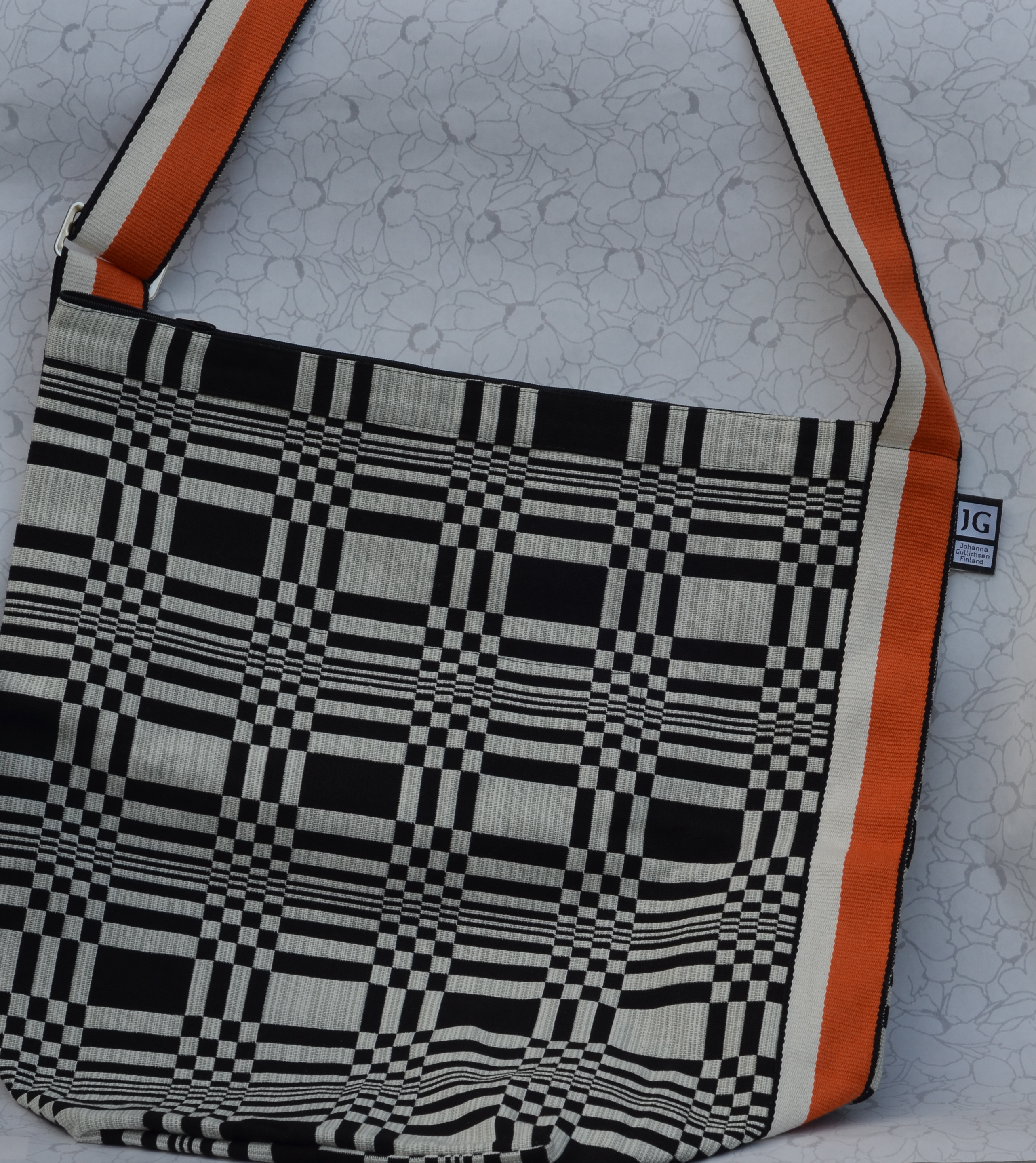
The bold geometric design of this bag caught my attention. I love the way the pattern gives the illusion of rolling waves, like looking at a mirage of water on a hot pavement. The bag is large with a nice wide bottom and can be worn over the shoulder or cross-body.

Tetra sack in Doris black fabric with orange strap, 100% cotton. The Doris pattern is also available in blue and bordeaux.
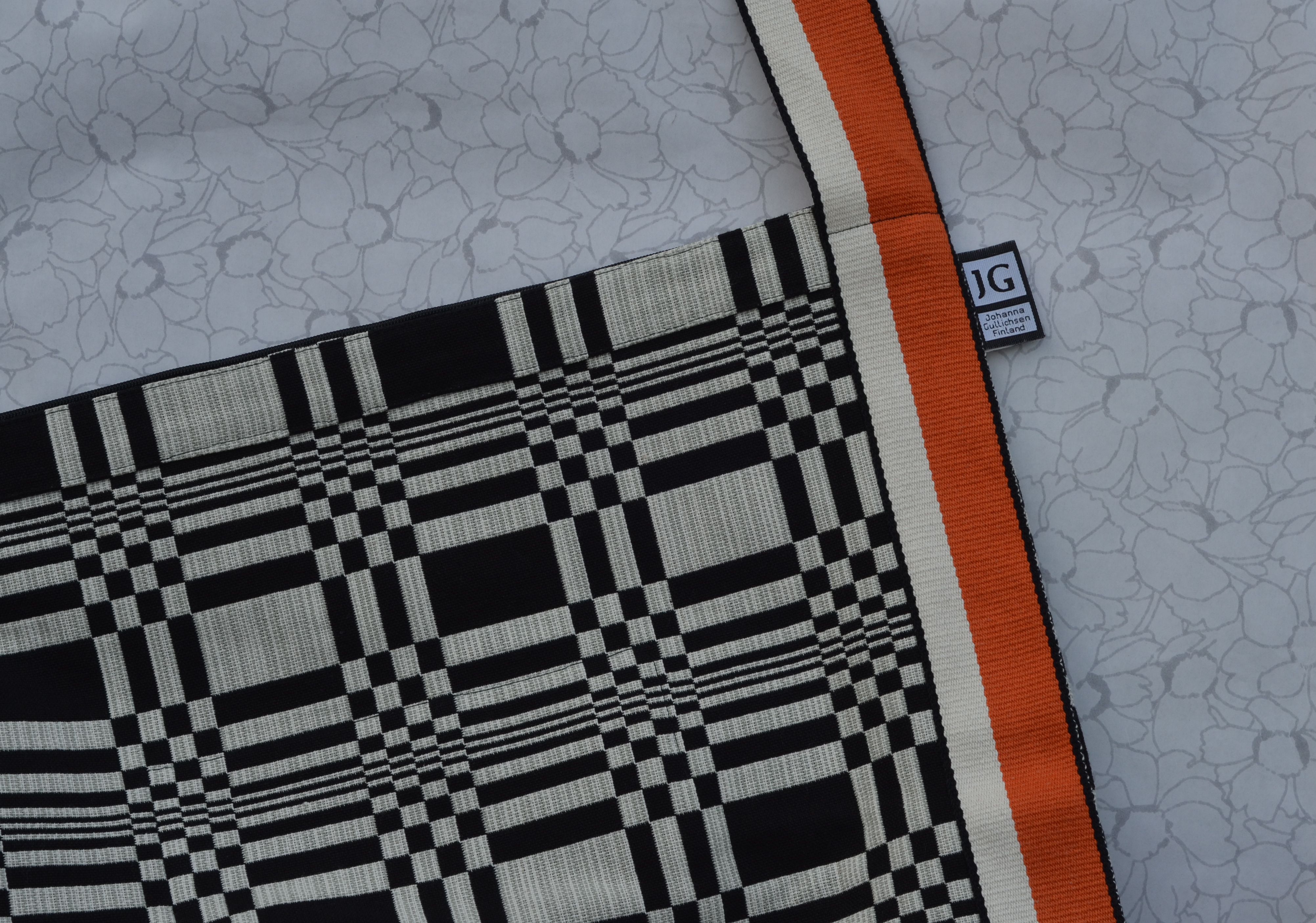
Tetra sack close-up of geometric pattern.

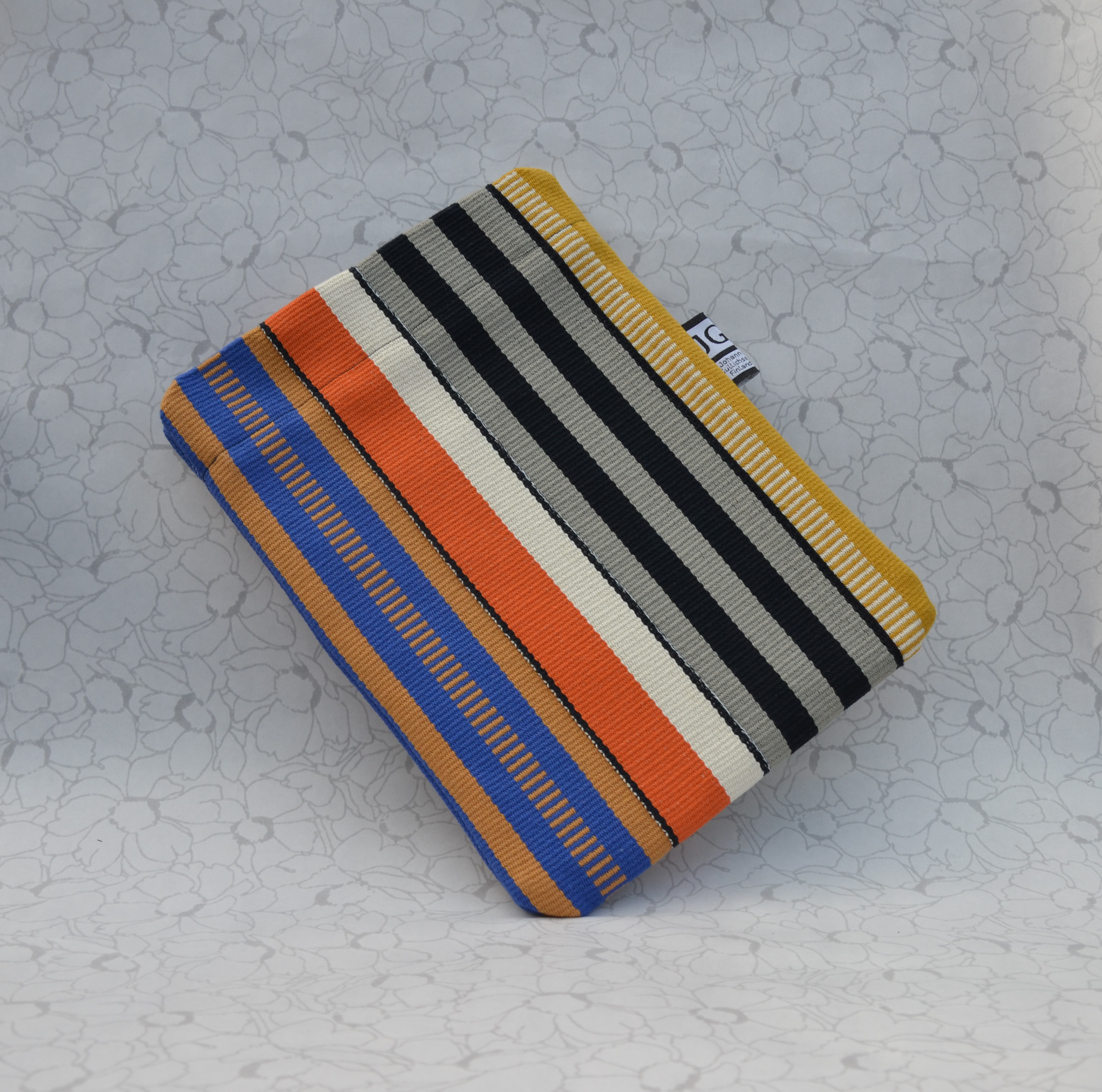
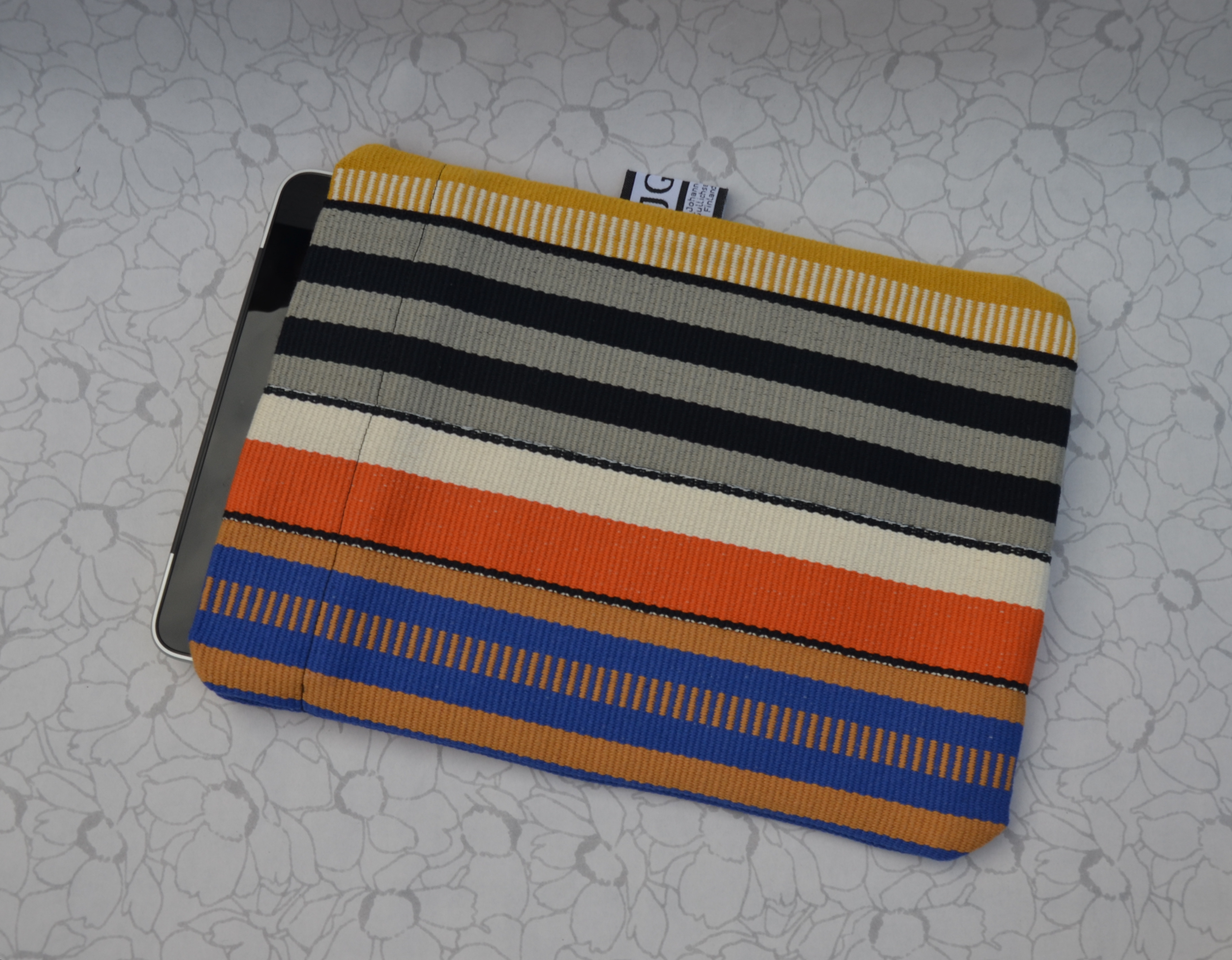
The iPad sleeve was a relatively new product. The colors were particularly attractive and the simple row design keeps it balanced. The sleeve has an inner fabric fold and a velcro closure to keep the iPad safely tucked inside.

Multicolor iPad sleeve.
iPad sleeve with iPad inside (not included).

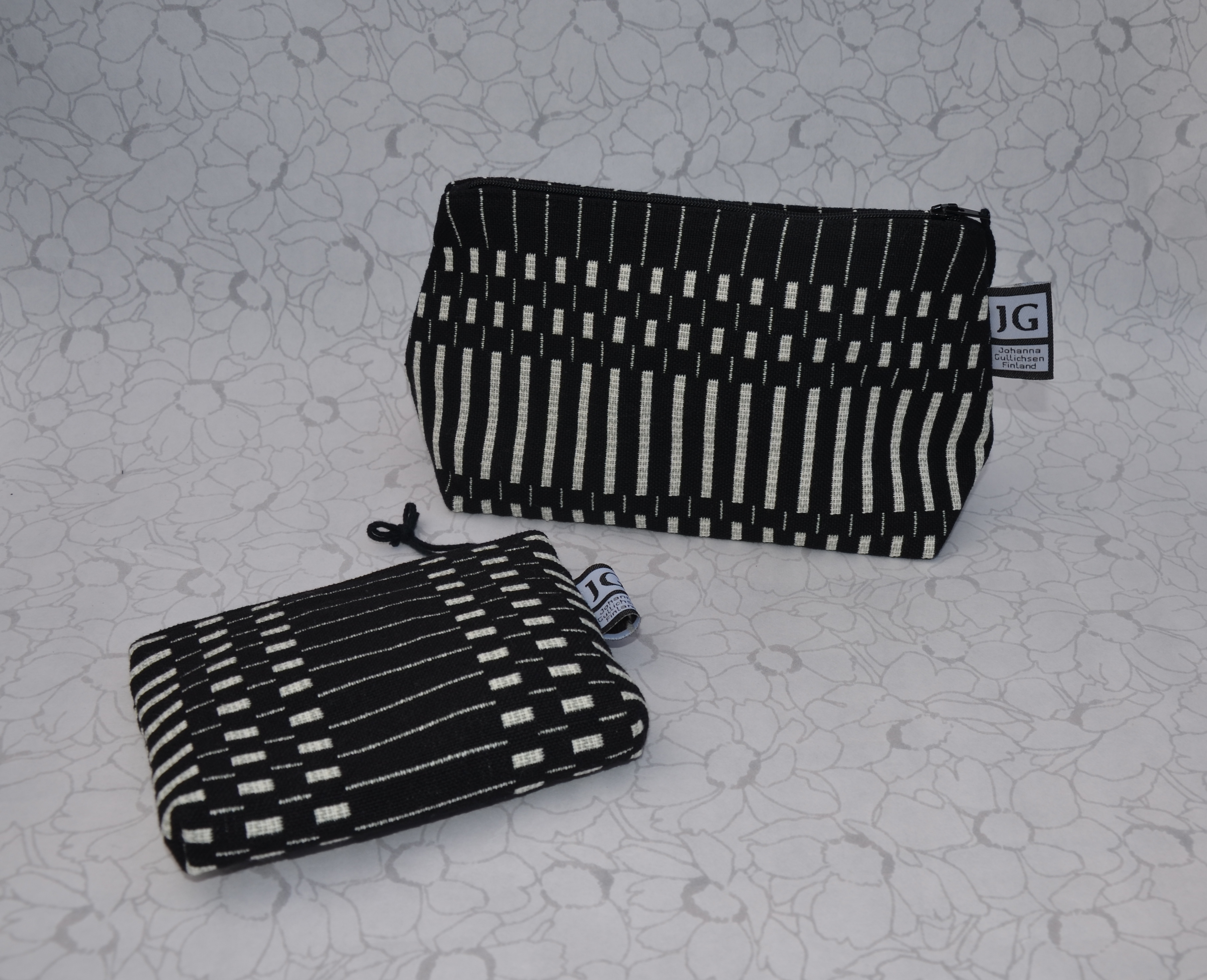
We picked up a few of these catch-all bags for cosmetics or to corral chords for electronic devices.

Small bags in Nereus black fabric, 100% cotton. The Nereus fabric is also available in blue and bordeaux.

For more about Johanna Gullichsen, read her biography on her website.

{logo source}