Hey, Kool-Aid! Oh, Yeah!!

A chronicle of my first adventures in dyeing my hand-spun yarn.

Solid Color

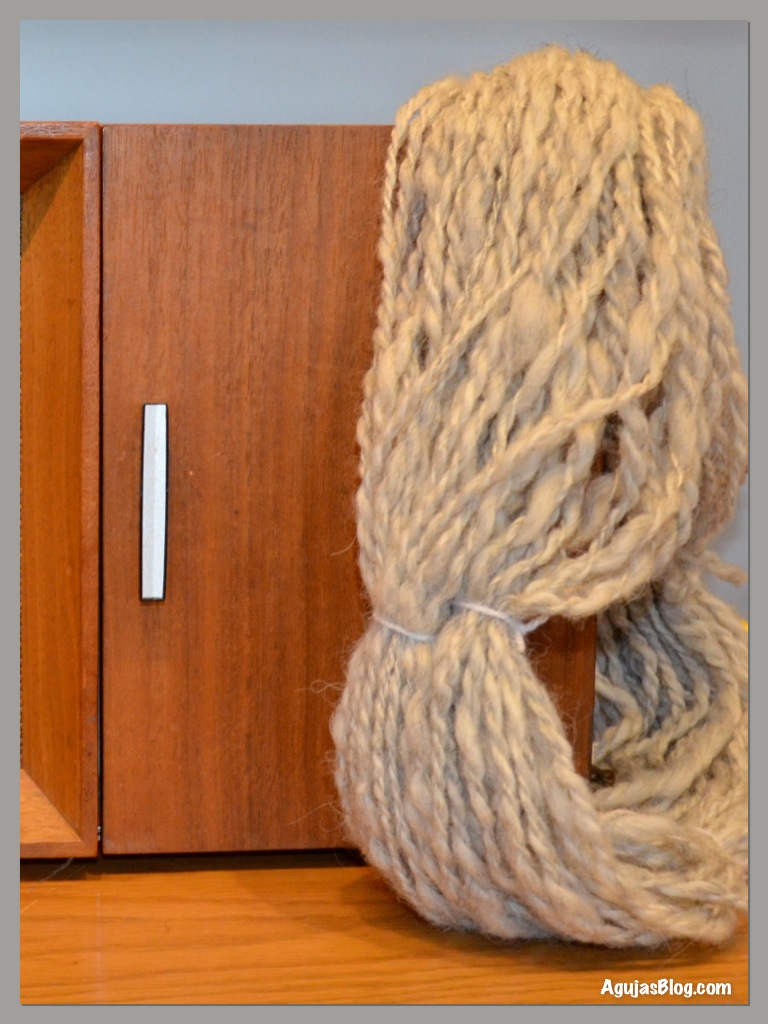
YARN:    45 yards of Mohair (2 oz)

DYE:       3 packets of Blastin’ Berry Cherry Kool-Aid

NOTE:    This flavor Kool-Aid dyes a very strong, vibrant color. 1 packet may have been sufficient.

Step 1 – Gently wash your yarn in warm sudsy water. Do not agitate. Soak for 30 minutes.

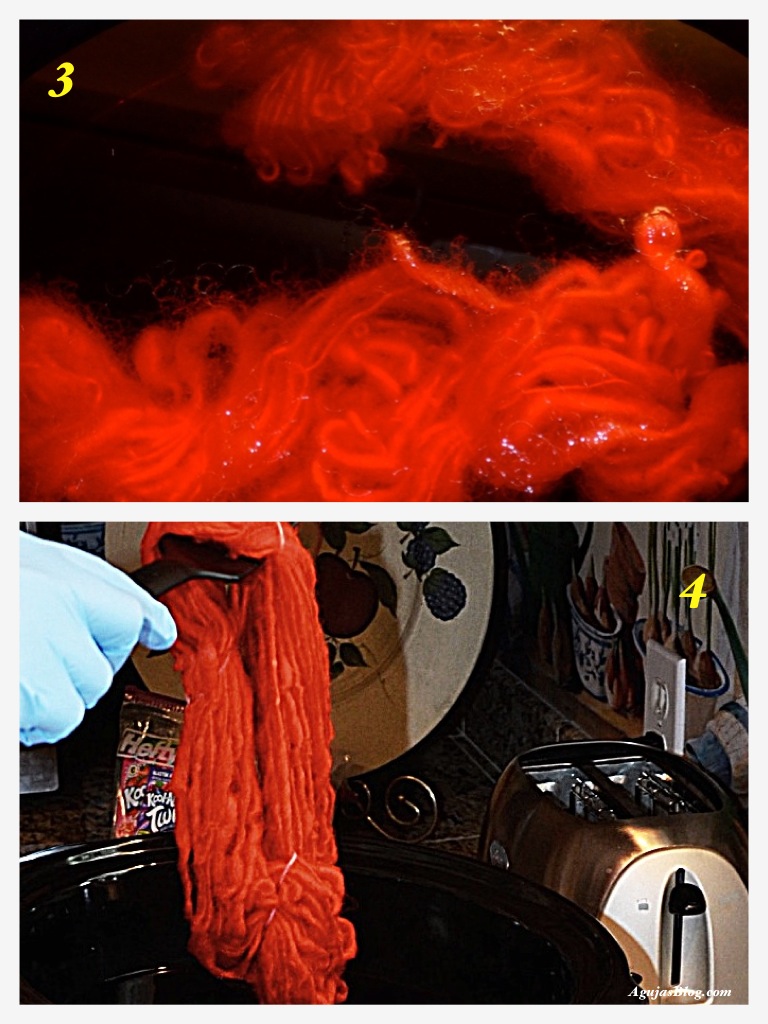
Step 2 – Gather your equipment – crock pot, gloves, plastic utensil, Kool-Aid packets – and prep the color by stirring in Kool-Aid packets into the water.
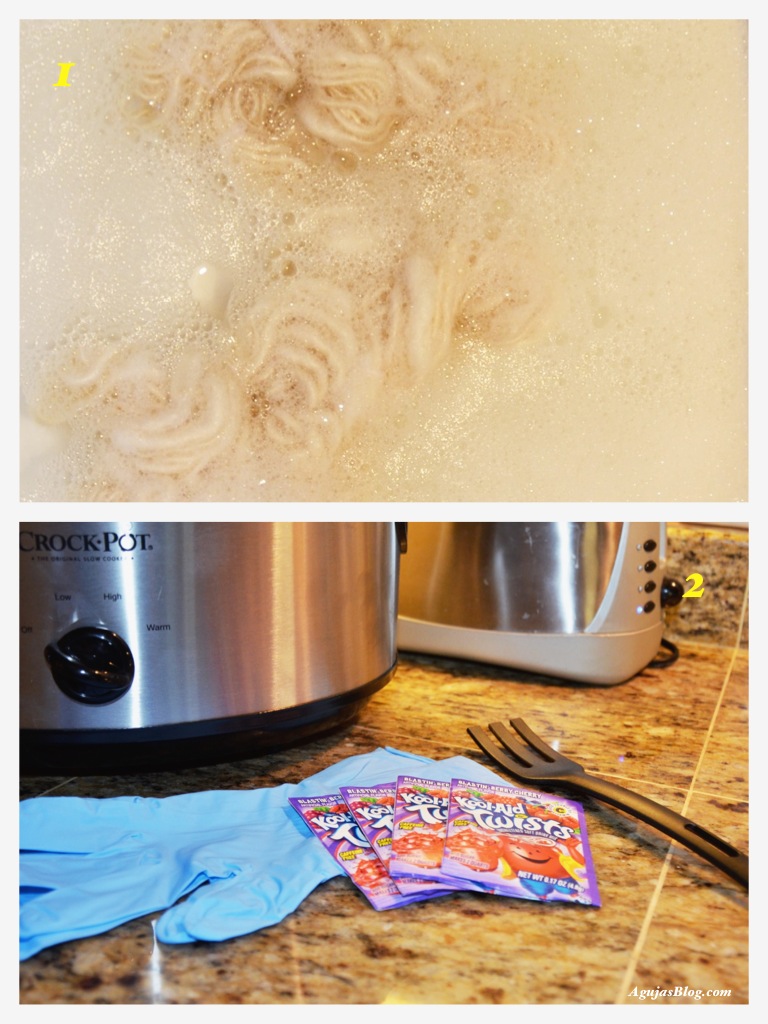
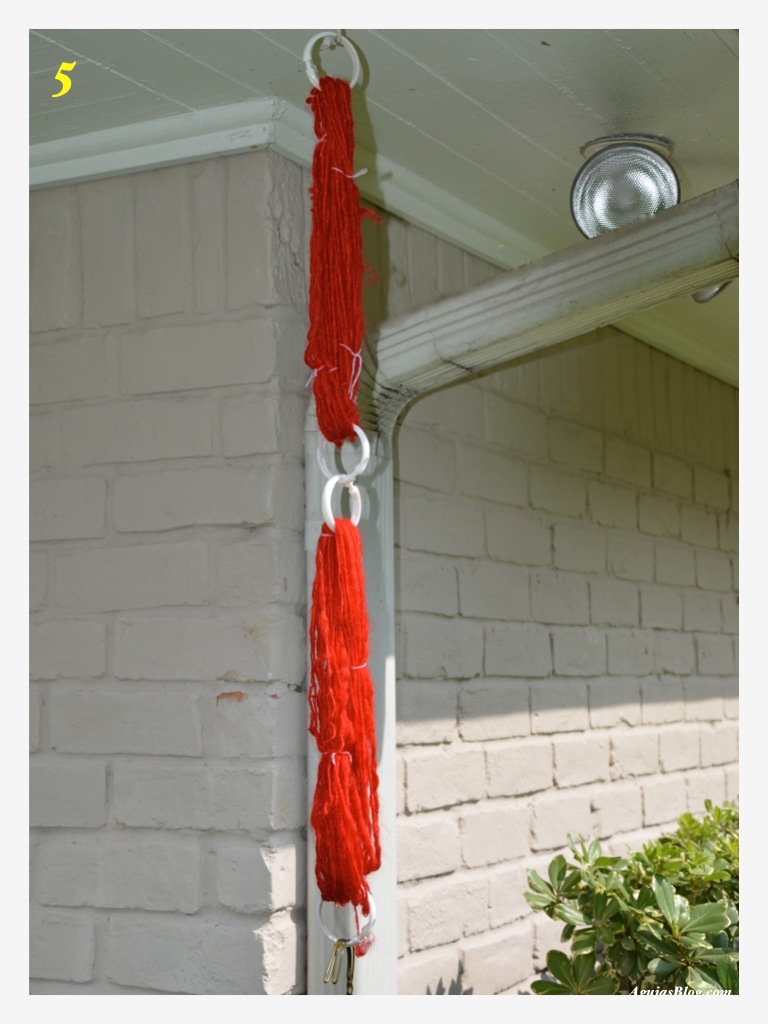
Step 3 – Rinse yarn gently of all the soap and drop the yarn in the colored water. Make sure there is enough water to cover the yarn. Patiently allow the water to just reach boiling point. (If using a crock pot as I did, you will need a lot of patience). Allow to simmer for 30 minutes.

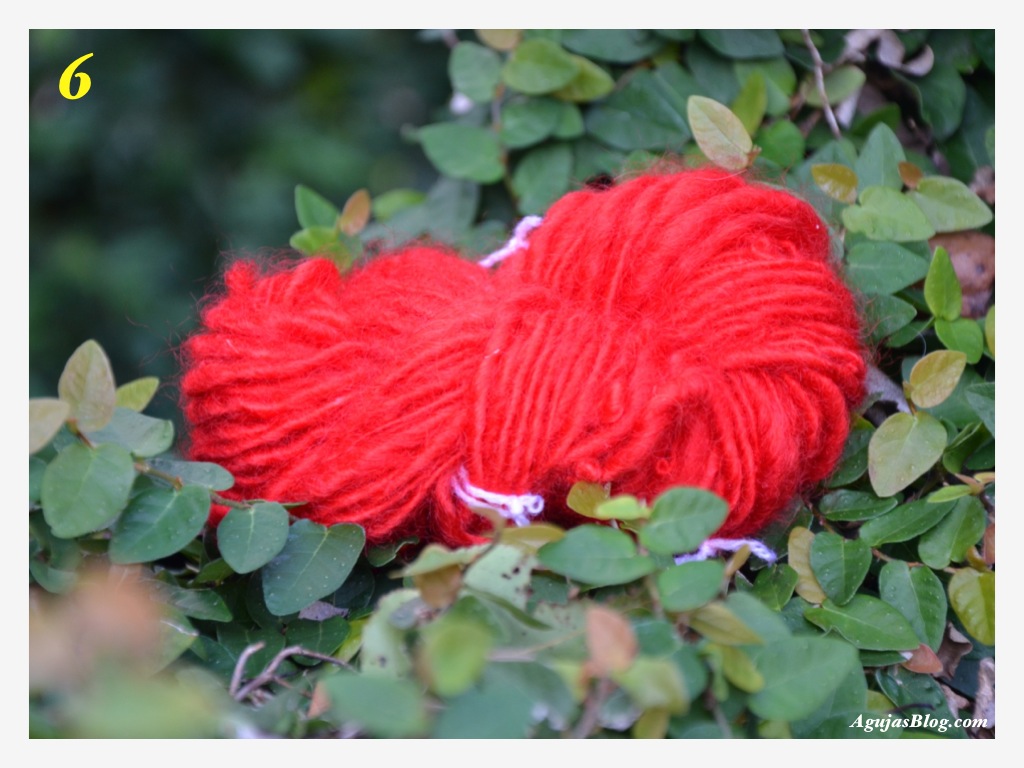
Step 4 – Remove pot from heat and allow to cool. Add more patience. Once cooled, rinse in same temperature water. Gently squeeze out excess water – do not wring.
Step 5 – Hang to dry. I used these 99¢ plastic shower hooks from which to hang the yarn. This was to avoid getting rust on the yarn from the plant hooks outside.
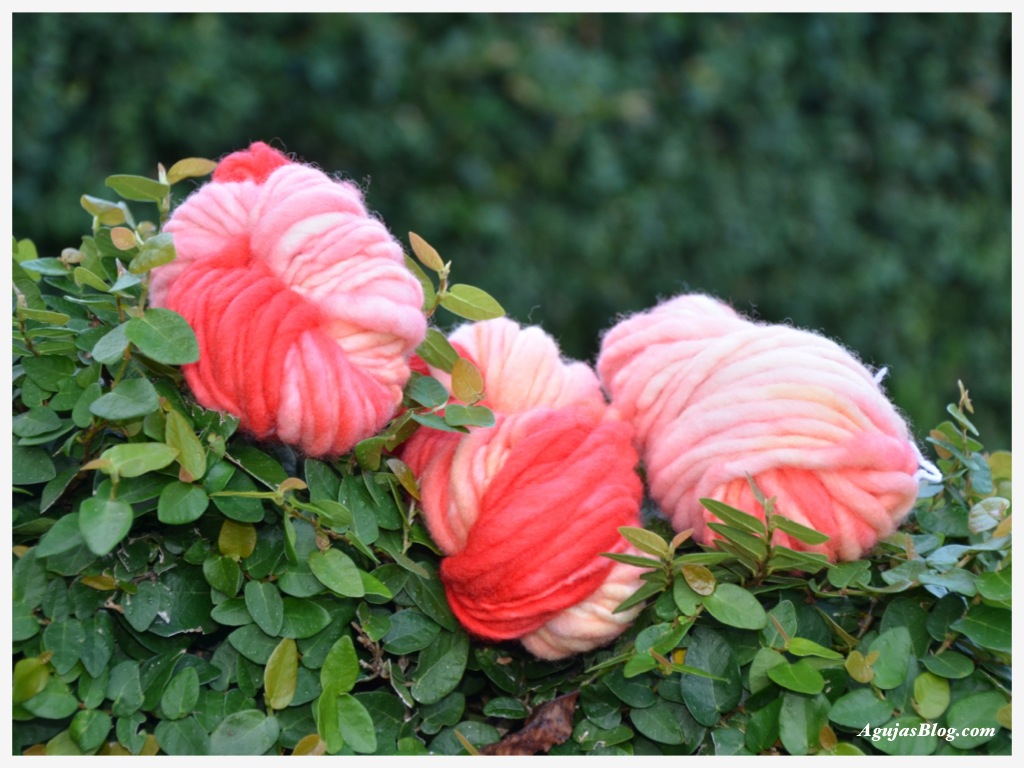
Step 6 – Once dry, wrap your hank of yarn. Step back and admire your work.
Variegated Colors

YARN:    82 yards of Angora Wool (4 oz.)

DYE:     3 packets of Lemonade, 1 packet of Pink Lemonade, & 1 packet of Blastin’ Berry Cherry Kool-Aid

NOTE:  Add more Lemonade and Pink Lemonade if you prefer stronger yellows and pinks. To get more of the orange, allow a slight mixing of the Blastin’ Berry Cherry and Lemonade.

Steps 1 & 2 – Repeat as for solid color dyeing.

Step 3 – Place yarn in warm water. Dissolve same color Kool-Aid in a small amount of water and pour on each side of the container. Do not stir or agitate the water in order to keep the colors separate. I poured the Blastin’ Berry Cherry on one end, the Pink Lemonade on the opposite end, and the Lemonade in the middle.
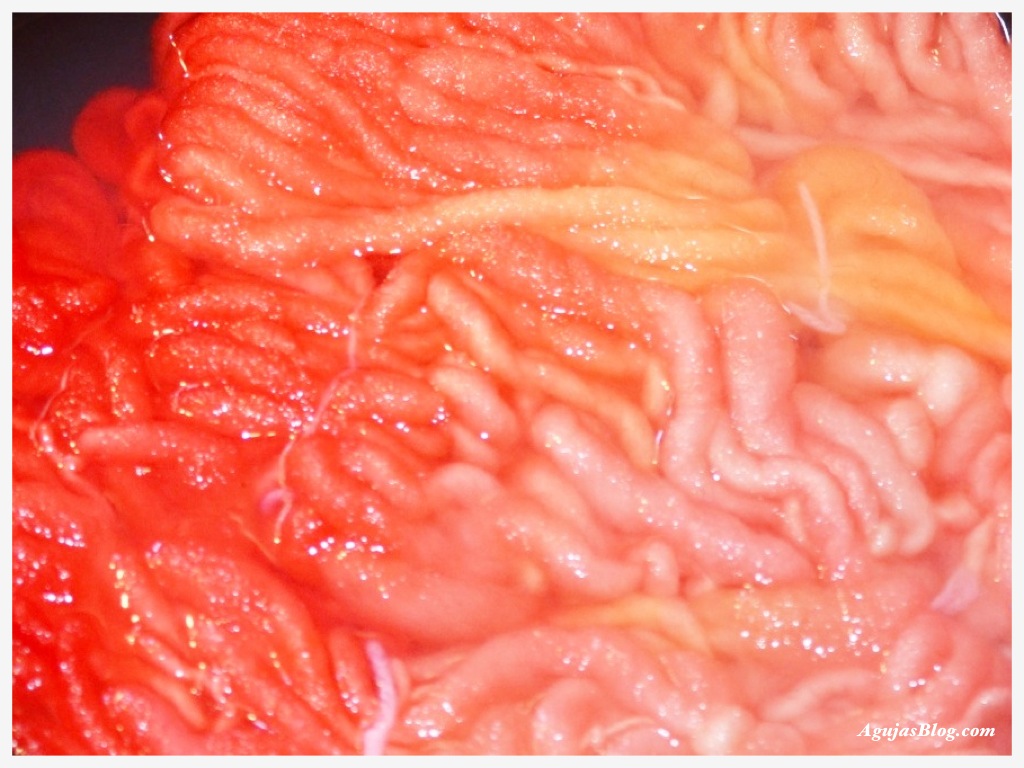
Step 4 – Repeat as for solid color dyeing. This is what mine looked like out of the water.
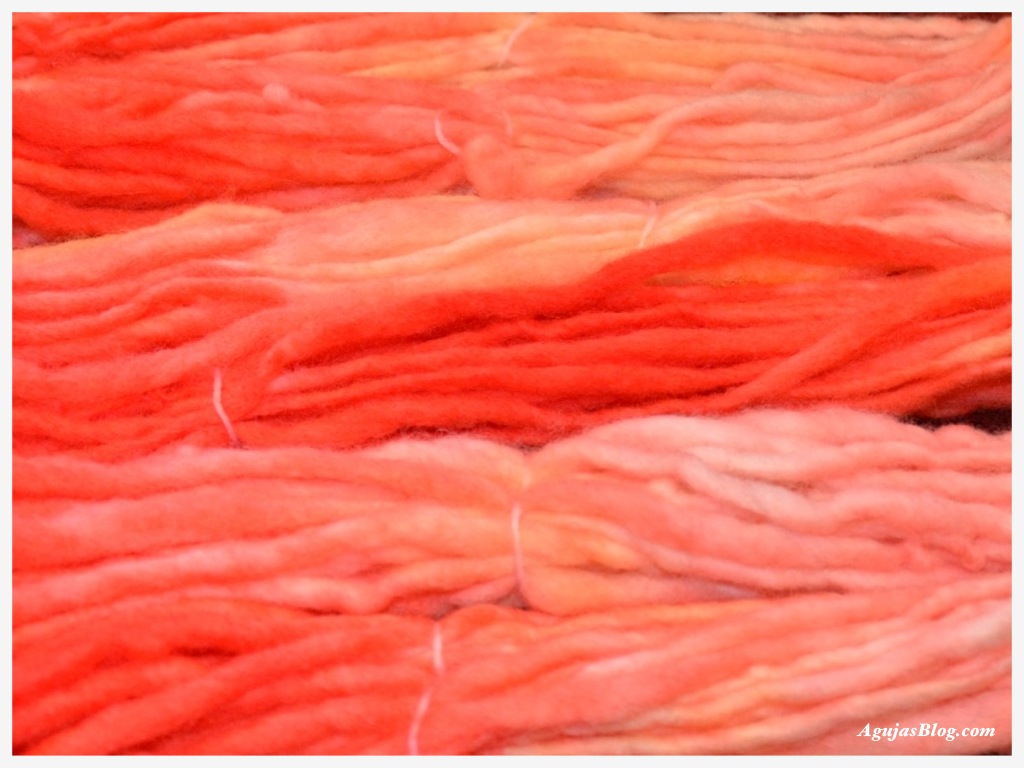
Step 5 – Repeat as for solid color dyeing.
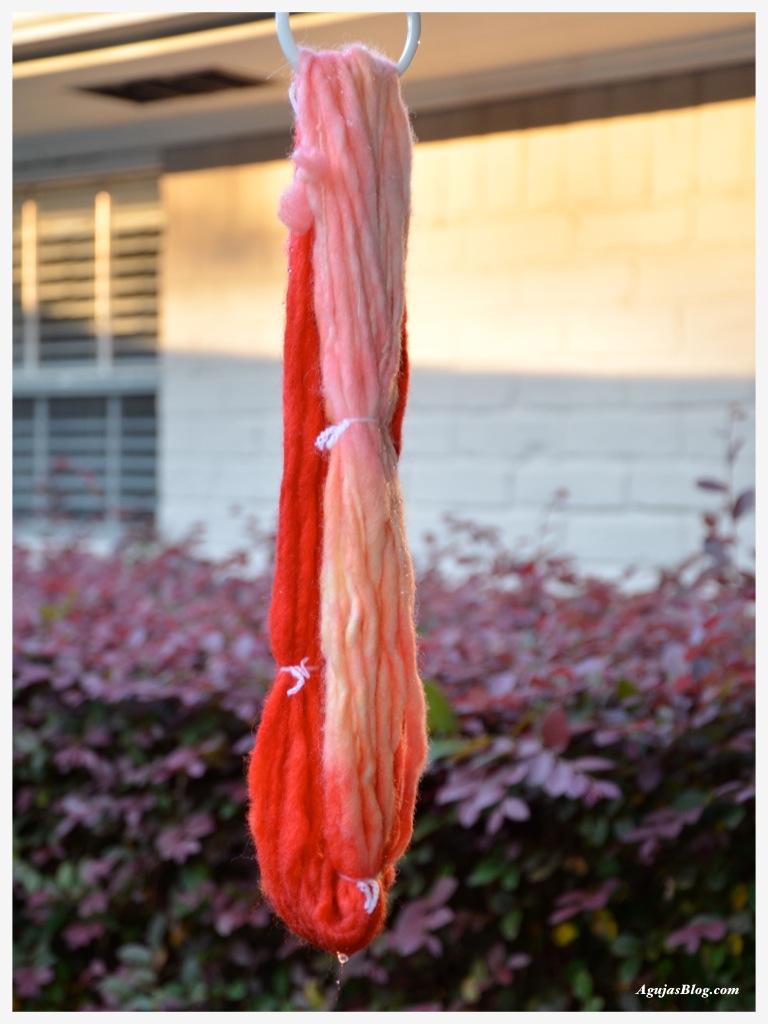
Step 6 – Repeat as for solid color dyeing.
References

Out of the dozens I read or watched on YouTube, I found these two how-to articles to be straightforward and helpful: Dyeing Wool with Kool-Aid – Immersion Method and Dyed in the Wool.
Spinning Out of Control

I think I’m hooked. Can you get addicted to spinning?

Evidence of my weakness — always in need of a lint brush, walking in clockwise circles.

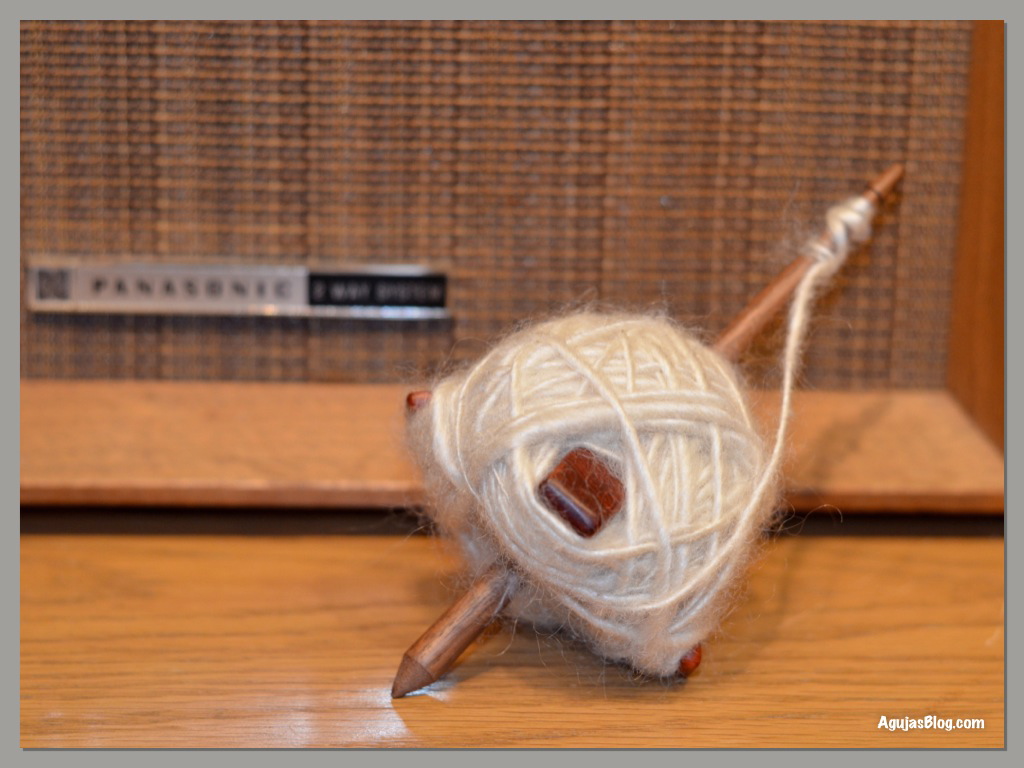
I only managed this small ball of yarn from 2 ounces of mohair. I’m still spinning yarn of uneven thickness, but it seems to be getting easier.

Two ounces of Shetland Wool yielded 43 yards of yarn.

My first attempt at plying.

My name is Verónica and I am a spinaholic.

My First Handspun Yarn!

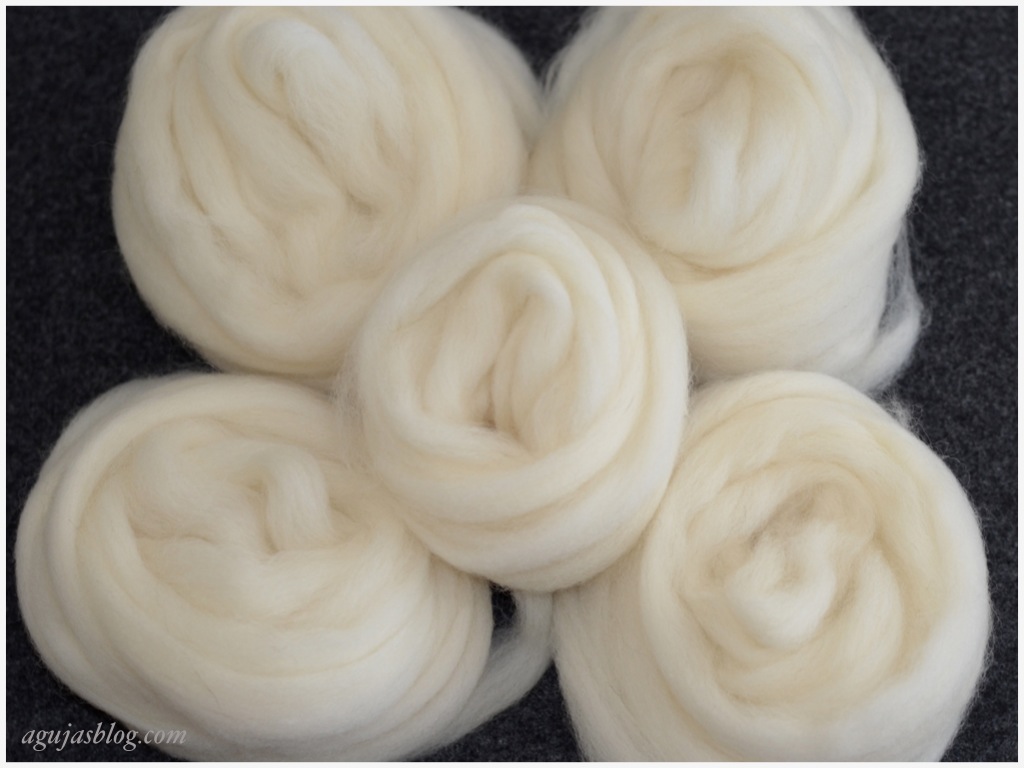
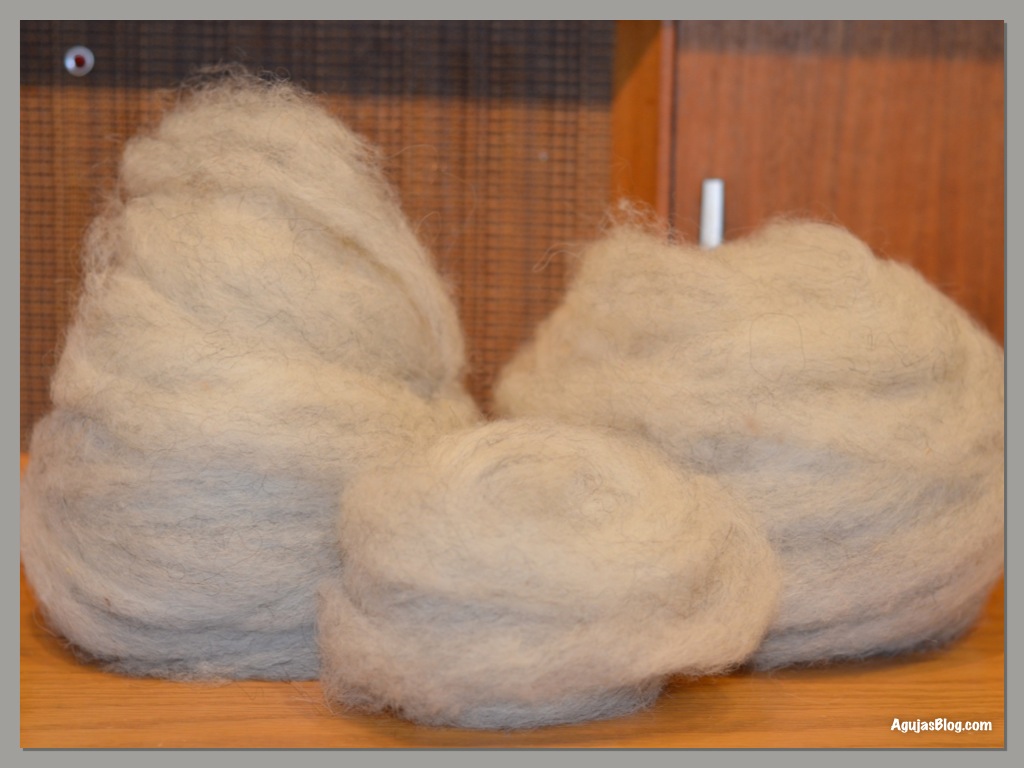
I finally took the plunge. I pulled a lovely white 100% Merino Wool from my fiber stash and started spinning. First, I took the wool and pulled it apart into long thin strips. Then I gently drafted the fibers.

They ended up looking like big cinnamon rolls.

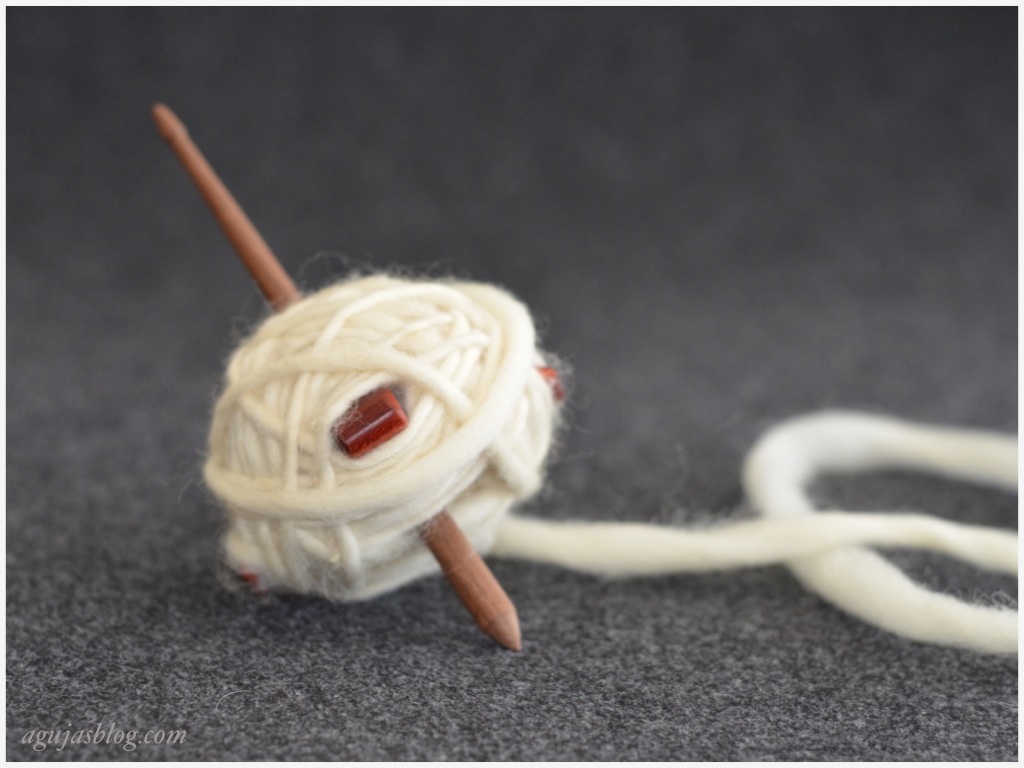
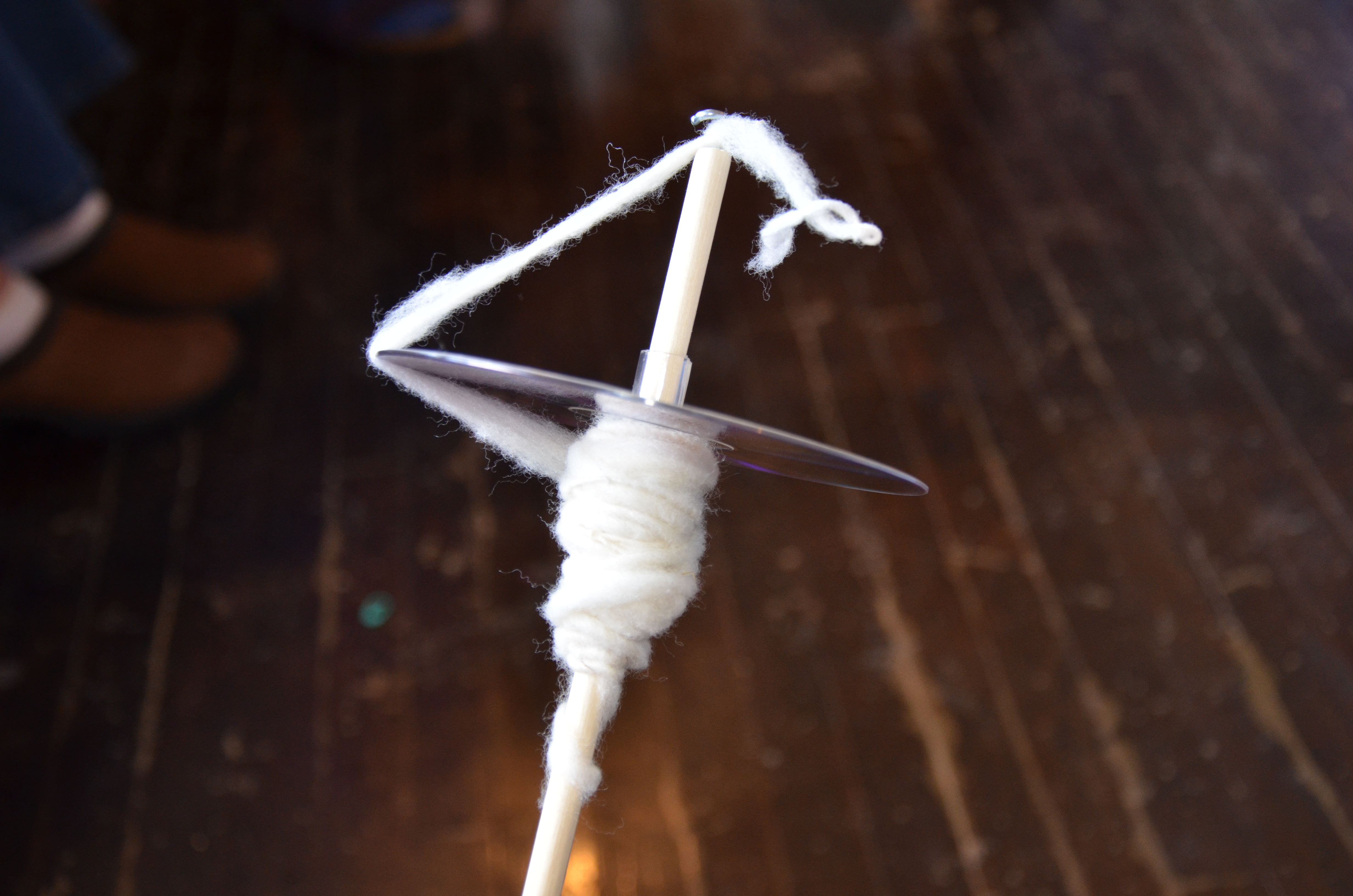
I took out my brand new turkish spindle, attached a leader, and started pulling on the fiber as I turned the spindle clockwise.

My first batch is a bit thick but I’ve read that this is standard for first-time spinners. As I kept spinning, I found I could produce a thinner yarn.

I just have to practice.

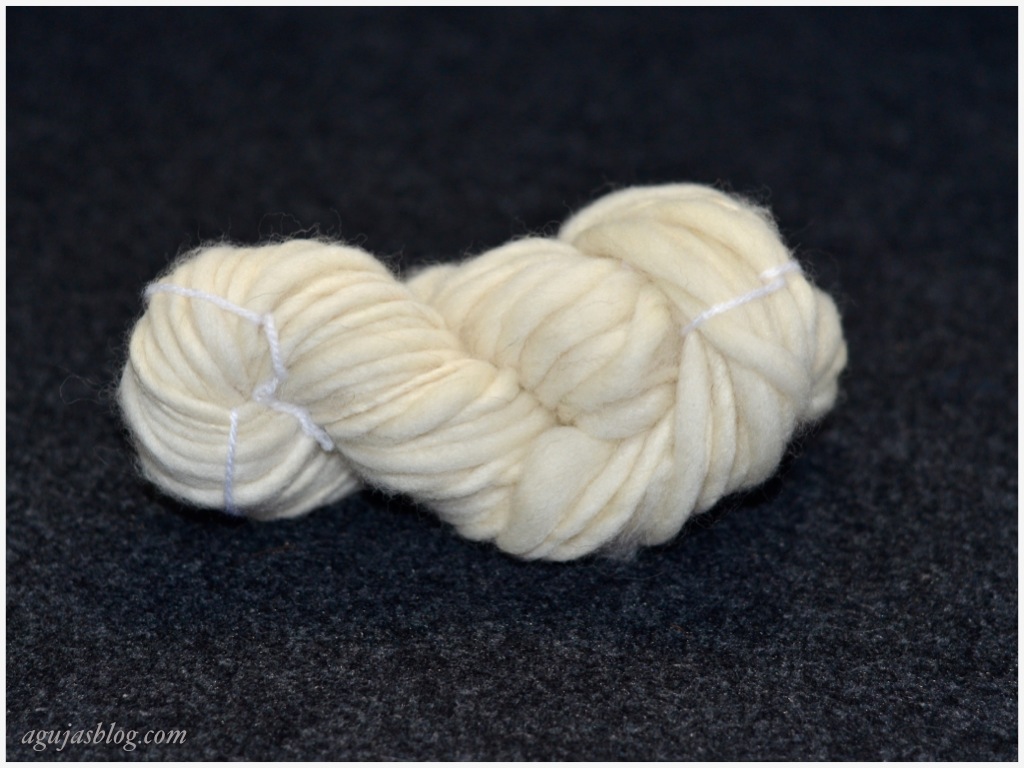
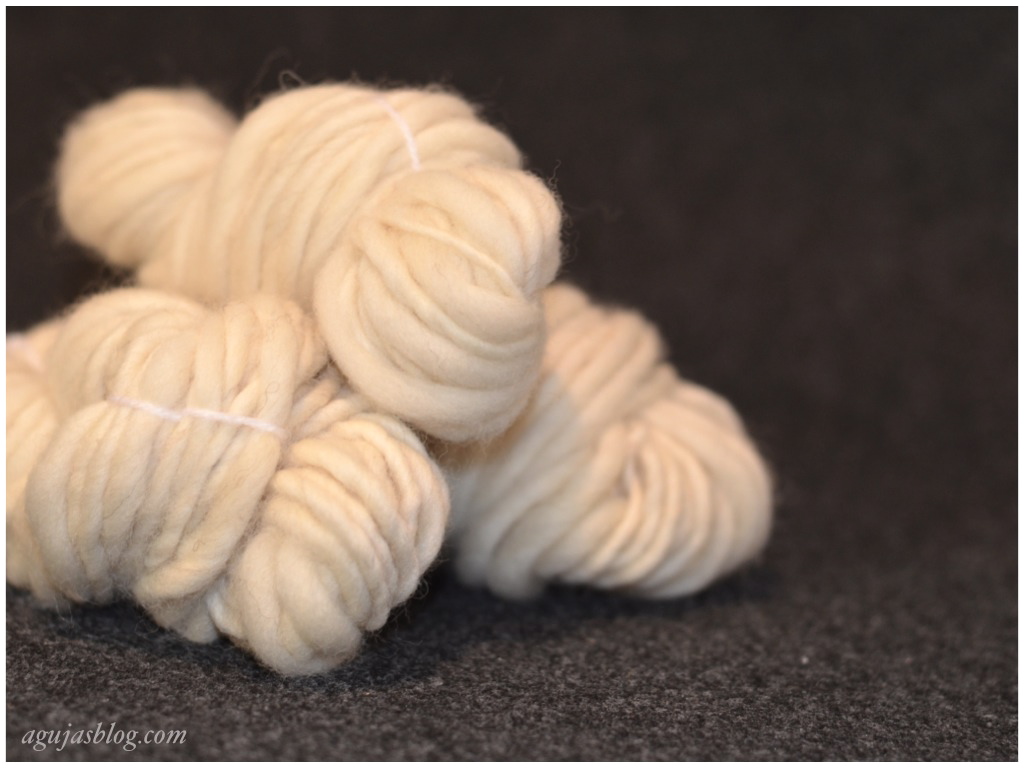
This was my first hank! It’s sort of a mini-hank but I am so pleased!

I only had 4 oz. of wool and was able to spin three mini-hanks for a total of 82 yards. I think my yield will be better as my spinning skills improve.

Now I just have to dye it!

My takeaways:

(1) Spinning is way cool.

(2) I must get more fiber.

(3) I need a spinning wheel.

Spinning Doodads

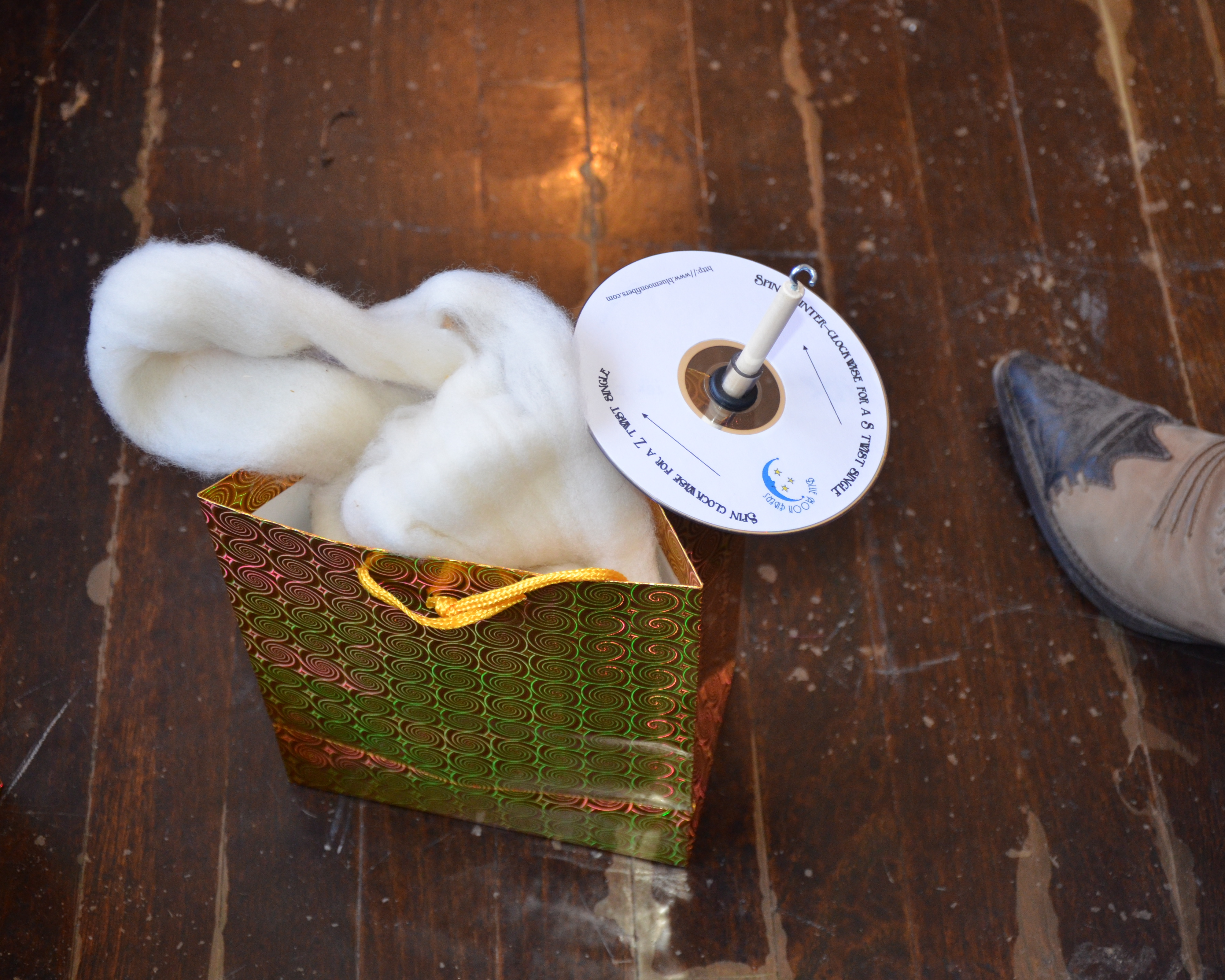
At the Kid’N Ewe Fiber Festival, there were a myriad of tools for spinners and weavers alike. This clever top-whorl spindle was made by BJ Heeke, the instructor for the “So You Wanna Be A Spinner?” class. The instructions on the CD read: “Spin counter-clockwise for an S twist single. Spin clockwise for a Z twist single.” Made from a CD, a 5/16 inch dowel, ligatures (tiny rubber bands used for braces), and a metal hook. Weighs 1.2 oz. You can order your custom-made spindle at Blue Moon Fibers.

My first spun yarn!

Here’s a snapshot of my materials for the beginner spinning class.

My first fiber stash.

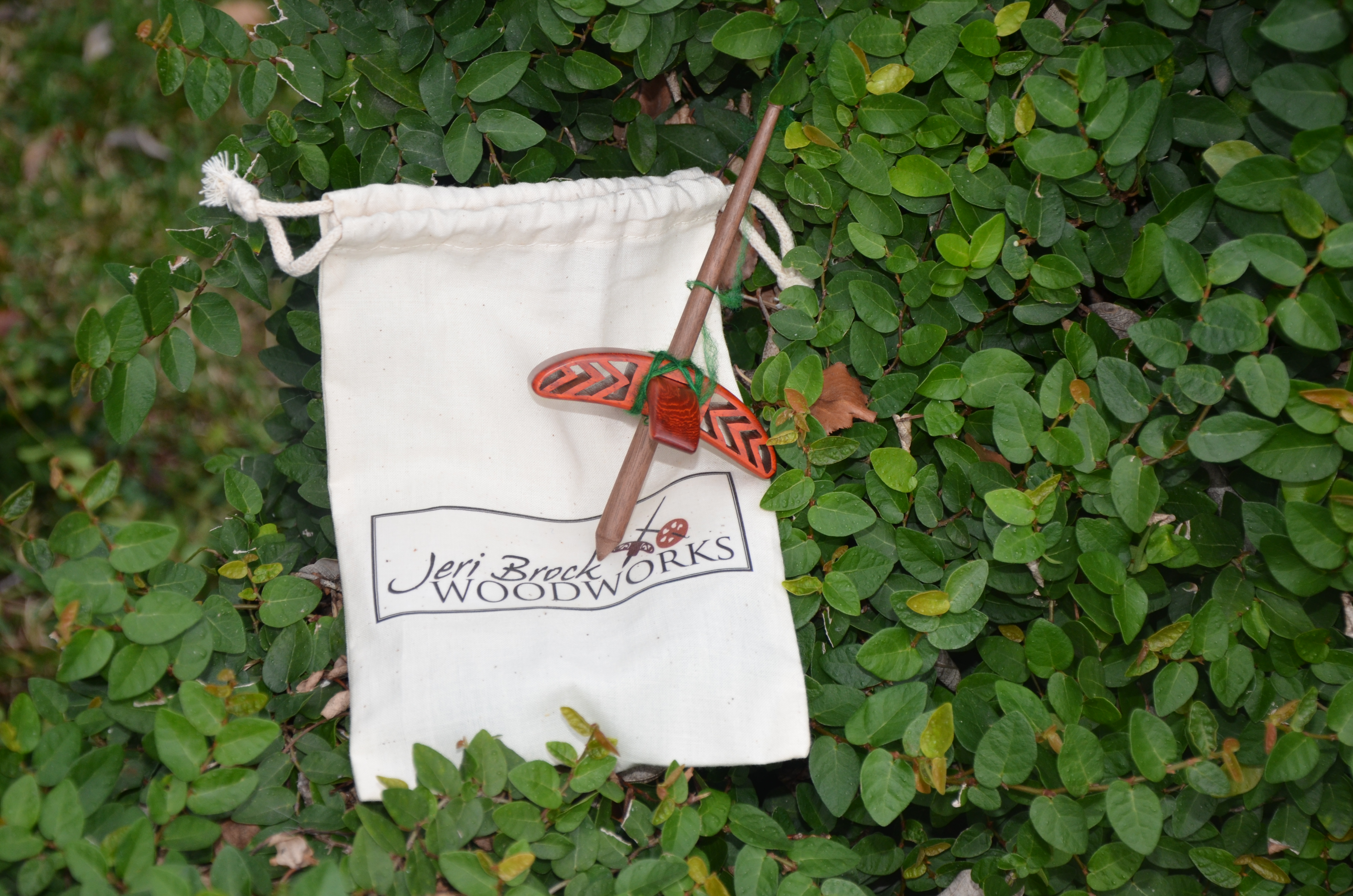
This is a high-quality, hand-crafted Turkish spindle by Jeri Brock Woodworks. Jeri showed me how easy it was to use this beautiful tool. The spindle is constructed from padauk wood for the arms carved with a chevron pattern and a cherry wood shaft. See more of Jeri’s Turkish spindles here.

Turkish spindle.

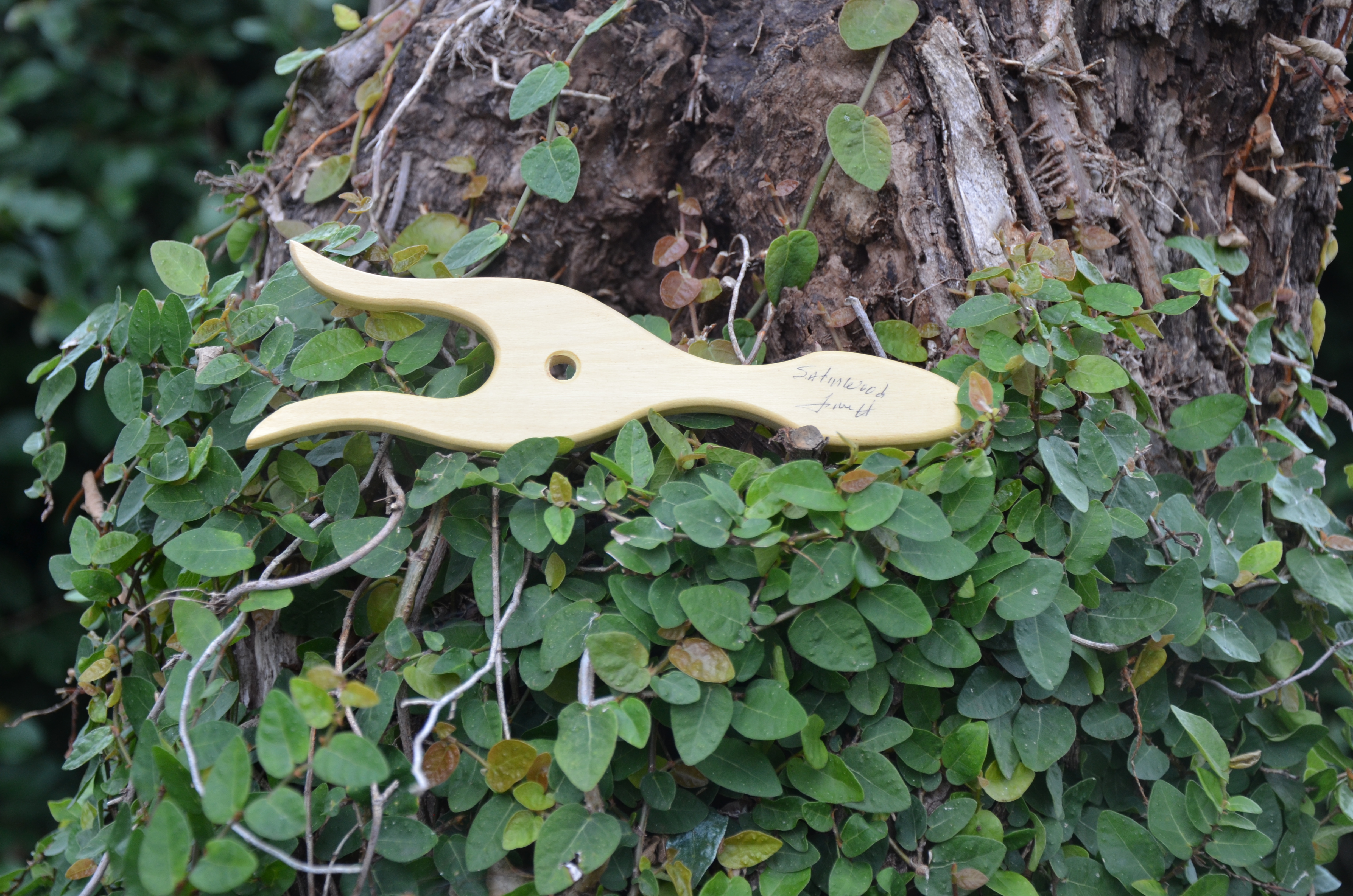
I picked up this handcrafted lucet to create a strong, attractive cord.

Satinwood lucet from Hokett Would Work. Contact would.work@yahoo.com.

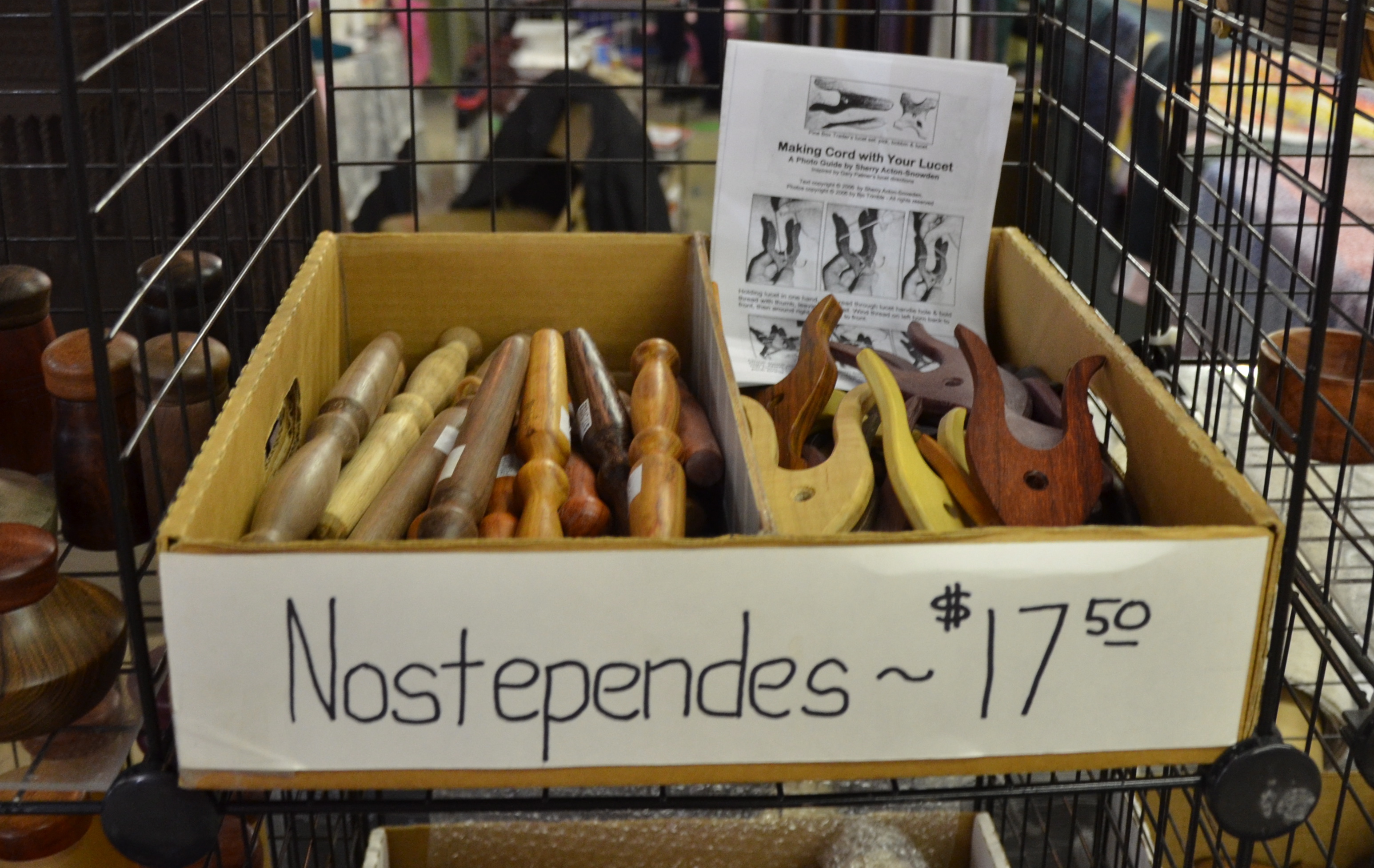
I took a picture of these nostependes but had no idea what they were for. I did a quick search on the web and discovered that this tool is used to wind a ball of yarn! It’s origin is apparently Norwegian and can also be written “nostepinne.” I found a great explanation of how to use this tool at the Hatchtown Farm blog. You learn something new every day!

Nostependes & Lucets.

Kid'N Ewe Festival 2011 - LOGO

{Logo image source}