Crocheting at the Long Corridor

One hazy day, we went to the Temple of Heaven Park. The air quality index was very high at 347 (hazardous) and reached a high of 477 (more hazardous) by evening. I’ve noticed that the worse the air quality, the cooler it gets, so overall it was a pleasant afternoon.

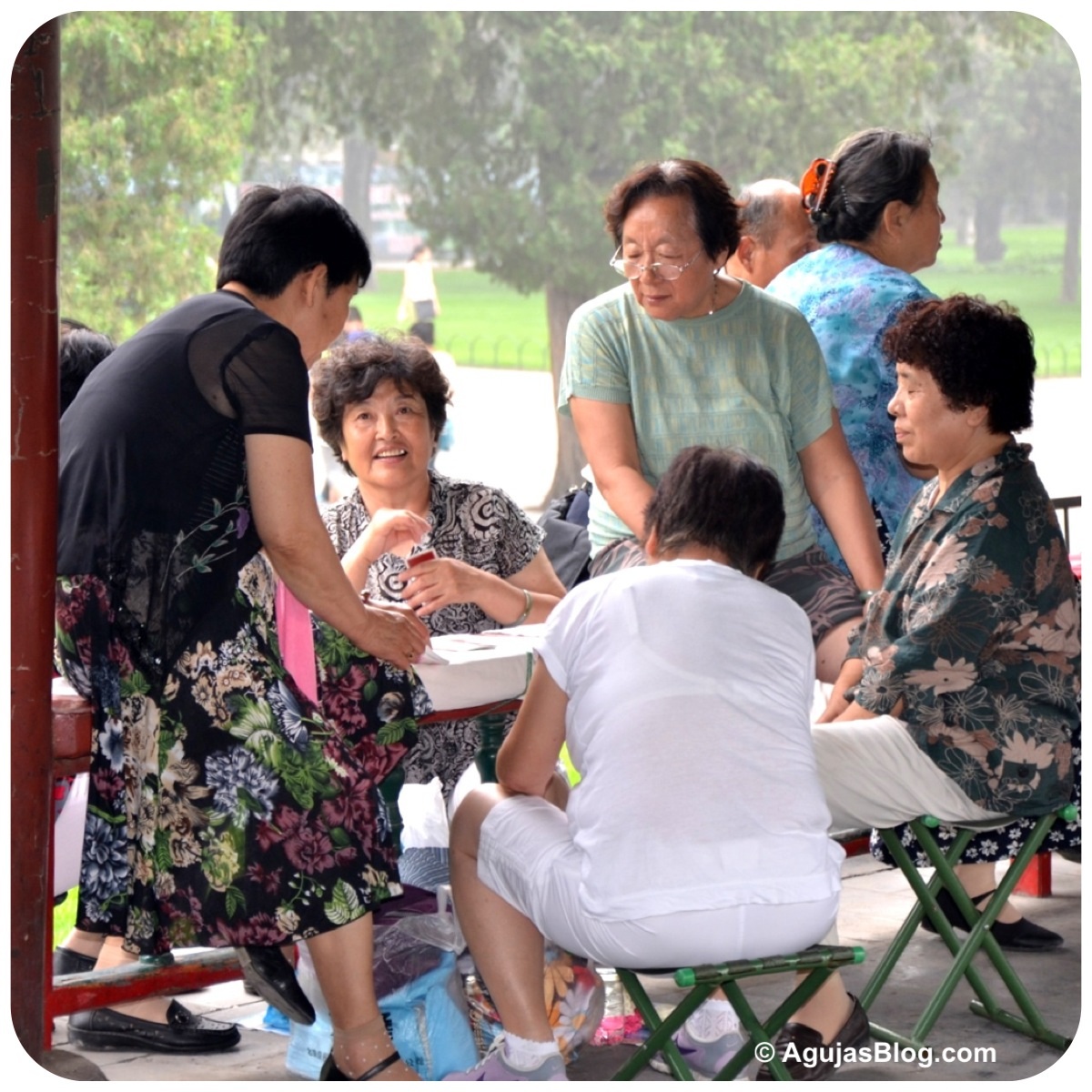
We gravitated toward a long passageway where many locals had congregated. There were countless groups of men and women playing lively games of cards.
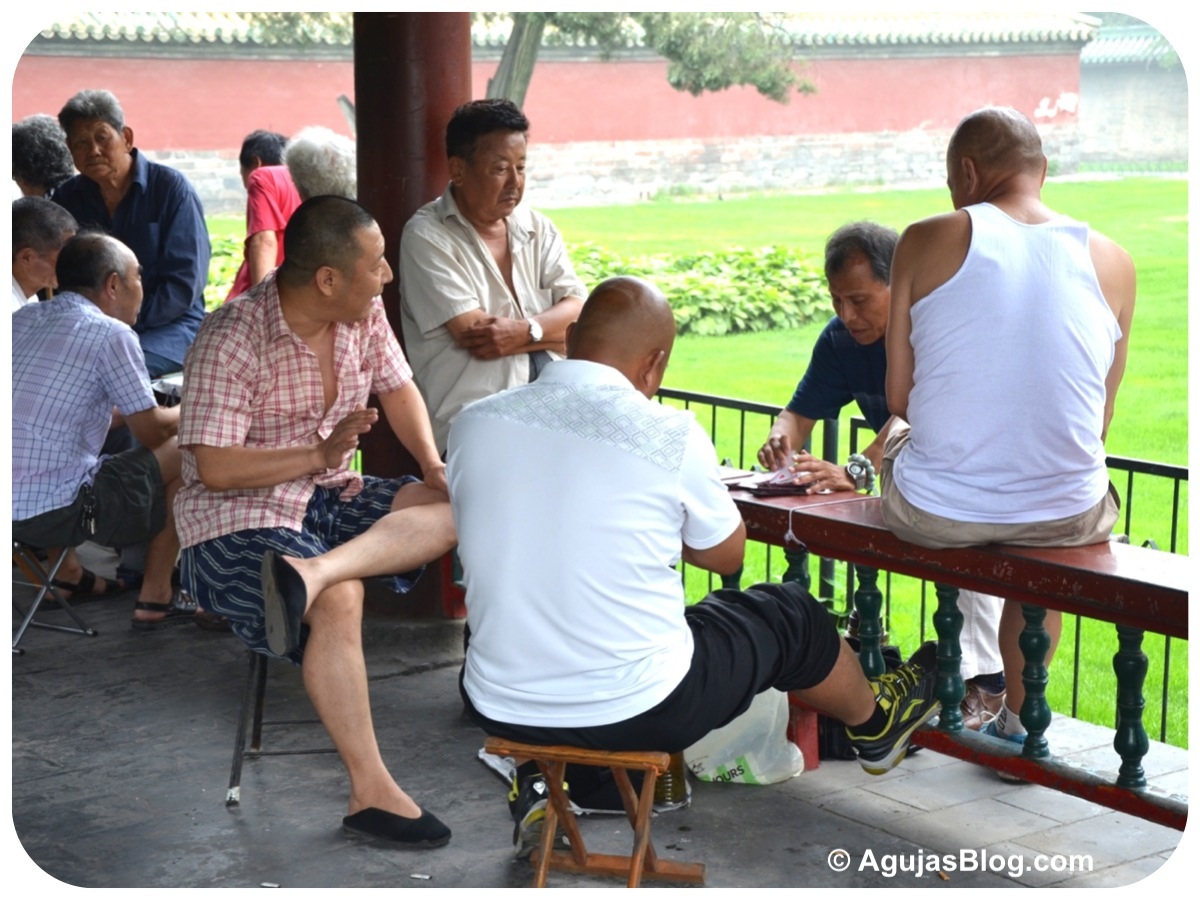
Men Playing Cards - Long Corridor

Women Playing Cards - Long Corridor

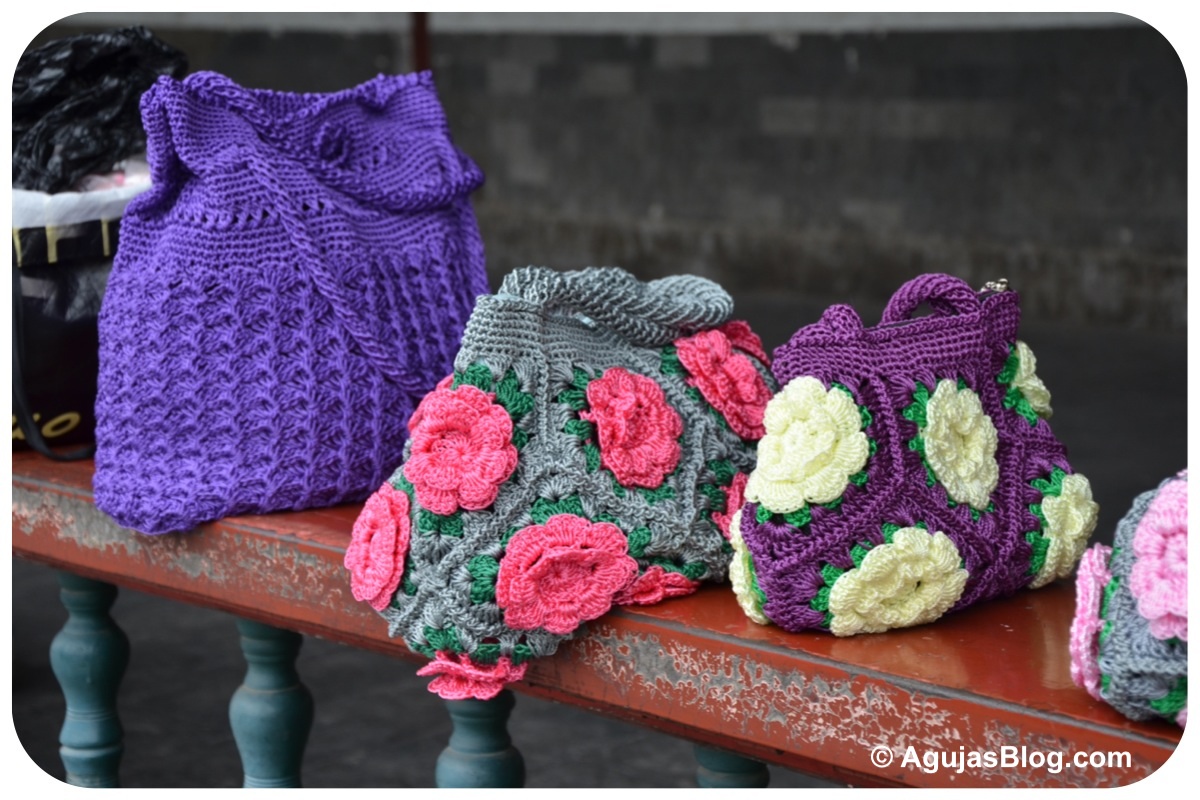
As we continued, I was immediately drawn to a woman working with her hands. From afar I could tell she was crocheting! She had several of her handmade items for sale and even let me add a few triple crochet stitches.
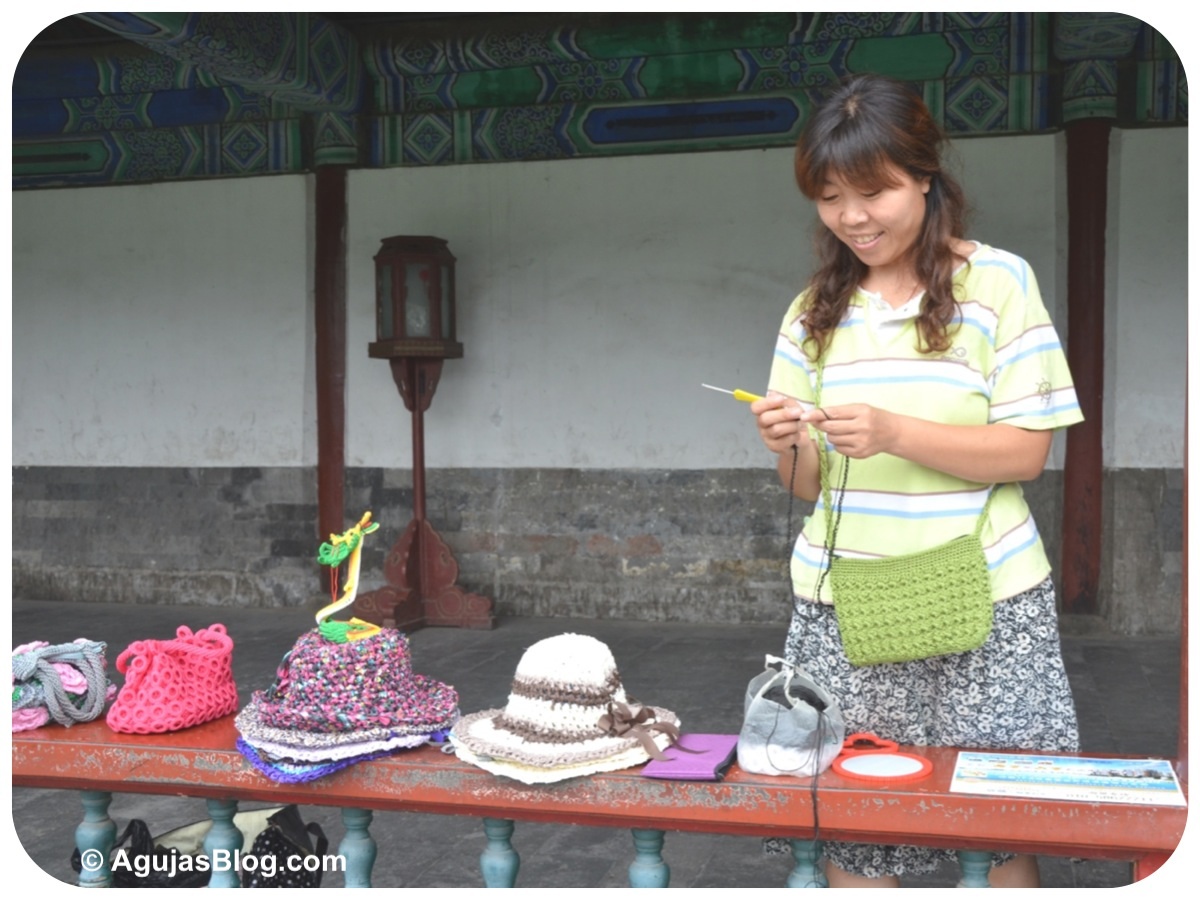
Crocheting Along the Long Corridor

Crocheted Handbags - Long Corridor

The Long Corridor consists of covered passages connecting the Animal Killing Pavilion to the Divine Kitchen and the Divine Warehouse. From what I read, the night before a ceremony, the Long Corridor would be lit up with lanterns. Offerings of jade, silk, grains, and fruit would be stored there.
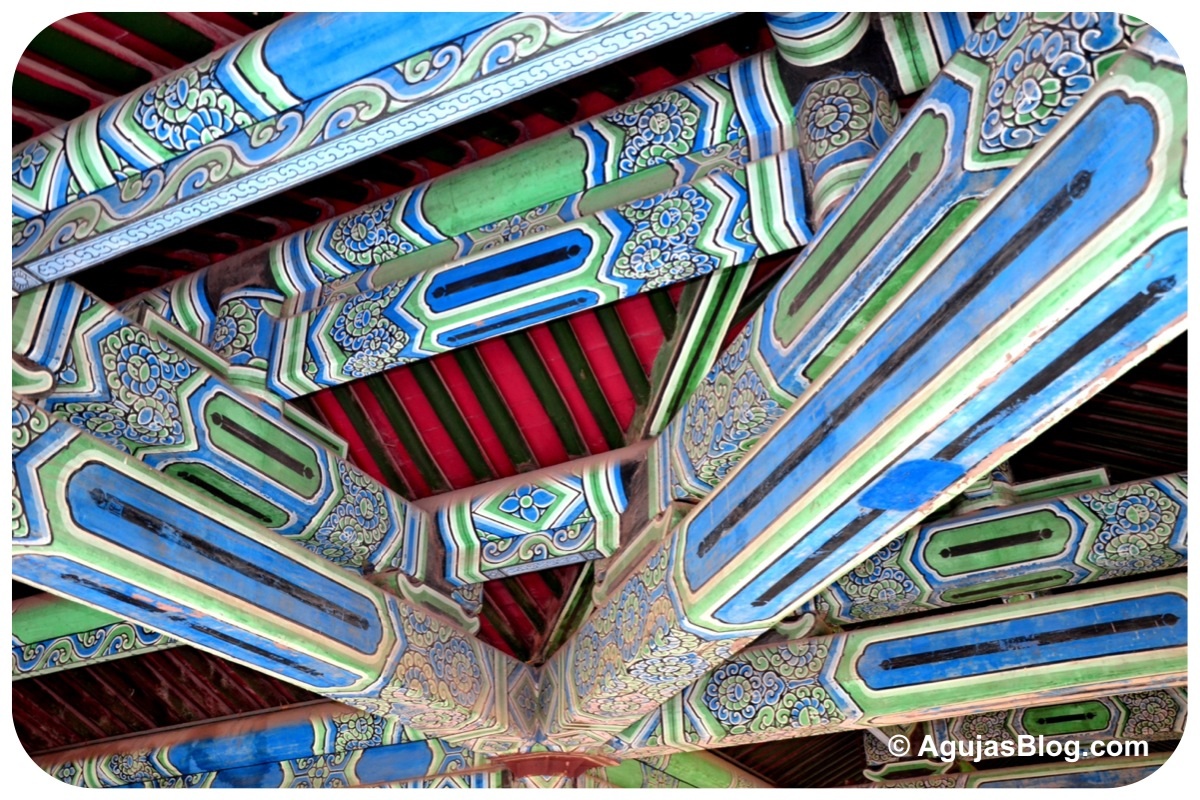
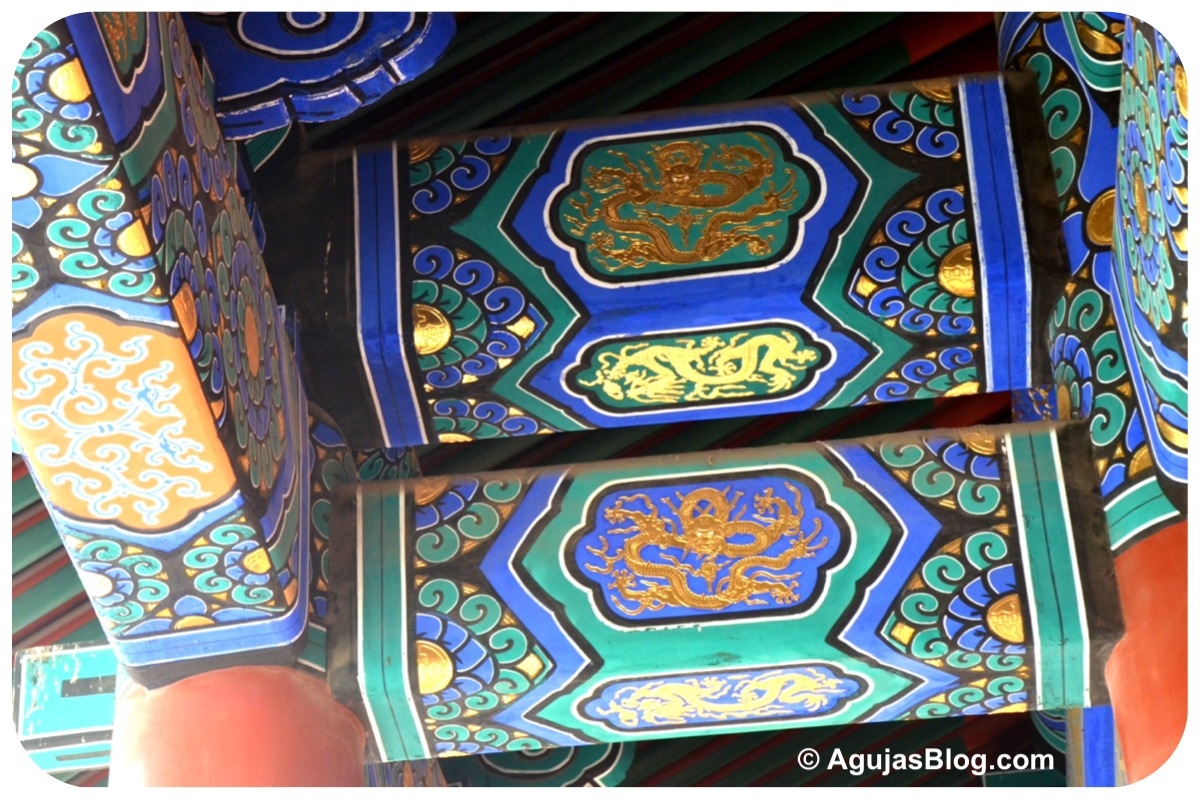
Beams along the Long Corridor

The Temple of Heaven is actually the name of the entire park covering 2.7 million square meters. During the Ming (1368-1644) and Qing (1644-1911) dynasties, the emperors held worship ceremonies here.
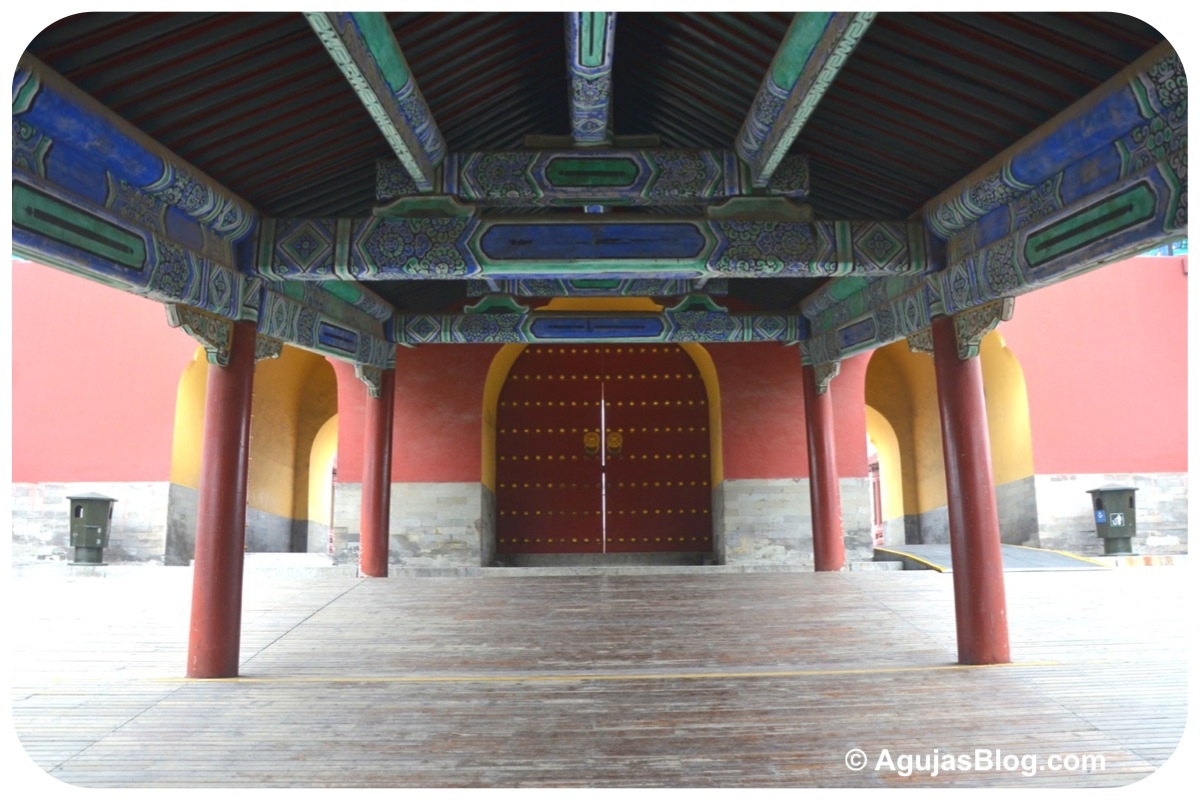
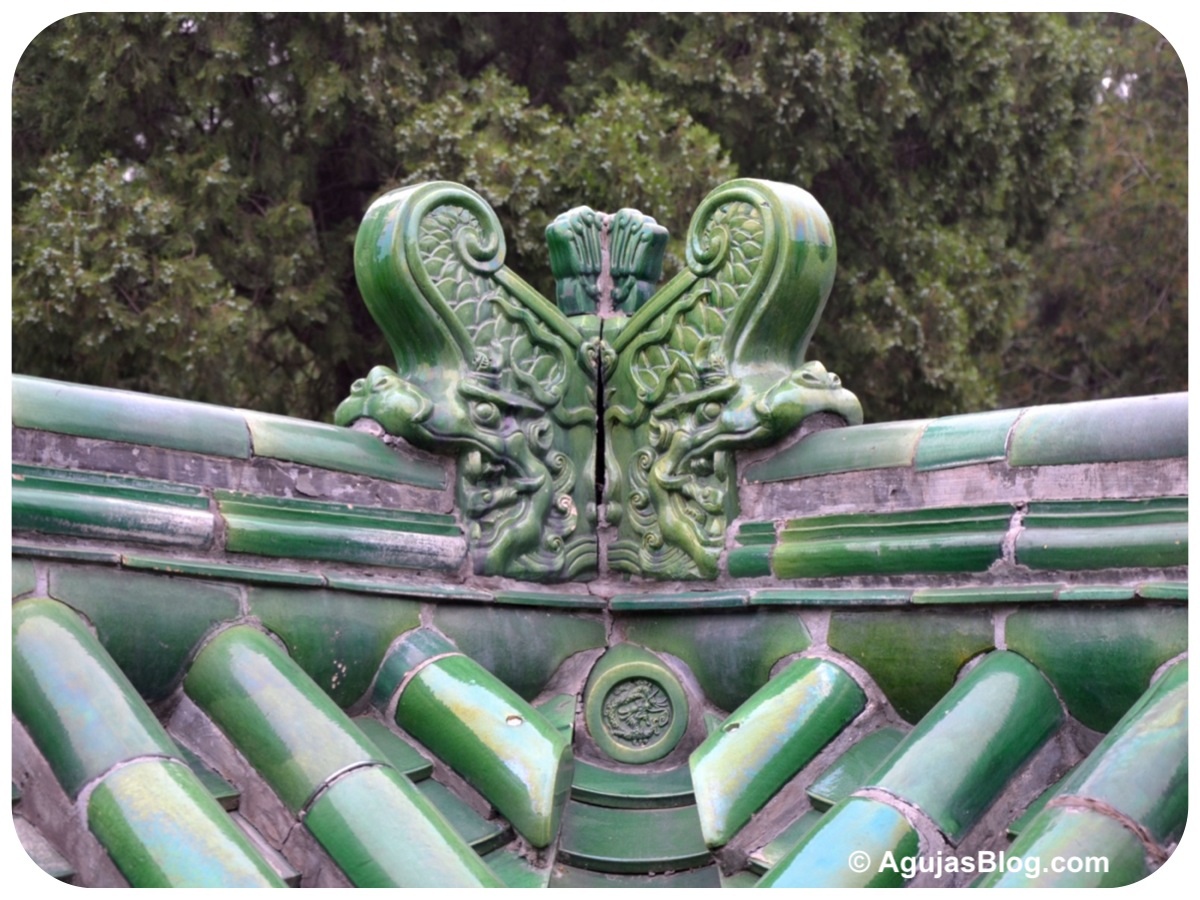
Route to Hall of Prayer for Good Harvests

Detail en route to Hall of Prayer for Good Harvests

The Hall of Prayer for Good Harvests is perhaps the most associated with the Temple of Heaven. Worship ceremonies were held here to pray for good weather and good harvests.
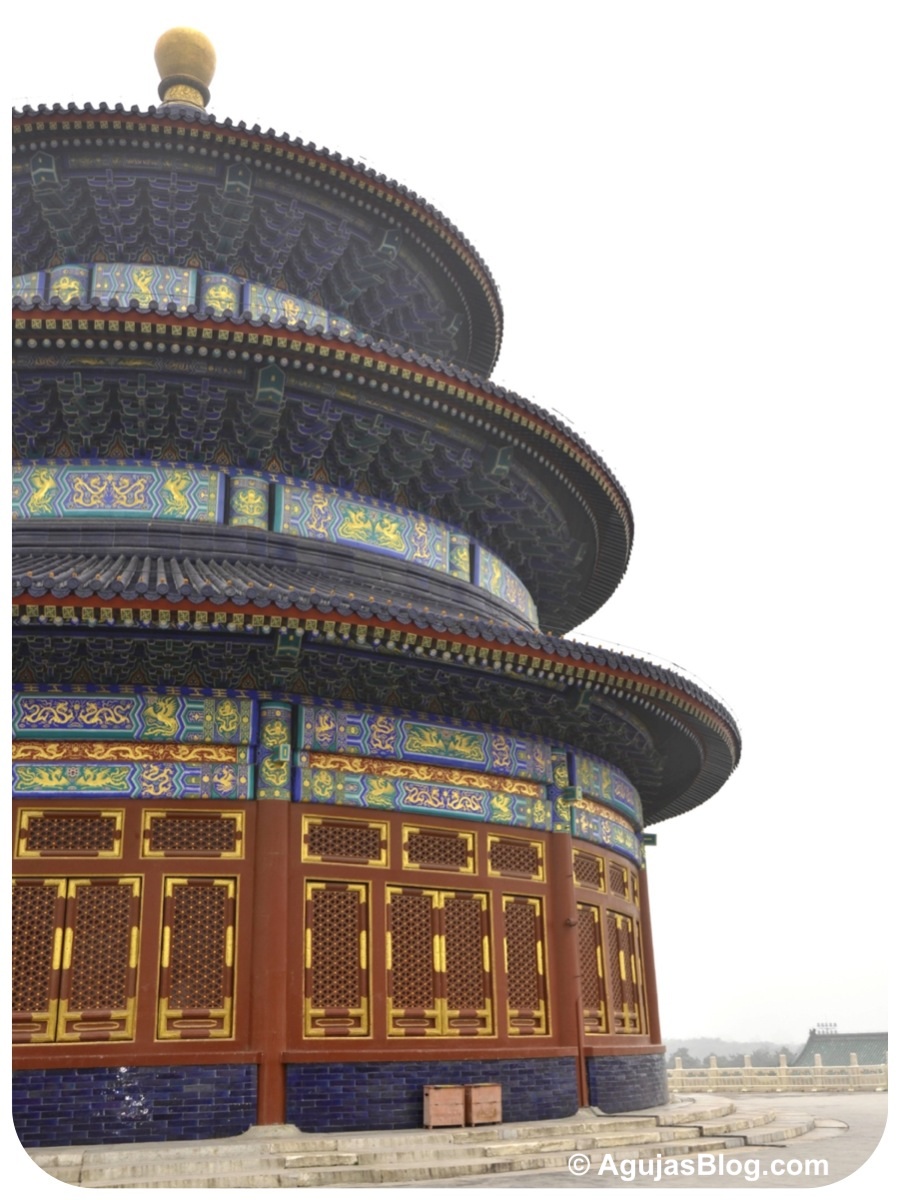
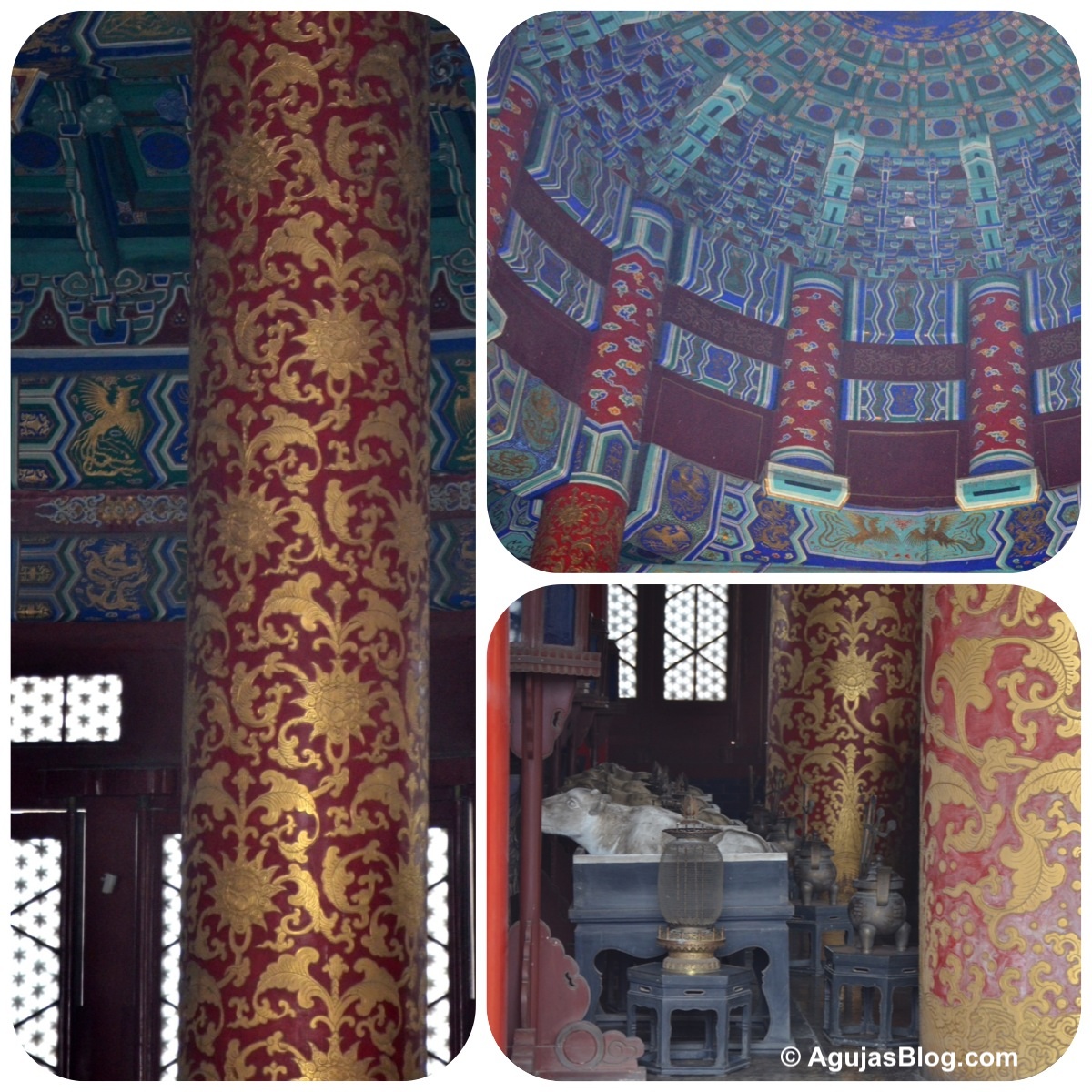
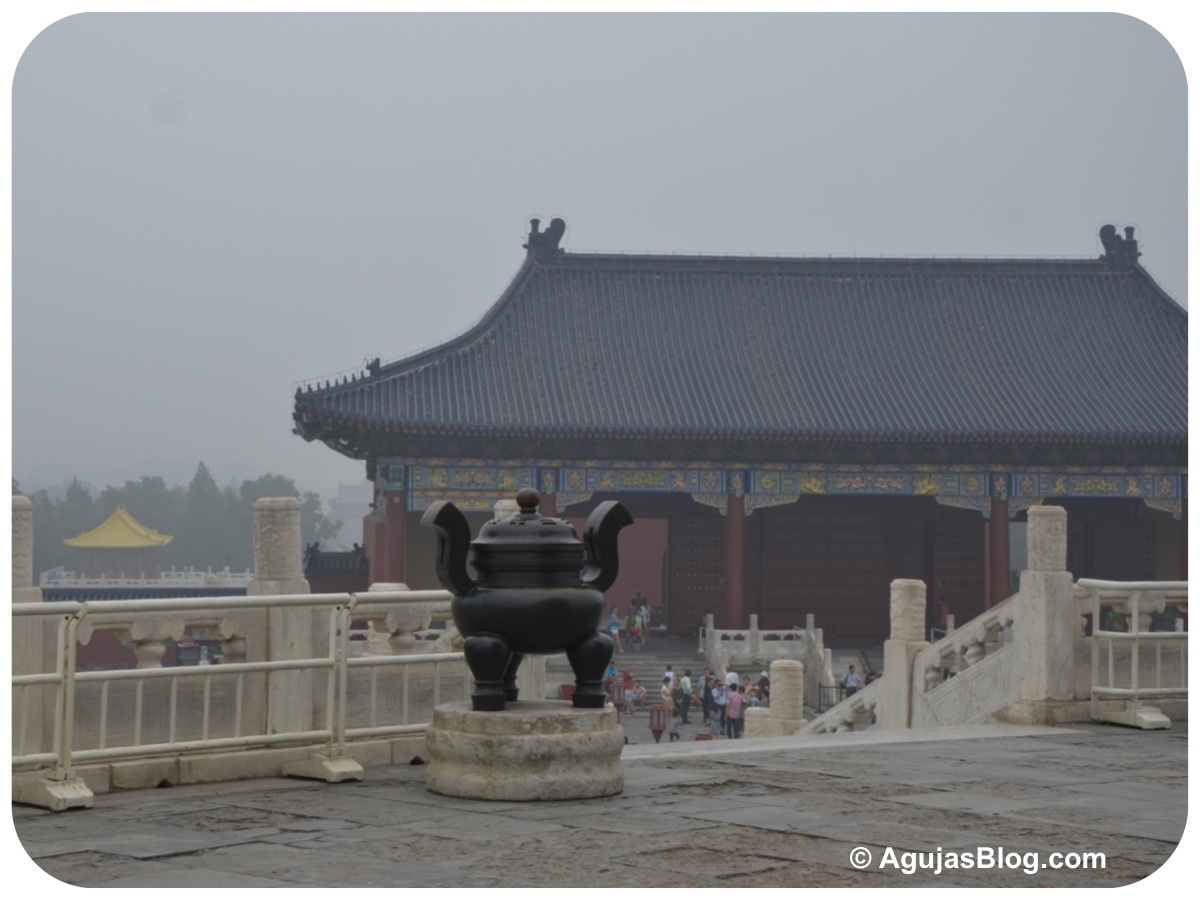
Hall of Prayer for Good Harvests

Inside Views - Hall of Prayer for Good Harvests

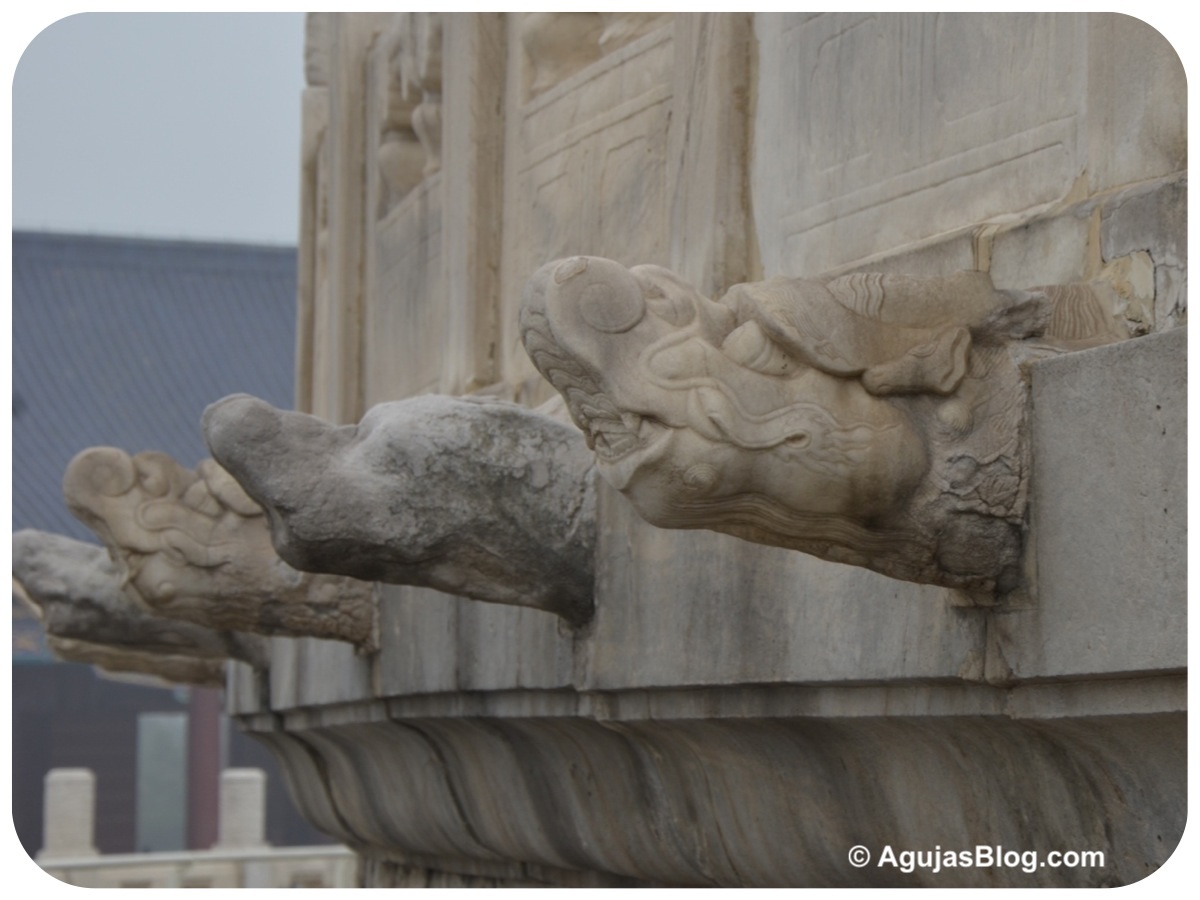
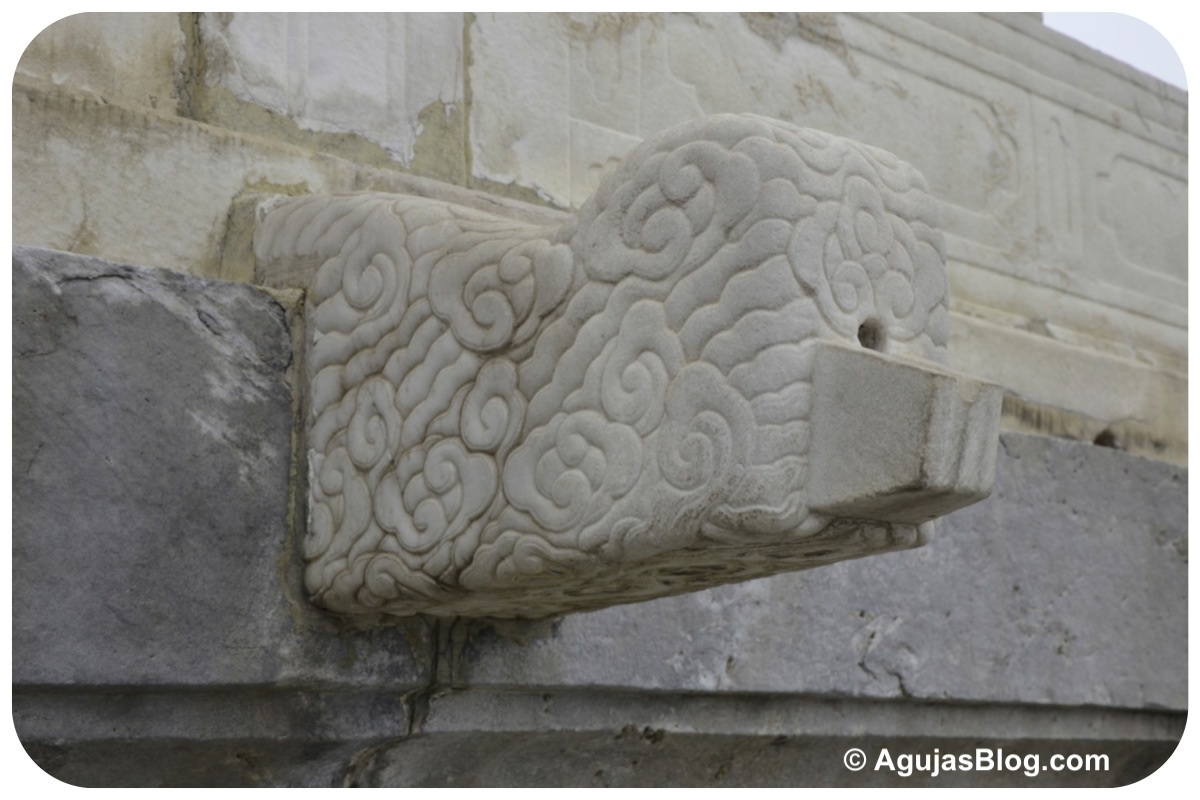
Water Drainage - Hall of Prayer for Good Harvests

View from Hall of Prayer for Good Harvests

Near the Hall of Prayer for Good Harvests, there is a Seventy-Year-Old Door. According to the sign, it is so named because it was built for Emperor Qianlong as a shortcut to the ceremony when he was 70 years old and in failing health. Out of concern that his sons would abuse the convenience, he decreed that only his offspring who had reached the age of 70 could use the door. No other emperor in the Qing Dynasty reached that age so he was the only person to ever use the door.
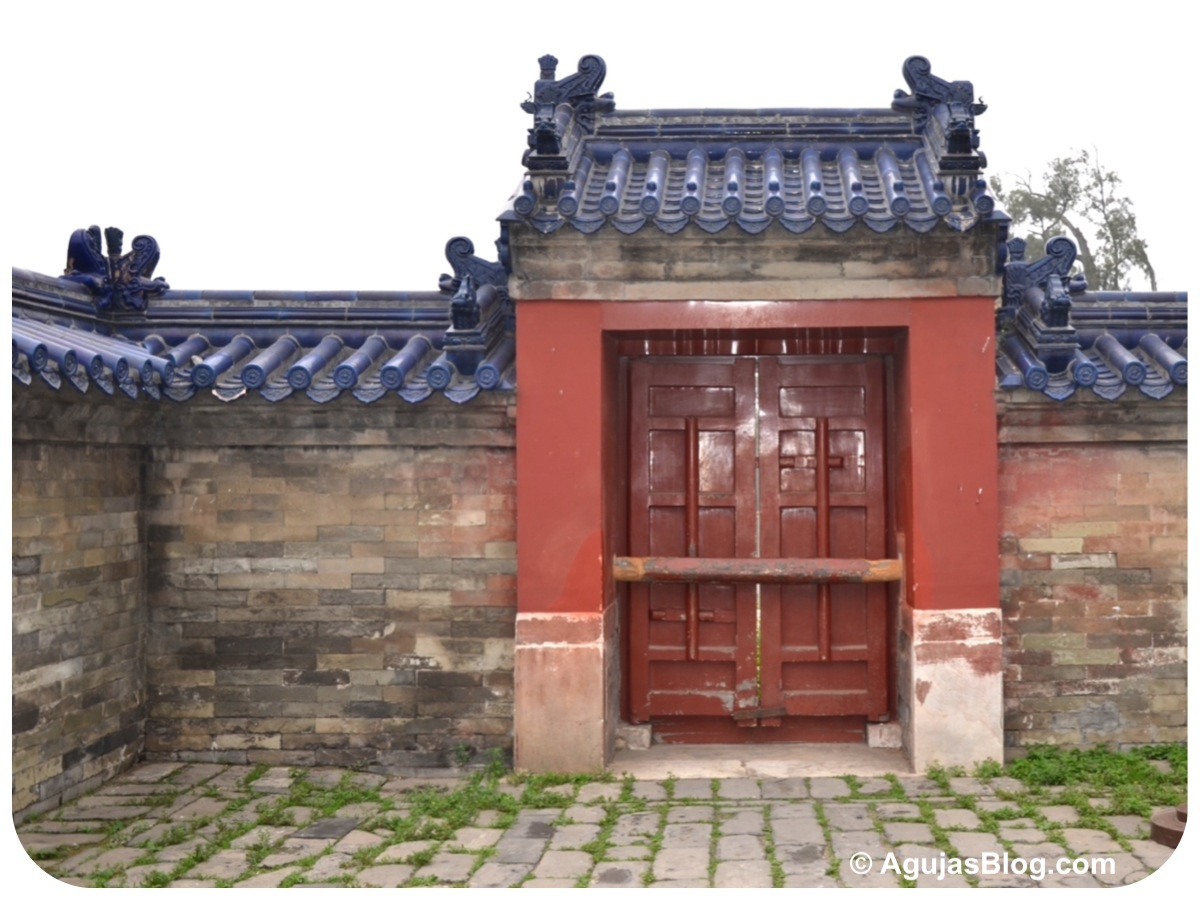
70 Year Old Door

Near the Seventy-Year Old Door.

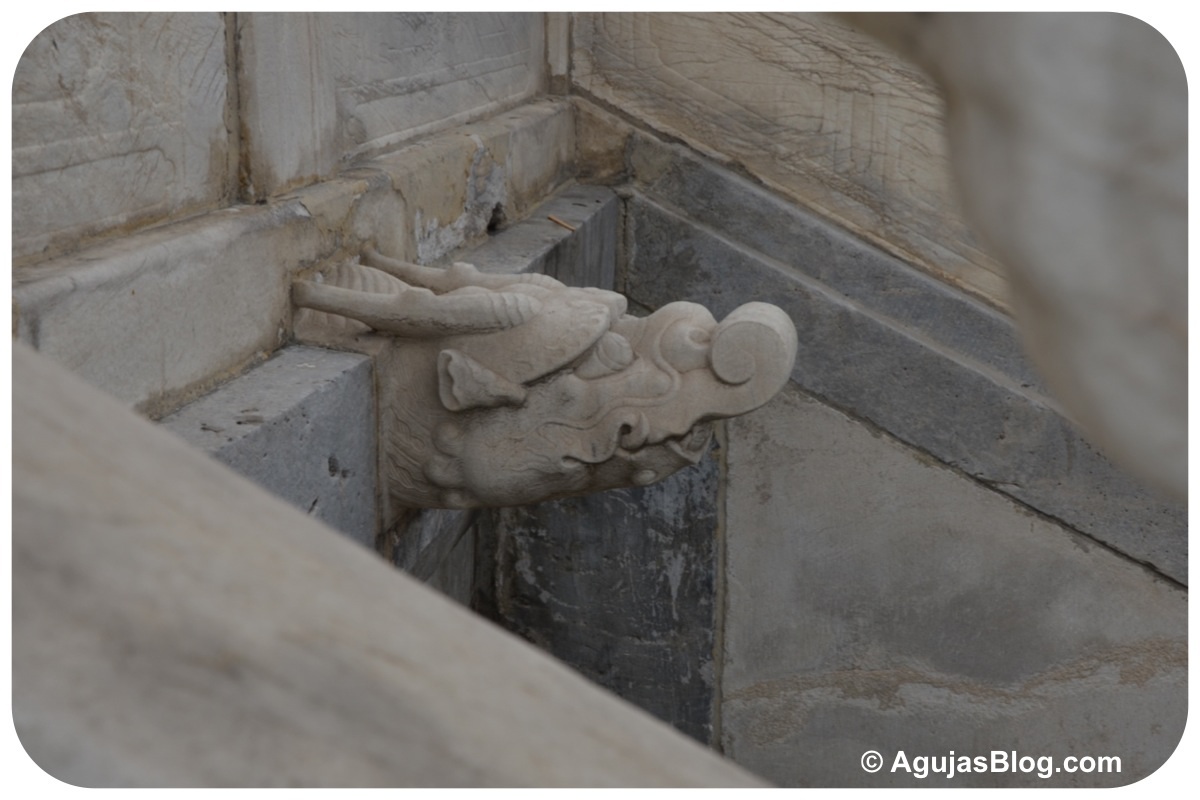
Detail of Water Drainage - Hall of Prayer for Good Harvests

Annex - Hall of Prayer for Good Harvests

Colorful Beams - Temple of Heaven Park

Flower Detail Water Drainage - Hall of Prayer for Good Harvests

The Nine Dragon Juniper is over 500 years old. The trunk is covered with grooves that resemble nine dragons twisting around the tree, hence the name.
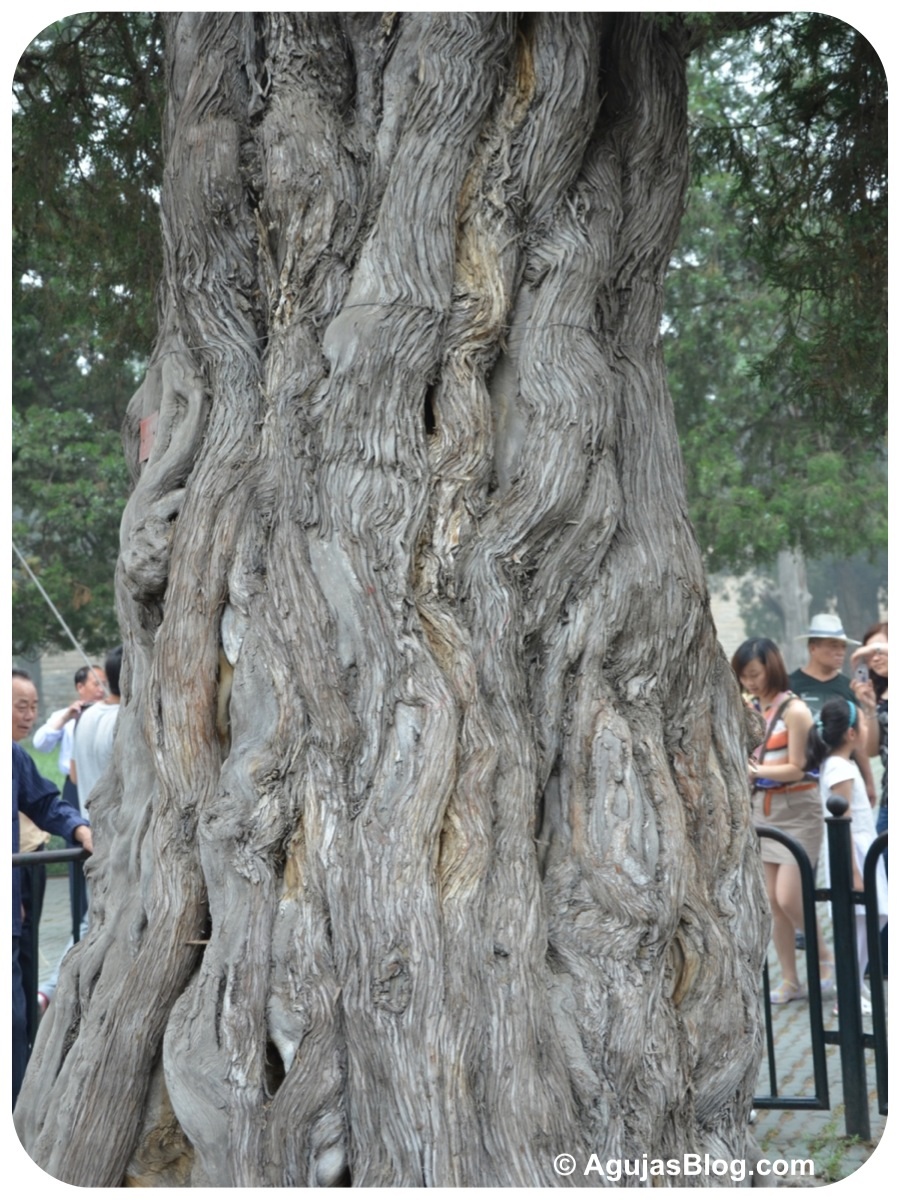
Nine-Dragon Juniper

The next stop was the Imperial Vault of Heaven. The surrounding wall is called Echo Wall because of the acoustics.
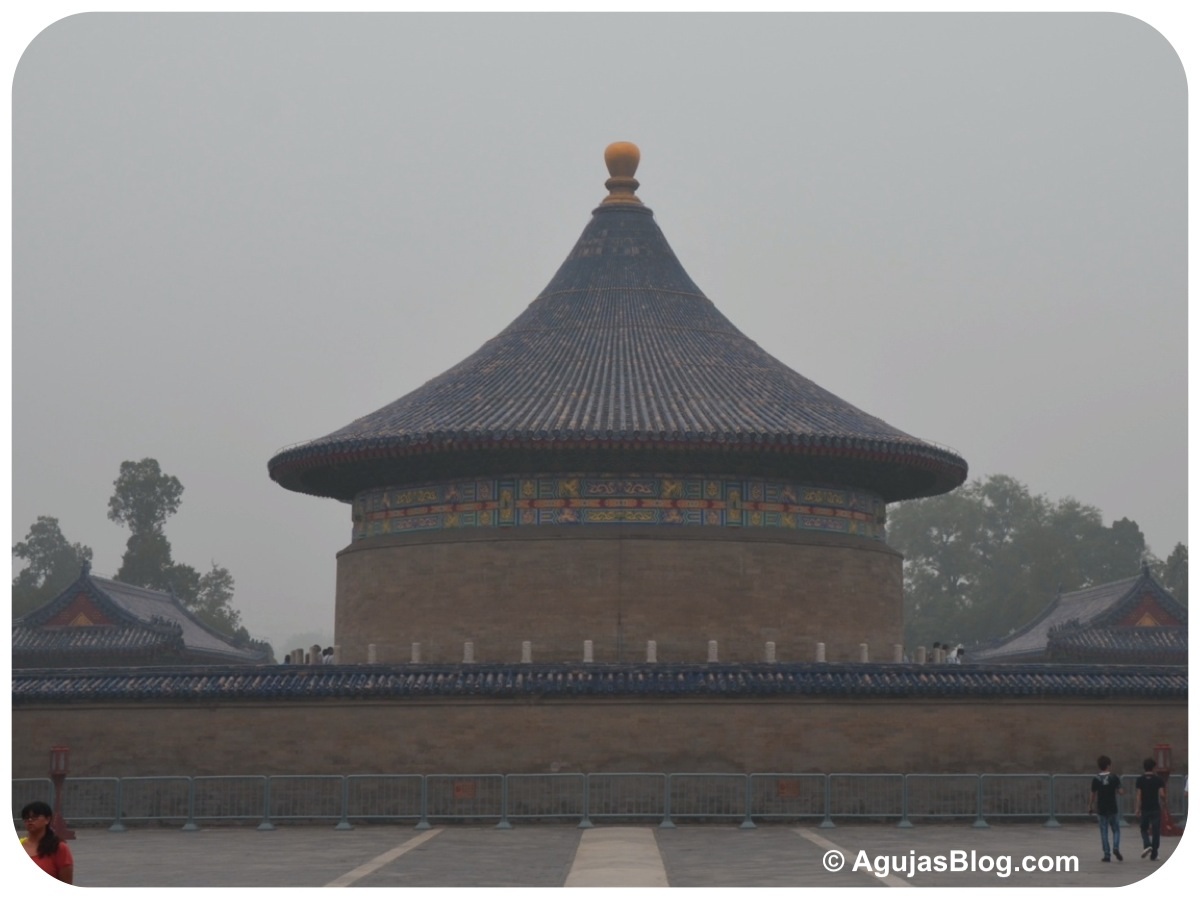
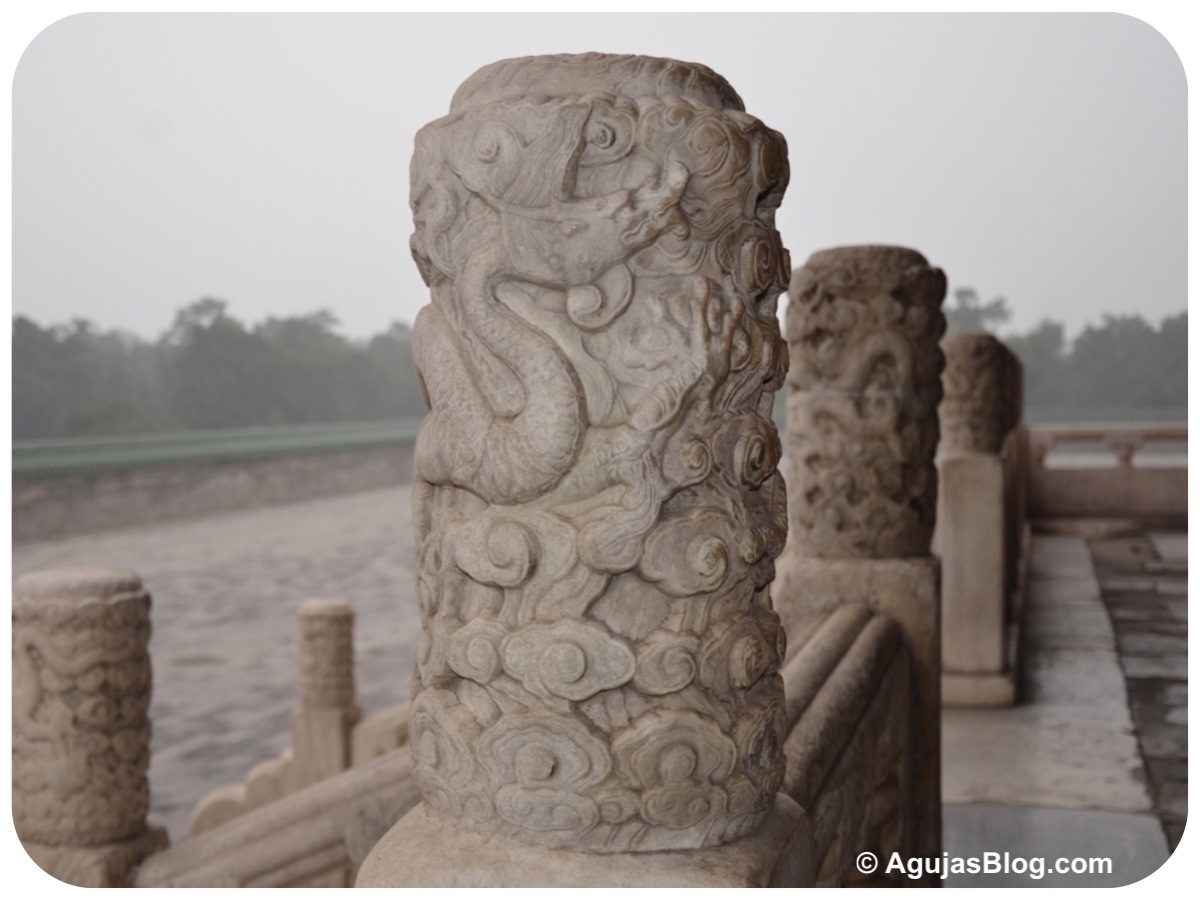
The Imperial Vault of Heaven

Sculpted Stone - Temple of Heaven Park

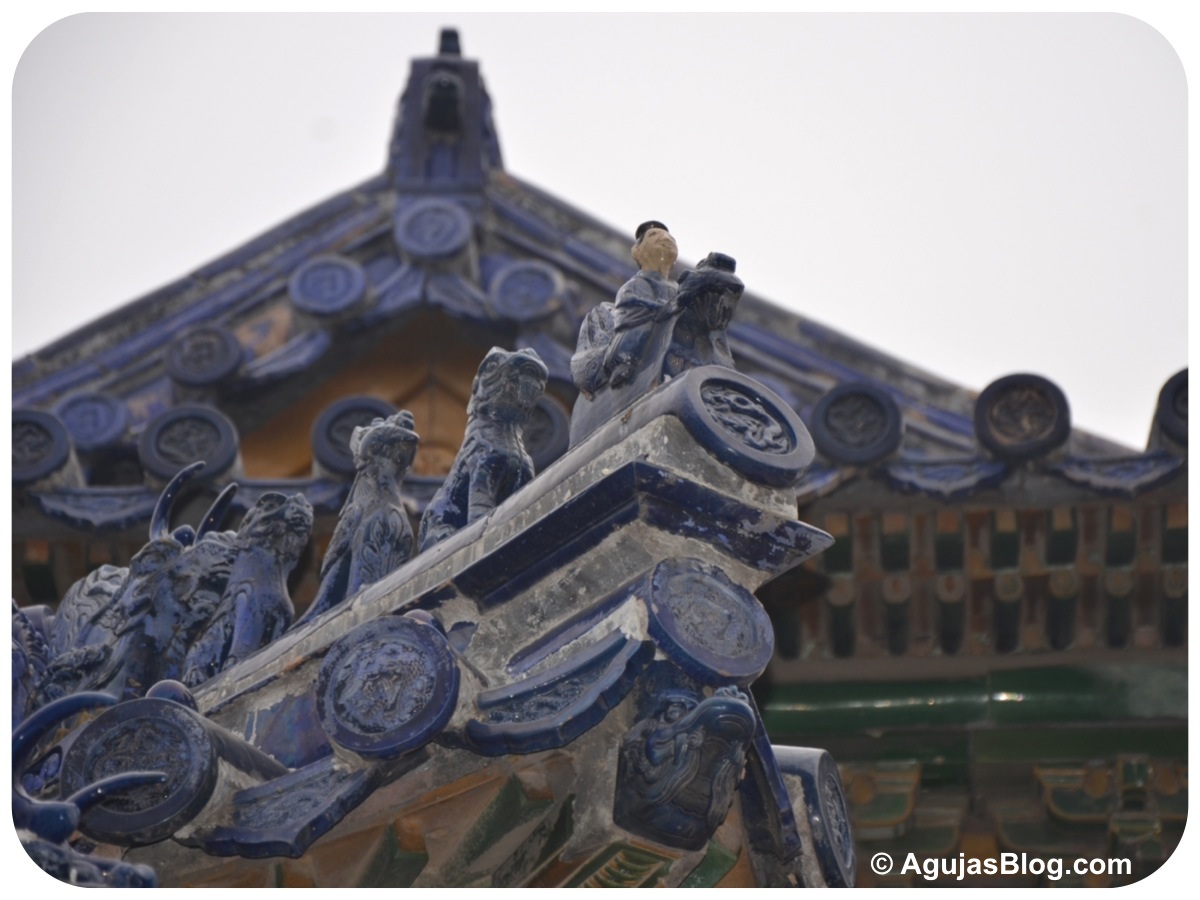
Roof Detail - Imperial Vault of Heaven

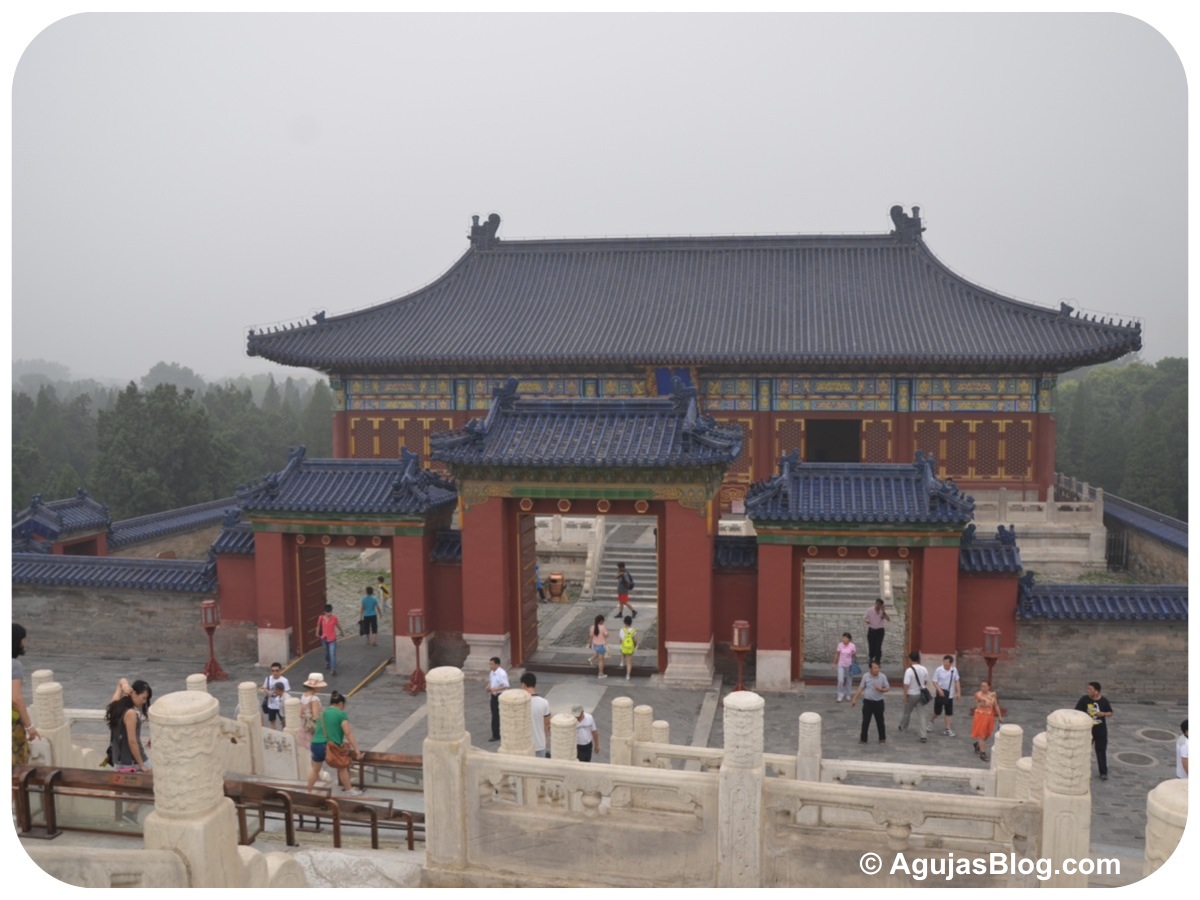
The last stop was through these gates to the Circular Mound Altar, which is the actual temple of heaven as this is where the emperors sacrificed to Heaven. By then, there were many visitors and it was impossible to get a good photo of the Heavenly Center Stone.
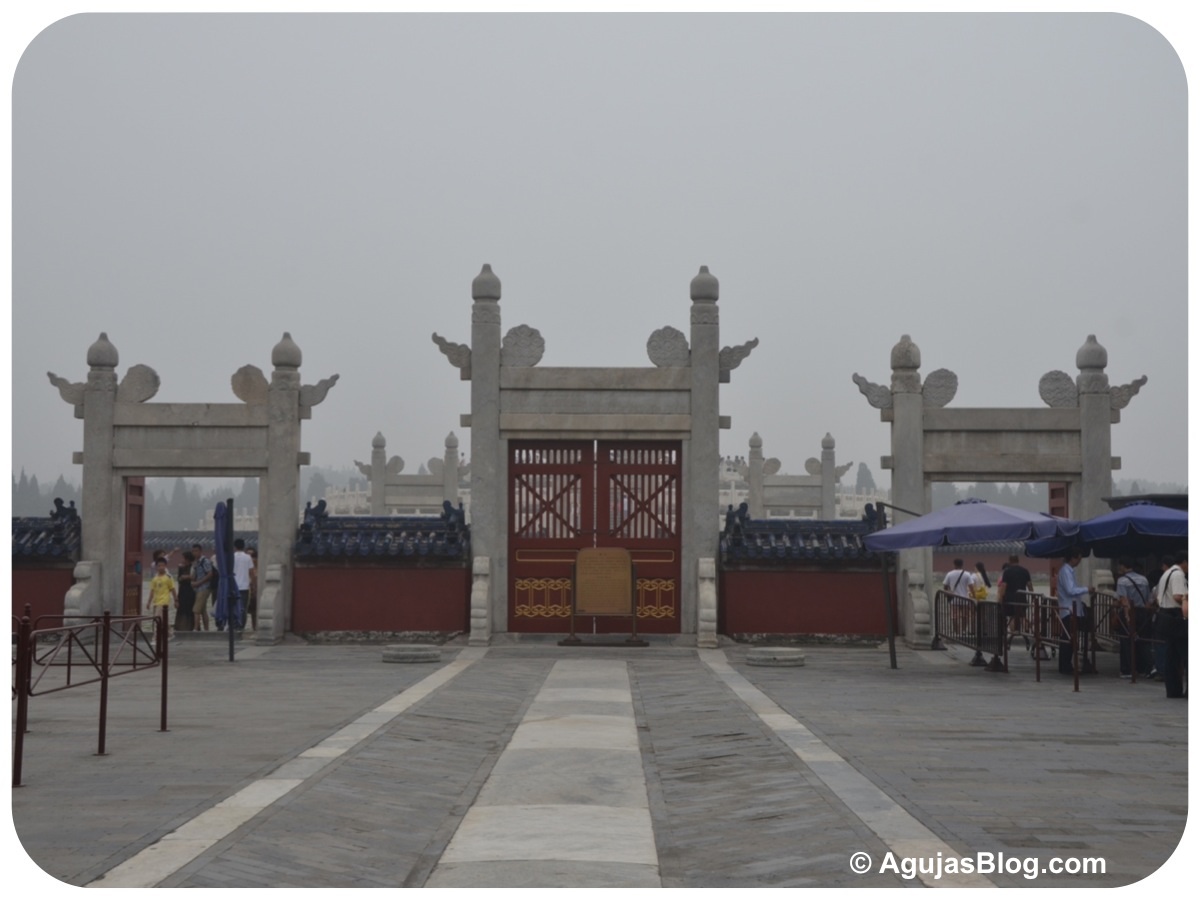
En Route to the Circular Mound Altar

After walking the length of the park, we were ready for a nap.

Saturday Afternoon at the Lama Temple

Walking the grounds of the Lama Temple offered a respite from the busy week. Known as the “Palace of Peace and Harmony,” the Lama Temple (Yonghegong) was originally the home of an emperor. It is a Mongolian-Tibetan temple and monastery dating back to the late 16th century.
Click on any image for a large-screen view.

The Lama Temple is located at 12 Yonghegong Dajie, Beixinqiao, Dongcheng District, Beijing, Yonghegong Lama Temple subway stop on Line 2.

Detour to Beijing

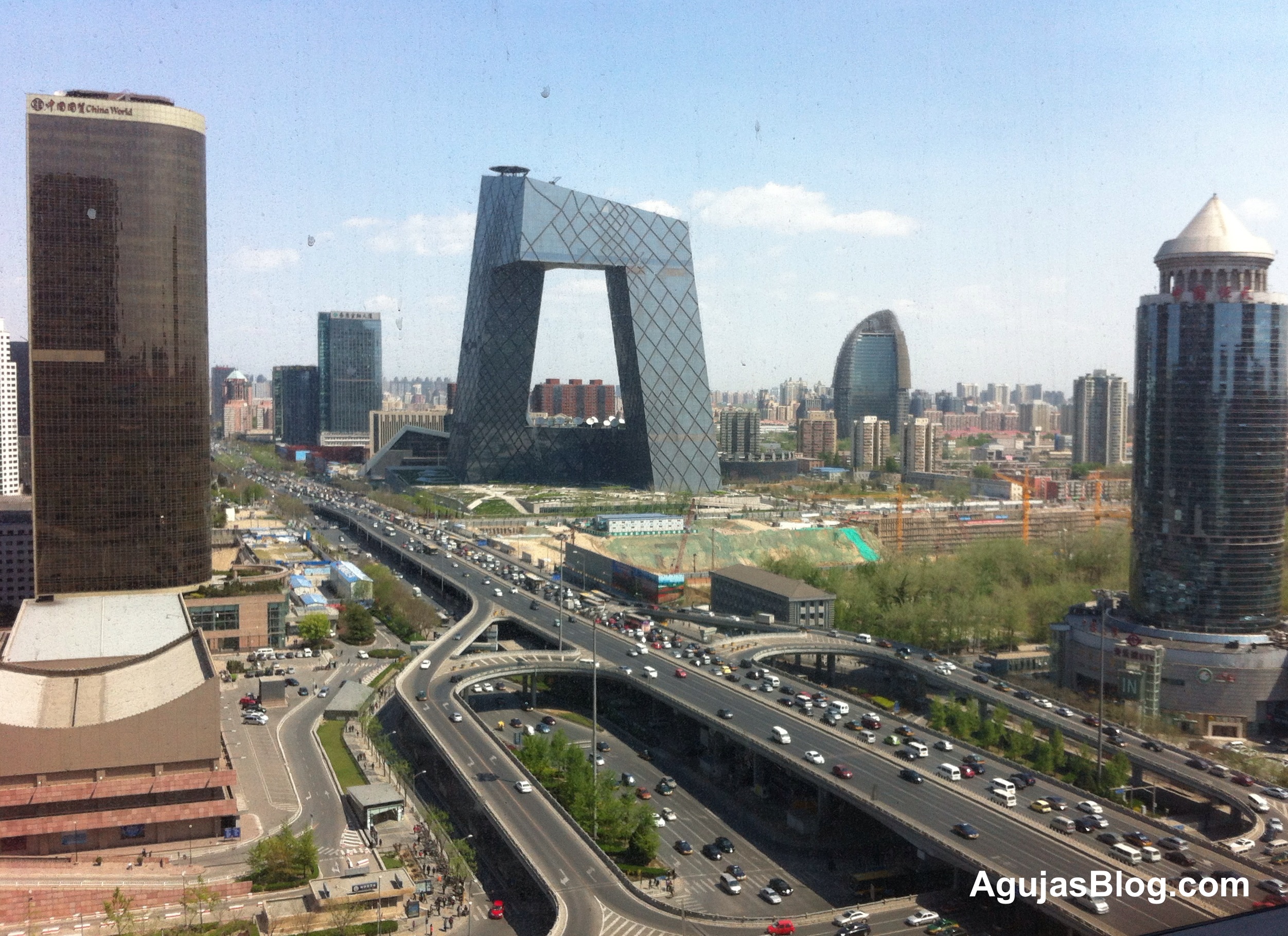
I just returned from a business trip to Beijing, China. Most of the sights and sounds took place in conference rooms and hotel lobbies. It had been six years since I was last there, and then only for a couple of days. The city keeps growing, now at a population of approximately 20 million, although locals will tell you it is much higher.

View in Chaoyang District, Beijing, April 2013

My meetings were centered in the Chaoyang District, which houses most of the city’s foreign embassies and corporations. The facilities built for the 2008 Summer Olympics are located in the Chaoyang District. This view is through a window, hence the dirty spots.

China Central Television (CCTV) Headquarters, Chaoyang District, Beijing, China

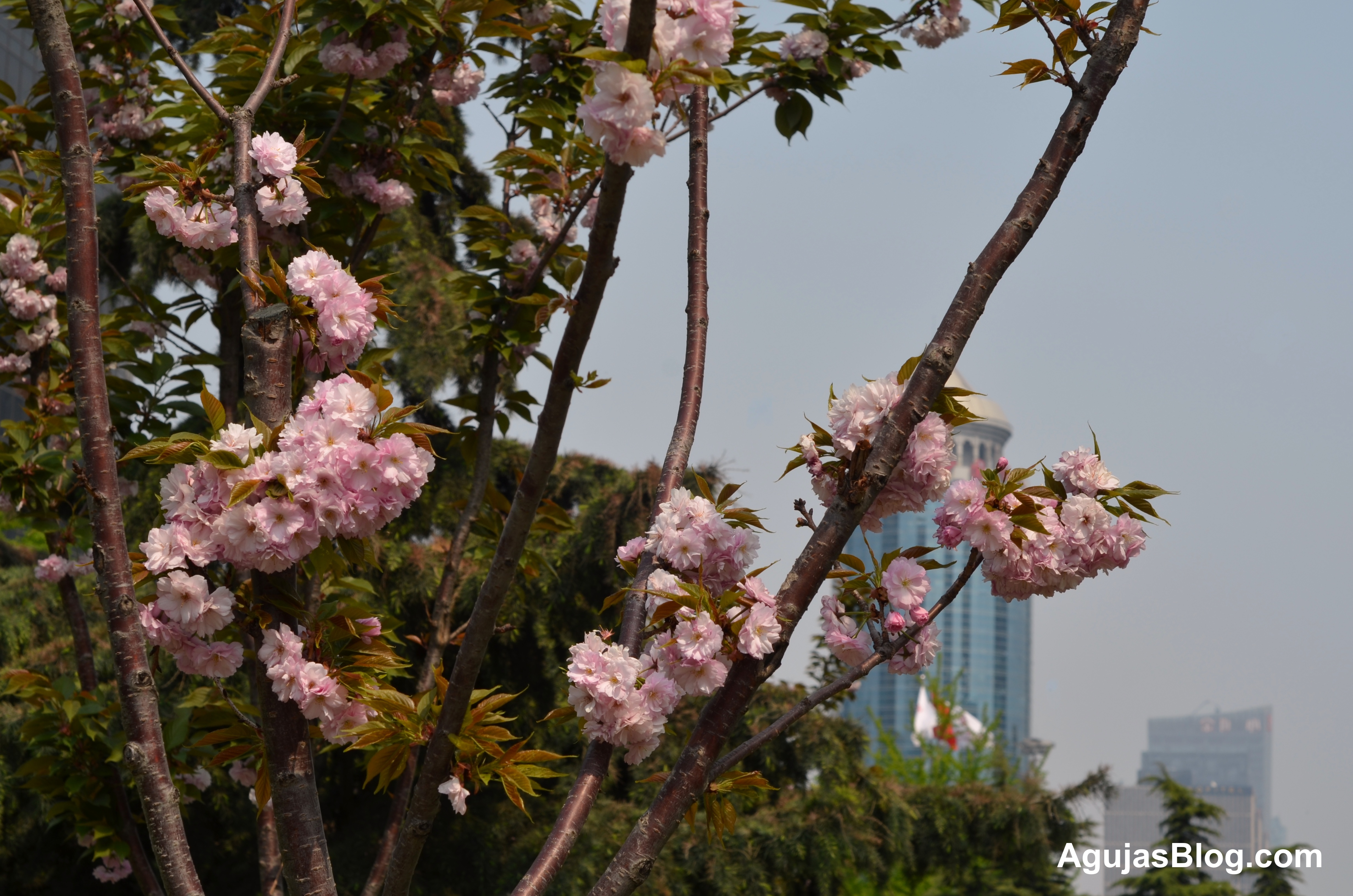
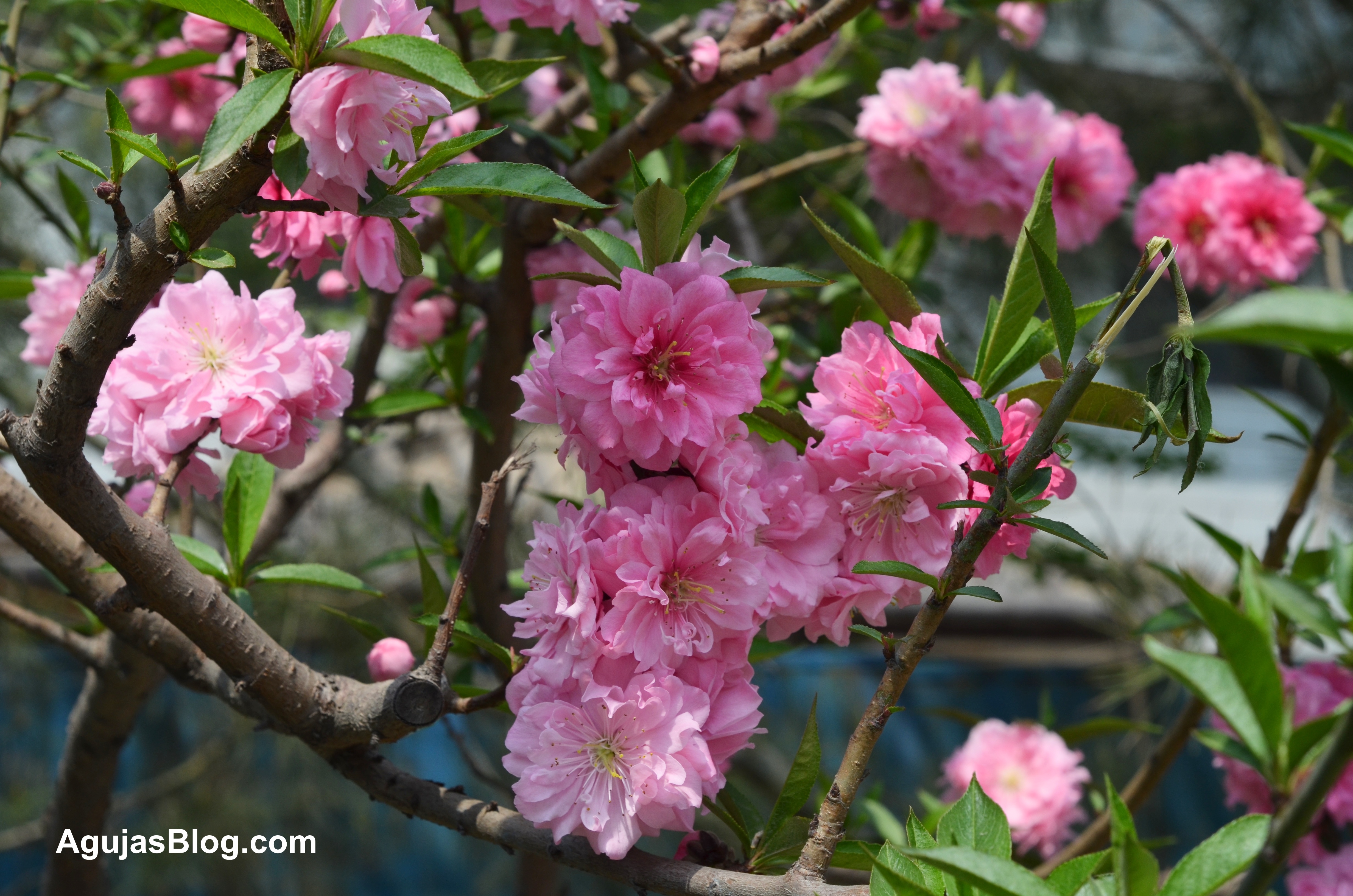
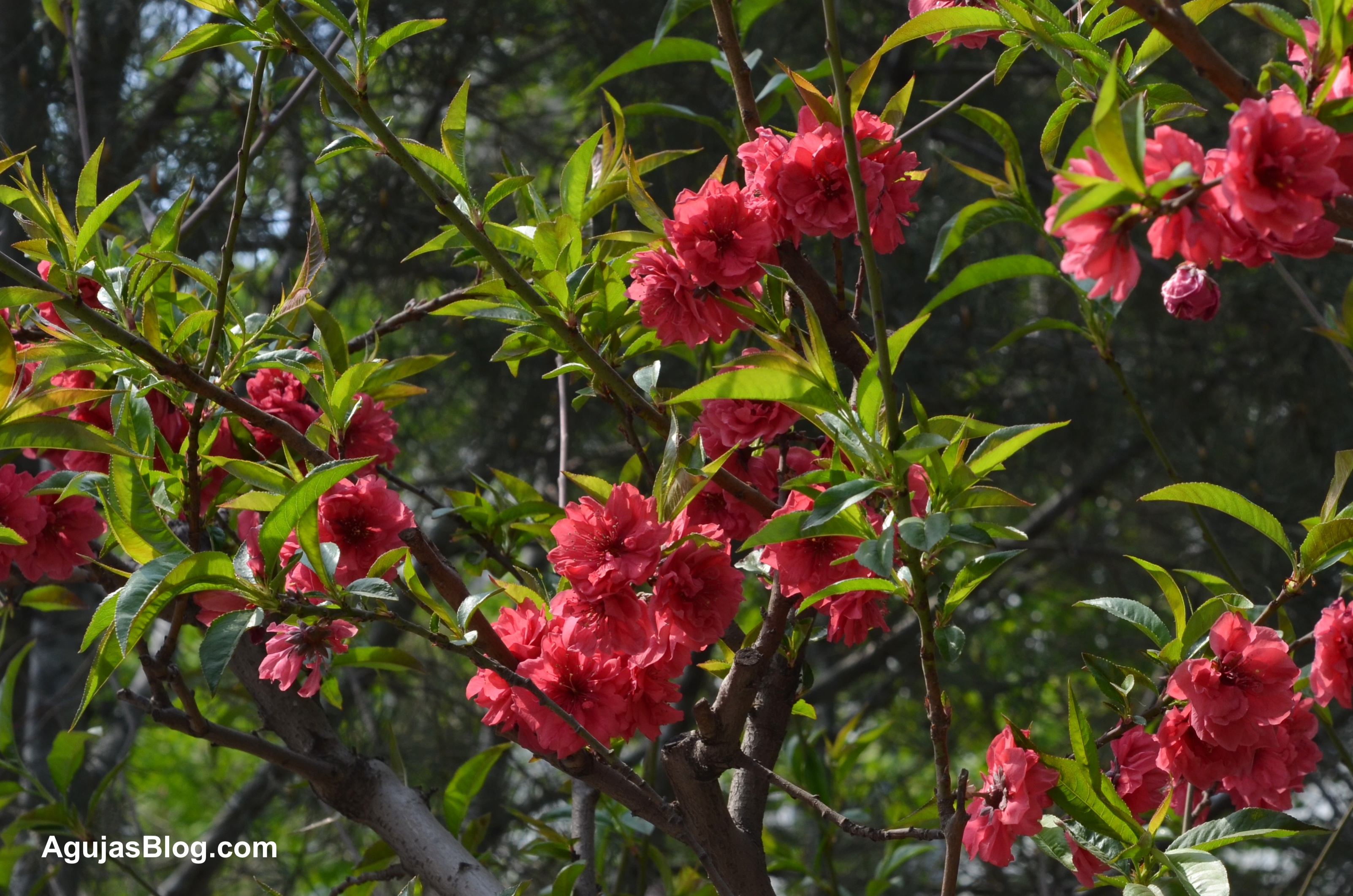
Air quality was decent the week I was there. My colleagues mentioned that it was poor a few days earlier. Every now and then, you could spot pedestrians wearing masks. Despite that, I was able to capture a few blooms challenging the hazy air with their show of pinks and reds.

Pink Blossoms, Beijing, April 2013

Red blooms in Beijing, April 2013

Most of my views of the city were through the windows of taxis. Getting from one location to another took time. Traffic congestion was intense. My hotel room became a respite from the noise and traffic of the day.

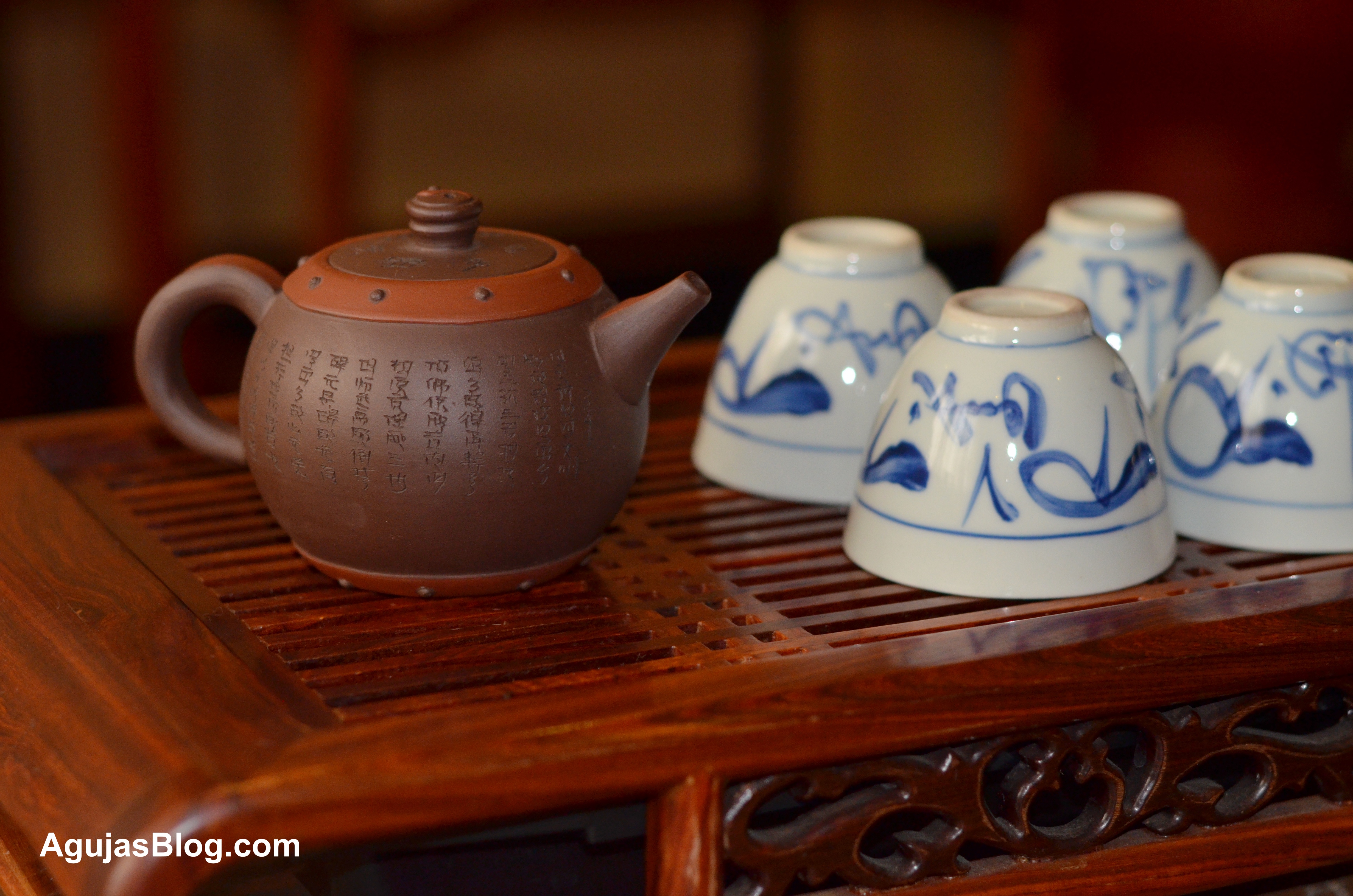
Hotel Tea Set, Beijing, April 2013

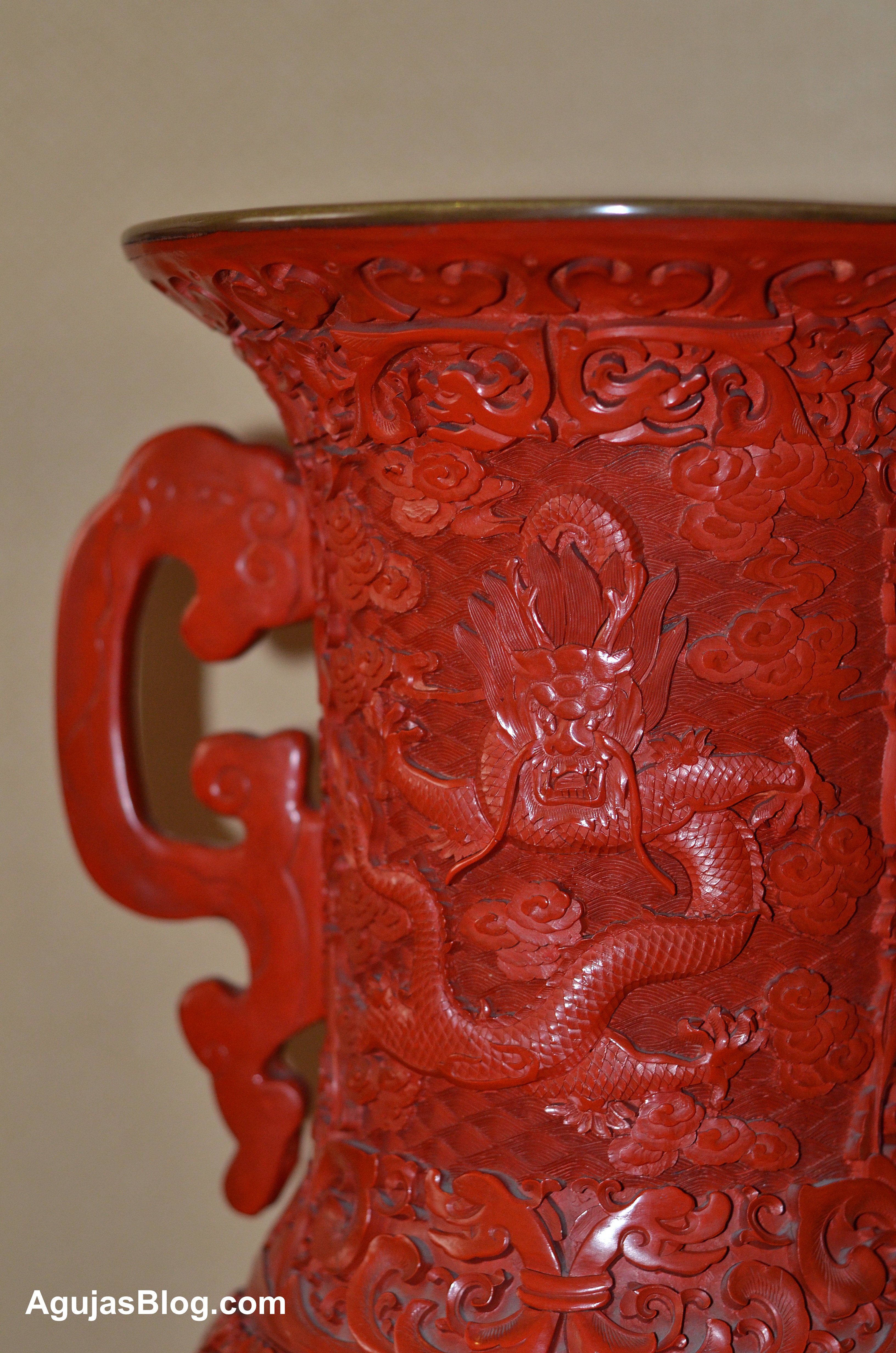
Dragon Vase, Beijing, April 2013

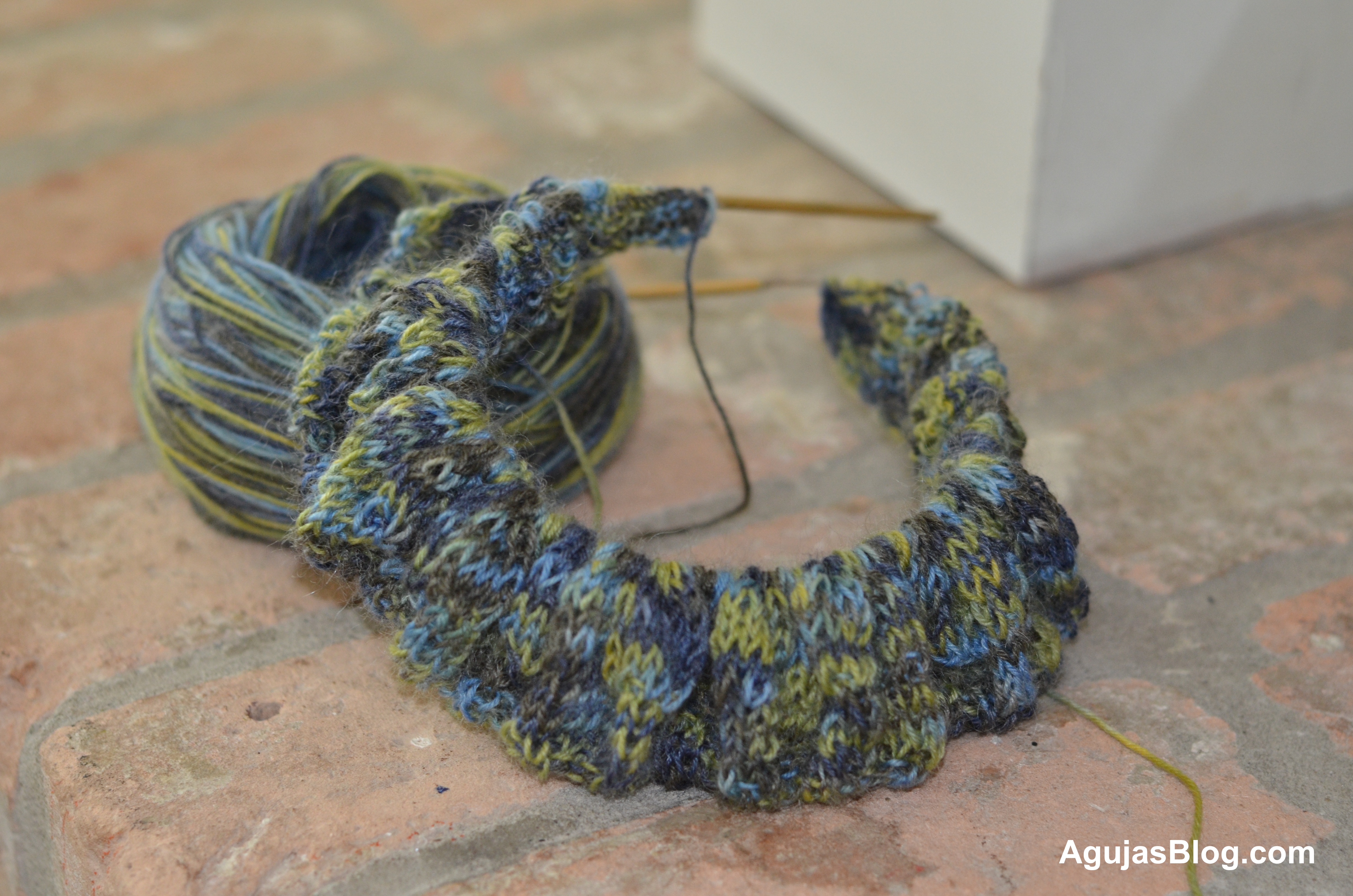
There has been little time for knitting. I thought I would make progress, perhaps even finish my current project on the plane, but only got in a few rows. This is what the formerly tangled string is looking like.

Sakkie Scarf in Progress

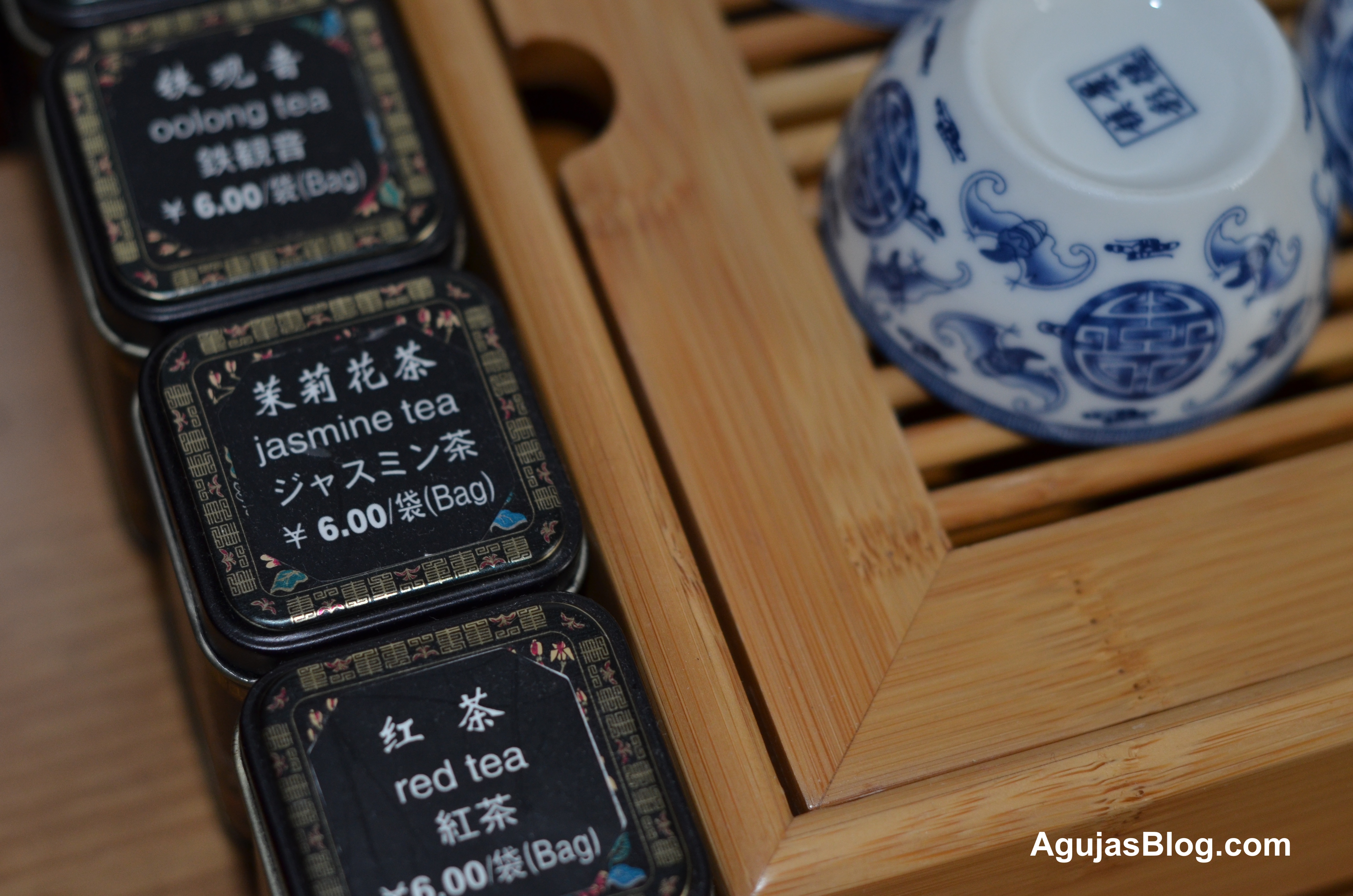
There is no access to Facebook in China, or to Twitter, Tumblr, or WordPress. But there was Peking duck, beef with spicy noodles, sesame seed bun, shrimp dumplings, and jasmine and oolong tea.

Tea Set, Beijing, April 2013

I had one wish fulfilled, which was to return to China. I hope to go back again.

The Temple of Angkor Wat

Here is a view of Angkor Wat through my husband’s eyes.

Ankor Wat is the largest Hindu temple and the largest religious monument in the world. It was built in the early 12th Century and covers over 400 square kilometers of land.

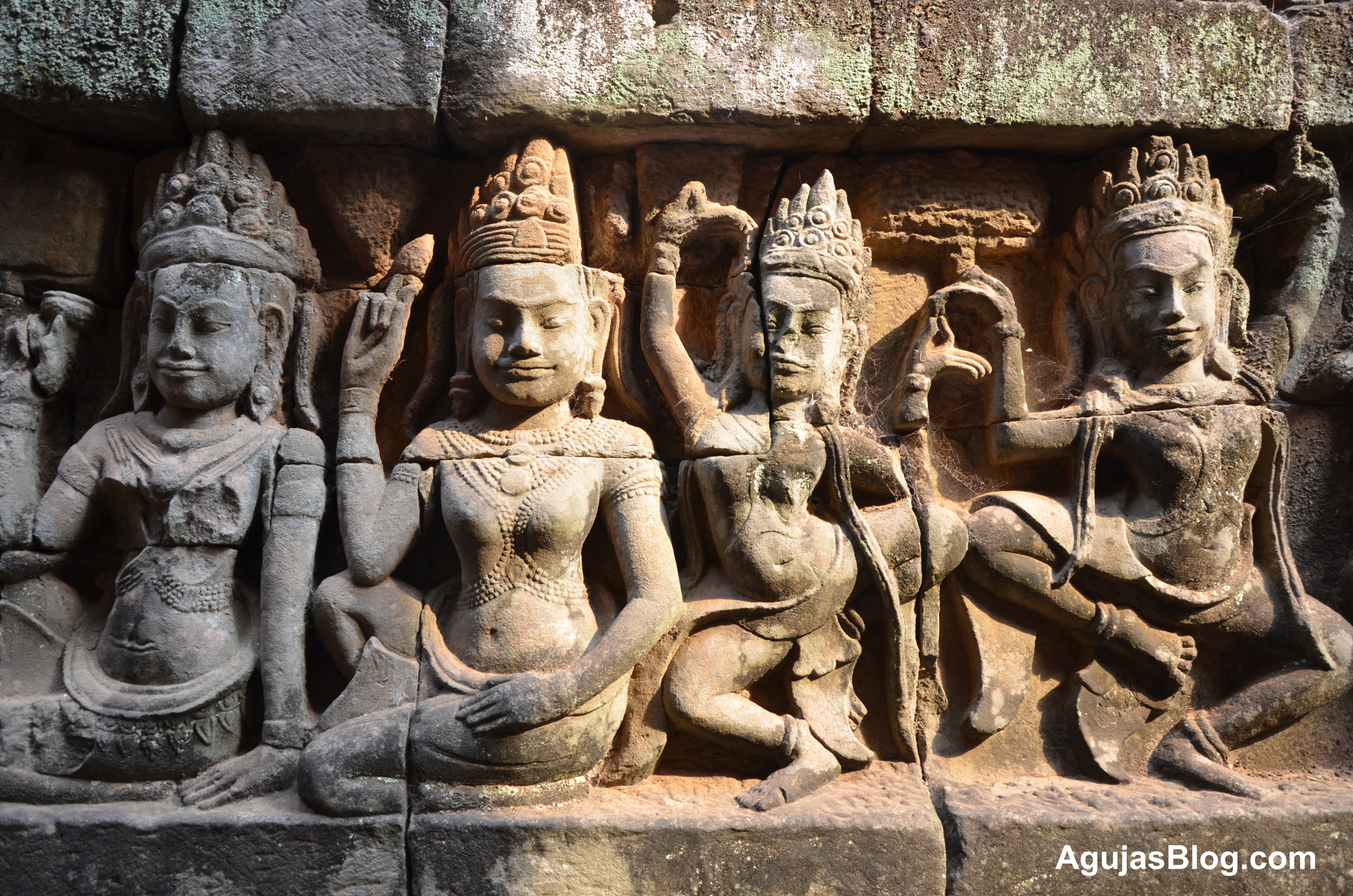
Relief of Hindu deities.

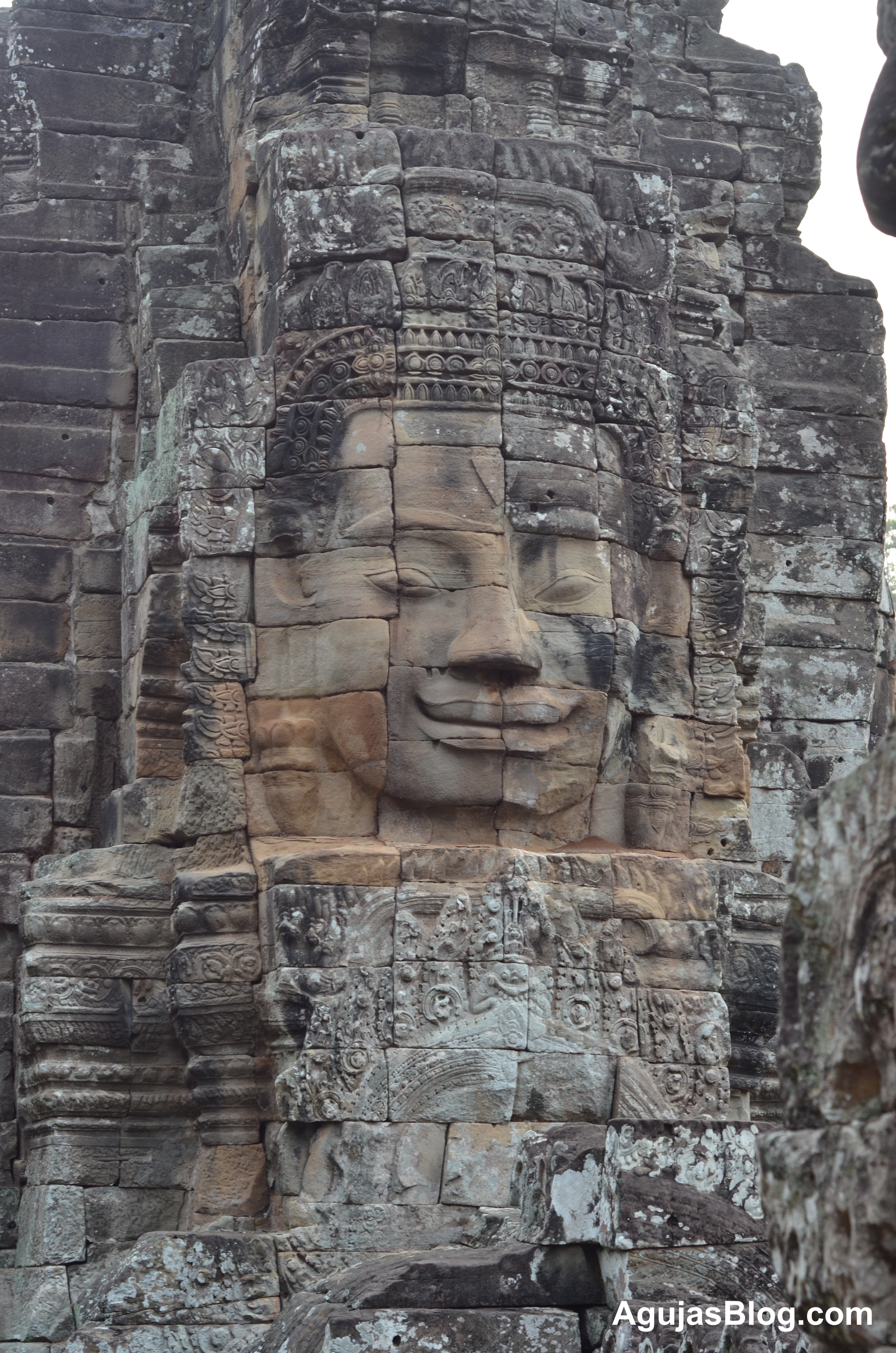
Large face on the walls at Angkor Wat.

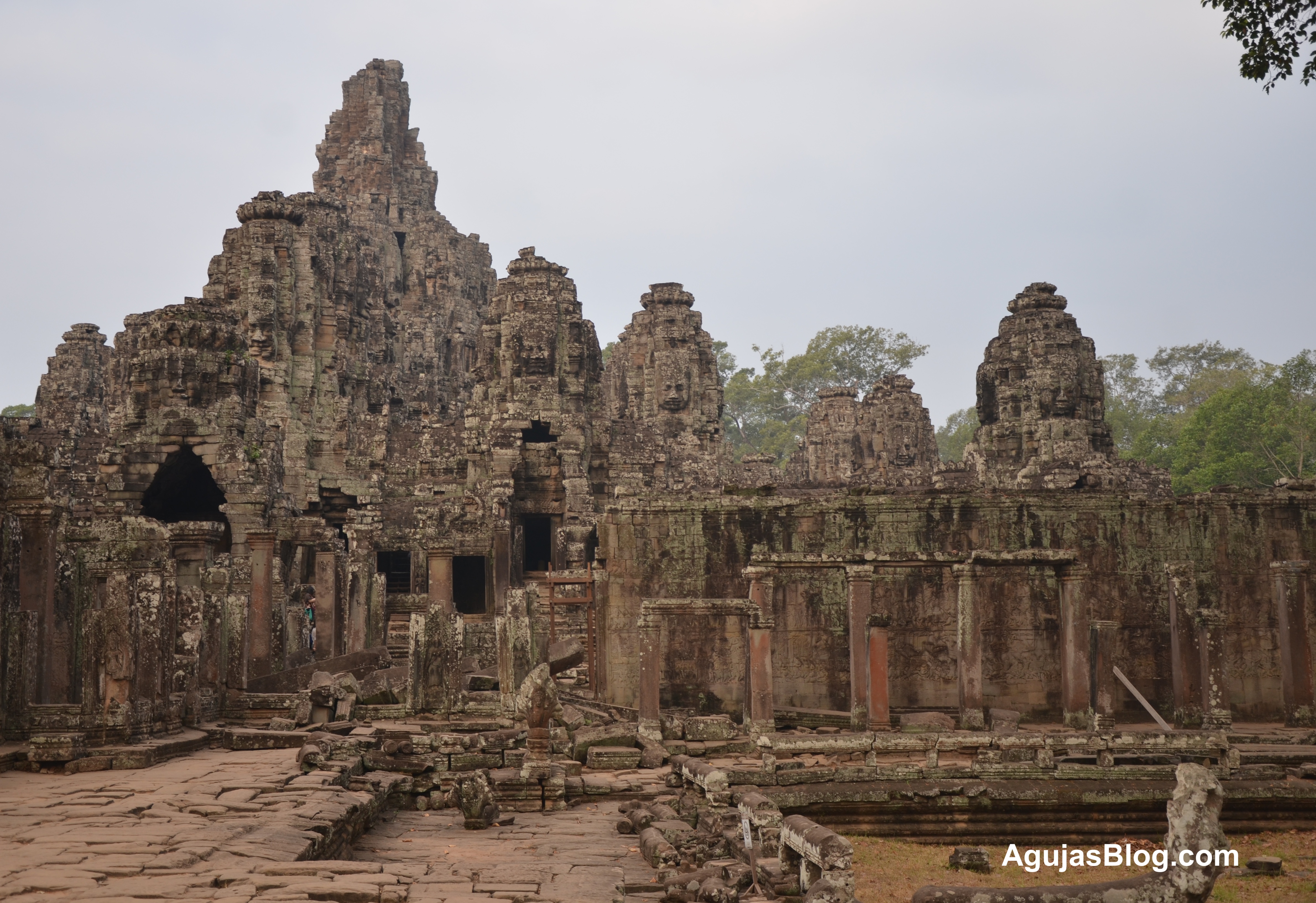
Some of the many temple ruins. Do you see the faces?

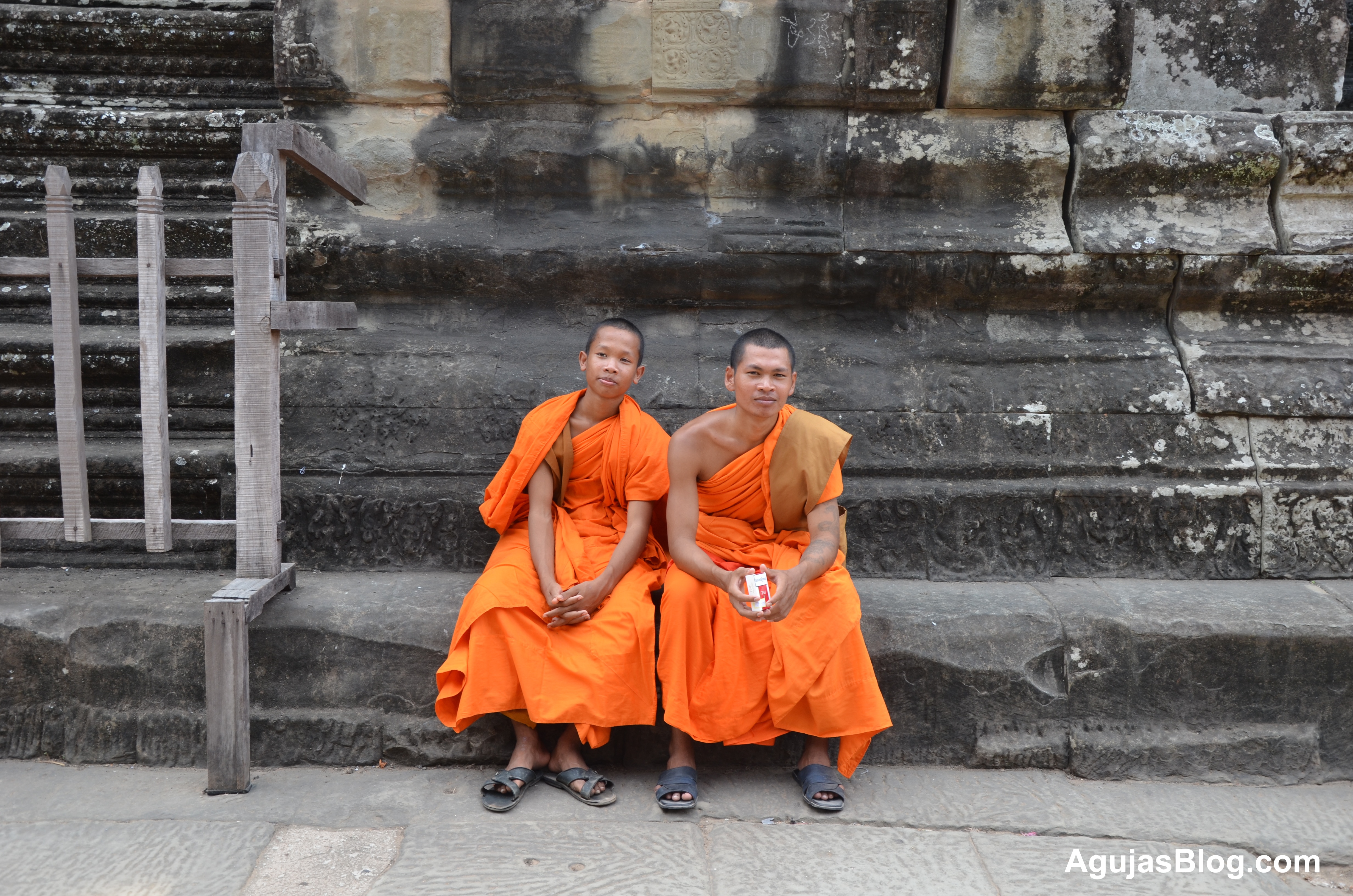
Monks care for the ancient temple. According to my husband, monks hold a place of honor. He saw people give up their seats for them at the front of busses and the people feed them every day.

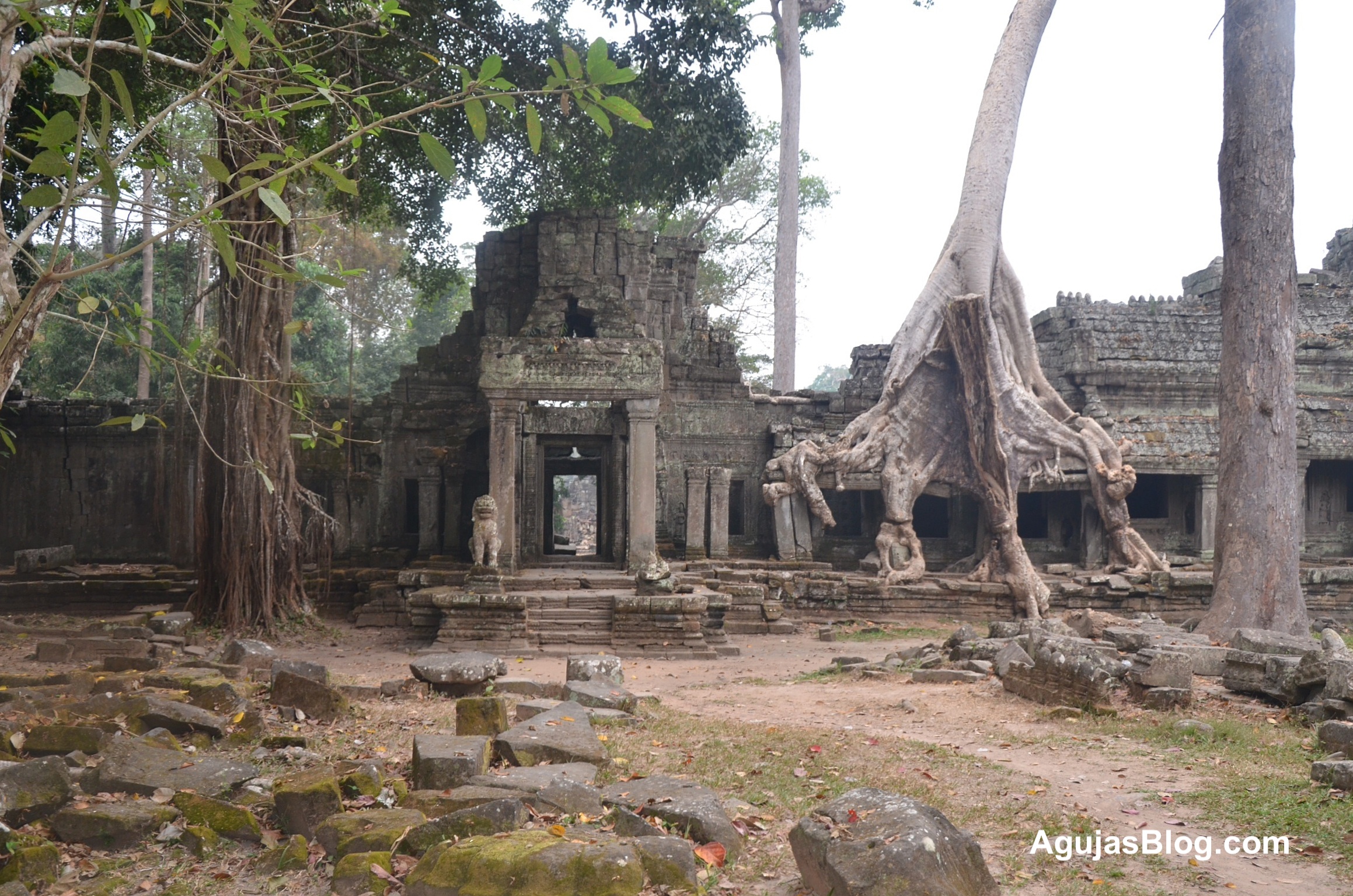
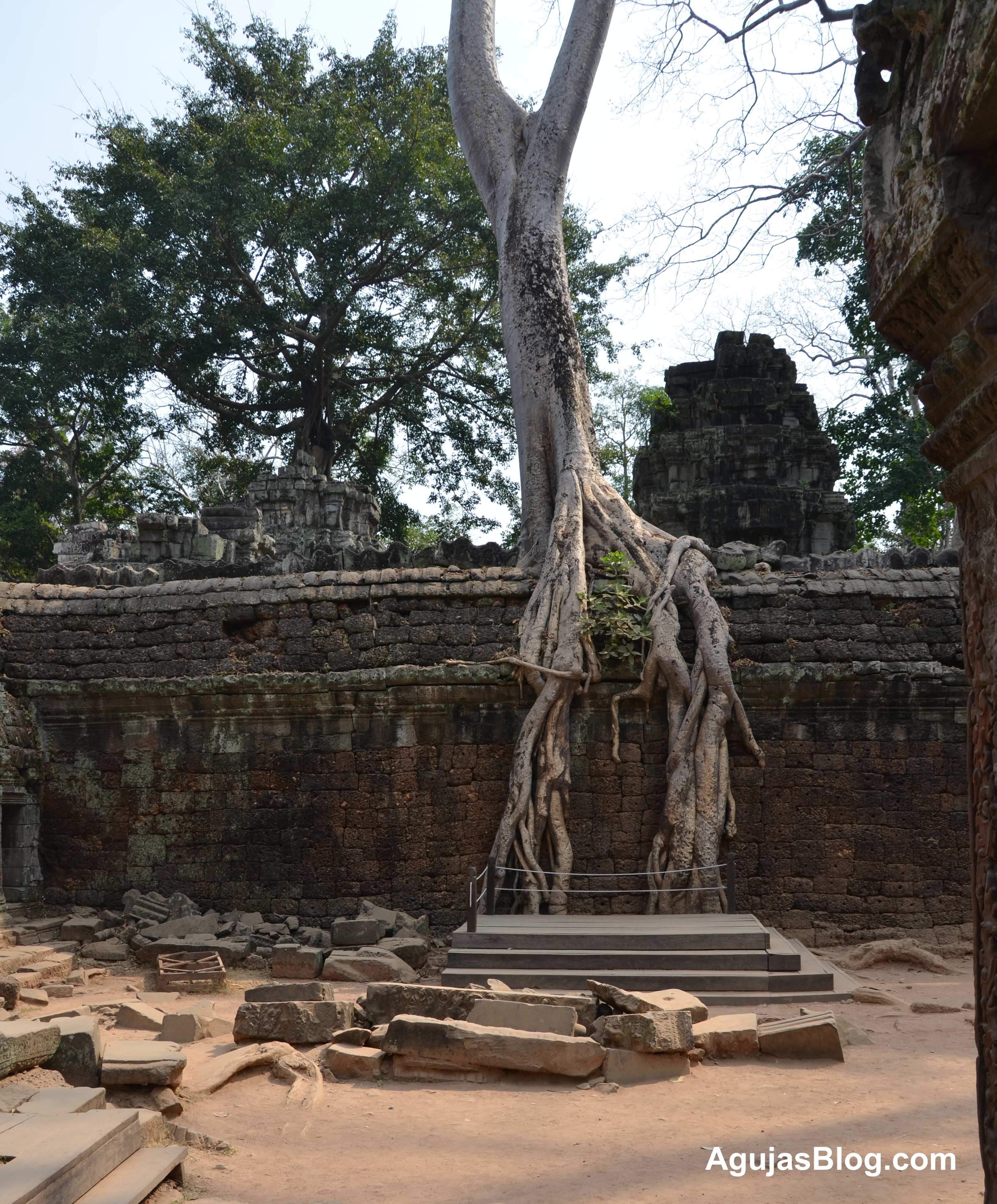
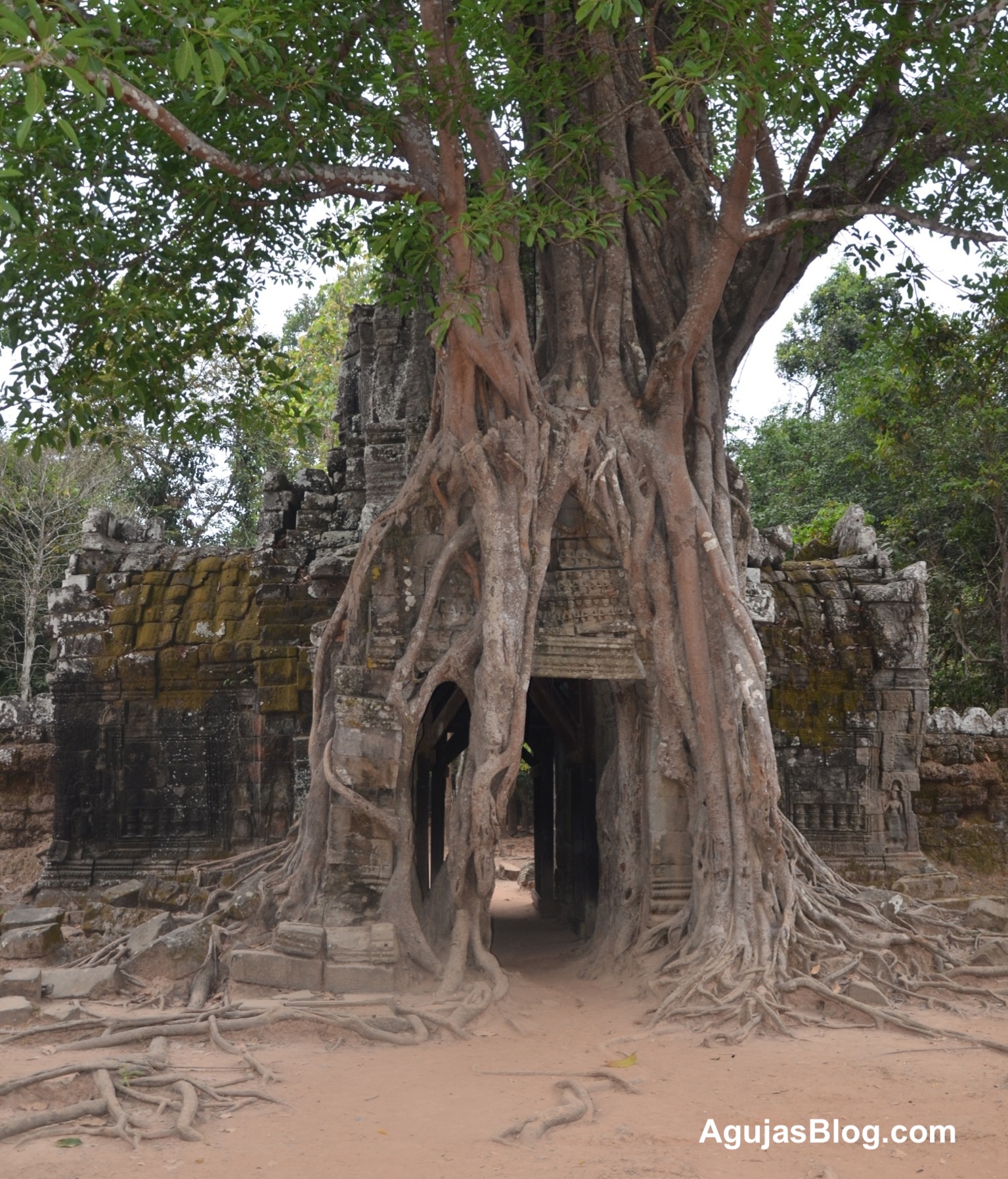
Nature will have its way.

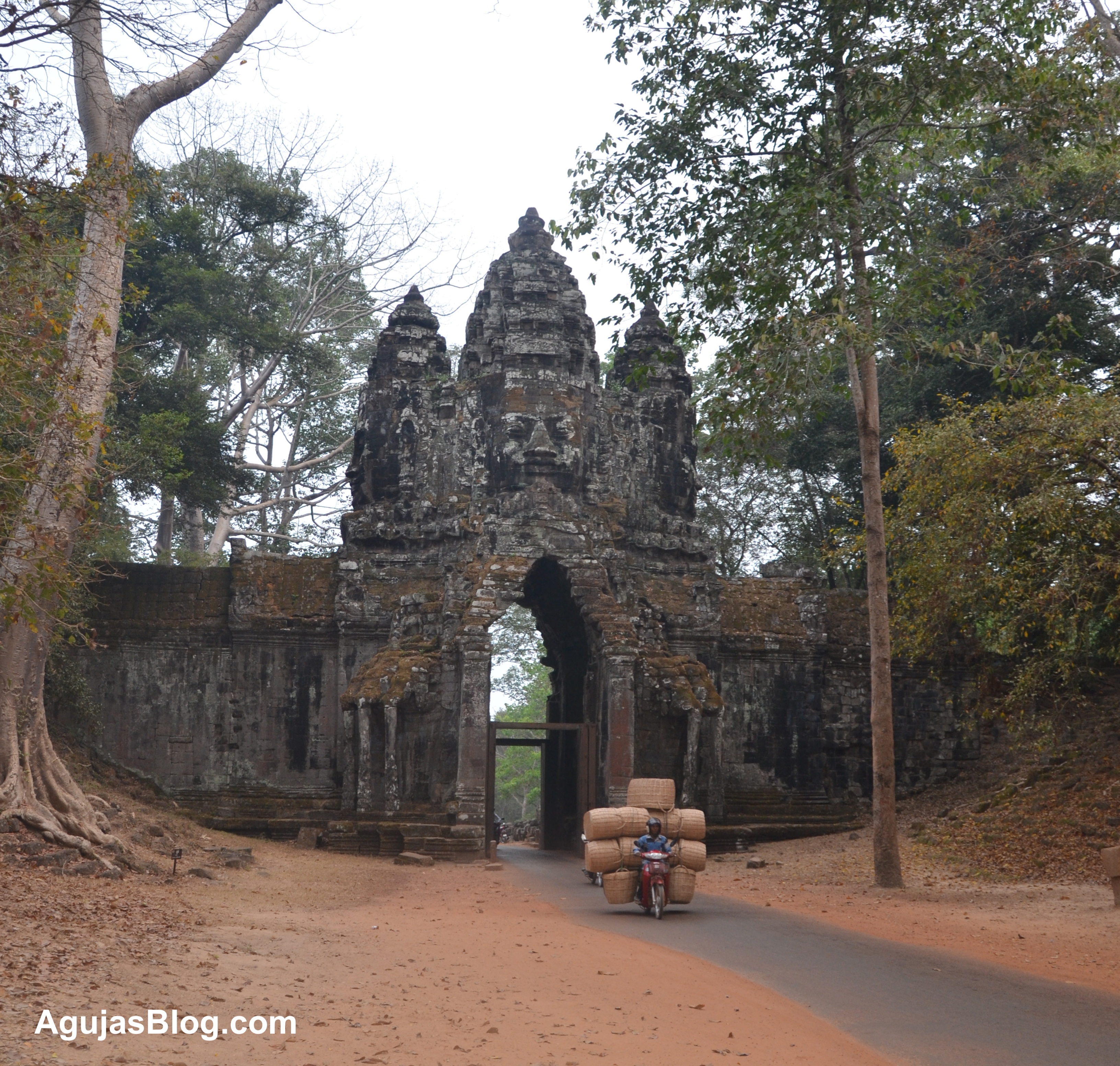
A basket wholesaler carries his wares to vendors in the city.

My husband says it took about three days to see the complex.

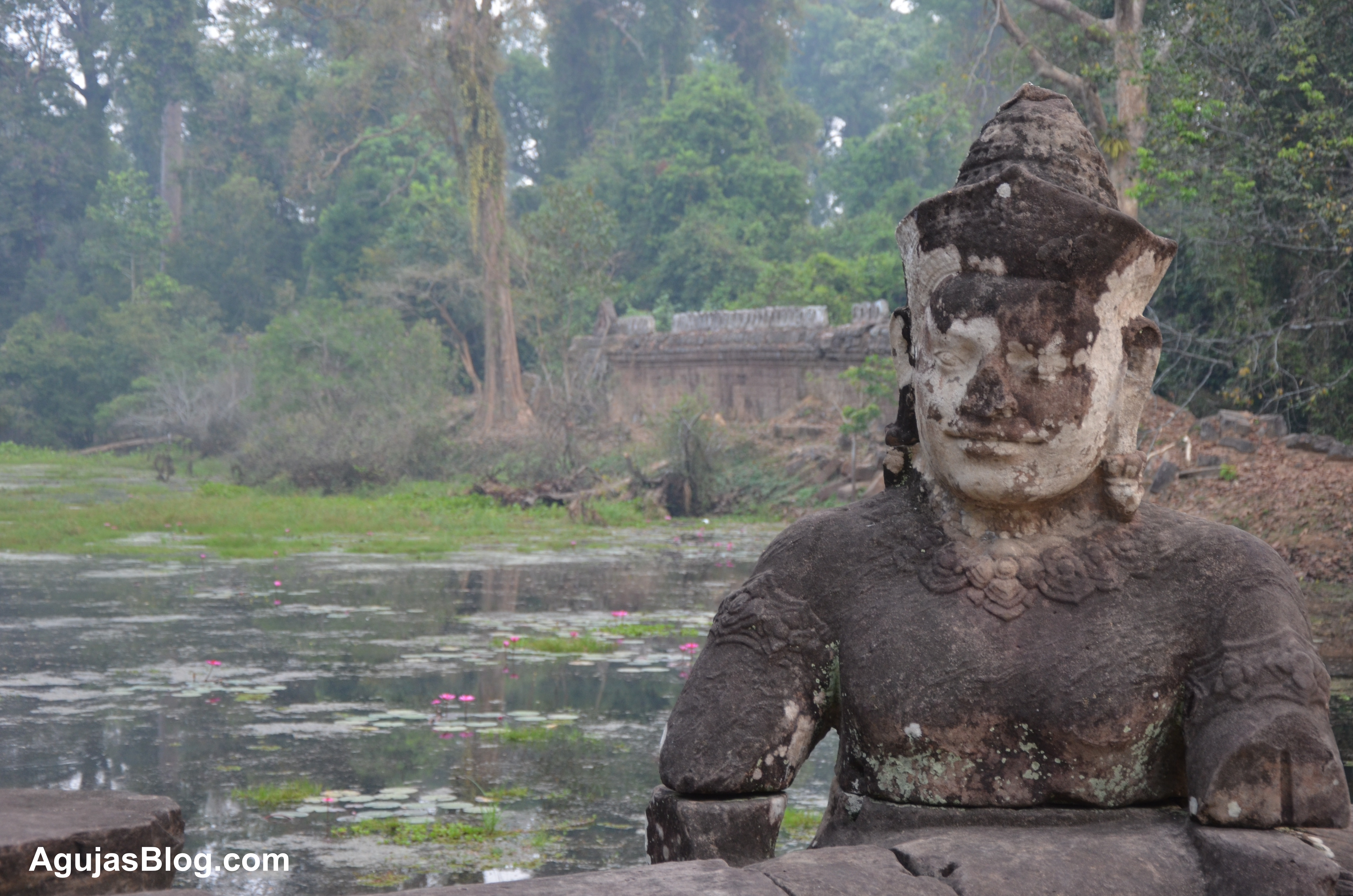
There was a row of these giant statues along the bridge.

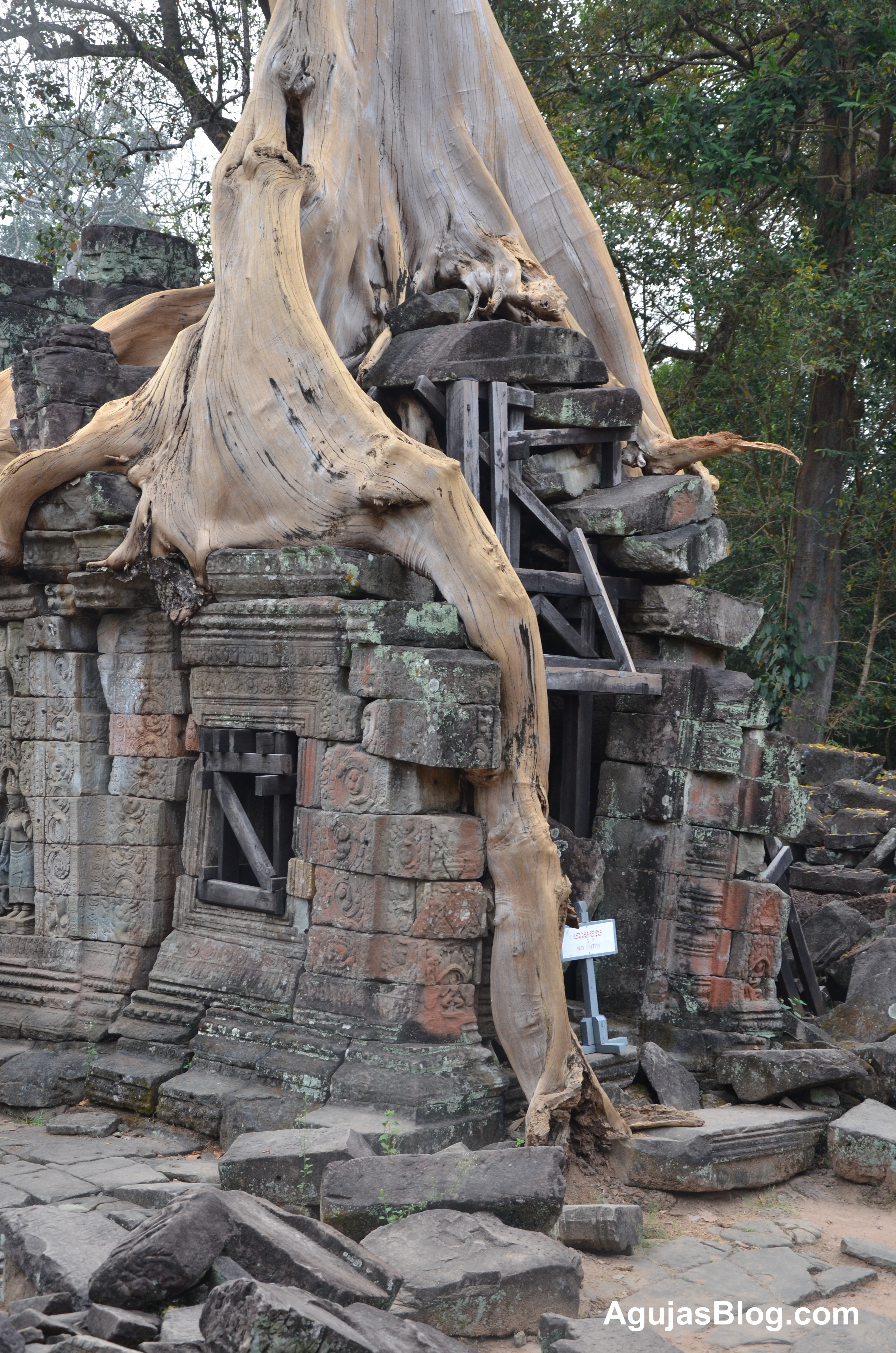
The forest continues to swallow up the temple.

To learn more, visit the Angkor Wat UNESCO World Heritage site.

Spinning Silk in Thailand

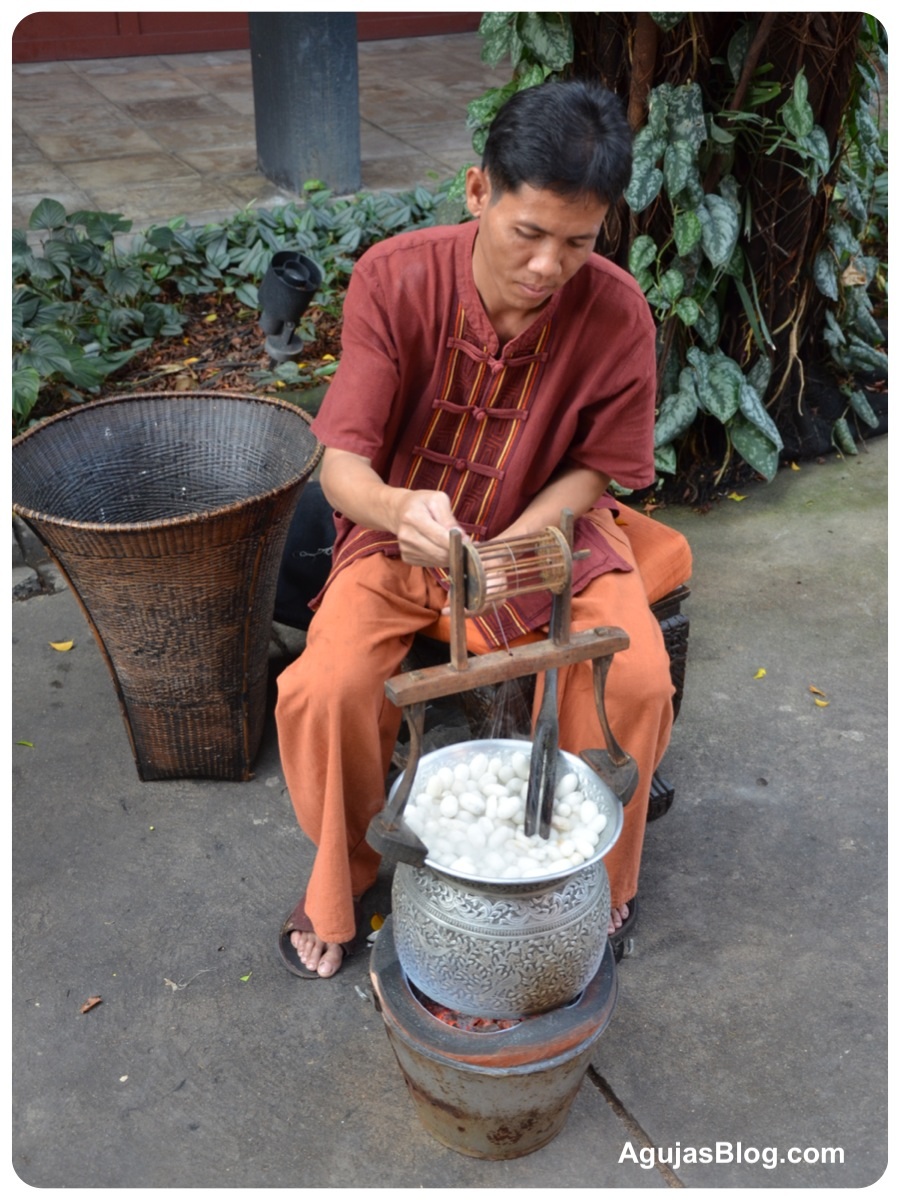
My husband is traveling in Thailand and sent me these photographs. I think he knew I would like them. This first photograph shows a Thai man spinning silk. Look closely and you will see the delicate silk thread being pulled from several silkworm cocoons.

Spinning Silk from Cocoons

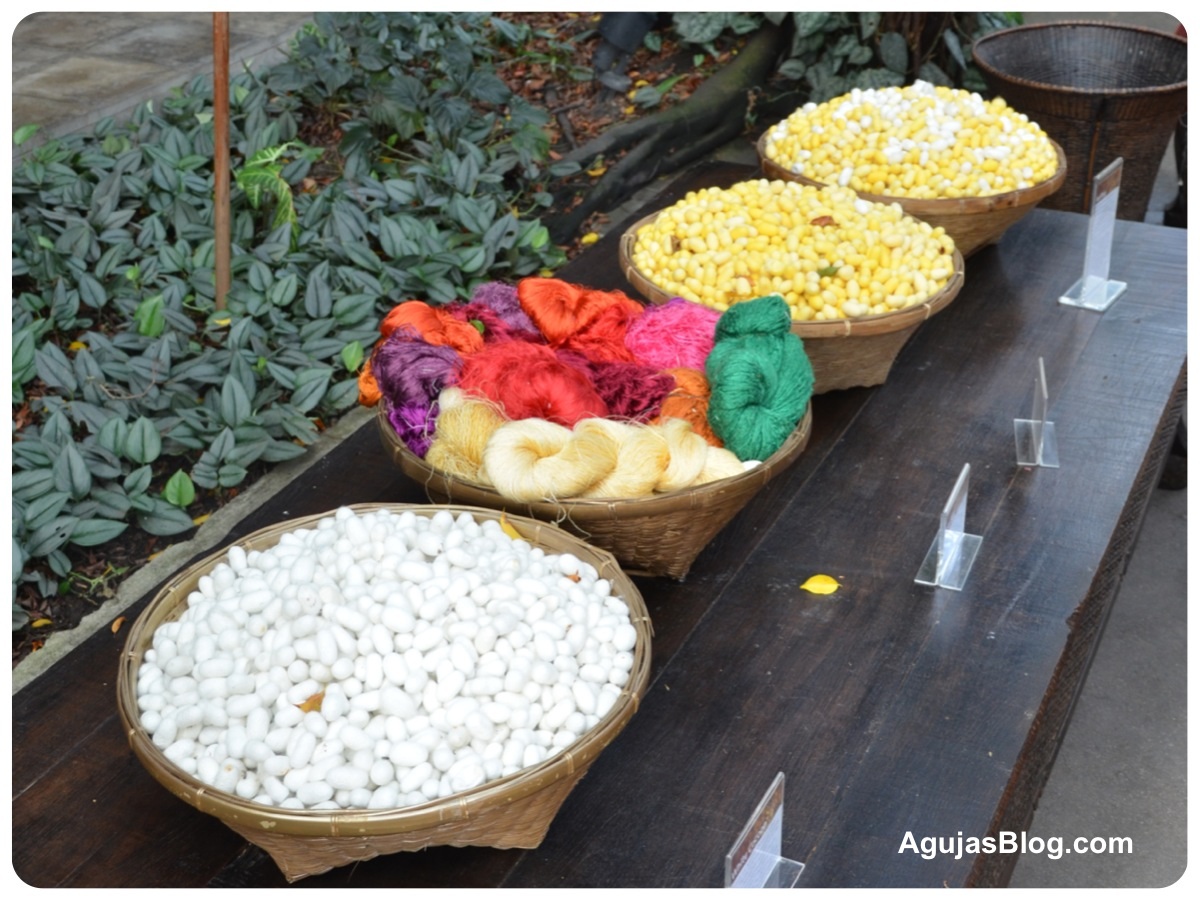
They were taken at the Jim Thompson House in Bangkok. Jim Thompson, as I soon learned, was an American architect who moved to Bangkok after World War II and subsequently established the Thai Silk Company. Look at all those silkworm cocoons!

Silk Cocoons

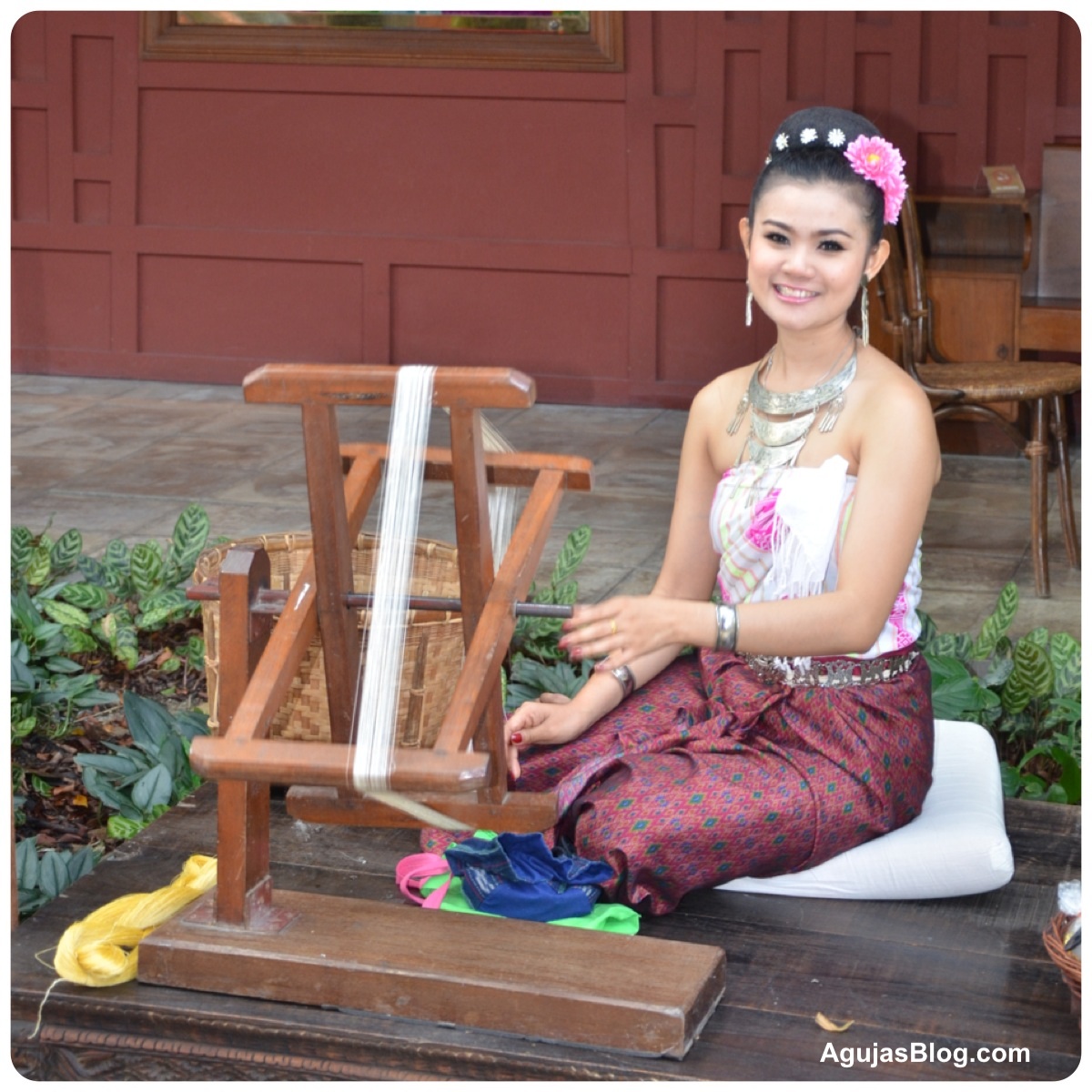
I love this photograph of a beautiful Thai girl winding the silk thread.

Winding Yarn

I have high hopes of receiving a hank or two of Thai silk yarn when he returns. (Hint, hint).