A Place for Weaving

During our trip to Comfort in search of yarn, we discovered another little gem in the quaint historic district. Comfort Crockery is immediately across the street from The Tinsmith’s Wife. The main area is dedicated to original artwork by local and regional artists. The items included pottery, glassware, jewelry and mesquite furniture. But what really drew me in was a sign that read “Loom Room.”

It turns out that Comfort Crockery offers weaving classes and all the tools needed by spinners and weavers alike. They had spindles, spinning wheels, fiber and looms. I chatted with the owner who gave me a preview of wonderful things to come. She led me through a hallway that opened up into a cavernous room that was to become the Loom Room. There were piles of lumber, saw horses and tools scattered throughout. The room was being carefully renovated.

As I soon learned, Comfort Crockery is housed in a historic building designed in the mid-1800’s by architect Alfred Giles of San Antonio. The town itself was settled by German immigrants who were “freethinkers.”

Freethinkers were German intellectuals who advocated reason and democracy over religious and political authoritarianism. Many had participated in the 1848 German revolution and sought freedom in America. They strongly supported secular education and generally did not adhere to any formal religious doctrines. They applied themselves to the crafts of physical labor and divided their time between farming and intellectual pursuits. Freethinkers advocated universal equal rights, and their moral values were dominated by their respect for life. They actively supported such social issues as the abolition of slavery and the rejection of secession. (Source)

So our quaint afternoon in search of yarn became a wonderful mini history lesson. These are some of the things I saw at Comfort Crockery.

Knitting in Comfort

Anytime I travel, besides booking a room and mapping out my route, I always look up local yarn stores. On our girl’s weekend to Fredericksburg, I found two listings that looked promising but turned into dead ends. Stonehill Spinning simply wasn’t there. In its place was a vitamin shop. I have nothing against vitamins but it was disappointing. The next shop, Things in a Room, was there on Main Street but no longer carried yarn.

But our adventure didn’t end in Fredericksburg. On our way back, we took US 87 south toward Interstate 10, which took us through Comfort, Texas. There, on a balmy Sunday afternoon, was The Tinsmith’s Wife.

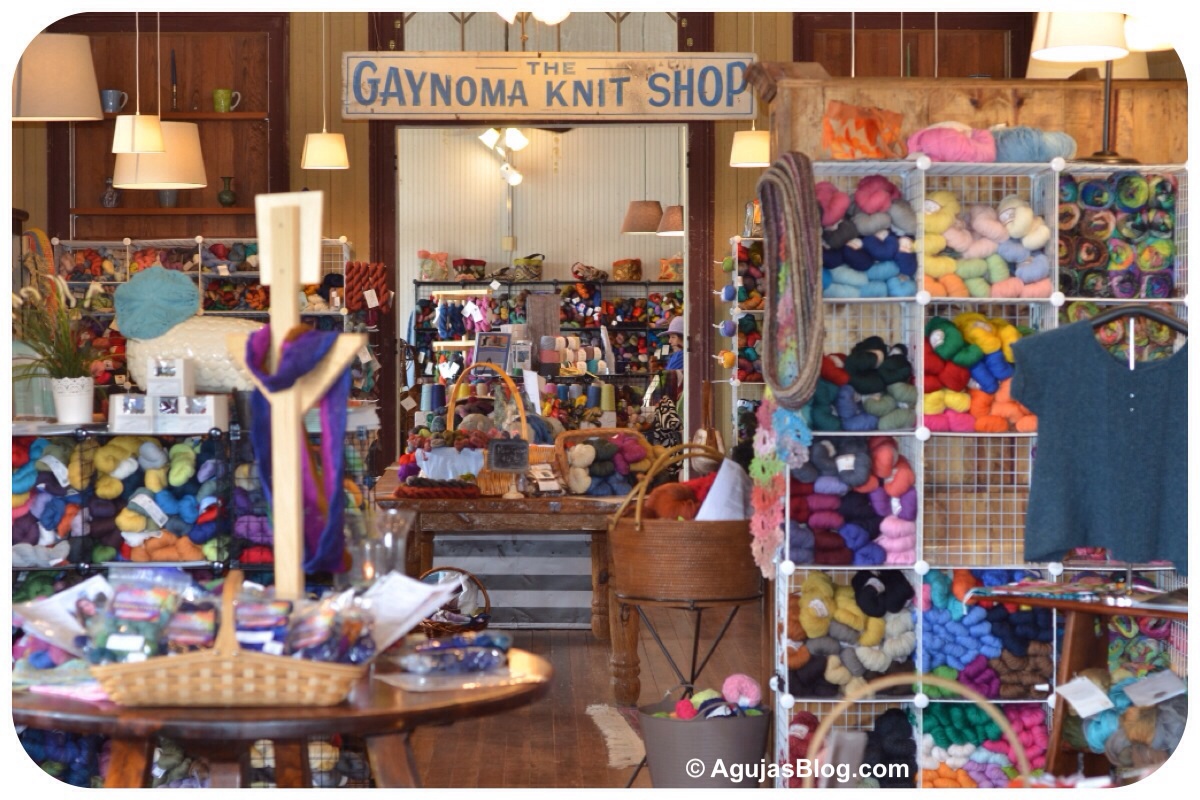
The Tinsmith's Wife - Interior

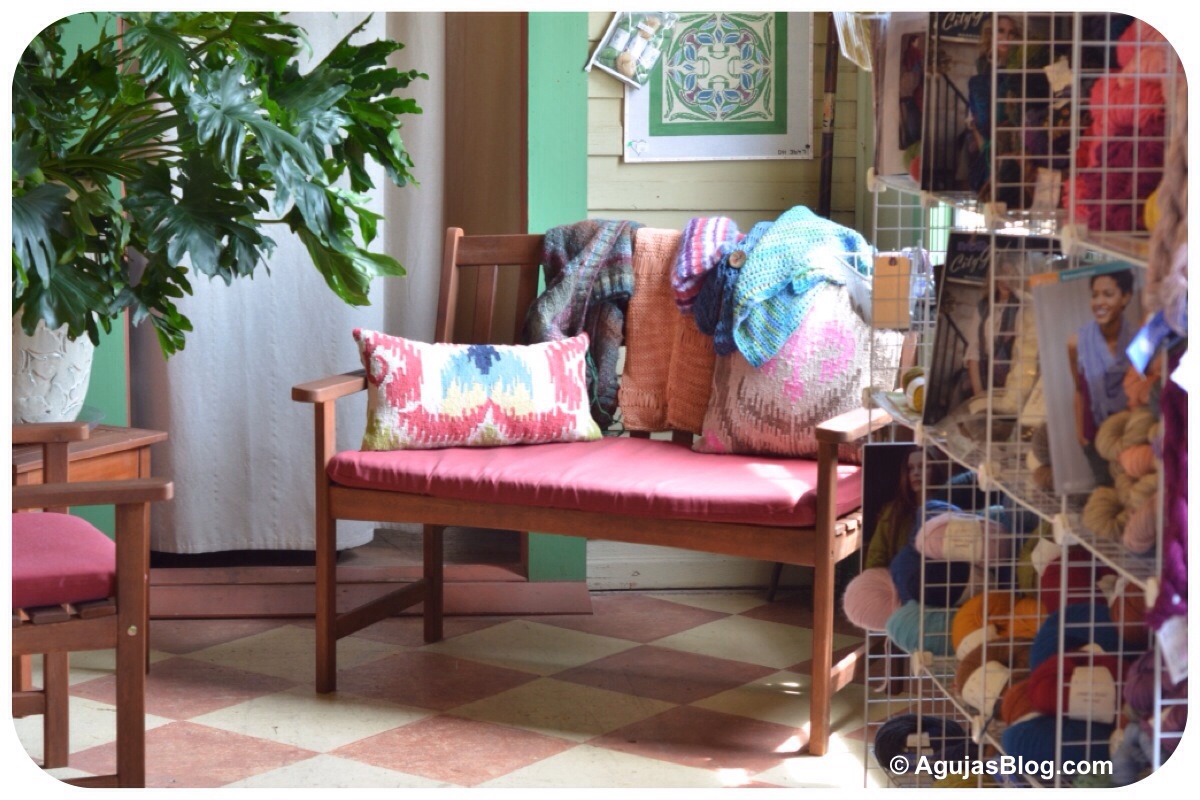
Located in the historic downtown, The Tinsmith’s Wife fills six large rooms with beautiful, colorful, exquisite yarn. There is one room with a large table for sitting and knitting. Other sitting areas are scattered throughout. This one was my favorite. Can you imagine sitting there, knitting in comfort and feeling the warmth of the sun on your face?

The Tinsmith's Wife - Sitting Area

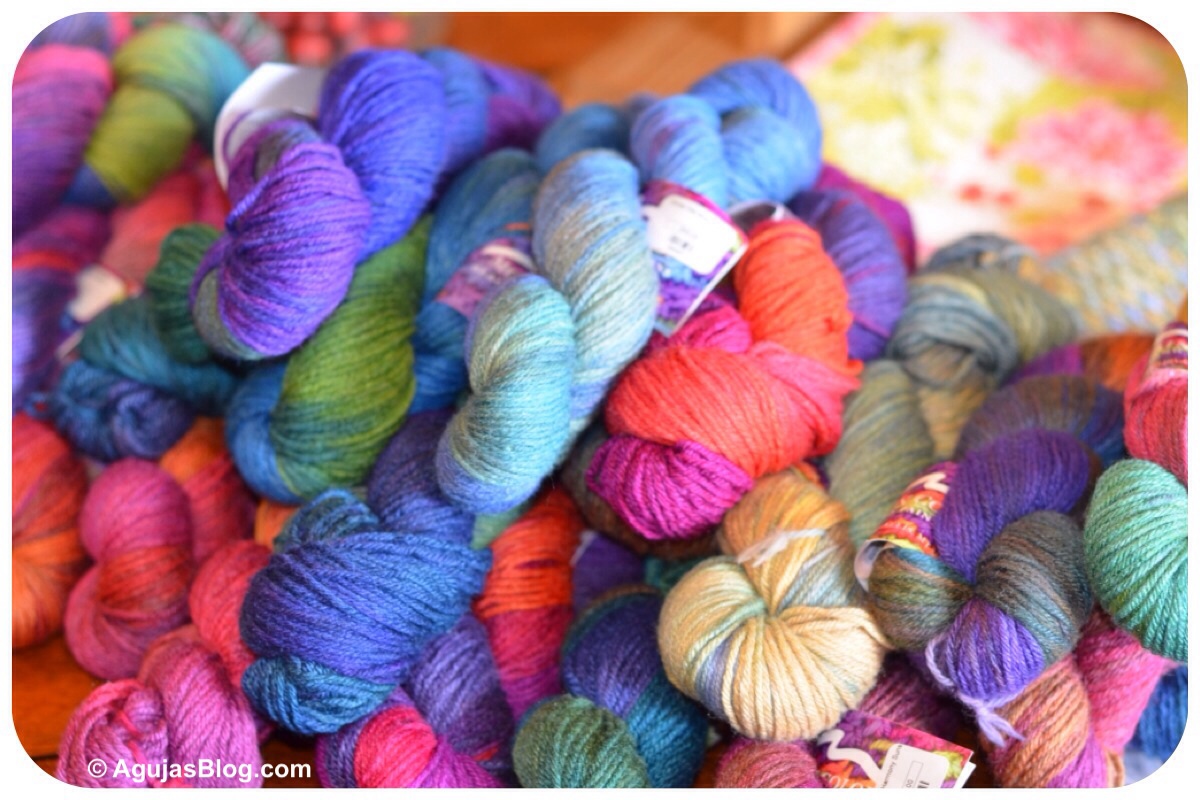
Then there was the yarn.

The Tinsmith's Wife - Yarn 1

The Tinsmith's Wife - Yarn 2

Feeling light-headed yet?

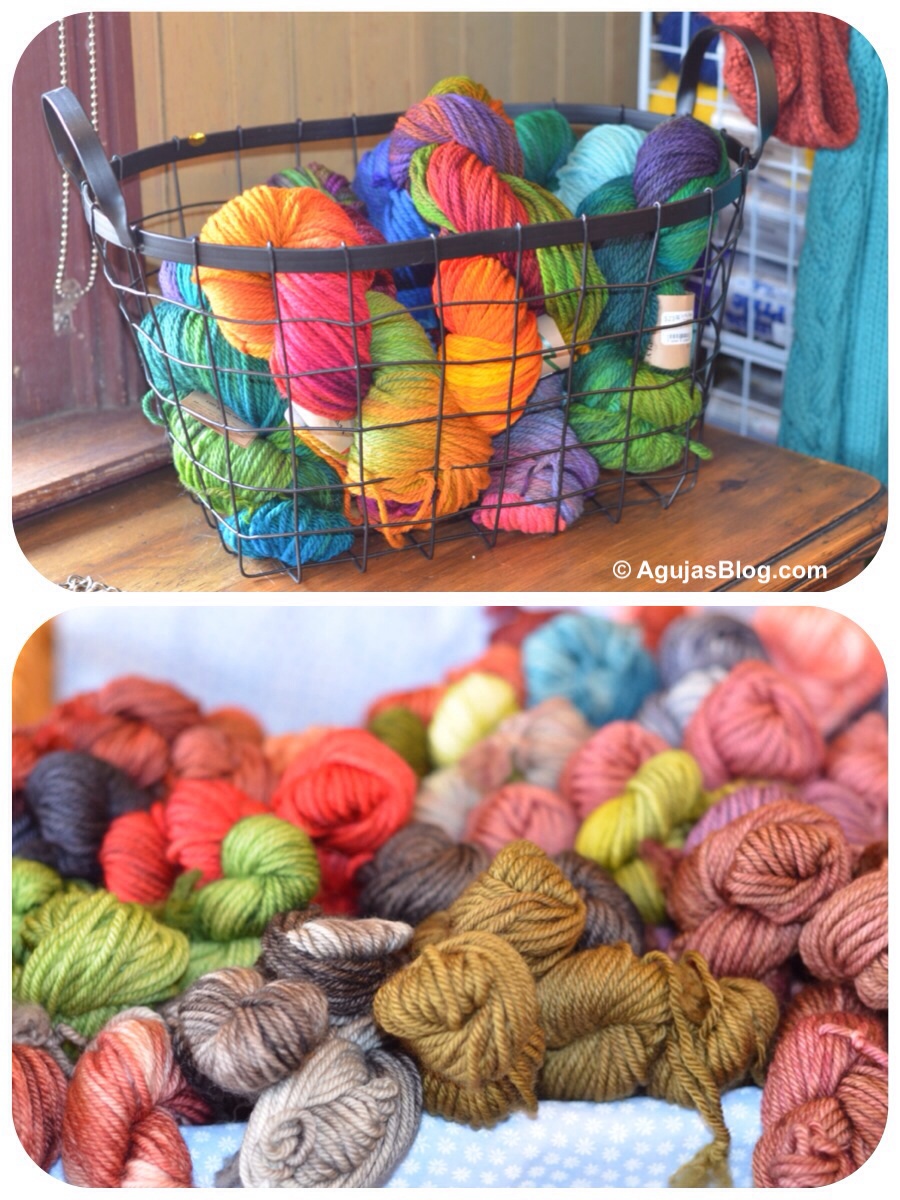
The Tinsmith's Wife - Yarn 3

The Tinsmith's Wife - Yarn 4

You should have seen my mother and my aunt. They behaved like giddy school girls trying on the sample knits and choosing the yarns they wanted so that I could knit shawls, scarves and sweaters for them. Clearly they forgot that I actually do have a day job and do not, as much as I would like, spend all my days knitting.

The Tinsmith's Wife - Yarn 5

The Tinsmith's Wife - Yarn 6

Wendy, the owner, was lovely and helpful. She let me know that The Tinsmith’s Wife is a stop along the 2014 Hill Country Yarn Crawl. The dates are already on my calendar.

2014 Hill Country Yarn Crawl Logo
(Source)

La Casa Rosada

You didn’t think I would pass up an opportunity to visit a yarn store, did you? Besides the beauty of gold, emeralds, textiles, art and salt mines, there was yarn.

Case Rosada - Inside

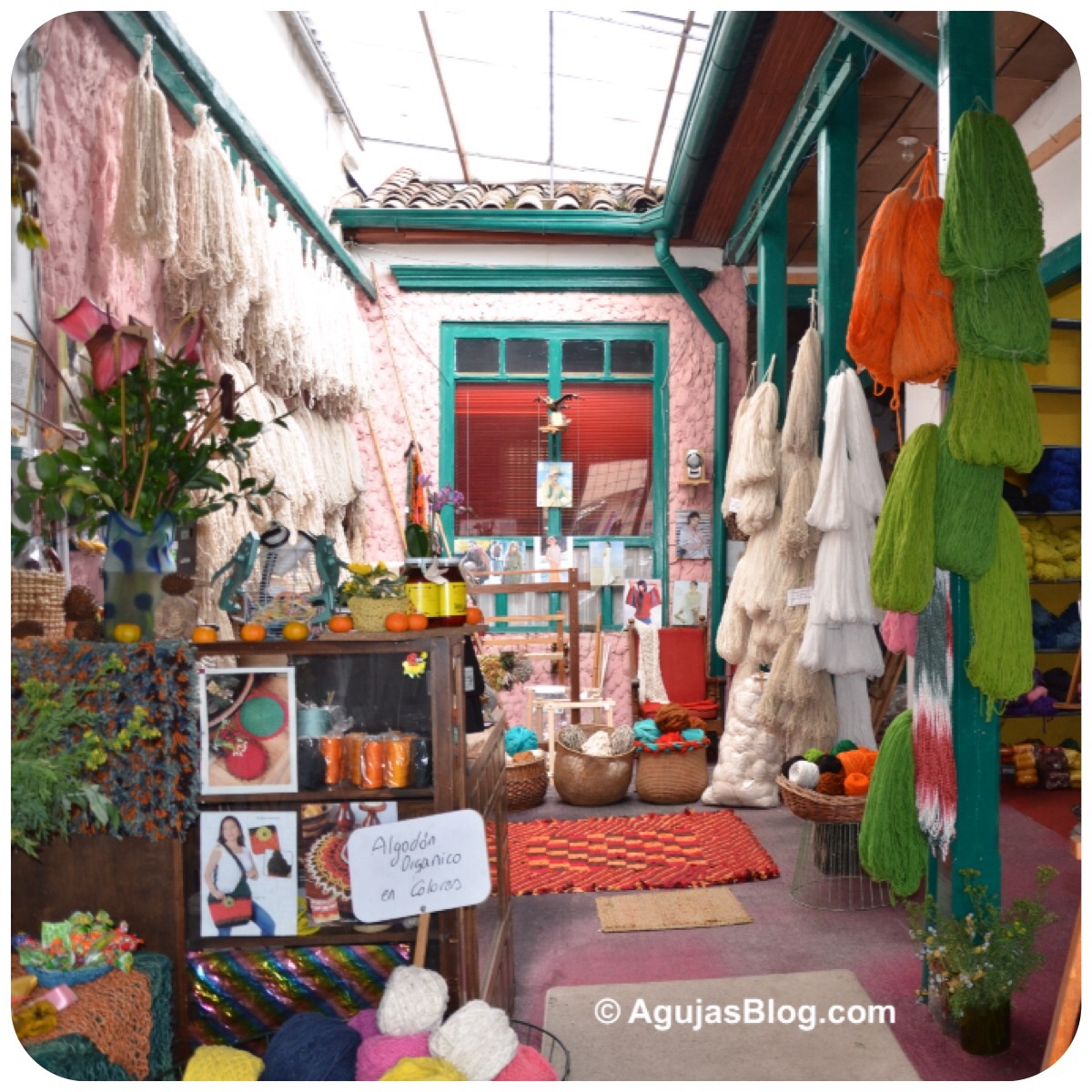
When I entered La Casa Rosada (The Pink House) I thought I was in the yarn candy store of my dreams. The proprietress opened the shop for me and let me ogle and touch to my heart’s content. I had the place all to myself.

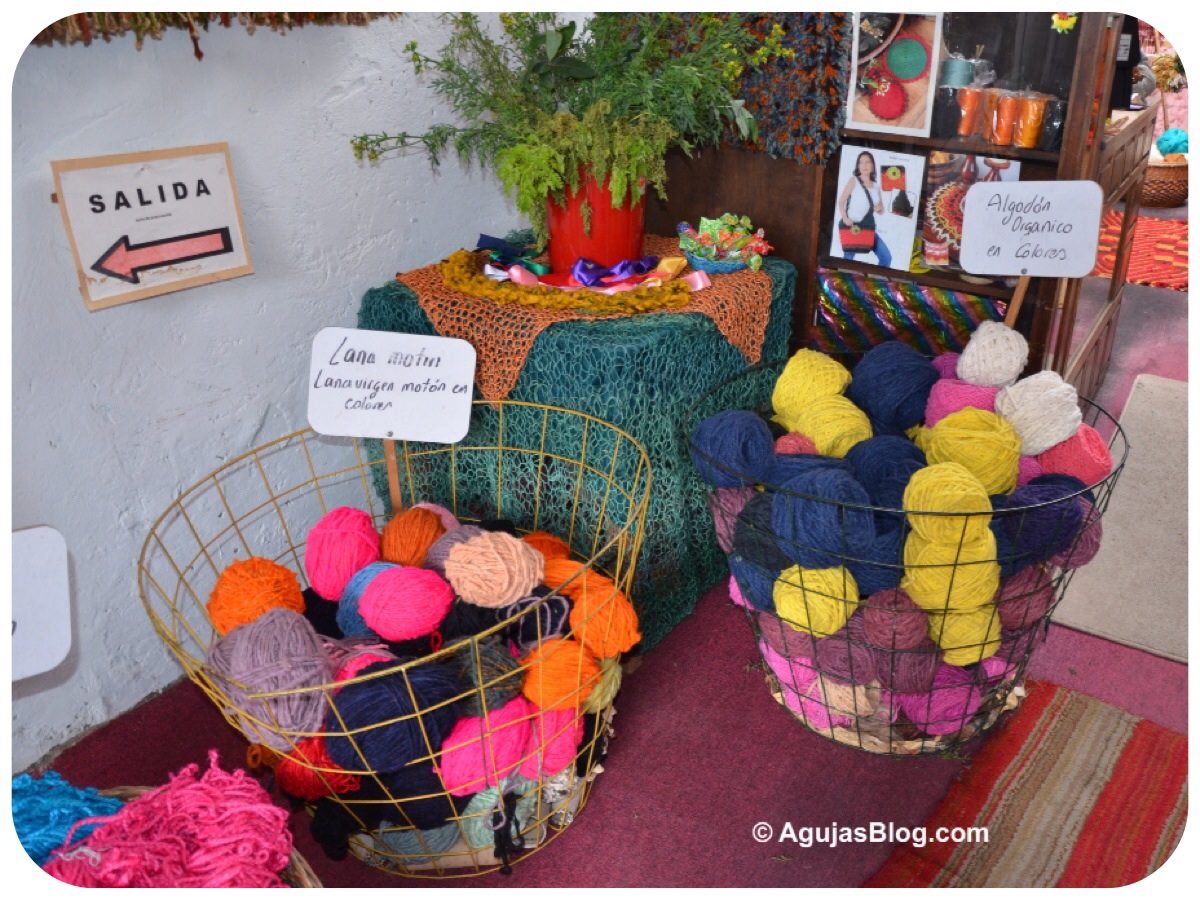
Casa Rosada - Lana Motín y Algodón Orgánico

I found out about this jewel from an online search and from Classy Crochet’s blog. The shop is located in what looks like a residential street. It’s easy to spot, just look for the bright pink facade.

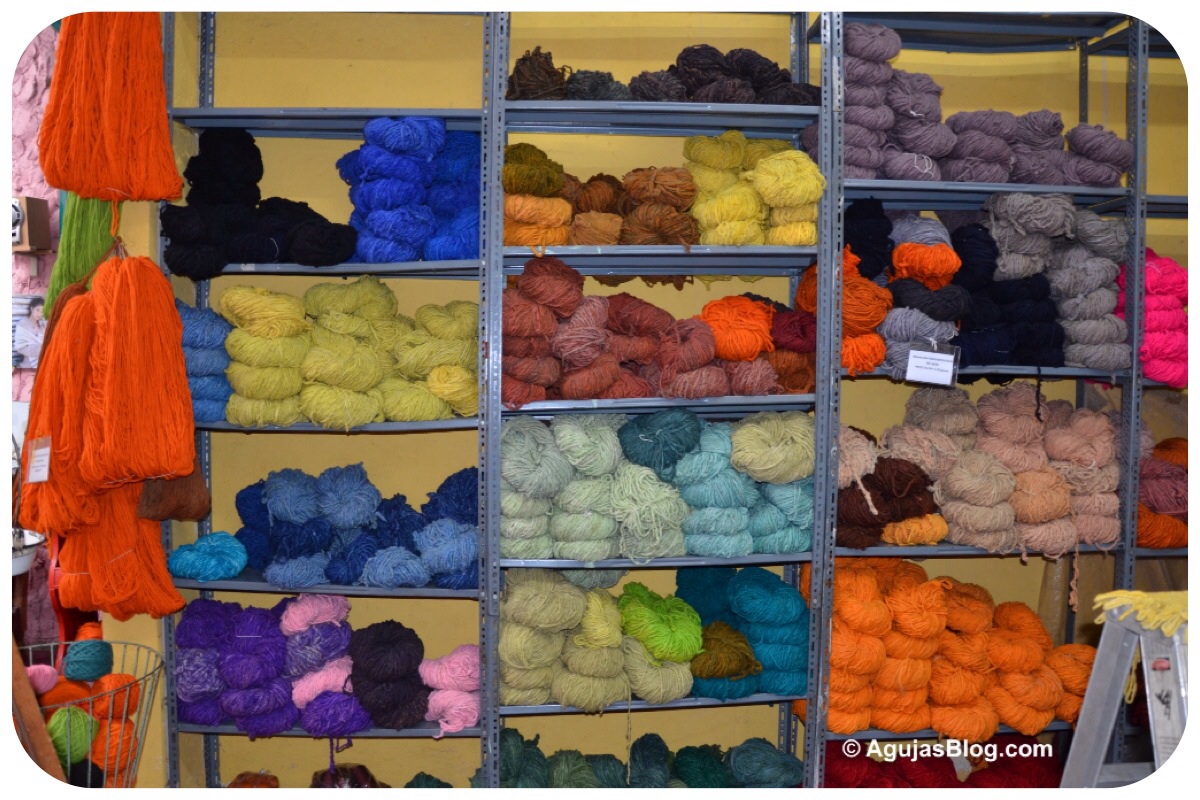
Casa Rosada - Lanas en color

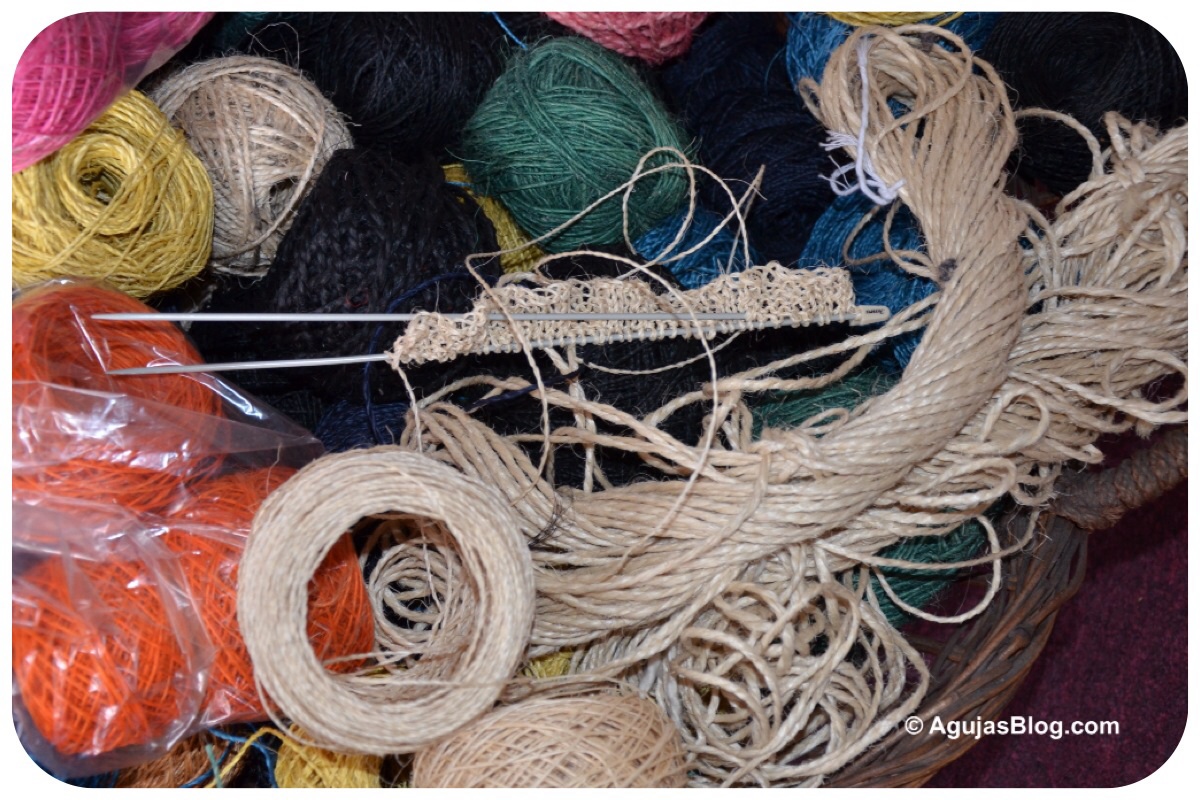
La Casa Rosada sells yarns made from natural fibers including cumare (a native palm tree), yute (jute, a vegetable fiber), cabuya ripiw (a natural fiber from the leaves of the fique plant, similar to hemp), pita (fiber from agave plants), bamboo, and strips of leather.

Casa Rosada - Cabuya ripiw en fique

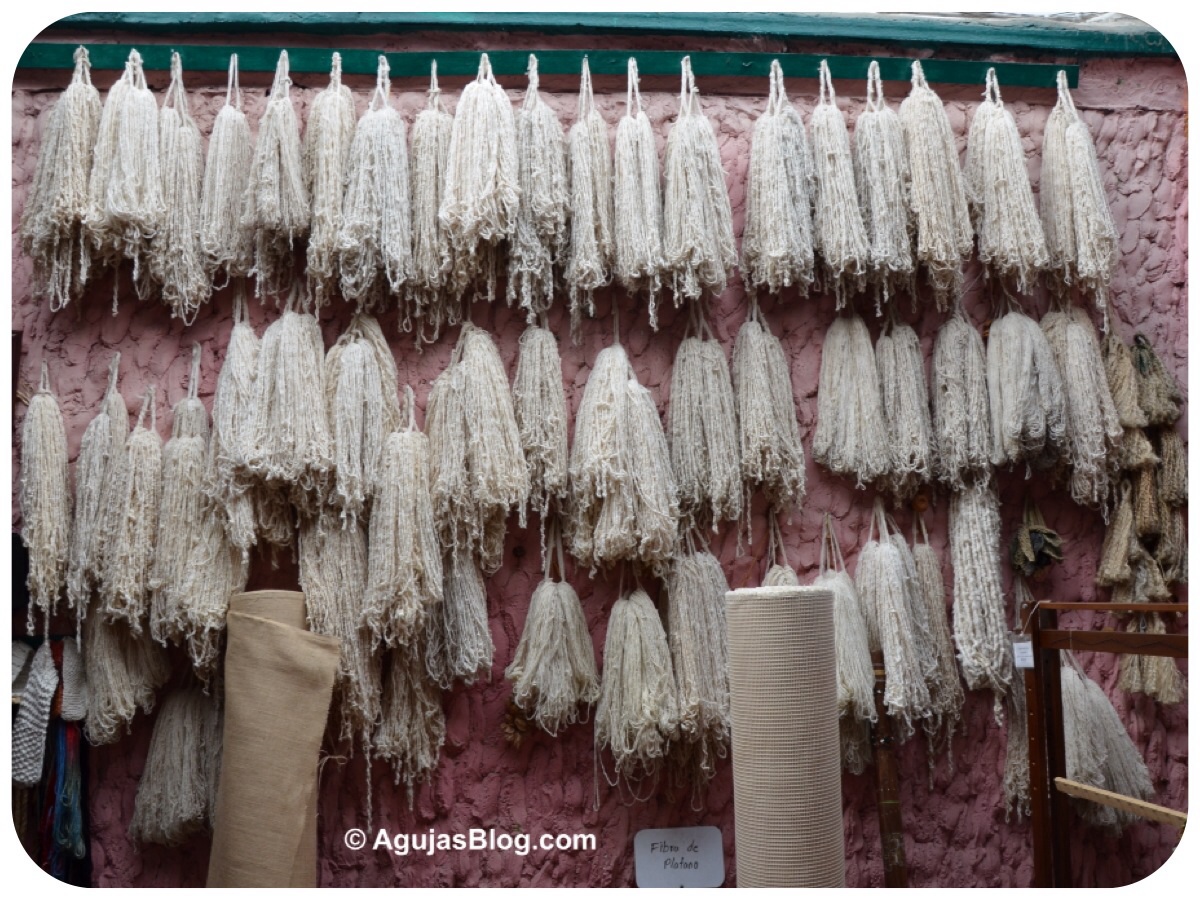
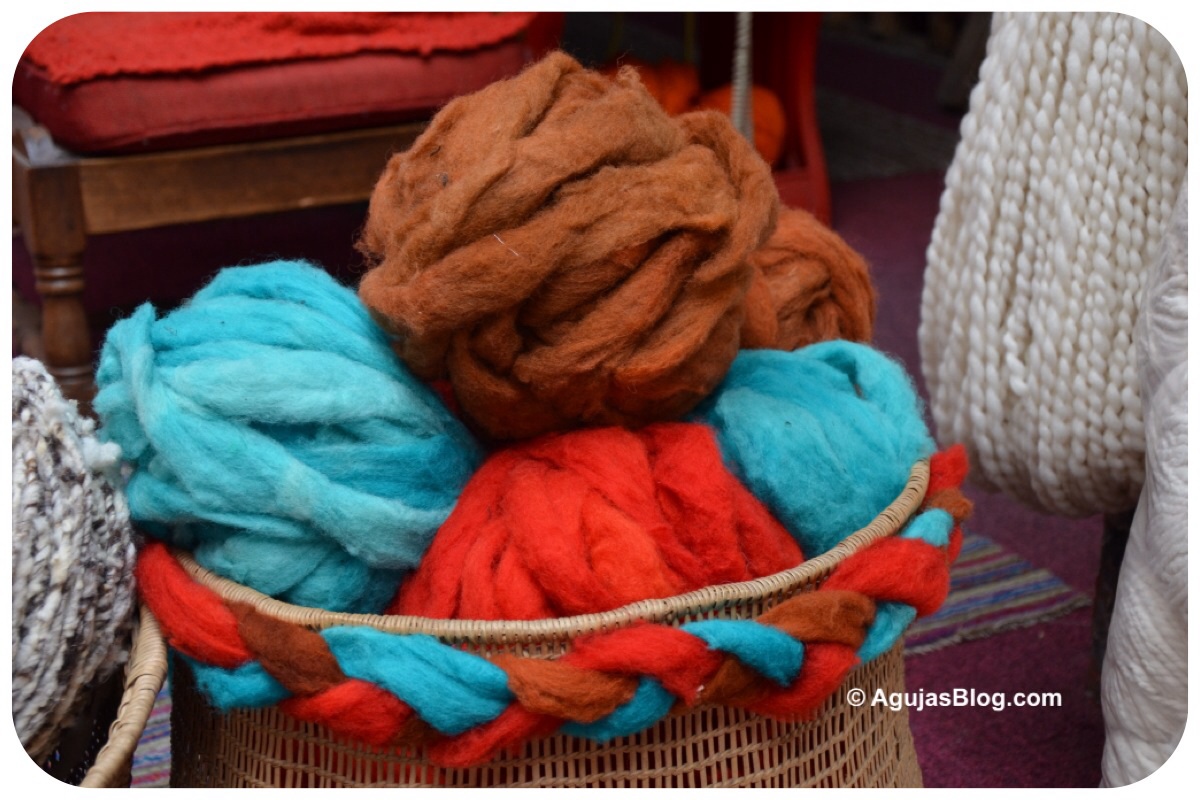
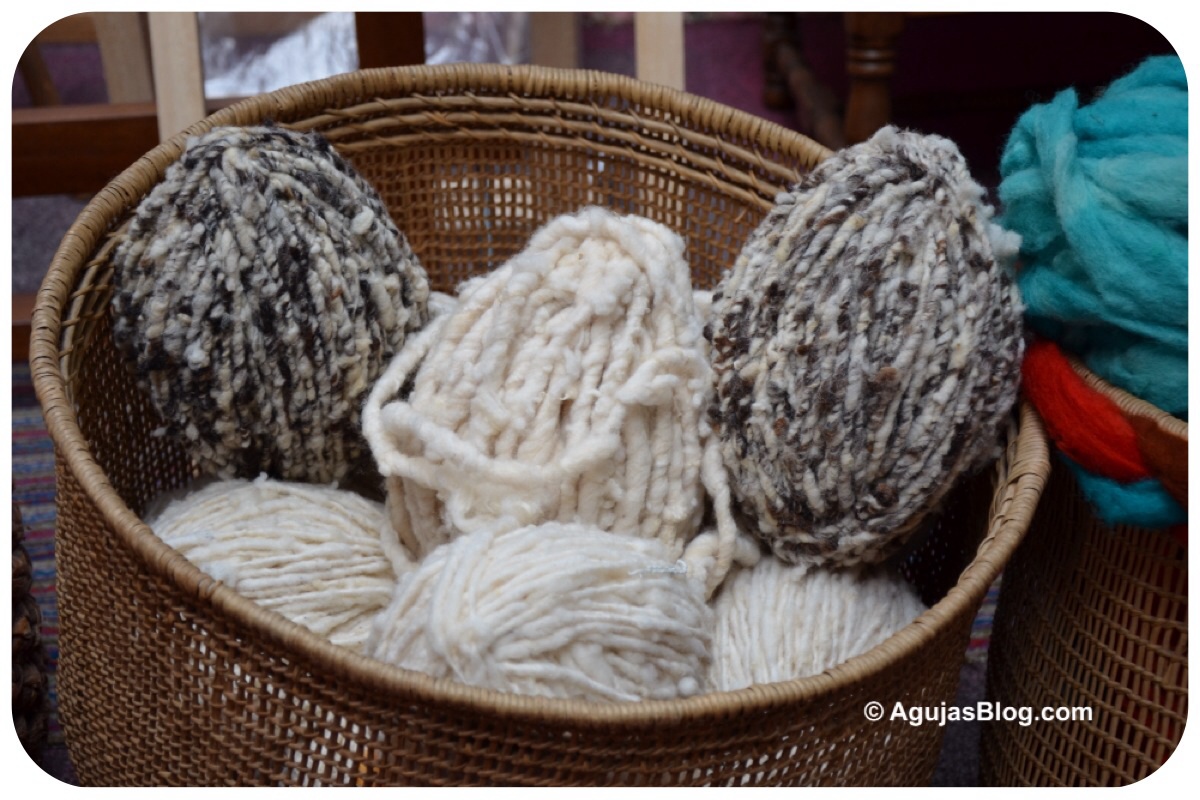
They carry wool and cotton in many weights, both dyed and in natural hues. Those large rolls are woven out of sisal and the barely visible sign below reads “fibra de plátano” on a basket filled with yarn spun out of banana leaf fibers.

Casa Rosada - Lanas sin color y Rollos de sisal

Casa Rosada - Lanas y Bambú

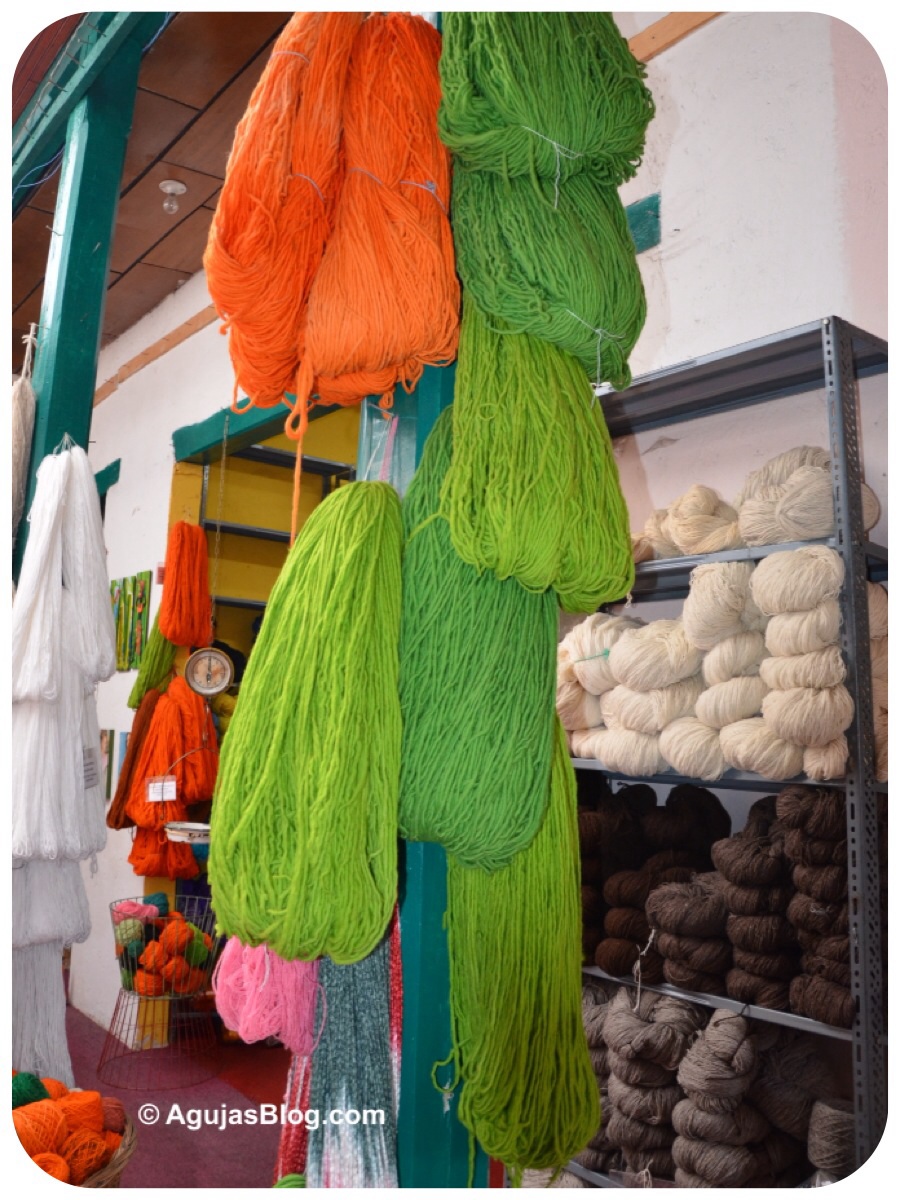
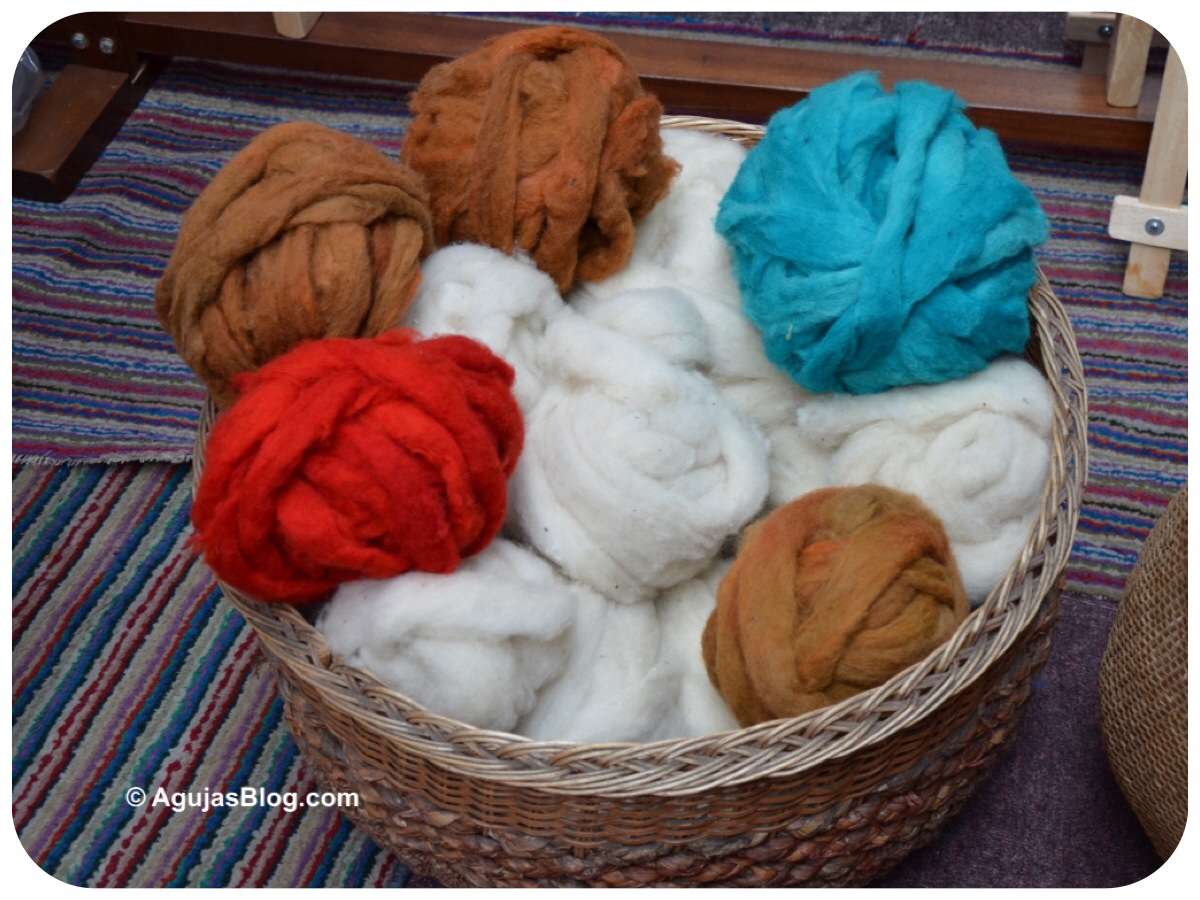
They spin their own yarn at La Casa Rosada, so all you see are natural homespun fibers turned into gigantic skeins of yarn. The diameters range from 2, 3, 4, and 8 millimeters up to 3 centimeters for bulkier yarn.

Casa Rosada - Lana para hilar 1 Casa Rosada - Lana para hilar 2

Casa Rosada - Lana moton

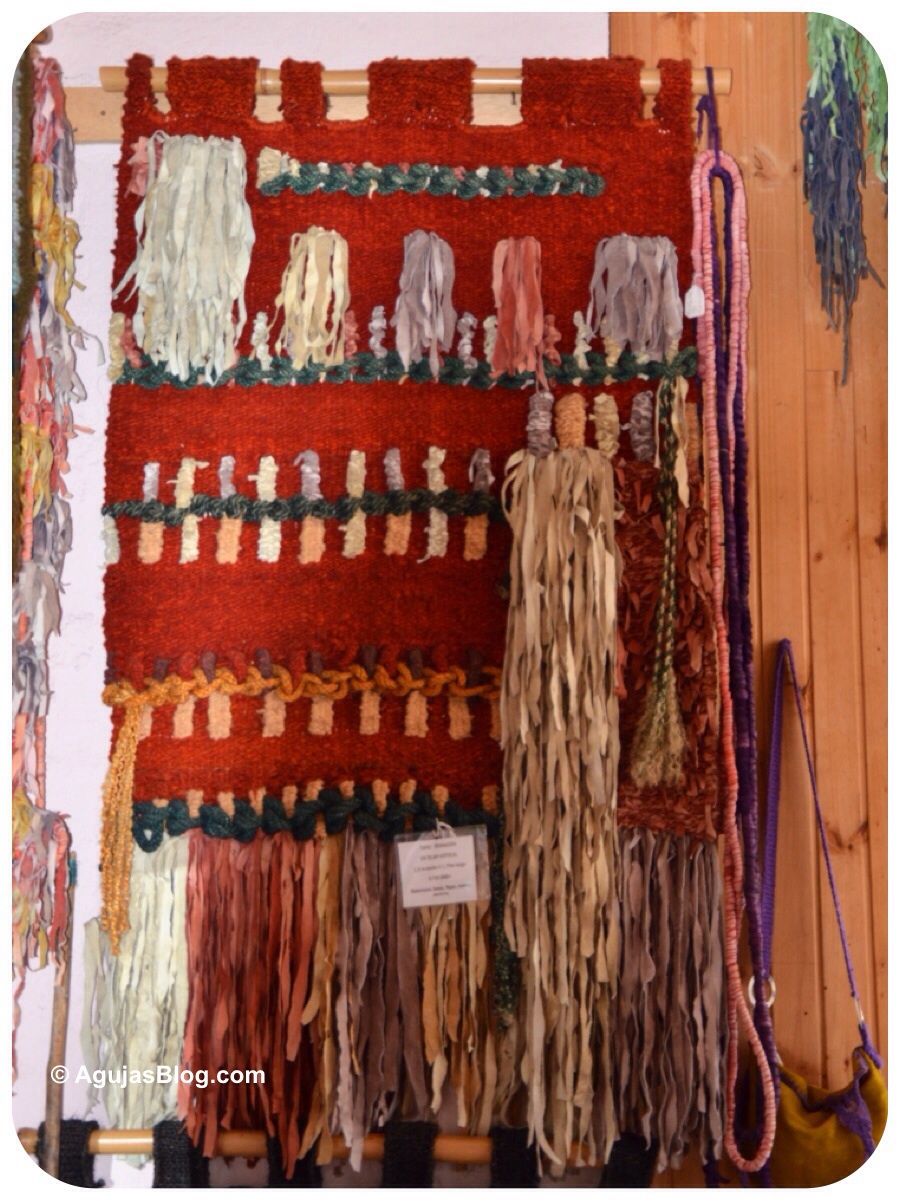
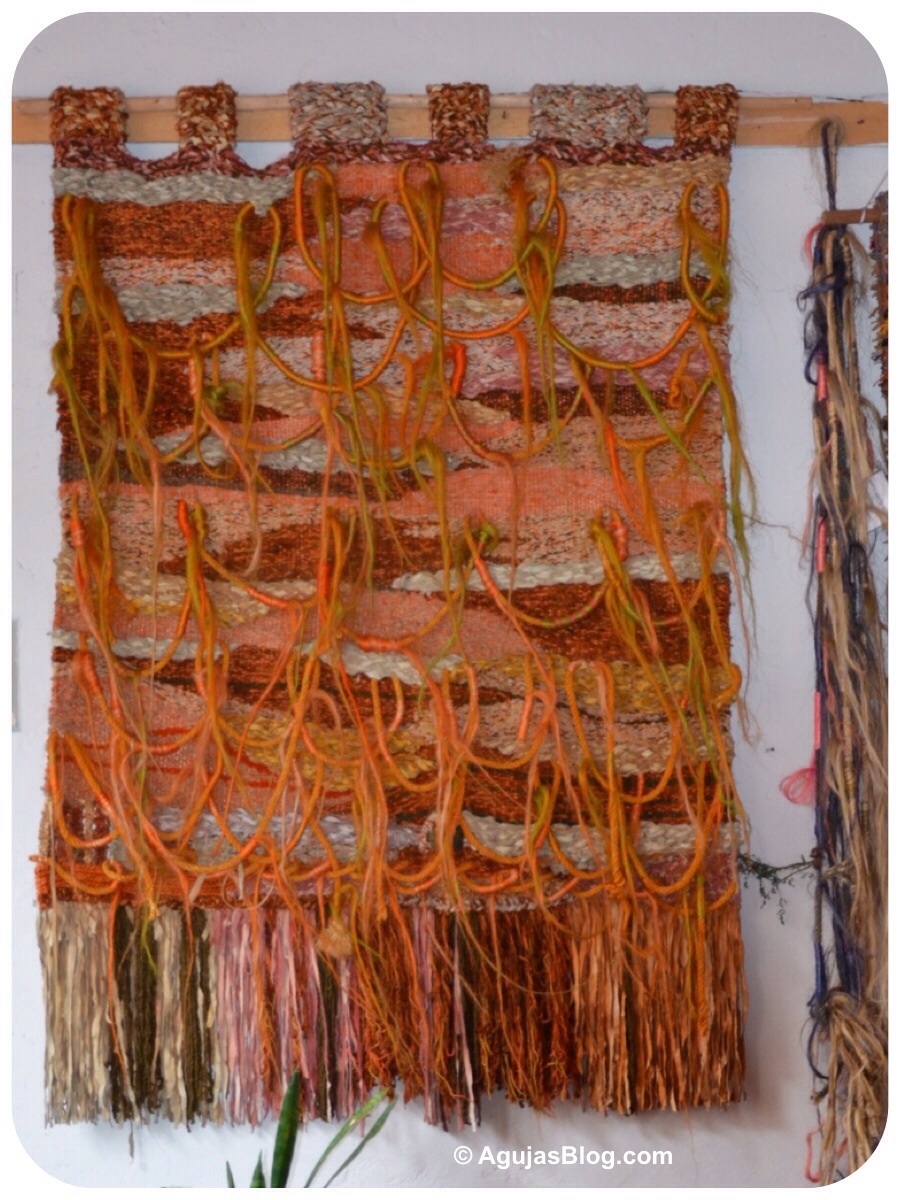
They hand weave tapestries and hammocks. I was tempted to get one, they were so impressive, but somehow didn’t think it would fit in my carry-on.

Casa Rosada - Tapiz 1Casa Rosada - Tapiz en fique y cueros

Prices are based on weight. They have a large scale on the floor where they plopped my selections. The rate was roughly $1.500 Colombian pesos per kilogram. The scale read 1.20 kilograms for a total of $175.000 pesos (about $89 USD). Given the massive quantities of beautiful, natural, hand spun yarn, I thought it was a fair price.

I would go to La Casa Rosada again in a heartbeat. Next time, I’m bringing an empty suitcase.

La Casa Rosada - Business Card

About Flowers, Birds and Yarn

China just celebrated a national holiday, the founding of the PRC on October 1, 1949. Our offices were closed so I took the opportunity to visit Hong Kong. There are 7 million people living on a land mass of 426 square miles. According to Wikipedia, it is one of the most densely populated areas in the world, and I believe it.

I stayed at a cozy little apartment in Kowloon. The apartment had a small living area and bedroom just large enough for a double bed. The kitchen took up one short wall of the living room and had 1 burner, a sink, and a washing machine under the counter. The dorm sized fridge served as a tv stand in the living room. Overall it was roughly 14×16 feet, including three feet of counter space. However tiny, it was cozy, clean, safe, located in the heart of Tsim Sua Tsui, and close to the Jordan MTR station.

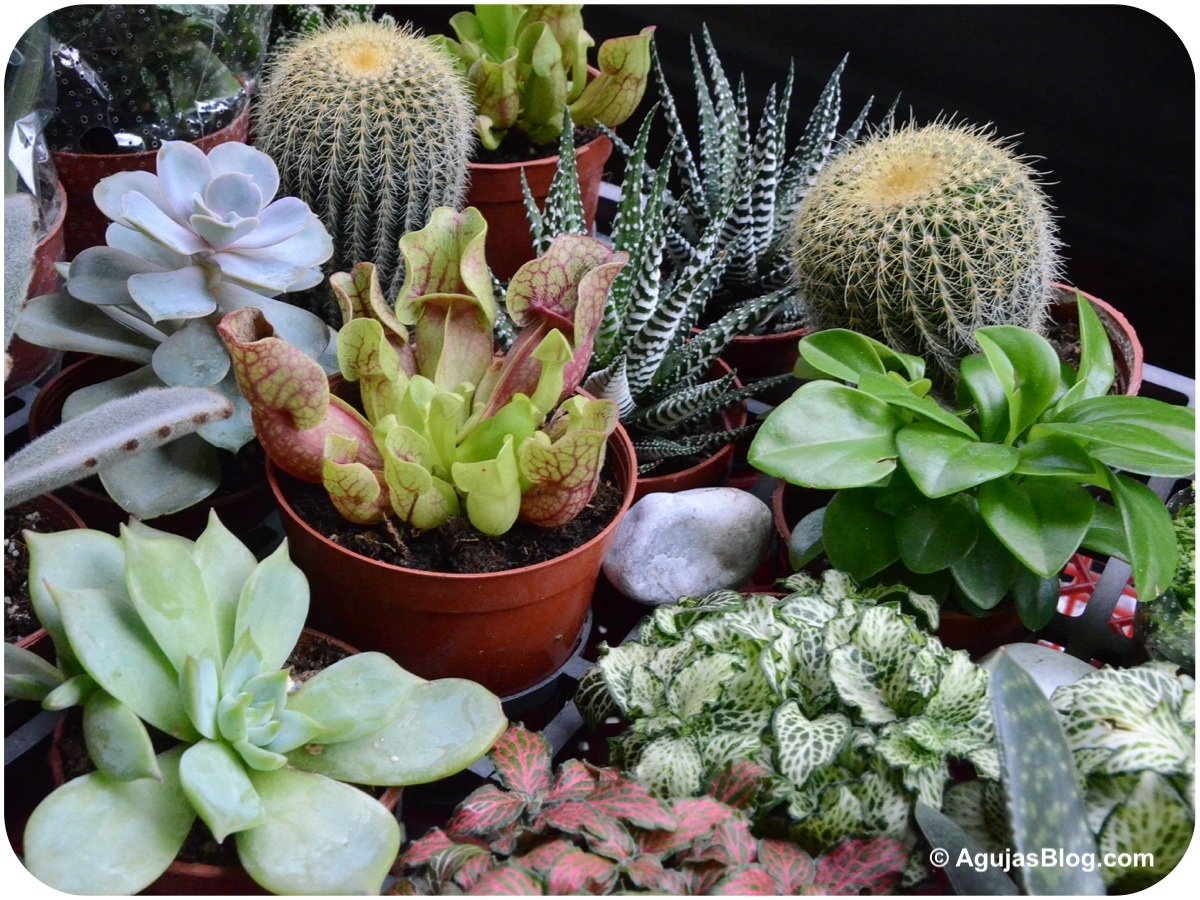
Mong Kok Flower Market 1

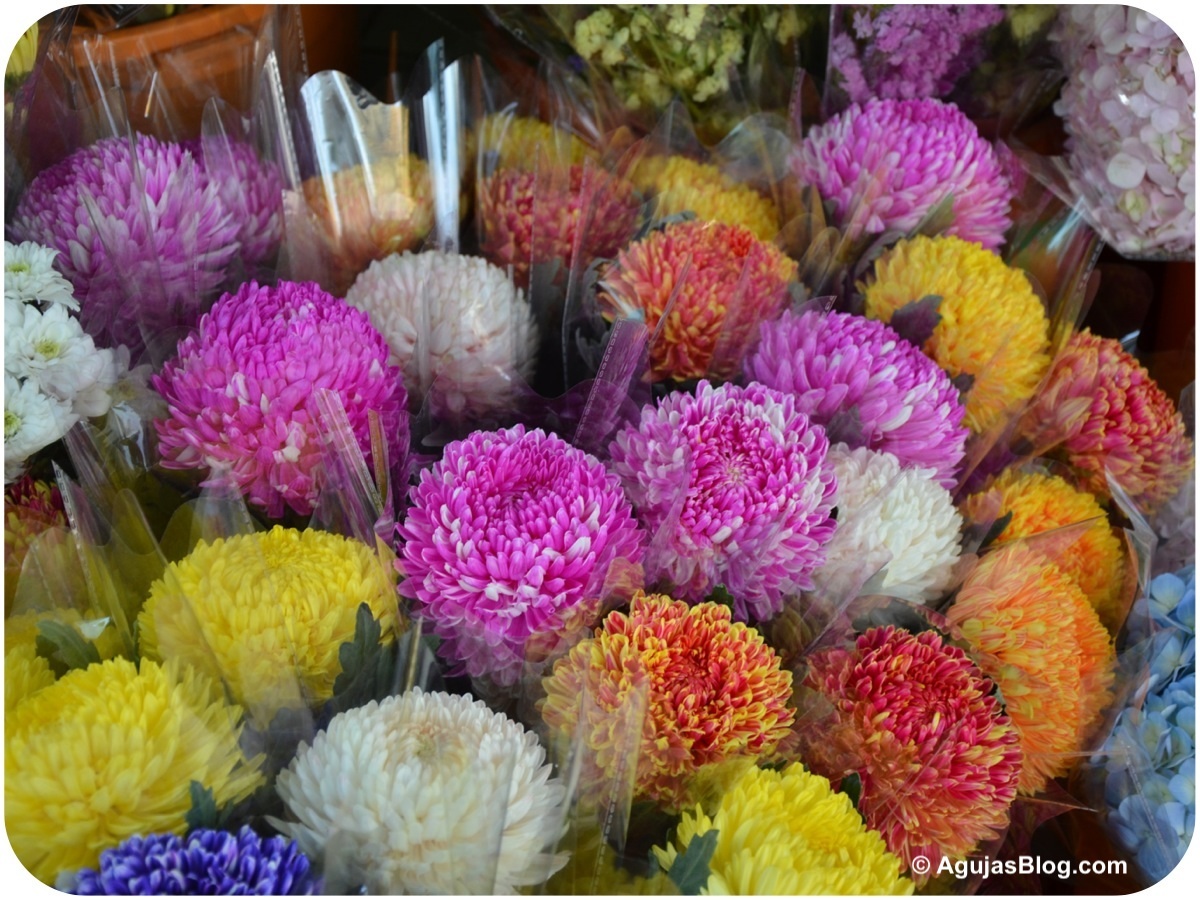
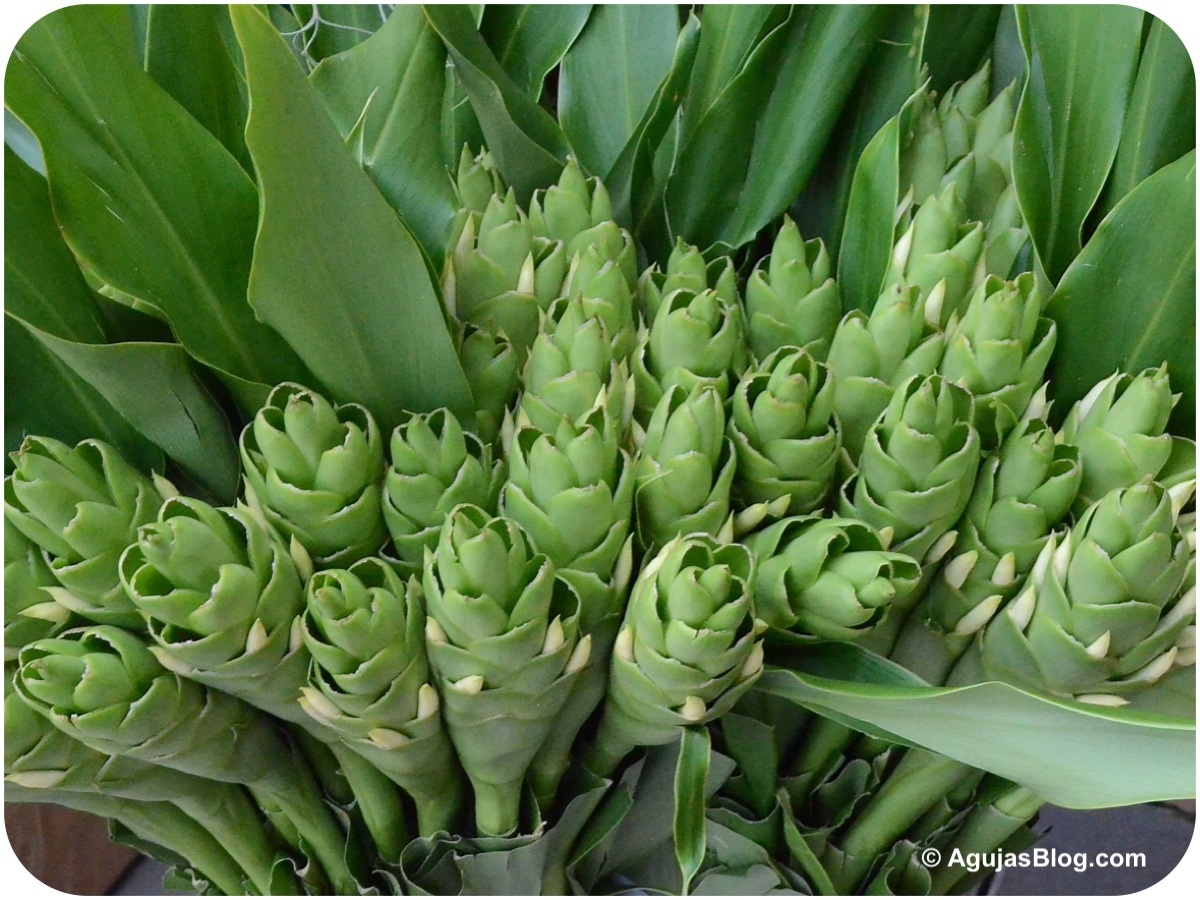
While I made it to some of the popular tourist markets, I also explored local markets to get a feel for everyday life. One of my favorites was the Mong Kok Flower Market. There were several streets lined with fresh flower stalls.

Mong Kok Flower Market 5

Orchids of all shapes and sizes were blooming.

Mong Kok Flower Market 2

The cacti reminded me of home.

Mong Kok Flower Market 3

I would have loved to get some plants or an orchid.

Mong Kok Flower Market 4

Mong Kok Flower Market 6

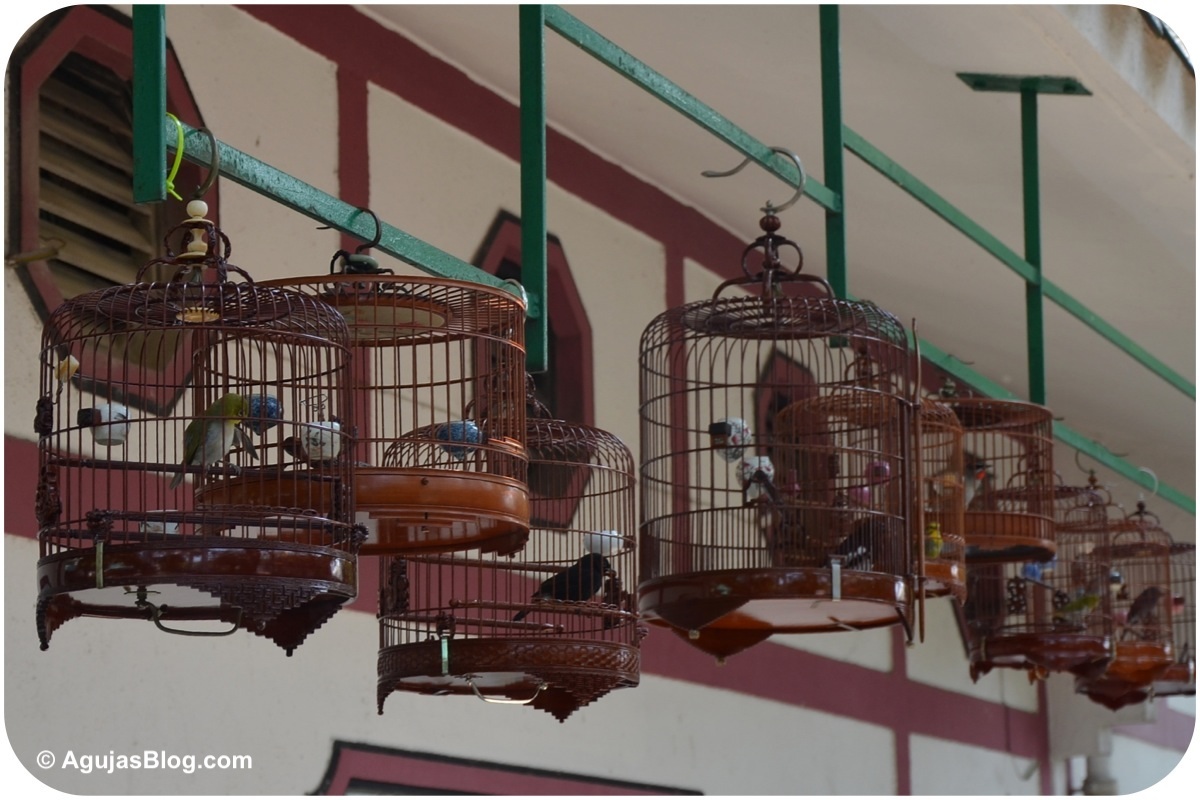
Immediately next to the Flower Market was the Yuen Po Street Bird Garden. The garden was a little oasis in the middle of the city.
Yuen Po Street Bird Garden 1

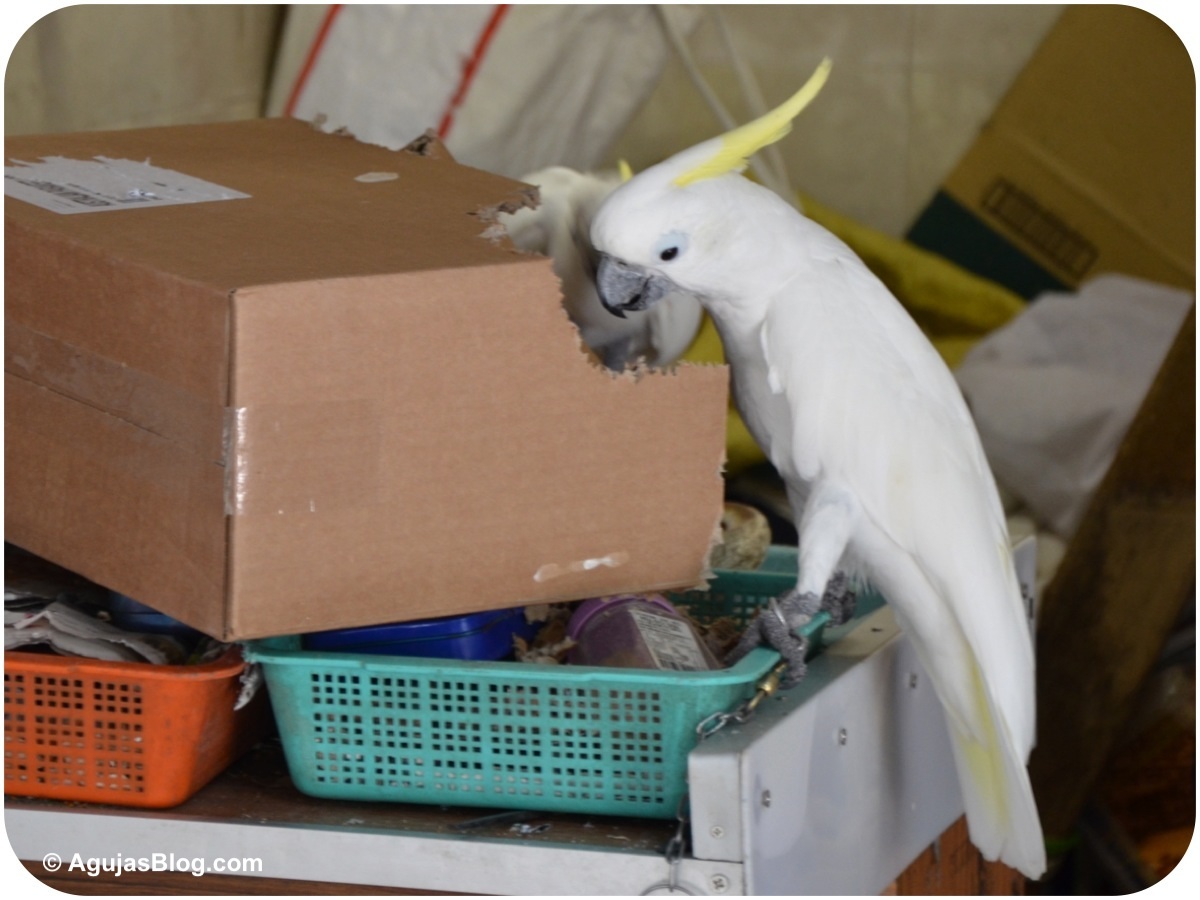
Old men walked along with their song birds in wooden cages. I did feel a little sad about all those caged birds. Then I spotted this bird freely sitting at a stall. He was lunching on that cardboard box.
Yuen Po Street Bird Garden 2

After enjoying the smells and sounds of the flowers and birds, it was time to exercise the sense of touch. I had mapped out several yarn stores near the markets. All were within walking distance of each other.

Double Knit Yarn & Co. is located at 179-181 Fa Yuen Street on the 1st Floor (which means you go up to the first floor from the ground floor). It’s near the Mong Kok MTR. The shop had wall to wall wools and some synthetic yarns from Italy, France and Japan. The staff spoke little English but were very helpful.

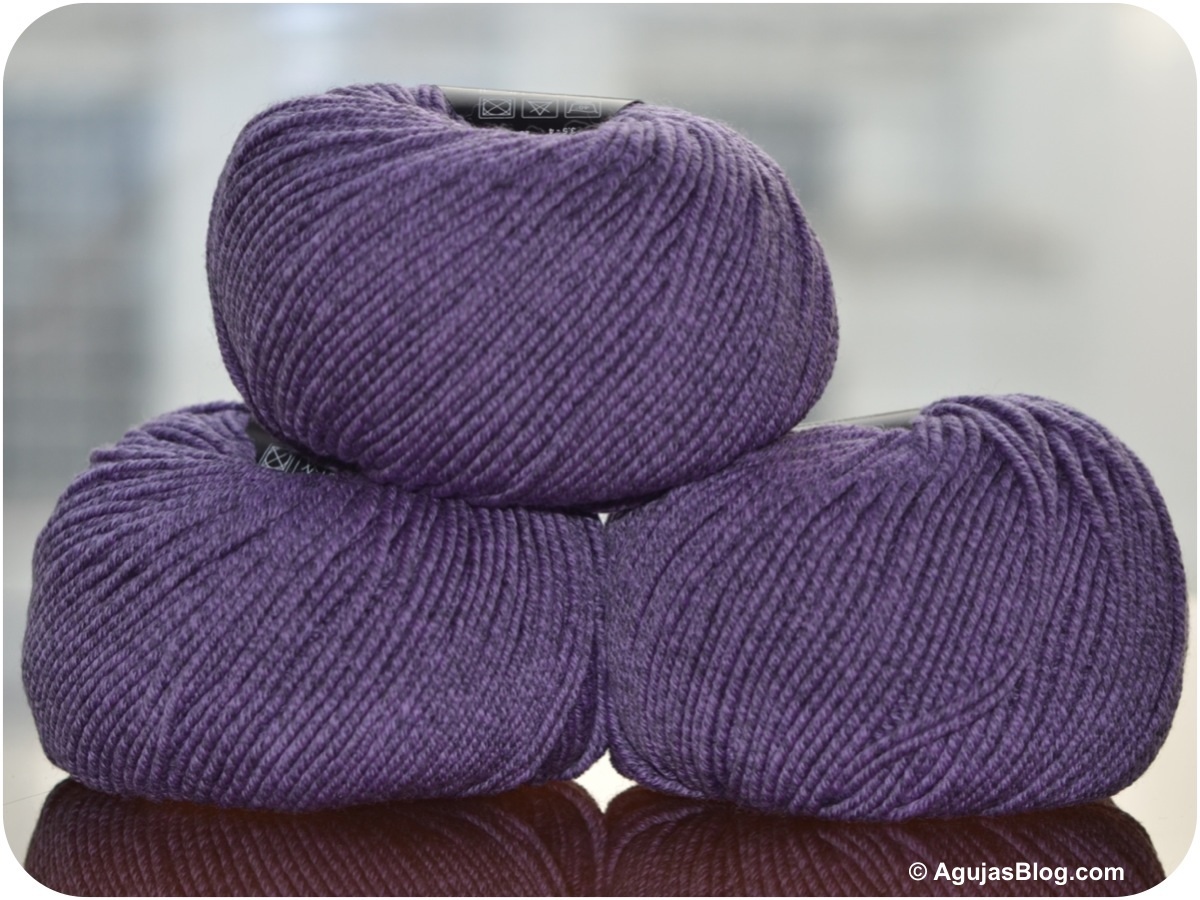
As my favorite color is purple, I picked up three balls of this 100% extra fine merino superwash by Zara Chinè.

Double Knit Yarn & Co.

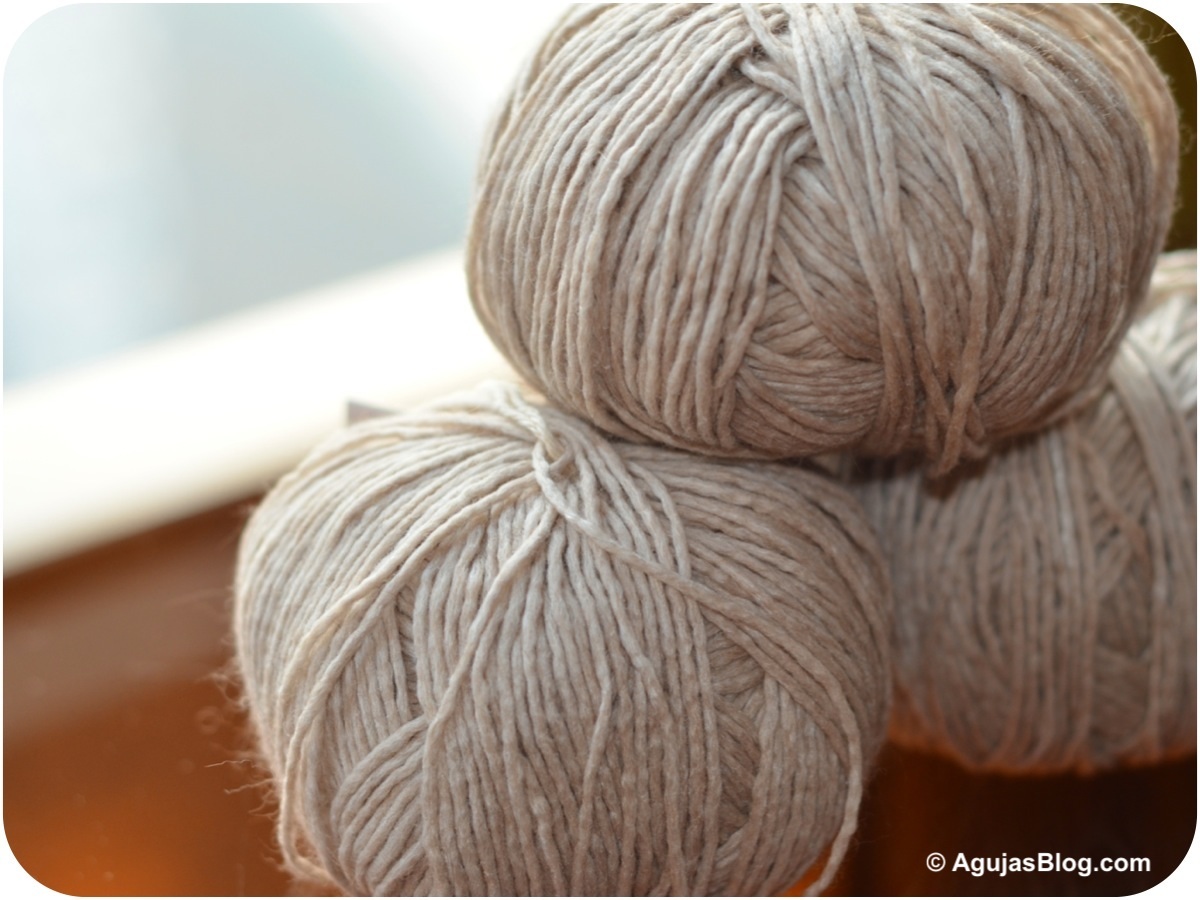
My next find was Filo Kilo located on the ground floor at 167 Sai Yee Street. The shop is very nicely laid out, all the yarn is neatly labelled, and the staff was very helpful. They even had a sale! I took five balls of this exquisite Cashmere Queen yarn. The fiber contents are 35% cashmere, 45% merino wool, and 20% silk. Scrumptious!

Filo Kilo 1

Filo Kilo 2

The two shades of green perk up the smooth beige.

Filo Kilo 5

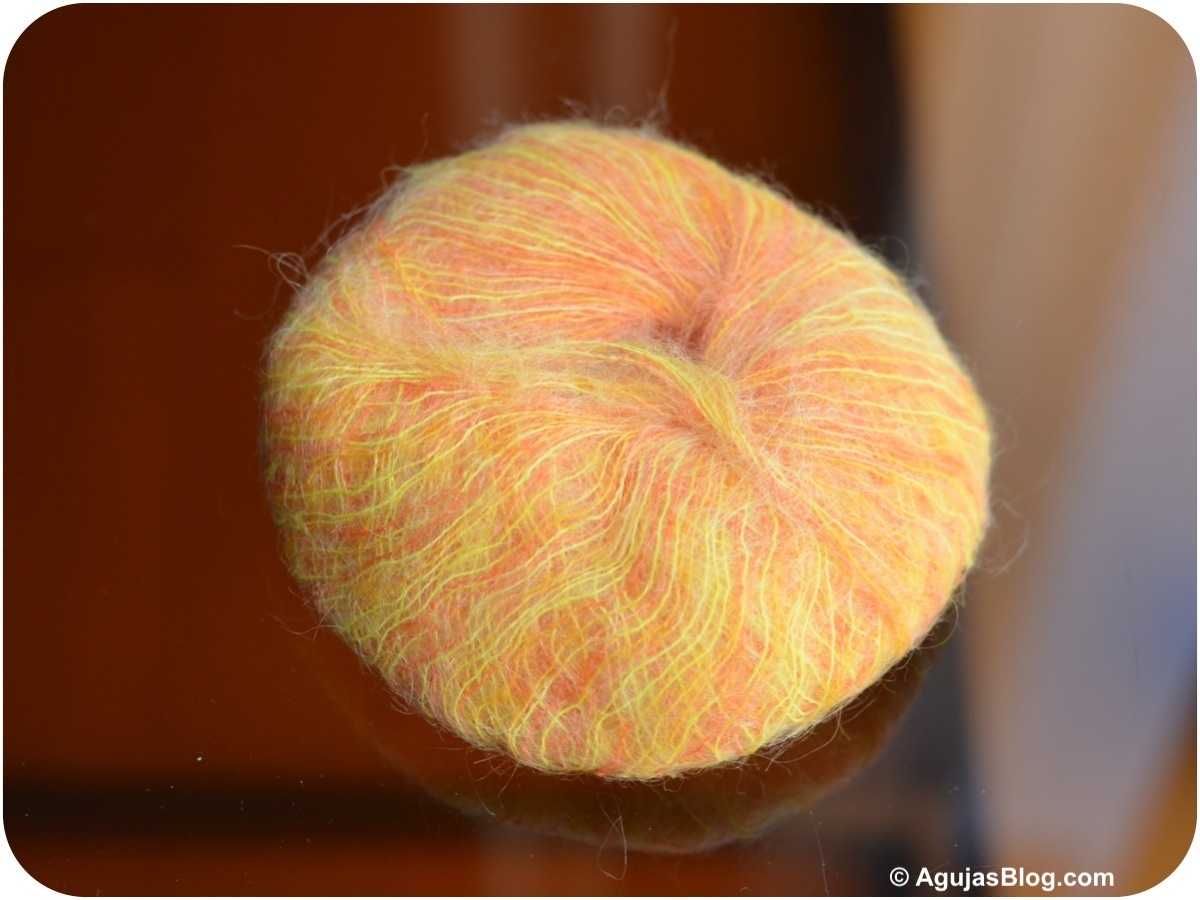
I also had to have this wispy orangey-yellow mohair. The brand is BBB and is made in Italy. It’s 70% kid mohair, 30% polyamide.

Filo Kilo 6

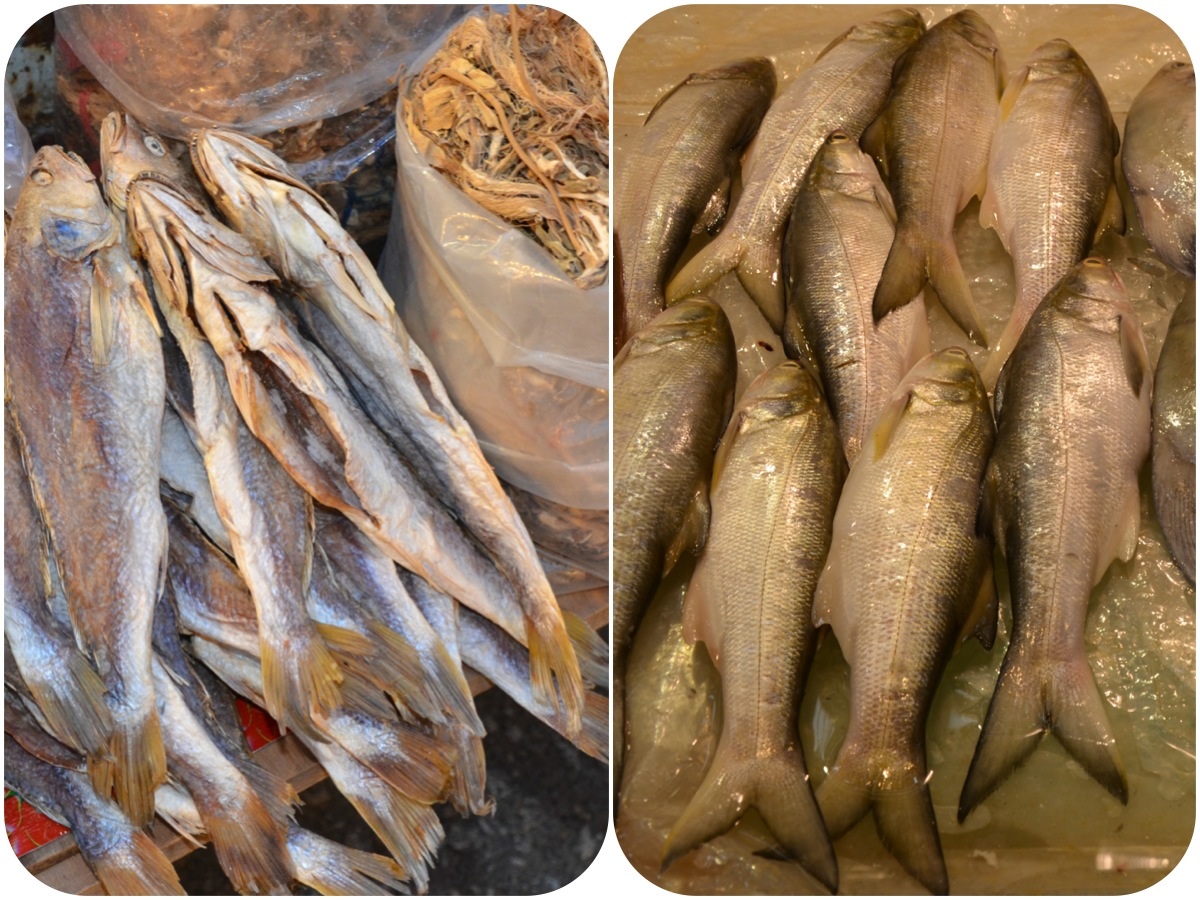
My last stop was Knitting World located in the Prosper Commercial Building at 9 Yin Chong Street, 3rd floor. There is a fresh food market on Yin Chong which distracted me with salted and fresh fish, meats, and vegetables.

Dried and Fresh Fish

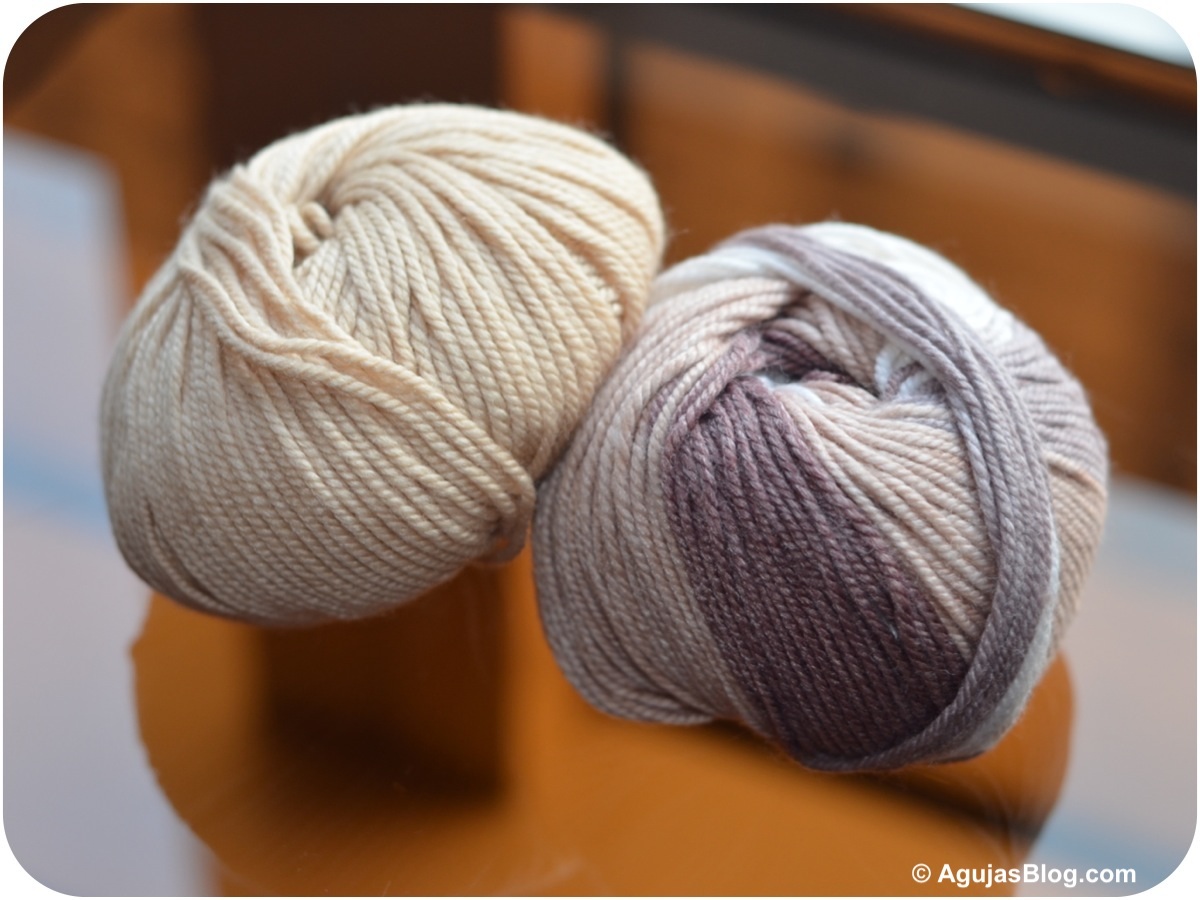
The shop is rather small and has a limited selection but I liked that two customers were sitting there knitting. Thankfully, one of them spoke English and helped me communicate with the sales lady. Since I had already purchased yarn at the two other shops, I only took these two balls for a hat.

The solid is Cashmere Soft by Lana Liza. It’s 65% Cashmere, 35% bamboo and made in Turkey. The multicolor ball is Bambu Color by Nako with the same fiber content.

Knitting World

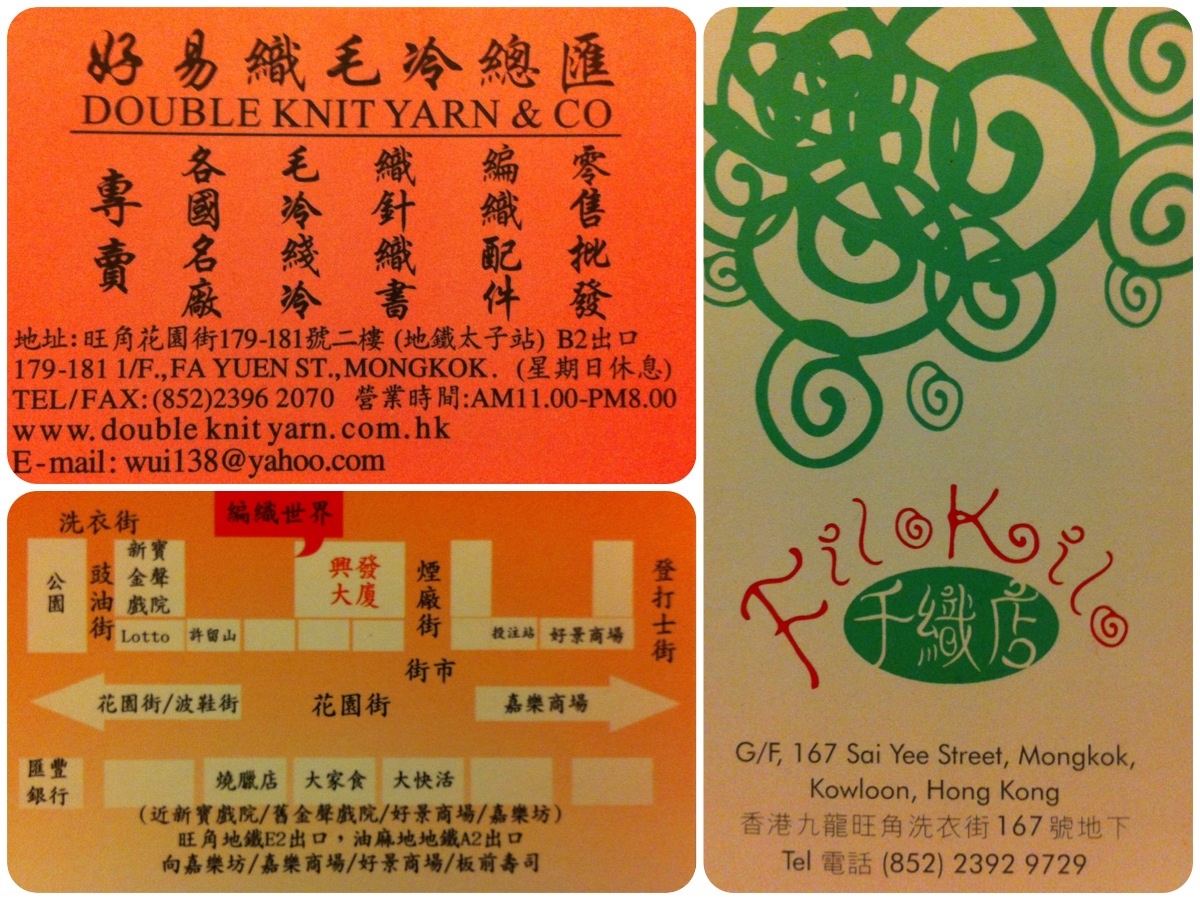
Below are snapshots of the business cards: top left is Double Knit Yarn & Co., the vertical card is Filo Kilo, the bottom left is Knitting World.

HK Yarn Store Business Cards

These blog posts from fellow fiber enthusiasts were of great help in locating these yarn stores:

Outside the 5th Ring Road

In my ongoing quest to find yarn in Beijing, I tried another market recommended by the Beijing Guild. Maofangcheng is also known as the Fabric Market. From what I read, you can have wool and cashmere coats tailor made from any fabric shop inside the five-story building.

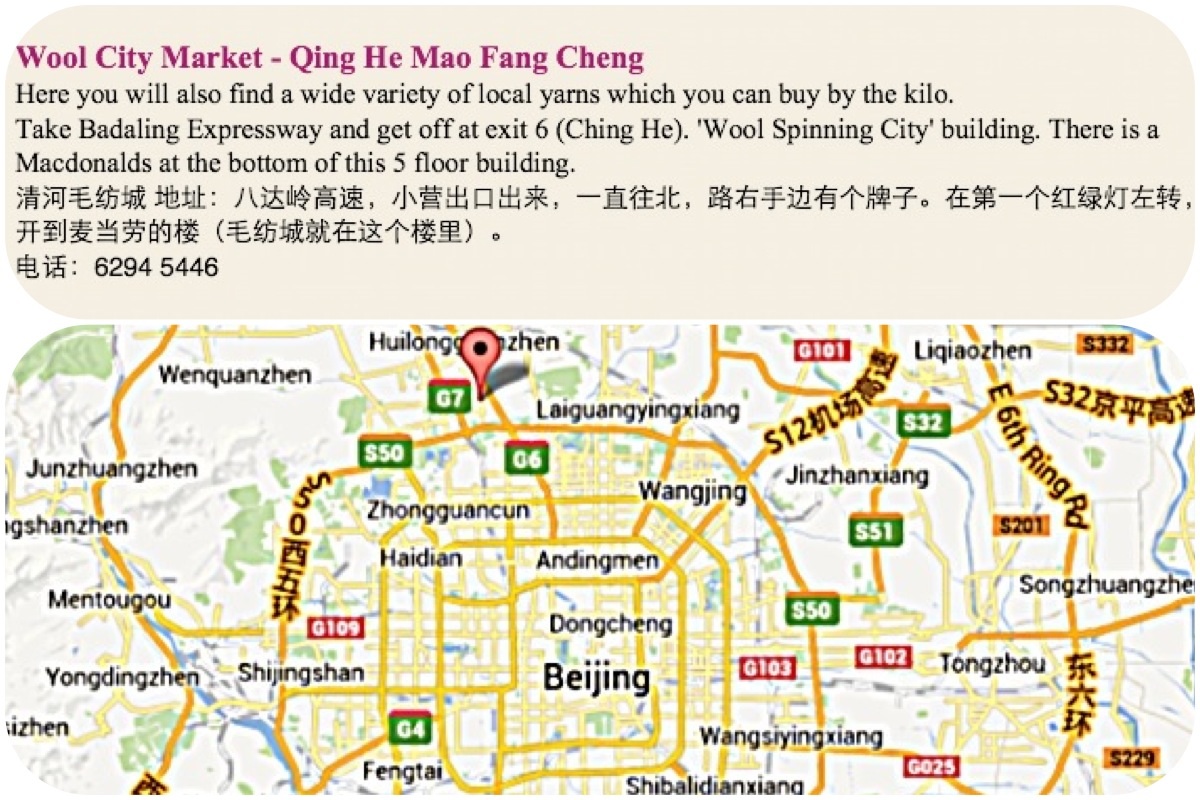
The first task was getting there. The market is located on the Northeastern side of the city just outside the 5th Ring Road, far from where I am staying.

Map & Directions to Maofangcheng Market

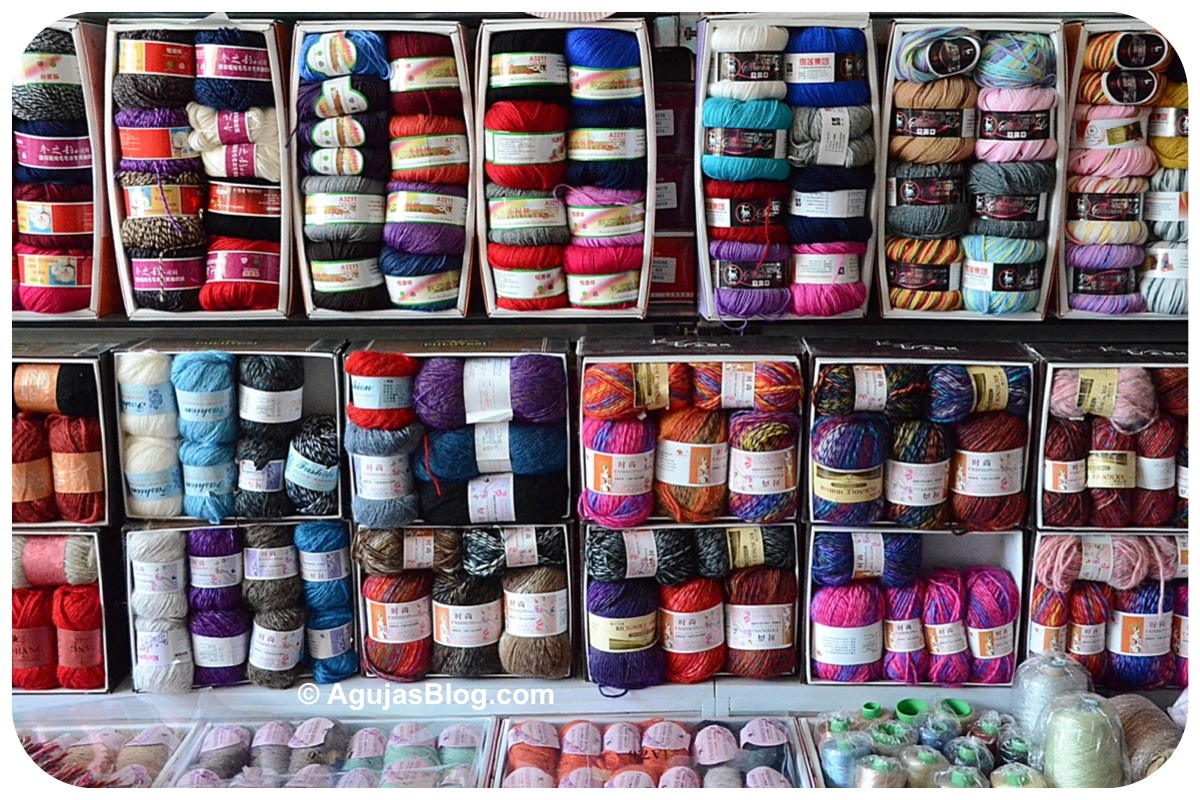
It was well worth the trip. Among the five floors of wool, cashmere and silk fabrics, were almost two full floors of yarn shops. Two — floors — of — yarn. I only took a couple of photographs. All you have to do is imagine walls of yarn in store after store after store.

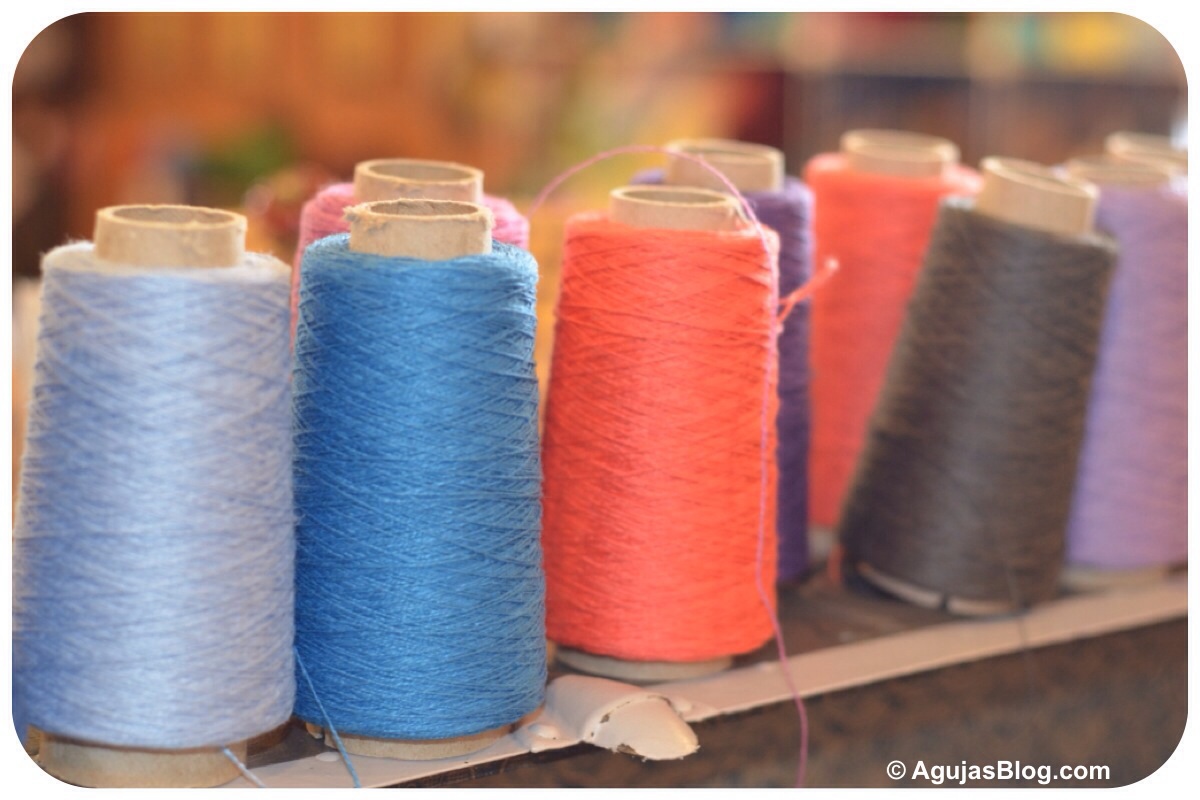
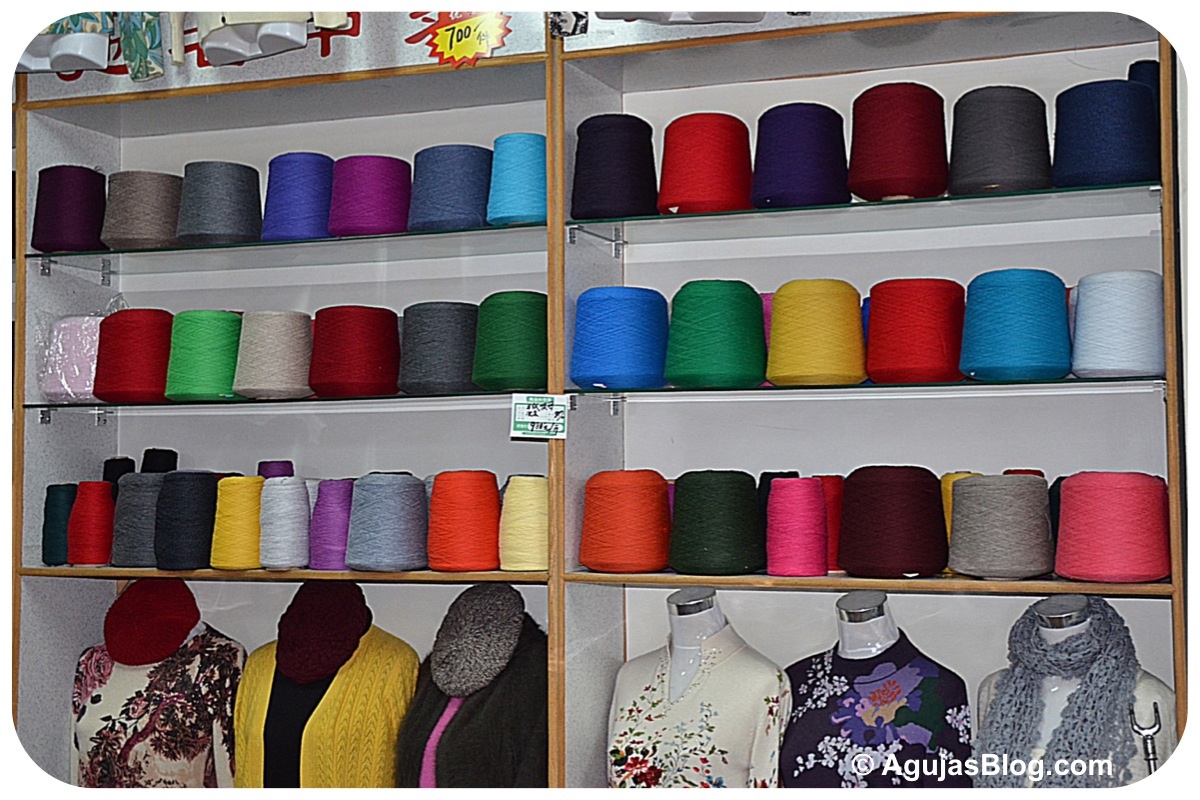
These cones are wrapped in fine thin threads of cashmere.

Store 205

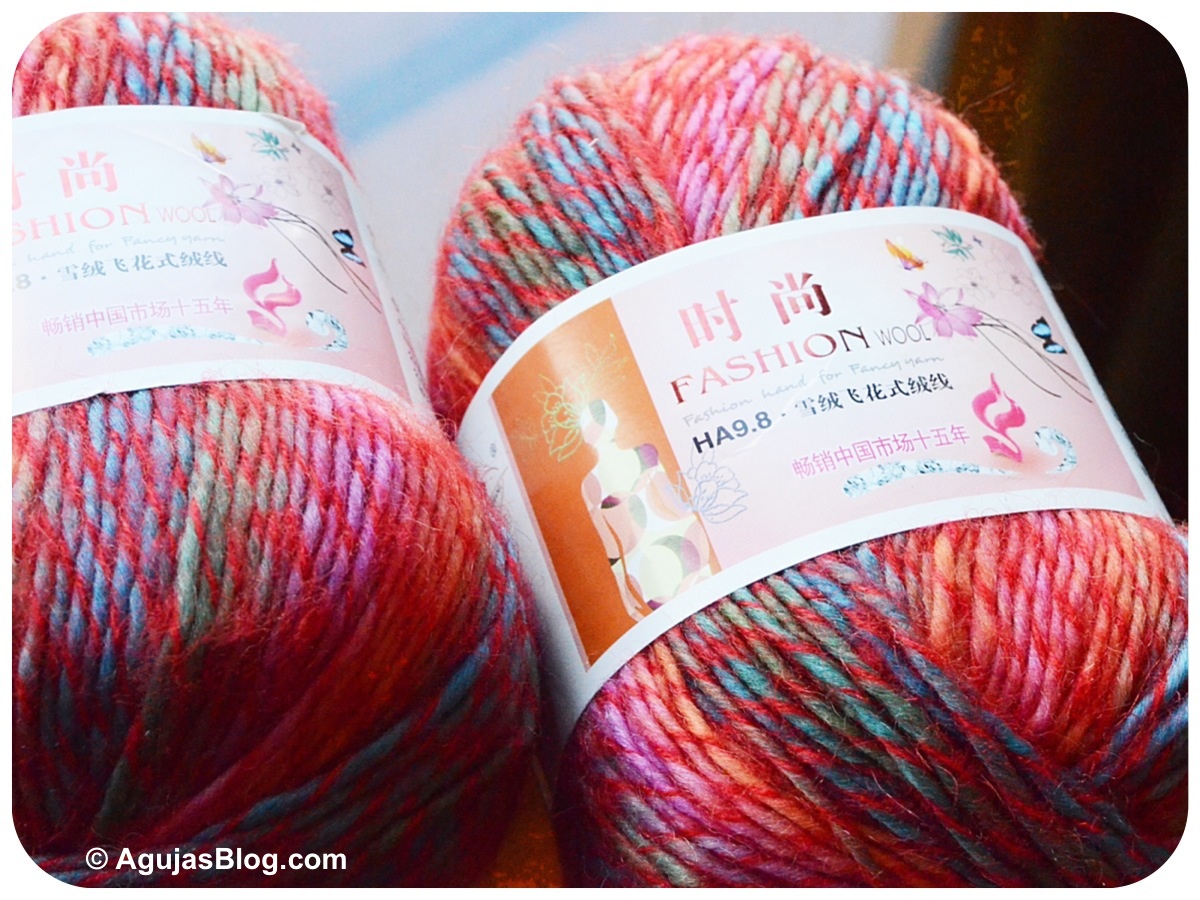
My first purchase was in Store #205 where I picked up this colorful wool and mohair blend. So festive!

Fashion Wool - 66% Wool, 34% Mohair (Store #205)
Fashion Wool – 66% Wool, 34% Mohair (Store #205)

Fashion Wool 3

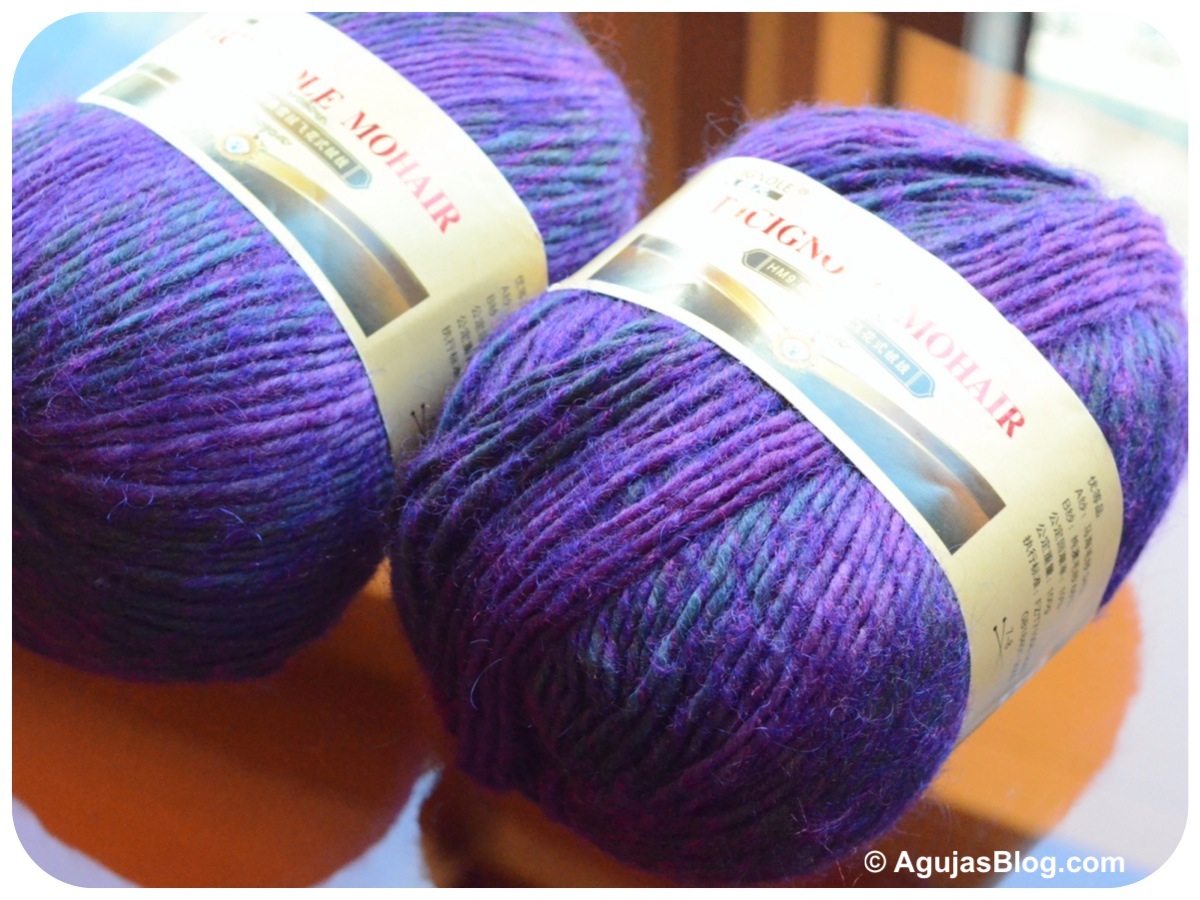
I also could not resist these lovely purples.

Ricignole Mohair - 66% Wool, 34% Mohair (Store #205)
Ricignole Mohair – 66% Wool, 34% Mohair (Store #205)

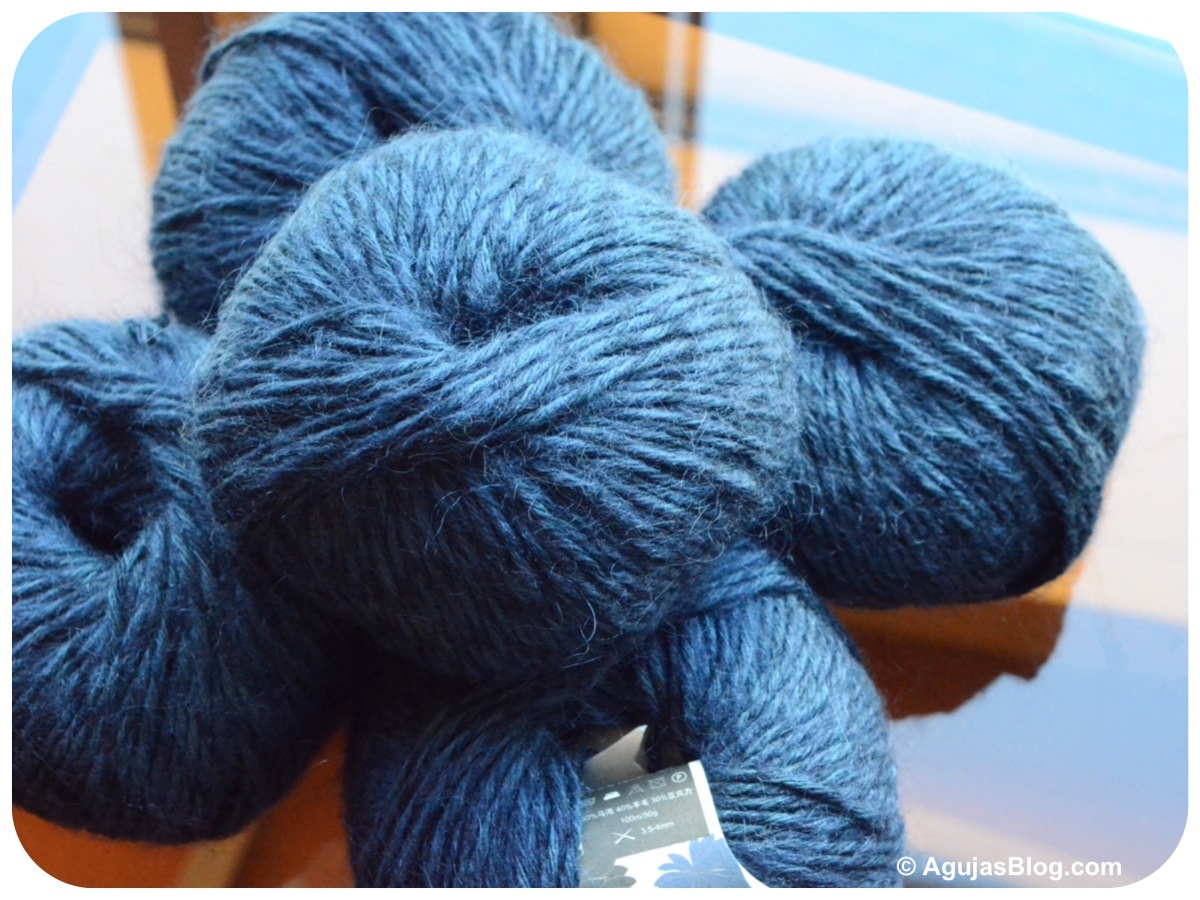
In Store #315, I picked up five balls of this luscious cerulean blue yarn.

Wool 40%, Mohair 30%, 亚克力 30% (Store #315)

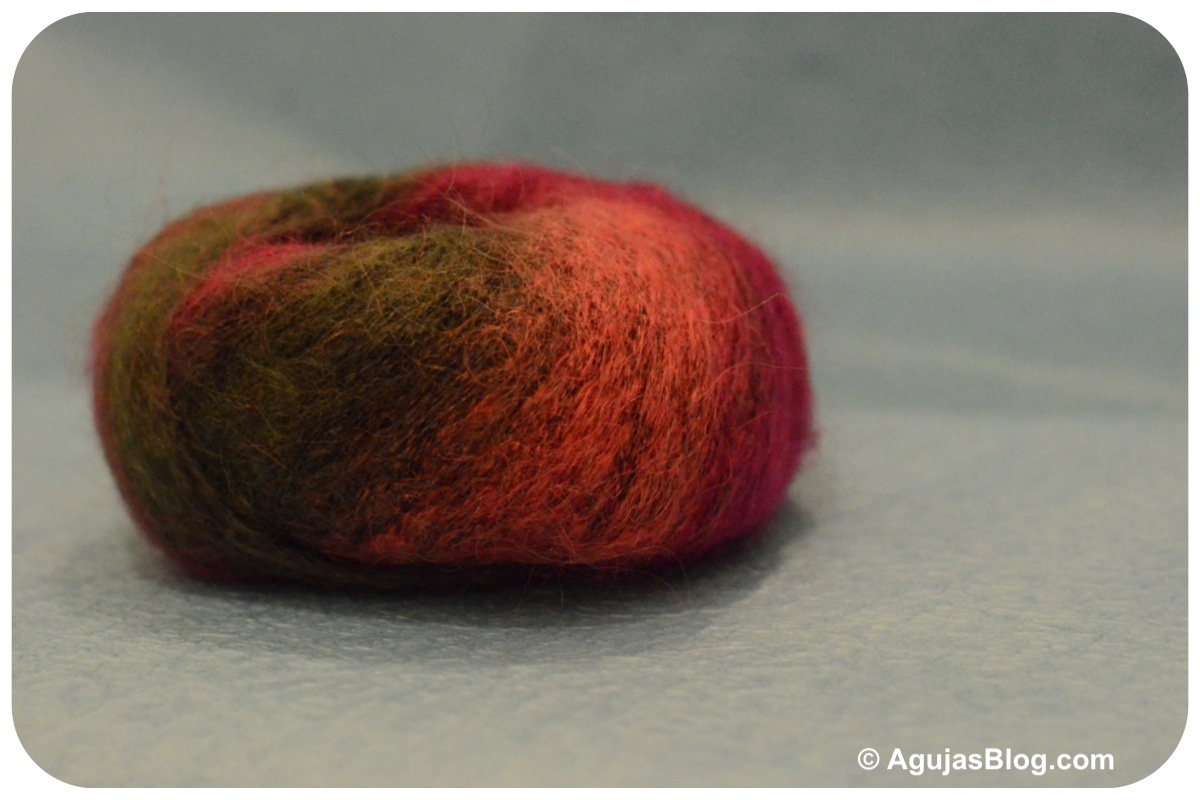
Next I found this jewel-toned mohair in Store #323.

Xiao Mohair - Kid Mohair 45%, Viscose 30%, Anti-Pilling 25% (Store #323)
Xiao Mohair – Kid Mohair 45%, Viscose 30%, Anti-Pilling 25% (Store #323)

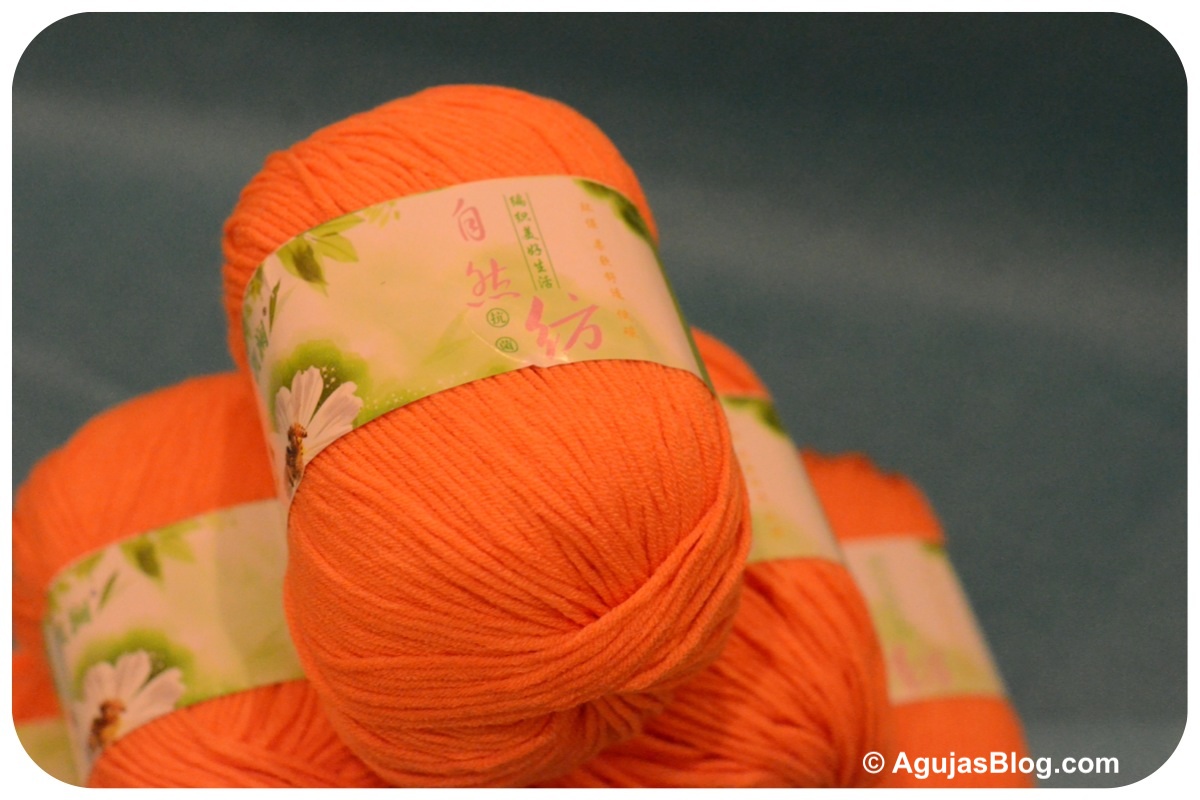
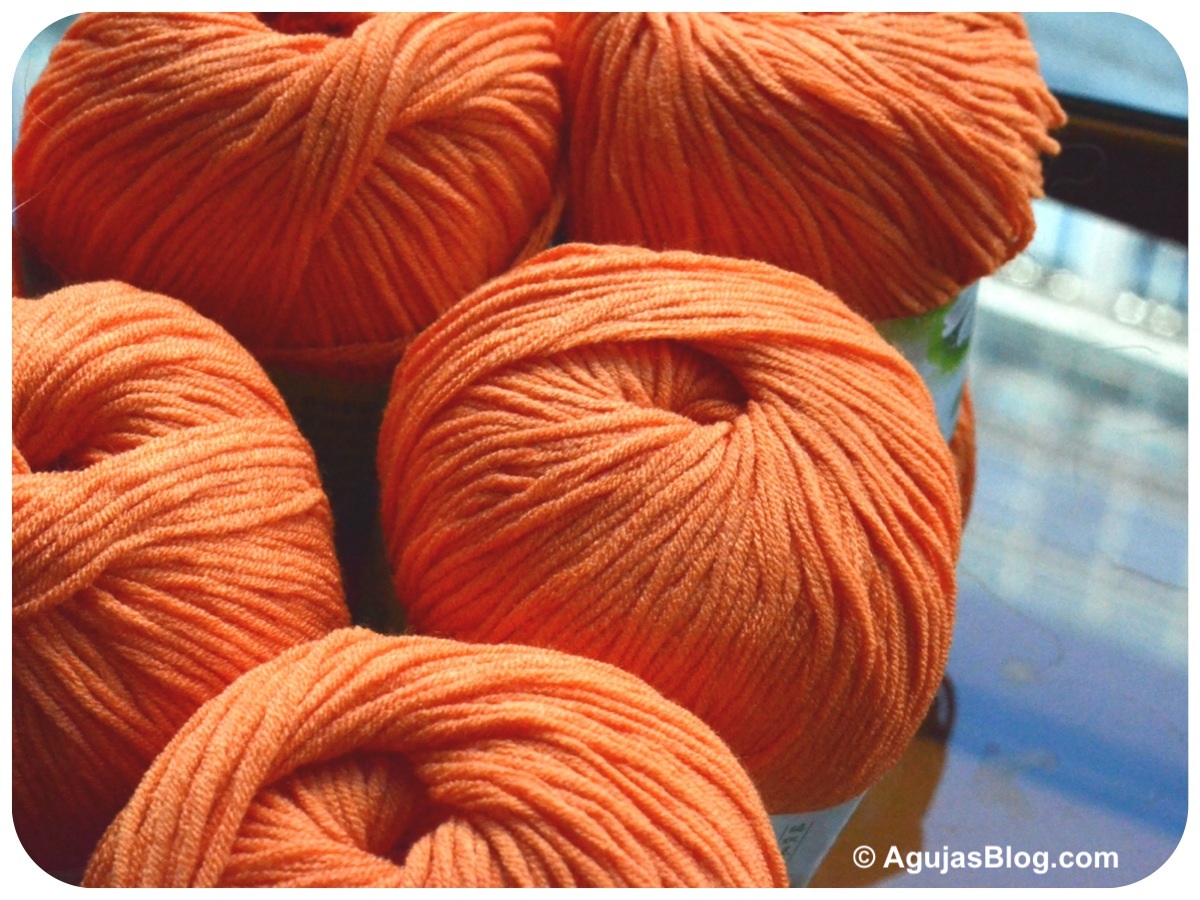
I fell in love with this orange cotton and cashmere blend. It reminds me of creamsicles!

Cotton 80%, Cashmere 20% (Store #323)

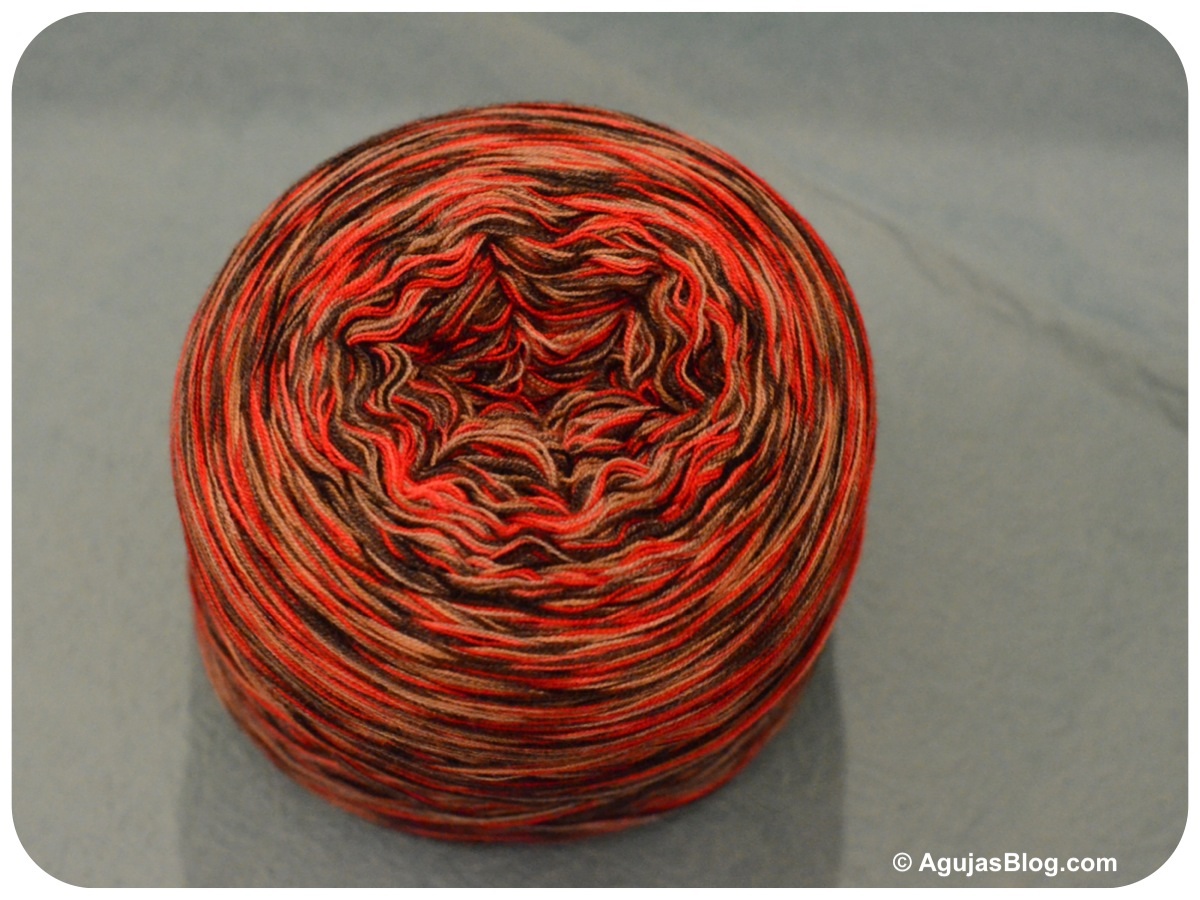
My last purchase was this amazingly soft cotton and cashmere blend that one of the ladies was using to knit a shawl.

Cashmere & Cotton Blend (Store #323)

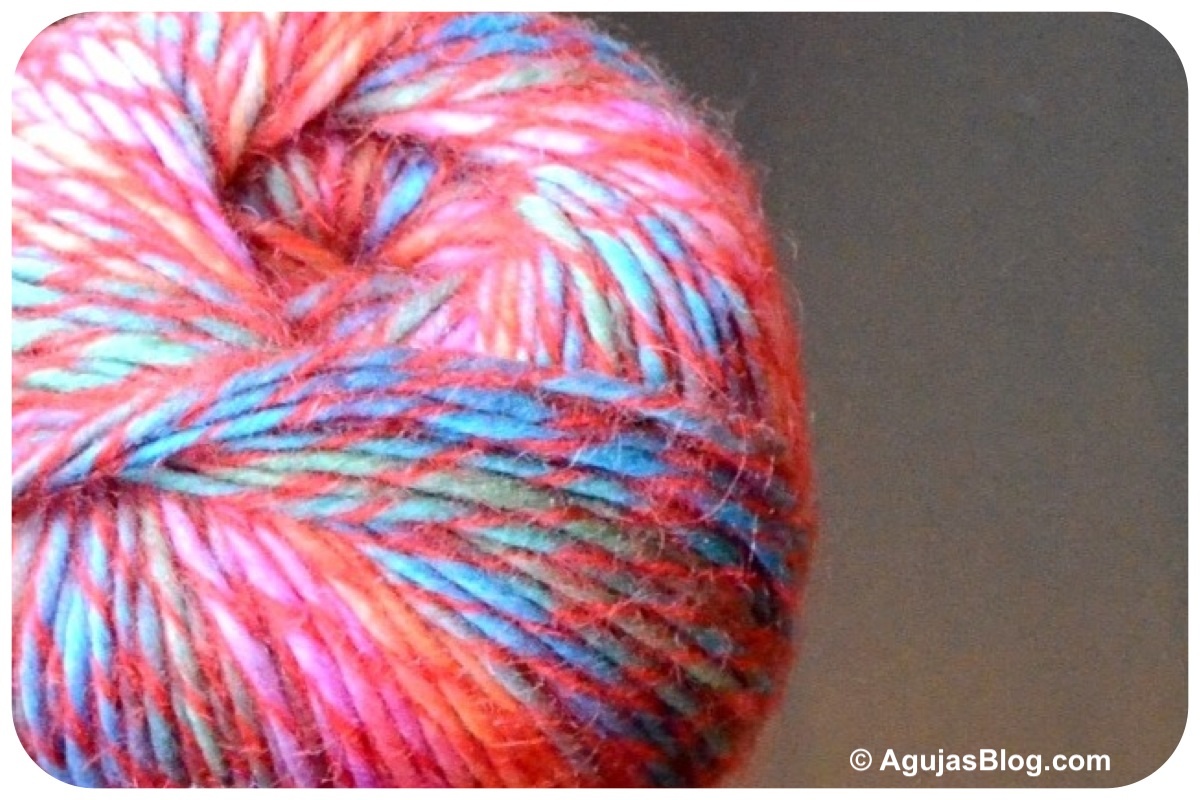
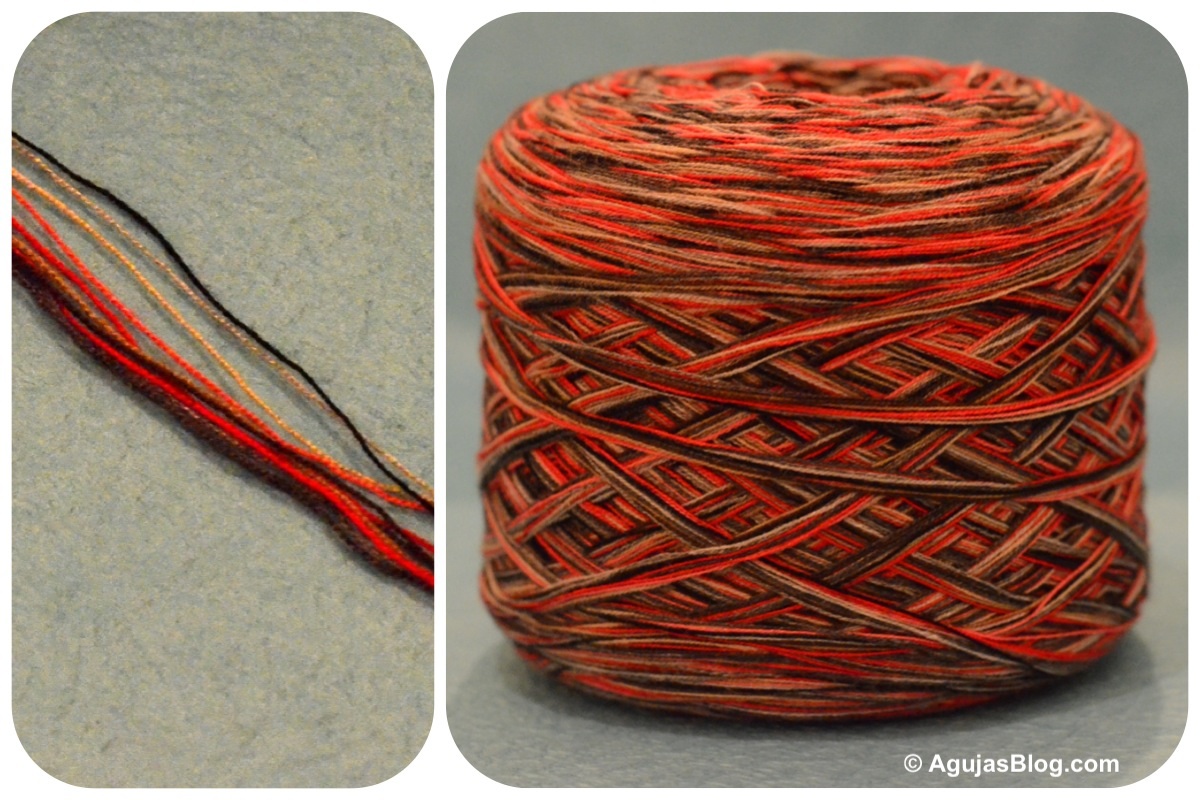
I took this partial cake of unknown yardage. It is made up of 11 thinly spun threads.

No Label Wool, Cotton & Cashmere Blend Detail

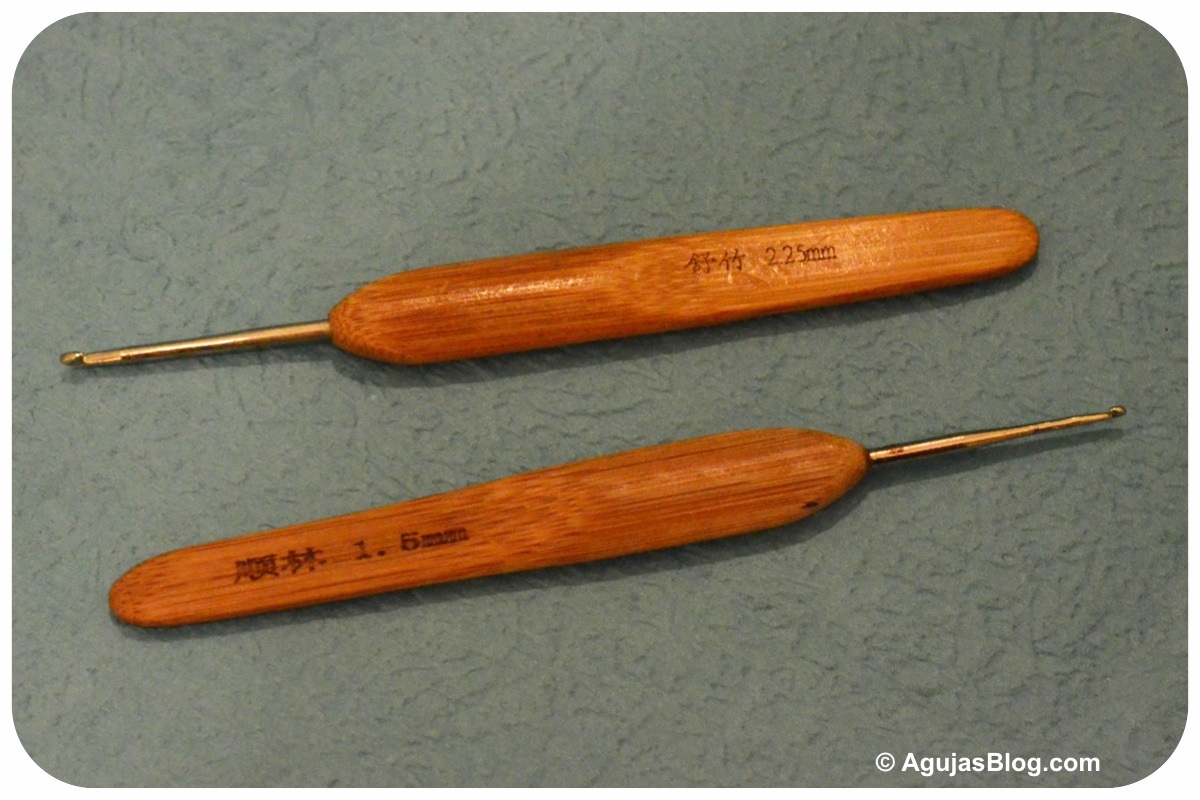
As I was getting ready to leave, I decided to pick up a couple of crochet hooks.

Crochet Hooks

I spent a total of ¥280 or about $46. Now how am I going to get all this yarn home?