Which Wheel?

Having succumbed to the joy of hand spinning, I figured it was time to seriously investigate getting a wheel. I received wonderful advice from experienced spinners I have met in person or through the online knitter-blogger world. I also researched various brands and read many articles on what to look for in a spinning wheel. It isn’t as simple as I had hoped.

I’ve boiled it down to the following considerations.

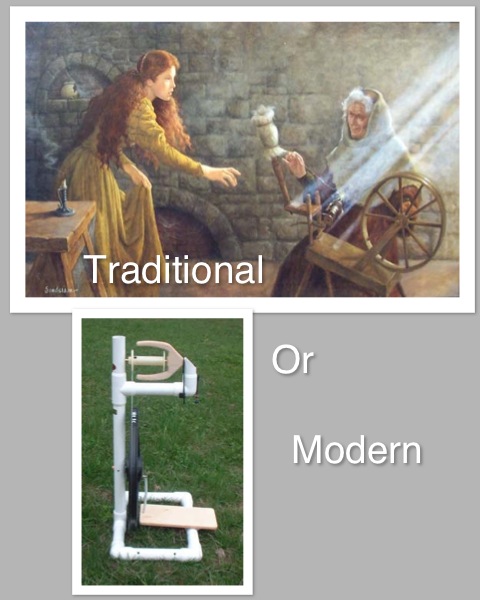
Traditional vs. Modern

This is largely a matter of personal preference.
{image source: top, bottom}

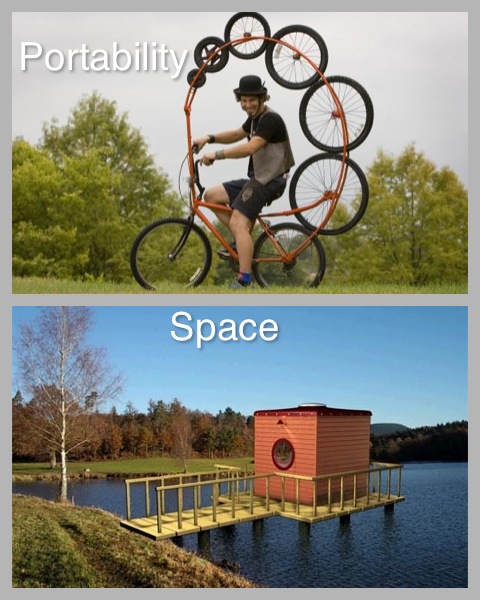
Portability vs. Floor Space

This is also a function of your own lifestyle. Do you plan to take your wheel with you when you travel or will you use your wheel primarily at home? And do you have room for it?
{image source: top, bottom}

Spinning Ratios

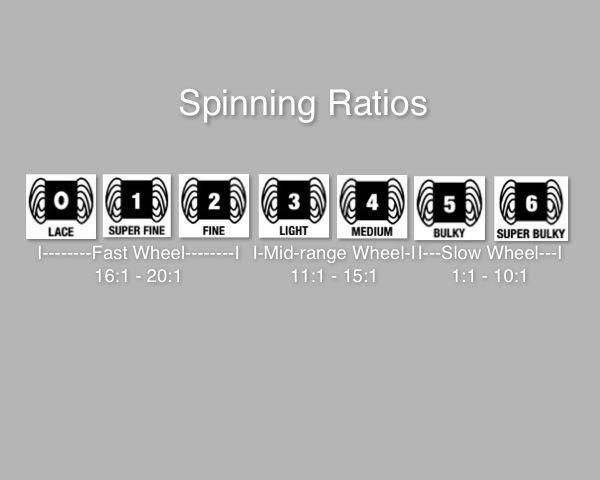
This one is a bit more technical. Here’s my take on ratios.

This is largely influenced by the kind of fiber and weight of yarn you want to spin. Will you be spinning finer yarns with fibers requiring a lot of twist or heartier fibers that require less twist? Another way to think about it is do you prefer to spin thread-like, lace weight yarn or the chunky, super bulky kind? Ratios range from 1 to 20 (simplified version). Note that there is an inverse relationship between spinning wheel ratios and yarn weights. Ideally, a wheel with the broadest range of ratios is best.
{image source: yarn weights}

Foot Pedals

The best recommendation I have received on single vs. double treadle (foot pedals) is to simply try a few wheels and choose whichever you feel the most comfortable using. I am leaning toward the double treadle. From my research, I have gleaned that a double treadle is less tiring on your legs.
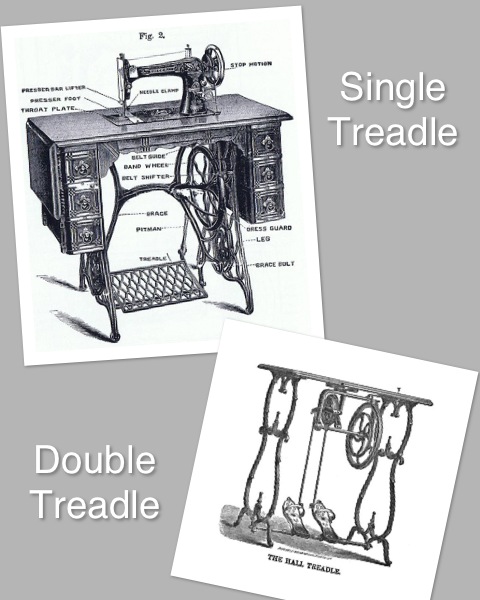
{image source: top, bottom}

Brands

There are many more spinning wheel makers out there than I ever imagined. The good news is that there is a lot of craftsmanship that goes into making them. Here are some of the wheels recommended by fellow spinners.
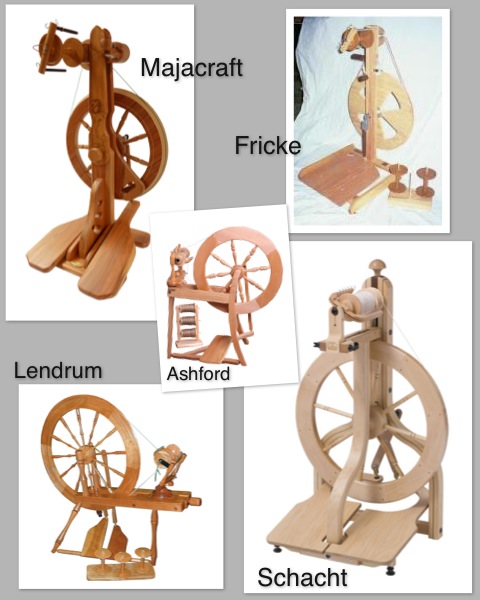
{image source: Majacraft, Fricke, Ashford, Lendrum, Schacht}

Costs also vary considerably. Generally, prices range from $339 to $1350.
{source}

Happy Spinning!

With all the choices out there, and spinners willing to share their knowledge, I don’t think you can go wrong with any of these wheels.
{source}

References

Besides input from many individuals, these articles were helpful and offer far more technical advice in choosing a wheel:

Bubble Gum Hat

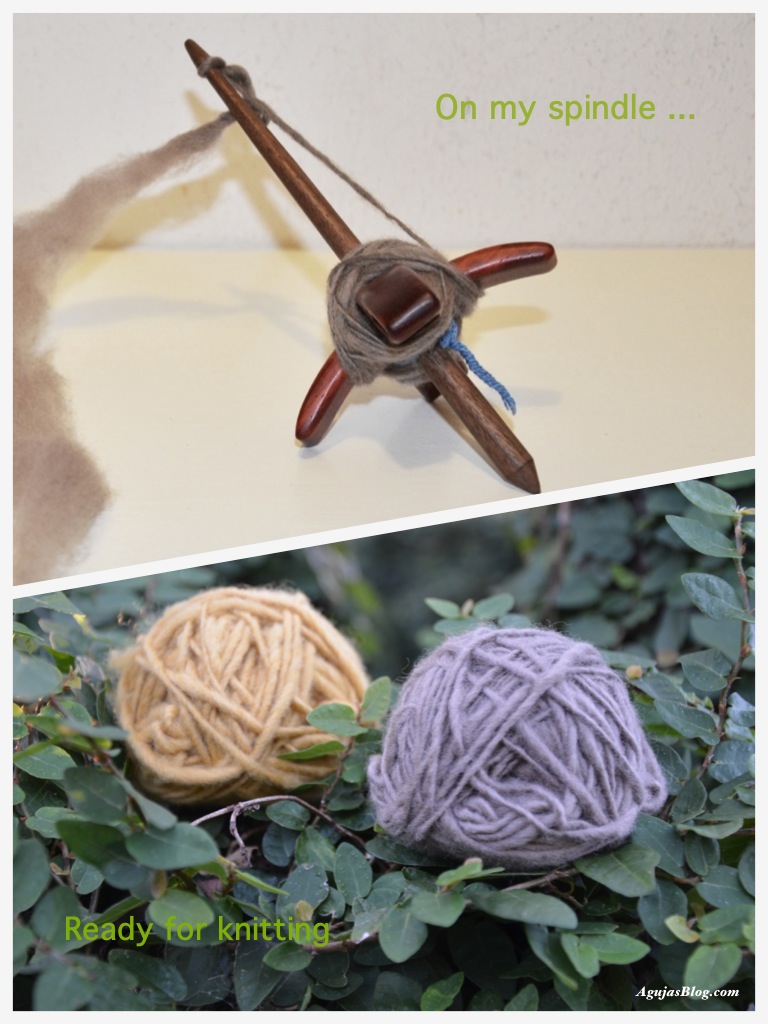
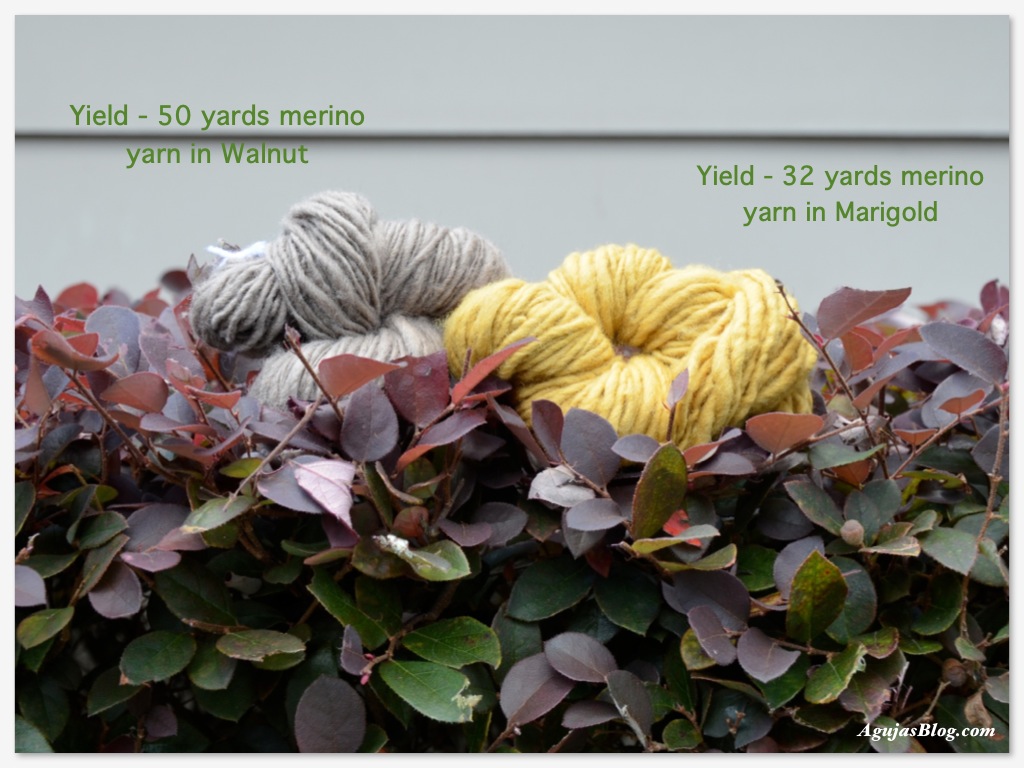
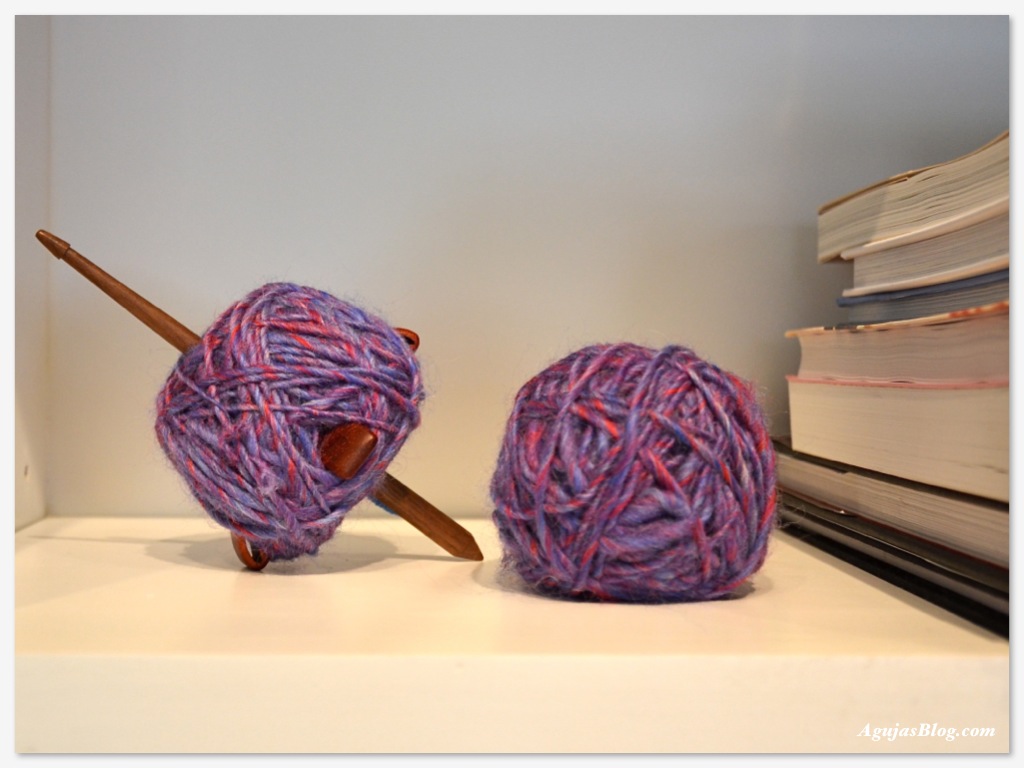
After spinning and dyeing my small batches of yarn, my fingers were itching for a project to use it on.

Since I had small skeins to work with, I needed a small item to knit.

So off I went to the wonderful Purl Bee and found their Whit’s Knits: Fun Kid’s Hat. It required just the amount of yarn I had with a little left over.

I started knitting.

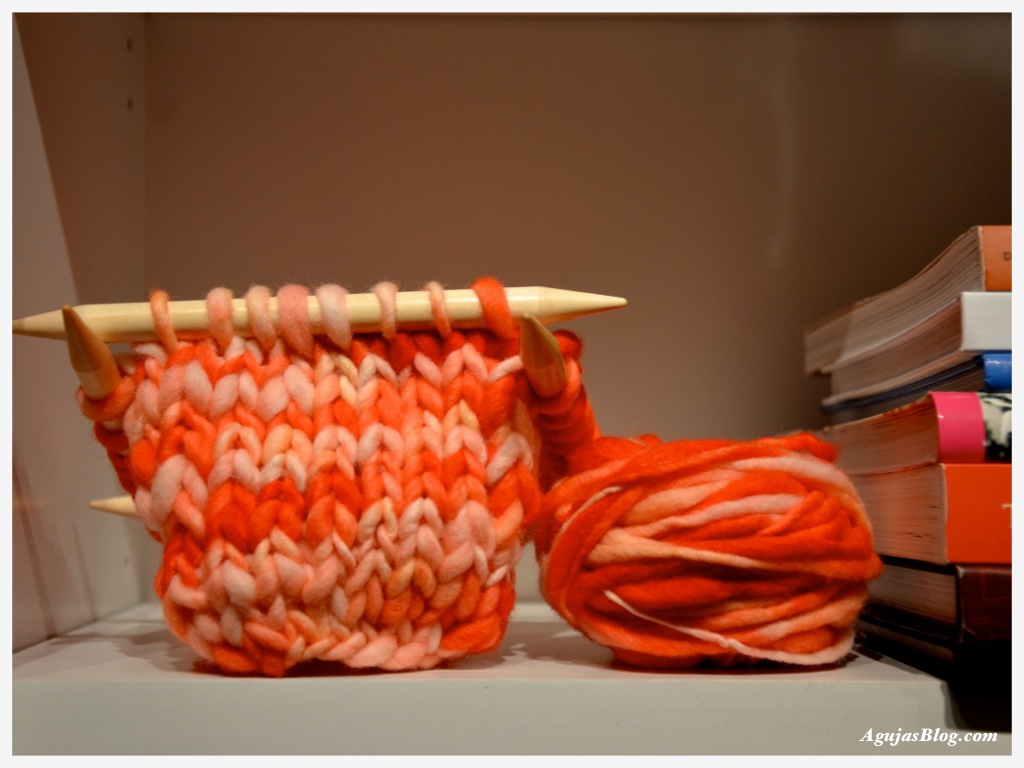
It was fun watching the colors meld together. And the unevenness I was so worried about when I was spinning actually worked out quite nicely.

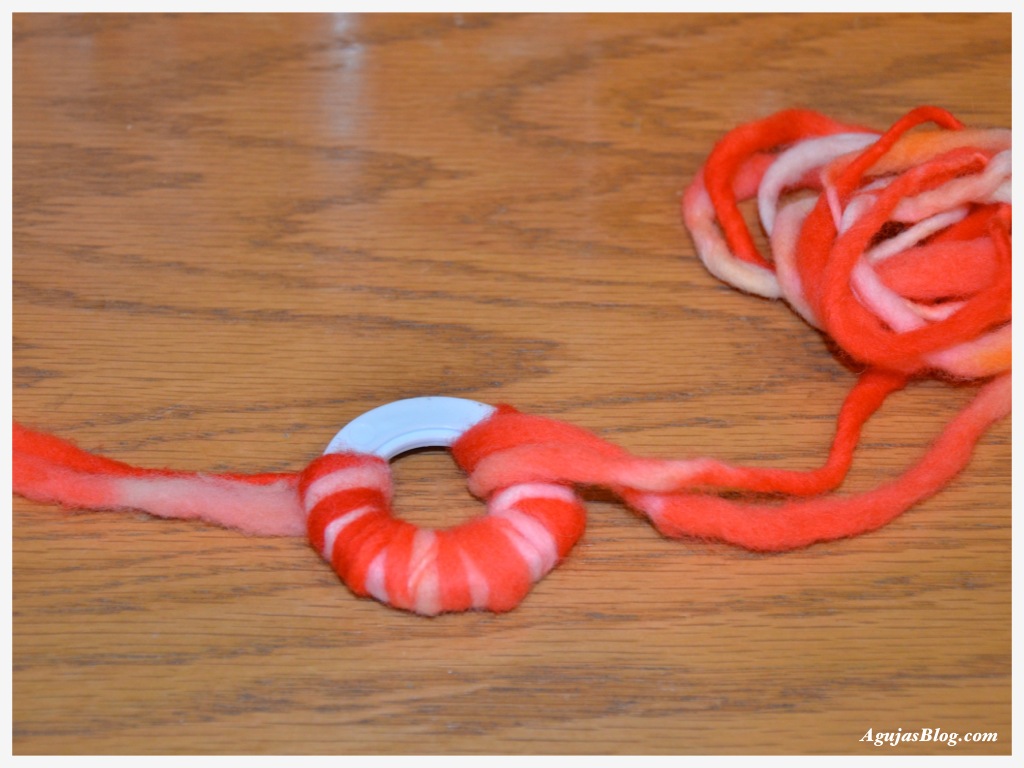
Making the pom-pom.

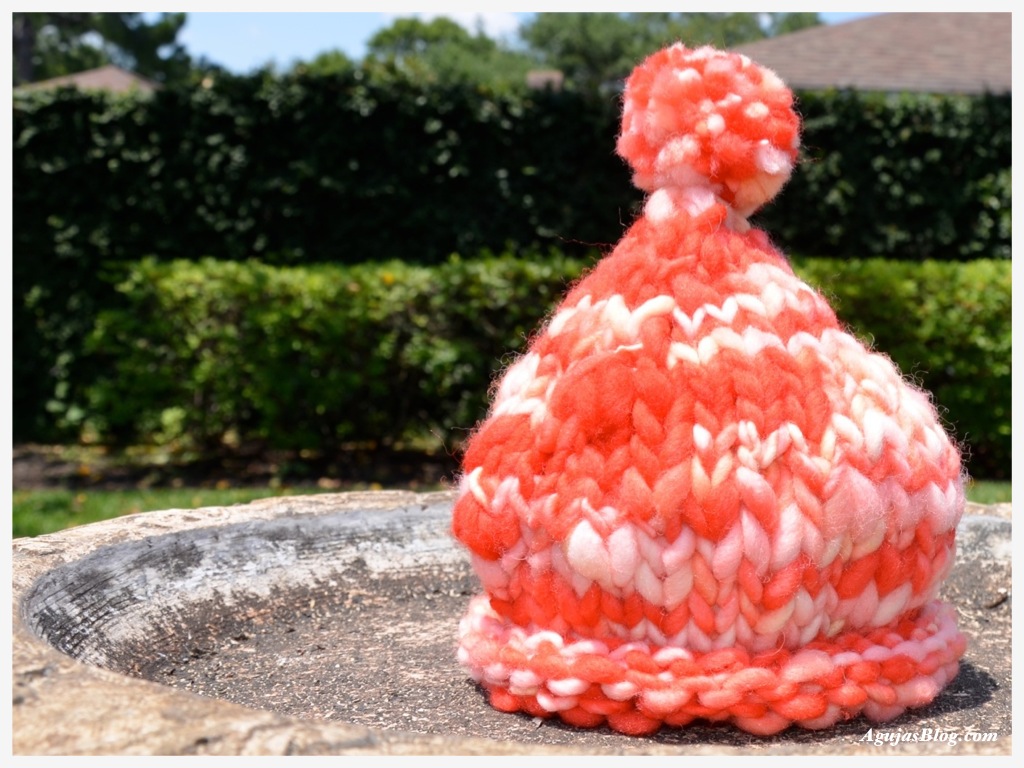
All done.

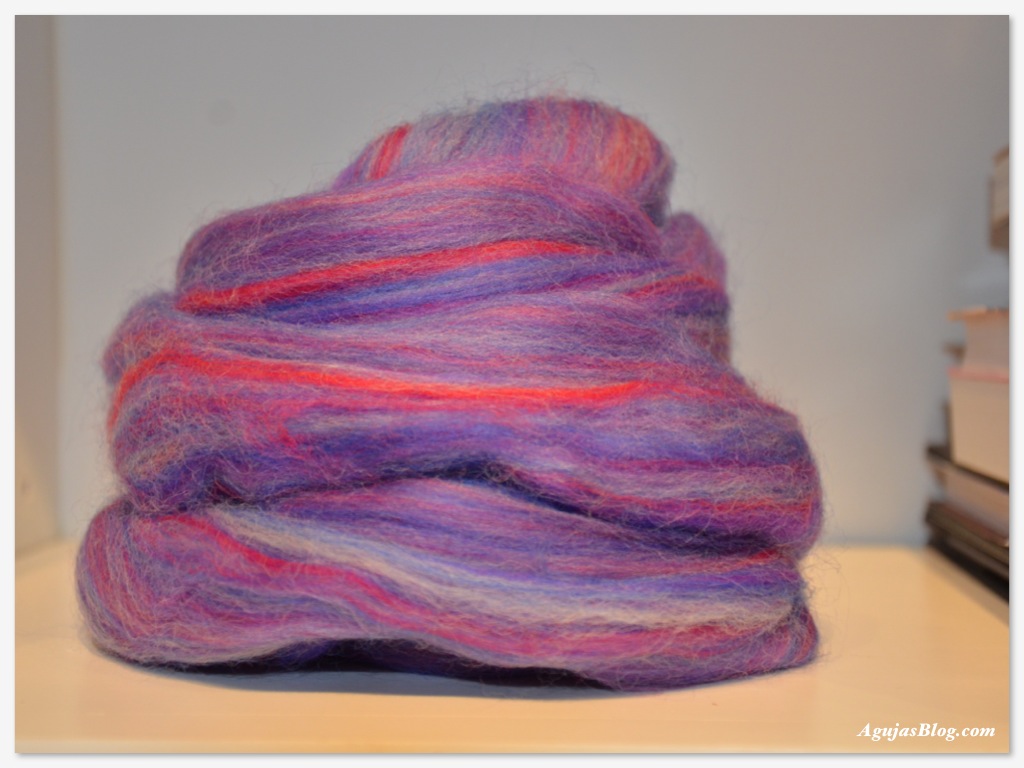
The colors remind me of those big soft squares of juicy bubble gum.

Hand-spun wool.

Hand-dyed yarn.

Hand-knit hat.

Kool-Aid and bubble gum.

Life is good.

Hey, Kool-Aid! Oh, Yeah!!

A chronicle of my first adventures in dyeing my hand-spun yarn.

Solid Color

YARN:    45 yards of Mohair (2 oz)

DYE:       3 packets of Blastin’ Berry Cherry Kool-Aid

NOTE:    This flavor Kool-Aid dyes a very strong, vibrant color. 1 packet may have been sufficient.

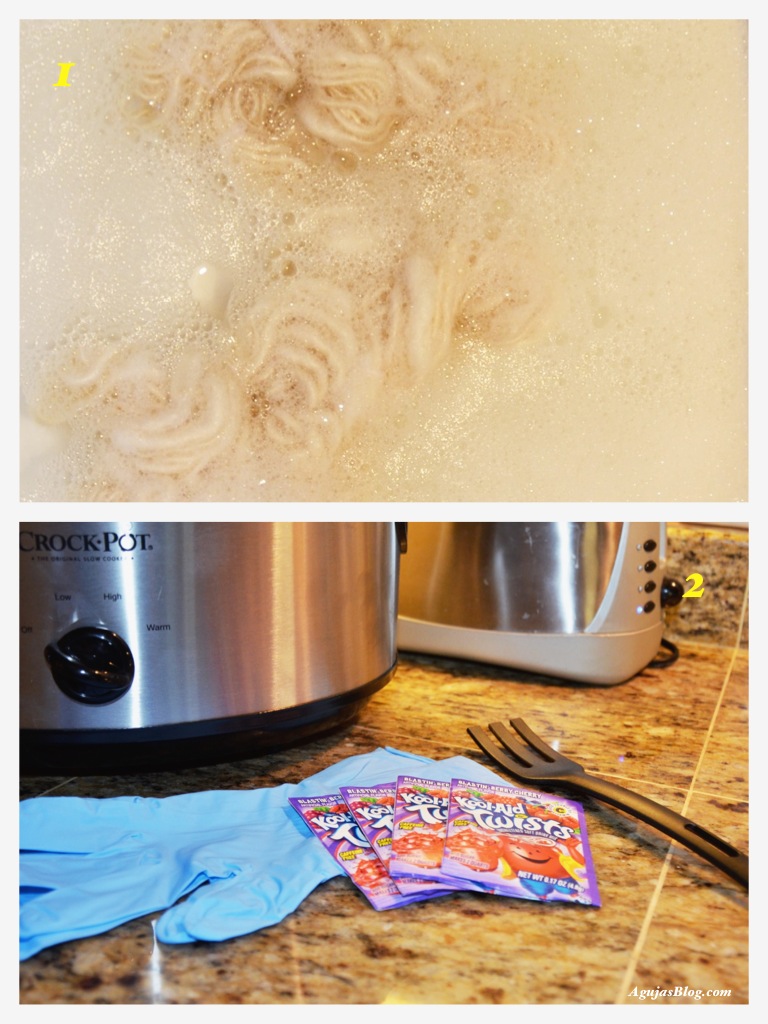
Step 1 – Gently wash your yarn in warm sudsy water. Do not agitate. Soak for 30 minutes.

Step 2 – Gather your equipment – crock pot, gloves, plastic utensil, Kool-Aid packets – and prep the color by stirring in Kool-Aid packets into the water.

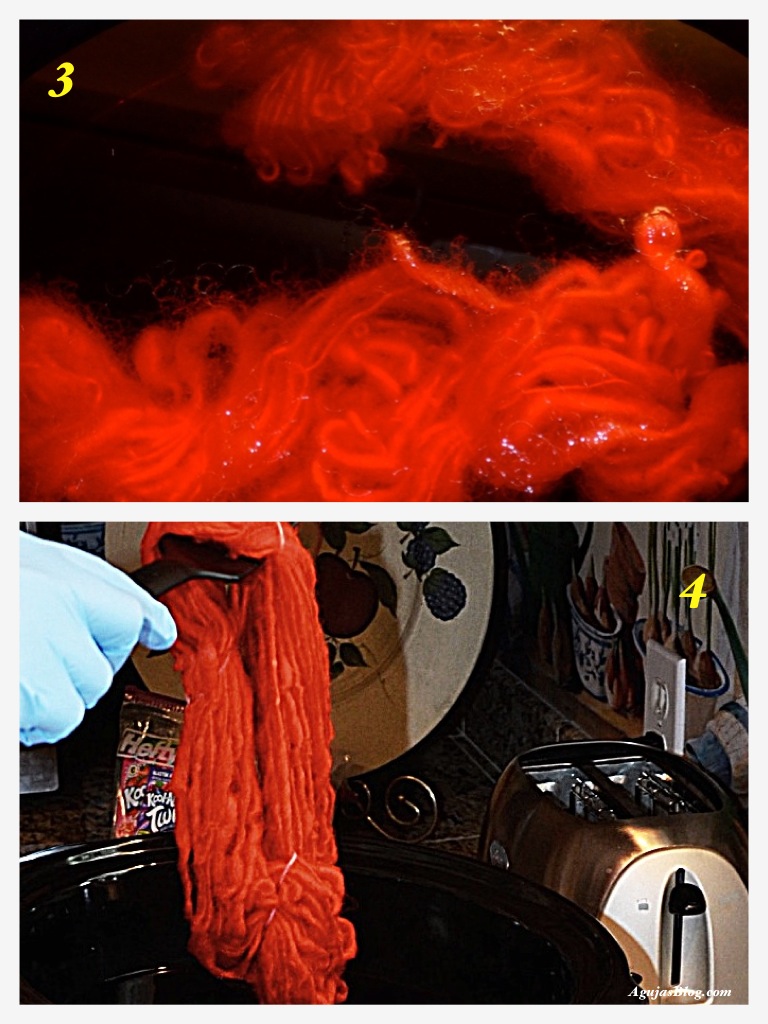
Step 3 – Rinse yarn gently of all the soap and drop the yarn in the colored water. Make sure there is enough water to cover the yarn. Patiently allow the water to just reach boiling point. (If using a crock pot as I did, you will need a lot of patience). Allow to simmer for 30 minutes.

Step 4 – Remove pot from heat and allow to cool. Add more patience. Once cooled, rinse in same temperature water. Gently squeeze out excess water – do not wring.

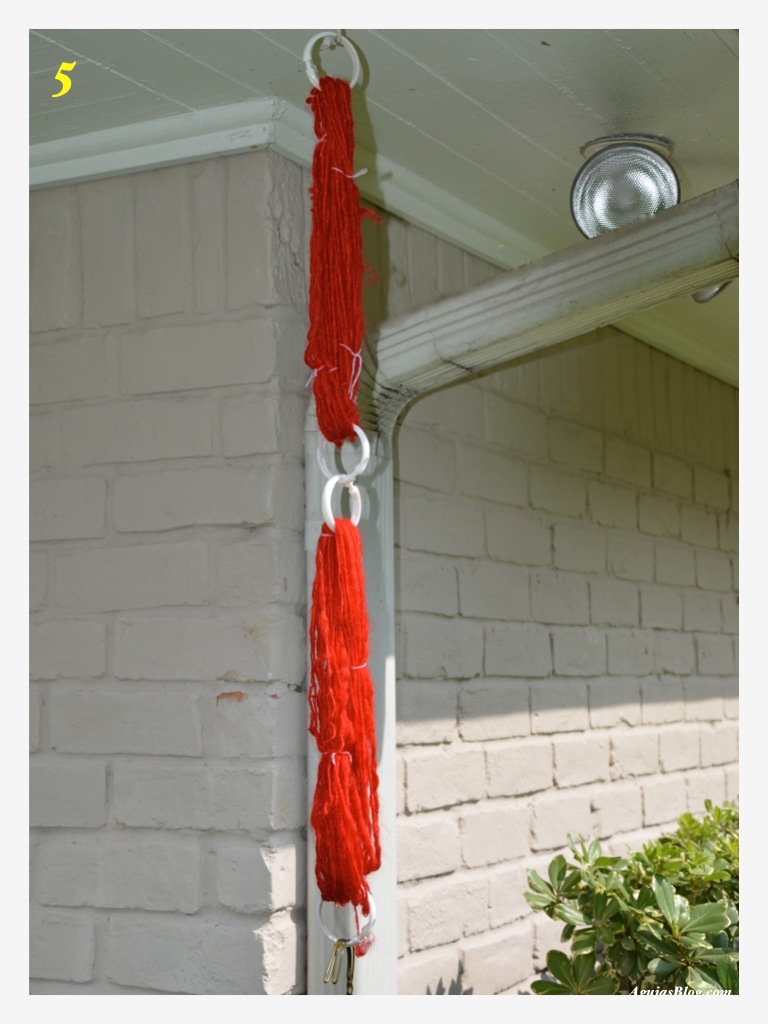
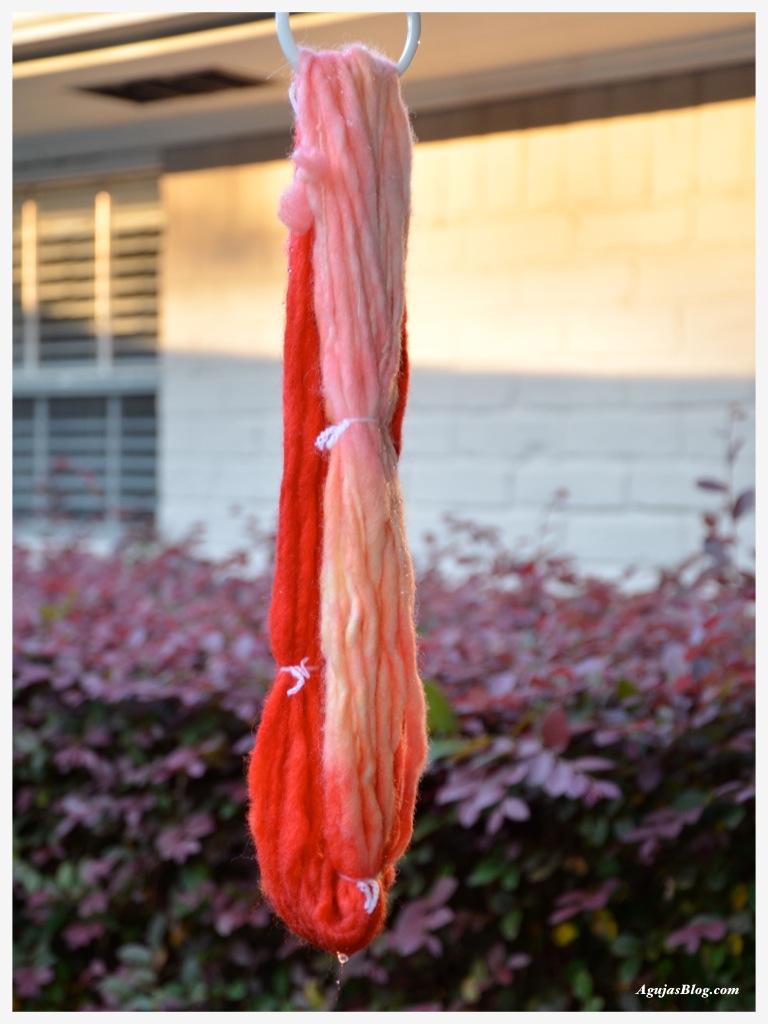
Step 5 – Hang to dry. I used these 99¢ plastic shower hooks from which to hang the yarn. This was to avoid getting rust on the yarn from the plant hooks outside.

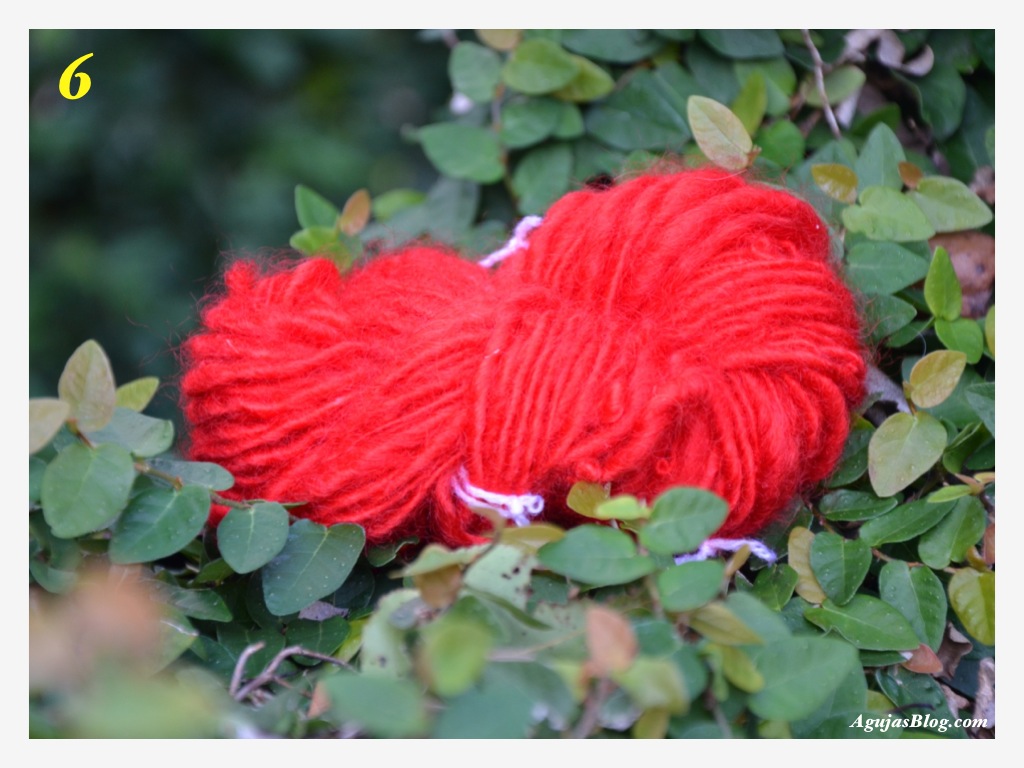
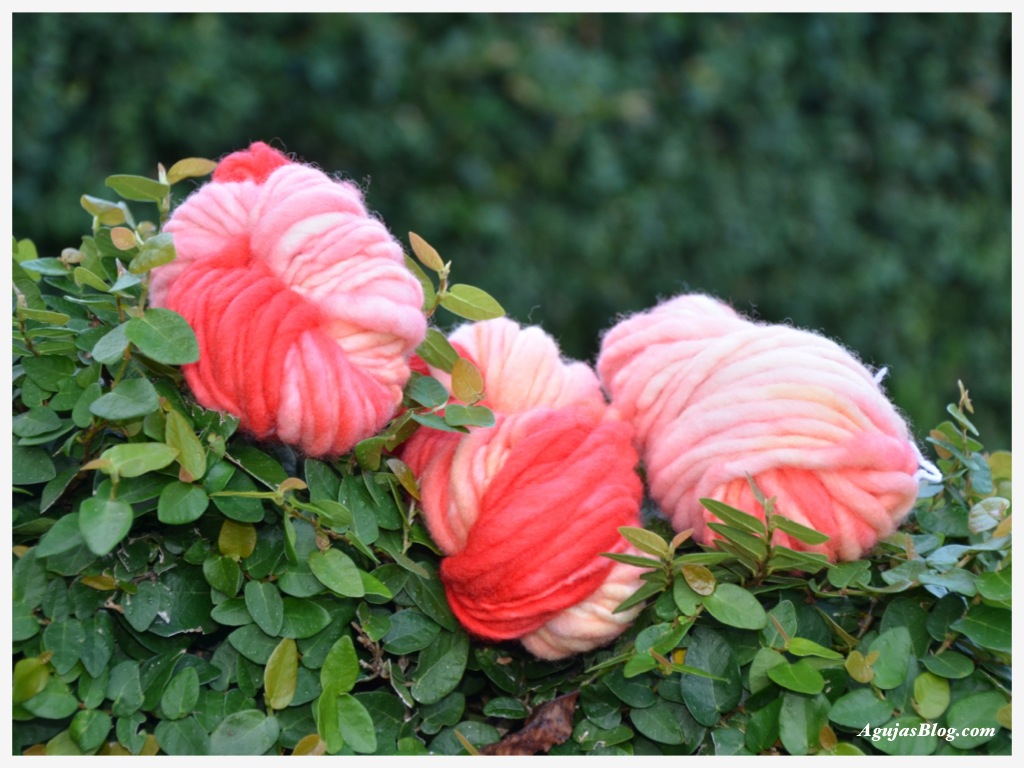
Step 6 – Once dry, wrap your hank of yarn. Step back and admire your work.

Variegated Colors

YARN:    82 yards of Angora Wool (4 oz.)

DYE:     3 packets of Lemonade, 1 packet of Pink Lemonade, & 1 packet of Blastin’ Berry Cherry Kool-Aid

NOTE:  Add more Lemonade and Pink Lemonade if you prefer stronger yellows and pinks. To get more of the orange, allow a slight mixing of the Blastin’ Berry Cherry and Lemonade.

Steps 1 & 2 – Repeat as for solid color dyeing.

Step 3 – Place yarn in warm water. Dissolve same color Kool-Aid in a small amount of water and pour on each side of the container. Do not stir or agitate the water in order to keep the colors separate. I poured the Blastin’ Berry Cherry on one end, the Pink Lemonade on the opposite end, and the Lemonade in the middle.

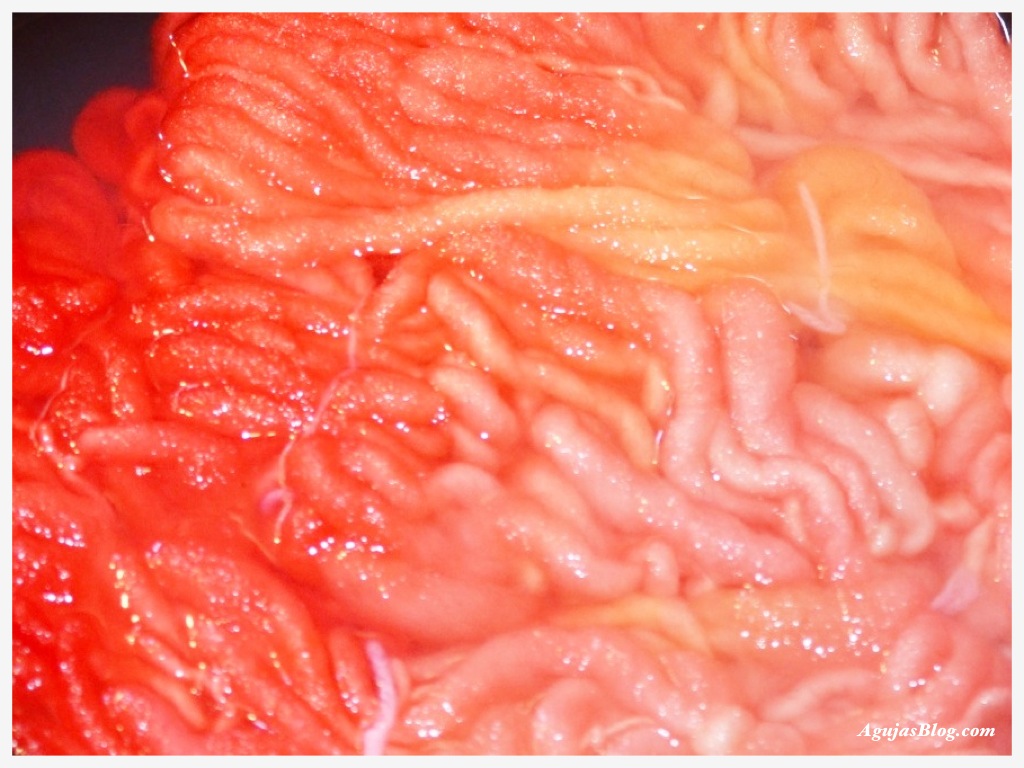
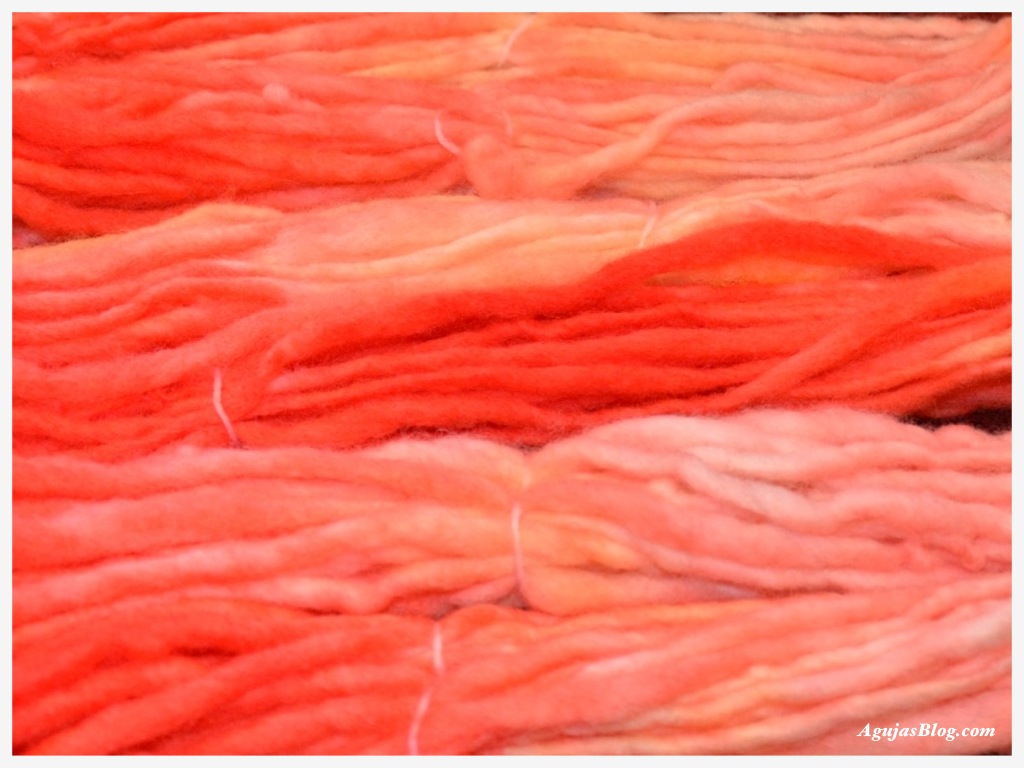
Step 4 – Repeat as for solid color dyeing. This is what mine looked like out of the water.

Step 5 – Repeat as for solid color dyeing.

Step 6 – Repeat as for solid color dyeing.

References

Out of the dozens I read or watched on YouTube, I found these two how-to articles to be straightforward and helpful: Dyeing Wool with Kool-Aid – Immersion Method and Dyed in the Wool.