“40 Under 40: Craft Futures” at the Smithsonian

My husband was in Washington, D.C. recently on a business trip. On his way to a meeting, he saw this:
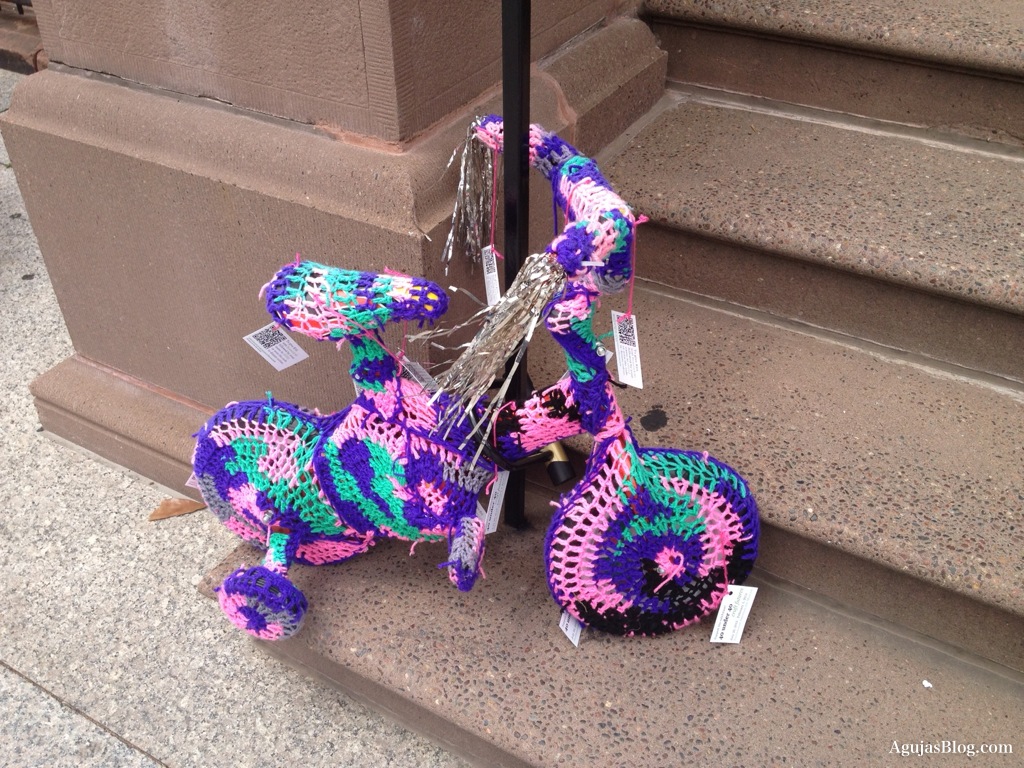
Knowing I would be intrigued, he inquired about the bicycle. The crochet-bombed bicycle is by the Polish artist Olek, one of the artists to be featured in the upcoming “40 under 40: Craft Futures” exhibit. The exhibit will take place in the Renwick Gallery at the Smithsonian American Art Museum from July 20, 2012 through February 3, 2013.

According to the museum’s website, “These 40 artists are united by philosophies for living differently in modern society with an emphasis on sustainability, a return to valuing the hand-made and what it means to live in a state of persistent conflict and unease.”

Amongst other art works in various media, these are some of the knitting and fiber arts-related works you can see and experience first-hand.

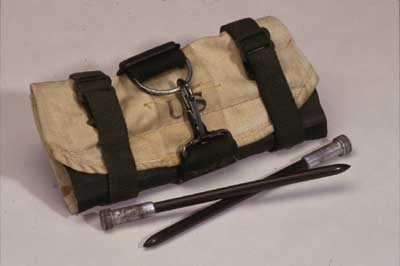
Vintage military knitting needles by Dave Cole (image source).
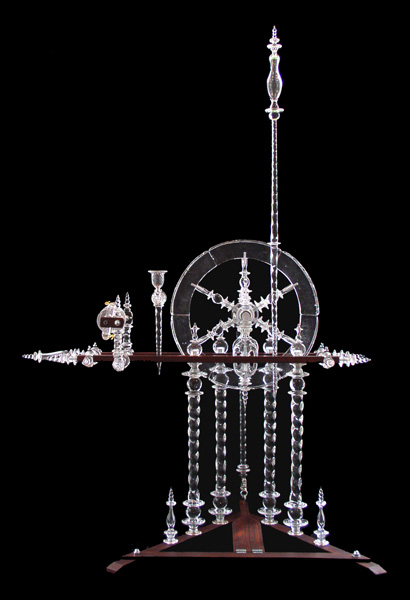
Glass spinning wheel by Andy Paiko (image source). Apparently, this is a fully functioning spinning wheel.
Protest knits by Cat Mazza (image source).
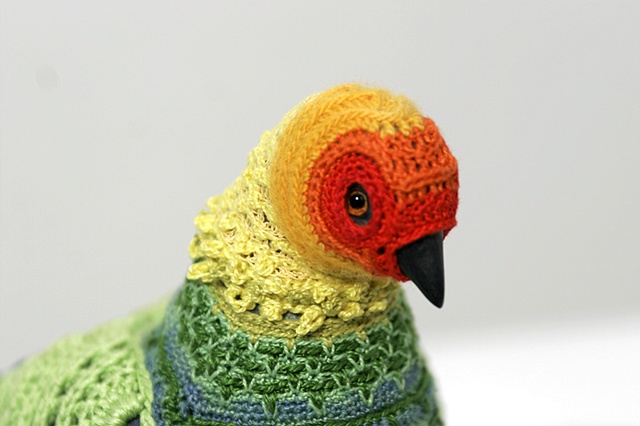
Crochet urban pigeons by Laurel Roth (image source).

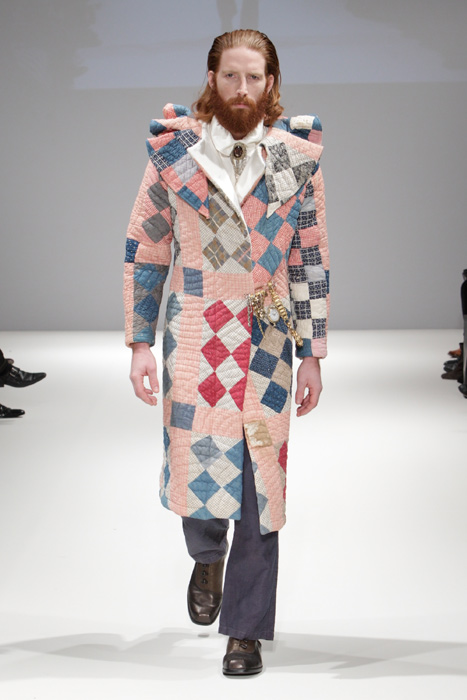
Quilted coat by Jeff Garner (image source).
You can read about all 40 artists and view a slide-show preview of the exhibit at the Smithsonian American Art Museum’s website. Better yet, if you are in D.C., go see it in person. I hope I can.
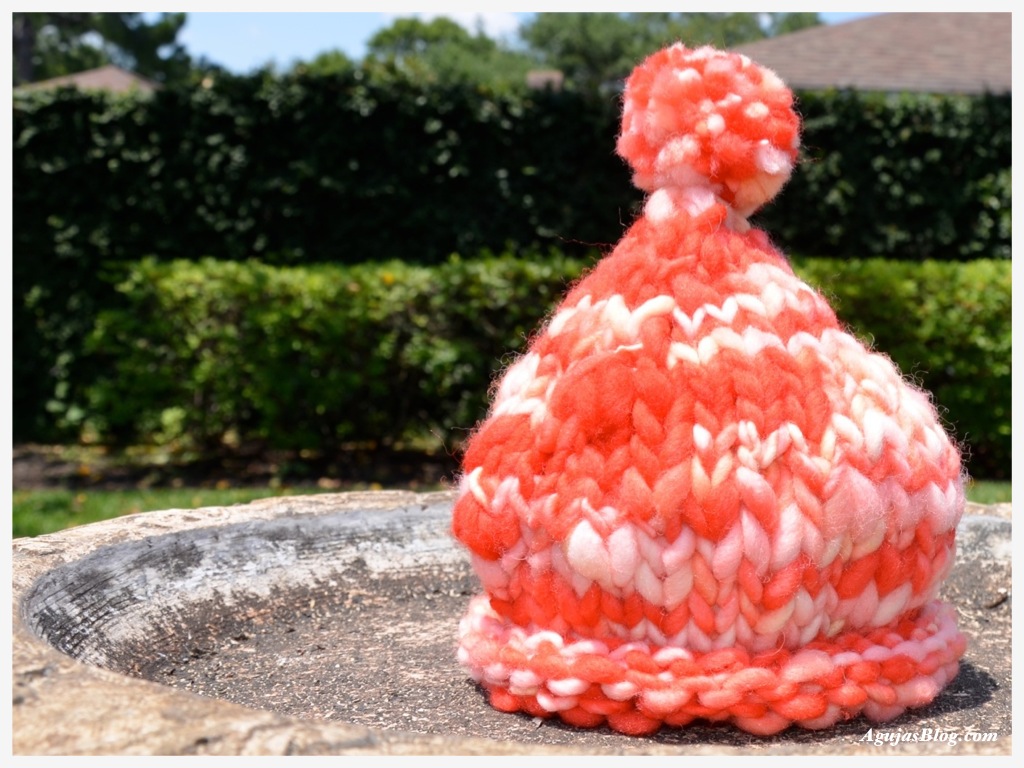
Bubble Gum Hat

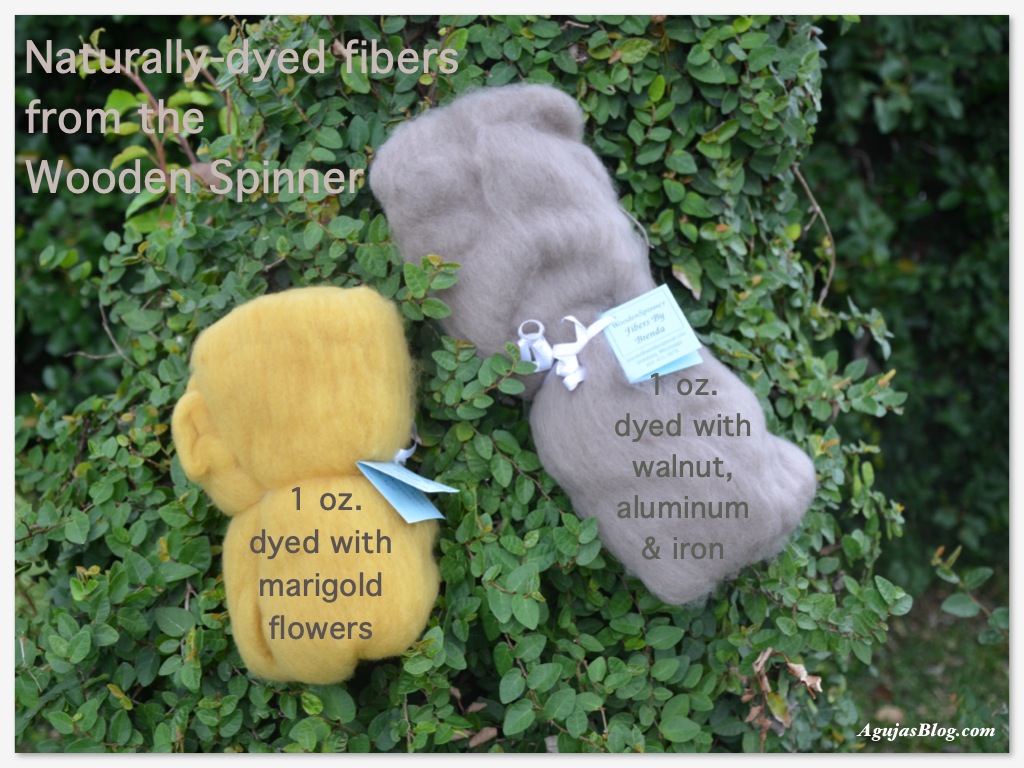
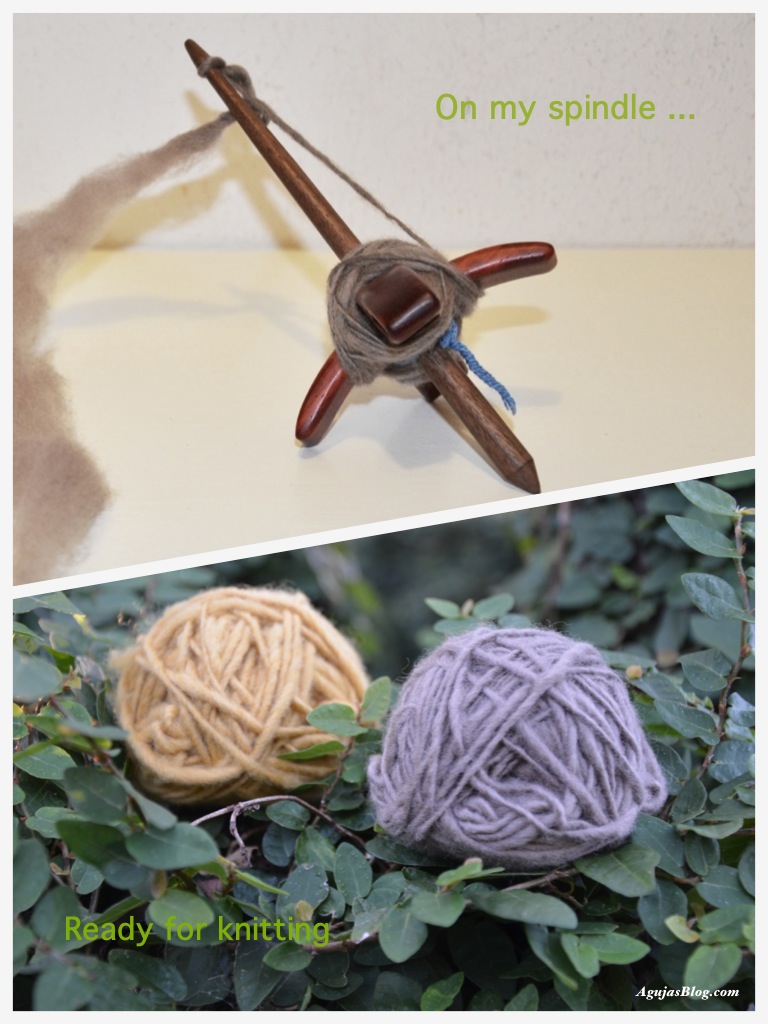
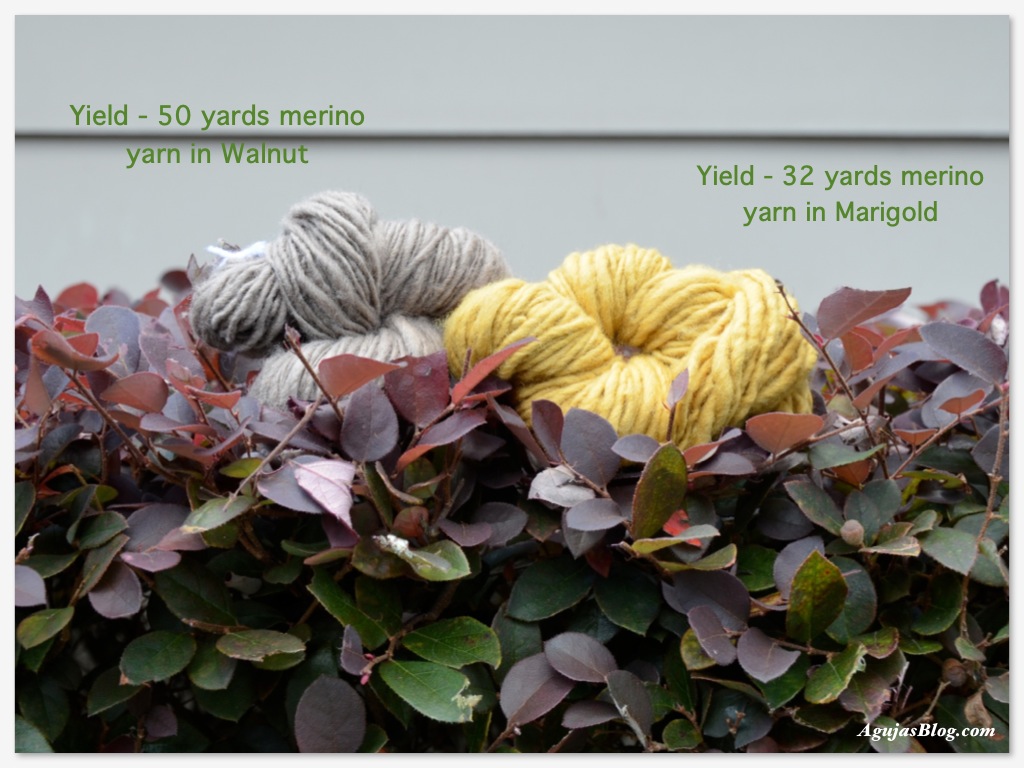
After spinning and dyeing my small batches of yarn, my fingers were itching for a project to use it on.

Since I had small skeins to work with, I needed a small item to knit.

So off I went to the wonderful Purl Bee and found their Whit’s Knits: Fun Kid’s Hat. It required just the amount of yarn I had with a little left over.

I started knitting.

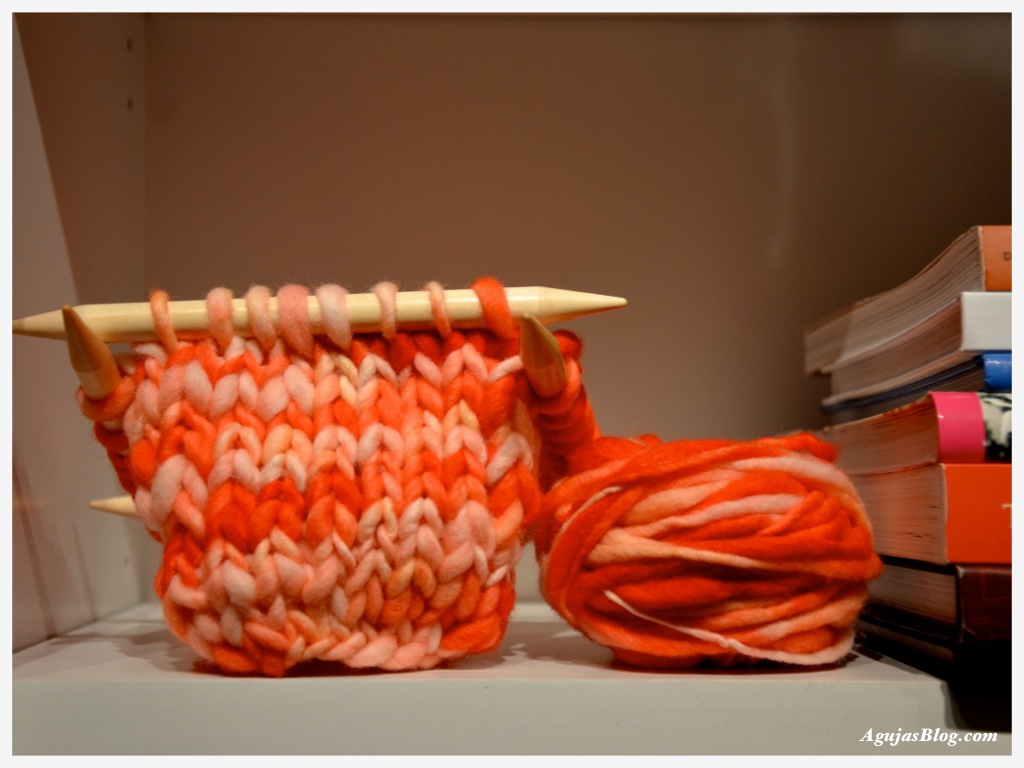
It was fun watching the colors meld together. And the unevenness I was so worried about when I was spinning actually worked out quite nicely.

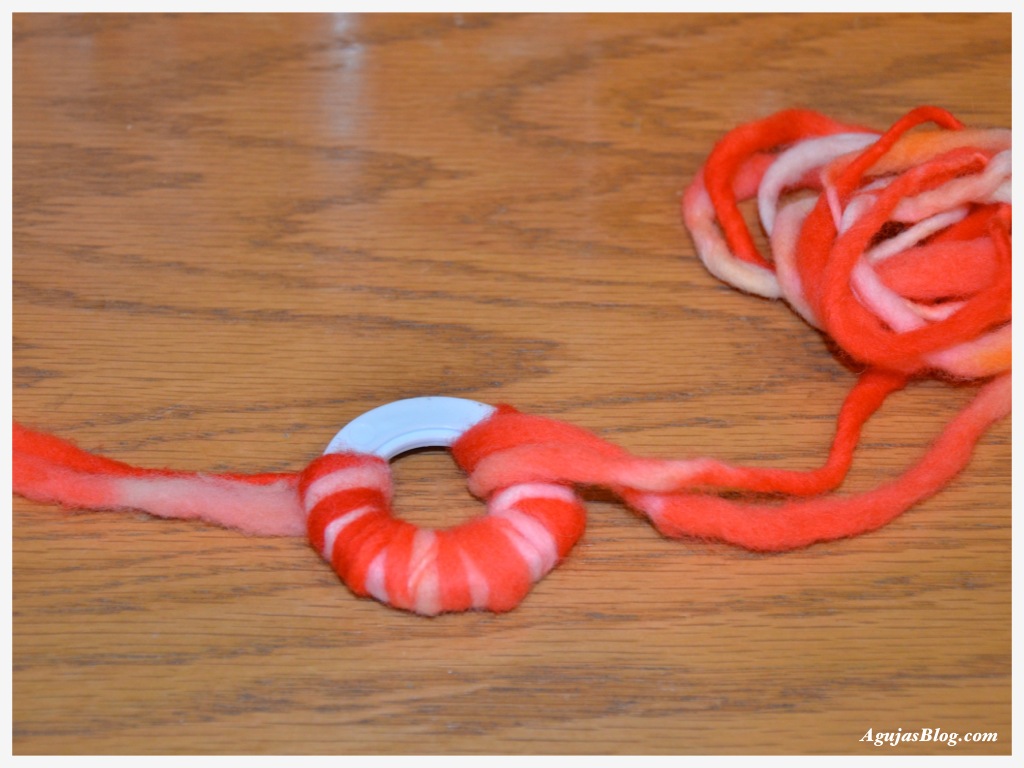
Making the pom-pom.

All done.

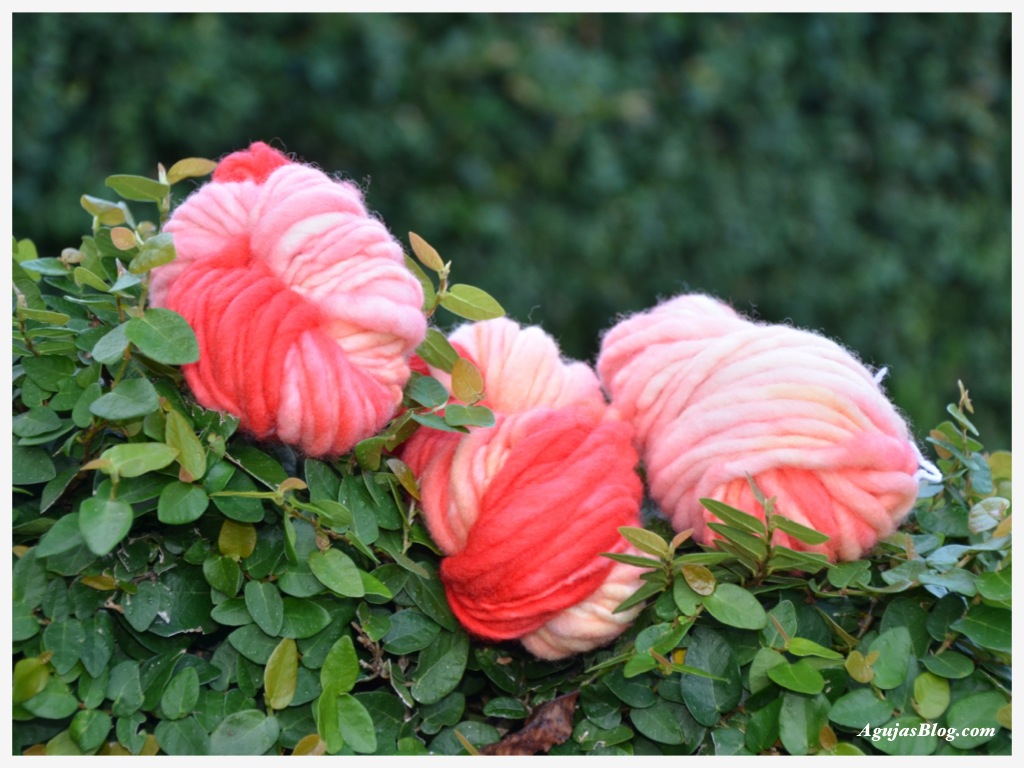
The colors remind me of those big soft squares of juicy bubble gum.

Hand-spun wool.

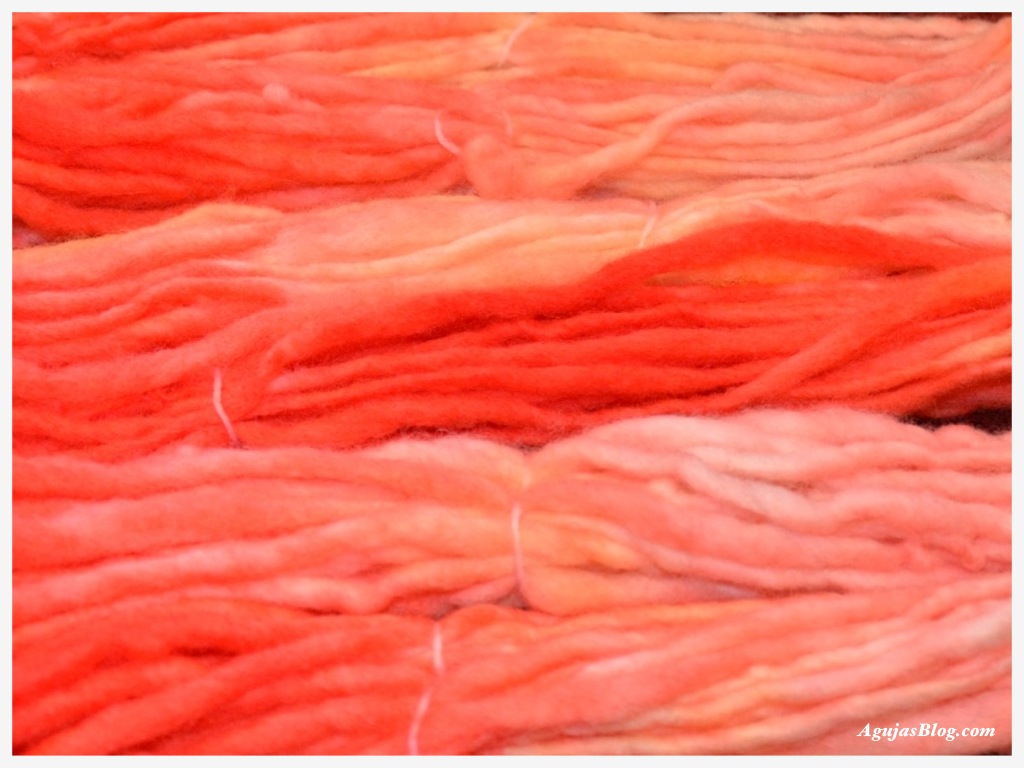
Hand-dyed yarn.

Hand-knit hat.

Kool-Aid and bubble gum.

Life is good.

Hey, Kool-Aid! Oh, Yeah!!

A chronicle of my first adventures in dyeing my hand-spun yarn.

Solid Color

YARN:    45 yards of Mohair (2 oz)

DYE:       3 packets of Blastin’ Berry Cherry Kool-Aid

NOTE:    This flavor Kool-Aid dyes a very strong, vibrant color. 1 packet may have been sufficient.

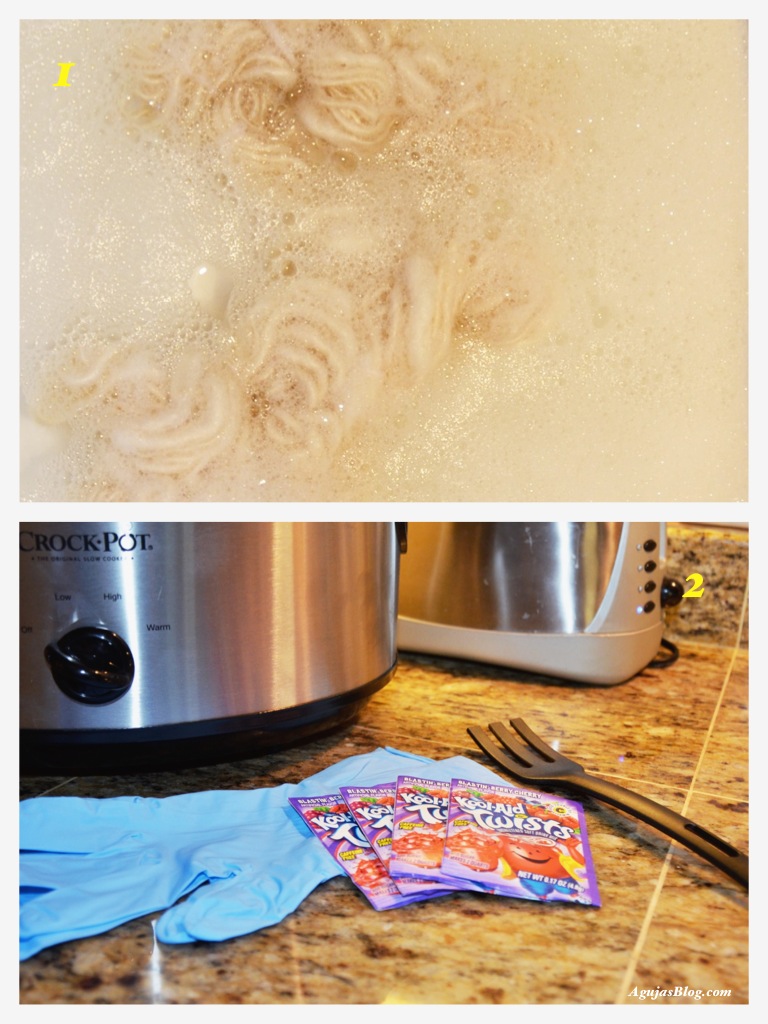
Step 1 – Gently wash your yarn in warm sudsy water. Do not agitate. Soak for 30 minutes.

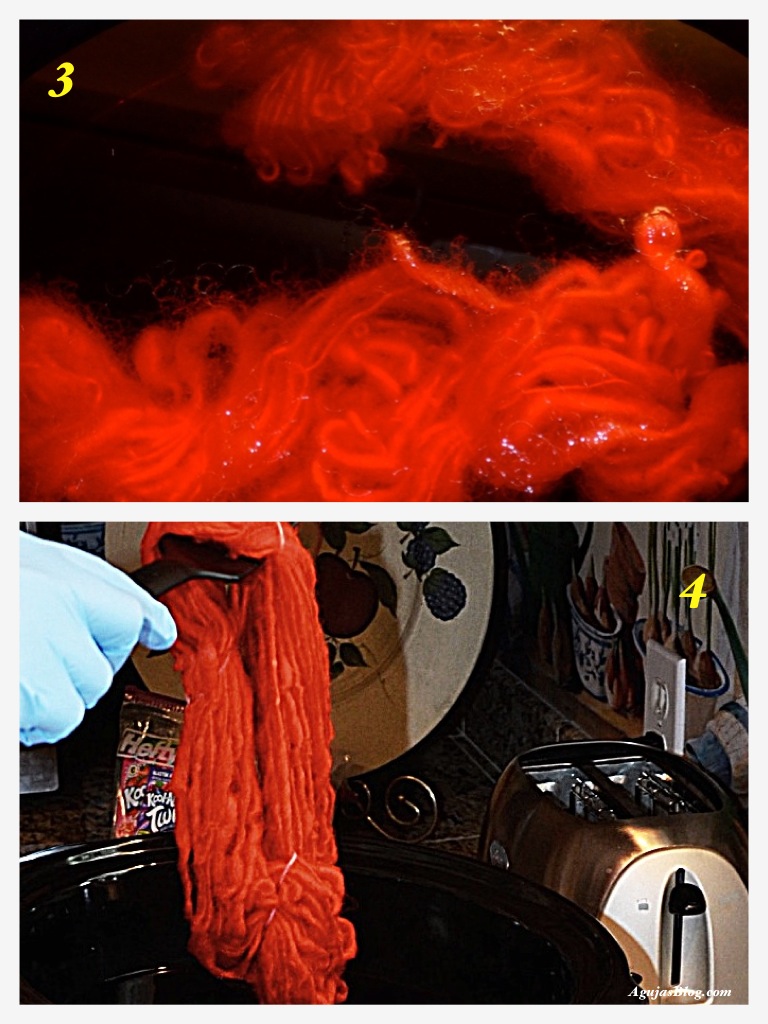
Step 2 – Gather your equipment – crock pot, gloves, plastic utensil, Kool-Aid packets – and prep the color by stirring in Kool-Aid packets into the water.

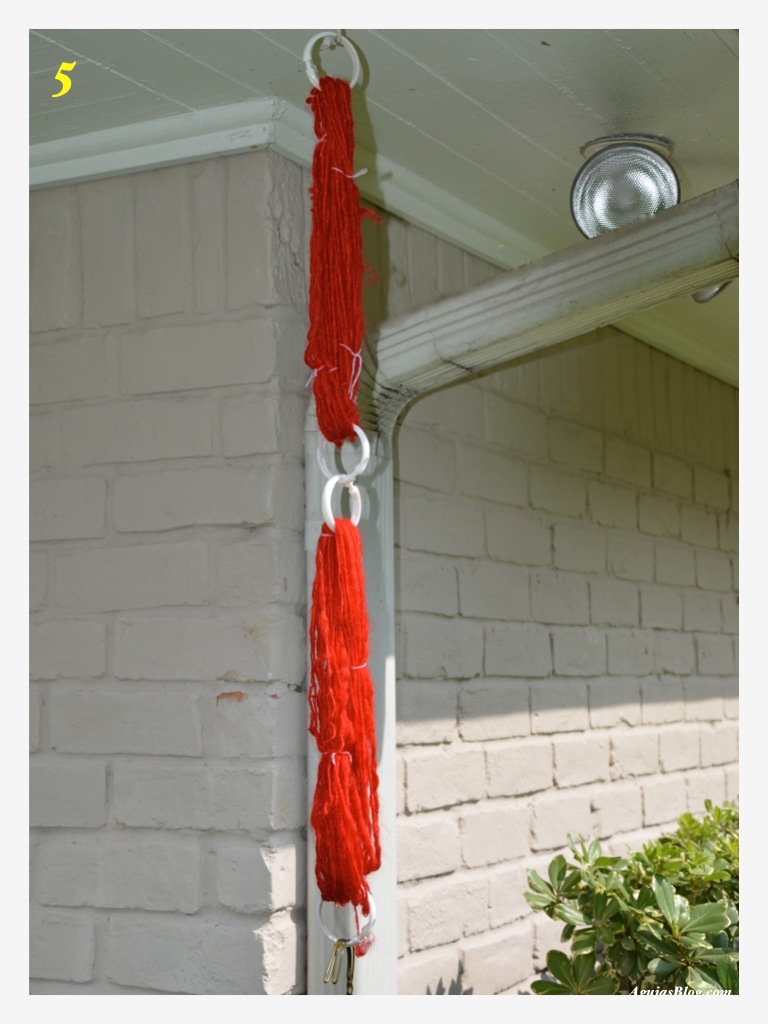
Step 3 – Rinse yarn gently of all the soap and drop the yarn in the colored water. Make sure there is enough water to cover the yarn. Patiently allow the water to just reach boiling point. (If using a crock pot as I did, you will need a lot of patience). Allow to simmer for 30 minutes.

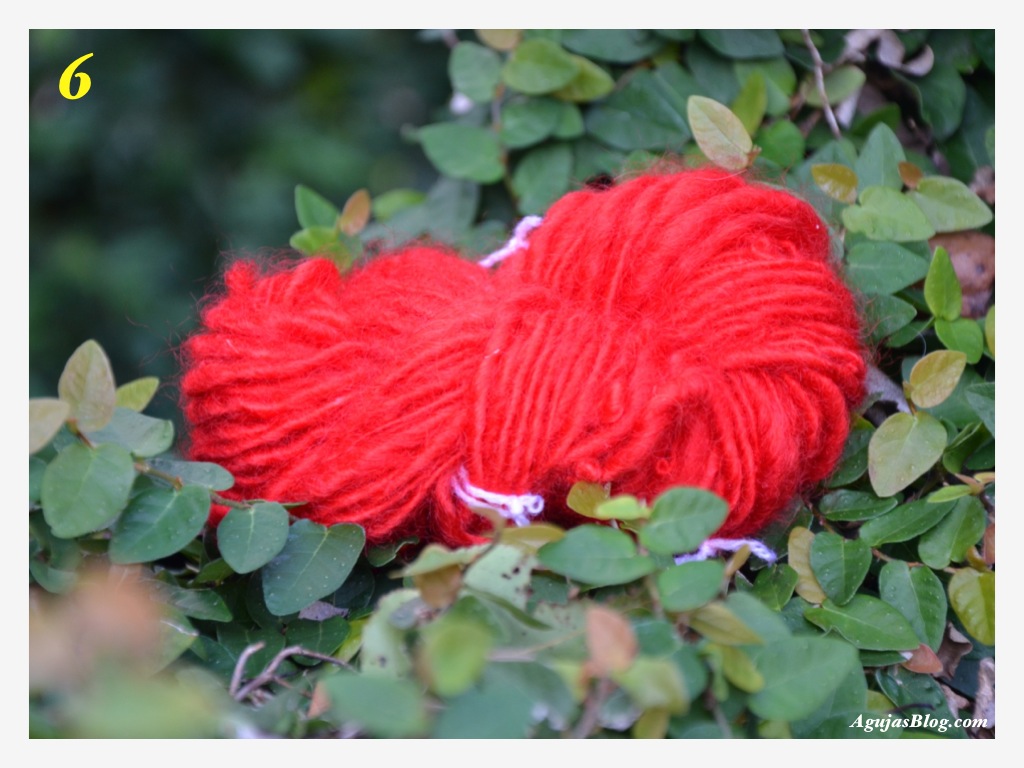
Step 4 – Remove pot from heat and allow to cool. Add more patience. Once cooled, rinse in same temperature water. Gently squeeze out excess water – do not wring.

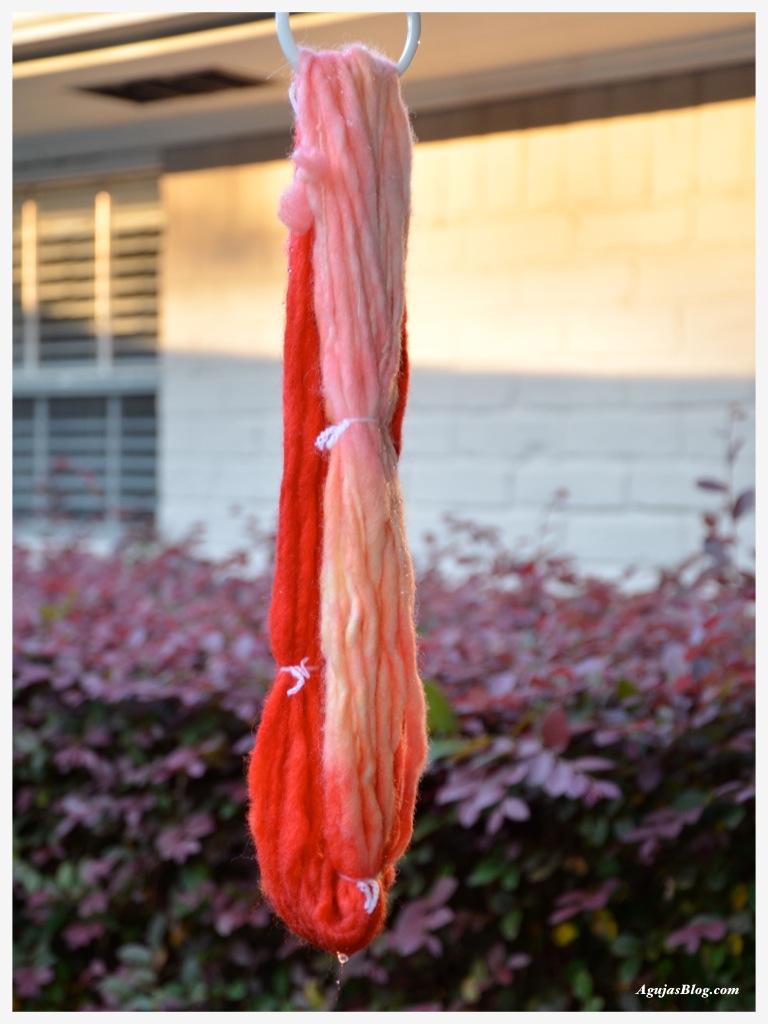
Step 5 – Hang to dry. I used these 99¢ plastic shower hooks from which to hang the yarn. This was to avoid getting rust on the yarn from the plant hooks outside.

Step 6 – Once dry, wrap your hank of yarn. Step back and admire your work.

Variegated Colors

YARN:    82 yards of Angora Wool (4 oz.)

DYE:     3 packets of Lemonade, 1 packet of Pink Lemonade, & 1 packet of Blastin’ Berry Cherry Kool-Aid

NOTE:  Add more Lemonade and Pink Lemonade if you prefer stronger yellows and pinks. To get more of the orange, allow a slight mixing of the Blastin’ Berry Cherry and Lemonade.

Steps 1 & 2 – Repeat as for solid color dyeing.

Step 3 – Place yarn in warm water. Dissolve same color Kool-Aid in a small amount of water and pour on each side of the container. Do not stir or agitate the water in order to keep the colors separate. I poured the Blastin’ Berry Cherry on one end, the Pink Lemonade on the opposite end, and the Lemonade in the middle.

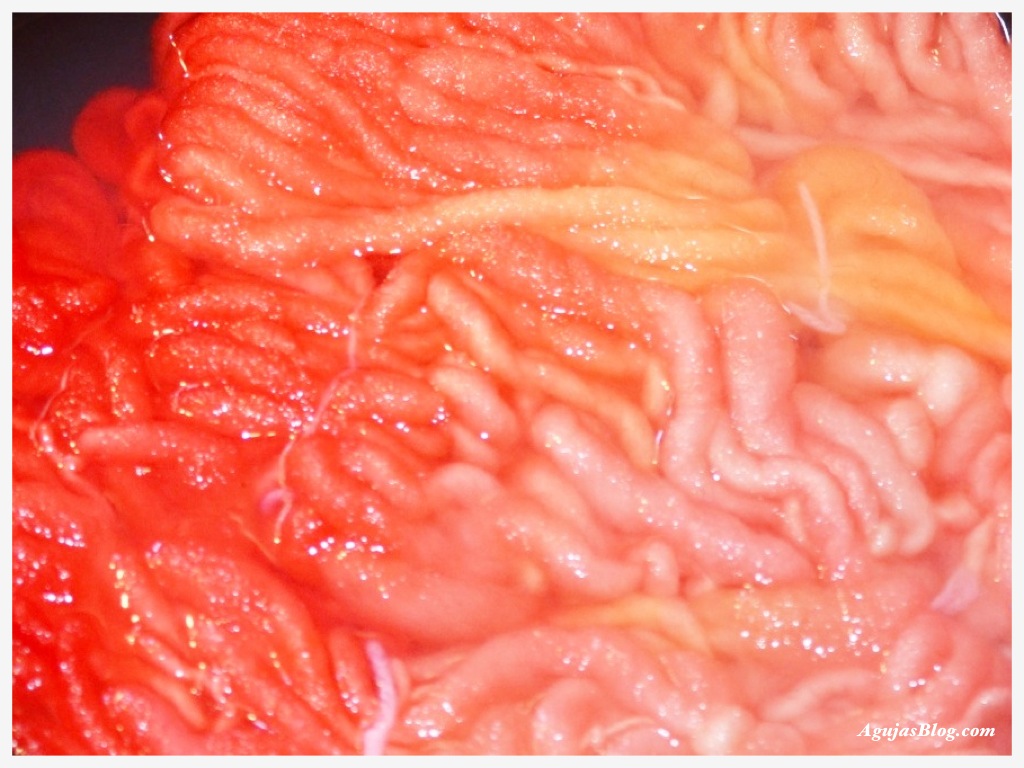
Step 4 – Repeat as for solid color dyeing. This is what mine looked like out of the water.

Step 5 – Repeat as for solid color dyeing.

Step 6 – Repeat as for solid color dyeing.

References

Out of the dozens I read or watched on YouTube, I found these two how-to articles to be straightforward and helpful: Dyeing Wool with Kool-Aid – Immersion Method and Dyed in the Wool.

For Baby

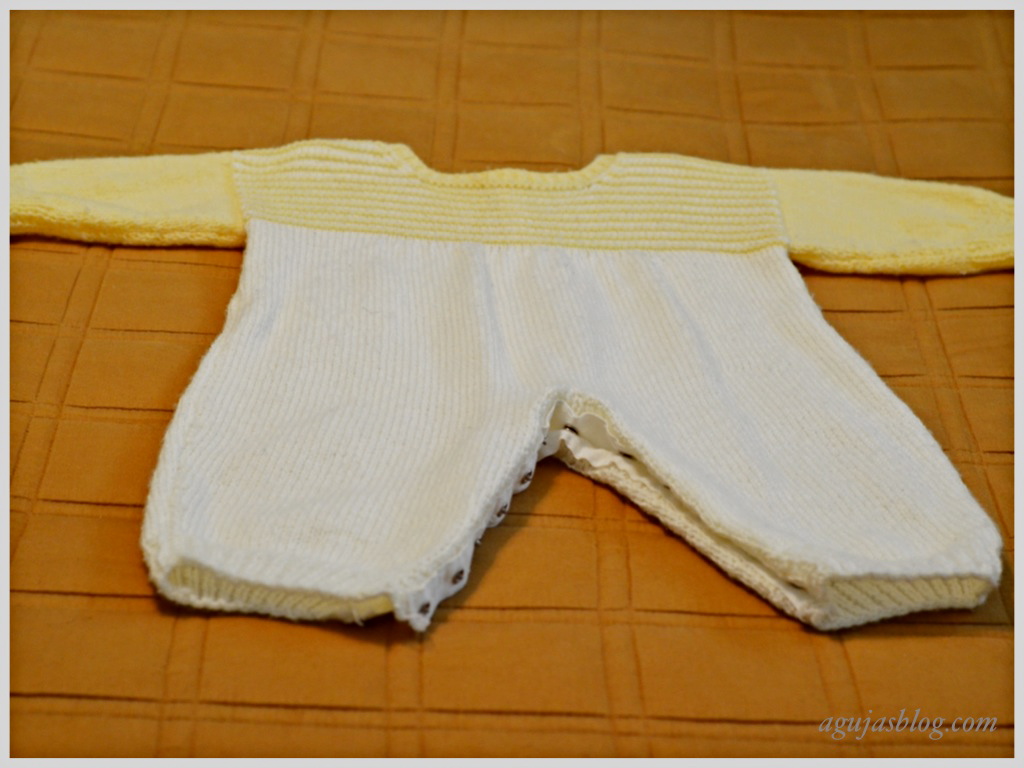
My baby is now a teenager. Amazing. He just had a birthday and it brought back memories of when he was a wee little baby in my arms.

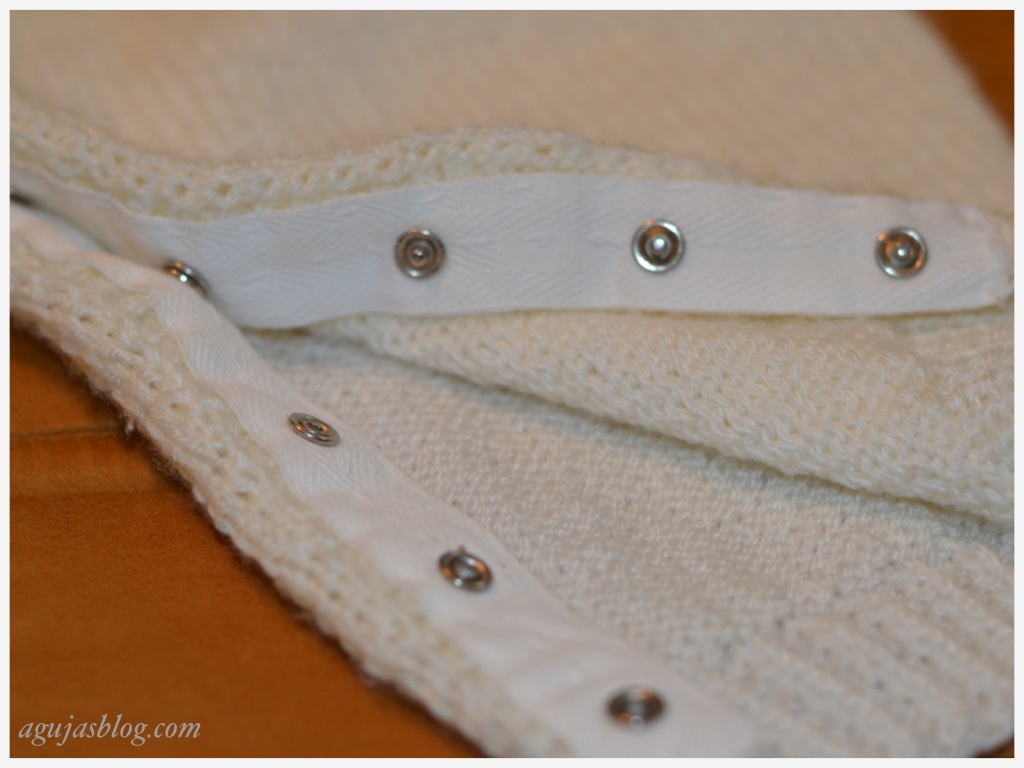
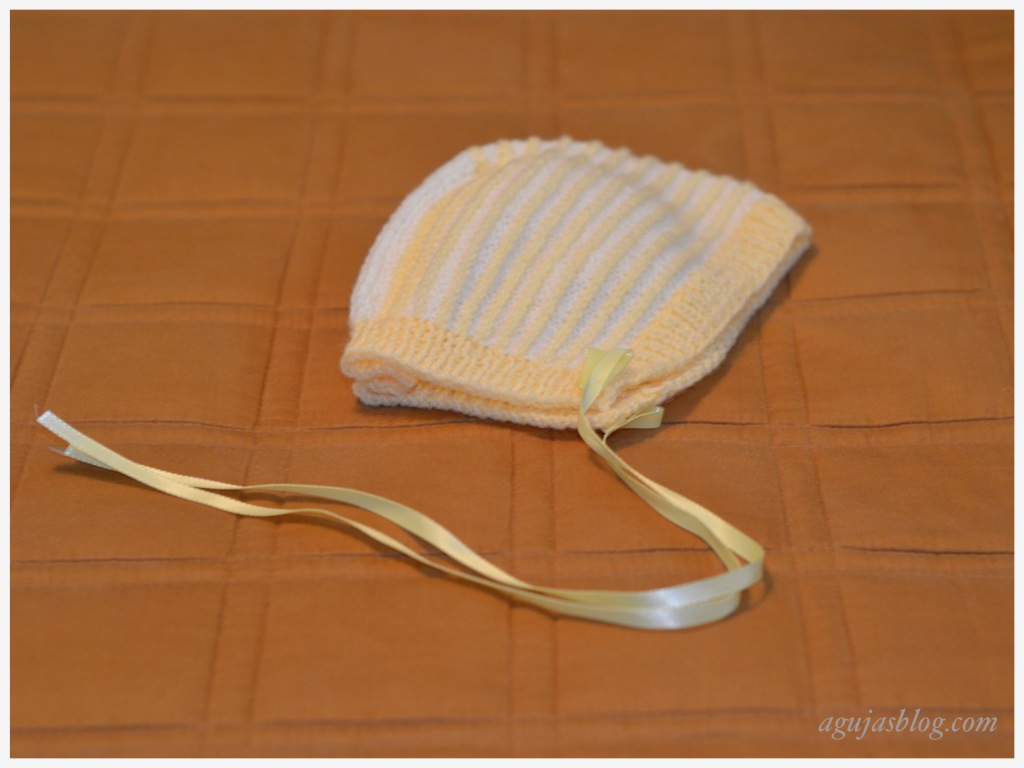
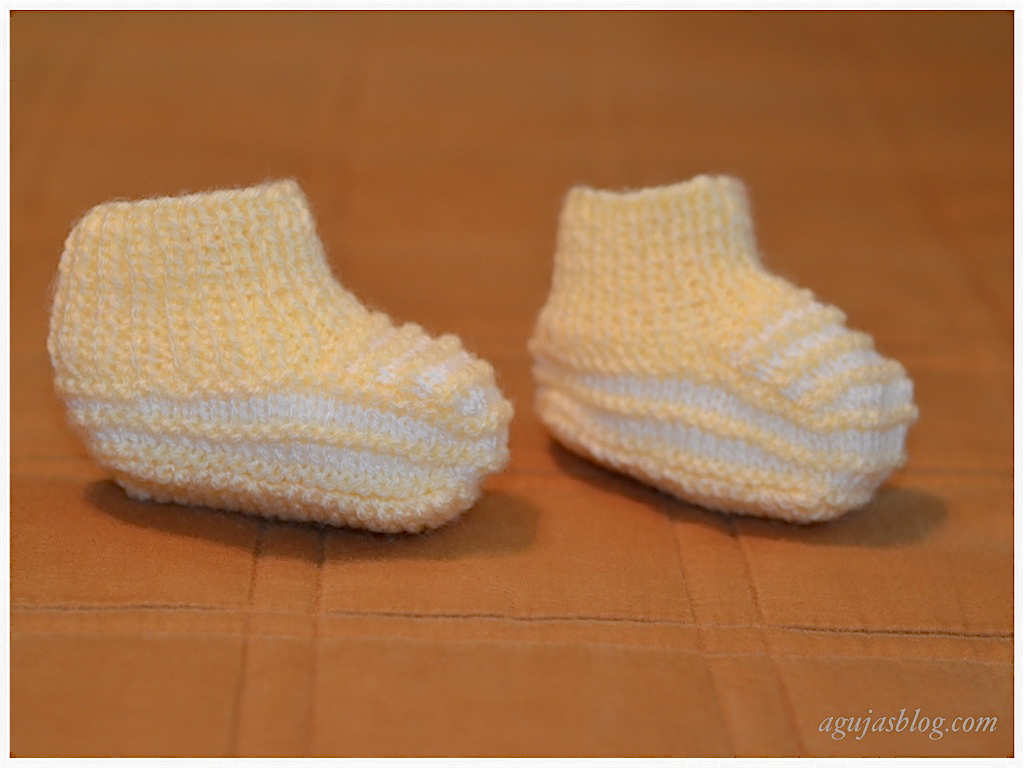
Here are some of my earlier knits made especially for him. I would show pictures of him wearing them but I don’t think he would like that!