The Yarn Tree (or Yarn Store by Proxy)

During the few hours that we were able to do some sightseeing in South Africa, we did attempt to visit a couple of yarn stores. Unfortunately, we struck out because either the store was closed or non-existent or we simply did not have the correct address, and we had very little time. Knowing how disappointed I was, my husband decided to try again and found this gem in Houghton. So I give you The Yarn Tree, a yarn store by proxy.
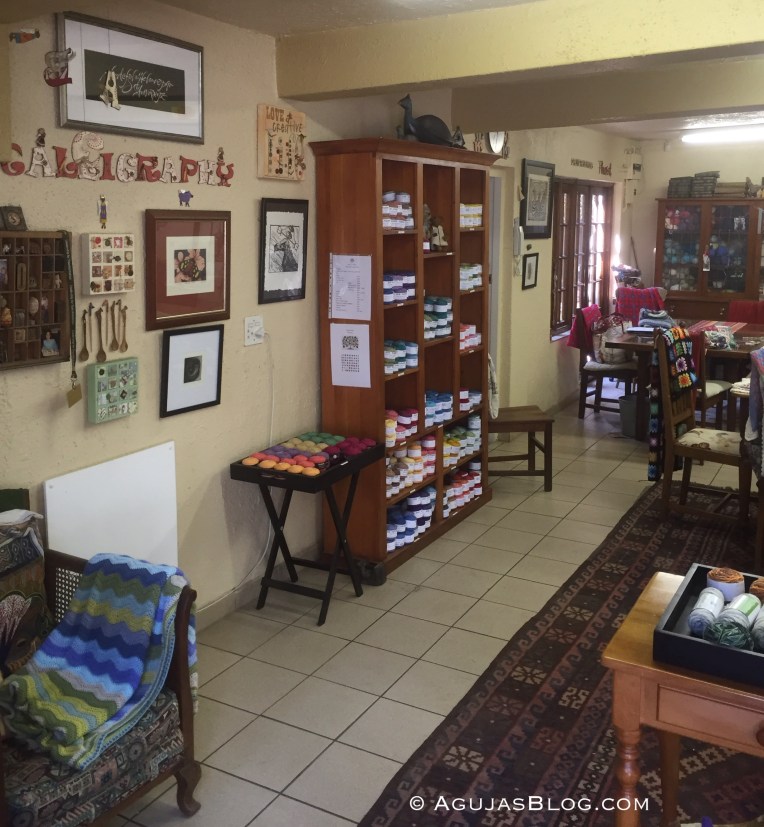
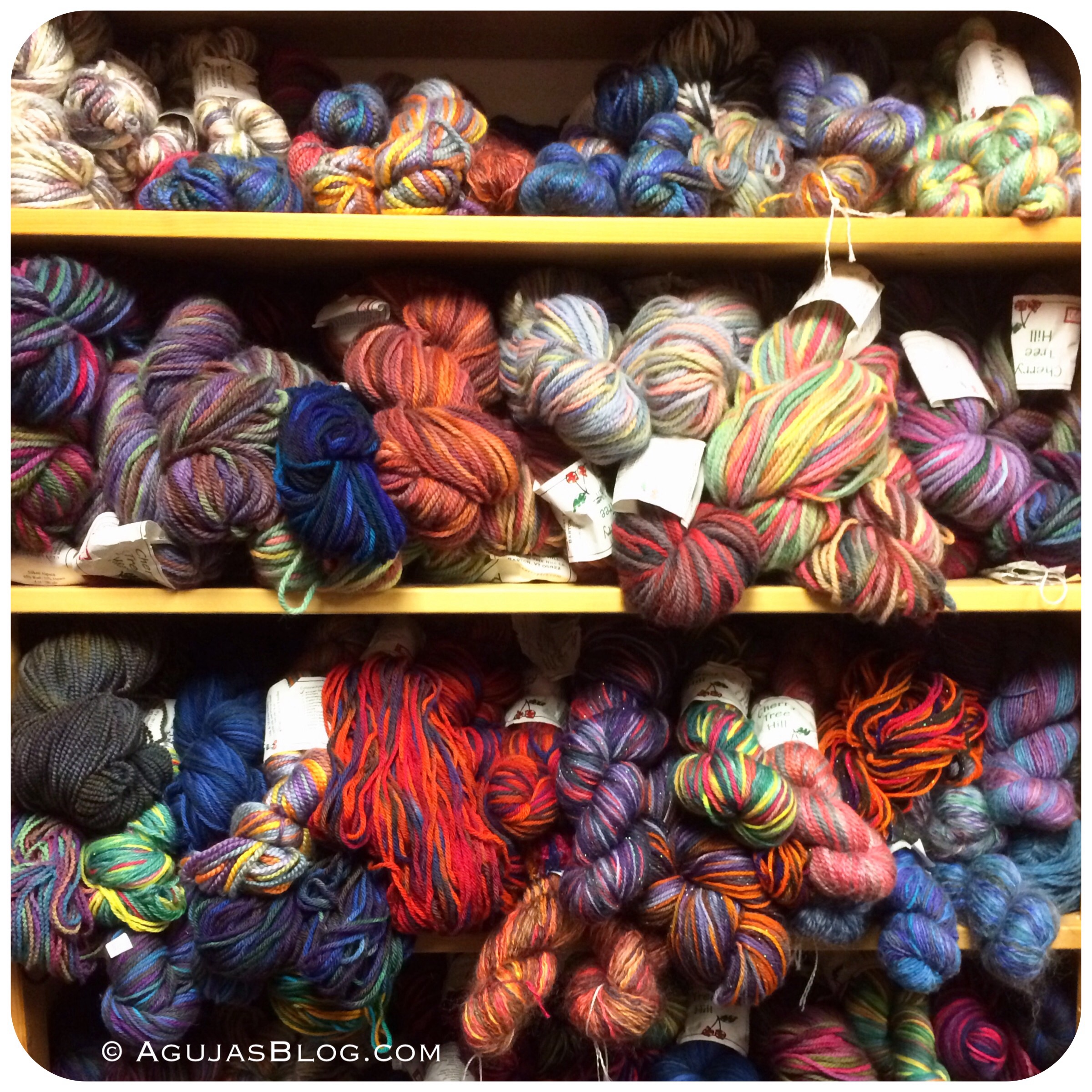
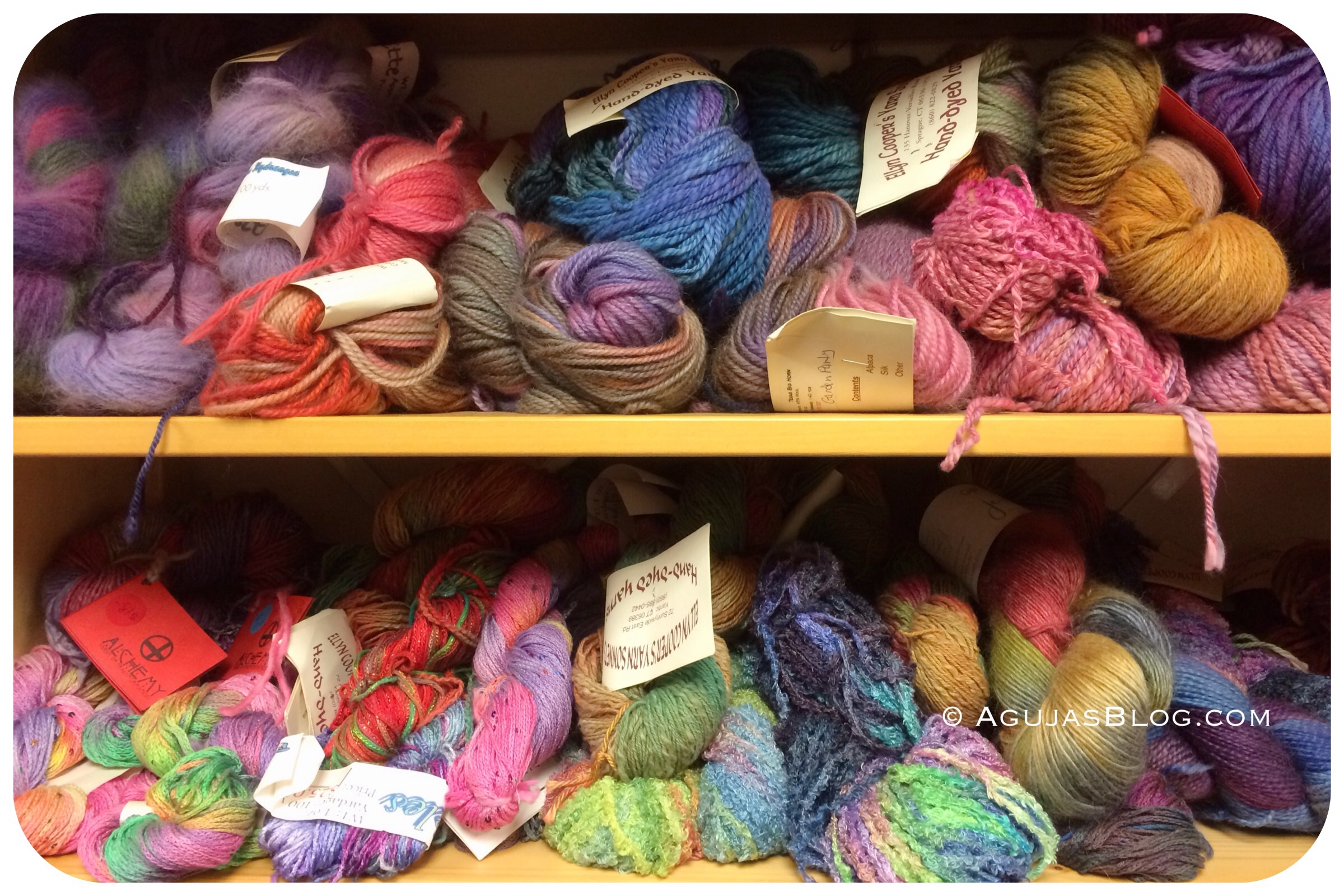
The Yarn Tree - partial view

The Yarn Tree started off as a calligraphy studio and is located in a beautiful residential suburb of Johannesburg. The Yarn Tree is a labour of love for a British ex-pat and two South African women who met volunteering for 67 Blankets for Mandela.

I was interested to learn about 67 Blankets for Mandela and looked them up online. It turns out that in April of this year, volunteer knitters, crocheters and quilters covered 3133 square meters with handmade blankets and broke a Guinness World Record for the largest area covered by a blanket. The meaning behind the number is a call to devote 67 minutes to community service in honor of Nelson Mandela’s 67 years of service to South Africa. (Source)
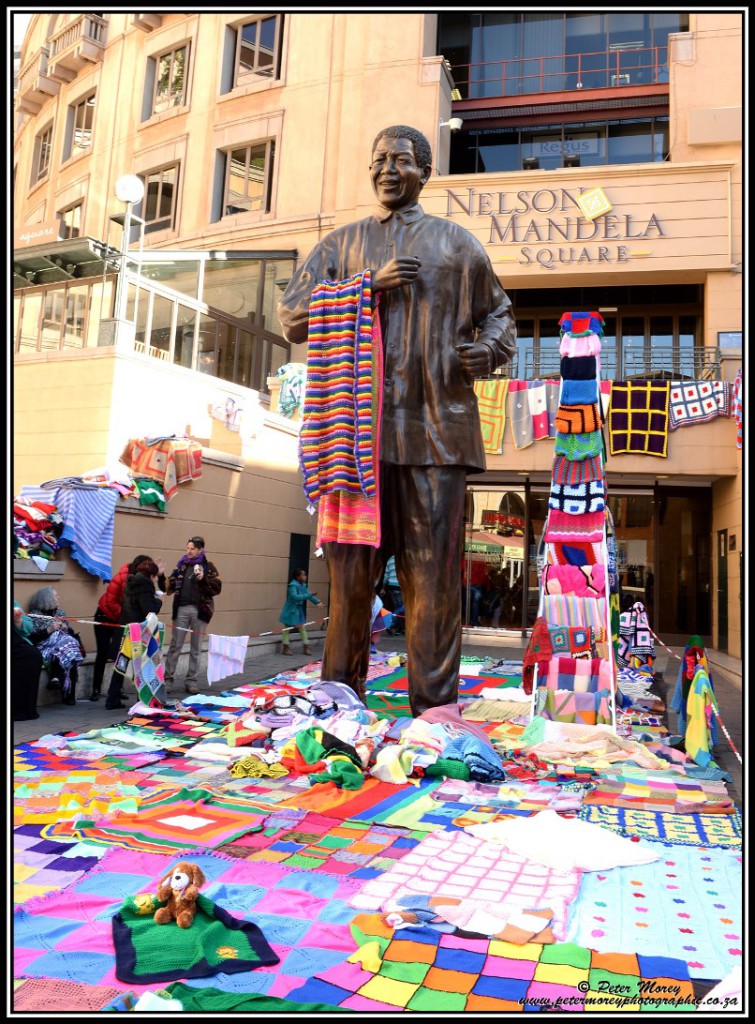
(Source)

As the story unfolded, I became even more excited to learn about The Yarn Tree. The selection of yarn is carefully curated by Adrienne, Kelly and Anne-Marie with an eye toward eco-friendly materials sourced in South Africa. With Kelly’s help, my husband brought me some yarn called Eco-Fusion, a 50% cotton, 50% bamboo blend by Nurturing FibresNurturing Fibres is an eco-friendly yarn brand, hand dyed near Cape Town.
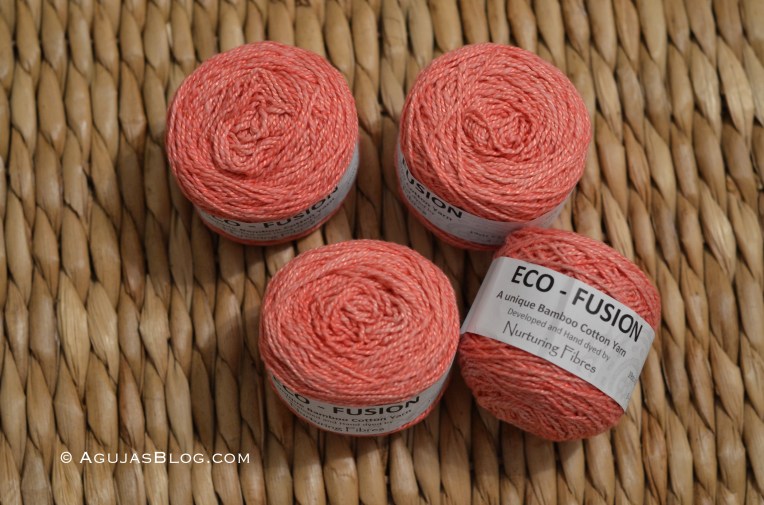
Eco-Fusion Yarn 1

Nurturing fibres strives to conserve as much energy and water during their production process. They make use of borehole water which is heated by solar power for the dye baths. After dyeing, the PH levels in the dye-baths are neutralized and the water is then used to irrigate an olive grove near the dye studio. (Source: Placard at The Yarn Tree)
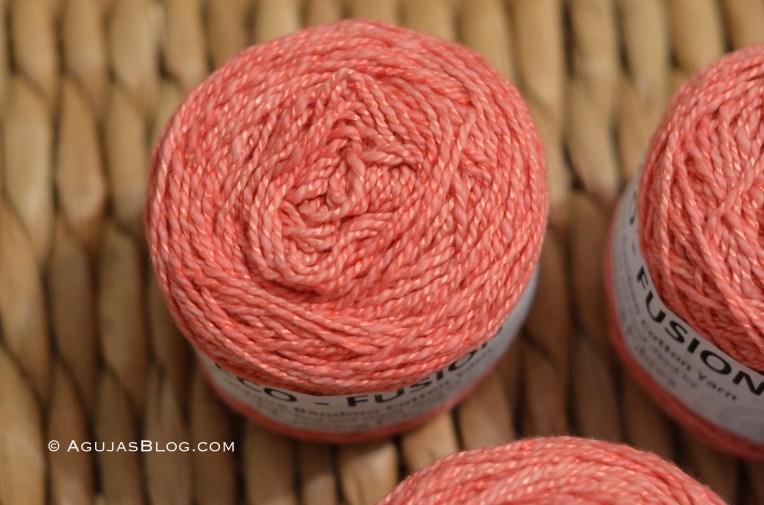
Eco-Fusion Yarn 2

The next gift was also specially curated for women who have had mastectomies. With the Knitted Knockers kit, you can knit a prosthetic breast for mastectomy patients. The kit contains a 50 gram ball of organically grown cotton yarn by ColourSpun and 25 grams of pure merino for the filling. Each skein is hand wound and hand dyed.
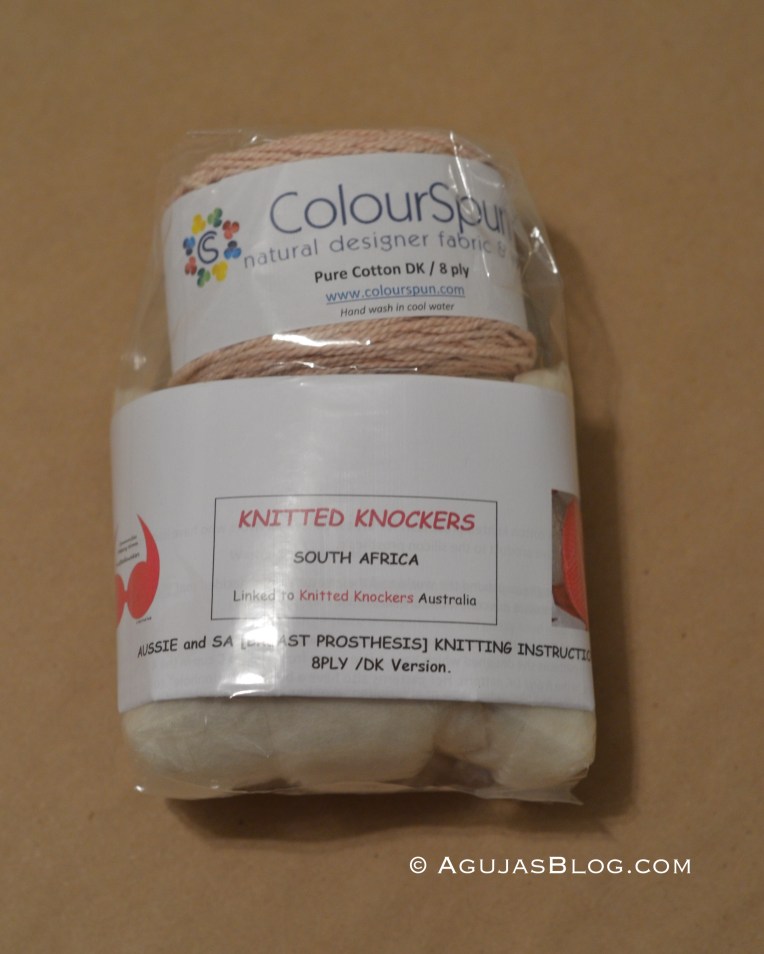
Knitted Knockers

Even though I was unable to visit in person, I learned a tremendous amount about these mission-driven ladies and their beautiful shop. You can follow The Yarn Tree on Facebook or contact them at theyarntree (@) yahoo (dot) com. The Yarn Tree hosts Charity Afternoons on Mondays and a Coffee Club on Friday mornings. They also have various workshops including a Knitting for Knockers Charity Day. Look them up if you are in Johannesburg. I know I will!
Rosebank Roof Market

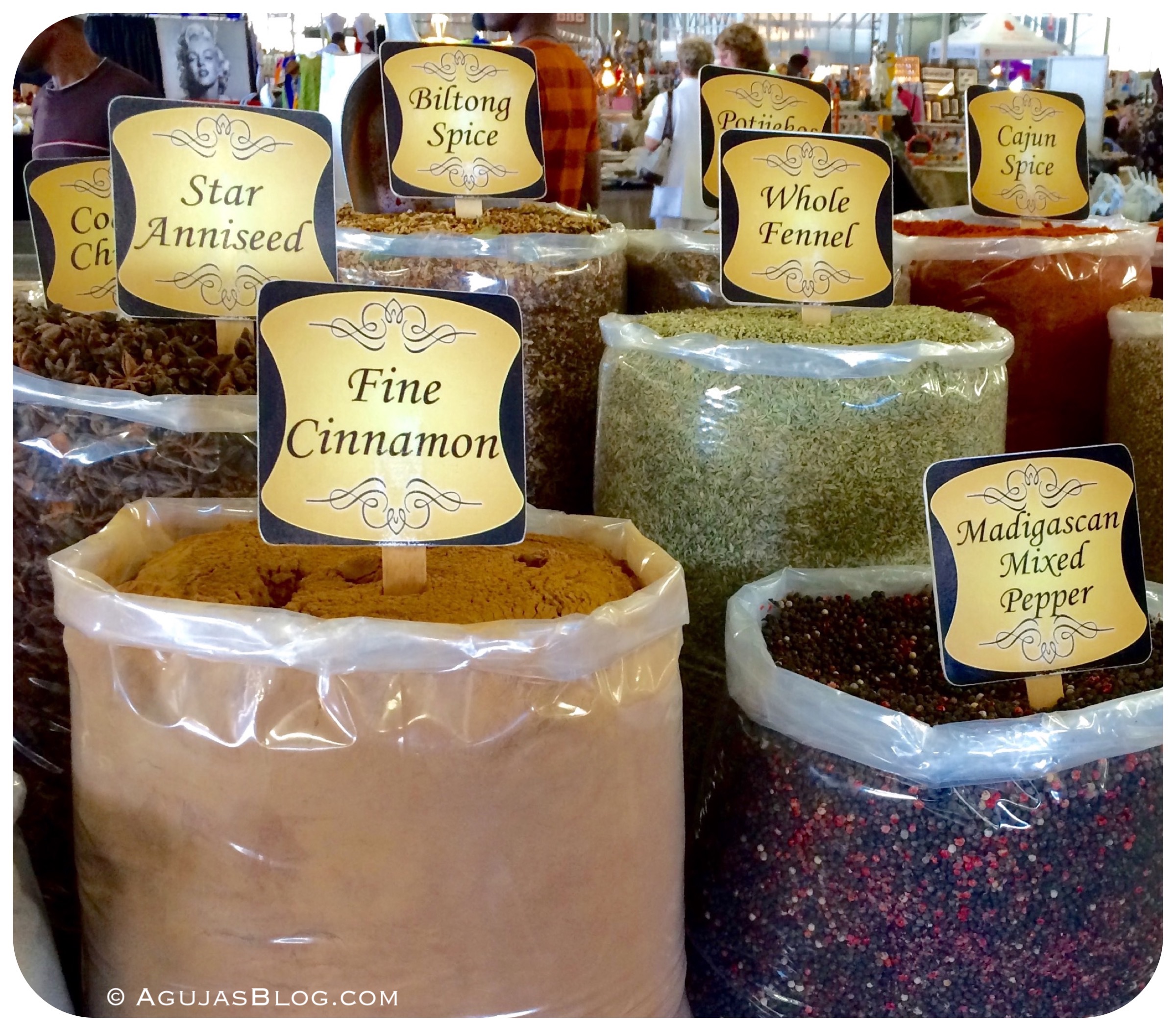
On the only Sunday morning in Johannesburg, we walked over to the rooftop of Rosebank Mall where we were greeted with a huge market. What a delight! The spice table was our favorite. We were able to sample quite a few of the combinations. The Biltong Spice in the back was scrumptious! It is rubbed on raw meat so that the flavors soak in as it dries. (Biltong is a dried, cured meat similar to beef jerky).

Rosebank Roof Market Spices

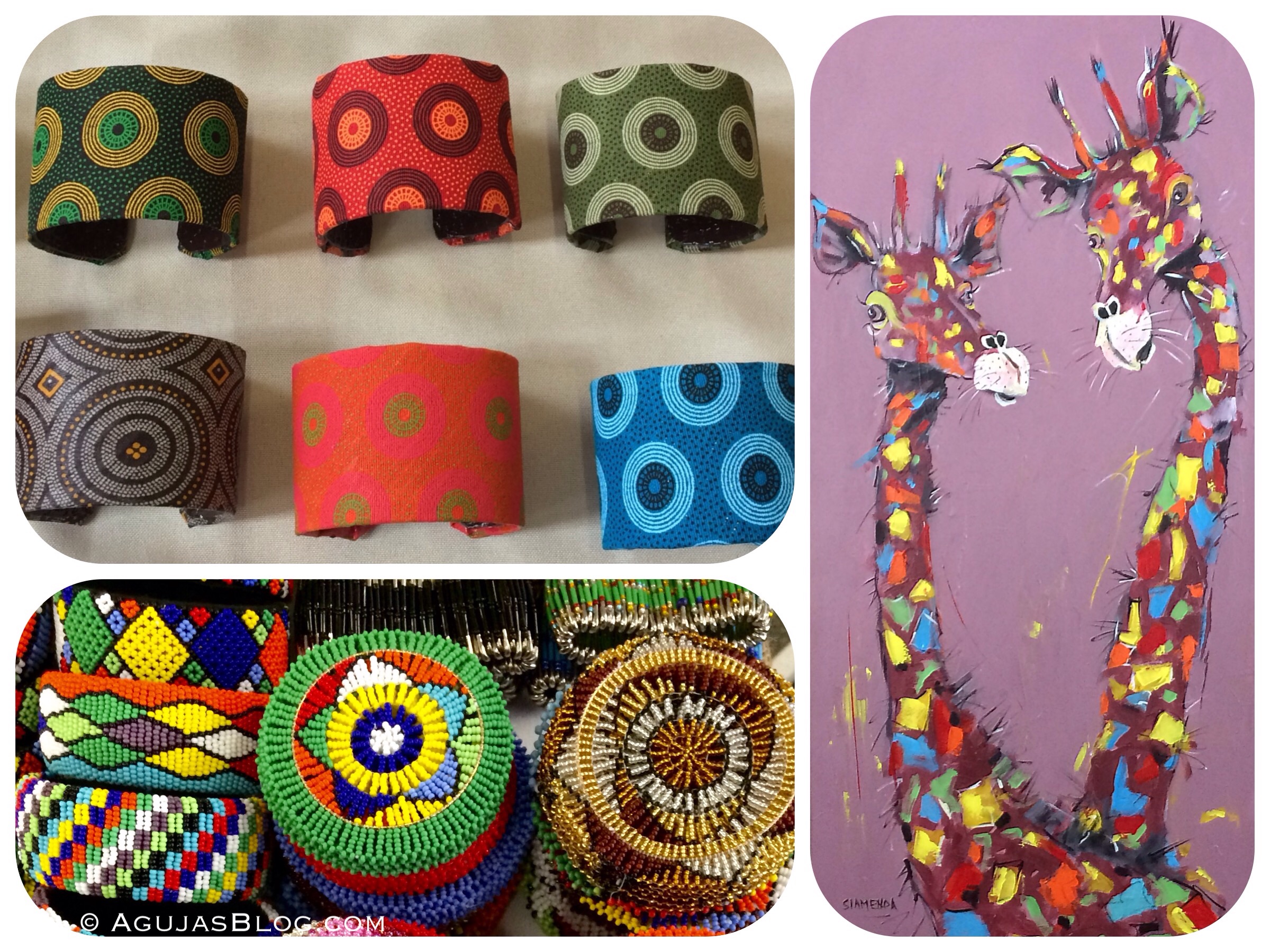
There were handicrafts and souvenirs everywhere – an explosion of color! Loved the fabrics used on these cuff bracelets. There was quite a bit of beadwork such as shown on the coasters. The colorful giraffes are from a painting.

image

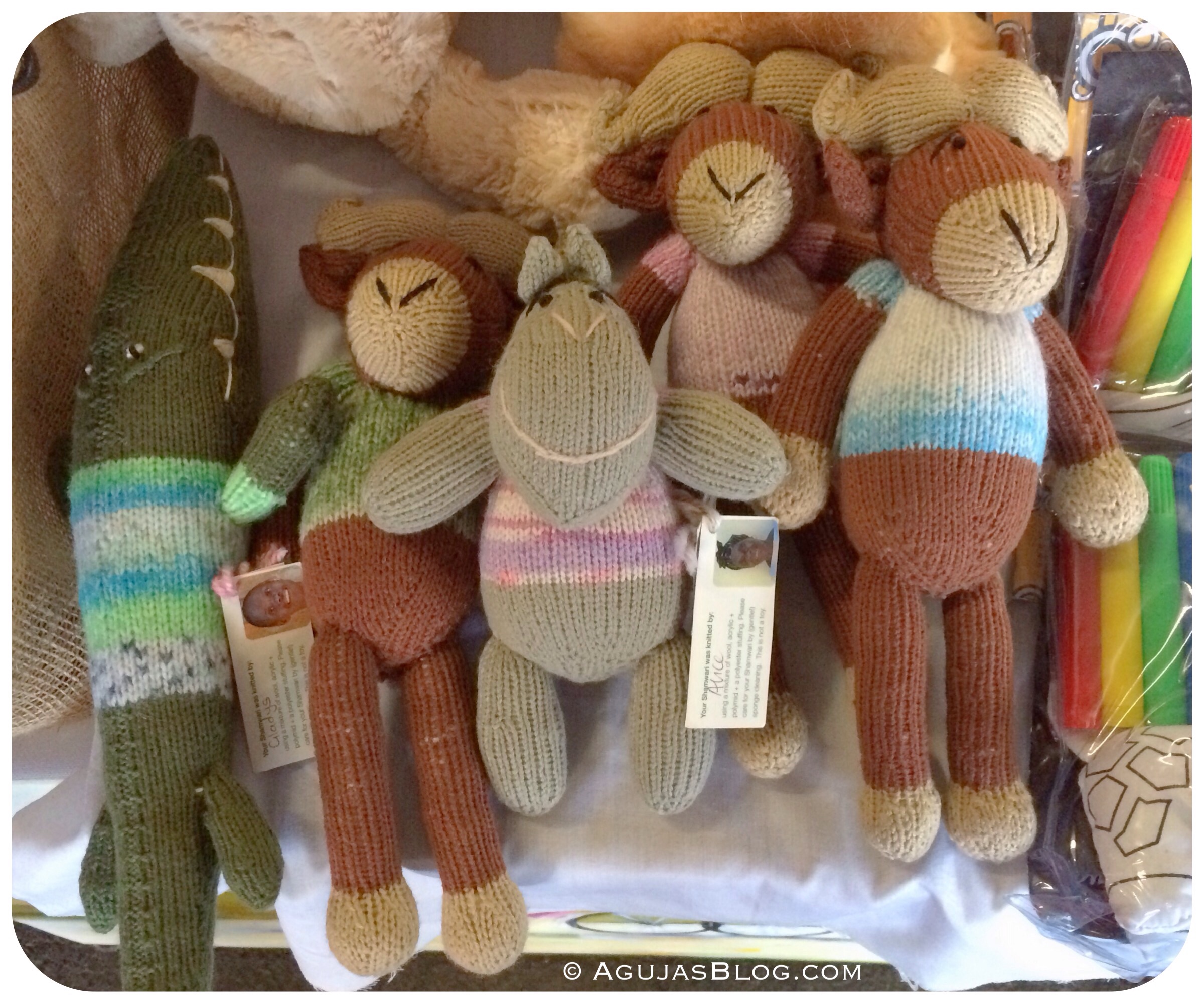
Amongst the handmade items, were these adorable knitted stuffed gnu and other “wildlife.”

image
Gogo Olive was born in Zimbabwe to empower local women – each product is lovingly handmade and is as individual and cheerful as the lady who knitted it! Hope (v.): to trust or believe. Knit (n.): to join or be joined together closely.

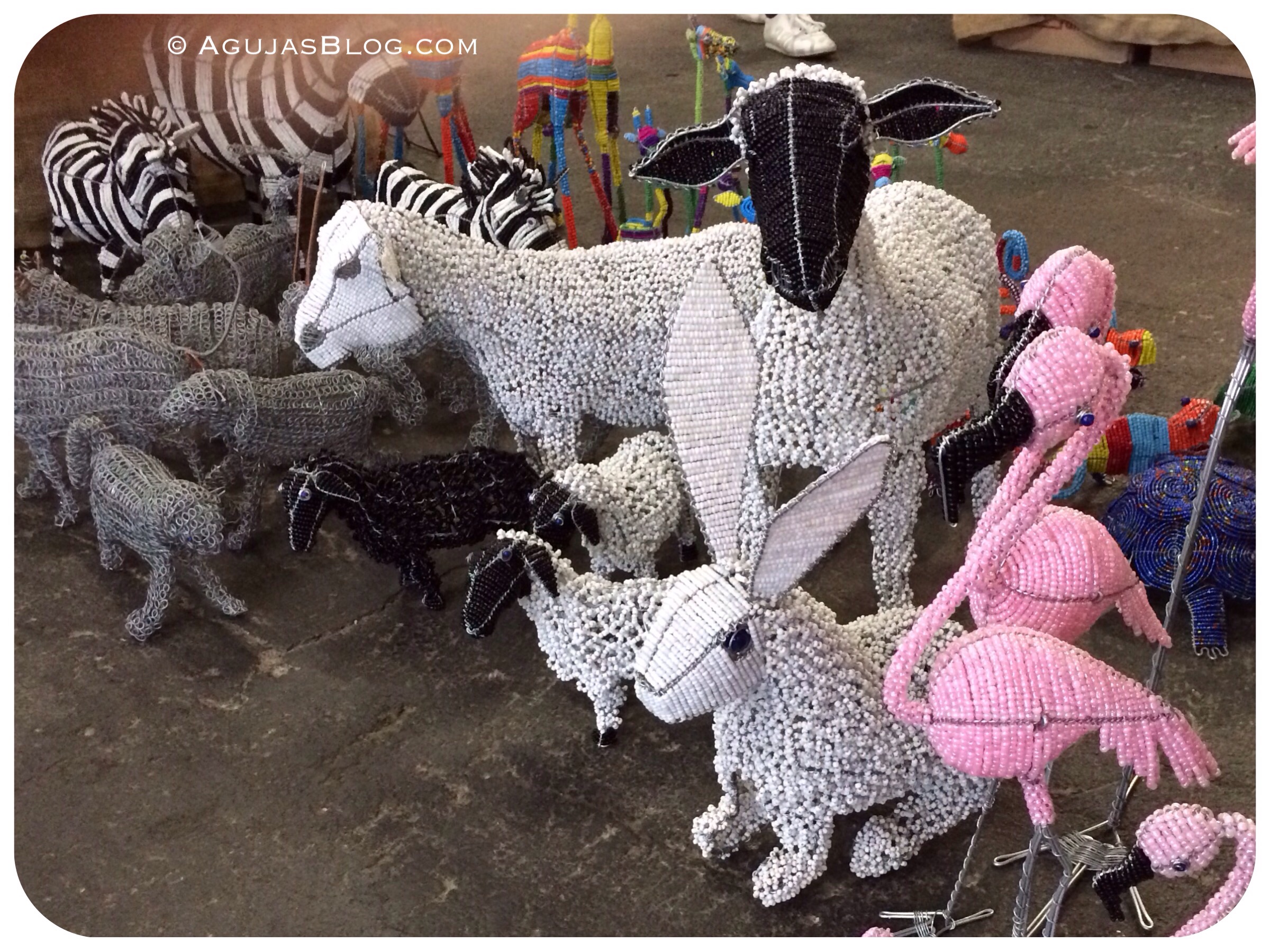
These farm-friendly animals are shaped with strong wire and then beaded. Love the sheep! Unfortunately, he did not fit in my suitcase.

image

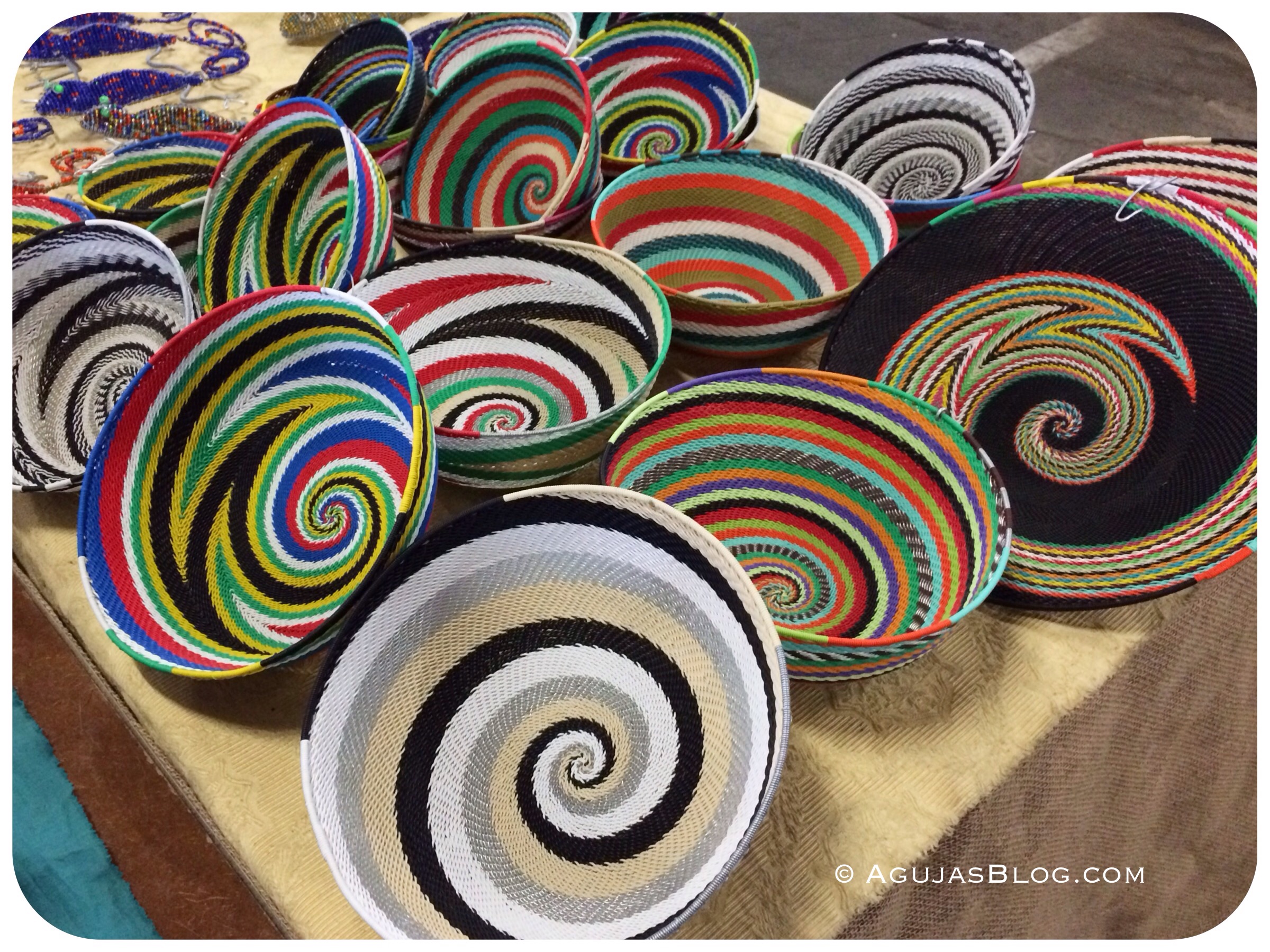
These baskets are woven from telephone wire. They are so colorful and the swirls are mesmerizing.

image

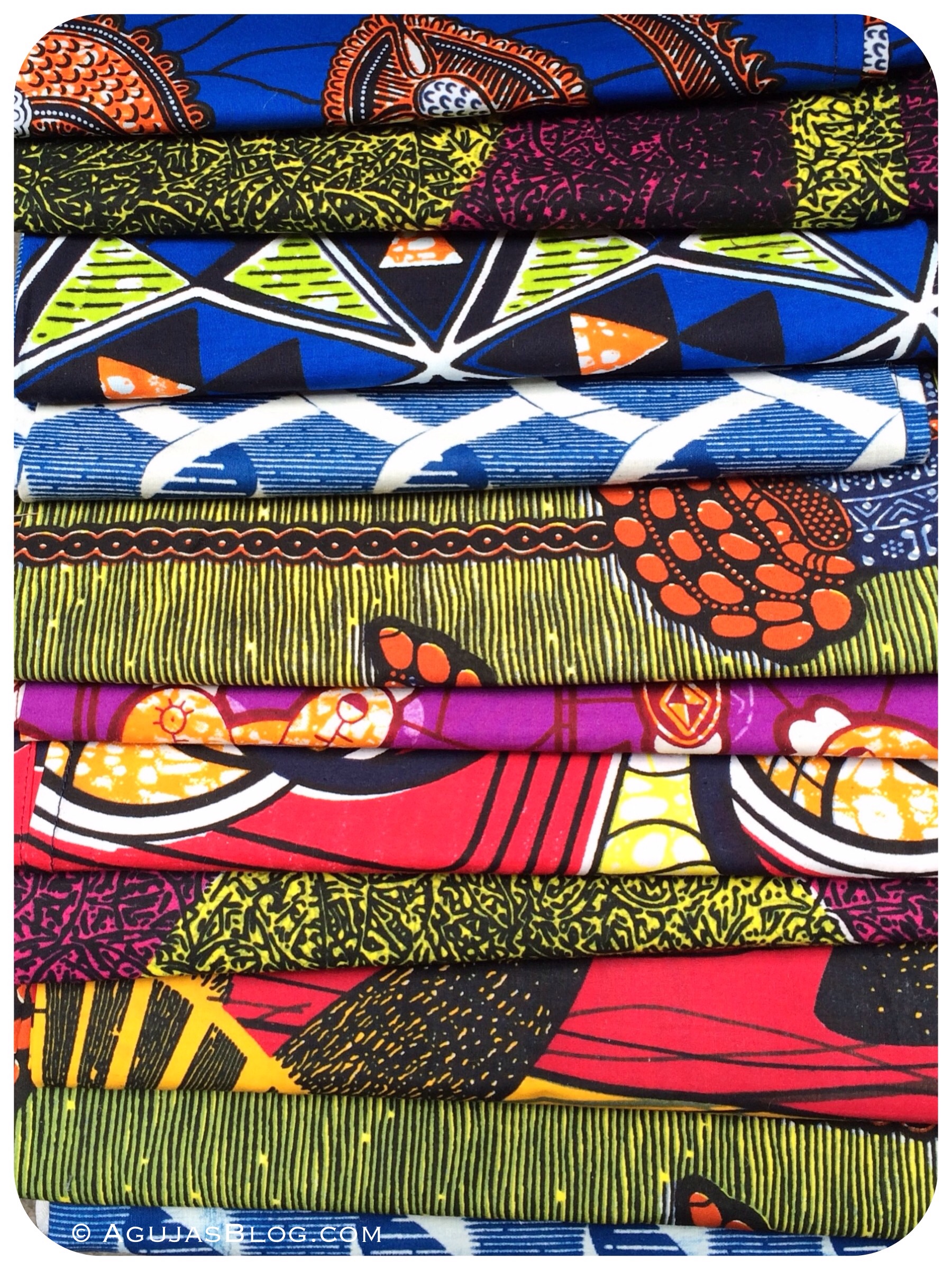
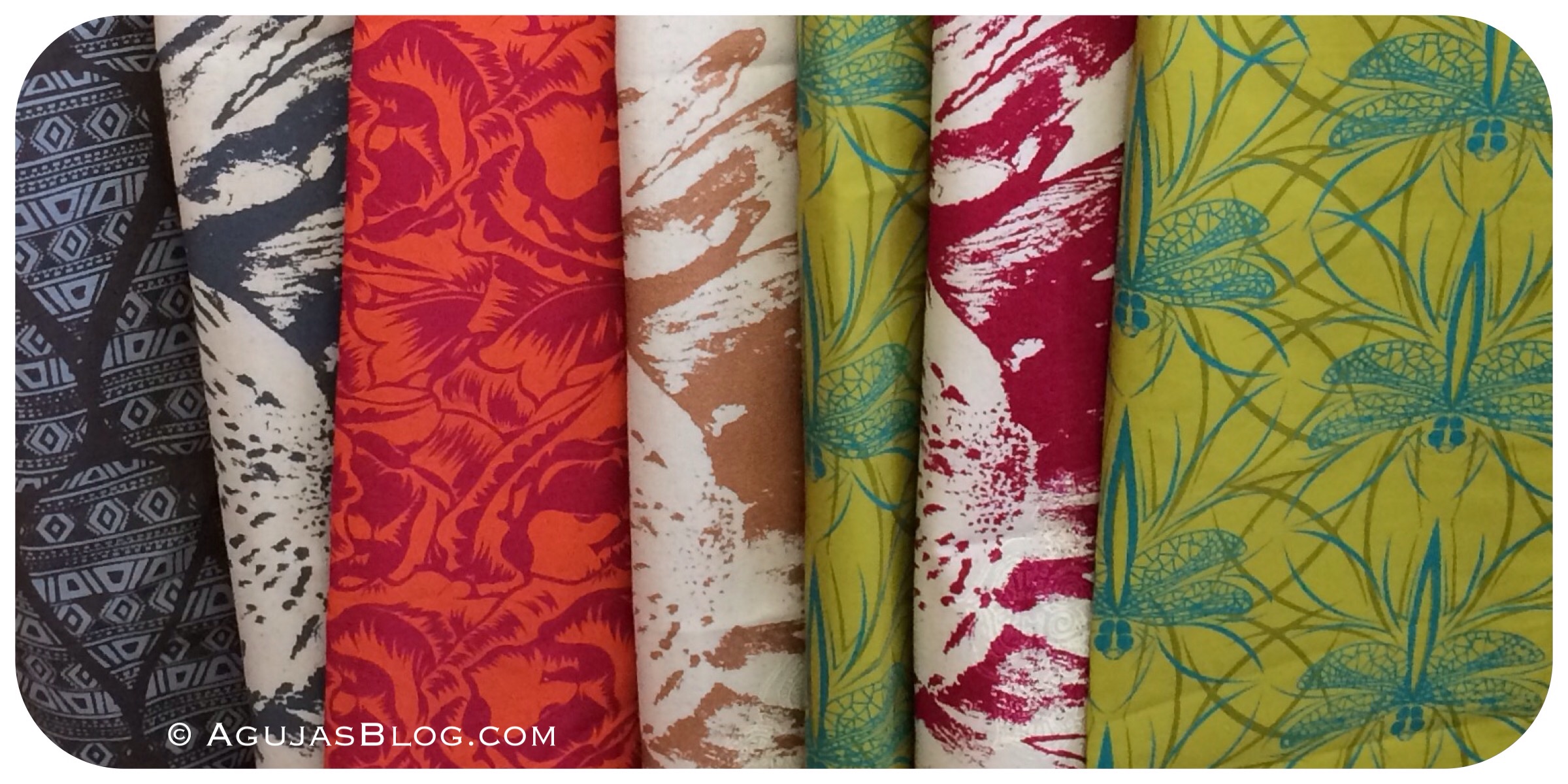
There were various fabrics ranging from bright and bold geometric patterns to the more modern interpretations below. (That second set of fabrics is from the Neighbourgoods Market).

Traditional colors and patterns.

A modern twist to fabric designs.

I enjoyed absorbing all the colors and smells of the market. If you ever make it to South Africa, I highly recommend the Rosebank Sunday Market.

Yarn in the City

I only had a couple of days in New York City and had little hopes of finding yarn, but yarn I found. I googled “yarn” and Seaport Yarn came up only a few blocks from my hotel. You really have to be looking for it. The shop is on the fourth floor of a large building. You walk in through a nondescript door at street-level and walk or take the elevator upstairs. It’s not a very inviting entry area, even a little scary. Not the kind of place that will get street traffic. Once inside though, the place was bursting with yarn. There were cubbies of yarn practically floor to ceiling.

Seaport Yarn 1

I was the only customer and was able to take my time looking through all the inventory. The proprietor, Tom, was a kind gentleman who seemed to know his yarn. He was very sweet and was watching the shop for his wife. He had spent so much time around yarn and knitters that he was quite knowledgeable about the brands and fibers. Since it was just him and me, we had a lively conversation as I walked around sampling the yarn.

Seaport Yarn 2

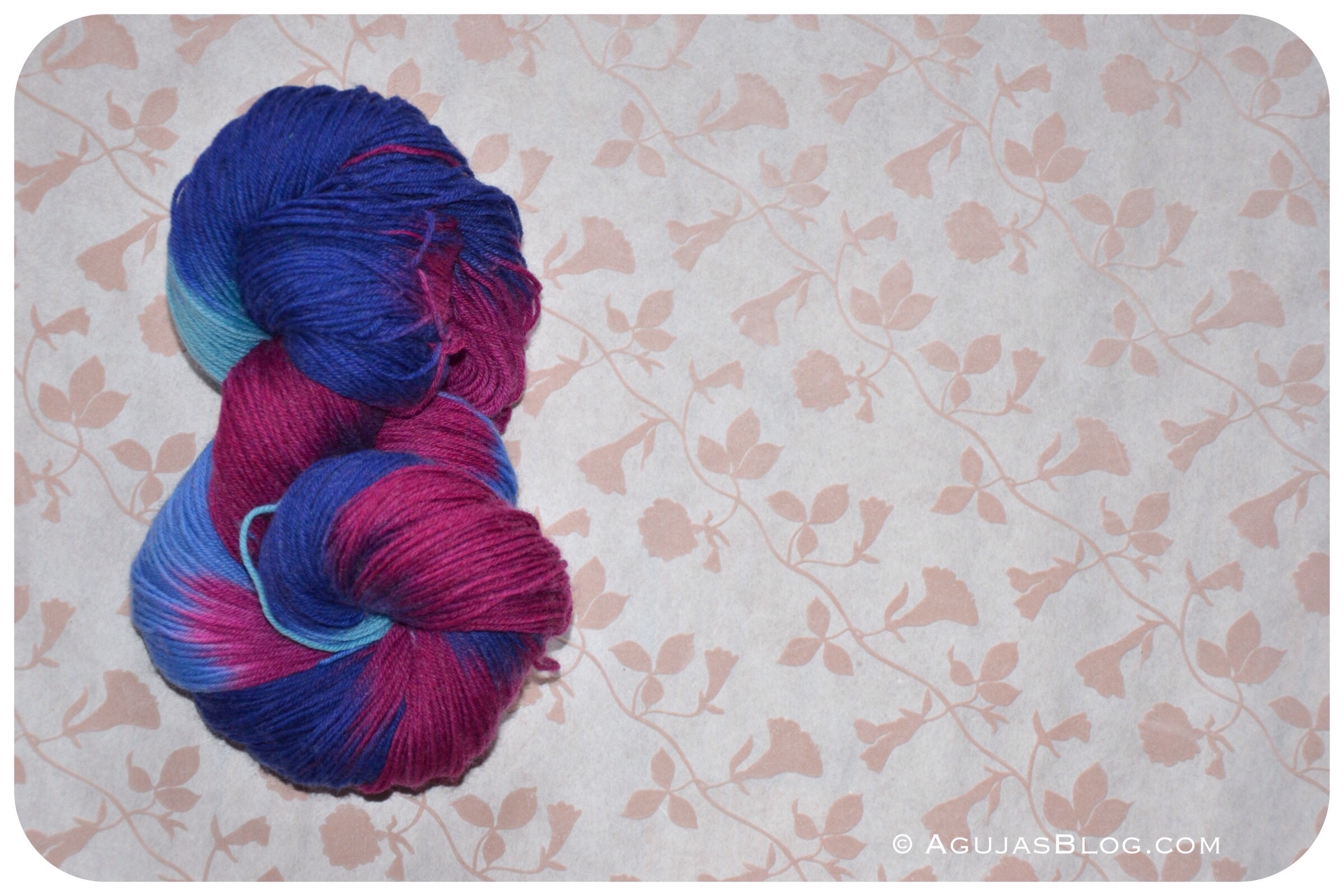
I have been on a sock kick of late. For years, I have avoided knitting socks. Not being a patient person, the idea of finishing a project only to have to start all over seemed exasperating. But recently, I saw a photo of a knitter’s sock drawer. It was filled with socks in many colors. I was so entranced that I had to start a pair so I spent quite a bit of time in the sock yarn cubbies. There were a number of options and I finally settled on this Aussie Sock by Oasis Yarn. It’s 400 yards of a fingering weight merino blend called “Blue Dream.”

Seaport Yarn - Oasis Aussie Sock

I selected this sock yarn by Malabrigo for my husband. The skein has 440 yards of fingering weight yarn in subtle greens and browns called Primavera. Primavera means “Spring.” In my opinion, a more appropriate name would have been Otoño or “Fall.” But it’s still a very nice yarn.

Seaport Yarn - Malabrigo Sock

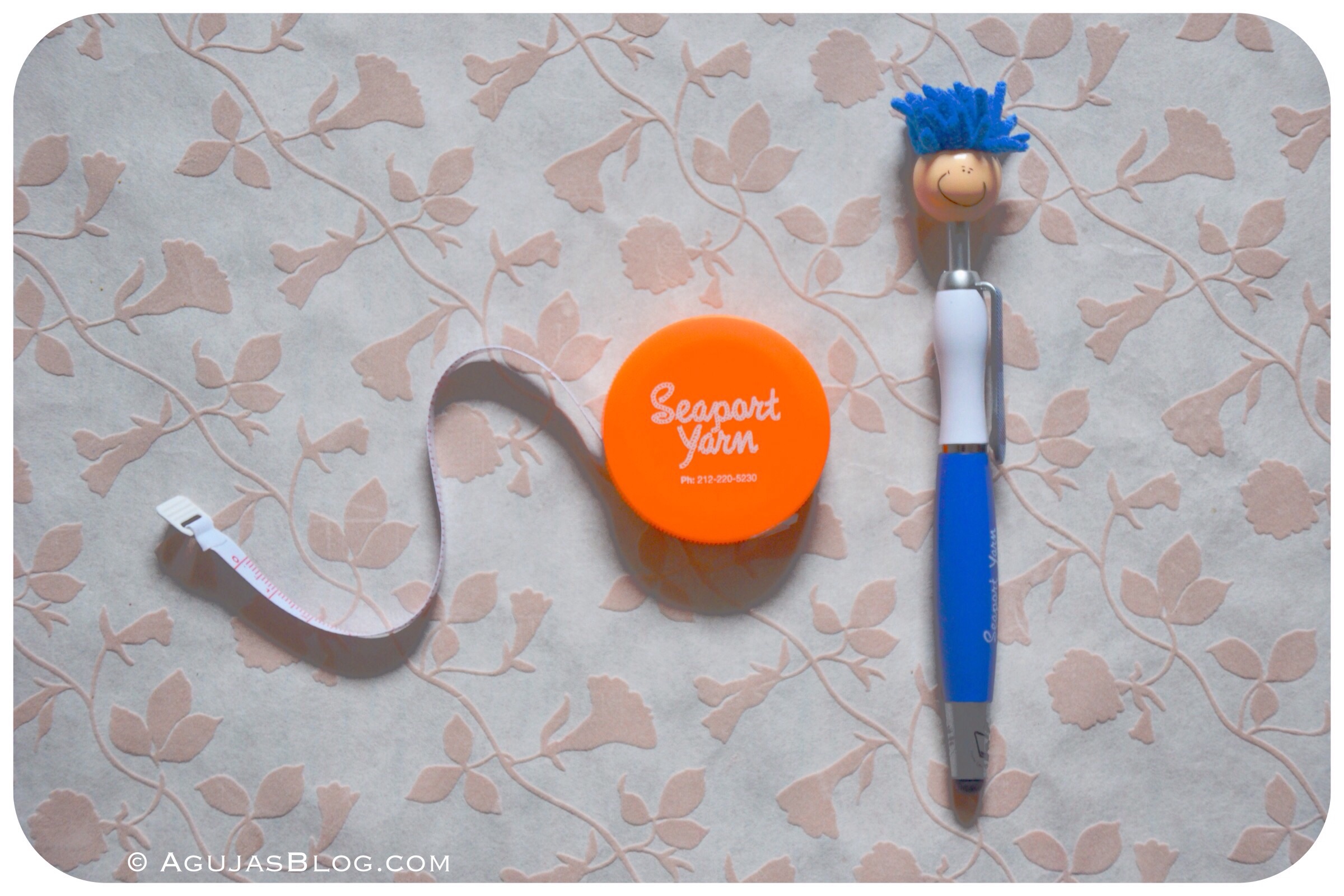
As I paid for my skeins, the proprietor threw in this handy measuring tape and fun pen. I think the funky hair is meant to dust small areas, like a keyboard. While I was happy with my purchases and the great customer service, I did find the store a bit messy. There wasn’t a clear surface anywhere and no place to sit (other than an old couch). It’s not the kind of yarn store where you can take your knitting and sit for a spell but it does have a good selection.

Seaport Yarn - Giveaways

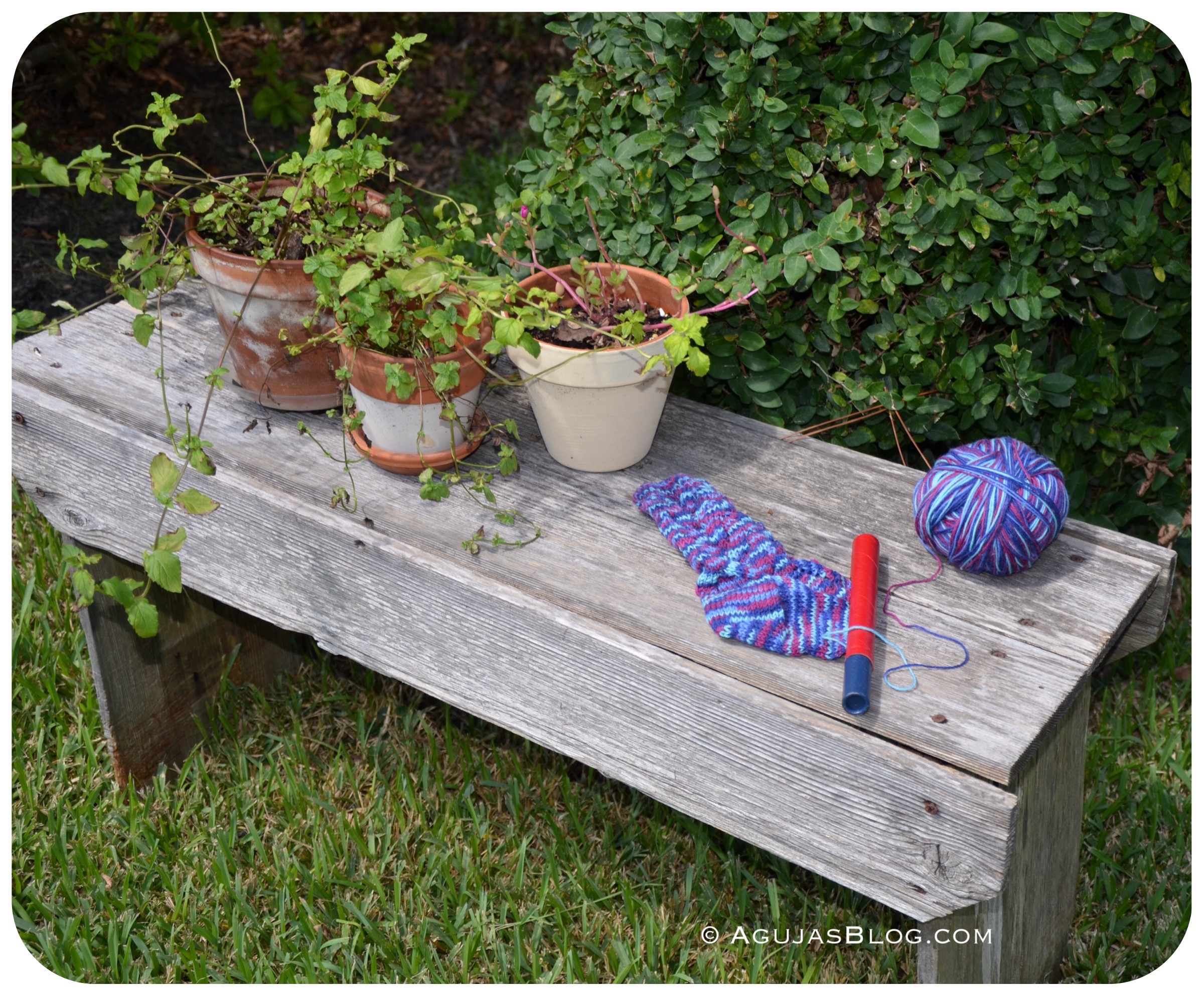
That blue dream skein is already on my needles and I’m almost done with my first sock. I’m enjoying the process more than I thought I would!

Seaport Yarn - Sock in Progress

Seaport Yarn is located in the Financial District at 181 Broadway, Fourth Floor, New York, NY 10007, tel. 212-220-5230.

Knitting Tools

Besides yarn and needles, there are a few tools that come in handy for knitters and crocheters. These are some of the knitting tools that I’ve been using lately.

DPN Tubes

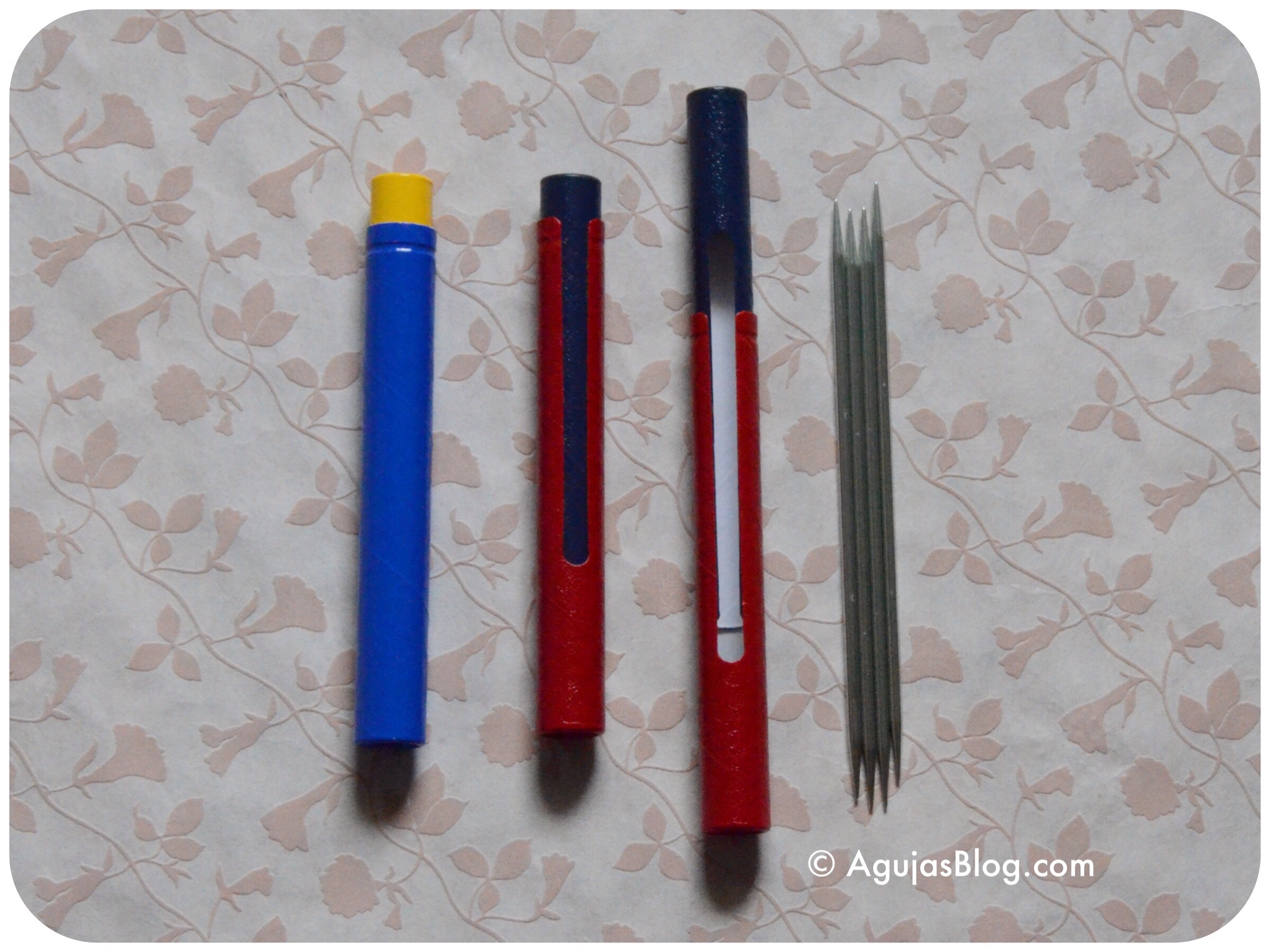
Now that I’m knitting socks, I have found these double-pointed needle (DPN) tubes to be absolutely necessary. With DPNs, there is a higher risk of stitches slipping off the ends. With these tubes, you can store your knitting safely inside without fear of losing stitches. Just carefully line up your needles so that they are side by side and your work is concentrated in the middle. Lay the needles and your work inside the opening of the blue tube. Most of your knitted piece will stick out. Next, slide the red tube over the blue one lining up the openings. Twist slightly to hold your knitting in place.

DPN Tubes 1

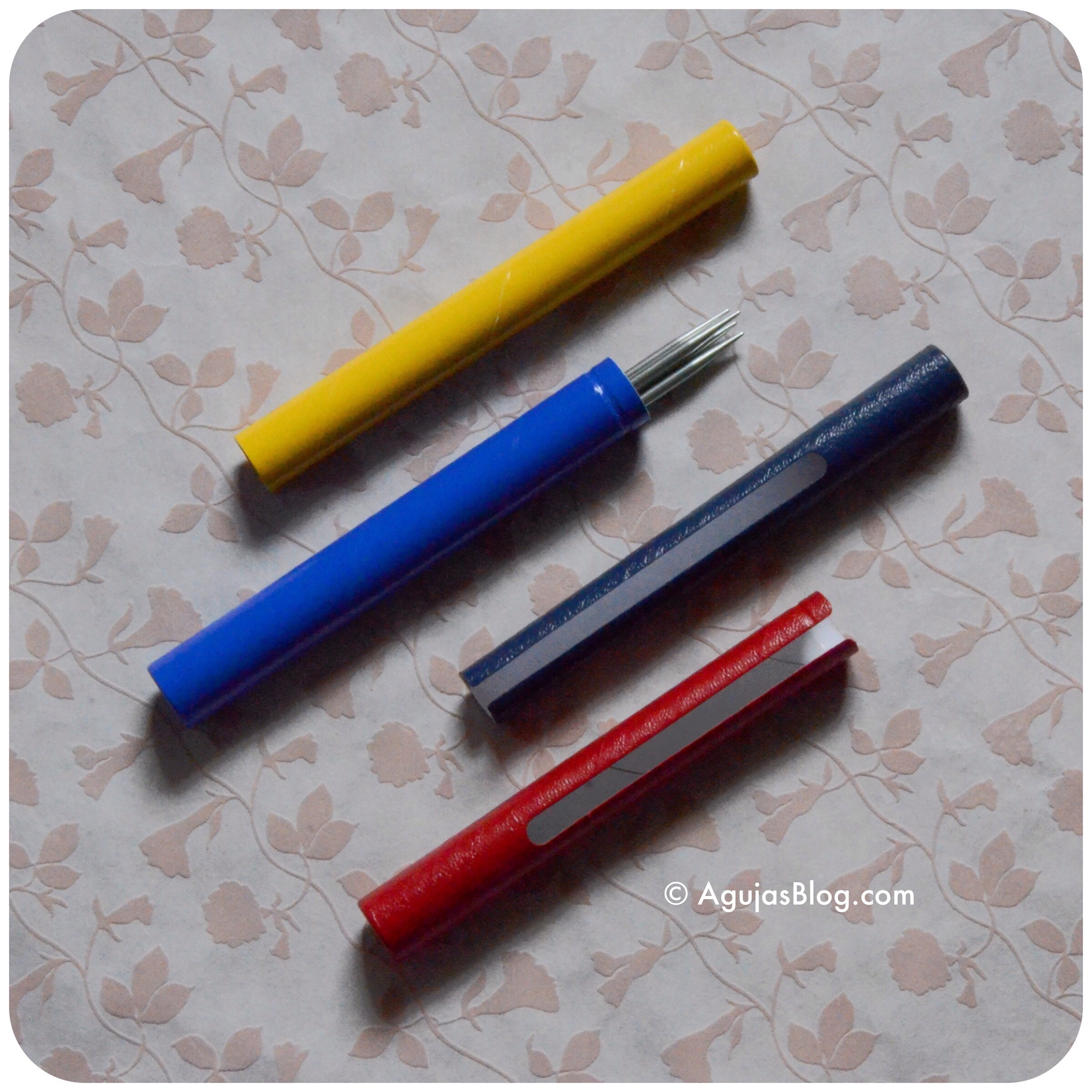
I picked these up at the Must Stash Yarns booth at a fiber festival. (Try saying “must stash yarns” three times very fast). It came with two DPN tubes and a set of tubes without the opening to store and carry your DPNs or crochet hooks.

DPN Tubes 2

Cable Needles & Stitch Holders

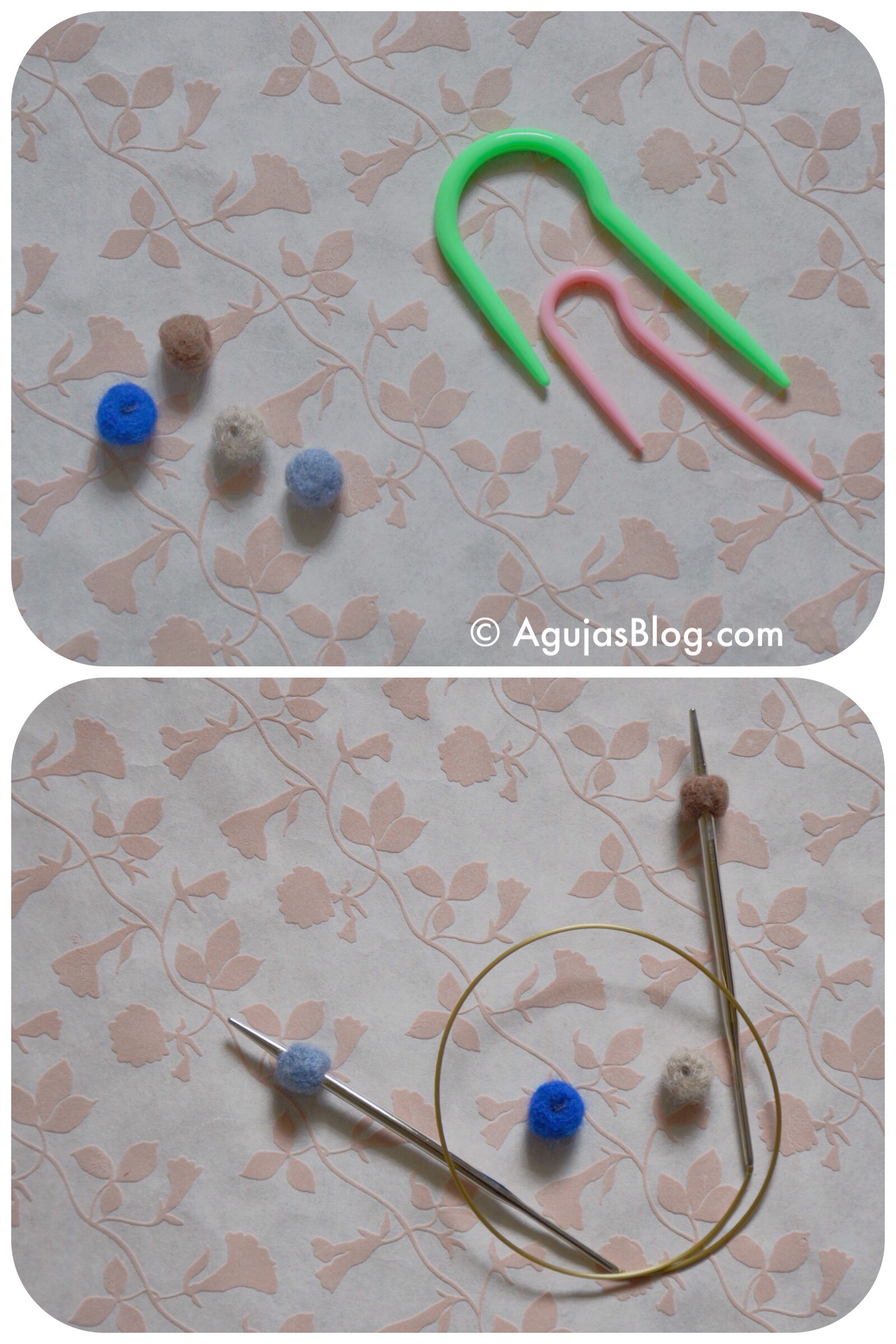
I already have a reliable and boring cable needle in my toolkit but when I saw these colorful chunky cable needles, I had to have them. They’re so much fun in pink and green. Those little round felted thingies are stitch holders. They are handmade locally and come in several colors. I like using these stitch holders made out of felted fibers instead of those rubbery point protectors, although I have some of those as well.  (The cable needles are from WC Mercantile; the stitch keepers from Yarntopia.)

Cable Needles Collage

Nøstepinde & Set Gauge

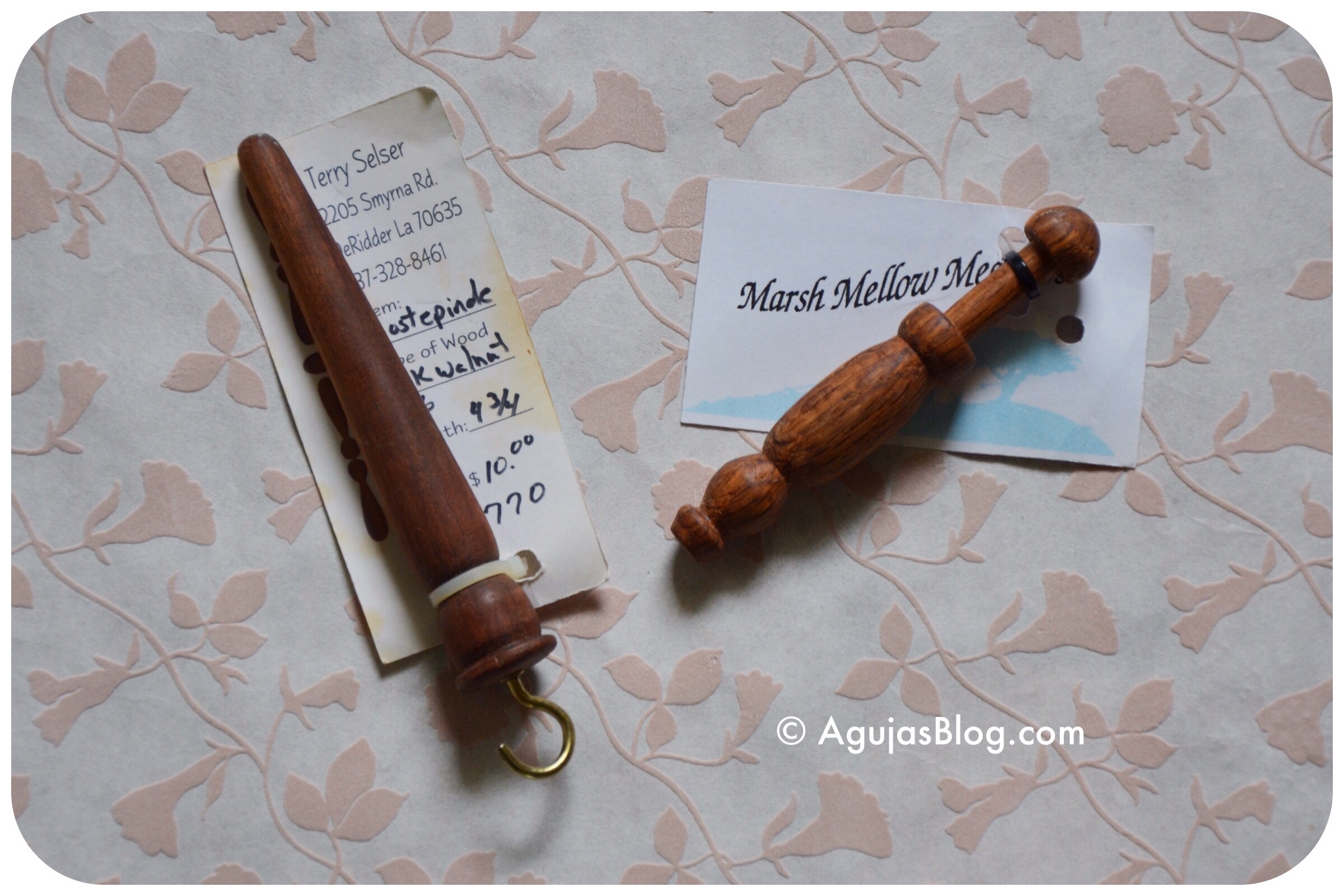
Then there are these beauties in black walnut and oak. The one on the left, a nøstepinde, is used to wind a center pull ball. No kidding! Sometimes the simplest tools are the best. To read how to use this tool, try this post from Hatchtown Farm.

The tool on the right is a set gauge. The thinner section at the top of the gauge is 1 inch wide. To determine the weight of your yarn, wind it around this part of the gauge from end to end. Keep count as this will give you the wraps per inch, which you can then translate into yarn weight.

Both of these simple yet beautiful tools are hand carved at Marsh Mellow Meadows. (Not to be confused with marshmallows. Lots of tongue-twisters!)

Nøstepinde & Wraps Per Inch Tool

Blocking Mats

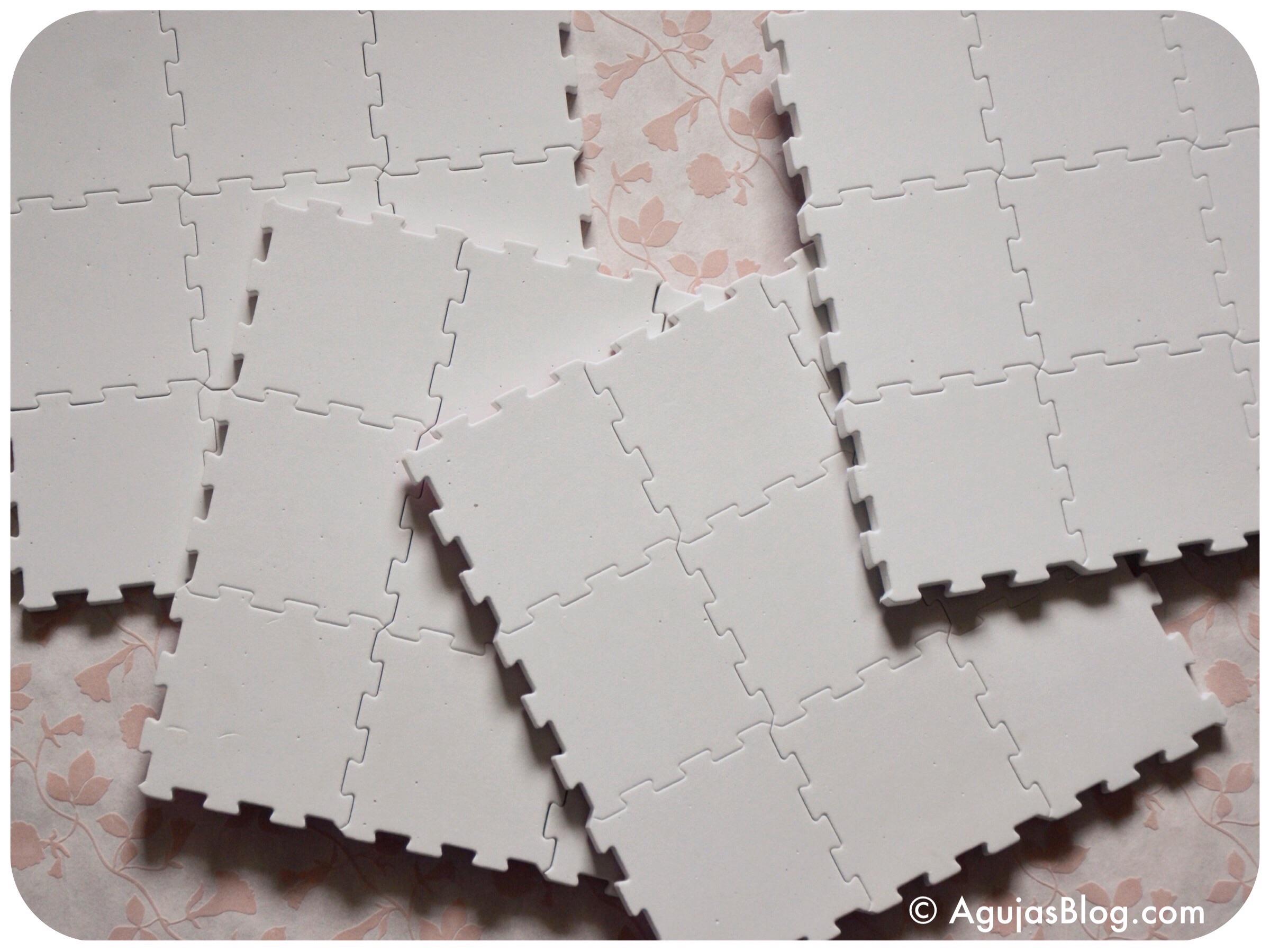
Until very recently, I’ve been blocking my knitted items on large towels. Not always effective because they don’t always lay flat. I looked for blocking mats online and in stores in the arts and crafts and children’s sections and frankly found them way too expensive. Then I found these at a dollar store. $1 each! I even like that they can be broken down into even smaller mats. Or I can make them as long or wide as I need depending on the size of my project.

Blocking Mats 1

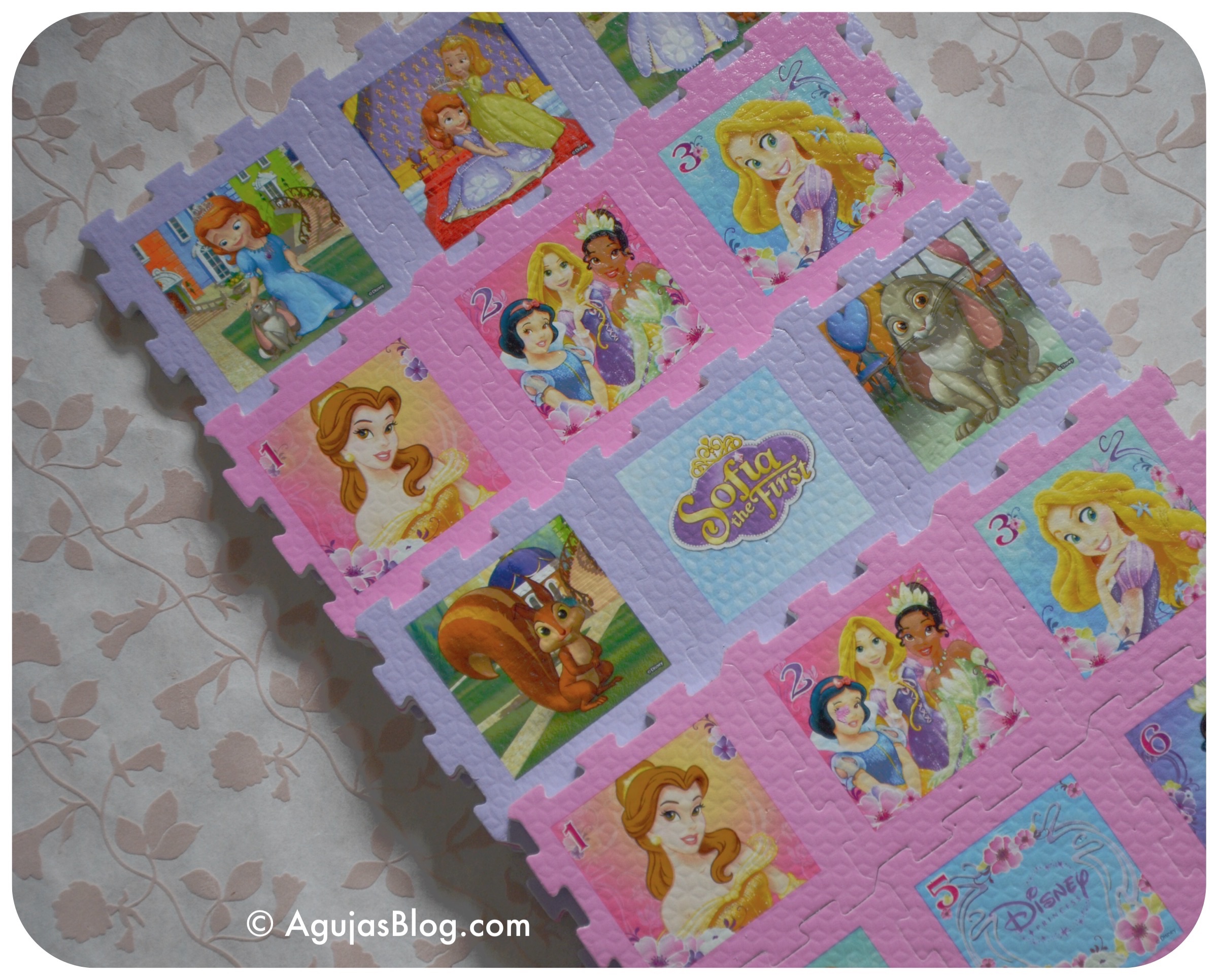
Of course, for a dollar, you can’t be picky about the colors. These come in all shades princess!

Blocking Mats 2

Do you have a favorite knitting or crocheting tool? Do you like it because it’s simple, cute, one-of-a-kind, handmade, fast, or budget-friendly?

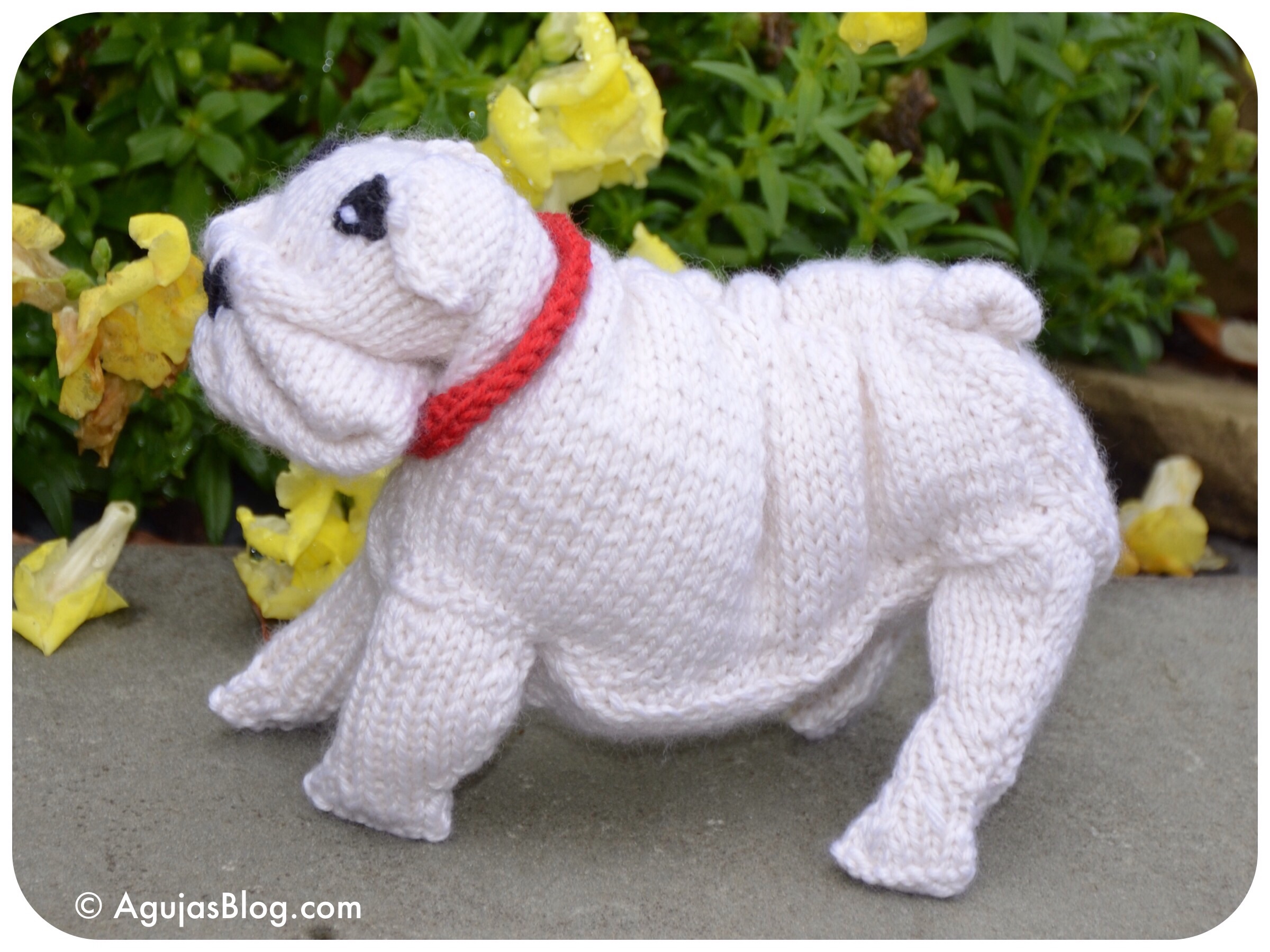
My Bulldog

I love dogs … but no one in my family does. Well that might be extreme. The teen always wanted a dog but he has allergies and he sneezes up a fit when around pets. The husband likes outdoor dogs, like labradors. I like smaller pets indoors but don’t like the doggy smell. So, I knit my own dog.

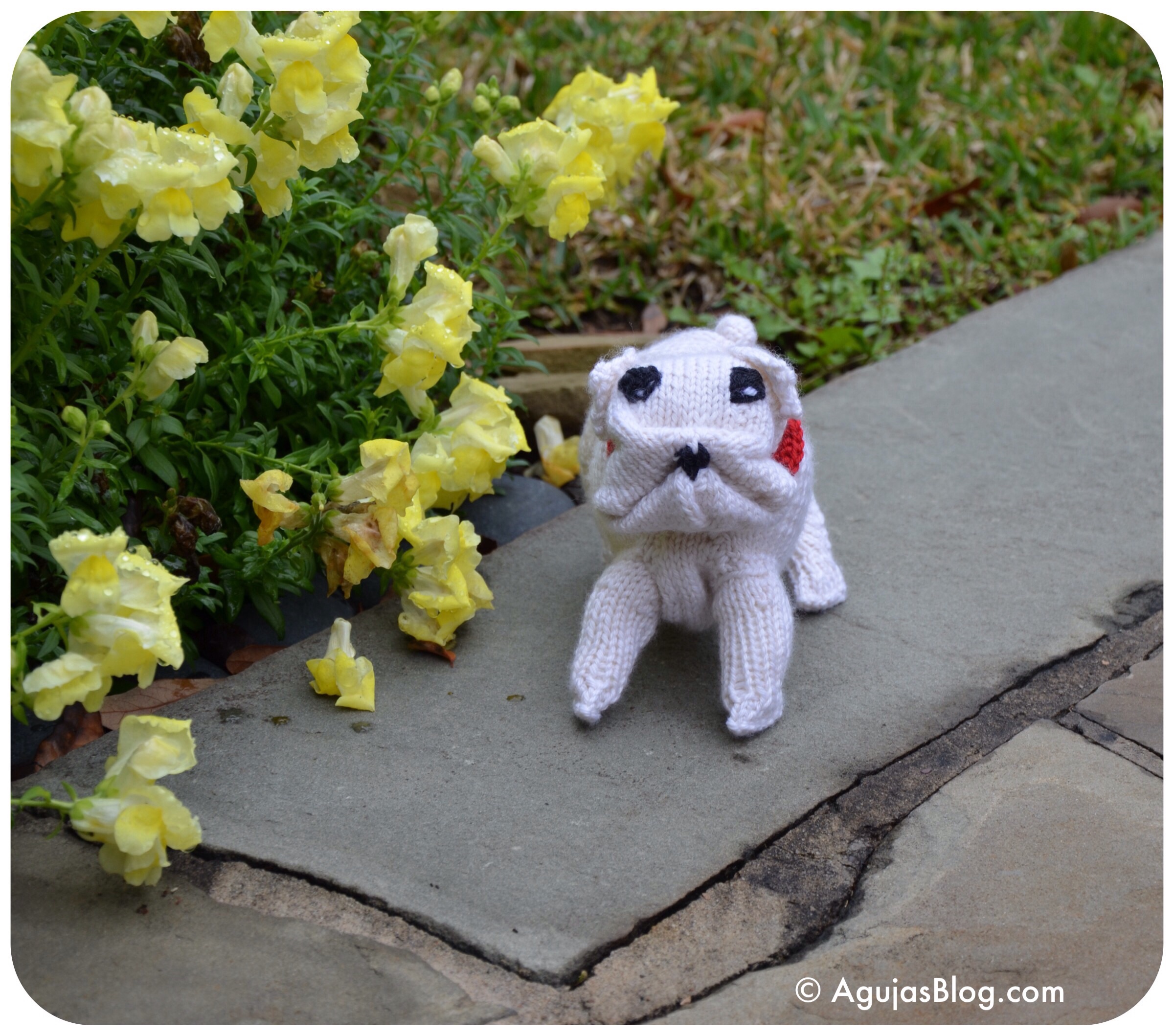
Bulldog 1

The pattern came from Knit Your Own Dog by Sally Muir and Joanna Osborne. This is the English Bulldog. I think bulldogs are adorable, sort of ugly-cute with their long jowls, large shoulders and short legs. Apparently they are known to drool and snore. What’s not to like?

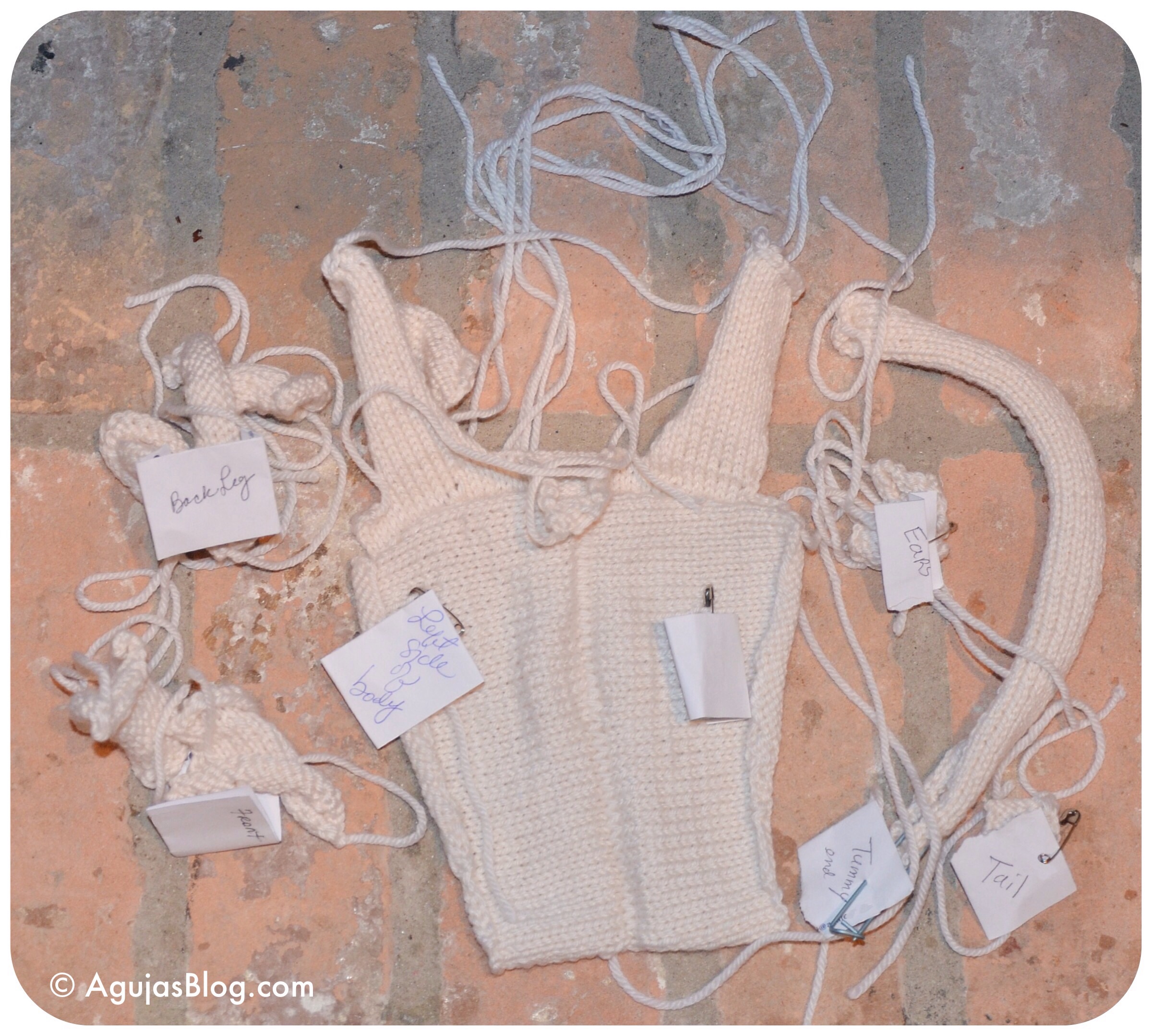
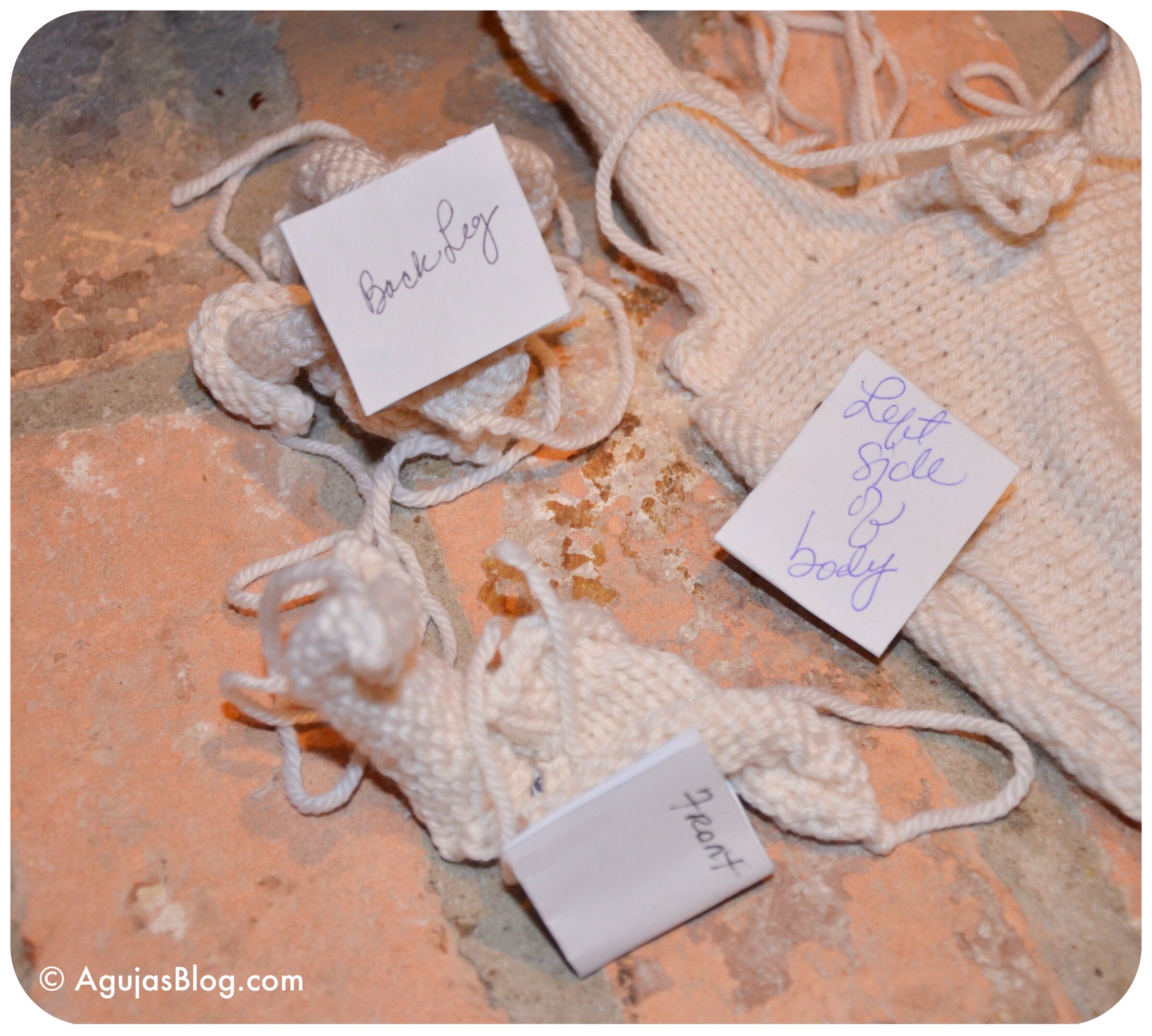
Knitting up the body was easy. Just follow the pattern, and be sure to label the parts.

Bulldog Parts 1

Bulldog Parts 2

The tough part was putting him together. The instructions have shortcomings. The book could be much improved with diagrams showing how all the parts fit together, especially for the head. It was hard to visualize what he would look like from staring at the knit head pieces. I even thought of taking pictures of my bulldog in progress but most of the time, I was making it up as I went.

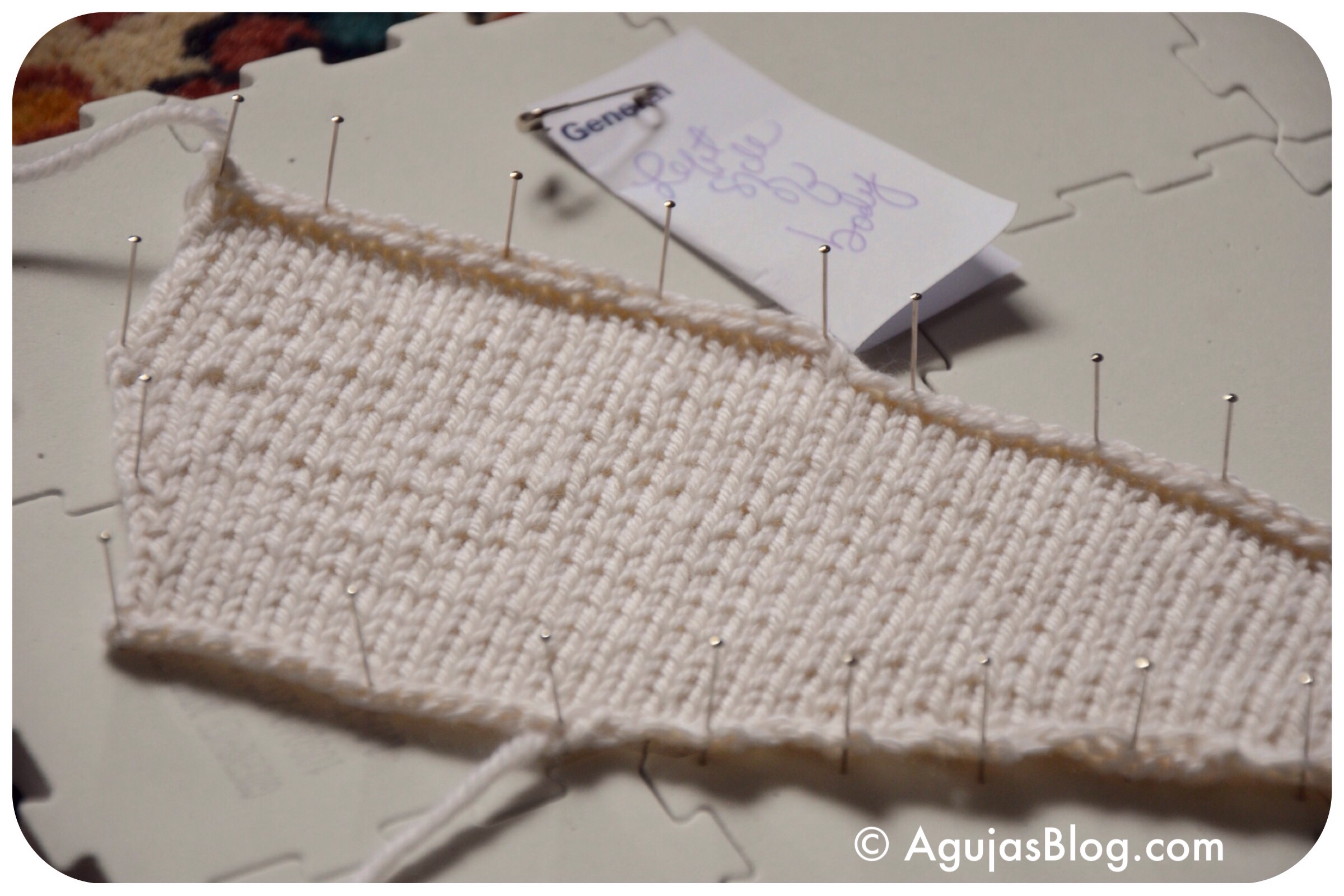
Bulldog Blocking

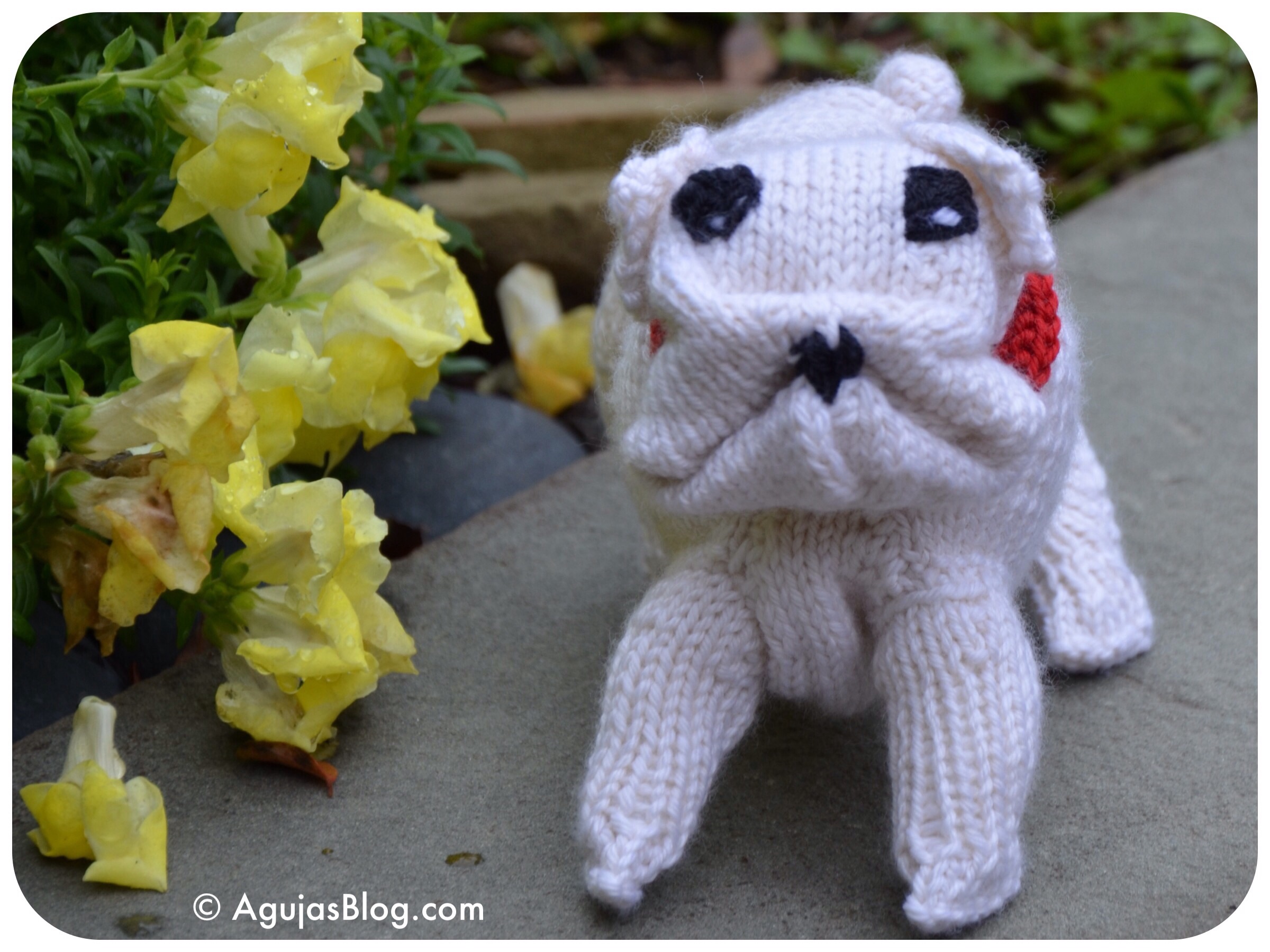
Overall, I am quite pleased with how he came out.

Bulldog 2

In retrospect, I have a few lessons learned to share with anyone who might knit their own best friend:

  • While I blocked some of the body parts, I didn’t block them all. I should have. It would have made joining the pieces easier.
  • I under-stuffed the legs. I will probably open him up a bit so that I can add more stuffing to the legs. They can’t quite hold up his weight. Even that may not be enough though. I’m toying around with inserting some popsicle sticks into the legs to help him stand. We’ll see.
  • He’s a bit thin. I was wary of overstuffing him to make sure I could get the accordion look but may have under done it. I may fatten him up a bit when I go in to stuff the legs.
  • To keep that accordion look, the pattern suggests tying a piece of yarn from the head to the tail inside the body. I sort of did that but I let the yarn exit under the tail. Then I sewed a very small clear button just underneath, barely visible. When I feel he needs some scrunching up, I tighten the yarn and wind it around the button to hold it in place.
  • I’m satisfied with the face except that I may move the nose up closer below his eyes. He has more of the bulldog look when I move the nose a little higher.

Bulldog 3

I like this little fella’. No fleas, muddy paws, picking up poop with a plastic baggie, no shedding. Perfect.