The Streets of Philadelphia

I was in Philadelphia for a business conference the first full week in October. I arrived as early as possible on Sunday and had a few hours of daylight in which to see as much as I could. I managed to visit Independence Hall and see the Liberty Bell. Here are a few highlights.

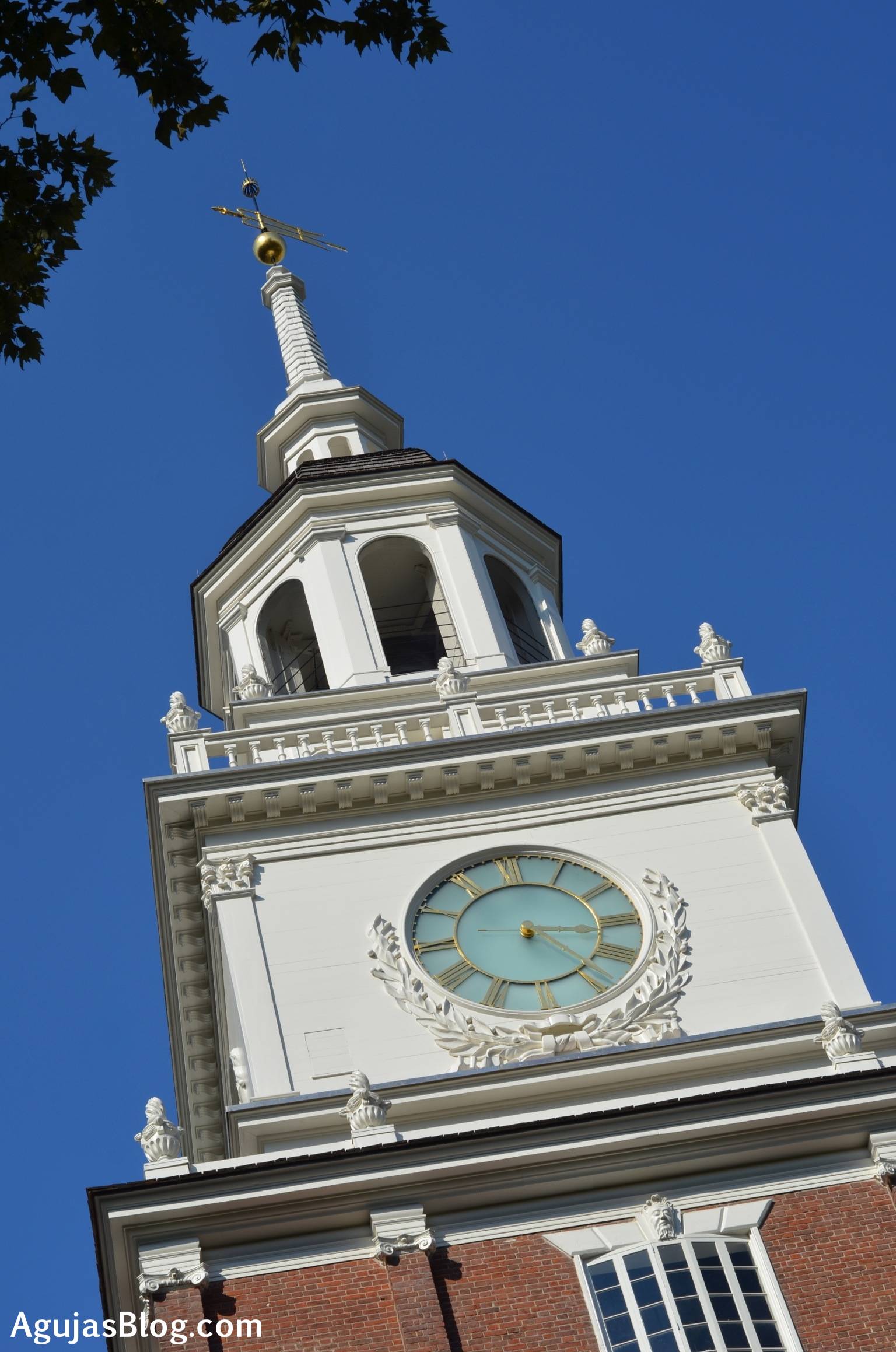
The spire atop Independence Hall.
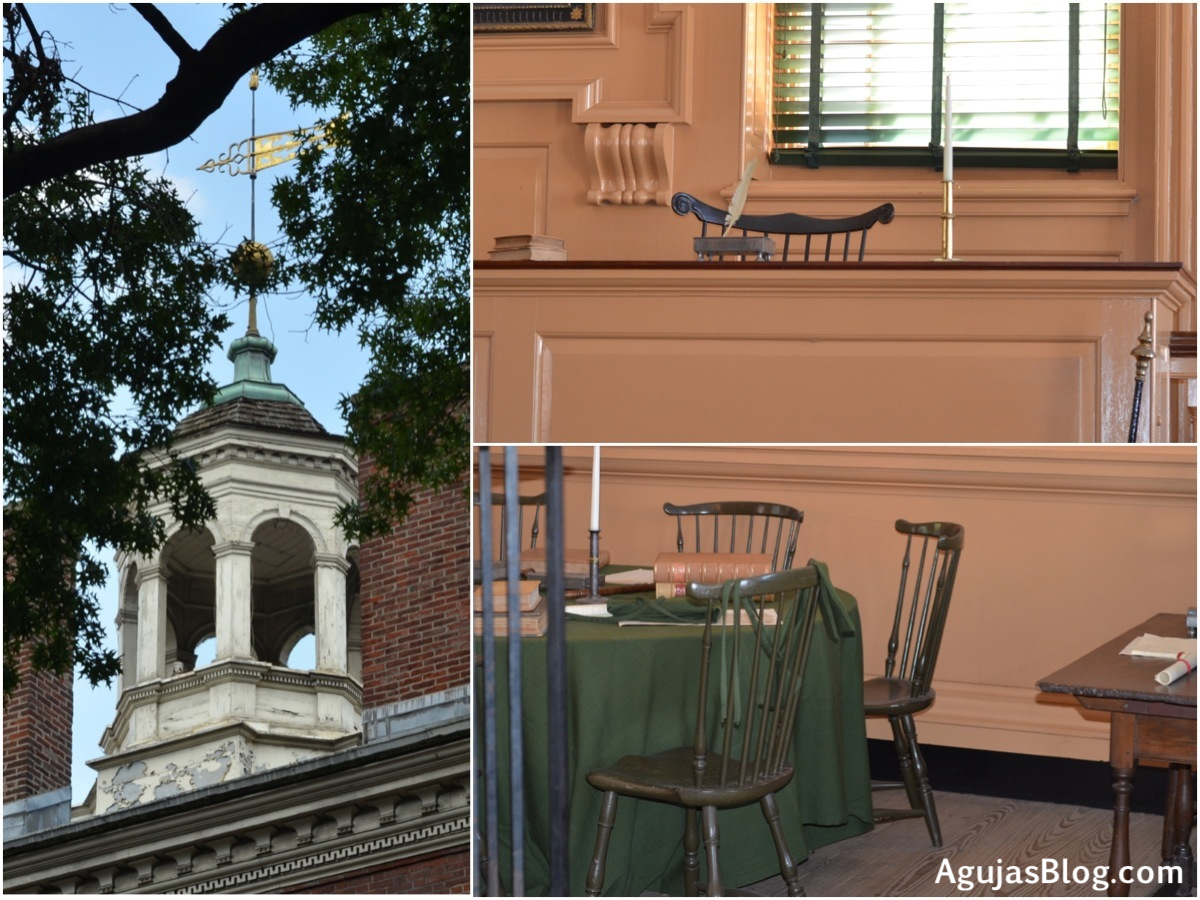
Left: Weathervane atop Independence Hall. Right (Top & Bottom): Pennsylvania Supreme Court Chamber.
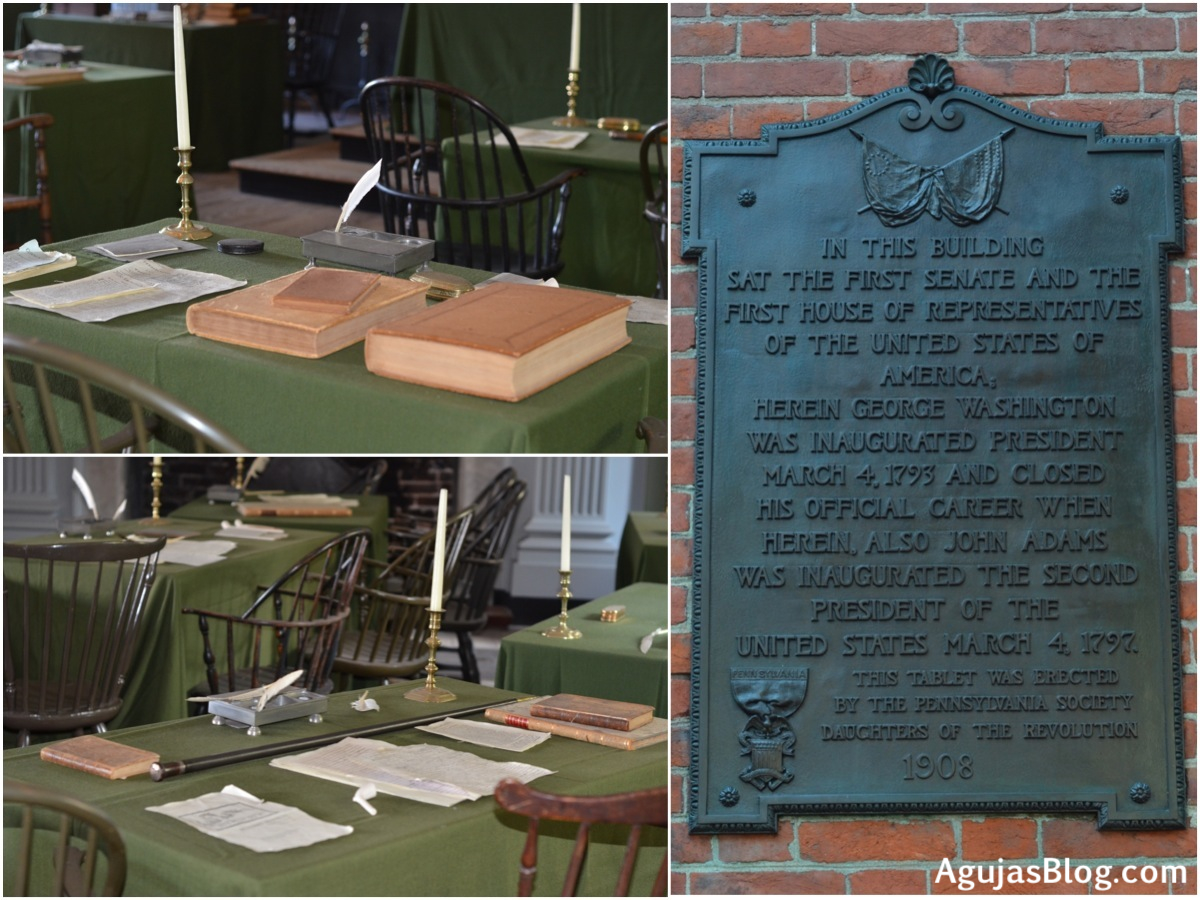
Top: Assembly Room where the delegates from the 13 colonies adopted the Declaration of Independence. Bottom: The black walking stick belonged to Thomas Jefferson. Right: Independence Hall was the site of many key events in American history.
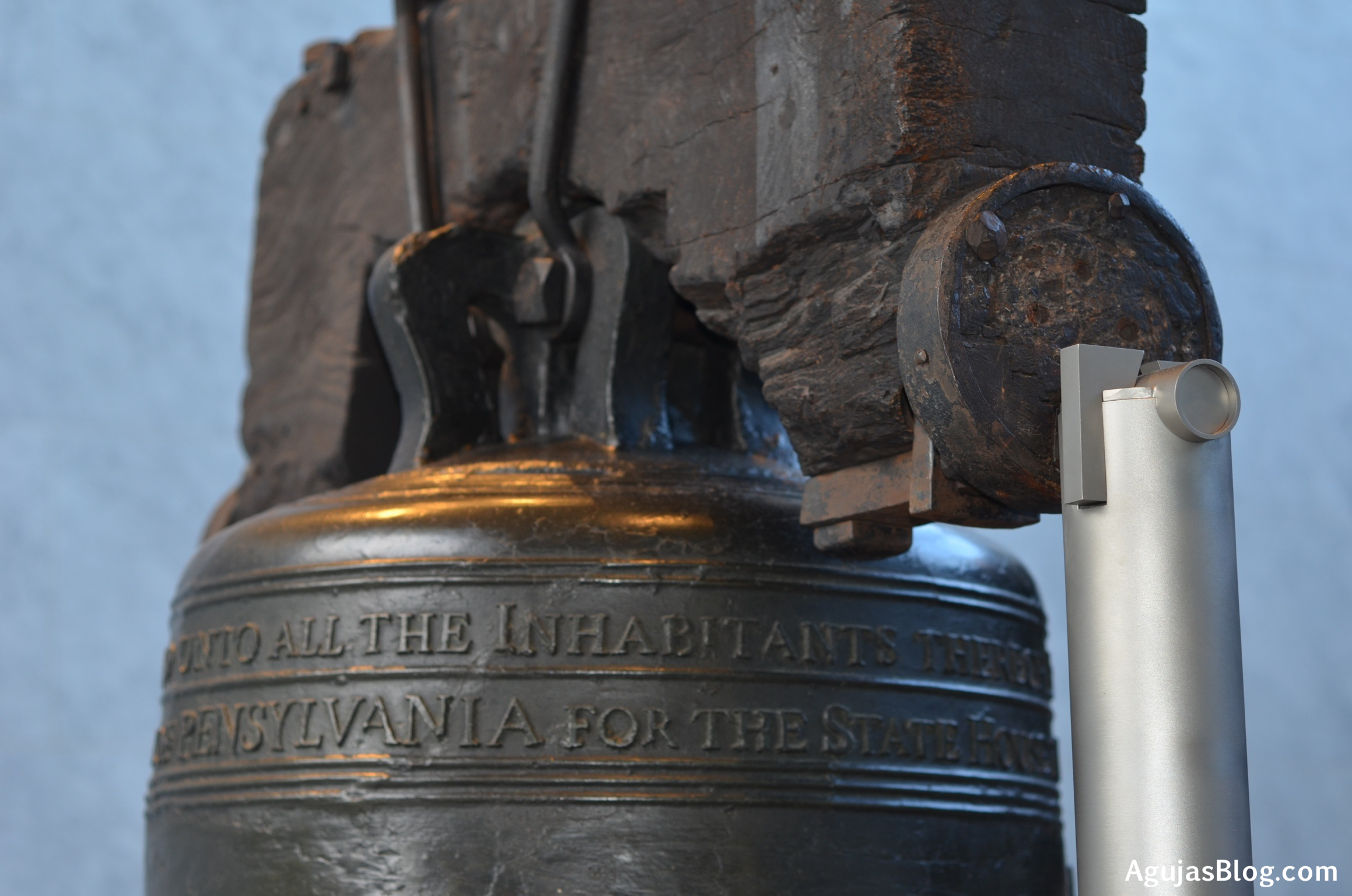
The inscription reads, “Proclaim Liberty throughout all the Land unto all the Inhabitants thereof” Leviticus 25:10.
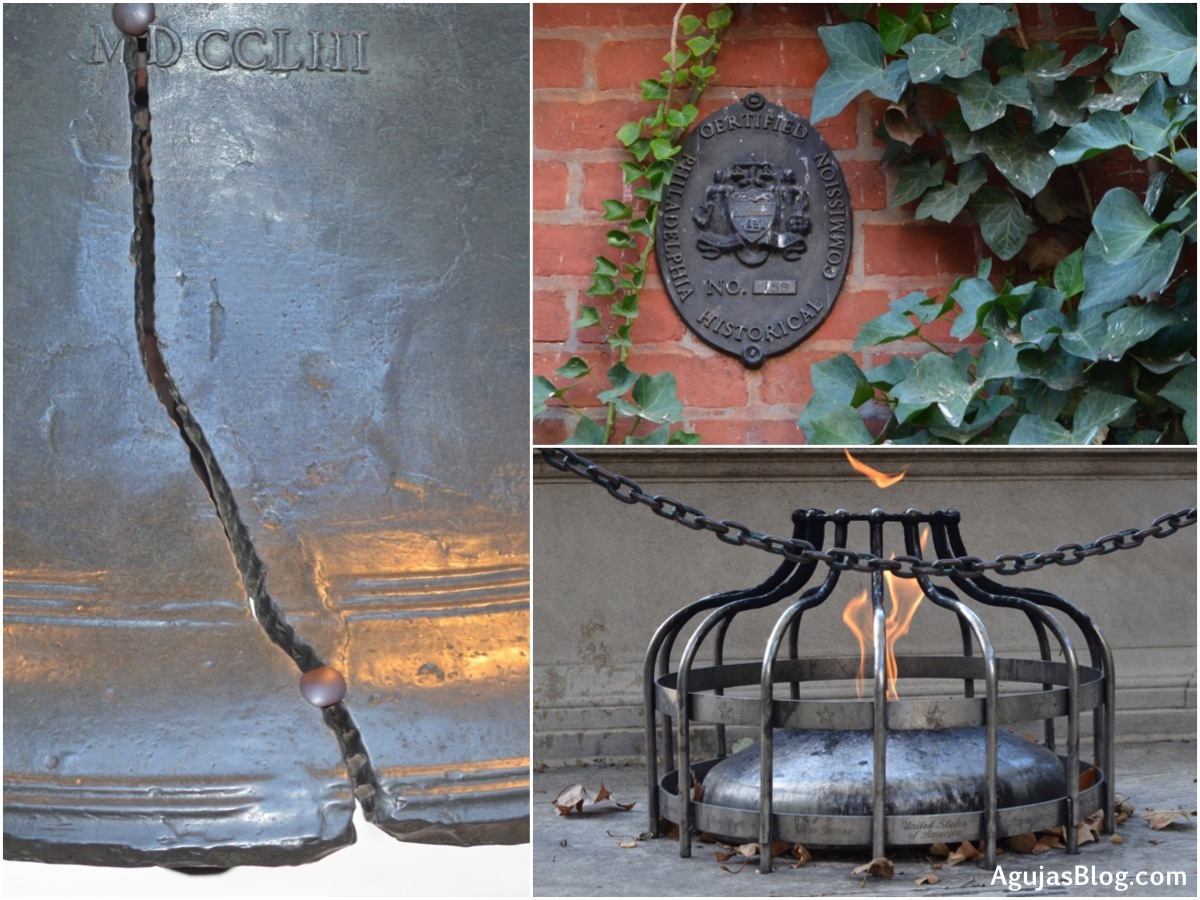
Left: The Liberty Bell weighs 2,080 pounds, is made of bronze and its strike note is an E-flat. (Source: http://www.nps.gov) Top: A historical building covered with ivy. Bottom: The eternal flame at the Tomb of the Unknown Soldier.
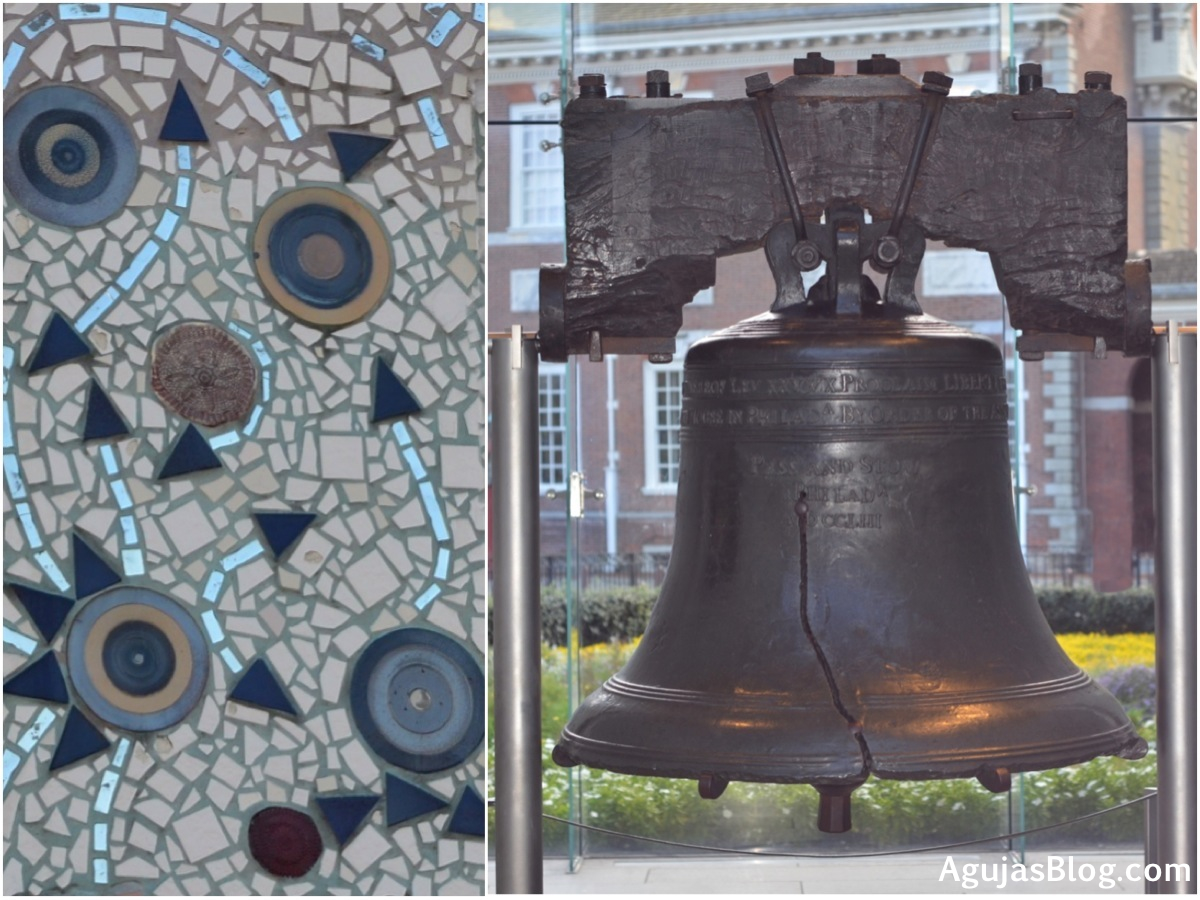
Left: A tiled mosaic covered the facade of a building on South Street. Right: The bell last rang in 1846 to celebrate George Washington’s birthday. (Source: http://www.nps.gov)
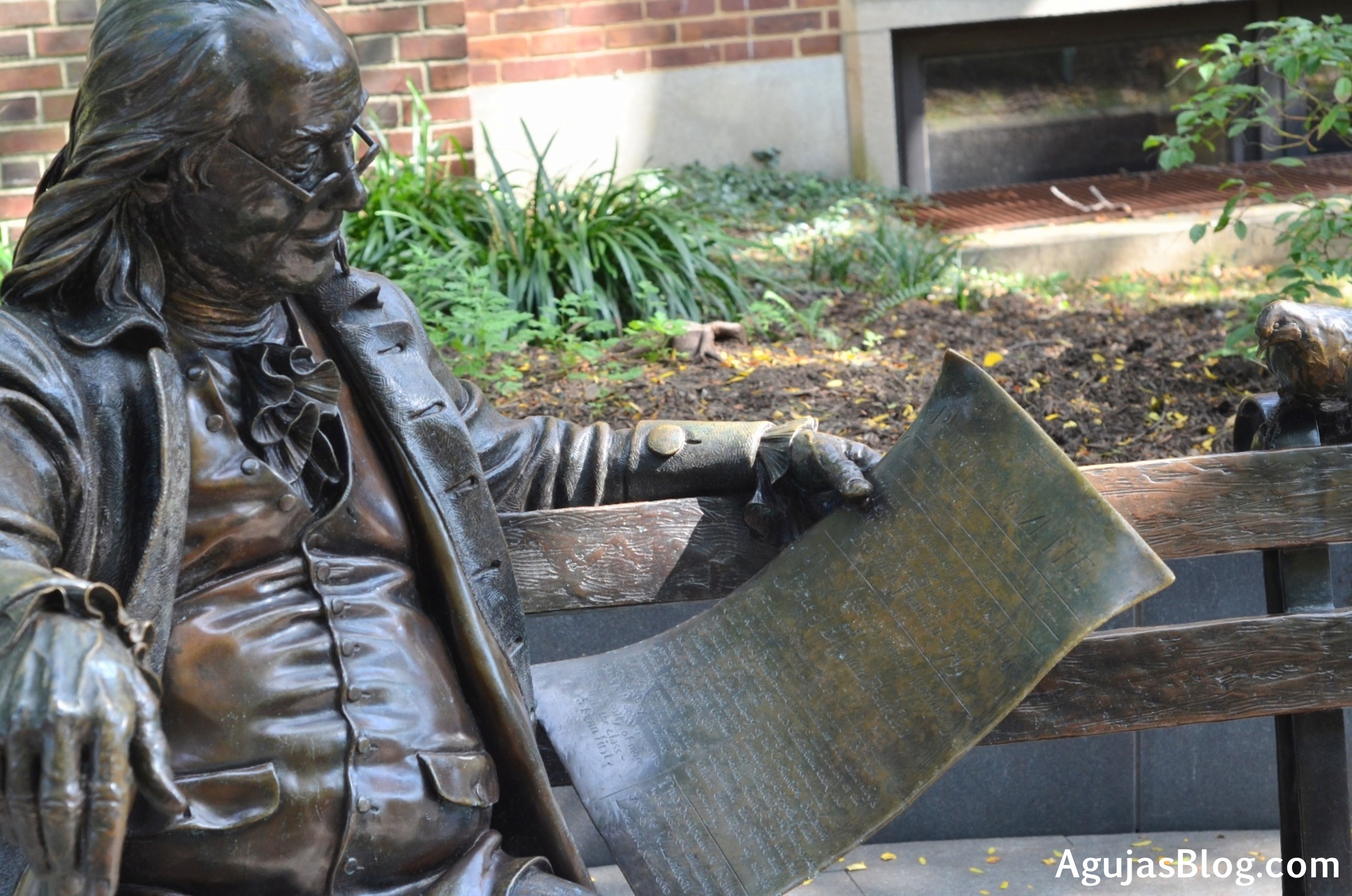
Statue of Benjamin Franklin on the campus of the University of Pennsylvania.

Should you find yourself in Philly, I highly recommend these historic sites. The National Park Service provides information on operating hours and things to see and do. If you plan to visit Independence Hall, you will need tickets. They are free but you have to reserve them.

Our Honeymoon in China

Twenty years from now you will be more disappointed by the things that you didn’t do than by the ones you did do.  So throw off the bowlines.  Sail away from the safe harbor.  Catch the trade winds in your sails.  Explore.  Dream.  Discover.  — Mark Twain

Walking ten thousand steps is better than reading ten thousand scrolls.
— Chinese Proverb

Our Honeymoon

One dream became reality followed quickly by another.  Our first dream turned into the happiest day of our lives on our wedding day. We then embarked on a trip of a lifetime to China.  This is a collection of images from that dream-like journey east.

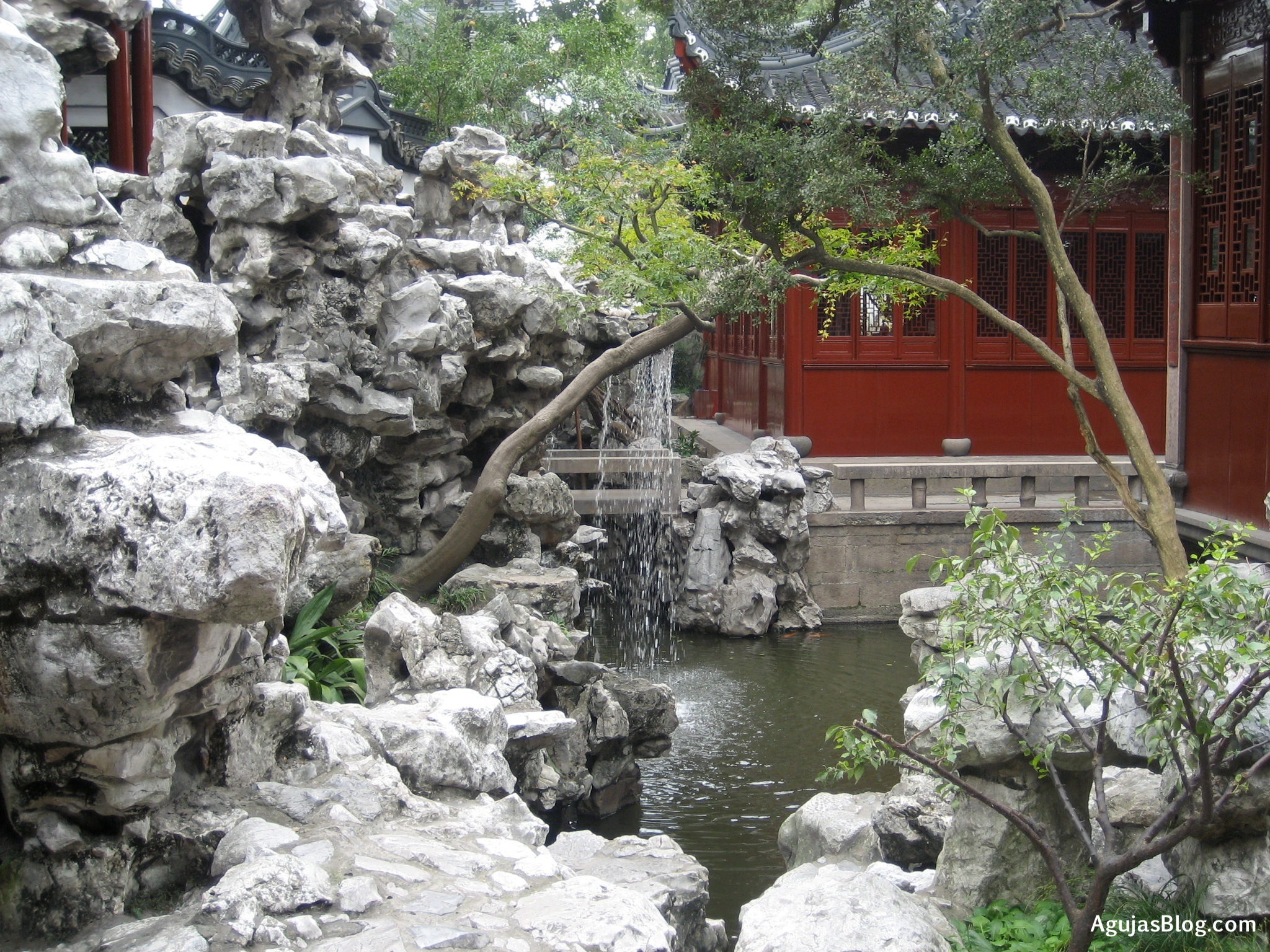
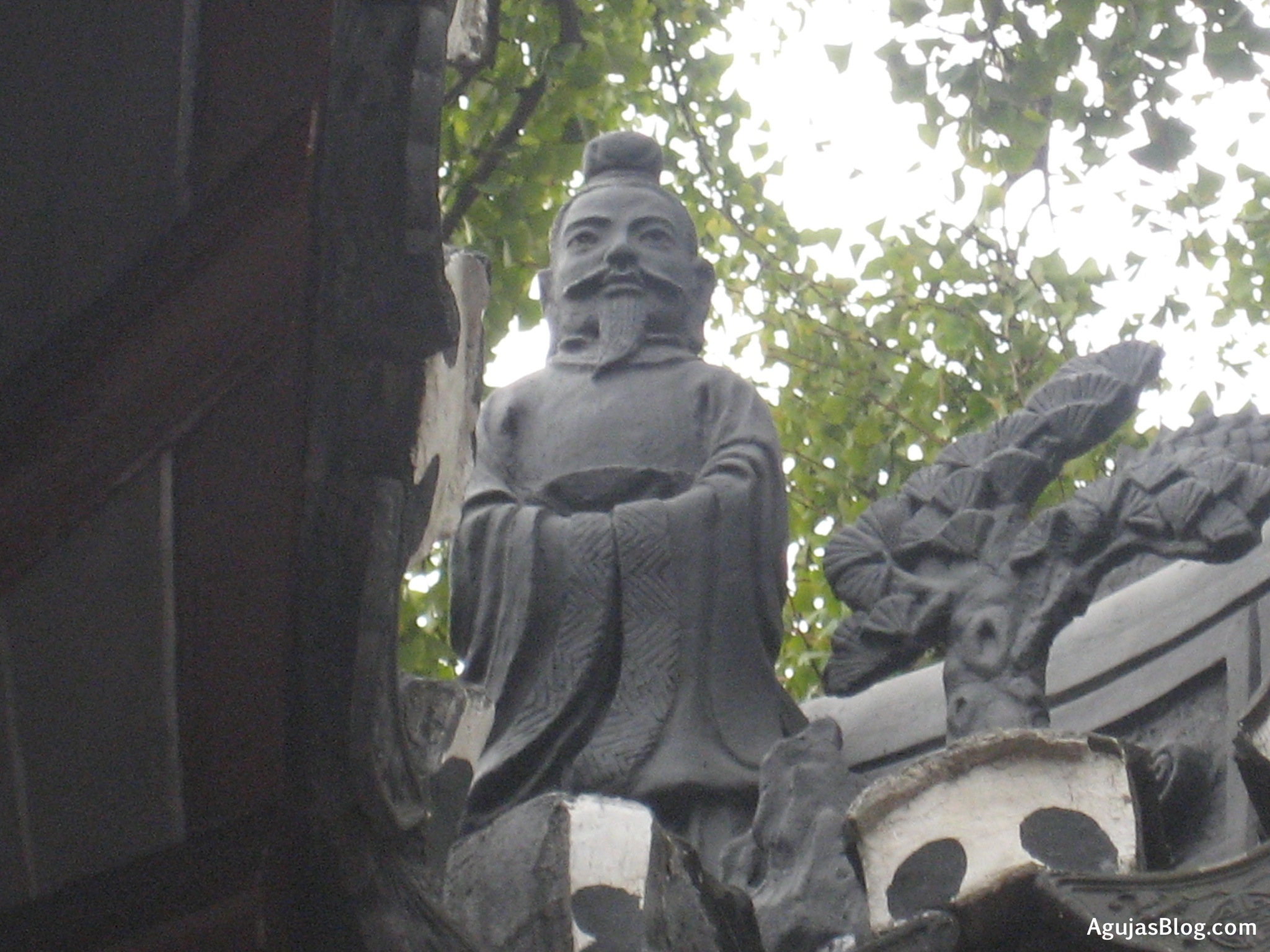
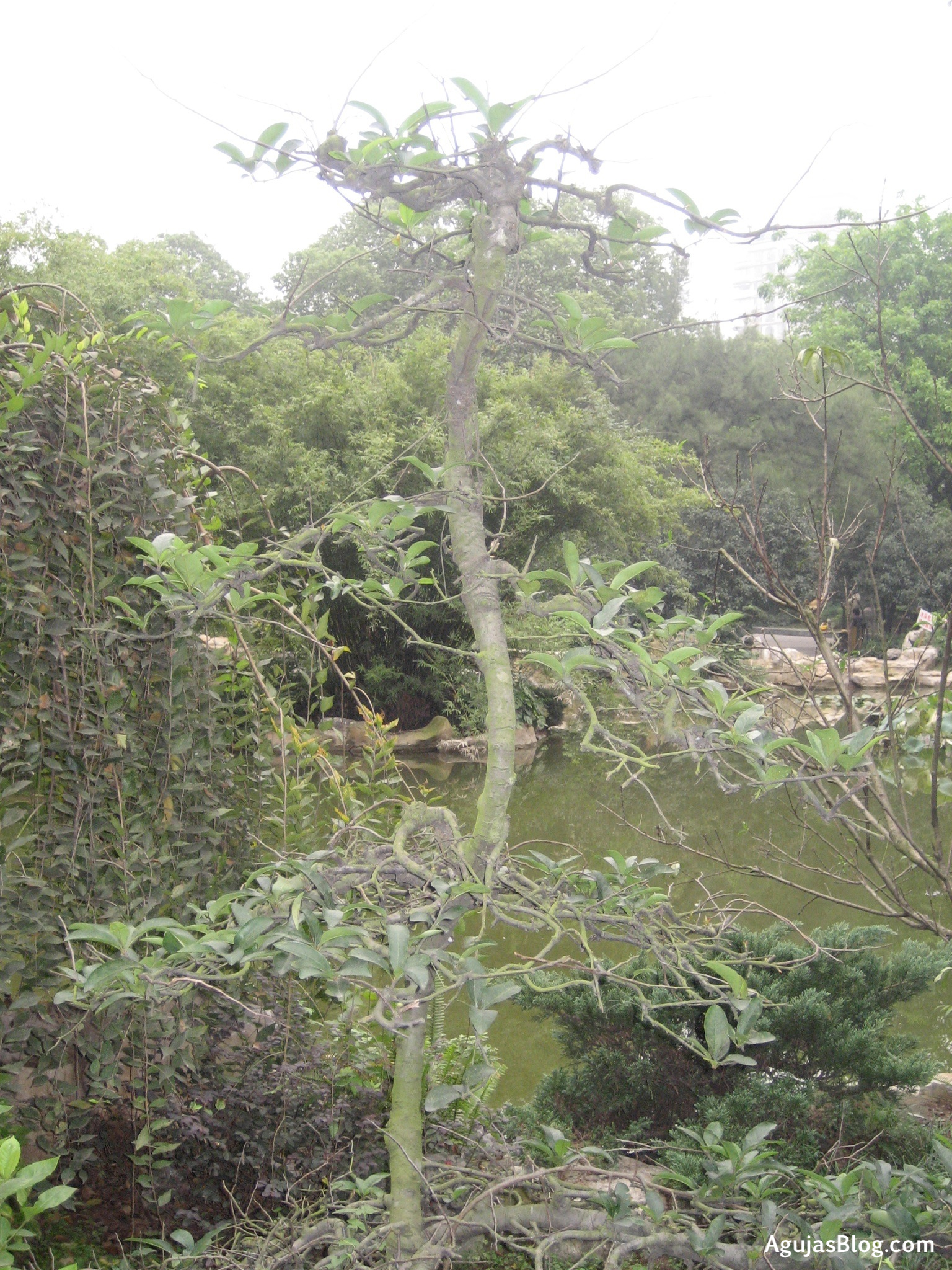
Yuyuan Garden in Shanghai

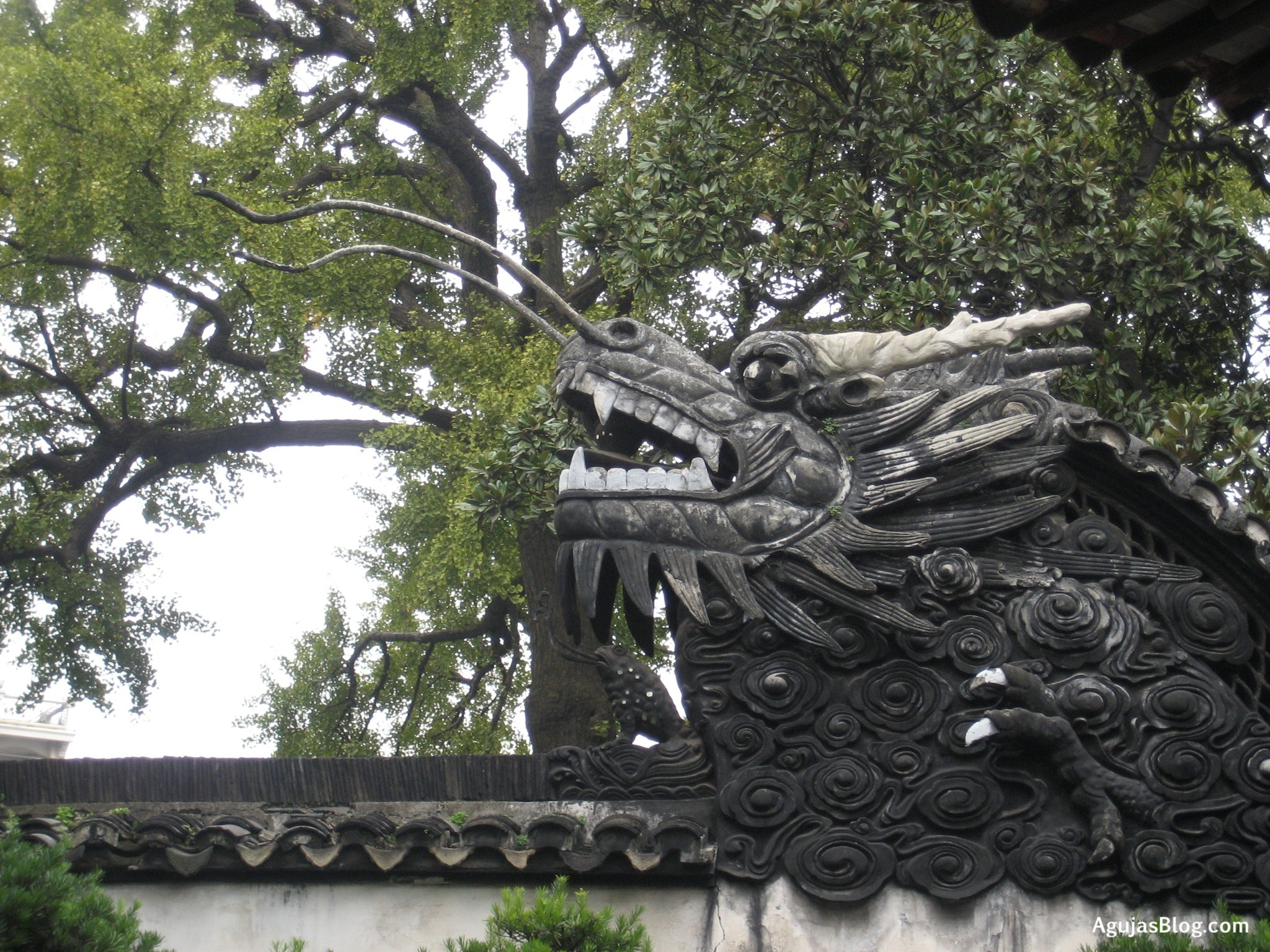
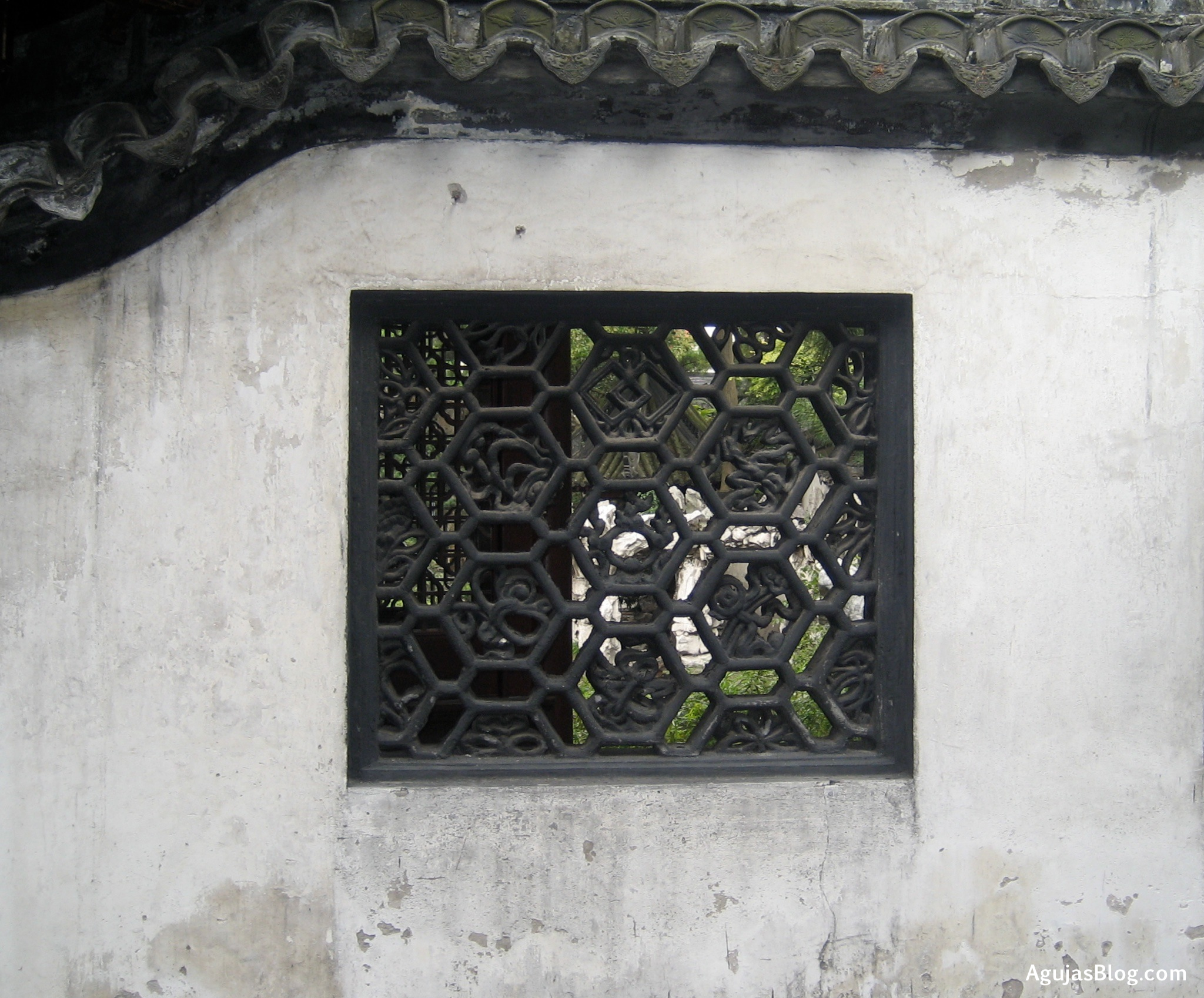
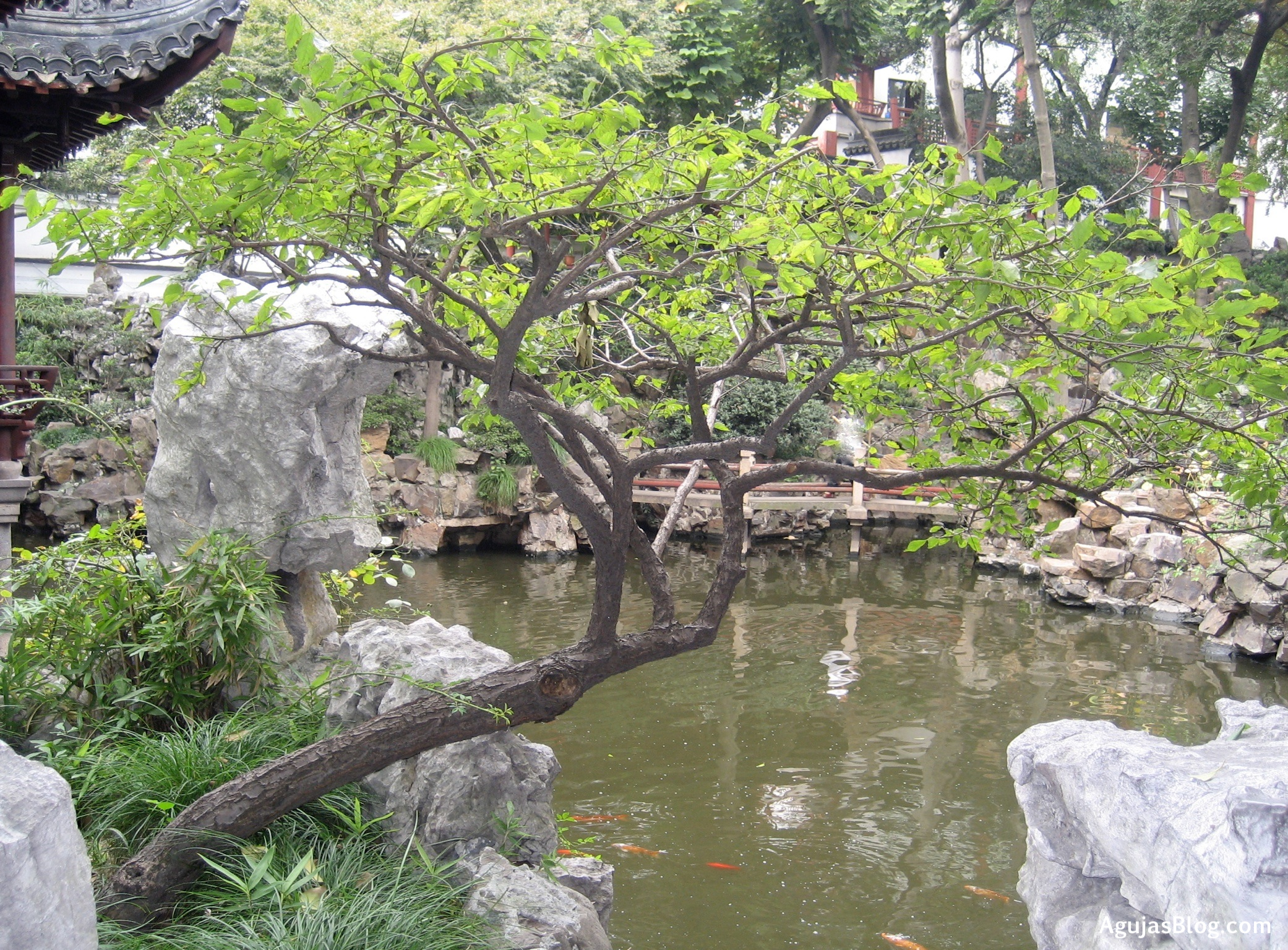
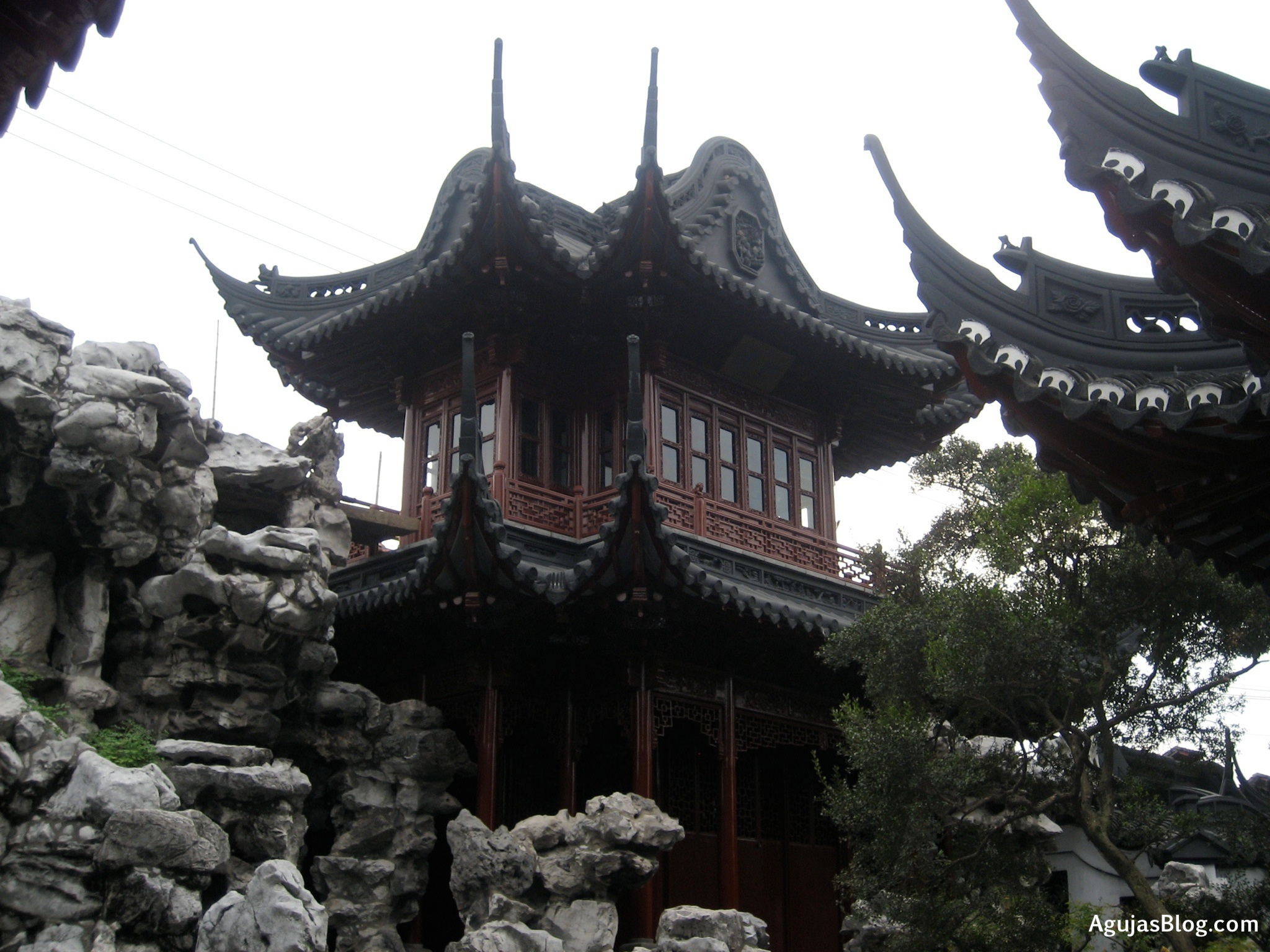
The Yuyuan Garden dates back to the Ming Dynasty.  It covers approximately five acres with winding paths, pavilions, rocks, and water elements.

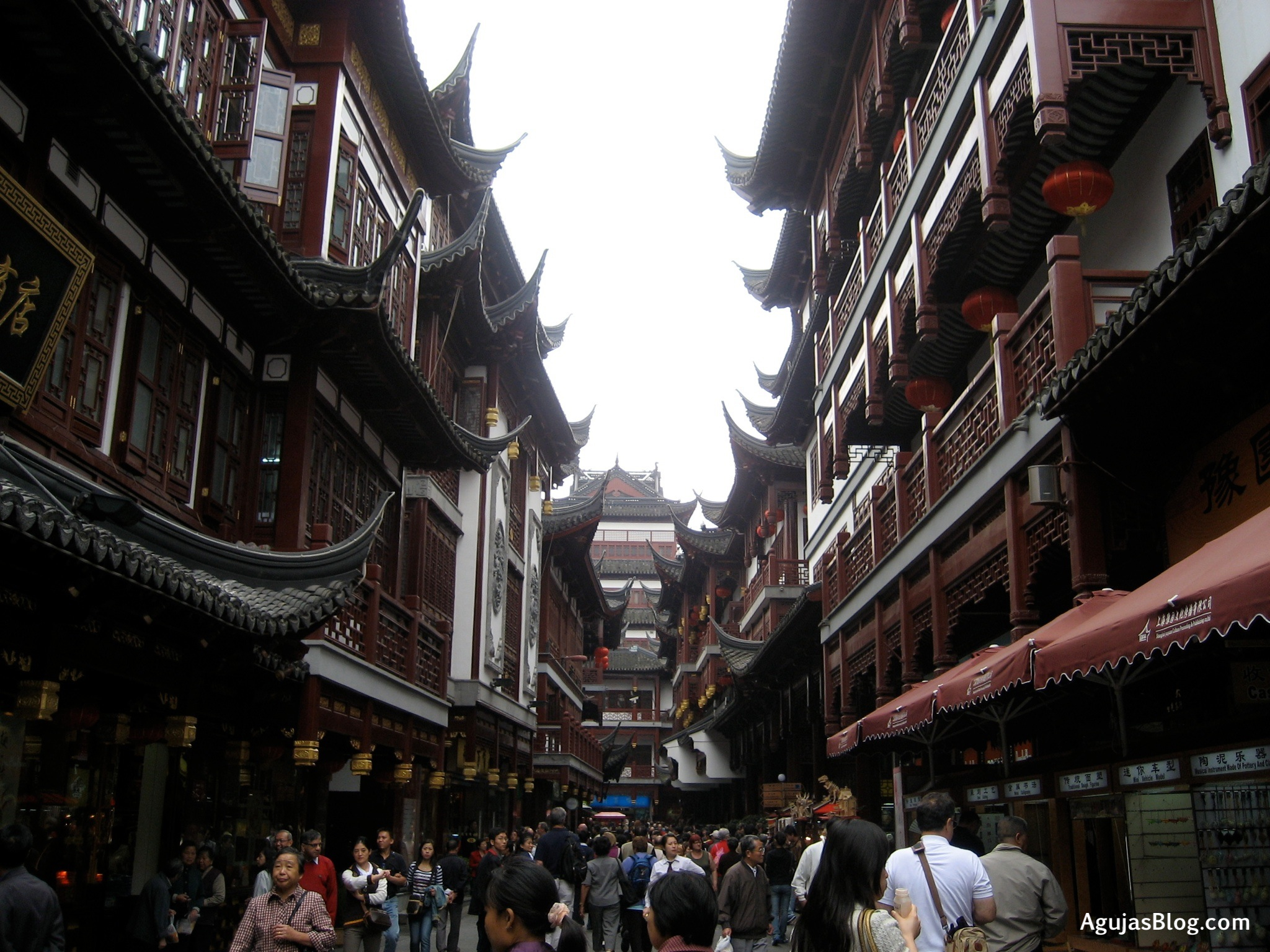
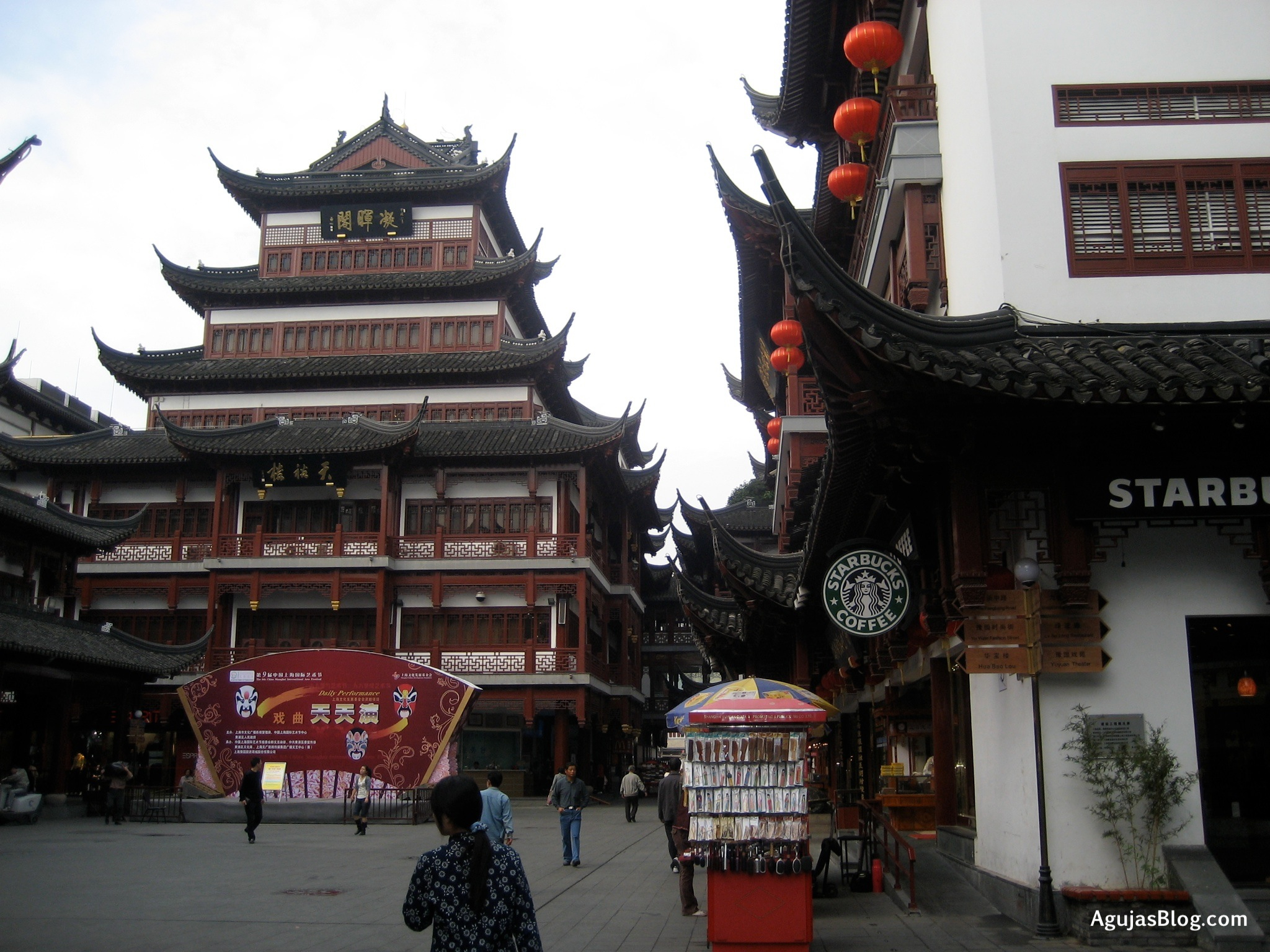
The Streets of Old Shanghai

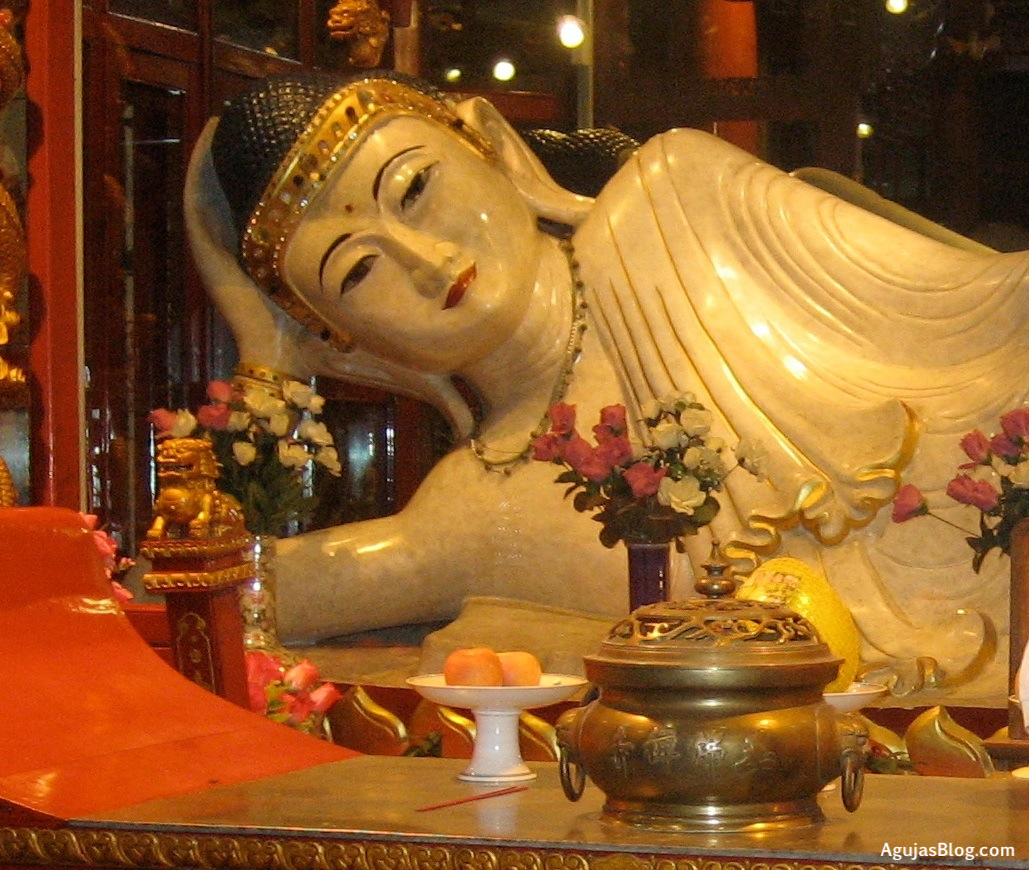
Jade Buddha Temple in Shanghai

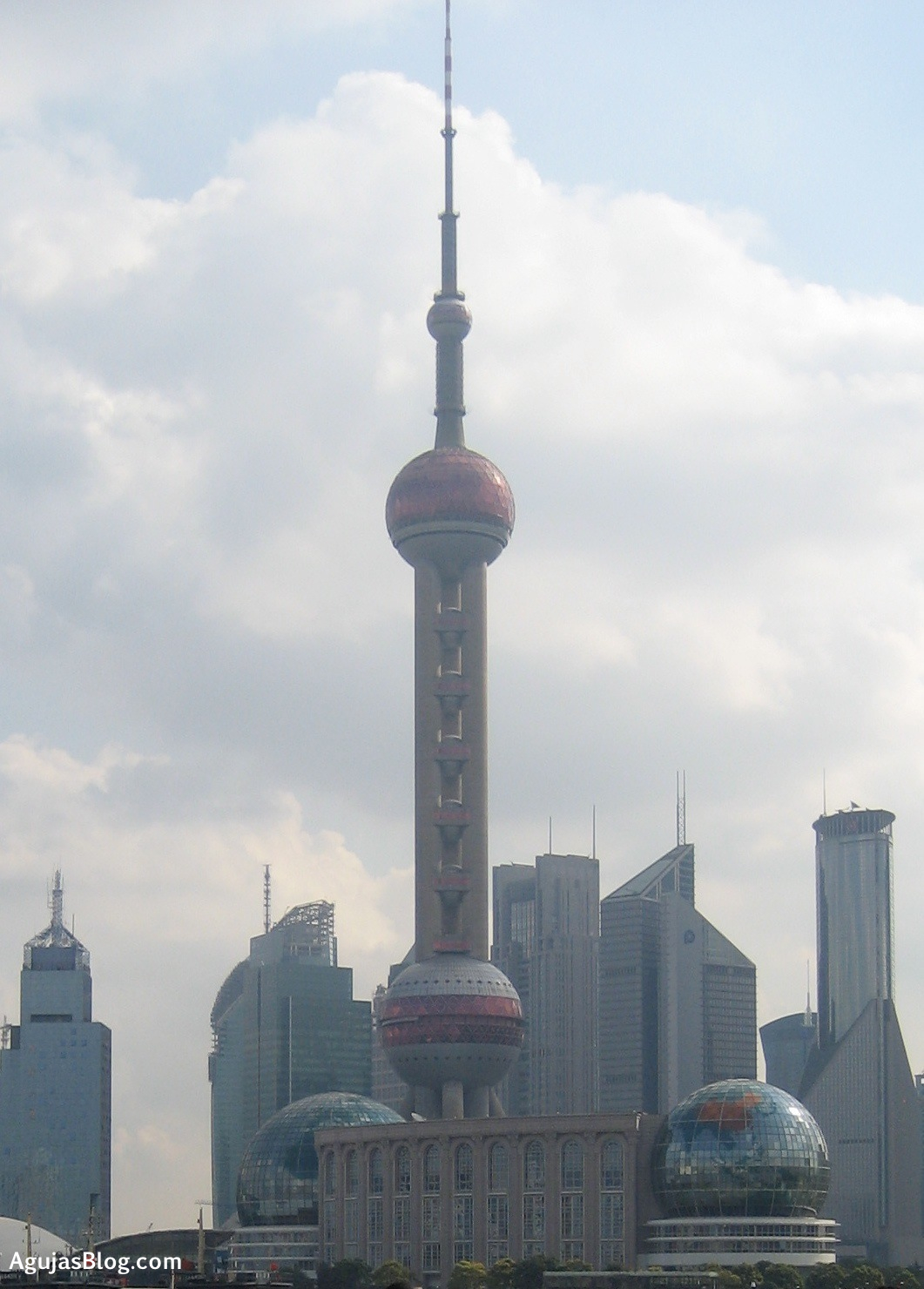
Pudong District

The futuristic skyline of the Pudong District with the Oriental Pearl Tower at its center. We took in the view from the observation deck at night.

Three Gorges Dam

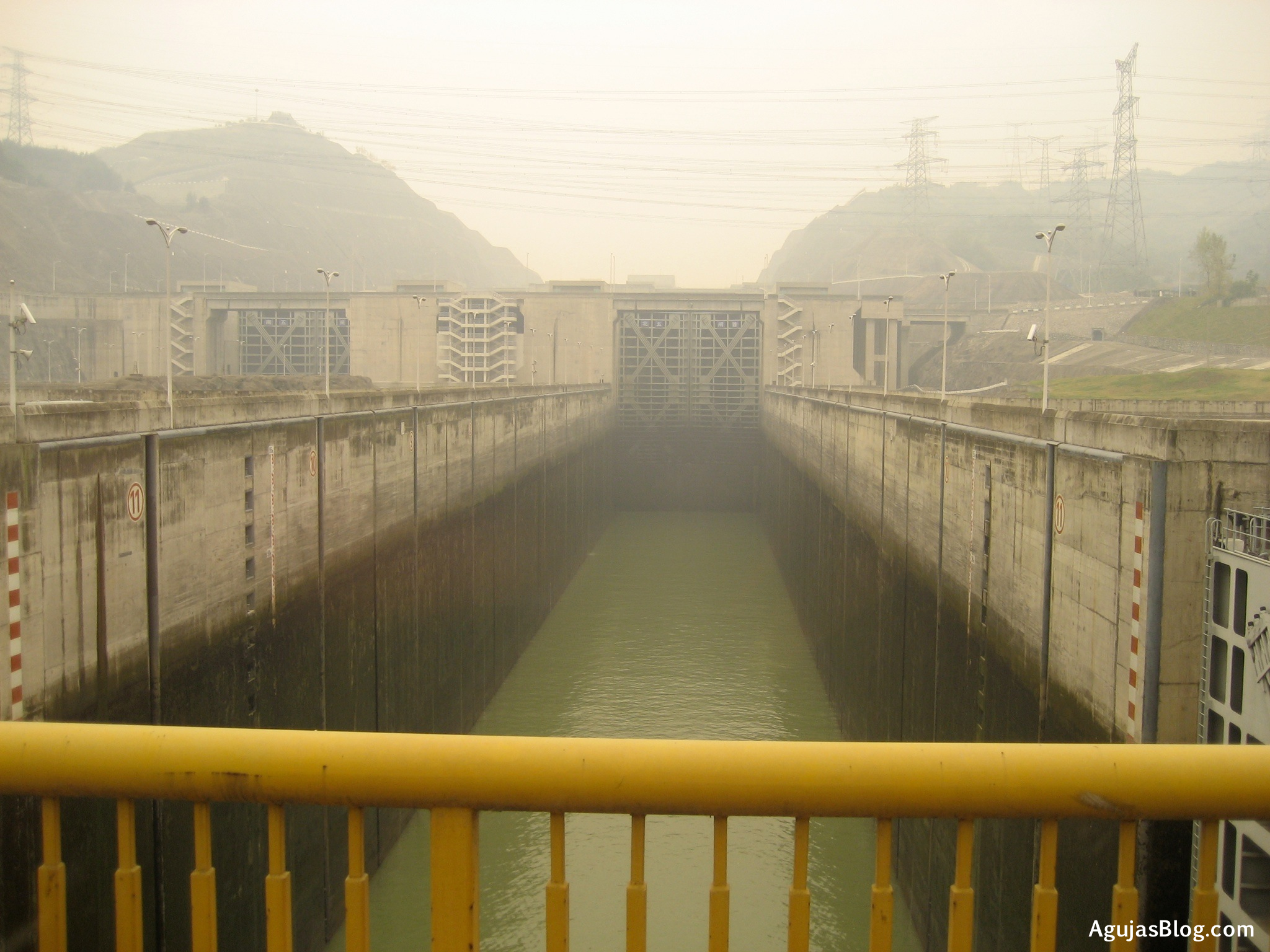
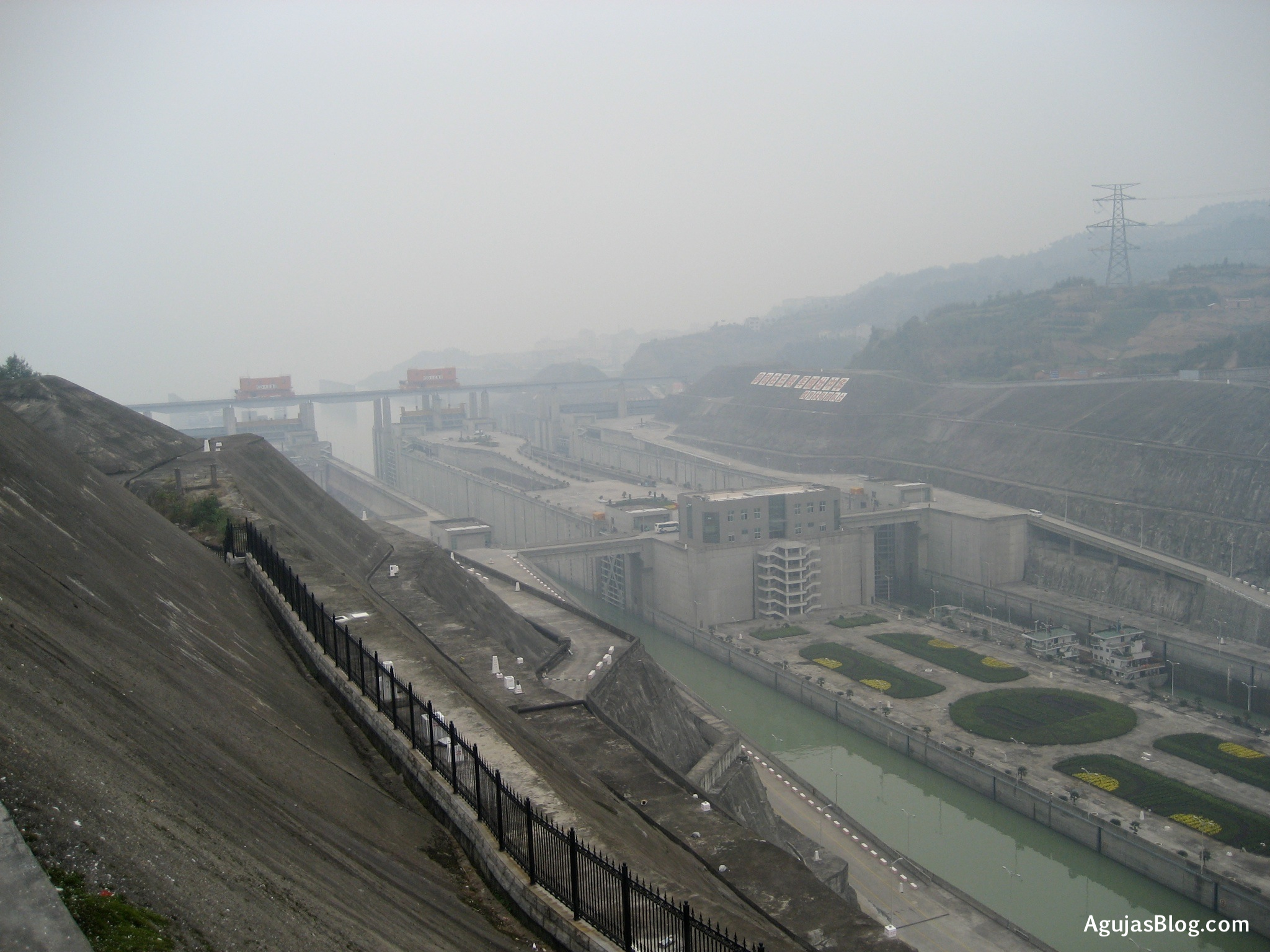
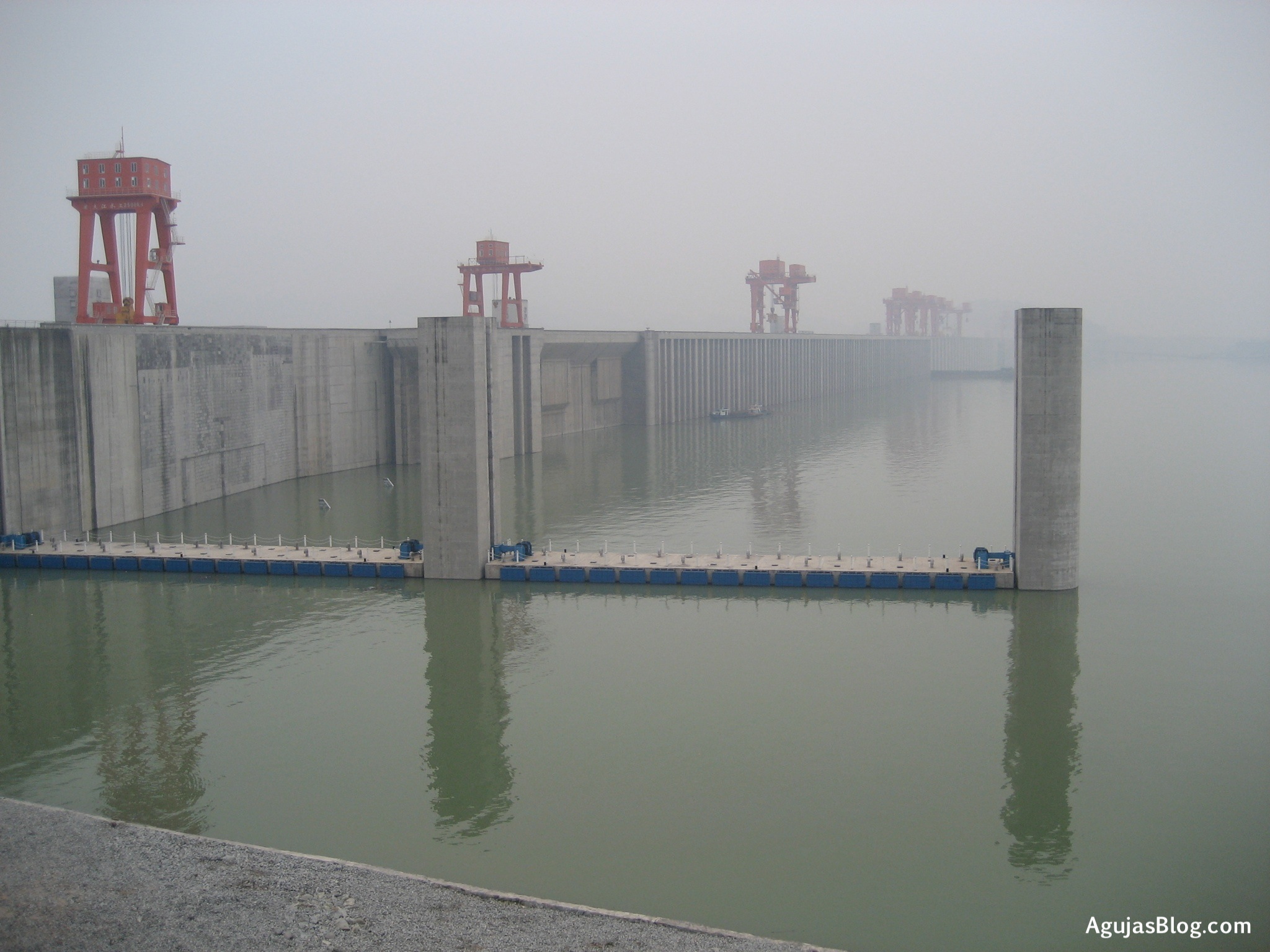
Three Gorges Dam, the world’s largest hydroelectric power station. The first picture is one of the ship locks. The water levels are controlled to raise and lower ships passing from one side of the dam to the other.

Yangtze River

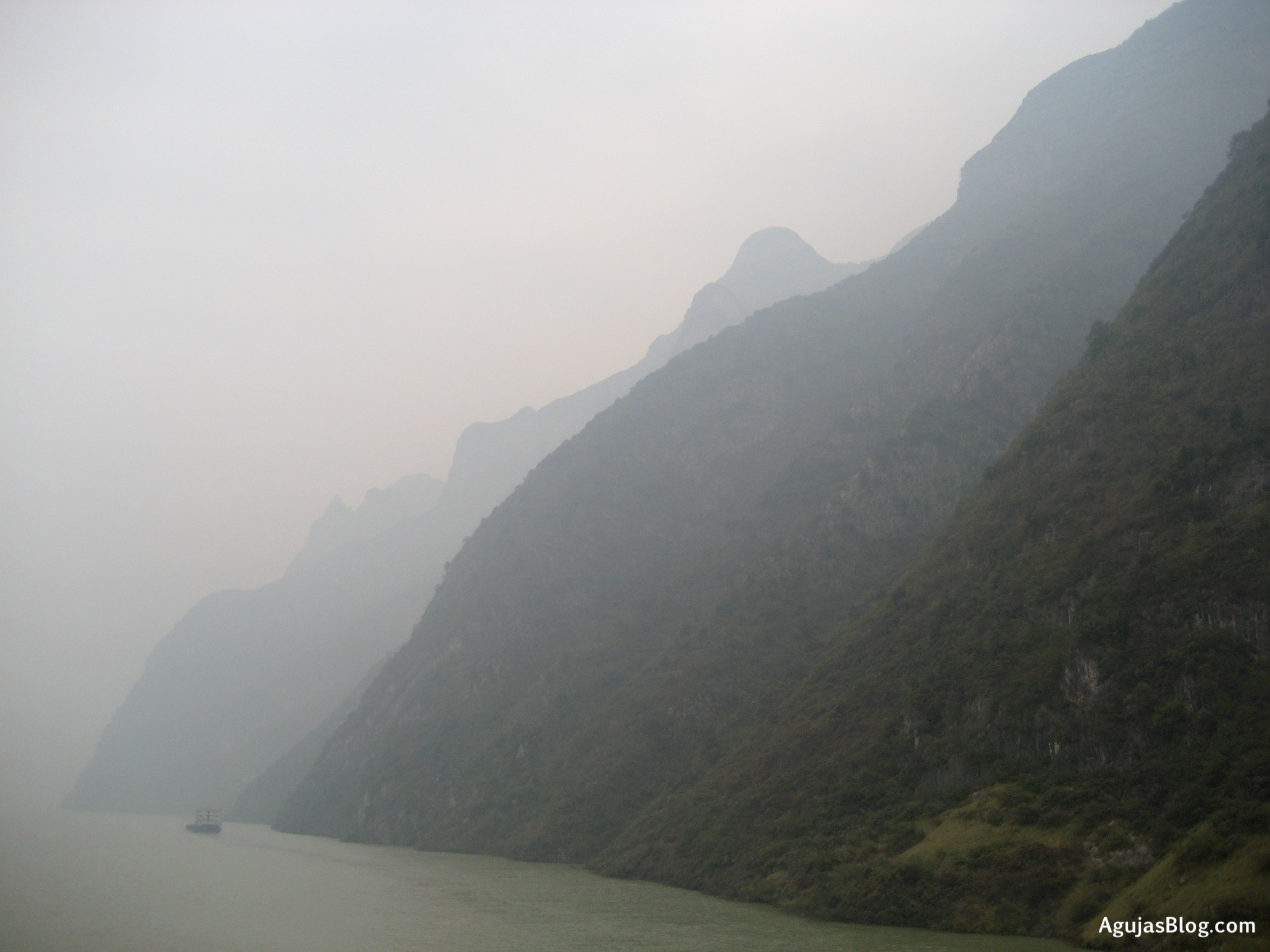
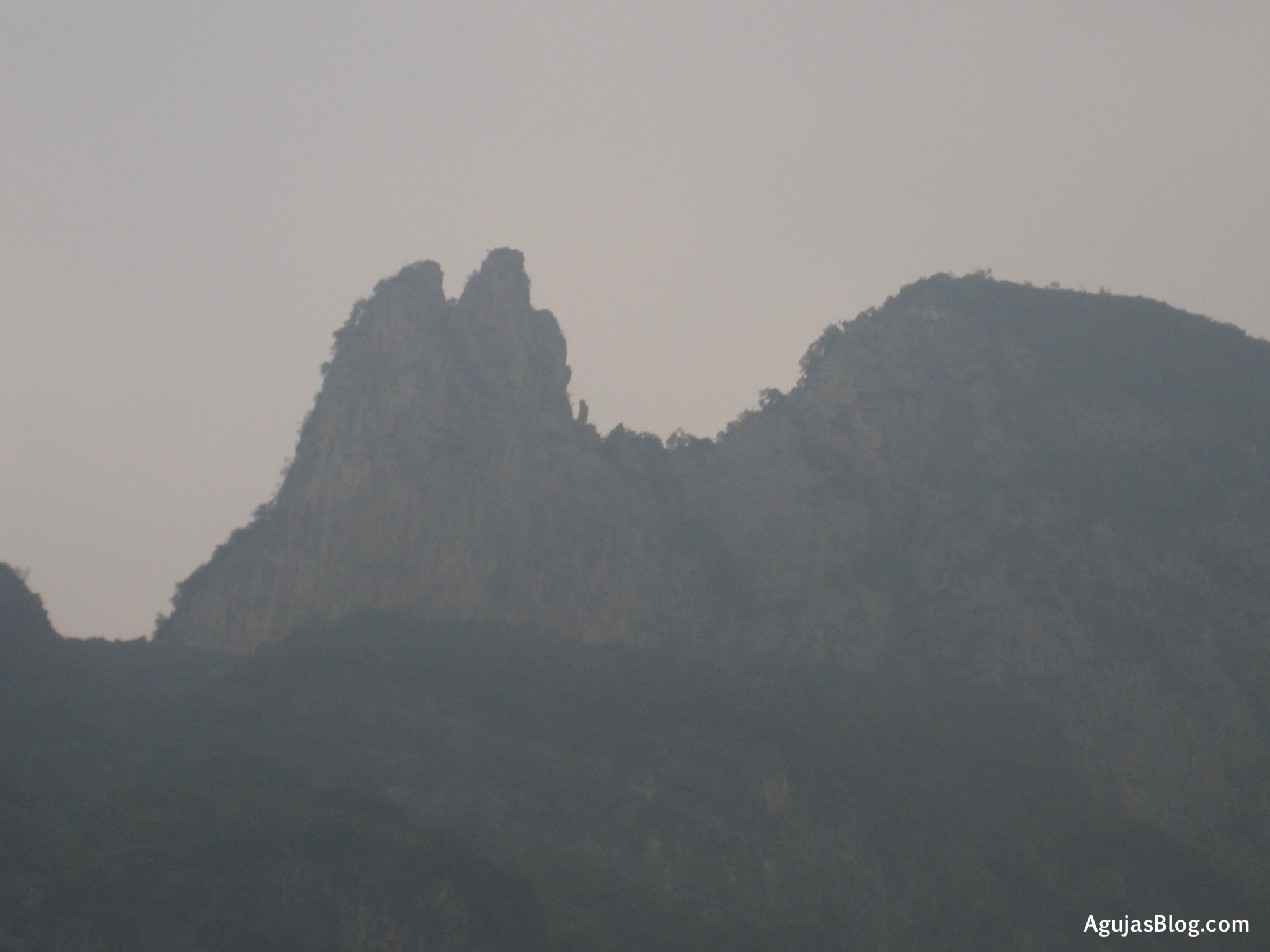
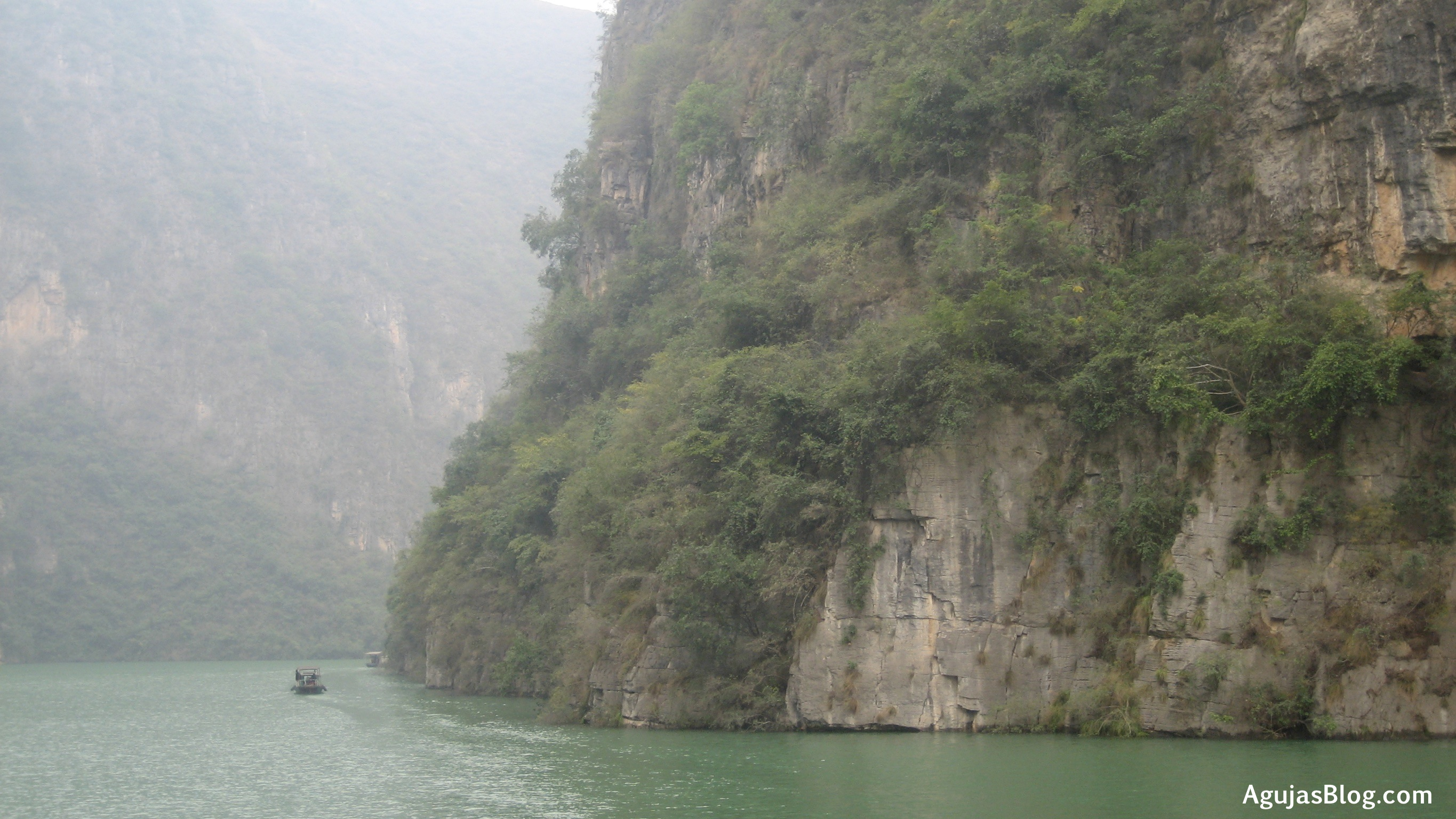
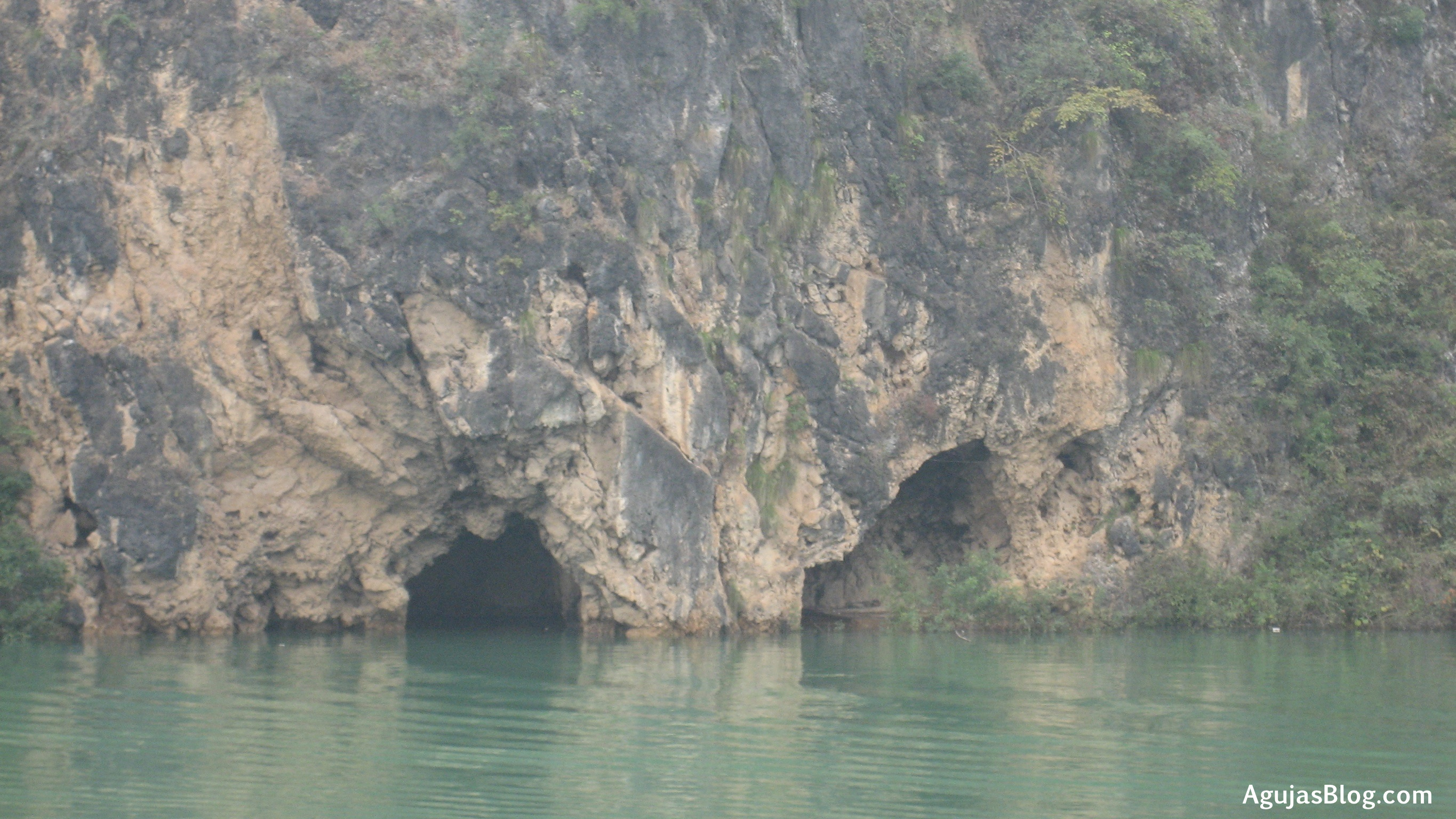
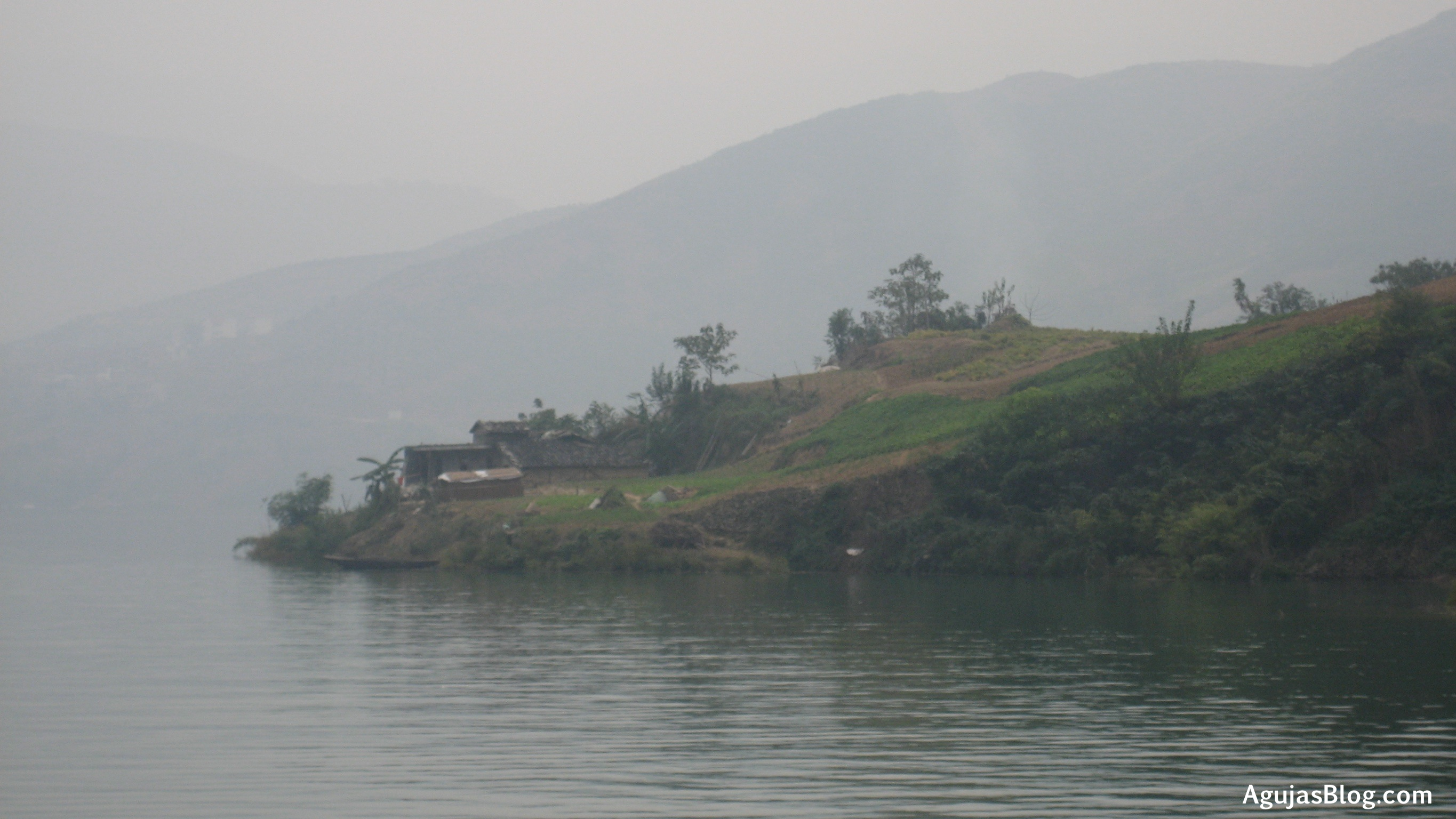
Cruising along the Yangtze River through Xiling, the longest of the Three Gorges. We cruised past Goddess Peak along the Wu Gorge. Notice the lone figure standing at the top of the cliff in the second picture, hence the name. At several intervals, we could see coal being extracted from the mountains. The “mist” which gives the mountains an ethereal look is mostly pollution.

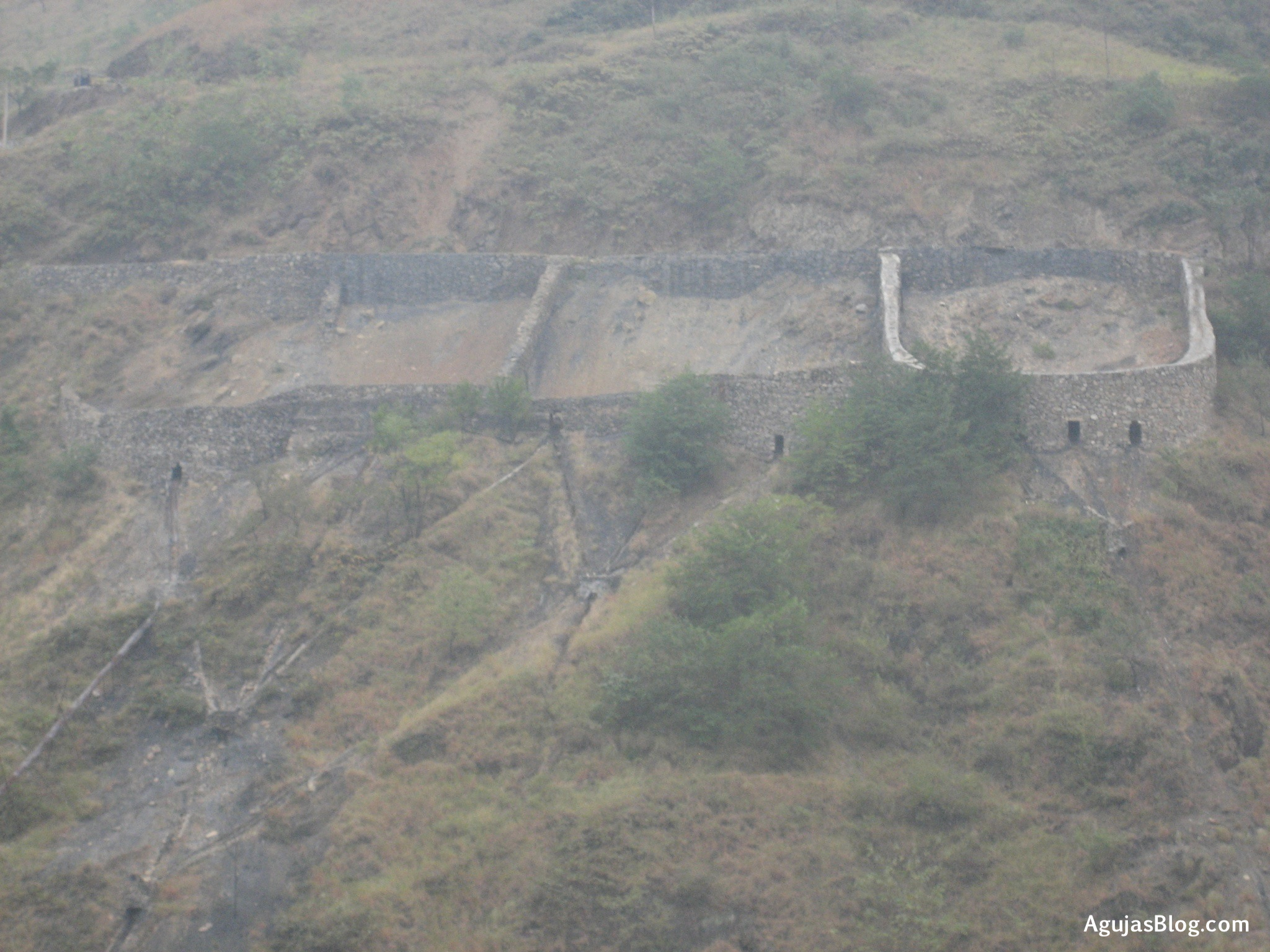
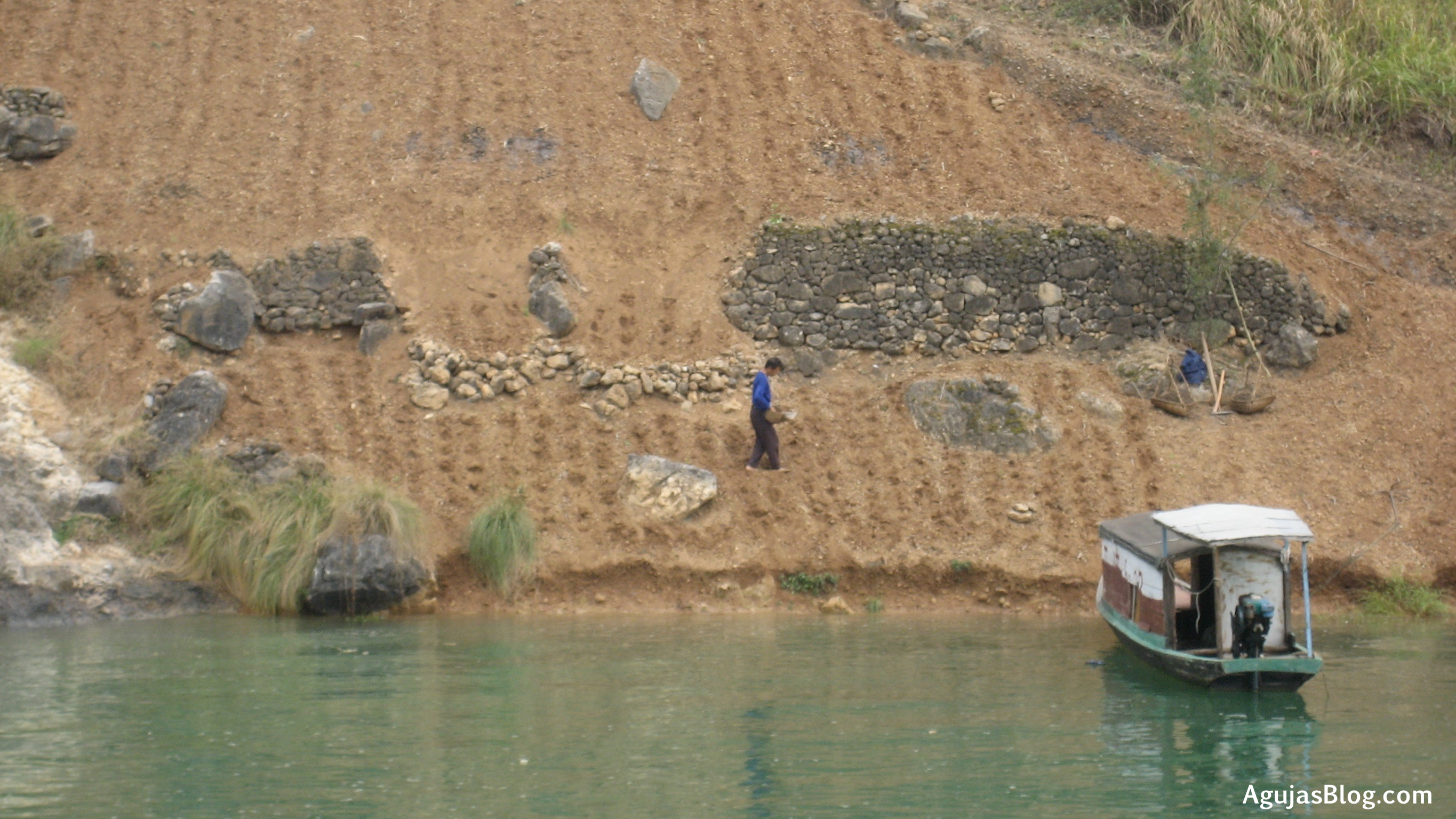
We saw farmers plowing along the mountainsides close to the water. We were told that entire villages had been transferred from one side of the river to the other ahead of the rising waters upon completion of the dam. Entire cities would be under water, like sunken ships in the depths. Brand new bustling cities were built to replace the old towns and villages.

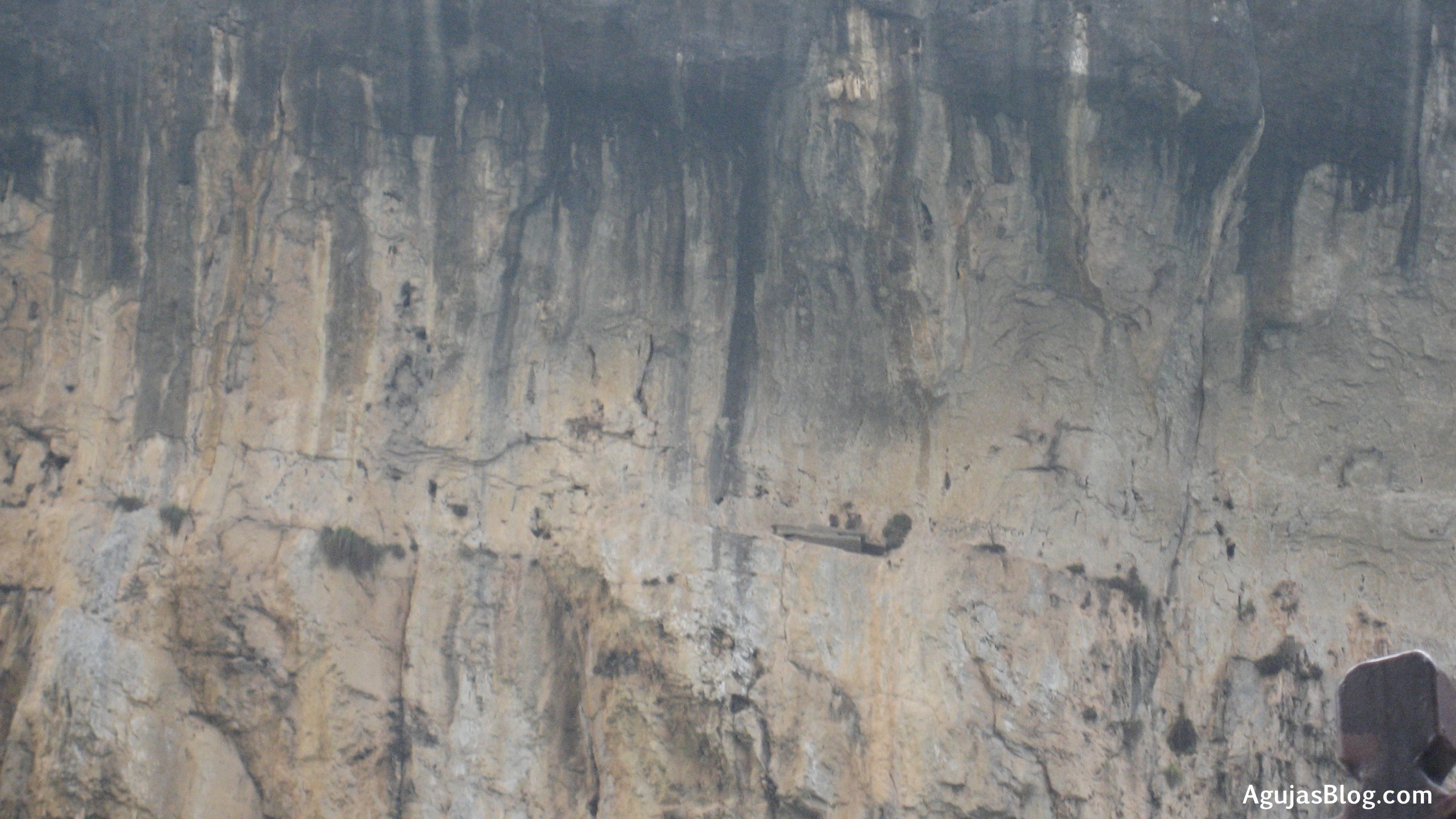
Hanging Coffins of the Ba People

You can just glimpse the coffin of petrified wood on the ledge. How did they get the coffins there? It’s a straight drop on the face of the cliff.

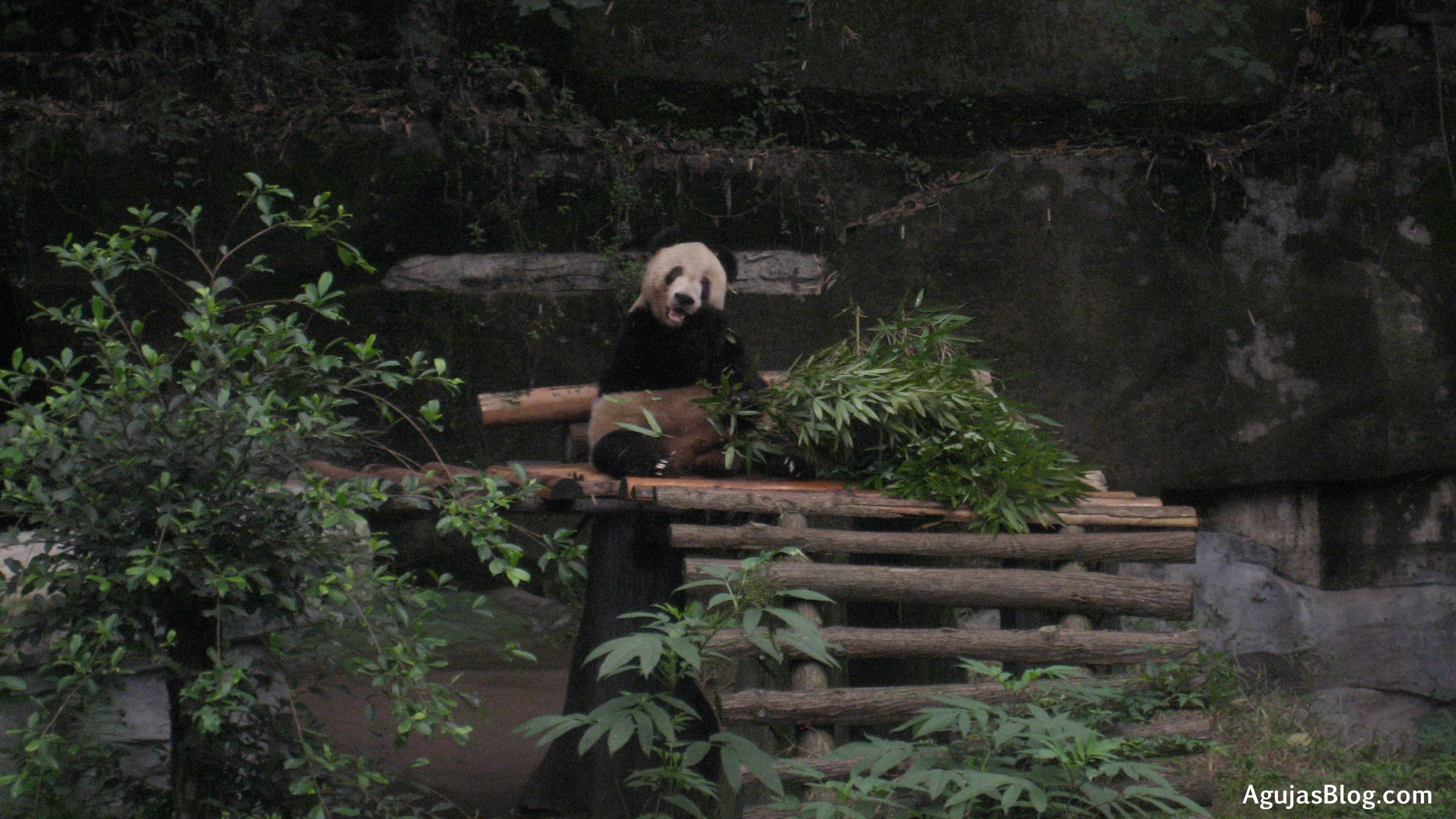
Giant Panda Bear at Chongqing Zoo

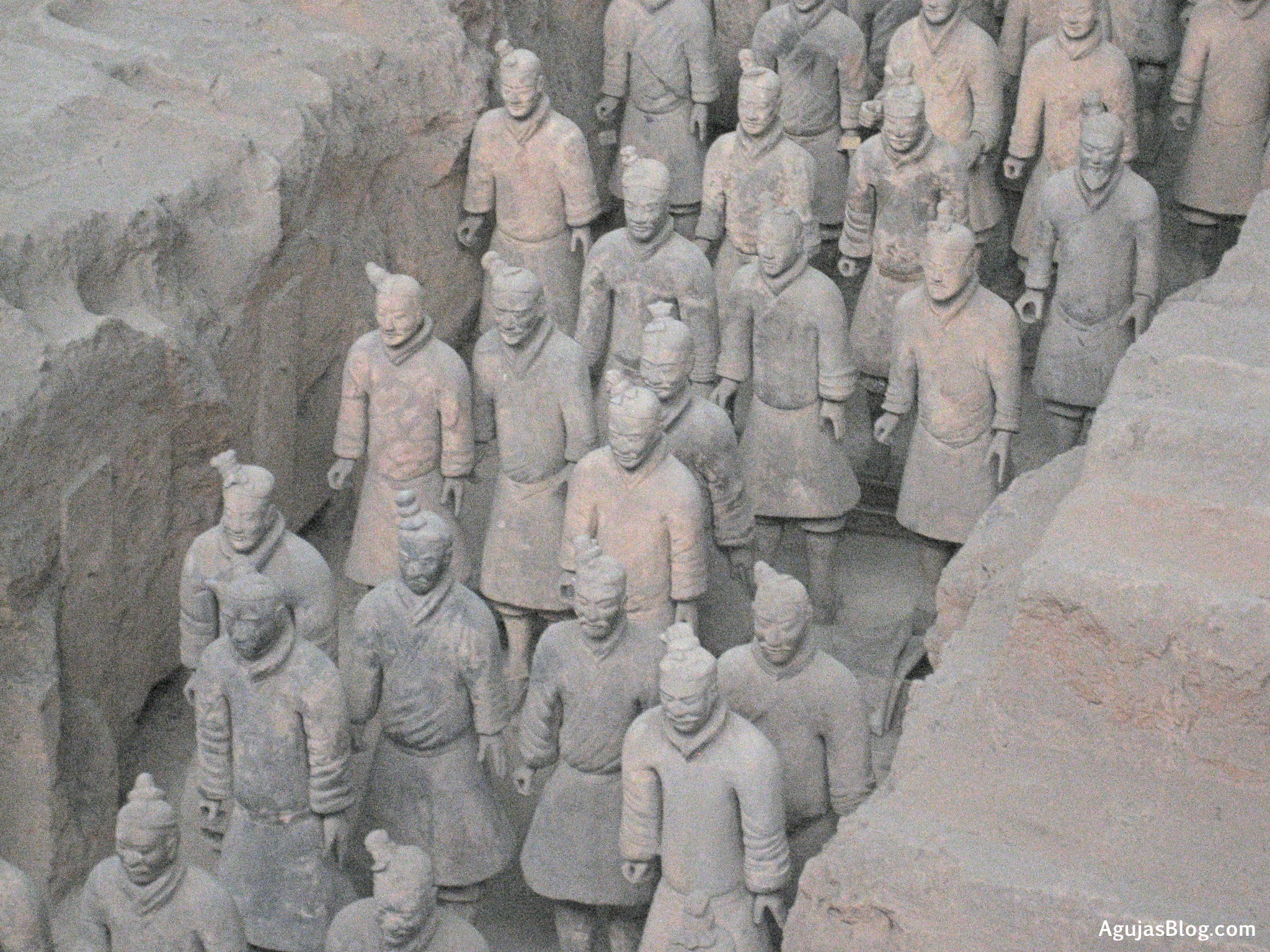
Terra Cotta Warriors in Xi’an

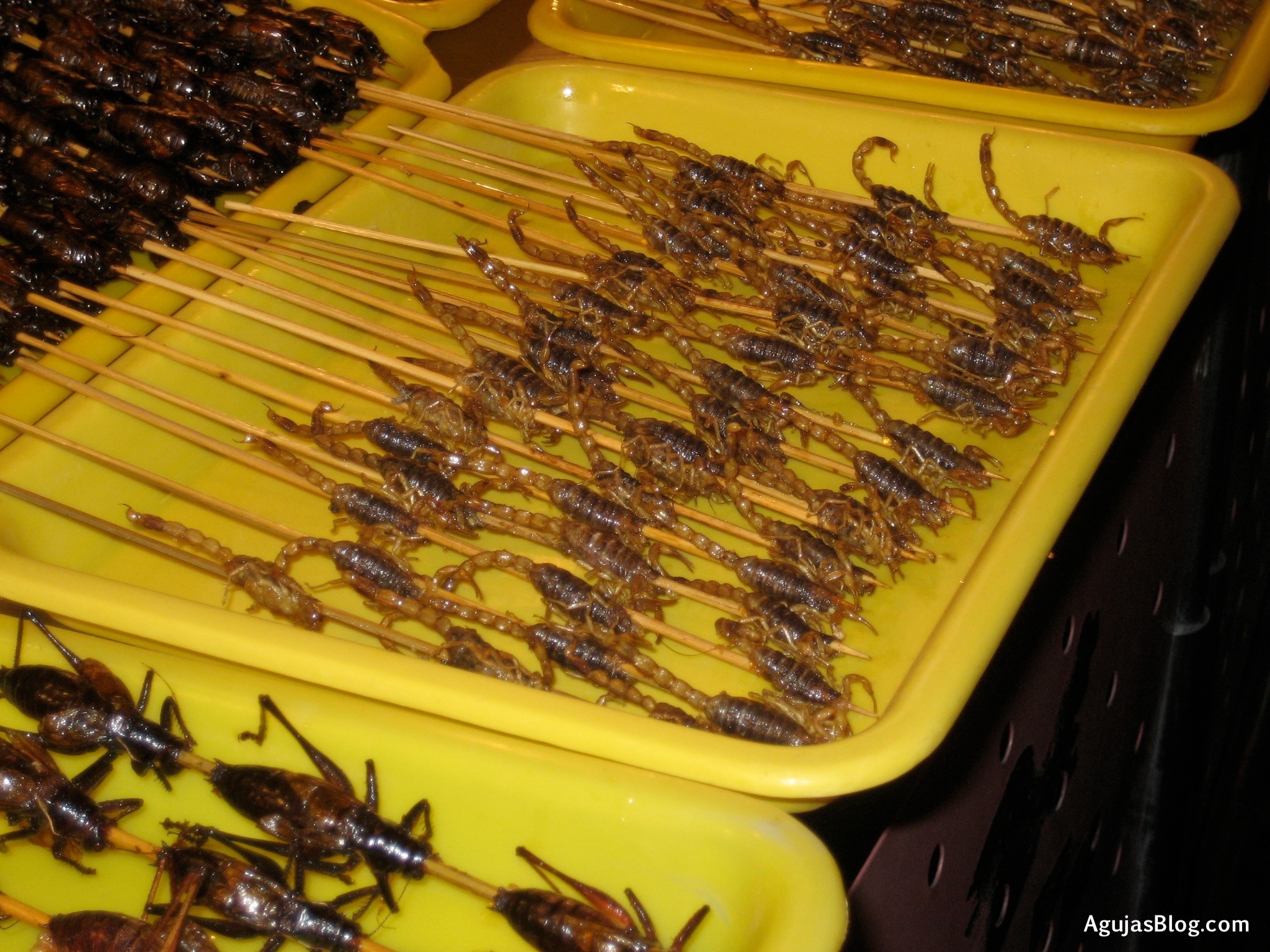
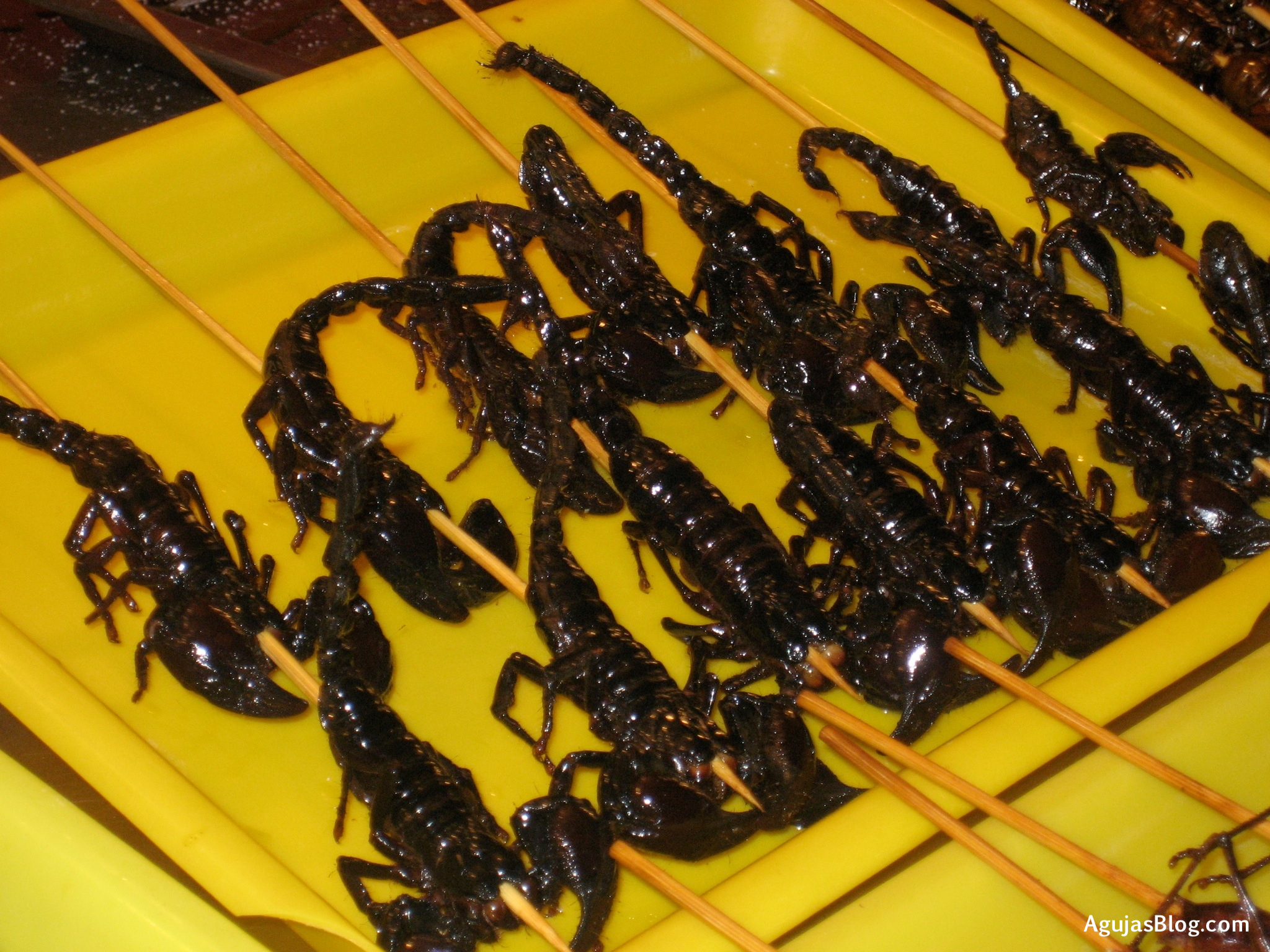
Delicacies at the Beijing Night Market

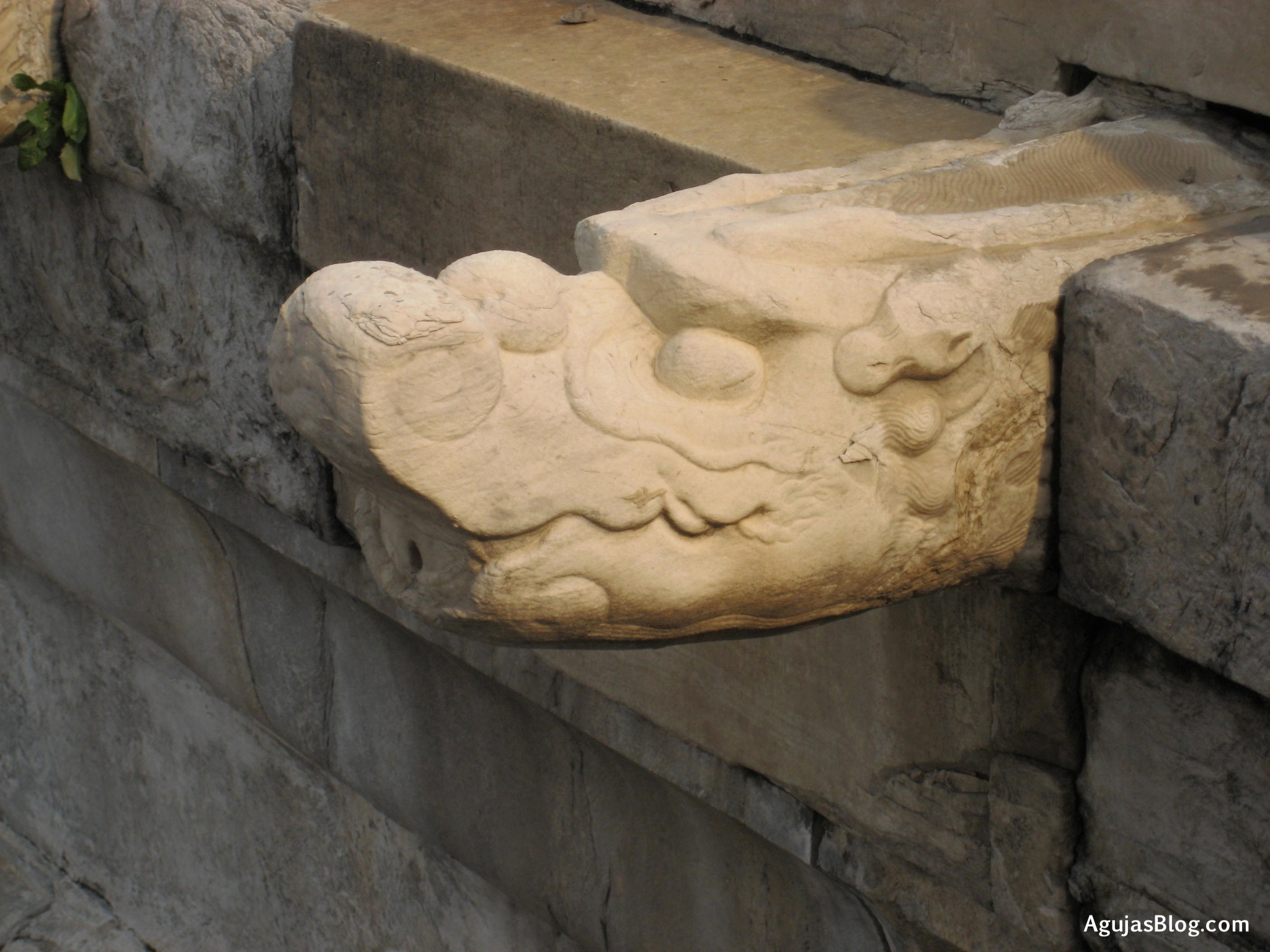
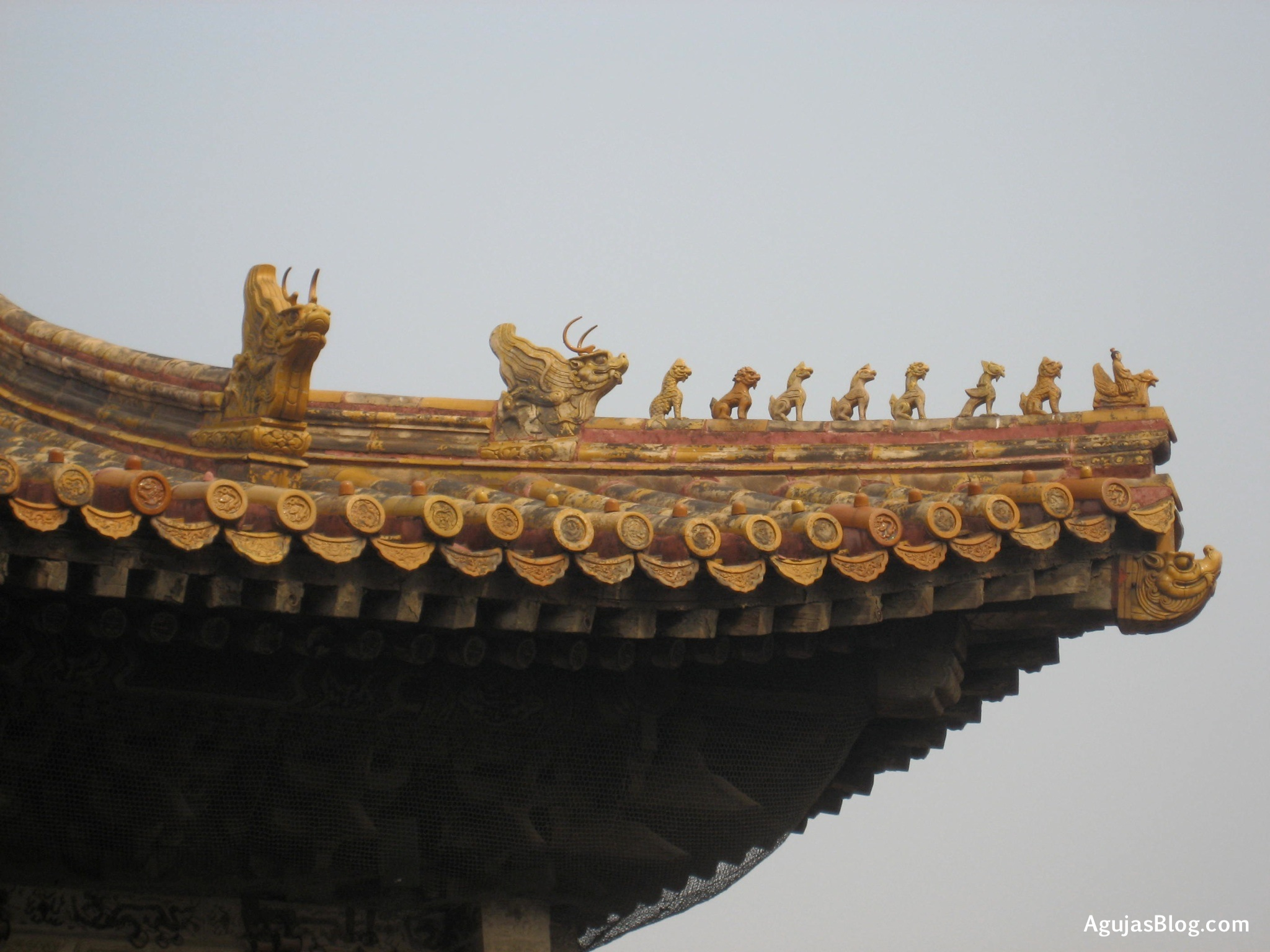
Inside the Forbidden City in Beijing

Te Dejo Madrid

Te dejo Madrid
con tus avenidas amplias
tus edificios y palacios resplandecientes

Te dejo Madrid
con tus mil sabores
patatas bravas y albóndigas
queso manchego y aceite de oliva arbequina
escaparates luciendo la pata negra
cenando a media noche
las calles repletas de gente

Te dejo Madrid
con tus tesoros nacionales
el Prado con "Las Meninas" de Velázquez
las imágenes de la guerra en el "Guernica" de Picasso
"Muchacha en la Ventana" de Dalí
la poesía de Lorca

Te dejo Madrid
por las calles sinuosas del Rastro
las antigüedades del mercado de sellas y monedas
la pasión del flamenco
y con un brindis a Don Ernesto bajo la sombra
de los árboles que rodean la Plaza Santa Ana

Te dejo Madrid
pero tu no me dejas a mi

(Título prestado de la canción “Te Dejo Madrid” de Shakira).

Click on any image to view on a larger screen.

I leave you Madrid
with your wide boulevards
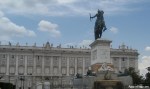
and your resplendent buildings and palaces

I leave you Madrid
with your thousand flavors
spicy fried potates and meatballs
manchego cheese and olive oil
black hoofs on display in shop windows
dining at midnite
the streets bursting with people

I leave you Madrid
with your national treasures
“Las Meninas” by Velázquez at the Prado
the images of war in Picasso’s “Guernica”
Dalí's “Woman at the Window”
Lorca’s poetry

I leave you Madrid
through the circuitous streets of the Rastro
the antiquities at the stamp and coin market
the passion of flamenco
and a toast to Hemingway beneath the shade
of the trees that surround Plaza Santa Ana

I leave you Madrid
but you do not leave me

(Title borrowed from the song “Te Dejo Madrid” by Shakira).

Mantón Bordado

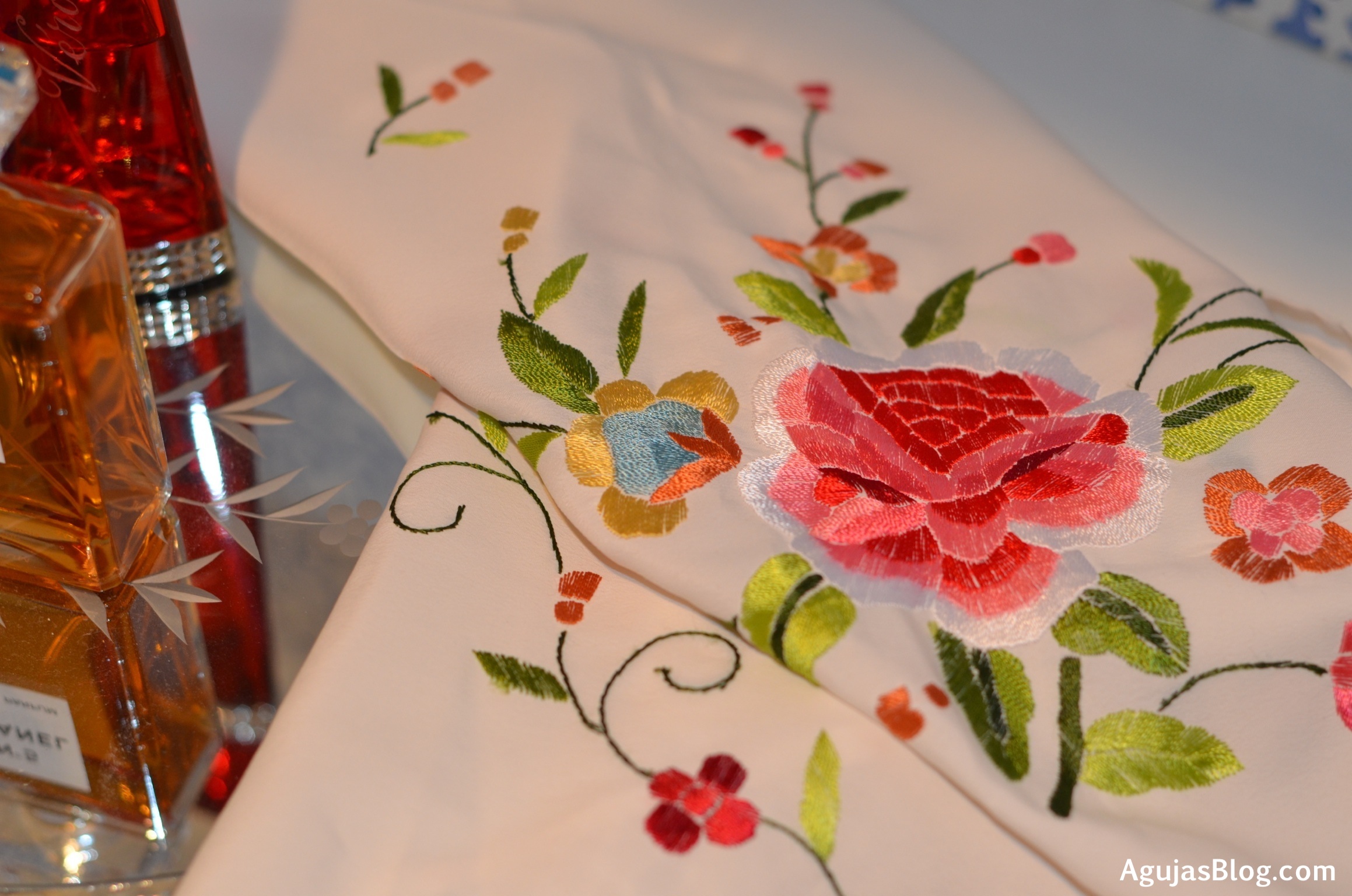
When I travel, I always try to bring back something that will remind me of the place I visited. Something a little more meaningful than a key chain but not too excessive (and that will fit in my luggage).

I brought back this mantón bordado (embroidered shawl) from Madrid. They told me it was hand embroidered (although I have some doubts). Nonetheless, the vibrant flowers and flirtatious tassels remind me of Spain.

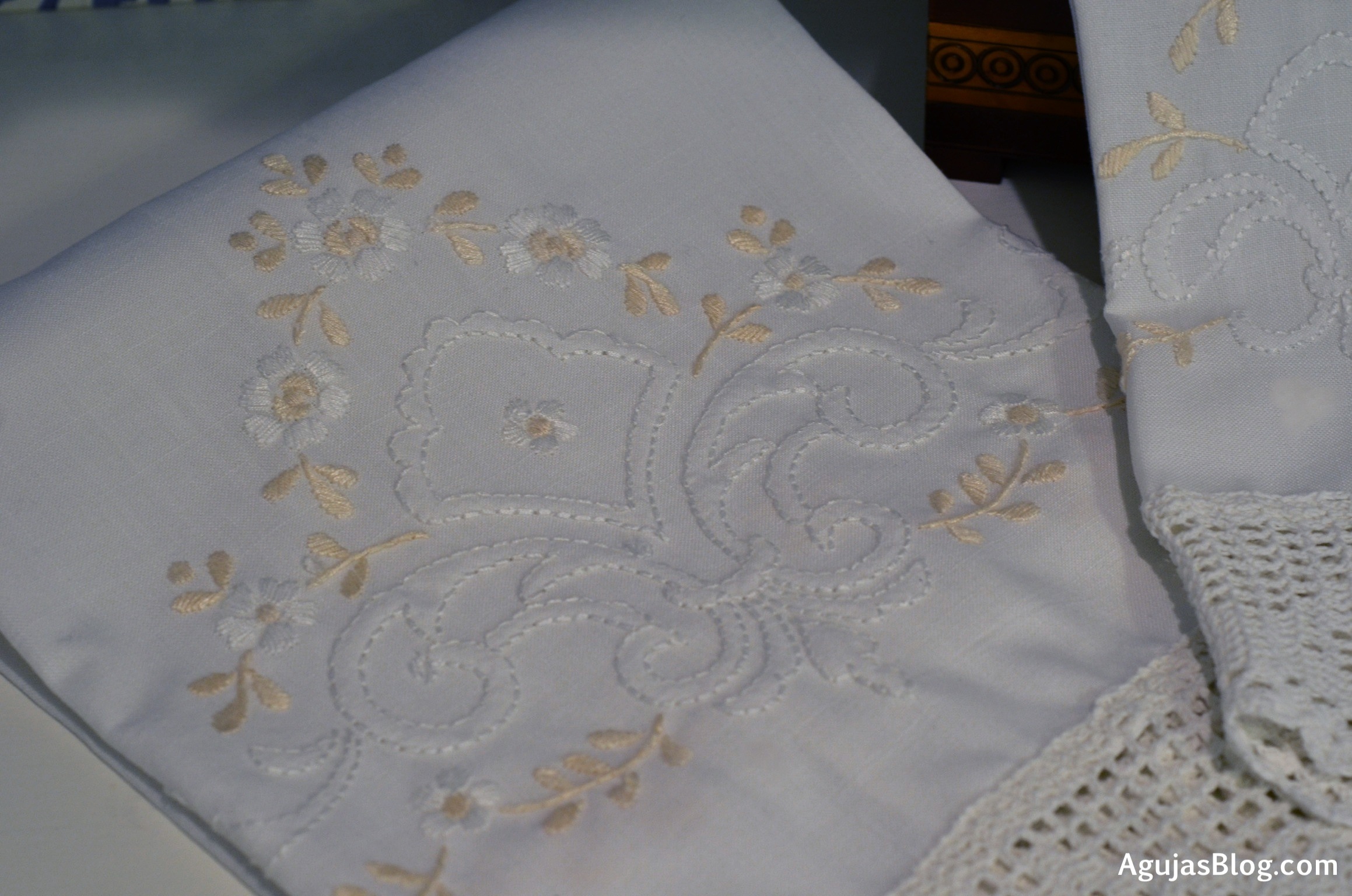
I also picked up this set of toallas bordadas (embroidered towels) with a crocheted border. I like their simplicity and elegance.

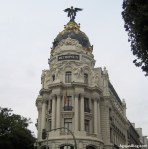
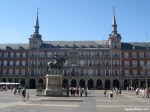
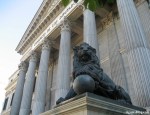
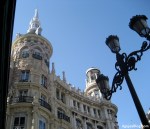
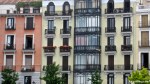
Here are a few other images captured on the streets of Madrid.

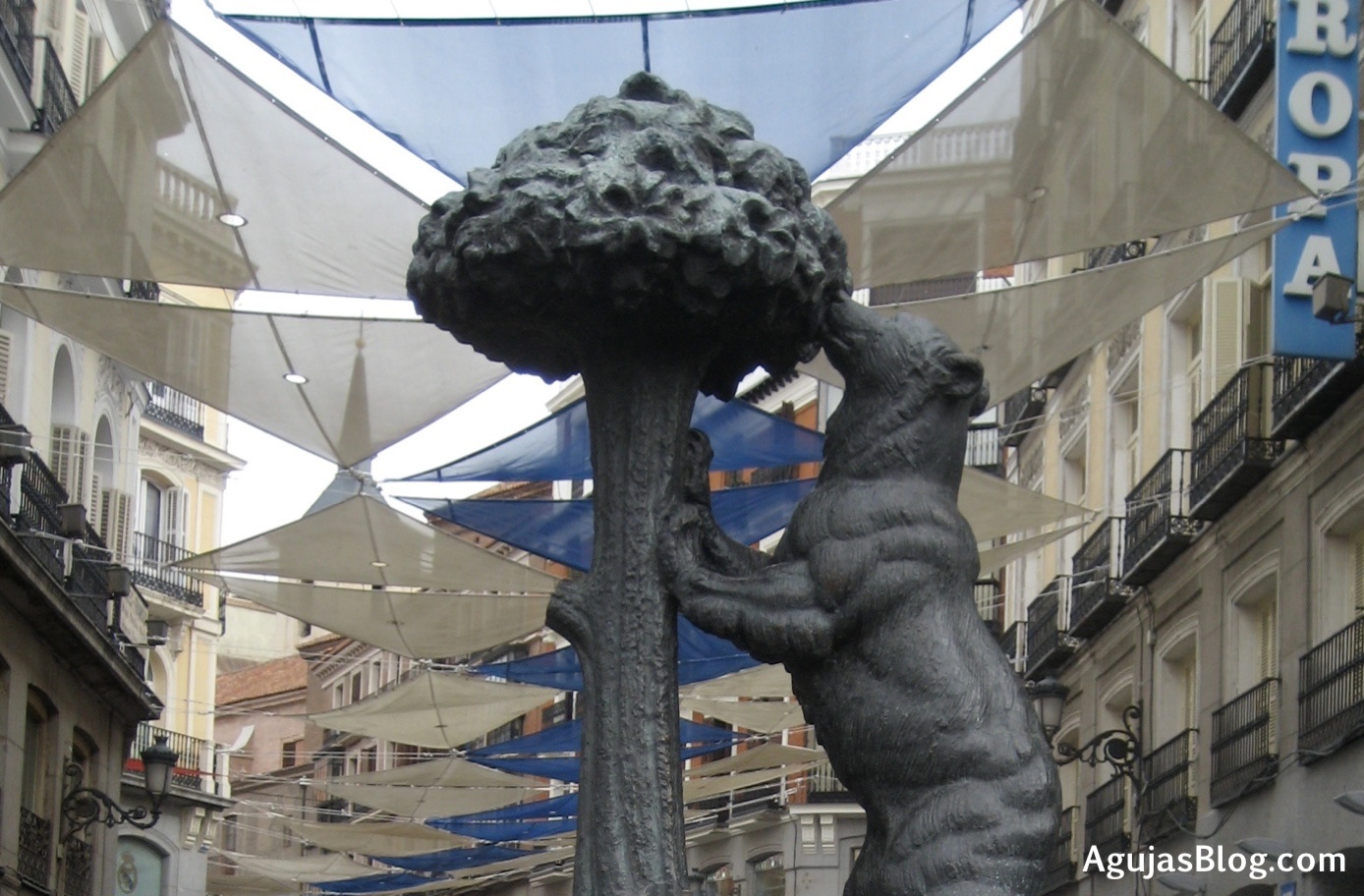
This 20 ton bronze statue of a bear under a strawberry tree (el oso y el madroño) is located at the Puerta del Sol. The symbol of the bear (which apparently used to roam in the forests outside the city) and the strawberry tree are emblematic of Madrid.

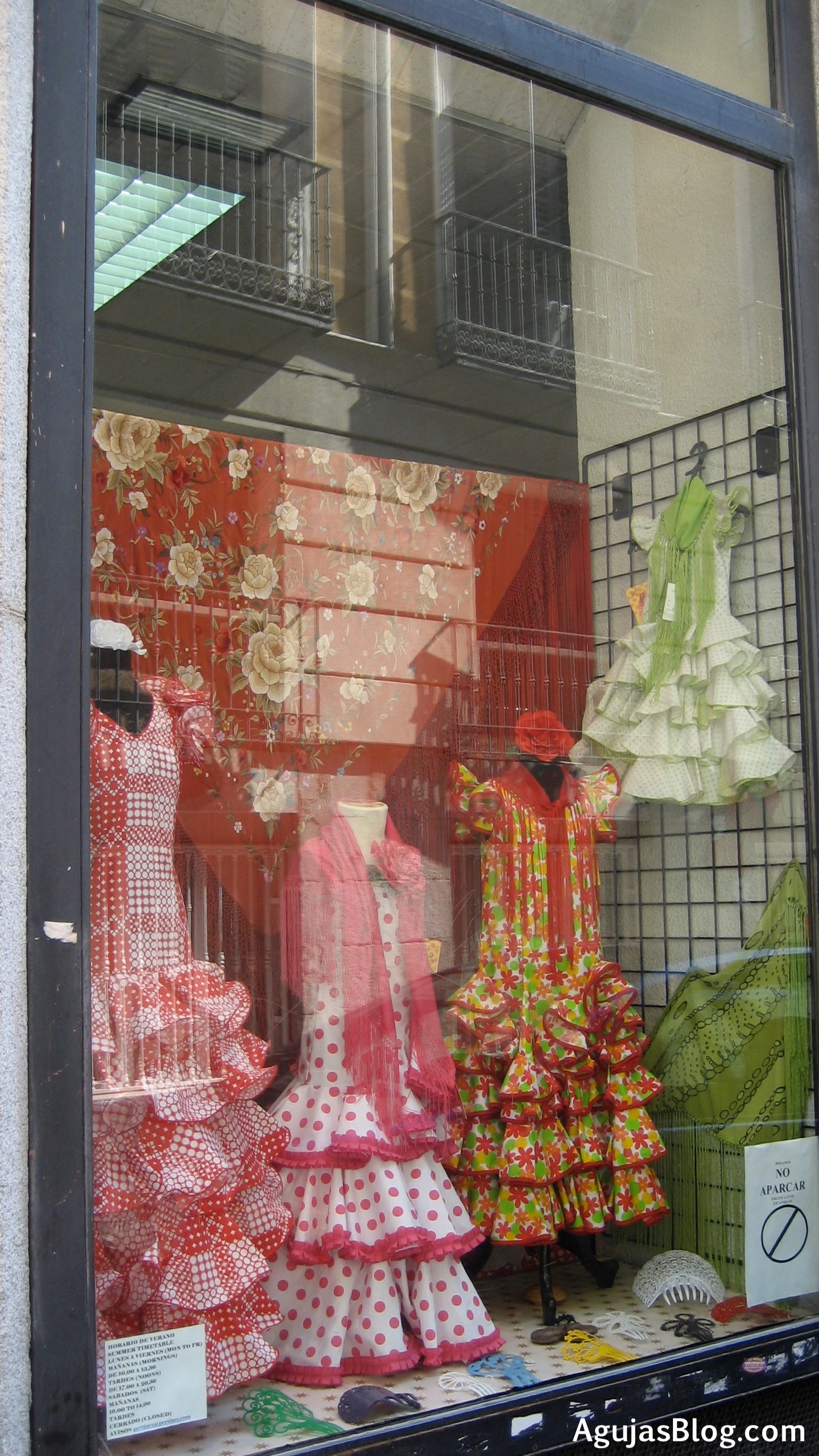
A shop window with traditional flamenco dresses.

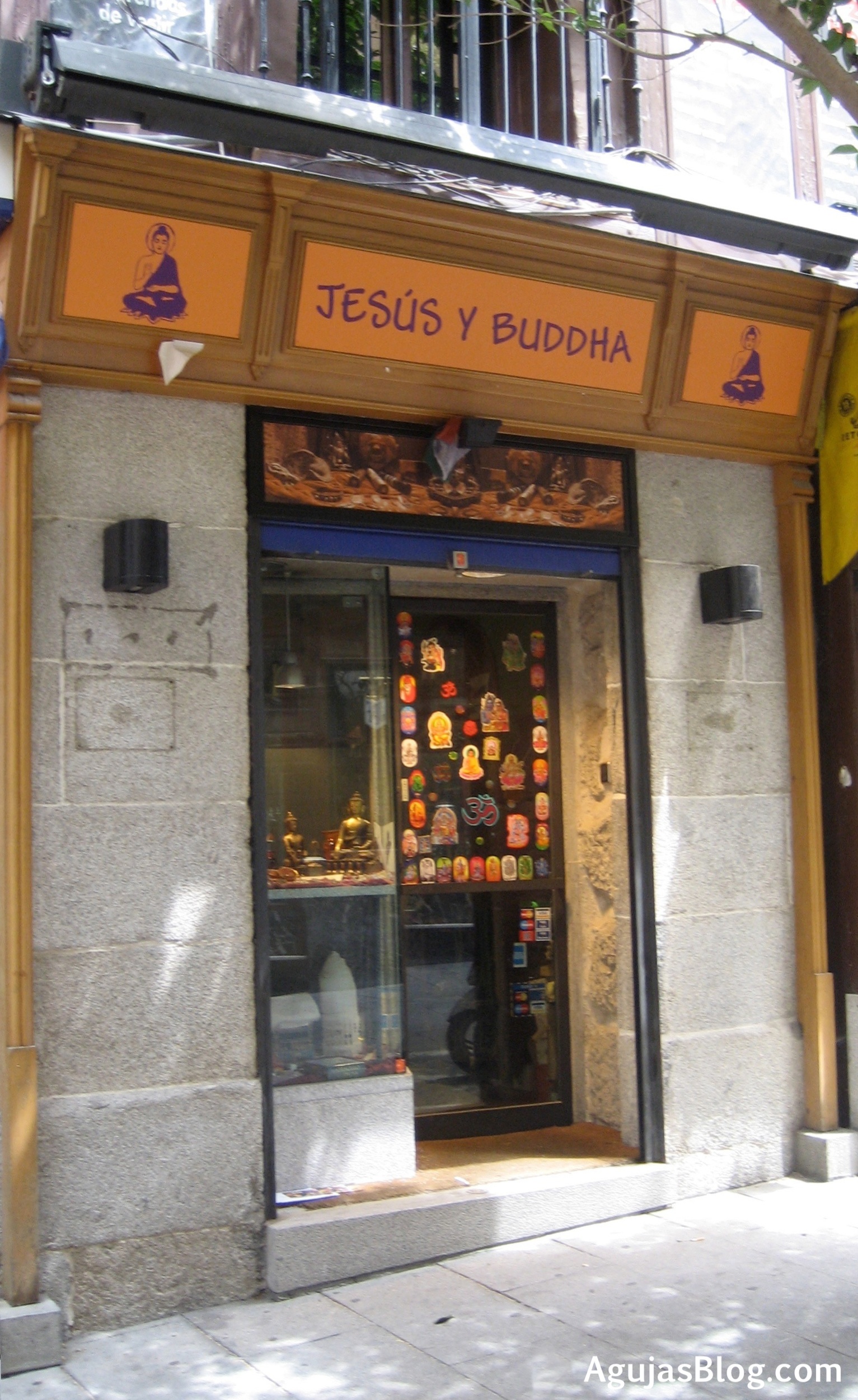
I couldn’t help but snap a photo of this storefront. Why can’t we all just get along?!

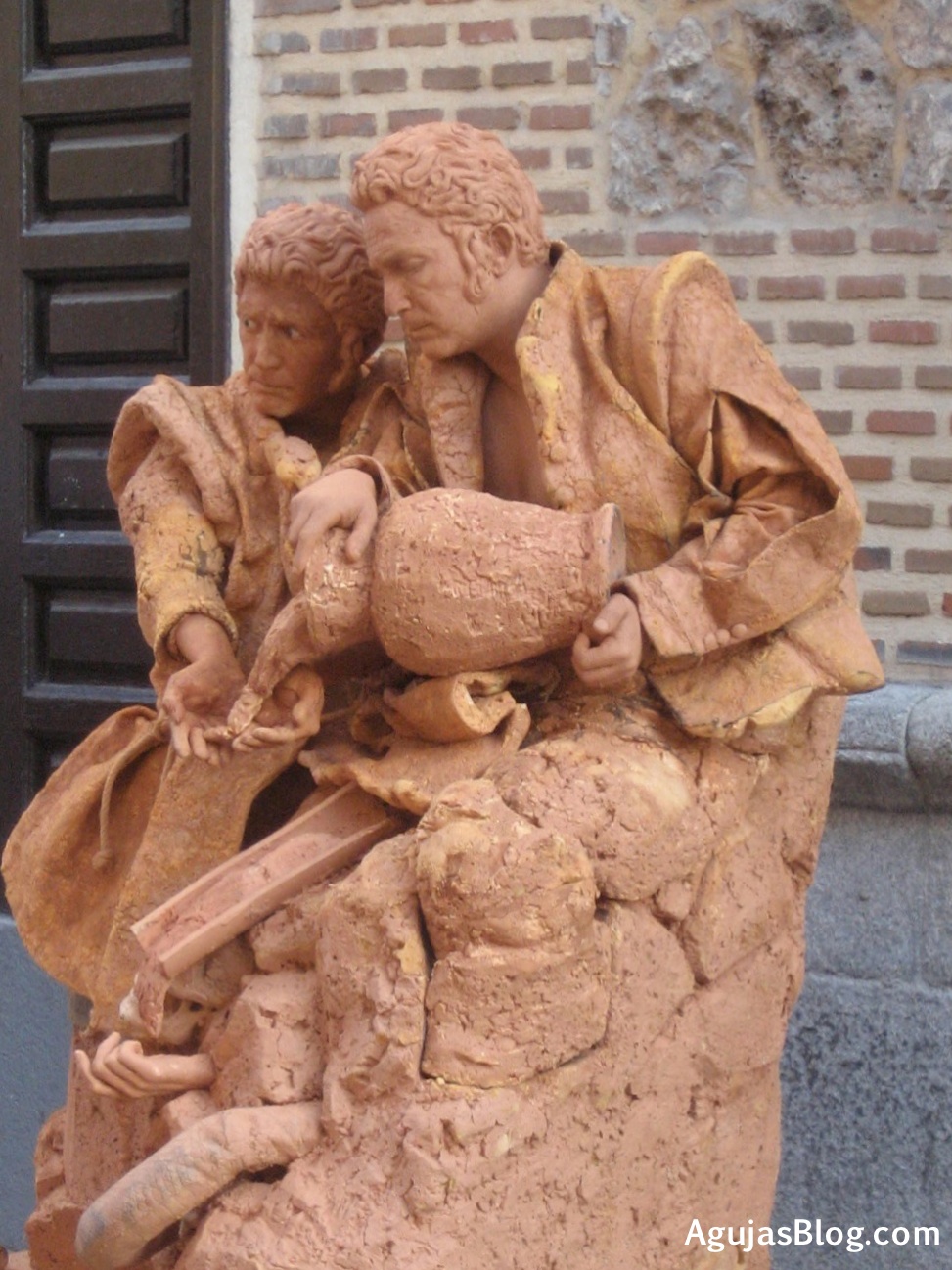
Los Petrificados (the petrified ones), one of many street performers in Madrid. At first glance, I thought it was a statue until someone dropped a coin in a box in front of them. The woman’s eyes moved and the man looked up while he poured the water.

I have other pictures to share. Hasta la próxima. (Until next time).

A Backpacking Trip to Real de Catorce

Real de Catorce is an old mining town in the Sierra de Catorce mountain range in the state of San Luis Potosí, México. My husband did field work there as an undergraduate and told me great stories of the place. So, the day after Christmas one year, we grabbed our backpacks and took off to Real. (Real is pronounced with two syllables – Rĕ ∙ ǎl – with short vowel sounds).

Unless you climb mountains, the only way to reach Real de Catorce is to take a 25 kilometer cobbled road off Highway 62 up the mountain. By cobbled I mean we rode in a bus at about 10-15 mph bumping along the whole way.

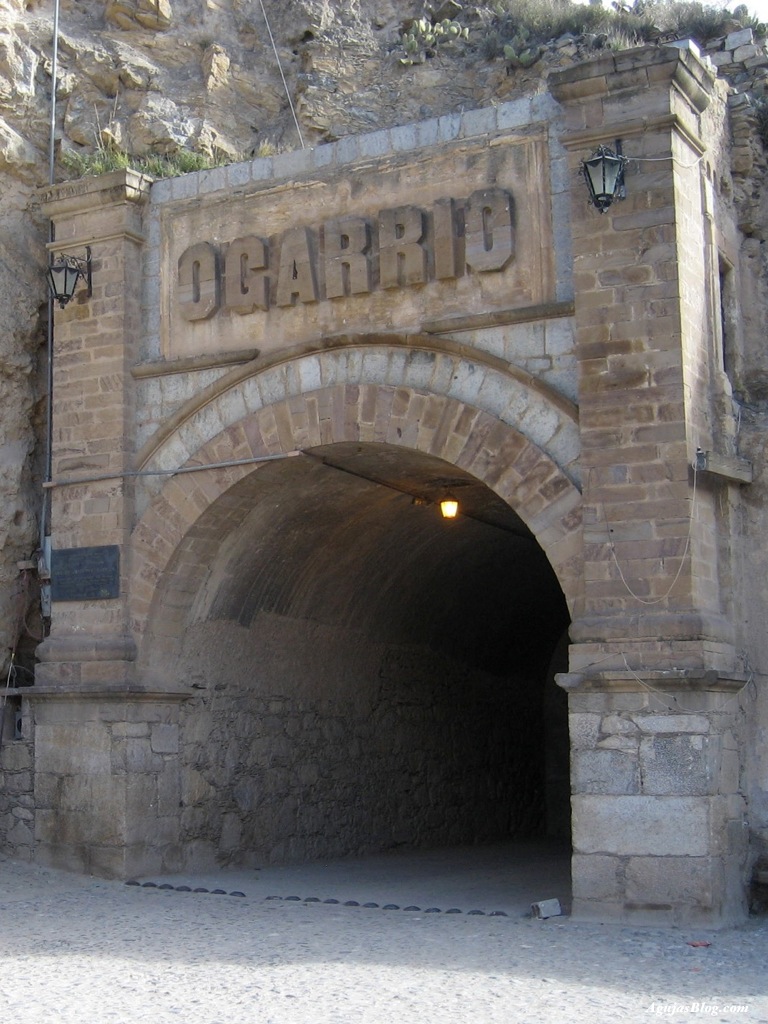
Once at the top, we transferred to a small passenger van for the ride through the tunnel. The only way to town is through the Ogarrio Tunnel, one of the longest tunnels in México, at 2,229 meters long. One can go through the tunnel on foot, on horseback, on a motorcycle or car or truck, but only in one direction at a time. The tunnel is only wide enough for one vehicle. A man with a walkie-talkie stands at the entrance and talks to a man with a walkie-talkie at the other end of the tunnel. They control the flow of traffic by allowing visitors to take turns going through the tunnel in only one direction.
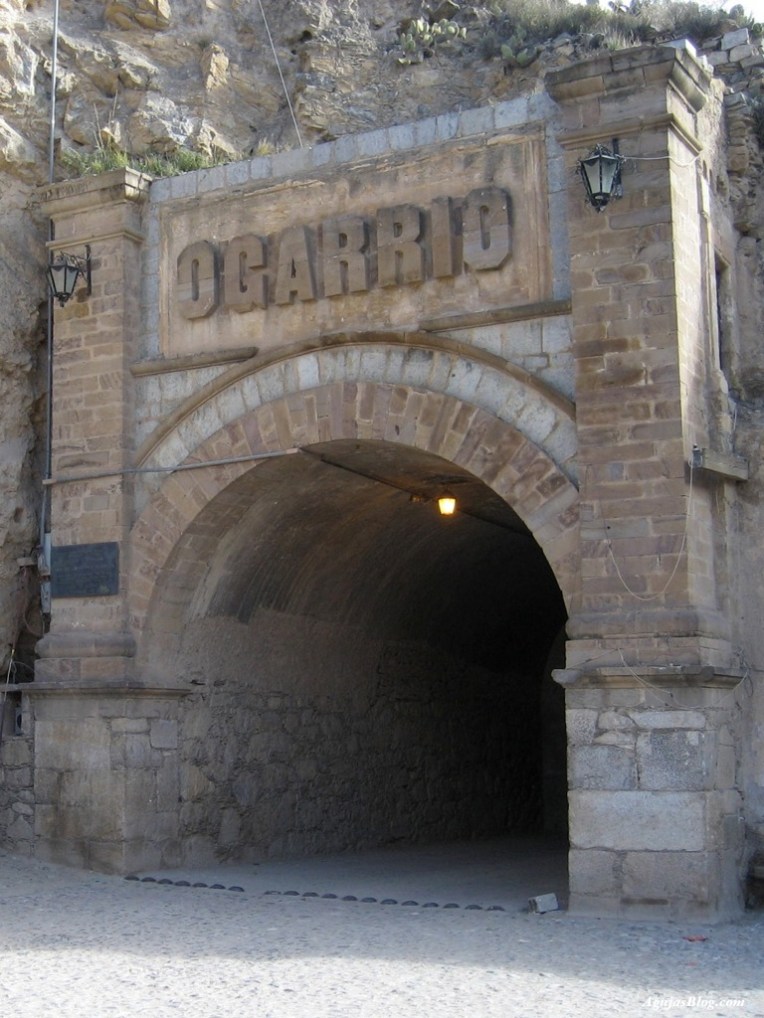
The movie “The Mexican” with Brad Pitt and Julia Roberts was filmed in Real and Brad Pitt’s character drives through the tunnel.

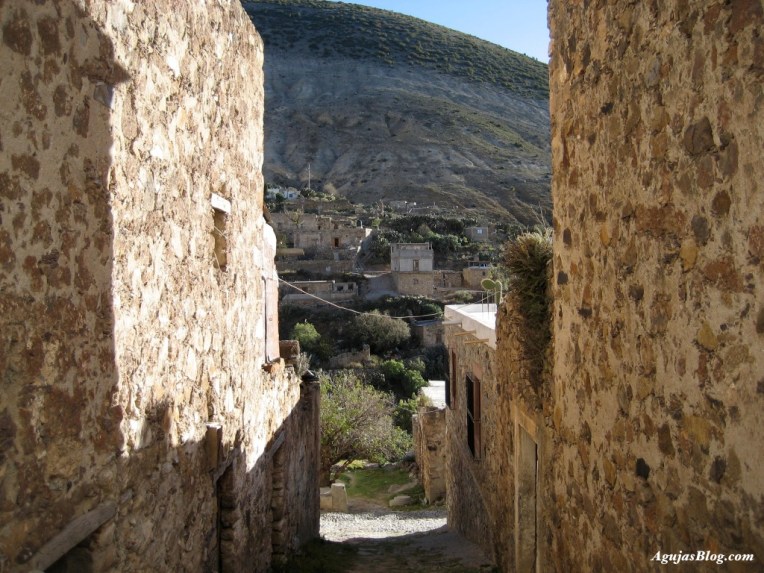
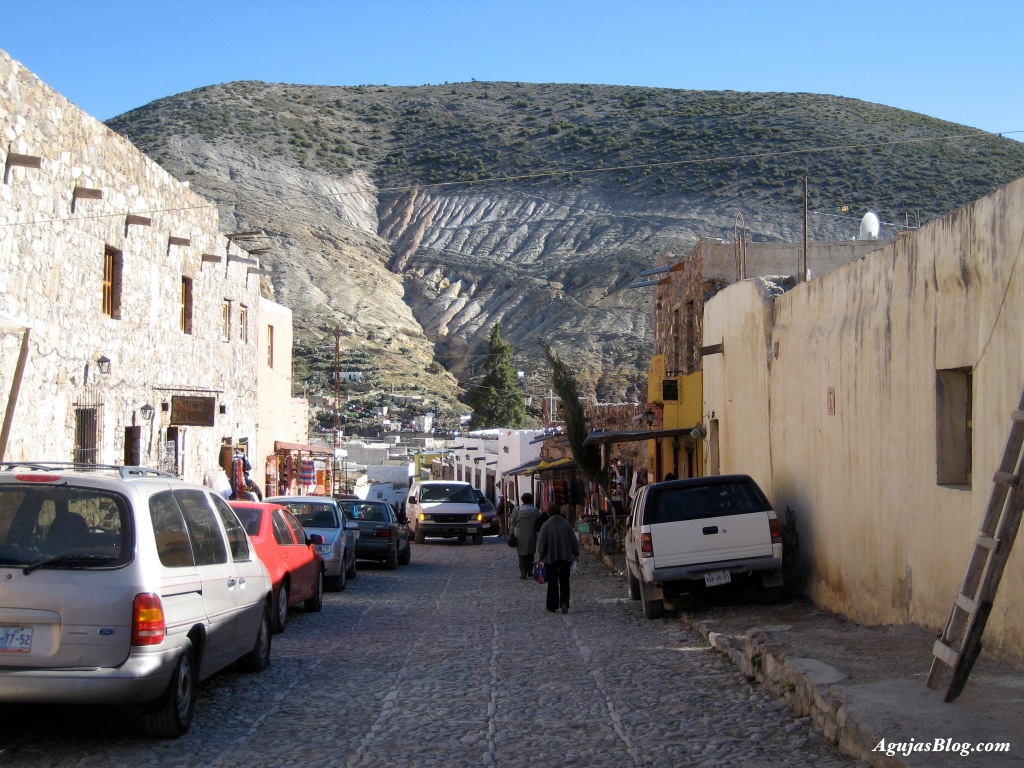
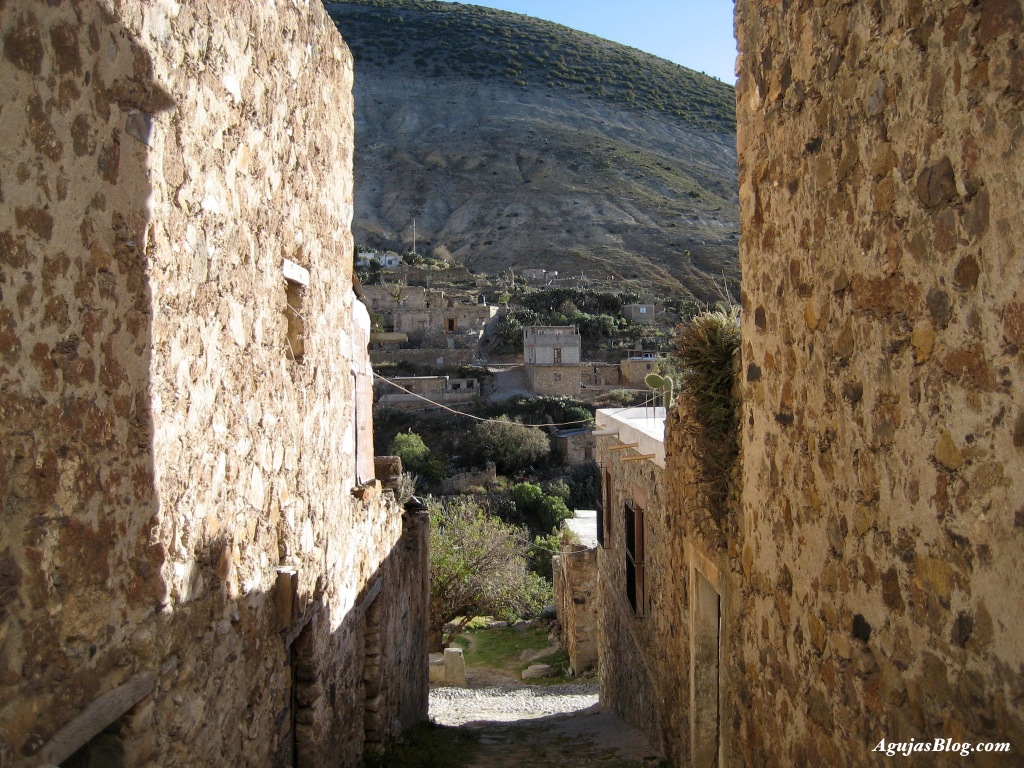
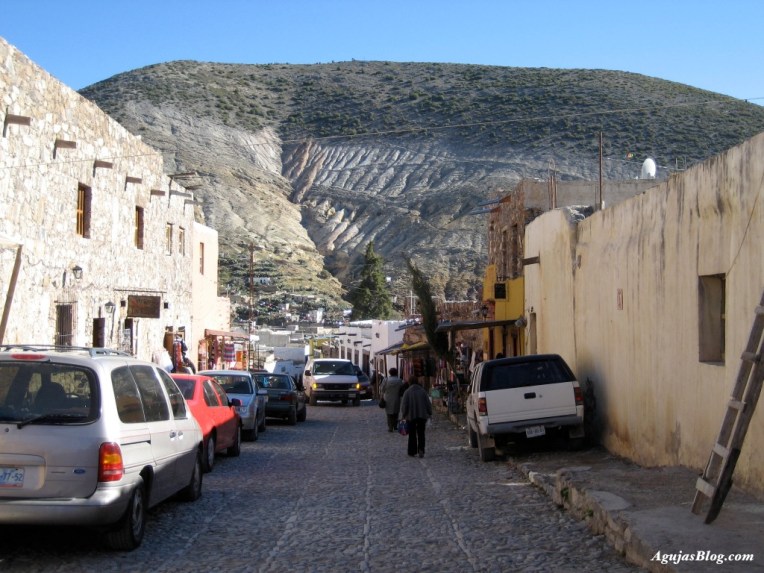
This is the main road in town and a typical side street.
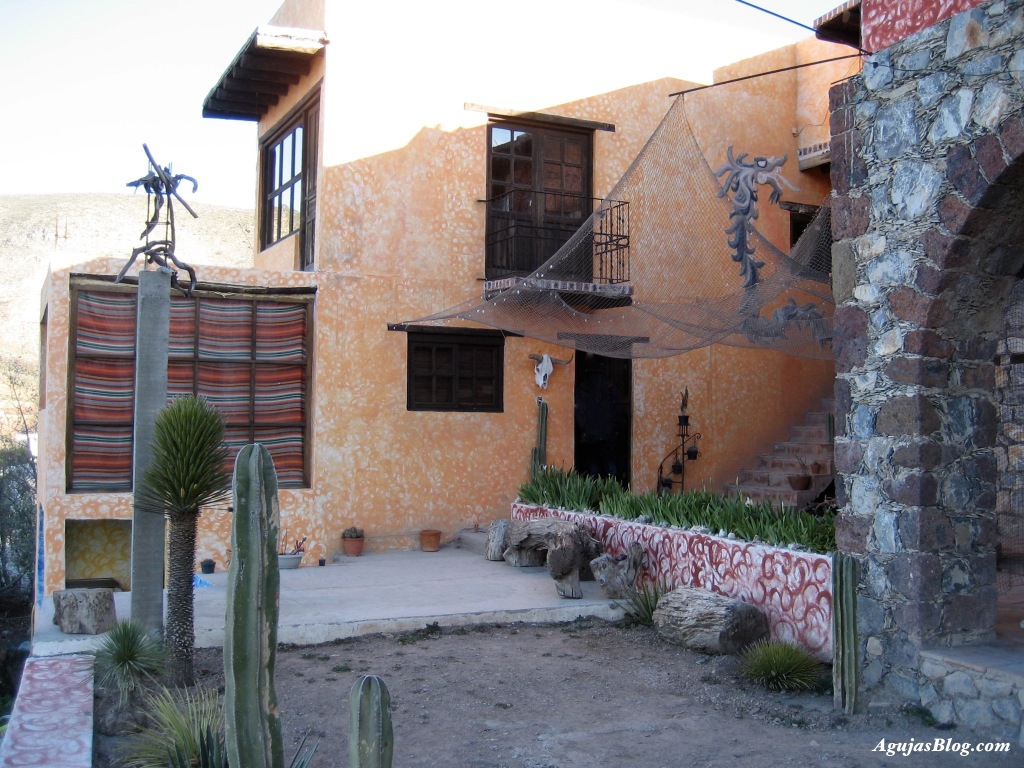
This is our room at the Rincón Mágico (magic corner).
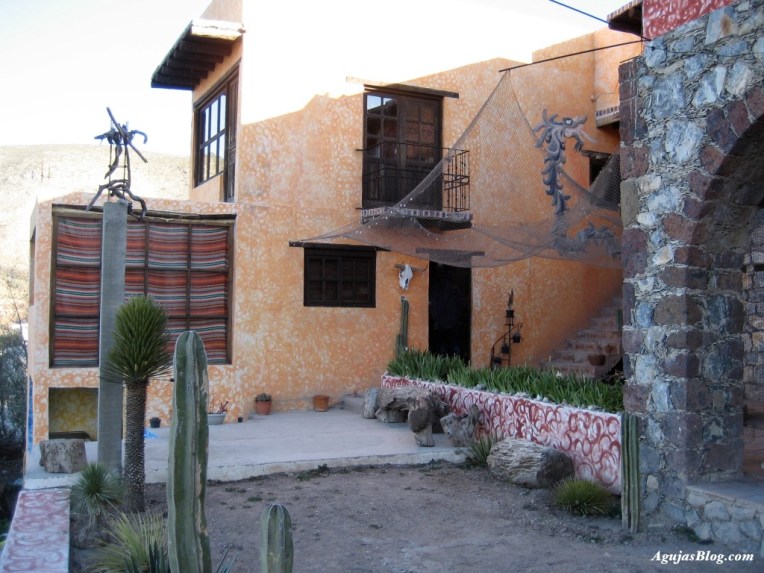
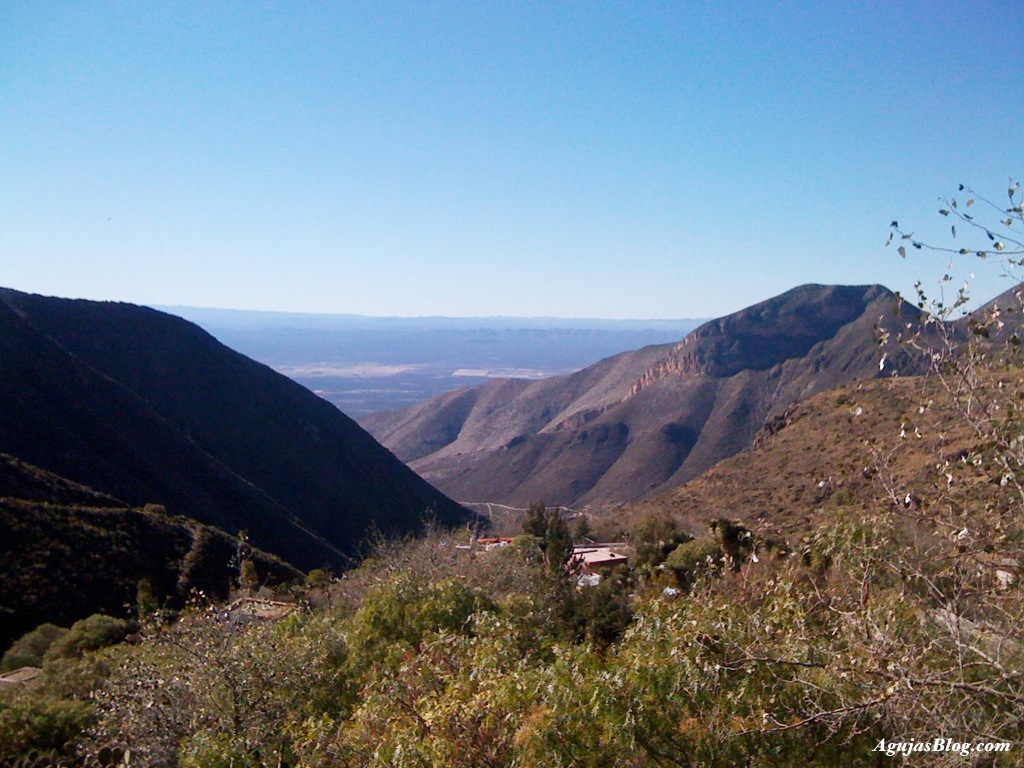
This is the view of the mountains from our room. Real is located 2,770 meters (9,000 feet) above sea level. The mountain range has two peaks that reach 3,100 meters (10,000 feet) high.
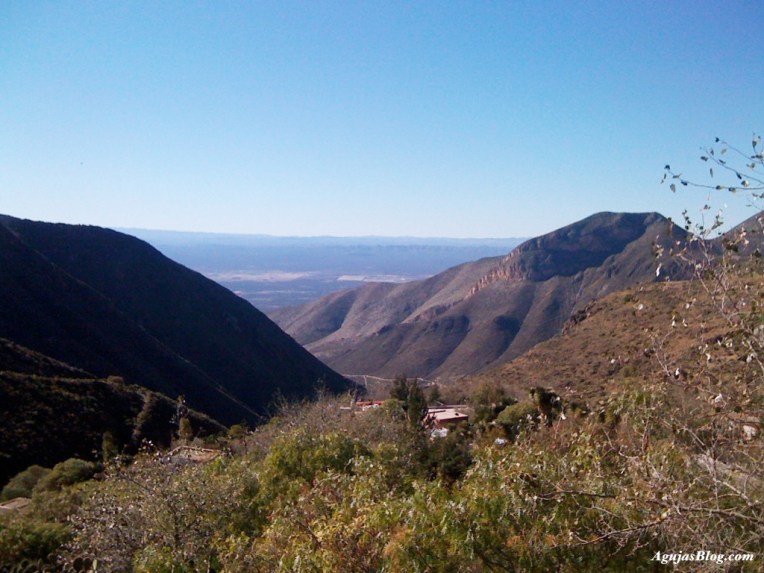
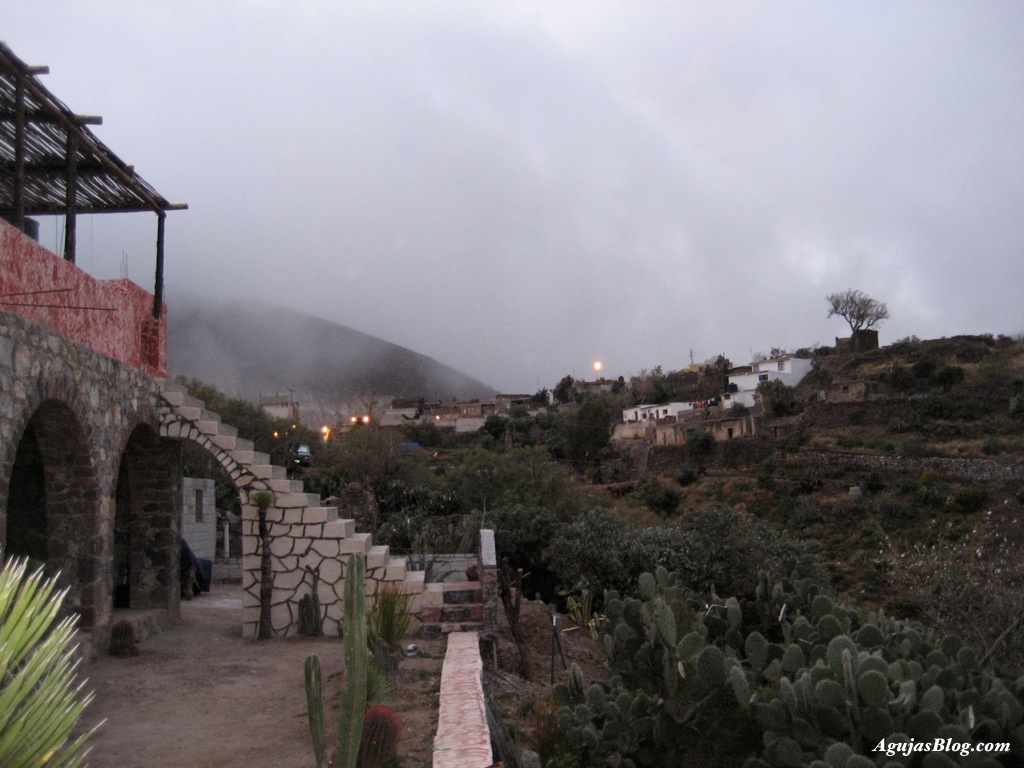
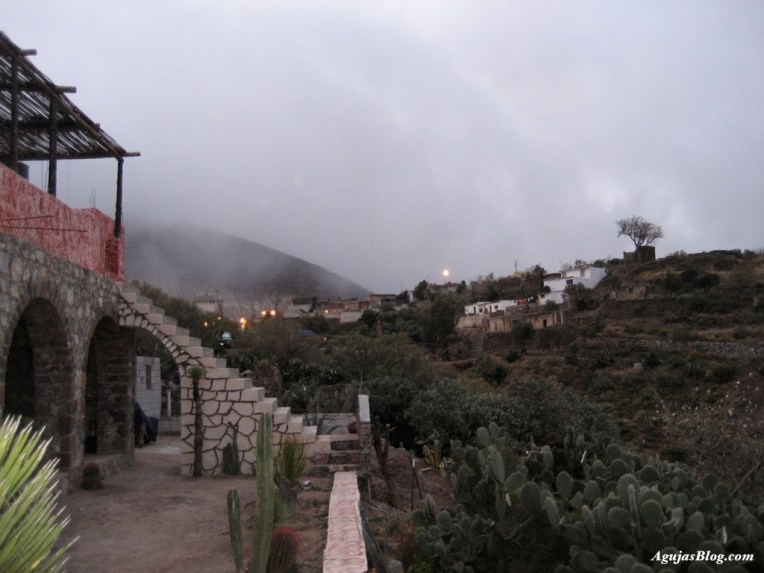
Here’s the view in the direction of town at dusk. As it grew darker, it got colder. The temperature dipped into the 20s. We slept under a stack of 14 woolen blankets.
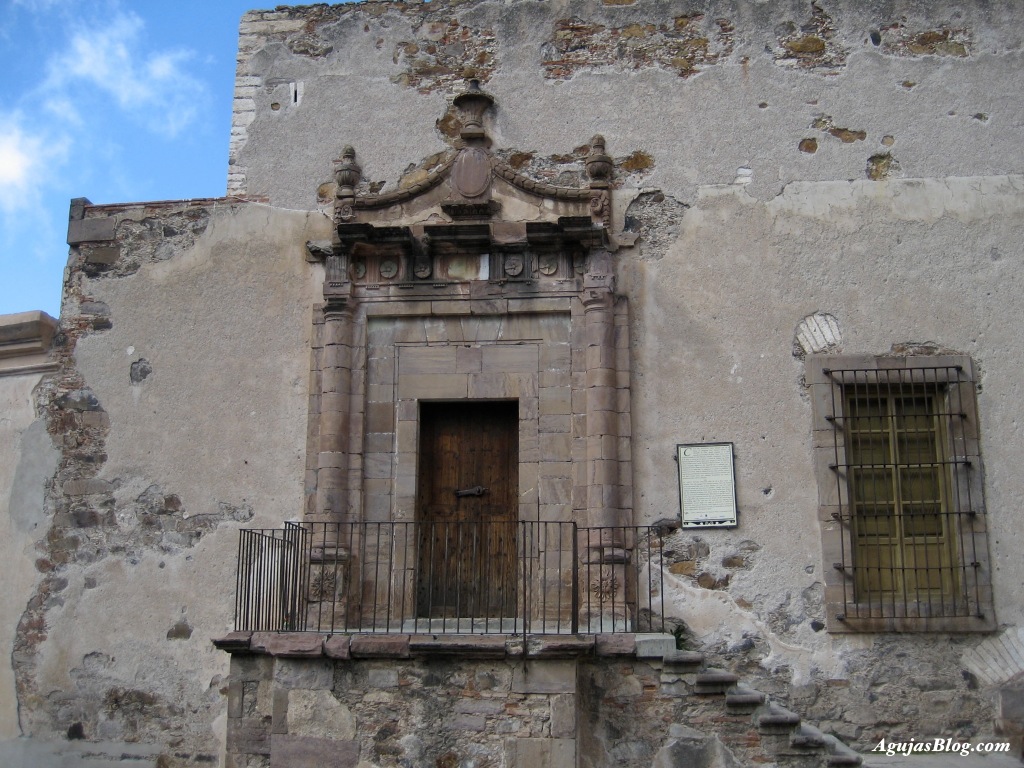
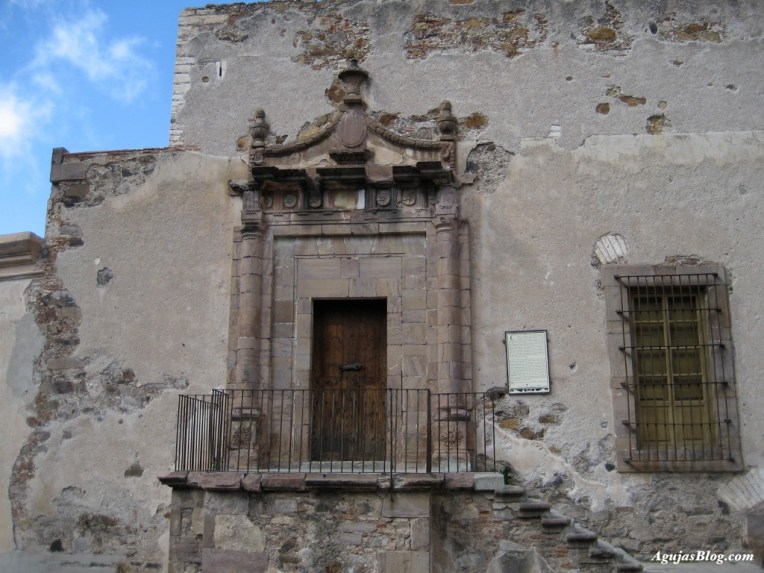
This is La Antigua Casa de Moneda, the mint. It is now a museum. In its heyday in the early 1900s, Real de Catorce was a prosperous mining town due to its abundance of natural resources in the form of silver. The town started to decline with the devaluation of the price of silver and fell apart in 1905 when Mexico switched from silver to gold as their monetary standard. The mint was constructed between 1863-1865; a year later it closed. In only 14 months of operation, 1,485,405 pieces of silver were minted there.
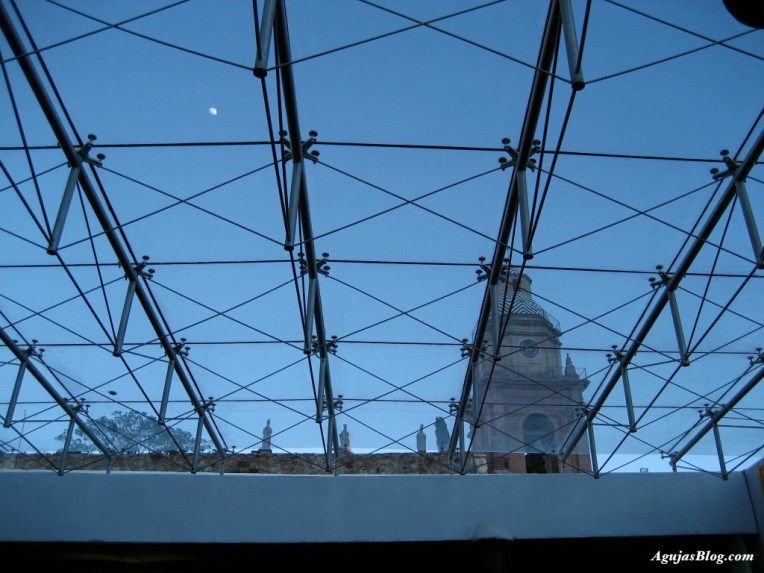
This is the view from inside the atrium. Renovations preserved the work rooms and machines used to mint the silver coins. The museum houses works of art and displays the history of Real through old photos and documents.
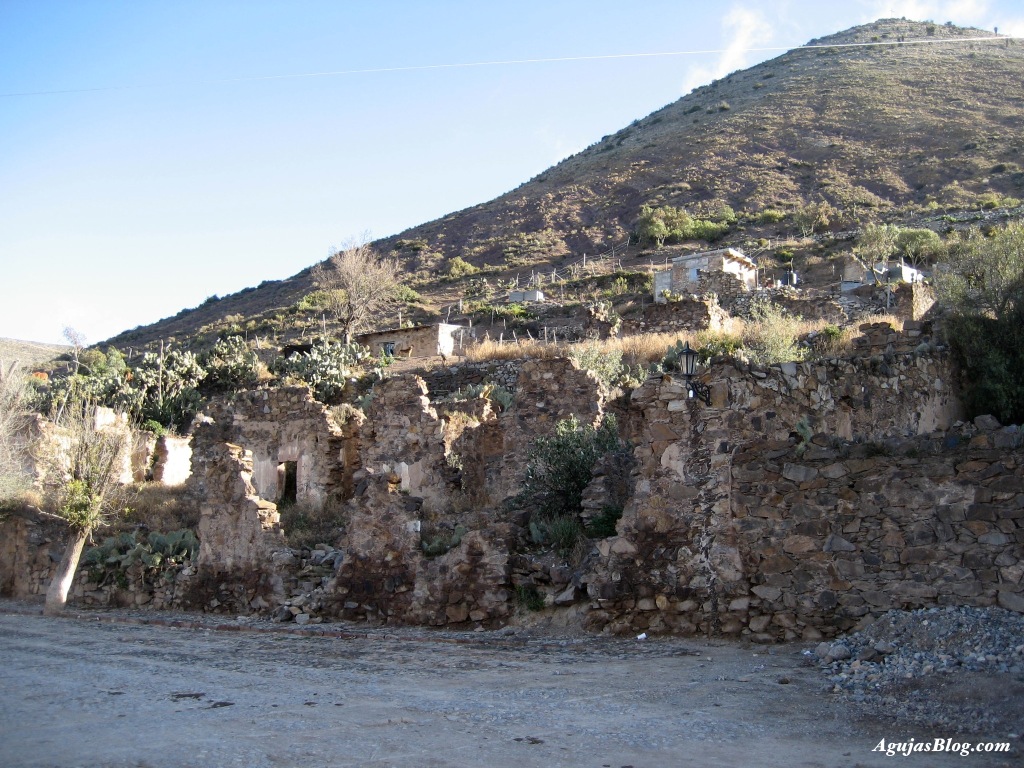
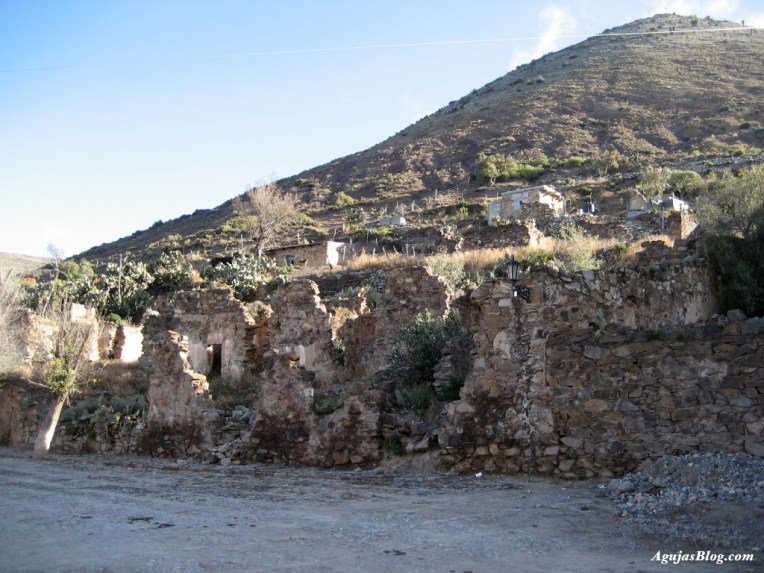
Ruins of abandoned homes.
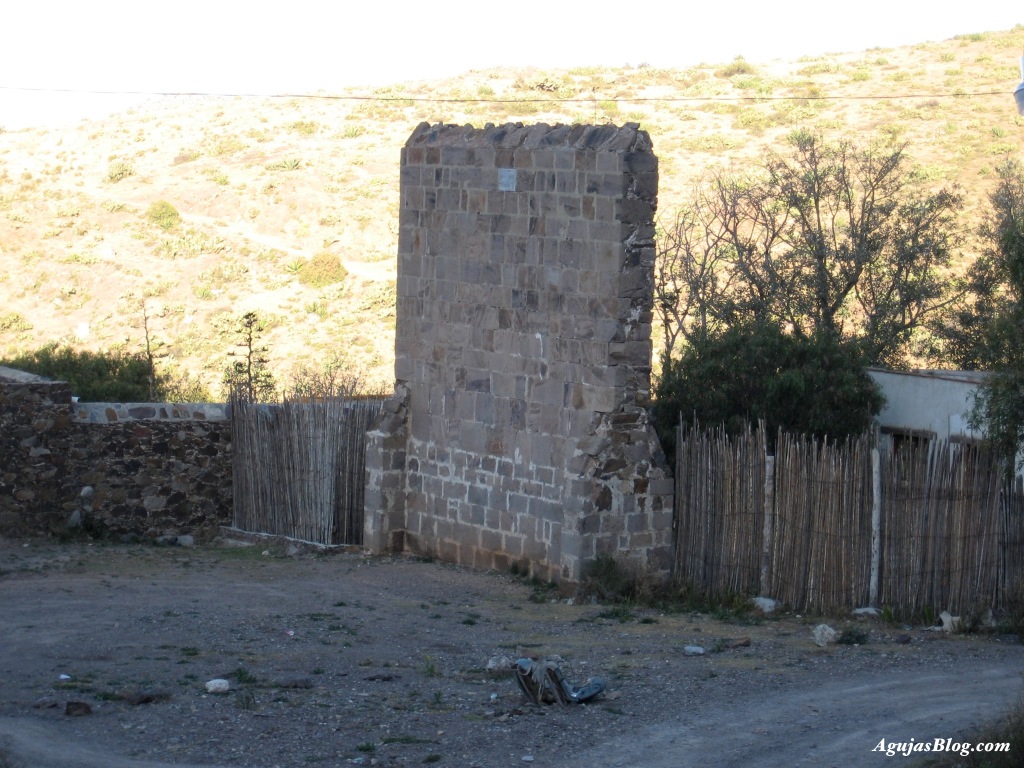
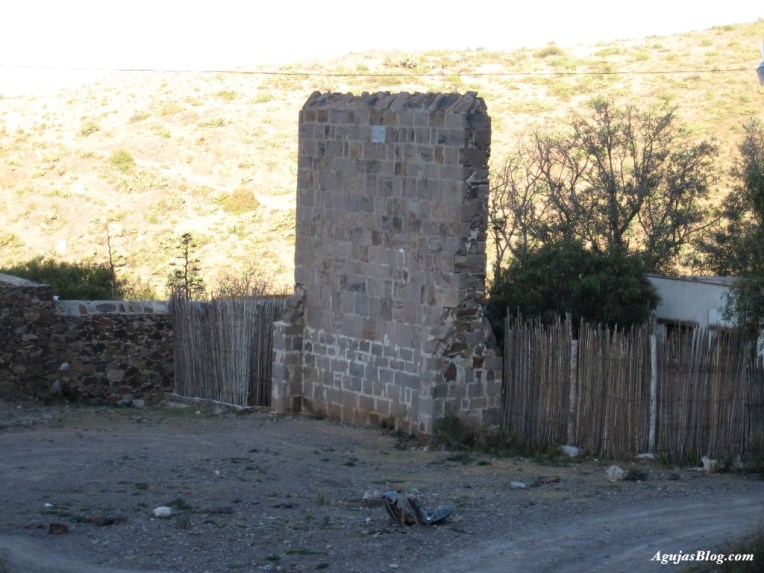
We believe this could have been a shooting wall – a remnant of the Mexican Revolution at the turn of the 19th century.
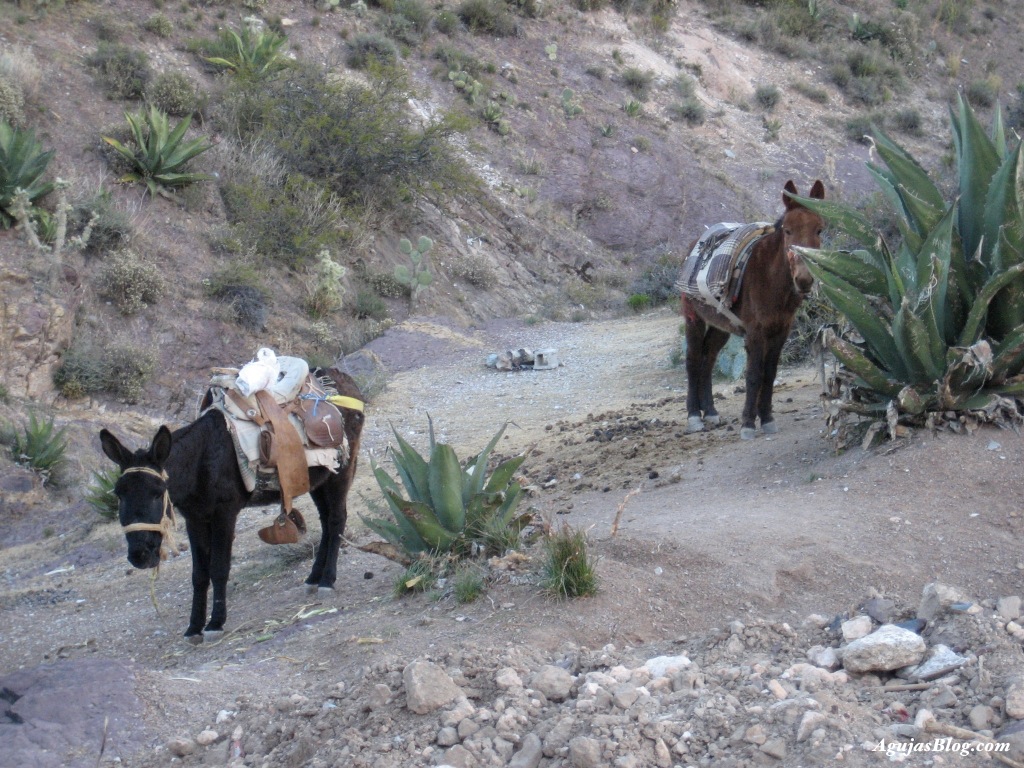
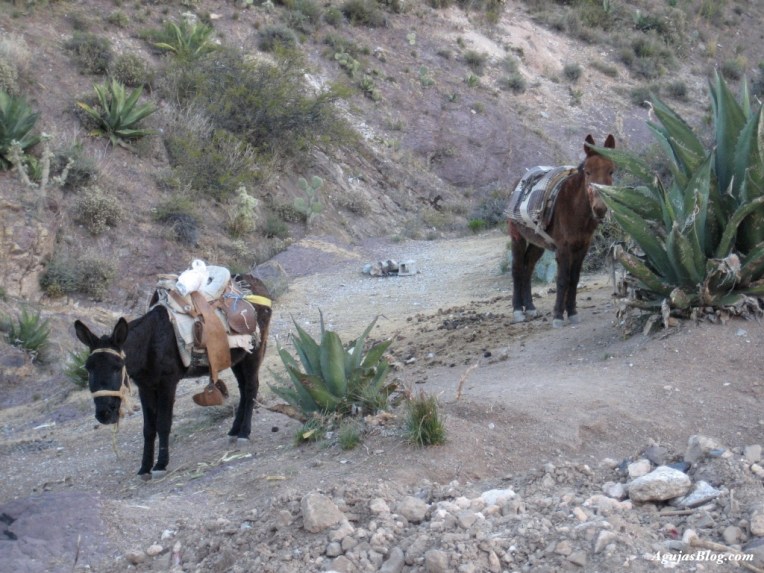
Work mules.
The old cemetery.
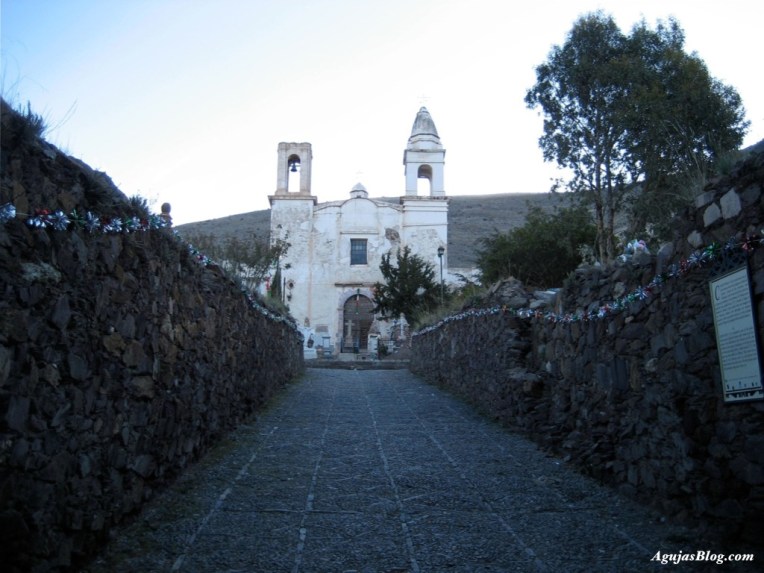
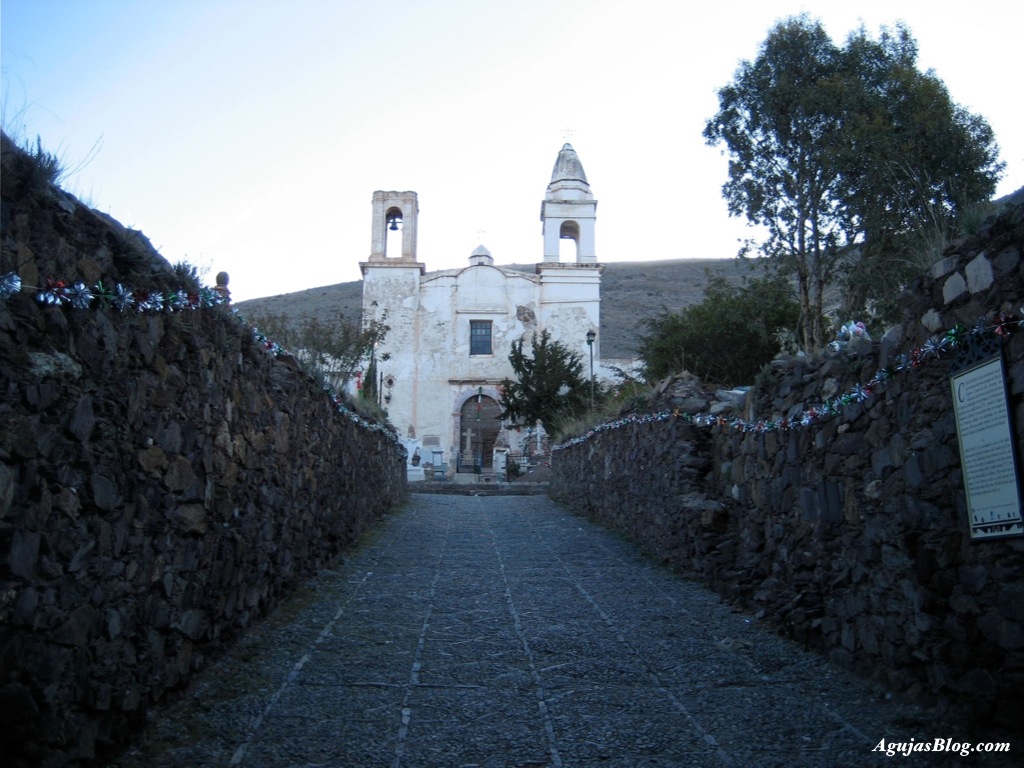
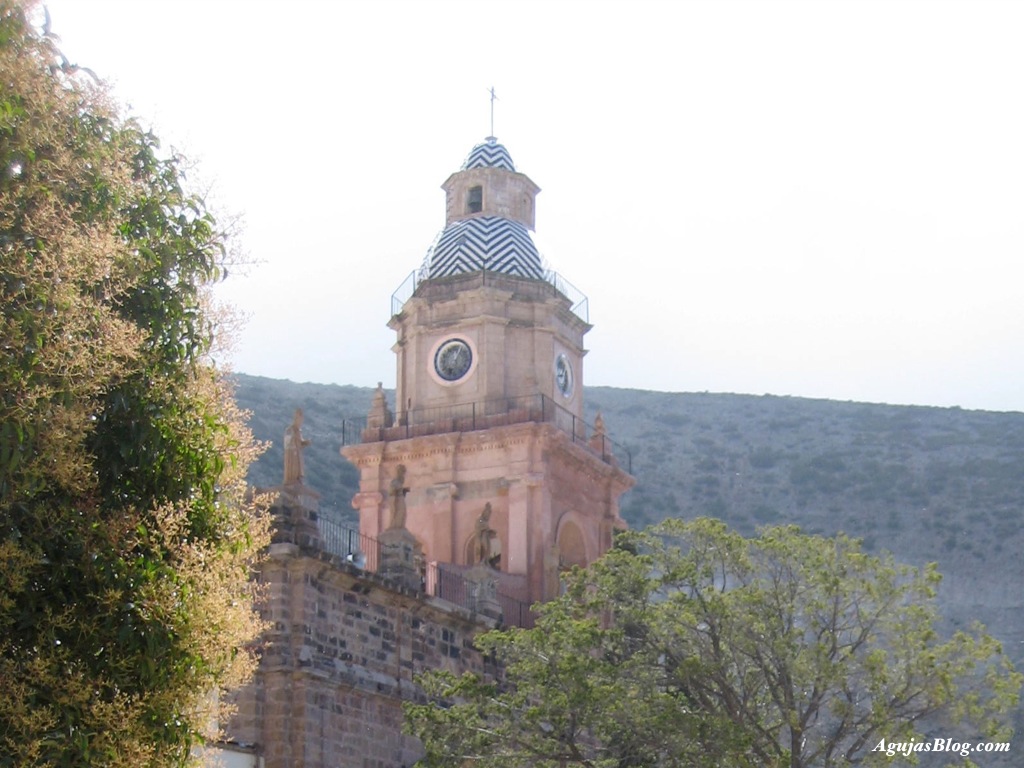
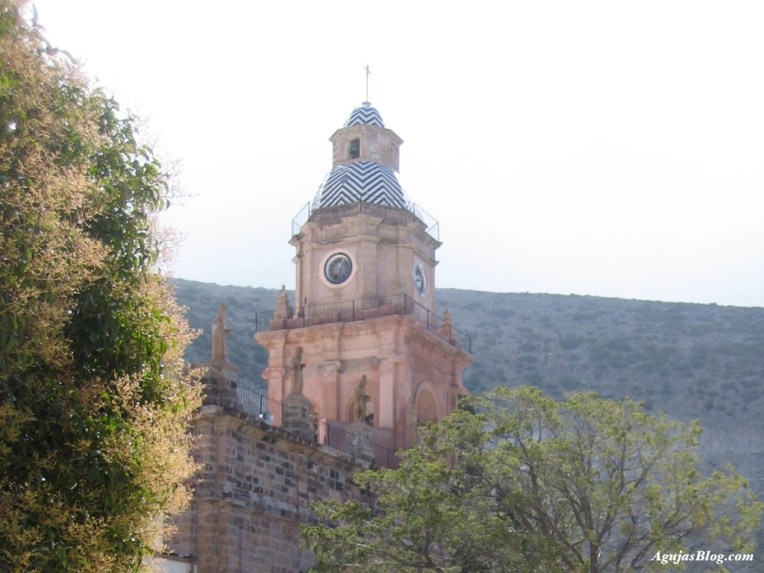
The Iglesia de la Purísima Concepción is the central gathering spot of the town. The church was constructed in 1817. While not the actual patron saint of the church, St. Francis of Assisi is much venerated here.
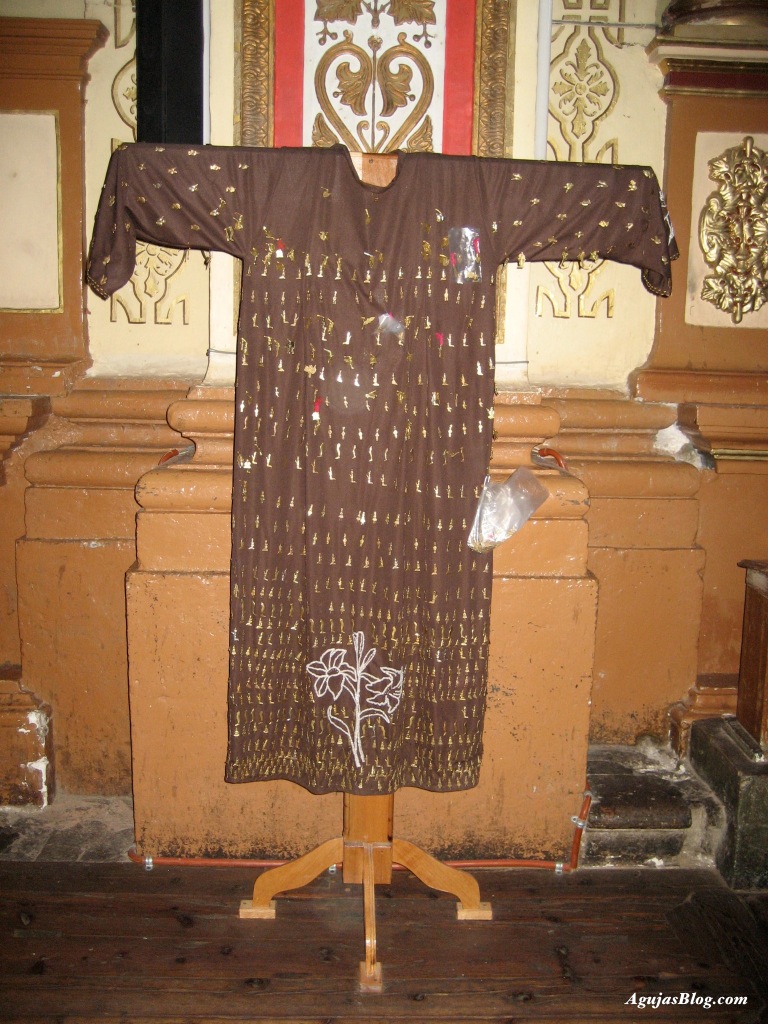
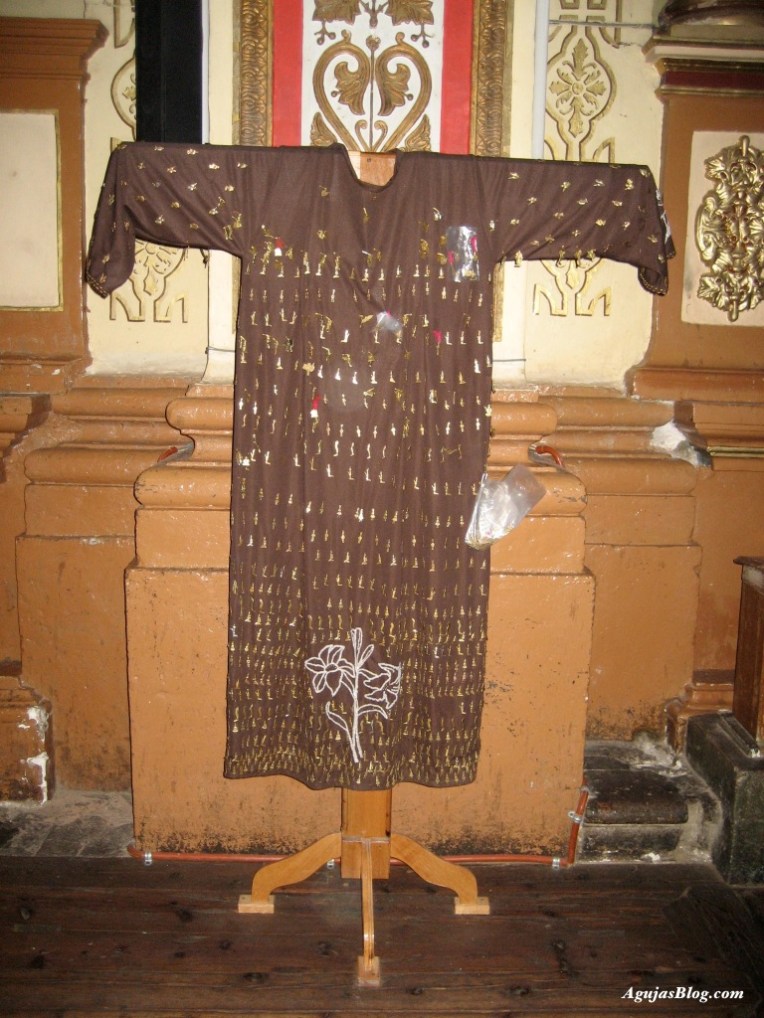
The small pendants hanging from the robe are milagros (miracles). For a small donation, you can buy a gold-plated arm or leg or heart. You then pin the milagro to the robe and say a prayer to St. Francis of Assisi to heal the ache in your arm or other part of the body.
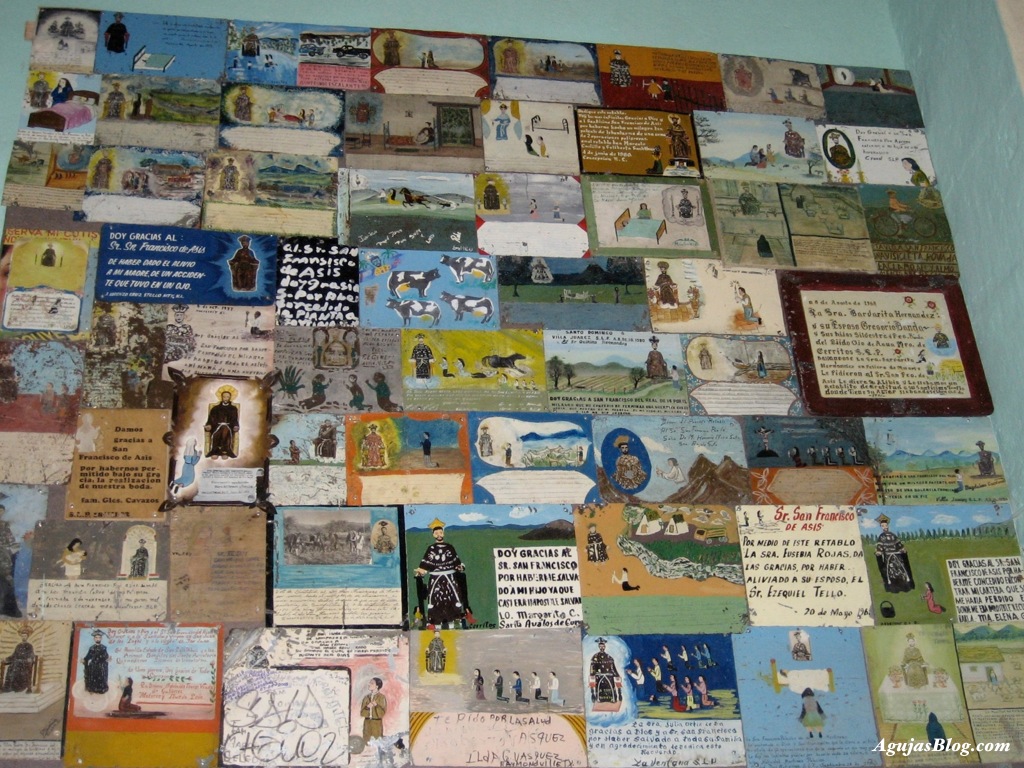
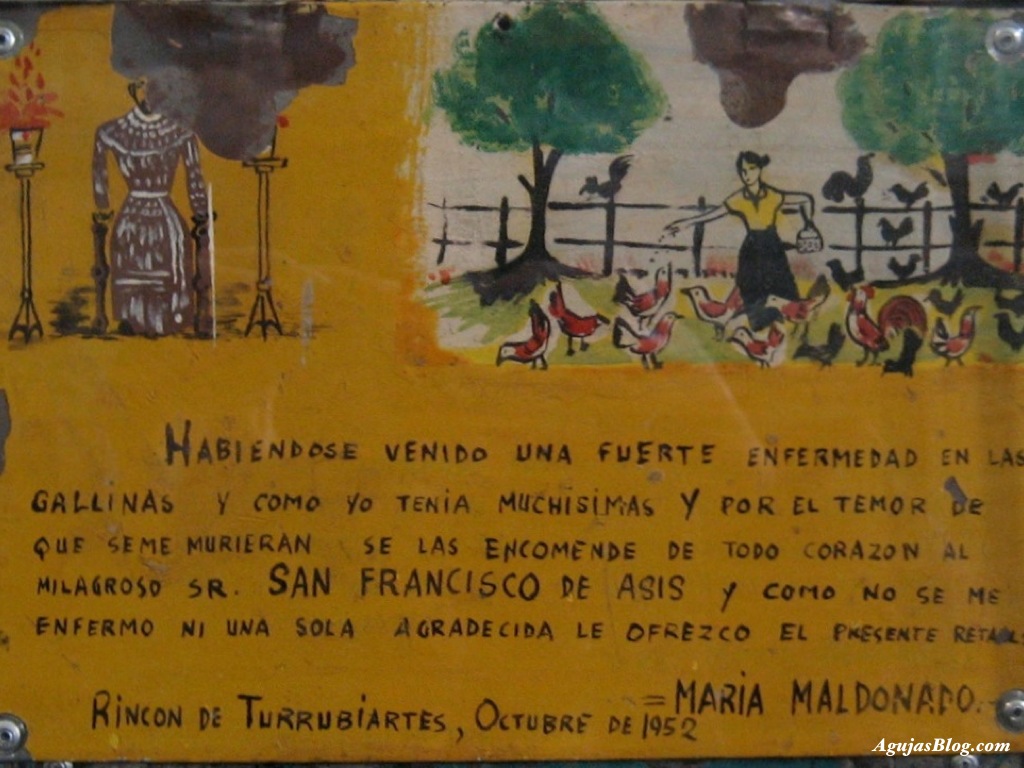
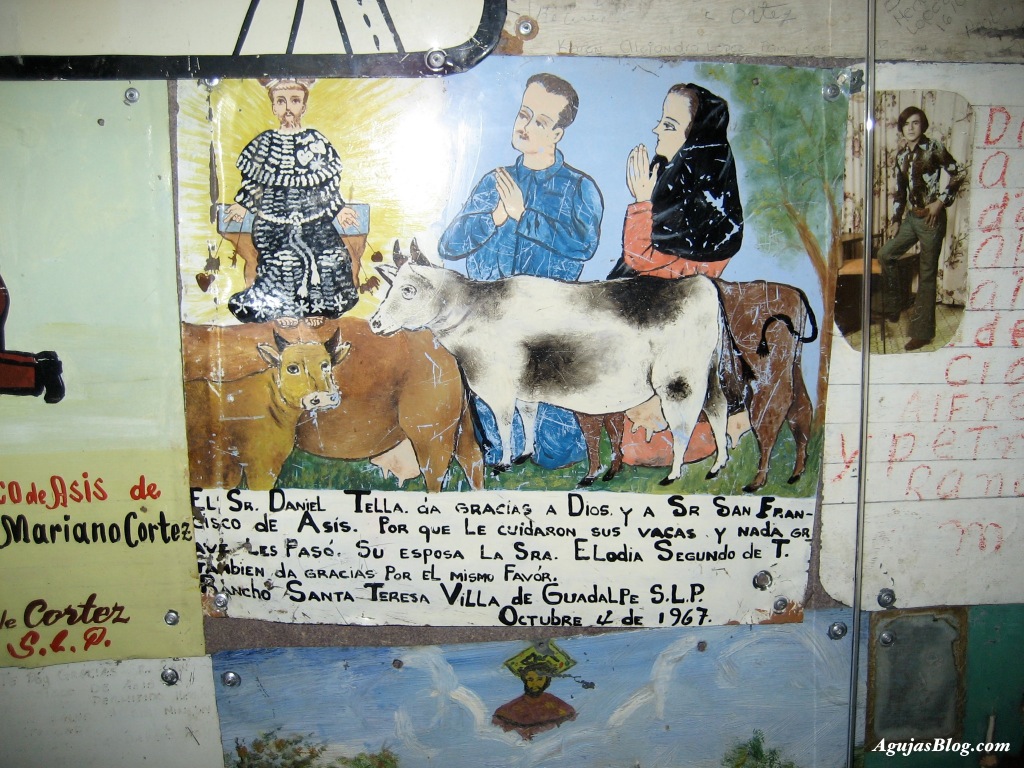
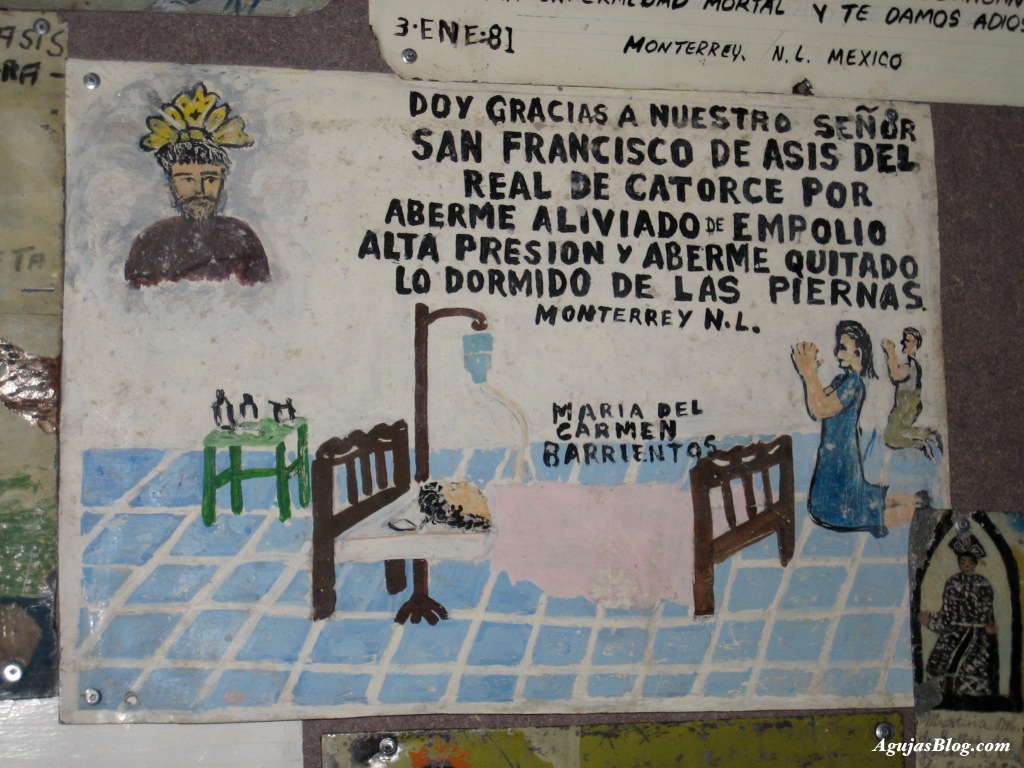
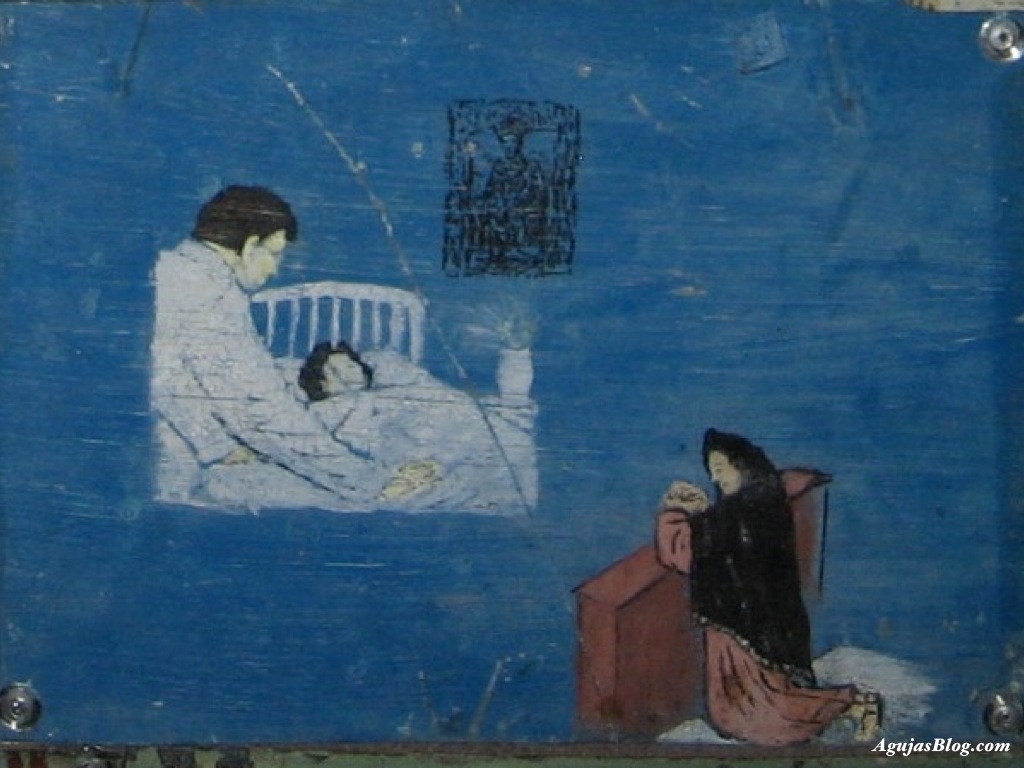
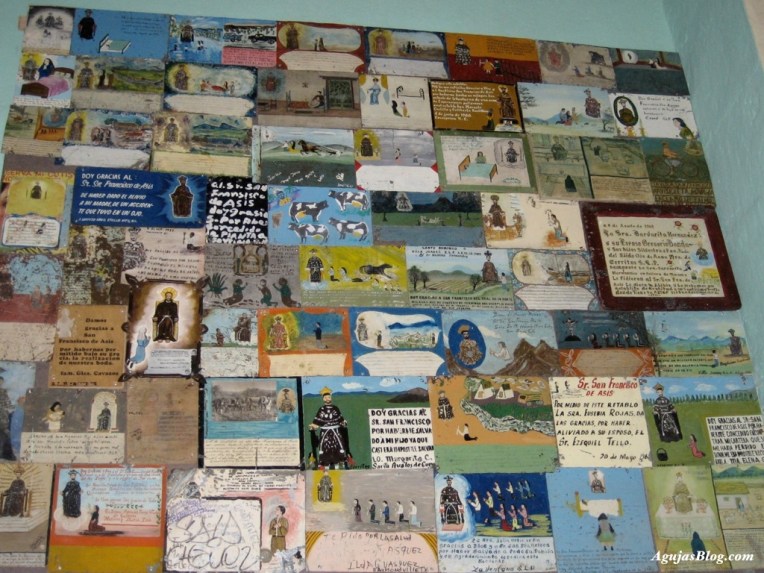
These are retablos. Not being a word I typically use when speaking in Spanish, I had to look this one up. It translates as “retable,” “tableau,” or “altarpiece.” Each retable is a small work of art painted by parishioners as an offering for hearing one’s prayers.
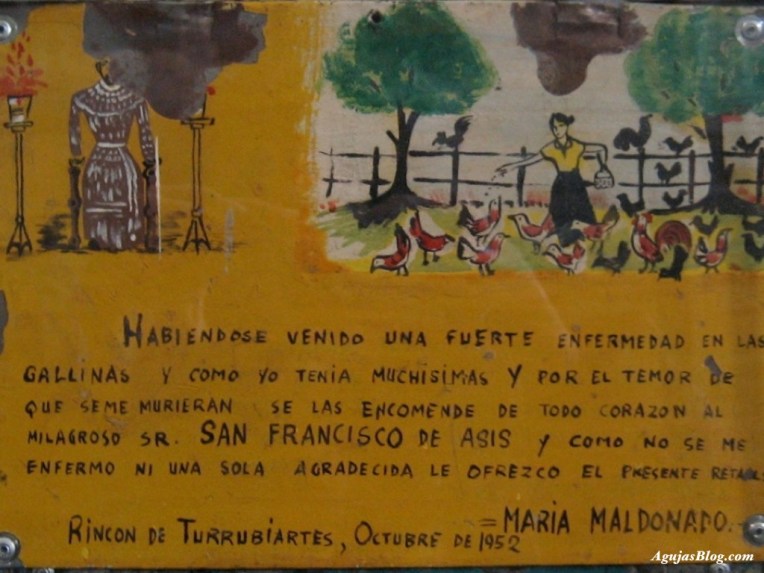
The following are close-ups of some of the retablos. I’ve translated the dedications as close in tone and style from the original Spanish.

Retablo about chickens: There having come a strong sickness among chickens and since I had so many and out of fear that some would die, I entrusted them with all my heart to the miraculous St. Francis of Assisi and since not a single one became sick I gratefully offer this retable. (October 1952).
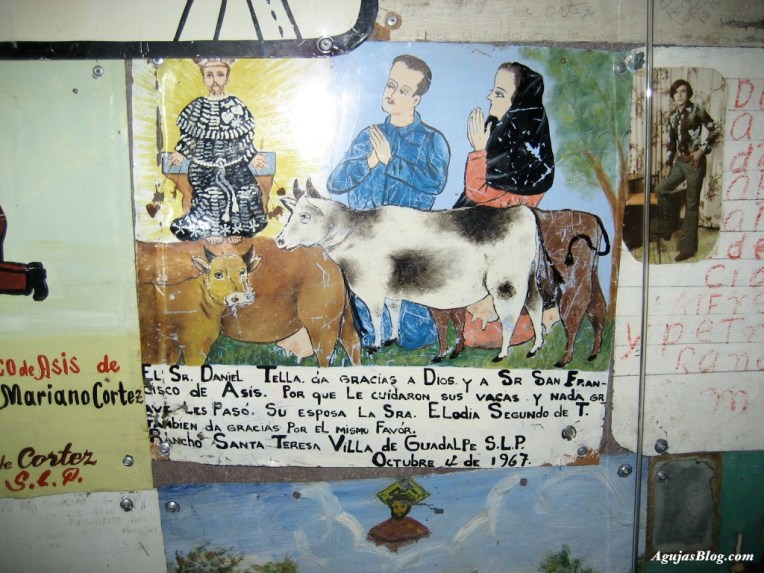
Retablo about cows: Mr. Daniel Tella gives thanks to God and to St. Francis of Assisi because they took care of his cows and nothing serious happened to them. His wife, Mrs. Elodia Segundo de T. also gives thanks for the same favor. (October 1967).
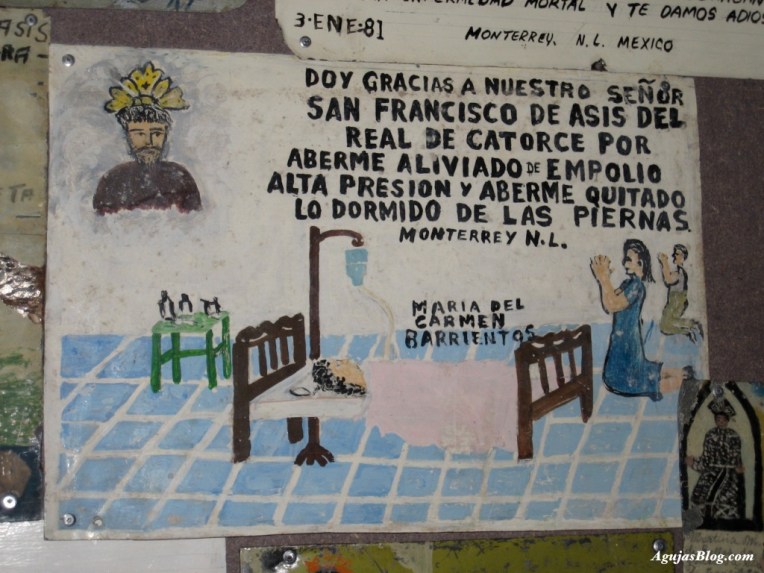
Retablo about embolism (possibly misspelled in the original): I give thanks to our Lord St. Francis of Assisi of Real de Catorce for having cured me of an embolism, high blood pressure and taking away the tingling in my legs.
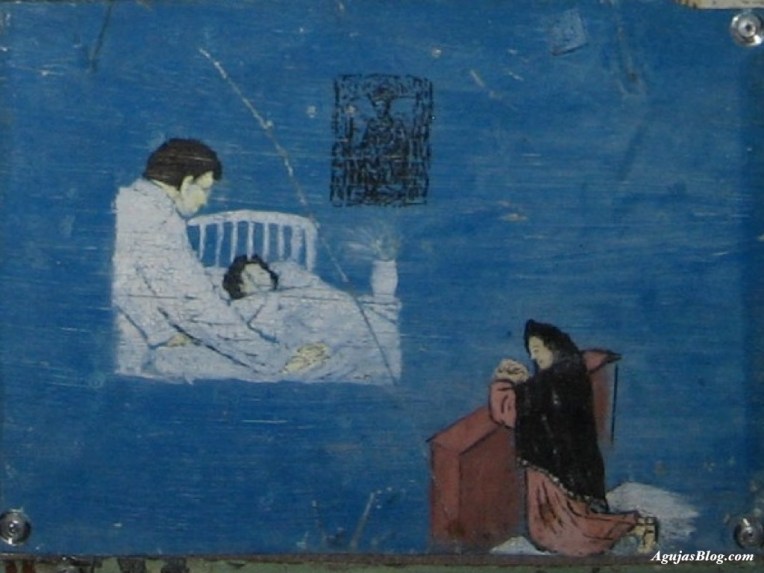
Retablo – painting only.
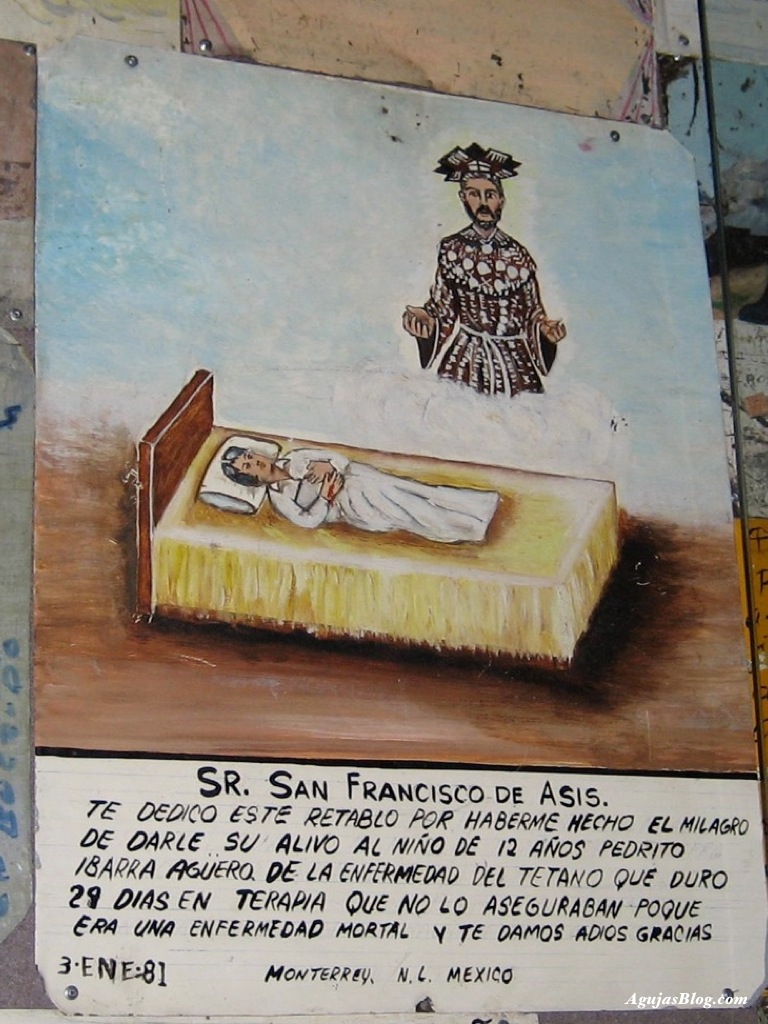
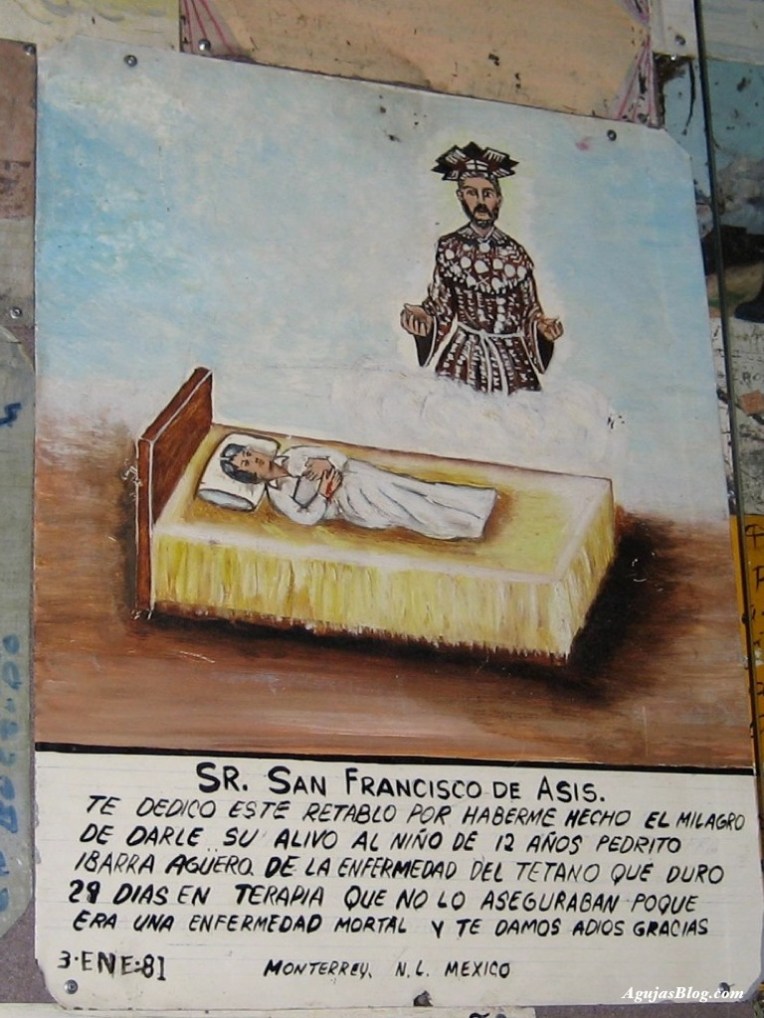
Retablo about tetanus: I dedicate this retable to you for having performed the miracle of healing the child of 12 years, Pedrito Ibarra Agüero of the illness of tetanus that lasted 29 days in therapy and without assurances because it was a mortal illness and we give to God thanks. (January 1981).
In order to gather and confirm facts, such as dates, heights of mountains, etc., I relied heavily on this wonderful guide-book we picked up in Real: Gómez Romero, Josemaría. Real de Catorce: San Luis Potosí, México. Guía Gráfica. Guadalajara, Jalisco, México: IVADIA & G, 2009. For more information or to plan a visit to Real de Catorce, visit their website. If you haven’t already, see the previous post on the Huichol Indians that live in Real and their yarn art.